
Winter driving is already tough enough, but if you live in an area where snow and ice are common, you’re also dealing with the brutal long-term effects of road salt. Municipalities use salt to melt snow and ice for safety, but that same salt causes corrosion to vehicle frames, undercarriages, and body panels.
Some trucks hold up remarkably well through years of winter exposure, while others begin to show signs of rust far too early. Whether you’re buying new or used, understanding how trucks handle salty roads is critical if you plan to keep your vehicle long-term or want to avoid constant repairs and rust-related maintenance.
Not all trucks are created equally when it comes to rust protection. Some manufacturers use advanced undercoating, better drainage designs, corrosion-resistant materials, or specific design features to reduce the impact of road salt.
Others cut corners or stick to older designs that do little to prevent the chemical reaction between moisture, oxygen, and salt that leads to rust. If you’ve ever seen wheel wells, tailgates, and rocker panels crumble away within just a few winters, you already know how frustrating and costly the problem can be.
Buyers in the Northeast, Midwest, and Canada often factor in rust resistance when buying a truck, since the combination of snow, slush, and salt can ruin a vehicle much faster than in warmer or drier climates. Even trucks with powerful drivetrains and great features can become unreliable or unsightly if they rust quickly.
Meanwhile, some models with average mechanical specs are worth their weight in gold because of their ability to stay clean and solid under harsh winter conditions.
This article breaks down five trucks that are known for surviving salt-covered roads and five that are notorious for rusting too quickly. Whether you’re a contractor, farmer, or weekend hauler, this list can help you make a better decision when it comes to keeping your investment safe from the brutal effects of winter. Let’s get started with the trucks that can take the salt and keep rolling.
Also Read: 5 Engines That Handle High RPMs and 5 That Break When Revved
5 Trucks That Survive Salt-Covered Winter Roads
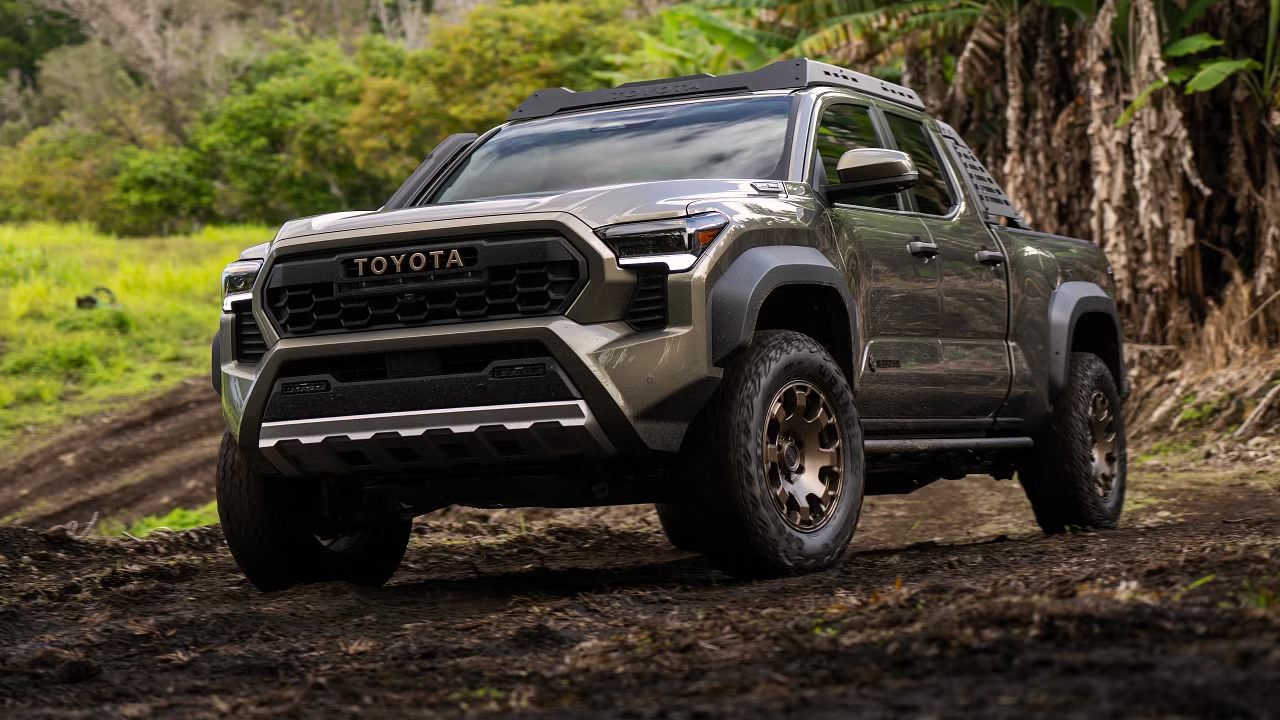
Toyota Tacoma
The Toyota Tacoma has built a reputation for reliability, and part of that reputation comes from how well it resists rust in salty climates. Toyota has taken steps in recent years to improve frame protection, especially after the widely publicized recalls in the mid-2000s due to frame rust. Since then, the company has added better rustproof coatings and design changes to minimize salt retention in problem areas. These upgrades have helped solidify the Tacoma’s place as a winter warrior.
Tacomas from around 2010 and newer are particularly good at surviving tough winter conditions. They tend to avoid the common rust-prone zones like rocker panels and rear frames, largely because of improvements in both drainage and protective coatings.
The use of galvanized steel in many areas of the truck also gives it a longer life when exposed to the constant wet and salty conditions. As long as owners keep up with washing the underbody and doing seasonal maintenance, Tacomas tend to hold up better than most.
Another advantage of the Tacoma is the aftermarket support for added rust protection. Owners can easily find high-quality undercoating products, frame caps, and bolt-on protection for commonly affected areas. This makes the Tacoma not only durable off the lot, but also customizable for those who want extra peace of mind during snowy seasons. The fact that these trucks are also used heavily in northern climates speaks to their trust from the community.
Even older Tacomas, while not immune to rust, tend to last longer than their competition from the same era. Resale values reflect this, as Tacomas maintain strong prices even in places where salt eats away at other brands. For those looking for a mid-size truck that performs in all seasons and holds up to winter abuse, the Tacoma remains one of the safest bets on the market.
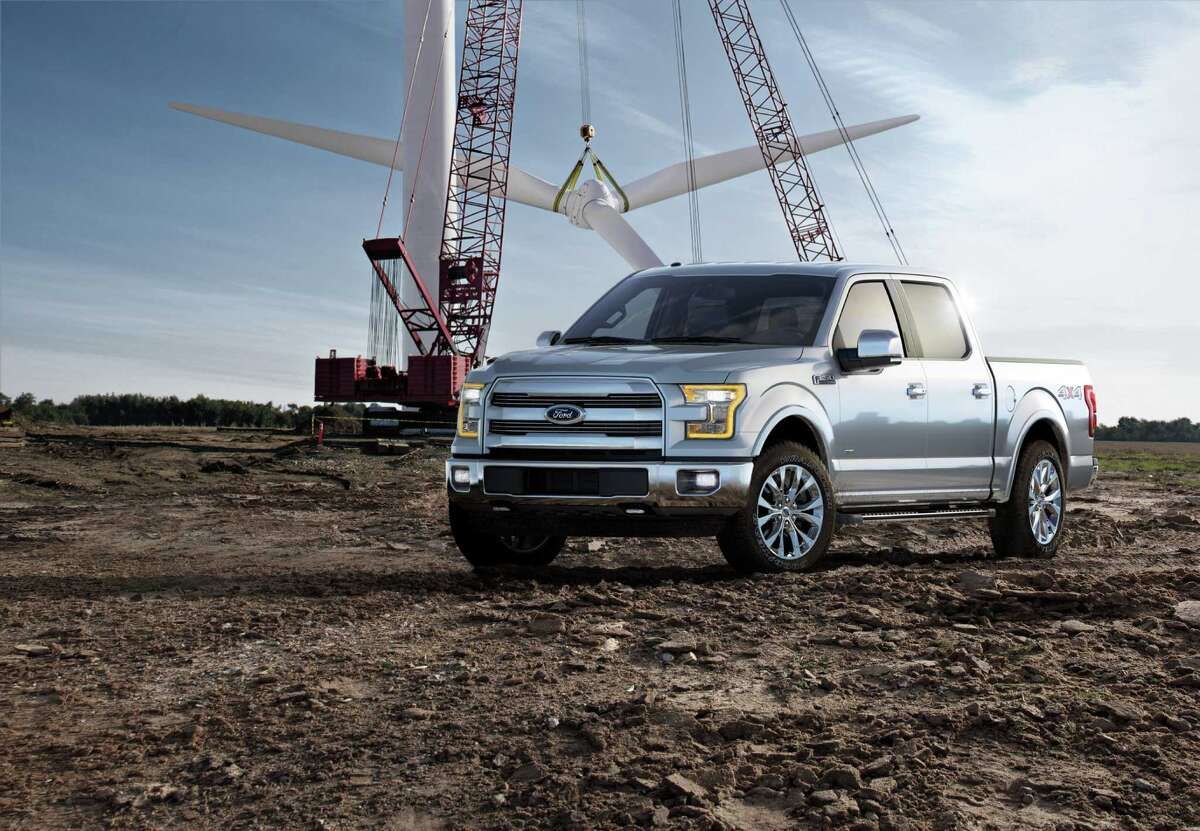
Ford F-150 (2015 and Newer)
The Ford F-150 is one of the best-selling trucks in North America, and starting in 2015, Ford began building them with military-grade aluminum body panels. This shift didn’t just reduce weight; it also made the truck far more resistant to rust from salt exposure. Aluminum doesn’t rust like steel, and that gives the F-150 a big advantage when winter roads turn white and slushy.
While the frame of the F-150 is still made of high-strength steel, Ford applied more extensive corrosion-resistant coatings in the newer generations. This includes improved undercoating on the frame, better sealants in areas prone to collecting salt, and smarter water drainage channels. These changes have made a big difference in places like Michigan and New York, where winter trucks often start rusting in their first few years.
Owners of 2015 and newer F-150s frequently report that even after several brutal winters, the truck still looks and performs like new underneath. There’s less bubbling in the paint, fewer issues with rusted bolts or mounts, and far fewer cases of flaking metal in high-salt environments. Combined with regular washes and good maintenance, these trucks have proven themselves to be highly resistant to the corrosive damage that plagues older pickups.
It’s worth noting that older F-150 models, particularly those from the early 2000s, were much more susceptible to rust. But since the aluminum body upgrade, Ford has turned the corner on this issue. For truck buyers in cold, snowy regions, a late-model F-150 offers a good mix of technology, strength, and corrosion resistance that keeps it looking good and running strong despite repeated salt exposure.
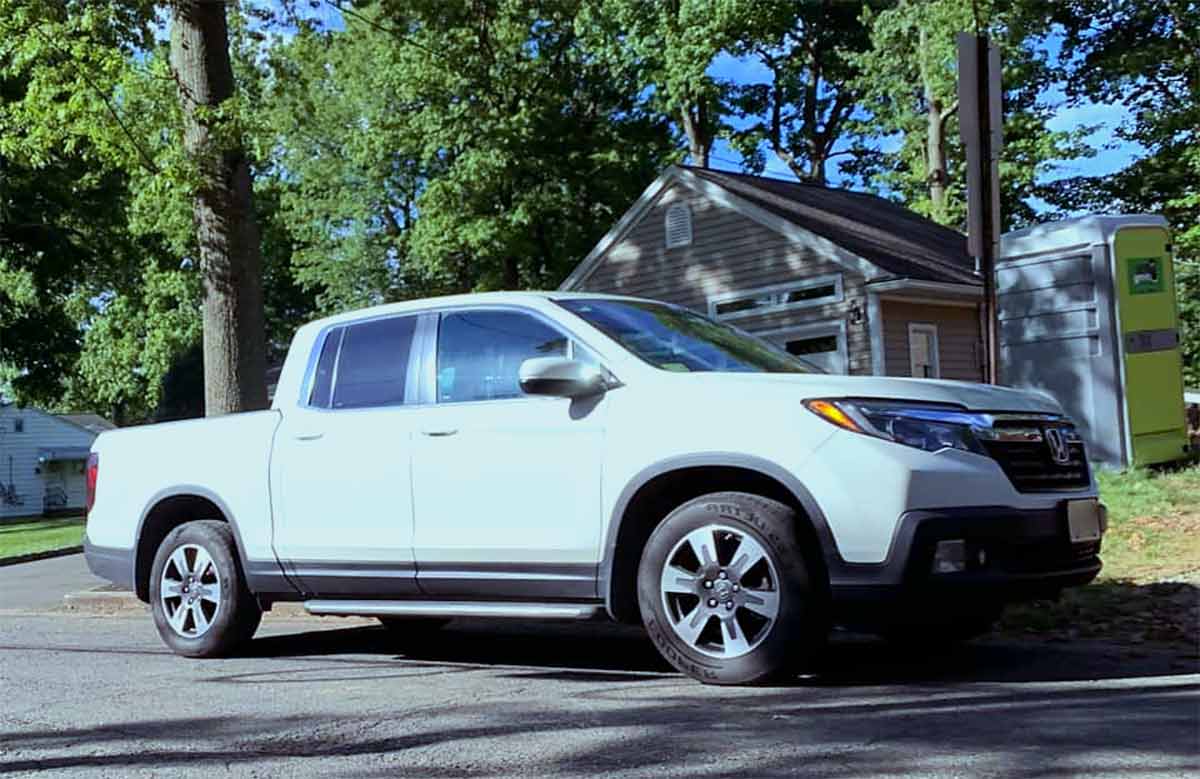
Honda Ridgeline
The Honda Ridgeline doesn’t always get mentioned in the same breath as full-size trucks, but when it comes to winter road durability, it deserves a lot of credit. Built on a unibody platform rather than a traditional body-on-frame design, the Ridgeline has fewer seams, welds, and exposed joints where rust can take hold. This design choice alone helps reduce rust buildup in snowy, salty climates.
Honda also uses advanced corrosion protection on the Ridgeline’s chassis, including extensive underbody coating and anti-rust compounds in vulnerable areas. Owners in snowy regions report very few issues with frame rust or body panel deterioration, even after years of use. Because it’s engineered with city and suburban drivers in mind, Honda likely anticipated that it would be frequently used in all seasons, including harsh winters.
Another benefit of the Ridgeline’s design is its flat underbody and enclosed frame. This helps prevent salt from collecting in nooks and crannies, which is a common cause of corrosion in other trucks. The integrated bed and cab structure further reduce the entry points for moisture and salt, giving the Ridgeline a major advantage in winter endurance. It’s not the flashiest truck, but it holds up incredibly well.
While it may not be a traditional workhorse, the Ridgeline shines for people who need a reliable winter commuter with hauling capacity. It’s ideal for homeowners, light contractors, and outdoor enthusiasts who want something that can survive a decade or more in salty conditions without becoming a rust bucket. For long-term value and winter readiness, the Ridgeline is a standout choice.
Chevrolet Silverado (2019 and Newer)
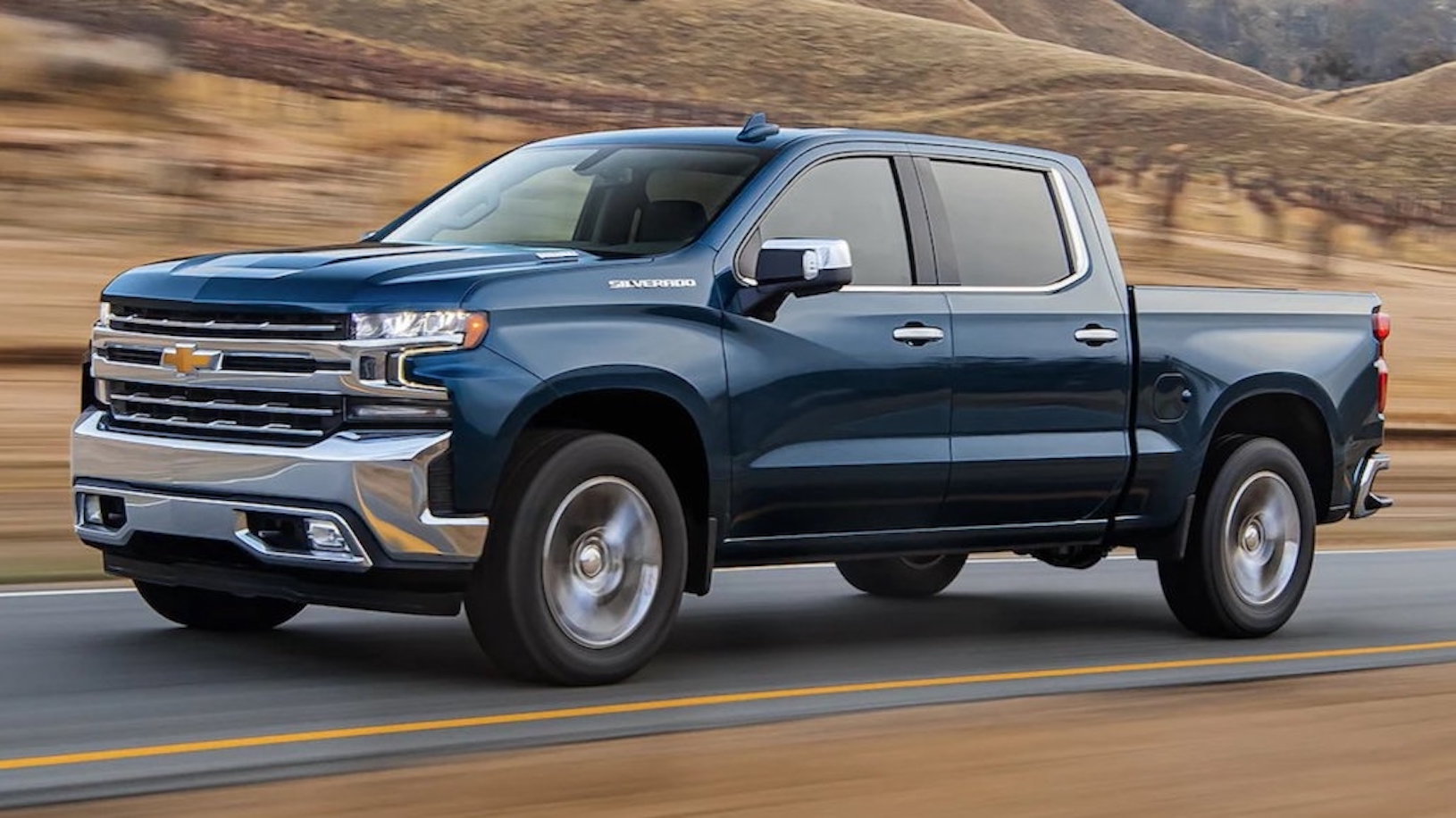
Chevrolet made significant improvements to the Silverado in its 2019 redesign, especially in terms of rust resistance. Older models had known problems with premature rusting on cab corners, rocker panels, and under the truck bed. But starting in 2019, GM introduced better materials and protective coatings that have significantly extended the truck’s life in salty conditions.
One of the biggest improvements came from better frame coating and smarter design around the wheel wells and rocker panels. These are some of the most common areas for salt to accumulate, and older Silverados often showed bubbling paint and corrosion there within just a few winters. The newer models use a combination of galvanized steel and more advanced water diversion channels to prevent those problems.
The bed design was also updated to improve drainage and reduce standing water, which can lead to rust. Many owners of newer Silverados note that even after several hard winters, their trucks show little to no signs of corrosion. This is a major upgrade over earlier models that often needed rust repair or full panel replacements before they even hit 100,000 miles.
It’s also worth noting that Chevrolet offers optional factory-applied undercoating and rustproofing on many of its trucks. When properly maintained and washed in the winter, a 2019+ Silverado holds up very well against winter road salt. If you’re shopping for a full-size truck and want to avoid rust headaches, the newest Silverados are worth a serious look.
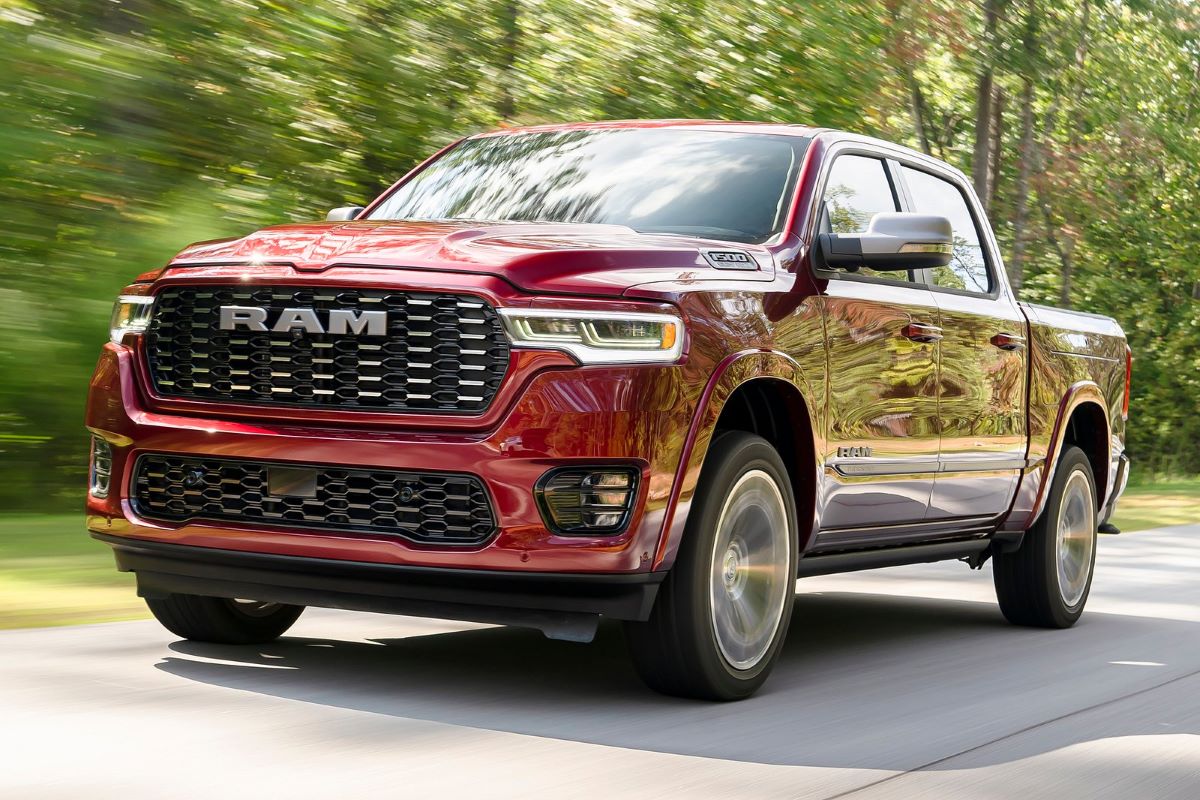
Ram 1500 (2019 and Newer)
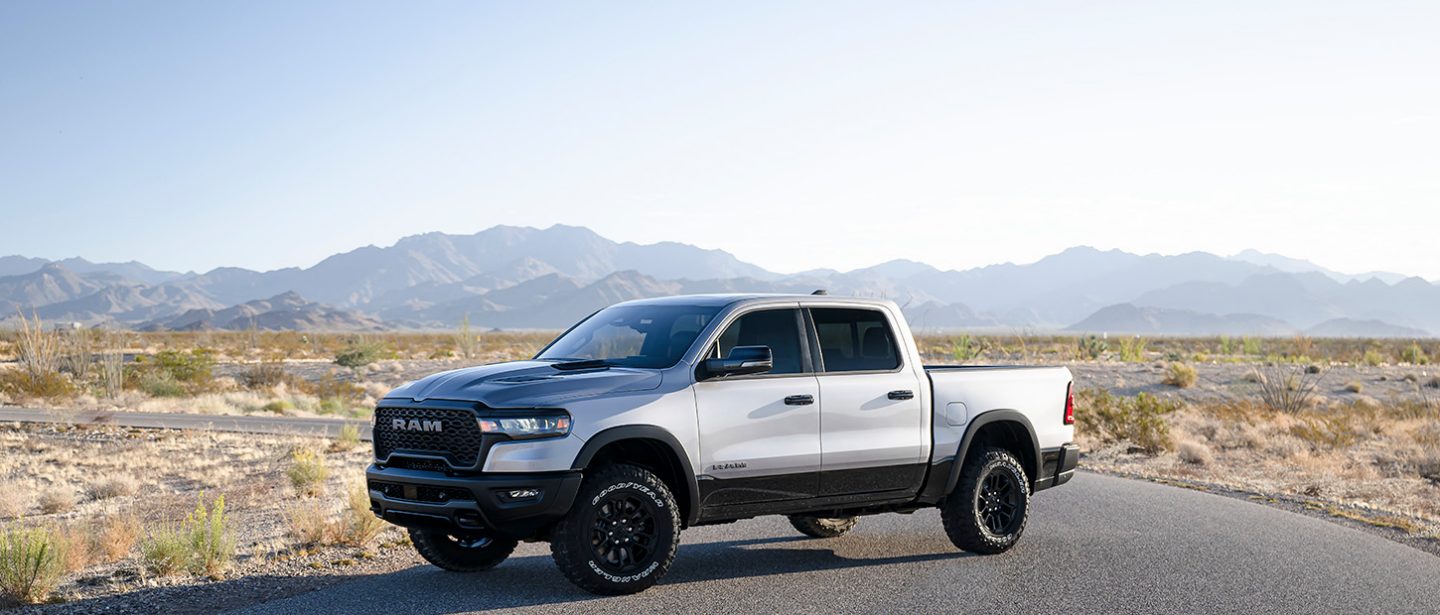
Like Chevrolet, Ram made significant changes to its 1500 truck starting in 2019, including updates that directly improve rust resistance. The newer Ram 1500 uses better frame coatings, anti-rust sealants in key areas, and improved water drainage paths that help keep road salt from sitting and corroding the metal. These design choices have led to far fewer complaints from owners in northern states and Canada.
Previous Ram trucks had serious rust issues, especially around the wheel wells, cab corners, and tailgate. But Ram’s 5th-generation redesign brought with it a better blend of materials and finishes that help prevent early-stage corrosion. The truck’s new frame is made with high-strength steel, and it’s treated with an electro-coating process that holds up better to repeated exposure to wet and salty roads.
The newer Ram 1500 models also feature tighter seals and improved body panel fitment, which reduces the amount of saltwater intrusion into common rust zones. This is especially noticeable in the rocker panels and behind the rear wheels, areas that were notorious on earlier Rams for rusting out within five to six winters. With better panel gaps and improved paint adhesion, these weak points have been significantly reinforced in the newer design.
Another strong feature of the 2019+ Ram 1500 is the strategic use of aluminum in key body components. For example, the hood and tailgate are made from aluminum, which helps reduce the number of steel parts that can corrode. This material choice doesn’t affect the truck’s strength but makes a real difference in winter durability. Combined with high-quality powder coating and factory-applied sealants, this truck shows far less corrosion over time compared to its predecessors.
Many truck owners now recognize the improvements Ram has made, especially those living in areas where salted roads are the norm for three to five months every year.
Forums and owner groups that once warned against Ram ownership in northern climates now highlight the latest models as being solid and trustworthy in winter. It’s also worth noting that Ram trucks have improved their paint processes, making chipping and flaking, common rust triggers- less of a problem than in older models.
If you’re someone who hauls year-round or depends on your truck for work regardless of the weather, the 2019+ Ram 1500 is now a viable and much more durable option. With proper cleaning and occasional undercoating touch-ups, these trucks have shown they can survive years of salty winters without falling apart or becoming an eyesore. Ram has finally caught up with the competition in this area and, in some respects, surpassed it.
5 That Rust Instantly
Chevrolet Silverado (2007–2013)
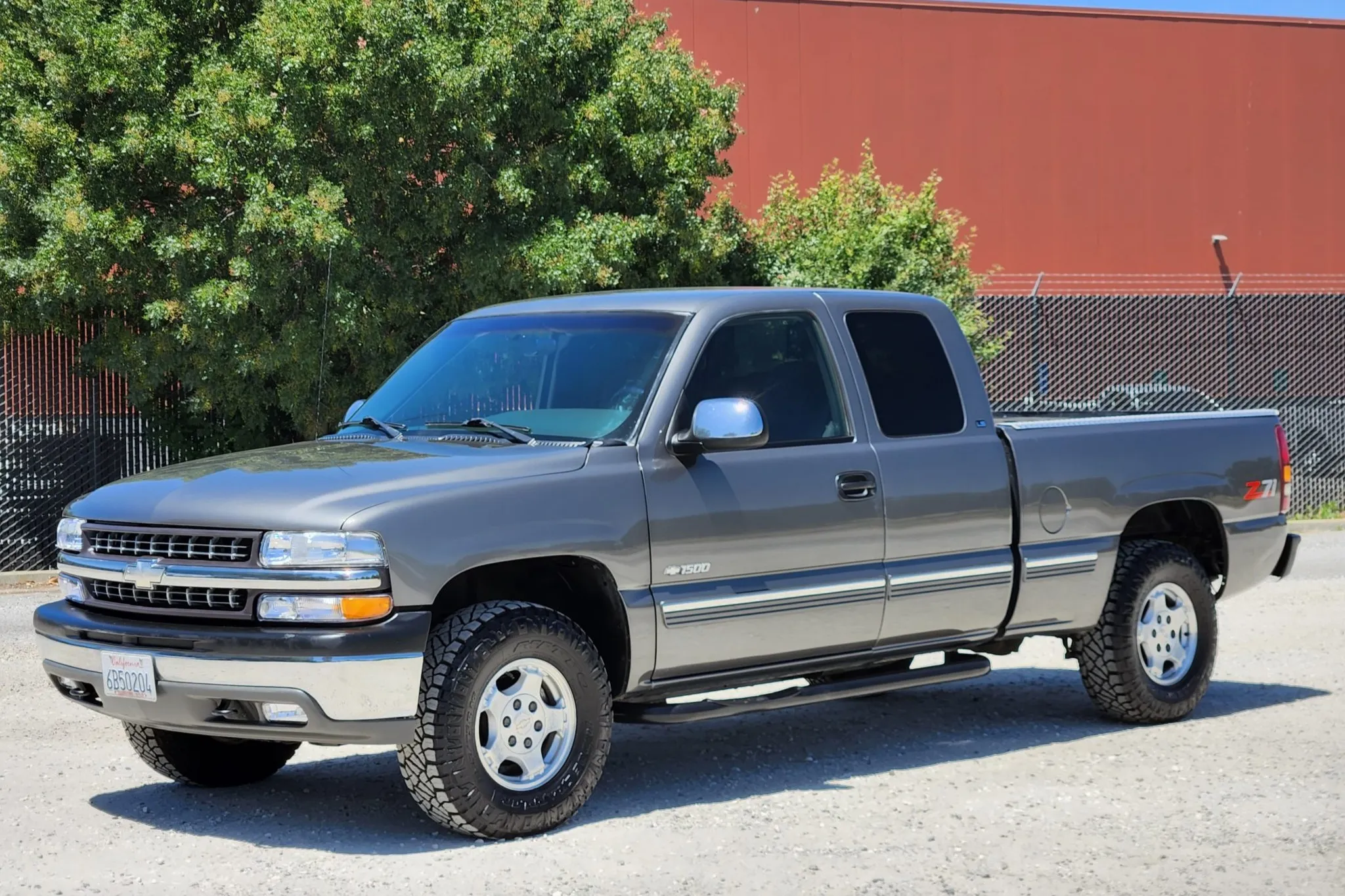
The 2007–2013 Chevrolet Silverado is one of the most infamous trucks when it comes to premature rust. In northern climates, these trucks are often seen with large chunks missing from the rear wheel wells, rust streaks down the rocker panels, and flaking frames that require welding or full replacement. The corrosion issues on this generation are so widespread that many owners now proactively inspect for rust even before buying a used one.
One of the main issues with this era of Silverado was the use of thinner underbody coatings and a poor frame design that allowed salt to sit in crevices and seams. The rear wheel wells, in particular, had no liner in many trims, which exposed the inner metal directly to salt and road grime.
Once salt got in, moisture was trapped behind the panels, leading to bubbling paint and rotting metal. Many owners reported rust appearing within just two or three winters, even on relatively low-mileage trucks.
Rocker panels and cab corners also took a serious beating during these years. Unlike later models, the 2007–2013 Silverado had drainage paths that either clogged easily or didn’t exist in the right places, leading to water accumulation. Without regular and thorough cleaning, salt collects in these areas, turning even well-maintained trucks into rusting hulks over time. Unfortunately, rust-through in these spots often meant expensive body repairs or cosmetic degradation that killed resale value.
Even the frames on these trucks were susceptible to flaking and weakening. Reports of broken leaf spring mounts and rusted-out cross members aren’t uncommon, especially in states like Ohio, Pennsylvania, and New York.
For those considering a used truck in this model range, a thorough inspection is critical. Unless it’s been garage-kept and undercoated religiously, the 2007–2013 Silverado is more likely than not to be suffering from serious rust issues already.
Nissan Frontier (Before 2022 Redesign)
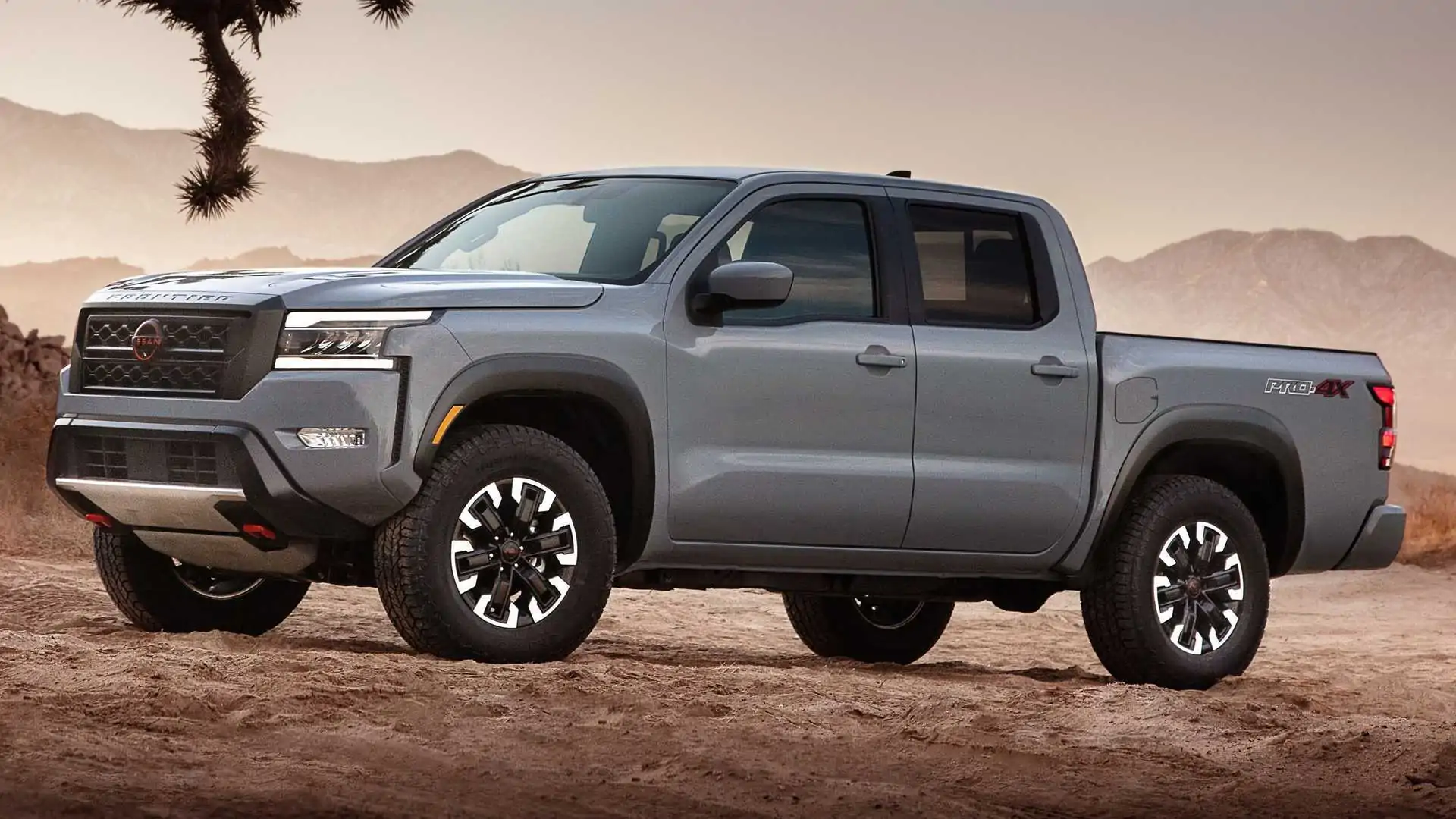
The Nissan Frontier had gone largely unchanged for over a decade before its 2022 redesign, and unfortunately, those older models were not built with modern corrosion protection in mind.
Trucks from the 2005–2021 range are widely known for developing rust on the frame, suspension components, and underbody at an alarming rate, particularly when exposed to winter salt. Owners in snowy climates often joke that their Frontiers are rusting even when parked.
One major issue is the truck’s outdated undercoating system. The frames on many older Frontiers were barely coated or painted, which made them highly vulnerable to rust when exposed to road salt. Unlike other manufacturers who updated their rust protection over the years, Nissan was slow to evolve. As a result, Frontier owners had to rely on aftermarket solutions to try to prevent the spread of rust, often with limited success.
Frame rot is one of the most common complaints among Frontier owners, with some reporting holes and structural concerns as early as 60,000–80,000 miles. In some severe cases, frames have even failed safety inspections due to extensive corrosion.
Rear axle rust and brake line deterioration are also commonly reported, and some owners have had to replace parts that should have lasted the life of the truck. Even with diligent washing, the design flaws and lack of factory protection allow salt to penetrate vulnerable areas.
Body panel rust is another concern. The lower door seams, tailgate edges, and undercarriage supports tend to trap moisture, and once the rust starts, it spreads quickly. The good news is that Nissan’s 2022 redesign brought major improvements, including better frame coatings and more corrosion-resistant materials. But for those driving or considering an older Frontier in salty states, it’s a ticking time bomb unless it’s been babied and treated with aftermarket rustproofing from the beginning.
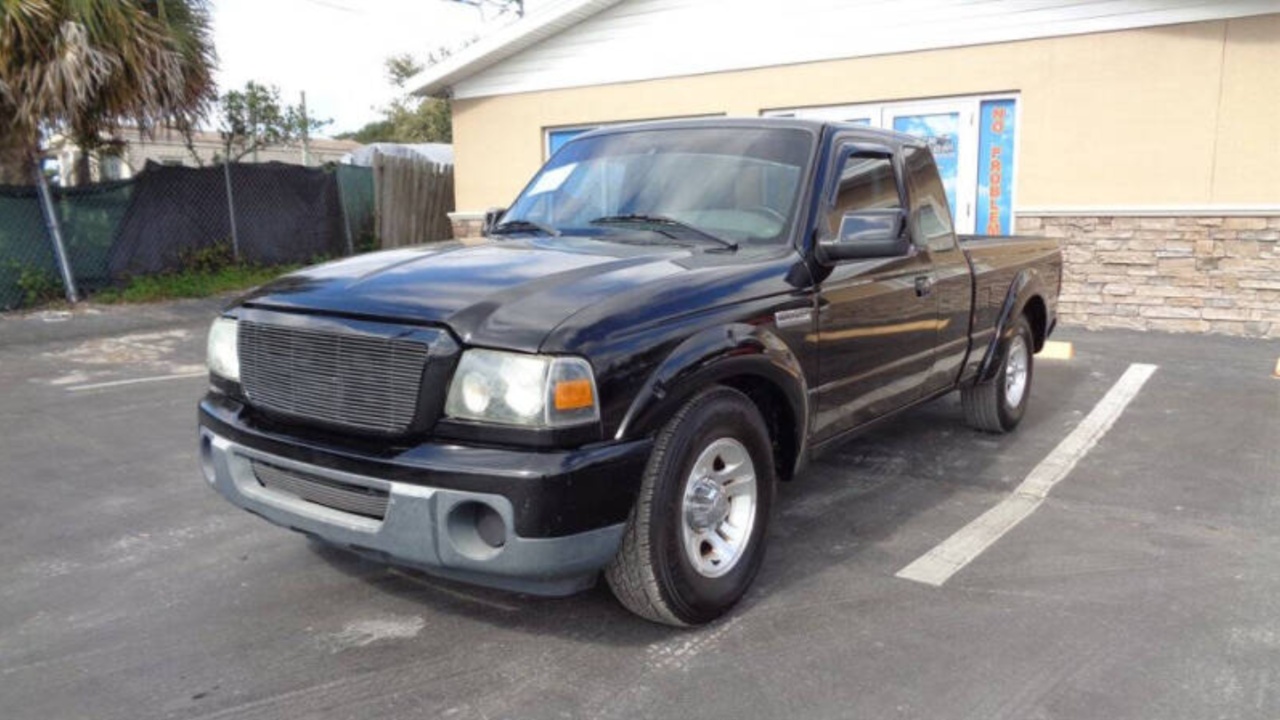
Ford Ranger (Late 90s–Early 2000s)
The Ford Ranger from the late 90s and early 2000s may be a cult favorite for its simplicity and small size, but when it comes to rust resistance, these trucks are lacking in a big way. Models built during this time frame have been plagued with extensive rust issues that make them less than ideal for winter use in areas where roads are constantly salted. Despite the Ranger’s loyal following, many owners acknowledge that rust is the truck’s Achilles’ heel.
One of the most problematic areas on these older Rangers is the frame itself. Many of these trucks suffer from severe frame rot, particularly around the rear leaf spring mounts and the fuel tank supports.
These structural weaknesses become especially dangerous when the corrosion goes unnoticed for years. Some owners have even reported complete frame separations during inspections or while lifting the vehicle, forcing them to scrap the truck altogether.
Cab corners and rocker panels are also major weak spots. The Ranger’s small body design leaves little room for water drainage, and many of the drainage holes clog easily. Once salt and water get trapped inside, rust begins to form from the inside out. This means the truck may look fine for a few years, but by the time bubbling paint or surface rust becomes visible, serious damage has already occurred underneath.
Even components like brake lines and fuel lines tend to rust out more quickly than in competing trucks from the same era. Without constant maintenance and frequent undercarriage washing, these trucks are nearly guaranteed to rust beyond reasonable repair.
While they’re still beloved for their simplicity and availability, older Rangers are a poor choice for anyone needing a reliable winter vehicle that won’t crumble under the effects of salt.
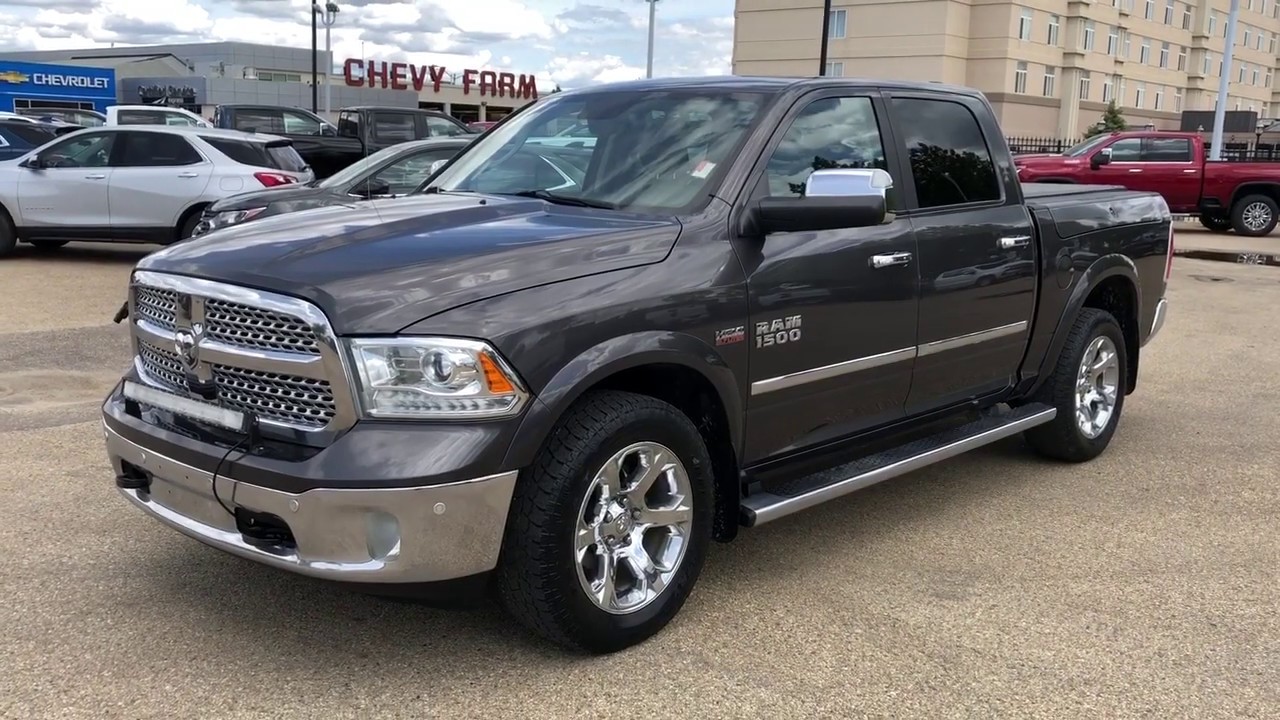
Dodge Ram 1500 (2002–2008)
The early 2000s Dodge Ram 1500 models were known for a wide range of issues, but one of the most frustrating for owners in winter states was the rapid and aggressive rust.
Trucks from the 2002–2008 era have a well-earned reputation for frame rust, wheel well rot, and tailgate corrosion that often render them unsafe or unappealing within just a few years of winter driving. If you’ve seen a Ram from this era in the Northeast, odds are high it has holes in the body.
The biggest weakness on these Rams was the frame. Unlike competitors who began adopting better protective coatings, Dodge continued using a frame that was minimally treated and allowed moisture to cling to corners and seams.
The rear of the truck, near the leaf spring perches and trailer hitch mounts, was particularly bad. Some trucks were even recalled for potential frame weaknesses due to advanced rust after only five to six years of use.
Fenders, wheel wells, and cab corners also suffered from weak factory protection. Paint adhesion issues combined with poor drainage meant salt and snow stuck in all the wrong places. Rust would start as surface discoloration and quickly turn into flaking, bubbling, and full panel perforation. Rear wheel wells are particularly bad, often rusting straight through the arch and creating visible holes that were difficult and expensive to fix properly.
These Rams also experienced severe rusting in suspension components, leading to concerns about safety and drivability. Control arms, steering components, and sway bars have all been known to fail due to advanced rust on older trucks.
While some owners opted for aftermarket frame repairs or even full rebuilds, the cost rarely made financial sense. Today, these trucks are best avoided in salty regions unless you’re looking for a project truck and willing to deal with a lot of rust-related headaches.
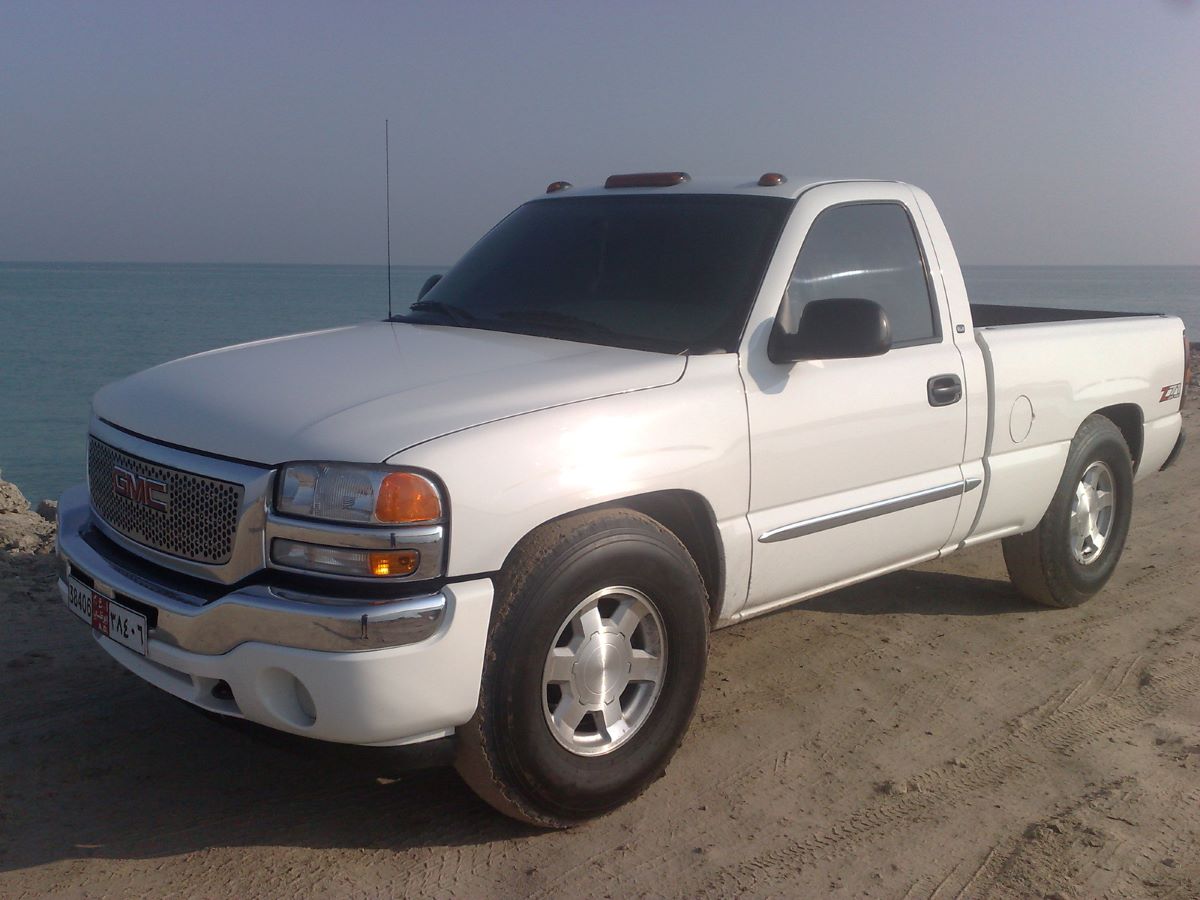
GMC Sierra (1999–2006)
The GMC Sierra from 1999 to 2006 shares much of its design and structure with its sibling, the Chevrolet Silverado of the same era, and unfortunately, it shares the same serious rust problems.
These trucks, while known for dependable powertrains and comfortable rides, are also widely recognized for their alarming tendency to rust out far faster than expected in cold, wet climates. In many cases, the visible body panels are just the beginning, with the real issues lurking underneath in the frame and critical support structures.
One of the most common failure points on these Sierras is the rear wheel wells. Poor design and a lack of protective inner fender liners left the bare steel highly exposed to the salty slush that builds up during winter driving.
The wheel arches often trap road grime, salt, and moisture, leading to paint bubbling, rust perforation, and gaping holes that weaken the structural integrity of the bed and rear fenders. Even trucks that were garaged or lightly driven weren’t immune if they were exposed to road salt for a few seasons.
Rocker panels and cab corners are another notorious issue. These areas are hard to clean properly and collect debris from the road, allowing rust to take hold from the inside. Over time, the panels disintegrate, sometimes literally falling apart when touched.
The rust damage isn’t just cosmetic either; severe corrosion here can weaken the cab mounts, making the entire vehicle less stable and noisier over bumps. Even trucks with otherwise healthy drivetrains end up scrapped simply because the body rust becomes too severe to justify repair.
Perhaps the most dangerous issue is frame corrosion. Like the Silverado of this generation, the Sierra used frames with insufficient rust-proofing. This has led to widespread reports of flaking, thinning, and even frame failure in high-salt areas. Cross members, mounting points, and shock brackets are all particularly vulnerable.
For anyone considering a used truck in this range, especially from states with heavy salting, an in-depth frame inspection is not just suggested, it’s essential. Without previous rustproofing and exceptional care, the Sierra from this era is one of the riskiest winter trucks on the market.
Also Read: 5 Engines That Survive the Salt Belt and 5 That Rust Inside
When it comes to trucks, rust resistance isn’t just a detail, it’s a deciding factor, especially for those who live in regions where winter brings months of salt-covered roads. The difference between a truck that holds up and one that rusts out can mean thousands of dollars in repairs, reduced safety, and a drastically shortened lifespan.
Some models are built with long-term durability in mind, using better coatings, smarter designs, and materials that fight back against corrosion. Others, despite their reputation or mechanical reliability, fall apart quickly in the face of constant winter abuse.
Trucks like the Toyota Tacoma, newer Ford F-150, Honda Ridgeline, and recent-generation Silverado and Ram 1500 have taken major steps in addressing the challenges posed by salt exposure. Through improved engineering and corrosion protection, they provide buyers in northern climates with a sense of confidence that their investment will last. These trucks don’t just survive winter; they continue looking and performing like new long after others begin to rot.
On the other hand, older trucks like the GMC Sierra, early 2000s Ram, late 90s Ford Ranger, pre-2022 Nissan Frontier, and early 2010s Silverado offer clear warnings about what happens when corrosion prevention is neglected. While these trucks may offer initial affordability or nostalgic appeal, their structural weaknesses in salted environments make them risky choices for long-term ownership in winter-heavy areas.
Buying a truck for winter use means thinking beyond horsepower and towing capacity. A vehicle that rusts out after a few seasons becomes a financial burden, no matter how well it runs. Knowing which trucks hold up and which don’t is the first step in making a smarter, longer-lasting decision. With the right choice and proper maintenance, you can get the most out of your truck, year after salty year.
