
Potholes are a common nuisance on roads everywhere, resulting from weather conditions, traffic wear, and poor maintenance. While often overlooked as mere annoyances, they have serious effects on vehicles and driving safety. When a car encounters a pothole, the impact can jolt the vehicle, affecting everything from tire integrity to suspension components.
A vehicle’s ability to remain stable and safe after striking a pothole depends heavily on its design, engineering, and component quality. Some cars absorb the shocks gracefully, maintaining their trajectory with minimal disruption. Others may react unpredictably, pulling sideways or requiring immediate steering corrections, which can be dangerous if the driver is unprepared.
Understanding how different vehicles respond to potholes is crucial, especially for frequent drivers on rough or poorly maintained roads. This article examines five vehicles that exhibit superior stability after hitting potholes and five that tend to pull sideways or become difficult to control, exploring the engineering differences behind their behaviors.
When a car hits a pothole, the suspension system acts as the first line of defense. Its main job is to absorb the impact energy and keep the tires firmly in contact with the road, preventing the driver from feeling every bump or shock. Vehicles with advanced suspension designs such as multi-link or double wishbone setups tend to handle these impacts better than those with simpler or stiffer systems.
The suspension geometry, spring rates, and shock absorber damping all contribute to how the car reacts. A suspension that flexes appropriately and has adequate travel helps dissipate energy, reducing the risk of misalignment or loss of traction.
On the other hand, stiffer suspensions, often found in performance-oriented or budget cars, might transfer the impact harshly to the chassis and steering system, causing the car to jerk or pull unexpectedly. The quality and type of tires also matter significantly. Tires with higher sidewalls and good tread compound absorb road shocks better, while low-profile tires, common in sportier vehicles, offer less cushioning and more vulnerability to impacts.
Besides suspension and tires, the vehicle’s weight distribution and chassis design influence its response to potholes. Heavier vehicles with balanced front-to-rear weight tend to feel more planted and less likely to be knocked off their path by road imperfections.
A rigid chassis prevents excessive flexing that could affect suspension geometry under impact, helping maintain wheel alignment and steering precision. Steering systems also play a key role. Electric or hydraulic power steering with good feedback allows drivers to quickly and confidently correct any sideways pull after hitting a pothole.
Vehicles with overly light or numb steering might leave drivers guessing about the car’s behavior, increasing the risk of instability. In some cases, vehicles with overly aggressive alignment setups, such as high negative camber, may be more susceptible to pulling after impacts because of reduced tire contact patches.
Driver experience and vehicle feedback also contribute to the impression of stability. Cars that communicate road imperfections well through their steering and suspension allow drivers to anticipate and counteract minor disturbances before they become problematic.
Vehicles that mask these disturbances might feel more comfortable initially, but can suddenly pull without warning, which is unsettling and potentially unsafe. By looking at specific models with reputations for either stable or problematic handling on pothole-laden roads, this article will shed light on the mechanical reasons behind these differences.
This understanding can help prospective buyers and current owners make smarter choices, whether for daily commuting or weekend adventures on less-than-perfect surfaces.
Also Read: 10 Cars With Tricky Seatbelt Buckles for Elderly Passengers
5 Cars That Maintain Stability After Hitting Potholes
Certain vehicles manage to maintain remarkable stability even after hitting potholes, thanks to their well-engineered suspension systems, tire selections, and chassis designs. These cars tend to provide a smoother, safer ride, requiring minimal driver correction after encountering rough road surfaces.
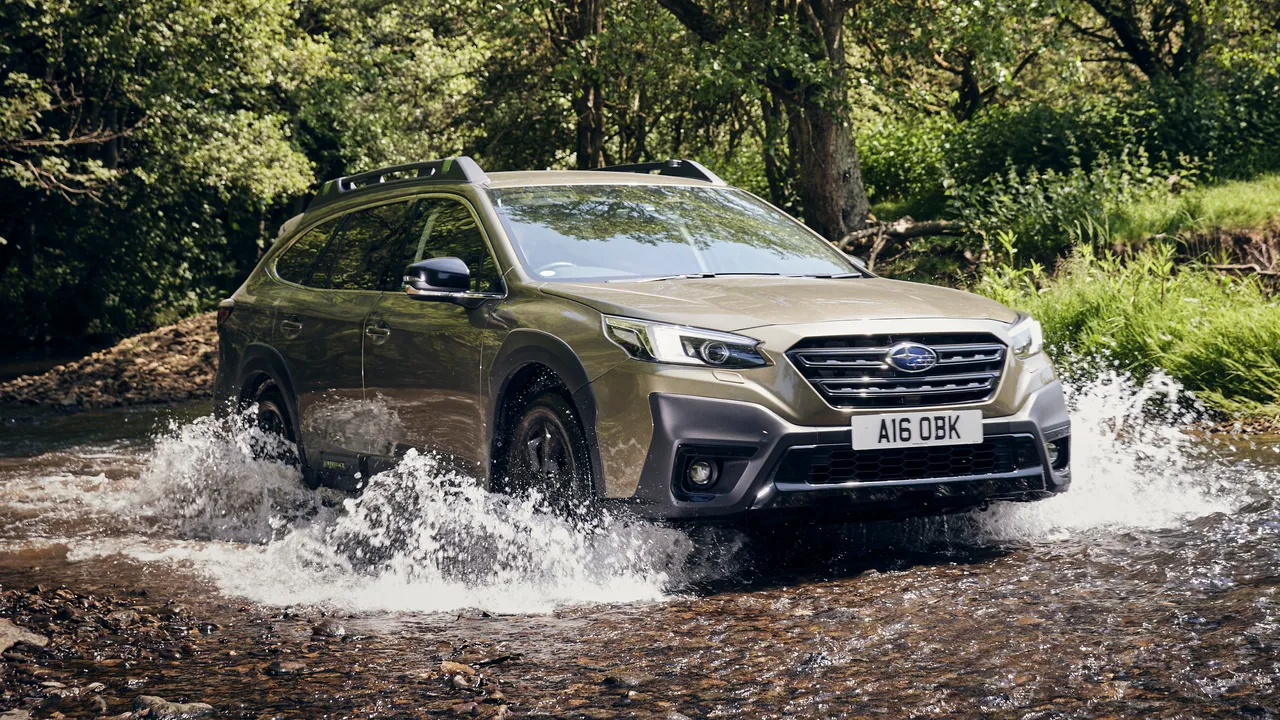
1. Subaru Outback
The Subaru Outback is well-known for its ruggedness and ability to tackle uneven terrain without sacrificing passenger comfort. Its suspension system combines MacPherson struts up front with a sophisticated double wishbone setup in the rear.
This combination allows each wheel to respond independently to road imperfections, absorbing shocks effectively while maintaining proper alignment. The double wishbone rear suspension particularly helps control wheel camber changes during compression and rebound, which aids in keeping the tire’s contact patch consistent. When hitting potholes, this design minimizes lateral movement that would otherwise cause the vehicle to pull sideways.
Moreover, the Outback’s symmetrical all-wheel-drive system distributes power evenly to all wheels, ensuring traction is maintained even when one or more wheels momentarily lose contact with the road due to potholes.
This drivetrain setup, combined with the raised ride height, helps the Outback better handle deeper potholes that might jar or unsettle lower vehicles. The tires used on the Outback typically feature thicker sidewalls and all-terrain tread patterns, further cushioning impacts and preventing sudden jolts from being transmitted to the steering wheel.
The chassis of the Outback is designed to balance rigidity and flex. It is stiff enough to maintain structural integrity and precise steering response but includes engineered flex points that allow it to absorb shocks without harsh feedback. This design reduces driver fatigue on rough roads, as the car remains calm and predictable.
The steering itself is tuned to provide consistent feedback and resistance, which helps prevent sudden steering corrections after impacts. This means the driver can focus more on the road ahead instead of wrestling with the wheel every time a pothole appears.
Many drivers of the Subaru Outback praise its ability to “soak up” road imperfections and maintain control. The vehicle feels planted and steady, even when the roads deteriorate quickly. This makes it ideal for commuters and adventurers alike who require a dependable vehicle capable of managing unpredictable conditions.
The Outback’s combination of suspension sophistication, all-wheel-drive traction, and robust tires creates a synergy that keeps the vehicle stable, safe, and comfortable after encountering potholes.
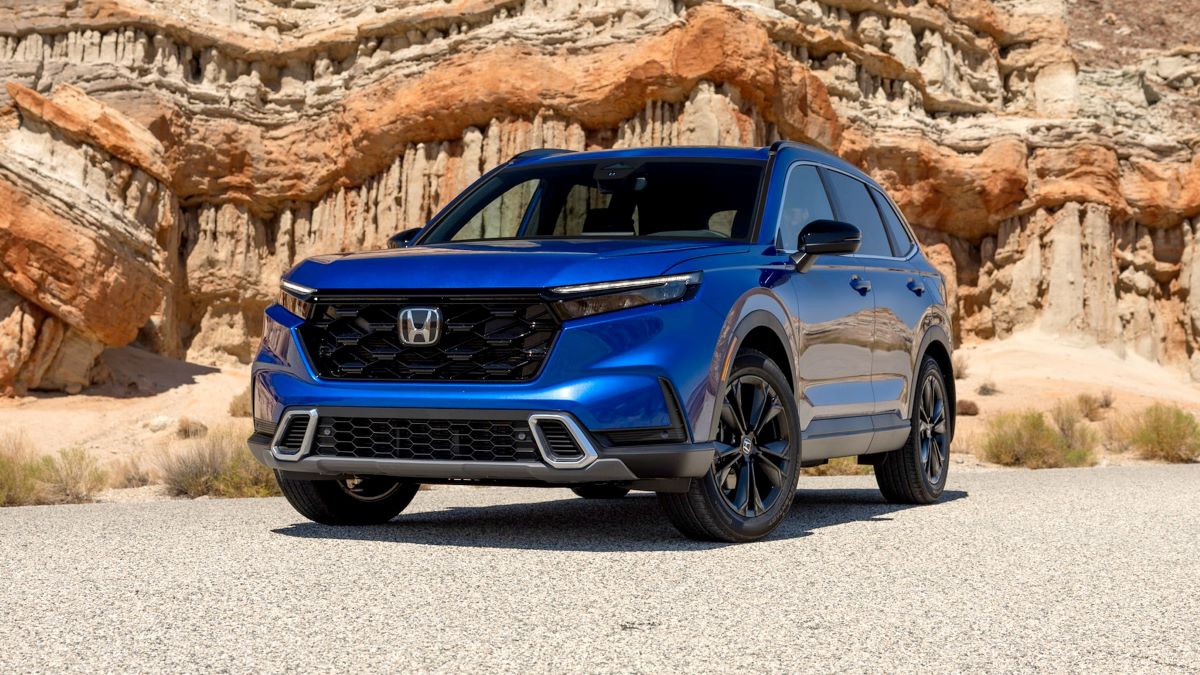
2. Honda CR-V
The Honda CR-V has earned a reputation for reliability and a smooth ride, and it carries those traits well over rough roads with potholes. It employs a MacPherson strut front suspension combined with a multi-link rear suspension, a setup known for providing a good balance between ride comfort and handling precision.
The multi-link rear suspension offers superior control of wheel movement during bumps and potholes, reducing lateral forces that could cause the vehicle to pull to one side. This allows the CR-V to absorb impacts while keeping all four wheels firmly planted.
The electric power steering system in the CR-V is designed for accurate and consistent feedback, allowing drivers to sense road imperfections early and make subtle corrections. When a pothole hits, the steering resists sudden deflections that would otherwise pull the car sideways.
This system gives drivers confidence, particularly on city streets and suburban roads where potholes are common and unpredictable. Additionally, the CR-V’s generally balanced weight distribution helps maintain directional stability during impacts.
Tires equipped on most CR-V models strike a balance between durability and comfort. These all-season tires have reinforced sidewalls that help cushion impacts without sacrificing grip. Proper tire inflation further assists in minimizing the harshness of pothole impacts.
The suspension geometry, combined with the quality of the tires, works together to reduce the transmission of shock to the steering wheel and cabin. This combination helps the CR-V maintain a steady line and reduces the feeling of the vehicle being jerked or pulled sideways.
Many drivers praise the ride quality of the Honda CR-V on damaged roads. It feels composed and manageable, which reduces the physical strain on drivers who face rough roads daily. The car’s engineering allows it to handle potholes with grace, making it a sensible choice for anyone prioritizing stability and safety without sacrificing comfort.
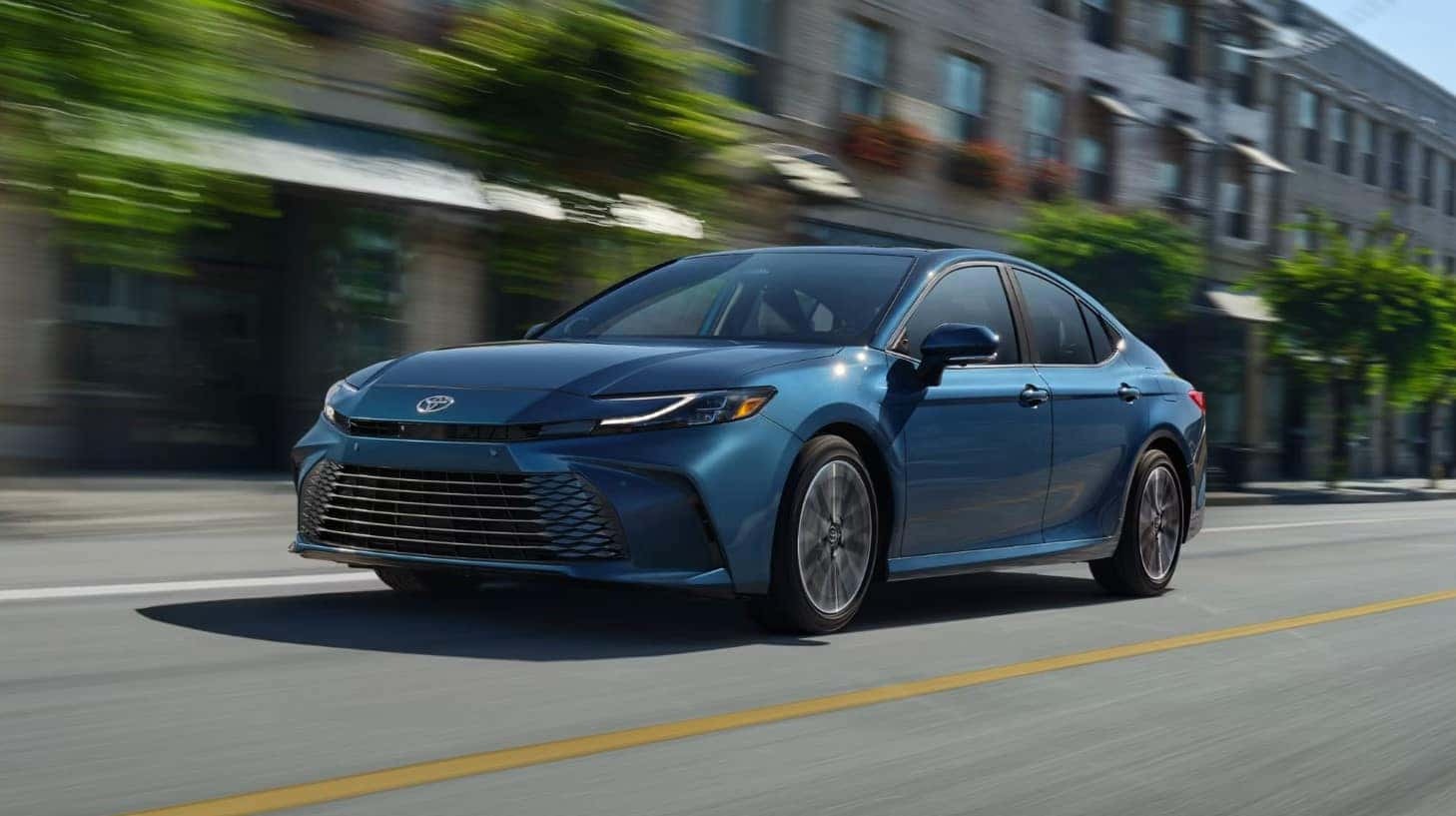
3. Toyota Camry
The Toyota Camry has long been recognized for its smooth driving experience and dependable handling, especially when faced with less-than-perfect roads. It utilizes a MacPherson strut front suspension paired with a multi-link rear suspension.
This combination enables the Camry to absorb shocks from potholes efficiently while maintaining wheel alignment and steering control. The multi-link rear suspension controls lateral wheel movement effectively, preventing the kind of twisting or misalignment that can cause the vehicle to pull sideways after hitting bumps.
One of the Camry’s strengths lies in its electric power steering system, which provides precise and stable feedback. When the car encounters a pothole, the steering resists sudden lateral forces that might cause the vehicle to deviate from its intended path. The steering system’s calibration is such that it remains responsive without being twitchy or overly sensitive, enabling drivers to maintain control effortlessly after hitting road irregularities.
Tires fitted on the Camry typically emphasize a balance of comfort and durability. They generally feature sidewalls that are thick enough to cushion impacts while maintaining sufficient grip for steering accuracy.
Combined with a chassis designed for stiffness and minimal body roll, this tire-suspension combination allows the Camry to stay composed on rough surfaces. Weight distribution also contributes positively; the car’s relatively low center of gravity reduces body lean during pothole impacts, which helps maintain vehicle stability.
Owners often remark on the Camry’s ability to maintain composure on rough roads, noting that it rarely requires rapid steering corrections or produces unsettling pulls after hitting potholes. This consistency has helped cement the Camry’s status as a reliable family sedan that performs well under a variety of driving conditions, including those with frequent potholes and surface irregularities.
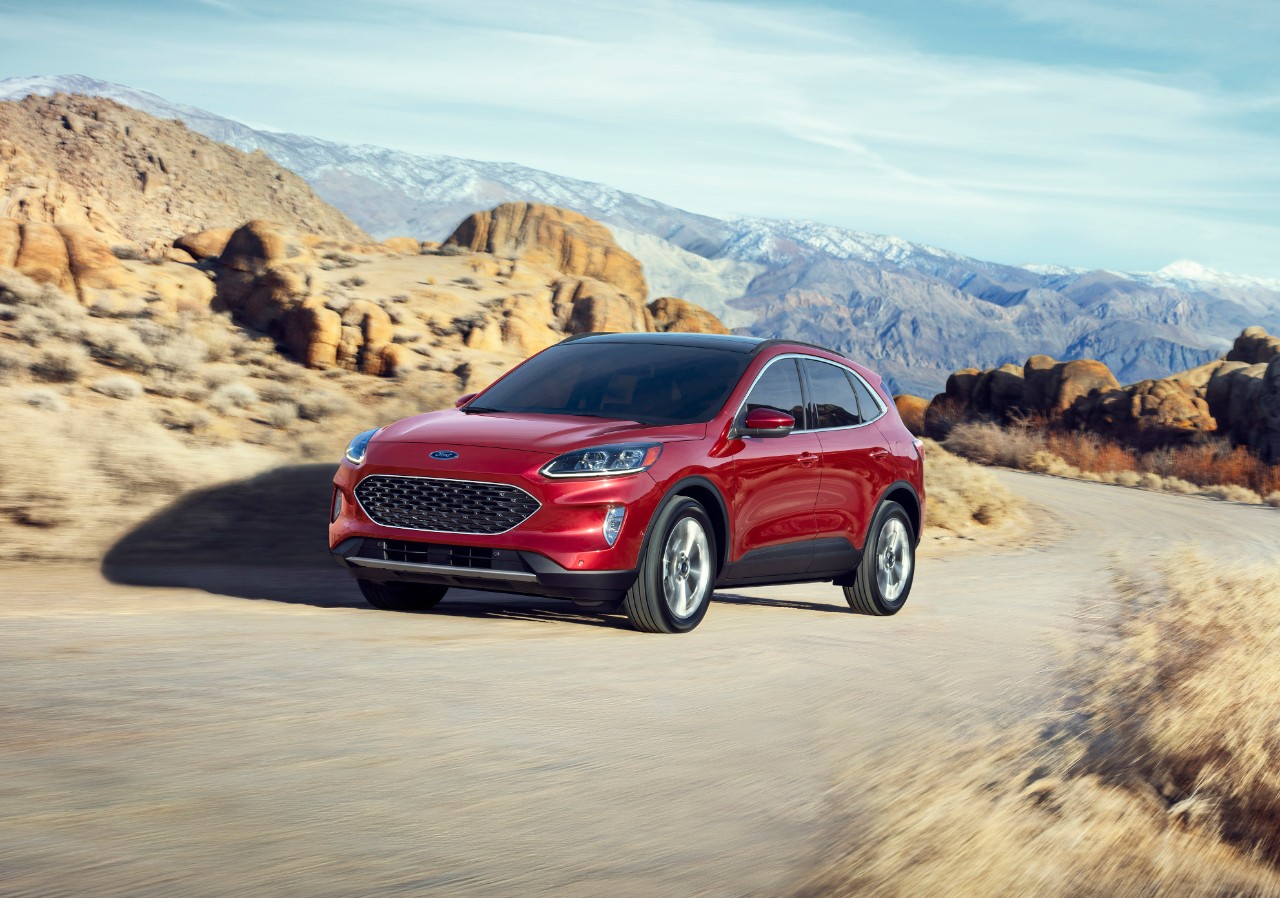
4. Ford Escape
The Ford Escape is a compact SUV that combines agility with a comfortable ride, enabling it to handle potholes and uneven roads without significant stability issues. It features a MacPherson strut front suspension and a multi-link rear suspension setup that balances comfort and precise handling.
The multi-link rear suspension plays a crucial role in managing wheel movement, preventing the car from pulling or drifting after hitting potholes. The front suspension’s tuning provides enough compliance to absorb impacts without sacrificing steering responsiveness.
The steering system on the Escape offers excellent feedback and control, allowing the driver to maintain lane position easily after a pothole impact. This helps prevent the unsettling feeling of the car being pulled unexpectedly, which can be common in vehicles with less precise steering setups. The availability of all-wheel drive on many Escape models further enhances traction and stability, distributing power as needed to maintain control on rough or slippery roads.
Tire selection on the Escape usually favors models that offer durability and a comfortable ride. These tires often have reinforced sidewalls and tread patterns designed to absorb shocks and maintain grip during impacts. The combination of the tire characteristics and suspension tuning allows the Escape to deliver a ride that feels firm but not harsh, helping prevent jolts from transferring to the steering system.
User feedback on the Ford Escape frequently praises its ability to maintain composure on rough roads. The vehicle responds predictably to potholes, requiring minimal steering corrections and providing a confident driving experience. This makes it a suitable choice for drivers seeking a versatile SUV that can handle daily commutes as well as occasional trips on damaged or uneven roads.
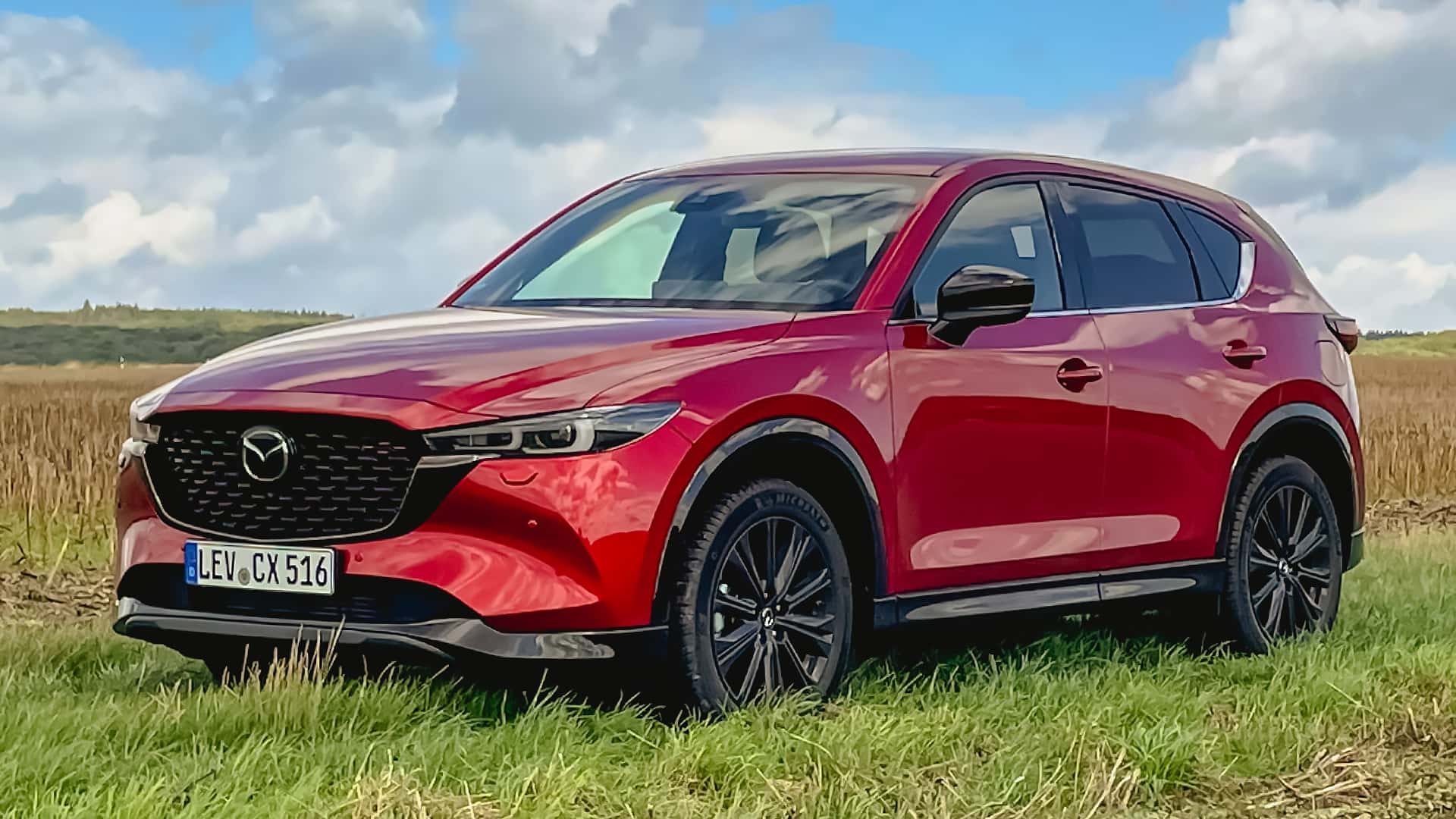
5. Mazda CX-5
The Mazda CX-5 stands out in the compact SUV segment for its sporty driving dynamics and refined ride quality, qualities that also translate to excellent stability over potholes. It features a front MacPherson strut and rear multi-link suspension that is meticulously tuned to absorb road shocks while maintaining sharp handling. This setup helps the CX-5 keep the tires in firm contact with the road, reducing lateral movement and the risk of the vehicle pulling sideways after hitting potholes.
Mazda’s innovative G-Vectoring Control system further enhances stability by adjusting engine torque based on steering inputs, effectively reducing body roll and improving grip during sudden maneuvers or after impacts. When the vehicle encounters a pothole, this system helps keep the car’s trajectory steady, making it easier for the driver to maintain control. The steering system is light yet provides precise feedback, allowing for confident adjustments when needed.
Tires fitted on the CX-5 are usually all-season performance models with a focus on delivering a blend of grip and cushioning. These tires, combined with the CX-5’s relatively low center of gravity, contribute to the vehicle’s ability to stay composed on rough roads. The chassis design, which emphasizes both rigidity and comfort, further assists in preventing the unsettling feeling of the vehicle being jerked off course.
The CX-5’s reputation for combining sporty handling with real-world practicality extends to its performance on pothole-filled roads. Many drivers note the vehicle’s ability to maintain control and comfort simultaneously, making it a popular choice for those who want an engaging drive without compromising safety and stability.
5 Cars That Tend to Pull Sideways After Hitting Potholes
While many vehicles maintain stability over potholes, others are prone to pulling sideways, often due to suspension stiffness, low-profile tires, or chassis design issues. These cars may feel less predictable and require more driver intervention after impacts.
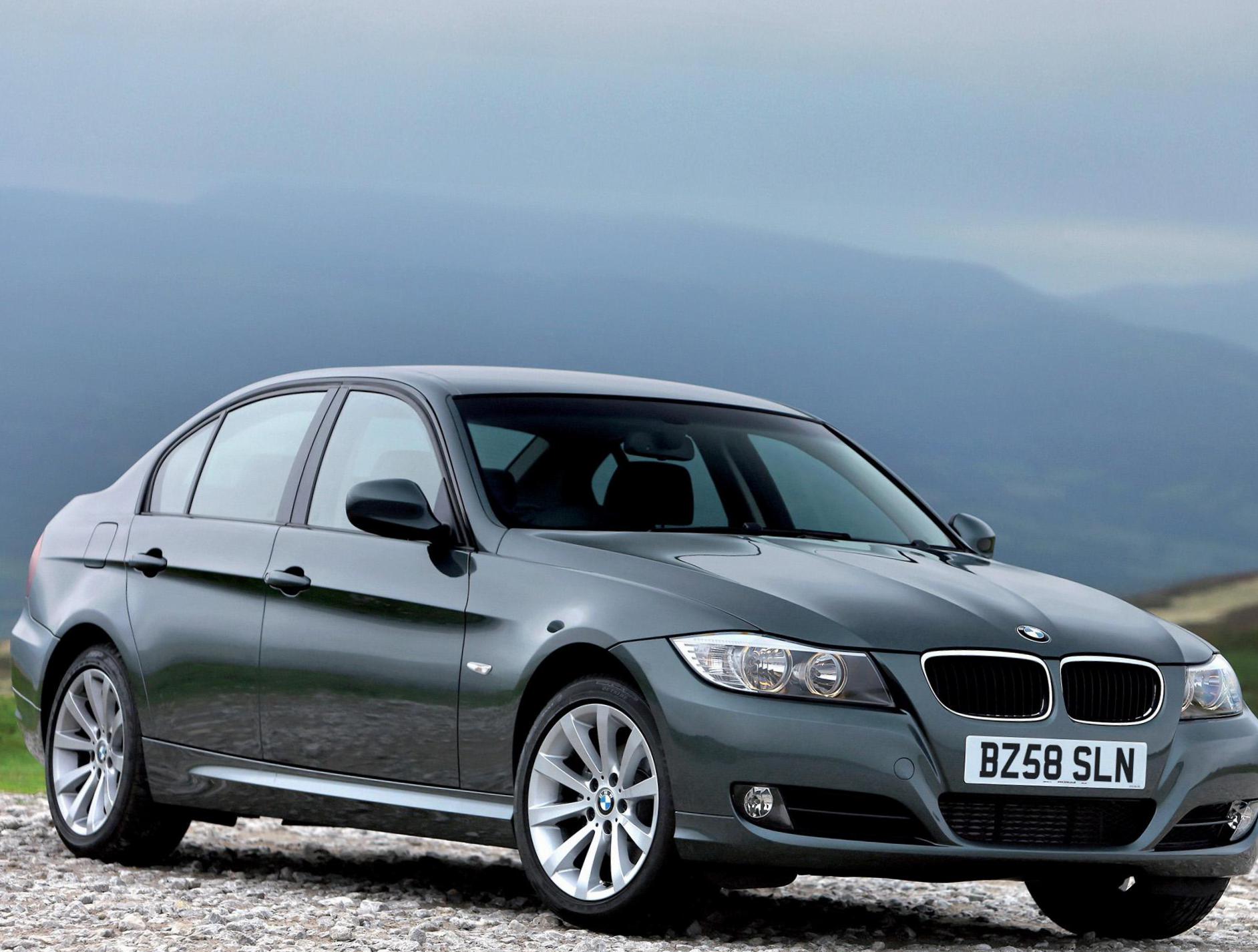
1. BMW 3 Series (Older Models)
Older BMW 3 Series models, especially those built before significant suspension improvements, often display a tendency to pull sideways after hitting potholes. Known for their sporty, stiff suspensions, these cars prioritize performance and sharp handling on smooth roads but sacrifice comfort and impact absorption. The firm springs and shocks do not sufficiently cushion pothole impacts, resulting in sudden jolts transmitted through the steering wheel.
The rear-wheel-drive layout of many 3 Series models can contribute to this behavior. When a pothole disrupts traction on one wheel, the delicate balance of power delivery and grip can cause the vehicle to drift momentarily. Aggressive wheel alignment and low-profile tires commonly fitted to these cars reduce the sidewall’s ability to absorb shocks, making the car more susceptible to feeling uneven forces during pothole encounters.
Chassis rigidity in BMWs is typically high, which is advantageous for handling precision but can work against absorbing road shocks. Less chassis flex means more force is transferred directly to suspension components and steering, resulting in abrupt and sometimes uncontrollable reactions. This stiffness can increase the difficulty of steering corrections needed after hitting potholes, contributing to the feeling of the car pulling unexpectedly.
Owners of older BMW 3 Series vehicles often report needing frequent wheel alignments and suspension maintenance to address the effects of pothole damage. While these cars excel in spirited driving on smooth pavement, their unforgiving suspension setup makes them less ideal for pothole-ridden roads where stability and comfort are priorities.
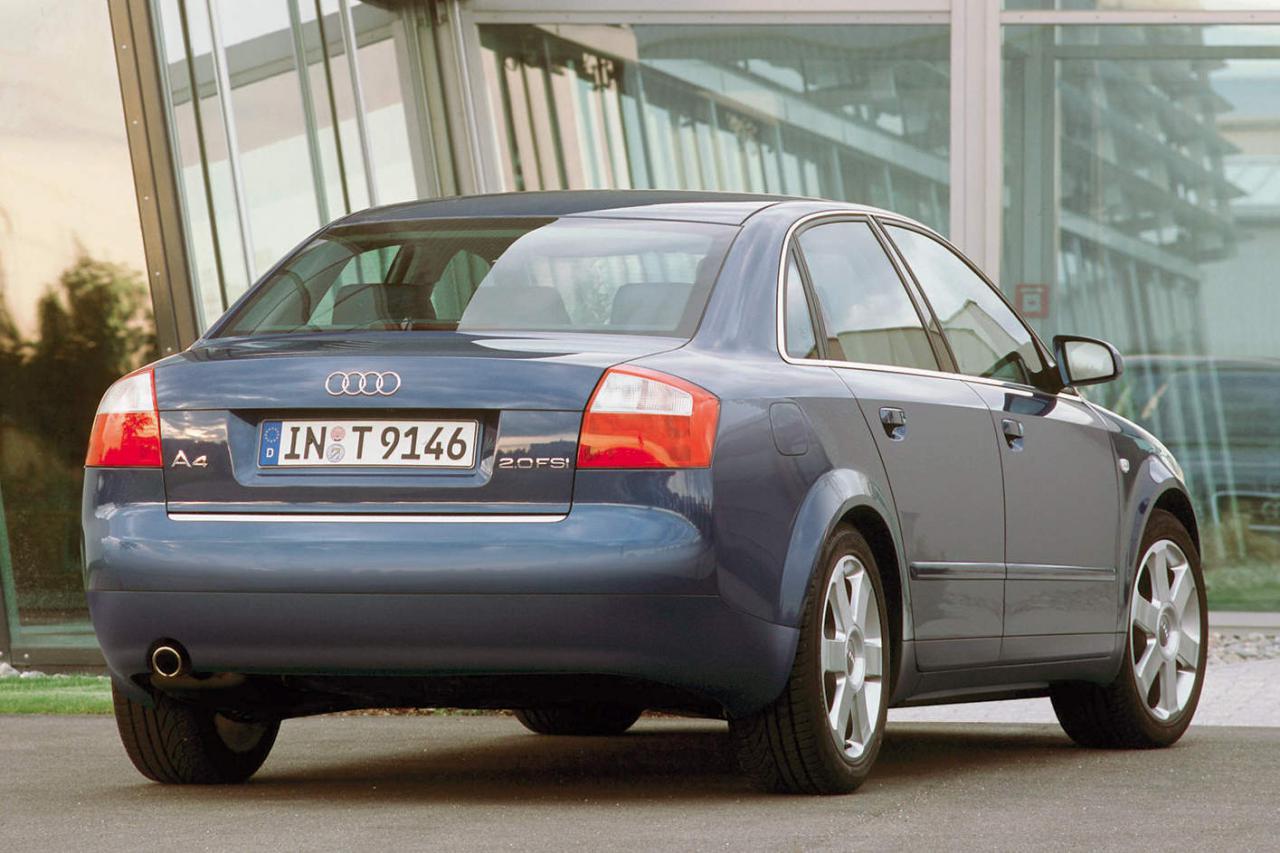
2. Audi A4
The Audi A4, particularly in variants equipped with sport suspension packages, is known to pull sideways after encountering potholes. The lowered ride height and stiffened suspension springs and dampers improve handling but reduce the system’s ability to absorb sharp impacts. This results in the car transmitting jolts more harshly to the steering wheel and chassis, leading to sudden lateral movements.
Although the A4’s quattro all-wheel-drive system generally aids traction, it does not fully counteract the destabilizing effects of hitting potholes, especially on vehicles with low-profile tires and sport suspension. The lower clearance increases the risk of wheel or suspension damage, which can cause misalignment and pulling. Tires designed for performance rather than comfort also lack the sidewall height necessary to cushion impacts effectively.
The electric power steering system in the A4 is designed for precision but can feel twitchy when faced with sudden shocks. This twitchiness translates into a sensation of the vehicle veering unexpectedly, forcing the driver to make immediate corrections. The stiff chassis further compounds the problem by transmitting more impact force directly to the steering system.
Many Audi A4 owners on pothole-prone roads report increased maintenance costs due to wheel alignment and suspension repairs. While the vehicle offers excellent driving dynamics on smooth roads, its sport-focused setup reduces stability and comfort on uneven or damaged surfaces.
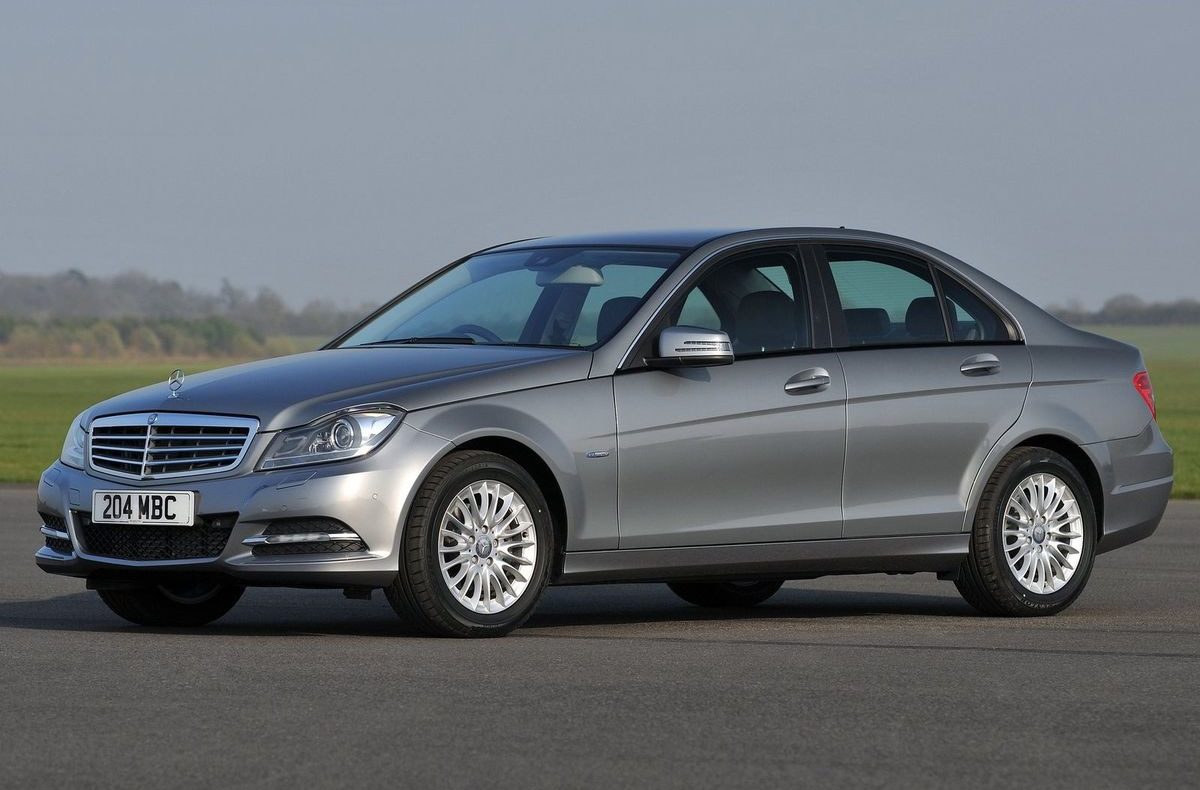
3. Mercedes-Benz C-Class (Older Generations)
The earlier generations of the Mercedes-Benz C-Class often presented a unique challenge when it came to maintaining stability after hitting potholes. These vehicles were engineered to strike a delicate balance between sporty handling and luxury comfort, but their suspension systems sometimes leaned towards stiffness in pursuit of precise control.
This stiffness, while beneficial on smooth roads and during spirited driving, made the suspension less forgiving when it came to absorbing the sharp, sudden impacts caused by potholes. The result was a transmission of jolts directly through the suspension components to the chassis and steering column, causing a noticeably harsh reaction that could unsettle the driver.
In addition to the suspension tuning, the low-profile tires commonly fitted on sportier trims of the C-Class contributed to the instability. These tires generally have shorter sidewalls, which provide less cushioning against road shocks.
The thin sidewalls transmit more impact force directly to the wheels and suspension, increasing the likelihood of the car pulling sideways when encountering uneven surfaces. Moreover, the precise alignment settings geared towards performance handling meant that the tires were less forgiving of abrupt changes in road surface, increasing sensitivity to pothole impacts.
The C-Class chassis of that era was designed for rigidity to improve handling precision, which limited the amount of flex the frame could absorb during impacts. While a stiff chassis enhances steering responsiveness and vehicle dynamics, it also means that more force from road imperfections is transferred to the suspension and steering systems.
When a pothole is struck, this rigidity can result in a sudden shift in alignment or uneven wheel loading, which manifests as a pulling sensation or the need for immediate steering corrections. The steering itself, often heavier and less assisted than modern systems, demands more effort from the driver, making it more difficult to compensate quickly for these impacts.
From a driver’s perspective, this combination could be unsettling, especially in urban or suburban settings where potholes are unpredictable and frequent. Maintaining composure behind the wheel required more focus and quicker reflexes, as the car’s response to rough roads was less forgiving than some competitors.
Many owners of these C-Class models reported that regular suspension inspections and alignments were necessary to keep the vehicle stable, especially if the car was driven frequently on roads with poor maintenance. Despite the luxury and performance appeal of the Mercedes-Benz C-Class, the earlier generations faced challenges that reduced ride comfort and stability when faced with potholes.
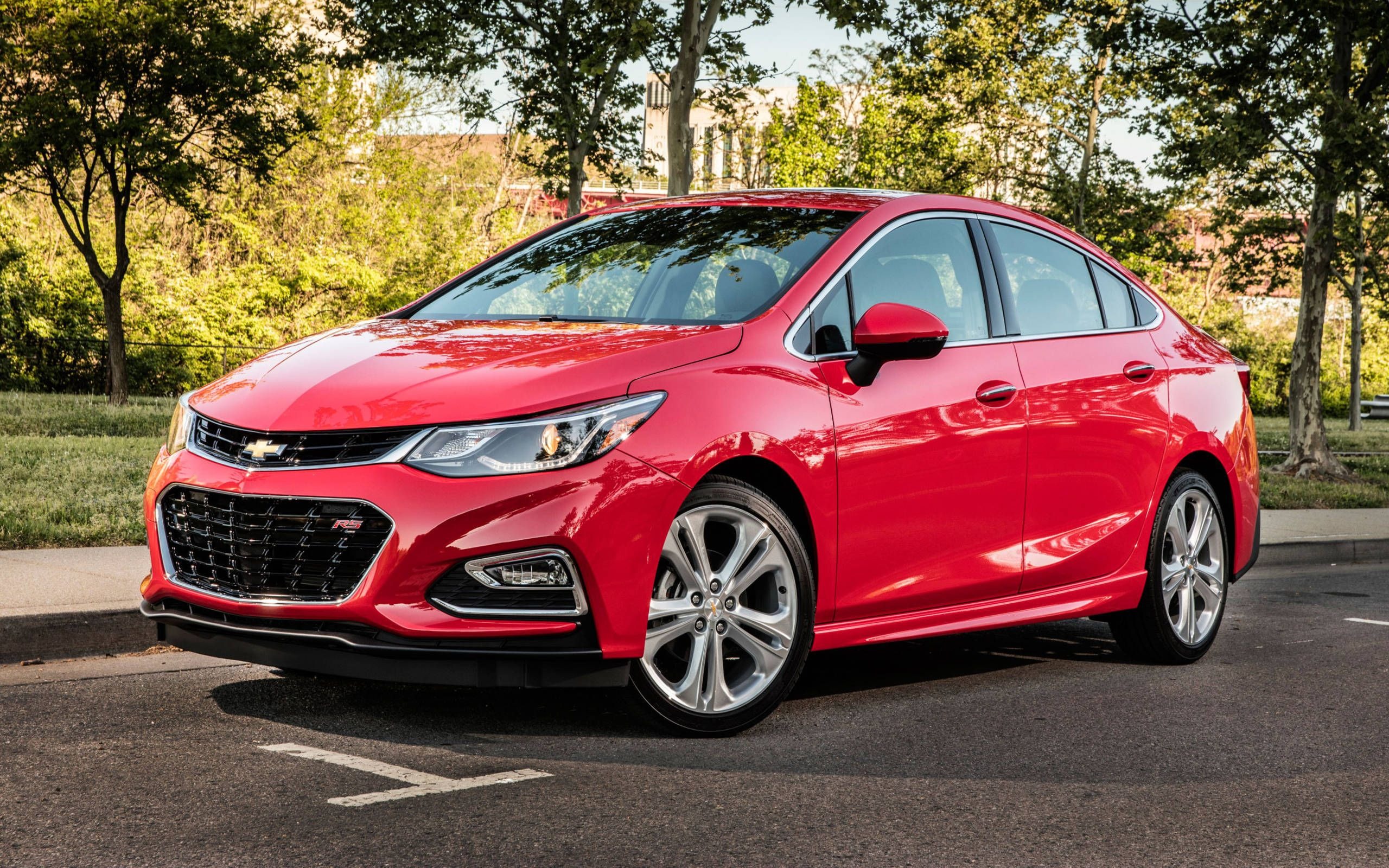
4. Chevrolet Cruze
The Chevrolet Cruze, particularly in its earlier models, is known for its practical and economical design, but is not particularly well-suited to handle rough roads and potholes gracefully. The Cruze’s suspension system, consisting of MacPherson struts up front and a torsion beam in the rear, emphasizes simplicity and cost-efficiency rather than refined impact absorption.
This suspension setup can result in a harsher ride when the vehicle encounters potholes, as it lacks the independent wheel movement found in multi-link systems that help isolate road shocks. As a consequence, impacts from potholes often transfer more directly to the steering system and chassis, causing the Cruze to pull sideways unexpectedly.
The front-wheel-drive layout of the Cruze also plays a role in its tendency to pull after potholes. When one of the front wheels hits a pothole, the sudden loss of traction on that wheel can create an imbalance in the driving forces being sent to the road.
This imbalance, coupled with the suspension’s limited ability to absorb shocks independently, can cause the car to veer or drift momentarily. This effect is heightened when the tires are underinflated or when the suspension components have experienced wear, both of which are common issues on older or heavily used vehicles.
Tire choice on the Cruze often focuses on fuel economy and longevity rather than comfort or impact resilience. Many stock tires have thinner sidewalls that lack the cushioning effect needed to soften pothole impacts. These tires, combined with the basic suspension setup, make the vehicle feel less stable after hitting rough patches.
Drivers often describe a sensation of the car “snatching” or pulling to one side briefly, requiring rapid steering corrections to maintain lane position. This increases driver fatigue and reduces confidence in the car’s ability to handle uneven surfaces safely.
The Cruze’s chassis construction is also less rigid compared to more premium vehicles, allowing for some flex that can exacerbate instability after pothole impacts. While this can improve ride comfort on smooth roads to some extent, it means the vehicle reacts more noticeably to abrupt jolts.
The steering system, although responsive, may not offer the precision or feedback needed to help drivers anticipate or correct pulling tendencies effectively. As a result, Cruze owners who frequently encounter potholes often report a need for more frequent wheel alignments, suspension repairs, and tire replacements. While the Cruze is praised for affordability and fuel efficiency, its behavior after hitting potholes reflects the compromises made to keep costs down.
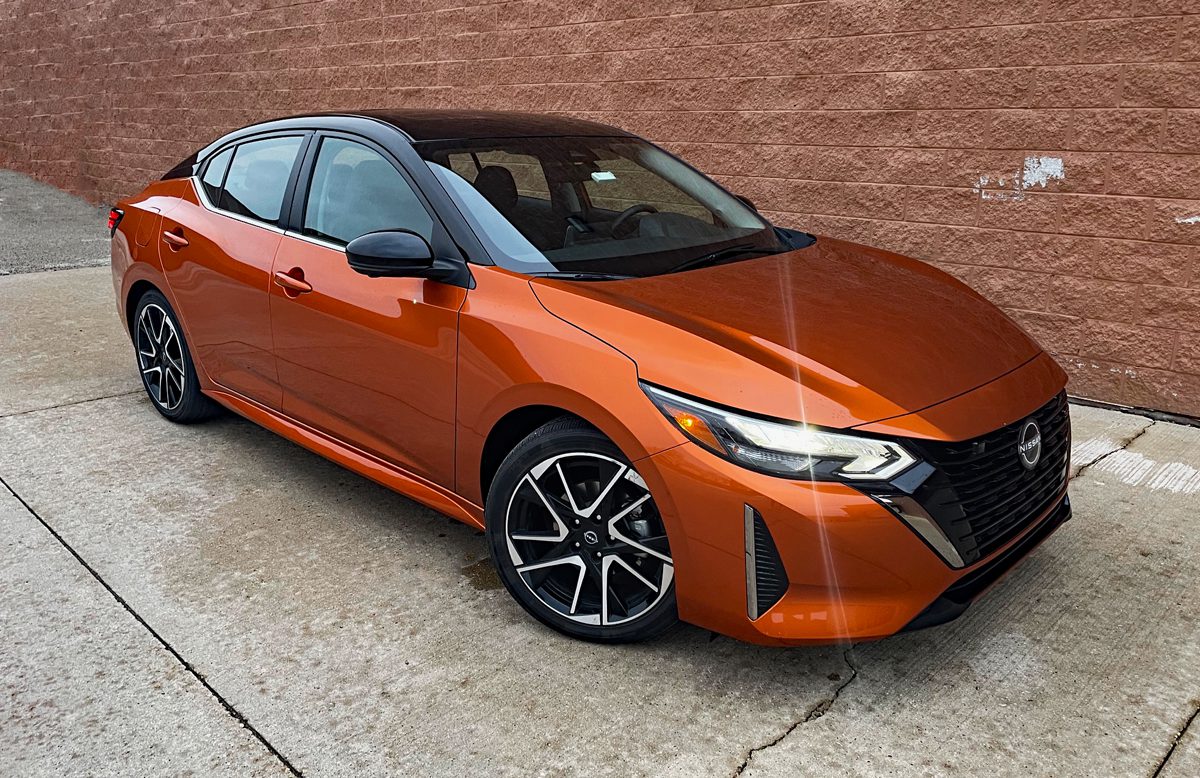
5. Nissan Sentra
The Nissan Sentra, particularly in sportier trims equipped with firmer suspension setups, often struggles with stability after hitting potholes, leading to a tendency for the vehicle to pull sideways. The Sentra typically uses a front MacPherson strut suspension combined with a torsion beam rear suspension, which is more of a compromise than a high-performance solution.
The torsion beam rear, while cost-effective and space-saving, does not allow the rear wheels to move independently in response to bumps or potholes. This limitation means that impacts affecting one wheel can influence the entire rear axle, potentially causing the vehicle to lose traction or pull to one side.
Moreover, the Sentra’s sportier trims usually feature firmer springs and dampers intended to improve handling and reduce body roll. While these settings can enhance cornering performance on smooth pavement, they also reduce suspension compliance over potholes.
The result is a harsher transfer of energy from the pothole into the chassis and steering components, creating an unpleasant jolt and a temporary loss of stability. This effect is often magnified by the relatively low-profile tires common on these trims, which have less sidewall to absorb impact and transfer more shock directly to the wheel and suspension assembly.
The steering system on the Sentra, while tuned for responsiveness, may lack the nuanced feedback that helps a driver anticipate changes in the road surface. This can lead to delayed reactions to the vehicle pulling after pothole impacts.
The front-wheel-drive layout means the front tires handle both steering and propulsion, and when one front wheel strikes a pothole, traction loss or uneven loading can cause the car to veer suddenly. This increases the likelihood of the vehicle pulling sideways, especially if the driver is caught off guard or driving at higher speeds.
In addition to the suspension and steering factors, the Sentra’s chassis rigidity and weight distribution also contribute to its behavior on rough roads. A chassis that flexes more can increase instability during sudden impacts, and uneven weight distribution can exacerbate pulling tendencies after hitting potholes.
Sentra owners often note that frequent wheel alignments and suspension maintenance are necessary to maintain stable handling on roads with potholes or other imperfections. While the Sentra remains a popular compact sedan thanks to its affordability and fuel economy, its tendency to pull sideways after hitting potholes is a common complaint among those who regularly drive on poorly maintained roads.
