
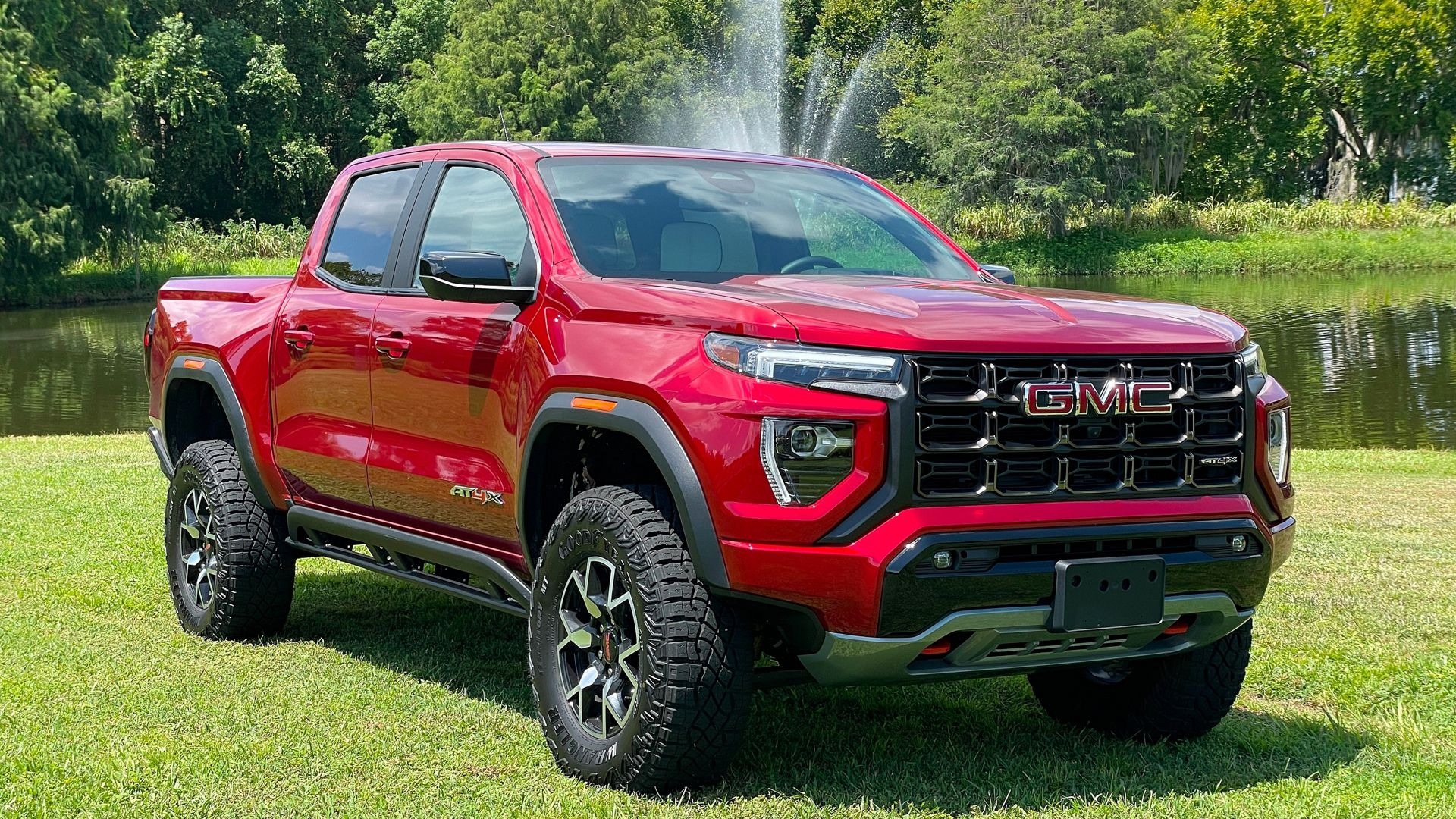
When you think about pickup trucks, the first things that often come to mind are power, durability, towing capacity, and off-road performance. These factors are important, but one aspect that’s frequently overlooked, especially in warmer climates or during long summer drives, is the effectiveness of the air conditioning system.
A good AC system in a pickup can make a massive difference in driving comfort. Spending hours in a truck that struggles to cool the cabin on a hot day can quickly turn a fun drive into an exhausting experience.
On the other hand, pickups with strong air conditioning systems that cool quickly and maintain a refreshing environment inside can feel like a cool oasis, even when the temperature outside is scorching. The performance of these systems, however, varies widely across different models and manufacturers.
This article focuses on that variation, highlighting five pickups known for air conditioners that effectively “freeze you out,” cooling the cabin so well that it feels almost too cold at times, and five others whose AC systems barely cool, struggling to keep the cabin comfortable under heavy sun or high temperatures.
For buyers and current owners alike, understanding which trucks excel in cabin cooling and which fall short can be extremely valuable. It not only influences comfort but can affect driver alertness, passenger satisfaction, and even health during hot weather conditions. Making the right choice or knowing what to expect helps manage those summer driving experiences better.
The efficiency of an air conditioning system in any vehicle, and pickups in particular, depends on multiple factors. First is the size and shape of the cabin itself; a larger interior space requires a more powerful system to cool it effectively.
Then there’s the design of the AC components: the compressor, condenser, evaporator, and the ductwork all need to be carefully engineered and balanced to maximize airflow and cooling capacity. Furthermore, the quality of insulation and how well the cabin seals against heat infiltration play crucial roles.
Some manufacturers put a premium on these details, ensuring their trucks have powerful compressors, well-designed airflow systems, and tight, insulated cabins that keep cooled air inside for longer periods. Others may prioritize cost or utility, resulting in AC systems that perform just well enough but don’t deliver consistent, strong cooling.
In addition, advanced climate control features like automatic temperature regulation, multi-zone controls, and humidity sensors can make a significant difference in user experience. A powerful AC that is also smart enough to adjust itself to changing conditions will maintain comfort more efficiently and can even improve fuel economy by cycling the compressor intelligently.
With this background in mind, let’s move into the detailed profiles of pickups at both ends of the cooling spectrum, those that offer top-tier, freeze-you-out air conditioning and those that leave drivers wishing their trucks could chill a bit more.
Also Read: 10 Cars With Tricky Seatbelt Buckles for Elderly Passengers
5 Pickups with Air Conditioners That Freeze You Out
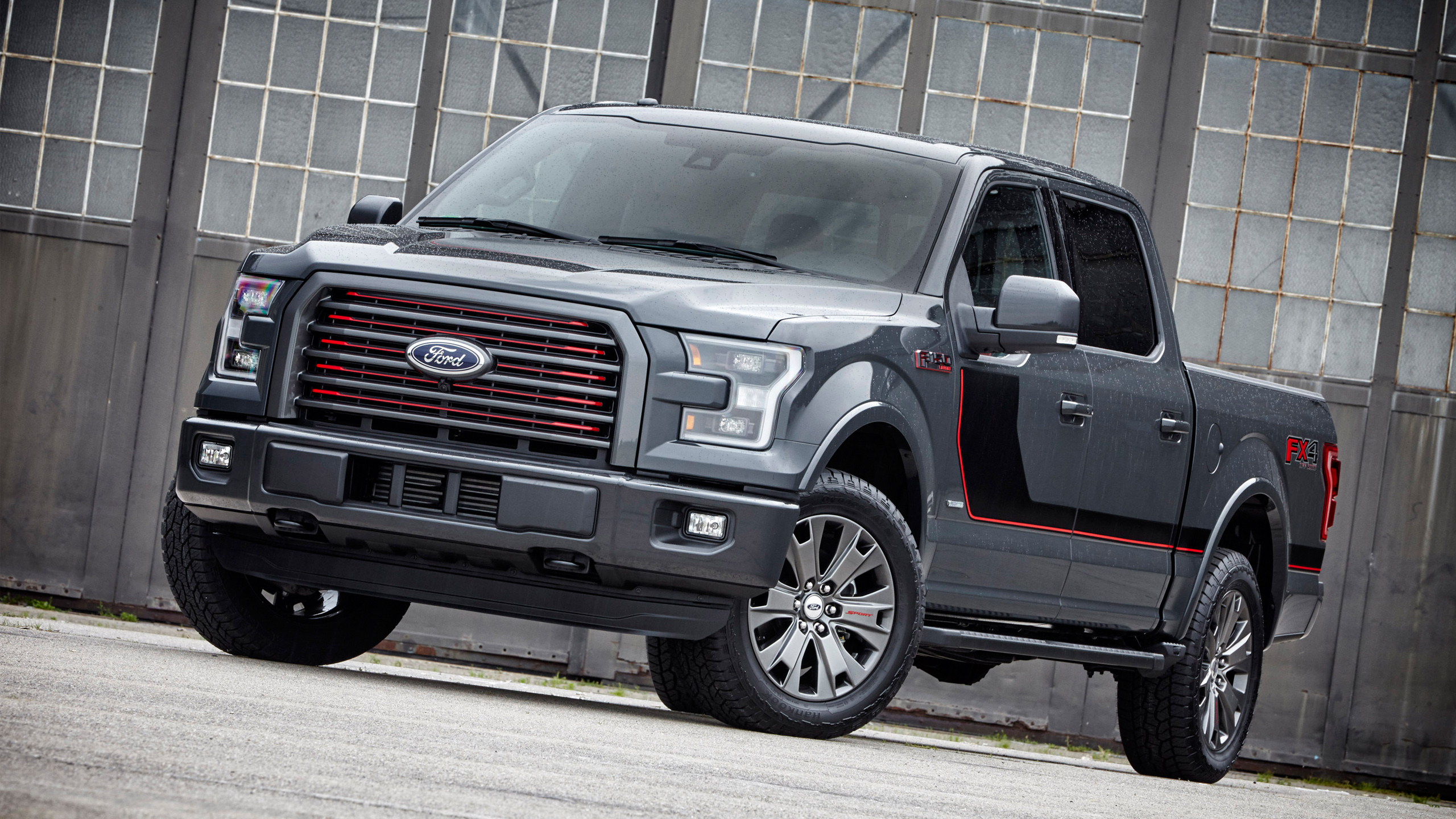
1. Ford F-150
The Ford F-150 has long been one of the best-selling pickups in North America, and part of its widespread appeal comes from a well-rounded package that includes strong climate control capabilities. Ford has invested heavily in ensuring the F-150’s air conditioning system performs well even under extreme conditions.
The system employs a high-capacity compressor paired with an efficiently designed condenser that works harmoniously with the truck’s engine and electrical systems. This allows the AC to start cooling quickly after the vehicle is turned on, delivering a blast of cold air that many drivers describe as “almost too cold.” What makes this impressive is that the F-150’s cabin is spacious, especially in crew cab models, so cooling it efficiently is a challenging engineering task.
The truck’s insulation also contributes significantly to its AC performance. The designers have used sound-deadening materials and thermal insulation strategically throughout the cabin to reduce heat infiltration. When you combine that with well-placed air vents, the cold air circulates effectively, preventing hot spots or uneven cooling zones inside the vehicle.
This design consideration means passengers in the back seat experience nearly the same cooling benefits as those in the front, which is not something all pickups manage. The air conditioning is powerful enough that in many cases, drivers need to adjust the temperature settings to avoid feeling chilled, especially when traffic is slow and the AC is running continuously.
Ford has also incorporated smart climate controls in higher trims, allowing the driver and passengers to set different temperatures with dual-zone or even tri-zone climate control systems. These setups are equipped with sensors that measure cabin temperature and humidity, enabling the system to adjust compressor speeds and fan airflow dynamically.
The result is a climate-controlled environment that stays comfortable without wasting energy or unnecessarily overcooling. Whether on a long highway trip or stuck in city traffic under a blazing sun, the F-150’s air conditioning system is robust enough to handle the heat and provide relief consistently, making it a standout in the full-size pickup segment.
Moreover, the durability of the F-150’s AC system is noteworthy. The components are built to withstand not just extreme temperatures but also heavy-duty usage scenarios such as towing or off-road driving, where engine and environmental heat loads are high.
This resilience ensures that drivers don’t lose cooling performance when they need it most, whether hauling a trailer or camping in remote locations. Ford F-150 sets a high standard for air conditioning in pickups, combining power, efficiency, and user-friendly features to keep drivers and passengers cool and comfortable.
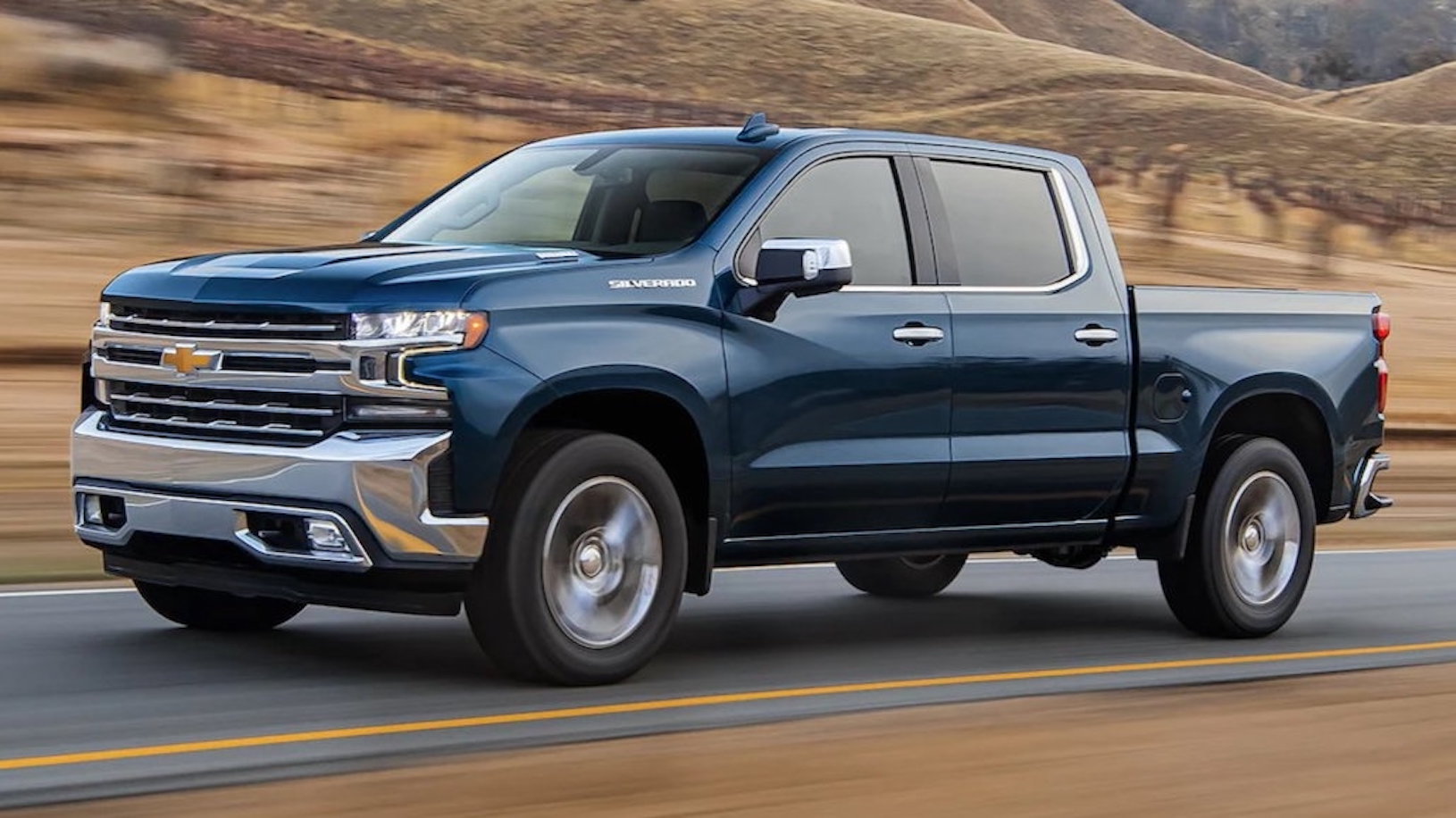
2. Chevrolet Silverado 1500
The Chevrolet Silverado 1500 is another full-size pickup known for its solid performance across the board, including air conditioning. Chevrolet has equipped the Silverado with an AC system that cools the cabin quickly and maintains a steady temperature, even when the outside temperature rises above 90 degrees Fahrenheit.
One reason for this performance is the Silverado’s use of a high-output compressor paired with a large condenser, which work together to efficiently compress and dissipate heat from the refrigerant, leading to strong cold air delivery inside the cabin.
The layout of the Silverado’s air vents is carefully designed to optimize airflow. Cold air is distributed evenly to both front and rear passengers, minimizing complaints of hot spots or uneven cooling. This is particularly important in crew cab and extended cab versions, which have larger interiors than many other pickups.
Many Silverado owners have remarked on how quickly the AC cools the cabin after starting the vehicle, especially when the truck has been parked in direct sunlight. In some cases, drivers say they feel the temperature drop within just a few minutes, which can make a big difference in comfort during hot summer mornings or after working outside.
Automatic climate control systems in the Silverado also help maximize cooling efficiency. These systems use sensors to monitor both the inside cabin temperature and the outside ambient conditions. When set to a target temperature, the system modulates compressor output and fan speed to maintain a consistent and comfortable environment, adjusting as the sun moves or traffic conditions change.
This not only keeps passengers comfortable but can improve fuel economy by preventing the compressor from running at full capacity unnecessarily. The quiet operation of the AC system adds to the Silverado’s appeal, as the airflow doesn’t create distracting noise inside the cabin, making the driving experience more pleasant.
In addition to the technical specs, the Silverado’s air conditioning system benefits from thoughtful cabin insulation and air sealing. Chevrolet has made efforts to reduce thermal leakage, which keeps the cooled air inside longer, reducing the frequency the AC compressor must cycle on and off.
This leads to greater energy efficiency and better cooling performance, especially in stop-and-go traffic or idling conditions. Altogether, the Silverado 1500’s air conditioning system provides reliable and powerful cooling, making it a solid choice for those who want a pickup that can freeze you out on the hottest days.
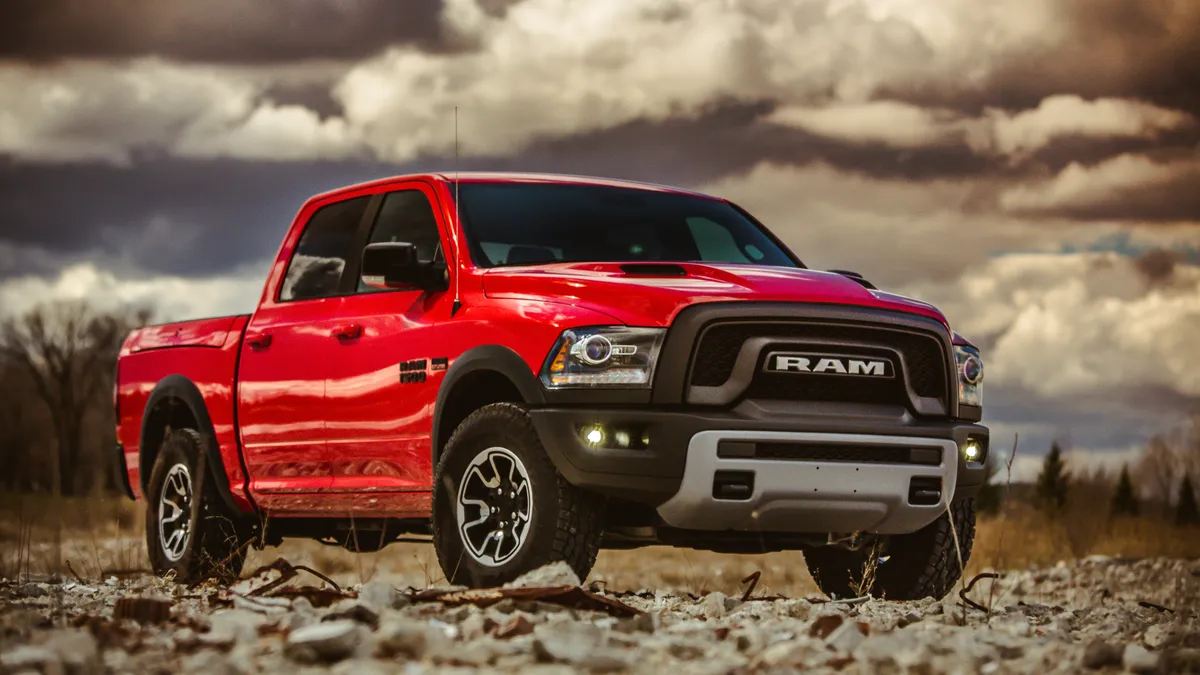
3. Ram 1500
The Ram 1500 is often praised for its comfort-oriented interior and smooth ride, and its air conditioning system is a major part of why owners enjoy spending time behind the wheel. Ram’s HVAC system uses a high-capacity compressor designed to cool large cabins rapidly.
When the AC is turned on, many drivers report feeling a rush of cold air that can sometimes feel intense, especially if the system is set to its lowest temperature settings. This is a testament to the engineering focus on passenger comfort and quick cabin temperature reduction.
The Ram 1500’s interior is equipped with numerous air vents that are strategically placed for even airflow distribution. Rear passengers particularly benefit from well-placed vents, which ensure that everyone inside the truck experiences similar cooling regardless of their seat position.
This comprehensive airflow system eliminates common issues found in other pickups, where rear passengers may receive little to no cold air. The use of good insulation materials throughout the cabin also contributes to maintaining lower temperatures, even on longer trips where the sun’s heat can accumulate.
Ram offers advanced multi-zone climate control options in their higher trim models, allowing for dual-zone or even tri-zone setups. These systems allow drivers, front passengers, and rear passengers to select individual temperature settings, which can be a significant advantage for families or groups with differing cooling preferences.
The systems also include sensors that continuously monitor the cabin environment and adjust the compressor operation and fan speeds accordingly, optimizing cooling performance and energy consumption.
One of the standout features of the Ram 1500’s AC system is its ability to perform well under challenging conditions such as towing heavy trailers or driving in stop-and-go traffic. The system’s components are built to handle the increased heat load without sacrificing cooling power.
This durability is essential for truck owners who frequently use their vehicles for work or recreational activities that generate more heat than typical daily driving. Ram 1500’s air conditioning system is a robust and efficient solution that ensures drivers and passengers stay cool and comfortable, even when the mercury rises.
4. Toyota Tundra
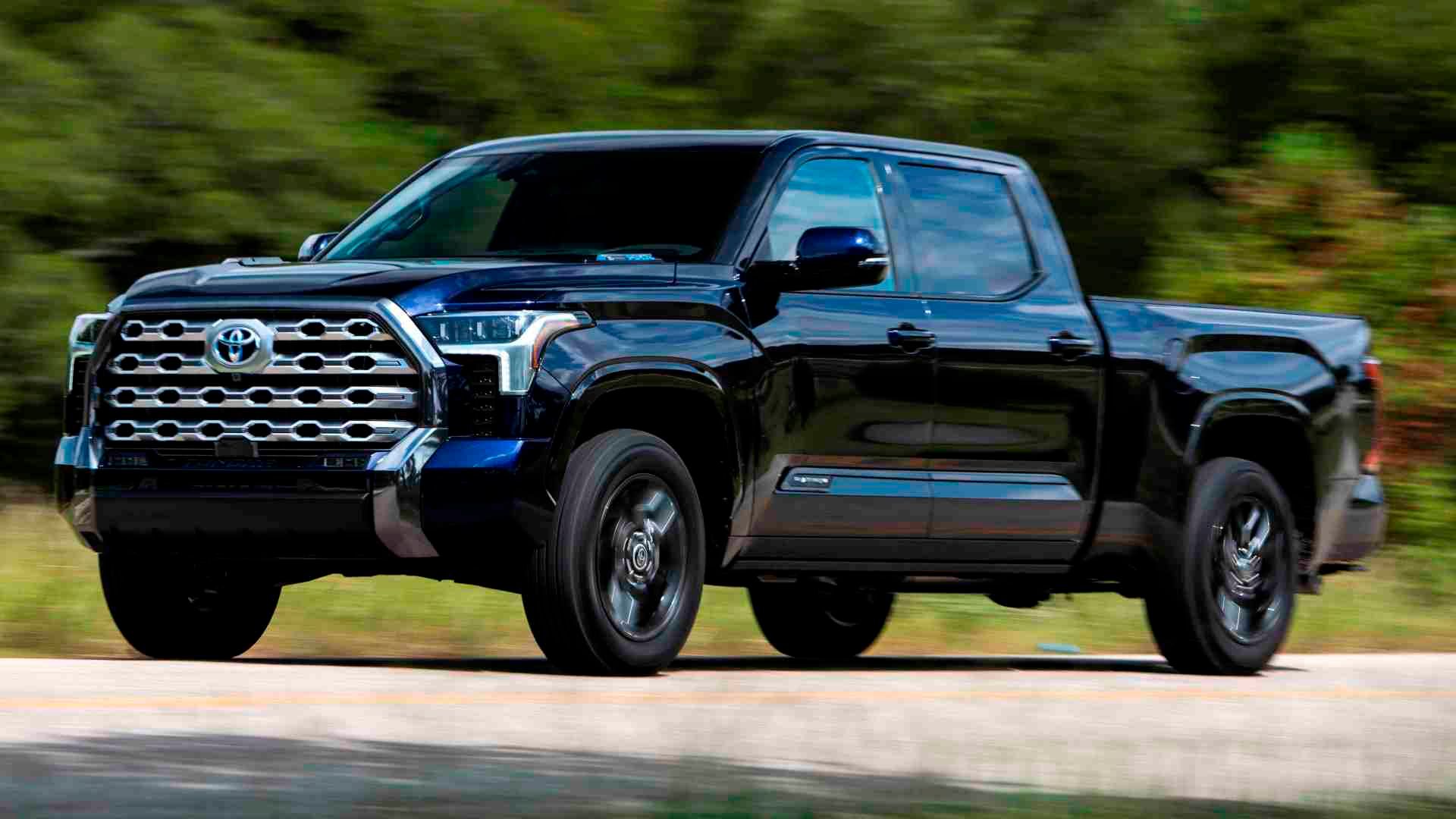
The Toyota Tundra has earned a reputation for rugged reliability and dependable performance, but it also impresses with an air conditioning system that cools extremely effectively. Toyota’s approach to the Tundra’s climate control focuses on balancing power and efficiency.
The truck is equipped with a compressor and condenser sized to handle the relatively large cabin volume efficiently, enabling rapid cooling even after prolonged exposure to direct sunlight.
What sets the Tundra apart is not just the power of its AC system but also the careful design of the cabin’s insulation and airflow pathways. The truck uses sound and thermal insulation materials in the doors, roof, and floor that help keep the hot air out and retain the cooled air inside.
This means once the air conditioning drops the temperature inside, the cabin stays cooler for longer periods, reducing the need for constant compressor cycling. This can improve both comfort and fuel economy, as the AC system doesn’t have to work as hard to maintain desired temperatures.
The air vents in the Tundra are also positioned to provide even coverage for all occupants. Rear passengers benefit from dedicated vents that ensure they don’t feel left out of the cooling experience. This attention to passenger comfort makes the Tundra a preferred choice for families or those who frequently travel with multiple passengers.
Toyota models often include automatic climate control, allowing the system to adjust compressor speed and airflow dynamically based on sensor inputs. This helps maintain a steady cabin temperature without excessive cycling, reducing wear on the AC components and improving system longevity.
Whether navigating city streets or cruising down the highway, the Tundra’s air conditioning system delivers a consistently cold environment that many owners find refreshing and comfortable during hot weather.
5. Nissan Titan
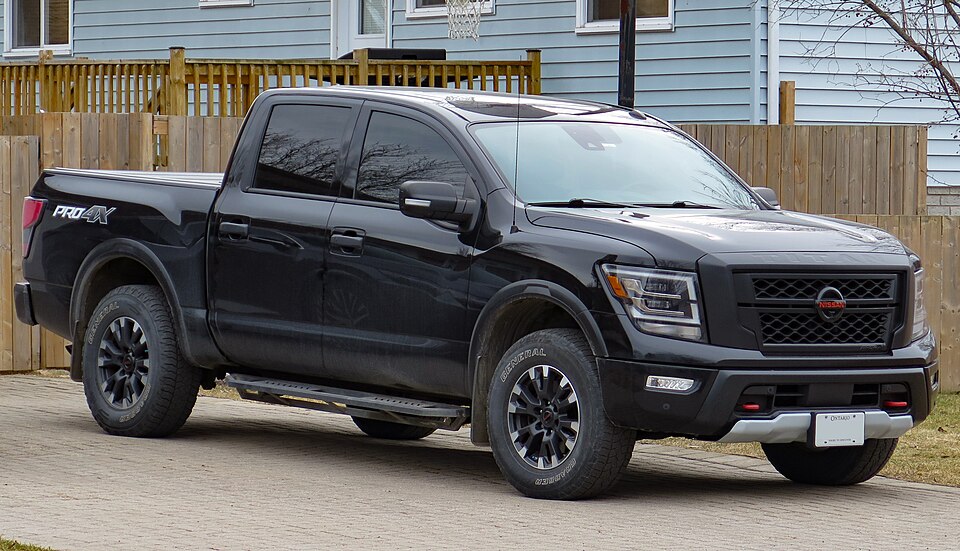
Though sometimes overshadowed by other full-size pickups, the Nissan Titan boasts a highly effective air conditioning system that many owners appreciate for its cooling power. The Titan is equipped with a powerful compressor and an efficient condenser that work together to provide rapid and sustained cold airflow, making it possible to cool the cabin quickly after starting the vehicle on hot days.
Owners frequently mention that the air conditioning in the Titan can feel almost overwhelming when first turned on, which is a good indication of its cooling strength. This rapid cooling effect helps reduce heat build-up inside the cabin, making summer driving much more bearable. The components used in the Titan’s AC system are built for durability, capable of maintaining strong performance even during heavy usage or when towing, where engine heat and ambient temperatures can increase significantly.
The ventilation system in the Titan is also designed to deliver cold air evenly throughout the cabin, ensuring that rear passengers are not left with only warm air. This is achieved through multiple well-placed vents and ducting that maximizes airflow to all seats. The effective distribution enhances passenger comfort, whether on short trips or long road journeys.
Additionally, the Titan often comes with automatic climate control in higher trims, which optimizes compressor cycling and airflow based on sensor feedback. This system manages to keep the cabin temperature steady without overworking the AC unit. For drivers who value a cold and comfortable cabin in their full-size pickup, the Nissan Titan’s air conditioning system stands out as a reliable and powerful solution.
5 Pickups with Air Conditioners That Barely Cool

1. Jeep Gladiator
The Jeep Gladiator offers impressive off-road capabilities and a unique open-air driving experience, but when it comes to air conditioning, it tends to disappoint many owners. The Gladiator’s AC system is generally considered underpowered for its cabin size and design, leading to complaints that it barely cools the interior on hot days.
The relatively small compressor and condenser components struggle to keep up with the heat load, especially when the sun beats down on the truck’s large windows and open cabin design.
Compounding the problem is the Gladiator’s less-than-ideal insulation. Because of its off-road focus and removable roof design, the cabin does not have the tight seals and insulation layers that other pickups have.
This results in significant heat infiltration, meaning that even if the AC system produces cold air, it struggles to maintain lower temperatures inside the vehicle. The system often needs to run at maximum capacity for prolonged periods to provide any real relief, which can lead to increased wear and reduced fuel economy.
Venting is another weak point in the Gladiator’s AC system. There are fewer vents than in some competitors, and their placement often results in uneven airflow. Rear-seat passengers commonly report feeling much warmer than those in the front, which detracts from passenger comfort. This issue is particularly noticeable on longer trips or in traffic where the truck is idling for extended periods.
While the Gladiator’s AC can cool to some extent, it generally lacks the power and efficiency needed to compete with full-size pickups that offer strong climate control. For buyers in hot climates or those who prioritize cabin comfort, the Gladiator’s air conditioning performance is a drawback, and many owners look for aftermarket solutions or additional cooling accessories to compensate.
2. Chevrolet Colorado
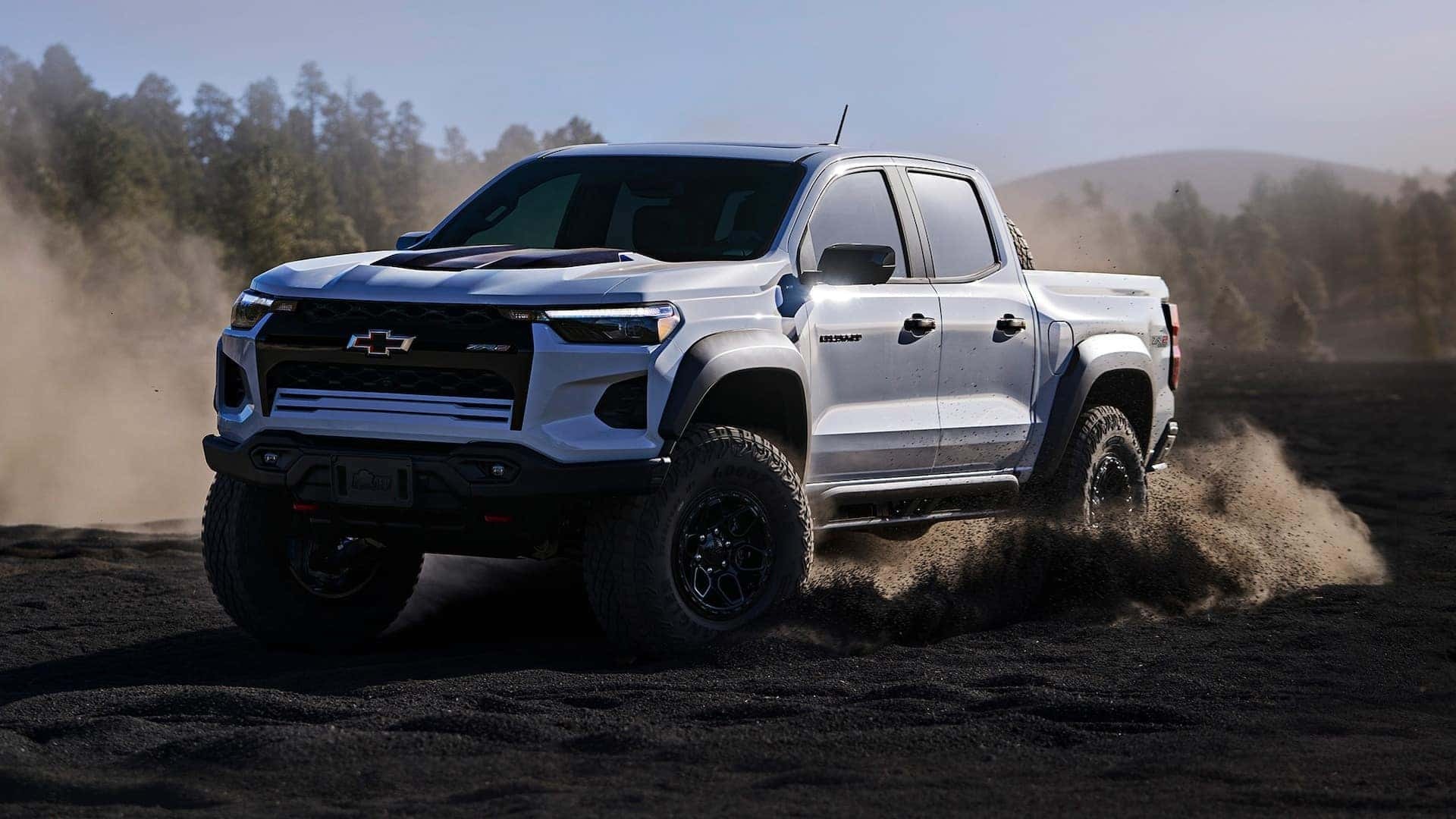
The Chevrolet Colorado is a midsize pickup that offers a practical balance of size, power, and features, but its air conditioning system often receives mixed reviews. Many owners report that the AC cools slowly and struggles to maintain a comfortable cabin temperature during extremely hot days. This is primarily due to the smaller compressor and condenser units used in Colorado, which are less capable of rapidly cooling the cabin compared to full-size pickups.
The truck’s cabin insulation and airflow design also impact AC performance. Colorado’s interior tends to retain heat, especially when parked under direct sunlight for long periods. The air vents, while functional, sometimes do not distribute cold air evenly, leading to hot spots and uneven temperature zones within the cabin. Passengers in the back seats are often left wanting more cooling, which can make longer trips uncomfortable.
Another common complaint is the lag in cooling after starting the vehicle. Drivers often note that the AC blows warm or lukewarm air for several minutes before any noticeable drop in cabin temperature occurs. This delay can be frustrating during the summer months when stepping into a hot truck. Furthermore, running the AC at full blast to compensate can increase engine load and fuel consumption.
The Chevrolet Colorado’s AC system is adequate for moderate climates but falls short under extreme heat or heavy use conditions. For midsize pickup buyers who require stronger, faster cabin cooling, the Colorado may not be the best option without considering aftermarket improvements or additional cooling features.
3. GMC Canyon
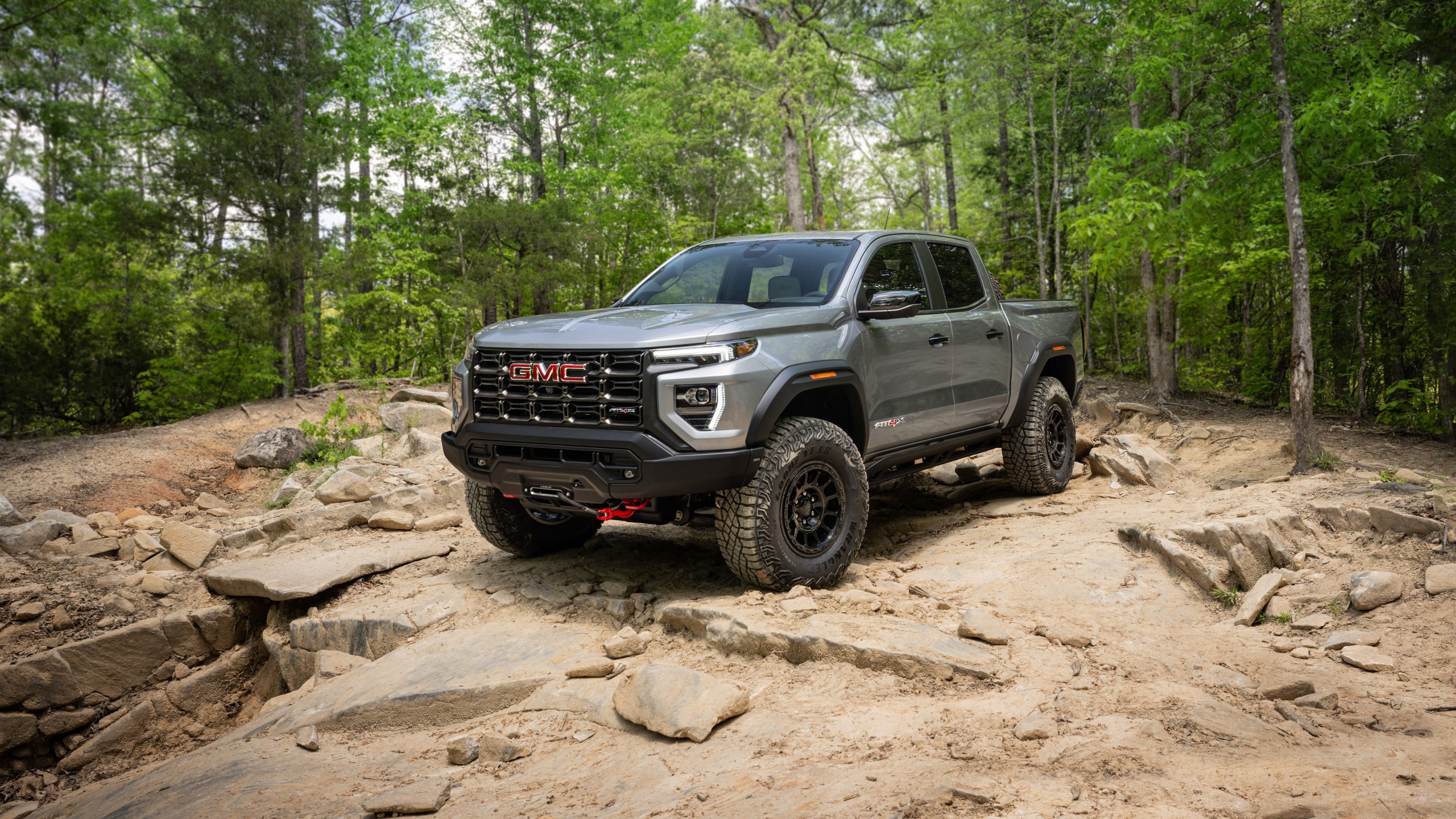
The GMC Canyon shares many components and features with the Chevrolet Colorado but similarly struggles with air conditioning performance. While the Canyon boasts a comfortable and upscale interior for its class, the AC system is often described as “barely adequate” in cooling power. The smaller compressor and condenser units limit the system’s ability to quickly reduce cabin temperatures, particularly on hot, sunny days.
Owners report that the AC requires extended running time to reach comfortable temperatures, and even then, cooling may feel uneven, with some areas of the cabin remaining warm. This can be especially noticeable in stop-and-go traffic or when the truck is idling, conditions where engine heat and ambient temperature tend to rise.
The Canyon’s cabin insulation and air vent design contribute to these issues. Rear passengers often receive less cold air than front-seat occupants, which reduces comfort for families or groups traveling together. Although the truck’s interior is well-appointed, the inconsistent cooling detracts from the otherwise positive experience.
While the GMC Canyon’s AC system is functional and reliable, it does not provide the rapid, strong cooling that some buyers may expect from a midsize pickup. For those living in warmer regions or frequently driving in hot weather, the Canyon’s air conditioning may require careful management or supplemental cooling strategies.
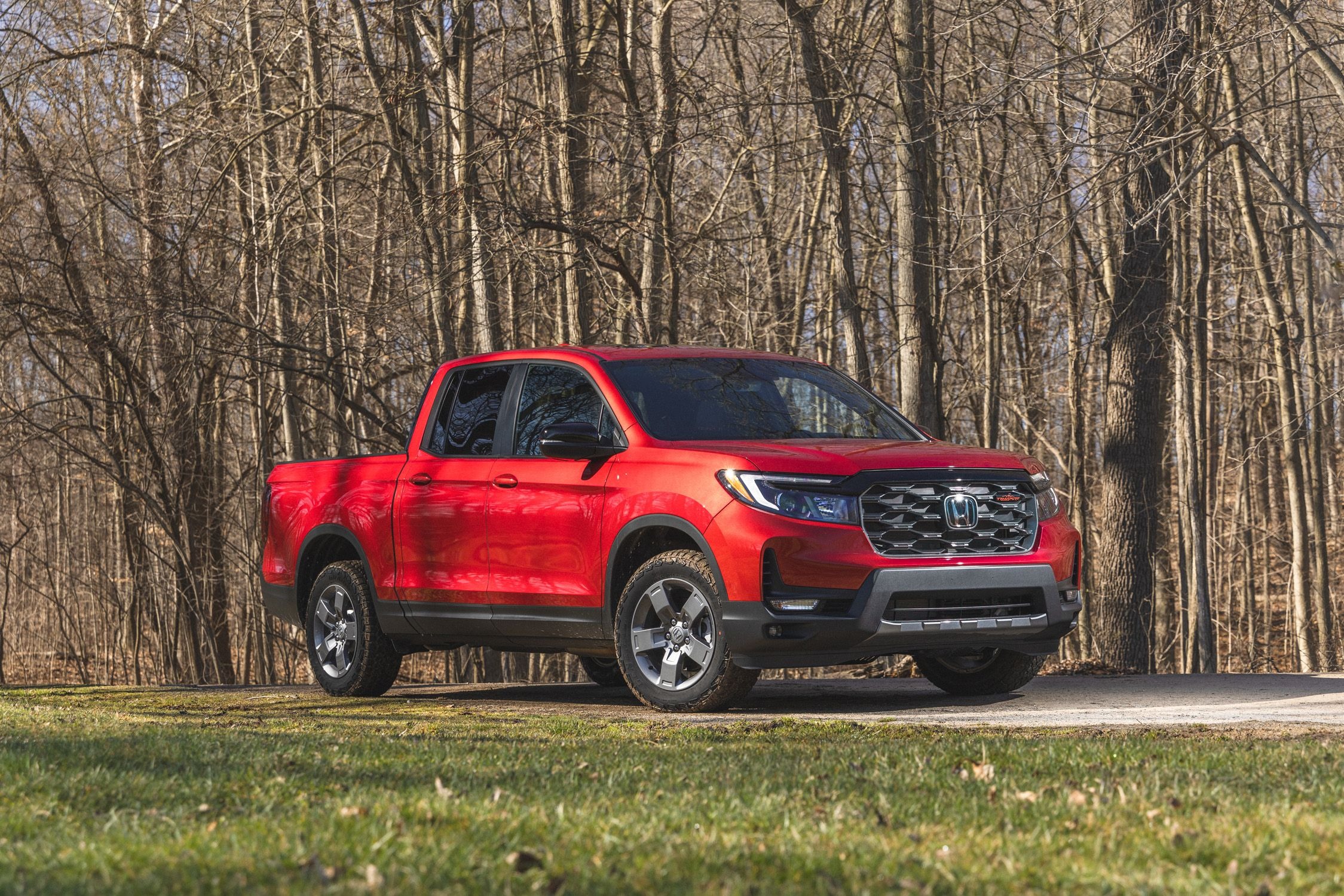
4. Honda Ridgeline
The Honda Ridgeline stands out in the midsize pickup segment for its car-like ride quality and innovative features. However, its air conditioning system is sometimes criticized for lacking power compared to competitors. While the Ridgeline’s AC generally manages to cool the cabin, it can struggle on extremely hot days, especially when the vehicle is stationary or moving slowly.
The system uses a compressor and condenser sized for efficiency rather than maximum cooling output. This means that in very hot conditions, the AC may need to run at high capacity for longer periods to bring down cabin temperatures. Passengers may notice that the system takes longer to achieve desired cooling levels, and airflow can feel weaker than expected.
Vent placement in the Ridgeline is limited compared to some other pickups, which results in uneven air distribution. Rear-seat occupants often find the cooling insufficient during peak summer heat. The lack of multiple zones for temperature control can be a downside for families or groups with different preferences.
Despite these challenges, the Ridgeline’s air conditioning system is reliable and works well in moderate climates. For buyers who primarily drive in mild to warm weather and prioritize ride comfort and handling, the AC system is adequate. However, those needing rapid, powerful cooling during hot summers might find it less satisfying.
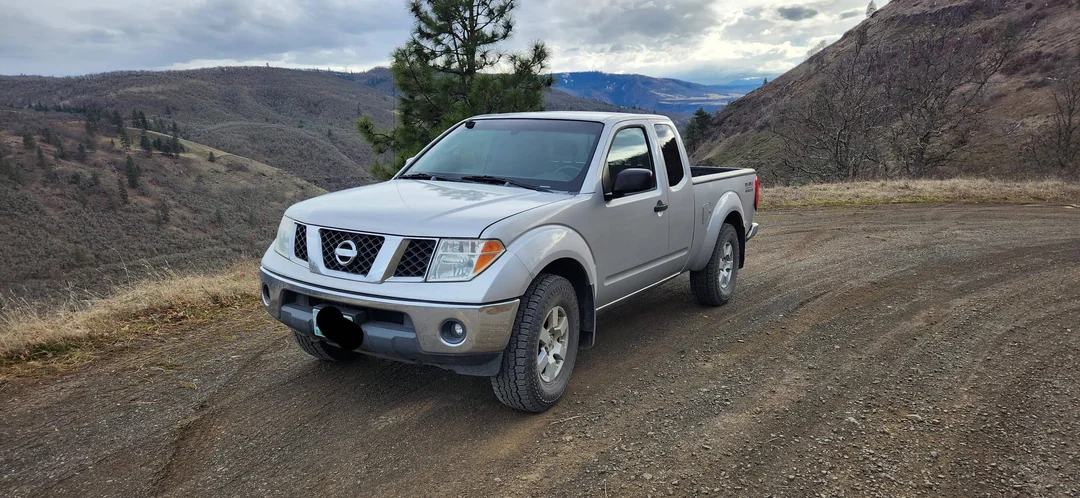
5. Nissan Frontier
The Nissan Frontier is a pickup with a long history and a reputation for reliability, but its air conditioning system has not kept pace with newer competitors. Many owners report that the Frontier’s AC barely cools effectively, especially in older models or trucks that have seen significant use. The system’s components, such as the compressor and condenser, are smaller and less efficient compared to modern pickups.
The Frontier’s cabin design also reflects an older approach to insulation and ventilation. The truck tends to retain heat, especially when parked for extended periods under the sun, making it harder for the AC to reduce interior temperatures quickly. Passengers, particularly those in the rear seats, often report feeling warmer air and less airflow, leading to discomfort on hot days.
Maintenance issues may also play a role in the Frontier’s AC performance, as older vehicles often experience refrigerant leaks or compressor wear that further reduce cooling effectiveness. Without regular servicing, the system can degrade to the point where it barely cools at all.
For drivers who need reliable and powerful air conditioning, the Nissan Frontier may require aftermarket enhancements or more frequent repairs to meet comfort expectations. While the truck remains a solid performer in other areas, its AC system is one of its weaker points, especially compared to newer midsize pickups.
Also Read: 5 Cars That Heat Up Fast in Winter vs 5 Cars That Take Forever to Warm Up
Air conditioning performance in pickup trucks is a critical but often overlooked factor that directly impacts driver and passenger comfort, especially during hot weather. As this comparison shows, there is a wide spectrum in how different pickups handle cabin cooling, with some models delivering almost icy, fast-acting relief and others barely managing to keep the interior air at a comfortable temperature.
Understanding these differences can be crucial when selecting a pickup, especially for those who live in warmer climates, spend long hours on the road, or often carry multiple passengers.
The pickups that “freeze you out,” like the Ford F-150, Chevrolet Silverado, Ram 1500, Toyota Tundra, and Nissan Titan, consistently demonstrate powerful, efficient air conditioning systems. These trucks combine well-engineered compressors, condensers, airflow design, and effective cabin insulation to rapidly reduce interior temperatures and maintain steady, even cooling.
Their ability to deliver cold air swiftly and evenly throughout the cabin greatly enhances comfort, which not only makes everyday driving more enjoyable but can also reduce fatigue and increase alertness on long trips. Features such as multi-zone climate control and automatic temperature regulation further improve user experience by adapting to real-time conditions and individual preferences.
These trucks often come with durable AC components designed to withstand the added heat generated during towing or off-road adventures, ensuring cooling reliability under challenging conditions.
Conversely, pickups like the Jeep Gladiator, Chevrolet Colorado, GMC Canyon, Honda Ridgeline, and Nissan Frontier exhibit weaker AC performance that often falls short when it matters most. Many owners report slow cabin cooling, uneven airflow, and difficulty maintaining a comfortable temperature during peak summer heat.
Factors such as smaller compressors, less effective condensers, suboptimal vent placement, and poorer cabin insulation contribute to these shortcomings. For some of these trucks, design priorities like off-road capability or cost savings seem to have taken precedence over climate control performance, resulting in systems that require more effort to stay cool and may cause driver discomfort or frustration.
The air conditioning system is an essential component of the pickup ownership experience. For many drivers, a strong, reliable AC can be as important as towing capacity or horsepower. When considering a pickup, it’s wise to test the climate control thoroughly, especially under conditions similar to daily use.
Doing so helps ensure the vehicle will provide the comfort expected and avoid unpleasant surprises on hot days. For trucks with less effective factory systems, aftermarket upgrades or supplemental cooling solutions may be necessary to achieve desired comfort levels.
