
Fuel doors seem like a simple part of a vehicle, but anyone who’s lived through a few winters in a snowy region knows how annoying they can be. It’s one of those areas that people tend to overlook when shopping for a car, only to be painfully reminded of its importance when the temperatures drop below freezing.
A stuck fuel door might seem like a small inconvenience, but when it’s below zero, your hands are freezing, and you need gas before work, that little door can suddenly ruin your day. For many drivers, the fuel door becomes a battleground with ice and frozen condensation.
Different manufacturers have different ways of designing and engineering their fuel doors. Some have invested effort into sealing them better or using a release system that resists freezing. Others, unfortunately, either haven’t prioritized it or designed their mechanisms in ways that are particularly vulnerable to cold and moisture.
The quality of the materials, the location of the release latch, and even the insulation behind the panel all affect how well a fuel door performs in winter. When you factor in road salt, snow buildup, and rapidly changing temperatures, the wrong car can make you dread the gas station in the winter months.
It’s also worth noting that even within the same brand, there can be differences from model to model. A luxury sedan might handle freezing better than an entry-level SUV from the same manufacturer, simply because it has more attention to detail or upgraded components.
In most cases, cars that perform well in this area tend to have either a mechanical advantage, like a robust spring-loaded latch, or a well-thought-out insulation and drainage system. Meanwhile, the vehicles that consistently show issues often have weaker materials or latches that sit in areas prone to water accumulation.
This article will give you a practical breakdown of five cars with fuel doors that tend to perform well in the winter months and five that have a reputation for freezing shut or becoming hard to open in cold weather. These assessments are based on observed patterns, feedback from drivers, and known design tendencies, not just technical specifications. If you live in a place with cold winters, you may want to keep this list in mind the next time you consider buying a vehicle.
Also Read: 10 Cars With Tricky Seatbelt Buckles for Elderly Passengers
5 Cars with Fuel Doors That Never Freeze
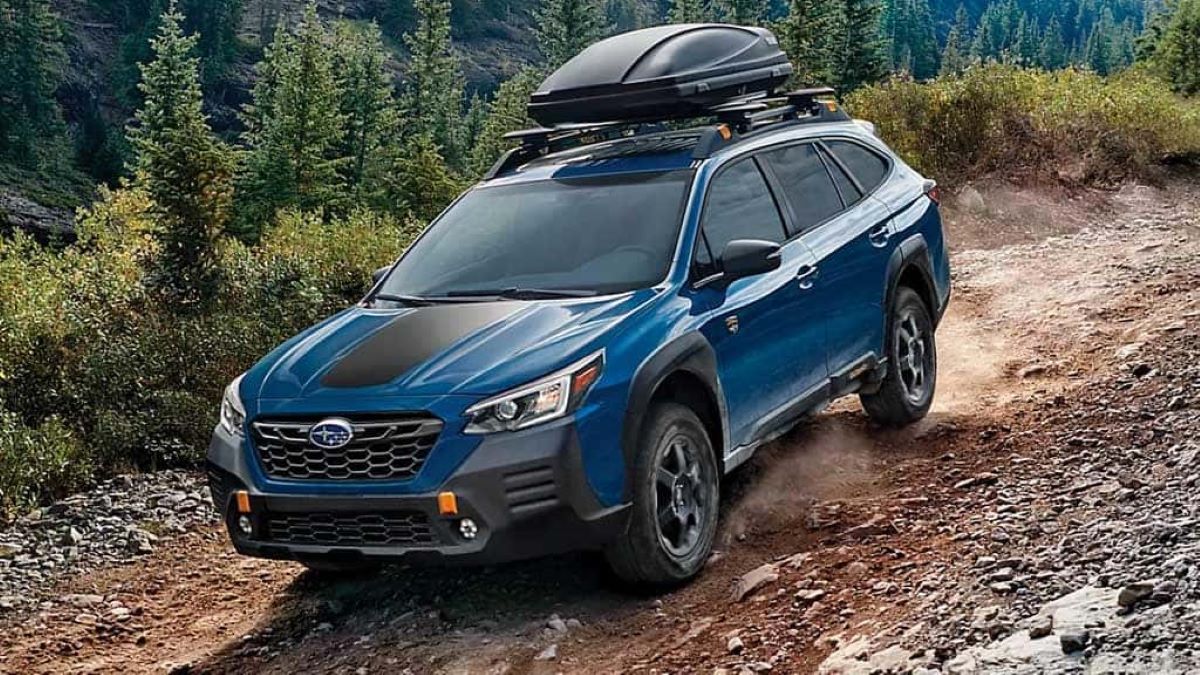
1. Subaru Outback
Subaru vehicles, particularly the Outback, are known for their winter resilience. The Outback is popular in snow-heavy regions for many reasons, including its symmetrical all-wheel drive and ground clearance, but its fuel door is also quietly reliable.
The door uses a cable-release system that’s mechanically simple and located inside the cabin, keeping it away from direct exposure to snow and moisture. That means the release rarely gets affected by ice buildup.
One of the smartest things Subaru did with the Outback is to position the fuel door in a way that allows gravity to help drain off melting snow or water. It doesn’t sit flush with an exposed surface where snow tends to accumulate. Instead, it’s ever so slightly recessed and shielded by the car’s body design. This reduces the chances of water seeping into the release mechanism or freezing the door shut overnight. Subaru seems to have considered the real-world impact of freezing weather on small details like this.
Additionally, the materials around the fuel door area are built to withstand both moisture and temperature shifts. The rubber gaskets and seals don’t become brittle in freezing weather, which helps keep moisture from entering in the first place. The spring tension in the fuel door also holds up well over time, continuing to pop the door open even in frigid conditions. For people living in the mountains or northern states, this reliability becomes noticeable after just one winter season.
Many Subaru owners don’t even think about their fuel doors after a few years of ownership, and that’s a good thing. When a feature doesn’t draw attention to itself, it often means it’s working exactly as intended.
The Outback’s fuel door is a good example of thoughtful engineering focused on function rather than flair. If you’re shopping for a car that won’t fight back during the coldest months of the year, the Outback is a solid choice.

2. Toyota 4Runner
The Toyota 4Runner has built a reputation for being a rugged, durable SUV capable of handling nearly any weather condition. Its fuel door is just one more part of the vehicle designed with reliability in mind. The 4Runner uses a simple but strong spring system that doesn’t rely heavily on electronic or soft mechanical parts.
That simplicity actually works in its favor during winter because there are fewer points of failure when moisture and cold come into play. Toyota also took the extra step of reinforcing the surrounding fuel door area with materials that don’t easily degrade or become stiff in low temperatures.
The rubber insulation surrounding the door keeps out road salt and freezing water. When you combine that with a firm, mechanical release that doesn’t depend on soft plastics or exposed wiring, the result is a fuel door that works consistently in winter.
Another helpful detail is that the fuel door on the 4Runner doesn’t have a latch that’s exposed directly to the wheel well. This may seem minor, but a lot of vehicles suffer from ice buildup because their fuel release mechanism sits in a location where slush and road spray hit directly. By designing the door to sit a little higher and toward the centerline of the vehicle, Toyota has made it less vulnerable to these common problems.
Owners who frequently drive in snowy or icy areas often comment on how dependable their 4Runner is across the board, and the fuel door is no exception. It opens without a fight, even after being buried in snow or left sitting for days in subzero temperatures.
It’s another example of how a rugged vehicle doesn’t have to sacrifice convenience just because it’s built to take a beating. Toyota made sure that even the small details could withstand the same level of abuse as the rest of the SUV.
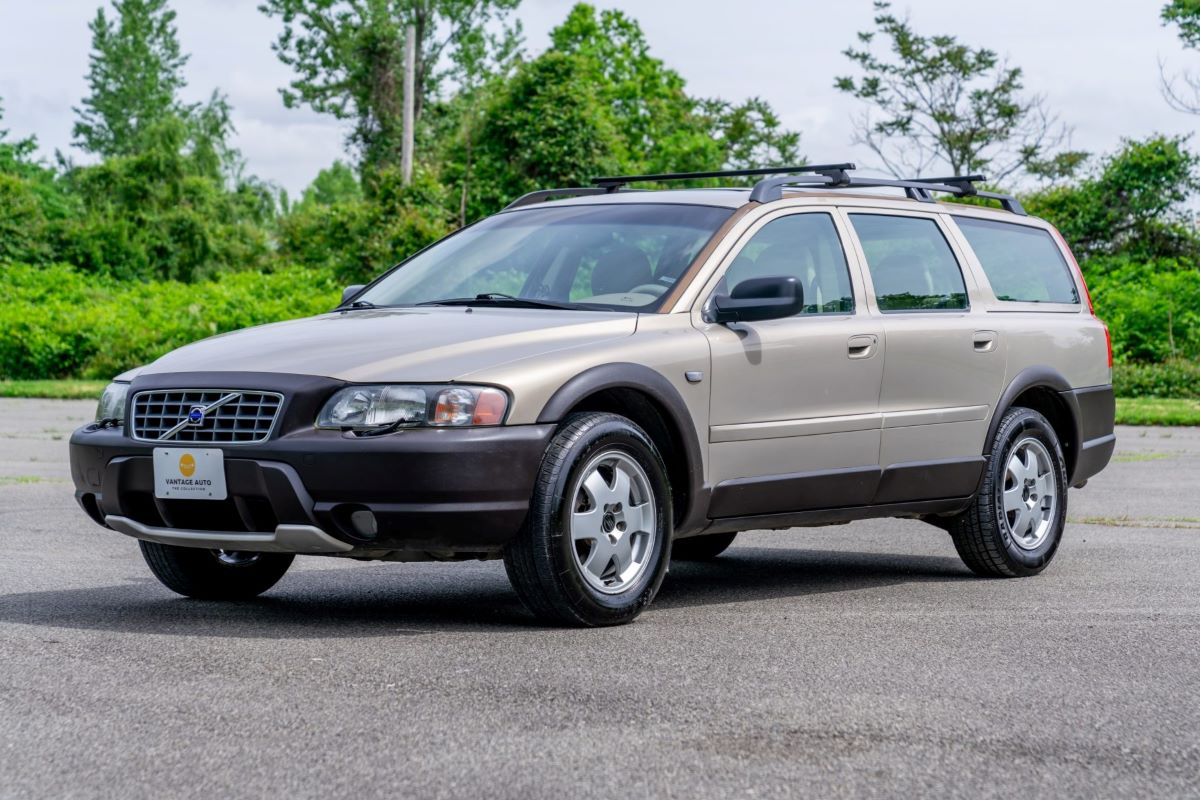
3. Volvo XC70
The Volvo XC70 may not be in current production anymore, but for those who still own one or are thinking of buying used, it’s worth pointing out how well it handles harsh climates. This model was designed with Scandinavian winters in mind, so it shouldn’t be surprising that the fuel door handles cold weather better than most vehicles. What makes the XC70’s fuel door so effective is its sealed hinge design and spring mechanism that rarely sticks, even in freezing conditions.
Unlike some fuel doors that feel flimsy or get stiff when the temperature drops, the one on the XC70 retains its smooth operation thanks to higher-grade materials. Volvo used steel springs that aren’t prone to contraction in the cold and made sure that the surrounding trim could endure multiple freeze-thaw cycles. Moisture has a harder time getting trapped around the door, and the internal release is cable-based, which avoids many problems associated with electronic buttons.
Another feature that helps is the door’s resistance to getting stuck due to road salt. Because the XC70 sits slightly higher than a sedan and features a well-protected wheel arch design, road spray doesn’t hit the fuel door area as directly. That’s a big reason why drivers don’t report much trouble in winter. Less exposure means fewer frozen layers of slush, and the drain paths behind the panel help meltwater escape quickly before it refreezes.
Volvo’s attention to detail when designing vehicles for real-world use is clear in features like this. Even after years of driving through blizzards or parking outside during freezing nights, many XC70s maintain the same reliability as when they were new. It’s a quiet but meaningful part of what makes them so valued in snow-heavy regions. If you’re considering a used wagon for all-weather driving, the XC70 is worth a serious look.

4. Honda CR-V
Honda’s CR-V is another compact SUV that tends to hold up well in cold climates, and the fuel door is part of that story. The CR-V’s fuel door is designed with a straightforward release mechanism that isn’t overly sensitive to moisture or ice buildup. The spring-loaded system pops open reliably, and the latch doesn’t sit in an exposed area that collects snow or slush.
One advantage the CR-V has is its consistently good insulation and weather stripping across the vehicle. That includes the edges around the fuel door panel. This tight seal keeps cold air and moisture from seeping in, which reduces the chance of condensation forming and freezing the latch. The cable release is located inside the cabin, which stays above freezing, so it doesn’t freeze up or become difficult to pull.
Honda also uses materials that don’t become brittle or warped in winter, and this goes a long way in making sure the fuel door remains operational. The door itself doesn’t have any unnecessary electronics or sensors that could complicate things. Simplicity works in favor of the CR-V here, especially since it removes some of the risk factors that lead to failure in other vehicles.
Owners report that the CR-V rarely has issues with frozen fuel doors, even after extended exposure to snow and sub-zero temperatures. It’s a reliable performer in this department, and that consistency is one of the reasons the CR-V is so popular in areas with harsh winters. You can rely on it to get through the cold months without having to worry about prying open a frozen panel just to fuel up.
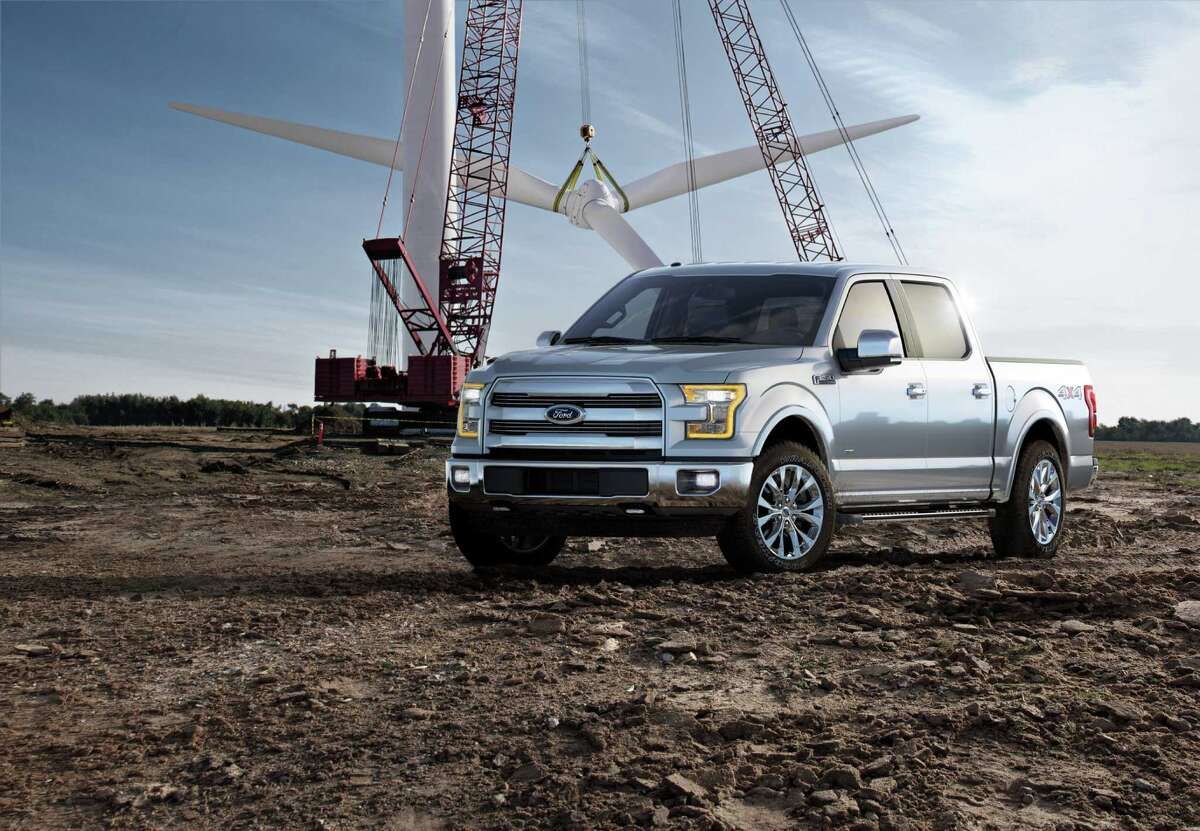
5. Ford F-150 (Newer Models)
Ford made a lot of improvements in its newer F-150 models, especially about usability in different climates. One of the often-overlooked upgrades is how well the fuel door handles winter weather. In recent years, Ford has taken steps to improve not just the performance but also the everyday practicality of the F-150.
A change in newer models (especially post-2018) is the shift to a capless fuel system, paired with a well-sealed and weather-resistant fuel door. The absence of a traditional fuel cap reduces the number of freezing points and eliminates one common culprit of winter fueling issues: a stuck or frozen cap. The fuel door itself is spring-loaded and opens with a simple push, no internal lever or latch to freeze, no electronic system to fail when temperatures drop below zero.
What makes the F-150’s fuel door stand out is the design of the housing. Ford emphasized drainage and insulation within the fuel filler compartment, meaning that any snow or moisture that enters the space is directed out quickly through dedicated channels.
That small bit of engineering dramatically reduces the chance of water freezing inside the hinge or around the lip of the door. Additionally, the spring mechanism has been tested in sub-zero environments, and users regularly report smooth functionality even after the truck has been parked overnight in deep snow or freezing rain.
Another often-overlooked factor is the sheer size and shape of the F-150’s fuel door. It’s slightly larger than average, which makes it easier to press and operate with gloved hands. The spacing around the door allows for a bit of flex, so even if a thin layer of frost forms overnight, it doesn’t lock the panel in place.
This mechanical forgiveness is something many truck owners appreciate, especially those working in the trades or driving in rural, snowy areas where access to indoor parking isn’t always possible. It’s one of the few full-size pickups that rarely gets complaints about the fuel door freezing.
In combination with a smart design and fewer moving parts, the Ford F-150 proves that reliability in cold weather doesn’t always require added technology, just good design. It’s a vehicle built for harsh environments, and the fuel door holds up just as well as the rest of the truck. If you’re looking for a winter-capable vehicle that won’t frustrate you at the gas station, the F-150 stands out in both comfort and cold-climate reliability.
5 Cars with Fuel Doors That Jam in Winter
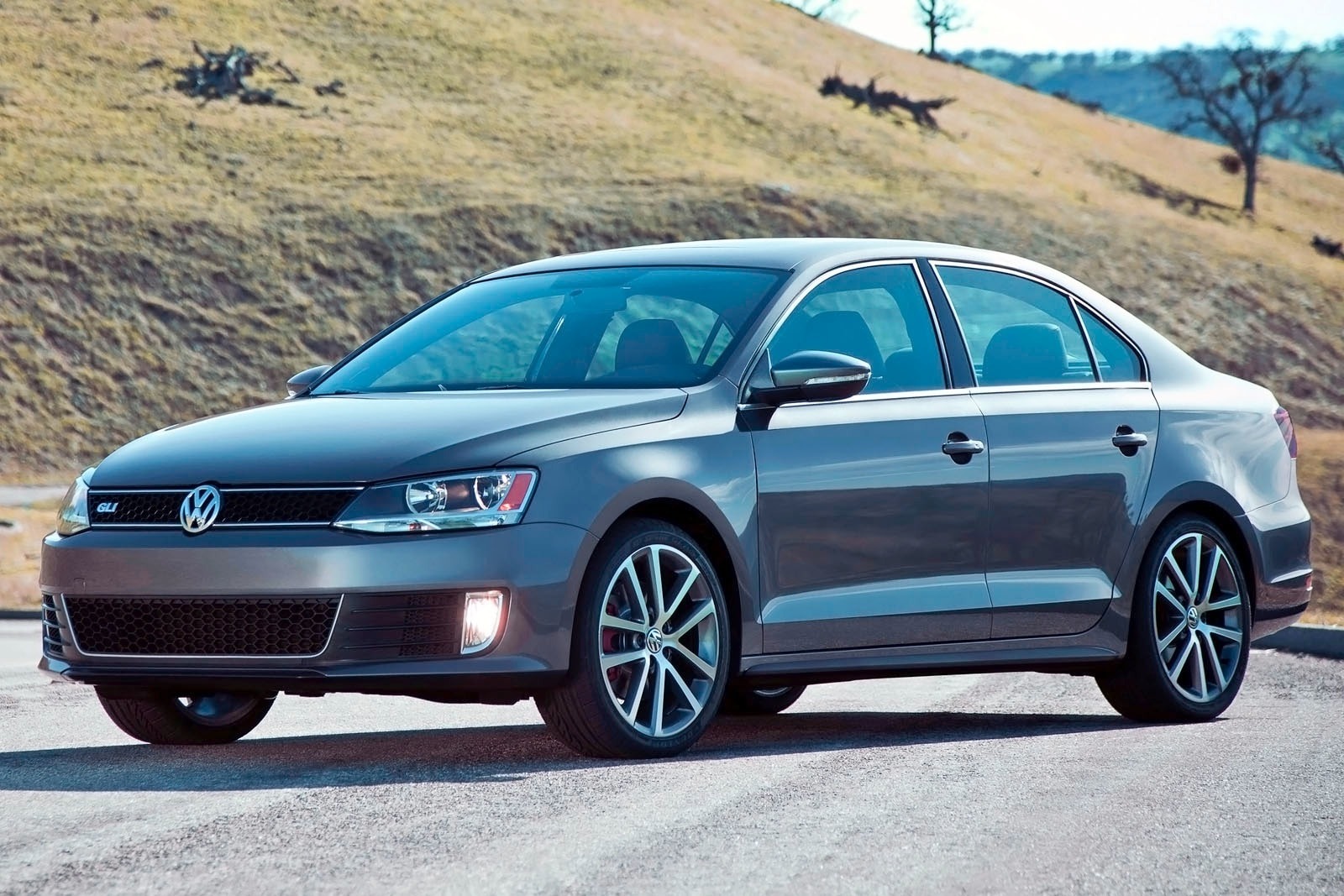
1. Volkswagen Jetta (2010–2018)
The Volkswagen Jetta is a capable car in many respects, but one of its long-standing complaints among owners in colder regions relates to the fuel door. The models produced between 2010 and 2018 are especially vulnerable to jamming in winter.
The fuel door is controlled electronically via a small actuator located inside the vehicle’s body panel, and that actuator is known to seize or delay its response when moisture gets into the system and freezes. When the weather drops well below freezing, many owners find themselves pushing the interior release button repeatedly to no effect.
The main issue stems from how exposed the internal actuator is to the rear wheel well and road grime. In snowy climates where salt and water are constantly splashing against the lower half of the vehicle, the electrical components controlling the fuel door can corrode or freeze.
Worse still, if the fuel door gets covered in snow and then a sudden temperature drop follows, the hinge and latch can freeze together, making the door nearly impossible to open without tools or thawing. It’s not uncommon to find drivers resorting to pouring warm water over the area just to gain access to the fuel cap.
Another flaw is the tight, almost flush-fitting design of the fuel door itself. While it gives the car a sleek aesthetic, it leaves no margin for ice buildup. Even the smallest amount of frozen condensation can lock the panel in place.
Because there’s no mechanical override or manual release inside the trunk area, once the electronic latch freezes, drivers are stuck until the car thaws out or they physically break the ice away. It’s a frustrating problem for commuters, especially those who rely on street parking and can’t count on a garage for overnight protection.
While newer Volkswagen models have made improvements to this system, those with older Jettas often experience this issue every winter. Forums are filled with makeshift solutions involving silicone sprays, door seal lubricants, and even homemade heating methods. Unfortunately, none of those are permanent fixes. Until the design changed, wintertime fueling remained a frequent headache for Jetta drivers in the snowbelt.
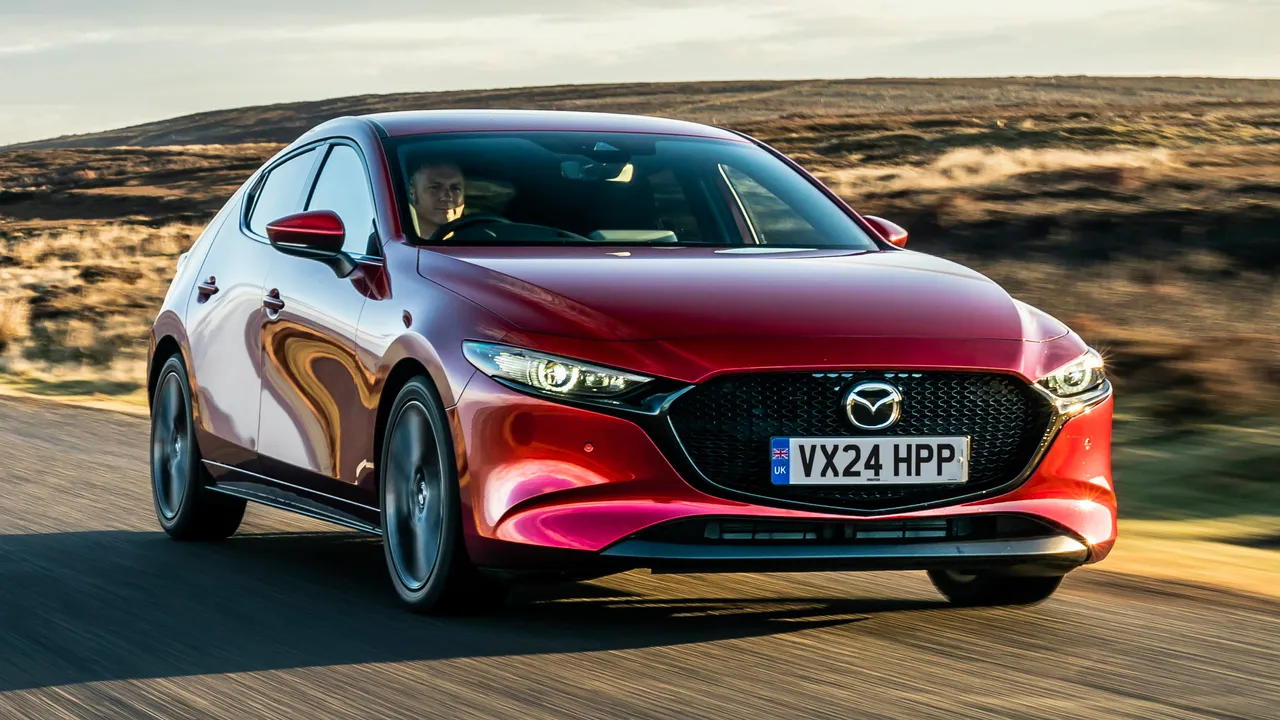
2. Mazda 3 (2014–2020)
The Mazda 3 is a fun, fuel-efficient compact car that excels in performance and styling, but it suffers from a persistent winter issue: a fuel door that tends to jam when the temperature drops. This is mostly due to a combination of material choice and a weak latch system that doesn’t respond well to freezing moisture.
The fuel door has a basic push-to-open design, with no cable or internal latch, and relies entirely on a small spring to pop open when pressed. That spring, however, becomes ineffective when any amount of snow or ice builds up around the panel.
Mazda opted for a very slim design on this fuel door, which may look good, but the tight clearance between the door and the body panel leaves little room for error. If any moisture enters the seam and freezes, the entire mechanism gets locked up.
Drivers often find that even brushing away the snow isn’t enough, the ice beneath needs to be chipped away or melted before the door will budge. This issue tends to occur even with light snow if the vehicle has been parked for more than a few hours in sub-zero temperatures.
Another frustrating detail is the lack of any alternate access to the fuel door mechanism. With no release inside the vehicle or in the trunk, drivers have to rely entirely on the exterior push-release working correctly. This makes the Mazda 3 particularly troublesome during surprise cold snaps or when freezing rain hits.
Some owners resort to heating the area with a hairdryer or carrying de-icer spray just to make sure they can get gas in emergencies. Over time, the repeated effort to force the door open can weaken the latch, leading to more permanent failures.
While Mazda addressed some of these issues in newer models and trims, especially by reinforcing the spring and improving drainage around the door, those driving older Mazda 3s often face this problem every winter. It’s a good example of how design choices made for style can sometimes backfire when function matters most, especially in unpredictable weather conditions. Winter drivers would be wise to plan ahead or consider protective treatments before the season starts.
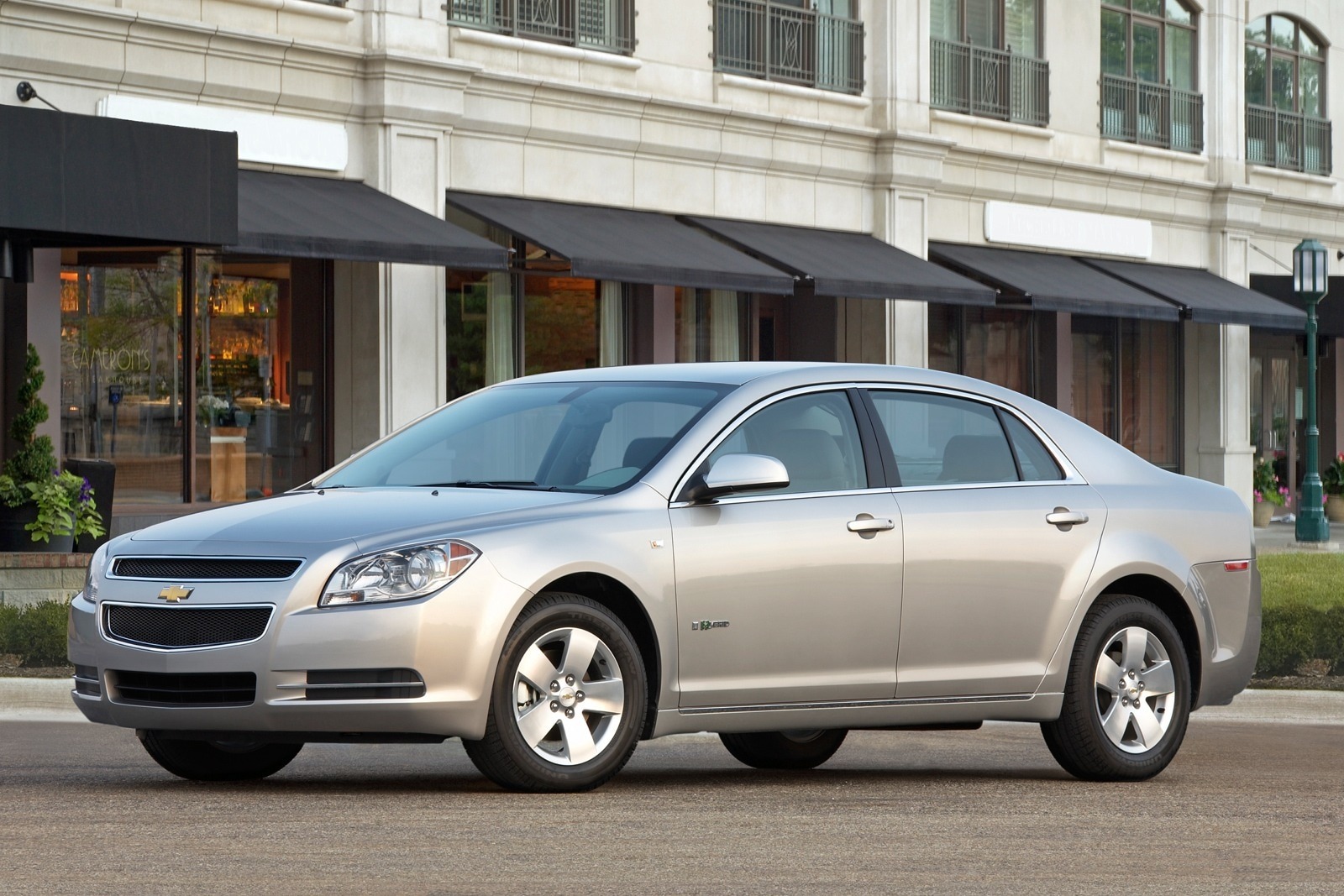
3. Chevrolet Malibu (2013–2017)
The Chevrolet Malibu from the mid-2010s is another sedan that faces significant trouble with frozen fuel doors during winter. The problem here lies in a combination of low-quality seals around the fuel door compartment and a vulnerable locking actuator. On most trims, the Malibu features a locking fuel door that automatically engages when the car is locked. While convenient in theory, the mechanism is highly prone to jamming when moisture sneaks in and freezes around the lock.
One of the key design issues is the position of the actuator relative to the wheel well. The system sits in a location that’s frequently sprayed by dirty snow and slush, especially after highway driving.
As this moisture freezes, it can either prevent the actuator from releasing the lock or physically trap the door shut by creating a thin film of ice. Drivers may hear the latch trying to unlock, but the door stays firmly closed. Repeated attempts can wear down the motor and leave the mechanism permanently damaged.
Another complaint comes from how brittle the plastic surrounding the fuel door becomes in extreme cold. Unlike higher-end models that use reinforced or insulated materials, the Malibu uses thinner components that can warp slightly in freezing temperatures.
This small distortion is enough to change how the door aligns with the latch, making it more difficult to open, even when unlocked. Over time, this alignment issue can get worse with repeated freezing and thawing, especially if drivers try to force the door open.
Owners in colder climates often develop their own workarounds, such as applying silicone lubricant around the door seal or leaving the fuel door unlocked during the winter months. While these can help prevent temporary freezing, they don’t solve the core issue of design vulnerability.
It’s unfortunate, because otherwise the Malibu is a comfortable and practical vehicle. But for those needing consistent performance in sub-zero weather, the fuel door problem is one more reason to consider a different model.
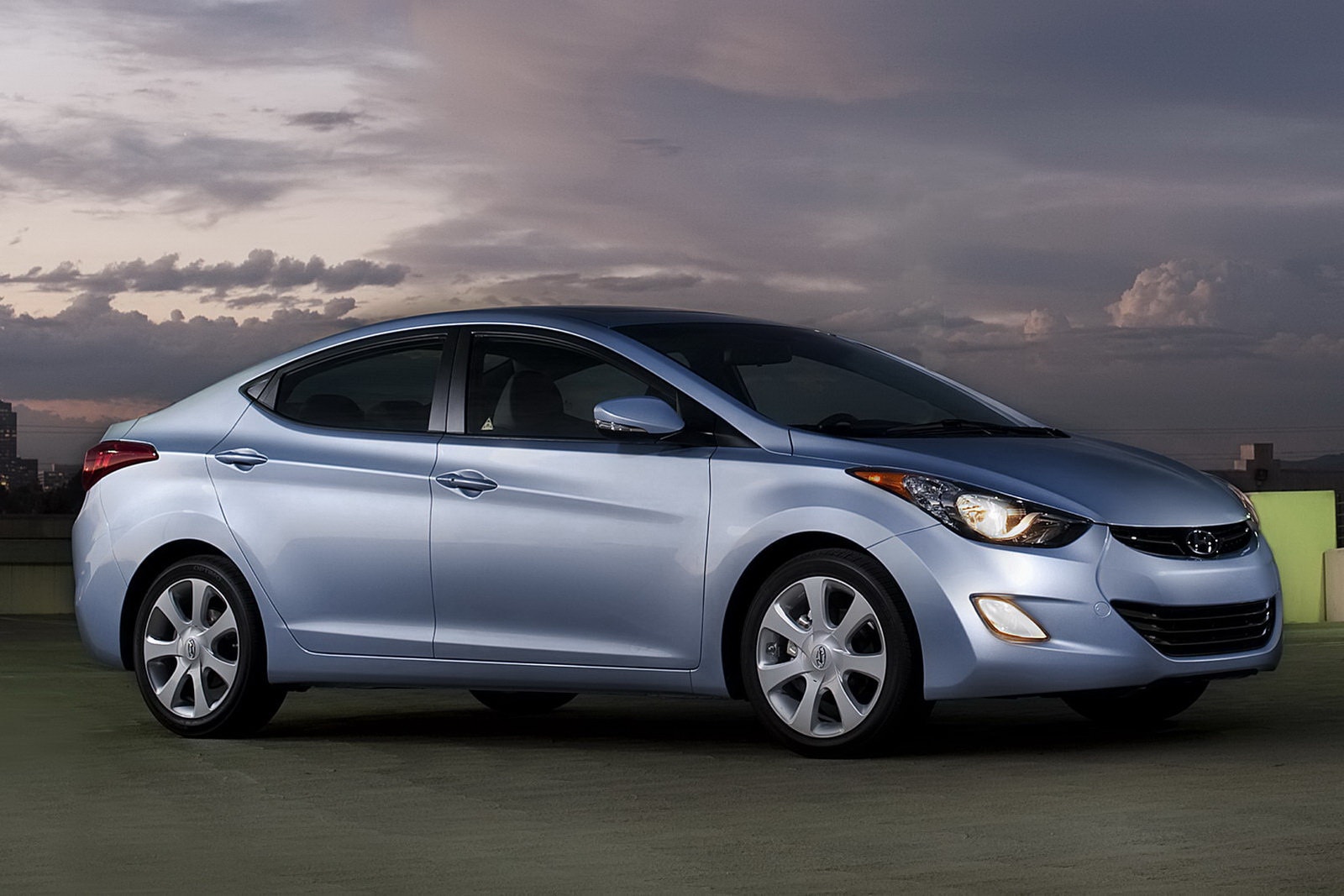
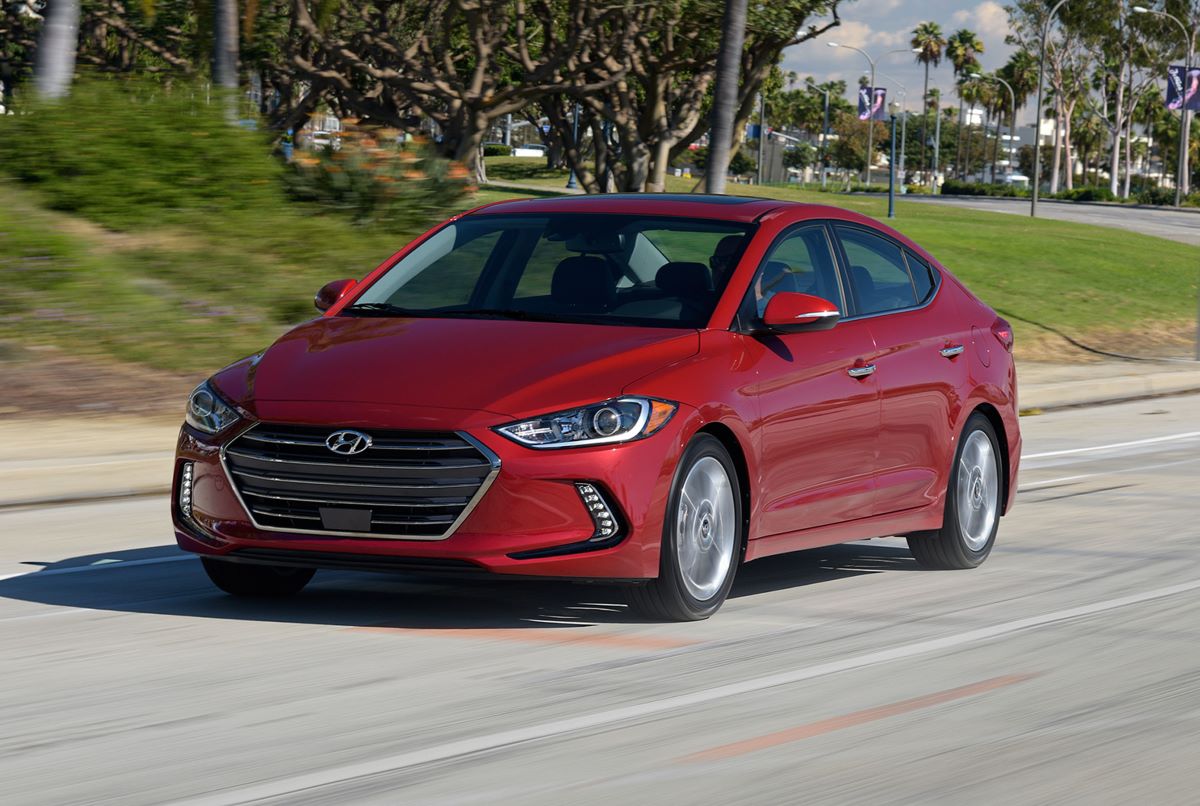
4. Hyundai Elantra (2011–2016)
The Hyundai Elantra from the 2011 to 2016 model years has received solid marks in terms of fuel economy and reliability, but winter brings a specific frustration for many of its owners: a fuel door that often refuses to open when needed.
This problem isn’t caused by a mechanical flaw so much as it is by a design oversight. The fuel door sits flush with the car’s body and lacks adequate drainage channels or protection from road salt and ice buildup. As a result, even minor snowfall can cause the door to freeze shut within hours.
The Elantra relies on a small cable-based release mechanism located next to the driver’s seat. While this system should work regardless of temperature, the problem arises when the fuel door itself is frozen shut externally.
Drivers may hear or feel the cable moving, but the door won’t open unless the ice is broken or melted manually. In some cases, the cable stretches over time, which adds slack and makes the release lever feel loose or ineffective. Once this happens, winter becomes a recurring battle with frozen panels.
Another complication is how the fuel door’s spring wears down after a few years. Originally, it may pop open with decent force, but once the tension weakens, even a thin layer of frost is enough to keep it from opening fully.
This gradual decline in performance means that long-term owners often don’t realize the problem until they’re already stuck in cold weather trying to refuel. Attempts to pry the door open can also lead to paint damage or bent hinges, which further compounds the issue.
Some Elantra drivers attempt preventative maintenance, including spraying the hinge area with silicone, but without a reliable seal or heating element, the freezing tends to return with every storm. The model’s slim fit, exposed location, and lack of cold-weather design make the fuel door one of its most frustrating aspects. For commuters or students living in cities with tough winters, the inconvenience adds up quickly over the years.
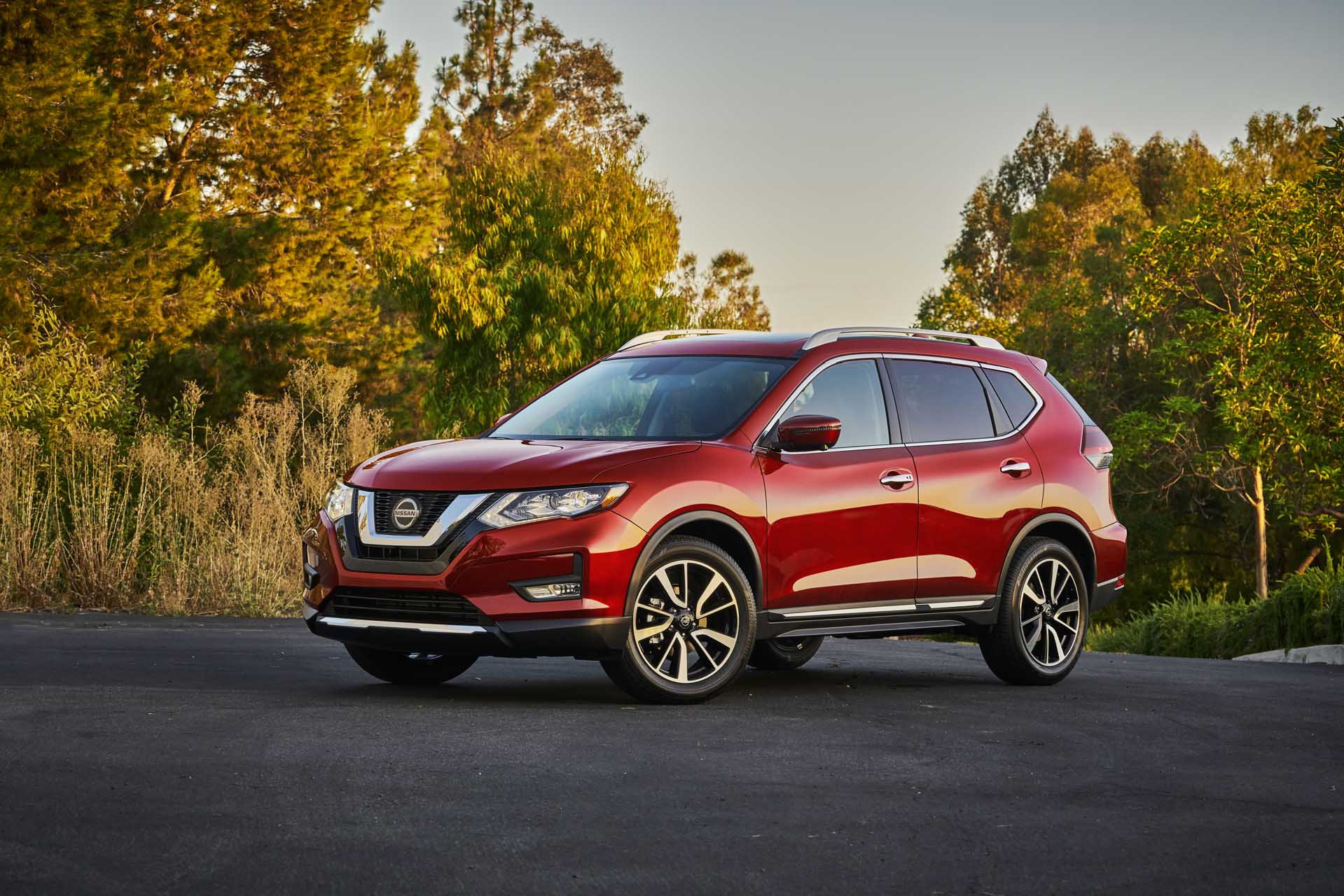
5. Nissan Rogue (2014–2019)
The Nissan Rogue is a popular compact SUV with strong sales in North America, but those living in colder climates often report repeated issues with the fuel door sticking in winter. The problem seems to arise from both the door’s location and the materials used in the hinge and latch assembly.
On these model years, Nissan designed the fuel door to be flush with the rear fender without much surrounding insulation or protection from external elements. That makes it a magnet for snow buildup and slush, especially after driving through stormy conditions or slushy roads.
The Rogue’s fuel door operates using a mechanical lever inside the cabin, located near the driver’s seat. While that system is typically reliable, it doesn’t do much good when the door is frozen shut from the outside. The spring on the fuel door is relatively weak and doesn’t provide enough force to overcome even a light freeze.
Drivers often report hearing the lever click, only to find that the door doesn’t budge. Because the outer panel is relatively thin and flexible, trying to force it open usually ends in frustration or damage.
One of the more common complaints is how moisture tends to collect and freeze inside the door seam. Unlike other vehicles that allow for drainage or airflow, the Rogue’s compartment traps moisture and doesn’t allow it to escape easily.
After even a short exposure to snow or freezing rain, that trapped water can freeze solid and prevent the door from opening. Some drivers have taken to covering the fuel door with a magnetic flap or small cloth when parking outside overnight, a clear sign that the issue is widespread enough to require daily workarounds.
