
The odometer is one of the most critical instruments found in any vehicle, particularly trucks that are frequently subjected to demanding tasks, long hauls, and rough terrains. It records the total distance a vehicle has traveled, serving not only as a guide for routine maintenance but also as a fundamental tool for determining the vehicle’s value and condition over time.
For truck owners, knowing the exact mileage is essential because it influences when oil changes, tire rotations, and major mechanical inspections should occur.
A functioning odometer also plays a key role when trucks are sold or traded in, as potential buyers rely heavily on the mileage figure to assess the truck’s remaining lifespan and general wear. In short, a reliable odometer protects both the owner’s investment and the vehicle’s operational safety.
However, not all odometers function as dependably as intended. In some trucks, the odometer stops working, freezes, or displays inaccurate readings, which can lead to serious complications. For instance, when an odometer fails, owners may miss crucial maintenance windows, causing premature wear and costly repairs.
Additionally, an odometer malfunction can raise suspicions of tampering or fraud, complicating the sale or transfer of ownership. Without accurate mileage tracking, it becomes difficult to establish the true history of a truck, which undermines trust between buyers and sellers. Beyond financial concerns, safety can also be affected if owners neglect inspections or part replacements because the odometer no longer provides accurate data.
Among truck models, there is a divide between those that maintain consistent odometer accuracy and those prone to failures. This division arises from differences in manufacturing quality, electronic system design, component durability, and maintenance culture.
Some trucks benefit from modern technology, robust engineering, and careful design that ensure the odometer remains operational for many years. Other trucks, especially older models or those with less sophisticated systems, tend to have odometers that fail or stop recording miles altogether. These issues have been documented through owner reports, repair data, and industry feedback.
This article compares two groups of trucks based on their odometer performance. The first group features five trucks known for having odometers that rarely fail or lose accuracy, backed by solid design and strong service support. The second group highlights five trucks with documented problems where odometers have stopped tracking miles or malfunctioned regularly.
By examining each group’s characteristics and common causes of success or failure, readers can better understand how odometer reliability impacts truck ownership. This knowledge is valuable for current owners wanting to maintain their trucks, prospective buyers assessing vehicles, or anyone interested in the mechanical and electronic aspects of truck design.
Each truck will be examined in terms of its odometer technology, durability under normal and harsh conditions, manufacturer’s approach to reliability, and owner experiences. The goal is to offer a balanced view that acknowledges the strengths and weaknesses of each model.
By the end of the article, readers will have a clearer picture of which trucks tend to maintain accurate mileage records and which ones are more likely to encounter odometer problems. This insight can help in making informed decisions about maintenance, repairs, or vehicle purchases.
Also Read: 10 Cars With Tricky Seatbelt Buckles for Elderly Passengers
Five Trucks with Odometers That Don’t Fail
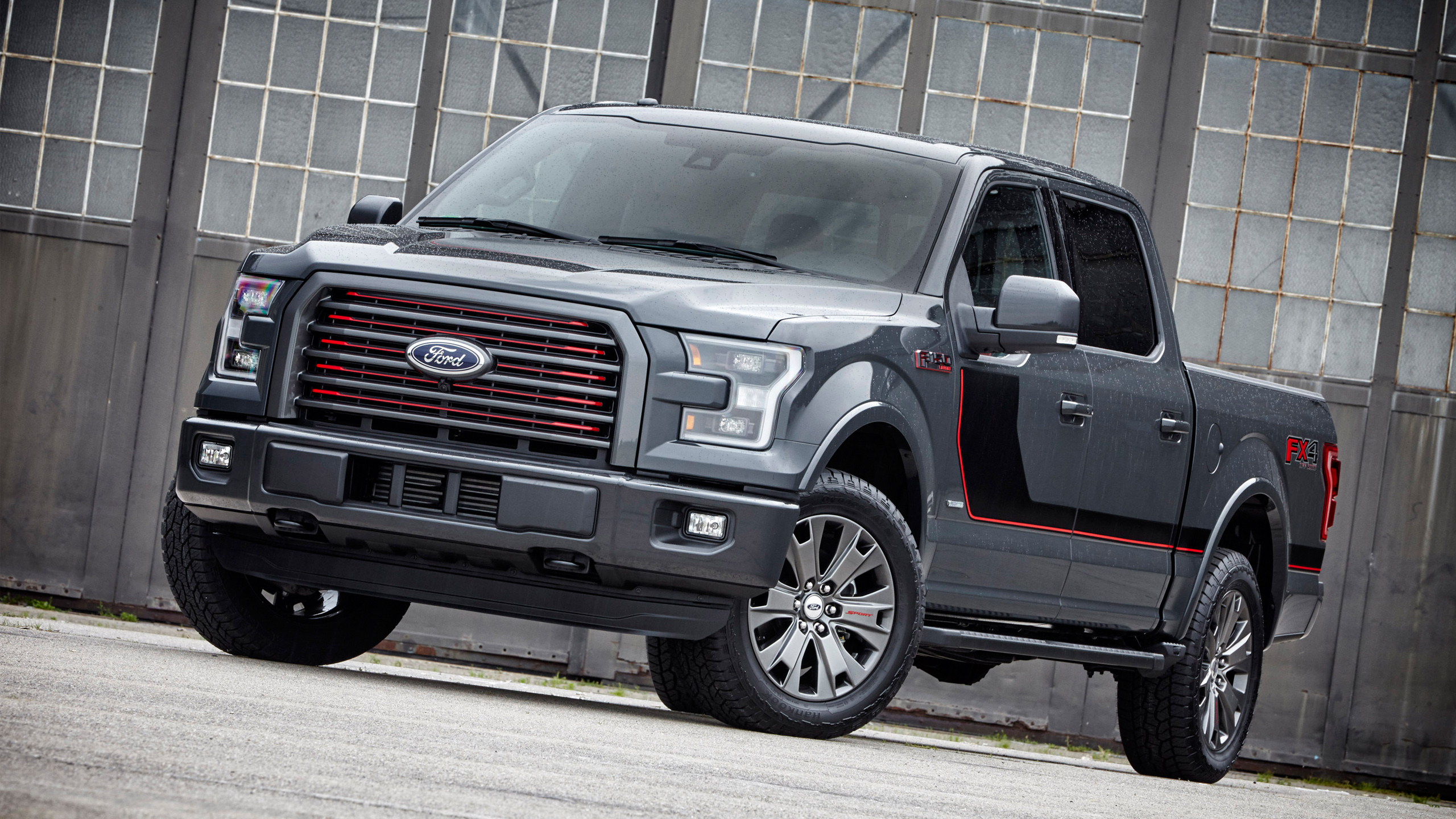
Ford F-150 (Recent Models)
The Ford F-150 remains one of the most popular and widely used trucks across North America, prized for its balance of power, capability, and technological innovation. The recent generations of the F-150 have benefited from significant improvements in electronic systems, including the odometer.
Unlike older models that relied more heavily on mechanical components, modern F-150s use advanced digital odometers that integrate seamlessly with the vehicle’s onboard computers.
These systems are engineered with redundancy and fail-safes to prevent data loss, ensuring that mileage tracking remains accurate even under the toughest driving conditions. The design incorporates multiple sensors that constantly communicate with the main control unit, allowing the odometer to adjust and compensate for errors or disruptions.
Ford’s commitment to electronic durability is evident in the materials used for wiring, connectors, and sensor housings. These components are designed to resist corrosion caused by moisture and road salt, as well as to withstand vibration and shocks common in trucks that are used for heavy hauling or off-road driving.
This attention to detail helps prevent common causes of odometer failure, such as broken wires or damaged sensors, which are often seen in less robust systems. As a result, many F-150 owners report trouble-free odometer performance even after logging hundreds of thousands of miles.
In addition to hardware durability, Ford employs comprehensive software diagnostics that run continuously in the background. This software monitors the odometer’s operation, alerting the driver or service technicians if irregularities are detected.
These early warning systems allow potential issues to be addressed before the odometer completely fails. Furthermore, Ford regularly updates vehicle software during routine maintenance visits, improving system reliability and addressing known bugs that might affect electronic components like the odometer.
Finally, Ford’s vast dealership network and trained mechanics play a vital role in maintaining odometer integrity. If an issue arises, it can typically be diagnosed and repaired quickly thanks to the widespread availability of parts and specialized tools.
This robust support system minimizes downtime and ensures that even rare odometer faults do not impact the vehicle’s performance or resale value. Collectively, these factors make the Ford F-150 a standout for odometer reliability among modern trucks.
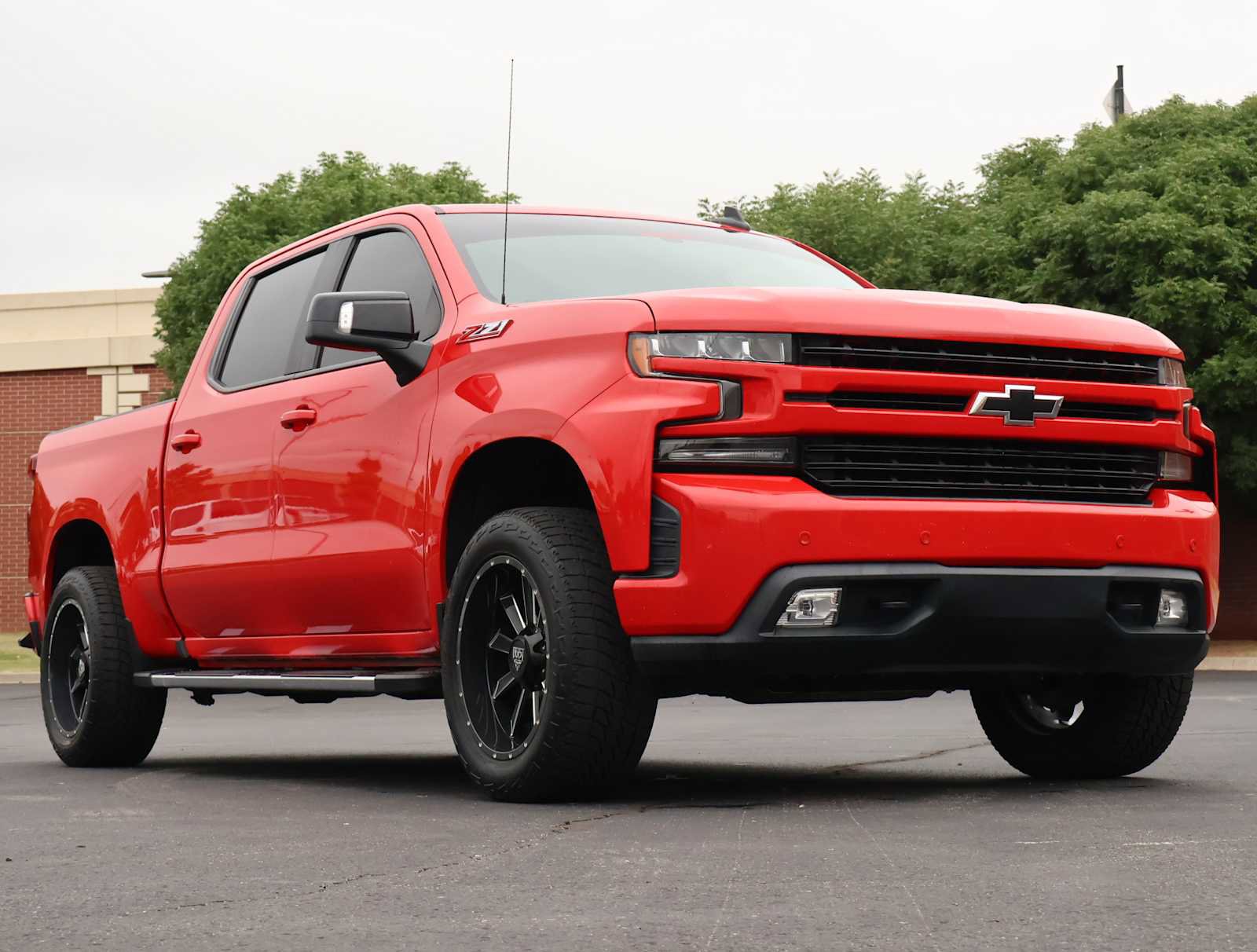
Chevrolet Silverado 1500 (Later Generations)
The Chevrolet Silverado 1500 has built a reputation for durability and straightforward design, with an emphasis on mechanical reliability and user-friendly electronics. The odometer in later-generation Silverados uses digital technology that is more reliable than the analog systems found in earlier models.
Digital odometers operate by counting electronic pulses generated by the vehicle’s speed sensors, eliminating the mechanical parts that wear out or jam over time. This transition to digital technology has reduced the frequency of odometer failures significantly.
GM’s approach to ensuring odometer durability involves rigorous testing across various environments. This includes exposure to extreme temperatures, humidity, dust, and vibration, all conditions that trucks commonly encounter.
By testing under these harsh scenarios, Chevrolet engineers have been able to design odometer systems that maintain accuracy and resist damage over extended periods. Owners of recent Silverado models frequently report that their odometers have functioned reliably through years of heavy use, supporting the vehicle’s reputation for durability.
Another factor contributing to Silverado’s odometer reliability is the maintenance culture among its owners. Silverado users tend to adhere to scheduled maintenance routines, which include regular diagnostic scans.
These scans help identify potential issues in the electrical system before they escalate into complete odometer failure. Preventive maintenance, such as cleaning connectors, inspecting wiring, and updating vehicle software, keeps the odometer and related components in good working order.
Moreover, Chevrolet’s extensive dealer network provides quick and accessible repairs if odometer issues arise. Parts for the odometer and instrument clusters are readily available, and technicians are well-versed in Silverado’s electronic systems.
This reduces the likelihood that a minor odometer glitch becomes a prolonged or costly problem. Taken together, the Silverado’s engineering, owner care, and service support make it one of the trucks with odometers that seldom fail.
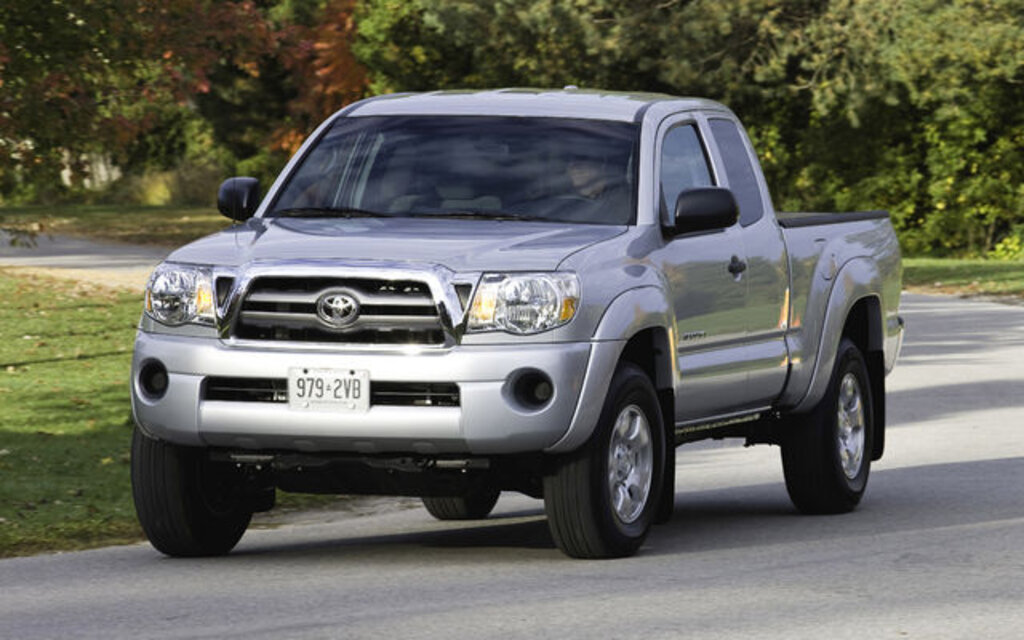
Toyota Tacoma
The Toyota Tacoma has earned a reputation for outstanding reliability and ruggedness, especially in off-road conditions. This reputation extends to the vehicle’s odometer system, which is designed with simplicity and durability in mind.
Toyota favors proven, straightforward electronic components that are less susceptible to failure or interference. The Tacoma’s digital odometer is tightly integrated with the truck’s engine control unit, allowing for precise mileage tracking that remains stable even after years of use.
Toyota’s choice of high-quality materials and careful engineering means the Tacoma’s odometer components are well-protected from environmental factors like moisture, dust, and heat.
Sensor and wiring placement is optimized to reduce exposure to vibration and physical damage. Owners commonly report that their Tacomas maintain accurate odometer readings well beyond the first 200,000 miles, underscoring the robustness of these systems.
The simplicity of Toyota’s odometer system also contributes to its reliability. Rather than relying on overly complex electronics or software, Toyota emphasizes mechanical stability and solid electronic design.
This philosophy minimizes potential points of failure and reduces the risk of software glitches that might cause an odometer to freeze or reset. Toyota’s well-established service network also aids in early detection and resolution of any odometer-related concerns.
Lastly, Toyota’s reputation for quality control and manufacturing consistency supports the Tacoma’s odometer reliability. The company’s stringent standards for component testing and assembly ensure that trucks leaving the factory have dependable odometer systems.
When combined with regular maintenance, the Toyota Tacoma offers a highly reliable truck for drivers who need trustworthy mileage tracking for work or recreation.
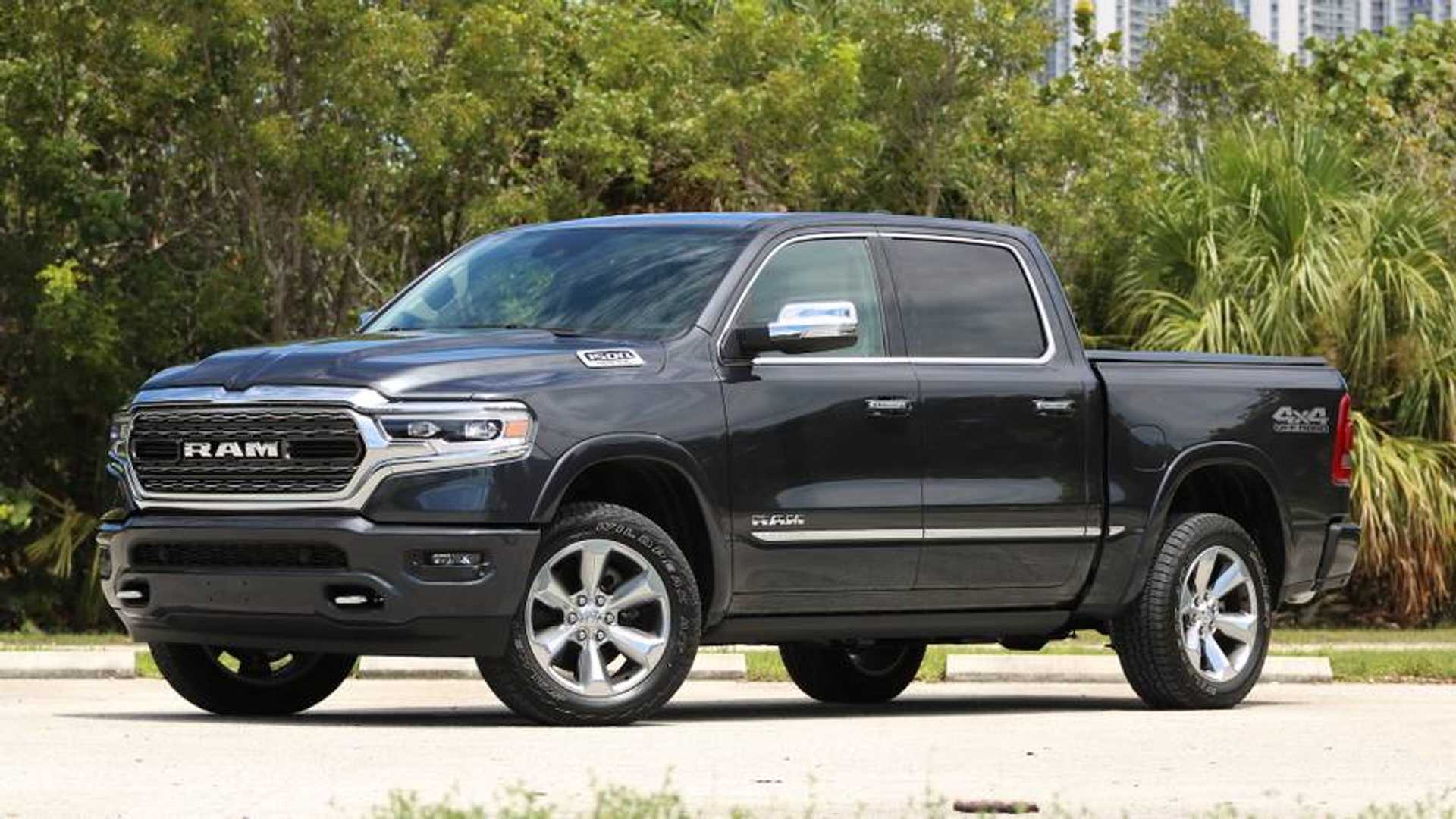
Ram 1500 (Modern Models)
Ram 1500 trucks have undergone significant technological improvements in recent years, particularly in the area of electronic system reliability. The odometer in these trucks is part of a sophisticated network of sensors and control units that communicate in real time to provide accurate and continuous mileage tracking.
Ram’s engineering teams focused on reducing electrical noise and interference, common causes of electronic malfunctions, by employing high-quality wiring and shielding techniques throughout the vehicle.
In addition to hardware improvements, Ram’s odometer systems benefit from built-in self-diagnostics. These systems constantly monitor odometer function and alert the driver when irregularities occur.
Such warnings allow owners to schedule repairs before a complete failure occurs, maintaining odometer accuracy and reliability over time. This proactive monitoring represents a shift toward more intelligent vehicle systems designed to prevent costly issues rather than react to them.
The durability of the Ram’s wiring harnesses and connectors also plays a crucial role. Components are specifically chosen to resist corrosion and mechanical stress, which are common culprits behind odometer malfunctions. The truck’s design includes protective routing of wires away from moisture-prone or high-heat areas, which helps maintain signal integrity for miles counting.
Finally, Ram owners benefit from the company’s broad service network and ready availability of replacement parts. These factors ensure that odometer-related issues can be addressed promptly, reducing downtime and maintaining the truck’s resale value. The combination of advanced electronics, preventive diagnostics, and reliable service makes the Ram 1500 a truck known for odometers that remain operational under demanding conditions.

Honda Ridgeline
Though the Honda Ridgeline takes a different approach to the pickup market, combining elements of SUVs and trucks, it is recognized for having highly reliable electronic systems, including its odometer.
Honda’s engineering emphasizes precision, quality control, and simplicity in design, resulting in systems that are robust and resistant to failure. The Ridgeline’s digital odometer integrates closely with its engine control unit and speed sensors, forming a system that effectively tracks mileage without losing data or resetting unexpectedly.
Honda utilizes top-tier electronic components and quality wiring materials that resist common issues such as corrosion and vibration damage. This careful selection of parts contributes to the Ridgeline’s reputation for dependable odometer operation. Additionally, the vehicle’s electronics are tested extensively to ensure consistent performance across various environments, from urban streets to rural roads.
Maintenance plays a key role in preserving the Ridgeline’s odometer reliability. Honda encourages regular service visits where diagnostic scans detect any emerging problems with sensors or wiring that could affect mileage tracking. The vehicle also features warning systems that alert the driver if any component related to the odometer is malfunctioning, allowing owners to act before issues worsen.
Honda’s global network of dealerships and service centers further supports Ridgeline owners by providing easy access to genuine replacement parts and expert repairs. This combination of engineering excellence and service availability ensures the Ridgeline’s odometer remains accurate and reliable throughout its service life.
Five Trucks That Stop Tracking Miles
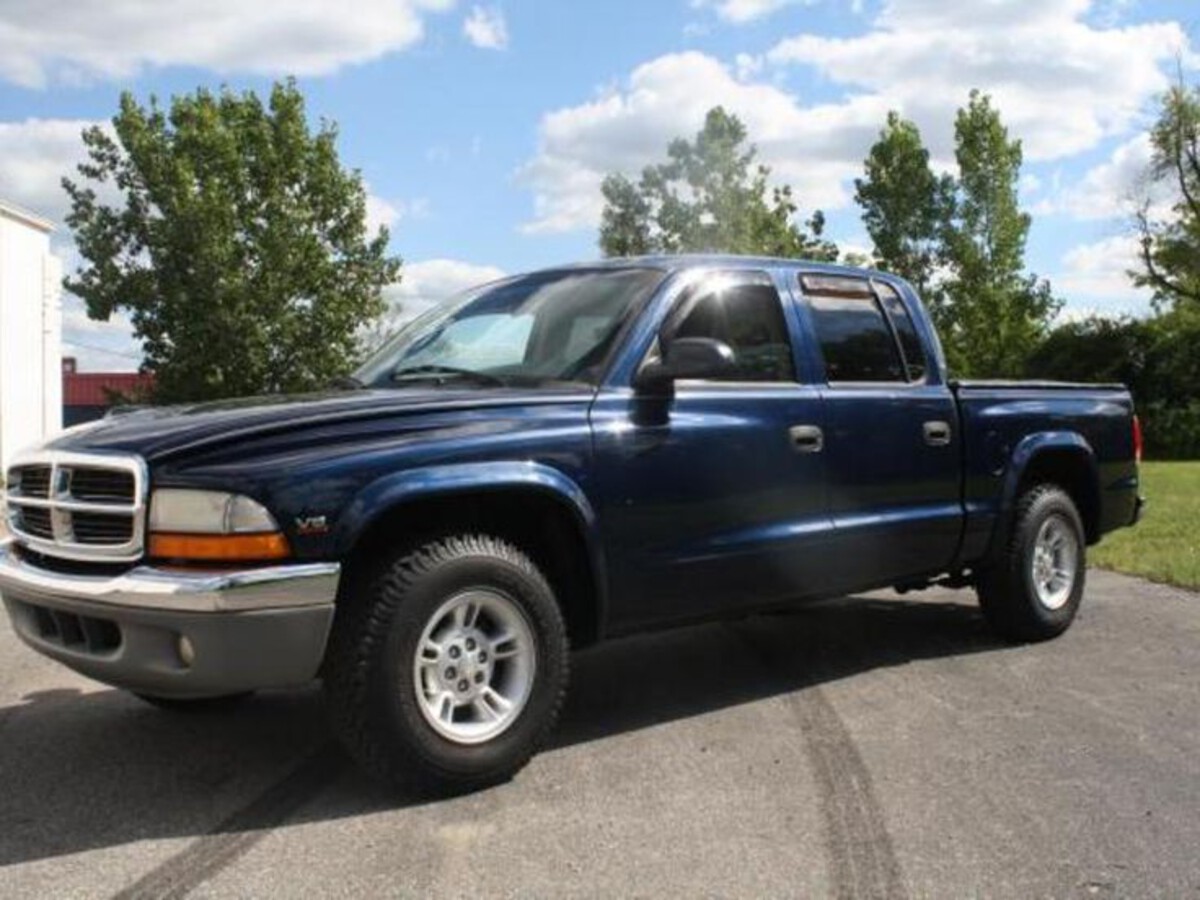
Dodge Dakota (Older Models)
Older Dodge Dakota models have a well-known history of odometer reliability problems. Many owners have reported situations where the odometer stops tracking mileage altogether or freezes partway through trips.
These problems typically arise from a combination of mechanical and electrical issues. Early Dakota odometers were mostly analog, relying on physical gears and cables that are prone to wear and breakage after years of use, especially in trucks frequently exposed to harsh conditions.
Electrical issues further complicate the situation, as wiring harnesses age and insulation wears thin, causing intermittent connections or short circuits that disrupt odometer signals. Moisture intrusion, often from leaks or poor sealing, accelerates corrosion and damages critical electrical components. The combination of mechanical wear and electrical faults creates a perfect storm for odometer failure in these trucks.
Moreover, the instrument cluster, where the odometer is displayed, has been a source of trouble. Clusters with faulty printed circuit boards or poor soldering joints can cause the odometer to stop displaying mileage or show erratic, inaccurate readings. In many cases, owners have faced the expensive option of replacing the entire cluster to restore functionality.
The problem is compounded by the fact that the Dodge Dakota does not enjoy the same level of widespread service support as some other trucks, especially as these models age and parts become harder to find.
This scarcity often results in owners resorting to aftermarket repairs or custom solutions, which can vary in quality and longevity. These issues contribute to the Dakota’s reputation as a truck whose odometer systems frequently fail to track miles consistently.
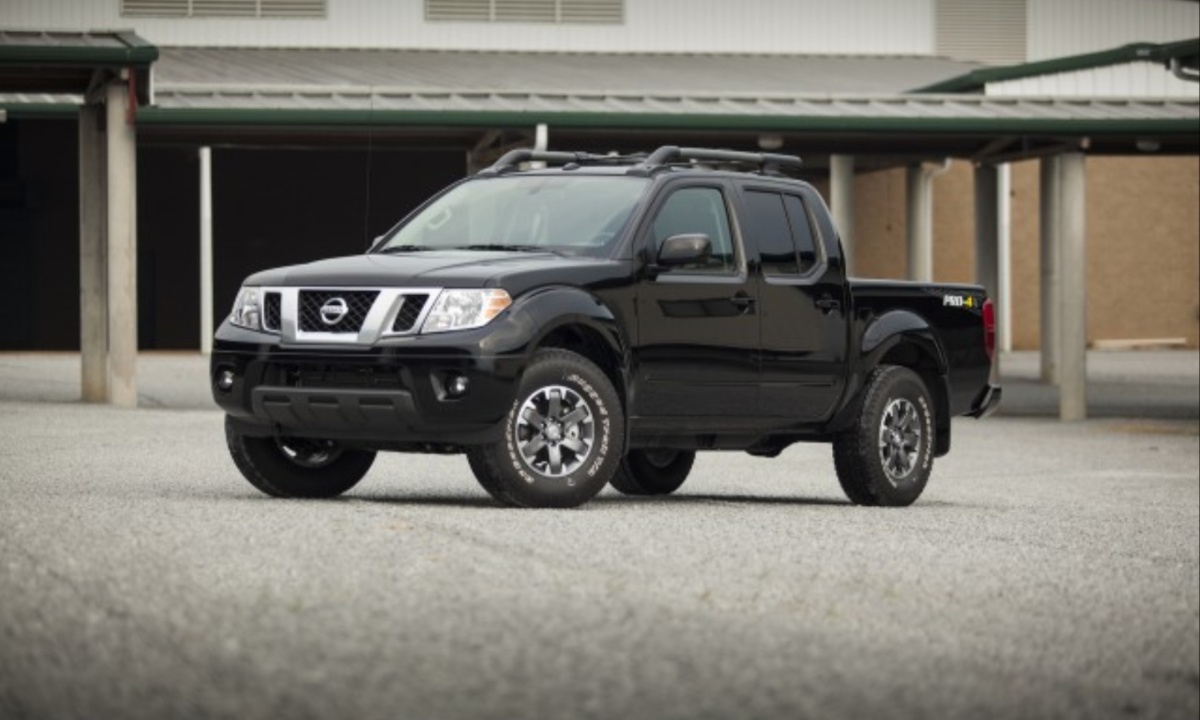
Nissan Frontier (Early Generations)
The early Nissan Frontier models suffered from several electronic issues that frequently caused the odometer to malfunction or stop working altogether. The odometer relied on a combination of analog sensors and early digital electronics that were not yet fully refined or protected against environmental stresses.
One of the most common causes of odometer failure in these models is the breakdown of the vehicle speed sensor, which supplies essential data for the odometer to calculate distance traveled.
When the speed sensor fails or sends erratic signals, the odometer can freeze, reset, or display inaccurate mileage, creating significant problems for maintenance scheduling and resale valuation. Wiring and connectors related to the odometer are often vulnerable to road grime, moisture, and vibration, which accelerate their deterioration. Over time, these factors contribute to intermittent or permanent odometer failures.
Adding to the frustration is the lack of advanced diagnostic tools in early Frontier models. Without modern onboard diagnostics, pinpointing odometer issues was difficult, often requiring extensive manual testing and troubleshooting by mechanics. This made repairs costly and prolonged, further discouraging timely fixes.
Furthermore, owners faced issues with instrument cluster failures, which compounded odometer problems by causing inaccurate or missing mileage displays. The combination of sensor faults, wiring degradation, and cluster issues made early Nissan Frontiers prone to odometer failure, impacting their reliability as work or daily vehicles.
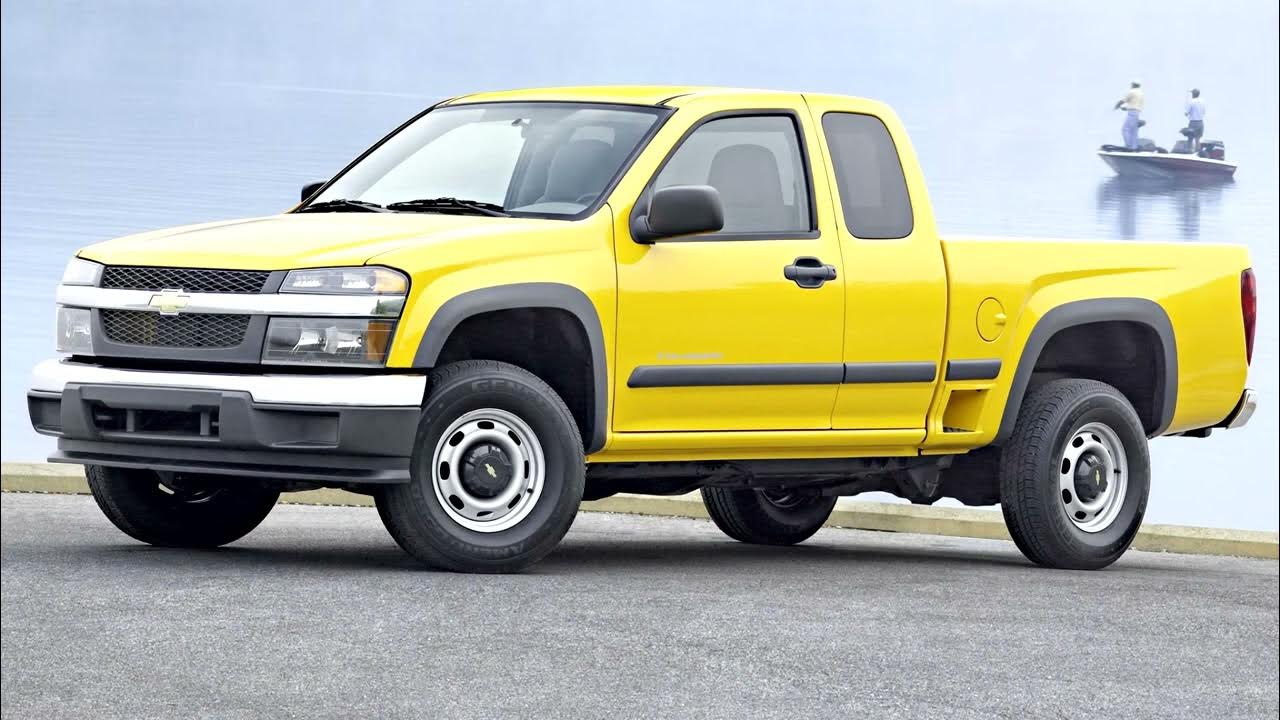
Chevrolet Colorado (First Generation)
The first-generation Chevrolet Colorado was met with some criticism for odometer failures, among other electronic glitches. This truck employed early digital odometer systems that, while a step up from analog, were not yet fully hardened against the harsh environments trucks endure. Owners reported instances where the odometer stopped working entirely or showed incorrect mileage readings, often without warning.
These problems were frequently traced back to defects within the instrument cluster’s circuit boards. Poor soldering joints and subpar quality control during manufacturing sometimes resulted in cracked or broken circuits, causing the odometer to lose functionality.
The electronic components inside the cluster were particularly sensitive to vibration and moisture, two conditions common to trucks that see heavy use or off-road driving.
Trucks used in demanding environments experienced accelerated wear and tear on these components, leading to more frequent odometer failures. Replacement of the instrument cluster was the most common solution, but this was often an expensive and inconvenient repair. In some cases, owners resorted to third-party or refurbished clusters, which introduced risks of compatibility and longevity issues.
The odometer issues in early Colorado models caused frustration for owners and diminished confidence in the truck’s electronic reliability. Though later generations addressed many of these problems, the initial reputation affected the first generation’s perception.
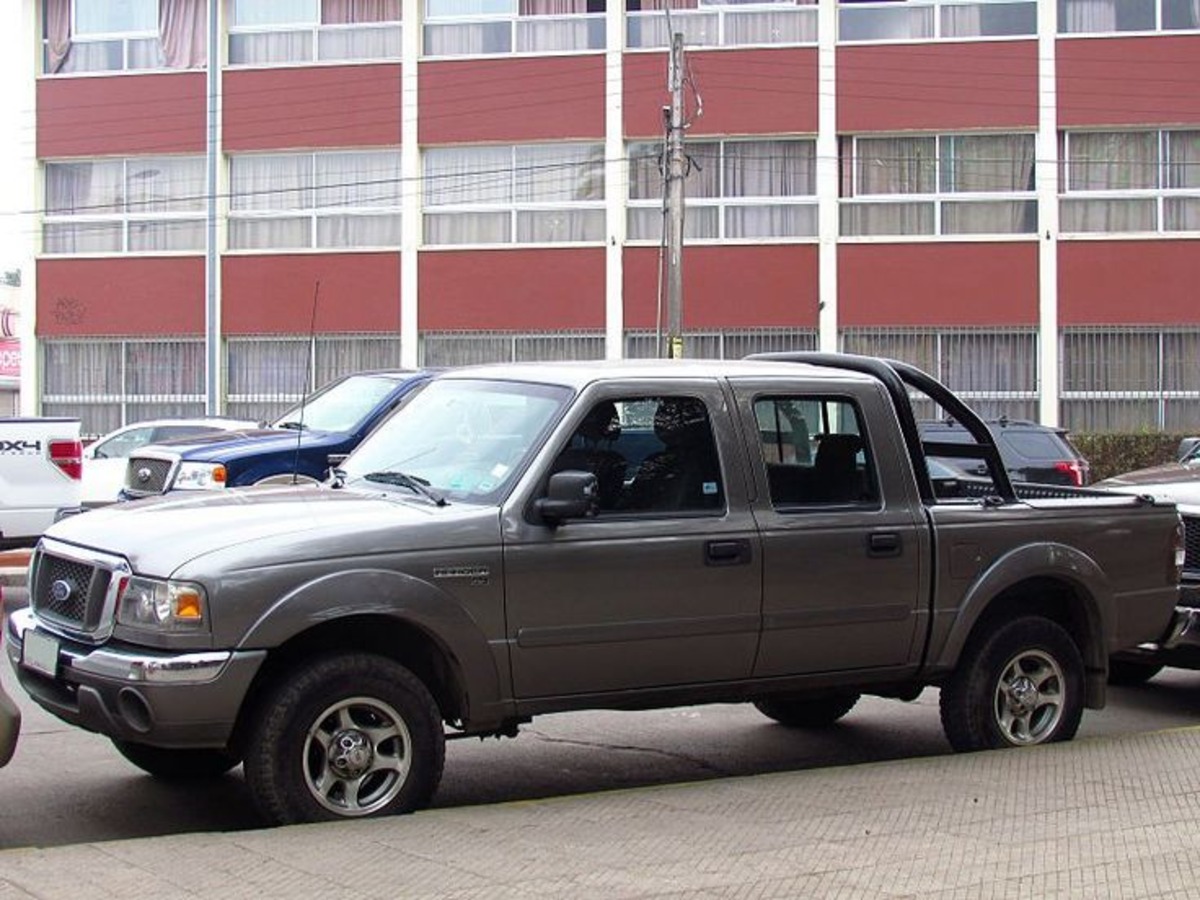
Ford Ranger (Early 2000s Models)
Ford Rangers from the early 2000s were widely used trucks but not without their share of odometer reliability problems. These models often had analog odometers coupled with the first iterations of electronic integration, creating a complex system that was vulnerable to failure.
The wiring and connectors inside the instrument cluster were prone to corrosion and mechanical wear, which frequently led to the odometer freezing or losing data.
Because the odometer is connected to the speedometer cable and vehicle speed sensors, any failure in these components directly affects mileage tracking. Common symptoms included odometer readings that stopped incrementing or displayed inconsistent numbers, confusing owners and making it difficult to schedule maintenance.
These problems were often discovered during routine inspections or when the vehicle was sold, raising concerns about the truck’s true mileage. Repairing the odometer typically involved either repairing or replacing the instrument cluster, which was not always simple or affordable for owners. Software glitches in the electronic control units also contributed to odometer issues, as the systems were still evolving.
Ford has since addressed many of these problems with software updates and redesigns in newer models, but early 2000s Rangers remain susceptible to odometer failure, affecting their reliability as used trucks.

Jeep Gladiator (Early Production Models)
The Jeep Gladiator, particularly in its initial production runs, experienced odometer reliability issues related to its newly introduced electronic instrument clusters. As Jeep integrated modern digital odometers into the Gladiator, early models showed a tendency for the odometer to freeze or reset unexpectedly. This created challenges for owners who rely on accurate mileage data for maintenance, especially when using the vehicle for off-road or heavy-duty purposes.
The placement of sensitive wiring and connectors in areas exposed to moisture and vibration contributed significantly to odometer problems. Electrical faults, such as short circuits or connector corrosion, were common, leading to intermittent or permanent loss of mileage tracking. These issues were exacerbated by the Gladiator’s rugged use cases, which often involve exposure to water, mud, and rough terrain.
Replacing or repairing odometer components in early Gladiators has proven to be difficult due to limited availability of parts and the need for specialized service knowledge. Some owners reported recurring issues even after repairs, suggesting that the root causes were not fully addressed in initial design or repair procedures.
Despite Jeep’s efforts to improve the reliability of later models, the early production Gladiators serve as a cautionary example of how new electronic systems can face growing pains that affect odometer function.
Also Read: 5 Cars That Heat Up Fast in Winter vs 5 Cars That Take Forever to Warm Up
Accurate mileage tracking is a fundamental aspect of truck ownership that often goes unnoticed until problems arise. The odometer, while seemingly a simple gauge, carries significant responsibility for maintaining vehicle health, ensuring safety, and protecting financial value.
As demonstrated by the comparison of trucks with reliable odometers versus those prone to failure, the differences in design, engineering, and maintenance practices can have a profound impact on how well a truck’s mileage is recorded over time.
Trucks like the Ford F-150, Chevrolet Silverado, Toyota Tacoma, Ram 1500, and Honda Ridgeline benefit from advanced electronics, durable components, and strong manufacturer support, which together contribute to odometers that rarely fail and continue providing accurate readings even after extensive use. These trucks exemplify the advantages of modern digital odometer systems combined with high-quality manufacturing and proactive maintenance.
Conversely, older or less technologically refined models such as the Dodge Dakota, early Nissan Frontier, first-generation Chevrolet Colorado, early 2000s Ford Ranger, and initial Jeep Gladiator faced various challenges that led to odometer malfunctions. Issues such as mechanical wear, poor wiring insulation, corrosion, inadequate shielding against vibration, and faulty instrument cluster components have all contributed to odometers freezing, resetting, or ceasing to track mileage altogether.
These failures not only complicate maintenance and resale but also undermine owner confidence in the vehicle’s reliability. Many of these problems stem from a combination of outdated technology, lower manufacturing quality in certain areas, and environmental factors that trucks are uniquely exposed to during their service lives.
The contrast between these two groups of trucks highlights how critical it is for manufacturers to invest in robust odometer systems that are protected against common sources of failure. It also emphasizes the importance of regular preventive maintenance and timely repairs to avoid small issues developing into major odometer failures.
Owners who keep up with diagnostic checks, address wiring or sensor issues promptly, and seek service from knowledgeable professionals are more likely to maintain accurate mileage tracking regardless of their truck’s inherent design strengths or weaknesses.
A dependable odometer safeguards the owner’s investment by providing trustworthy data essential for vehicle upkeep and fair resale. Whether purchasing a new truck or maintaining an older one, understanding the odometer’s role and its potential failure points can empower owners to make informed decisions that extend the life and value of their vehicle.
By choosing trucks known for reliable odometers and practicing good maintenance, drivers can avoid many common headaches associated with odometer failure, ensuring their truck remains a dependable partner for years to come.
