
Car safety has always been one of the most important factors when choosing a vehicle. Whether it’s for daily commuting, weekend road trips, or family transportation, drivers and passengers expect a car to offer as much protection as possible in the event of an accident.
Over the years, automotive technology has come a long way in improving structural integrity, adding advanced driver-assistance features, and refining crash test results. But even with modern advancements, not every vehicle delivers equally when it comes to crash safety. Some models go above and beyond in offering peace of mind, while others continue to show worrying weaknesses in critical safety areas.
Car buyers often look at style, fuel economy, tech features, and price before checking safety scores. But when something unexpected happens on the road, crashworthiness becomes the most crucial element. Organizations like the Insurance Institute for Highway Safety (IIHS) and the National Highway Traffic Safety Administration (NHTSA) regularly test and rate vehicles on their ability to protect occupants.
These tests evaluate front, side, rollover, and rear collisions, along with how well a car’s structure absorbs energy and how its restraints work to prevent injury. Some cars earn top marks, while others reveal flaws that can put occupants at risk, particularly in real-world scenarios that go beyond the test lab.
This article identifies five vehicles that consistently perform well in safety testing and real-world crash data. These cars offer strong frames, reliable airbag systems, effective driver-assist features, and proven crash resilience. Alongside them, we’ll highlight five cars that have shown troubling crash test results, structural issues, or poor safety features relative to their competitors.
This isn’t meant to shame any specific car model but to give a realistic picture of what buyers need to know when safety is the top priority. The contrast between the best and worst performers sheds light on how far vehicle safety has come and how far it still has to go.
Whether you’re buying your first car or replacing a longtime vehicle, the difference between a safe and an unsafe model can mean everything in a critical moment. Let’s look at which cars stand out for protection, and which ones may fall short when it counts the most.
Also Read: 5 Turbo Engines That Stay Reliable and 5 That Always Break
5 Cars That Stay Safe
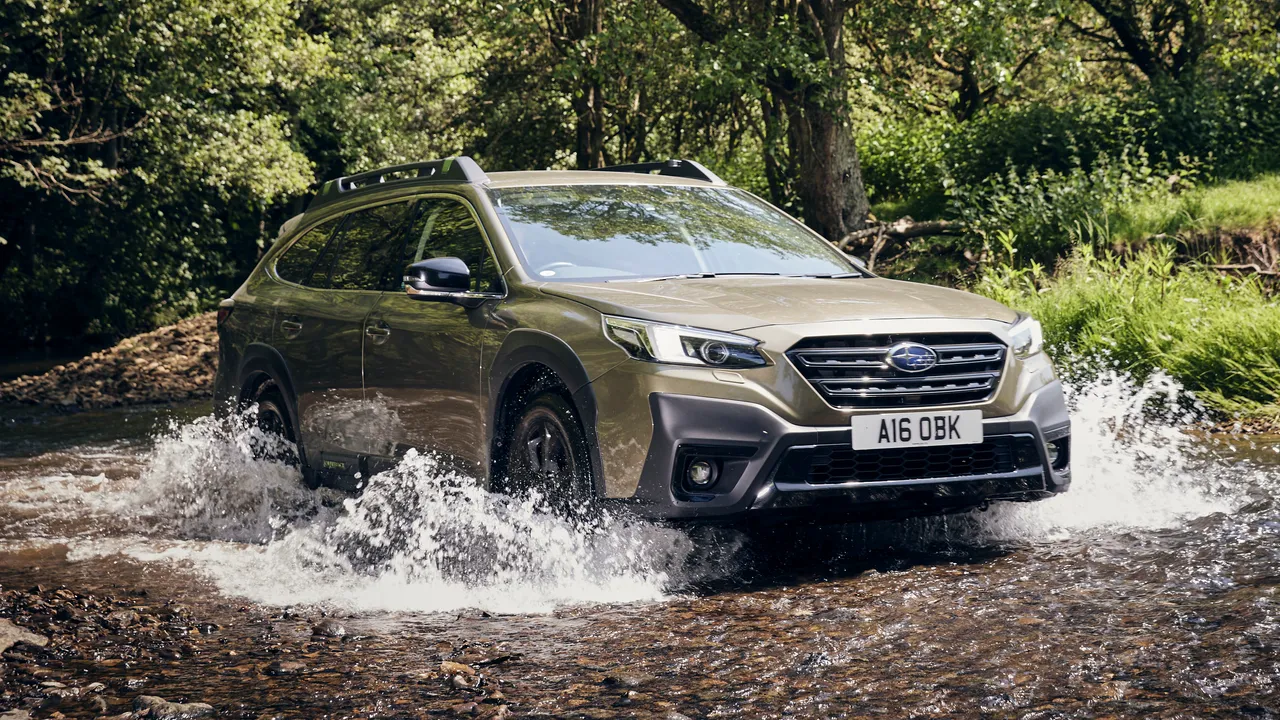
Safe Car 1: Subaru Outback
The Subaru Outback has earned a reputation as one of the safest midsize vehicles on the road. Its solid crash test ratings and long list of safety features make it a strong choice for families, commuters, and outdoor enthusiasts alike. With high ratings from both the IIHS and NHTSA, the Outback demonstrates the kind of consistency that car buyers should look for in a safe vehicle. Its mix of a rugged design and car-like handling doesn’t come at the expense of structural protection.
One of the standout aspects of the Subaru Outback is its EyeSight driver-assist technology. This system includes features like adaptive cruise control, pre-collision braking, and lane-keeping assist. These technologies have been credited with reducing front-end crashes and improving driver reaction times. Subaru’s commitment to offering EyeSight as standard on many trims helps set the Outback apart from competitors that only offer these features on higher-end models.
From a structural standpoint, the Outback uses Subaru’s Global Platform, designed to absorb impact energy and protect passengers in frontal, side, and rollover crashes.
Crash tests have consistently shown that the vehicle maintains its shape well, and airbags deploy in ways that protect both front and rear occupants. Roof strength, an important factor in rollover accidents, is another area where the Outback performs well, providing reassurance to drivers who live in areas with poor weather conditions.
In addition to crash protection, the Outback does well in preventing accidents altogether. Its excellent visibility, balanced driving dynamics, and standard all-wheel drive give it an edge in control and driver confidence. Whether it’s navigating icy roads or avoiding obstacles in poor lighting, the Outback combines active and passive safety in a way that makes it a well-rounded, protective vehicle.
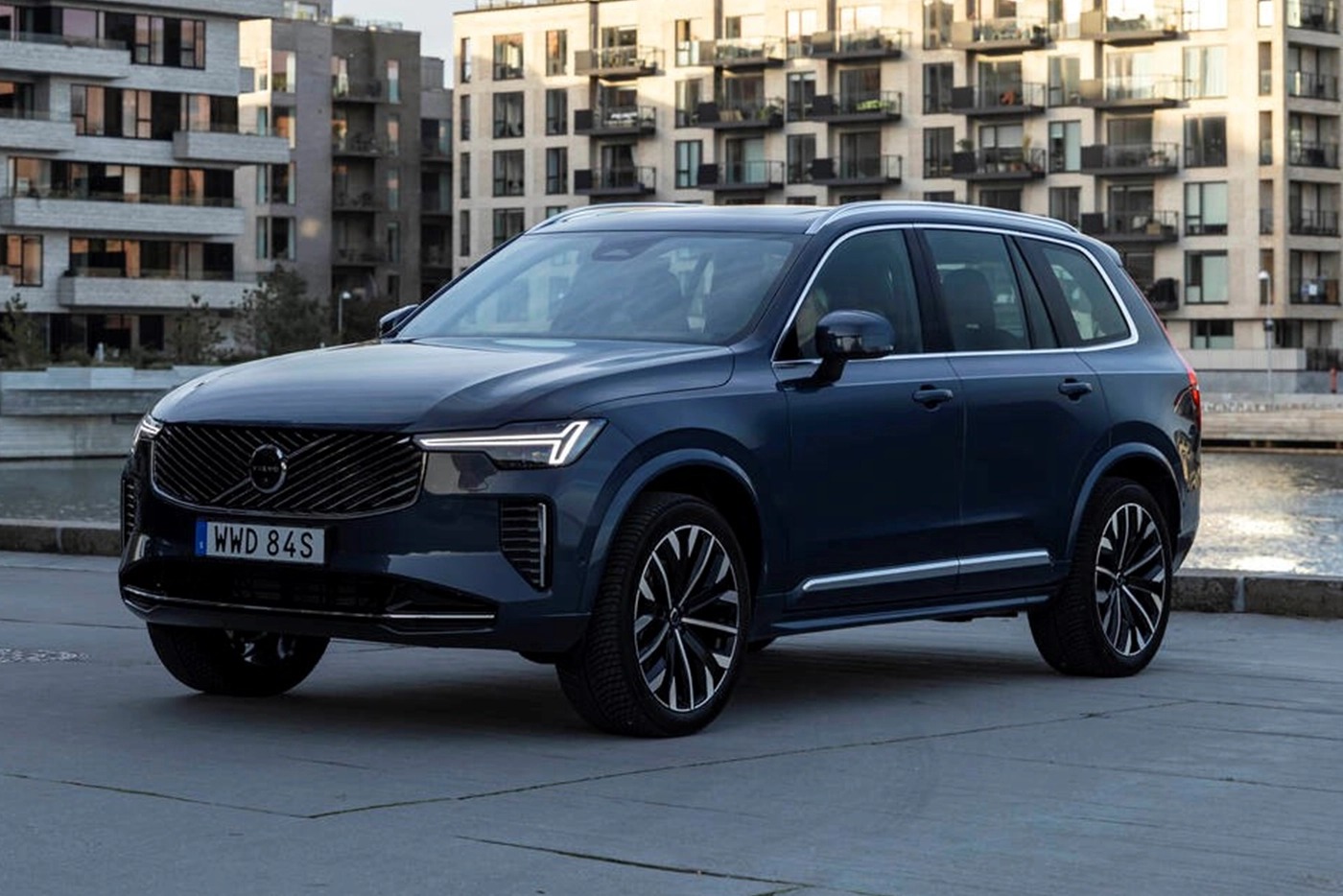
Safe Car 2: Volvo XC90
Volvo has long been associated with safety, and the XC90 continues to carry that legacy forward. This midsize luxury SUV has become a benchmark for safety innovation, often being among the first to include advanced protective technologies. The XC90 is not just about having high-end features; it’s about implementing those features in ways that directly reduce injury risk and improve survival rates in real-world crashes.
The XC90 comes equipped with a full suite of active and passive safety systems. These include automatic emergency braking, pedestrian detection, lane departure mitigation, and a run-off road protection system that tightens seat belts and absorbs impact if the vehicle veers off the road. Volvo’s City Safety technology can even detect large animals, cyclists, and vehicles to help prevent collisions in complex urban environments.
In crash testing, the XC90 consistently earns top scores. Its strong frame and thoughtful airbag placement provide excellent protection for both front and rear occupants. The vehicle’s interior is designed with energy-absorbing zones and head restraints that reduce whiplash in rear-end collisions. Volvo’s attention to detail extends to all seat positions, ensuring that rear passengers are not an afterthought when it comes to safety.
What separates the XC90 from other luxury SUVs is that its safety isn’t just tied to expensive optional packages. Many of its most important features come standard, reflecting Volvo’s commitment to making every XC90 safe, not just the premium versions. For families, daily commuters, or anyone who puts a priority on protection, the XC90 offers peace of mind without compromise.
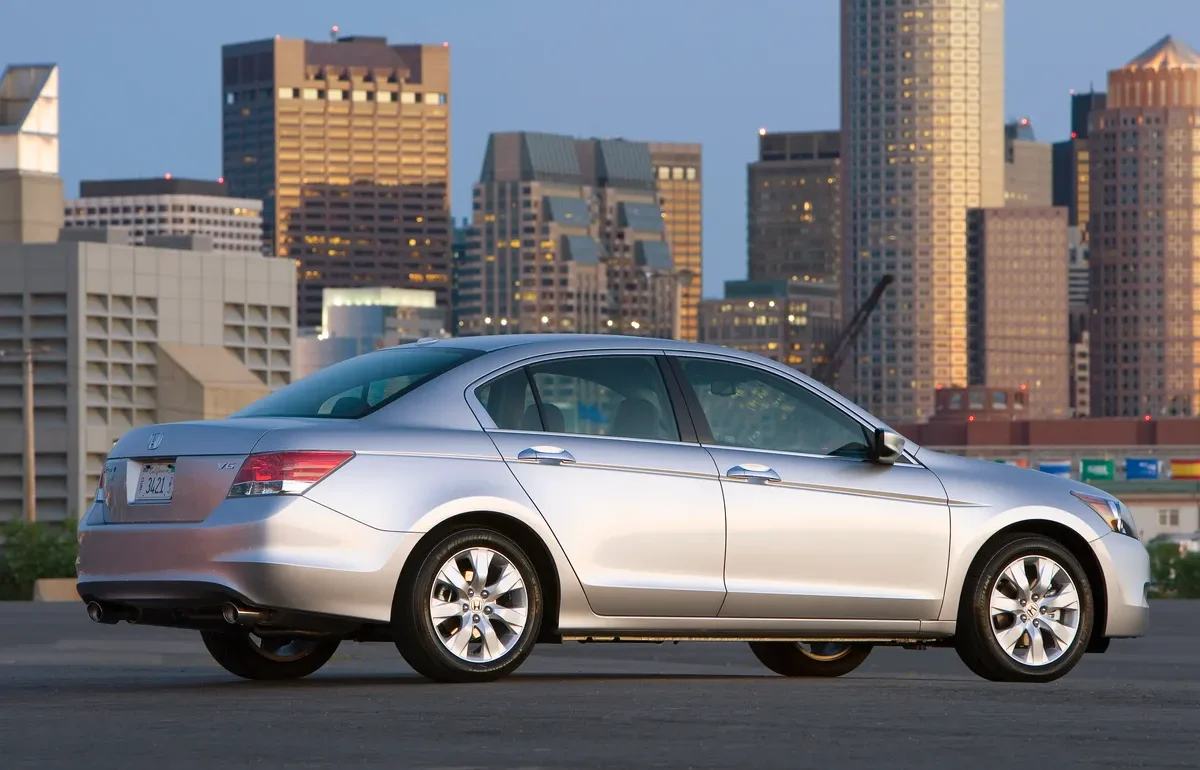
Safe Car 3: Honda Accord
The Honda Accord remains a standout among midsize sedans when it comes to crash safety. Known for its reliability and value, the Accord backs up its popularity with strong safety credentials. It consistently earns top ratings from both major safety organizations and offers a well-rounded package that prioritizes occupant protection as much as driving comfort.
One of the key strengths of the Accord is the Honda Sensing suite of safety technologies, which comes standard on most trim levels. This package includes adaptive cruise control, lane-keeping assist, road departure mitigation, and a collision mitigation braking system. These features help prevent accidents by alerting the driver and even taking corrective action in some situations. Unlike many competitors that limit such technologies to higher trims, Honda makes safety more accessible across the lineup.
The Accord’s body structure, called Advanced Compatibility Engineering (ACE), is designed to distribute crash energy more evenly during a collision. This reduces the force transferred to occupants and lowers the chance of serious injuries. Crash tests have shown that the Accord holds up well in small-overlap frontal crashes, a type of collision that has historically been challenging for many vehicles to handle safely.
Rear seat safety is another area where the Accord performs better than average. Head restraints, seatbelt systems, and side curtain airbags all contribute to a safer environment for backseat passengers. In addition to physical protection, the Accord’s stable handling and excellent visibility make it easier to avoid crashes in the first place, especially in unpredictable traffic conditions.
The Honda Accord continues to offer a smart balance of affordability and safety, making it a strong option for families, young drivers, and anyone seeking dependable crash protection in a practical sedan format.
Safe Car 4: Mazda CX-5
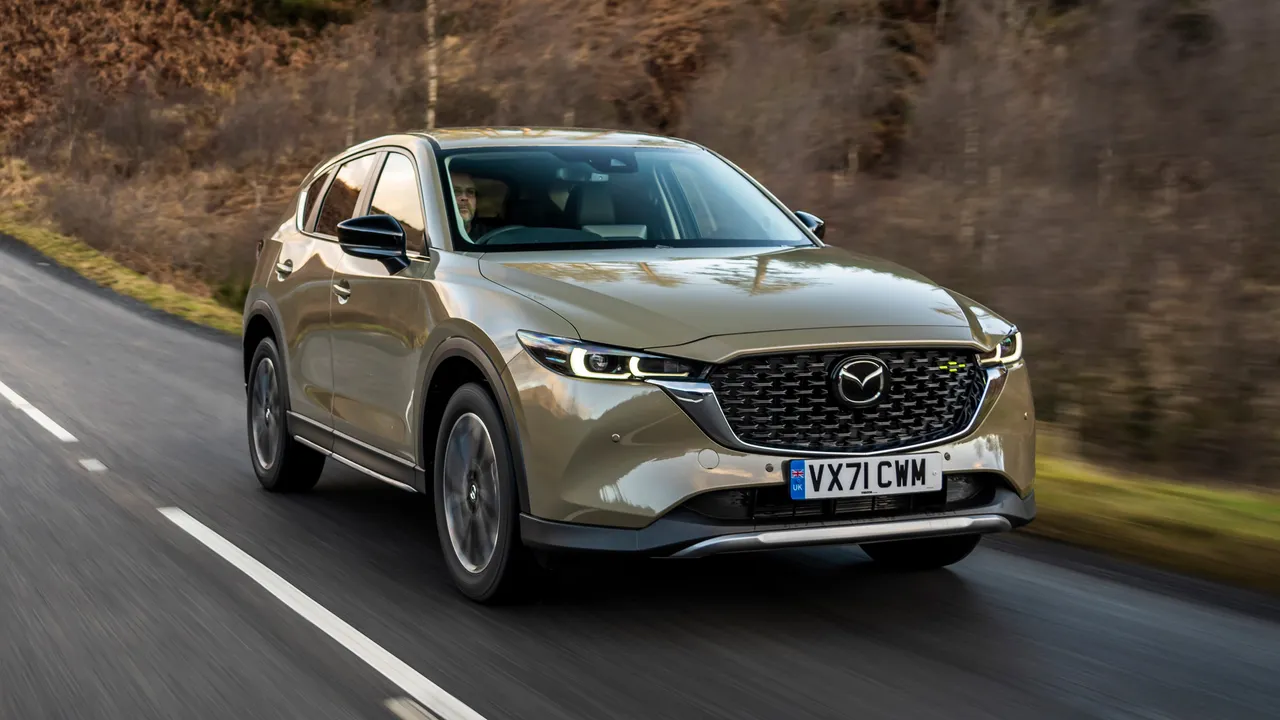
The Mazda CX-5 is a compact SUV that punches above its weight when it comes to safety. Despite being smaller than some of its rivals, it holds top safety ratings and comes equipped with a wide array of protective features. Its appealing design and agile driving experience are matched by thoughtful engineering that prioritizes occupant safety across all scenarios.
Mazda’s i-Activsense safety suite comes standard or is available on most versions of the CX-5. This includes features like blind-spot monitoring, adaptive cruise control, automatic emergency braking, and rear cross-traffic alert. These systems work in coordination to prevent accidents and reduce the severity of unavoidable collisions. Mazda has done a good job integrating these technologies without making them overly intrusive or complicated for drivers to use.
In crash testing, the CX-5 stands out for its structural strength and airbag coverage. Small-overlap crash tests on both the driver and passenger side have returned impressive results, with the cabin maintaining its shape and airbags deploying effectively. The roof structure is strong, side impact protection is robust, and child seat anchors are well-positioned for safety and convenience.
Another strength of the CX-5 is how well it performs in terms of pedestrian safety. The front-end design helps reduce the risk of severe injury in a pedestrian impact, which is an increasingly important factor in modern safety evaluations. Mazda has managed to blend style with functionality, ensuring that design choices don’t compromise crash performance.
Whether you’re looking at city driving or weekend travel, the Mazda CX-5’s size, safety, and ease of handling make it a top pick in the compact SUV segment. It delivers both comfort and confidence in equal measure.
Safe Car 5: Toyota RAV4
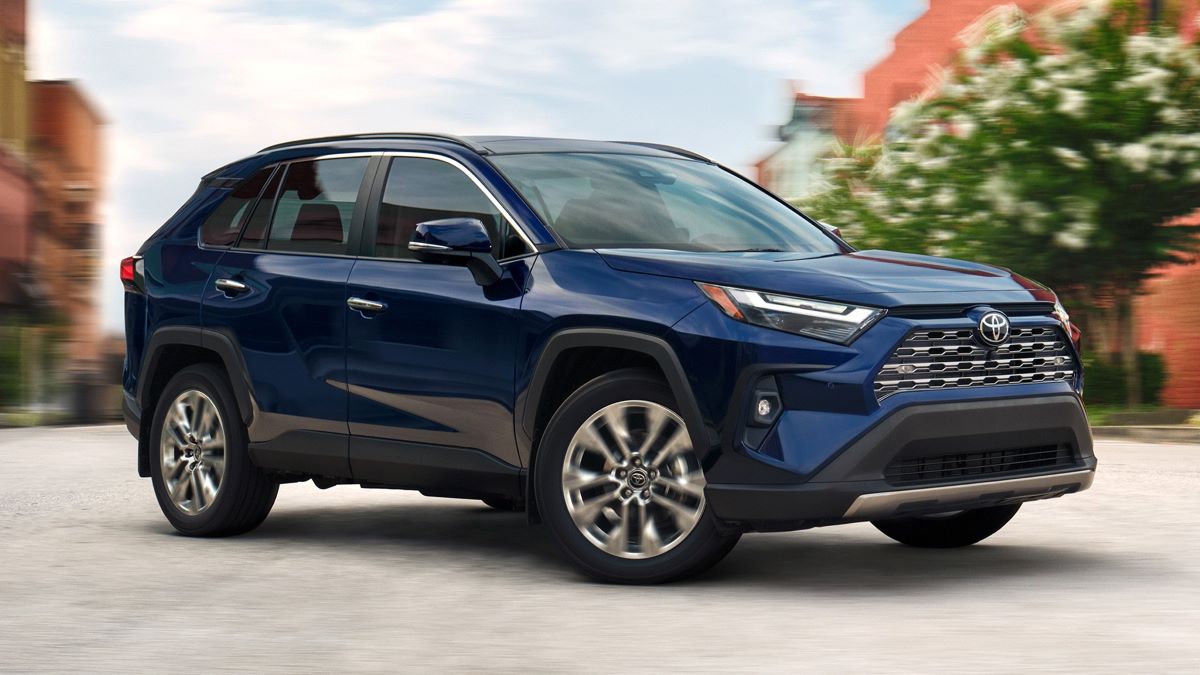
The Toyota RAV4 has consistently ranked as one of the safest compact SUVs available. It combines strong crash performance, excellent visibility, and a full suite of safety features to offer broad protection across a wide range of driving conditions. Toyota’s focus on building dependable, well-rounded vehicles extends clearly to the RAV4’s safety profile.
Toyota Safety Sense comes standard on the RAV4 and includes features like pre-collision warning, pedestrian detection, lane tracing assist, and automatic high beams. These systems are not just extra tools; they are well-integrated into the driving experience and help reduce human error. The RAV4 also includes radar cruise control and road sign assist, adding another layer of safety when navigating unfamiliar areas.
Crash test results for the RAV4 reflect a vehicle that performs very well under pressure. It has consistently earned top ratings from the IIHS, including “Good” scores in all major crash categories such as moderate overlap front, side, roof strength, and head restraints.
The small overlap front test, which simulates a crash involving the front corner of the vehicle, has been a challenge for many SUVs in its class, but the RAV4 manages to protect occupants effectively in this scenario. The NHTSA also gives the RAV4 high marks, including five-star ratings for side crash performance. These numbers reinforce its position as one of the safest choices for families, commuters, and new drivers.
Structural rigidity plays a major role in the RAV4’s ability to shield occupants during a collision. Built on Toyota’s TNGA (Toyota New Global Architecture) platform, the RAV4 benefits from a strong and well-engineered frame. Energy-absorbing crumple zones work to deflect and reduce the force of an impact, while the cabin remains reinforced to minimize intrusion.
The use of high-tensile steel in critical areas improves strength without adding unnecessary weight. This design approach not only enhances crash performance but also improves handling and fuel efficiency, showing that safety doesn’t have to compromise other important vehicle traits.
In addition to physical crash protection, the RAV4 is engineered to avoid collisions in the first place. Its stable handling and responsive steering allow drivers to maintain control in difficult situations, and its high ground clearance improves visibility and reaction time.
Features like blind-spot monitoring and rear cross-traffic alert help drivers manage traffic better, especially in tight urban areas. These systems can make a significant difference in preventing low-speed collisions, parking lot accidents, and lane-change misjudgments, scenarios that make up a large portion of real-world crashes.
The Toyota RAV4’s popularity is not just about reliability or fuel economy; it’s also about trust in its safety record. Year after year, it appeals to drivers who want reassurance in every drive. Whether you’re transporting kids to school, heading on a road trip, or commuting in heavy traffic, the RAV4 gives you a feeling of security that not all vehicles in its class can offer. It’s a practical SUV with a strong focus on protecting what matters most.
5 That Have Serious Crash Concerns
Unsafe Car 1: Mitsubishi Mirage
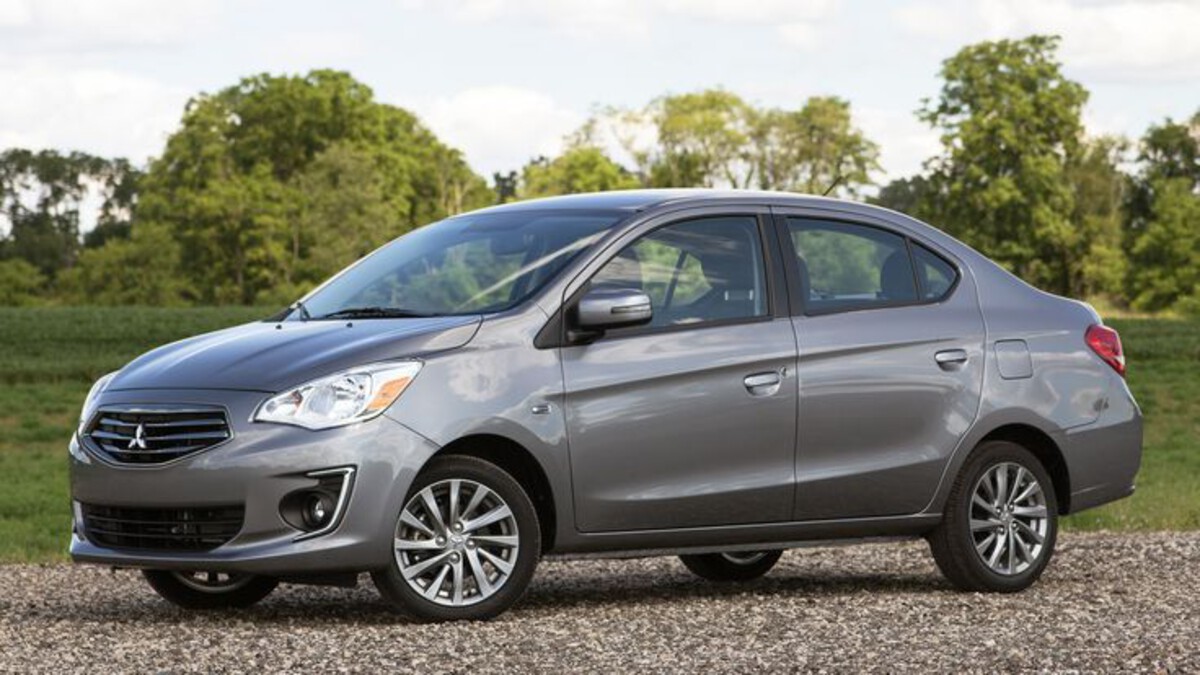
The Mitsubishi Mirage has consistently shown below-average performance in crash testing. While it appeals to budget-conscious drivers with its low price and good fuel economy, its safety record raises significant concerns.
The vehicle’s small size and limited structural integrity make it more vulnerable in collisions, especially when compared to slightly larger compact cars that have better crashworthiness. This is a car that struggles to provide the same level of occupant protection as others in its class, despite offering the bare essentials in safety features.
Crash test data from the IIHS shows that the Mirage fares poorly in the small overlap front crash test. This type of crash simulates what happens when the front corner of the vehicle strikes a stationary object, like a pole or tree, or the corner of another car.
The Mirage’s cabin structure tends to collapse more than ideal, putting the driver and front-seat passenger at risk of serious injuries. Head injury scores and leg/foot injury measures are often higher than acceptable, which is a red flag for buyers concerned with crash survivability.
Aside from structural weaknesses, the Mirage also suffers from a lack of standard active safety technologies. While some trims offer basic features like forward collision warning and automatic emergency braking, they are often limited to higher-end models or offered only as optional extras.
Compared to other entry-level cars that now come standard with more advanced driver-assistance systems, the Mirage feels outdated and under-equipped. This lack of preventive technology increases the risk of accidents in real-world conditions where human error is a factor.
Another issue with the Mirage is its low curb weight and compact footprint, which work against it in multi-vehicle crashes. In collisions involving larger vehicles, the Mirage tends to take more damage, and its passengers are more likely to suffer injuries. While its small engine and light frame help with efficiency, they compromise crash performance. Drivers considering the Mirage for its affordability should also take into account that in terms of safety, they may be sacrificing far more than they should.

Unsafe Car 2: Chevrolet Spark
The Chevrolet Spark is another subcompact car that raises concerns when it comes to crash safety. Much like the Mitsubishi Mirage, it caters to buyers looking for affordable, fuel-efficient transportation in urban settings. However, the trade-off for that affordability comes in the form of weaker crash protection, limited space for energy absorption, and minimal advanced safety features. For drivers prioritizing safety above all else, the Spark presents several red flags that cannot be ignored.
Crash test evaluations show that the Spark performs adequately in some areas, like side impact protection, but struggles significantly in small overlap front tests. These tests are particularly demanding for compact cars, but even within its class, the Spark performs below average.
Structural intrusion and the movement of crash test dummies reveal a higher likelihood of head and leg injuries in serious accidents. Rear-seat protection is also limited due to the vehicle’s compact size and less robust seatbelt systems.
Beyond crash structure, the Spark lacks many of the driver assistance features that have become common even in entry-level vehicles. Advanced technologies like automatic emergency braking, blind-spot detection, and lane departure warning are either not offered or only available on the top trim levels.
For a car targeted at young drivers or city dwellers, this absence of critical safety tech is a significant drawback. Many first-time buyers may not realize they are stepping into a car that lacks modern safeguards.
One more concern is the Spark’s small size in an era when roads are increasingly filled with large SUVs and trucks. In a collision between the Spark and a midsize or larger vehicle, the odds are stacked against the Spark. Physics simply doesn’t favor small, lightweight cars in such scenarios, regardless of airbag or restraint design.
While the Spark may be a good fit for short city commutes and tight parking spots, it’s not well-suited for high-speed roads or mixed-vehicle traffic when safety is a top concern.

Unsafe Car 3: Ford EcoSport
The Ford EcoSport, a small crossover designed to be practical and affordable, has not lived up to expectations in terms of crash safety. Though it resembles other small SUVs on the outside, its safety performance doesn’t quite meet the standards set by competitors in its class. Poor crash test results and the lack of key safety features make it a questionable choice for those who are looking for a compact yet secure vehicle.
Crash tests from the IIHS show weaknesses in several categories for the EcoSport. One of the most concerning results comes from the small overlap front crash test on the driver’s side, where the structure showed signs of collapse and allowed significant intrusion into the cabin.
This puts the driver at high risk of injury, especially to the lower legs and feet. The seatbelt and airbag systems also failed to keep the crash test dummy in a safe position, which could lead to more severe injuries in a real-world accident.
The EcoSport also falls short when it comes to rear passenger safety. In both frontal and side crashes, the vehicle struggles to provide consistent protection to rear occupants. The design of the rear head restraints, side curtain airbags, and seatbelt tensioners is not as robust as it should be, particularly given the increasing awareness around backseat safety. For families using the EcoSport as a daily driver, especially with children or teens in the back, this is a serious issue.
Finally, the vehicle’s safety technology package leaves much to be desired. While it offers some basic features such as rearview cameras and parking sensors, it lacks standard advanced driver assistance systems on lower trims.
Lane departure warning, forward collision warning, and automatic emergency braking are not available on all versions, which puts it behind the curve compared to other small crossovers. If safety is a high priority, the EcoSport may not meet expectations, despite its appeal as a compact, city-friendly SUV.
Unsafe Car 4: Nissan Versa (Older Models)
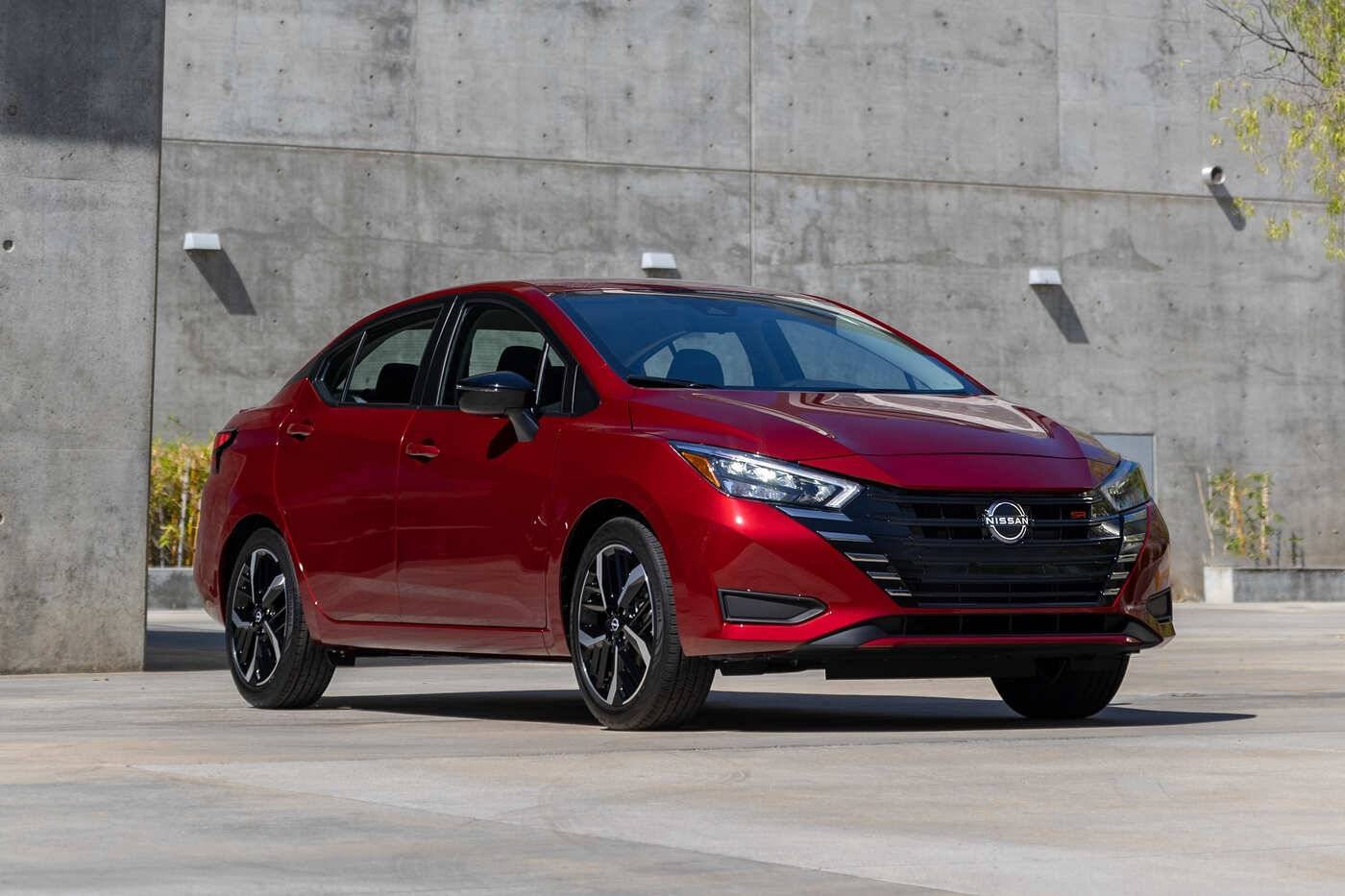
The Nissan Versa has undergone improvements in recent years, but older versions of the car, especially models before 2020, have been criticized for poor crash performance and limited safety features. This is important because many Versas from those years are still on the road and often sold in the used car market. While the car was originally marketed as an affordable and efficient choice, it came with significant compromises in occupant protection, particularly in severe collisions.
Crash tests on these older Versas revealed weaknesses in frontal offset impacts, where the structure failed to maintain its shape during a crash. The intrusion into the driver’s footwell area was significant, which raises concerns about lower-body injuries.
Additionally, head and chest injury measures exceeded safe limits in some configurations. Side impact performance was somewhat better, but still not on par with competitors that had better structural designs and more airbags as standard equipment.
The Versa also lacked standard advanced safety technologies that could have helped prevent accidents in the first place. Features like automatic emergency braking, forward collision warning, and lane keeping systems were either not available or only offered as expensive options.
This left many Versas on the road without even basic modern driver aids, making them less safe in unpredictable driving situations. As safety standards evolved, the Versa lagged for several years, leaving a gap between it and other cars in its category.
Another drawback was the Versa’s lightweight design and size, which made it more vulnerable in multi-vehicle crashes. When involved in collisions with SUVs or trucks, the Versa’s structure absorbed more force than it could safely handle. The occupants inside were at greater risk, even in moderate-speed impacts.
While the newer Versa models have improved significantly in safety scores, buyers considering older versions should be cautious and weigh the risks, especially if the car will be used regularly on highways or in heavy traffic.
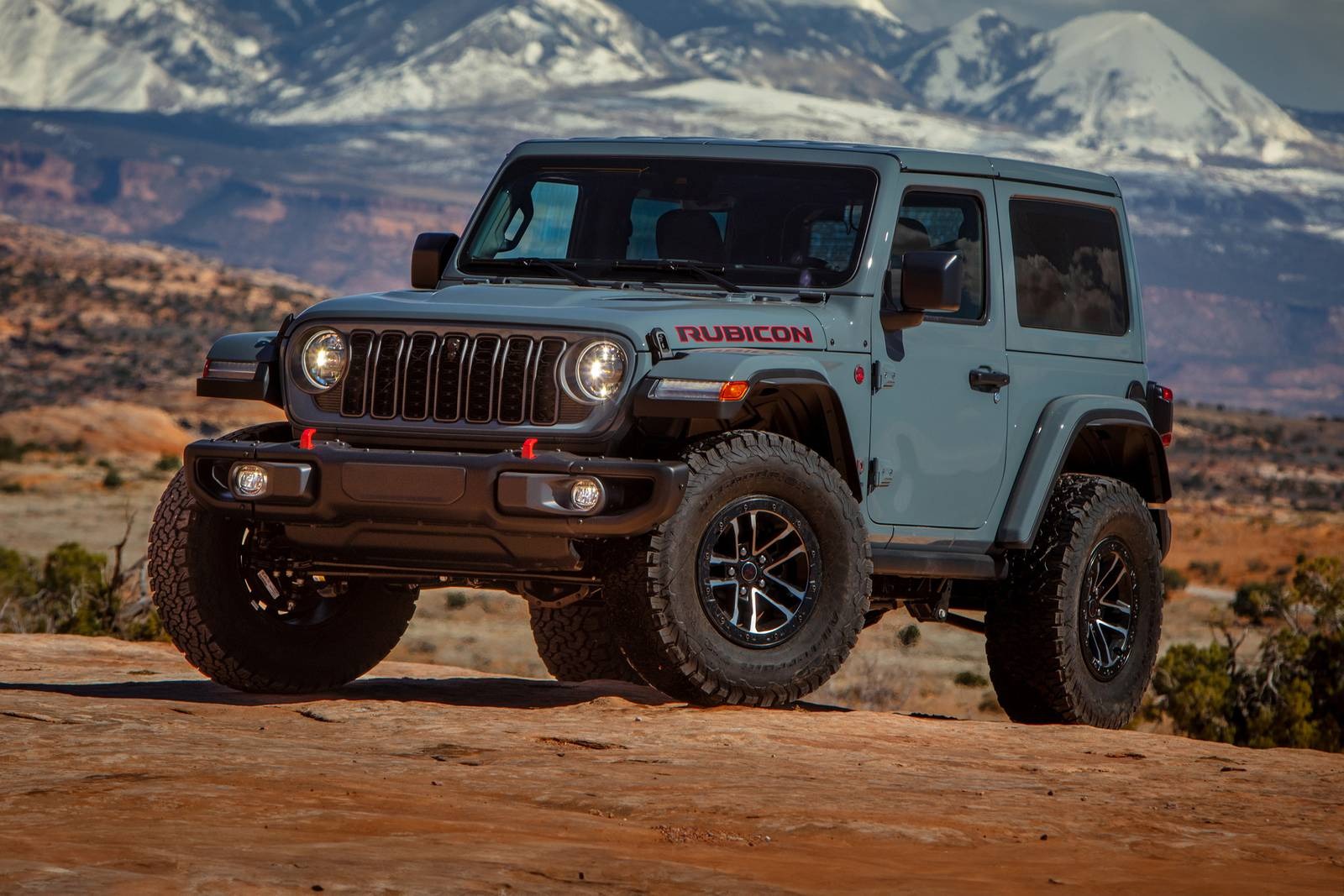
Unsafe Car 5: Jeep Wrangler
The Jeep Wrangler is one of the most recognizable vehicles on the road, known for its off-road capabilities, rugged looks, and sense of adventure. However, despite its appeal in those areas, the Wrangler has repeatedly shown troubling results in crash safety evaluations.
Many buyers are surprised to learn that a vehicle built for rough terrain doesn’t necessarily provide the level of occupant protection expected in regular on-road driving situations. While the Wrangler does well in certain conditions, its on-road crash test history reveals significant structural concerns that are hard to overlook.
One of the most alarming findings comes from the IIHS’s small overlap front crash tests, in which the Wrangler exhibited extreme instability. In some tests, the vehicle tipped onto its side upon impact, a highly unusual and dangerous result. Rollover during a controlled crash test is a major failure, as it can lead to severe injuries or fatalities in a real-world accident.
This behavior suggests that the Wrangler’s high center of gravity, combined with its stiff frame, contributes to unpredictable movement during frontal collisions. Rather than absorbing the impact energy effectively, the vehicle’s structure often allows forces to transfer dangerously toward the cabin and occupants.
In terms of restraint systems, the Wrangler also falls behind more modern SUVs. It lacks side curtain airbags entirely, which is a critical omission in today’s safety standards. These airbags provide essential head protection during side impacts or rollovers, both of which are realistic crash scenarios for a vehicle like the Wrangler.
Without them, occupants face a higher risk of serious head injuries, especially those seated in the rear. The vehicle also lacks other protective systems that are now standard on similarly priced SUVs, such as automatic emergency braking or advanced lane monitoring, unless added through expensive packages.
It’s important to recognize that the Wrangler is purpose-built for a specific type of driving. Off-road capability, trail performance, and removable doors and roofs all come with trade-offs. These features reduce structural rigidity and introduce design compromises that make it difficult to perform well in controlled crash testing.
While these traits may suit a weekend adventurer, they also increase the likelihood of injury in everyday road conditions. For those using the Wrangler as a daily driver, especially on highways or in dense urban traffic, the safety limitations are something that must be considered seriously.
