
When it comes to highway driving, the experience inside a vehicle can vary dramatically depending on the car’s design, engineering, and insulation. Some vehicles offer a calm, near-silent interior that helps reduce fatigue, improve focus, and create a more relaxing journey.
Others allow a lot more sound into the cabin, whether it’s from the road, wind, engine, or a combination of all three. While some drivers might enjoy the mechanical growl or the character of a performance engine, others prefer to glide in near-total silence, especially during long trips.
The difference often lies in the materials used for sound insulation, the aerodynamic shape of the car, the refinement of the powertrain, and how the suspension interacts with the road surface. Premium automakers usually focus heavily on minimizing noise, especially for sedans, SUVs, and executive cars intended for long-distance comfort.
At the other end of the spectrum are sports cars, off-roaders, and more utilitarian vehicles where quietness is sacrificed in favor of performance, durability, or price. Cabin noise doesn’t just affect comfort; it can influence communication between passengers, driver alertness, and even how well one can enjoy music or podcasts.
Noise inside the car can come from different sources: tire noise, wind hitting the mirrors and bodywork, vibrations from the powertrain, or engine hum at cruising speeds. Engineers try to isolate and manage each of these elements. Active noise cancellation systems, acoustic glass, and multilayer floor materials are just some of the tools used to keep the cabin hushed. However, no matter how much technology is incorporated into a car, it still depends on the priorities set by the automaker.
This article looks at five cars that are exceptionally quiet on the highway, vehicles where you can hold a calm conversation at 70 mph without raising your voice. It also covers five that don’t hold back in terms of sound, whether that’s due to performance, rugged design, or simply a lack of refinement. Both types have their appeal, depending on what the driver values most in the driving experience.
Also Read: 5 V8 Engines That Refuse to Quit and 5 That Self-Destruct
Quietest Cabins on the Highway
1. Lexus LS
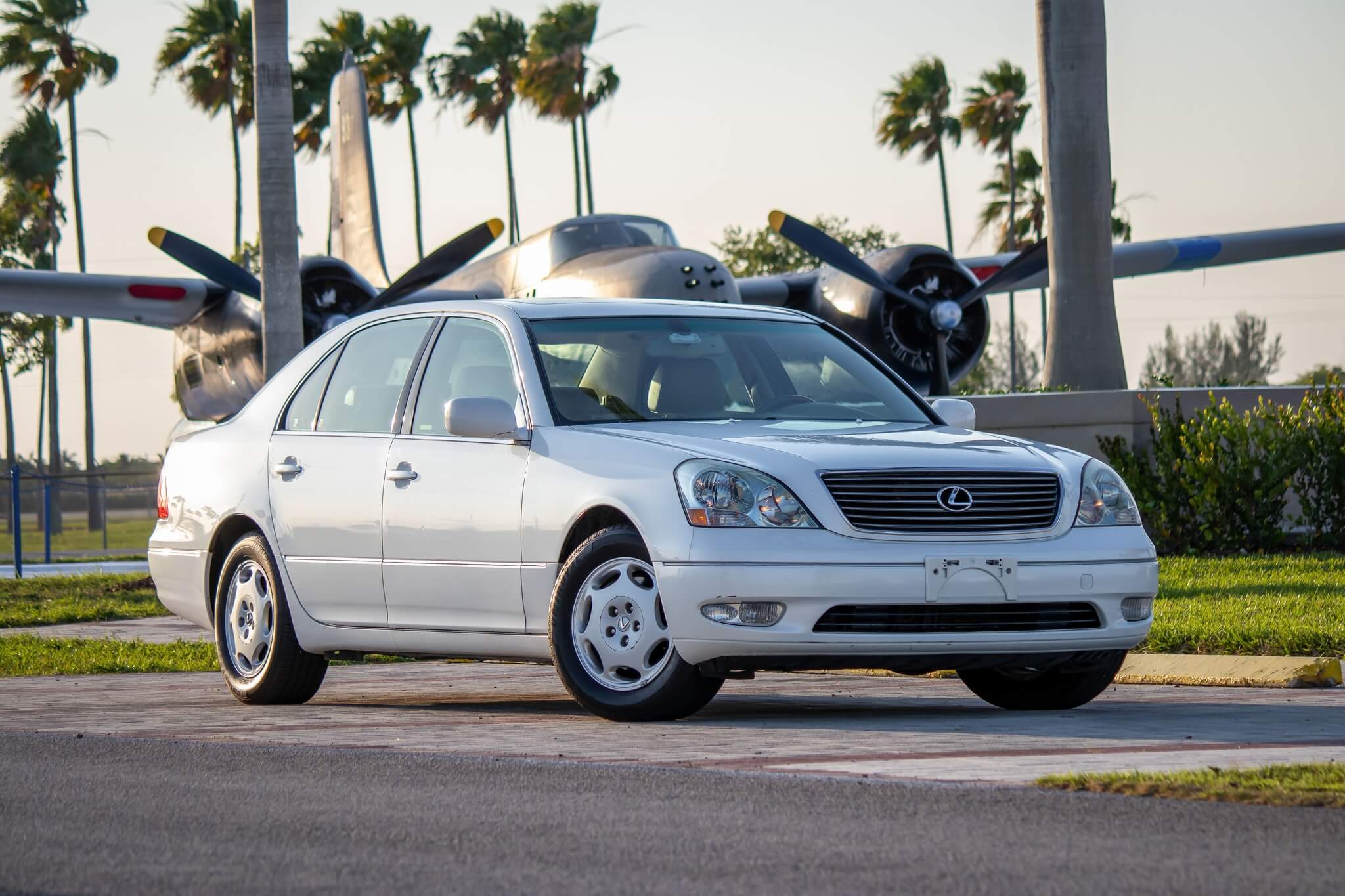
The Lexus LS has built a reputation for offering one of the calmest driving environments available, especially at highway speeds. Its cabin is engineered with precision, using sound-deadening materials in the doors, floor, and firewall.
The luxury sedan benefits from laminated glass that absorbs ambient noise and keeps out the sound of passing traffic. Highway driving in the LS feels more like gliding, as road imperfections and exterior interference are kept well under control. This car has long been chosen by those who value tranquility over flash.
The engine in the Lexus LS is not just quiet, it’s remarkably smooth. Whether you’re driving the hybrid or gasoline version, the powertrain is tuned for refinement rather than aggression. At cruising speeds, the engine settles into a low, barely noticeable hum, and the 10-speed automatic transmission does its job without abrupt gear shifts.
Even under acceleration, noise levels remain composed. This makes it particularly ideal for business professionals, long-distance commuters, or older drivers who place a high premium on peace of mind during their travels.
Suspension tuning also plays a key role in how the LS manages noise. The adaptive air suspension system cushions the cabin from road vibrations that often translate into noise in other cars. Combine this with aerodynamic design choices that reduce wind resistance, and the result is a car that stays hushed at 70 mph and beyond. Even when driving through tunnels or alongside trucks, the sound insulation holds up impressively.
Passengers in the LS also enjoy features designed to enhance silence. Door seals are designed to compress tightly against the frame, and even the seat construction uses foam densities that absorb rather than reflect sound. You can listen to a conversation, a quiet podcast, or classical music without background interference. If your goal is to reduce stress and increase serenity while driving, the Lexus LS stands out as one of the best options available.
2. Mercedes-Benz S-Class
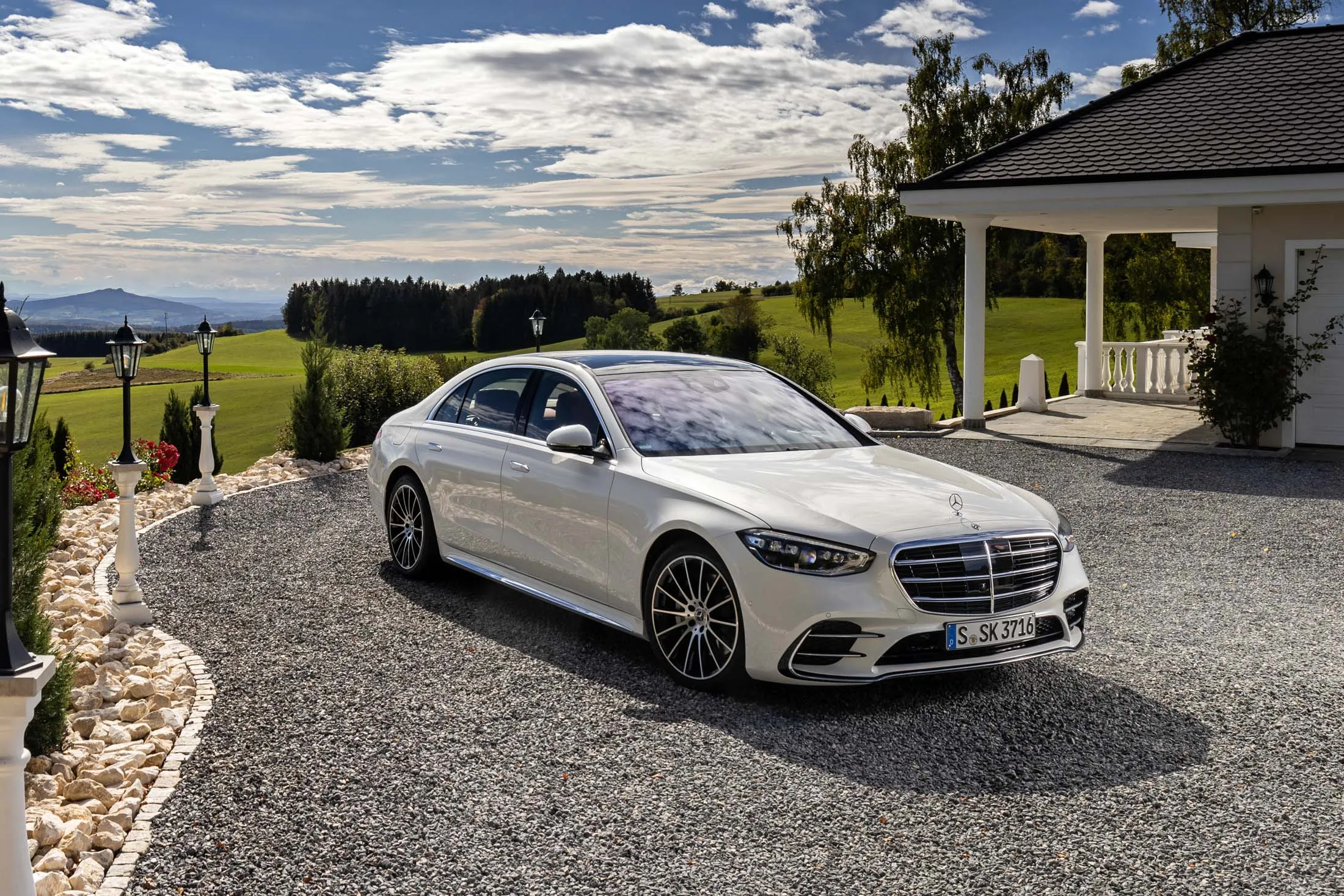
Few vehicles match the Mercedes-Benz S-Class when it comes to interior refinement at speed. It has long been a benchmark for quietness and comfort in the luxury car industry. At highway speeds, the cabin maintains a consistently low noise level, allowing passengers to enjoy the road without the typical hum of tires or the whistle of wind across the windshield. The S-Class isn’t just about blocking out sound; it creates an environment that feels removed from the outside world.
The combination of acoustic glass and extensive insulation makes a noticeable difference. Mercedes engineers carefully measure decibel levels in every part of the car and target areas where sound tends to leak in. From underbody panels to wheel well liners, every surface is treated to dampen sound. The result is a vehicle where you can drive at 80 mph with the same level of calm you might feel at 30 mph in a less-refined car.
The engine itself, particularly in the six- and eight-cylinder models, is another source of refinement. While these engines are capable of immense performance, they’re tuned to deliver power in a smooth, unobtrusive way. You rarely feel or hear the gear changes unless you’re pushing the car. The electric variant of the S-Class takes this further, creating a near-silent glide that adds to the sense of modern luxury. Even the HVAC system is engineered to be whisper-quiet.
In addition to its hardware, the S-Class uses software to maintain silence. Active noise cancellation technology emits sound waves that counteract ambient noise frequencies, resulting in an even quieter cabin.
Mercedes has also paid attention to how different interior materials absorb or reflect sound, using suede-like liners, soft-touch plastics, and thick carpets to help maintain acoustic calm. Whether you’re in the front seat or being chauffeured in the rear, the S-Class offers one of the most peaceful driving environments available today.
3. Tesla Model S
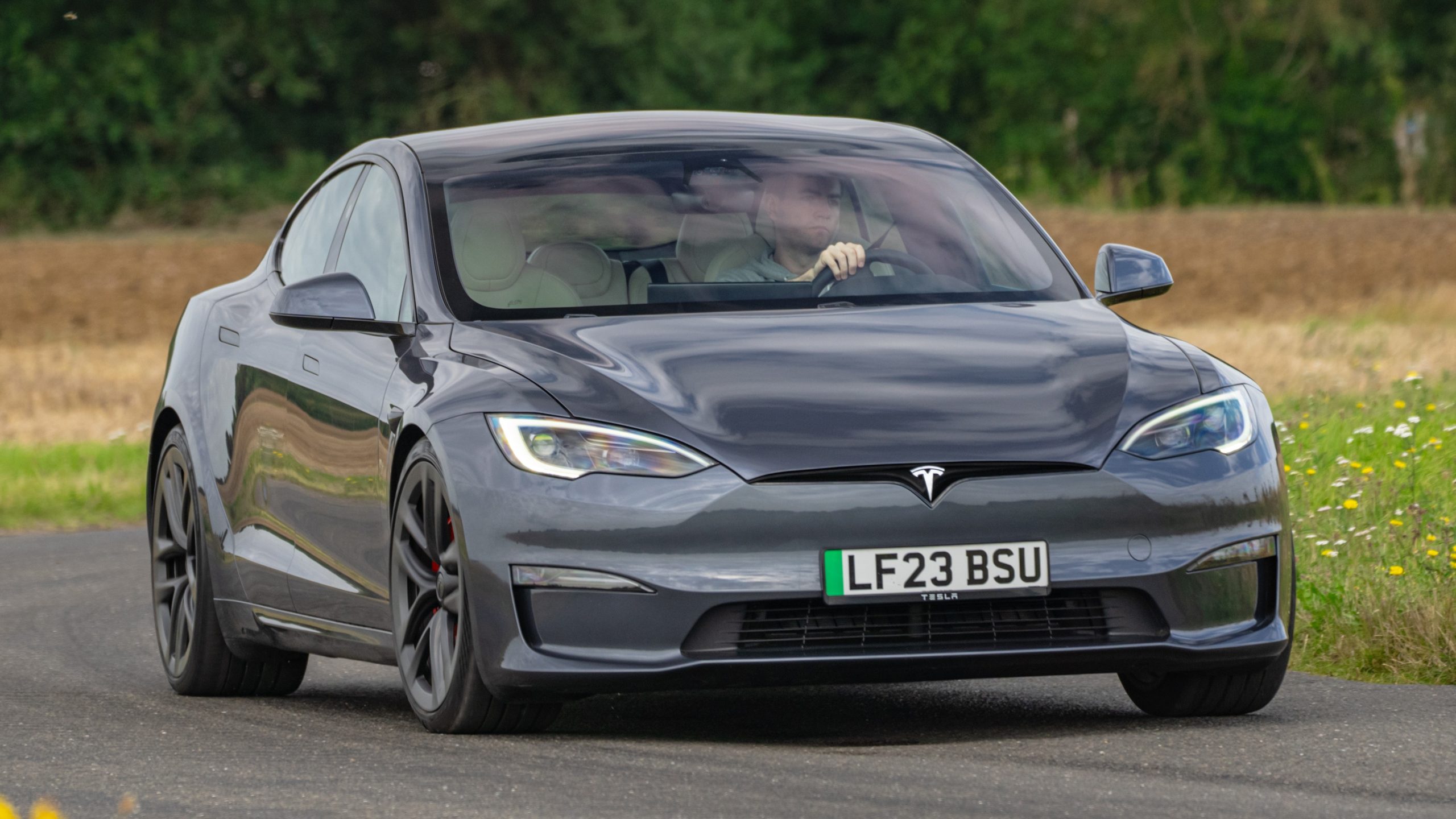
The Tesla Model S delivers a unique kind of quiet because of its electric drivetrain. Unlike internal combustion engines, electric motors don’t produce engine noise in the traditional sense, and this gives the Model S a strong head start when it comes to cabin silence. When cruising on the highway, there’s no engine vibration or combustion noise to deal with, which means the only sounds that remain are road and wind noise, and even those are kept impressively low.
Tesla engineers have made steady improvements to the Model S over the years, particularly in terms of soundproofing. Later versions of the car include double-pane acoustic glass, improved door sealing, and tighter panel gaps that reduce air turbulence. These changes may seem minor, but they combine to produce a surprisingly serene ride, especially in comparison to other electric vehicles that sometimes skimp on insulation to save weight or cost.
The ride quality of the Model S, especially in versions equipped with adaptive air suspension, also contributes to quietness. The suspension smooths out imperfections in the road, which reduces the amount of vibration and noise transmitted to the cabin. On well-maintained highways, the ride feels seamless and almost isolated from the road surface. Tesla’s minimalist interior also helps reduce distractions. Without rows of buttons, switches, or rattling trim pieces, there’s less chance for creaks or noise from the interior itself.
What further enhances the quiet experience is the ability to customize your driving mode. In Comfort or Chill mode, the Model S limits acceleration and torque response, which naturally makes the drive quieter and more composed. Even the HVAC system has been optimized for low sound levels. For those who enjoy silence and cutting-edge technology, the Tesla Model S offers a very different kind of quiet ride, modern, electric, and largely free of traditional mechanical sounds.
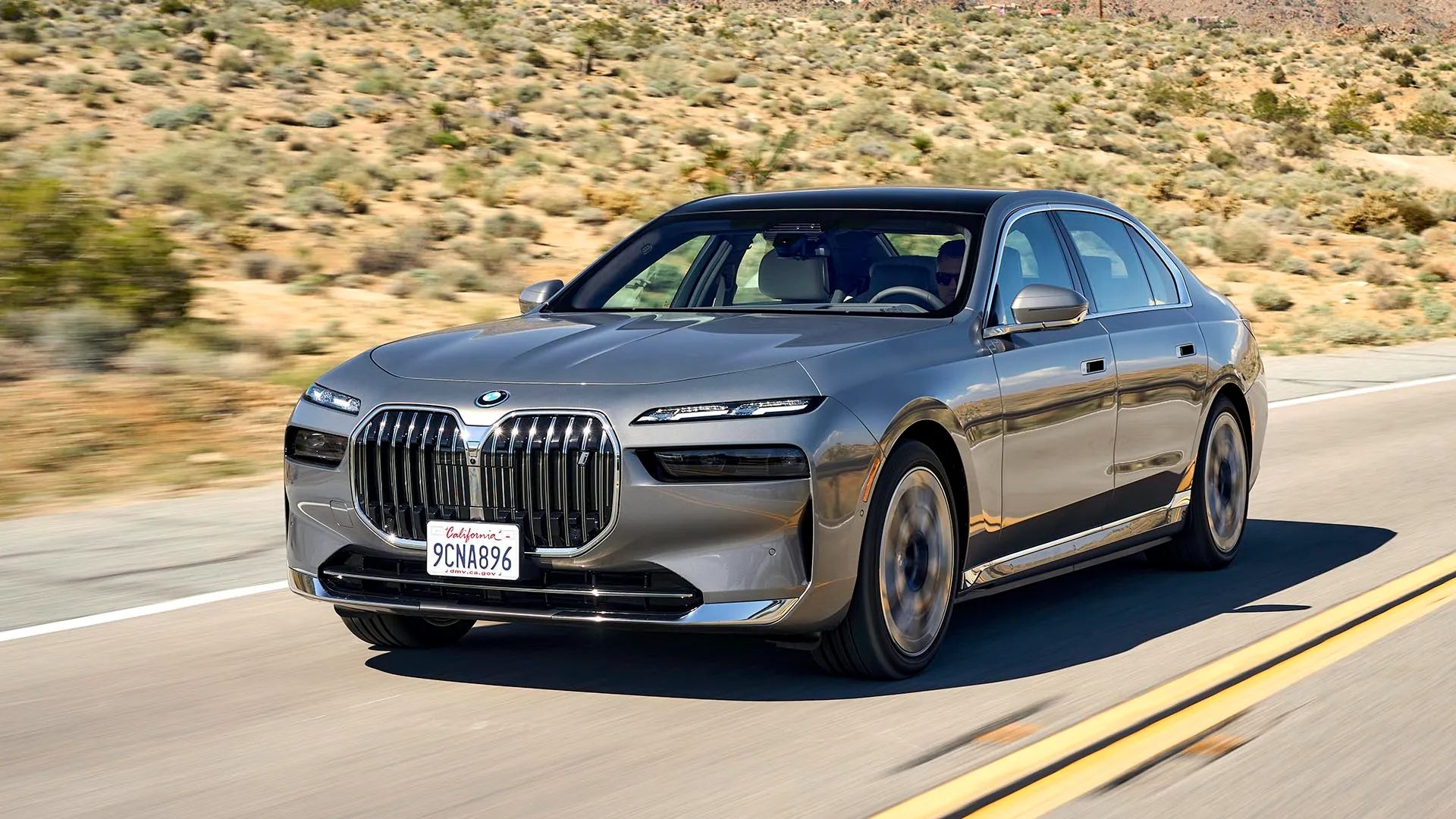
4. BMW 7 Series
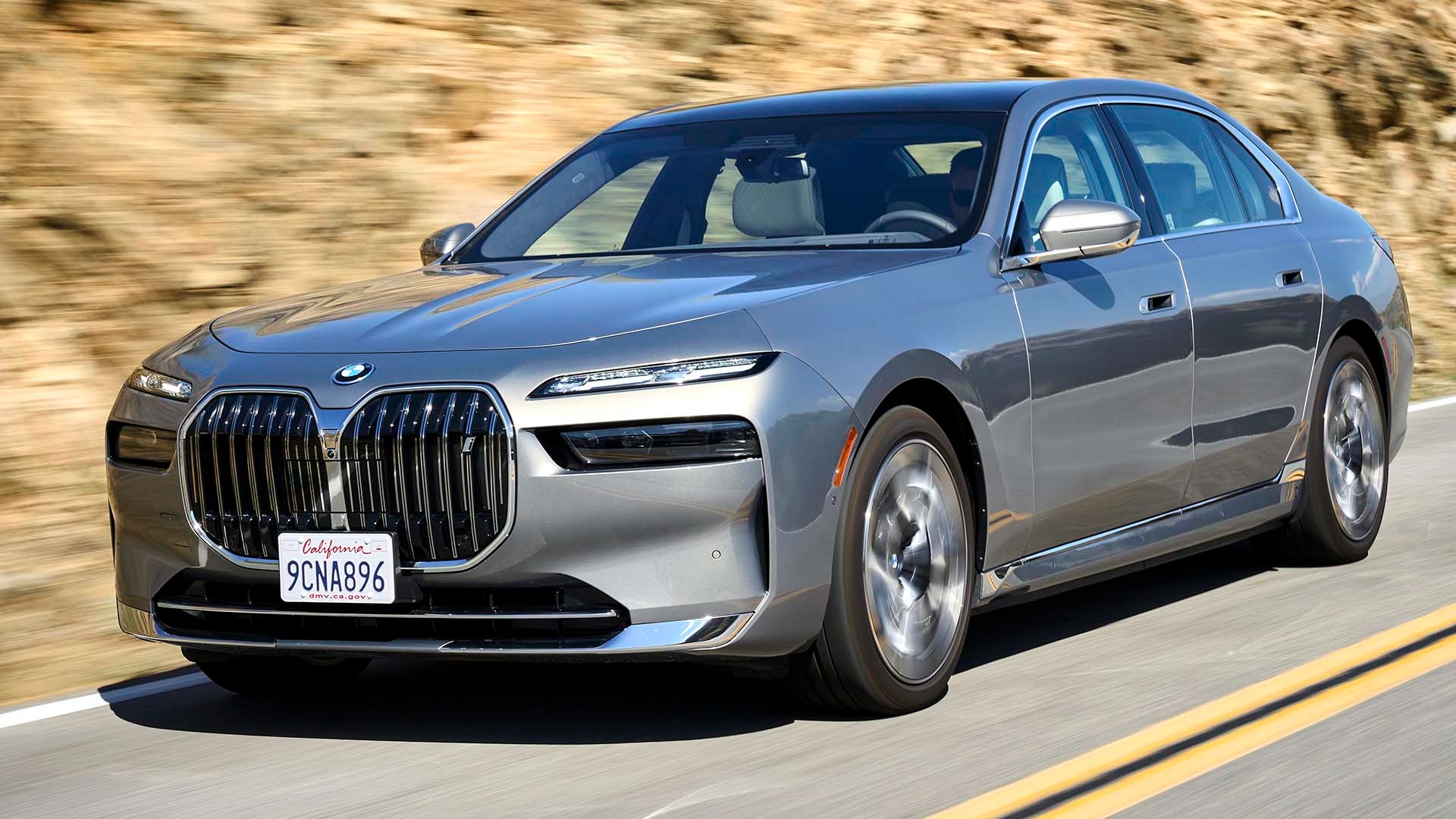
The BMW 7 Series is another full-size luxury sedan that emphasizes a quiet, composed highway ride. It’s a car built for long-distance comfort, where noise levels are kept in check through engineering, materials, and design. Driving on the highway, the 7 Series remains impressively muted, whether you’re cruising at moderate speeds or overtaking with a burst of power. BMW has put significant effort into making this car feel like a mobile sanctuary.
A big contributor to its calm ride is the use of layered sound-deadening material throughout the chassis. The underbody, wheel arches, and firewall areas are all designed to suppress incoming noise. The acoustic glass used in all windows also helps reduce wind and traffic noise, especially at highway speeds. These additions might go unnoticed by casual drivers, but they make a noticeable difference in comfort during longer trips.
Under the hood, the engine choices, ranging from inline-sixes to V8s and hybrids, have been tuned for refinement. Despite their strong performance, these engines are rarely intrusive. At steady speeds, the engine barely registers inside the cabin, and the eight-speed automatic transmission is smooth enough to avoid any disruptive gear changes. Even hard acceleration is met with a polished growl rather than a harsh roar.
Inside, the 7 Series is designed to maintain calm. Everything from the soft-close doors to the high-quality leather, carpeting, and seat construction is optimized to keep vibrations and sound out of the passenger space. If you’re seated in the rear, you’ll notice the quietness even more. The experience is almost like riding in a high-end train compartment, designed to transport passengers in absolute comfort without any harshness from the road.
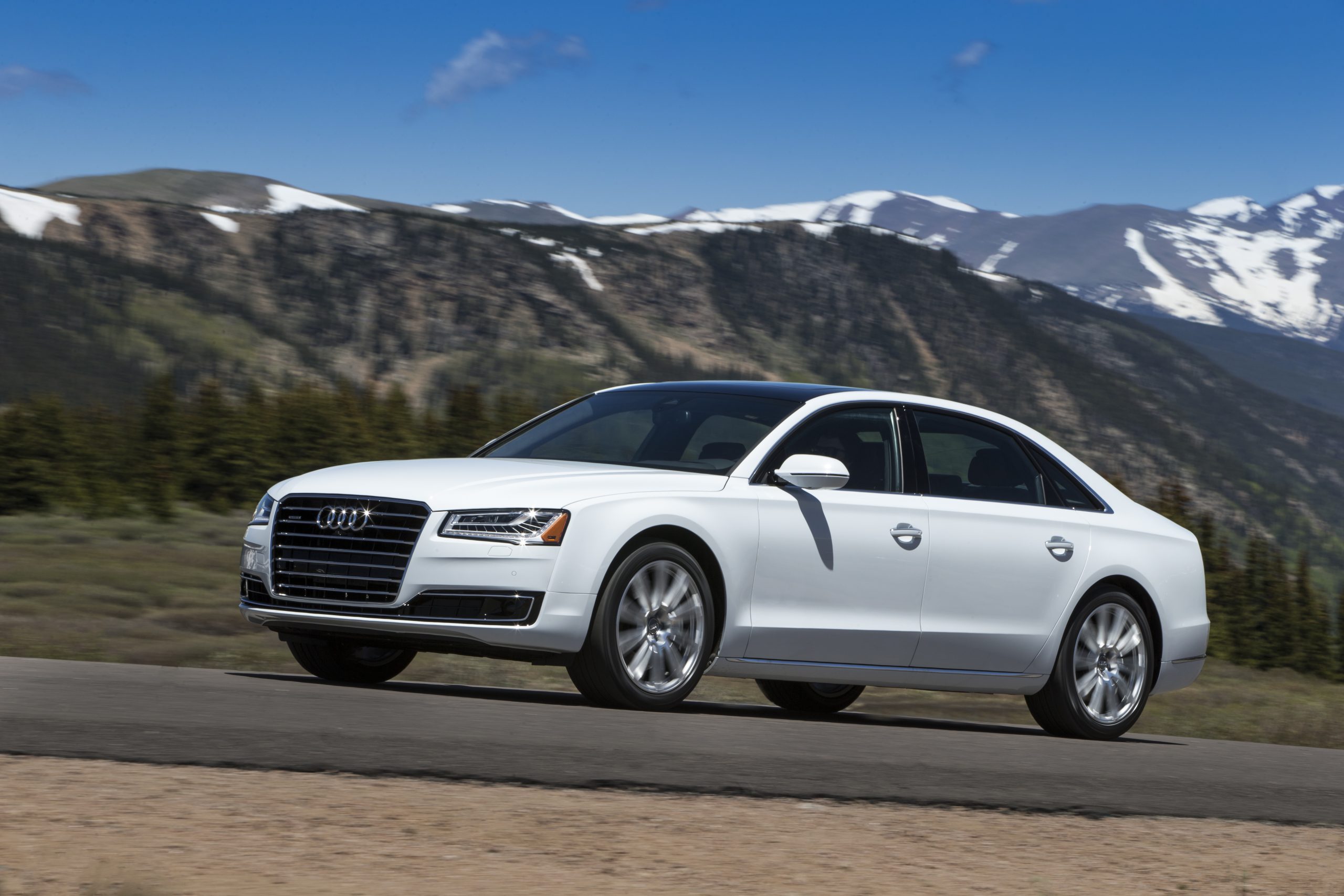
5. Audi A8
Its German rivals often overshadow Audi’s A8, but when it comes to cabin quietness on the highway, it stands shoulder to shoulder with the best. Audi has a reputation for engineering detail, and the A8 showcases that in its cabin insulation, aerodynamic design, and ride quality. The car is designed to isolate the driver and passengers from the outside world, making it well-suited for long trips and business travel. From the moment the doors close with a solid, cushioned thump, you feel the outside world quiet down.
The A8’s use of double-glazed acoustic glass, extensive sealing around doors and windows, and insulation in the engine bay work together to block wind and road noise. Audi also strategically places foam and rubber throughout the cabin structure, absorbing vibrations that could otherwise become audible. The result is a refined space that keeps your senses relaxed, even when moving at high speeds. Even in heavy rain or when driving beside large trucks, the cabin retains its calmness without the sense of pressure changes or booming noises.
Beyond physical insulation, Audi employs active noise cancellation in the A8. Small microphones detect unwanted frequencies, and the system responds with inverse sound waves through the audio system to cancel them out. This works particularly well on highways where tire hum can otherwise become annoying over time. The air suspension system also adjusts dynamically to the road surface, helping reduce structural noise from impacts or rough patches. These elements work silently in the background to keep the experience smooth and peaceful.
Audi also pays close attention to interior materials that contribute to the quietness. The seats, dashboard, and headliner are all made from materials that suppress echoes and vibrations. Interior panels are tightly assembled to avoid rattles or squeaks, even on bumpy roads. With the A8, you don’t need to raise your voice to speak to rear passengers, and you can enjoy the Bang & Olufsen sound system at low volumes without losing any clarity. For drivers who want performance without sacrificing quiet comfort, the A8 is one of the best-rounded options.
Cars That Roar Inside

1. Ford Mustang GT
The Ford Mustang GT was never meant to be a quiet car. From the moment you start the V8 engine, the deep burble makes its presence known inside and out. This is part of the Mustang’s charm. It celebrates its performance with sound, and many buyers choose it specifically for the loud, old-school muscle car experience. On the highway, that noise doesn’t disappear, it becomes a constant part of the drive, especially if you accelerate to pass or cruise in a lower gear.
The cabin, while improved over past generations, doesn’t do much to isolate you from the sounds of the road or engine. Ford intentionally allows a level of mechanical sound and exhaust tone into the car to enhance the driver’s connection with the vehicle. You feel the rumble through the floor and steering wheel, and wind noise around the pillars becomes noticeable at higher speeds. That might not be ideal for quiet conversations, but it’s part of what makes the Mustang feel alive.
There’s also tire noise to contend with, particularly on performance models equipped with wider tires or sticky summer rubber. These tires are designed for grip, not silence, and they tend to transmit more vibration into the cabin. Combine that with the less refined suspension tuning, and the result is a car that keeps you very aware of the pavement beneath you. It’s engaging, but not exactly relaxing for long highway stretches.
Still, for many drivers, this is a feature rather than a flaw. The Mustang GT offers raw feedback and a visceral connection to driving that some quiet cars lose. If your goal is to enjoy the sound of a naturally aspirated V8 echoing through the cabin while cruising at 75 mph, this is the perfect companion. It roars, it shakes, and it puts you in the middle of the action, just don’t expect to take phone calls on speakerphone while doing it.

2. Jeep Wrangler
The Jeep Wrangler is designed to go anywhere, not to keep things quiet. On the highway, it can be one of the loudest vehicles you’ll drive, and that’s largely due to its shape and construction. The boxy design, upright windshield, and removable roof panels create a lot of wind resistance, which translates into noticeable wind noise inside the cabin, especially at higher speeds. Add a soft top or half doors into the mix, and things get even louder.
Even the hardtop versions struggle with highway quietness. The large tires and rugged suspension, while excellent off-road, pick up and transmit road imperfections through the body and into the cabin. Tire noise is especially present on the freeway, and combined with engine sounds and wind turbulence, it can make for a very noisy drive. Conversations often require raised voices, and audio systems have to work harder to be heard clearly.
Part of the noise issue also comes from the way the Wrangler is put together. It uses a body-on-frame design, which isn’t ideal for sound insulation. There are more points where vibrations can enter the cabin, and fewer ways to isolate them effectively. Jeep owners accept this because they value durability and off-road capability more than luxury. In fact, for some, the sound is a badge of authenticity, the louder, the better.
Jeep has tried to make improvements in recent years. The latest generations feature better sealing, thicker materials, and upgraded infotainment systems to compensate for the noise. But the underlying structure and design limitations still prevent it from matching modern crossovers or sedans in highway refinement. If you need to drive long distances often, the Wrangler may wear you out. But if you want a car that sounds as rugged as it looks, it more than delivers.
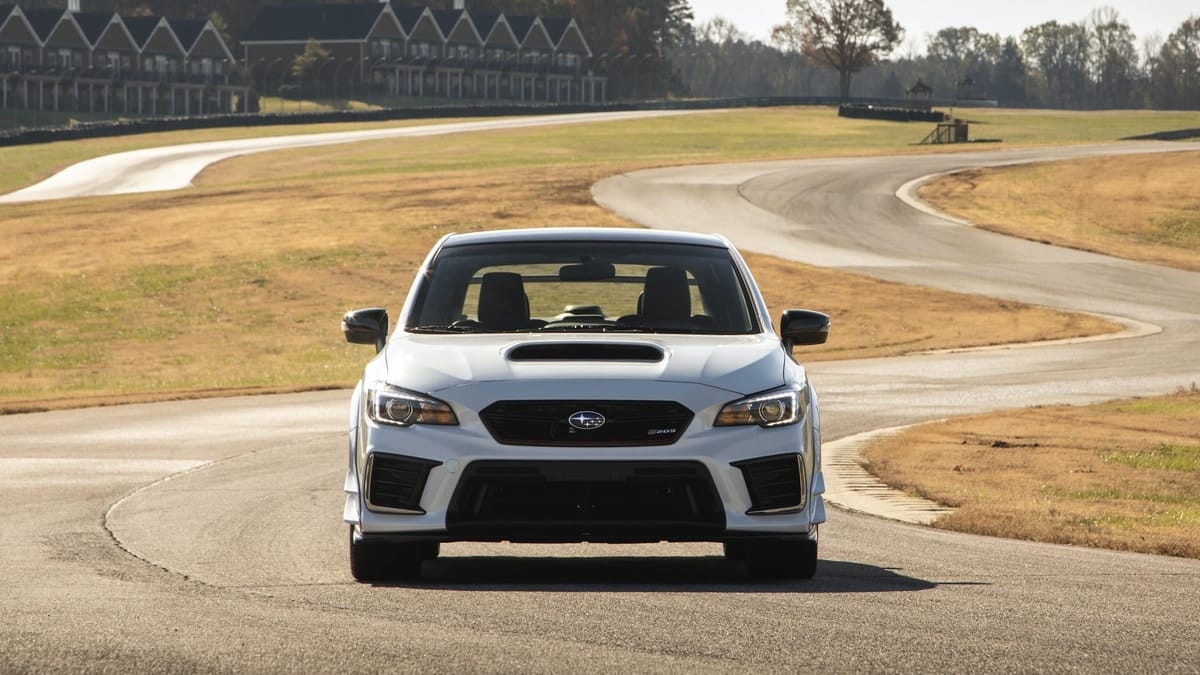
3. Subaru WRX
The Subaru WRX is known for its turbocharged power and rally-inspired driving dynamics, not for being whisper-quiet. On the highway, it’s one of the louder compact cars in its class, especially when driven hard. The distinctive boxer engine makes a growly sound that resonates through the cabin under acceleration, and even at cruising speeds, engine and road noise are present. For driving enthusiasts, this adds character. For those seeking peace, it may be a bit much.
The cabin of the WRX doesn’t prioritize insulation in the way more comfort-focused cars do. Thinner materials, limited sound-deadening, and a focus on weight savings mean more of the outside world comes in. Road noise from the tires and suspension is particularly noticeable on rough pavement. The stiffer chassis that gives the WRX its sharp handling also contributes to a greater transfer of vibration into the cabin.
Wind noise is another area where the WRX lets you know you’re moving fast. While it’s not as boxy as something like a Wrangler, the aerodynamics are tuned more for downforce and performance than for silence. On the highway, especially at speeds above 65 mph, you’ll hear a steady whoosh around the windows and roofline. It’s not overwhelming, but it’s a constant reminder that this car was built for corners, not long road trips.
Subaru has started refining the WRX with each new generation, but the fundamental nature of the car remains. This is a sports sedan for enthusiasts, and with that comes a willingness to accept more noise in exchange for performance. Some owners even modify their exhausts to be louder, not quieter. If you want a raw driving experience that connects you to the road through sound and motion, the WRX delivers. But you’ll have to give up some peace along the way.
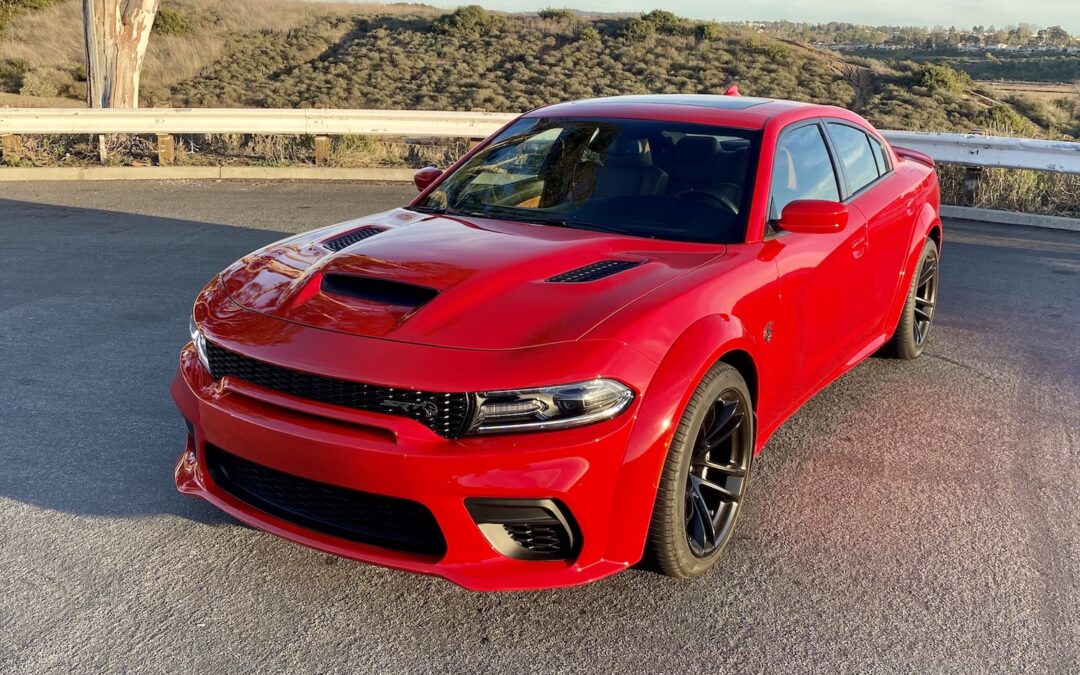
4. Dodge Charger Hellcat
The Dodge Charger Hellcat makes no apologies for its noise. It’s part of what makes the car what it is. With a supercharged V8 under the hood pushing over 700 horsepower, silence is never on the menu. From ignition to highway speeds, the Hellcat growls, hisses, and roars like few other sedans. The exhaust system is tuned for maximum aggression, and at full throttle, the noise is thunderous both outside and inside the car.
Even during normal cruising, you can hear the low rumble of the engine constantly in the background. The cabin does little to hide it, and the noise is joined by occasional whines from the supercharger. On the highway, this can get tiring if you’re used to a quieter ride, but for performance fans, it’s an audio experience they crave. It reminds you that you’re piloting something extreme, even if you’re just commuting.
The Charger isn’t a purpose-built luxury car, and while it has a decent interior, it’s not optimized for sound insulation. Road and wind noise are present at higher speeds, especially with wide tires and performance setups. This is particularly true for Redeye models or ones with track-tuned suspensions. The trade-off is worth it for those who prioritize horsepower over hush, but there’s no getting around the fact that it’s a loud place to be.
The impression the Hellcat gives is that of brute force. The sound is a constant companion on any drive, and if you’re accelerating on the highway, it becomes even more dominant. It’s thrilling in short bursts, and it’s hard not to smile when the engine bellows, but on long trips or when trying to have a conversation, the noise might wear thin. The Charger Hellcat doesn’t whisper, it shouts, and that’s exactly what many owners love about it.
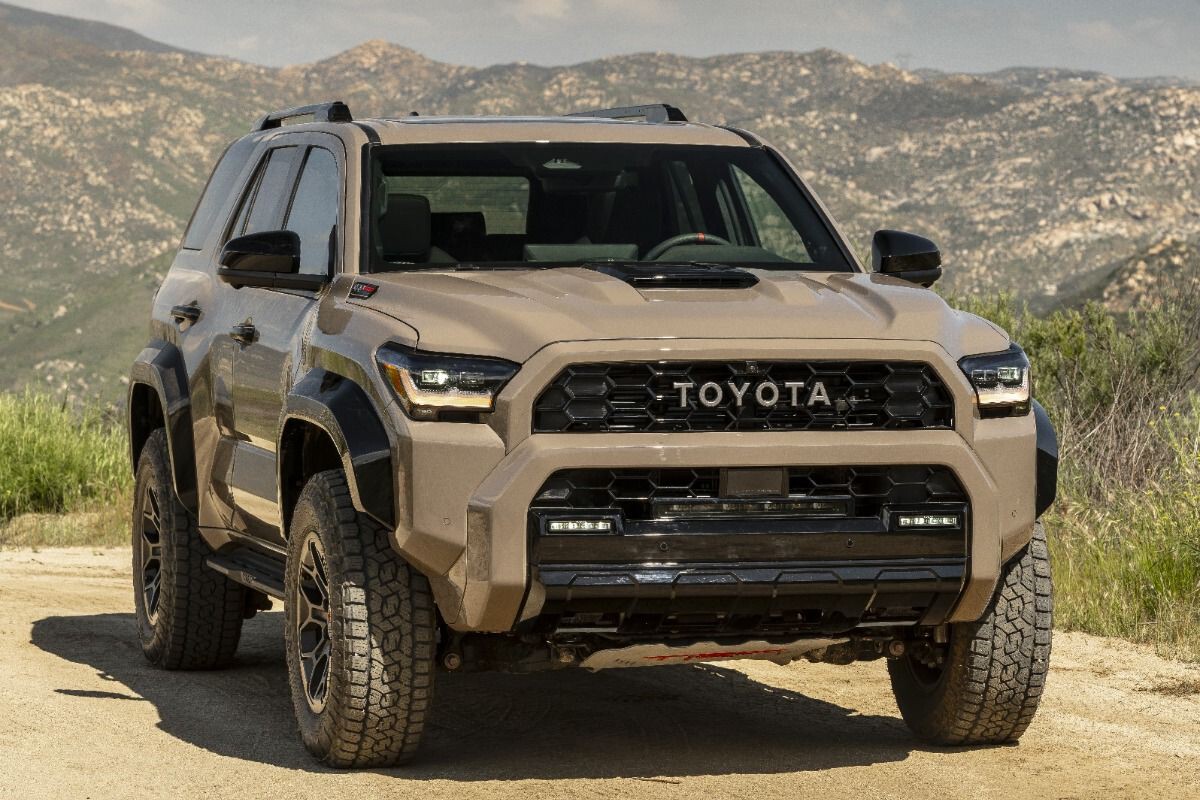
5. Toyota 4Runner TRD Pro
The Toyota 4Runner TRD Pro is built for ruggedness, not refinement, and that shows up clearly in the cabin noise at highway speeds. With its off-road suspension, all-terrain tires, and body-on-frame design, it’s one of the louder midsize SUVs on the market. At lower speeds it’s tolerable, but once you hit the freeway, wind, tire, and drivetrain noise become much more noticeable.
The TRD Pro’s aggressive tires are fantastic off-road, but they hum loudly on paved roads. That hum increases with speed and varies depending on the surface you’re driving on. Even newer models show this characteristic, and it’s part of what makes the 4Runner feel a bit dated compared to other modern SUVs. While its capability is impressive, the cabin insulation simply isn’t on the same level as crossovers built for comfort.
Engine noise is also a factor. The naturally aspirated V6 isn’t the quietest unit to begin with, and when pushed, it gets quite vocal. The automatic transmission does a decent job of keeping things smooth, but on uphill stretches or passing maneuvers, the engine groan is pronounced. Combined with the wind buffeting the roof rack and mirrors, it creates a constant backdrop of sound on the highway.
Still, this is a car that doesn’t try to pretend it’s something it’s not. The 4Runner TRD Pro wears its rough edges proudly. It’s meant to take you far off the beaten path, and part of that means dealing with a cabin that doesn’t prioritize silence. For weekend adventures and trail use, the noise won’t matter much. But if you’re spending a lot of time on the highway, especially with passengers, it’s something to be aware of.
Also Read: 5 Turbo Engines That Stay Reliable and 5 That Always Break
Choosing the right vehicle involves balancing many factors, and cabin noise is one that often goes overlooked until you’ve spent hours behind the wheel. For those who value peace on the highway, the right car can make all the difference in reducing fatigue, improving conversation clarity, and simply making the drive more enjoyable.
Vehicles like the Lexus LS, Mercedes-Benz S-Class, Tesla Model S, BMW 7 Series, and Audi A8 have all been engineered to create calm, refined spaces that separate you from the outside world. They use a mix of advanced insulation, precise engineering, and thoughtful design to keep noise at bay, even at highway speeds.
On the other hand, some cars embrace sound as part of the experience. Models like the Ford Mustang GT, Jeep Wrangler, Subaru WRX, Dodge Charger Hellcat, and Toyota 4Runner TRD Pro all make their presence known through engine growls, tire hum, and wind turbulence.
While they may not offer the same serene ride, they provide an engaging, character-filled experience that appeals to a different kind of driver. In these cars, the noise tells a story, whether it’s performance heritage, off-road toughness, or motorsport roots.
Neither approach is inherently better. It all depends on what kind of experience you want from your vehicle. Some people prefer to be cocooned in silence, especially during long commutes or family road trips. Others enjoy the feedback and rawness of a louder ride that keeps them connected to the road.
Knowing where each car stands on that spectrum helps you make a more informed decision. Whether you’re seeking a serene cabin or a soundtrack to match your driving enthusiasm, there’s a car out there that fits your preferences. Understanding noise as a design choice, rather than just a byproduct, helps frame it in a more meaningful way.
