
When choosing a truck, most buyers tend to prioritize performance, towing capacity, fuel economy, and cabin space. While these factors are essential, there’s another element that significantly influences the driving experience: the factory sound system.
Whether you’re commuting to work, hauling materials, or heading off-road for the weekend, the quality of your truck’s sound system can make every journey more enjoyable. Surprisingly, some trucks roll off the factory floor with audio systems that deliver a rich, balanced sound that satisfies even the most particular listeners. Others, however, seem to treat sound systems as an afterthought, leaving drivers disappointed with weak bass, distorted mids, or limited speaker setups.
It’s important to recognize that not all trucks are created equal when it comes to in-cabin entertainment. Some manufacturers have partnered with respected audio brands to create systems that compete with high-end aftermarket upgrades. Others still use low-powered stock stereos that barely fill the cabin.
If you’re an enthusiast who spends hours behind the wheel or someone who values music as part of your daily routine, understanding which trucks offer solid sound straight from the factory and which ones you’ll want to upgrade immediately is more important than ever.
To help you make an informed decision, we’ve broken this article into two main parts. First, we’ll look at five trucks with factory sound systems that are so good, you won’t feel the need to change a thing. Then we’ll cover five trucks that, despite their other strengths, will likely have you heading to a stereo shop before long. These are real-world observations based on how well these systems perform, how they’re built into the cabin, and how they stand up to the challenges of everyday driving conditions.
Whether you’re buying new, shopping used, or looking to upgrade your current truck, knowing what to expect from the audio system can save you time and money. More than that, it can give you confidence that your favorite songs, podcasts, or even phone calls will sound just the way they should. Here’s our breakdown of the best and worst truck factory sound systems on the market today.
Also Read: 5 V8 Engines That Refuse to Quit and 5 That Self-Destruct
5 Trucks with Factory Sound Systems Worth Keeping
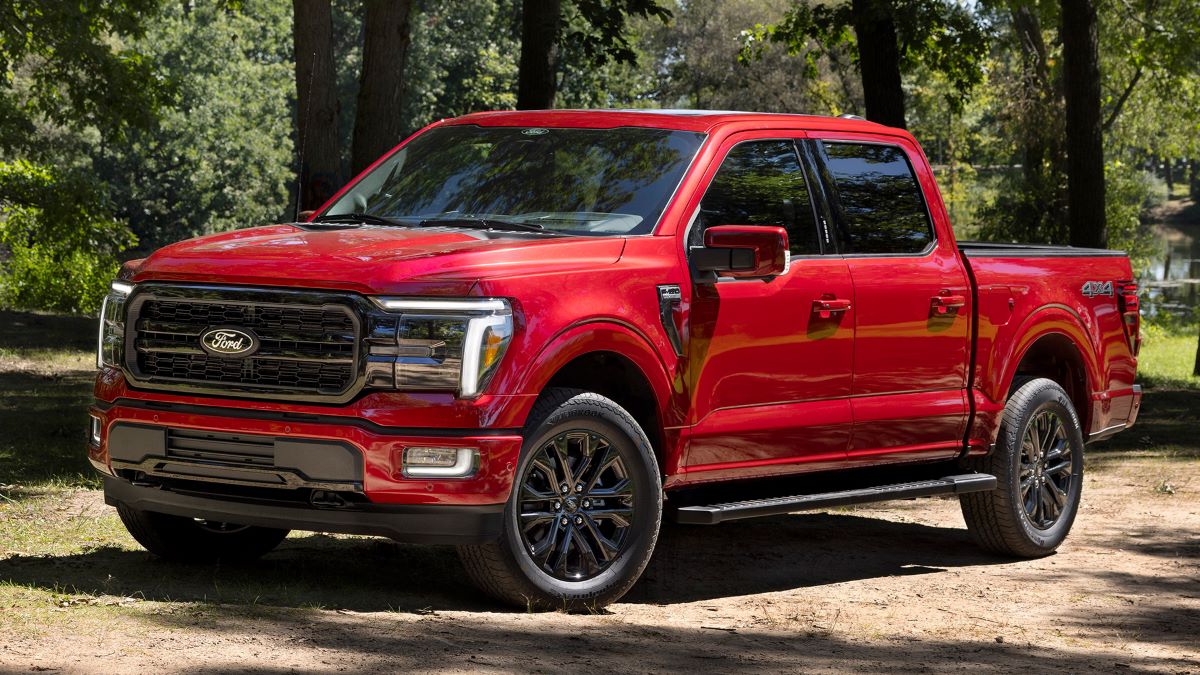
1. Ford F-150 with B&O Sound System
The Ford F-150 is not just a workhorse; it’s a technologically advanced and refined truck that offers a well-rounded driving experience. One of the most appreciated features in the upper trims of this truck is the Bang & Olufsen (B&O) Sound System, which provides an audio performance that feels right at home in a luxury vehicle.
The system comes with either 10 or 18 speakers, depending on the trim, delivering room-filling sound that keeps its clarity at all volumes. Ford worked closely with B&O engineers to fine-tune the system specifically for the F-150 cabin, accounting for space, material reflections, and sound interference.
What makes this system stand out is the precision in sound balance. From country music to heavy metal, every genre comes through cleanly with strong instrument separation and well-controlled bass. The subwoofer isn’t just a box in the back; it’s integrated into the design, so it delivers low-end power without muddying the mids and highs.
Even on bumpy roads or at high speeds, the sound remains stable, thanks to the strategic speaker placements and insulation throughout the cabin.
Another strength of the B&O system is how user-friendly it is. The truck’s infotainment interface includes detailed audio settings that allow you to customize EQ levels to your personal preferences. Whether you’re into bass-heavy hip hop or crisp classical music, you can tweak the sound to fit your needs. And with Android Auto and Apple CarPlay integration, the quality of your streaming services isn’t compromised either.
In short, this isn’t a sound system you’ll feel the urge to swap out. For many drivers, the B&O-equipped F-150 delivers an in-cabin audio experience that surpasses expectations. It’s refined, powerful, and integrated so well that any aftermarket system would struggle to compete without significant modification. If you buy an F-150 with this setup, you’re set.
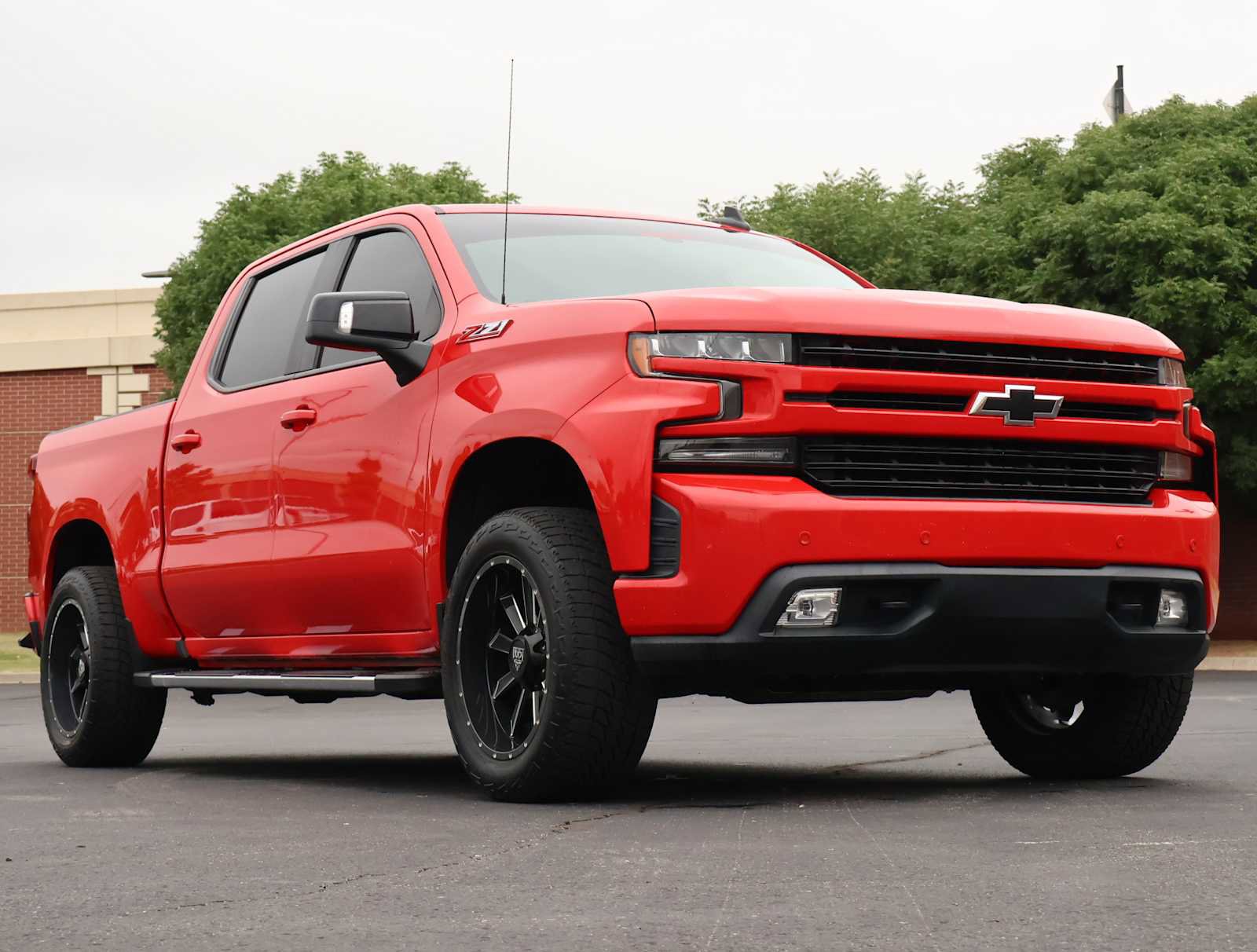
2. Chevrolet Silverado with Bose Premium Sound System
Chevrolet has long collaborated with Bose, one of the most recognized names in automotive and home audio, and their efforts shine in the Silverado’s Premium Sound System. This factory-installed system offers a punchy, clear, and immersive listening experience that rivals some aftermarket setups. With 7 to 10 strategically placed speakers and a high-quality subwoofer, it manages to fill the Silverado’s spacious cabin with warm sound that maintains its clarity across all volume levels.
One reason the Bose system works so well in the Silverado is its use of active noise cancellation. This technology reduces engine and road noise, particularly in diesel models, which are notoriously loud. The result is a cleaner audio environment where music and spoken word content aren’t fighting to be heard. It’s a huge plus, especially for those who use their trucks as both work vehicles and daily commuters.
The clarity of mids and highs is particularly impressive. Vocals stand out without becoming piercing, and the bass delivers enough thump to satisfy most without being overpowering. Even satellite radio and podcasts sound better on this system than on many stock alternatives. Bose also includes tuning enhancements to keep the sound consistent across different seating positions, which is important for larger cabins like this one.
This is the kind of factory sound system that makes you forget you’re in a full-size truck. Whether you’re driving through the city, towing a trailer on the highway, or parked at a job site, the Bose setup in the Silverado offers reliable, balanced, and immersive sound that most drivers will appreciate. It’s well worth keeping and rarely replaced unless you’re chasing ultra-high-end custom setups.
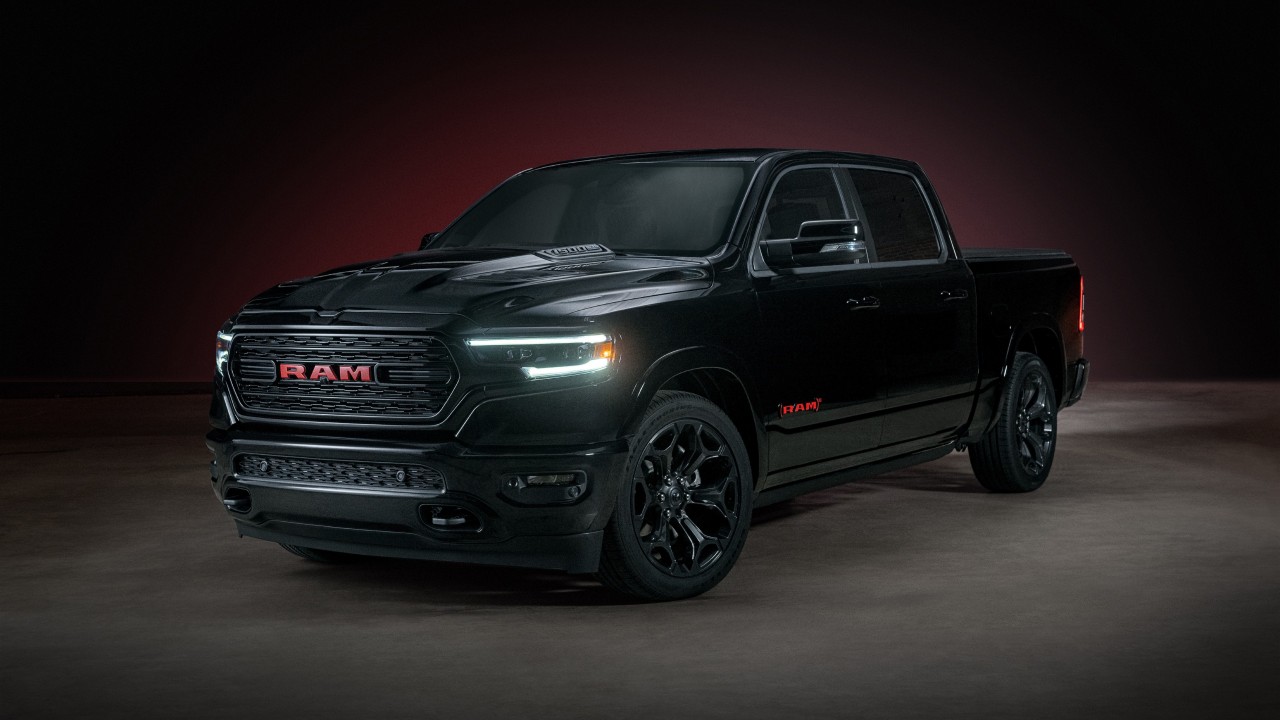
3. Ram 1500 with Harman Kardon Premium Sound
Ram has spent years transforming its trucks from workhorses into refined, premium-level vehicles and the Harman Kardon system in the Ram 1500 is one of the best examples of this shift. The premium sound system includes 19 high-performance speakers, a 900-watt amplifier, and a 10-inch subwoofer, providing a high-fidelity listening experience that can compete with systems in much more expensive luxury vehicles.
Harman Kardon designed this system specifically for the unique interior shape and size of the Ram 1500. As a result, sound is distributed evenly throughout the cabin, whether you’re sitting in the front or the back. Every detail in the music is rendered clearly, from subtle instrumentals to deep, resonant bass, with very little distortion at any volume. Whether you’re cranking up rock on the freeway or listening to jazz at night, the system maintains excellent clarity.
Another key advantage is its customization. The infotainment system lets you finely adjust treble, mid, and bass levels, or choose from preloaded audio profiles that suit different musical styles. The system also handles various audio sources well, whether you’re streaming Bluetooth audio, playing off a USB, or using satellite radio. It compensates for the occasional drop in quality that comes with compressed files, delivering a consistently rich sound.
For owners who take pride in every detail of their vehicle, this sound system is not just a feature; it’s a selling point. It enhances every trip, from daily commutes to long road trips, and there’s little reason to consider replacing it. It’s one of the few factory systems that audio purists agree doesn’t need tweaking.
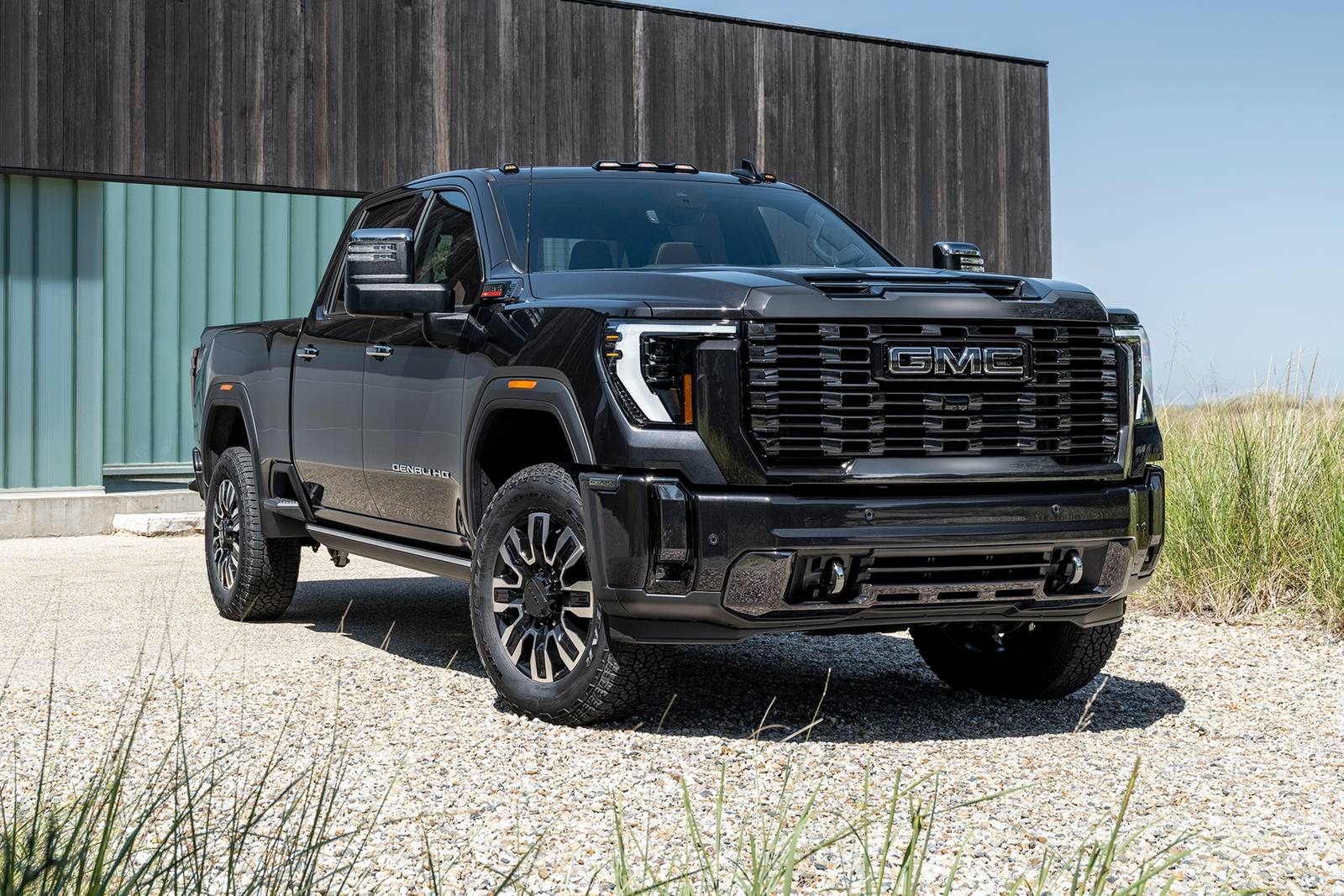
4. GMC Sierra with Bose Premium Audio System
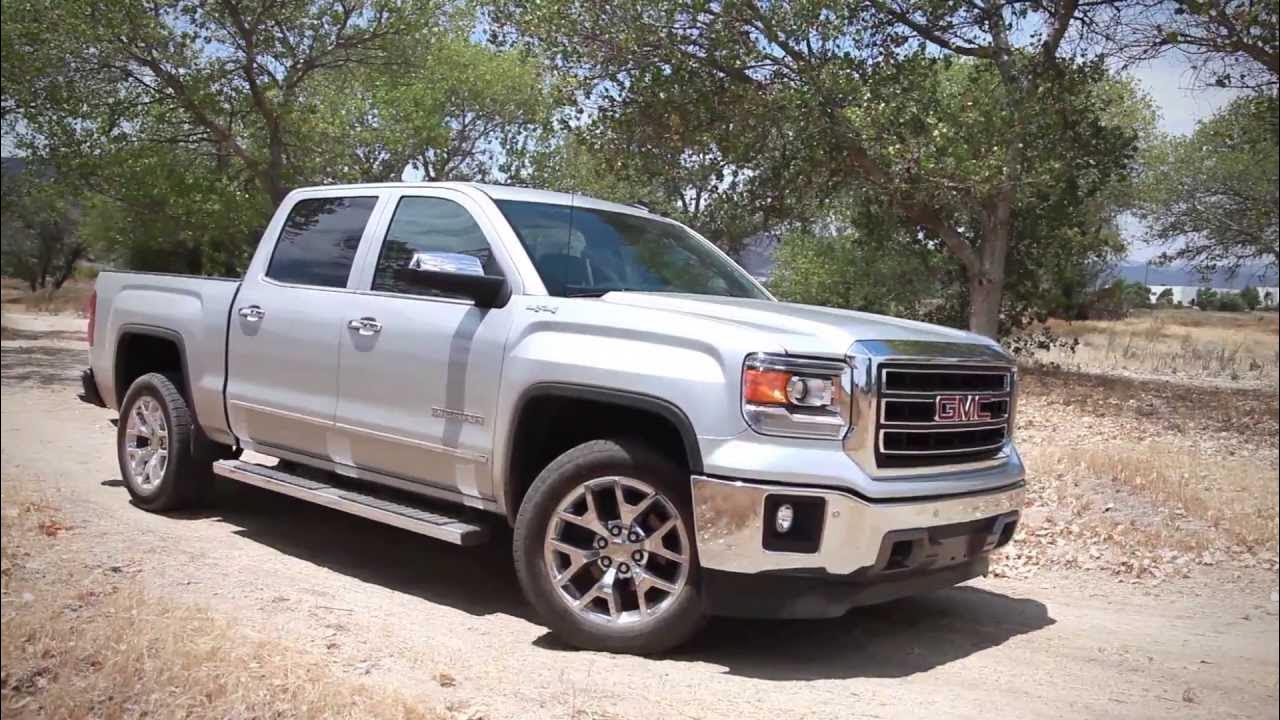
The GMC Sierra, built on the same platform as the Silverado, also benefits from Bose’s expert tuning and speaker placement. However, GMC goes a step further in terms of cabin material and layout, which helps the sound system perform even better. The Bose Premium Audio System in the Sierra brings out a full range of frequencies with accuracy and warmth that truck drivers don’t usually expect from a factory system.
Thanks to its cabin design and insulation, the Sierra offers an environment where sound can really thrive. The system includes up to 7 premium speakers and a subwoofer, all of which are tuned specifically for the Sierra’s cabin geometry. From high-pitched vocals to rumbling bass lines, the sound remains well-balanced. It performs particularly well at low volumes, maintaining detail and depth, which is ideal for background music on longer trips or conversations.
The system also integrates seamlessly with GMC’s infotainment software. Switching between audio sources is quick and reliable, and settings adjustments are easy. The clarity doesn’t suffer even when switching from high-res audio files to streaming apps, and connectivity with smartphones is smooth. The setup also responds quickly to in-cabin voice commands or adjustments on the fly.
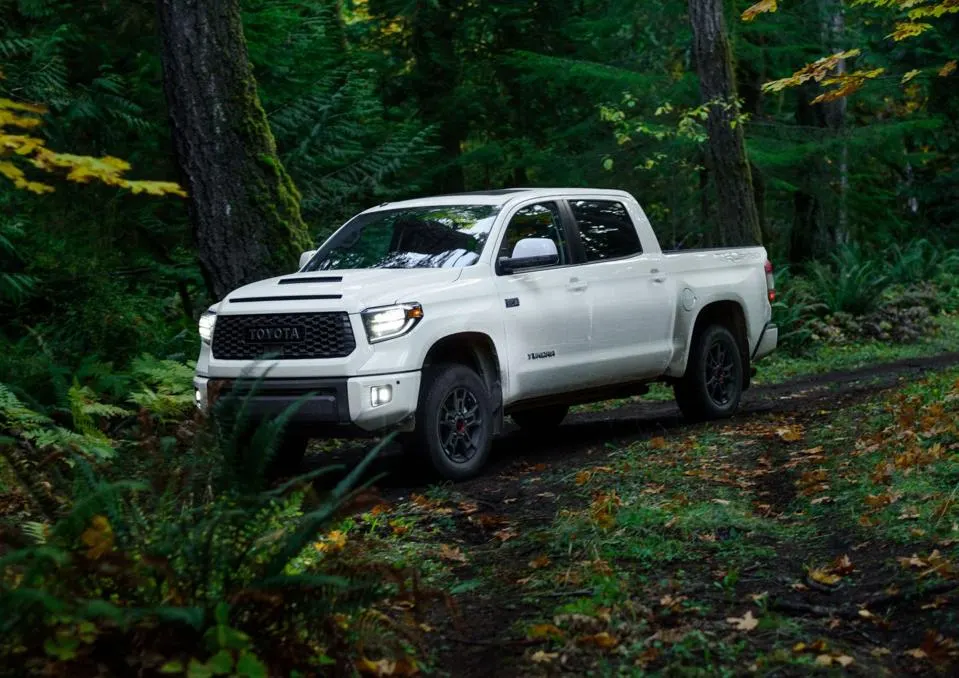
5. Toyota Tundra with JBL Audio System
The Toyota Tundra has carved a solid reputation for reliability and performance, but it’s not always mentioned in the same breath as its American counterparts when it comes to luxury or premium features. That changes when you step into a Tundra equipped with the JBL premium audio system. With 12 speakers in most versions, including a subwoofer and amplifier, the system brings a balanced and satisfying sound to the table that makes it one of the more surprising factory setups in this segment.
What sets JBL’s system in the Tundra apart is its ability to maintain clarity even at high volumes. Many truck systems either fall apart when you crank the dial or struggle to make an impact at all. The JBL system doesn’t suffer from either issue. It delivers a powerful sound that feels clean, smooth, and well-defined across all frequency ranges. Whether you’re listening to classic rock, EDM, or acoustic recordings, the sound holds together without introducing the harshness or distortion common in lesser systems.
Toyota has worked with JBL for years and clearly understands how to tune a system for a truck cabin. The system benefits from custom speaker placement that helps distribute audio evenly throughout the large space of the Tundra. Even backseat passengers can enjoy an audio experience that doesn’t feel like an afterthought. The sound doesn’t just hit from the front and sides; it surrounds the cabin in a way that feels full and well integrated.
Another nice touch is how the system works well with compressed audio formats and streaming services. JBL uses a digital restoration feature that enhances lower-quality files, so even if you’re using Spotify or YouTube Music, the playback still sounds rich. JBL system in the Tundra is more than enough for most owners and stands out as one of the few factory setups that genuinely doesn’t need to be replaced.
5 Trucks with Factory Sound Systems You’ll Replace Fast
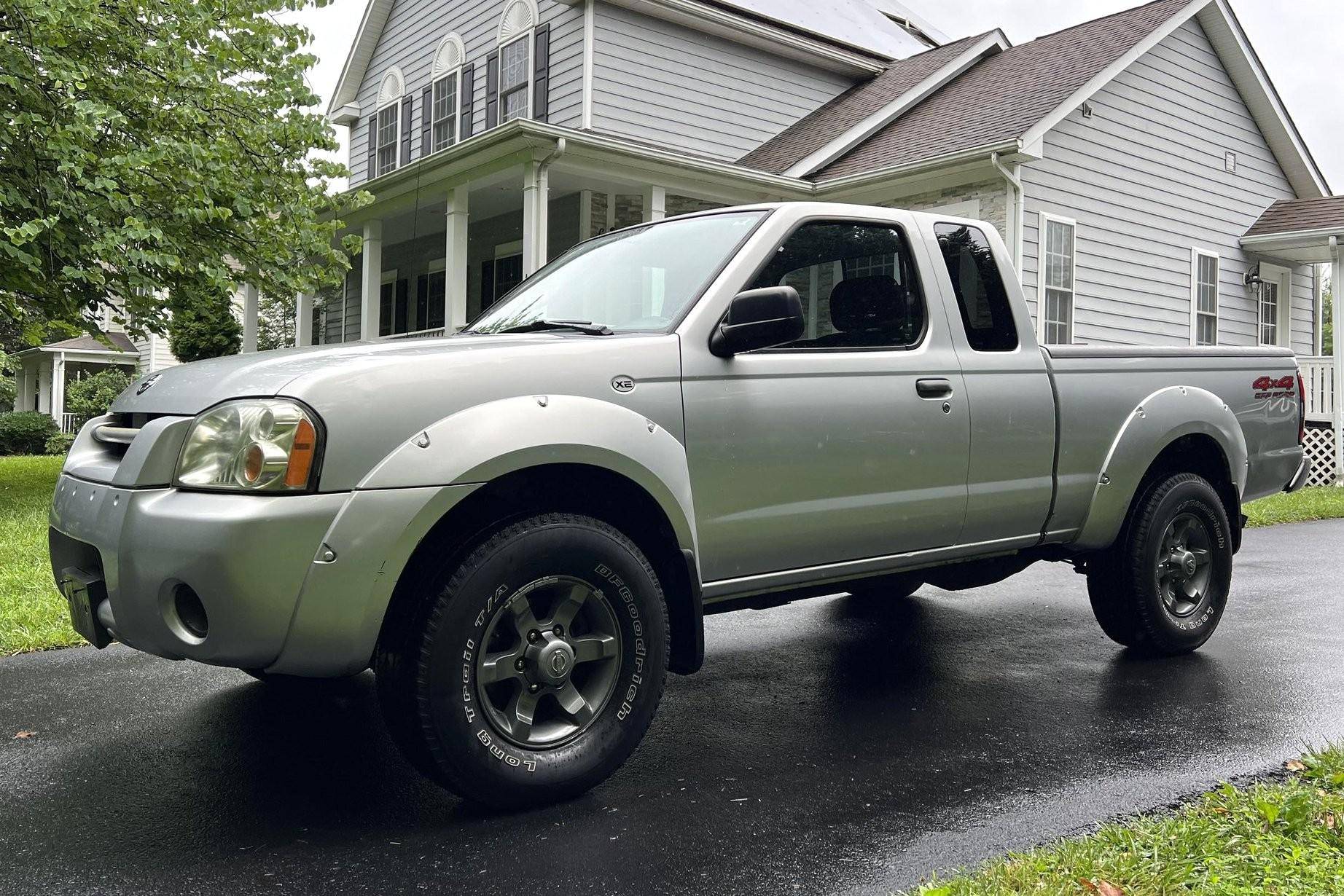
1. Nissan Frontier Stock Sound System
The Nissan Frontier may appeal to buyers due to its rugged reliability and straightforward design, but its factory audio system often feels like an afterthought. In base and mid-level trims, the system features a basic six-speaker setup that lacks the power, clarity, and depth many drivers want from their daily audio experience. This setup doesn’t fill the cabin well, especially in the Crew Cab variants, where rear passengers are often left with a dull and distant soundstage.
One of the biggest drawbacks is the system’s lack of low-end presence. The bass is weak, thin, and poorly controlled, making modern music sound flat and underwhelming. The mids can sound muffled, especially during voice-heavy content like podcasts or audiobooks, while highs tend to become harsh at higher volumes. The sound just doesn’t breathe, it feels confined and boxy, which significantly takes away from long-drive enjoyment.
Another issue is the limited tuning or customization options available through the stock head unit. Unlike more advanced systems, which offer EQ adjustments and sound presets, the Frontier’s base system is simple and rigid. This leaves users stuck with a one-size-fits-all audio experience that doesn’t suit a wide range of genres or preferences. Even aftermarket head unit replacements are a common first step because the stock interface feels dated and unresponsive.
Owners who care about sound quality often look for aftermarket upgrades as soon as possible. Replacing the speakers, adding an amplifier, and upgrading the head unit are common modifications among Frontier drivers. While the truck performs well mechanically, the sound system is one of its weakest links and something buyers frequently mention as needing improvement.
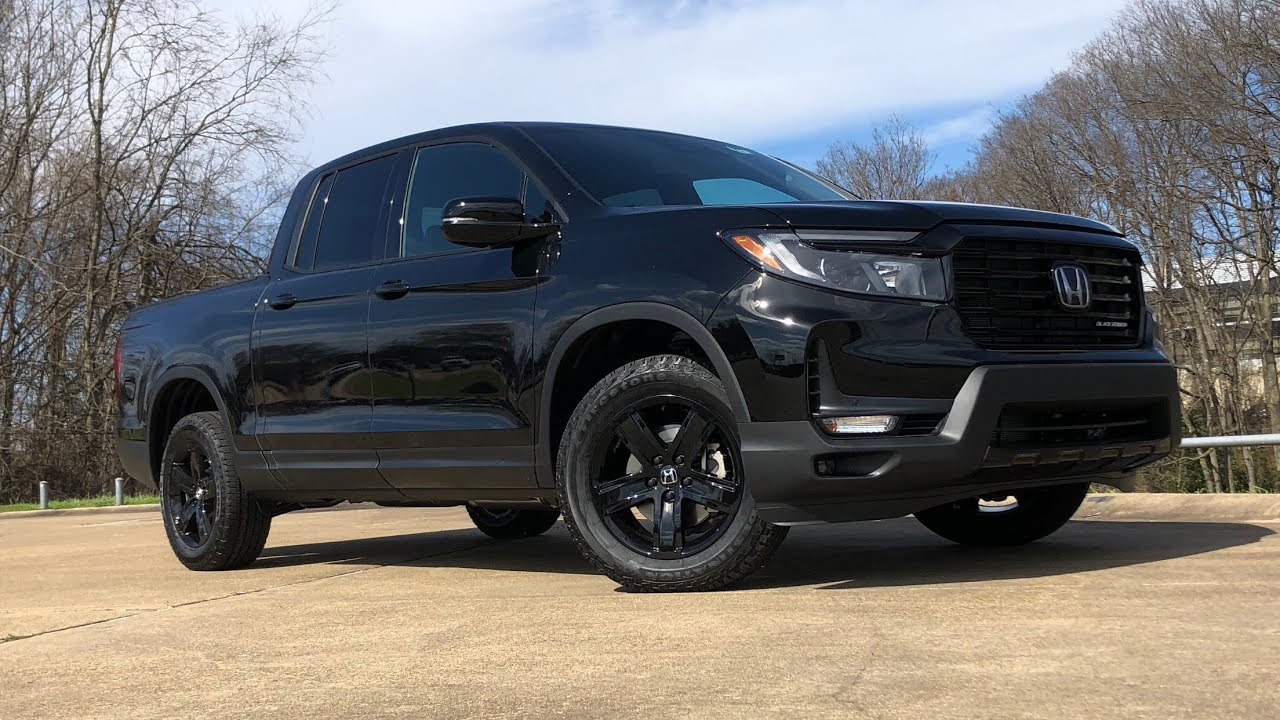
2. Honda Ridgeline Factory Audio
The Honda Ridgeline stands out among trucks for its smooth ride, unibody construction, and innovative features like the in-bed trunk. However, one area where it often underperforms is in its factory audio setup. Even on higher trims, the sound system has a difficult time keeping up with competitors in both clarity and depth. In the base model, the issue is especially noticeable, with speakers that sound thin and struggle to project clean sound throughout the cabin.
Despite Honda’s efforts to position the Ridgeline as a comfortable, everyday truck alternative, the sound quality lacks definition. There’s a consistent complaint from owners that the stereo fails to produce meaningful bass, which causes most tracks to feel light or hollow. Treble-heavy tracks may sound sharp or brittle, and while dialogue in talk shows or audiobooks is generally intelligible, it lacks warmth and presence, making for a less engaging listening experience.
Even the mid-tier and upper trims, which offer more speakers, don’t fix the underlying problem. The tuning remains generic, and the power output still feels weak. The Ridgeline’s cabin acoustics could support a more dynamic system, but the factory components just don’t live up to the potential. Adding to the frustration is the outdated infotainment interface in earlier model years, which can make audio management feel clunky and unrefined.
Most Ridgeline owners who value sound end up investing in aftermarket systems to improve their experience. Whether it’s upgrading to component speakers, adding a subwoofer, or installing a new amp, these changes become necessary for anyone who listens to music often. The truck excels in comfort and practicality, but its audio system is far from being one of its selling points.
3. Jeep Gladiator Stock Audio
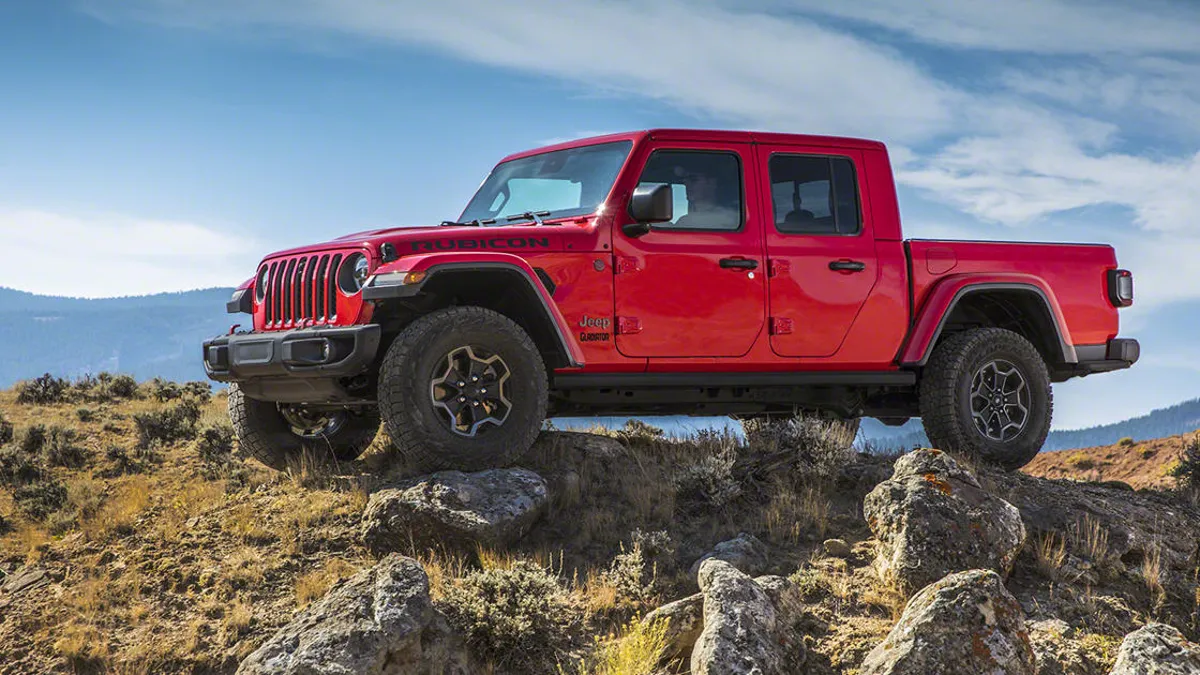
The Jeep Gladiator is a unique vehicle that blends off-road capability with truck functionality, but its factory sound system is a known weak point, especially in the Sport and Sport S trims. These lower models come with a basic audio setup that includes only a handful of low-quality speakers. The result is an audio experience that lacks the depth, power, and clarity you’d expect from a vehicle in this price range.
Jeep owners are known for customizing their vehicles, and sound system upgrades are often at the top of the list. One reason is the open-cabin design, especially when the doors or roof panels are removed. The stock system doesn’t have the power to overcome wind and road noise, making music nearly unlistenable at highway speeds. Even with the roof on, the sound system lacks balance and punch. Bass is barely noticeable, mids are muddy, and treble tends to fade out unless cranked too high.
Even on higher trims, while you may get a few more speakers and slightly better tuning, the system still struggles compared to competitors. The factory stereo simply isn’t designed to thrive in a loud, open-air environment. There’s minimal sound insulation, and speaker placement does little to direct audio effectively through the large cabin. If you’ve ever driven a Gladiator with the doors off and music playing, you’ve probably been disappointed by how weak the sound feels.
Most Gladiator owners who care about audio end up upgrading quickly. Adding a powered subwoofer, swapping in higher-grade door speakers, and installing an aftermarket amp are some of the most common mods. While the Gladiator excels at off-road adventure and rugged performance, its stock sound system doesn’t match the energy or spirit of the vehicle, which is why it usually gets replaced early on.
4. Ram 1500 Base Model Audio
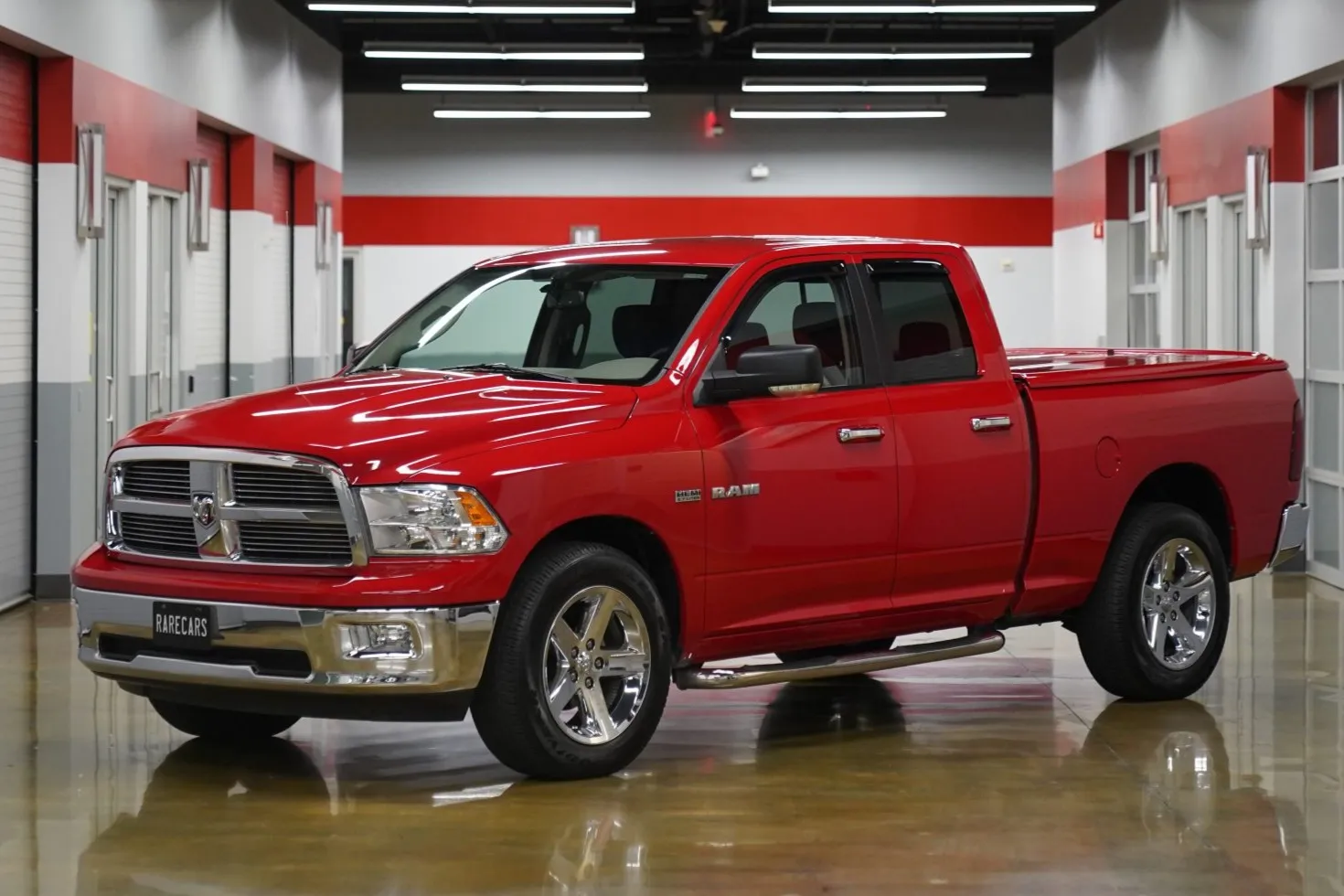
While the higher trims of the Ram 1500 shine with one of the best sound systems in any truck, the base-level models tell a very different story. The standard stereo in the Tradesman and Big Horn trims features fewer speakers and lacks both subwoofer support and power amplification. This results in a noticeably flatter sound profile that doesn’t do justice to the truck’s otherwise refined cabin.
The sound feels thin and underwhelming, especially if you’re used to listening to music in higher-end vehicles or even mid-level sedans. There’s little punch to the bass, and vocals don’t come through with much clarity. You’ll often find yourself turning the volume up just to hear the details, which then results in distortion. For a truck that offers comfort and strong highway performance, the base audio doesn’t keep pace with the rest of the experience.
Cabin acoustics are decent, so the truck could support a better system, but Ram simply doesn’t include one unless you go up the trim ladder. This leaves owners of lower trims feeling like they got shortchanged on sound. Even the speaker placement seems optimized for utility rather than enjoyment, with audio directed poorly to rear-seat passengers and minimal surround effect in the cabin.
Many Ram owners end up upgrading components piece by piece: better door speakers, tweeters in the dash, and a small powered subwoofer go a long way in transforming the system. But it does mean extra costs right after purchase. While the Ram 1500 is otherwise a great truck even in its base form, the sound system isn’t something you’ll want to live with for long.

5. Chevrolet Colorado Base System
The Chevrolet Colorado is a solid midsize truck with good performance and a comfortable ride, but the base sound system is another story. It suffers from many of the issues seen in budget setups, poor clarity, weak volume, and a lack of immersive sound. The standard six-speaker configuration barely covers the cabin, and rear-seat audio especially feels like an afterthought.
Even with music playing at moderate volumes, the system fails to deliver a rich experience. Bass is weak, the treble feels muted, and there’s a lack of presence in the mids, making music sound lifeless. The stock head unit also doesn’t offer much in the way of EQ customization, so users are stuck with what they get. Compared to what the competition offers, Colorado’s base audio can feel outdated and dull, especially during long trips.
Highway driving is particularly problematic due to road and wind noise, which the speakers can’t compete with. As a result, even the radio becomes hard to hear unless cranked to near-maximum volume, which only leads to distortion. For truck owners who care about more than just utility, this can be a dealbreaker, or at the very least a major annoyance.
Upgrading the sound system is common among Colorado owners, especially those who use their trucks for more than just work. Simple improvements like a speaker swap, amplifier installation, or subwoofer addition can completely transform the in-cabin experience. The base system is functional but uninspiring, and for most, it’s one of the first things they’ll change after buying the truck.
Also Read: 5 Turbo Engines That Stay Reliable and 5 That Always Break
Choosing the right truck involves a variety of considerations, powertrain, towing capacity, reliability, interior features, and more. But for those who spend a significant amount of time behind the wheel, audio quality can have a surprisingly big impact on daily driving satisfaction.
A well-designed factory sound system adds life to commutes, clarity to phone calls, and enjoyment to road trips. Unfortunately, not every truck manufacturer treats the factory stereo with equal importance, and that’s where the differences become apparent.
Some trucks, especially in their higher trims, come equipped with thoughtfully engineered sound systems that enhance the cabin environment. Brands like Ford, Ram, and GMC have partnered with high-end audio companies like Bang & Olufsen, Harman Kardon, and Bose, delivering clear highs, rich mids, and deep bass that genuinely impress, all without requiring a single aftermarket modification.
These systems are not just louder; they’re better tuned, better placed, and more intelligently integrated into the vehicle’s structure. Trucks like the Ram 1500 Limited, Ford F-150 Lariat or Platinum, and GMC Sierra Denali show that it’s possible to combine power and comfort without compromising sound quality.
On the other hand, base trims or less audio-focused models like the Nissan Frontier, Honda Ridgeline, and Chevrolet Colorado often leave a lot to be desired in this department. Their stock sound systems are usually just good enough to get by, but not much more.
With weak bass, limited speaker coverage, and almost no sound customization, they can make the cabin feel dull or lifeless. This is particularly noticeable in larger cabins where more speaker output is necessary to provide full, even sound. In these cases, owners often find themselves investing in aftermarket audio upgrades soon after purchase, spending time and money just to bring the sound experience up to a satisfying level.
The good news is that the aftermarket world offers plenty of solutions for those underwhelmed by stock audio systems. Whether it’s replacing door speakers, adding a subwoofer, or installing a full custom setup with amps and equalizers, there are many ways to achieve great sound in any truck. But for buyers who prefer not to modify their vehicle, it pays to know which models come with a factory sound system that’s worth keeping.
As trucks continue to evolve into more refined and feature-rich vehicles, sound systems are becoming a more noticeable point of differentiation between trims and models. For some drivers, it’s a make-or-break feature, especially when music and media play a big role in their lifestyle. With this guide, the goal is to help you avoid disappointment, whether you’re looking for a truck that impresses out of the box or preparing to upgrade a weak setup soon after you drive off the lot.
