
The steering wheel is one of the most frequently touched and used components inside any vehicle, making it a critical factor in the driving experience and the interior quality of an SUV. Since the steering wheel is constantly in contact with the driver’s hands, it is subjected to continuous friction, oils, sweat, and environmental factors, which can lead to wear over time.
Many SUV owners don’t often consider how durable their steering wheel might be when choosing a vehicle, but it can have a surprisingly large impact on comfort, aesthetics, and long-term maintenance costs.
A steering wheel that remains smooth, intact, and comfortable despite years of use speaks volumes about the craftsmanship and materials employed by the manufacturer.
Conversely, a peeling, cracking, or deteriorating steering wheel can degrade the vehicle’s appeal, potentially make driving less enjoyable, and result in extra expenses for repairs or replacements.
The materials used in steering wheels vary greatly among different automakers and models, influencing how well the steering wheel resists wear. Leather is often the preferred choice in premium vehicles because of its natural texture, comfort, and durability when properly treated.
However, leather can be sensitive to changes in temperature and moisture, requiring regular maintenance to avoid drying or cracking.
Synthetic leather is a cost-effective alternative and is designed to be more resistant to moisture and UV exposure, but if the quality is low or the manufacturing process is rushed, it can peel or flake prematurely.
Other materials like polyurethane or plastic composites are less expensive but tend to degrade faster, especially with heavy use. Some luxury SUVs even incorporate wood or metal accents, but the main grip area is usually leather or synthetic leather to balance aesthetics with usability.
How drivers treat their steering wheels also matters. The way a person grips the wheel, whether gently or firmly, with or without gloves, combined with cleaning habits, dramatically affects how quickly the surface wears down.
Exposure to sweat, lotions, and dirt, especially in hot or humid climates, can accelerate leather or synthetic leather deterioration.
Furthermore, prolonged exposure to sunlight can cause UV damage, resulting in fading, drying, and cracking. Cold weather may cause leather to stiffen and lose flexibility, making it more vulnerable to breaking or peeling.
Owners who regularly clean and condition their steering wheels, regardless of the material, tend to keep them looking and feeling better for longer periods. Despite all these factors, the inherent quality of the steering wheel’s construction remains the foundation of its lifespan.
This article compares five SUVs that feature steering wheels known for their exceptional durability and resistance to peeling against five SUVs that are commonly reported by owners to have steering wheels that wear out or peel quickly.
By examining the quality of materials, manufacturing standards, and design decisions behind these steering wheels, we can understand why some models stand out for their longevity.
Following that, insights on the models where steering wheels tend to fail prematurely are shared, highlighting the issues that contribute to this common problem. This information is useful for prospective SUV buyers who want to avoid surprises related to interior wear, as well as for current owners seeking guidance on how to preserve their steering wheel’s condition.
Also Read: 5 Cars With Lifetime Engine Seals vs 5 That Leak Oil by 100,000 Miles
5 SUVs With Steering Wheels That Never Peel
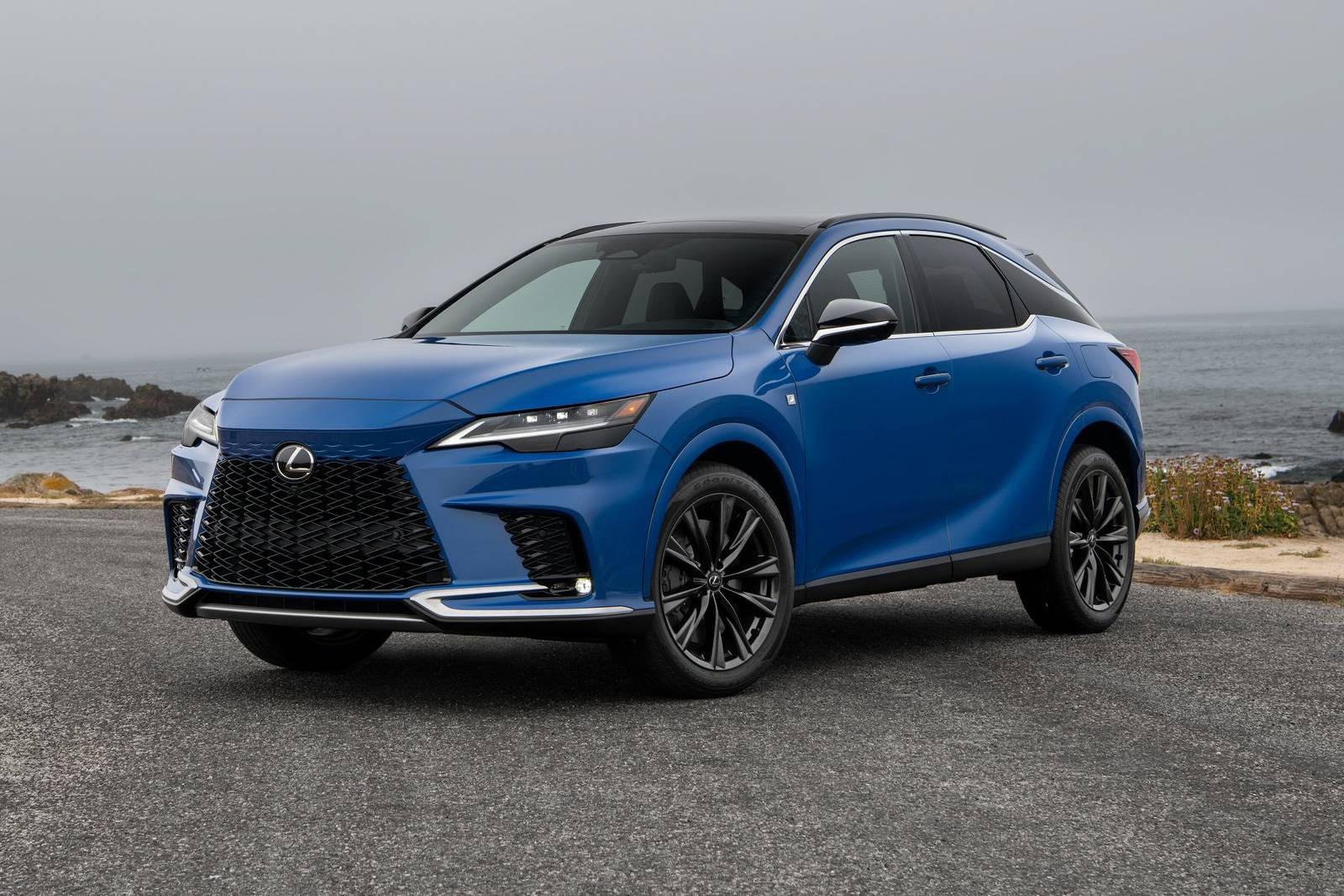
1. Lexus RX
The Lexus RX has a longstanding reputation for offering one of the finest interiors in its segment, and the steering wheel exemplifies this reputation perfectly.
Lexus uses top-tier leather for its steering wheels, carefully selected and tanned through a meticulous process that enhances durability and resistance to common wear issues such as peeling or cracking.
Unlike cheaper leathers that might be treated superficially, the leather on the RX is thicker and designed to hold up under repeated contact with bare hands, resisting damage from oils, sweat, and the occasional accidental spill.
Lexus also applies special protective coatings that form a barrier against UV rays and moisture, reducing the risk of drying out or fading even after years of exposure to sunlight and changing weather.
Owners of the RX often praise the steering wheel for retaining its original softness and tactile quality over many years and thousands of miles. The surface texture is smooth but offers enough grip to make driving comfortable without requiring a tight or harsh grip that would stress the leather.
Lexus’s attention to detail extends to the stitching and assembly, every seam is tightly sewn with high-quality threads that do not loosen or fray over time. This meticulous craftsmanship helps prevent the peeling or bubbling that sometimes occurs when the leather starts to separate from the core wheel material.
Ergonomically, the RX’s steering wheel is shaped with subtle contours and padding to promote a natural and relaxed hand position. This design encourages drivers to maintain a gentle hold on the wheel rather than clenching tightly, which can reduce wear and tear on the leather surface.
Additionally, Lexus recommends regular maintenance that includes wiping the wheel clean with a soft cloth and conditioning the leather with approved products.
These small but consistent care steps can significantly extend the life of the steering wheel. The combination of superior materials, excellent manufacturing, and mindful design makes the Lexus RX’s steering wheel one of the best in the SUV market for long-lasting quality and feel.
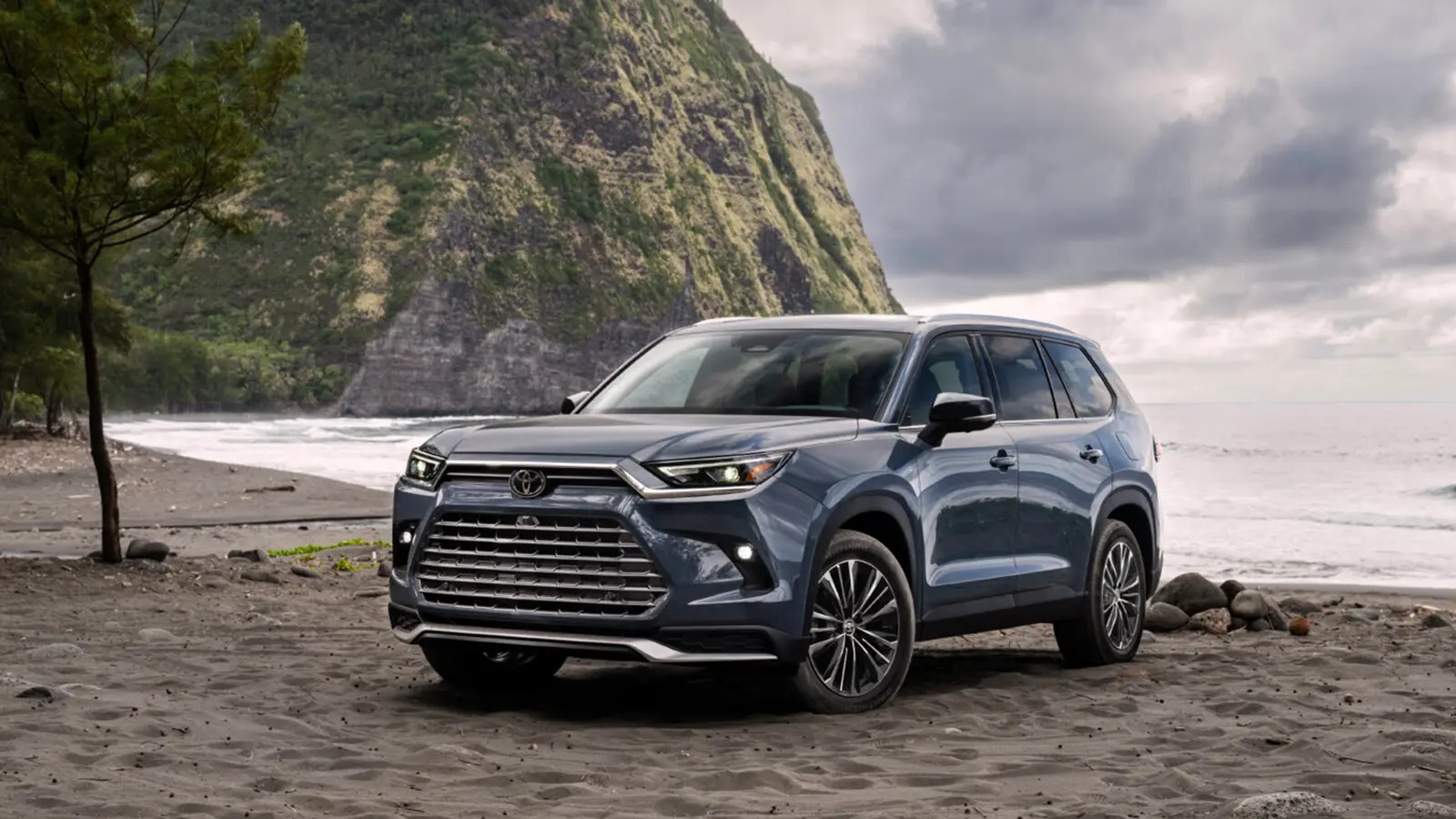
2. Toyota Highlander
Toyota’s Highlander stands out for combining everyday practicality with surprisingly high build quality, especially considering its price point.
While the Highlander’s interior might not be as luxurious as some competitors in the luxury SUV class, the steering wheel material consistently receives positive feedback for its ability to resist peeling and other forms of wear.
In many trims, the Highlander’s steering wheel is wrapped in synthetic leather that has been engineered specifically to provide flexibility, resilience, and protection against common environmental stresses.
Toyota’s synthetic leather formulas are often designed to endure varying climates, from humid summers to cold winters, without losing integrity.
Highlander owners frequently report that their steering wheels maintain a consistent texture and surface condition even after heavy daily use and exposure to direct sunlight. Unlike many synthetic leathers that become stiff or brittle over time, the Highlander’s wheel covering remains pliable and comfortable.
The manufacturing process Toyota uses ensures that the synthetic leather is securely bonded to the wheel’s core frame, which prevents the top layer from peeling or flaking. The adhesion is strong enough to resist the effects of oils, sweat, and dirt, which are typically the primary agents causing early deterioration.
While the Highlander steering wheel may lack the buttery softness and premium feel of more expensive SUVs, its resilience and longevity make it an excellent choice for families and commuters who want a wheel that will last without requiring specialized care or costly repairs.
Toyota’s focus on consistent quality across the vehicle ensures that the steering wheel matches the reliability and durability the brand is known for, making the Highlander a practical and reassuring option for buyers who value long-term usability.
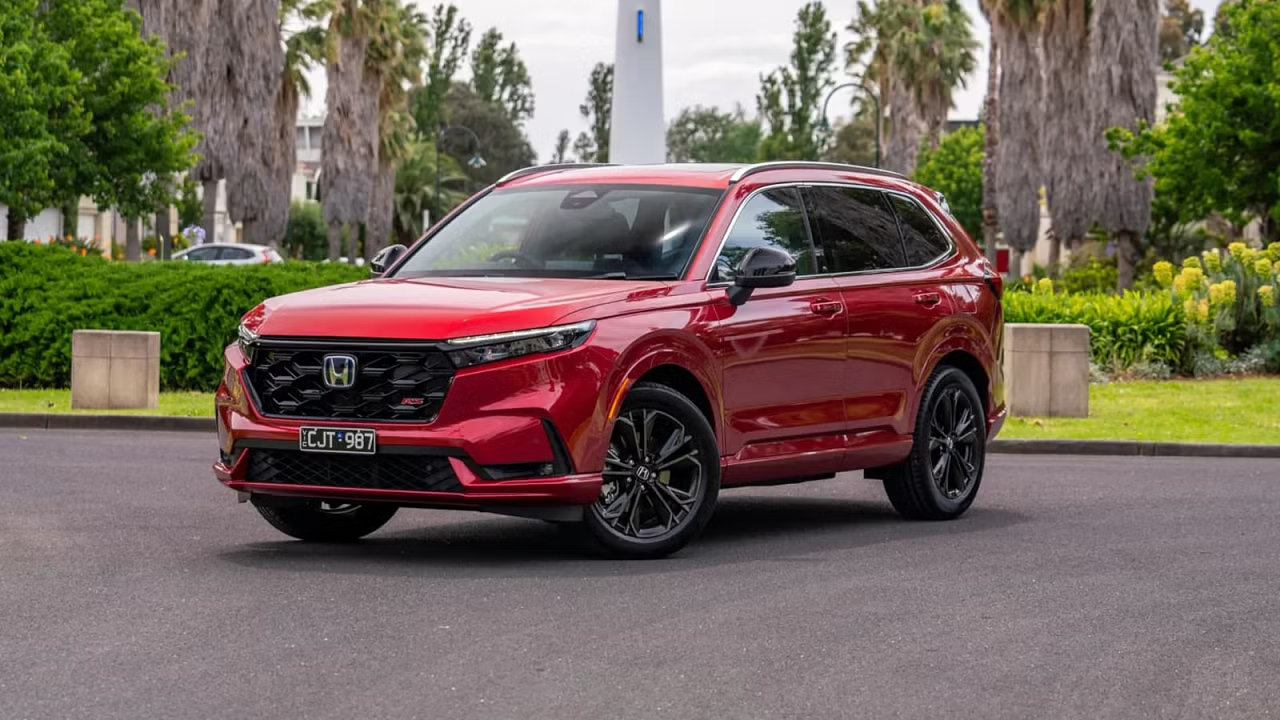
3. Honda CR-V
The Honda CR-V has earned a loyal following due to its balanced mix of reliability, comfort, and design. The steering wheel on the CR-V, especially in higher trims, is typically wrapped in genuine leather that undergoes careful processing to ensure durability.
Honda has taken strides to create a steering wheel that resists common forms of wear such as peeling, cracking, or loss of grip texture. Genuine leather, when well-chosen and treated, can maintain a consistent feel over many years, and the CR-V benefits from this material choice paired with protective coatings.
Honda’s manufacturing process for the CR-V steering wheel includes multiple layers of finishing treatments designed to repel moisture and oils. This multi-step process prevents the leather from absorbing sweat and grime, which are common causes of degradation.
Users often observe that their CR-V steering wheels look and feel nearly as new even after significant mileage and extended periods of daily use. The surface maintains its grip and does not become sticky or slippery, ensuring safe and comfortable handling in various driving conditions.
The ergonomic design of the CR-V’s steering wheel also promotes a natural hand position, minimizing stress on specific areas of the leather surface. By encouraging drivers to avoid gripping too tightly, the leather experiences less abrasion and stretching, further extending its lifespan.
Additionally, Honda provides guidance on steering wheel care, recommending periodic cleaning and conditioning with products that protect the leather.
This combination of thoughtful design, material quality, and maintenance results in a steering wheel that performs well over time, supporting the CR-V’s reputation as a reliable and driver-friendly SUV.
4. Subaru Outback
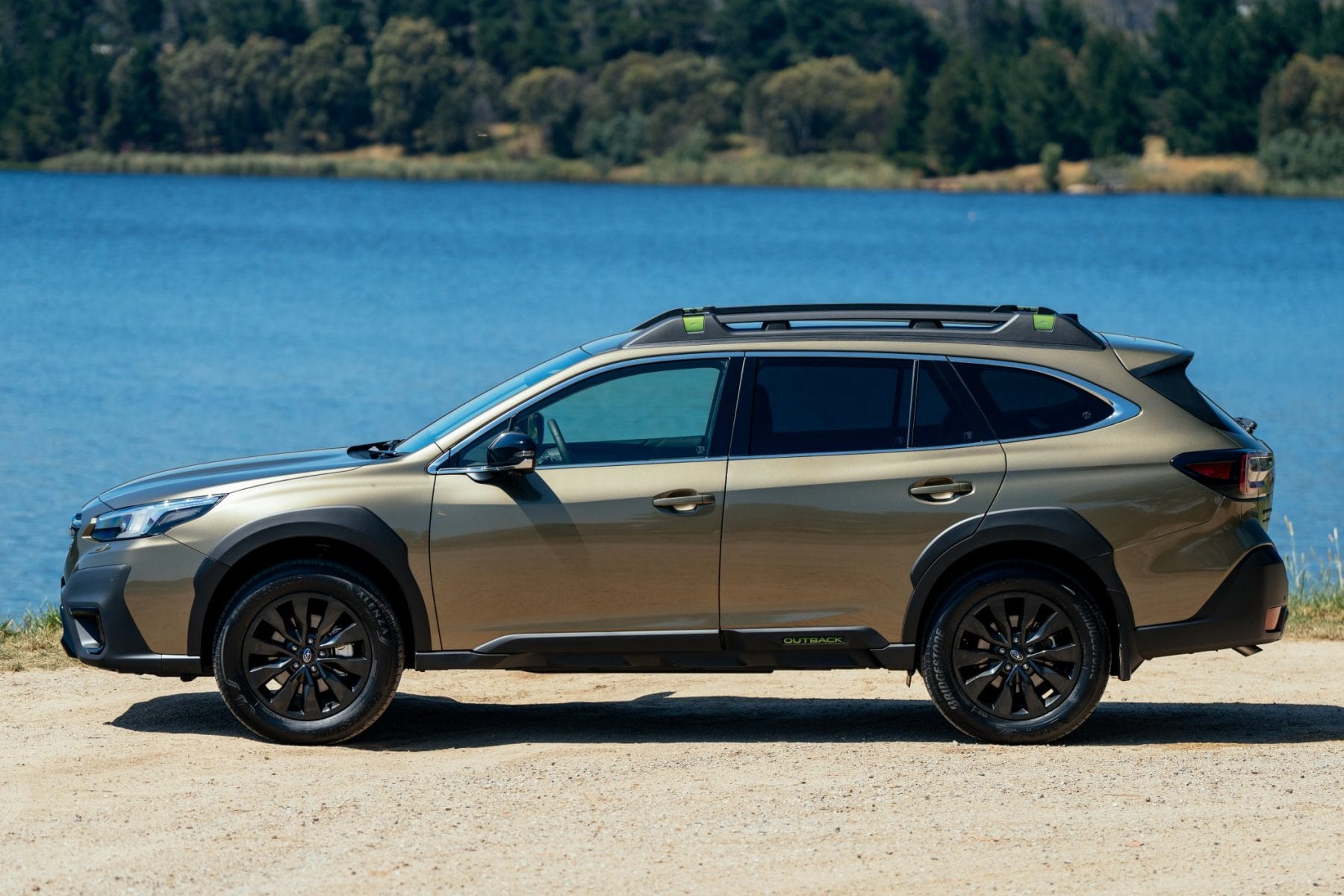
Subaru’s Outback is recognized for its ruggedness and all-weather capability, but its interior is no afterthought. The steering wheel, particularly in upper trims, features premium leather that has been treated to be resistant to wear and peeling even in demanding environments.
Subaru incorporates leather treatments that enhance the material’s elasticity, allowing it to stretch and flex under hand pressure without cracking. This flexibility is crucial in maintaining the leather’s integrity as it prevents stiffness and brittle breakdown, common issues that lead to peeling.
Many Subaru Outback owners praise the steering wheel for its durability and the way it maintains its finish over years of use. The textured surface design helps hide minor scuffs, scratches, and signs of wear that might otherwise accumulate and degrade the steering wheel’s appearance.
Tight stitching and precise assembly reduce the chances of seam failure, which can accelerate the peeling process if the leather edges begin to separate.
Subaru’s focus on build quality means the steering wheel is robust enough to endure daily city driving as well as rougher conditions, such as off-road adventures or exposure to dust and mud.
The Outback steering wheel is designed with both comfort and resilience in mind, supporting long drives without causing hand fatigue.
Its resistance to peeling is especially important given the model’s popularity among outdoor enthusiasts who may subject the interior to harsher treatment than typical urban SUVs. This balance of toughness and comfort has earned the Outback’s steering wheel a reputation as one of the most durable in its class.
5. Volvo XC90
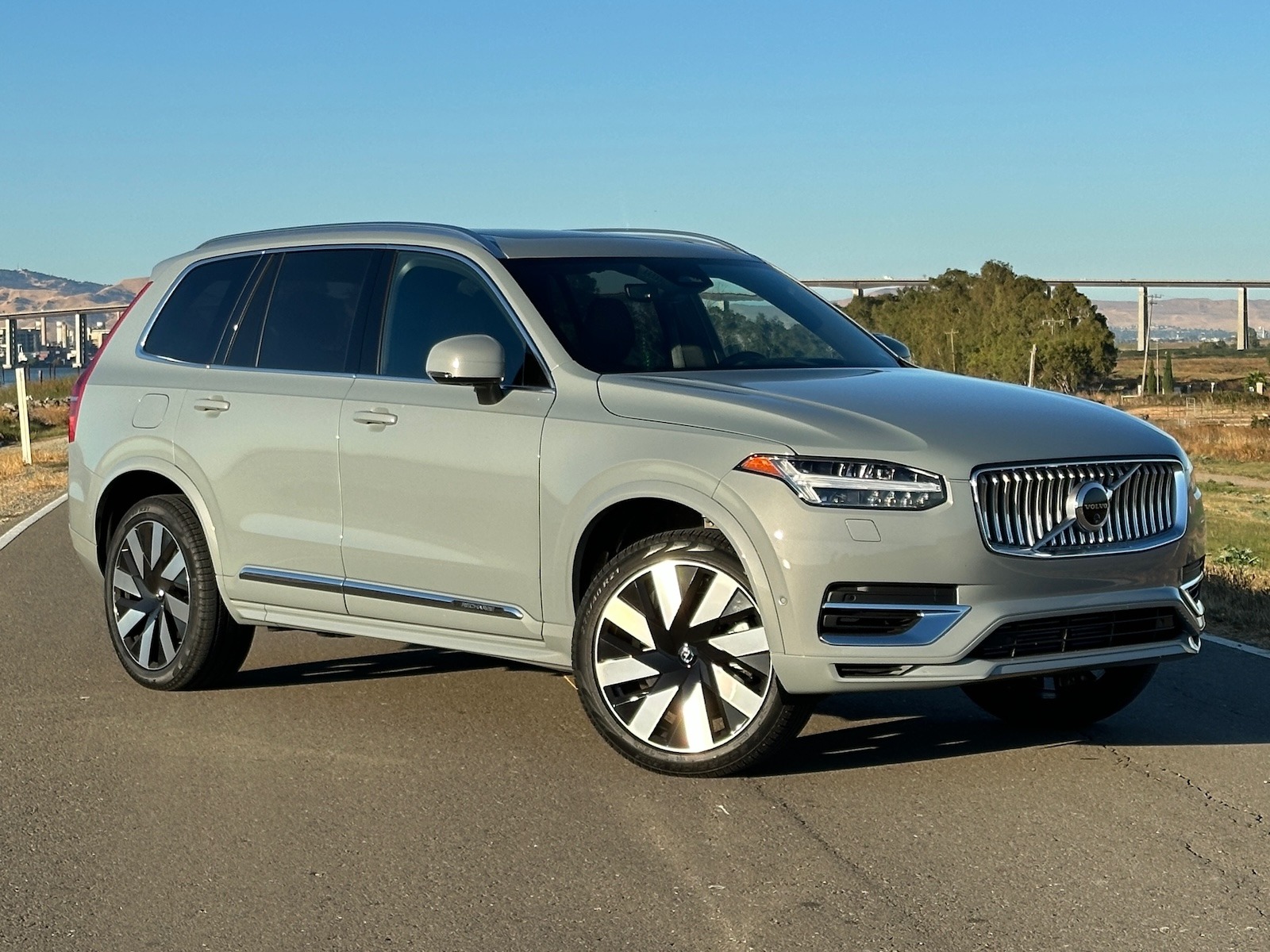
The Volvo XC90 is a luxury SUV that prides itself on safety, elegance, and quality, and its steering wheel reflects these values through the use of carefully selected materials and expert craftsmanship.
Volvo sources premium leather that undergoes extensive processing to provide a surface that is soft, supple, and resistant to peeling and cracking.
The leather’s natural oils are preserved during manufacturing to maintain elasticity, preventing the surface from drying out or becoming brittle. Additionally, Volvo applies specialized coatings that offer protection against UV rays and moisture, common factors that cause leather to deteriorate prematurely.
Drivers often praise the XC90’s steering wheel for retaining its comfort and pristine condition even after several years of use. The ergonomic design encourages relaxed hand positioning, which helps reduce excessive pressure or friction on any single part of the wheel.
This careful design consideration aids in preserving the leather’s condition over the long term. Volvo also recommends regular leather care through cleaning and conditioning to maintain the protective barrier and enhance the material’s lifespan.
From assembly to quality control, Volvo implements strict standards to ensure that every steering wheel meets the company’s high expectations before it reaches customers.
The combination of premium materials, protective treatments, and detailed craftsmanship results in a steering wheel that ages gracefully, maintaining both its look and feel well beyond the typical lifespan of many competitors. For buyers who prioritize luxury and durability, the XC90 offers one of the best steering wheels in the SUV market.
5 SUVs With Steering Wheels That Wear Fast
1. Jeep Cherokee
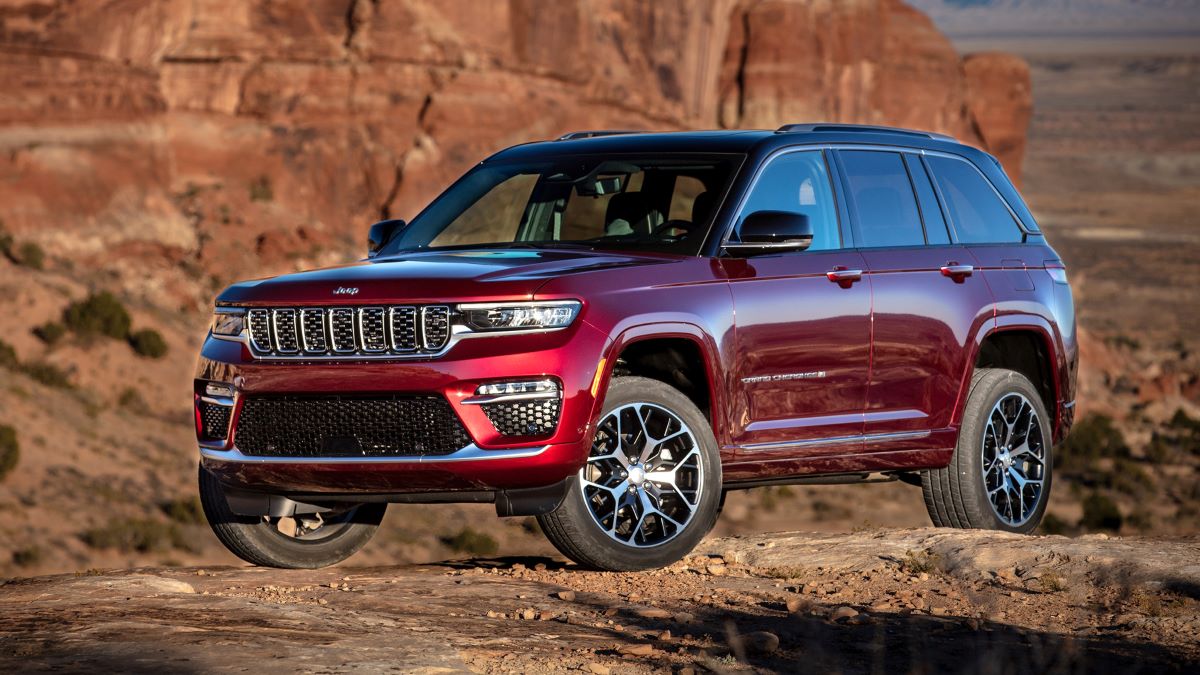
The Jeep Cherokee is widely recognized for its rugged off-road capabilities and distinctive styling that appeals to adventurous drivers.
However, despite its strengths in performance and design, the Cherokee’s steering wheel has often been the subject of criticism due to issues with premature wear and peeling.
Many owners report that the steering wheel’s leather or synthetic leather covering begins to deteriorate relatively quickly, sometimes within just a few years or even less.
This rapid wear is especially noticeable in earlier model years, where the material appears thinner and less resilient compared to competitors’ steering wheels that withstand long-term use with minimal damage.
The peeling typically starts in areas where the driver’s hands rest most frequently, such as the “10 and 2 o’clock” positions, causing the surface to flake off and reveal the underlying material. This results not only in a less attractive appearance but also in a rougher texture that makes the steering wheel uncomfortable to hold.
The reasons behind the Jeep Cherokee’s steering wheel problems are multifaceted. One significant factor is the quality of the materials used.
The leather or synthetic leather wrapping on some models does not have the same thickness or treatment that would help resist damage from natural hand oils, sweat, or dirt buildup.
Additionally, the adhesive bonding the leather to the wheel frame sometimes lacks durability, which means that over time, the top layer separates, causing bubbling and peeling.
Environmental factors compound this issue, especially for drivers living in hot or humid climates where heat and moisture accelerate the breakdown of the leather finish.
Off-road use, which often exposes the steering wheel to dirt, mud, and water, can exacerbate these issues by introducing abrasives that wear down the surface prematurely.
Maintenance practices also play a crucial role. Jeep Cherokee owners may not always be aware of how important it is to regularly clean and condition their steering wheels to protect the leather or synthetic covering.
Unlike luxury manufacturers who often provide detailed maintenance guidelines and quality conditioning products, Jeep’s instructions may be less prominent or less emphasized, leading to inconsistent care.
Without proper conditioning, leather dries out and cracks, synthetic leather becomes brittle, and peeling becomes inevitable.
As a result, the combination of lower material quality, environmental stress, and insufficient maintenance contributes to the Cherokee’s steering wheel issues, making it a weak spot in an otherwise capable SUV.
Despite these challenges, the Jeep Cherokee remains a popular vehicle for those who prioritize off-road performance and rugged styling. However, prospective buyers who plan to keep their vehicle for many years or who place a premium on interior quality should be aware of the steering wheel’s tendency to wear rapidly.
Fortunately, some owners find relief by using aftermarket steering wheel covers, but this is often a remedial solution rather than a long-term fix. Jeep would benefit from improving the quality and bonding process of the steering wheel materials in future models to meet the durability expectations of its customers.
2. Nissan Rogue
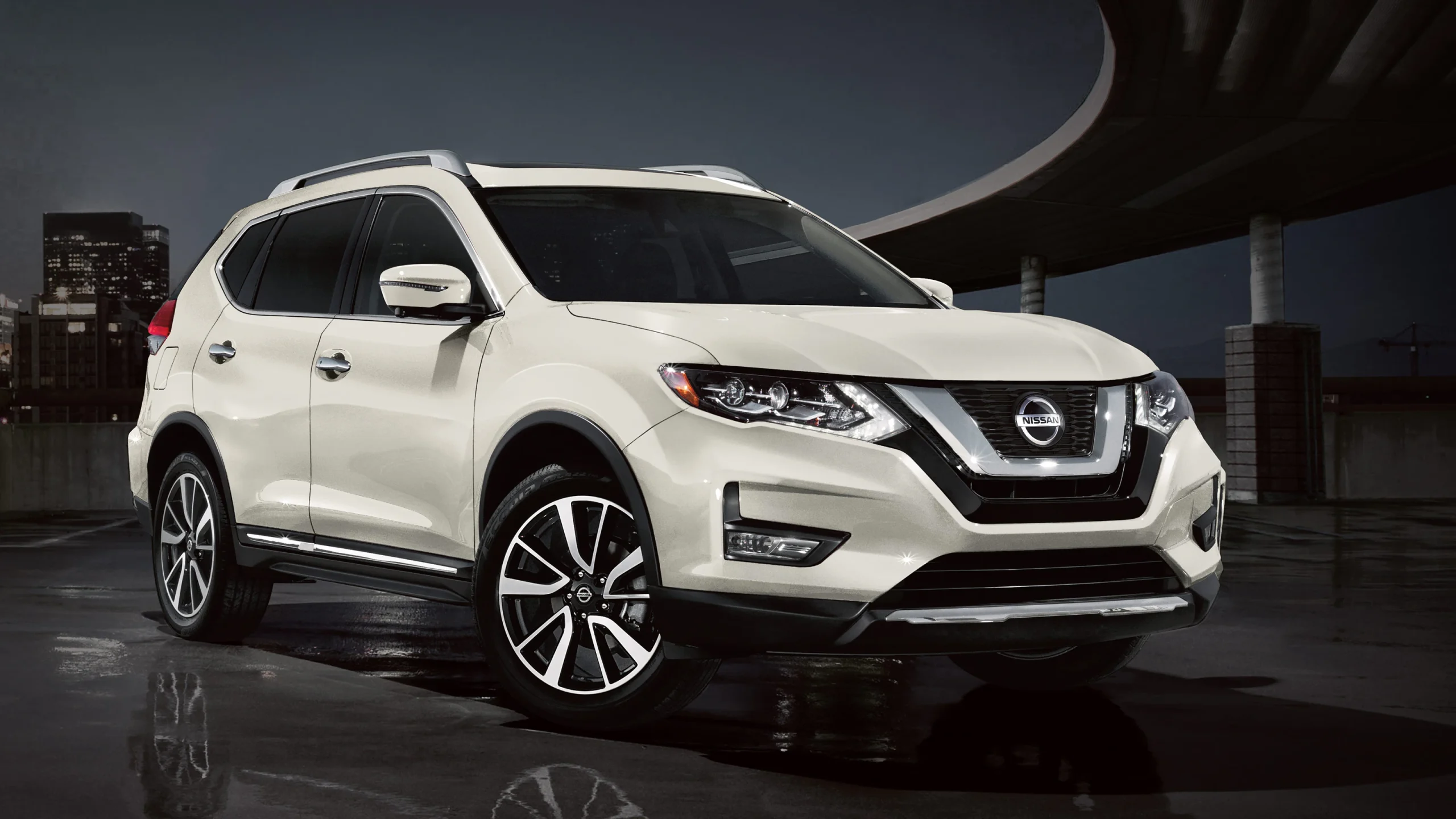
The Nissan Rogue is a compact SUV that has gained widespread popularity thanks to its practical size, fuel efficiency, and relatively affordable price point. However, one area where the Rogue has received consistent criticism is the durability of its steering wheel surface.
Owners frequently report that the synthetic leather used to wrap the steering wheel tends to degrade quickly, leading to peeling, flaking, and a sticky or rough texture within just a few years of ownership.
These problems seem most prevalent in the lower trim levels, where genuine leather is often not used, and synthetic alternatives may be less robust. This peeling is especially noticeable around the thumb grips and other spots that receive the most contact during regular driving, severely affecting the driving experience.
The synthetic leather material employed in the Rogue appears to lack the resilience and UV resistance necessary to withstand everyday use and exposure to sunlight. Extended exposure to UV rays causes the synthetic leather’s surface to break down chemically, making it brittle and prone to cracking.
Furthermore, the bond between the synthetic leather covering and the steering wheel’s internal structure can weaken over time, which accelerates the peeling process.
Dirt, oils, and sweat from hands further degrade the surface, sometimes creating a sticky residue that makes the steering wheel unpleasant to hold for extended periods. Attempts to clean this sticky surface with household cleaners often make the problem worse by stripping any protective coatings, making the peeling accelerate even faster.
Nissan’s warranty policies often cover defects during the first few years of ownership, but the steering wheel peeling issue is usually classified as normal wear and tear, leaving owners responsible for repairs or replacements.
Some Rogue drivers resort to aftermarket steering wheel covers or professional re-wrapping services, which can be costly but restore the wheel’s comfort and appearance.
This peeling problem contrasts sharply with Nissan’s reputation for building durable engines and reliable drivetrains, indicating that sometimes material quality and interior finishings don’t match the same high standards.
Prospective buyers sensitive to interior wear should consider the Rogue’s steering wheel issues seriously, especially if they plan to keep their vehicle for a long time or expect the cabin to retain its original feel and appearance.
3. Ford Escape
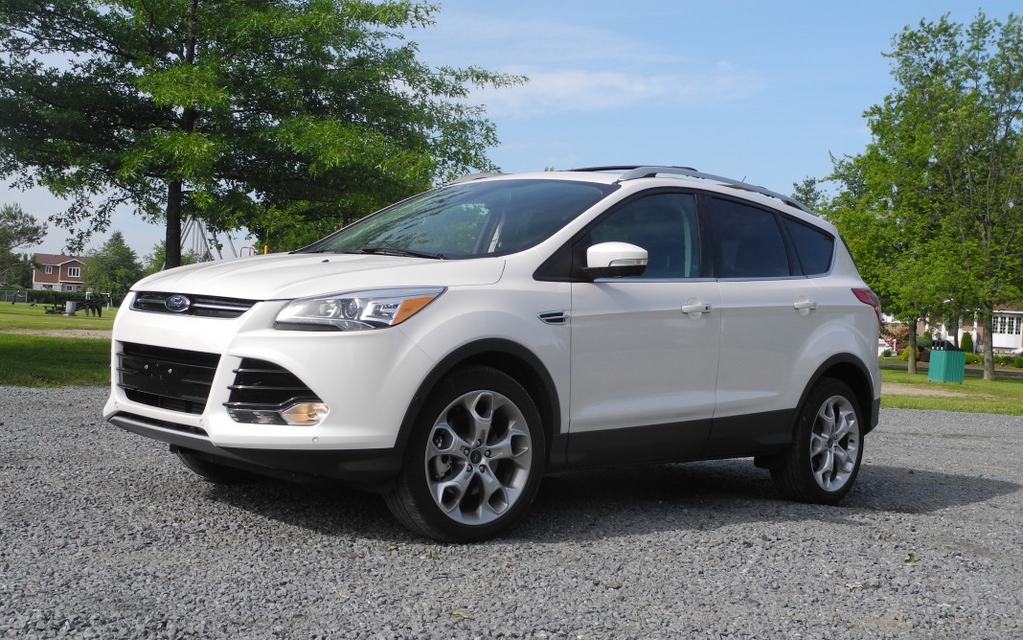
The Ford Escape is among the best-selling compact SUVs in the United States and is favored for its versatile performance and family-friendly features.
However, in certain model years, the Escape has been criticized for the poor durability of its steering wheel, with many owners reporting peeling, cracking, and surface degradation that occurs more quickly than expected.
These problems appear to be more common in vehicles that see heavy use or spend extended periods in harsh sunlight, which indicates that the materials used are not adequately resistant to UV damage or the effects of heat and moisture.
The peeling often starts as small patches and progresses to larger areas, creating a rough and uneven surface that detracts from the vehicle’s interior quality.
The steering wheel material in the Escape is usually coated synthetic leather or a treated leather composite designed to provide a premium feel at a reasonable cost. Unfortunately, the coating sometimes fails to withstand daily stresses, and the leather or synthetic surface underneath begins to dry out and lose elasticity.
This leads to cracking and flaking that expose the base material. Stitching problems in some models further exacerbate this issue by allowing the leather to start separating along the seams, which accelerates peeling.
These quality control issues can be frustrating for owners who expect Ford’s strong reputation for vehicle reliability to extend to interior materials.
Environmental conditions play a significant role in the deterioration of the Escape’s steering wheel. Drivers in sunny, hot climates find that their steering wheels deteriorate much faster than those in milder environments.
Sweat and oils from hands also contribute to the leather’s breakdown, especially if owners do not clean and condition the steering wheel regularly with products designed to protect the surface.
However, many owners report that even careful maintenance cannot completely prevent peeling once the material starts to degrade, suggesting that the underlying material choice or processing may be at fault. Replacement steering wheels or aftermarket covers are common solutions to this problem, but they represent additional costs and inconvenience for owners.
Despite these issues, the Ford Escape remains a popular SUV thanks to its value, technology offerings, and driving dynamics. Still, the peeling steering wheel issue serves as a cautionary note for buyers who prioritize cabin longevity and interior aesthetics.
Those who want a more durable steering wheel might need to consider higher trim levels or aftermarket solutions. Ford could improve customer satisfaction by using more robust materials or enhancing their surface treatments to better resist wear and environmental damage in future Escape models.
4. Chevrolet Equinox
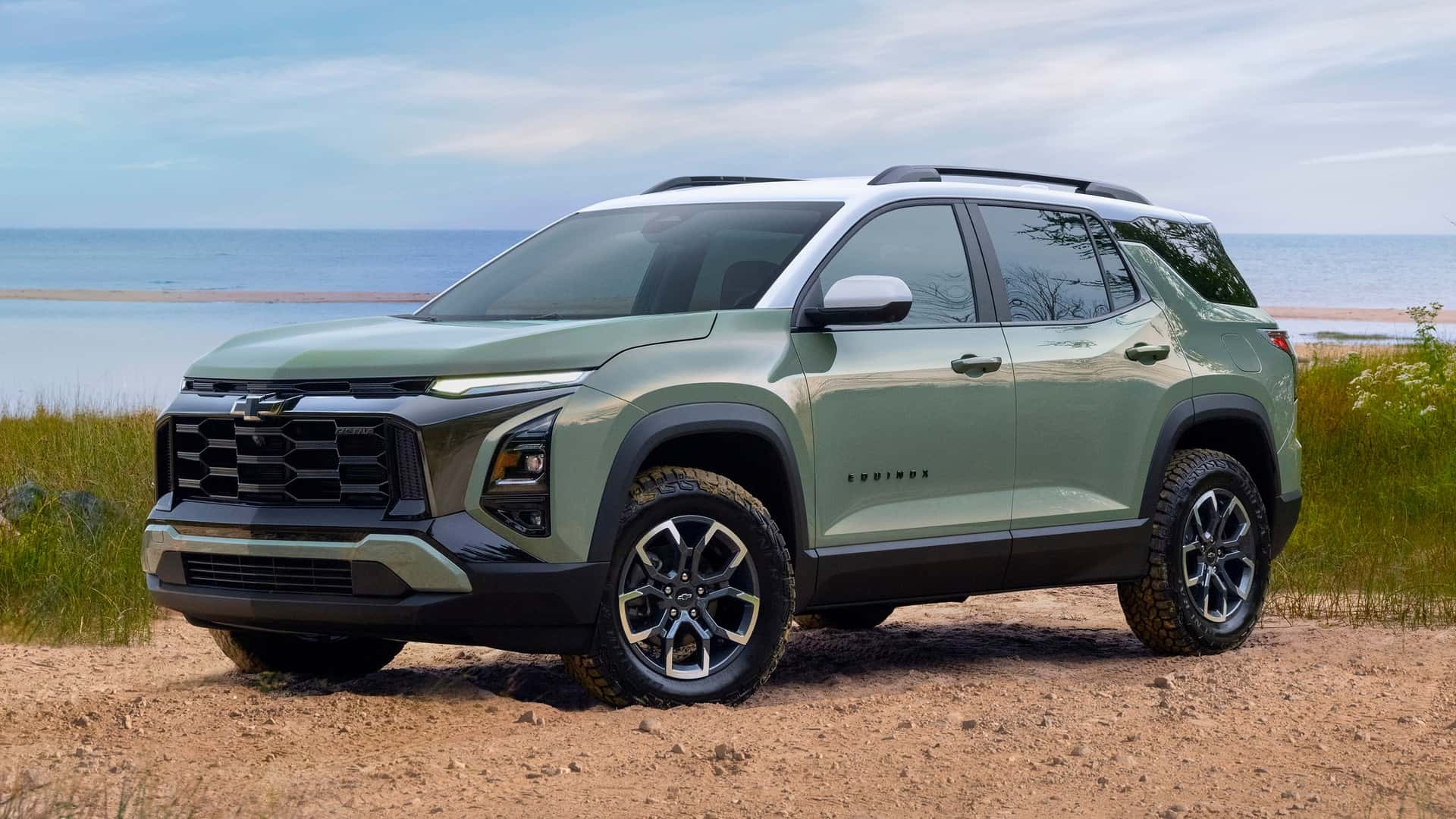
The Chevrolet Equinox is a compact SUV that has built a solid reputation for comfort, technology, and safety features, but it has not escaped criticism regarding its steering wheel’s durability.
Many Equinox owners report that the synthetic leather used to wrap the steering wheel wears prematurely, with peeling, bubbling, and cracking commonly appearing after a few years of regular use.
These defects often become visible in high-contact areas where drivers place their hands most often. As the peeling progresses, the steering wheel loses its smooth, luxurious feel and can develop an unpleasant, rough texture that reduces grip and driving comfort.
Material quality and manufacturing processes are at the heart of the Equinox’s steering wheel issues. The synthetic leather layer appears to be relatively thin and insufficiently bonded to the steering wheel’s core structure, allowing it to separate under stress and exposure to oils, sweat, and dirt.
This weak adhesion makes the top layer prone to bubbling and peeling when exposed to the constant flexing and pressure typical of steering wheel use.
Furthermore, the synthetic leather material lacks adequate UV protection, meaning that exposure to sunlight causes it to dry out and crack more quickly than higher-quality alternatives. Drivers in warmer, sunnier climates are particularly susceptible to accelerated deterioration.
Many Equinox owners attempt to extend the life of their steering wheel by applying aftermarket leather conditioners or protective films, but these solutions are often temporary and cannot fully prevent the material from breaking down. Professional re-wrapping of the steering wheel is a more permanent but expensive fix.
The peeling issue has led to dissatisfaction among some customers who expected Chevrolet to maintain a higher standard of interior durability, given the Equinox’s market position. Although the Equinox excels in other aspects such as ride comfort, fuel efficiency, and technology, its steering wheel quality is a weak point that potential buyers should consider carefully.
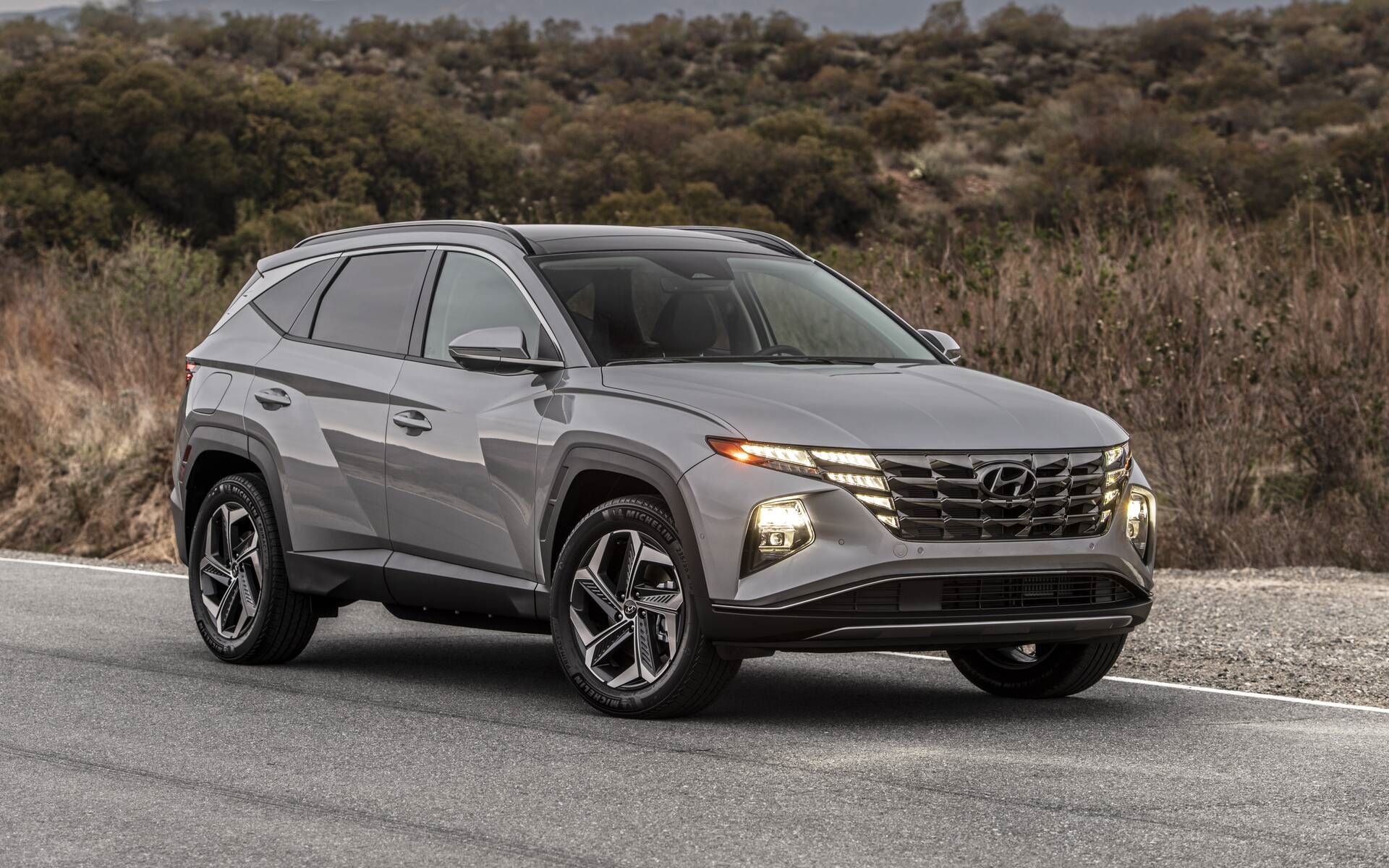
5. Hyundai Tucson
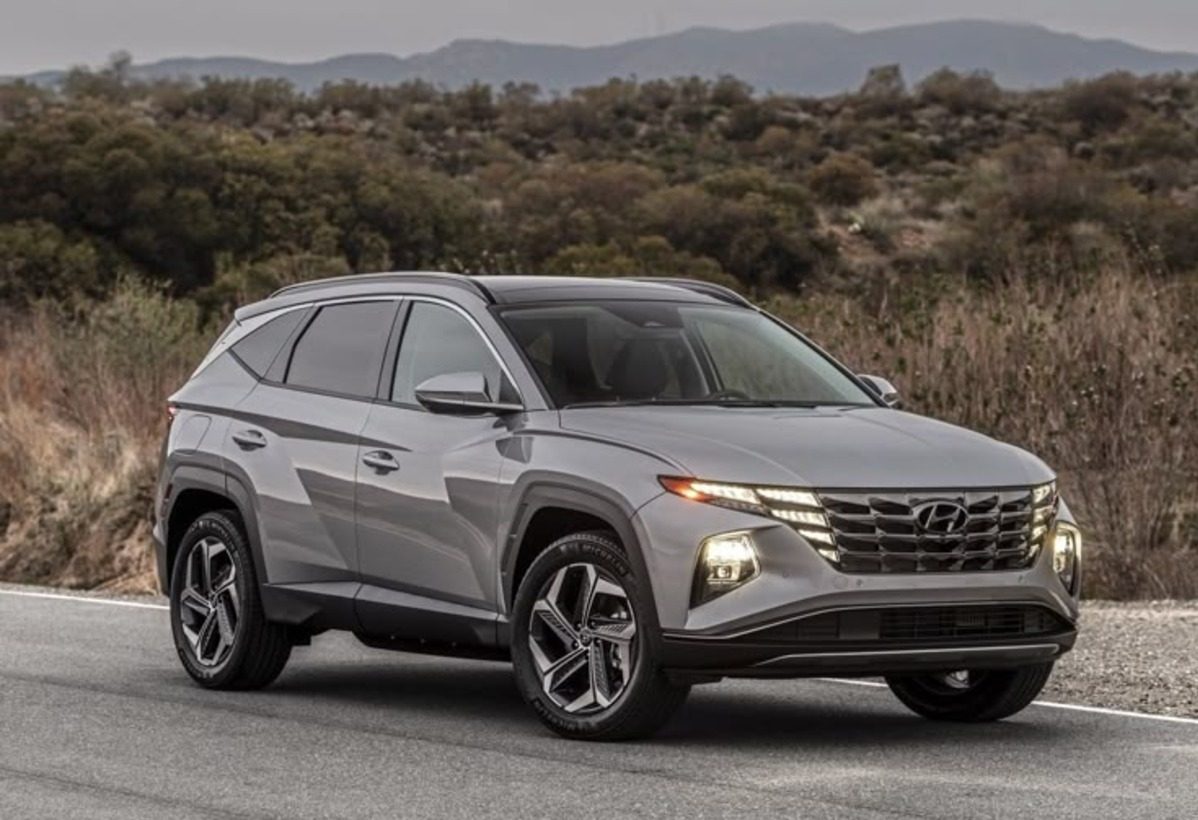
The Hyundai Tucson is praised for its affordability, strong warranty coverage, and an impressive suite of features, but some model years have raised concerns regarding the steering wheel’s material durability.
Many Tucson owners have reported that the synthetic leather covering their steering wheels starts to peel, crack, or lose its smooth texture after only a few years of use.
This rapid degradation negatively impacts both the look and feel of the steering wheel, making it less comfortable and more difficult to maintain a secure grip while driving. Peeling is usually observed on the parts of the wheel most frequently handled, such as the sides and the top and bottom sections, where palms and fingers rest.
The synthetic leather finish used in the Tucson appears to be somewhat vulnerable to damage from hand oils, sweat, and environmental conditions such as heat and sunlight. These factors accelerate the breakdown of the material, causing it to become sticky or flaky and eventually peel away from the underlying wheel frame.
The bond between the synthetic leather and the steering wheel core may not be strong enough to withstand these stresses, especially under frequent flexing and pressure during steering maneuvers. This weak adhesion allows peeling to initiate and spread over time, reducing the steering wheel’s aesthetic appeal and tactile comfort.
Hyundai does provide recommendations for cleaning and conditioning the steering wheel to prolong its life, but many owners find that once peeling starts, it is nearly impossible to reverse the damage.
As a result, aftermarket solutions such as steering wheel covers or professional re-wrapping services become popular among Tucson owners looking to restore their vehicle’s interior feel.
While the Tucson offers excellent value and numerous features for its price point, its steering wheel durability remains an area where the manufacturer could improve.
Future models would benefit from better material choices or enhanced treatments to resist peeling and wear, ensuring that the interior quality matches the vehicle’s reputation.
