
Backup cameras have become standard in most vehicles over the past decade, largely because of the increased focus on driver safety and convenience. Initially introduced as a luxury feature in high-end vehicles, backup cameras are now required by law in many countries.
They’re designed to prevent backover accidents, help with parallel parking, and make reversing easier in tight spaces. However, just because a car is equipped with a backup camera doesn’t mean it works well. Some of these systems are clear, responsive, and effective, while others suffer from blurry images, lag, poor visibility in low light, and bad placement. That can make the difference between a smooth parking experience and a frustrating or even dangerous one.
Not all cameras are created equal. Differences in image resolution, lens quality, screen size, and integration with the car’s software can all affect how helpful or frustrating a backup camera can be. Some automakers invest heavily in these systems, making them a key part of their driver-assistance packages.
Others treat them as check-box features, including them in a minimal way just to comply with regulations. Consumers who test drive a car might not notice the camera quality right away, but over time, a poor system can become a regular annoyance. And in the worst cases, it can create a false sense of security when the view is too limited or too delayed.
In this article, we will look at five vehicles known for having reliable, high-quality backup cameras. These are the systems drivers often praised for their clarity, helpful angles, and responsiveness. On the flip side, we will also highlight five cars with backup cameras that consistently disappoint owners due to blurry visuals, small displays, or poor positioning.
By comparing the best and worst, potential buyers can get a better idea of what to expect. Whether you’re shopping for a new car or evaluating your current one, knowing how much trust to place in your backup camera is more important than ever.
Also Read: 5 Cars With Legendary Battery Life and 5 That Need Jumping Weekly
5 Cars with Backup Cameras You Can Trust
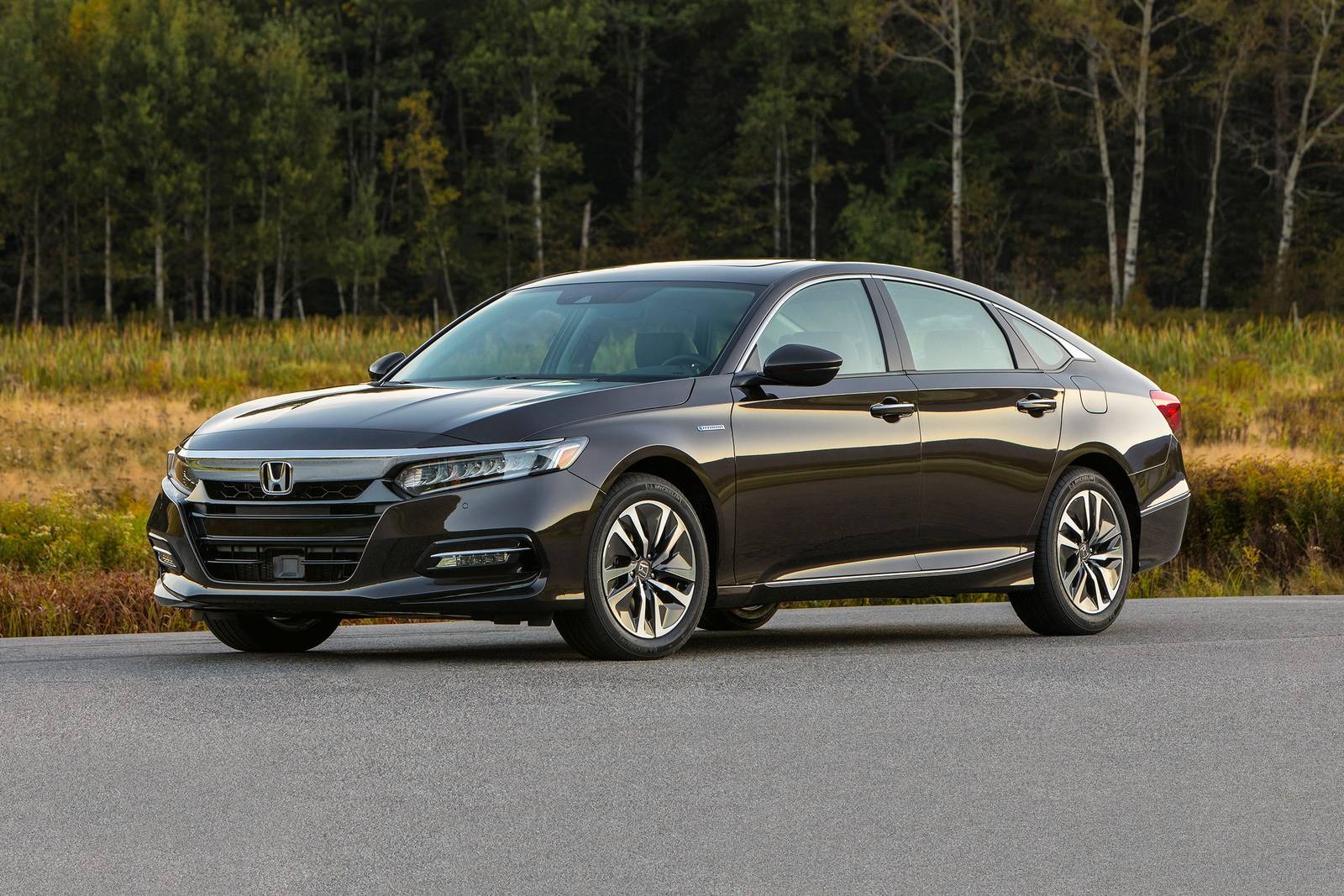
1. Honda Accord
The Honda Accord has long been a strong performer in terms of safety features, and its backup camera system reflects that. The camera on recent models is positioned well and provides a wide-angle view that allows the driver to see what’s behind them with accuracy.
The screen resolution is sharp, making it easy to distinguish objects, people, and other vehicles. Even in low-light conditions such as parking garages or at dusk, the camera image holds up well without turning into a grainy mess. That clarity helps reduce the risk of misjudging distance or missing smaller obstacles.
One of the reasons the Accord’s system stands out is its user-friendly display. Honda equips the car with a touchscreen that not only shows the camera feed clearly but also includes guidance lines that adjust with steering.
These dynamic guidelines allow the driver to anticipate the car’s trajectory when turning, making parallel parking and reversing into tight spots less stressful. Some trims also offer multi-angle views, providing normal, wide, and top-down perspectives. That’s a level of versatility not often seen in non-luxury sedans, and it makes the system more useful in real-world situations.
Honda has also been consistent in maintaining camera quality across model years. Some manufacturers reduce quality in lower trims or over time, but the Accord keeps its standard high. Even the base trims of recent Accords come with the same effective camera system.
This kind of consistency builds trust, especially for buyers who may not opt for the higher-end versions of the car. The camera doesn’t feel like an afterthought or a last-minute addition to meet a checklist. It’s built to be an active safety feature that drivers can rely on every day.
Feedback from Accord owners often includes praise for how dependable and clear the backup camera is. It’s become one of the features people expect and rely on without frustration. When it works as intended and helps avoid accidents or unnecessary stress, it becomes more than just a tech feature. It becomes part of the core driving experience, and Honda clearly understands the importance of getting it right.
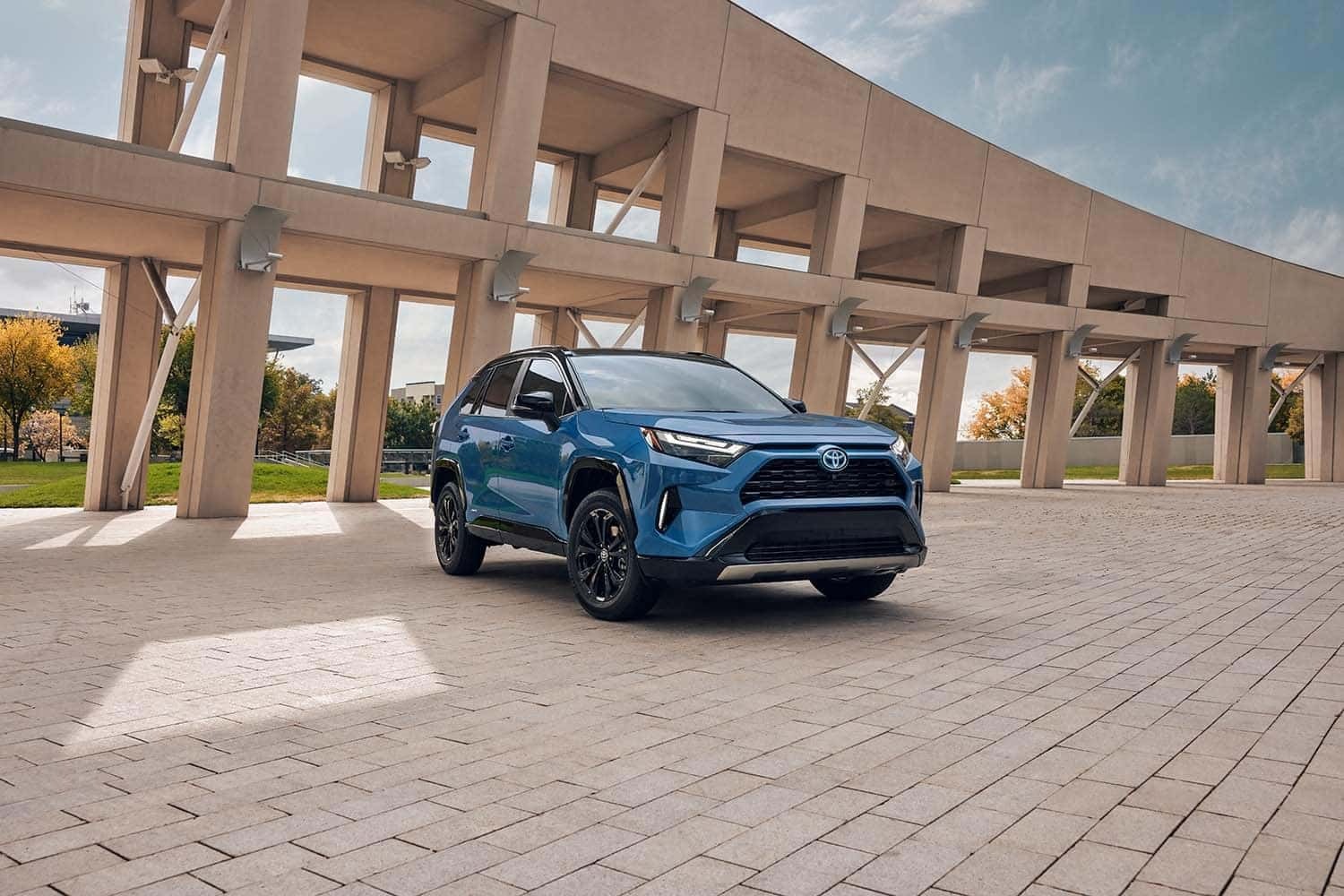
2. Toyota RAV4
Toyota’s RAV4 has remained a popular SUV for years, largely due to its practicality and reliability. In recent generations, Toyota has also stepped up its technology game, and the backup camera system is a good example of this.
The RAV4 features a camera that is placed high enough to give a clear rear view without distortion or awkward blind spots. It shows a realistic representation of what’s behind, rather than exaggerating or flattening the depth, which helps drivers make better decisions when backing up.
One of the strengths of the RAV4’s camera system is how well it performs in different lighting conditions. Whether you’re backing out at night or during a rainy afternoon, the camera’s brightness and contrast levels remain stable.
Some backup cameras tend to wash out or get overly dark depending on the environment, but the RAV4 handles transitions smoothly. It also benefits from Toyota’s investment in software processing. The image doesn’t lag or stutter, and transitions between modes are smooth, making the camera feel like a seamless part of the driving experience.
The RAV4 also includes parking assist lines that turn with the steering wheel, offering visual feedback that helps drivers park with greater precision. For newer drivers or those not confident with reversing, this makes a big difference.
On certain trims, the RAV4 even integrates surround-view cameras that offer a 360-degree bird’s-eye view. While not standard across all trims, this feature enhances spatial awareness dramatically, especially in urban environments where space is limited and visibility can be blocked by other vehicles or infrastructure.
Owners of the RAV4 often mention the camera as one of the most useful features during day-to-day driving. Whether navigating tight parking lots or avoiding unseen pedestrians or objects, the system helps reduce anxiety. That kind of consistent, clear performance gives drivers confidence in their car’s abilities. It’s not flashy or overly complex, but it gets the job done reliably every time.
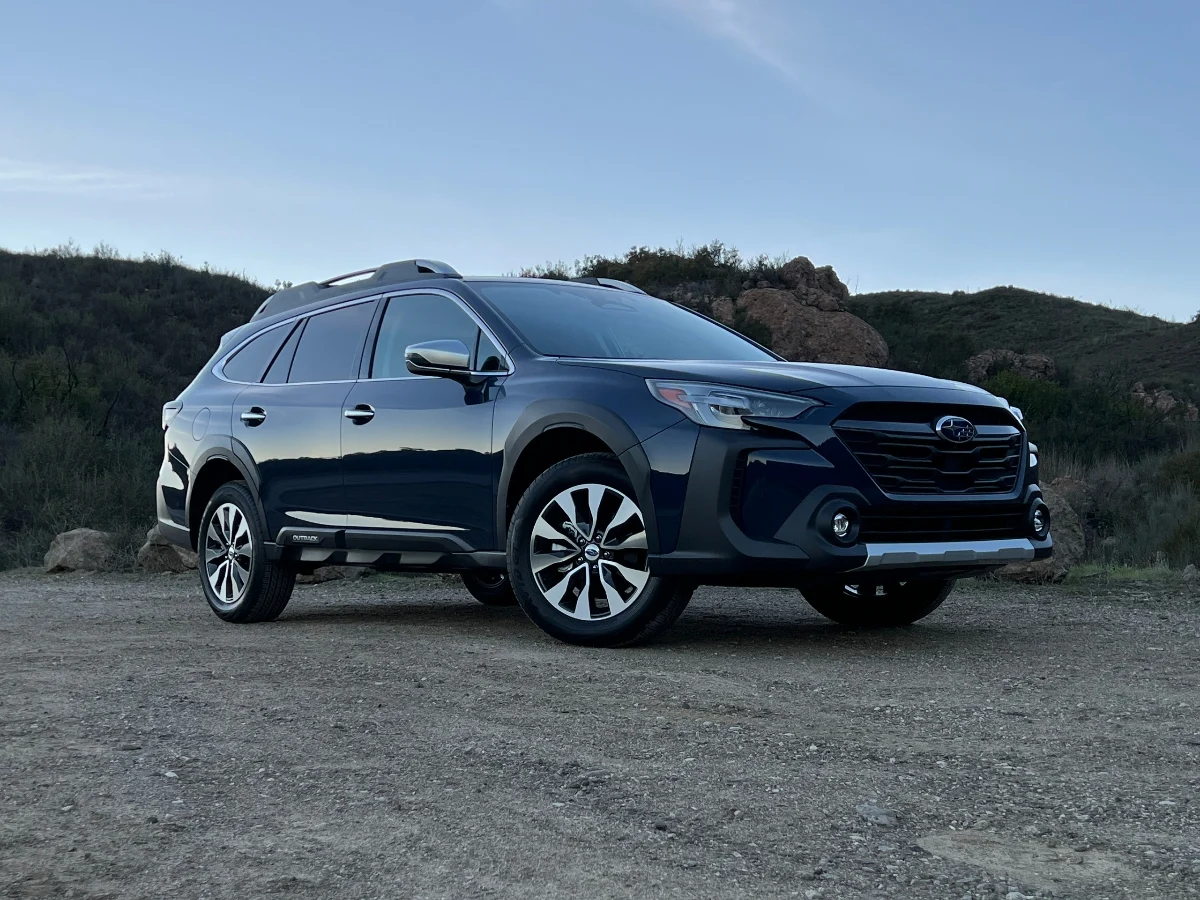
3. Subaru Outback
The Subaru Outback is known for its rugged appeal and all-weather capability, but it also shines when it comes to its driver-assistance technology. One of the features that owners regularly praise is the backup camera system.
Subaru has prioritized clarity and accuracy in this area, with a camera that displays sharp images even in less-than-ideal conditions. The display unit inside the car is crisp, showing real-time feedback that is essential when reversing or parking.
One standout quality of the Outback’s system is how well it integrates with the car’s EyeSight driver-assist features. While the backup camera itself functions independently, its integration into a suite of safety features gives the driver additional awareness.
The image displayed is wide enough to pick up passing pedestrians or cross-traffic in a way that feels natural and intuitive. Subaru includes color-coded distance markers and dynamic guidelines, which provide real help when gauging space and alignment.
Subaru also excels at minimizing lag in its camera systems. This makes a difference when you’re trying to maneuver quickly in a crowded environment. Any delay between your steering input and what shows up on the screen can lead to miscalculations.
The Outback handles this well, with a camera feed that updates in real-time and keeps pace with driver actions. This attention to detail makes the backup camera more than just a passive video feed. It becomes a responsive tool that complements the way the car handles and moves.
Durability is another key point. Since many Outback owners use their vehicles in rough terrain or harsh weather, the camera needs to hold up over time. Subaru seems to have anticipated this, as the lens remains relatively clear even in mud or snow.
This reduces the frequency with which the driver needs to clean the lens manually. It’s a small but meaningful improvement, and it speaks to the company’s understanding of how drivers use their vehicles in the real world.
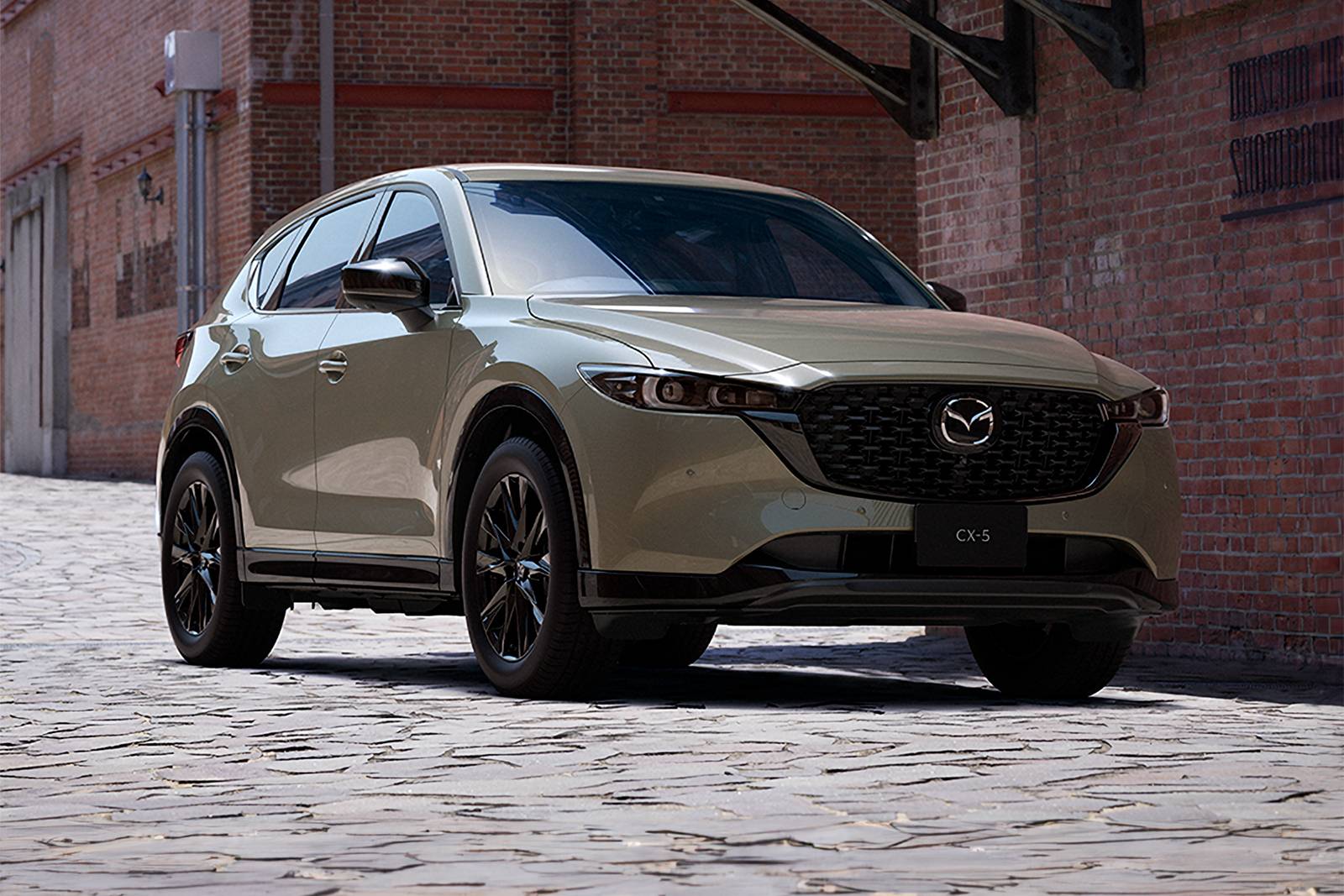
4. Mazda CX-5
Mazda’s CX-5 is often recognized for its styling and driving dynamics, but it also features one of the more underrated backup camera systems in its class. The camera provides a clean, bright image that feels balanced in terms of contrast and detail.
Unlike some systems that feel overexposed or underexposed depending on the time of day, the CX-5’s camera adjusts nicely and keeps the image usable without distracting visual noise or heavy pixelation.
One of the strengths of Mazda’s implementation lies in its display layout. Instead of cluttering the screen with too much information, the interface is designed to show you what you need to know without overcomplicating the visual experience.
The backup image is large and easy to read, even on the move. Guidance lines help frame the car’s direction, and their accuracy allows for confident maneuvering in tight or awkward spots. This is especially important in urban environments or apartment complexes where space is limited.
Another positive feature is how the CX-5 handles the transition between day and night. Night vision is often a weak point in camera systems, but Mazda’s camera remains useful even in very low light.
There’s minimal glare from headlights, and the picture stays smooth instead of becoming grainy. This allows drivers to rely on it even in poorly lit parking structures or late-night driveways. The dependability of the system increases the vehicle’s practicality and supports its role as a family-friendly SUV.
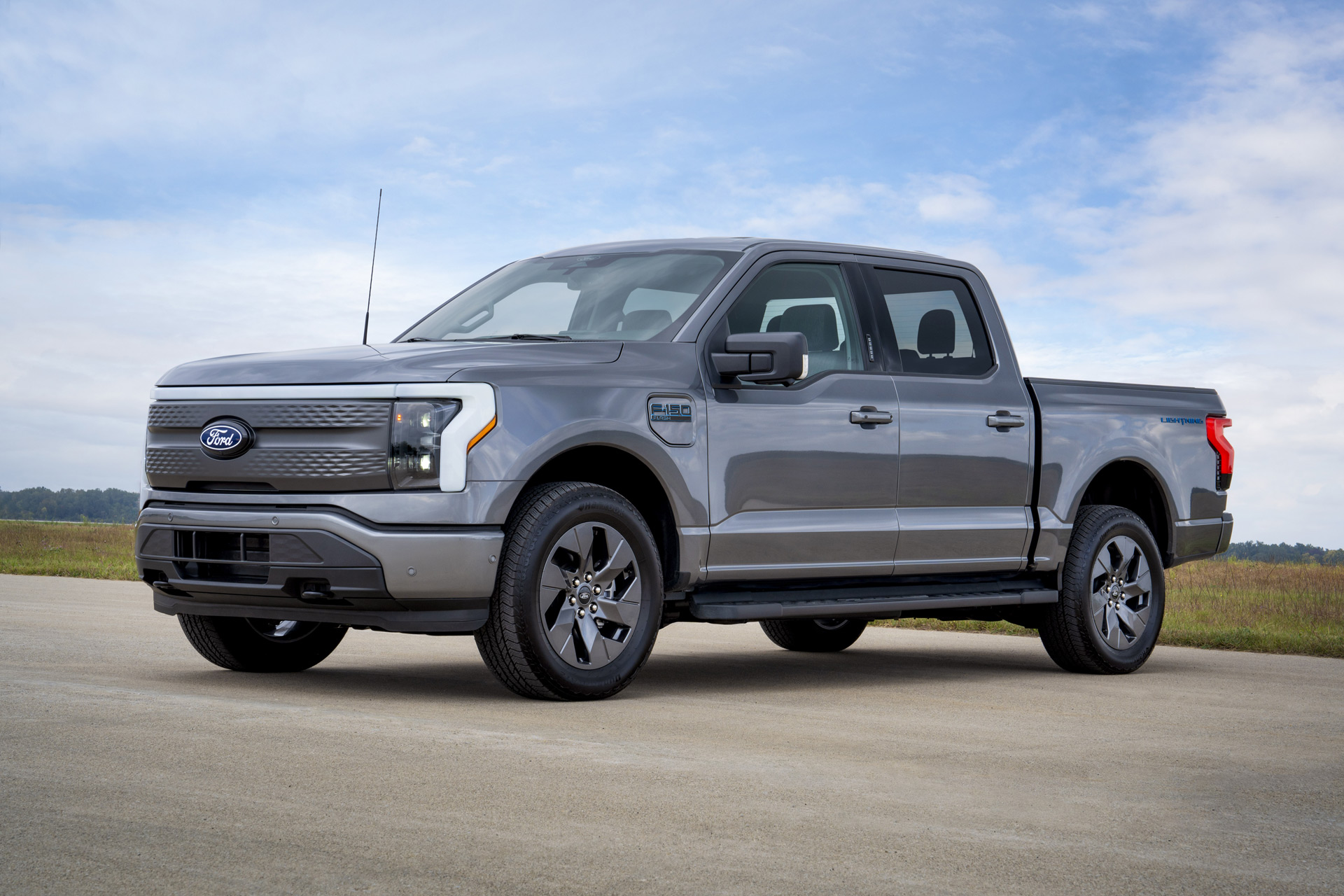
5. Ford F-150
The Ford F-150 has become one of the most popular pickup trucks in the world, and part of its appeal lies in how it blends utility with modern tech features. The backup camera system on recent F-150 models is one of the strongest examples of this balance.
Trucks are more challenging to maneuver due to their size and shape, so having a dependable camera is essential. Ford delivers with a system that gives the driver a clear, wide-angle view that’s sharp, accurate, and incredibly helpful when hitching a trailer or parking in tight spots.
What makes the F-150’s system stand out is the quality of the lens and the size of the display. The rearview camera delivers a very sharp image, with minimal distortion, even when reversing into tricky terrain.
The screen inside the cabin is large and placed at an angle that makes it easy to glance at quickly. It doesn’t require the driver to divert their attention too far from the road or mirrors. In addition, the F-150 includes guidelines and overlays that make estimating distances far easier, and for trims with towing packages, there are specialized angles that help align trailers precisely.
The backup camera on the F-150 performs well under pressure. Whether in direct sunlight, low-light conditions, or poor weather, the image quality stays reliable. Many older backup cameras suffer in rain, snow, or after dark, but Ford’s system includes compensation features that adjust brightness and contrast effectively.
That keeps the feed usable even in less-than-perfect conditions. It’s especially valuable for truck owners who often work in varied environments and don’t always have the luxury of ideal lighting when backing up.
Ford has also made sure this camera system is durable. Given the F-150’s workhorse reputation, the company understands that the camera needs to hold up under tough use. The lens housing is built into the tailgate in a protected way, and the system resists damage from debris, dust, and weather.
Over time, this results in fewer problems with lens fogging, scratches, or failure. Drivers trust the F-150’s camera system not just because it works well out of the gate, but because it continues working over thousands of miles and hundreds of job sites.
5 Cars with Blurry and Useless Backup Cameras
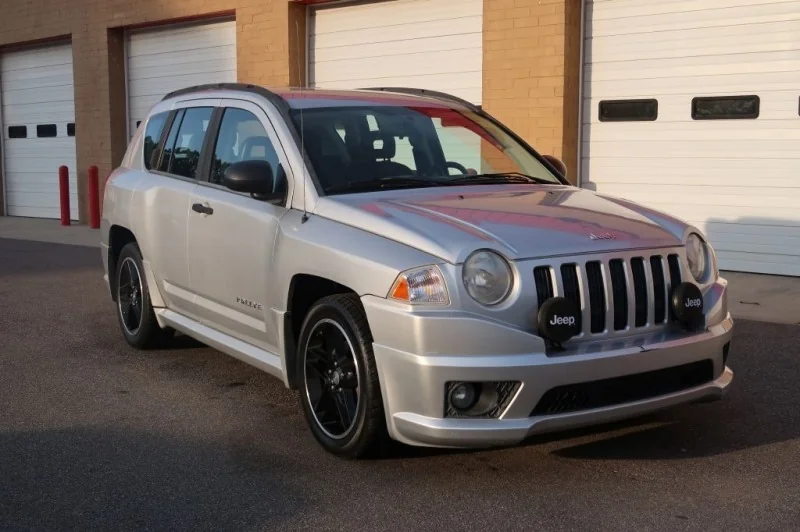
1. Jeep Compass
The Jeep Compass tries to position itself as a stylish and rugged compact SUV, but one of its weakest points in recent years has been its backup camera system. On paper, it ticks the box for having a rearview camera, but in practice, the image quality is a letdown.
The view presented on the infotainment screen is often fuzzy, low in resolution, and lacking in useful detail. Instead of giving the driver a helpful visual of what’s behind the vehicle, the Compass often serves up an image so grainy and distorted that it can be more of a distraction than a help.
Part of the issue comes down to hardware. The lens used in the Compass’s rear camera isn’t high-end, and it shows. Objects more than a few feet away lose clarity quickly, and smaller obstacles can go unnoticed entirely.
This becomes a serious problem in tight parking situations or when children or pets might be in the area behind the vehicle. In wet or snowy conditions, the lens fogs up easily, further reducing visibility. And because it’s mounted fairly low, it also tends to pick up more road grime than higher-mounted alternatives.
The screen itself doesn’t help matters either. Some Compass models come with smaller displays that don’t do the camera any favors. The camera feed often appears dim and washed out, with weak contrast and faded colors. Unlike systems with automatic brightness adjustment, the Compass requires manual tweaking to see clearly during dusk or night driving.
These manual adjustments are not always intuitive to find while driving, adding unnecessary frustration. A backup camera should work without needing to be micromanaged every time conditions change.
Owners have frequently reported issues with delay and lag as well. The camera doesn’t always activate quickly when the vehicle is put in reverse, and there can be a noticeable delay in how the screen updates as the car moves. This lack of real-time feedback makes reversing more difficult than it should be.
When compared to other compact SUVs in the same price range, the Compass’s backup camera feels outdated and unreliable. That’s unfortunate, especially considering how important this feature has become to modern driving.
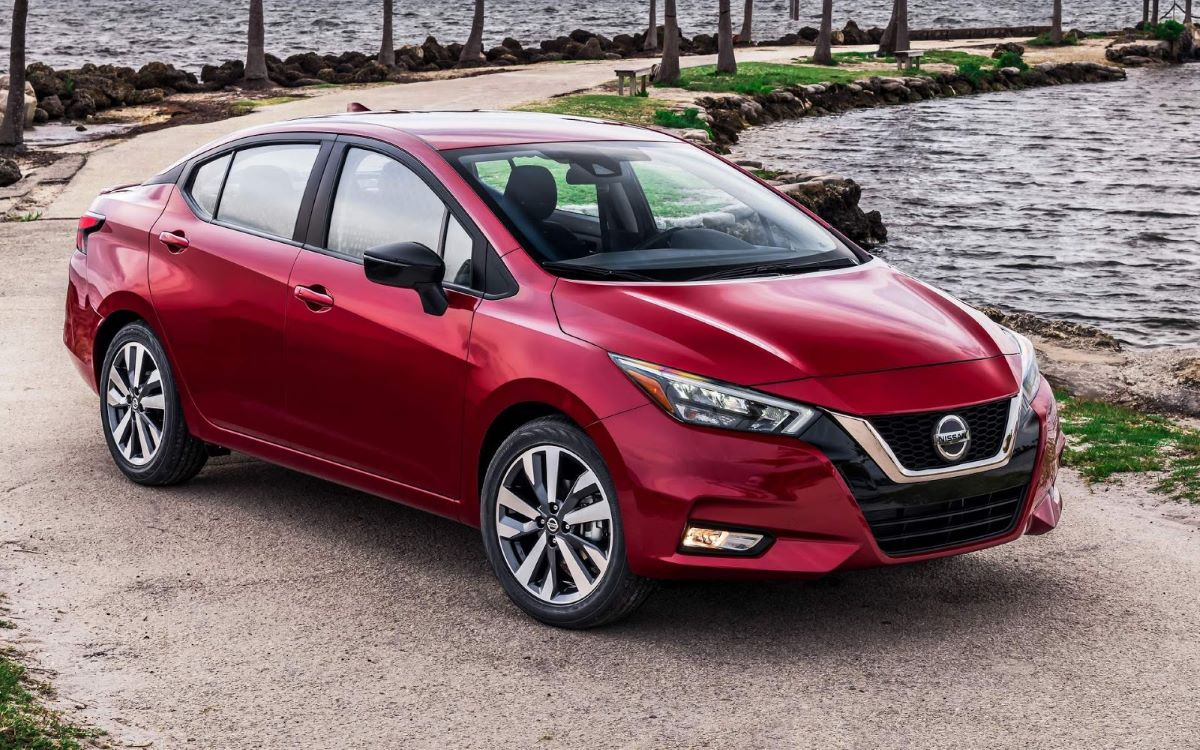
2. Nissan Versa
The Nissan Versa has always been marketed as a budget-friendly option, but unfortunately, its backup camera is one of the areas where cost-cutting is most obvious. While the Versa technically offers a rearview camera, the experience is bare-bones and feels like it’s been added just to meet legal requirements.
The camera resolution is extremely low, with blurry visuals that make it difficult to distinguish anything other than large objects. This makes the system more of a formality than a truly functional safety feature.
The placement of the camera doesn’t do it any favors either. It’s mounted in a way that restricts the viewing angle, cutting off part of the sides that would be useful for spotting cross traffic or tight parking boundaries.
That limited field of view means drivers are missing valuable visual information when backing up. Add to that the lack of dynamic guidelines, and you’re left with a system that provides minimal assistance for judging angles or distance. It’s a little more than a fisheye lens, showing vague shapes in the background.
Another big complaint is performance in poor lighting. The Versa’s rear camera struggles in both low light and overly bright conditions. At night, the image becomes nearly unusable, turning dark and indistinct. During the day, glare often washes out parts of the screen, especially when the sun is at a sharp angle behind the car.
These issues force drivers to rely more on mirrors and shoulder checks, which defeats the purpose of having the camera in the first place. A backup camera should increase awareness, not reduce it.
There’s also a software issue worth mentioning. The feed from the camera isn’t as responsive as it should be, with a short but noticeable lag. This small delay can be enough to create uncertainty, particularly when backing into a spot in a crowded parking lot.
Drivers often need to slow down more than necessary, or make extra corrections, just to compensate for the delay. Over time, this leads to frustration and a lack of trust in the camera’s usefulness. For a feature that’s meant to make driving easier, the Versa’s implementation comes up short.
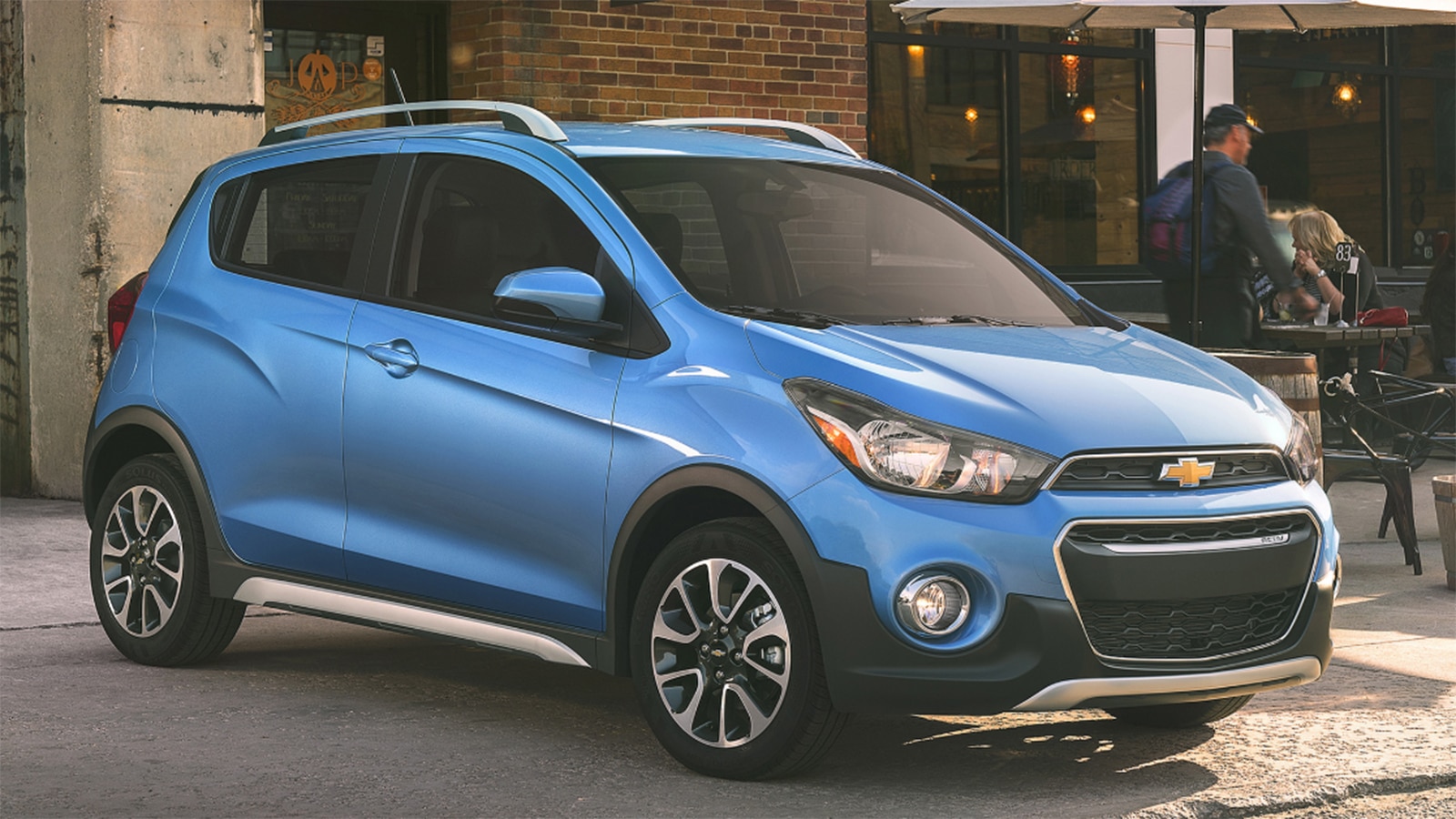
3. Chevrolet Spark
The Chevrolet Spark is designed as an ultra-compact, affordable city car, and while it succeeds in small-footprint urban driving, its backup camera system is underwhelming at best.
Like many entry-level cars, the Spark features a very basic camera system that lacks both resolution and useful functionality. The image projected on the dashboard screen is frequently grainy, washed out, and lacking in sharpness. Small curbs, posts, or even other cars can be difficult to identify on the screen, particularly in bright or dim lighting.
A common complaint among Spark owners is that the camera simply doesn’t feel like it was meant for daily use. While it’s functional in the most basic sense, it offers none of the enhancements that even slightly more expensive models now include.
The guidelines on the screen are static and don’t move with the steering wheel, which removes an important element of feedback for the driver. Parking becomes a guessing game rather than a confident maneuver, and the camera does little to reduce the effort or risk.
Another issue is the screen size. The Spark’s central display is small, and the camera feed doesn’t take full advantage of what little space there is. Drivers are left squinting at an image that’s both small and blurry, which only increases the margin for error.
For a car that’s likely to be used in crowded areas where precise parking is a daily task, this limitation is frustrating. It gives the impression that the feature was included solely to meet minimum regulatory standards, not to provide real driver assistance.
Over time, many drivers report that the camera lens also becomes dirty easily and is not particularly well protected from road grime or rain splash. Since there’s no lens heater or washer system, it must be cleaned manually, often multiple times a week, depending on the weather.
This added inconvenience makes it even more likely that drivers will stop relying on the camera altogether. It’s unfortunate because the Spark is otherwise well-suited to urban life. A better camera system would’ve made it much more functional and safe.
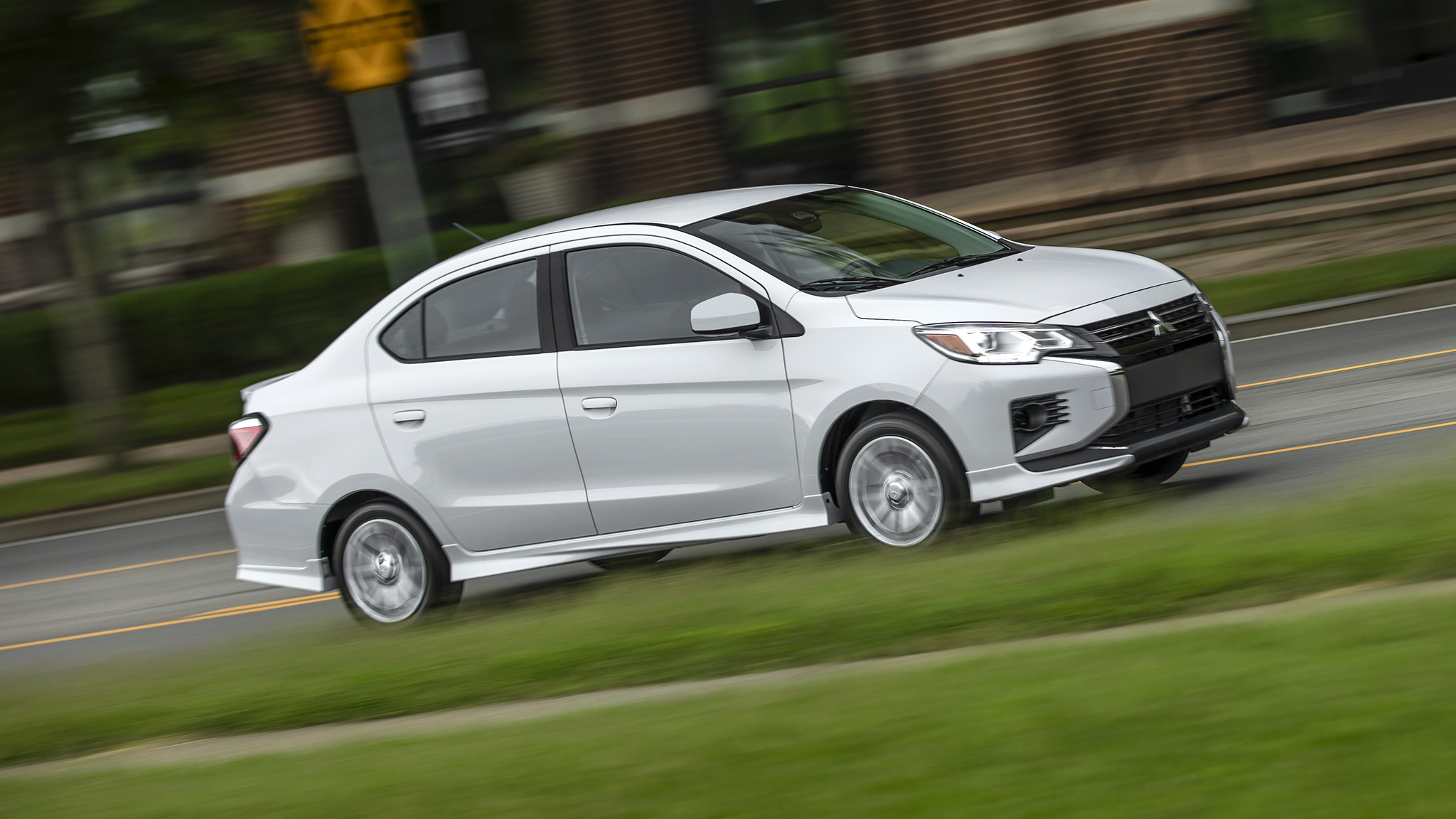
4. Mitsubishi Mirage
The Mitsubishi Mirage is one of the most affordable subcompact cars on the market, and its backup camera reflects its budget-focused design. Although the Mirage does include a rearview camera, it’s one of the least impressive systems among modern vehicles.
The resolution is low to the point where it’s difficult to identify basic objects unless they are very close to the vehicle. Trees, poles, bicycles, or pets may not register clearly on the display, which can create a dangerous sense of uncertainty while reversing.
The user interface also feels outdated. The screen inside the Mirage is often too small, and the camera feed isn’t well-optimized for that size. The image is compressed in a way that distorts proportions, making it harder for the driver to judge how far away things really are.
Static guidelines are included, but because they don’t move with the steering wheel, they offer no real help when backing into an angled space or parallel parking. The result is a tool that barely adds value to the reversing process.
Visibility in poor weather is another major concern. The lens is not well shielded from elements, so rain and snow easily collect on the camera, blurring the image almost instantly.
There’s no built-in protection like a lip or housing to prevent this buildup, so drivers often have to get out and wipe the lens manually. On top of that, there’s minimal software compensation for low-light conditions. At night or during cloudy days, the screen turns dark and murky, further reducing its usefulness.
Mirage owners often report a lack of trust in the camera system over time. While it’s helpful in the most basic sense, such as checking if a space is empty, the system fails to provide reliable feedback for anything more detailed.
That leads drivers to rely heavily on traditional mirrors and turning their head to check, which is not bad practice, but it defeats the point of having a backup camera in the first place. When modern safety features are reduced to low-functioning placeholders, they do more harm than good by giving a false sense of security.
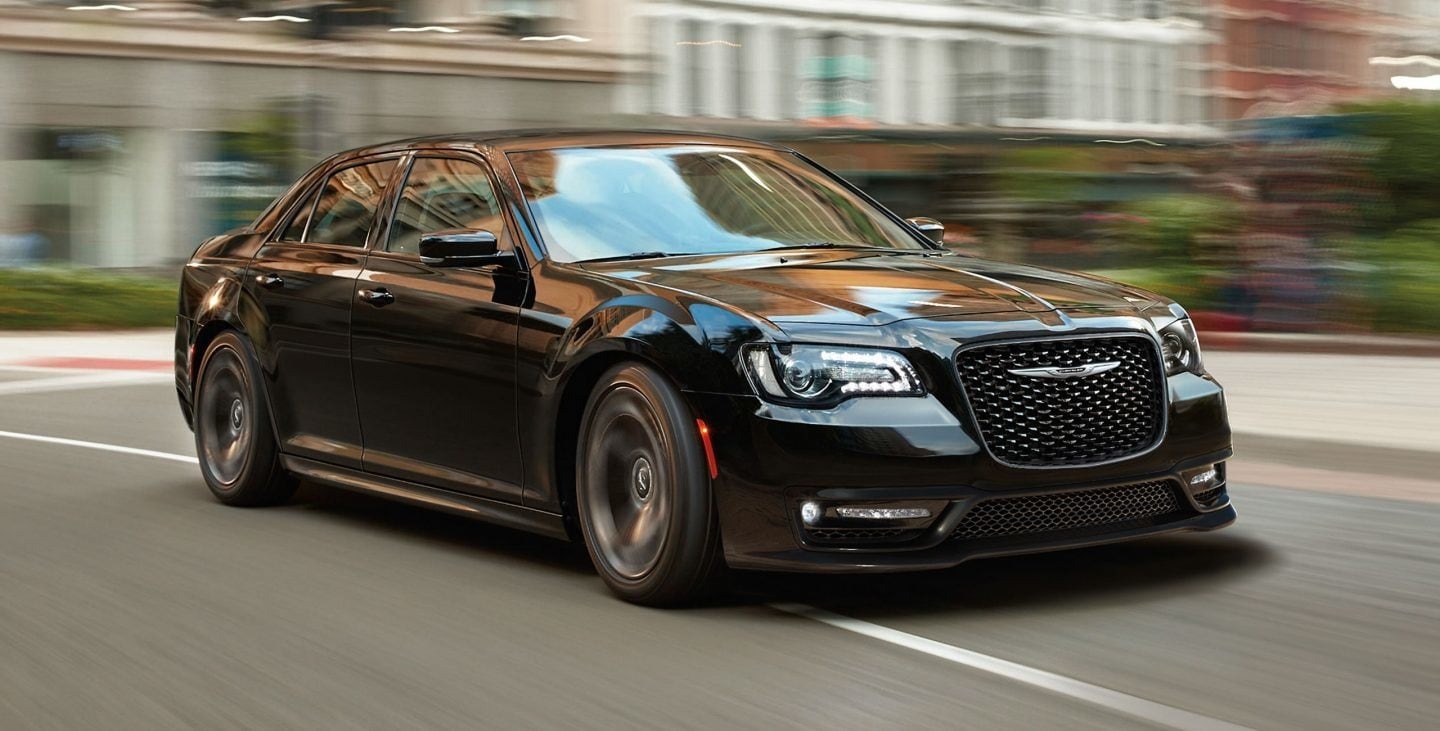
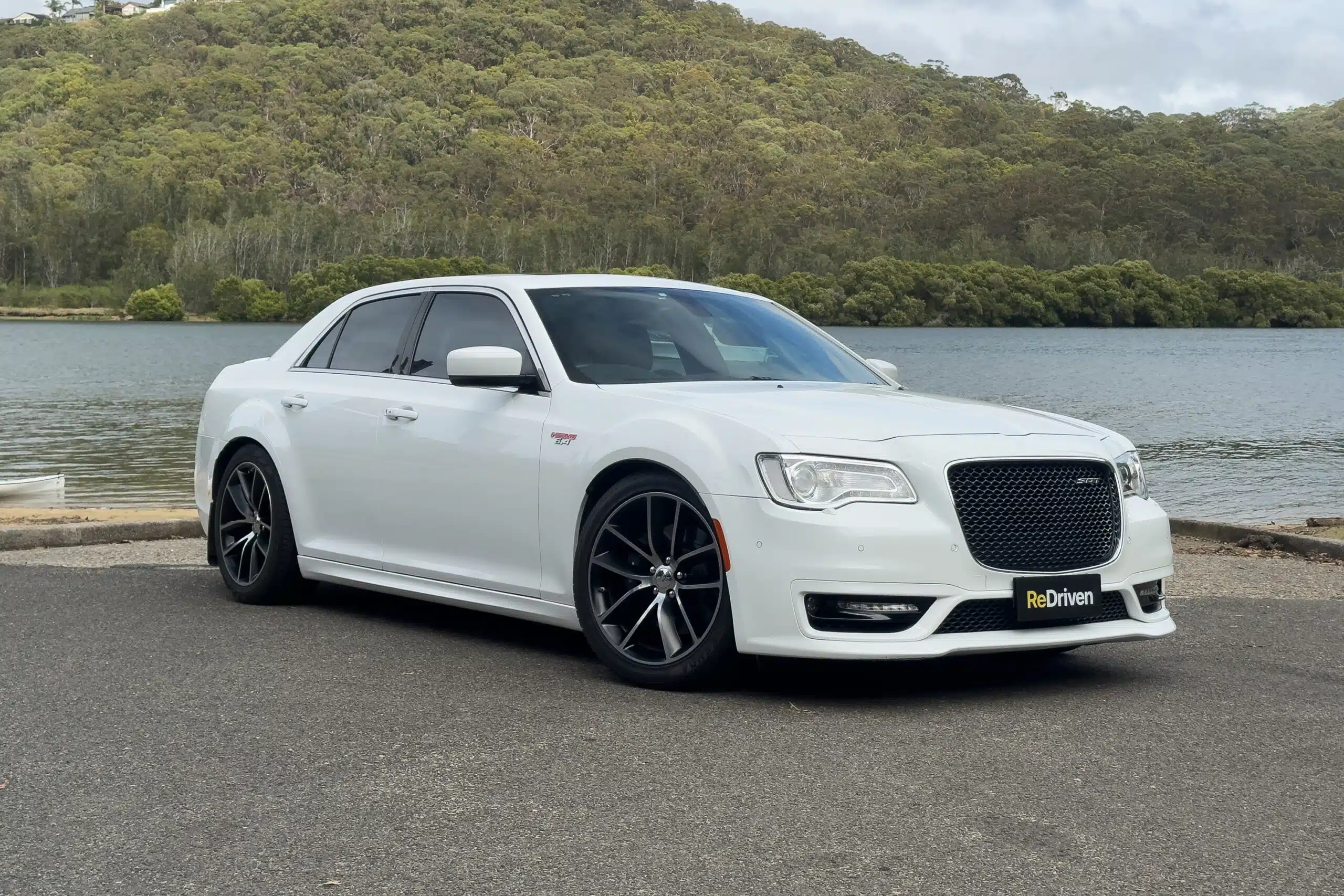
5. Chrysler 300 (older models)
The Chrysler 300 has always presented itself as a full-sized luxury-leaning sedan, but earlier model years (particularly from around 2015 to 2018) suffer from a surprisingly weak backup camera system.
This feels particularly disappointing given the car’s size, where a good camera is not just helpful but essential. On these older models, the backup camera resolution is poor, often appearing blurred or pixelated. While newer trims have made improvements, many drivers of used 300s complain that the camera feels like an afterthought.
A key problem lies in the way the image is processed. The visuals often appear laggy or jumpy, with a noticeable delay between movement and screen feedback. This can lead to poor judgment of speed and distance, especially in tighter parking situations.
Unlike some vehicles that offer smooth real-time visuals, the Chrysler 300’s camera tends to skip frames or freeze momentarily, which adds stress to a task that should be made easier by the technology. Parking becomes a chore, and precision becomes harder to achieve.
Another issue is screen placement and interface design. The camera feed shares space with Chrysler’s older Uconnect system, which isn’t the most intuitive. The image is surrounded by thick borders and other controls, meaning the camera doesn’t occupy the full screen.
The image is cropped and surrounded by distractions, making it harder to focus on what really matters. The guidelines are basic and do not provide helpful steering feedback or directional assistance, which limits their usefulness during parking.
In terms of reliability, the camera on older Chrysler 300 models doesn’t age well. Drivers have reported deterioration in clarity and even full failure of the camera after a few years. When compared to similarly priced sedans from that era, it falls short of expectations.
While some newer models have corrected these issues, many older 300s still on the road today are equipped with subpar backup systems that drivers are hesitant to trust. For a vehicle that prides itself on comfort and size, the camera system should be far more dependable.
