

When car shoppers compare models, their attention often goes straight to engine specs, infotainment features, or fuel economy. But there are smaller, seemingly minor aspects of a vehicle that can have a surprisingly big impact on everyday usability. One of those is the glove box.
This small compartment, usually placed in front of the front passenger seat, is a storage area most drivers take for granted. But whether you’re stashing your car’s manual, a first-aid kit, registration documents, or just some snacks and hand sanitizer, the glove box needs to do its job well. It shouldn’t feel like a cramped drawer that barely fits anything.
And yet, in many modern cars, especially with dashboards crammed full of design elements or airbags taking up space, the glove box often ends up as more of a decorative feature than a practical one.
The difference between a large and small glove box can be felt almost instantly when trying to store more than just the basics. Some cars offer wide, deep glove compartments that swallow items with ease. Others are so shallow that storing a basic-sized folder or an owner’s manual becomes a hassle.
Glove boxes might not be the flashiest feature of a car, but they contribute significantly to daily convenience. They’re also often the only lockable compartment in the passenger area, which makes their size even more important when it comes to storing valuables or sensitive documents.
This comparison isn’t about which cars are better, but rather which ones get this one detail right, or wrong. You might be surprised to learn that some luxury or high-tech vehicles skimp on glove box space, while others with less fanfare offer roomy compartments that are genuinely useful. It’s not about the price bracket either.
Some affordable compact cars manage to offer smarter storage than their larger or more expensive counterparts. Below, we’ll look at five cars that offer glove boxes worth using, followed by five that seem to have made the glove box an afterthought. Whether you’re shopping for a new vehicle or just curious about how different brands approach this overlooked feature, this list puts functionality front and center.
Also Read: 10 Cars With Tricky Seatbelt Buckles for Elderly Passengers
5 Cars with Glove Boxes Big Enough to Be Useful
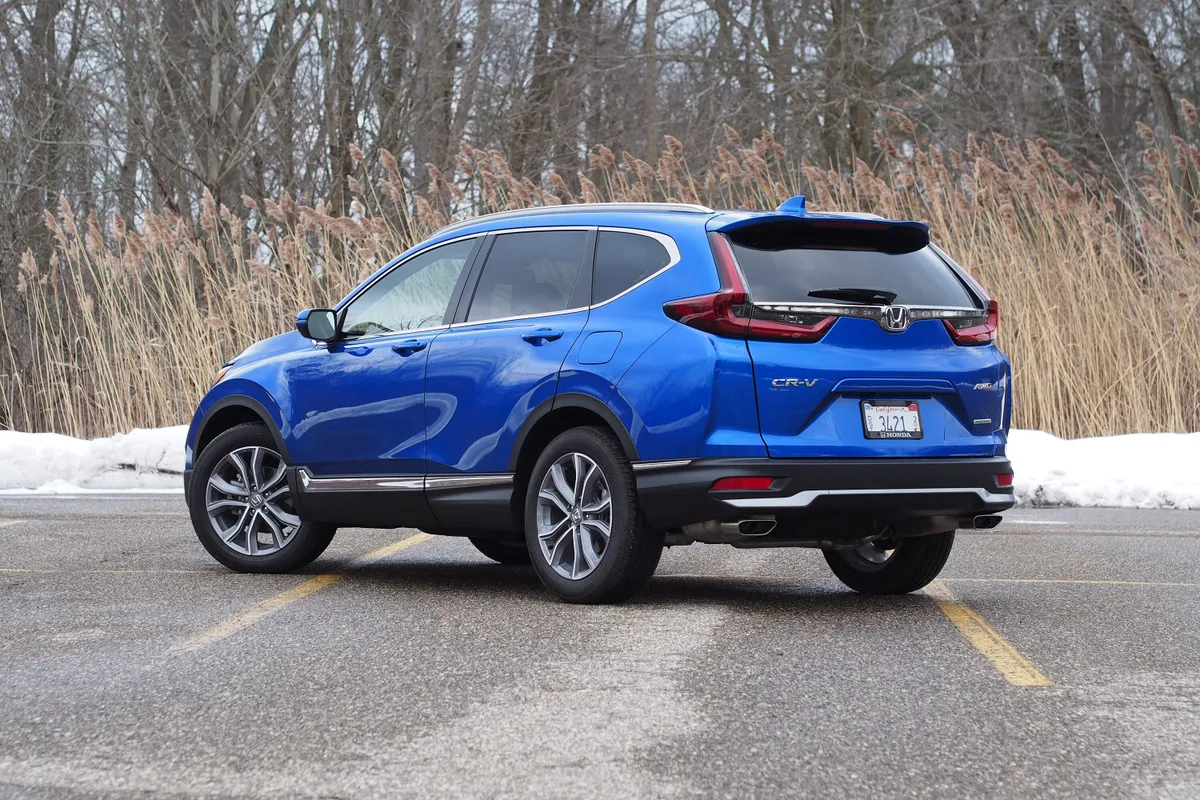
1. Honda CR-V
The Honda CR-V has built its reputation on practicality, and that extends to the interior storage design. The glove box in the CR-V is spacious, rectangular, and unobstructed by strange interior shapes. It opens wide and deep, with enough space for both the car’s bulky owner’s manual and additional essentials like paperwork, a flashlight, or even a small tablet. You can keep items organized and still close the compartment without having to play glove box Tetris every time.
Owners often note that the glove box complements the feel of the CR-V’s interior, which is centered around user-friendly features. It’s not a luxury vehicle, but its design makes smart use of available space. There’s no excess padding or aesthetic molding inside the glove box that eats into usable storage. What you get is a simple, functional area that makes sense. Even when the rest of the cabin fills up with gear or passengers, this glove box remains an anchor of everyday practicality.
Honda also uses smart design cues in terms of how the box opens and closes. It’s not stiff or overly light; it has the right amount of resistance and durability to make frequent use feel solid. There’s also enough room to store a few emergency items like a small tire gauge, disposable gloves, or a notepad and pen, all without crowding out the essential documents.
In a time when vehicles are often overdesigned in small but frustrating ways, the CR-V’s glove box feels like a breath of fresh air. It isn’t trying to be fancy. It’s just large, functional, and does what you need it to do. That’s exactly how it should be.
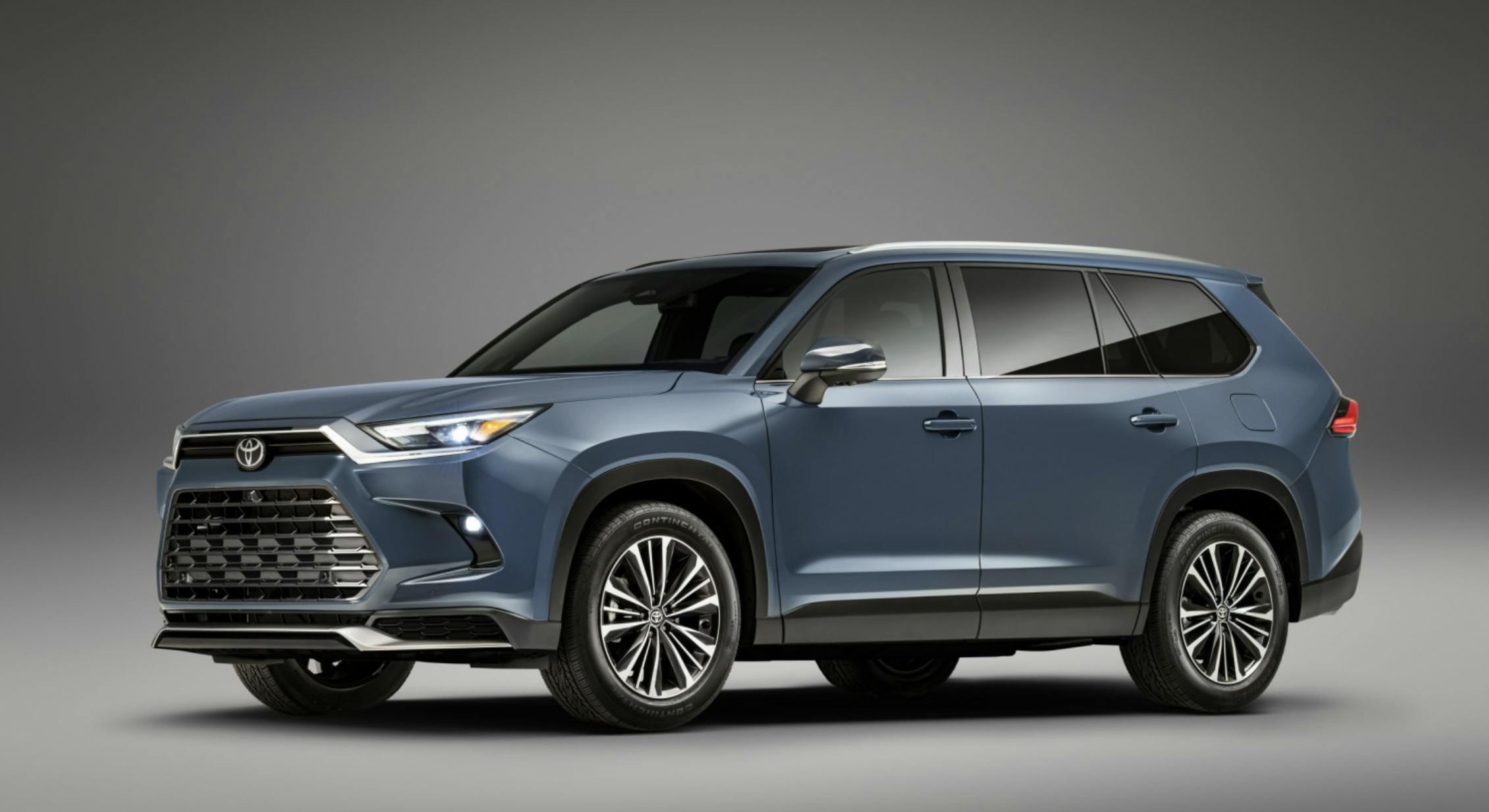
2. Toyota Highlander
The Toyota Highlander is often praised for its family-friendly features, and its glove box is no exception. It’s one of the few midsize SUVs where the glove compartment can accommodate much more than the standard registration documents. It has ample room for a road atlas, a portable charger, and even a small paperback book, all at once. That’s not something every car in this category can offer.
What makes the Highlander’s glove box even more useful is its position and how easily it opens. It’s accessible from both front seats, and it doesn’t feel awkward or obstructed when you open it. That makes a big difference on long road trips when you need to reach over and grab something quickly. Unlike in many competitors, there’s no frustrating angle that limits what you can see or store inside.
This glove box also locks securely, which is a major plus if you’re traveling and want to stow a passport, wallet, or other valuables. The interior is lined with a soft material, so items won’t rattle around noisily while driving. It’s a small detail that improves the day-to-day experience, especially in a family car where you might keep sensitive electronics or kids’ items inside.
The Toyota Highlander’s glove box is a well-executed part of an interior that emphasizes usability. It doesn’t feel like an afterthought. In fact, it helps reinforce the idea that this is a car designed with real-life needs in mind, right down to where and how you store your stuff.
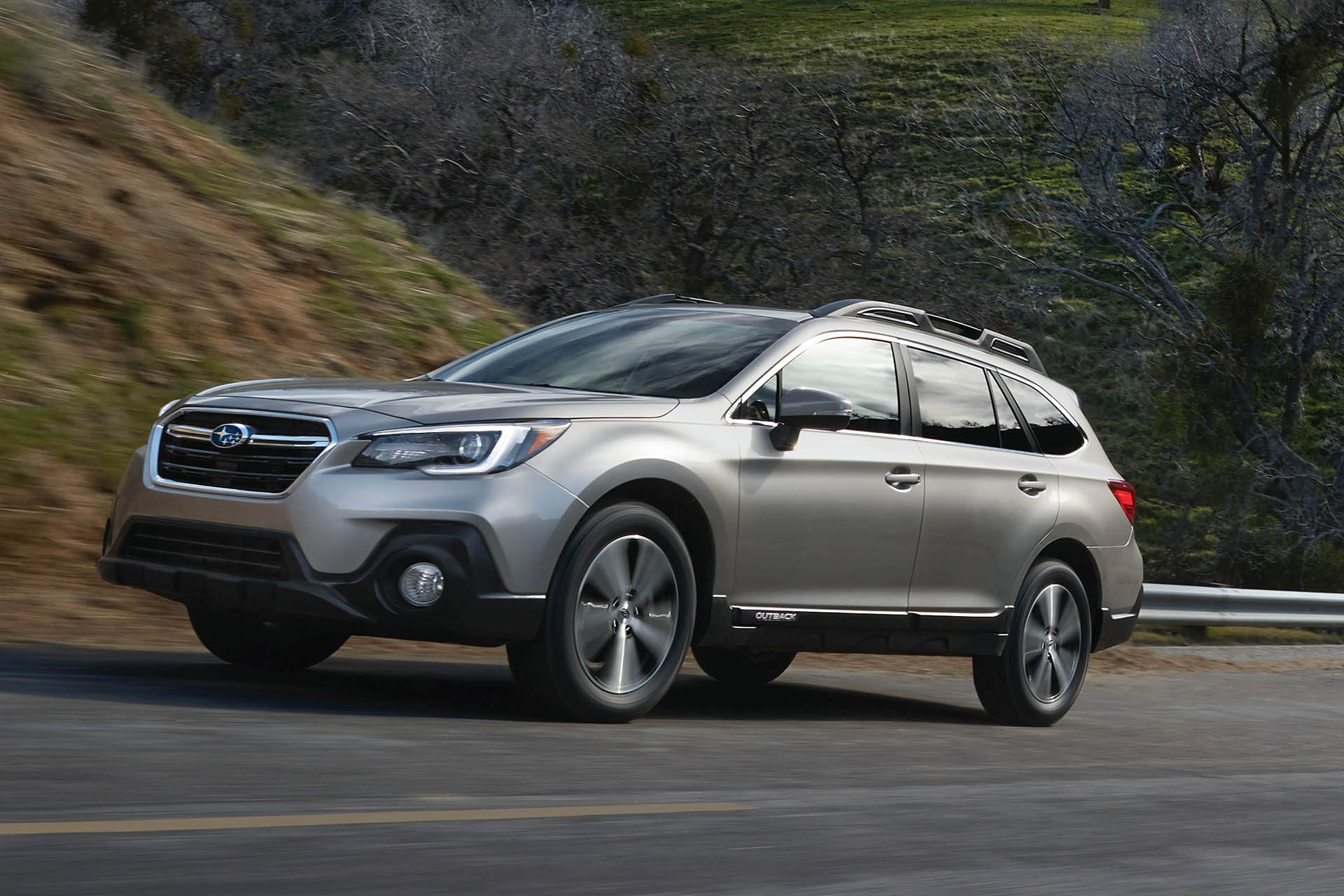
3. Subaru Outback
Subaru often leans on its outdoorsy reputation, but it doesn’t overlook practical features either. The Subaru Outback has one of the more impressively sized glove boxes among wagons and crossovers. It’s wide and quite deep, allowing drivers to stash bulky manuals, trail maps, and a bunch of miscellaneous gear without cramping things.
The glove box opens smoothly and doesn’t require much force, which is good when you’ve got gloves on or are trying to open it with a single hand while holding something else. Inside, you can comfortably store more than the usual glove box clutter. The shape of the compartment also makes it easy to stack or layer items without them sliding around every time you hit a bump.
Subaru doesn’t dress it up unnecessarily, either. It’s a plain compartment, but it makes up for the lack of style with sheer usability. The build quality feels solid, and the materials inside are durable enough to withstand frequent use. Drivers who go camping or take frequent road trips will find the glove box especially handy, as it holds larger items like travel journals or even small emergency kits.
For people who like to be prepared and don’t want to waste time rearranging items to make them fit, the Outback’s glove box just works. It supports the car’s purpose and adds to its image of being a no-nonsense, practical vehicle.
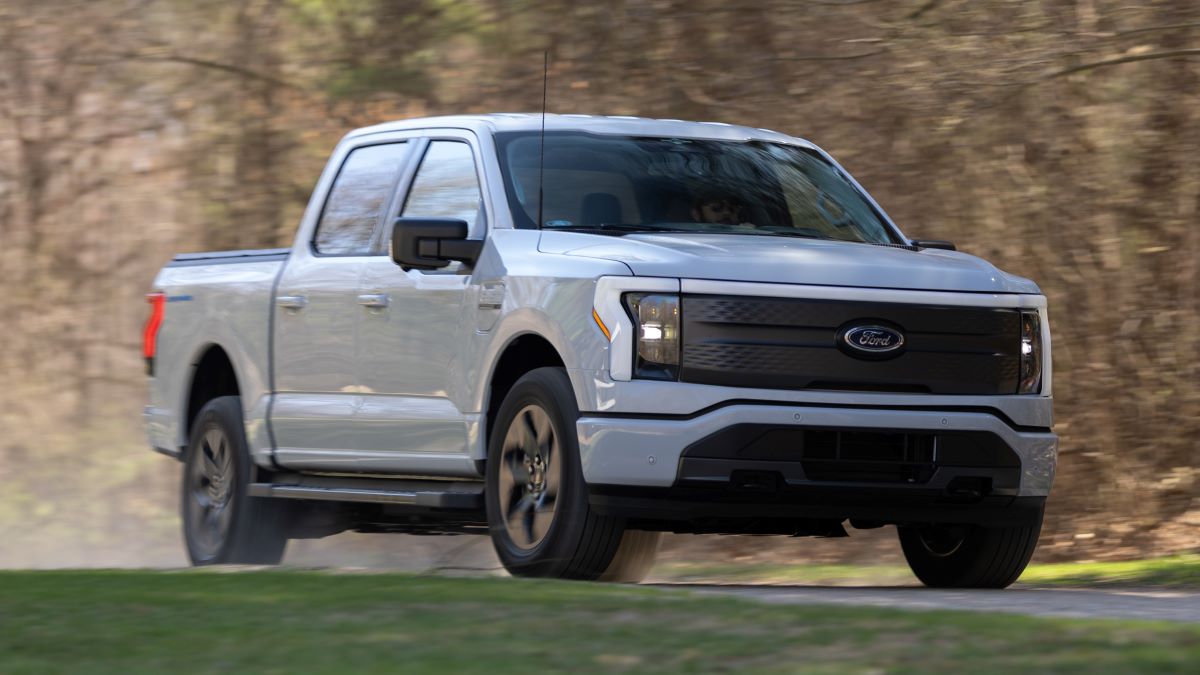
4. Ford F-150
Trucks often come with more interior space in general, and the Ford F-150 is no exception. But what stands out here is that Ford doesn’t waste that opportunity. The glove box in the F-150 is one of the most spacious in its class. It easily accommodates large manuals, tools, flashlights, and even small personal items like notebooks or cameras.
For people who use their trucks for work, this storage matters. You can toss in receipts, job folders, work gloves, and even a few basic tools without worrying about how they’ll all fit. That level of functionality is a major plus in a vehicle that already serves as a mobile office for many drivers. Ford even includes a dual-compartment option in some trims, which gives users even more flexibility in how they organize their items.
The shape is also practical. It’s not oddly tapered or cramped by surrounding dashboard components. You get a wide mouth and a deep well, so even larger items can fit without being wedged in. It feels like a storage space designed by people who actually thought about how it would be used.
Functionality like this makes a difference, especially when you’re constantly in and out of your truck all day. A well-sized glove box like the one in the F-150 isn’t just convenient. It’s an essential feature for drivers who depend on storage for work-related gear.
5. Kia Telluride
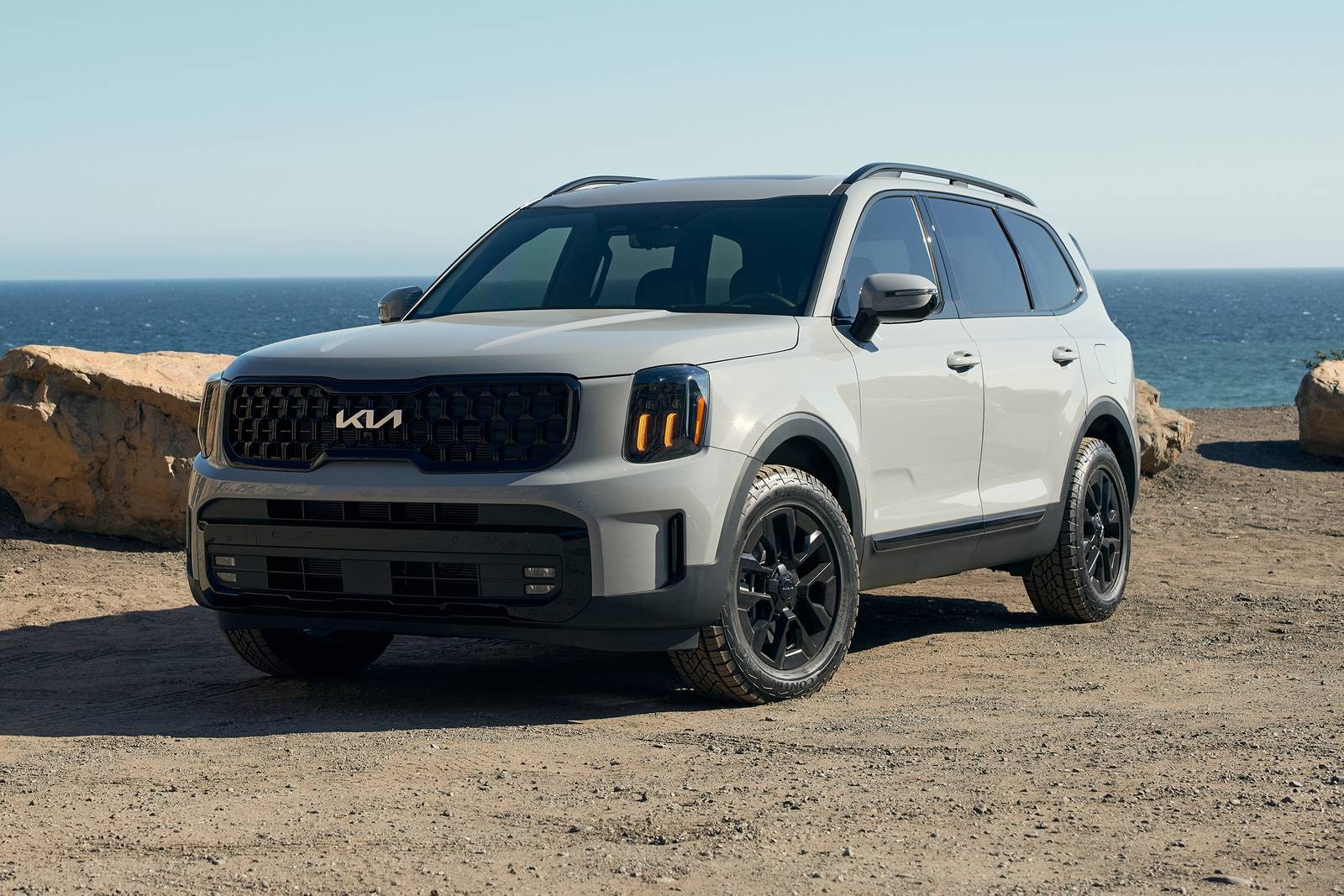
The Kia Telluride has won praise for its design, and its glove box reflects that same practical mindset. It’s generously sized and thoughtfully placed, which makes it one of the more user-friendly glove boxes on the market today. It opens smoothly and provides enough internal space to keep more than just the car’s documentation.
You can easily store sunglasses, snacks, phone chargers, and even a small tablet inside without running out of room. The flat bottom and boxy shape make it simple to arrange items neatly, and there’s no awkward contouring that eats into usable space. For families, this kind of storage flexibility is a huge plus.
Another highlight is how well-integrated the compartment is with the rest of the dashboard. It doesn’t bulge out awkwardly or require you to reach at a strange angle. Even shorter passengers can access it without stretching too far. That may seem like a minor detail, but it reflects good design thinking.
Kia continues to position the Telluride as a well-rounded vehicle, and having a functional glove box is part of that success. It helps reinforce the idea that this is a vehicle built with attention to the small things, not just the big features everyone notices.
5 Cars with Tiny Glove Boxes That Are Hardly Useful

1. Mazda MX-5 Miata
The Mazda MX-5 Miata is a beloved sports car with plenty of strengths: it’s nimble, fun to drive, and compact. But that compact size comes with sacrifices, and one of the first victims is storage space. Specifically, the glove box is basically nonexistent in the traditional sense. In fact, the Miata doesn’t have a glove box in front of the passenger at all. Instead, it places a small locking compartment between the two seats, right behind them. While technically fulfilling the same function, its location and size leave a lot to be desired.
This storage setup means you lose out on the convenience of reaching into a front-facing compartment while seated, especially if you’re driving solo. Reaching behind you to grab something from the center-mounted cubby is awkward, particularly in tight spaces or when wearing a seatbelt. That’s a real issue when you want to access something quickly at a red light or while parked. It’s also not well-suited for storing larger items, such as a tablet, a thick manual, or any kind of bulky paperwork. You’re restricted to smaller things like a pair of sunglasses or a slim wallet, which defeats the purpose of having a glove box at all.
Another drawback of this setup is the limited ability to organize items. You can’t really stack or arrange things inside. Because it’s so shallow and narrow, it ends up functioning more like a small utility pocket than a true glove box. If you’re carrying a few essential documents, they’ll either need to be folded or stuffed in tightly, making them prone to creasing or damage. And forget about keeping emergency supplies in there. There’s simply no space for anything more substantial than the bare minimum.
To be fair, most people aren’t buying a Miata for its practicality, and Mazda clearly designed the car for performance and driver engagement. But even so, the omission of a standard glove compartment feels like an unnecessary oversight. A small front-facing unit could have offered a better mix of form and function without detracting from the car’s design. As it stands, the Miata may win you over on the road, but it falls completely flat in terms of glove box usability.
2. Tesla Model 3
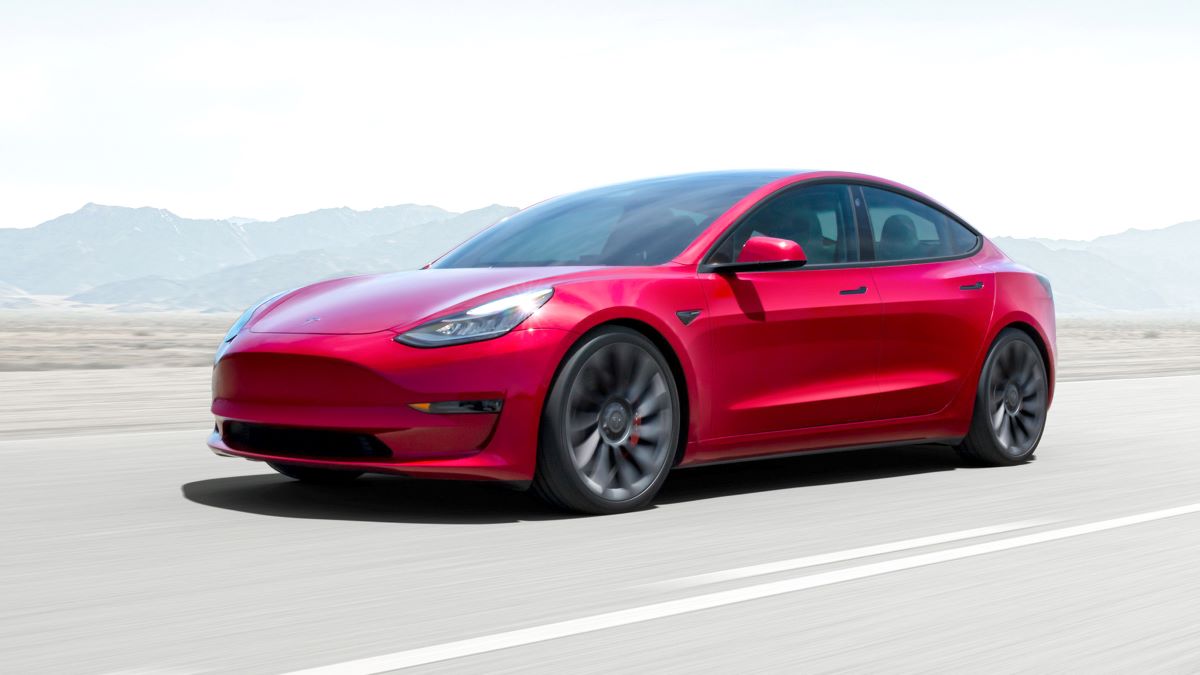
The Tesla Model 3 prides itself on its minimalist interior design, and while that approach makes for a sleek look, it also leads to compromises in usability. One of the more noticeable of these is the glove box. While it exists and can be opened through the center touchscreen or voice command, the actual size of the compartment is quite limited. It’s narrow, not particularly deep, and shaped in a way that restricts how you can use the space effectively.
Accessing the glove box via software controls might sound futuristic, but it introduces a layer of inconvenience. If the screen glitches, freezes, or you’re driving and need to quickly retrieve something, you’re out of luck. There’s no physical button for instant access. That alone makes the glove box less practical than those in traditional cars. But even once it’s open, the space inside doesn’t impress. It can barely accommodate a folded map, and the owner’s manual takes up a good portion of the available room. If you want to carry anything extra, you’ll have to make trade-offs.
The Model 3’s glove box also lacks smart organization. There are no internal compartments, trays, or even a clip to hold documents. It’s just a small open cavity, and its angle when open makes it difficult to dig around in without items falling out or shifting around. Some owners end up purchasing aftermarket organizers or folders to make better use of the space, which really shouldn’t be necessary in a car positioned as a tech-forward product.
Tesla’s design choices are often justified by a philosophy of simplification, but in this case, the minimalist approach comes at the expense of daily practicality. A glove box should be easy to reach, quick to open, and big enough to carry more than a set of napkins and registration papers. In the Model 3, the glove box becomes just another space-saving decision that makes real-world use slightly more annoying than it needs to be.
3. Mini Cooper Hardtop 2-Door
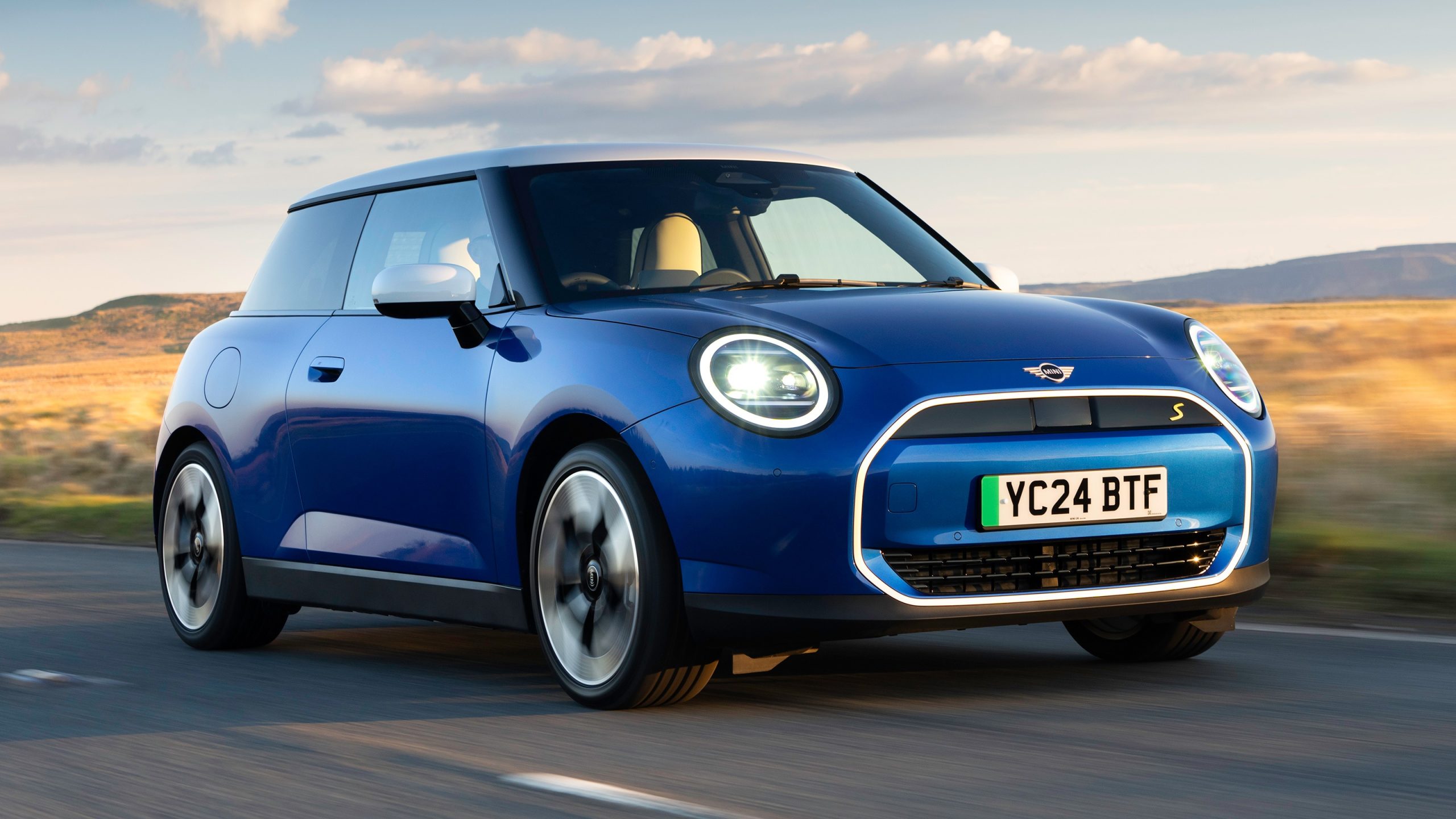
The Mini Cooper has always prioritized style and a compact form factor, and while those traits make it fun to drive and easy to park, they also contribute to a frustrating lack of interior storage. The glove box in the Mini Cooper Hardtop 2-Door is a prime example of form over function. It’s a tiny compartment that barely fits the basics. You might be able to squeeze in the manual and some documents, but not much more.
Worse still is the shape of the glove box. It’s shallow, oddly angled, and often obstructed by the dashboard trim. Because of this, it becomes difficult to store anything with a rigid or rectangular form. Even a small box of tissues or a travel-sized first-aid kit might need to be jammed in at an awkward angle, making it hard to retrieve without emptying the whole compartment. The lack of room means you often have to store everyday items elsewhere, leading to cluttered center consoles or door pockets.
Adding to the annoyance is the quality of the compartment itself. The latch and hinge can feel flimsy compared to what you’d expect in a car of its price range. Some owners report that it doesn’t always close smoothly or securely, especially once the compartment starts to fill up. This doesn’t inspire confidence when storing valuables or delicate items like electronics or glasses. The internal finish is also quite basic, with no padding or lining to prevent rattling.
Mini’s quirky design language is part of the car’s charm, but when it interferes with basic usability, it starts to feel less charming and more frustrating. The glove box feels like it was squeezed into the leftover space after everything else was already finalized. While the car itself has many fans for its performance and design flair, the lack of a useful glove box is a constant reminder that some parts of practicality were left behind.
4. Jeep Wrangler
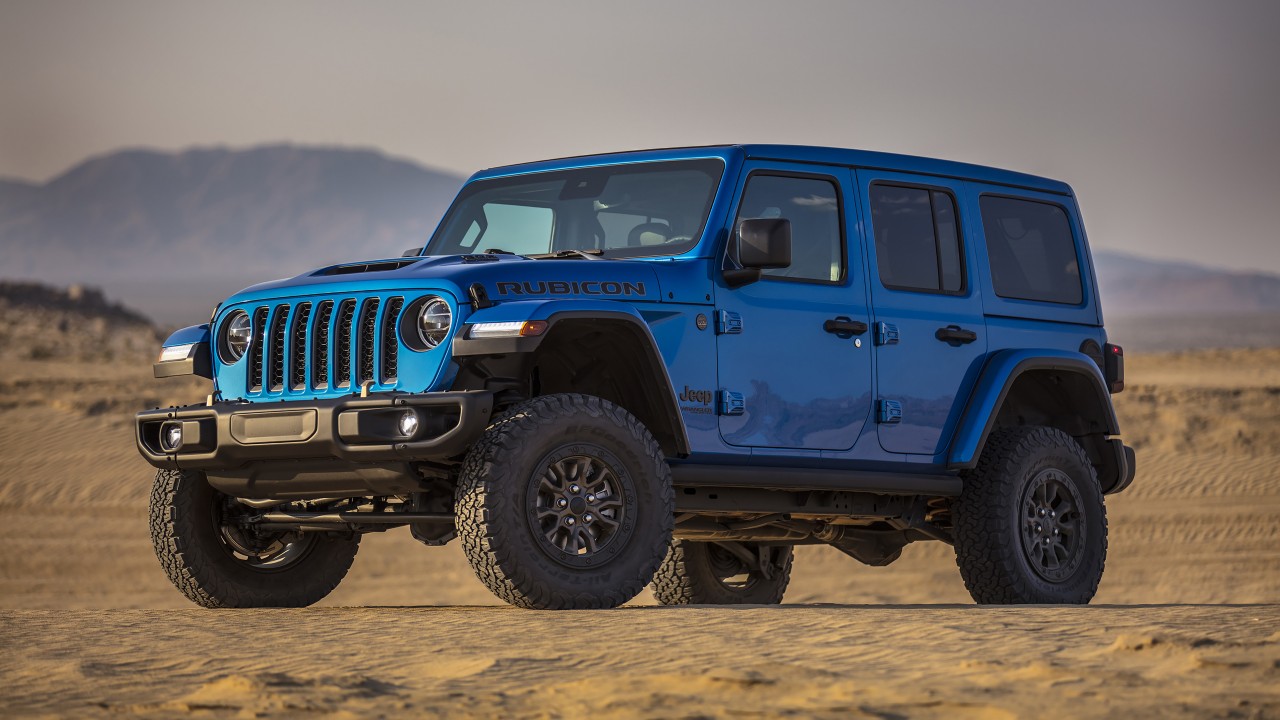
The Jeep Wrangler is built for adventure, rugged roads, and off-the-grid excursions, but when it comes to glove box size, it feels more like an afterthought than a tool for exploration. The compartment is surprisingly small given the size and purpose of the vehicle. While you’d expect a rugged off-roader to offer generous, functional storage, the glove box in the Wrangler is oddly compact and awkwardly shaped.
One major limitation is that the glove box is both narrow and shallow. Even basic essentials like the owner’s manual and registration paperwork can end up completely filling it. There’s no room left for other off-road necessities like a multi-tool, flashlight, or map book. This becomes particularly inconvenient for drivers who use their Wrangler for long trips or remote outings, where extra gear is often necessary. The storage shortfall is made worse by the fact that Jeep includes a lot of interior padding and rugged trim in the dash area, which encroaches into the glove box’s potential volume.
Even the locking mechanism, while useful for securing items with the roof off, doesn’t add much value when there’s so little space to secure in the first place. You’re forced to find other places in the cabin to store anything larger than a few small items. This often leads to clutter, with things piling up in the center console, floor, or cargo area instead. It also slows you down when you’re trying to retrieve documents or gear in a hurry.
Jeep fans may argue that glove box size isn’t a dealbreaker in a vehicle made for outdoor exploration, but when you’re far from home and relying on your vehicle for both transportation and support, storage matters. It’s disappointing that a vehicle designed to be tough and functional fails in something as simple as making the glove box large enough to carry more than a couple of slim items. It’s a clear case of poor balance between aesthetic decisions and practical functionality.
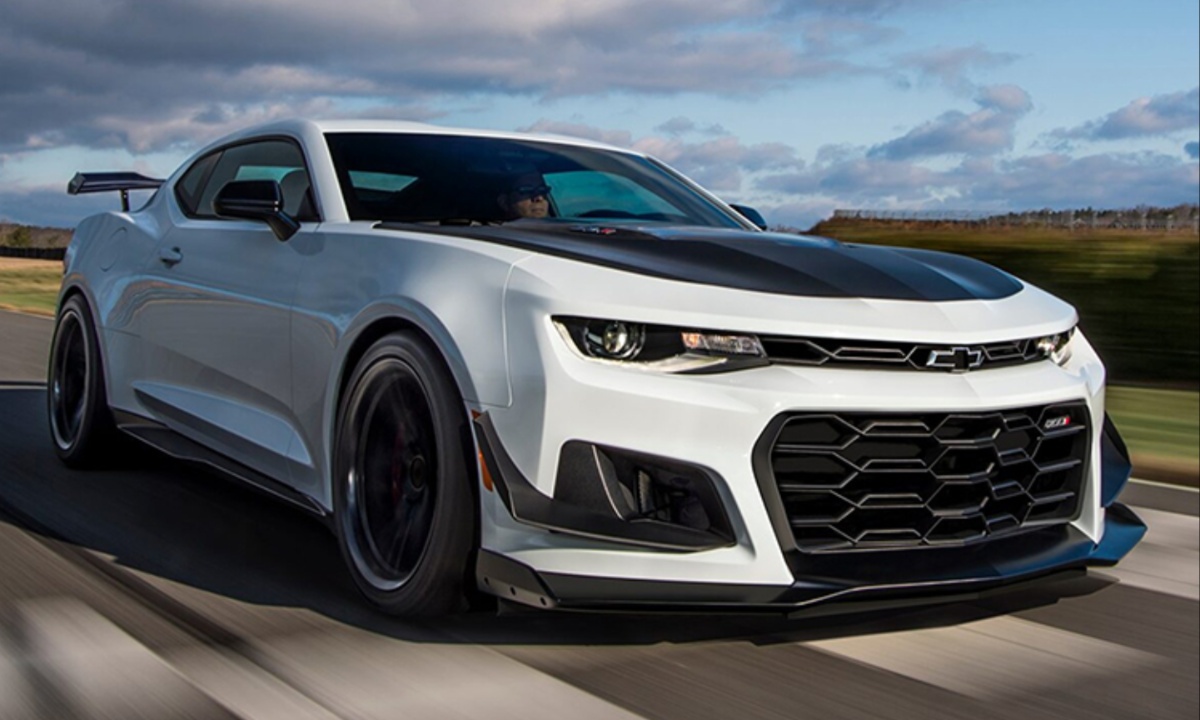
5. Chevrolet Camaro
The Chevrolet Camaro, much like other performance-focused cars, makes several compromises in the name of design and speed. Unfortunately, the glove box is one of those compromises. It is very small, and worse, it is poorly shaped. It’s narrow and tapers toward the back, meaning you can’t make full use of the available depth. That’s a frustrating flaw, especially in a car that has a relatively spacious dashboard to begin with.
The size of the glove box is only part of the issue. It also opens at an odd angle, which makes it harder to access from the passenger seat. If you’re trying to grab something quickly while on the road, it can become a hassle, particularly since the limited space forces you to stack items tightly. You often have to pull everything out to find a single document. For drivers who like to keep their cabin clean and organized, this lack of storage utility makes daily life more difficult than it should be.
Another annoyance is the way the glove box interacts with the rest of the dashboard. Because of the Camaro’s cabin layout, the glove box door drops down at a sharp angle when opened, and it doesn’t provide a clean, flat base for sorting through items. Combined with the small interior dimensions, this makes even simple actions, like placing a sunglass case or retrieving a pack of wipes, feel awkward and clumsy. It’s not just small; it’s inefficiently designed.
The Camaro excels at what it was built to do: go fast, look aggressive, and hug corners. But in terms of basic interior storage, it misses the mark. If you’re considering the Camaro as a daily driver, it’s worth knowing that even storing essential items can be a challenge. The glove box simply doesn’t offer the kind of usability most people need, making it one of the most impractical in this list.
Also Read: 10 Cars With Tricky Seatbelt Buckles for Elderly Passengers
Glove boxes may seem like a minor feature in the grand scheme of car design, but their practical value becomes clear in everyday use. Whether you’re commuting to work, taking a weekend road trip, or simply needing a secure place to store registration documents, a well-designed glove box adds a level of convenience that can’t be ignored.
It’s one of those features that you only really notice when it’s done poorly, or when it’s done right. This contrast becomes obvious when comparing vehicles that treat glove boxes as functional storage versus those that seem to include them out of obligation.
Cars like the Honda CR-V, Toyota Highlander, and Subaru Outback show that glove boxes don’t have to be complicated or oversized to be useful. They just need to be well-proportioned, easy to access, and designed with practical use in mind. In these vehicles, glove boxes support the needs of real drivers.
They allow you to keep the cabin tidy, store important items within reach, and protect valuables when needed. These compartments aren’t flashy, but they’re part of what makes a car comfortable and useful day-to-day.
On the other side of the spectrum, cars like the Mazda Miata, Tesla Model 3, and Mini Cooper highlight what happens when design overtakes utility. Whether it’s a lack of space, poor placement, or a clumsy access method, these vehicles show how frustrating it can be when something as basic as a glove box isn’t given enough attention.
While some of these cars shine in other areas like handling, performance, or innovation, they overlook the simple expectations of drivers who just want a place to stash their essentials without complication.
A good glove box isn’t about luxury; it’s about function. It’s a space you use every week, sometimes every day. A car that gets it right adds to the sense of ease and control behind the wheel. A car that gets it wrong leaves you fumbling for space and annoyed by yet another oversight in a space you spend so much time in.
As small as they are, glove boxes play a bigger role in your daily driving experience than they’re often given credit for. When done right, they make your car just a little more livable, and that matters.
