
Long road trips can be either a pleasure or a form of mild torture, and one of the key factors that makes the difference is the seat comfort of your vehicle. For most drivers and passengers, especially on journeys that stretch over several hours, comfort becomes more than just a luxury; it becomes essential.
When an SUV is marketed as a family hauler or a long-distance cruiser, it’s not just about cargo space or fuel economy. It’s about how well it takes care of your body mile after mile.
Poor seat design, lack of lumbar support, bad ergonomics, or stiff cushioning can turn a road trip into an endurance challenge, especially if you’re prone to back issues. On the flip side, a well-designed seat can make eight hours feel like four, letting you arrive at your destination refreshed and without a stiff spine or sore hips.
While automakers often focus on tech features and performance specs, not enough attention is given to one of the most important interior features: how seats support your body over time. Seats aren’t just there to look good in brochures or hold you in place during a sharp corner.
They’re crucial for spinal alignment, posture, and physical well-being. Some SUVs excel at this, going beyond expectations with thoughtful materials, adjustable settings, and proper lumbar support. Others fail surprisingly hard, even in premium segments, by prioritizing aesthetics or sportiness over real-world comfort.
This article takes a practical look at ten SUVs, splitting them into two categories: five that are genuinely built for long-distance comfort, and five that unfortunately fall short, often leading to discomfort or outright back pain after prolonged use. We’re focusing on real-world usability, not spec sheets.
This means we consider things like how the seat feels after several hours, whether it supports natural posture, if it offers enough adjustability, and how well it deals with road vibrations and body fatigue. Whether you’re planning a cross-country family road trip or you’re just someone with a long daily commute, knowing which SUVs are designed with human comfort in mind can make all the difference.
Also Read: 5 Cars with Backup Cameras You Can Trust vs 5 That Are Blurry and Useless
5 SUVs with Seats Comfortable for 8-Hour Drives
1. Volvo XC90
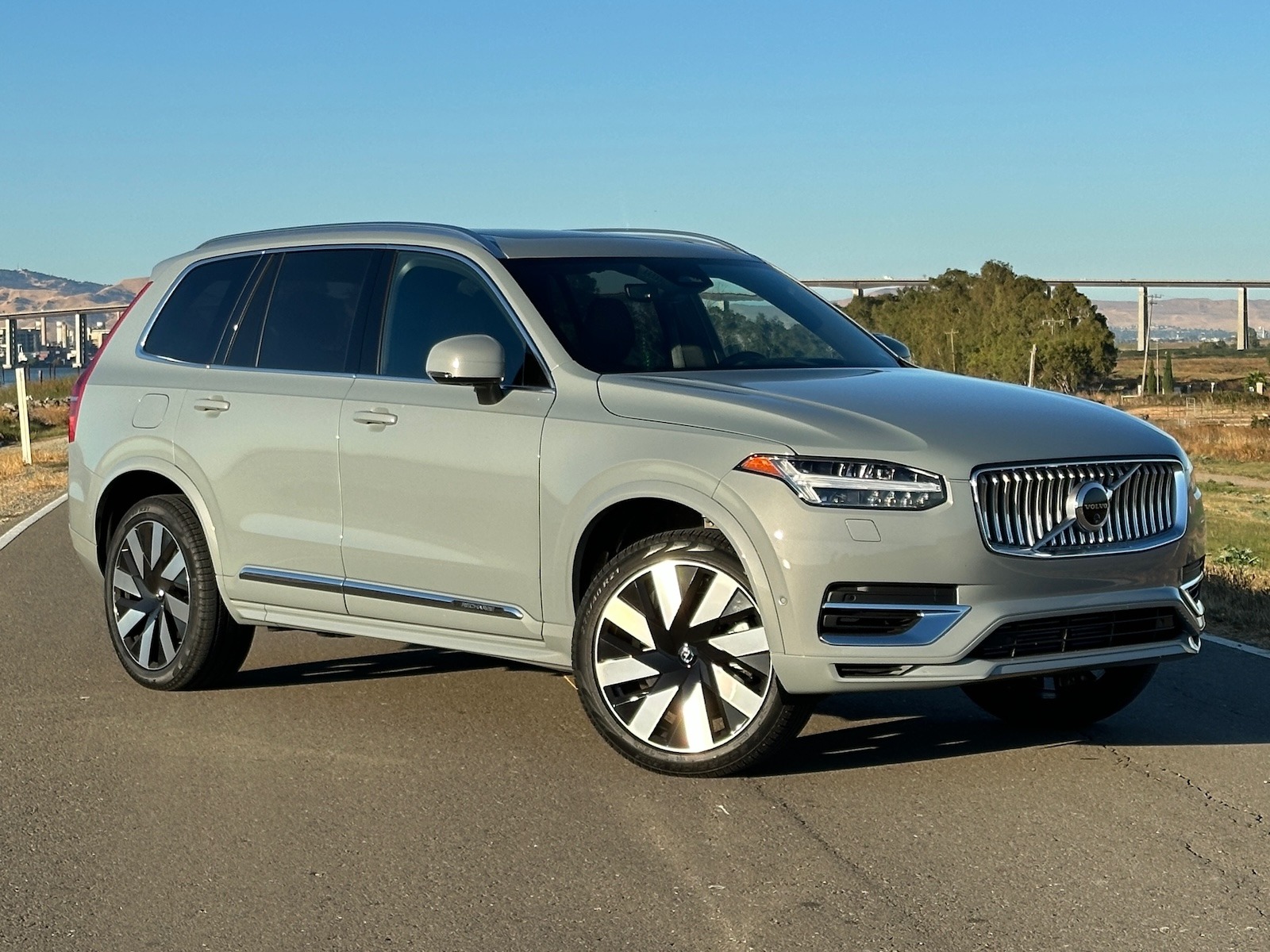
The Volvo XC90 earns its reputation not just from its clean Scandinavian design and safety features, but from its deeply comfortable seating. Volvo takes human factors seriously, and this SUV reflects that in every inch of its interior.
The front seats are shaped to follow the natural curve of the spine, offering excellent lumbar support even without needing much adjustment. On long drives, this becomes a significant advantage, especially for those who have dealt with back stiffness or pain from overly flat or hard seats in other vehicles.
Volvo uses high-density foam that offers just the right amount of give while keeping your posture supported. You won’t find yourself constantly shifting to relieve pressure points, which is a common problem in less thoughtfully designed seats. The adjustable thigh extension is also a major plus for taller drivers, as it helps distribute leg weight more evenly and keeps blood flow from being restricted. These seemingly small features make a big difference when you’re driving for hours at a stretch.
Another standout is the multi-way power adjustability paired with memory settings. Whether you’re tall, short, broad-shouldered, or slim, the XC90 gives you the flexibility to find a seating position that genuinely feels tailored to your body. Ventilated and heated options also help maintain comfort in extreme weather.
Add to that a suspension that absorbs bumps without jolting your spine, and the XC90 becomes one of the most pleasant long-distance cruisers on the market.
The second-row seats also get high marks. While not quite as customizable as the front row, they still offer a good seating angle and padding that doesn’t thin out over time. For families or groups traveling together, the XC90 ensures that everyone, not just the driver, arrives at the destination feeling relatively fresh and pain-free.
2. Toyota Highlander
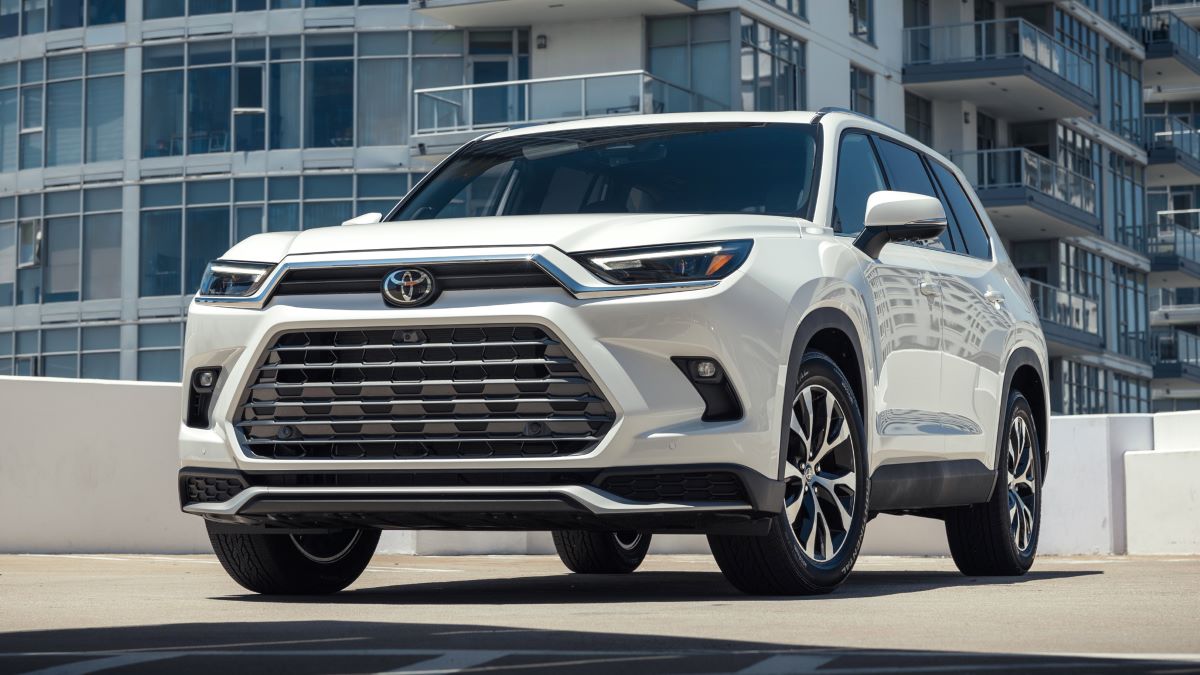
The Toyota Highlander is not a luxury vehicle, but its seating comfort often outpaces expectations. Toyota’s approach focuses on practical ergonomics rather than gimmicks, and it shows especially well in long-distance driving. The seats in the Highlander have a simple, clean design but offer firm support that prevents lower back fatigue. They avoid the overly soft cushions found in some rivals, which may feel nice at first but can lead to soreness during extended trips.
The padding in the Highlander hits a solid balance between softness and firmness. It provides enough resistance to keep your hips from sinking too far in, which can pull your lower spine into an unhealthy curve. The lumbar support is manual in many trims, but it’s well-positioned and effective. In higher trims, power lumbar adjustment is available, allowing drivers to fine-tune the support to their liking.
Driving the Highlander for hours doesn’t require constant seat shifting or lower back stretching. Its elevated driving position, wide base, and supportive backrest create a driving posture that feels natural and sustainable. For families on road trips, the second-row captain’s chairs (in models that offer them) are equally accommodating, with a recline function and wide cushions that suit both kids and adults.
Toyota also does a good job with noise isolation and suspension damping, which indirectly affects comfort. Even if the seats are good, constant vibration or road noise can wear you down. In the Highlander, the ride remains composed, and the seats are structured in a way that absorbs vibrations rather than transferring them directly into your spine. Combined with reliability and space, the Highlander becomes a top choice for comfort-focused buyers.
3. Honda Pilot
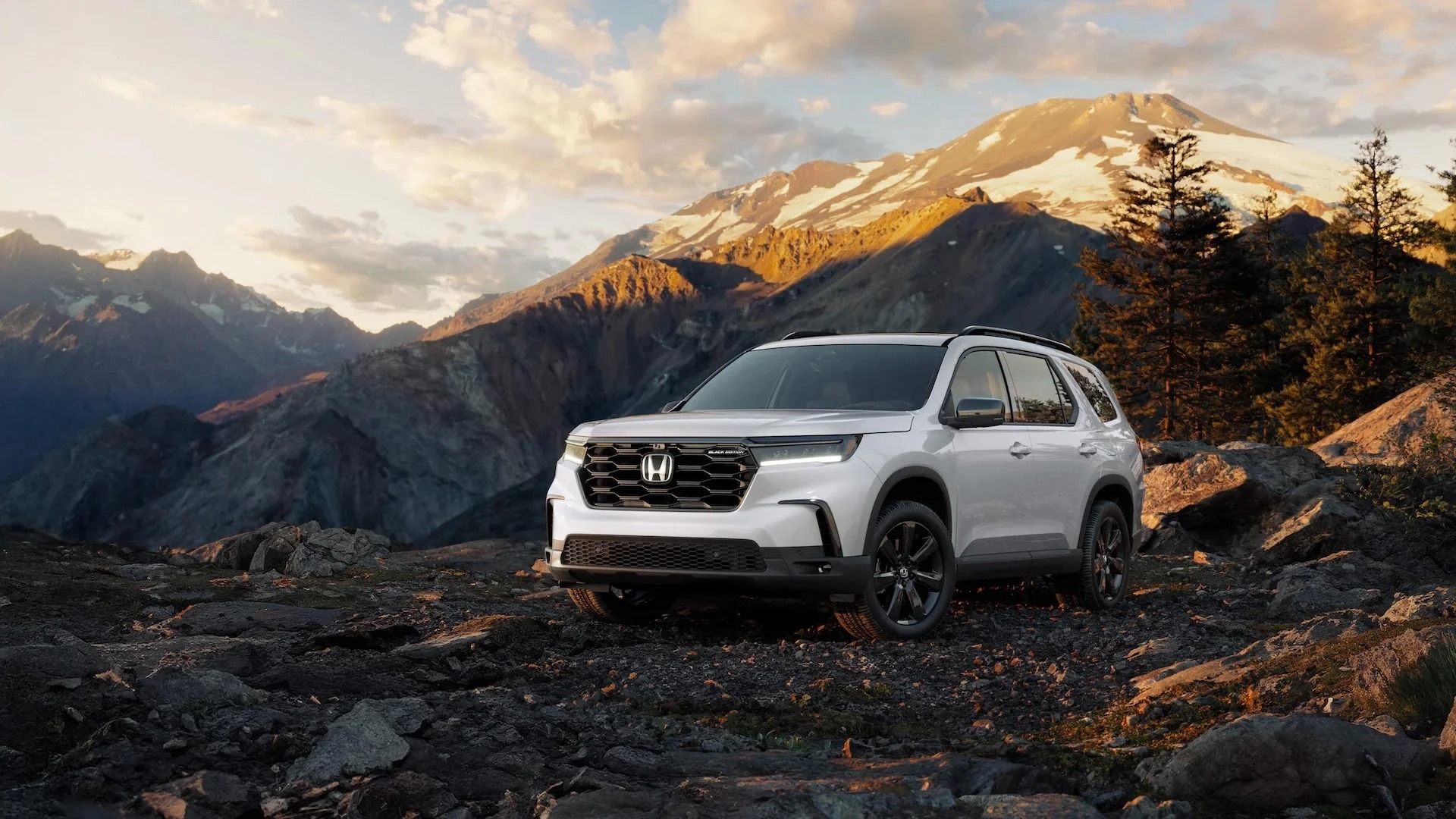
The Honda Pilot is often labeled as a practical family SUV, but it’s also one of the better vehicles when it comes to long-haul comfort. While Honda doesn’t go for plush luxury materials, it focuses heavily on seat design, driver ergonomics, and cabin layout. This becomes evident once you’ve been behind the wheel for a few hours and realize you’re not fidgeting or adjusting your position every 20 minutes.
Honda engineers have made sure that the Pilot supports a neutral spine posture. The seat back doesn’t push your shoulders forward, and the lumbar area doesn’t sag or feel absent. It’s an ideal setup for drivers who suffer from lower back tension during extended travel. The seat base also has the right amount of tilt to keep your knees aligned with your hips, avoiding hip compression.
The seating surfaces may not scream high-end, but they’re practical and breathable, which becomes especially useful during long, hot summer drives. Leather-trimmed seats in the higher trims offer a slight cushion upgrade, but even the cloth versions manage to remain comfortable over time. More importantly, the Pilot avoids the trap of aggressively bolstered seats that can feel restrictive for larger drivers.
What also makes the Pilot stand out is how the seats and driving position are integrated into a vehicle that rides quietly and smoothly. The suspension doesn’t transmit every crack in the road to your lower back. Cabin noise is well managed, and there’s enough legroom across all three rows to keep everyone in a decent posture. The third row isn’t a luxury seat by any means, but it’s still more forgiving than in many competing three-row SUVs. The Pilot quietly delivers one of the best long-distance seating experiences in its segment.
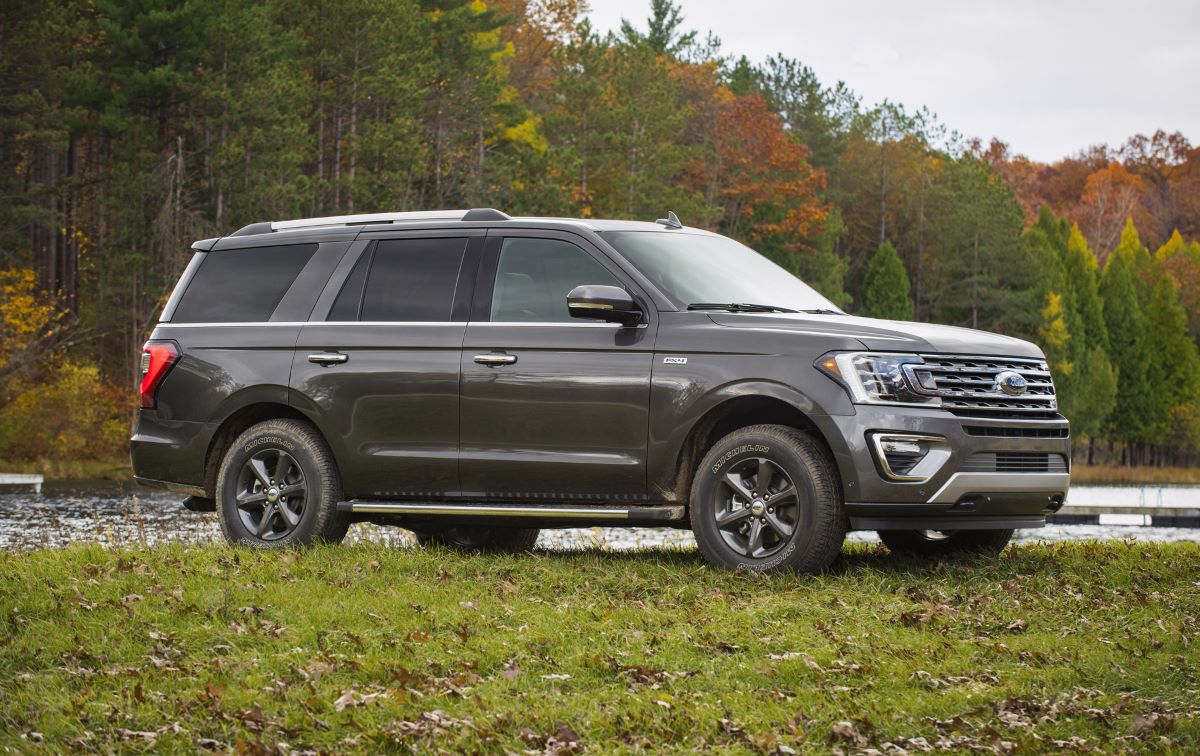
4. Ford Expedition
The Ford Expedition has long been known as one of the most spacious and road-trip-friendly SUVs on the market, and a lot of that comes down to the way it treats its occupants. The seats in the Expedition feel like they were built with long highway journeys in mind. Whether you’re driving or riding shotgun, the first thing you’ll notice is how roomy and supportive the seats are, especially in the Platinum trim, where Ford includes Active Motion seats with multiple massage settings.
Comfort in the Expedition is not just about size. The seats have a wide base, ample cushioning, and are shaped in a way that supports a healthy back angle. They don’t push your head forward or round your shoulders like some of the more aggressively styled seats in sportier vehicles. You get a commanding view of the road, a relaxed arm position, and a cabin designed to keep fatigue to a minimum.
Ford also includes a lot of seat adjustability, especially in the higher trims. You can adjust the lumbar, thigh support, and recline with precision, letting you tailor your driving position more finely than in most other SUVs. Combine that with excellent cabin insulation, and the entire driving experience becomes less tiring, even after full-day drives.
Rear passengers also get plenty of love. The second row has generous headroom and legroom, and even the third row is suitable for adults on long trips, a rarity in this segment. The flat load floor, wide doors, and supportive cushioning mean passengers can stretch out rather than curl up uncomfortably. For long-distance family travel or road-tripping with friends, the Expedition feels built from the ground up to be as accommodating as possible.
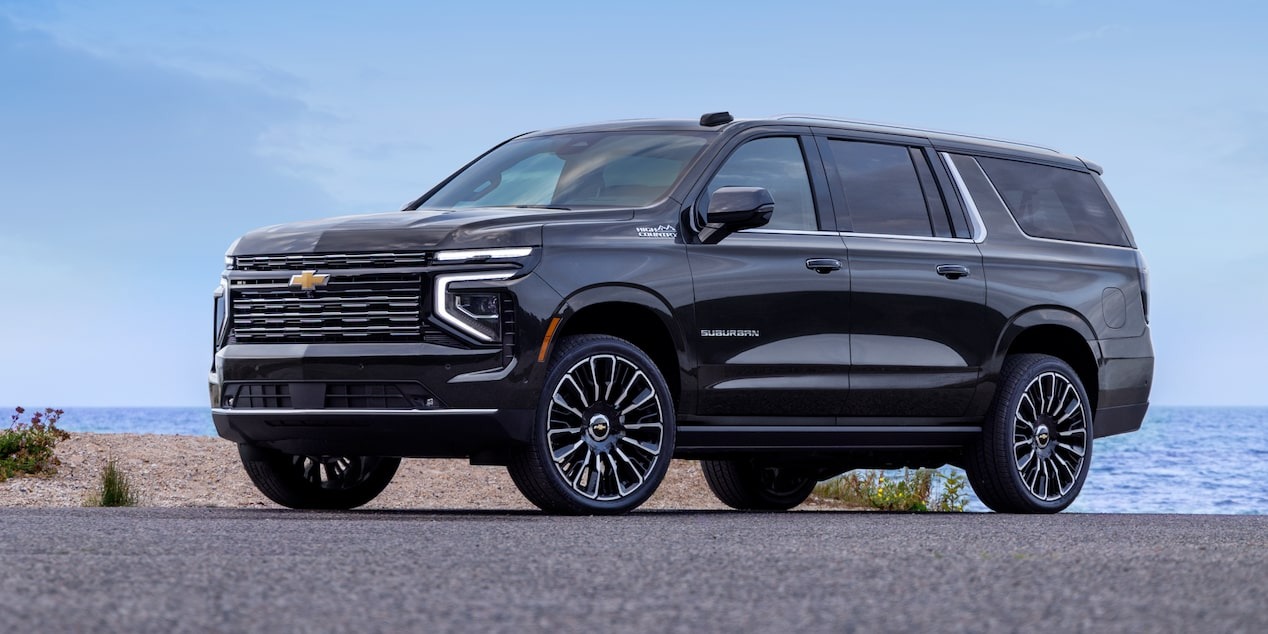
5. Chevrolet Suburban
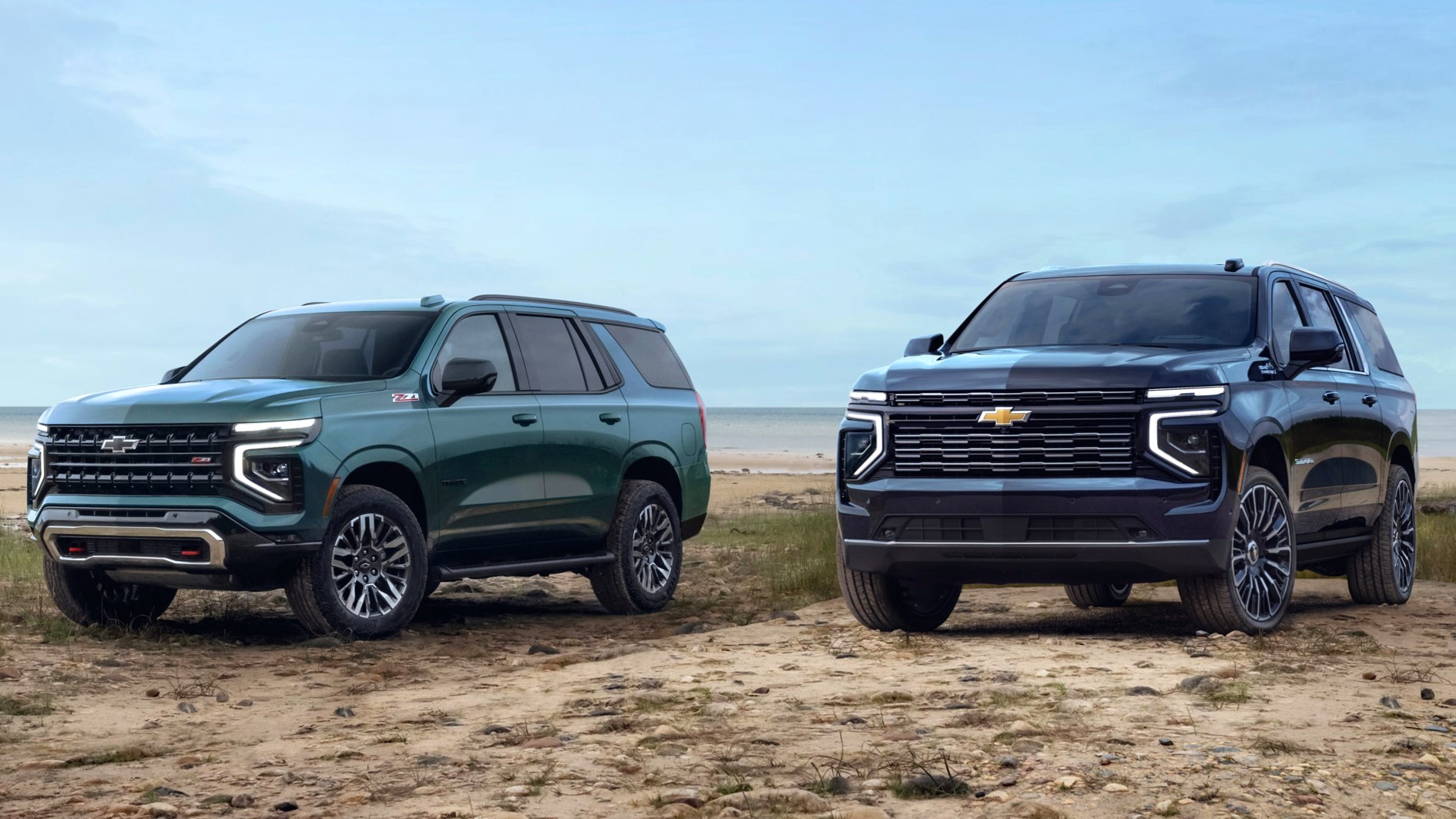
The Chevrolet Suburban is often described as a rolling living room, and that’s not far from the truth. It’s massive, roomy, and designed for people who spend long hours in the vehicle. When it comes to seating, the Suburban excels by offering wide, generously padded seats that don’t lose support over time. The vehicle is especially strong in road trip comfort thanks to its soft ride and spacious interior, but the seats are what truly seal the deal.
Drivers and front passengers get multi-way adjustable seats that allow for a precise fit, especially in higher trims. The cushioning is thick but not overly squishy, maintaining posture even after many hours of sitting. Lumbar support is well-positioned and can be adjusted to match the curvature of your back, which becomes critical on those long interstate stretches where micro-adjustments are the key to avoiding stiffness.
The second and third rows in the Suburban benefit from the vehicle’s sheer size, which gives everyone more breathing room. Unlike many three-row SUVs, where the third row feels like an afterthought, the Suburban’s third-row seats are high enough off the floor to support adult legs properly, helping to avoid that uncomfortable knees-up position that often causes hip and lower back pain on longer drives.
Passengers in all rows get wide seat bases and tall seatbacks, contributing to better posture. In higher trims, these seats are also equipped with heating, which not only adds luxury but can also help ease muscle tension during cold-weather drives. The Suburban is designed for people who need to move lots of people over long distances, and General Motors seems to understand that comfort isn’t just a bonus in this scenario; it’s the expectation.
Another aspect is the Suburban’s suspension tuning. It uses independent rear suspension and can be upgraded with Magnetic Ride Control or adaptive air suspension, depending on the trim. This setup absorbs bumps and uneven road surfaces with minimal disruption inside the cabin.
5 SUVs That Cause Back Pain on Long Drives

1. Jeep Wrangler
The Jeep Wrangler is an off-road icon, but long-distance comfort has never been its strong point. While it’s packed with character and designed to conquer trails, the same rugged design that gives it credibility in the wild makes it a tough companion on the open road.
The front seats in the Wrangler are upright, flat, and lack substantial lumbar support. They’re made for durability and hose-down practicality more than long-haul ergonomics. After a few hours of highway driving, the stiffness in the cushioning starts to set in, and drivers may find themselves constantly adjusting their posture to stay comfortable.
One of the main problems with the Wrangler’s seats is that they are designed more for aesthetics and simplicity than for spinal health. There’s minimal bolstering, limited adjustability, and not much attention given to how the human body reacts to extended periods of sitting.
The backrest feels rigid, and the seat pan doesn’t offer enough contour to keep your lower body supported. For drivers who are particularly sensitive to seating comfort, this leads to increased pressure on the lower spine and hips. Add in the fact that the suspension is tuned for off-road use, meaning it’s bouncy and less refined on pavement, and the vehicle becomes a recipe for discomfort on long trips.
Wind and road noise also contribute to fatigue in the Wrangler. When you’re in a loud cabin for several hours, your body naturally tenses up, especially around the neck and shoulders. This, combined with firm seats that lack support, can lead to muscle tightness and soreness after long drives.
Even the newer four-door models, like the Wrangler Unlimited, which are more refined than older two-door versions, haven’t significantly improved in this area. The Wrangler is best used for short adventures, trail runs, and camping weekends, not cross-country road trips. While it excels in rugged terrain, comfort on the highway remains one of its biggest weaknesses.
Rear passengers don’t have it much better. The upright seatbacks and short seat bases in the second row don’t support longer legs well, and taller passengers may find the posture particularly cramped.
This makes the Wrangler a tough sell for families or anyone needing a comfortable vehicle for hours of continuous driving. It’s not that it’s unusable, but it puts function before comfort, and that can be felt in your back before the trip is even halfway over.
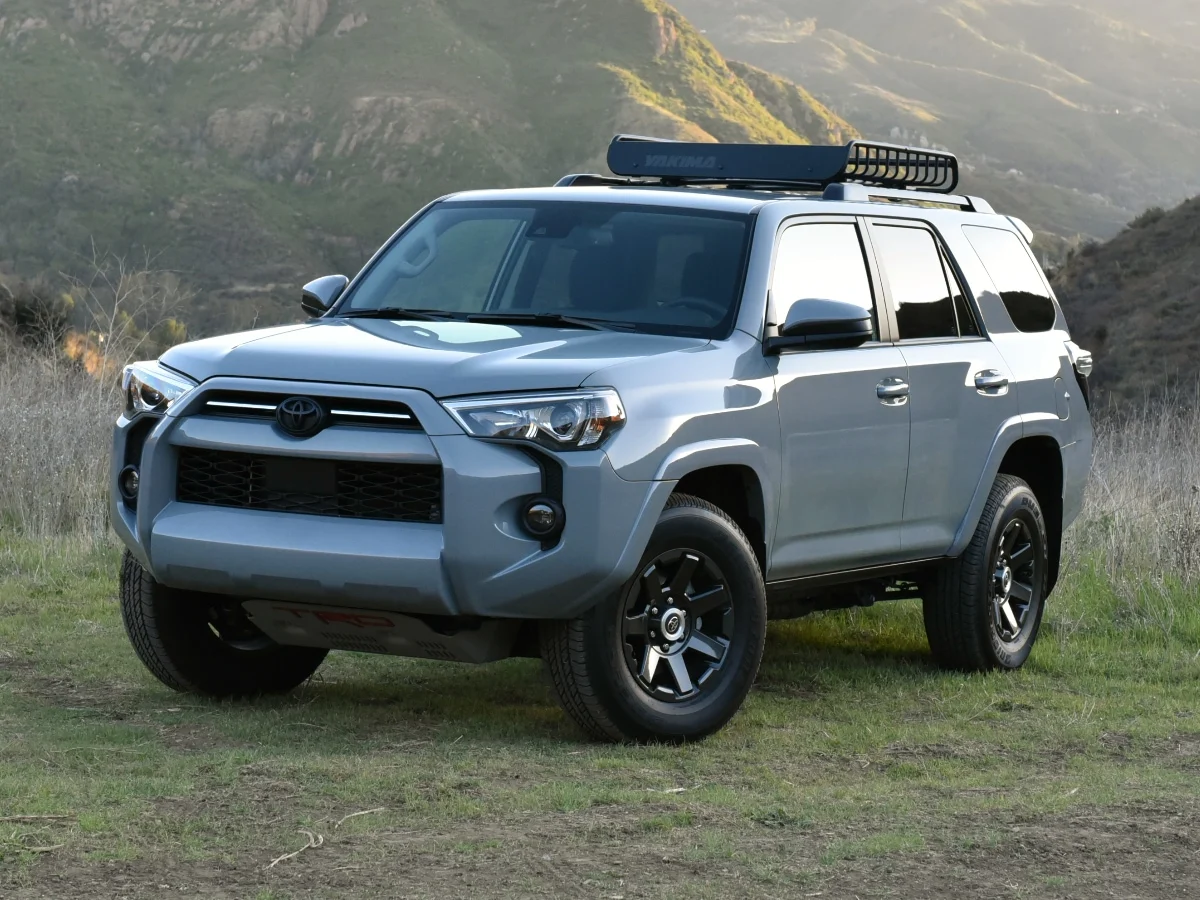
2. Toyota 4Runner
The Toyota 4Runner is known for its reliability and off-road ability, but seat comfort isn’t one of its strong points, especially during longer trips. Like the Wrangler, the 4Runner is built for utility and toughness rather than refined daily comfort.
Its seats are serviceable for short drives, but they lack the ergonomic design necessary to keep you supported for eight hours on the highway. The front seats are fairly flat, and although Toyota offers power adjustments and some lumbar control in higher trims, the seating surfaces simply don’t offer enough contouring to match the shape of the human body.
The firmness of the cushions is another concern. They may initially feel solid and stable, but as the hours go on, pressure points develop around the lower back and thighs. This is especially noticeable for drivers who lack natural lumbar curvature or who suffer from mild scoliosis or sciatica.
The lumbar support in the 4Runner is also manually controlled in many models and doesn’t provide the level of customization that longer trips often require. Combine this with a ride that’s on the firmer side due to the truck-based platform, and it becomes clear that the 4Runner is not optimized for comfort during extended highway use.
Suspension tuning is also a factor. The 4Runner has a body-on-frame construction similar to that of pickup trucks. While this is great for durability and off-road performance, it tends to transmit more road imperfections into the cabin.
Bumps and rough pavement aren’t as well-damped as in unibody SUVs, and this puts more stress on your spine and hips over time. For passengers, especially those in the second row, the bounce and vibration can lead to general fatigue and even mild back pain, particularly for those with previous injuries or sensitive joints.
While the 4Runner continues to be a favorite for outdoor enthusiasts and off-road lovers, it’s not a wise choice for anyone who regularly embarks on long-distance road trips.
For daily commuting or multi-hour journeys, there are better options available that focus more on seat design, ride comfort, and long-term ergonomics. The 4Runner remains a specialized tool, and unfortunately, that means it doesn’t cater to those seeking refined seating comfort.
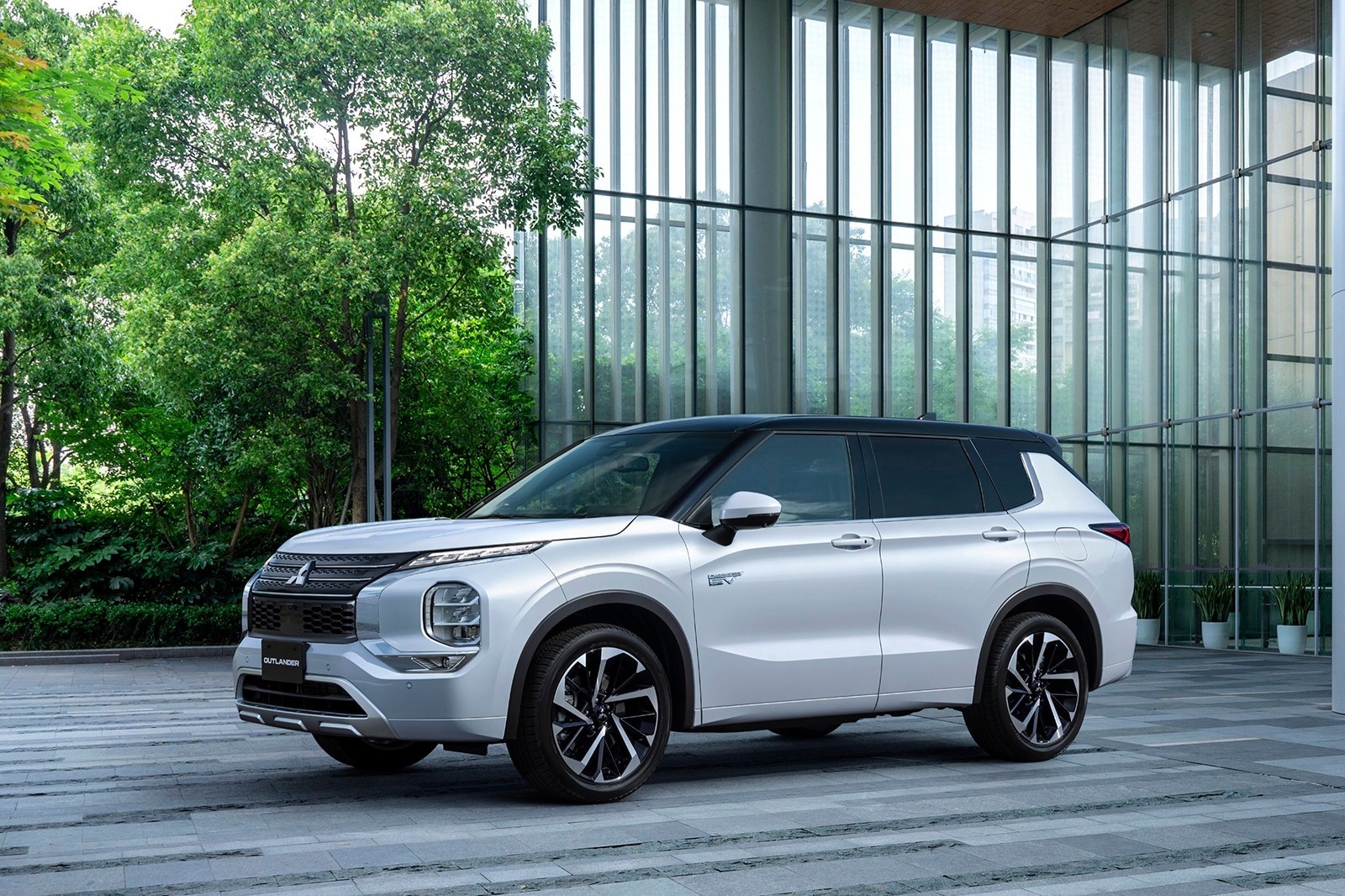
3. Mitsubishi Outlander
The Mitsubishi Outlander may attract buyers with its price point and generous warranty, but when it comes to long-term seating comfort, it falls short. The seats in the Outlander look modern, but they don’t offer enough real support, especially for extended driving sessions.
The cushioning feels overly firm in some trims and too soft in others, creating a mismatch that can quickly wear on your back. Drivers who spend more than two hours behind the wheel often report discomfort in the lumbar and upper back regions due to the flat design and limited adjustability.
Even though Mitsubishi offers power-adjustable seats in higher trims, the actual support they provide doesn’t improve much. The lumbar area lacks real definition, which causes slouching over time. This in turn leads to tension in the neck, shoulders, and lower back.
The seat bottom also doesn’t tilt upward enough to properly support the thighs, which can lead to circulation issues or numbness during long stretches. The material quality doesn’t help either. While it looks fine on the surface, the foam padding tends to compress too quickly and doesn’t rebound well, which means comfort degrades significantly throughout a long trip.
The rear seats are similarly affected. While legroom may be acceptable, the upright backrest and limited recline function make it hard to find a relaxed position. The third-row seats, while available, are mostly for children and offer almost no support for adults. Road noise and vibration are also noticeable, further contributing to fatigue. It’s not uncommon for drivers and passengers to feel stiff after even a medium-length journey, particularly if they’re coming from vehicles with more refined seat construction.
Mitsubishi has made strides in improving technology and design language in recent years, but seat comfort is still a weak spot. For drivers who prioritize affordability and only need a vehicle for short commutes, the Outlander might still be a viable option. However, if you plan on spending several hours at a time in the driver’s seat, you’ll likely be reaching for the ibuprofen before reaching your destination. Long-distance comfort simply isn’t a strength for this SUV.
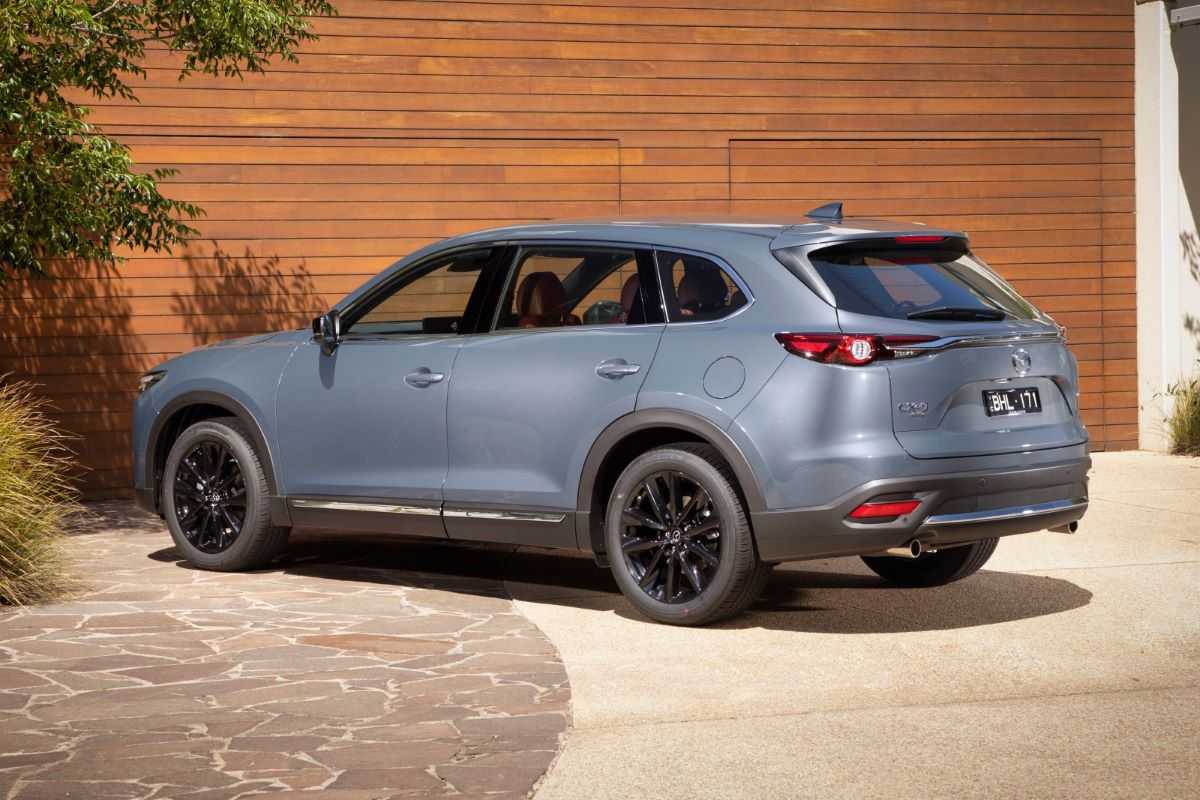
4. Mazda CX-9
Mazda has carved out a strong reputation for sporty driving and upscale interiors, but when it comes to seat comfort in the CX-9, especially over long periods, there’s room for improvement. The seats are stylish and look supportive, but they’re shaped more for short-term driving dynamics than long-term comfort.
While they might hold you in place during spirited cornering, the firmness of the seat base and backrest becomes more noticeable after several hours. This is especially problematic for people with back sensitivity or those who expect more adjustability in their driving position.
The CX-9’s seats are narrow and somewhat aggressively bolstered, which may make larger drivers feel constricted. This lack of room creates pressure points, particularly around the hips and thighs. The lumbar support is there, but it’s not especially pronounced, and it may not be enough for those who need more pronounced spinal support.
As your posture begins to shift due to fatigue, tension builds in the lower back, shoulders, and neck. The seat bottom, while decent in short bursts, doesn’t provide enough thigh support for taller drivers either, which causes leg fatigue and discomfort on longer drives. This issue becomes more noticeable during trips that involve few stops, where the lack of circulation and proper weight distribution over time can lead to numbness and muscle soreness.
Rear seating in the CX-9 also follows the same philosophy. While Mazda focused on premium materials and upscale presentation, the actual seat design sacrifices comfort for style. The second-row captain’s chairs (available in higher trims) are firm and well-built, but once again, not designed for hours of sitting.
The third row is especially tight, with low seat bases and limited back support, suitable only for kids on short drives. Adults sitting back there during an extended road trip will quickly feel cramped and unsupported. Combined with a high beltline and small windows, rear passengers may also feel confined, which only adds to the discomfort over time.
Mazda’s suspension setup in the CX-9 further compounds the problem. Designed for sporty handling, the firmer suspension transmits more road texture and vibration into the cabin than more softly sprung rivals. Over eight hours, this creates a constant low-level discomfort that can wear on the spine and lead to fatigue.
Even though the CX-9 rides more smoothly than a true sport SUV, it lacks the plushness and isolation that long-distance comfort demands. The sharper handling and responsive steering, while enjoyable on shorter drives, feel like unnecessary trade-offs when comfort is the priority.
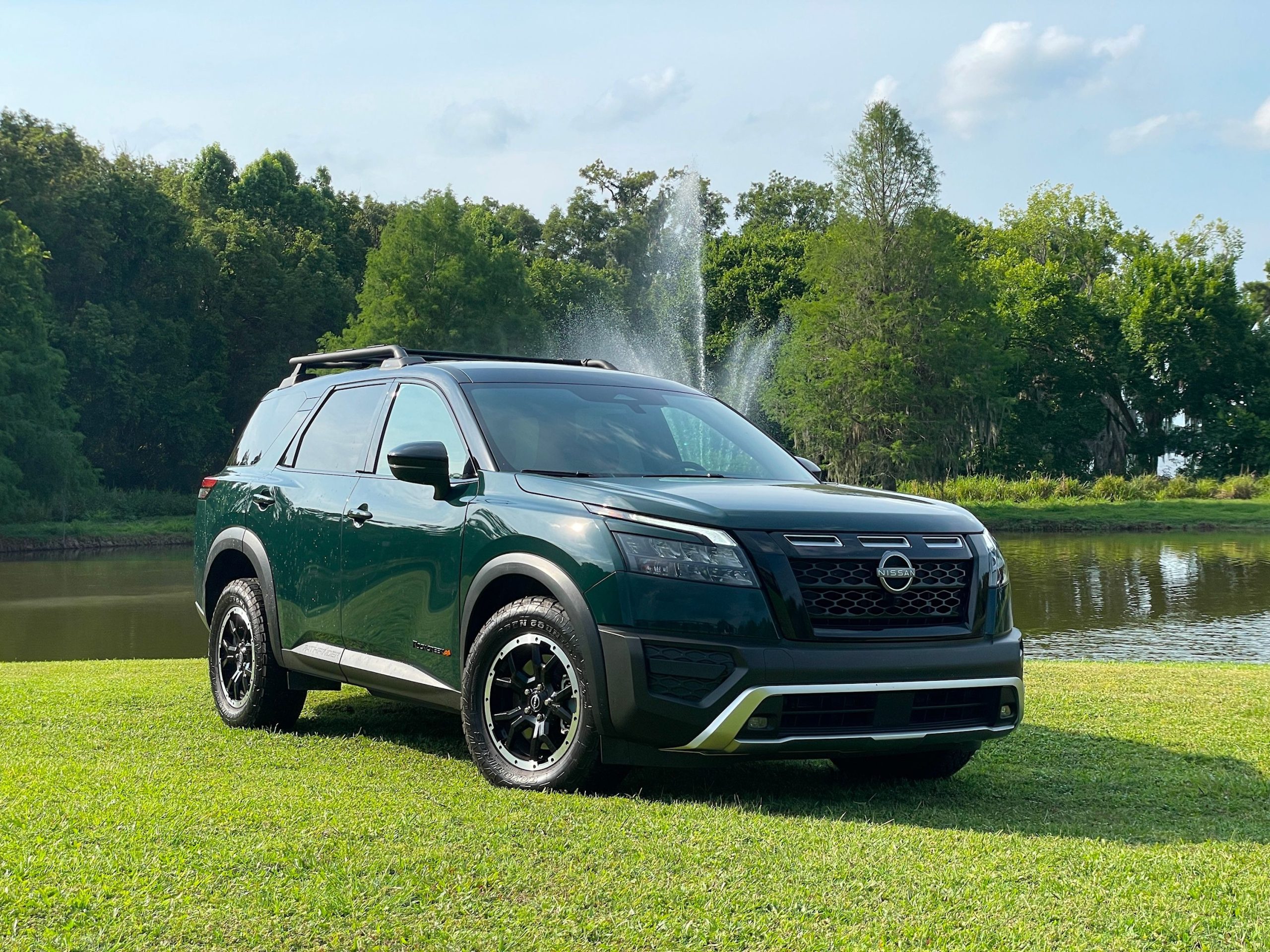
5. Nissan Pathfinder (Previous Generation)
Before its 2022 redesign, the Nissan Pathfinder had a long-standing issue with seat comfort, particularly when it came to long-distance driving. The previous generation, produced between 2013 and 2020, featured front seats that were overly flat and poorly bolstered.
While Nissan attempted to market them as “zero gravity” inspired, the result was a seat that lacked real-world support where it mattered most. After just a couple of hours, lower back discomfort was a common complaint among owners. The seats didn’t adequately promote natural posture, and the lumbar support was either ineffective or completely absent in lower trims.
Cushion density in this generation of Pathfinder was also inconsistent. Some trims featured softer padding that quickly compressed, leading to pressure points under the thighs and in the lower back region. Others were too firm, forcing drivers and passengers into rigid, upright positions that became increasingly uncomfortable over time.
The seating angle often failed to support the pelvis and spine in a neutral alignment, causing your muscles to overcompensate. Add to that limited seat adjustability and a high floor, and you had a vehicle where comfort degraded rapidly the longer you sat in it.
The second and third rows didn’t fare much better. The second row was acceptable for short drives, but on long hauls, the shallow seat bases became problematic for adults. Without proper thigh support and with limited recline angles, passengers would often shift around or prop their legs awkwardly, leading to stiffness and soreness.
The third-row seats were among the worst in the segment at the time, flat, low, and extremely tight on legroom. They were barely usable for children on longer trips, and virtually unusable for adults unless necessary.
Ride quality also didn’t help the seating situation. While the Pathfinder tried to position itself as a crossover SUV with smoother on-road manners than its rugged past suggested, its suspension tuning remained jittery over uneven surfaces. This translated road imperfections into noticeable vibrations through the seat base, which contributed to muscular fatigue over time.
Combined with the lack of bolstering and a generally unrefined seating structure, the old Pathfinder became a recipe for discomfort on any drive lasting more than a few hours. Thankfully, the newer models have addressed many of these issues, but used models from this generation still exist in large numbers, and for anyone considering one for road trips, seat comfort should be a key consideration.
