

The Toyota Camry has a longstanding reputation for dependability. It’s a vehicle known not just for its comfort and performance but also for its potential to run well past the 300,000-mile mark. For many owners, the Camry isn’t just a car, it’s a long-term investment.
But reaching those high mileage numbers doesn’t happen by accident. It’s not just about having a good model year or being lucky with the engine. Consistent attention to the car’s needs, proper driving habits, and a few specific maintenance routines make all the difference between a Camry that starts showing signs of fatigue at 150,000 miles and one that feels solid and reliable well into its fourth decade on the road.
Achieving long life from a Camry requires a mindset of prevention rather than reaction. Many drivers wait for warning lights or strange noises before acting, but those who understand vehicle longevity know that waiting for problems to show themselves is already too late.
Instead, longevity comes from treating the car’s systems with care long before any signs of trouble arise. This includes following maintenance schedules closely, using quality parts, and knowing which aspects of the vehicle need extra attention over time.
What makes this topic important isn’t just about saving money on a new vehicle, though that’s certainly part of it. There’s also a satisfaction in maintaining something well. It reflects patience, attention, and an understanding of how machines work.
Cars are not disposable objects, and the Toyota Camry, in particular, rewards those who take the time to treat it well. That extra care can translate into decades of driving without the headaches of frequent repairs or costly replacements.
In this article, we’ll look at ten practical habits that Camry owners can adopt to ensure their vehicle keeps running smoothly well beyond the 300,000-mile point.
These aren’t abstract suggestions; they’re simple, actionable steps that make a big difference over time. Whether you’re already deep into your Camry’s mileage or just starting with a newer model, these moves will help you extend its life significantly.
Also Read: 5 Automatics Known For Lasting Decades Vs. 5 That Need Rebuild Fast
1. Stick to Oil Changes Like Clockwork
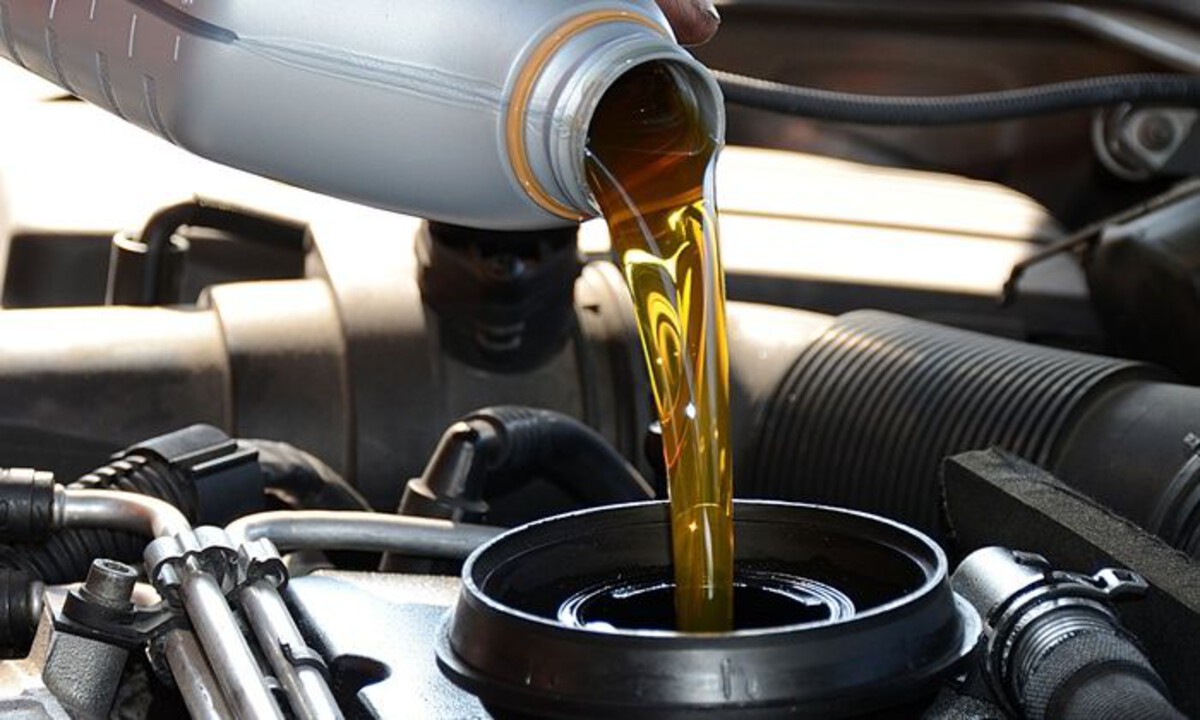
Oil is the lifeblood of any engine, and for the Camry, regular oil changes are arguably the most important step in ensuring long-term reliability. The engine’s internal components rely on clean oil to stay lubricated and cool under pressure. Letting the oil run too long without changing it increases the risk of buildup, sludge, and wear that can shorten engine life.
Many drivers ignore the recommended intervals or push them back, but consistent oil changes every 5,000 to 7,500 miles, depending on driving conditions and oil type, are key to keeping the engine running smoothly.
Synthetic oil is often worth the extra cost for Camry owners planning to keep their vehicle past 300,000 miles. It handles high temperatures better, resists breakdown, and provides superior protection. It also tends to last longer, which helps if you find yourself close to the upper end of a service interval.
But regardless of oil type, what’s critical is not skipping services or assuming the engine can “make it a little longer.” Over time, small lapses in maintenance add up, and oil neglect is one of the fastest ways to reduce an engine’s lifespan.
Beyond the oil itself, don’t forget about the oil filter. Changing the oil without swapping the filter is like cleaning your floors but leaving the vacuum bag full. The filter traps contaminants that could otherwise circulate through the engine.
Using a cheap filter or forgetting to replace it means your fresh oil won’t stay clean for long. Quality filters from reputable brands are inexpensive and provide the kind of filtration a high-mileage Camry engine needs.
The bottom line is simple: if you want your Camry’s engine to last, treat oil changes as non-negotiable. Mark the mileage or date on a small sticker in your windshield, keep track with a notebook or app, and stay consistent. It’s one of the easiest ways to ensure that the engine stays healthy for hundreds of thousands of miles without major issues.
2. Replace Transmission Fluid Before It Becomes a Problem
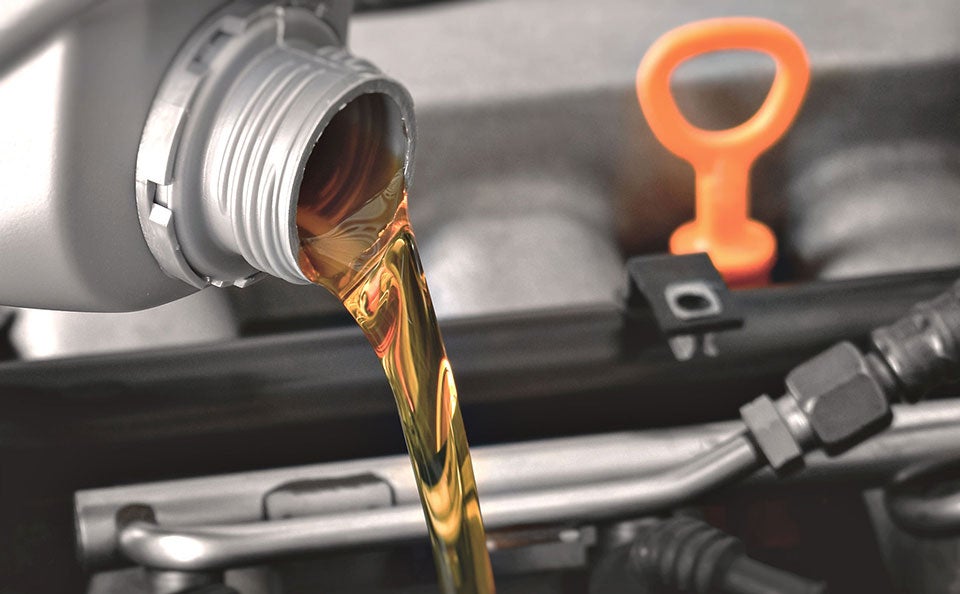
The transmission is one of the most expensive components in a Camry, and once it starts to slip or shift erratically, the repairs can easily run into thousands of dollars. Many people wrongly assume that transmission fluid is “lifetime” or only needs to be checked when problems arise. This belief is dangerous, especially for anyone planning to hit 300,000 miles.
Toyota may not always list frequent transmission service in the manual, but experienced mechanics know better. Clean transmission fluid is essential for smooth shifting and for preventing wear on internal gears and seals.
Fresh transmission fluid keeps things cool inside the transmission, reducing friction and heat buildup that can cause long-term damage. Over time, the fluid breaks down and becomes contaminated with particles from normal gear wear.
This process is slow but relentless, and if ignored, can lead to premature transmission failure. By replacing the fluid every 50,000 to 60,000 miles, owners can prevent problems that might otherwise emerge at 120,000 miles or beyond. It’s a small price to pay compared to the cost of a new transmission.
If your Camry is equipped with a transmission filter, don’t skip that either. A clogged or dirty filter can cause fluid starvation, leading to overheating and internal wear. Some models don’t have a user-serviceable filter, but if yours does, be sure to replace it along with the fluid. Use the correct type of fluid, too. Using the wrong fluid, even if it’s high quality, can lead to poor performance and early wear.
Ignoring the transmission is a common mistake because it’s not as visible or noisy as engine problems. But long-term Camry owners who have reached impressive mileage figures all share one thing in common: they don’t ignore their transmission. Preventive service is the only way to make sure this vital system continues working well past the usual range, helping the Camry retain its smooth drive and dependable feel.
3. Keep the Cooling System Healthy
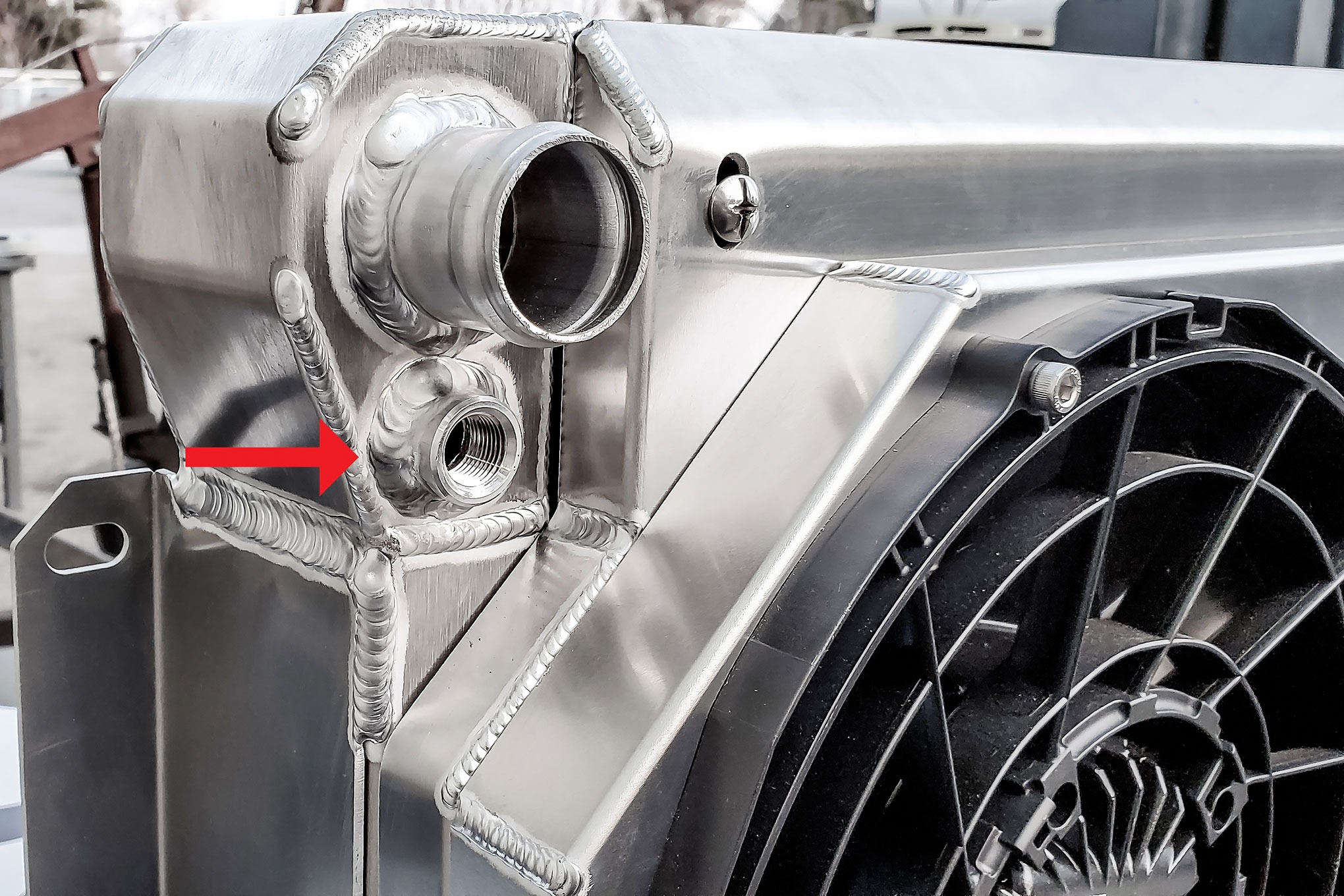
Your Camry’s engine creates a lot of heat. The cooling system’s job is to manage that heat so the engine can operate at the right temperature. When the cooling system starts to fail, even a little, the engine is forced to run hotter than it should.
That excess heat shortens the life of internal components and can eventually lead to complete engine failure. For any Camry hoping to reach 300,000 miles, keeping the cooling system in perfect working order is a must.
The cooling system includes the radiator, thermostat, water pump, coolant, and hoses. Every part of that system needs to work in harmony. Coolant itself breaks down over time and loses its ability to protect the engine from corrosion and freezing.
Flushing and replacing the coolant every 50,000 to 100,000 miles, depending on your model and coolant type, is an effective way to keep the system in top shape. Skipping coolant changes or topping off with the wrong type of antifreeze can introduce chemical reactions that damage the internal cooling passages.
Hoses are another point of failure, especially on older Camrys. They can become brittle, cracked, or swollen as they age. If a hose bursts while you’re driving, it can drain the system within seconds, causing the engine to overheat rapidly.
Periodically inspecting the hoses for softness, bulges, or leaks is simple and can save you from a major problem. Replacing aging hoses and clamps before they fail is a small job that can prevent catastrophic overheating.
The radiator and water pump also need attention. A leaking radiator or a weak water pump can result in underperformance and gradual overheating. A water pump typically lasts around 100,000 to 150,000 miles, so if you’re nearing that range and already replacing the timing belt, it’s smart to change the water pump too.
By treating the cooling system as a high-priority area of maintenance, you reduce your risk of temperature-related engine wear and significantly increase the odds of hitting that 300,000-mile milestone.
4. Don’t Skip Timing Belt or Timing Chain Service
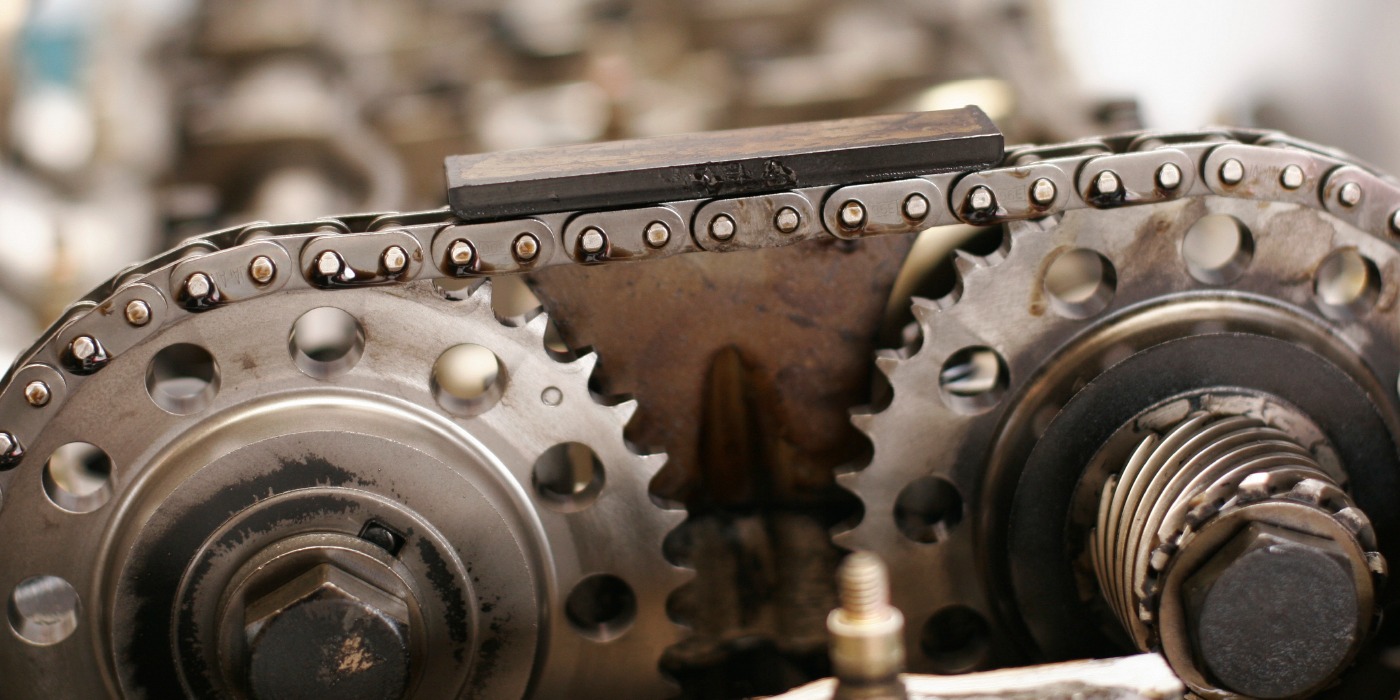
Whether your Camry has a timing belt or a timing chain depends on the year and engine model, but both play a crucial role in engine performance. The timing system controls when the valves open and close, ensuring that everything in the engine runs in sync.
If the timing is off, the engine can suffer severe damage. A broken belt on an interference engine can lead to bent valves, destroyed pistons, and costly repairs. Even a chain that stretches too far can cause timing issues and long-term engine damage.
For Camrys equipped with a timing belt, replacement is usually recommended around every 90,000 to 100,000 miles. It’s not something you want to ignore or delay. If the belt snaps while the engine is running, the damage is immediate and severe.
It’s also worth noting that if you’re changing the belt, it’s a perfect time to replace the water pump, tensioners, and other related components. These parts wear together, and doing everything at once saves labor costs and prevents issues down the road.
If your Camry has a timing chain, you may think you’re in the clear, but chains require care, too. They don’t typically need regular replacement, but they rely on proper oil pressure and clean oil to stay in good shape.
Skipping oil changes or using poor-quality oil increases the chances of chain wear or tensioner failure. Over time, a loose chain can rattle, stretch, or even skip teeth, which will affect performance and risk engine damage.
Keeping track of your timing system and following the recommended intervals for service may not be glamorous, but it plays a massive role in engine longevity. A Camry that’s had its timing system properly maintained will feel smoother, run more efficiently, and avoid some of the most catastrophic engine failures possible. It’s one of those jobs that, if handled on time, makes the 300,000-mile goal not just possible, but realistic.
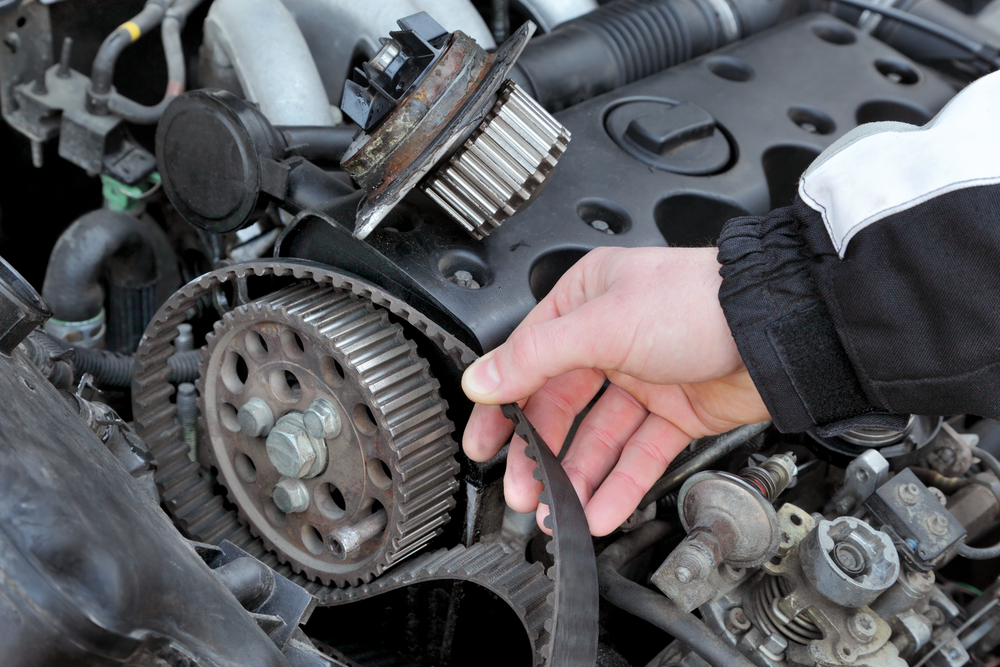
5. Use Quality Replacement Parts
One of the most overlooked yet crucial factors in maintaining a Toyota Camry beyond 300,000 miles is the quality of replacement parts used during repairs and maintenance.
While it might be tempting to save money by opting for cheaper aftermarket parts or generic components, this approach often leads to problems that cost more time and money in the long run.
Genuine Toyota parts or those from highly reputable manufacturers are designed specifically for your Camry’s systems. This precise engineering ensures compatibility, durability, and performance that generic alternatives cannot always guarantee.
When components such as brake pads, alternators, spark plugs, or sensors are replaced with lower-quality parts, the likelihood of early failure rises sharply. For example, cheaper spark plugs may not ignite fuel as efficiently, leading to rougher idling, increased fuel consumption, and potentially damaging the catalytic converter over time.
Brake components that wear out prematurely or generate excessive dust can cause uneven wear on tires and rotors, creating a domino effect of mechanical issues. Investing in better parts pays off in smoother operation and fewer visits to the mechanic.
Another advantage of choosing quality parts is the peace of mind they provide. Knowing that a crucial component like the fuel pump or ignition coil meets or exceeds OEM standards allows you to focus on routine maintenance rather than worrying about unexpected breakdowns.
It’s an approach that fits perfectly with the long-term mindset needed to reach those high mileage goals. The extra cost upfront can be seen as insurance against frustration, time wasted in repairs, and added expenses later on.
Finally, many high-quality replacement parts come with warranties that cover defects or premature failure. This warranty coverage is rarely available with the cheapest options. It’s a way to protect your investment, especially when parts are critical to your vehicle’s operation.
Whether it’s a timing belt kit, suspension components, or sensors, opting for parts designed for longevity supports your Camry’s durability and helps ensure it remains reliable for the long haul.
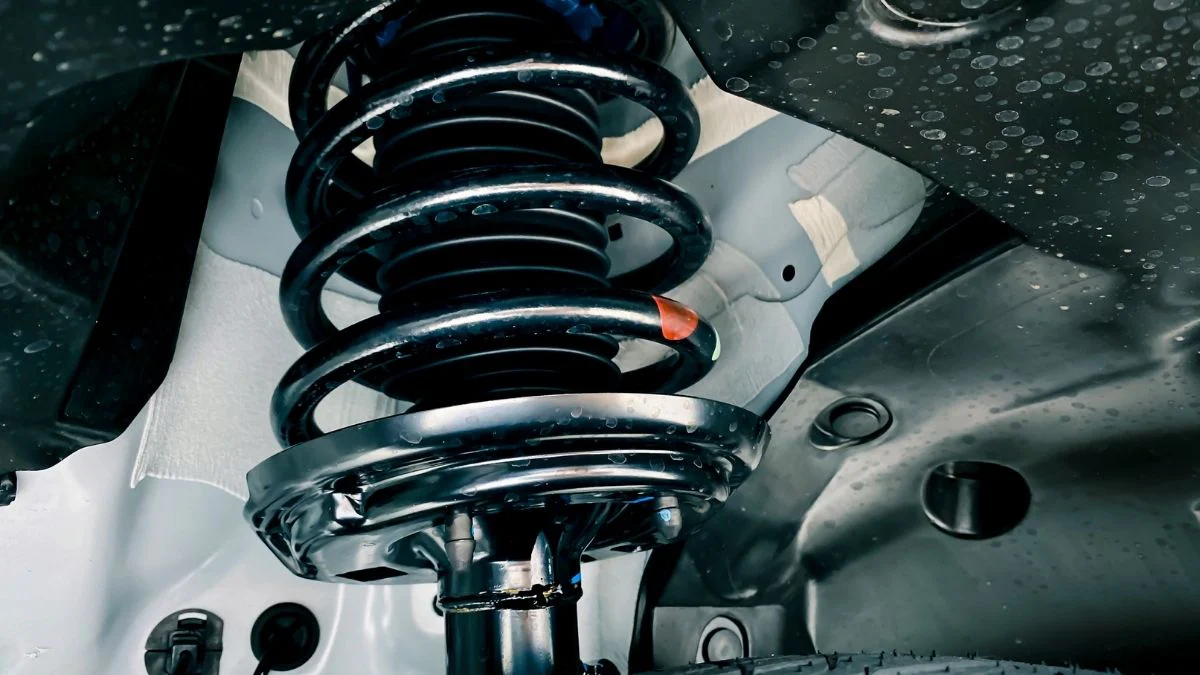
6. Maintain the Suspension and Steering Systems
Driving comfort and vehicle stability depend largely on the suspension and steering systems. For a Camry aiming to reach 300,000 miles and beyond, these systems need careful attention.
Over time, components such as shocks, struts, ball joints, tie rods, and bushings wear out, which affects not only ride quality but also the safety and handling of the vehicle. Worn suspension parts can lead to uneven tire wear, decreased braking performance, and increased driver fatigue.
Ignoring suspension maintenance often results in a less predictable driving experience. For example, worn shocks or struts cause excessive bouncing, making it harder to maintain control on uneven roads.
Loose or damaged steering components can introduce play into the steering wheel, reducing precision and increasing the risk of accidents. Regular inspections, at least once a year or every 15,000 to 30,000 miles, allow owners to identify issues before they escalate.
Replacing worn suspension components promptly restores the original handling characteristics of the Camry. It also helps maintain tire alignment, which prolongs tire life and improves fuel efficiency. Often, suspension repairs can be done incrementally, replacing worn parts as symptoms appear rather than waiting for a complete overhaul. This approach helps spread out costs while maintaining vehicle performance.
For long-term Camry owners, suspension maintenance is not just about comfort but about preserving the vehicle’s integrity. The smooth ride and responsive handling that a well-maintained suspension provides reduce driver stress and help keep the car safer on the road.
This contributes to the longevity of the vehicle by preventing additional wear on tires, brakes, and chassis components that can result from poor suspension health.
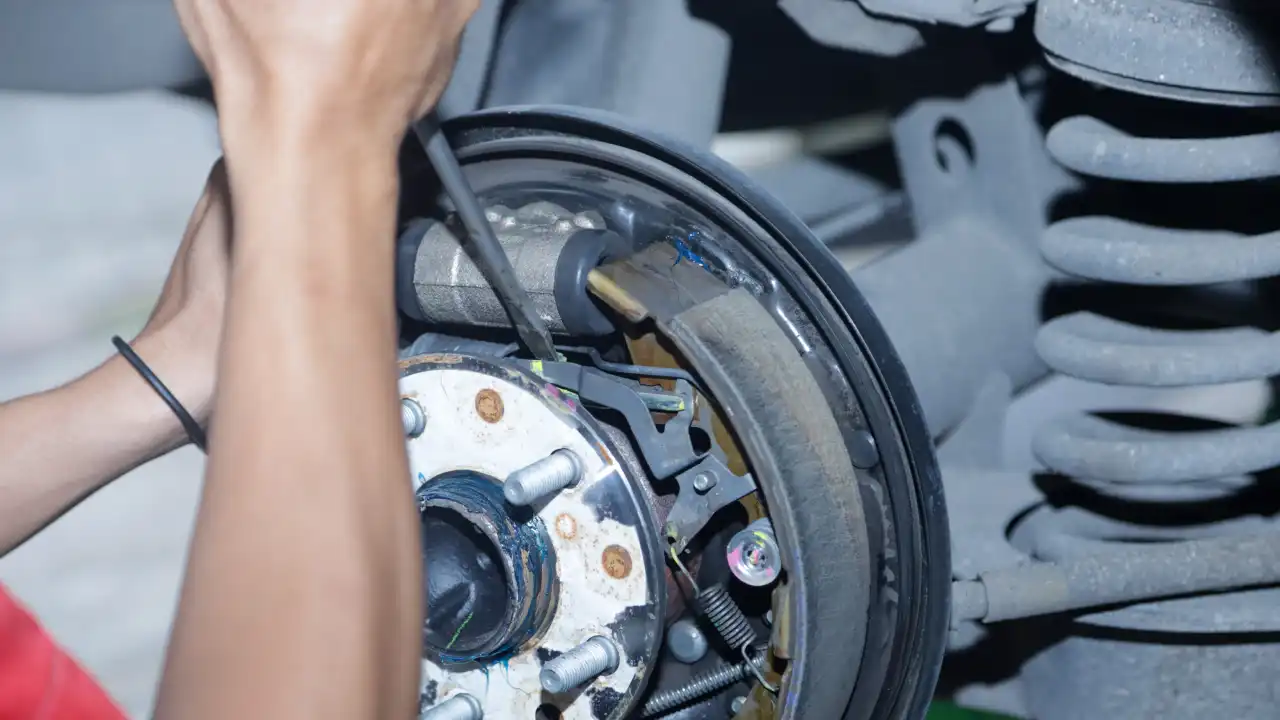
7. Monitor and Maintain the Brake System
The brake system is critical for safety and vehicle control. For a Toyota Camry destined to surpass 300,000 miles, the brakes must be inspected and maintained meticulously. Brake pads, rotors, calipers, brake fluid, and lines all need to be in good condition. Neglecting any part of this system can lead to reduced stopping power, increased stopping distances, and dangerous driving conditions.
Brake pads wear down with use, and ignoring their replacement risks damage to the rotors, which are more expensive to replace. Rotors themselves can warp or develop grooves if the pads aren’t changed promptly.
Checking the brake pads visually every 10,000 to 15,000 miles and listening for squealing or grinding sounds can help catch wear early. Rotors may need resurfacing or replacement depending on thickness and condition, and it’s important to avoid waiting until braking performance noticeably suffers.
Brake fluid is often forgotten, but it plays a vital role in the hydraulic system that activates the brakes. Over time, brake fluid absorbs moisture, which lowers its boiling point and increases the risk of vapor lock under heavy braking. This can cause the brakes to feel spongy or even fail temporarily. Flushing and replacing brake fluid every two to three years helps maintain a consistent pedal feel and reliable stopping power.
Regular brake system maintenance also includes checking brake lines for leaks or corrosion and inspecting calipers for smooth operation. Calipers that stick or leak can cause uneven braking, pulling to one side, and excessive pad wear. In high-mileage Camrys, paying close attention to these details ensures braking remains dependable and contributes significantly to the vehicle’s reliability.
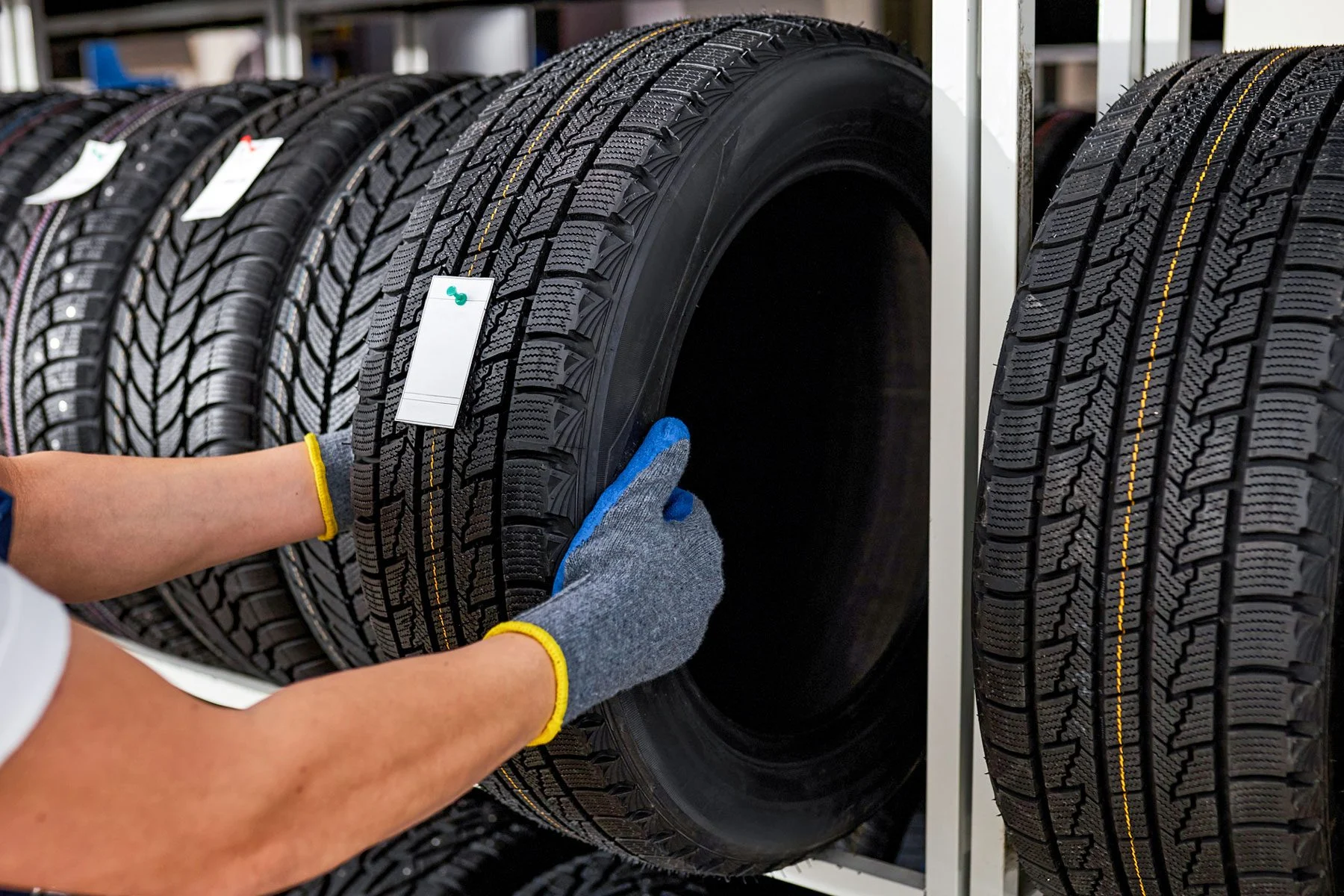
8. Keep Tires Properly Inflated and Aligned
Tires are the only point of contact between your Camry and the road, making their care essential for safety, fuel economy, and vehicle health. Driving on underinflated or misaligned tires not only accelerates tire wear but also impacts suspension components, fuel efficiency, and handling. For Camry owners who want to reach 300,000 miles, keeping tires in good condition is one of the simplest yet most effective smart moves.
Proper tire inflation improves traction and reduces rolling resistance. Underinflated tires create extra friction, which wears tires faster and forces the engine to work harder, lowering fuel efficiency.
Overinflated tires can reduce grip, increase the risk of blowouts, and cause uneven wear, particularly in the center tread area. Regularly checking tire pressure, at least once a month and before long trips, ensures the tires operate within the manufacturer’s recommended range.
Tire alignment is equally important. Misalignment causes uneven tire wear, pulls the car to one side, and can negatively impact steering response. Over time, it also puts stress on suspension parts, which wear prematurely as a result. Having the alignment checked annually or whenever you notice the vehicle drifting or the steering wheel isn’t centered can save a lot of trouble and cost in the future.
Rotating tires every 5,000 to 7,500 miles also promotes even wear and extends tire life. This simple step spreads the wear more evenly across all tires, which is particularly important for front-wheel-drive Camrys, where the front tires tend to wear faster. Good tires, properly maintained, are a foundational part of a vehicle’s safety and durability.

9. Pay Attention to Engine Air and Cabin Air Filters
Filters are small components, but their impact on a Toyota Camry’s longevity and performance is significant. The engine air filter and cabin air filter deserve regular attention as part of a comprehensive maintenance routine. Clean filters ensure the engine breathes properly and that the interior air remains fresh and allergen-free.
The engine air filter prevents dirt, dust, and debris from entering the engine’s combustion chamber. A clogged or dirty air filter restricts airflow, reducing engine efficiency, lowering fuel economy, and increasing emissions.
For long-lasting performance, the air filter should be inspected and replaced as needed, generally every 15,000 to 30,000 miles, depending on driving conditions. Drivers in dusty or polluted environments may need to replace it more frequently.
The cabin air filter cleans the air coming into the vehicle’s interior through the heating and air conditioning system. This filter traps pollen, dust, and other airborne contaminants. A clogged cabin air filter reduces airflow inside the car and may cause unpleasant odors or increased allergen exposure. Regular replacement, usually every 15,000 to 20,000 miles, helps maintain good air quality and ensures the HVAC system works efficiently.
While small and inexpensive, these filters help prevent larger issues. Clean engine air filters help avoid unnecessary strain on engine components, and maintaining cabin air filters supports driver and passenger comfort. Together, they play an essential role in keeping the Camry running smoothly and comfortably for many miles.

10. Adopt Gentle Driving Habits
Driving style has a direct effect on a vehicle’s lifespan. A Toyota Camry can be kept in excellent condition well beyond 300,000 miles by avoiding harsh driving behaviors that put unnecessary stress on the engine, transmission, brakes, and suspension. Gentle driving habits reduce wear and tear, lower maintenance costs, and enhance fuel efficiency.
Avoiding rapid acceleration and hard braking is one of the simplest ways to prolong the life of many components. Sudden acceleration puts extra load on the engine and transmission, while aggressive braking wears down pads and rotors quickly. Smooth, gradual acceleration and deceleration reduce strain on the drivetrain and braking systems, leading to fewer repairs and better performance.
Additionally, reducing the tendency to rev the engine at high RPMs when cold or idling excessively helps protect engine components. Allowing the engine to warm up gently before pushing it hard avoids thermal stress on pistons and cylinders. Driving at moderate speeds instead of constant highway cruising at very high RPMs also reduces engine wear and improves fuel economy.
Finally, being mindful of road conditions and avoiding potholes, curbs, and rough terrain preserves suspension and tires. Parking carefully and steering gently helps maintain alignment and prevents unnecessary damage. Over time, these small changes in how the car is driven accumulate to significantly extend its life, making the goal of 300,000 miles or more realistic and achievable.
Also Read: 5 Paint Finishes That Stay Vibrant For Years Vs 5 Prone To Peeling
Reaching 300,000 miles with a Toyota Camry is no small feat, but it is entirely possible with consistent care and smart maintenance choices. The Camry’s design and engineering provide a strong foundation for durability, yet how the vehicle is treated over time determines whether it will thrive or falter.
The ten smart moves discussed, from regular oil changes and transmission fluid replacement to maintaining suspension, brakes, and driving gently, represent practical, manageable steps any owner can take to significantly extend their car’s life.
What stands out across all these tips is the importance of prevention. Waiting until a problem becomes obvious often means the damage has already been done, requiring costly repairs and long downtime.
Instead, a proactive approach, monitoring the vehicle’s systems, following manufacturer recommendations, and addressing small issues promptly, can keep the Camry running reliably for decades. This approach not only protects your investment but also provides peace of mind and a better driving experience throughout the car’s life.
Another key takeaway is that quality matters. Whether it’s using high-grade oil, choosing genuine or reputable replacement parts, or ensuring filters and fluids are replaced on schedule, investing in the right products pays dividends in performance and longevity. Cheaper shortcuts may save money upfront, but often lead to frustration and higher costs later. With the Camry, careful attention to detail and a commitment to using quality materials reinforce the car’s inherent reliability.
Furthermore, the way you drive your Camry influences its lifespan more than many realize. Gentle acceleration, smooth braking, and mindful navigation of road hazards all reduce stress on mechanical components. This not only saves money on repairs but also helps maintain the car’s original feel and safety over many miles.
In the end, a Toyota Camry that reaches or exceeds 300,000 miles is a testament to the combined effort of solid engineering and thoughtful ownership. It reflects a relationship between driver and machine built on respect, maintenance, and patience. By adopting these ten smart moves, Camry owners can enjoy years of dependable service, avoid unnecessary expenses, and get the most out of one of the most trusted vehicles on the road.
Whether your Camry is new or already well-traveled, applying these principles will put you on the path to longevity. Keeping the car in good condition is not just about hitting a mileage number; it’s about embracing a mindset that values care, consistency, and foresight. With that mindset, your Camry can continue to serve you faithfully for hundreds of thousands of miles to come.
