

The Chevy Silverado has earned a solid reputation as a dependable and hardworking truck. Known for its durability, towing power, and versatility, many Silverado owners buy them with the expectation that they will last well over 200,000 miles. And they often do, if properly maintained.
The problem is, many Silverado owners unknowingly make critical mistakes that shorten the truck’s lifespan dramatically. Some of these mistakes seem minor, even harmless, but over time, they add up to significant wear and tear on the engine, transmission, suspension, and electrical systems.
People often assume that because a truck is “built tough,” it can take a beating. While the Silverado is indeed rugged, it still needs regular care and attention. When that care is neglected, or when incorrect practices are repeated, the damage can be irreversible.
Trucks are machines made up of hundreds of interconnected parts. If one area is suffering, it will eventually cause stress on another. Something as simple as poor tire maintenance can create issues that ripple through the suspension and drivetrain. Small oil leaks, often brushed off as harmless, can lead to catastrophic engine damage.
Another problem is that many Silverado owners rely too heavily on myths, bad advice, or outdated habits. For example, waiting until the oil change reminder light comes on is a recipe for engine stress, especially for trucks that tow or carry heavy loads. There’s also a false sense of security when people believe all modern vehicles can go forever without maintenance just because technology has improved.
That thinking often leads to neglecting the basics. Others make choices based on saving money in the short term, like using cheap fluids or skipping preventive services. That short-term thinking ends up costing thousands in the long run.
The following sections outline ten specific mistakes that can destroy a Chevy Silverado before it even hits 150,000 miles. These are not rare or extreme scenarios; they’re common, everyday oversights. Whether you’re a new Silverado owner or have had yours for years, avoiding these pitfalls can make the difference between a truck that breaks down early and one that serves you faithfully for decades.
Also Read: 5 Mitsubishi Outlander Years Worth Buying vs 5 That Aren’t

1. Ignoring Regular Oil Changes
Oil is the lifeblood of any engine, and the Silverado is no exception. Skipping oil changes, stretching the intervals too far, or using the wrong type of oil can cause long-term damage that won’t always show up immediately. Over time, old or degraded oil thickens, turning into sludge that clogs the engine’s internal components.
This restricts oil flow, leading to increased heat, friction, and premature wear. Many owners assume that going 7,500 to 10,000 miles between oil changes is fine just because synthetic oil is used. That may work under ideal driving conditions, but if the truck is used for towing, idling frequently, or operating in extreme temperatures, shorter intervals are necessary.
Another common mistake is trusting the oil life monitor too blindly. That system doesn’t always account for driving habits or real-world conditions. For example, someone who uses their Silverado for short trips may not burn off moisture in the engine oil properly, which causes contamination.
If oil is not changed regularly, contaminants like dirt, fuel, and metal particles circulate through the engine, leading to wear on internal parts such as camshafts, lifters, and bearings. These are expensive repairs, and they typically don’t show signs until it’s too late.
The quality of oil also matters. Using generic or budget oil that doesn’t meet GM specifications can be as bad as skipping an oil change altogether. Silverado engines are engineered to run on specific viscosity levels and chemical compositions. Using the wrong oil can affect lubrication and create increased friction. Owners who choose convenience over quality, like relying on quick-lube shops without verifying the oil type used, are putting their engine’s health at risk.
Inconsistent oil maintenance not only shortens engine life but also affects performance. Fuel economy drops, acceleration becomes sluggish, and strange noises may start to appear. The Silverado may still run, but it’s doing so under stress. With time, the engine will wear down, potentially needing a full rebuild or replacement long before the 150,000-mile mark.
2. Overlooking Transmission Fluid Maintenance
The transmission in a Silverado handles a tremendous amount of power, especially when towing or hauling. It doesn’t matter if it’s the six-speed, eight-speed, or ten-speed unit, failure to maintain transmission fluid can lead to serious issues. One of the most common mistakes owners make is never changing the transmission fluid, believing it’s a “lifetime fluid.”
While GM might not mandate regular changes for light use, that only applies under ideal conditions, which rarely reflect reality. Trucks used for towing, city driving, or off-roading generate more heat and stress, requiring more frequent fluid changes.
Transmission fluid plays several vital roles: it cools the components, provides lubrication, and allows for smooth gear shifts. As the fluid ages, it becomes contaminated with metal shavings and debris from the clutch packs. This debris not only reduces the fluid’s effectiveness but also causes wear on the transmission’s internal parts. Owners often don’t notice the symptoms early on, but slight hesitation, hard shifting, or slipping gears are usually signs that the fluid is either low or dirty.
Another problem is incorrect fluid changes. Some people use non-GM-approved fluid or mix fluids, which causes chemical incompatibility. Others drain and refill only a portion of the fluid, leaving behind dirty remnants that continue to circulate.
Transmission fluid exchange should be done properly, either through a complete flush using the right equipment or a series of drain-and-fills over a short period. Skipping the transmission filter replacement is another missed step, especially for trucks that have high mileage or have been driven hard.
Transmission repairs are among the most expensive vehicle repairs, often exceeding $3,000. Yet they are preventable with regular fluid maintenance. A Silverado that doesn’t receive proper transmission care may start developing issues as early as 80,000 miles, and by the time it reaches 150,000, failure may be inevitable. Responsible maintenance includes checking the fluid regularly, ensuring it’s clean and at the right level, and following an adjusted service interval based on how the truck is used.
3. Neglecting the Cooling System
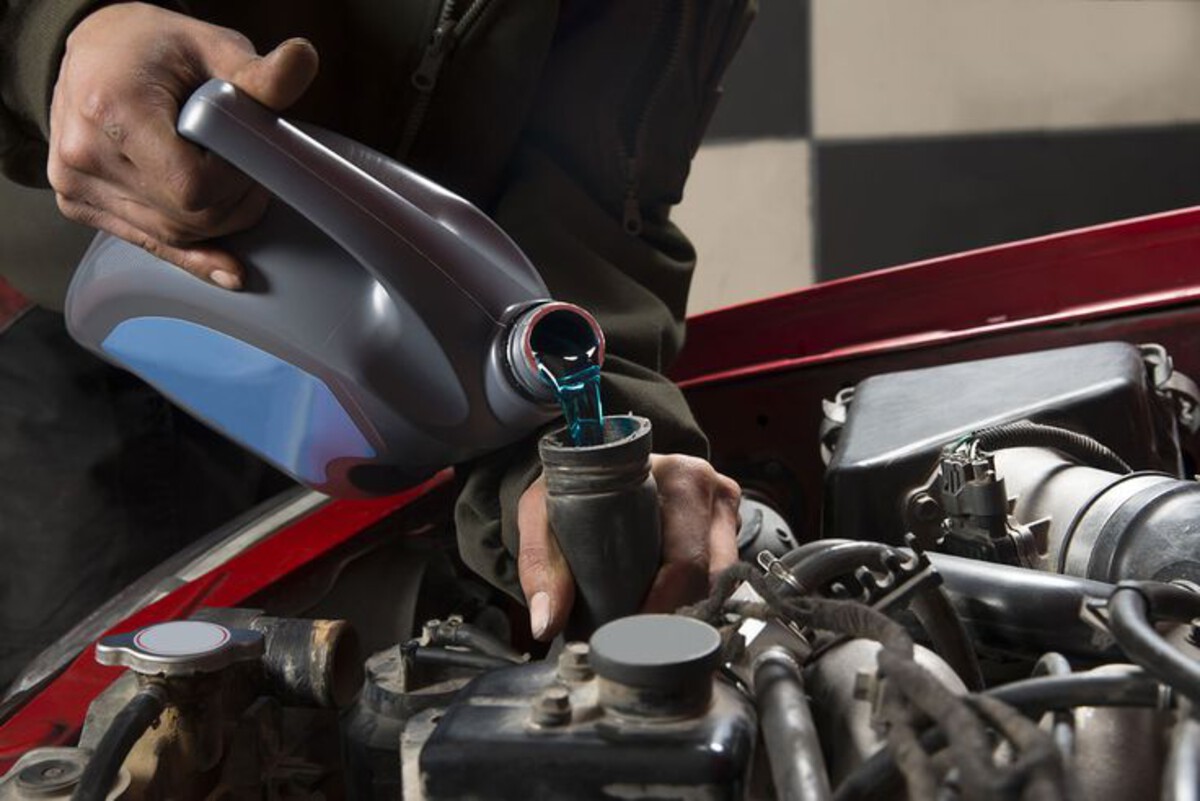
One of the most overlooked systems in the Silverado is the cooling system. This includes the radiator, thermostat, water pump, hoses, and coolant. A mistake here can take out the engine quickly. The Silverado’s engine operates at high temperatures, especially when pulling loads or driving in hot weather. If the cooling system is not working correctly, the engine will overheat, and overheating is one of the fastest ways to destroy an engine.
A major issue is failing to flush and replace the coolant at recommended intervals. Over time, coolant degrades and becomes acidic, which leads to internal corrosion in the radiator and water pump. It can also cause buildup inside the cooling passages of the engine, leading to reduced heat transfer.
When that happens, the engine has to work harder to stay cool, and eventually, the temperature rises to dangerous levels. If the head gasket blows due to overheating, the repair costs can easily exceed several thousand dollars.
Another mistake is ignoring small leaks. A dripping water pump or leaking radiator hose might seem like a minor nuisance, but even a small loss of coolant can lead to overheating if not addressed. Many Silverado owners overlook warning signs like a low coolant light or steam from under the hood, especially if the truck appears to run fine otherwise. Over time, running with insufficient coolant can warp the cylinder heads or damage the pistons, requiring a major engine teardown.
Also, people often top off their coolant with water or the wrong type of antifreeze, thinking it’s harmless. GM uses a specific type of coolant, and mixing types can cause chemical reactions that lead to sludge or deposits in the system.
The hoses and plastic components can also degrade if exposed to the wrong coolant for long periods. Keeping the system healthy requires not only changing the coolant regularly but also using the correct type and inspecting the system at least once a year.
4. Driving With a Dirty Air Filter
Air filters are easy to overlook, but driving with a clogged or dirty air filter affects everything from fuel economy to engine longevity. The engine in a Silverado needs a proper air-to-fuel ratio to run efficiently.
When airflow is restricted due to a clogged filter, the engine compensates by using more fuel. This not only reduces mileage but also leads to carbon buildup inside the engine. That buildup affects the valves, pistons, and combustion chambers, eventually leading to rough performance and engine knocking.
Many owners make the mistake of not replacing the air filter until it looks visibly dirty, but that’s not a reliable indicator. In dusty environments or areas with heavy traffic, filters can clog quickly.
If you live near construction zones, gravel roads, or rural areas, the filter needs to be checked more often. GM typically recommends replacing it around every 30,000 miles, but heavy-use trucks may need replacements much sooner. Using a high-quality filter also matters, as cheap filters may not seal properly or filter out fine particles.
Another issue comes from using aftermarket high-flow filters without proper maintenance. While these filters are marketed to increase horsepower, they often require oiling. If over-oiled, the oil can reach the mass airflow sensor, which causes false readings and engine misfires. In some cases, the truck may even enter a reduced power mode. This creates frustration for the owner and can result in expensive diagnostic fees if the issue isn’t caught quickly.
A clean air filter ensures better combustion, smoother acceleration, and reduced engine wear. It’s a small part that plays a big role in engine health. For a Silverado to reach 150,000 miles or more, regular air filter inspections and timely replacements should be part of the routine maintenance plan.
5. Failing to Maintain the Suspension and Steering Components
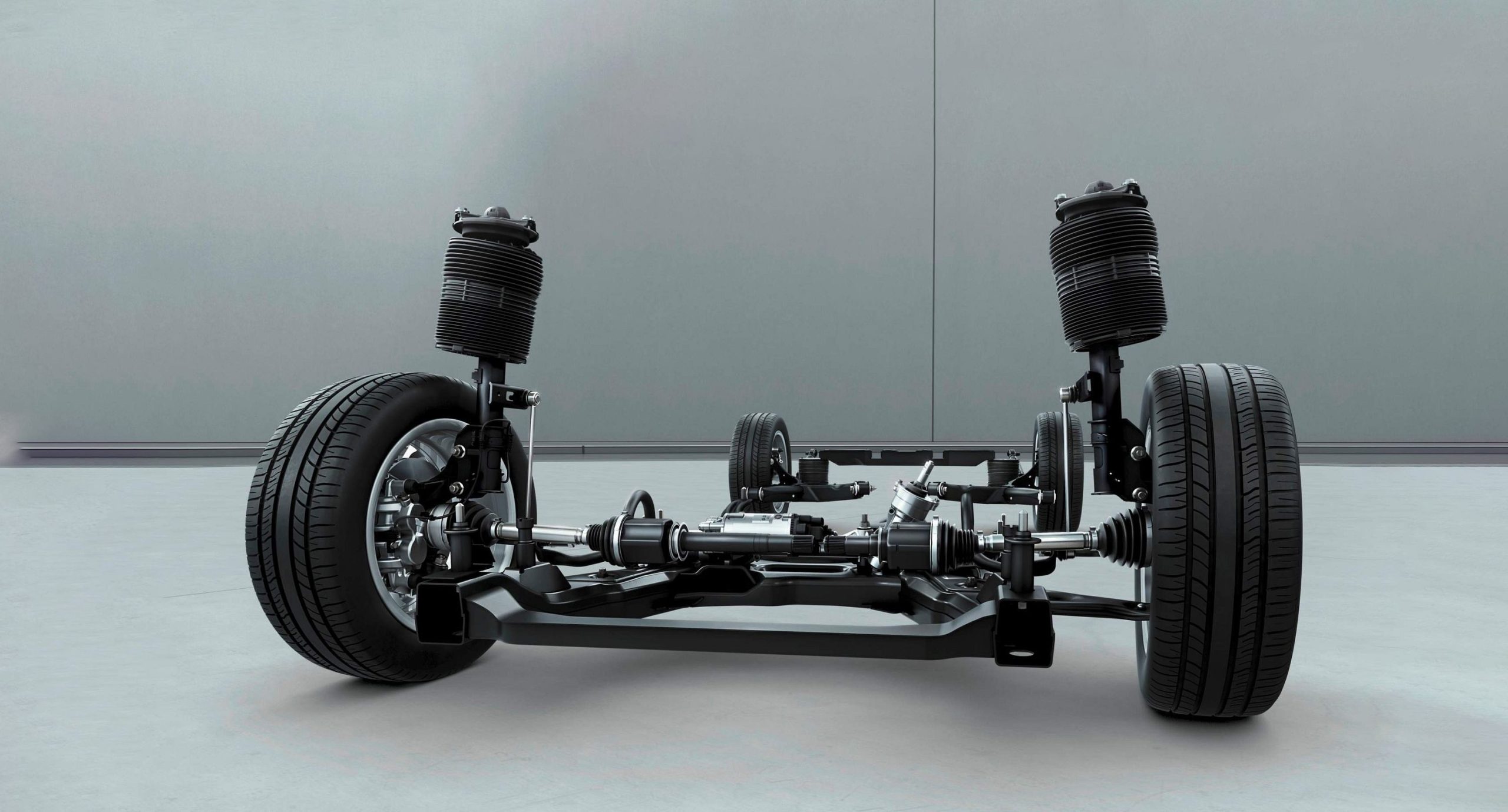
The suspension and steering system of a Chevy Silverado isn’t just about ride comfort; it’s crucial to the handling, safety, and longevity of the vehicle. These trucks are often driven on rough terrain, used for hauling loads, and subjected to stresses that most sedans never experience.
Ball joints, tie rods, control arms, bushings, and shocks all wear down over time, especially under demanding conditions. A major mistake that many Silverado owners make is assuming the suspension doesn’t need attention unless something feels drastically wrong. That mindset leads to early component failure, poor alignment, and unsafe driving conditions.
When suspension components begin to wear out, they often do so gradually. A slight pull to one side, uneven tire wear, or minor clunking noises may not seem like emergencies, but they’re early signs of bigger issues brewing. For example, worn-out shocks or struts can cause the truck to bounce excessively, which reduces tire contact with the road and impacts braking distance.
This not only wears down the tires faster but also stresses other parts of the suspension system. Ignoring these symptoms increases the risk of damage spreading from one part to another. A bad control arm bushing left unattended can eventually lead to damage to the frame mount or wheel alignment issues that are costly to fix.
Steering issues are just as critical. Many Silverado models use an electronic power steering system, which needs to be monitored closely for responsiveness and consistency. If there’s any resistance, looseness, or strange noises when turning the wheel, it’s a sign that components may be failing.
A neglected steering rack or tie rod end can lead to dangerous driving conditions and uneven tire wear. In many cases, what starts as a minor alignment problem or slightly worn component eventually results in total failure, such as a snapped ball joint, which can cause loss of control at highway speeds.
Regular inspections of the suspension and steering system should be part of every maintenance cycle. Greasing ball joints and checking for play or wear in bushings can prevent major repairs down the road. Some components are even designed to be replaced periodically, especially in trucks that experience heavy-duty use.
Keeping this system in top shape also protects the tires, frame, and drivetrain from stress-related damage, ensuring the truck operates smoothly well past the 150,000-mile mark.
Also Read: 5 Kia Sorento Years With Strong Reliability vs 5 Without
6. Skipping Differential and Transfer Case Services
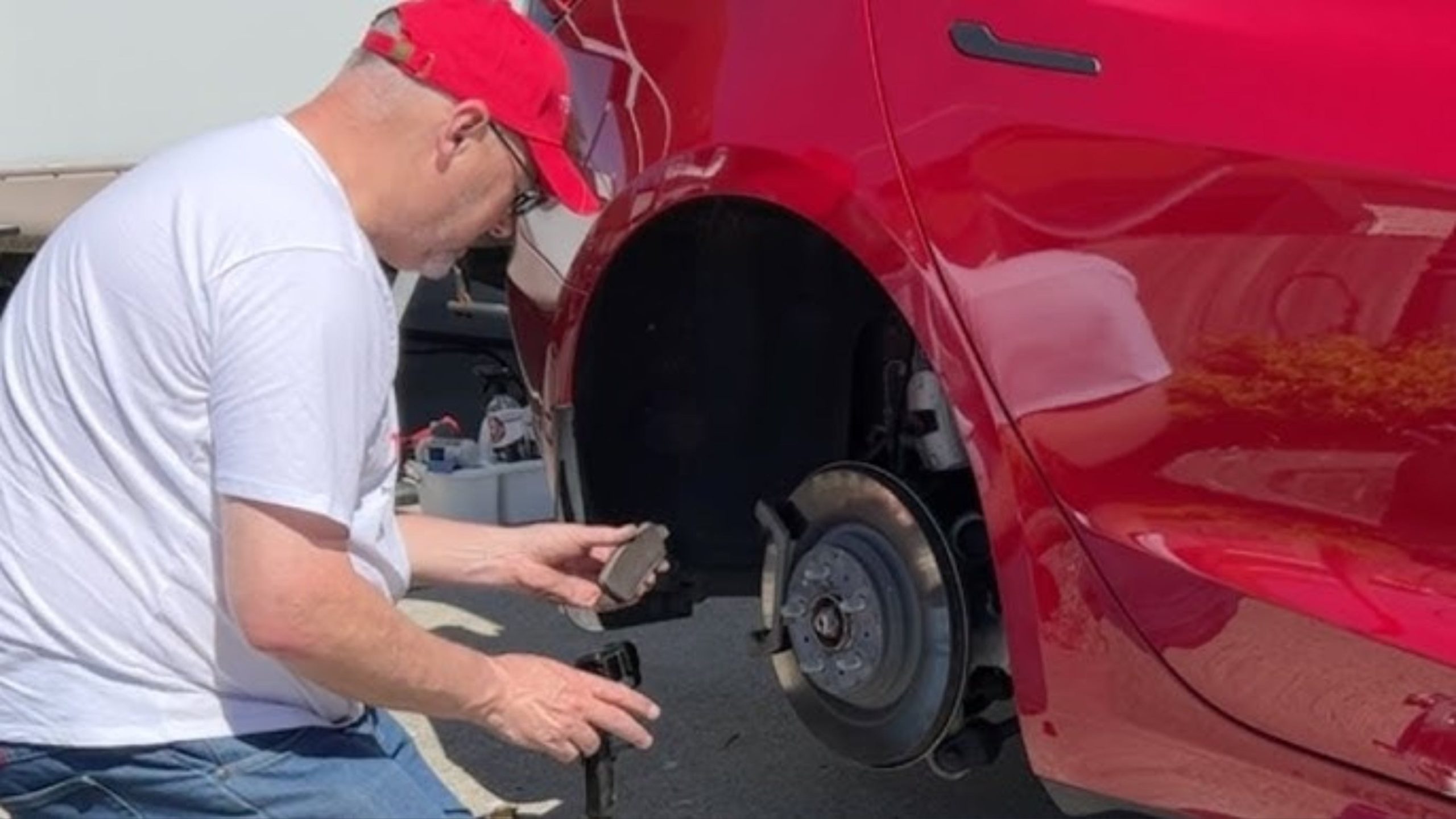
Many Silverado owners don’t think twice about the differentials or transfer case until something goes wrong. These components are critical in four-wheel-drive (4WD) and all-wheel-drive (AWD) models. They allow for torque distribution between the front and rear axles and between the wheels on each axle.
When these systems aren’t properly maintained, they begin to fail quietly, and once they do, repairs can be extremely expensive. Neglecting to change the differential fluid or transfer case fluid is a common mistake that causes premature wear, overheating, and, mechanical failure.
The differential gears operate under extreme pressure, especially during towing or off-road driving. Over time, the fluid inside breaks down and becomes contaminated with metal particles from gear wear. If the fluid isn’t changed, these particles accelerate wear and reduce lubrication efficiency.
The result is increased friction and heat, which can damage gear teeth and bearings. In severe cases, the differential can seize or fail, leading to a loss of drive and potentially damaging the axles or transmission.
The transfer case, which is responsible for switching between 2WD and 4WD, faces similar issues. Its internal clutches and gears need clean, properly balanced fluid to function. Dirty fluid leads to harsh shifting, delayed engagement of 4WD, or complete transfer case failure.
Some Silverado models have electronic transfer cases that can be particularly sensitive to wear, and contaminated fluid can interfere with the electrical components. Once the transfer case begins to fail, it often affects the transmission and driveshafts as well.
Preventive service involves draining and refilling the fluid in both the differential and transfer case at the intervals recommended in the owner’s manual or sooner, depending on use. For trucks that regularly tow, drive off-road, or face harsh climates, it’s wise to do this as early as 30,000–40,000 miles.
These are not services that should be delayed or ignored. A properly serviced drivetrain ensures the Silverado maintains traction, stability, and performance, and helps the vehicle stay reliable for hundreds of thousands of miles.

7. Using Cheap or Incorrect Fuel
Fuel quality matters more than many people realize, especially in high-compression engines or turbocharged variants. Some Silverado models, especially those with direct injection or turbocharged engines, are sensitive to fuel type. Using the cheapest fuel available or the wrong octane rating can cause knocking, carbon buildup, and even long-term engine damage.
Many drivers go by the myth that all fuel is the same, but in reality, additives, detergents, and purity levels vary significantly between fuel brands and types. Over time, consistently using poor-quality fuel leads to dirty fuel injectors and degraded performance.
When combustion isn’t clean due to low-quality fuel, the Silverado’s engine management system tries to compensate by adjusting timing and fuel delivery. This can mask symptoms temporarily, but eventually reduces engine efficiency and increases strain on internal components.
In direct-injection engines, low-grade fuel can cause carbon deposits to build up rapidly on intake valves, as fuel doesn’t wash over them like it does in traditional port-injection systems. This buildup restricts airflow and affects performance, fuel economy, and idle smoothness. Left untreated, it may require expensive walnut blasting or even head removal to clean the valves.
Another common mistake is ignoring fuel system maintenance. Fuel filters, though often considered “lifetime” in some newer models, can still clog or degrade over time, especially if bad fuel is used. This puts extra strain on the fuel pump, which has to work harder to push fuel through restricted lines. Fuel pump failure is not only costly but can also leave drivers stranded without warning. It often occurs suddenly and can be traced back to contaminated fuel or poor fuel system upkeep.
To avoid problems, owners should stick to top-tier gasoline brands known for better detergents and quality control. If the manual recommends premium fuel, that’s what should be used. It’s also wise to use fuel system cleaners periodically and consider replacing the fuel filter around 100,000 miles, even if it’s not listed as a regular service item. These small steps can prevent thousands in repair costs and ensure the Silverado’s engine remains smooth and strong well beyond 150,000 miles.

8. Overloading the Truck Regularly
The Silverado is marketed as a workhorse, and rightly so, but like any tool, it has limits. One of the quickest ways to shorten its lifespan is by overloading it consistently. Whether it’s hauling materials in the bed, towing heavy trailers, or loading equipment beyond its rated capacity, repeated overloading takes a serious toll on the truck’s suspension, brakes, transmission, and engine.
The Gross Vehicle Weight Rating (GVWR) and towing limits are there for a reason, and ignoring them leads to long-term damage even if there are no immediate symptoms.
Overloading stresses the suspension system far beyond what it’s designed to handle. Springs sag prematurely, shocks wear out faster, and bushings degrade, leading to a rough ride, poor handling, and uneven tire wear. The frame itself may begin to flex more than it should, causing alignment problems and even weakening weld points.
It’s not uncommon to see trucks that have been overloaded frequently develop frame cracks, particularly near the rear spring mounts or tow hitch area. These structural issues can make the truck unsafe and are extremely expensive to repair.
The drivetrain also suffers from excessive weight. When towing more than the recommended capacity, the transmission must work harder, shift more frequently, and operate under higher temperatures. This accelerates fluid breakdown and increases wear on internal parts.
The rear differential, driveshaft, and even the engine cooling system are also pushed to their limits. Continual overloading leads to premature failure of these components, and while the truck may power through for a while, it comes at the cost of reduced reliability and lifespan.
To prevent this, Silverado owners should always consult the owner’s manual for proper load and tow ratings. Adding helper springs, upgraded shocks, or trailer brake controllers doesn’t increase the safe limit, it only improves control within the limit.
Payload and trailer weight should be measured accurately, not estimated. By respecting the truck’s engineering limits, owners can preserve their Silverado’s strength and reliability, keeping it functional and safe well past 150,000 miles.
9. Letting Rust and Corrosion Spread
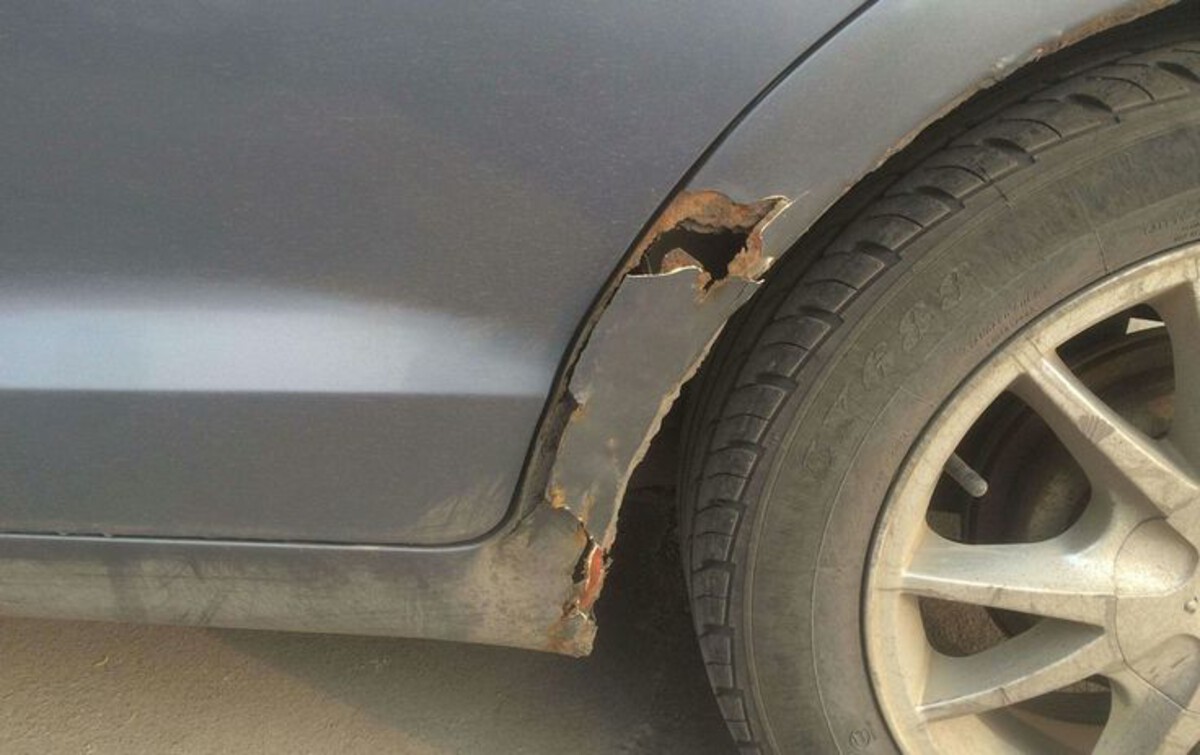
Rust is often treated like a cosmetic problem, but it’s far more than just an eyesore. For Silverado owners in regions where road salt is used in winter or where humidity levels are high, rust can be the silent killer of their truck. The frame, brake lines, fuel lines, exhaust system, and even the cab mounts are all vulnerable to corrosion over time.
When rust starts to eat away at structural or mechanical components, it compromises safety, performance, and reliability. The biggest mistake Silverado owners make is waiting until the damage is visible or serious before taking action. By that point, the cost to fix the issue may exceed the value of the truck.
The frame is especially susceptible. Surface rust on the undercarriage may not seem serious at first, but without proper treatment, it slowly turns into scale rust, which weakens the metal and can eventually cause structural failure. There have been countless cases where Silverado owners discovered too late that their frame was no longer safe to drive, particularly in older models.
What begins as a bit of flaking or discoloration near the wheel wells can quickly spread underneath, affecting suspension mounts and drivetrain brackets. Once rust compromises these areas, repairs involve cutting and welding or complete component replacements.
Another area that suffers from neglect is the brake and fuel line system. These lines often run underneath the truck and are made from metal tubing. In areas exposed to salt or moisture, they begin to corrode over time. A rusted brake line can burst under pressure, leading to sudden brake failure, a dangerous and preventable event.
The same goes for fuel lines, which can begin to leak, creating fire hazards and reducing fuel efficiency. These are issues that develop gradually, often with little warning, and they’re frequently missed during casual inspections or oil changes unless the vehicle is raised for a proper underbody look.
Preventing rust is not about making the truck look shiny, it’s about keeping it roadworthy and structurally sound. Silverado owners should wash the undercarriage regularly, especially in the winter months. Applying rust inhibitors or undercoating early in the truck’s life can help preserve the frame and other metal components.
Even older trucks can benefit from wire-brushing loose rust and sealing exposed areas. It takes effort, but staying ahead of corrosion is one of the smartest things a Silverado owner can do to keep the truck running strong for decades.
10. Ignoring Warning Lights and Unusual Noises
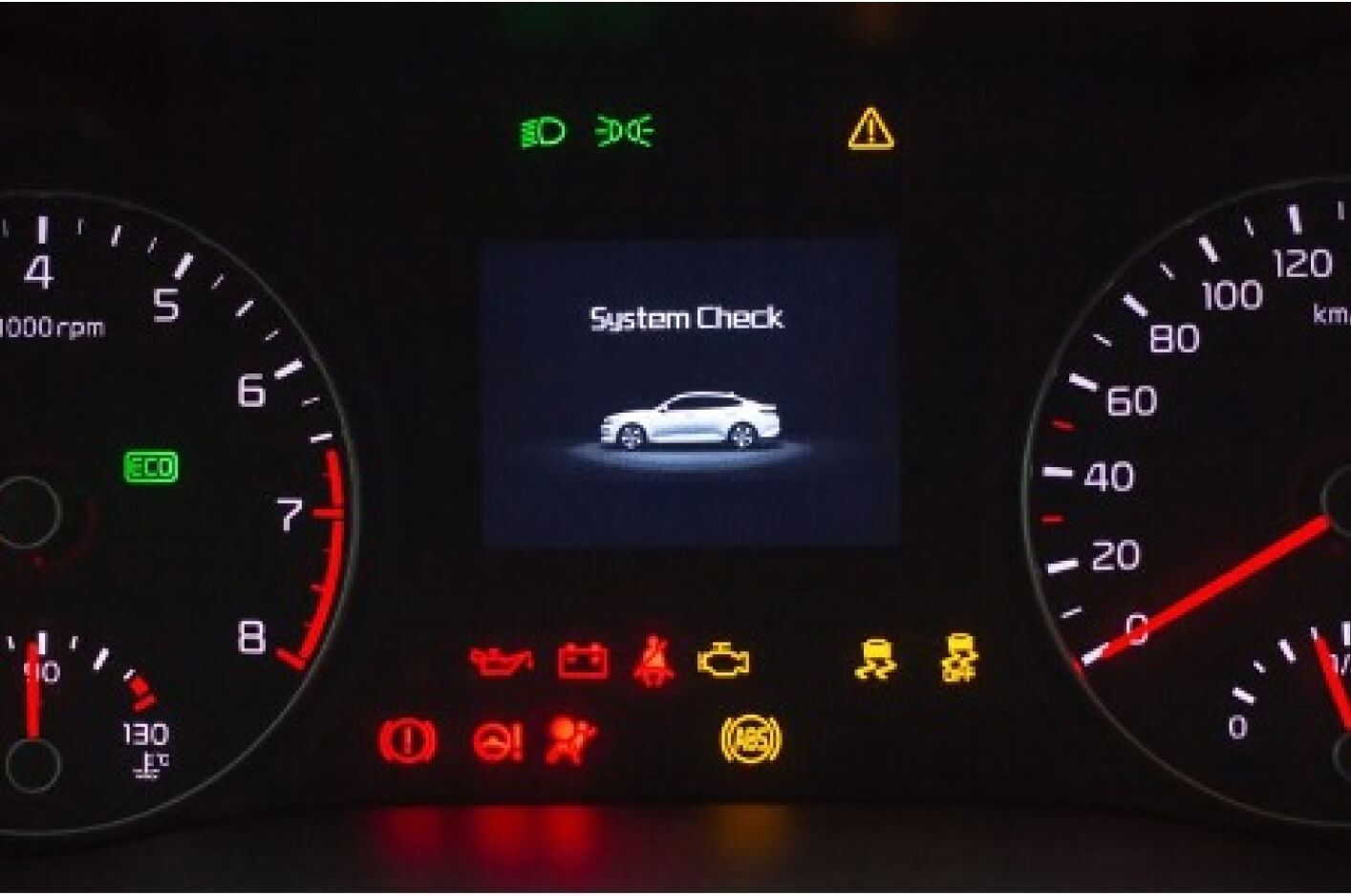
One of the biggest contributors to premature failure in any vehicle is the decision to ignore clear warning signs. Silverado drivers who overlook dashboard lights, strange noises, or changes in driving feel are making a costly mistake. These indicators often point to problems that are small when they begin but grow into serious issues when left unresolved.
Waiting for a part to completely fail before taking action is a short-sighted approach. It may save money in the moment, but it almost always leads to higher repair bills and a shorter lifespan for the vehicle.
The check engine light, for example, is commonly ignored or dismissed. Some owners keep driving for months after the light comes on, assuming it’s something minor. But without a proper scan, there’s no way to know. What starts as a simple oxygen sensor issue could turn into poor fuel economy, overheating, or catalytic converter failure.
And while some codes may not cause immediate harm, others, like misfire codes or transmission-related faults, can cause internal damage quickly. Diagnostic tools are affordable, and most auto parts stores offer free code scans, making it easy to catch issues early.
Unusual noises should also never be ignored. A ticking sound from the engine might indicate low oil pressure or lifter problems. A whining noise from the transmission could signal fluid breakdown or bearing wear. Clunking sounds when turning may point to worn suspension components.
These sounds are early warnings that something isn’t working as it should. Many drivers become used to these noises and tune them out, not realizing that every mile driven with the issue is adding wear or risking a total breakdown. Waiting until the vehicle stops running is the worst possible strategy.
Finally, handling changes and performance dips, things like rough idling, sluggish acceleration, or vibration at certain speeds, are usually signs of mechanical or electrical issues developing. They might relate to the ignition system, drivetrain alignment, or engine sensors.
These changes often start subtly, but Silverado owners who stay in tune with their vehicle’s behavior can catch these shifts early and save themselves major headaches. Staying proactive and attentive isn’t about being paranoid; it’s about being responsible. Trucks that last well beyond 150,000 miles are almost always owned by people who listen to their vehicle and take action when something doesn’t feel right.
