

The Honda Accord has long been known as a reliable, fuel-efficient, and well-built car that holds its value over time. Whether you own a classic from the 90s or a more recent model, the Accord has proven to be a dependable companion on the road. That said, even the best cars need care to stay in top shape.
It’s not enough to just drive from point A to point B and hope for the best. To keep your Accord running smoothly for decades, you’ll need to form habits that prioritize long-term performance and prevent wear and tear before it becomes serious. The good news is that these habits don’t require a mechanic’s background or expensive tools. Many are simple, practical routines that cost little or nothing at all.
Every car owner wants to avoid sudden breakdowns, costly repairs, and frustrating moments on the side of the highway. And if you’ve invested time and money into your Honda Accord, it makes sense to treat it like a long-term asset. Fortunately, this vehicle was built with that exact mindset in mind.
With proper maintenance, it’s not uncommon for an Accord to go well over 300,000 miles. But achieving that kind of lifespan means committing to consistent care, being aware of small changes in how the car feels or sounds, and understanding the basics of what keeps a vehicle healthy over time.
The hacks listed here are practical tips that can be applied by any Accord owner, regardless of mechanical experience. They are based on long-term car ownership, input from experienced drivers, and patterns that have proven effective for maintaining performance. These aren’t gimmicks or shortcuts.
They’re sustainable practices that can make a real difference. Some of them involve small tweaks to your driving habits, while others are routine checks you can add to your calendar. A few will require modest spending on quality parts or services, but they often prevent larger bills in the future.
Also Read: 5 Kia Sorento Years With Strong Reliability vs 5 Without
1. Stick to a Strict Oil Change Schedule
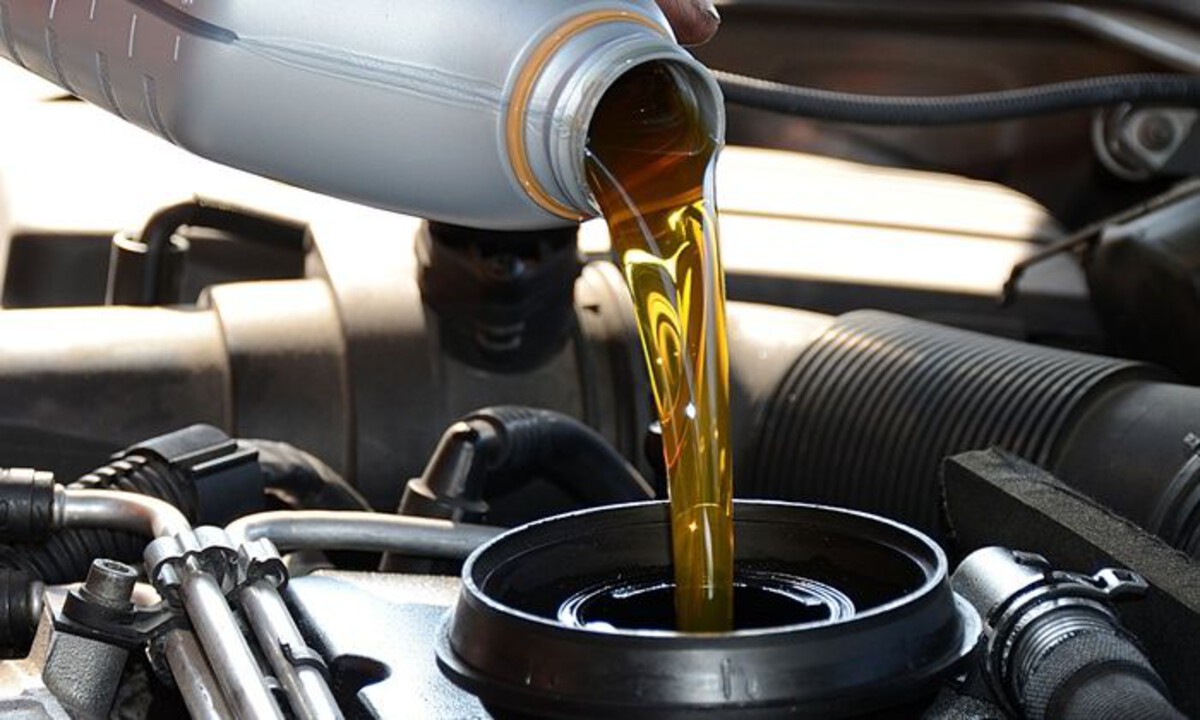
Regular oil changes are the foundation of long-term engine health. Oil lubricates all the moving parts inside your engine, preventing friction, reducing heat, and ensuring that components don’t wear down prematurely. If oil gets too old or dirty, it breaks down and loses its ability to protect your engine.
Many Accord owners stretch oil changes far beyond the recommended mileage, thinking they’re saving time or money. But pushing it too far can cause damage that leads to costly repairs down the line.
The owner’s manual typically recommends oil changes every 5,000 to 7,500 miles for modern Accords, depending on the type of oil used. If you’re using synthetic oil, you may be able to go a bit longer, but it’s always best to err on the side of caution.
Dirty or low oil levels can strain the engine, reduce fuel efficiency, and increase the chances of overheating. Make it a habit to check your oil level at least once a month. It only takes a few minutes and gives you peace of mind.
Another tip is to choose high-quality oil and filters. Cheap oil might save a few dollars upfront, but it often doesn’t last as long or provide the same protection. Pair that with a reliable oil filter, and you’re giving your engine the best chance to perform well over the long haul. It’s also important to get the oil warm before changing it. Warm oil flows better and drains more completely, which means fewer contaminants remain inside the engine.
Consistency is key here. Set a reminder on your phone or write the mileage down somewhere visible in your car. If you’re changing your own oil, make sure you’re using the correct viscosity and following proper procedures. If a shop does it for you, choose one that’s trustworthy and doesn’t cut corners. Over time, this one habit can significantly extend the life of your Accord.
2. Use Only OEM or High-Quality Replacement Parts
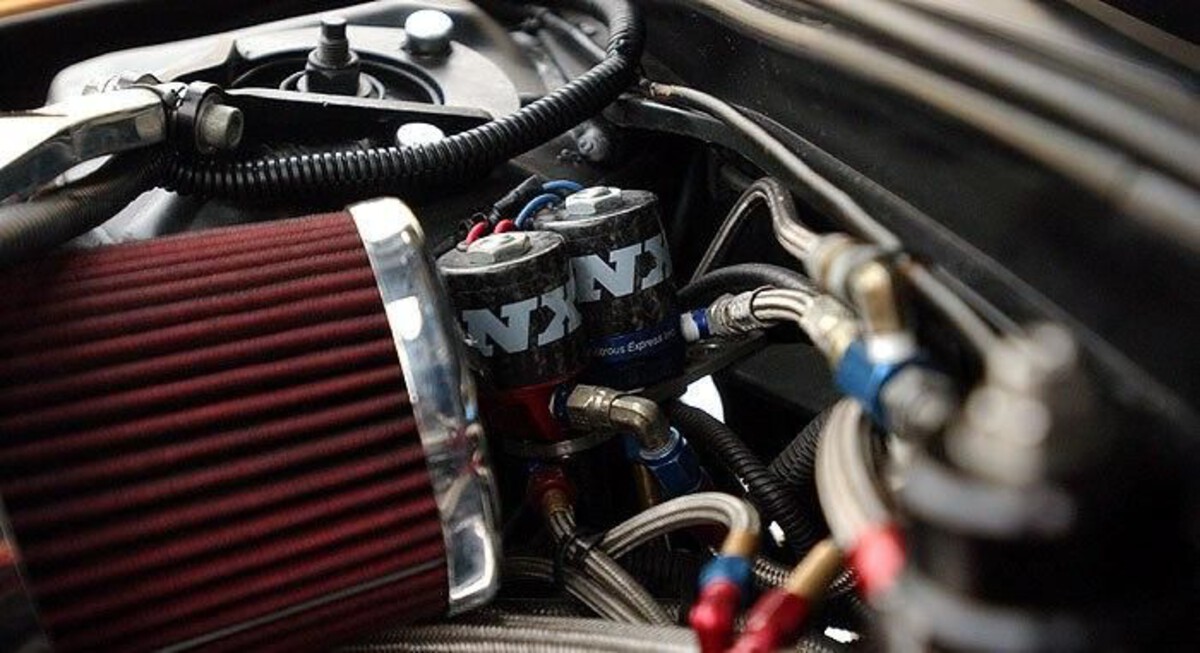
One of the fastest ways to reduce the lifespan of your car is by using low-quality aftermarket parts. While it’s tempting to save money upfront, bargain parts often wear out faster and can cause more harm than good. Honda Accord owners who want to keep their vehicle running smoothly for decades should aim to use OEM (Original Equipment Manufacturer) parts or trusted high-quality brands when doing repairs or upgrades.
OEM parts are made by or for Honda and match the exact specifications your car was built with. These parts are typically more reliable because they’re tested for compatibility and performance. For example, using an OEM air filter ensures that your engine gets the right amount of airflow without allowing harmful debris to pass through. Aftermarket filters may not fit as precisely or perform to the same standard, leading to reduced efficiency and potential engine wear.
There are also high-quality aftermarket brands that have proven themselves over time. Brands like NGK for spark plugs, Denso for sensors, or Bosch for fuel system components can offer great performance if chosen carefully. The key is to research and make sure the part is compatible with your specific model year. Forums, user reviews, and even trusted mechanics can help guide your decisions.
Don’t overlook small components, either. Wiper blades, hoses, clamps, and even fasteners can impact how long other systems last. Cheap hose clamps can fail under pressure, causing coolant leaks that overheat your engine. Low-grade brake pads may wear quickly or damage your rotors, which leads to more costly repairs. Spending a little extra on these components adds up to savings over the life of the car.
Whenever you replace a part, keep the packaging and make a note of the brand and model number. That way, if it works well, you’ll know exactly what to get next time. Building a track record of reliable parts makes future repairs smoother and ensures your Accord stays in top shape.
3. Monitor and Maintain Your Transmission
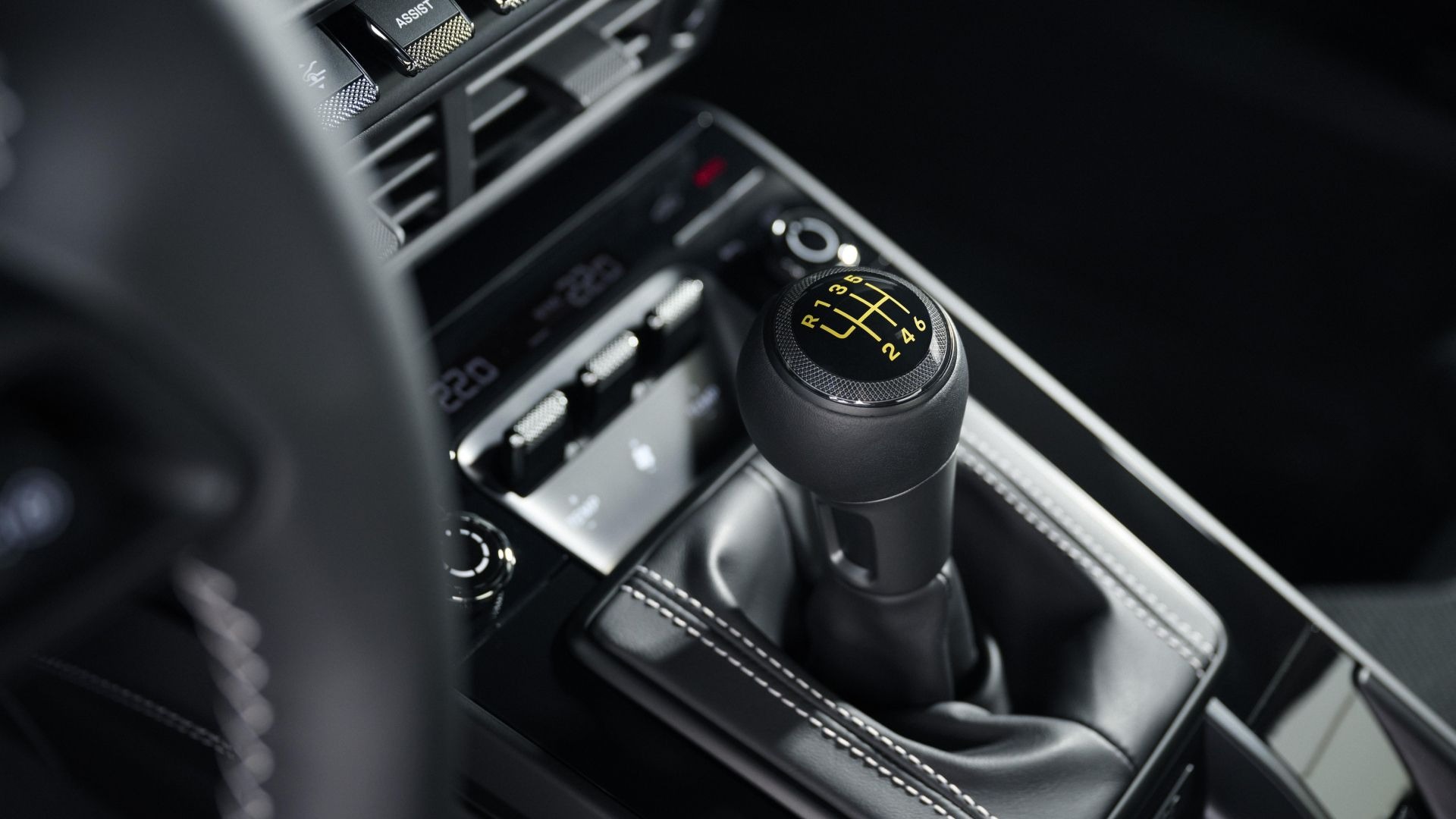
The transmission is one of the most expensive systems in any vehicle to repair or replace. If you want your Accord to run for decades, keeping the transmission healthy should be one of your top priorities. Most Accord models, whether automatic or manual, are fairly reliable in this department, but neglect can shorten their lifespan drastically. It’s not uncommon for transmissions to last well over 200,000 miles if they’re properly cared for.
First and foremost, don’t ignore the fluid. Transmission fluid is what keeps everything running smoothly, lubricating moving parts and preventing overheating. For automatic transmissions, it’s important to check the fluid level and color regularly. It should be a bright red or pink color.
If it turns brown or smells burnt, that’s a warning sign. Replacing the fluid at regular intervals, usually every 30,000 to 60,000 miles, can prevent expensive repairs later on.
Shifting smoothly is another sign of a healthy transmission. If you notice delayed engagement when shifting into gear, slipping, or strange noises while accelerating, have it inspected as soon as possible. Waiting for the issue to worsen can lead to a complete failure. For manual transmission models, regular clutch inspection and replacement are crucial. Riding the clutch or aggressive shifting can wear down components faster.
It’s also smart to warm up your car before driving in cold weather. Cold fluid is less effective and can stress the transmission. Avoid sudden starts or hard acceleration before the car has warmed up. Also, don’t rest your foot on the brake or gas when stopped at lights for long periods. Small habits like these can contribute to long-term wear.
If you’re towing or carrying heavy loads, make sure your Accord is rated for it and consider adding a transmission cooler. Excess heat is the number one killer of transmissions, so anything that keeps the temperature down will help preserve it. Taking these steps seriously can keep your transmission solid for many years.
4. Keep the Cooling System in Top Shape
Your engine depends heavily on the cooling system to regulate temperature and avoid overheating. When the cooling system fails, damage can happen fast, warped heads, blown gaskets, or even complete engine failure. Many longtime Accord owners who’ve made it past 300,000 miles will tell you that consistent attention to the cooling system is a big part of their success.
Start with regular coolant flushes. Over time, coolant breaks down and becomes less effective. Old coolant can become acidic, which corrodes internal parts and reduces the system’s ability to protect against extreme temperatures. Most manufacturers recommend a coolant flush every 60,000 to 100,000 miles, but it’s smart to inspect the level and color more often. If it looks rusty, cloudy, or significantly low, it’s time for maintenance.
Hoses, radiator caps, and thermostats are also common failure points. Rubber hoses degrade over time, especially in hot climates or if the car sits in direct sunlight often. Check for cracks, bulges, or leaks around hose clamps. Replace anything that looks questionable.
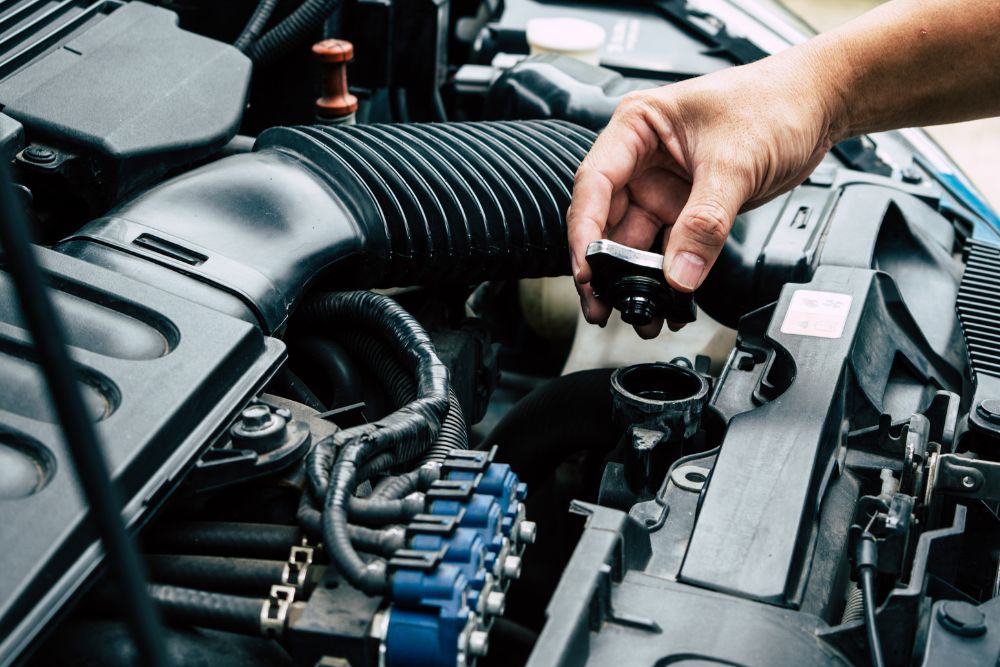
A bad radiator cap can allow coolant to escape or prevent proper pressure regulation, leading to poor circulation or overheating. Thermostats can stick open or closed, which throws off the entire system.
Don’t forget the radiator itself. Debris, corrosion, or physical damage can reduce its efficiency. Cleaning the radiator fins gently with water and inspecting for leaks behind the grille should be part of your yearly routine. If you live in an area with lots of road salt, be extra cautious of corrosion.
Also, be cautious when topping off coolant, using the wrong mixture or type can lead to issues. Honda vehicles often require specific formulas, so it’s best to use genuine Honda coolant or an explicitly compatible brand.
A clean and efficient cooling system helps maintain optimal engine temperature, boosts fuel efficiency, and protects sensitive parts from damage. It’s one of those behind-the-scenes systems that, when working right, you barely notice. But when it fails, it becomes a major problem. So don’t neglect it.
5. Rotate and Align Tires Regularly
Tire care might not seem like a direct engine maintenance concern, but the way your Accord handles on the road plays a huge role in long-term performance and comfort. Improper tire wear can affect suspension parts, steering components, and even fuel economy.
A smooth ride reduces strain on the entire vehicle, including the frame and drivetrain. One of the easiest and most overlooked hacks is staying on top of regular tire rotations and wheel alignments.
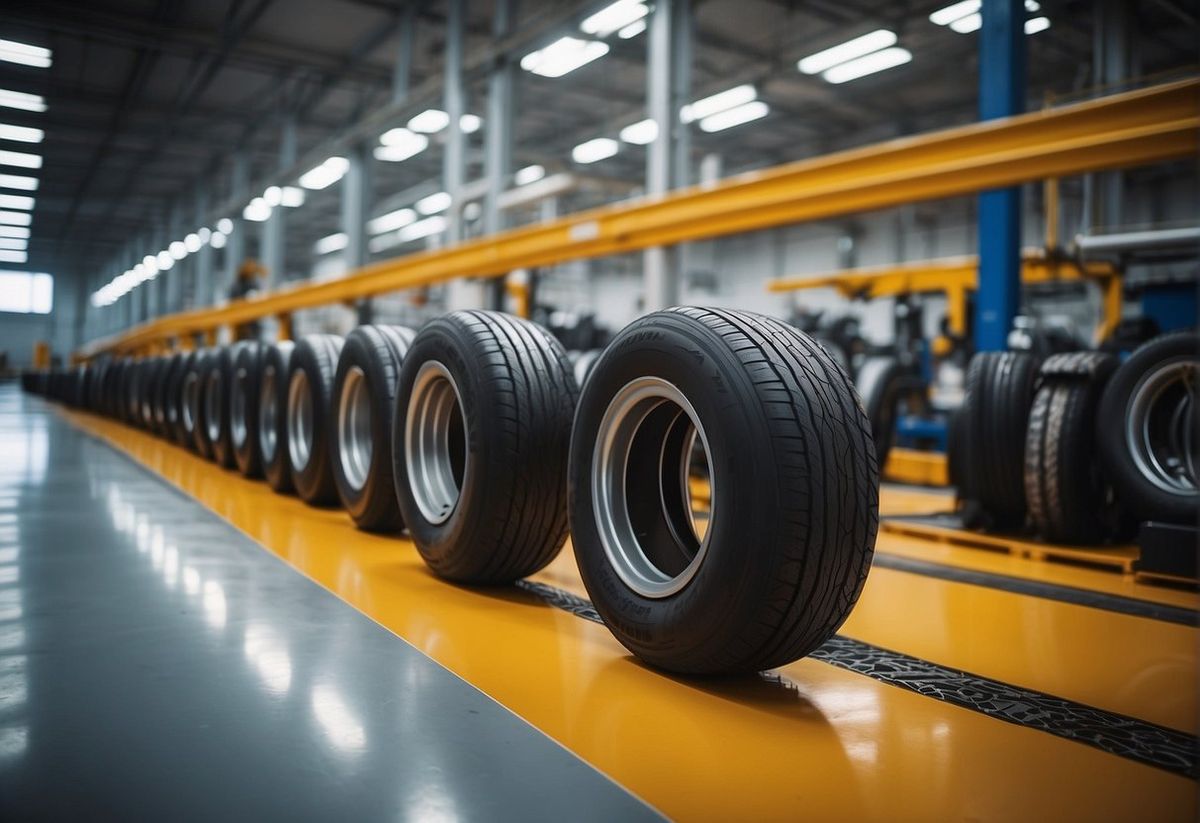
Tires wear unevenly depending on which part of the car they’re on. Front tires usually wear faster than rear ones due to steering and weight distribution. By rotating them every 5,000 to 7,000 miles, you ensure all four tires wear out at the same rate. This not only extends the life of your tires but also keeps the ride balanced and predictable. Uneven tires can cause pulling to one side, vibrations, and premature suspension wear, which then leads to bigger repair costs.
Wheel alignment is another critical element. When wheels are even slightly misaligned, your car has to work harder to maintain direction, which increases fuel use and wears down components like tie rods and bushings.
Misalignment often happens gradually from hitting potholes, driving over curbs, or just regular road wear. If your steering wheel feels off-center, or if the car drifts when you’re on a flat road, it’s time to check alignment. Many drivers ignore the signs, thinking it’s minor, but over time, it puts real stress on the car.
Also, don’t forget about balancing your tires. A tire that’s even slightly out of balance can create a rhythmic thumping that not only makes your ride uncomfortable but can also harm wheel bearings and struts. Most tire shops offer balance and rotation packages, and it’s worth getting this done every time you have tires rotated.
Finally, always keep your tires inflated to the proper PSI as listed in your owner’s manual or on the door sticker. Underinflated tires increase rolling resistance, which burns more fuel and can cause uneven tread wear.
Overinflated tires can make the ride harsh and reduce traction. A cheap tire pressure gauge can save you hundreds in wear and tear over the years, and it’s one of the easiest maintenance habits you can adopt.
Also Read: 5 Mitsubishi Outlander Years Worth Buying vs 5 That Aren’t
6. Protect the Paint and Undercarriage
Keeping your Honda Accord looking clean is more than just an aesthetic choice; it also plays a critical role in protecting the car from environmental damage. Over time, neglected paint and unprotected surfaces can lead to rust, corrosion, and deterioration of structural components.
This is especially true in regions with harsh winters, salty roads, or strong sun exposure. Regular cleaning and protective measures can extend the life of your vehicle’s exterior, undercarriage, and even certain mechanical systems.
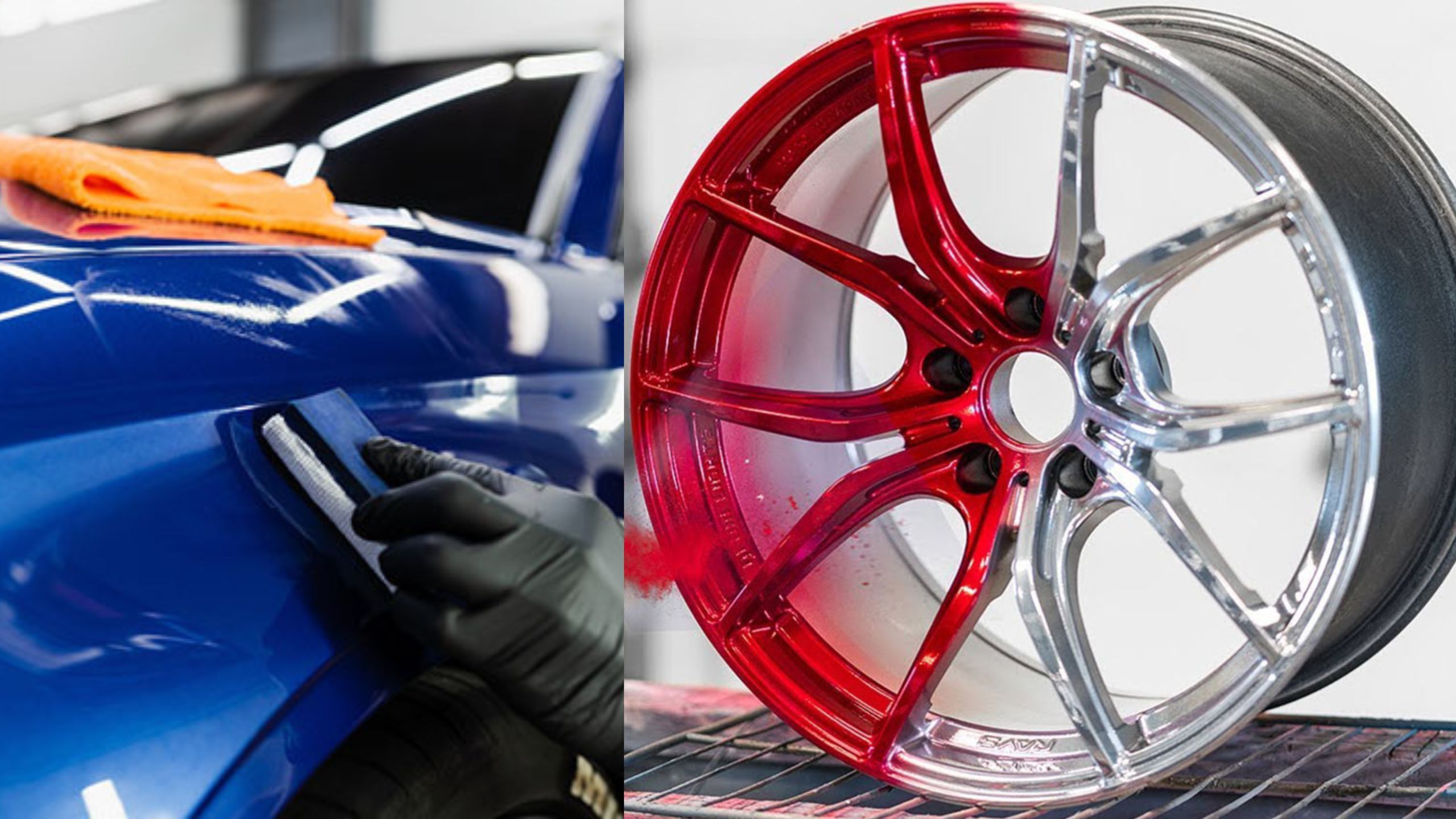
Start with the paint. Washing your Accord regularly removes dirt, grime, pollen, and pollutants that eat away at the clear coat. Tree sap, bird droppings, and industrial fallout can permanently stain if left too long.
Waxing the car at least twice a year adds a protective layer that shields against UV rays and moisture. High-quality synthetic waxes last longer and offer better protection than basic wax products. They also help water bead off more efficiently, which can reduce the amount of dirt sticking to the surface.
The undercarriage is one of the most ignored parts of a car, yet it faces the harshest conditions. Road salt is especially damaging, and if it’s not rinsed off, it can cause major rust issues that affect your suspension, fuel lines, and exhaust system. Many car washes offer undercarriage sprays, but even a simple hose with decent pressure can make a difference if used regularly. If you live in an area where roads are treated with chemicals in the winter, make undercarriage cleaning a monthly habit.
Applying underbody sealants or rust inhibitors can further protect vulnerable areas. These treatments create a barrier against moisture and salt, significantly slowing down the rusting process. Some long-term Honda owners swear by annual applications, especially for cars parked outside year-round. Be sure to reapply after thorough cleanings or every 12 months.
Also, don’t overlook your wheel wells and door sills. These areas collect dirt and moisture, and if not cleaned, they can begin to rust without you noticing. Keeping these hidden areas clean and occasionally applying protective products ensures that your Accord stays solid underneath its clean exterior.
While it might seem like extra work, protecting your car’s body and undercarriage can prevent massive structural issues years down the line.

7. Drive Smoothly and Avoid Aggressive Habits
How you drive every day has a major impact on how long your Accord lasts. Aggressive driving wears out nearly every part of your car faster, including brakes, tires, engine mounts, suspension components, and even the transmission. Smooth, intentional driving habits don’t just make your ride more comfortable; they also dramatically reduce the mechanical stress your vehicle experiences. It’s one of the simplest and most powerful ways to make your Accord last for decades.
Quick acceleration and hard braking might feel fun in the moment, but over time, they heat up your brakes and engine unnecessarily. Every sudden stop causes more friction and more heat, which wears down brake pads and rotors faster than gradual braking would.
Similarly, sudden starts demand more from your engine and transmission, especially when the car hasn’t warmed up yet. Over time, this behavior adds up and contributes to engine wear, transmission strain, and reduced fuel efficiency.
Another area where smooth driving helps is your suspension system. Rough roads are inevitable, but how you handle them makes a big difference. Avoid hitting potholes or curbs aggressively, and slow down for speed bumps. These impacts don’t just affect your comfort; they can damage shocks, struts, control arms, and even wheel alignment. Replacing suspension components can get expensive quickly, so preserving them through better driving is a smart long-term habit.
Letting the car warm up for a minute or two, especially in colder climates, is also a good practice. It allows oil to circulate fully and reduces early friction.
However, there’s no need to idle for long periods. Just give it enough time for the engine to stabilize before driving off gently. For manual drivers, using the clutch correctly, avoiding resting your foot on the pedal, and not holding it in too long, can also preserve clutch life significantly.
Sticking to the speed limit, coasting to a stop, easing into acceleration, and avoiding jackrabbit starts not only keeps your Accord in better shape but also improves your fuel economy. Small adjustments in daily driving behavior make a massive difference over the years. The smoother and more predictable your driving style is, the longer your car will last with minimal issues.
8. Keep the Battery and Charging System Healthy
The electrical system in modern vehicles is responsible for much more than just starting the engine or powering the radio. From sensors to climate control to the fuel injection system, everything relies on a healthy battery and charging system.
For long-term reliability, you need to ensure your battery remains in good condition and that your alternator and related components are functioning properly. Many owners overlook these systems until they fail, but by then, you’re either stranded or risking damage to sensitive electronics.
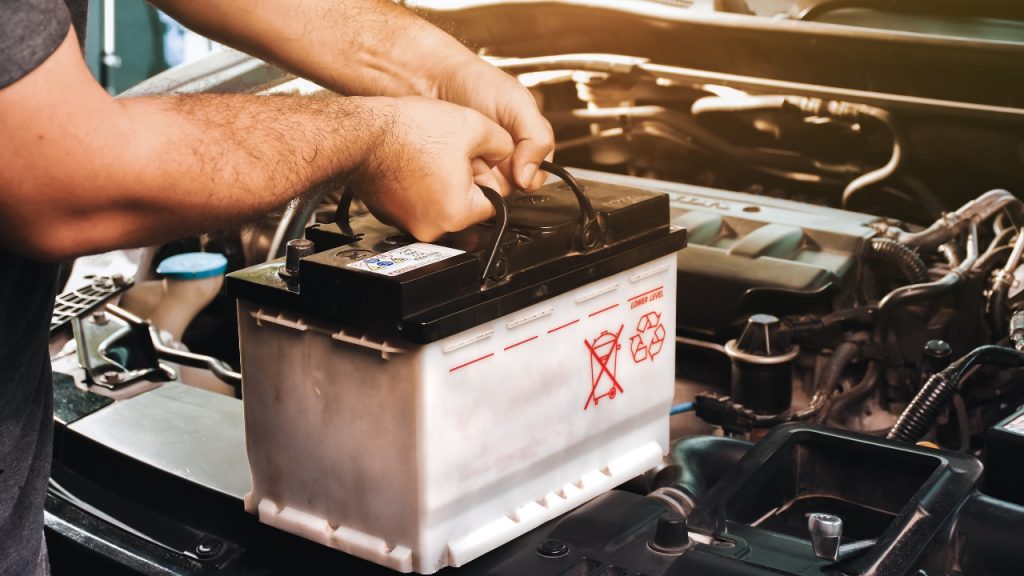
Batteries typically last between 3 to 5 years, depending on usage, temperature, and maintenance. Extreme heat and cold can shorten lifespan, so if you live in a region with harsh weather, you’ll need to monitor your battery more often. Look for signs like slow cranking, dimming headlights, or flickering dashboard lights; these can all indicate a weakening battery. Testing your battery voltage with a multimeter once every few months can help catch problems early.
Corrosion on the battery terminals is another common issue. It not only reduces conductivity but can also damage the cables over time. Regularly cleaning the terminals with a mixture of baking soda and water helps maintain strong connections. After cleaning, applying a small amount of dielectric grease or terminal protector prevents future buildup and oxidation.
The alternator plays a key role in keeping your battery charged while the engine runs. If it starts to fail, your battery can die suddenly, or your car may begin to shut down various systems while you drive. It’s a good idea to have the alternator and voltage regulator checked if you notice dimming lights, electrical glitches, or battery warning lights on the dashboard. Many parts stores offer free battery and alternator testing, and it only takes a few minutes.

9. Stay Ahead on Preventive Maintenance
Preventative maintenance is often treated like an optional chore when, in fact, it’s the most effective strategy for extending the life of your Honda Accord. Waiting for something to break before addressing it usually results in higher costs, more downtime, and greater damage to connected systems.
Preventative maintenance is about staying one step ahead of problems by replacing wear-prone parts, inspecting critical systems, and following service intervals with discipline. Drivers who keep their Accord running past the 300,000-mile mark often do so because they pay attention to the small signs and take action before failure occurs.
One of the most important aspects of preventative maintenance is following the service schedule in your owner’s manual. It outlines when to inspect or replace timing belts, water pumps, spark plugs, filters, fluids, and more. Skipping these intervals might seem harmless at first, but parts like a worn timing belt can fail suddenly and cause catastrophic engine damage.
On many Accord engines, the timing belt and water pump should be replaced every 90,000 to 105,000 miles. Delaying this job might save you money in the short term, but it creates a ticking time bomb under the hood.
Another smart practice is to inspect belts and hoses during oil changes or when the car is lifted for tire service. Cracked or dry rubber components are common failure points and can lead to overheating, loss of power steering, or complete stalling.
Similarly, checking for oil or coolant leaks before they become serious can prevent long-term engine damage. A few drops in the driveway may not seem like much, but they often indicate a seal or gasket beginning to fail. Fixing it early can save hundreds or even thousands of dollars.

10. Store It Right and Use It Regularly
Many people assume that storing a car will keep it in good shape, but improper storage can actually speed up deterioration. On the flip side, driving a car regularly without proper rest or rotation can cause uneven wear and neglect some systems entirely.
Long-term reliability comes not just from maintenance while in use, but also from how the car is stored and managed when not being driven. If your Honda Accord is going to last decades, how you handle downtime is just as important as how you drive it.
If you’re storing your Accord for an extended period, like over the winter or for several months, make sure to do so with a full tank of fuel and add a fuel stabilizer to prevent the gas from breaking down.
Bad fuel can clog injectors, damage sensors, and make the engine run poorly when you eventually start it again. It’s also important to disconnect the battery or use a trickle charger to avoid draining it while parked. A dead battery can lose charge cycles and may not recover properly if left dead for too long.
Parking indoors is ideal, especially if your region has extreme weather. A garage protects the paint, rubber seals, tires, and electronics from harmful exposure. If indoor parking isn’t an option, invest in a quality car cover that allows the car to breathe and repels water.
Avoid cheap plastic covers that trap moisture; they often do more harm than good. Make sure the parking location is dry and free from standing water or plants that can introduce humidity and pests.
