
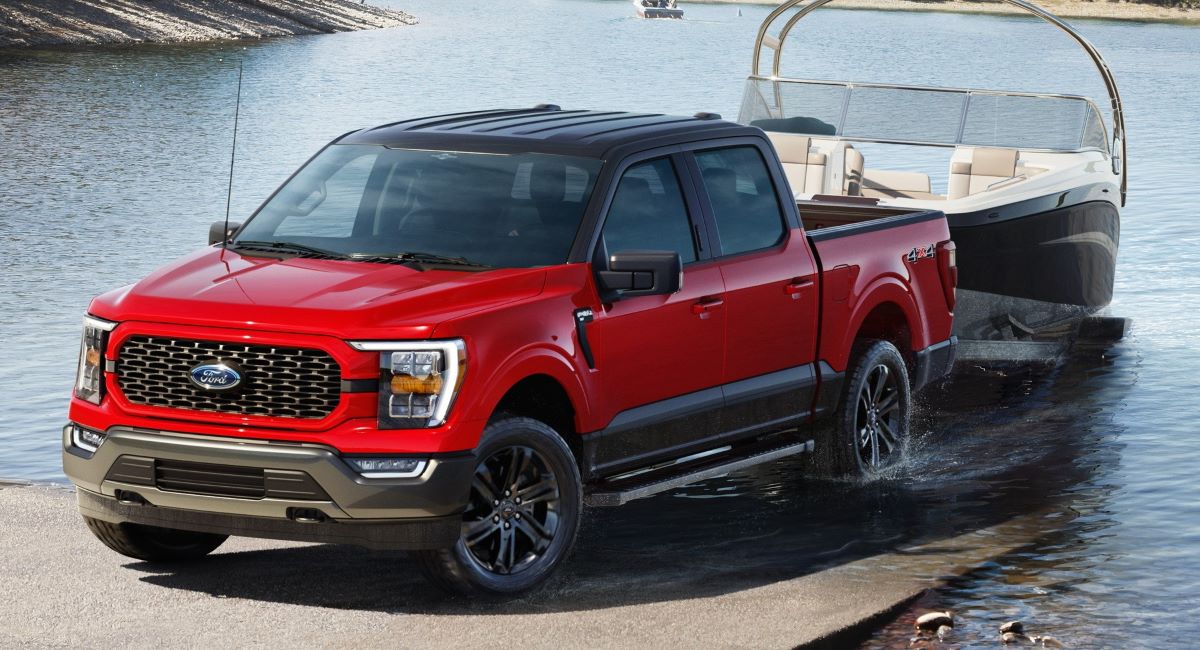
The Ford F-150 has long held a strong reputation for durability, reliability, and performance. It’s not just a workhorse on job sites, but also a dependable companion for families, adventurers, and small business owners alike. This truck didn’t become the top-selling vehicle in America by accident.
It earned its place by offering consistent value and rugged longevity. But like any machine, even the strongest truck needs attention over time. If neglected, small issues can turn into larger problems, eventually compromising performance and leading to unnecessary expenses.
Fortunately, many of the steps to keep an F-150 running well for decades are simple, inexpensive, and can be handled by owners without advanced mechanical skills.
Longevity doesn’t happen by chance. Trucks that last twenty years or longer typically have owners who take an active role in their maintenance. This doesn’t mean daily inspections or constant repairs, but it does mean handling minor issues before they grow into major concerns.
The key lies in knowing what areas matter most and staying consistent. Things like oil changes, tire care, and basic component replacements can be easily overlooked, especially when the vehicle seems to be running fine. But the reward for that discipline is huge: a truck that keeps hauling, towing, and running smoothly long after others have been retired.
The F-150 is built to last, but it responds well to care. Simple fixes, when done regularly, can extend the life of the engine, transmission, brakes, and suspension. It’s a matter of applying effort where it counts most.
These aren’t flashy upgrades or high-end performance tweaks; they are straightforward actions that prevent breakdowns and preserve strength. With the right habits, you don’t have to replace your F-150 every ten years. You can enjoy the same dependable machine for twice that time.
Here are nine easy fixes that help make that goal a reality. Each one targets a specific area of the truck’s operation, offering practical advice on how to address it effectively. Whether you’ve owned your F-150 for years or just picked one up recently, these steps will help you keep it running strong for decades to come.
Also Read: 5 Hybrids With Great Parts Availability and 5 That Are Always Backordered
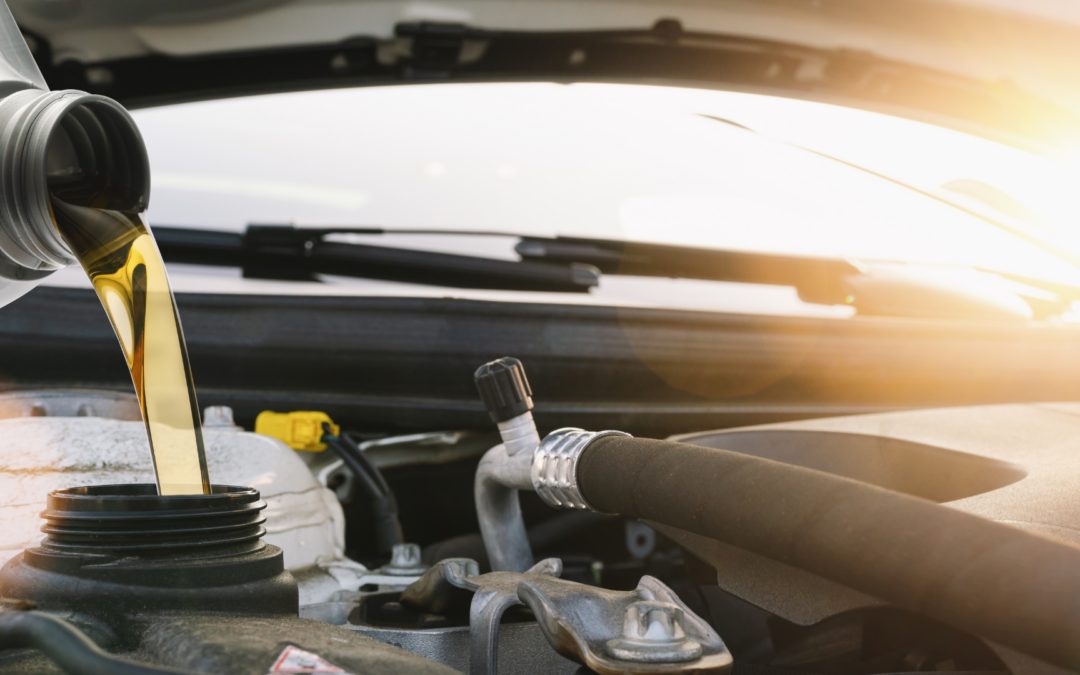
1. Change the Engine Oil and Filter Regularly
Oil is the lifeblood of any internal combustion engine. For the Ford F-150, maintaining clean, high-quality oil is one of the simplest and most essential things you can do.
Over time, oil breaks down due to heat, friction, and contamination. Once degraded, it can no longer properly lubricate the engine components, increasing wear and raising the risk of serious mechanical failure. Replacing the oil and filter at consistent intervals helps ensure the engine continues to operate under optimal conditions.
Some owners rely on mileage estimates or vehicle alerts to tell them when it’s time for an oil change. While that can work, it’s often better to stick to a conservative schedule, especially for trucks that see heavy use.
For most F-150s, changing the oil every 5,000 to 7,500 miles is a safe bet, although trucks that tow frequently or endure extreme temperatures might benefit from even shorter intervals. The cost is minimal compared to what it protects: engine longevity.
Equally important is using the right type of oil. Ford recommends specific oil grades for each generation and engine type, and following these guidelines ensures the engine gets the proper viscosity and temperature resistance.
Skipping oil changes or using poor-quality oil might not cause immediate issues, but over time, sludge can build up, seals can degrade, and engine performance can drop. Regular oil changes prevent this chain reaction from starting.
Doing this fix doesn’t require advanced tools or special knowledge. A basic oil filter wrench, a drain pan, and some patience can handle the task. Many owners even find it satisfying to do it themselves. Whether performed in your driveway or by a local shop, consistent oil changes are the backbone of engine health. It’s a fix that keeps paying off year after year.

2. Keep the Transmission Healthy
Transmission issues are among the costliest repairs a truck owner can face, so prevention is far better than cure. Keeping the transmission fluid clean and at the proper level is one of the best ways to avoid future problems. Over time, transmission fluid can become dirty or lose its protective properties, leading to increased heat and wear. For an F-150 to remain dependable well past the 200,000-mile mark, transmission maintenance needs to be a priority.
Some models of the F-150 come with a “sealed” transmission, meaning they don’t have a traditional dipstick. While this might give the impression that no maintenance is needed, that’s not the case. Even sealed transmissions benefit from fluid checks and changes, though they require a little more effort. For trucks with serviceable systems, checking fluid levels and topping off when needed can prevent overheating and slipping.
A full transmission fluid change every 30,000 to 60,000 miles is generally a good practice, depending on how the vehicle is used. If the truck tows frequently or handles heavy loads, the fluid should be changed more often. Dirty or burned fluid is a red flag and should be addressed immediately.
Avoiding aggressive driving and giving the transmission time to warm up in cold weather also contributes to its long-term health.
Catching minor issues early is another part of this fix. If you notice delayed shifting, strange noises, or a burning smell, don’t ignore it. These are often early signs that the transmission needs attention. Fixing a minor leak or performing a fluid swap could prevent a full replacement later on. With a bit of diligence, the F-150’s transmission can easily last as long as the engine.
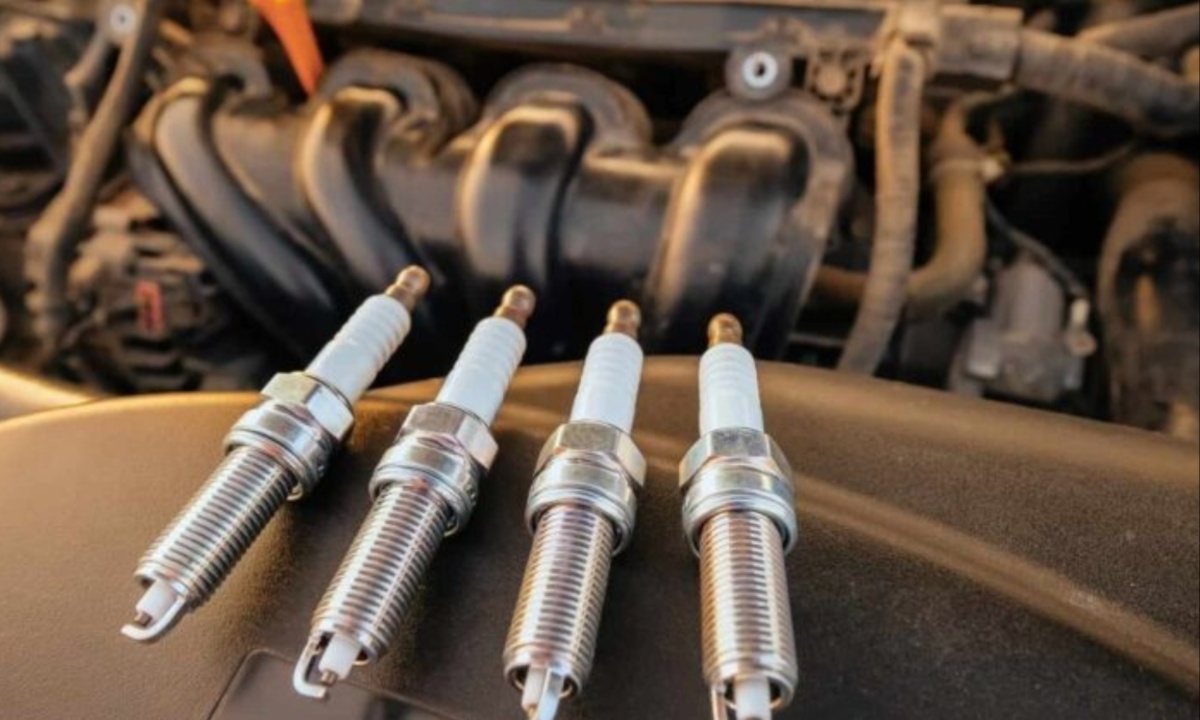
3. Inspect and Replace Spark Plugs on Schedule
Spark plugs are a small component with a big job. They ignite the air-fuel mixture in each cylinder, creating the explosion that powers your engine. When they wear out or become dirty, they misfire, leading to reduced performance, poor fuel economy, and unnecessary strain on the engine. Keeping them in good shape helps maintain the F-150’s smooth power delivery and fuel efficiency over the long term.
Different engines and model years call for different plug replacement intervals. Some can last up to 100,000 miles, while others should be replaced around 60,000. Regardless of the number, don’t wait until there’s a problem. A failing spark plug can lead to rough idling, sluggish acceleration, and even damage to the catalytic converter if ignored for too long. Replacing them ahead of schedule is cheap insurance.
Changing spark plugs isn’t particularly complicated, but it can be time-consuming depending on the engine configuration. Some versions of the F-150 make plug access easier than others. A bit of patience, the right socket, and attention to proper torque specs are usually all that’s needed. It’s also a good opportunity to inspect ignition coils and plug wires, replacing any that show signs of wear.
Clean spark plugs help the engine run more efficiently, produce fewer emissions, and start more reliably. Replacing them doesn’t just restore lost performance; it preserves engine longevity by keeping combustion balanced and controlled. For a truck meant to last 20 years or more, these small components deserve serious attention.
4. Don’t Ignore the Cooling System
The cooling system is one of the most overlooked areas in long-term vehicle care, but it’s critical to preventing engine overheating and major damage. The F-150’s radiator, thermostat, water pump, and coolant hoses work together to maintain a stable operating temperature. If any of these components start to fail, the consequences can be severe, including head gasket failure and cracked engine blocks.
Coolant doesn’t last forever. It gradually loses its ability to absorb heat and prevent corrosion. Most manufacturers recommend a coolant flush every 5 years or 100,000 miles, but for older trucks or those under stress, sooner might be better. Keeping the radiator clean and the coolant at the correct mixture prevents rust, scale buildup, and overheating cycles that shorten engine life.
Hoses and clamps should be checked regularly for signs of wear. A soft or bulging hose is a sign that it may burst under pressure. Leaks from the water pump or radiator cap can also lead to overheating, sometimes without warning. These parts are not expensive, but a failure at the wrong time can lead to thousands in repairs. Preventive replacement of worn components is a smart and simple fix.
If the temperature gauge ever climbs above normal, pull over and investigate. Even one instance of severe overheating can cause lasting damage. Regular coolant flushes, clean components, and periodic inspections are simple steps that protect one of the most important systems in the truck. With this care, the cooling system can last just as long as the engine itself.
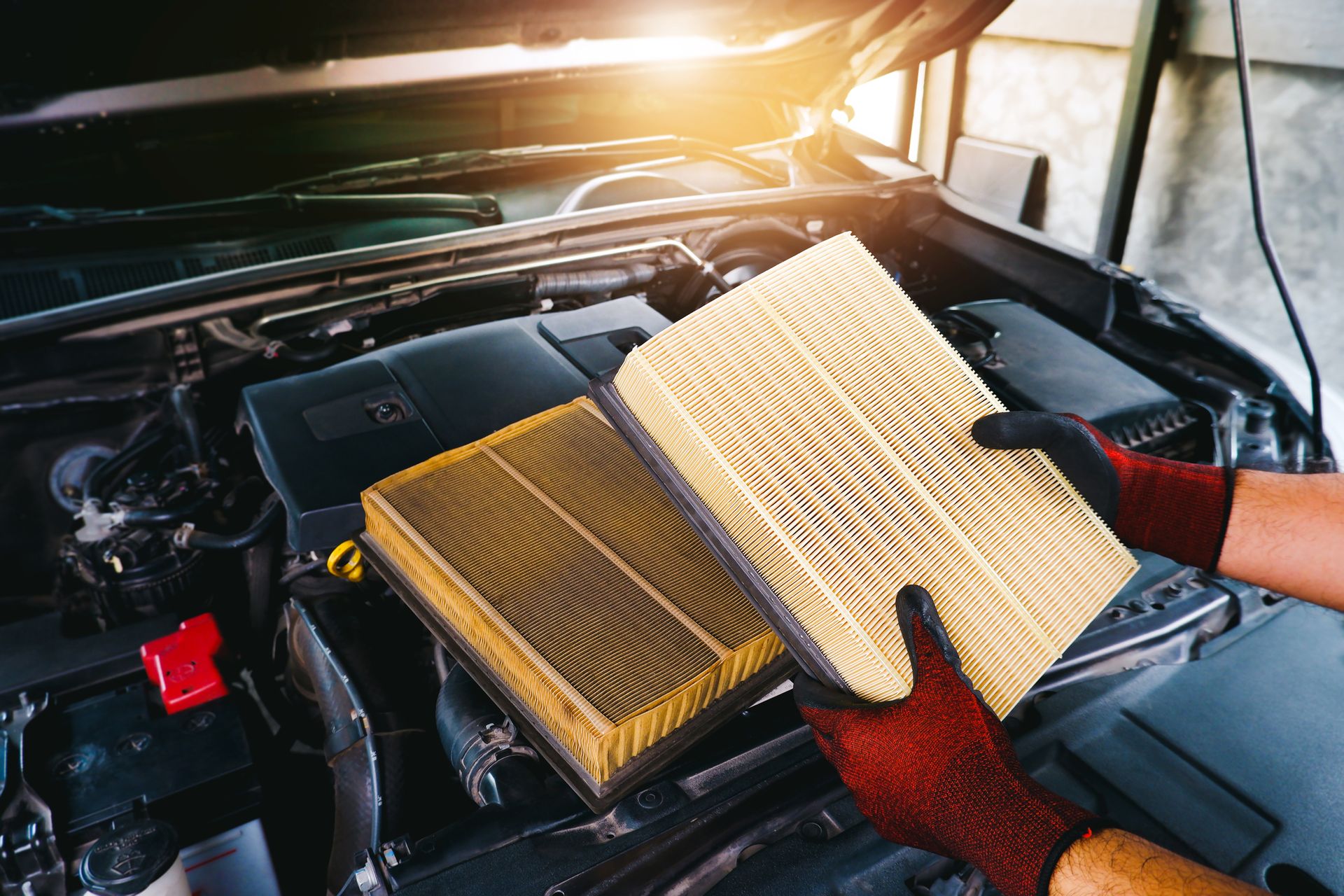
5. Replace the Air Filter When It Gets Dirty
An engine needs three things to run: fuel, spark, and air. While fuel and spark often get the spotlight, airflow is just as important. A clean air filter ensures that the engine receives the oxygen it needs for proper combustion.
When the filter becomes clogged with dirt and debris, airflow is restricted, and the engine has to work harder. This leads to reduced fuel economy and performance, and over time, it puts extra stress on components.
Checking and replacing the air filter is one of the easiest tasks an F-150 owner can do. Most filters are located in a plastic housing under the hood and can be swapped out in under five minutes. Depending on your driving environment, it may need to be replaced every 15,000 to 30,000 miles.
Trucks that operate in dusty, construction-heavy, or rural areas can experience faster air filter degradation, as the intake pulls in more particles from the environment. Over time, this buildup limits oxygen intake, which causes the engine control unit (ECU) to adjust the air-fuel mixture in a less efficient way.
When this happens, not only does the truck lose power, but it also ends up consuming more fuel to maintain performance. The increase in fuel consumption might seem minor in the short term, but it adds up over thousands of miles, especially for owners who commute or haul regularly.
When the engine receives the air it needs, combustion becomes more complete and cleaner, reducing carbon deposits and strain on internal parts like valves, pistons, and the catalytic converter. Clean combustion also contributes to a smoother idle, more responsive acceleration, and less wear on the spark plugs.
Even though the air filter itself is inexpensive and easy to ignore, keeping it fresh is a simple way to support your engine’s performance and longevity. It also helps reduce emissions, which is important for trucks operating in areas with strict environmental regulations or annual inspections.
Another benefit of replacing the air filter is that it indirectly supports other systems connected to the intake, such as the mass airflow sensor (MAF). A dirty filter allows more debris to reach this sensor, which can cause inaccurate readings.
When that happens, the ECU may miscalculate fuel delivery, causing rough running or hesitation. Cleaning or replacing a MAF sensor is more work and cost than simply keeping a fresh filter in place. In this way, a five-minute fix avoids future headaches.
Maintaining proper airflow is foundational to engine health. While it may not be as glamorous as engine mods or as noticeable as a new exhaust, a clean air filter plays a quiet but essential role in the F-150’s ability to stay strong over decades of use. It’s one of those small maintenance tasks that consistently rewards owners with better fuel economy, fewer issues, and a truck that breathes like it’s brand new.
Also Read: 5 Hybrids That Last Forever and 5 That Fail by Year Three
6. Maintain the Suspension System
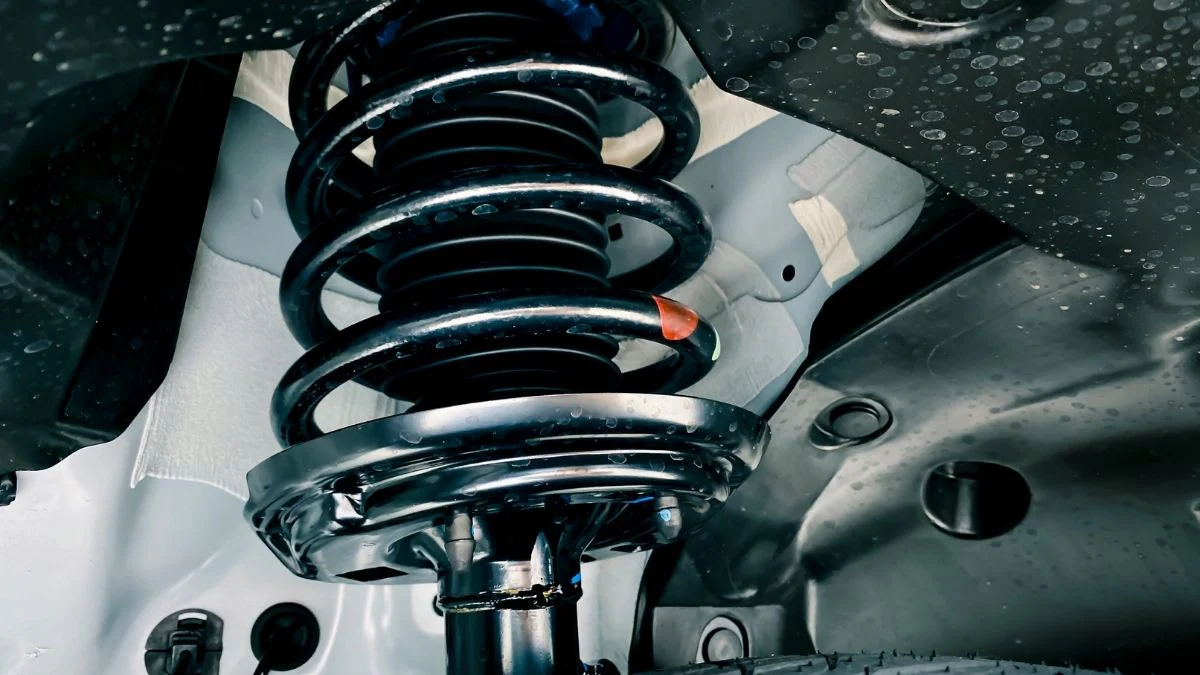
The suspension system on a Ford F-150 is designed to carry heavy loads, absorb road shocks, and keep the ride smooth and controlled. But like all mechanical systems, the parts wear out over time, especially when the truck is used for towing, off-roading, or long-distance travel.
Worn shocks, bushings, and ball joints not only affect ride comfort, but they also compromise safety and handling. Replacing these components before they fail helps the truck remain solid and stable throughout its lifespan.
Shocks and struts are particularly important, as they help manage how the truck reacts to bumps, dips, and sudden changes in terrain. When they wear out, the vehicle tends to bounce more, feel loose when turning, and take longer to stop. These symptoms might develop gradually, making them easy to ignore.
However, continuing to drive with worn-out shocks puts stress on other suspension components, tires, and even the braking system. Fortunately, replacing shocks is a straightforward task for most DIYers or any repair shop, and doing it every 50,000 to 100,000 miles can greatly improve driving quality.
Bushings and control arms are also crucial for keeping suspension geometry aligned. When rubber bushings crack or dry out, they create play in the suspension, resulting in clunks, vibrations, or erratic tire wear. If left unchecked, this movement can damage more expensive components, including tie rods and steering racks.
Periodic inspections, especially during tire rotations or alignments, can reveal worn bushings or components before they become dangerous or expensive to fix. A well-maintained suspension system makes the truck feel solid on the road and gives the driver more confidence in steering and handling.
In addition to the mechanical parts, wheel alignment and balancing are often overlooked but highly impactful. Misaligned wheels cause uneven tire wear and can affect fuel economy and steering precision.
Having the truck aligned annually, or any time new tires or suspension components are installed, helps keep everything tracking straight and minimizes stress on steering components. For a truck meant to last two decades, taking care of the suspension is about more than ride comfort. It’s about protecting the core structure and ensuring safe, stable driving through every mile.
7. Stay on Top of Brake Maintenance
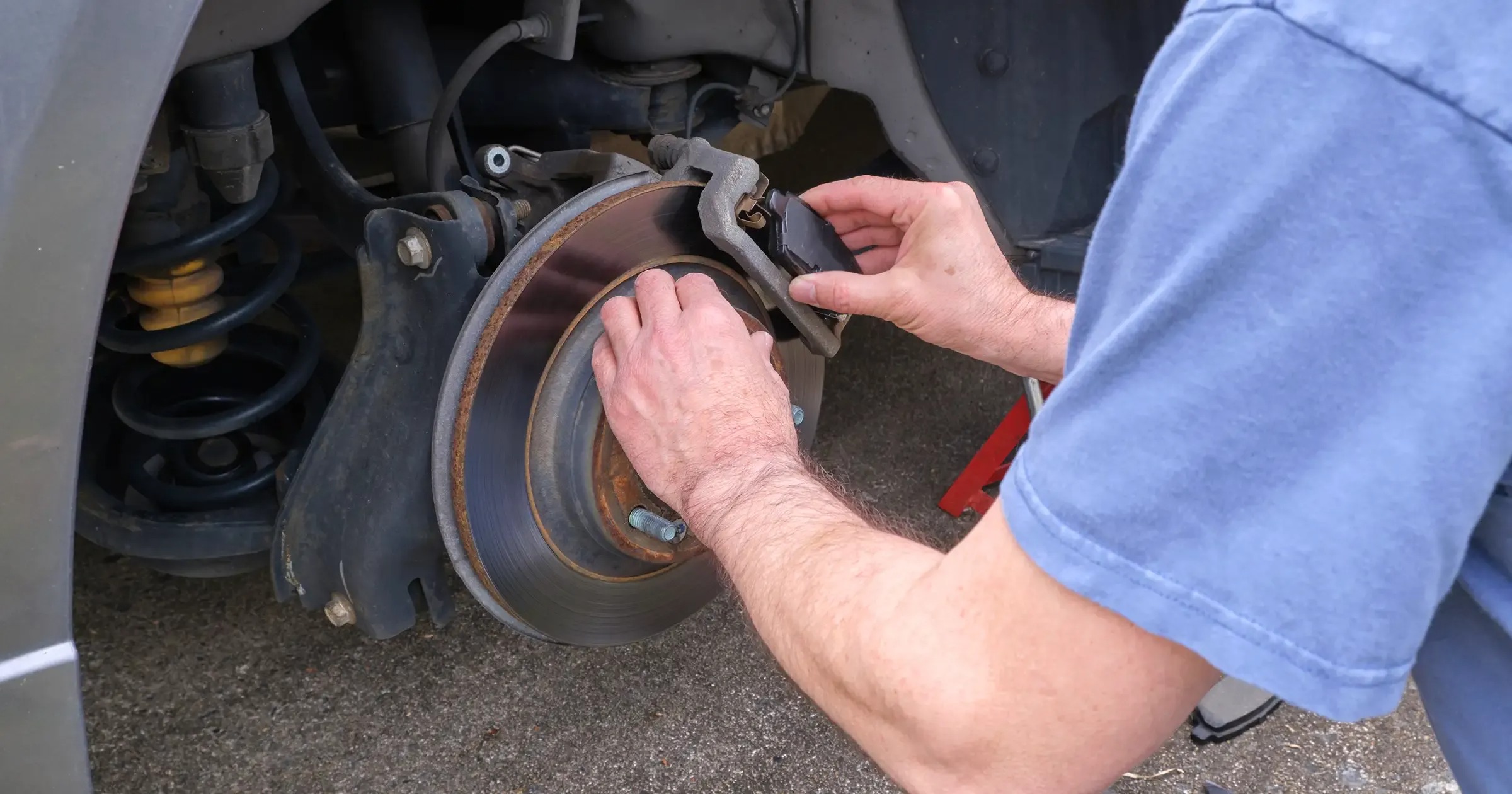
The braking system is not only essential for safety but also plays a role in the long-term condition of your truck. When brake components wear unevenly or are allowed to degrade, they can affect handling, create noise, and even damage wheel hubs or suspension parts. Keeping the brakes in good shape means more than just replacing pads when they wear down; it involves regular inspections, proper fluid maintenance, and an understanding of how the system functions.
Brake pads typically last anywhere from 30,000 to 70,000 miles, depending on driving style, terrain, and load. Towing or hauling regularly shortens the life of brake components due to the increased force required to stop.
Waiting until you hear squealing or feel vibration under braking is already too late; the pads may have reached the wear indicators or even damaged the rotors. Inspecting the pads during oil changes and replacing them early not only preserves rotor condition but also helps avoid costly repairs.
Brake fluid is another overlooked part of the system. Over time, it absorbs moisture, which can lower its boiling point and lead to spongy braking or brake fade under heavy loads. Flushing the brake fluid every 2 to 3 years maintains its effectiveness and prevents internal rust from forming inside calipers and master cylinders. This is a simple service that can greatly extend the life of the braking system and maintain proper pedal feel.
Rotors and calipers should also be monitored for uneven wear, rust, or sticking. Warped rotors create a pulsing sensation when braking, while sticking calipers can cause dragging and overheat the system. When caught early, these issues are easy to fix and relatively inexpensive.
Letting them continue unchecked, however, can lead to much bigger problems, including complete brake failure. Brakes are your first line of defense on the road, and keeping them in peak condition means not just safe driving, but a truck that handles stress with ease for years to come.

8. Rotate and Balance Tires Frequently
Tires are the only contact point between the F-150 and the road, yet they often don’t get the attention they deserve. Rotating them regularly, ideally every 5,000 to 7,500 miles, ensures even tread wear and extends the life of the tire set.
Tire balancing, while slightly different, addresses vibrations and uneven rotation, both of which can negatively affect ride quality, suspension health, and even fuel economy. These services are relatively inexpensive and take less than an hour but offer significant returns in performance and cost savings.
When tires wear unevenly, it usually points to alignment or suspension problems, but it can also happen naturally due to weight distribution and driving habits.
For instance, the front tires often wear more quickly due to steering forces, while rear tires can suffer under load, especially on rear-wheel-drive trucks. Regular rotation evens this out and helps each tire last closer to its full mileage rating. A full set of tires is a major investment, and this one fix maximizes that value.
Balancing the tires is equally important. Unbalanced tires create vibrations at certain speeds, which are not only annoying but can also wear down steering and suspension components.
Over time, this can lead to loose tie rods, damaged struts, and premature bearing wear. Balancing corrects any imbalance in the wheel-tire assembly, ensuring that each rotates smoothly and evenly. It’s especially important after new tires are installed, or if you notice changes in the way the truck drives.
Tire care also includes maintaining proper air pressure. Underinflated tires reduce fuel economy, increase wear, and can lead to blowouts.
Overinflated tires reduce traction and create a harsher ride. Checking pressure monthly and adjusting as needed according to the manufacturer’s recommendation (often found on a sticker inside the driver’s door) keeps the truck safe and efficient.
Tires are more than just rubber; they’re an integral part of how the truck drives, handles, and brakes. Proper care helps your F-150 stay smooth and strong for many years.
9. Protect the Undercarriage from Rust
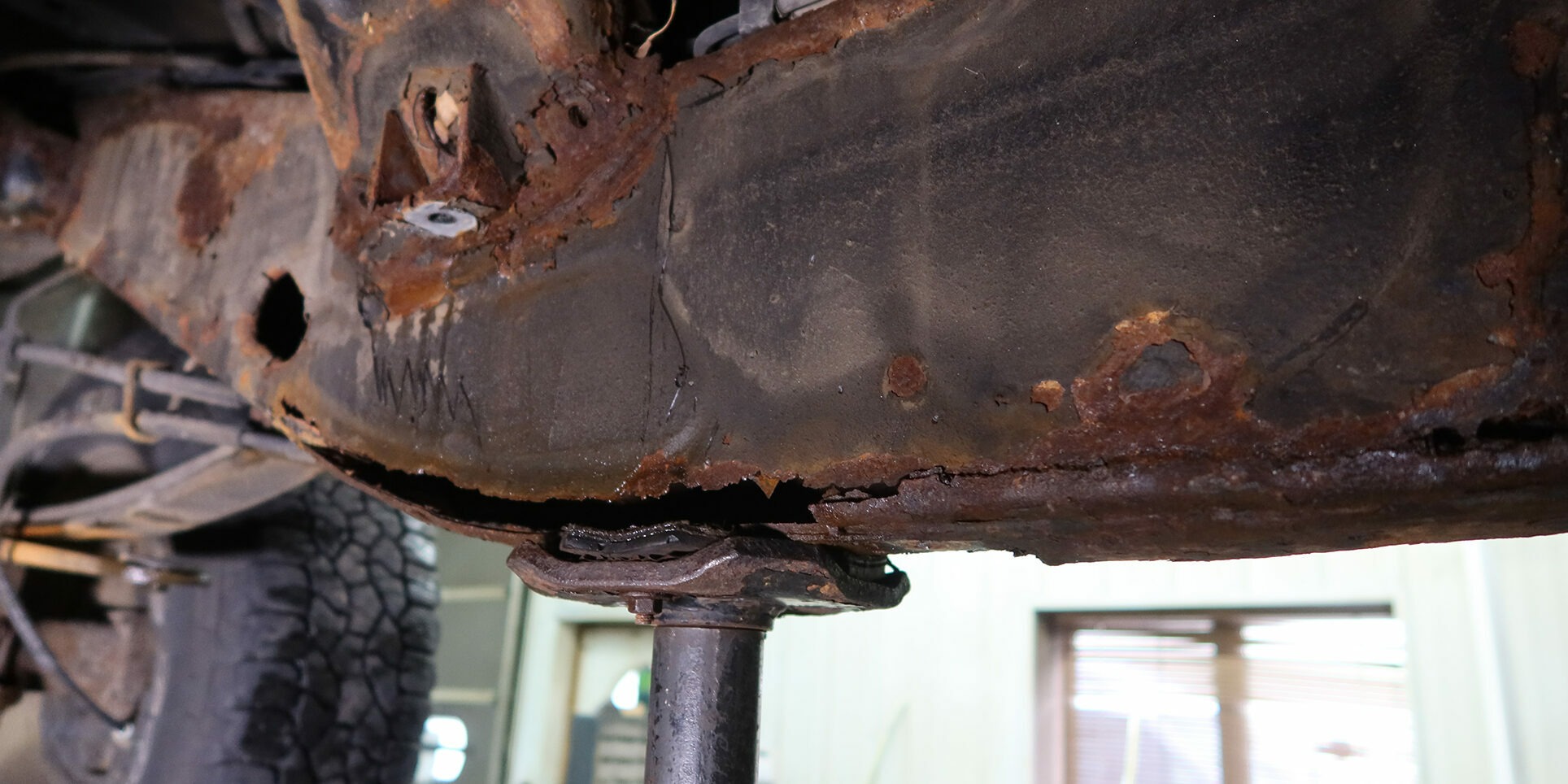
Rust is a silent killer of older trucks, especially in regions where roads are salted during winter. Once it takes hold, it spreads quickly and affects everything from the frame to brake lines, fuel tanks, and suspension mounts.
The undercarriage of the F-150 is exposed to moisture, road salt, mud, and grime, all of which create the ideal conditions for corrosion. Preventing rust is not about expensive repairs, it’s about regular cleaning and applying protective coatings.
The most basic step is washing the undercarriage regularly, especially during winter months or after off-road adventures. Many car washes offer undercarriage sprays, but using a hose at home can work just as well.
The key is getting into the wheel wells, frame rails, and around the fuel tank, where buildup tends to collect. Letting road salt sit on the metal surfaces week after week guarantees rust development. A few minutes with a hose can prevent years of decay.
For additional protection, applying a rust inhibitor or undercoating treatment is a wise move. There are many products on the market, some that dry hard like paint, and others that remain oily to repel moisture.
While professional rust-proofing is an option, many DIY solutions are effective and far cheaper. These treatments should be reapplied every year or two, especially if the truck is exposed to harsh weather or frequent off-road conditions.
Inspecting the frame and undercarriage during oil changes or tire rotations is also a good habit. Catching rust early allows for treatment with wire brushing and rust converter before it spreads. Keeping drain holes in the frame clear of debris helps prevent water from pooling inside and causing internal rust, which can be hard to detect.
A solid frame is the backbone of any truck, and preserving it through rust prevention is one of the smartest fixes any F-150 owner can make. It’s not complicated, but it does take consistency. And for a truck meant to last two decades, that investment of time is well worth it.

10. Stick to a Consistent Maintenance Schedule
One of the most powerful habits that keeps an F-150 strong for two decades is sticking to a clear and consistent maintenance schedule. Unlike emergency repairs or one-time upgrades, regular upkeep keeps the entire system running smoothly. This includes everything from oil and fluid changes to inspections, filter replacements, tire rotations, and brake service.
When maintenance becomes routine, the truck doesn’t just survive longer; it performs better every mile. Owners who follow this strategy tend to avoid major breakdowns, catch problems early, and spend less money over the long run.
Following the factory-recommended schedule laid out in the owner’s manual is the best starting point. Ford provides detailed intervals for oil changes, coolant flushes, spark plug replacements, belt inspections, and more. These aren’t just suggestions; they’re based on testing, engineering data, and years of experience.
Sticking to this timeline ensures that wear-prone components are serviced or replaced before they can cause serious damage. It also helps maintain warranty coverage and resale value, even for older trucks that may still have life left in them.
A calendar-based system is often more effective than trying to remember mileage. Set reminders for monthly checks, seasonal services, and annual inspections.
This includes looking at things like battery health before winter, tire condition before long road trips, or wiper blade replacement at the start of rainy seasons. It also allows you to batch small tasks together, saving time and making sure nothing is forgotten. Whether you do your maintenance or work with a trusted mechanic, consistency is the main ingredient that keeps things from falling apart over time.
Many long-time F-150 owners keep a logbook or app where they track each service, part replacement, and mileage update. This kind of recordkeeping makes it easy to spot patterns and know what’s due next. It also builds a history that proves the truck has been cared for, which helps immensely when selling or trading it down the road.
Trucks that reach the 300,000-mile mark usually aren’t treated like disposable machines; they’re maintained like long-term investments. A consistent maintenance schedule turns your truck from a short-term tool into a dependable companion for 20 years or more.
