

Reaching 250,000 miles on any vehicle is a milestone that not every driver achieves. For a Ford Explorer, getting past that mark is not just about luck or good fortune. It takes intentional effort, a solid maintenance routine, and an understanding of how to care for a vehicle over the long haul.
The Ford Explorer has built a reputation for durability, and many owners take pride in pushing their vehicles well beyond the usual limits. However, no matter how strong the engineering behind the model, long-term success still hinges on consistent, smart care.
Owners who manage to keep their Explorer running for such a long time often share common habits. They don’t just react when things go wrong; they stay ahead of issues. They don’t ignore odd noises, small leaks, or dashboard warnings.
Most importantly, they treat the vehicle like a long-term investment rather than something temporary. This shift in mindset makes all the difference. It encourages people to learn about the vehicle’s unique needs and develop good routines around service and care.
While some of the things that contribute to longevity are obvious, like regular oil changes, others are more subtle. How you drive, how often you wash the undercarriage, and even how you handle your Explorer in extreme weather can make a major difference.
It’s not one big thing that gets a vehicle past 250,000 miles; it’s a hundred small decisions made consistently over time. Paying attention to those decisions is where the real reward lies.
In this article, we’ll look at ten of the most important things that help a Ford Explorer last past the 250,000-mile mark. These points are based on general knowledge of vehicle maintenance and the patterns that emerge among long-term Explorer owners.
Each item represents an important area of focus that, when done right, contributes to the reliability and performance of the vehicle. Whether you’re already closing in on the 200,000-mile mark or just starting out with a used model, these are the habits and strategies that will help you get the most from your Ford Explorer.
Also Read: 10 Cars With Tricky Seatbelt Buckles for Elderly Passengers

1. Regular Oil and Fluid Changes
One of the first and most important things that keeps a Ford Explorer running strong is regular oil and fluid changes. While this might sound basic, it’s often overlooked by owners once their vehicle hits a certain age.
The engine oil is what keeps all the internal parts moving smoothly, and neglecting this simple task can lead to early wear, overheating, or complete engine failure. An Explorer engine that receives regular oil changes every 3,000 to 5,000 miles will almost always outlast one that goes too long between services.
Transmission fluid is another key player in the longevity game. The Ford Explorer, especially the older models, can be hard on transmissions. Regular fluid changes help reduce the buildup of particles that cause friction and wear inside the system.
Some drivers are hesitant to flush the transmission once the miles stack up, fearing it could loosen debris and cause damage. While that’s a valid concern for neglected vehicles, a well-maintained Explorer with routine fluid changes is far less likely to face such problems.
Coolant is often ignored, but it’s just as important as oil and transmission fluid. A healthy cooling system keeps your engine from running too hot and helps prevent gaskets from cracking.
If you’ve ever seen steam pouring out of an old SUV’s hood, chances are the cooling system was neglected. Keeping coolant fresh and topped off helps maintain the balance between engine temperature and long-term reliability. Don’t wait until your temperature gauge creeps upward to act.
Even brake fluid and power steering fluid have their place in this routine. Both are hydraulic fluids that degrade over time. If they’re allowed to sit for years without attention, they can corrode internal parts or lead to failures in braking and steering systems. Together, all these fluids form a chain that keeps the vehicle moving safely and smoothly. Skipping any part of that chain puts extra stress on the rest, and over time, that stress can shorten the life of the vehicle.
2. Timely Maintenance of Belts and Hoses
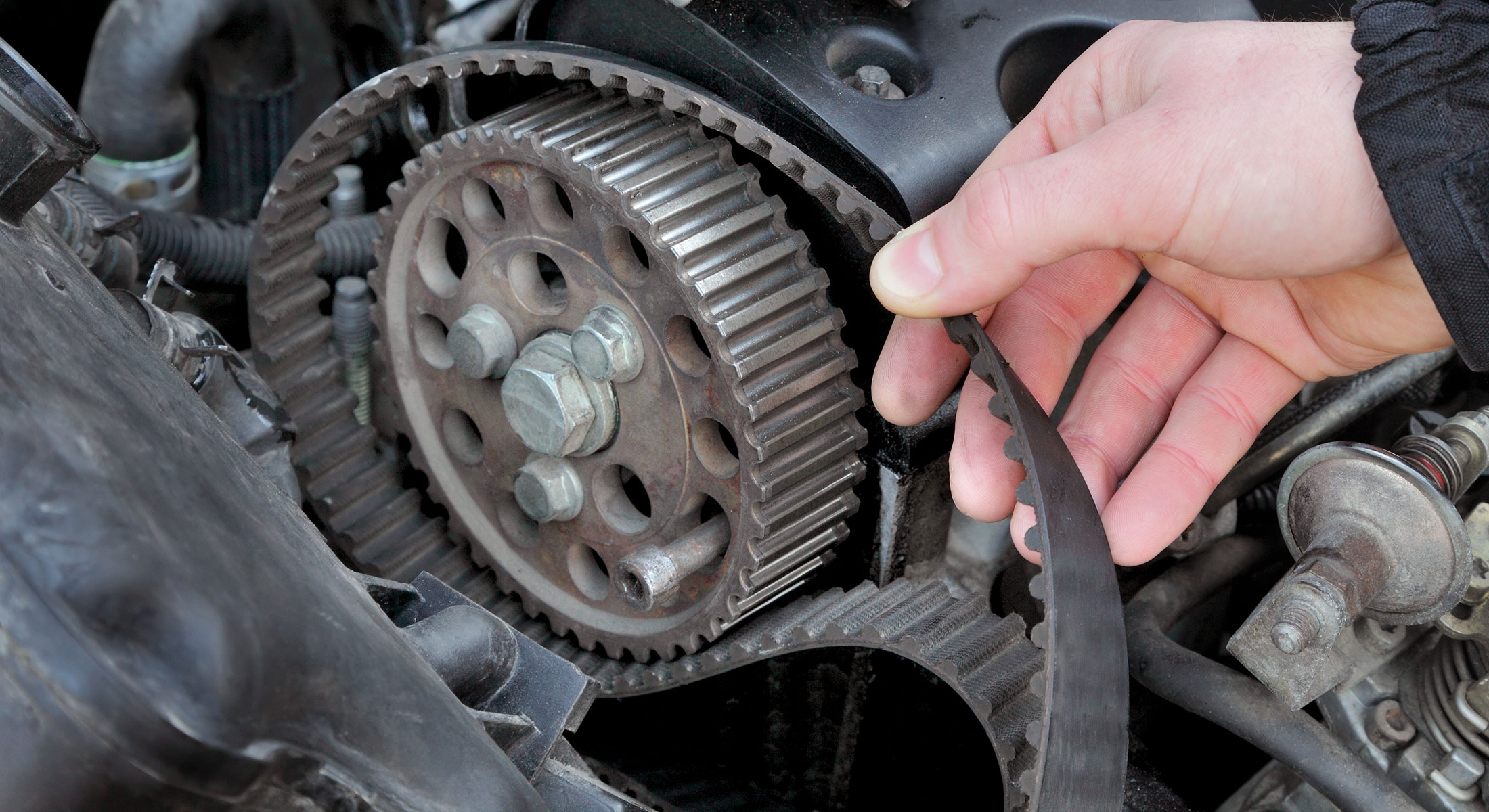
Belts and hoses are often overlooked because they’re not as flashy as major components like the engine or transmission. However, a worn-out belt can leave you stranded just as easily as a failed engine can.
The Explorer’s serpentine belt, which drives everything from the alternator to the power steering pump, needs to be inspected regularly. Cracks, frays, or shiny spots are signs that it’s on its last legs. Replacing it before it snaps is a small price to pay compared to the damage it can cause when it fails.
Hoses carry everything from coolant to power steering fluid, and over time, they harden, crack, or develop leaks. These issues can lead to overheating, steering problems, or loss of braking assistance.
One of the best things Explorer owners can do is get under the hood and check these rubber components every few oil changes. Replacing a $30 hose is nothing compared to the cost of replacing a warped cylinder head due to overheating.
Timing belts or timing chains are another big item, depending on the Explorer model year. If the model has a timing belt, it will need to be replaced at set intervals, often around 90,000 to 100,000 miles. Failure to replace it on time can result in catastrophic engine damage. If the Explorer has a timing chain, it still requires care, such as proper oil levels and clean oil to prevent premature wear of the chain and tensioners.
Maintaining these parts isn’t glamorous, but it’s necessary. The wear and tear on belts and hoses isn’t always visible from the outside, which is why routine inspections are essential. They’re among the most affordable preventive maintenance tasks, yet ignoring them can lead to major breakdowns. Drivers who keep these parts in good shape tend to spend more time behind the wheel and less time waiting for tow trucks.
3. Using Quality Replacement Parts
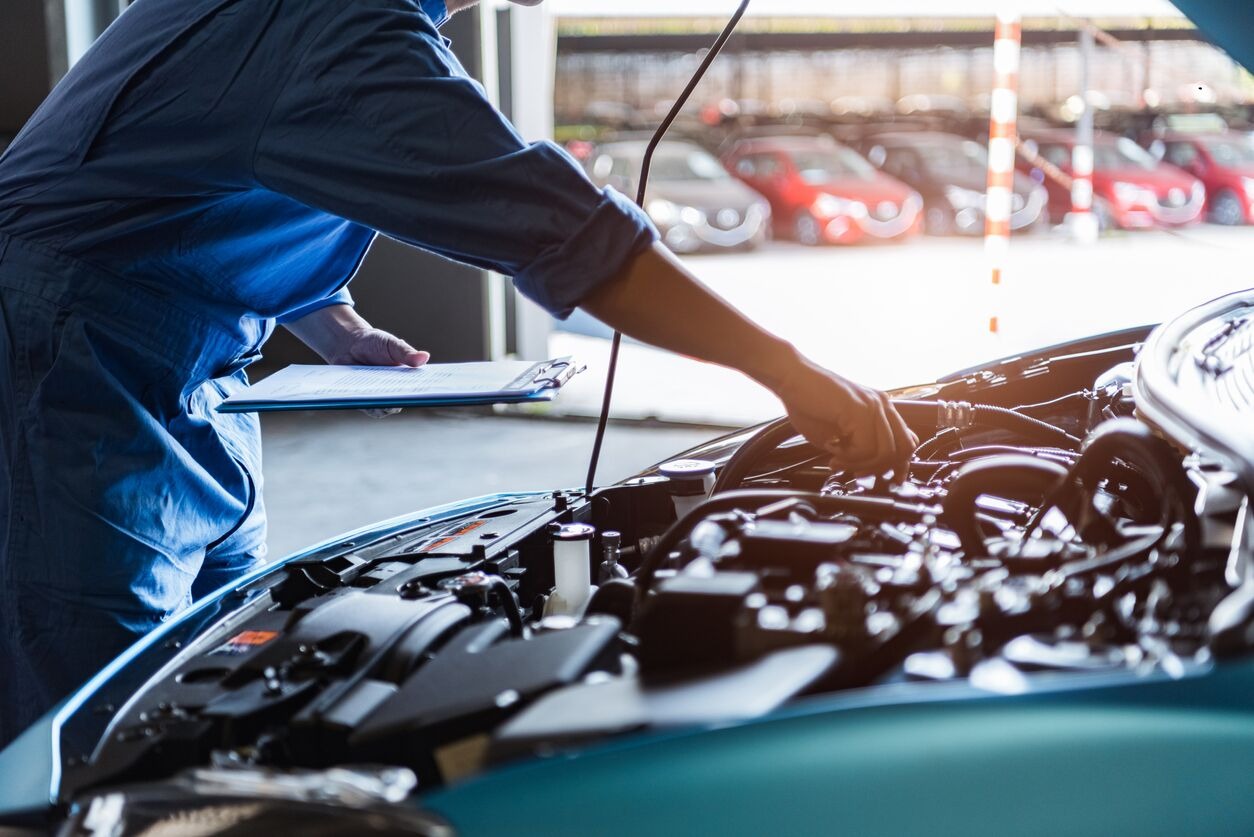
Using high-quality parts when servicing your Explorer makes a huge difference over time. While it might be tempting to buy the cheapest replacement parts, especially on older vehicles, low-quality components often wear out faster or fail entirely under stress.
A good example is brake pads. Cheaper versions can squeal, wear unevenly, or even damage rotors. In contrast, high-grade brake pads not only last longer but also provide better stopping power, which also protects other brake components.
The same principle applies to suspension parts like ball joints, control arms, and bushings. Budget parts might seem fine at first but tend to wear quickly under the weight and road stress that an SUV experiences.
Ford Explorers, especially those used for towing or off-road driving, benefit greatly from durable aftermarket or OEM (original equipment manufacturer) parts. These parts are built to meet higher standards and provide better long-term value, even if they cost more upfront.
Engine components like spark plugs, ignition coils, and sensors also benefit from better quality. When cheaper parts fail, they don’t always give warning signs before causing drivability issues. For instance, a failing mass airflow sensor can cause rough idling, poor fuel economy, and even stalling.
A quality sensor will hold up better against heat and contamination. Similarly, using high-quality filters, whether for oil, fuel, or air, can keep dirt and debris out of key systems, extending their lifespan.
Even exterior parts like door handles, locks, and window regulators can affect your driving experience if they break repeatedly. Quality replacements may cost a bit more, but they offer peace of mind and less hassle.
Owners who consistently invest in the right parts are the ones most likely to see their Explorers cross the 250,000-mile threshold. It’s not about spending the most money; it’s about spending wisely on parts that perform as expected and don’t need to be replaced again within months.
4. Keeping the Undercarriage Clean
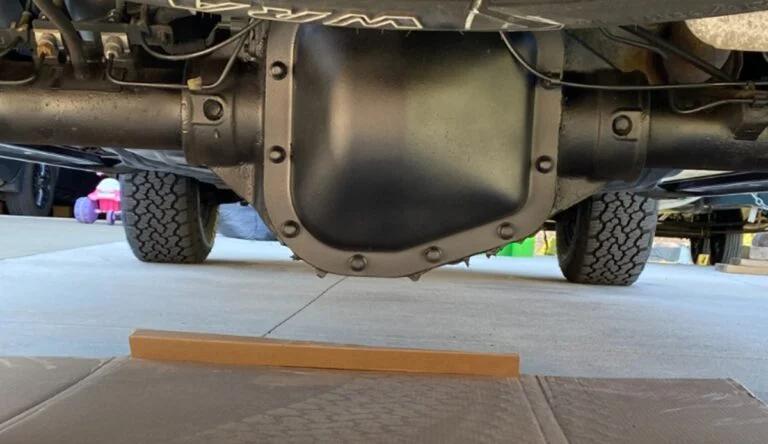
Rust is one of the quiet killers of any high-mileage vehicle, and the Ford Explorer is no exception. One of the most effective ways to protect the frame, brake lines, and suspension components is by keeping the undercarriage clean.
Road salt, mud, and grime accumulate underneath and begin to eat away at metal components over time. If you’re in a region with harsh winters, regular underbody washing should be part of your routine, especially during snow season.
Even during warmer months, off-road use or driving on gravel roads can lead to a buildup of debris that traps moisture. Moisture plus time equals corrosion.
While rust might not seem like a performance issue at first, it eventually compromises the structural integrity of critical parts. Rusted brake lines can rupture under pressure, corroded exhaust pipes can develop leaks, and a rusted frame can become unsafe to drive on. All of this can shorten the life of the vehicle drastically.
Applying an undercoating or rust inhibitor is another step many long-term Explorer owners take. While it’s not a one-time solution, it creates a protective barrier that helps slow down the oxidation process.
Reapplying it annually or biannually can make a big difference. Some drivers also inspect their undercarriage once or twice a year with a flashlight, looking for early signs of surface rust or flaking metal. Catching rust early gives you a chance to treat it before it spreads.
Finally, parking habits also play a role. Parking over grass or dirt allows moisture to rise and settle on the undercarriage. Parking on gravel or pavement helps keep the underside dry and less vulnerable to rust. Many people overlook the bottom half of their vehicle, but it’s where some of the most expensive problems can begin.
Rust can begin with just a small patch of surface corrosion, but left unchecked, it spreads underneath paint and seals, eventually causing significant structural damage. The Ford Explorer’s body-on-frame construction means that the undercarriage includes vital components such as the frame rails, suspension mounts, brake and fuel lines, and exhaust system, all vulnerable to corrosion.
For example, brake lines affected by rust are not only a safety hazard but also expensive to replace due to their complex routing underneath the vehicle. This is why cleaning the undercarriage regularly, especially in climates where roads are salted during winter, is critical. Salt accelerates the oxidation process and can cause hidden damage that is only discovered during major repairs or inspections.
Off-road explorers or those used in rural areas face additional risks. Dirt, mud, and organic debris pack tightly in crevices where moisture can remain trapped for weeks, providing the perfect environment for rust to form. An Explorer driven through muddy trails or unpaved roads can benefit from a hose-down of the undercarriage after each outing.
Some drivers even invest in pressure washers designed specifically for underbody cleaning to dislodge stubborn debris and salt deposits effectively. Skipping this step often leads to accelerated wear on components like suspension bushings and control arms, which are costly to replace and can lead to unstable handling.
5. Maintaining a Consistent Tire and Wheel Care Routine
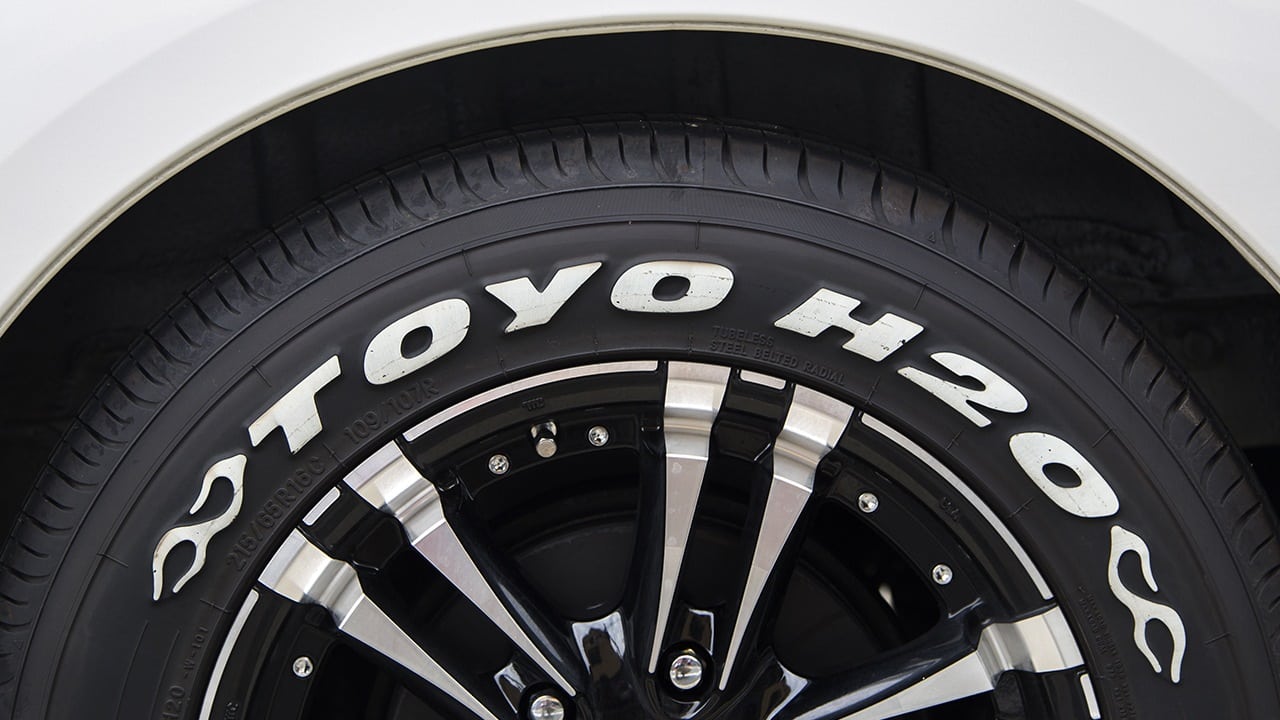
Tires are one of the most overlooked parts of any vehicle when considering longevity, yet they play a pivotal role in maintaining the safety, comfort, and even the lifespan of your Ford Explorer.
Proper tire maintenance helps ensure that the vehicle handles well under all conditions, reduces wear on suspension components, and keeps fuel efficiency optimized. Worn or improperly inflated tires can cause uneven stress on parts like wheel bearings, ball joints, and shocks, which can lead to premature failure if left unattended.
Routine tire rotation is an essential practice for even tread wear. Because the front tires on an Explorer often carry more weight and are subject to different stresses compared to the rear, rotating them every 5,000 to 7,000 miles helps balance the wear.
This not only extends the life of the tires but also reduces the chance of handling problems like pulling to one side or excessive vibration. Many owners who regularly rotate their tires find that their Explorers feel more stable and comfortable, even after many miles.
Balancing the wheels and aligning the suspension are also key to tire and vehicle longevity. Unbalanced tires or misaligned wheels cause vibrations that can wear down tires and suspension parts faster than usual.
Misalignment can also cause the Explorer to pull to one side, which can be dangerous at higher speeds and during emergency maneuvers. Scheduling alignment checks annually, or whenever you notice uneven tire wear, keeps the vehicle operating safely and reduces the risk of expensive suspension repairs.
Finally, regular inspections for tire damage, such as cuts, bulges, or uneven tread, are important. Tires are the only part of your Explorer that touches the road, so any damage affects the entire vehicle’s performance and safety. Maintaining proper tire pressure according to Ford’s recommendations also plays a role in longevity.
Overinflated tires lead to uneven wear in the center of the tread, while underinflated tires wear more on the edges and generate excess heat, which weakens the rubber over time. Drivers who prioritize tire care help prevent unnecessary strain on their Explorer’s drivetrain and suspension, improving the chances of reaching high mileage without significant problems.
Also Read: 10 Cars With Tricky Seatbelt Buckles for Elderly Passengers
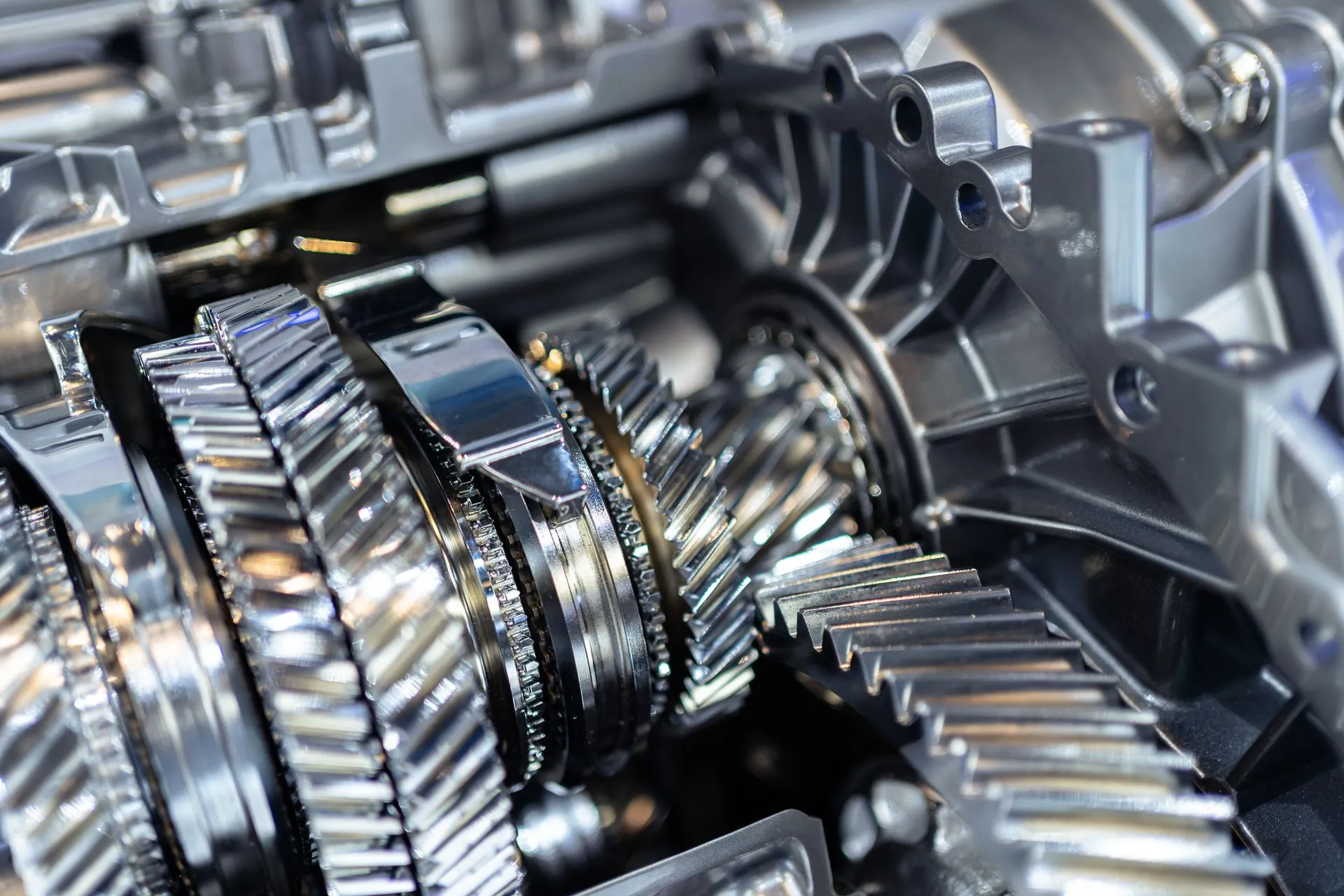
6. Addressing Engine and Transmission Issues Early
One of the biggest contributors to a Ford Explorer lasting beyond 250,000 miles is how promptly owners address engine and transmission issues. These two systems are the heart of the vehicle, and problems left unattended often escalate rapidly, resulting in costly repairs or total failure.
It’s common for people to ignore small signs, like a slight transmission slip, odd noises, or rough idling, assuming they’ll resolve on their own. However, taking immediate action can prevent the deterioration of these complex components.
For the engine, keeping an eye on any signs of oil leaks, unusual noises, or performance drops can alert owners to emerging problems. Small leaks, if ignored, can cause oil levels to drop unexpectedly, leading to increased friction and wear.
Issues like misfires, rough idle, or hesitation on acceleration can signal spark plug wear, fuel delivery problems, or sensor malfunctions. Addressing these issues with diagnostic tools and repairs keeps the engine running efficiently and avoids damage to expensive parts such as the catalytic converter or pistons.
Transmission care is equally vital, especially since Ford Explorers have had some known transmission concerns in earlier models. Regular transmission fluid checks and changes help prevent overheating and wear on internal components. If the transmission starts slipping, hesitating between shifts, or making grinding noises, early diagnosis is essential.
Many drivers who have kept their Explorers running past 250,000 miles were proactive with transmission maintenance, including fluid flushes, filter replacements, or even rebuilding worn components when needed.
Sometimes, engine and transmission repairs can be costly, but they are investments in the vehicle’s longevity. Waiting too long often causes collateral damage, such as a slipping transmission damaging the torque converter or a blown head gasket ruining the engine block.
Keeping up with scheduled service, monitoring fluid conditions, and taking any abnormalities seriously gives the Explorer the best chance to reach high mileage without catastrophic failures.
7. Caring for the Cooling System
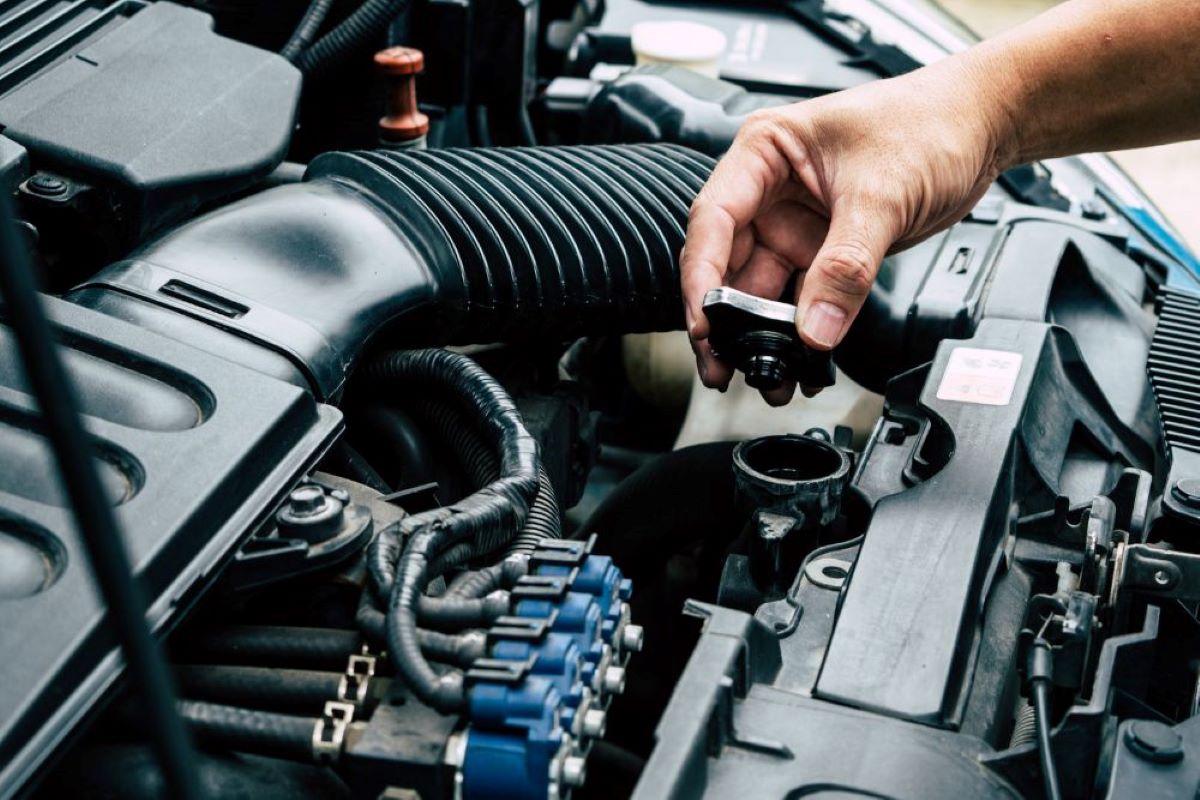
The cooling system is one of the most important, yet commonly neglected, parts of any vehicle’s longevity plan. For the Ford Explorer, managing engine temperature is crucial to avoid overheating, which can lead to head gasket failures, warped cylinders, and even engine seizure. The cooling system includes the radiator, water pump, thermostat, hoses, and coolant fluid, all of which need regular inspection and maintenance.
Coolant, often overlooked by many drivers, loses its protective qualities over time. It not only cools the engine but also contains additives that prevent rust and corrosion inside the radiator and engine block.
Flushing the coolant system every 2 to 3 years, or according to the manufacturer’s recommendations, replaces old fluid with fresh antifreeze, which improves heat transfer and corrosion resistance. Neglecting this task can cause buildup inside the cooling system, reducing its effectiveness and increasing the risk of overheating.
The radiator and water pump must be in good working condition as well. Radiators can develop leaks or get clogged with debris, which impairs cooling efficiency. Water pumps, responsible for circulating coolant through the engine, have bearings and seals that wear out over time.
Early signs of failure include coolant leaks under the vehicle or a high-pitched whining noise from the pump area. Replacing a failing water pump proactively prevents engine damage and avoids being stranded.
Thermostats regulate coolant flow, ensuring the engine reaches its optimal operating temperature quickly and stays there. A stuck thermostat can cause the engine to run too hot or too cold, leading to increased wear or poor fuel economy.
Replacing the thermostat as part of regular cooling system maintenance or when overheating symptoms appear helps maintain engine health. Drivers who stay on top of cooling system care avoid overheating catastrophes, which is a major reason many Ford Explorers can surpass 250,000 miles.
8. Paying Attention to the Exhaust System
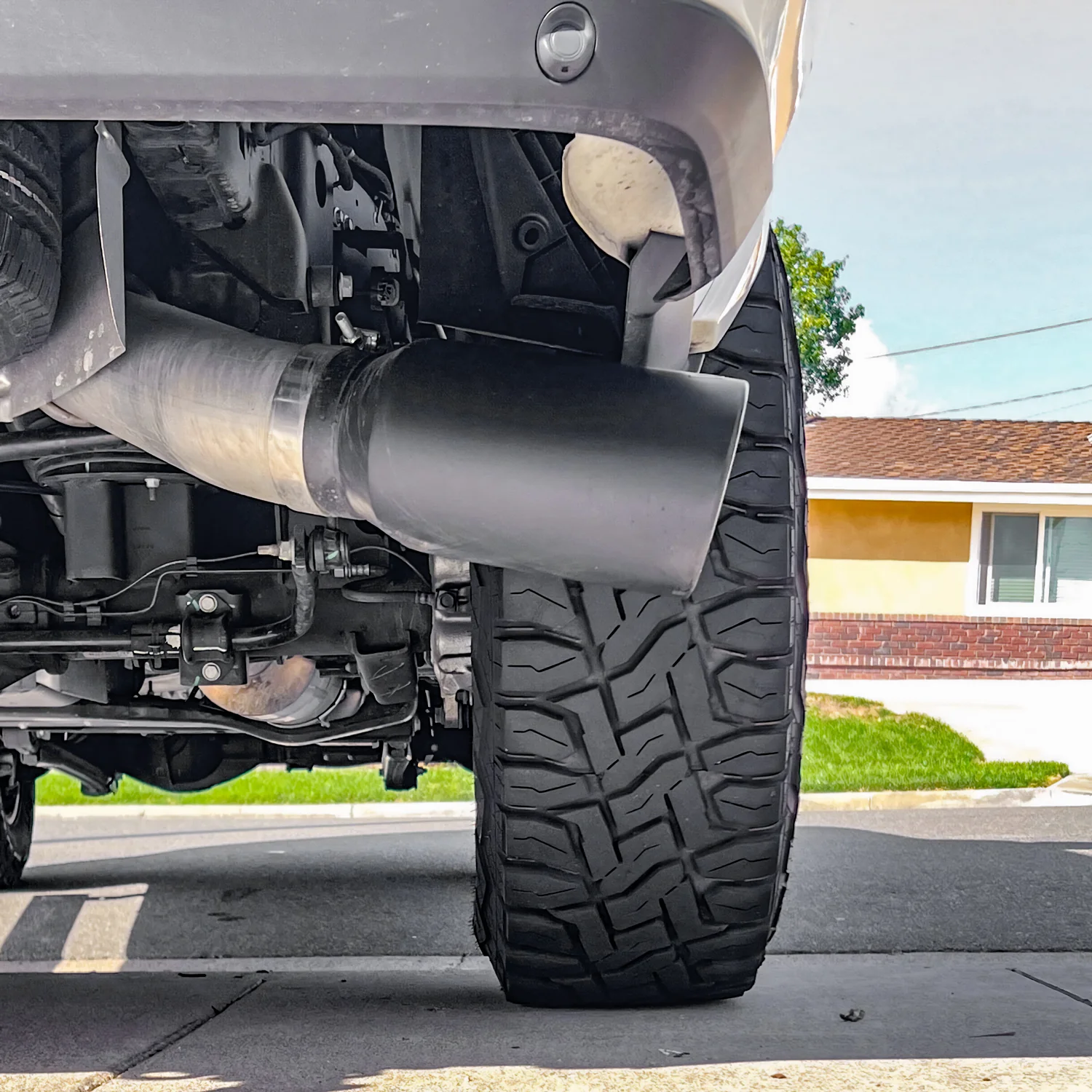
The exhaust system might seem less critical compared to the engine or transmission, but it plays a major role in engine performance, fuel efficiency, and emissions. For a Ford Explorer to last over 250,000 miles, the exhaust system needs consistent attention. Leaks, rust, or damaged components can cause backpressure issues that reduce power or lead to increased engine wear.
Exhaust leaks often begin as small holes or cracks in the pipes or muffler, usually caused by rust or physical damage from road debris. Even small leaks can affect the oxygen sensors, causing the engine control unit (ECU) to miscalculate the air-fuel mixture.
This leads to rough running, poor fuel economy, and increased emissions. A well-maintained exhaust system ensures sensors provide accurate data and the engine runs optimally.
Rust is a major concern in the exhaust system, particularly in regions with salty roads or high humidity. The muffler, catalytic converter, and exhaust pipes are exposed to moisture and heat cycles, which accelerate corrosion.
Regular inspections under the vehicle, especially after winter, can identify rust spots before they become holes or cause parts to fall off. Replacing rusted sections or installing high-quality aftermarket parts can prolong the system’s life and improve vehicle reliability.
Finally, the catalytic converter and oxygen sensors need special care. While catalytic converters usually last a long time, they can become clogged or damaged due to engine problems or contaminated fuel. Oxygen sensors, which help regulate fuel mixture and emissions, wear out over time and need replacement every 60,000 to 100,000 miles. Proper exhaust system maintenance leads to better engine performance and helps the Explorer continue running strong through high mileage.
9. Staying Ahead on Suspension and Steering Repairs
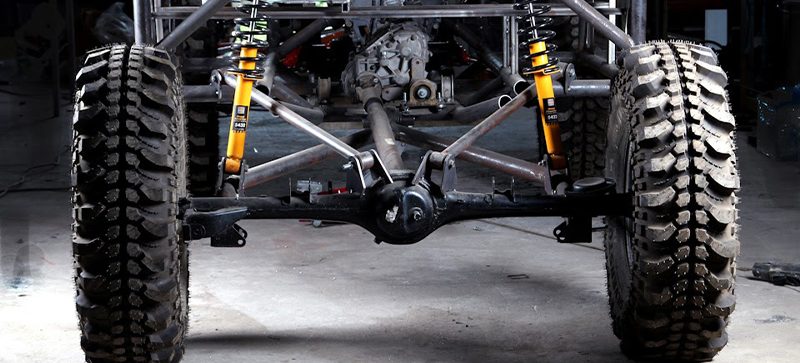
The suspension and steering systems are essential for safe handling, ride comfort, and drivability. On a high-mileage Ford Explorer, these parts often show wear from road conditions, heavy loads, and normal aging. Paying attention to suspension and steering early keeps the vehicle stable and prevents further damage that can become expensive if ignored.
Common suspension components such as shocks, struts, ball joints, and control arms wear out over time. Worn shocks lead to excessive bouncing, poor braking performance, and uneven tire wear.
Ball joints and bushings, if left unchecked, cause loose steering, clunks, and can eventually break, leading to loss of control. Regular inspections and replacing worn parts as soon as symptoms appear help avoid dangerous situations and costly repairs.
Steering components like tie rods, the steering rack, and power steering pump also require attention. Play in the steering wheel, difficulty turning, or strange noises when steering are signs that something is wrong. A failing power steering pump can make the vehicle hard to steer and lead to other hydraulic system issues. Keeping these parts in good shape ensures the Explorer handles predictably and safely.
Long-term owners often note that replacing suspension and steering parts with quality components makes a huge difference. Cheaper parts tend to wear faster and cause repeated trips to the mechanic. Investing in OEM or reputable aftermarket parts means fewer problems and a more comfortable ride, helping the Explorer stay reliable for years and miles to come.

10. Driving Habits That Preserve Longevity
Finally, the way the Ford Explorer is driven plays a critical role in its ability to reach and exceed 250,000 miles. Aggressive driving, frequent hard acceleration, harsh braking, and towing beyond recommended limits can all cause accelerated wear on engines, transmissions, brakes, and suspension components. Long-lasting Explorers are often driven with smooth, deliberate habits that reduce strain on key systems.
Avoiding unnecessary idling, warm-up periods, and short trips that don’t allow the engine to reach optimal temperature also helps preserve the drivetrain.
Engines and transmissions perform best within certain temperature ranges, and constantly running cold can increase condensation buildup, sludge formation, and wear. Drivers who plan their trips to allow proper warm-up and cooling cycles give their Explorers a better chance at longevity.
Managing load is another important factor. Overloading or towing more than the Explorer’s rated capacity can cause overheating, transmission wear, and suspension damage. Drivers mindful of weight limits and who distribute loads properly experience fewer mechanical failures over time. Keeping a moderate speed and avoiding excessive RPMs also reduces engine and transmission wear.
In addition, regular breaks during long trips help cool down hot components and allow fluids to circulate more effectively. Many owners who have pushed their Explorers well past the 250,000-mile mark credit thoughtful driving as one of the main reasons their vehicles remain reliable.
It’s the combination of consistent maintenance, quality parts, and smart driving that keeps the Explorer running strong for hundreds of thousands of miles.
