

Long road trips can bring out the best and worst in a vehicle. For anyone planning a long-distance journey, especially with family or a full load of cargo, vehicle readiness is more than just convenience; it’s about safety, comfort, and peace of mind.
The Nissan Pathfinder has become a reliable companion for those looking to cover serious mileage without second-guessing performance or practicality. Known for its sturdy build, spacious interior, and modern tech features, the Pathfinder stands as a dependable SUV for all kinds of travel plans. But just owning a capable vehicle isn’t enough. Keeping it ready for the open road involves attention to detail and maintenance in the right areas.
A road-trip-ready vehicle has to do more than simply run. It should be able to adapt to different terrain, carry passengers and gear comfortably, and maintain fuel efficiency over long stretches. Drivers need to trust their SUV when ascending steep grades, navigating winding roads, or cruising along monotonous highways.
The Pathfinder fits this profile well when properly equipped and maintained. From tire condition to onboard technology, several small and large components contribute to a smoother trip and fewer roadside issues. Preparing these systems ahead of time makes all the difference when miles start piling up.
It’s also about endurance. A family SUV like the Pathfinder can handle various travel scenarios, mountain drives, beach trips, desert highways, or snowy passes, but it only performs at its peak if regular maintenance and sensible upgrades are taken seriously.
Getting stuck with an overheating engine or dealing with poor lighting on dark roads can ruin a good trip fast. Even smaller discomforts like poor air circulation or worn seats can make hours on the road feel longer than they are.
This article covers ten specific areas that help keep a Nissan Pathfinder road-trip ready. Each plays a distinct role in preserving both vehicle performance and passenger experience over long distances. These are not just suggestions, but important elements that together create a reliable and enjoyable drive.
Also Read: 10 Cars With Tricky Seatbelt Buckles for Elderly Passengers
1. Tire Health and Pressure Management
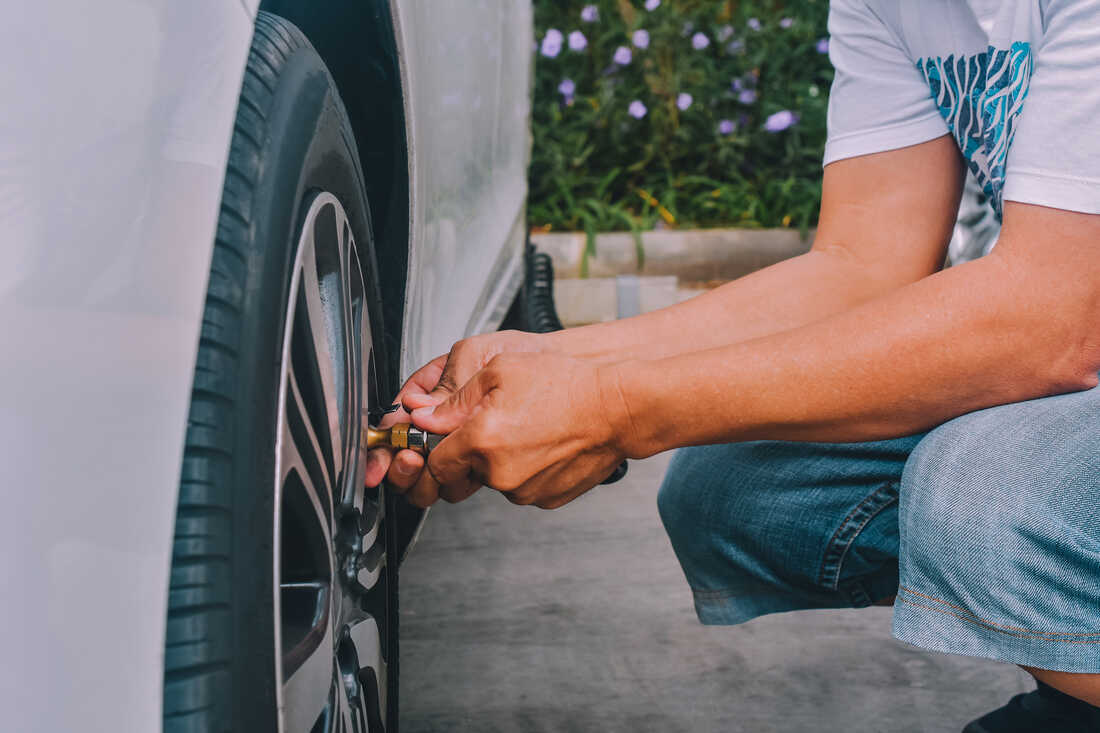
The first and perhaps most overlooked area is tire health. Tires are the only point of contact between the vehicle and the road, and their condition can directly affect every aspect of the drive, from fuel economy to safety. A worn tire doesn’t just reduce traction, it puts everyone at risk during wet or uneven road conditions.
For a vehicle like the Pathfinder, which may be carrying extra weight in passengers and luggage, tires need to be in strong condition with consistent tread depth across all four wheels.
Correct tire pressure is just as important as tread condition. Underinflated tires generate more heat and reduce fuel efficiency, while overinflated ones can compromise road grip and lead to uneven wear. Before a road trip, it’s worth taking five minutes to check the pressure against the specifications in the driver’s manual.
For extended trips that involve varying elevations or climates, pressure should be monitored at least every couple of days. Investing in a quality digital pressure gauge is a smart move for any Pathfinder owner who travels frequently.
Another key aspect is alignment and balance. A misaligned set of wheels can cause vibrations, pulling to one side, or uneven wear that shortens tire life. If the steering feels off or there’s any wobble at highway speeds, getting an alignment check is a wise move before departure.
Balance issues, often unnoticed at low speeds, can become irritating over long distances, making the drive uncomfortable and reducing vehicle efficiency. Lastly, it helps to carry a full-size spare and know how to use it.
The Pathfinder typically includes a compact spare, but upgrading to a full-size one, especially for off-road or remote travel, is smart. Along with a reliable jack and lug wrench, these tools form a basic safety net. After all, no GPS or entertainment feature will matter if the trip is delayed by a preventable tire failure in the middle of nowhere.
2. Engine Fluids and Oil Levels
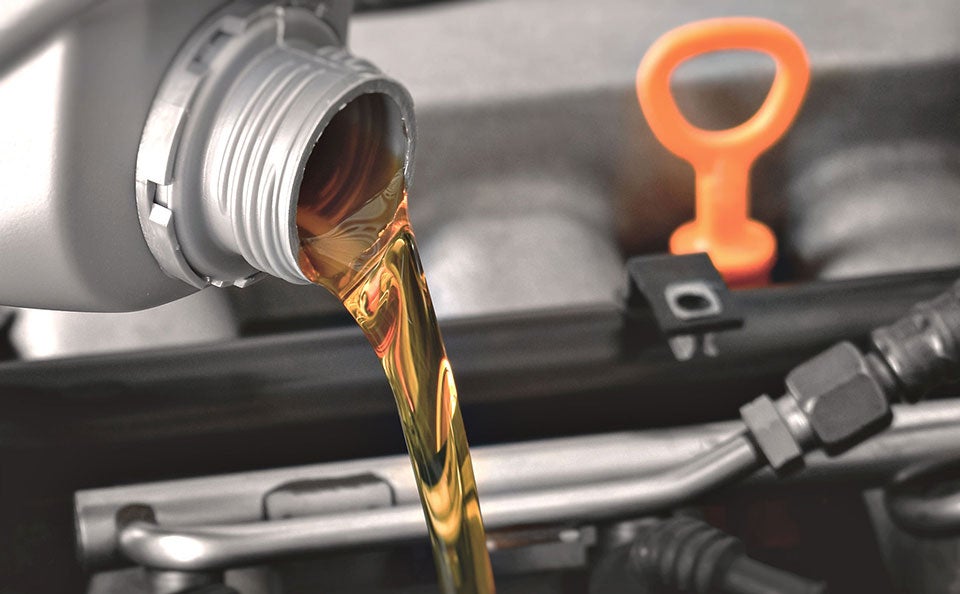
The Pathfinder’s engine is built to handle long hours of operation, but it depends heavily on fluid maintenance. Engine oil is the most vital of all, serving to lubricate moving parts, regulate heat, and prevent internal damage.
Before a long road trip, checking the oil level and color should be non-negotiable. Dirty or low oil increases engine strain, raises operating temperatures, and shortens engine life. A full synthetic oil change right before the trip is ideal, especially for those going over 1,000 miles.
Transmission fluid is another key item. While it doesn’t need to be changed as often as oil, its level and clarity should be monitored. Sluggish shifting or delayed acceleration can signal low or degraded fluid. The Pathfinder’s transmission, particularly in newer CVT-equipped models, can be sensitive to fluid condition, and replacing it preemptively can prevent roadside issues during long drives.
Coolant plays a major role in keeping the engine at a safe operating temperature. A low coolant level or improper mixture can lead to overheating, especially in hot climates or when climbing hills.
It’s not enough to just top off the reservoir, the system should be inspected for leaks or weak hoses that may fail under pressure. A radiator flush every couple of years also prevents corrosion buildup and improves performance.
Power steering and brake fluid are often overlooked but crucial. Low power steering fluid can make maneuvering the vehicle at rest stops or gas stations difficult, while degraded brake fluid affects stopping distance and pedal response.
These fluids should be topped off and checked for contamination before departure. Making sure the Pathfinder has clean, full fluids across the board is one of the simplest ways to prepare for a long journey with confidence.
3. Braking System Reliability
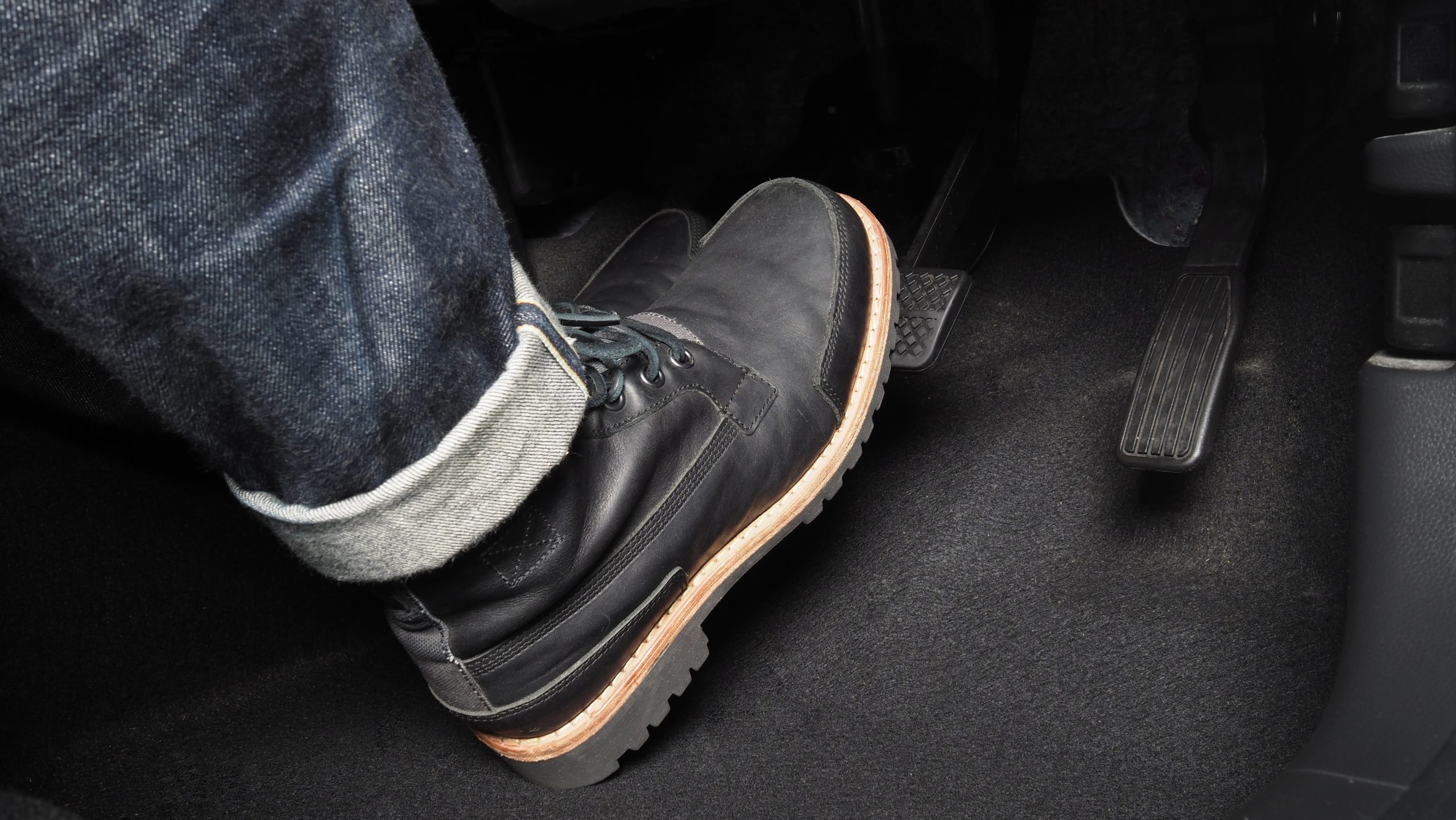
Reliable brakes are not optional, especially when dealing with long descents, heavy cargo, or unpredictable road conditions. The Pathfinder’s braking system is robust, but like all systems, it wears with time and use.
Pads should be checked for thickness, and rotors inspected for warping or deep grooves. Squeaking or grinding sounds when braking are signals that replacement is due, ignoring them before a trip could mean serious trouble on the road.
Brake fluid condition is part of the equation as well. Moisture can build up in the system over time, reducing braking efficiency and causing corrosion inside brake lines. A fluid flush every two years is ideal, particularly if the vehicle has seen mixed driving conditions. For road trips involving mountainous terrain, brake fade due to heat can be a concern, and clean fluid helps reduce that risk.
The anti-lock braking system (ABS) should also be functioning correctly. While it’s not often used during daily driving, it becomes important during sudden stops or on slippery surfaces. If the ABS light is on or has come on recently, it’s important to have the system scanned and repaired before travel. Drivers should not rely on standard stopping power alone when road conditions become unpredictable.
One additional area often ignored is the parking brake. On long trips with heavy loads, especially when parked on inclines, a functional parking brake adds an extra layer of safety. It also assists in distributing pressure when the vehicle is at rest. Having it adjusted and tested as part of a full brake system check ensures that every part of the system is performing as it should before setting out.
4. Battery Condition and Electrical Readiness
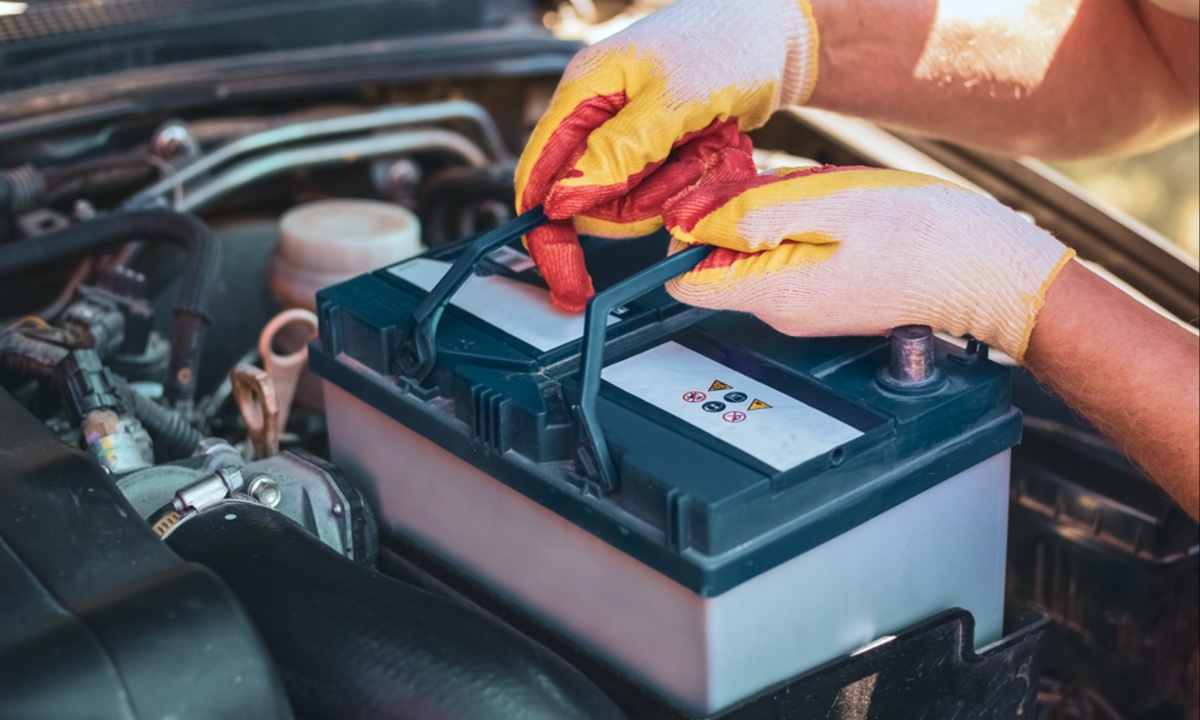
The battery plays a quiet but vital role in keeping a Pathfinder road trip ready. If it fails, everything else, from ignition to electronics, becomes instantly useless. Modern vehicles rely on complex electrical systems, and long drives can stress the battery if it’s already nearing the end of its life. Most batteries last three to five years, and checking the date on the battery label is a quick way to gauge replacement timing.
Corrosion on terminals, loose connections, or low fluid levels in non-sealed batteries can reduce efficiency and lead to sudden failure. A quick cleaning of the terminals using a brush and a baking soda-water mix can improve connection and prevent charging issues. It also helps to have the battery tested at an auto parts store or service center before the trip to ensure it’s holding a proper charge under load.
The alternator is another critical component. It keeps the battery charged while driving and powers all electrical systems. If headlights dim when idling or there’s a whining noise from under the hood, the alternator may be struggling. A failing alternator will not always give a warning before it stops working, so testing it as part of a pre-trip check can prevent serious inconvenience later.
Fuses and onboard electronics should also be checked. If there are known issues with interior lights, power windows, or other electronics, replacing the faulty fuses or modules beforehand avoids frustration during the trip. Even a small electrical glitch can become annoying on a 500-mile leg. Carrying spare fuses and a portable jump-starter is a smart habit for any long-distance traveler, ensuring that minor problems don’t become trip-ending ones.
5. Suspension and Ride Comfort
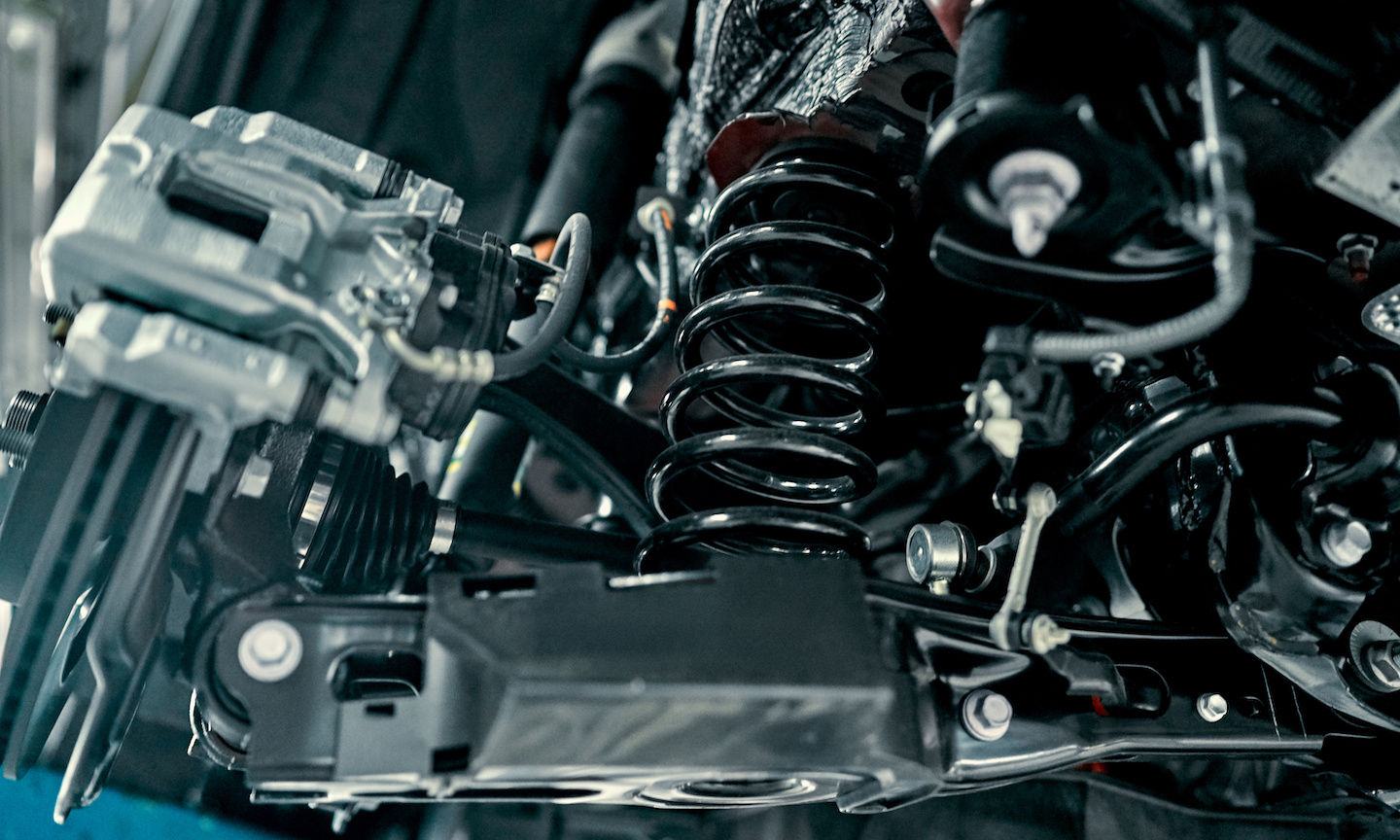
A comfortable ride is often underestimated until it’s missing. The Pathfinder’s suspension system is designed to balance firmness and smoothness, making it ideal for long stretches of road. However, like all mechanical systems, its components wear over time.
Struts, shocks, and bushings endure thousands of small impacts, and when they begin to degrade, the vehicle feels every bump and dip far more harshly.
On a short city drive, this might not be noticeable, but on a ten-hour trip, poor suspension can lead to fatigue, back pain, and general discomfort for both driver and passengers. More than that, a weakened suspension affects vehicle control, especially at highway speeds or on uneven terrain.
When the shocks begin to go soft, the Pathfinder may start to nose-dive during braking or sway during turns. This reduces control and increases the risk of accidents, particularly when towing or navigating hilly areas. It also causes extra wear on tires, brakes, and other chassis components.
A pre-trip inspection should include bounce tests, checking for fluid leaks around shock housings, and listening for any clunking sounds when turning or going over bumps. These are often signs of worn parts that need replacement. Many suspension issues are progressive, meaning they worsen slowly over time, so a driver might adjust unknowingly to the decline in ride quality.
Aside from the mechanical pieces, the ride experience also includes seating support and interior conditions. If the driver’s seat padding is worn or the lumbar support has given out, driving long hours becomes a chore.
Replacing or enhancing seat cushions, adjusting driving posture, and ensuring climate control is working correctly all contribute to the sense of comfort, especially when covering hundreds of miles a day. Road trips are as much about endurance as they are about distance, and poor seating comfort reduces driver alertness, increasing the risk of fatigue-related errors.
Lastly, don’t forget the role of sway bars and control arms. These unseen parts keep the Pathfinder level during turns and help maintain contact with the road on uneven surfaces. If the vehicle feels loose or leans too much in curves, it’s often due to these components weakening. Keeping the suspension in strong condition ensures not just comfort, but stability and safety, two things that matter more the longer the trip becomes.
Also Read: 10 Cars With Tricky Seatbelt Buckles for Elderly Passengers
6. Climate Control and Air Circulation
When spending extended hours in a vehicle, air quality and cabin temperature control become more than just nice features; they’re critical for both comfort and alertness. The Nissan Pathfinder is equipped with dual or tri-zone climate control systems in many trims, but even the most advanced systems rely on basic components that must be working properly.
Before hitting the road, it’s worth testing both the heating and cooling systems, even if the weather forecast seems stable. On long drives, particularly in regions where the climate can shift rapidly, being able to adjust internal conditions quickly can prevent major discomfort or even medical issues.
The air conditioning system, for instance, can lose its cooling power due to refrigerant leaks or compressor issues. If the air isn’t getting cold quickly or smells musty, it might be time for a recharge or a cabin filter replacement. Over time, the evaporator can collect moisture and lead to mold, especially if the A/C is used heavily in humid environments.
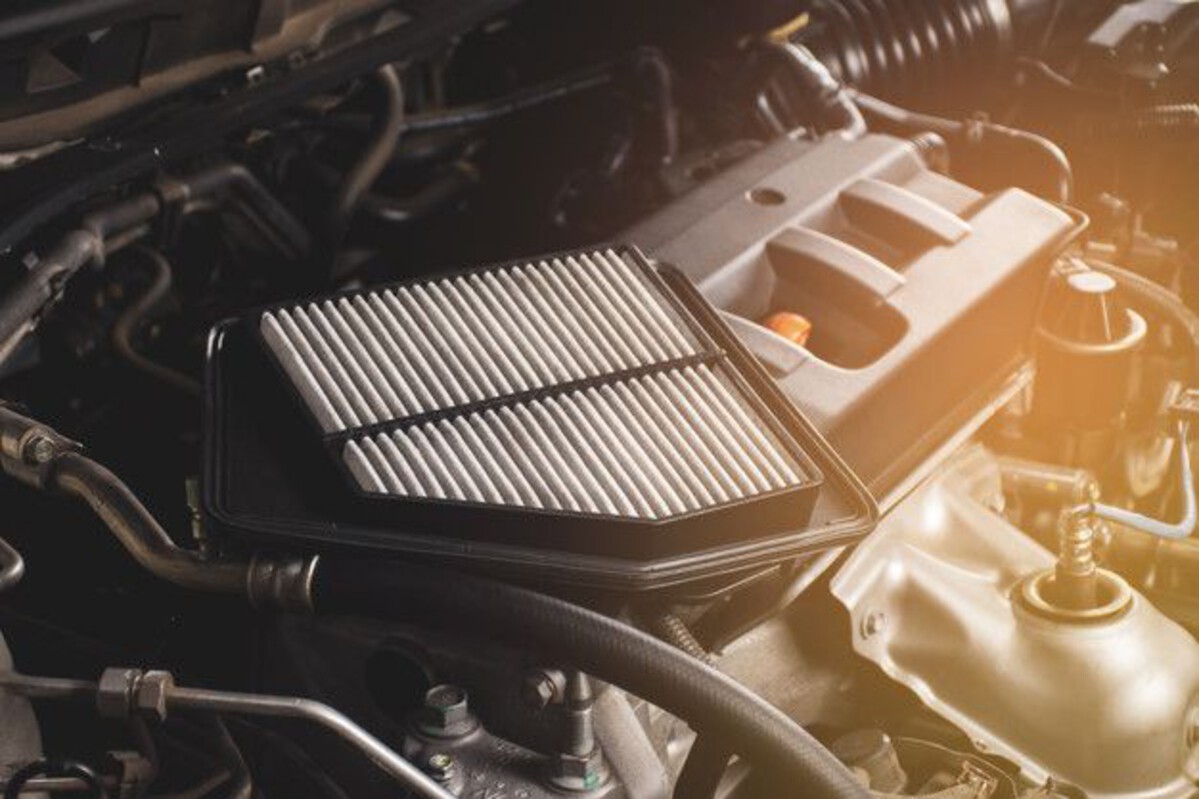
A clogged or old cabin air filter restricts airflow and reduces the efficiency of both heating and cooling, while also allowing dust, pollen, and other allergens into the cabin, which can be particularly tough for passengers with sensitivities during long trips.
Heating systems, on the other hand, are vital in colder climates or during early morning departures. The heat exchanger depends on a functioning coolant system, so any problems there will impact not just engine performance but also interior warmth.
A lack of cabin heat can lead to foggy windows, stiff driving conditions, or outright discomfort. It’s wise to test the defrost system as well, as fogged-up windows can reduce visibility dramatically, especially during early morning or late-night driving sessions.
Ventilation also matters more than most think. If air circulation seems weak, the issue might be with blower motors or the ducts themselves. Sometimes, rodents or debris can clog vents in vehicles that aren’t used frequently, especially those parked outdoors.
Verifying that all vents are clear and functioning helps maintain fresh airflow throughout the cabin. It’s these small comfort-focused systems that often get neglected, but they can quickly become a source of tension or fatigue when trapped in a sealed vehicle for hours on end.
7. Lighting and Visibility
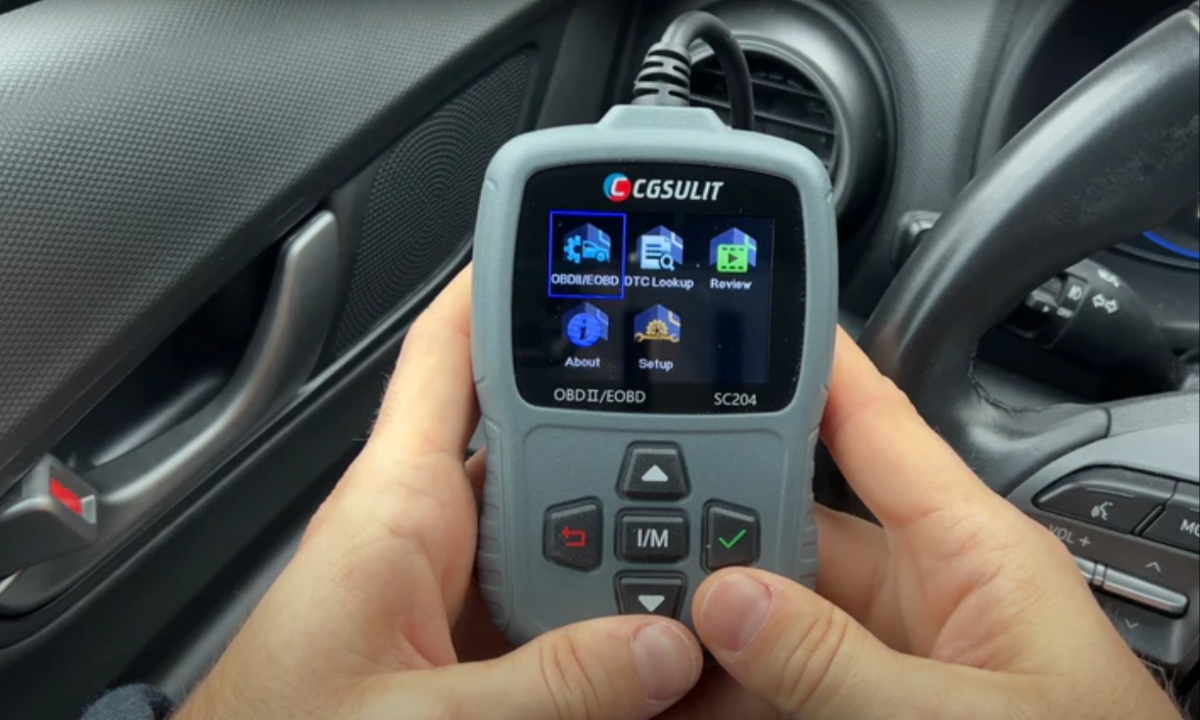
Good lighting is essential for safe road travel, especially when driving through the night or in poor weather conditions. The Pathfinder is equipped with various lighting systems, including headlights, taillights, brake lights, fog lights, and interior lights, all of which must be functioning correctly to ensure visibility and awareness on the road.
Headlights that are dim, misaligned, or yellowed from age not only reduce the driver’s ability to see clearly but also make the vehicle less visible to others. Replacing older bulbs with brighter halogen or LED options can significantly enhance road visibility without requiring expensive upgrades.
It’s not only about brightness, aim and clarity are just as critical. If headlights are too high, they can blind oncoming drivers; too low, and they won’t illuminate enough road ahead. Adjusting the beam height and cleaning the headlight lenses can dramatically improve their performance.
There are inexpensive headlight restoration kits available, and the results are usually night and day. For newer models, automatic leveling systems and adaptive headlights are features worth testing before any long-distance travel to confirm they are working as designed.
Fog lights and high beams also play a role, especially when the weather becomes unpredictable. Whether it’s thick morning fog, heavy rain, or rural roads with no street lighting, having these lights in perfect working order expands the driver’s field of vision.
Make sure they’re not just turning on, but that they are effective in the conditions they were designed for. If one seems noticeably dimmer than the other, it could be a sign of an underlying wiring or power supply issue.
Interior lights might seem unimportant for driving, but they become very useful during stops, map checks, or late-night emergencies. A working dome light, glove box light, and cargo area lighting make it easier to manage gear, assist passengers, and find things without fumbling in the dark.
If children are traveling, having adjustable rear lights that let them read or entertain themselves without distracting the driver is a small comfort that adds up over many hours.

8. Navigation and Infotainment Systems
Modern road trips rely heavily on digital tools. The Nissan Pathfinder’s infotainment and navigation systems are central to the experience, helping drivers find the best routes, avoid traffic, and stay entertained along the way. However, these systems need to be updated and tested before setting off.
A common problem arises when the navigation map is outdated, leading to confusion or poor routing. If relying on built-in GPS, make sure the latest map software is installed. Alternatively, many travelers opt for smartphone integration, using apps like Google Maps or Waze. In that case, checking the USB ports, Bluetooth connectivity, and wireless charging systems beforehand prevents mid-trip tech hiccups.
The infotainment system also serves as the entertainment hub. Whether streaming music, playing audiobooks, or syncing playlists for long hauls, its functionality can make or break the drive’s atmosphere. Crashes, lagging response, or connectivity issues can be frustrating when driving.
Spending a little time clearing out unnecessary files or pairing devices in advance ensures a smoother digital experience. For vehicles that offer rear-seat entertainment, checking that the screens, remotes, and audio outputs are functioning helps keep kids and passengers occupied during long stretches.
Sound quality matters too. The stock audio system in a Pathfinder is decent in most trims, but its full potential is only reached if speakers are functioning properly and settings are adjusted to match cabin size and passenger layout. A weak speaker or one that’s started crackling can quickly become unbearable over hours of travel.
Equalizer settings should be reviewed, and any aftermarket audio components checked for wiring stability. If passengers plan to take turns controlling the music or navigation, ensure multiple device connections are possible and intuitive.
Finally, having a reliable power source for electronics is essential. Charging ports, cigarette lighter adapters, and portable batteries should be tested and packed. Multiple passengers will likely want to charge devices simultaneously, and a few extra cables can prevent unnecessary tension or interruptions.
A Pathfinder with a fully functioning infotainment and navigation suite is more than just modern; it’s a control center that enhances focus, relaxation, and route planning for everyone in the car.
9. Cargo Space Organization and Storage Readiness
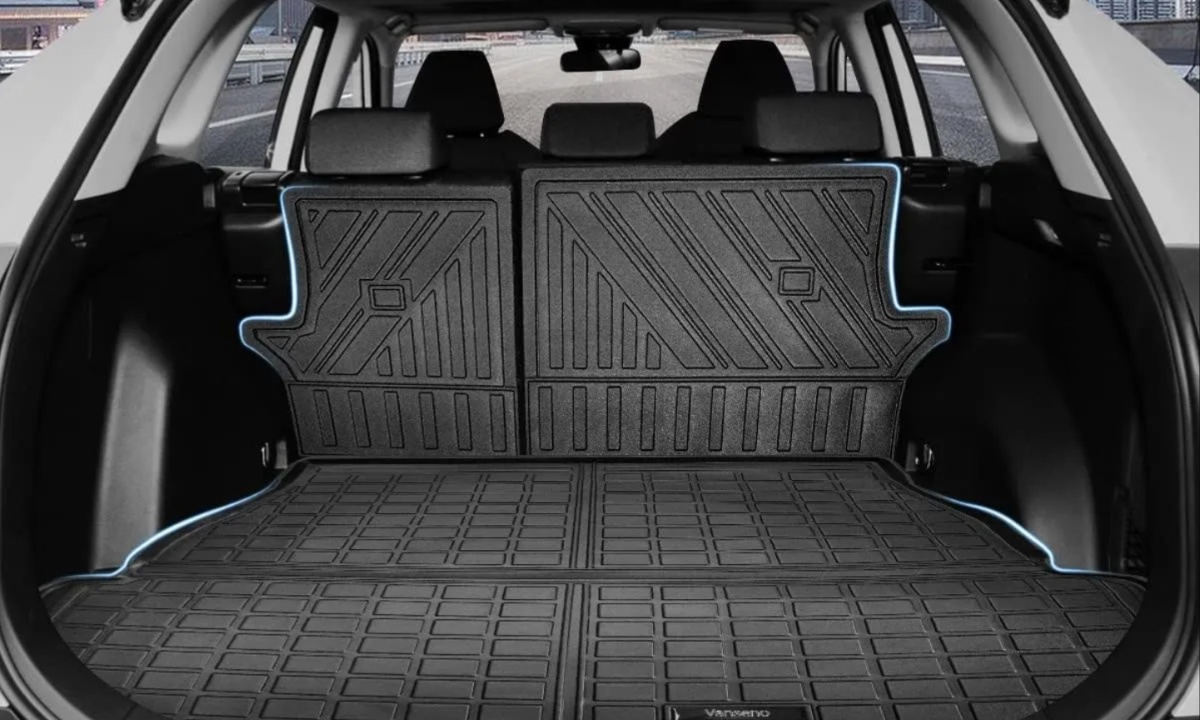
One of the strongest features of the Nissan Pathfinder is its generous cargo capacity. Whether you’re packing camping gear, luggage for a family of five, or supplies for a multi-day road trip, efficient storage can make a huge difference. A disorganized cargo area leads to wasted space, shifting items, and constant unpacking to reach the essentials.
Before any long drive, it’s important to assess how the cargo area is being used. This includes checking for loose items that could roll or bounce around during travel, which becomes not only annoying but also a safety hazard if something were to strike a passenger in the event of hard braking.
Using storage bins, dividers, and soft cargo organizers helps keep things secure and accessible. For example, placing snacks, maps, or first aid kits in the rear seat pockets or console areas prevents constant digging in the back.
The underfloor cargo storage in the Pathfinder is another great tool; it’s perfect for keeping emergency items like jumper cables, a tire inflator, or extra water bottles out of the way yet still close at hand. It’s also a smart place to store things you hope not to use but don’t want to be caught without.
Roof racks can also increase flexibility, especially if you’re carrying large or bulky items like bikes, kayaks, or rooftop storage containers. If the trip requires these add-ons, ensure the roof crossbars are tightly secured, weight is distributed evenly, and any locks or tie-down straps are in good condition.
Poorly attached roof loads can affect fuel efficiency and safety, particularly in windy conditions or at high speeds. Also, remember that additional height may limit access to parking garages or drive-throughs, something easy to forget until it’s too late.
Another storage tip involves passenger planning. If you’re traveling with a full crew, consider assigning each person a dedicated space for their items. This could mean a specific corner of the rear cargo area or a particular seat pocket.
When everyone knows where their items go and can access them easily, it reduces unnecessary stops, keeps the interior cleaner, and makes the entire travel experience smoother. A Pathfinder packed with intention stays cleaner, runs quieter, and helps passengers feel more in control during long hours on the road.
10. Emergency and Safety Equipment Preparedness
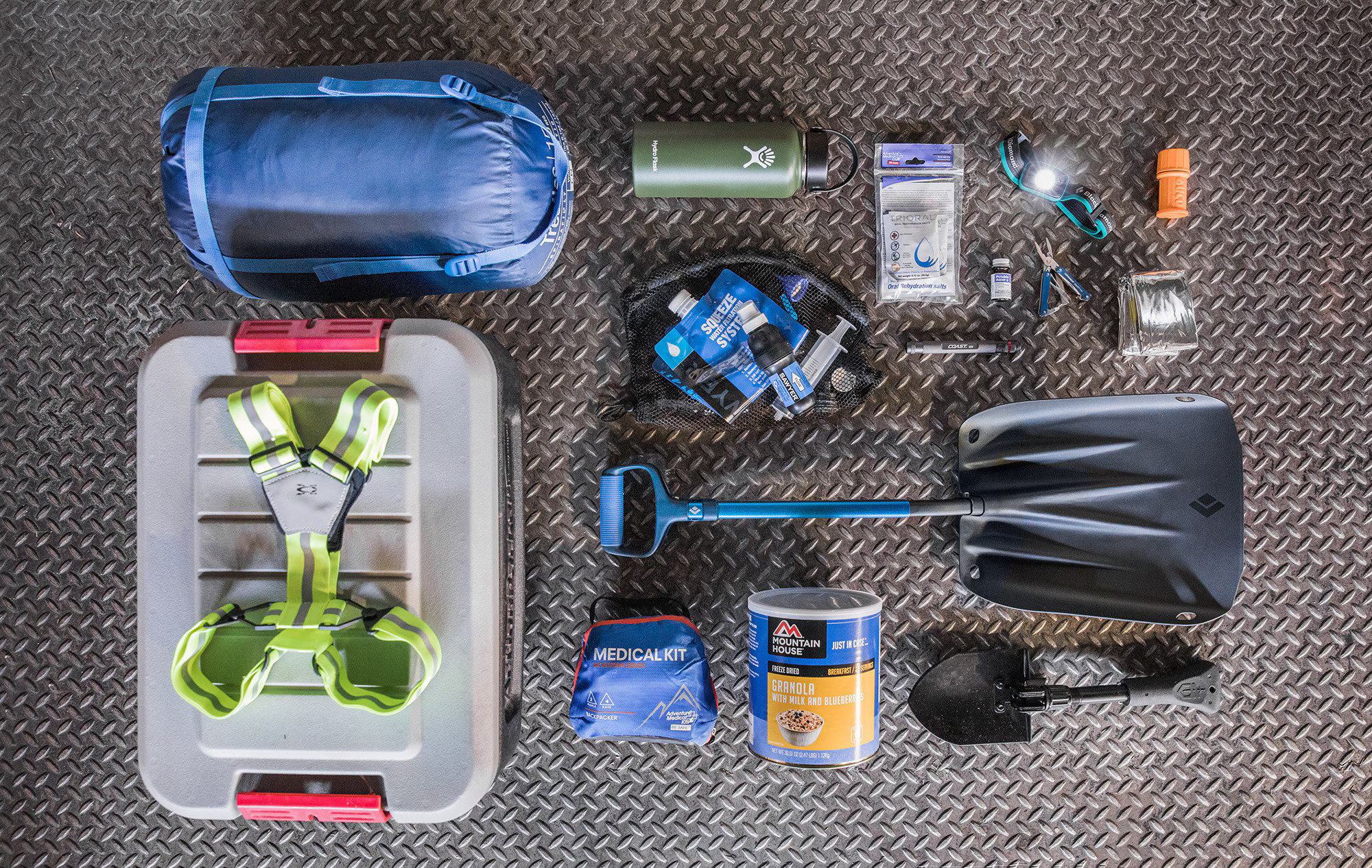
Even with the most well-maintained vehicle, surprises can happen. That’s why packing and regularly checking emergency gear is essential for road trips. The Pathfinder is large enough to comfortably carry a complete safety kit without sacrificing space for luggage or passengers.
At a minimum, the vehicle should include a first aid kit, flashlight, extra batteries, jumper cables or a battery booster, basic tools, reflective triangles, and a tire repair kit or inflator. It’s not just about having the gear; it should be stored in a spot that’s easy to access, even if the vehicle is fully loaded.
Preparation for seasonal hazards is also key. In cold or mountainous regions, adding thermal blankets, gloves, and an ice scraper can be a lifesaver. In hot climates, include extra water, electrolyte packets, and sun protection.
For trips into remote areas, having a small gas can (empty until needed), a fire extinguisher, and a satellite communication device or offline map tool adds another level of safety. Many drivers rely too heavily on cell service, which can disappear quickly outside major urban areas. A well-thought-out emergency kit can turn an inconvenient breakdown into a manageable delay.
Knowing how to use the equipment is just as important as having it. Before heading out, it’s worth walking through some simple procedures, like jump-starting a car, patching a tire, or using reflective triangles correctly. Even passengers should be familiar with where the gear is located and how to access it.
If traveling with children or older adults, take a few minutes to go over basic safety expectations in the event of a breakdown. When everyone is informed, response time during an emergency is faster and more effective.
Lastly, make sure your Pathfinder’s insurance and registration documents are current and easily reachable, preferably in the glove box or a dedicated document pouch. Include contact information for roadside assistance services, as well as vehicle service history and warranty documents if applicable.
If your trip involves crossing state or national borders, check the requirements for each area and carry appropriate identification. These may seem like administrative tasks, but having your paperwork in order during a traffic stop, accident, or emergency speeds up the process and reduces stress for everyone in the vehicle.
