
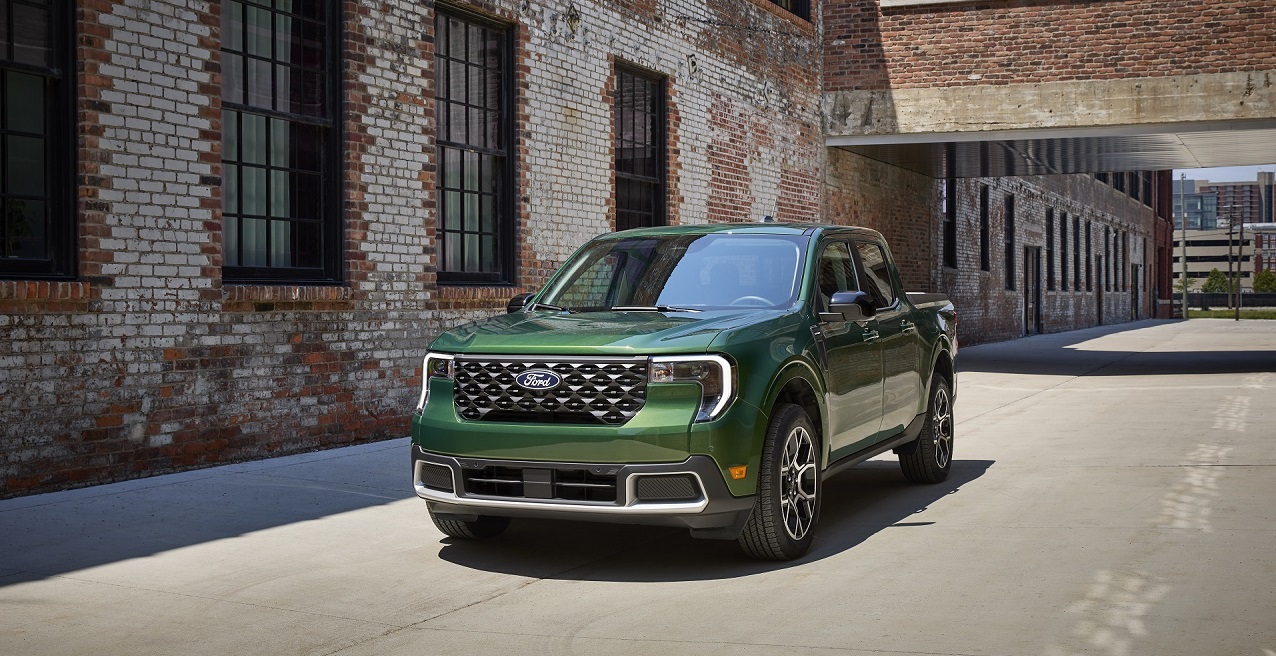
The Ford Maverick Hybrid stands out as one of the most affordable and efficient compact pickup trucks available today. Its fuel-sipping powertrain, combined with a practical design and surprisingly roomy interior, has made it a favorite among budget-conscious drivers and urban dwellers who want truck utility without high running costs.
However, just like any other hybrid or internal combustion vehicle, longevity depends heavily on how it is treated day-to-day. While the Maverick Hybrid has been engineered for durability and reliability, it’s not immune to early wear and damage when subjected to neglectful or improper usage habits. Owners often make simple mistakes, sometimes unknowingly, that can drastically reduce the life expectancy of this vehicle.
Drivers sometimes assume that a hybrid vehicle like the Maverick can handle abuse because of its technology and modern engineering, but that’s a dangerous mindset. While the hybrid system is robust, it still contains delicate components that must be maintained properly. From the battery management system to the engine, transmission, and regenerative braking, each component requires a level of care and regular attention.
Ignoring small maintenance routines or driving recklessly can build up stress on these parts, eventually leading to expensive repairs or complete system failure. In a truck that’s designed to be a practical workhorse and commuter, it’s especially important to strike a balance between utility and responsibility.
Another factor is that many Maverick Hybrid buyers are new to hybrid vehicles altogether. They might not be fully aware of the differences in maintenance, driving behavior, and mechanical expectations between hybrids and traditional gas-only trucks.
As a result, the same habits they may have developed with a previous vehicle, like skipping oil changes or ignoring tire pressure, can be much more harmful in a hybrid system.
This knowledge gap often results in premature aging of the vehicle, even when the mileage is relatively low. Understanding these habits and avoiding them is one of the best ways to ensure that the Maverick Hybrid serves you for well over 150,000 miles.
With that in mind, let’s look at the most common bad habits that can shorten the life of a Ford Maverick Hybrid. Each one might seem harmless at first, but over time, they compound and can lead to irreversible damage or high repair costs. These habits are not just theoretical concerns; they are backed by mechanical logic and the real-world experiences of hybrid owners and technicians alike.
Also Read: 5 Cars with Climate Control That Works vs 5 That’s Just for Show
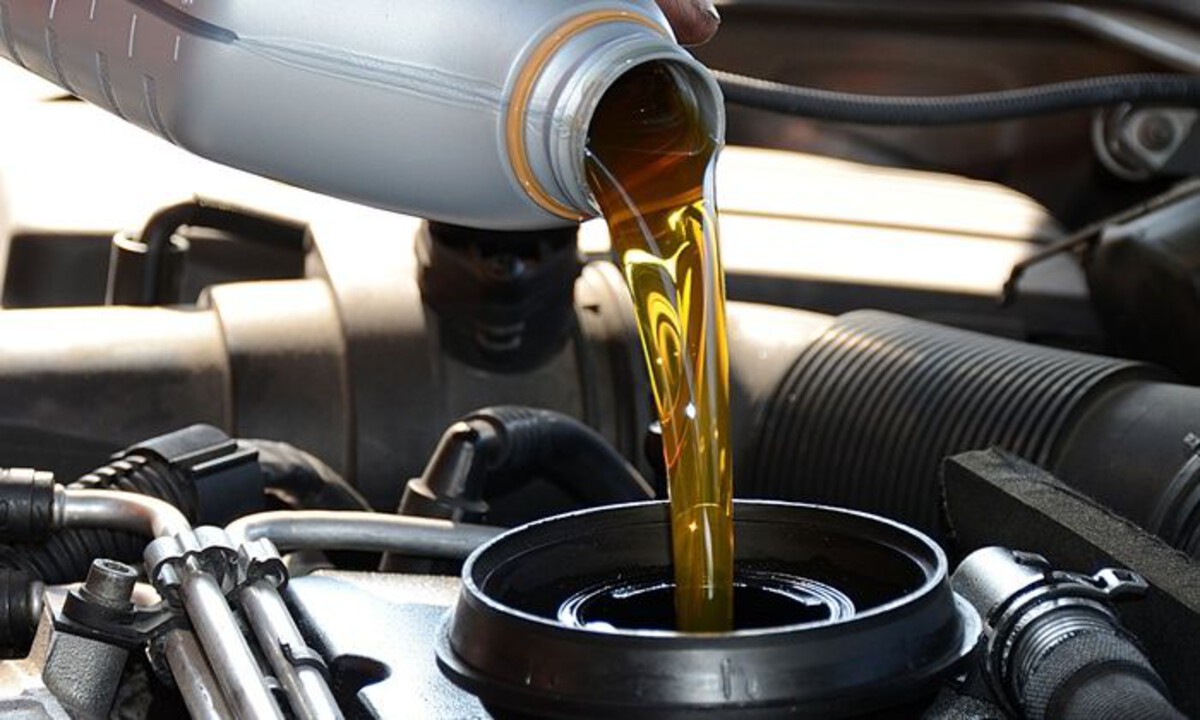
1. Skipping Regular Oil Changes
Regular oil changes are essential for any internal combustion engine, and the Ford Maverick Hybrid is no exception. Despite being a hybrid, it still contains a 2.5L Atkinson-cycle gasoline engine that relies on fresh, clean oil for proper lubrication. Over time, engine oil breaks down, loses viscosity, and becomes contaminated with dirt and debris.
If left unchanged, this degraded oil will lead to increased friction between engine parts, eventually resulting in internal damage. Even though hybrid engines tend to run less often than traditional engines, they still need oil changes at recommended intervals.
Some owners mistakenly believe that since the electric motor often handles low-speed driving, the engine isn’t working hard enough to require frequent oil changes. This is misleading. The gasoline engine in the Maverick Hybrid may not run continuously, but when it does, it often operates at higher efficiency points and sometimes even under load when merging or accelerating.
Old or low-quality oil can’t provide the protection required during these conditions, leading to premature engine wear. Keeping to the recommended service schedule is not just about hitting a mileage marker; it’s about ensuring the engine stays properly lubricated no matter how often it runs.
Oil quality also plays a critical role. Using the wrong type of oil or ignoring oil filter replacements can cause just as much damage as skipping an oil change altogether. Hybrid engines are often designed with tighter tolerances, meaning they depend on the right oil viscosity and composition to function correctly.
If a vehicle owner opts for cheap oil, ignores synthetic requirements, or extends the interval far past what’s suggested, the long-term health of the engine will suffer. The problem may not show up immediately, but it will eventually manifest in poor performance, engine knocking, or total failure.
Another overlooked aspect is how seasonal driving impacts oil performance. In cold climates, oil tends to thicken, making cold starts harder on the engine if the oil hasn’t been changed in time. In hot climates, oil can break down faster due to high engine temperatures.
Without fresh oil, sludge can build up inside the engine, clogging oil passages and starving components of lubrication. Over time, this buildup leads to irreversible damage. A simple oil change every 5,000 to 7,500 miles, depending on driving conditions, is a low-cost way to protect a major component that costs thousands to repair or replace.
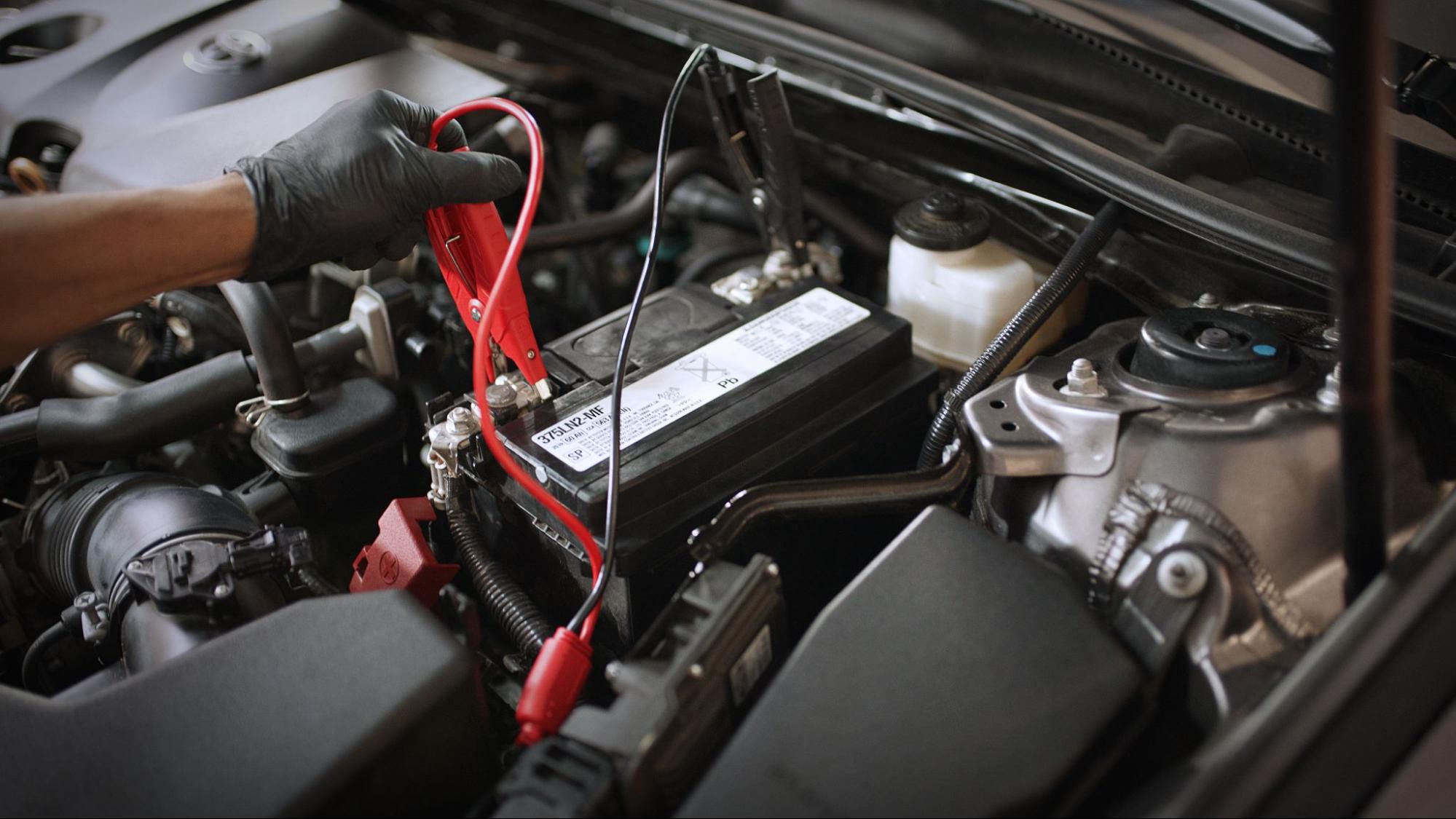
2. Ignoring the Hybrid Battery System
The hybrid battery in the Ford Maverick is a high-voltage component designed to last for many years, but it’s not invincible. Just like any battery, it can degrade if not managed correctly. A common mistake is ignoring how driving and charging habits impact the battery’s long-term health.
Many drivers assume the battery takes care of itself, but it’s actually sensitive to environmental conditions and how the vehicle is used. Repeated short trips, for instance, don’t allow the hybrid system to operate efficiently, limiting its ability to recharge the battery consistently.
Heat is one of the biggest enemies of battery longevity. Parking the Maverick Hybrid in direct sunlight for hours or frequently driving in hot temperatures without adequate airflow can raise the temperature of the battery pack.
Although the vehicle has systems in place to manage battery cooling, they’re not foolproof. Prolonged exposure to high temperatures speeds up chemical degradation inside the battery cells, eventually reducing the pack’s capacity. Parking in shaded areas, using sunshades, or keeping the cabin ventilated are simple ways to help prolong the battery’s life.
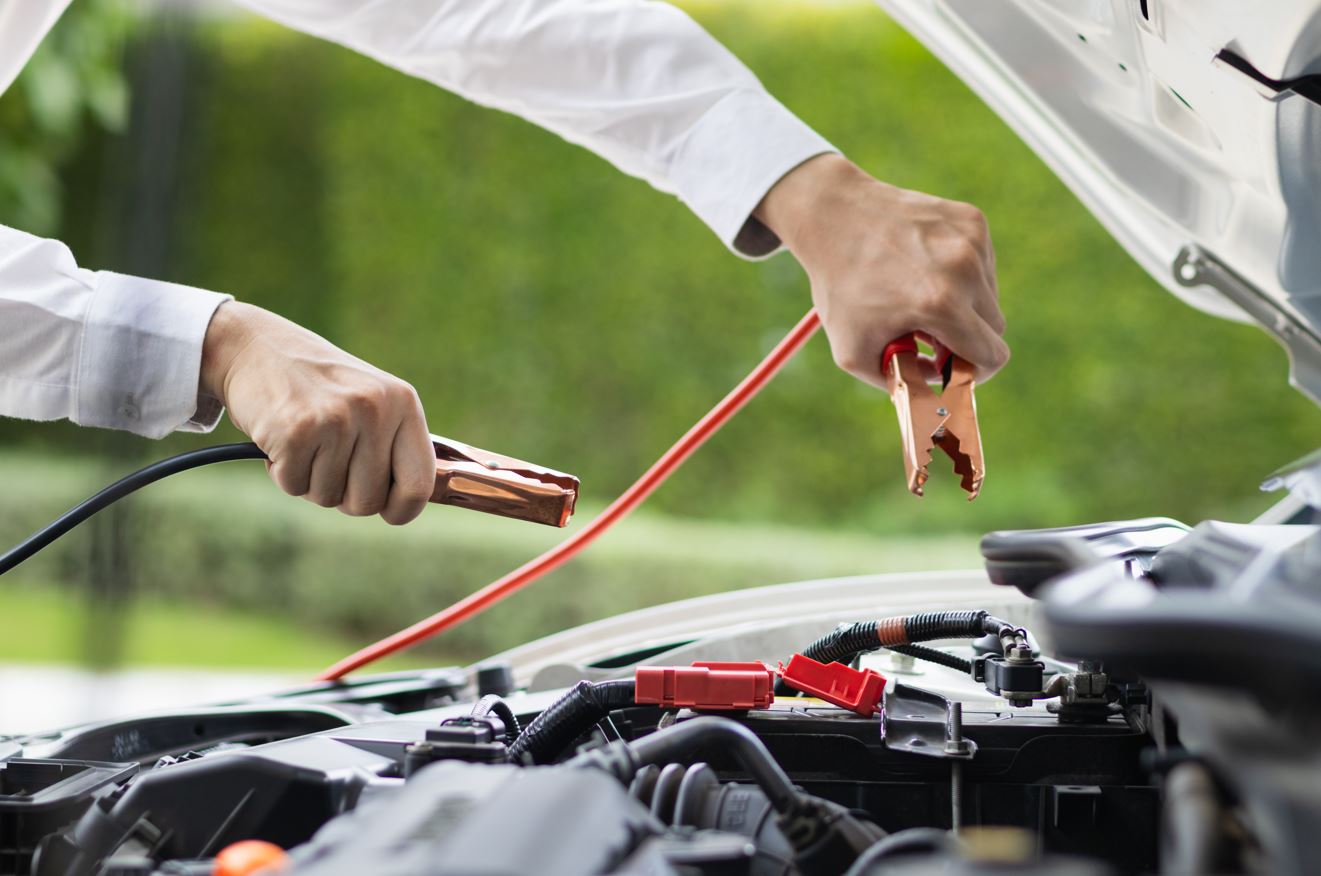
Another mistake is letting the hybrid system sit idle for long periods. If a Maverick Hybrid is parked and unused for weeks or months, the battery may discharge to a low level, making it harder to start or recharge effectively. Unlike a standard car battery, the hybrid battery isn’t easily recharged with a jump-start or portable charger.
Letting it drop to very low charge repeatedly can shorten its life significantly. Owners who travel or store their vehicles should start the car every week or two and allow it to run for 15 to 30 minutes to keep the system active.
Some drivers may also think they’re helping the battery by forcing EV-only driving as much as possible, but that’s not how the Maverick’s hybrid system is designed to be used. Over-reliance on the electric motor without allowing the gas engine to run periodically can create imbalances in power distribution.
The hybrid system performs best when it’s allowed to switch seamlessly between electric and gasoline power. Trying to manipulate the system by feathering the throttle or using low speeds excessively can stress components and potentially lead to uneven battery degradation.

3. Driving Aggressively or Hauling Excess Weight Constantly
The Maverick Hybrid isn’t a full-size truck, and its design reflects that. While it can handle modest towing and hauling, pushing it beyond those limits regularly takes a toll. Aggressive driving, such as hard acceleration, abrupt braking, and high-speed cornering, places additional strain on both the gasoline engine and the electric motor.
It also increases wear on tires, brakes, suspension, and drivetrain components. Even though the hybrid system helps with torque delivery, it’s not built for repeated high-stress situations like racing or towing at maximum capacity every day.
Many owners assume the “truck” designation means the Maverick is ready to handle heavy loads all the time. However, it’s rated for relatively light-duty tasks compared to traditional pickups. Consistently overloading the bed or towing near the 2,000-lb capacity will shorten the lifespan of the transmission and hybrid components.
These systems were designed with efficiency in mind, not brute strength. The added weight forces the gasoline engine to run more often and at higher output levels, which causes it to heat up faster and degrade quicker than under normal use.
Braking is another area that suffers with aggressive driving and hauling. The Maverick Hybrid relies on regenerative braking to recapture energy and recharge the battery. When drivers brake hard or frequently carry excess weight, the regenerative system is bypassed in favor of traditional hydraulic brakes.
This not only reduces efficiency but also causes brake components to wear out faster. In addition, high brake temperatures can damage sensors or the electronic brake controller over time, leading to decreased safety and expensive repairs.
Rough driving habits also affect suspension geometry and alignment. Jumping curbs, driving over potholes at high speed, or taking corners too sharply while loaded will eventually throw off the vehicle’s balance. Misalignment can lead to uneven tire wear, poor handling, and added stress on the steering system.
Regular wheel alignments and suspension inspections can help, but no amount of maintenance can fully offset the damage caused by chronic abuse. Keeping driving smooth and within the truck’s design limitations will extend its life significantly.
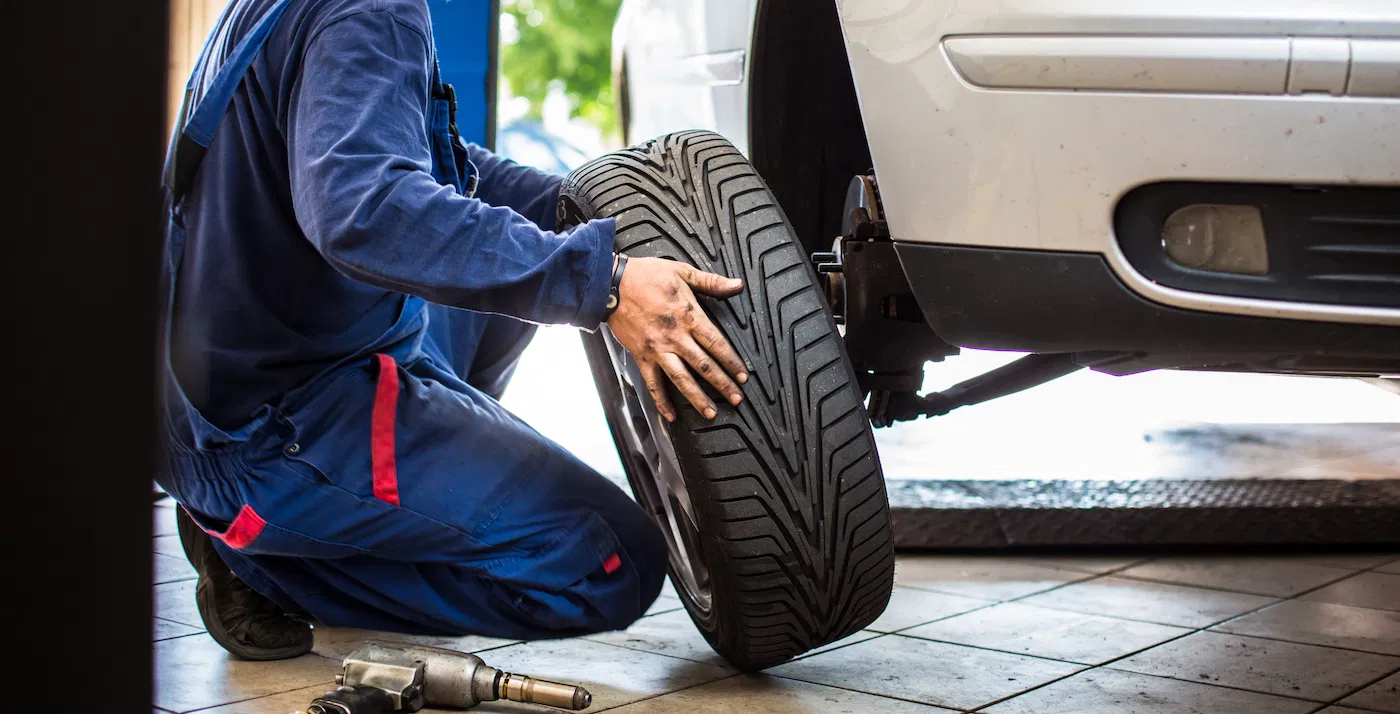
4. Neglecting Tire Maintenance
Tires may seem like a minor detail compared to engines or batteries, but they play a huge role in the performance, safety, and efficiency of the Ford Maverick Hybrid. Many owners overlook routine tire care, not realizing that even small issues like underinflation or improper rotation can cause ripple effects across the entire vehicle.
Underinflated tires increase rolling resistance, which makes the hybrid system work harder, reducing fuel economy and increasing strain on both the engine and electric motor. This not only eats into the savings promised by a hybrid but also adds wear to mechanical parts that weren’t designed for excessive load resistance.
Failure to rotate tires regularly leads to uneven tread wear, particularly in a front-wheel-drive vehicle like the Maverick Hybrid. The front tires do most of the work, handling acceleration, braking, and steering. Without proper rotation every 5,000 to 7,500 miles, the front tires wear out faster, and the handling becomes unstable over time.
This causes the vehicle to “pull” or feel rough on the road, which can stress the steering rack and suspension components. Worse, once uneven tire wear sets in, it becomes permanent, even if you rotate later. Ignoring this basic maintenance step is an easy way to shorten not just tire life, but the performance lifespan of steering and suspension parts.
Alignment is another crucial factor. Potholes, curbs, and general road wear can knock the wheels out of proper alignment. When alignment is off, the vehicle’s contact with the road becomes uneven, which impacts braking performance and energy recovery through regenerative braking.
If your wheels aren’t pointing straight or the vehicle drifts when the wheel is centered, it’s not just an annoyance; it’s a mechanical problem that reduces hybrid efficiency and stresses the powertrain. Continuing to drive like this not only wears down tires but also harms the drivetrain, suspension bushings, and CV joints.
Checking tire pressure once a month and before long trips should be a routine habit. Even a few PSI under the recommended level can cause performance and safety issues. The Maverick Hybrid is equipped with a Tire Pressure Monitoring System (TPMS), but that’s not a substitute for manual checks, especially if the TPMS isn’t calibrated properly after a tire replacement.
Over time, neglecting tire health leads to lower fuel economy, weaker handling, and extra strain on the hybrid drivetrain. It’s one of the simplest maintenance areas to manage but also one of the most commonly ignored, making it a hidden killer of long-term vehicle health.
5. Letting Software Updates and Diagnostics Lapse
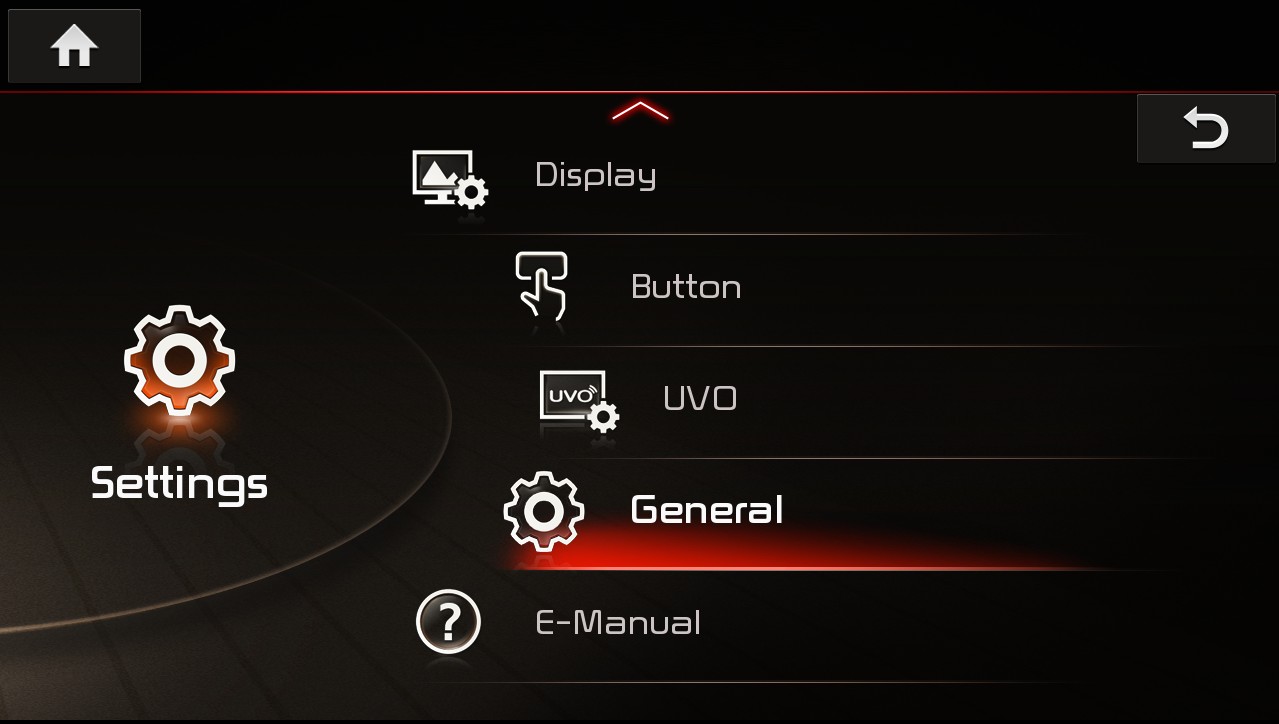
Modern vehicles like the Ford Maverick Hybrid rely heavily on software. From battery management to braking performance, energy distribution, throttle response, and even infotainment system functionality, almost everything is monitored and managed through code.
Letting software updates lapse may not seem like a major concern, especially for people who think of cars in mechanical terms. However, failure to install crucial updates and diagnostic patches can result in performance degradation, unexpected glitches, and in some cases, safety issues. These updates are often released to fix bugs, improve hybrid efficiency, or correct known issues that haven’t yet resulted in a recall.
Many Maverick Hybrid owners skip dealer visits or decline updates because they don’t want to sit through the process or fear that new software will cause more harm than good. While there have been rare cases of bad updates across different vehicles, generally speaking, manufacturers design these patches to enhance performance or ensure compliance with emissions and fuel standards.
Ignoring them can leave the car vulnerable to problems that the automaker has already resolved in later firmware versions. It’s not unlike running a smartphone or computer without security updates, it works for a while until something breaks, then repair becomes more difficult and expensive.
The onboard diagnostic system (OBD-II) is another key tool that owners often overlook. The car may run fine to the untrained eye, but if there’s a pending fault code, it could indicate the early stages of a bigger issue. Many drivers only respond to the check engine light, not realizing that problems often exist long before that light ever comes on.
Routine scans, either at a service center or with an inexpensive OBD-II scanner, can provide insight into battery health, sensor function, fuel trim balance, and more. Catching these early signs allows you to fix issues while they’re still manageable, avoiding bigger failures down the road.
The hybrid system, in particular, is managed by software that constantly adjusts torque output, battery state-of-charge levels, and energy regeneration rates. If this system gets out of sync or starts to behave inefficiently due to outdated software, it can reduce fuel economy and increase wear on both the battery and engine.
Software is the silent manager behind the scenes, keeping everything working harmoniously. When it’s ignored, the system gradually drifts out of balance. Over months or years, this causes the vehicle to lose its edge, consume more fuel, and become less reliable. Keeping software up to date is an easy, often free way to extend the life of your Maverick Hybrid.
6. Using Low-Quality Fuel or Ignoring Fuel System Maintenance
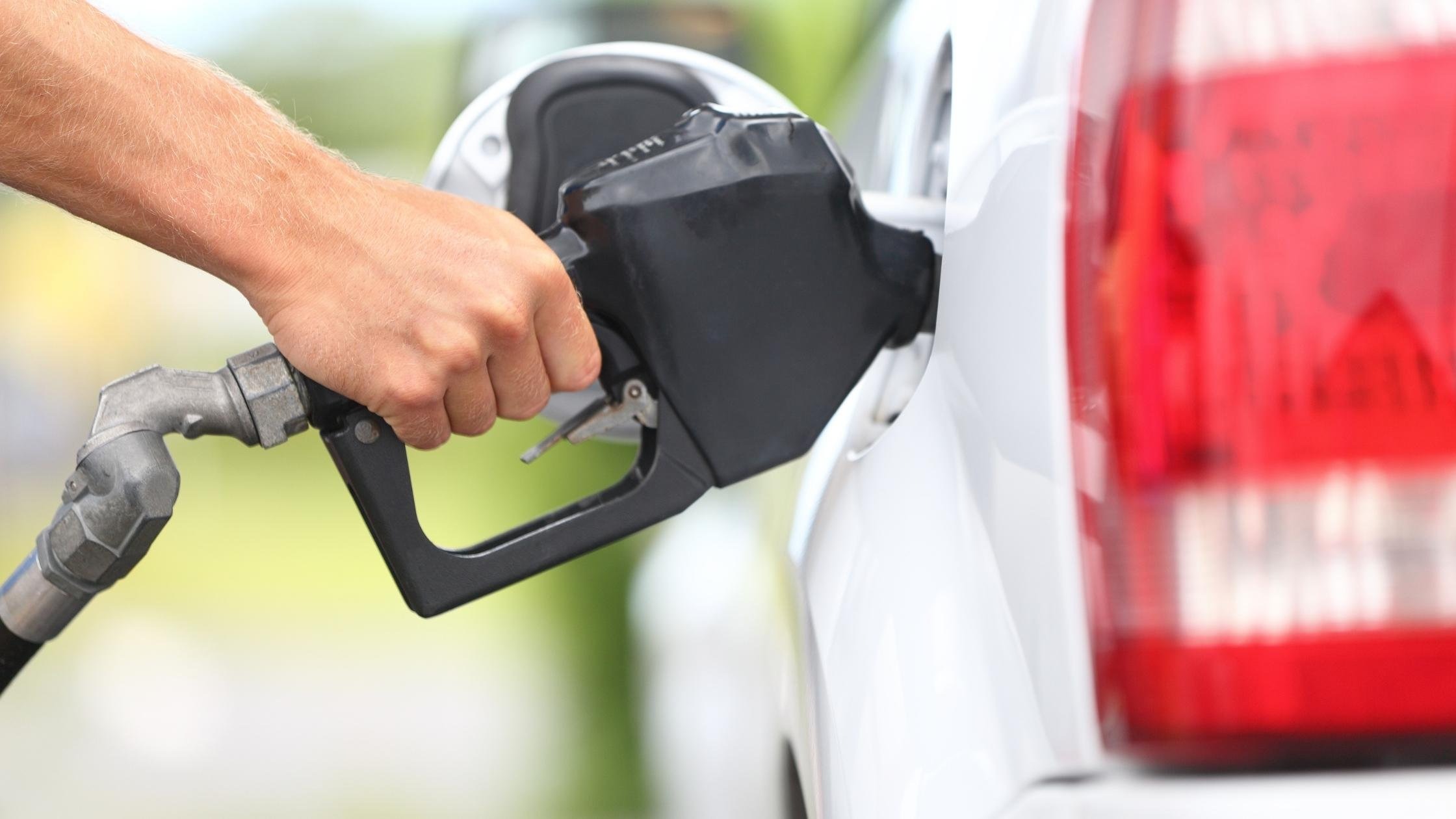
The Ford Maverick Hybrid is built to run efficiently on regular unleaded gasoline, but not all fuel is created equal. Low-quality or contaminated fuel can introduce carbon deposits into the engine, reduce combustion efficiency, and clog fuel injectors. Over time, this leads to sluggish performance, misfires, and poor fuel economy.
Drivers who consistently fill up at no-name gas stations or use old fuel from containers are gambling with the engine’s health. The hybrid’s gasoline engine might not run all the time, but when it does, it needs to operate as cleanly as possible for both performance and emissions purposes.
Dirty fuel affects more than just performance. It can also damage sensors, particularly the oxygen sensor and mass airflow sensor, which are responsible for optimizing the air-fuel ratio. When these sensors get fouled up by carbon buildup or fuel impurities, the engine runs either too rich or too lean.
In both cases, this affects combustion temperature, leads to engine knocking, and can even damage the catalytic converter. All these outcomes are costly to fix and reduce the life of a vehicle that otherwise could run efficiently for over a decade with proper care.
Neglecting the fuel filter, even though it’s often overlooked in hybrids, is another habit that can spell trouble. Over time, contaminants from fuel accumulate and can start to clog the filter. If left too long, this restricts fuel flow, forcing the fuel pump to work harder than it was designed to.
That not only increases wear on the pump but also reduces engine performance, especially under load. Most modern hybrids don’t have user-serviceable filters, but they still need inspection and possible replacement during higher-mileage service intervals. Forgetting this detail could mean a slow, hidden decline in system efficiency.
Fuel system cleaners, when used appropriately, can help keep injectors and combustion chambers clean. However, they should be used sparingly and according to manufacturer guidelines. Some owners go overboard with these additives or use incompatible products that end up damaging seals or sensors.
If you’re unsure, it’s better to use top-tier gasoline that contains engine-cleaning detergents. Doing so ensures the fuel system stays clean, efficient, and functional. Ignoring this aspect of care is one of the silent killers of hybrid performance and longevity.
7. Overusing Remote Start or Idling Excessively
Remote start is a convenient feature, especially in colder climates where drivers want a warm cabin and defrosted windows before heading out. But overusing it, particularly on a hybrid, leads to unnecessary engine run-time. The Maverick Hybrid’s engine doesn’t run all the time like a traditional car, it starts only when needed.
However, when you use remote start, it often forces the gas engine to turn on and stay running, even if you’re not driving. This defeats the purpose of hybrid efficiency and adds wear without actually getting the vehicle anywhere. It may feel comforting, but it’s quietly eating into the life of the drivetrain.
Extended idling is another bad habit with similar consequences. People often leave the engine running while waiting in parking lots or while on the phone, assuming hybrids are immune to idling wear. But in hybrids, the engine still turns on to maintain battery charge or cabin temperature.
This stop-start cycle increases engine wear, especially since it often runs in short bursts without fully warming up. Cold starts are one of the most damaging events for an engine, and frequent short cycles prevent the oil from reaching optimal viscosity. Over time, this leads to ring wear, valve deposits, and even oil consumption issues.
Excessive idling also harms the catalytic converter. These components operate best at high temperatures, which are only reached during sustained driving. Short idling periods don’t allow them to heat up properly, leading to incomplete combustion and increased buildup of carbon deposits.
When this happens repeatedly, it shortens the life of the converter, which is one of the most expensive emissions components to replace. In a vehicle like the Maverick Hybrid, which balances electric and gas power for efficiency, idle-heavy habits work directly against the system’s intended operation.
In winter, instead of remote-starting and idling for long periods, a better approach is to use seat warmers, drive gently for the first few minutes, and allow the hybrid system to manage itself naturally. This not only reduces wear but also maintains better fuel economy. Habits that feel convenient in the short term often cause hidden damage in the long run, and idling is a prime example of something that slowly chips away at the engine’s potential lifespan.
8. Failing to Service the Cooling Systems
The Ford Maverick Hybrid contains more than one cooling system. While most drivers are familiar with the radiator and engine coolant, they often overlook the fact that the hybrid battery and electronics also rely on proper thermal management.
Neglecting these systems is a serious mistake that can lead to overheating, reduced performance, and long-term component damage. Unlike older cars, where you might get away with skipping a coolant flush or ignoring a worn hose, hybrid systems are far less forgiving. A failure in the cooling circuit can quickly snowball into a much more expensive repair.
The engine cooling system in the Maverick Hybrid is designed to keep temperatures stable under varying loads. If coolant is old, degraded, or mixed with the wrong type, it can lose its ability to transfer heat effectively. Over time, this can lead to hotspots in the engine, warped cylinder heads, or even a blown head gasket.
These issues are not just expensive; they can lead to permanent engine failure if not caught early. Worse, coolant that has gone too long without being changed may become corrosive, slowly eating away at metal surfaces inside the cooling passages and radiator. The cost of replacing a damaged radiator or head gasket far exceeds that of a timely fluid flush.
Separate from the engine, the hybrid system itself may have its own dedicated cooling pathway. This typically includes fans, hoses, and a smaller cooling loop to help regulate battery temperature. If this part of the system becomes clogged with debris, suffers from a failing fan, or leaks internally, the battery can overheat.
High temperatures degrade battery chemistry quickly, reducing its capacity and efficiency. In extreme cases, it can lead to thermal shutdown or a system fault that puts the vehicle in limp mode. Since these components often don’t generate obvious warning signs until damage has already occurred, preventive maintenance becomes crucial.
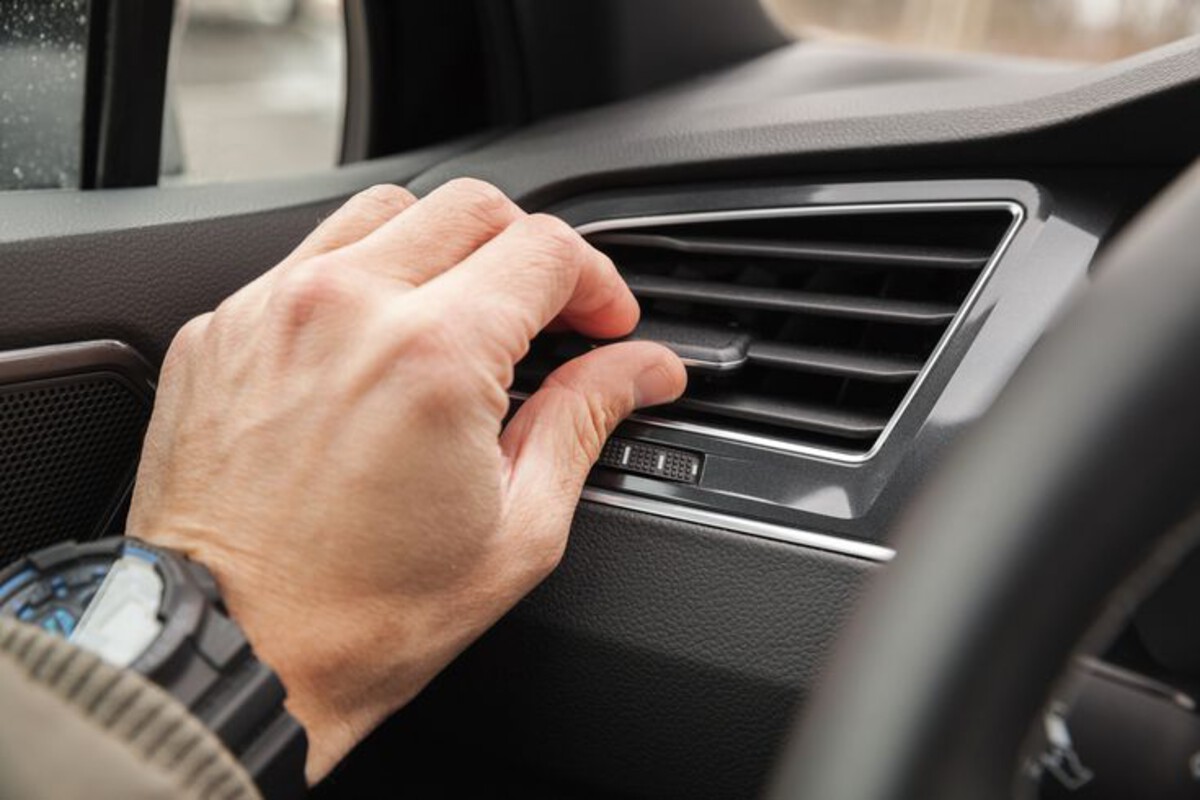
Another area that often gets ignored is cabin airflow. While it may not seem directly related, some hybrid systems use the HVAC system to help cool or condition battery compartments. A dirty cabin air filter or failing blower motor can reduce airflow and indirectly affect battery temperature regulation.
That’s why it’s important to inspect all parts of the cooling system, not just those tied to the engine. Keeping every component clean and functioning as intended ensures the vehicle can operate efficiently under all weather conditions. Failure to do so puts one of the Maverick Hybrid’s most sensitive systems at risk, cutting years off its usable life.
Also Read: 5 Engines That Rarely Fail Smog and 5 That Always Fail Tests
The Ford Maverick Hybrid is a practical, well-designed vehicle built for versatility and efficiency. It’s capable of lasting well beyond 150,000 miles with proper care, but too many owners unknowingly adopt habits that can significantly reduce that lifespan.
These habits often seem harmless at first, skipping oil changes, overusing remote start, or ignoring software updates, but they each contribute to slow, incremental damage. What makes these problems particularly dangerous is how quietly they develop. There’s rarely a dramatic failure in the early stages; instead, the vehicle becomes less efficient, less reliable, and more costly to repair as the miles add up.
What separates a long-lasting vehicle from one that breaks down prematurely is often not luck or manufacturer defects, but daily habits and maintenance discipline. The Maverick Hybrid, like any machine, rewards attentive owners and punishes those who take shortcuts.
It doesn’t require obsessive care, but it does demand basic responsibility in areas like oil health, battery charging behavior, tire care, and proper load management. Paying attention to these systems regularly is far more cost-effective than dealing with major repairs down the line. It’s especially true in hybrids, where replacing a failed battery or engine can cost several thousand dollars.
Modern vehicles are more sophisticated than ever, and while that provides convenience and performance benefits, it also means owners need to be a little more informed than they did in decades past. The hybrid systems in the Maverick are relatively user-friendly, but they’re still sensitive to neglect.
Whether it’s a matter of ignoring diagnostic warnings, putting off coolant service, or just pushing the vehicle harder than it was meant to go, these behaviors take a toll. Staying ahead of them is often as simple as reading the owner’s manual, visiting the dealership for scheduled maintenance, and driving with mechanical sympathy.
