
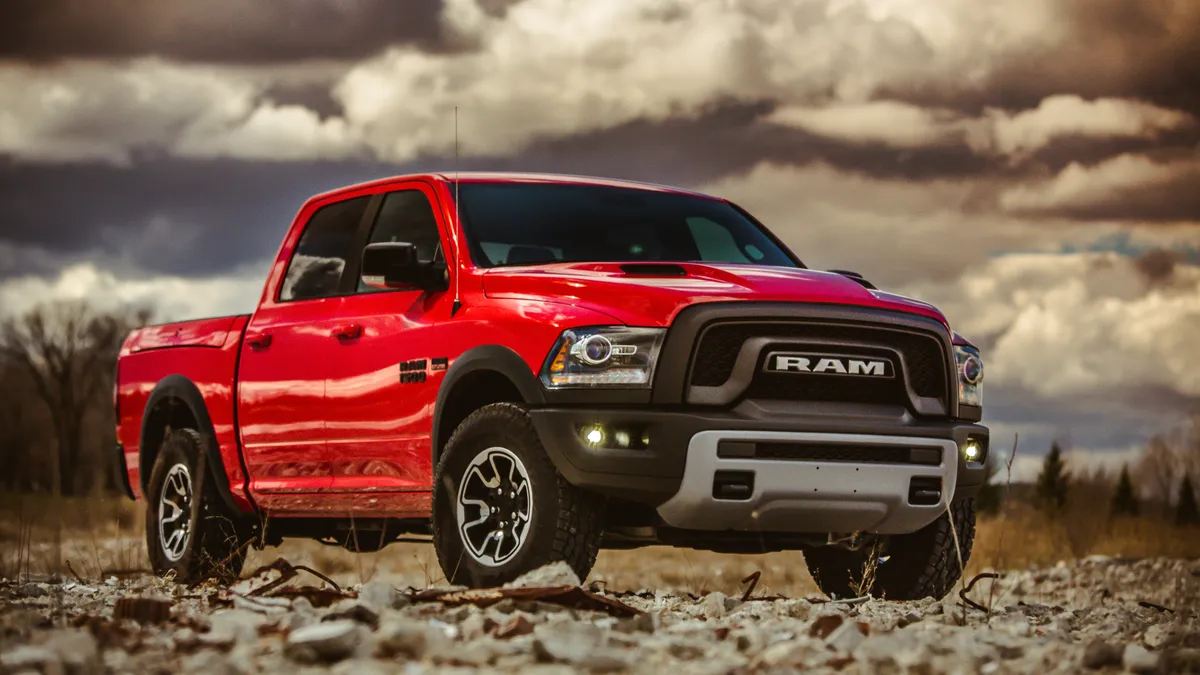
The Dodge Ram 1500 is known for being a tough and reliable truck that performs well in demanding environments. It’s not just a vehicle,it’s often a key tool for work, hauling, and outdoor adventures. Many owners develop a strong connection to their Ram because it delivers power, comfort, and versatility in one package.
However, no matter how durable the truck is from the factory, its longevity depends on how well it’s maintained and cared for. Some owners get rid of their Ram after a few years, while others are still running strong at 300,000 miles or more. The difference often lies in attention to detail and how proactive the owner is with maintenance and use.
Trucks go through more stress than the average car. They’re often used to tow heavy trailers, haul construction materials, or navigate rough terrain. That means wear and tear accumulates faster. Components like the engine, transmission, suspension, and frame are constantly under pressure.
While the Ram 1500 is engineered to handle a lot of that, no machine is invincible. If an owner neglects even the small things, the problems can add up quickly. A few skipped oil changes or ignoring strange noises can cost thousands in repairs or lead to early retirement of the vehicle.
The good news is that with the right habits and regular attention, a Dodge Ram 1500 can last far longer than what’s expected. Some owners pass their trucks down to the next generation or sell them after 20 years with plenty of life left.
To get there, it’s not just about doing the basics; it’s about doing them consistently, using quality parts and fluids, listening to the vehicle, and staying informed. Preventative care always beats reactive repairs. Every mile adds up, and every decision affects how long the truck will keep running strong.
Below are 9 key steps that help ensure your Ram 1500 keeps going for the long haul. These aren’t short-term tricks. They’re habits and strategies that build long-term durability. If you want your truck to last forever, or at least close to it, these are the things that matter most.
Also Read: 10 Cars With Tricky Seatbelt Buckles for Elderly Passengers
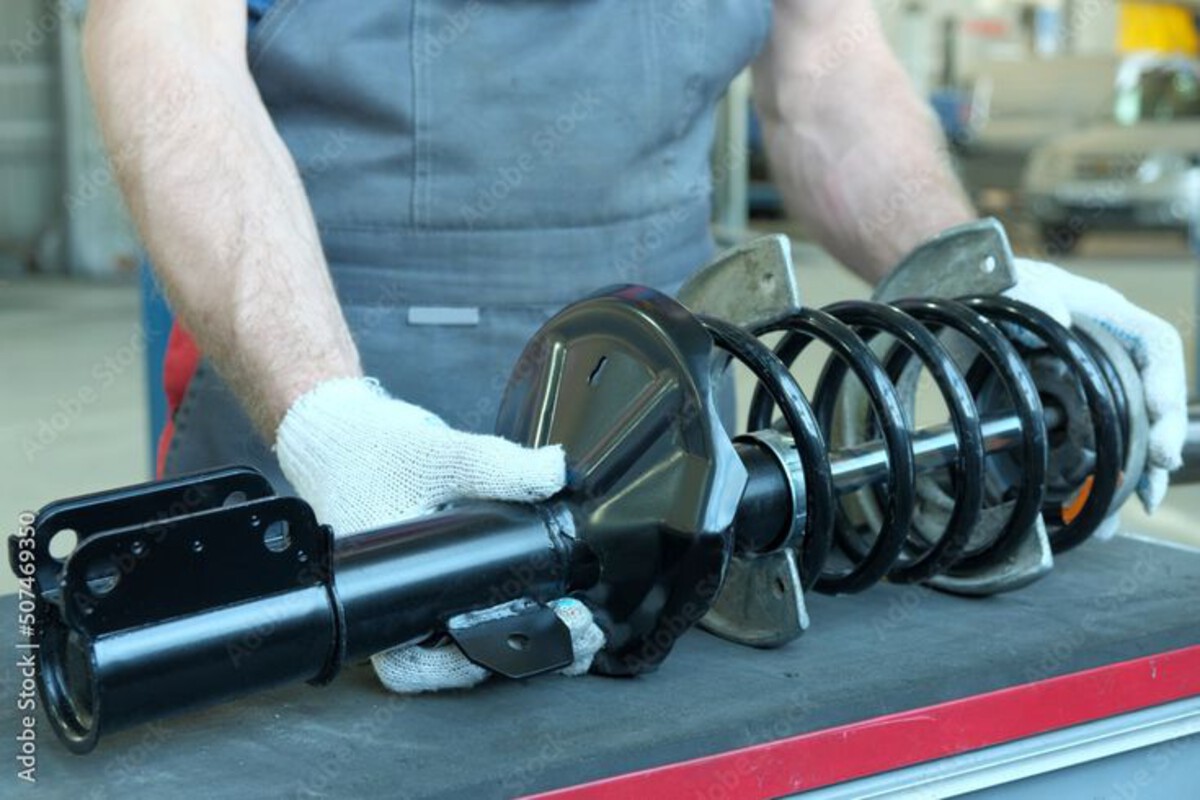
1. Stick to a Consistent Maintenance Schedule
One of the biggest mistakes truck owners make is letting maintenance slide. That one oil change turns into three missed ones. A noisy belt gets ignored until it snaps. Skipping maintenance here and there may not seem like a big deal, but over time, it puts the truck in a vulnerable position.
The engine, drivetrain, and key systems rely on clean fluids, well-functioning parts, and regular inspections. Maintenance isn’t optional; it’s the foundation of vehicle longevity.
The Ram 1500 requires scheduled servicing just like any other vehicle. This includes oil changes, tire rotations, brake inspections, fluid checks, and filter replacements. Sticking to the factory-recommended intervals is good, but for those who want their truck to go the distance, being a little more cautious doesn’t hurt. Changing fluids before they’re technically due and replacing aging parts proactively will reduce stress on the truck and prevent major failures.
Most problems don’t happen out of nowhere. There are usually signs leading up to them. The key is catching those signs early, which is only possible with consistent attention.
When the truck goes in for scheduled maintenance, a mechanic can spot leaks, wear, and damage before they turn into expensive repairs. This kind of foresight can be the difference between a reliable 250,000-mile truck and one that quits at 130,000 miles.
It’s also a good idea to keep a maintenance log. This helps track when work was done and what needs to be looked at next. It’s useful not only for your own reference but also if you decide to sell the truck later. Buyers feel more confident in a vehicle that has a clear history of regular care. But most importantly, you’ll know that your RAM is running at its best and is on the right path toward a long life.
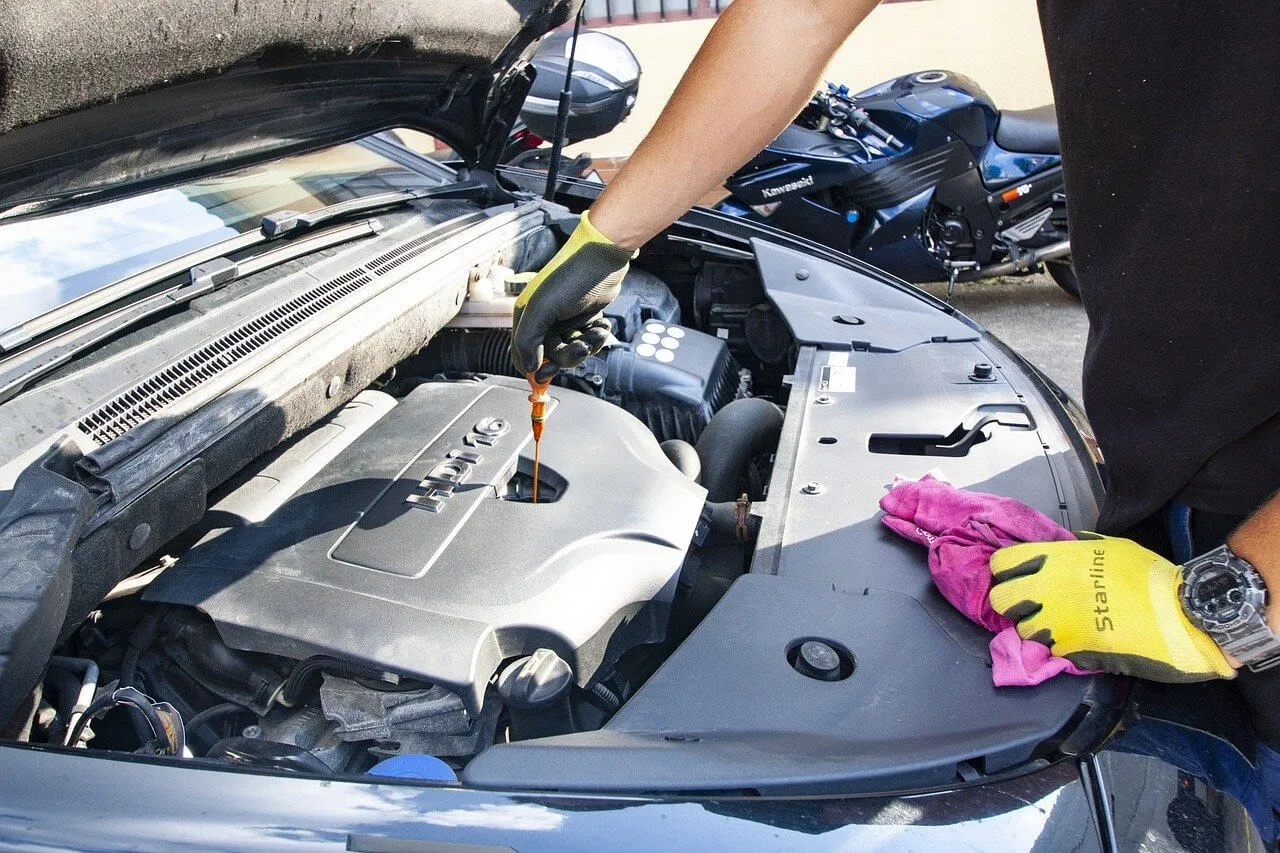
2. Use High-Quality Fluids and Parts
Cutting corners on parts and fluids may save money in the short term, but it often leads to costly repairs down the line. Your Ram 1500 isn’t a machine you want to feed with bargain-bin materials. Engine oil, transmission fluid, coolant, and brake fluid all have a direct impact on how the truck runs and how long it lasts. If these fluids break down too quickly or don’t meet the truck’s specifications, wear increases significantly.
High-quality engine oil helps reduce friction, cool the engine, and prevent sludge buildup. Using the manufacturer’s recommended grade is important, but going with synthetic oils often offers better protection, especially in extreme temperatures or under heavy loads.
For trucks that tow or work hard, premium oil isn’t a luxury; it’s a necessity. The same goes for transmission and differential fluids. They need to withstand stress, heat, and constant motion.
Aftermarket parts can be tricky. Some are excellent and even better than OEM, while others are cheap knockoffs that barely last. Stick with brands known for reliability and durability. Whether it’s brake pads, air filters, or spark plugs, using the right parts can make a major difference in how the truck performs. That’s especially important when it comes to critical systems like steering, suspension, and the cooling system.
One area where many owners go wrong is coolant. They top off with whatever is lying around instead of using the correct type. Mixing incompatible coolants can cause serious damage. The wrong type can corrode engine components or lead to overheating. Always match the fluid with what’s specified for the Ram 1500’s model year and engine type. When in doubt, consult the manual or a trusted mechanic who knows your truck well.

3. Avoid Excessive Towing and Overloading
Towing is one of the things the Ram 1500 is built for, but it’s still important to stay within its limits. Overloading puts a huge strain on the engine, transmission, brakes, and suspension. Even though the truck may be able to handle a heavy load temporarily, doing so regularly or pushing it too far can shorten the lifespan of key components. Eventually, the wear becomes too much, and parts begin to fail.
Every Ram 1500 has a listed towing and payload capacity. These numbers aren’t suggestions; they’re engineering limits based on what the frame and drivetrain can handle safely and reliably. Constantly going over them causes everything to work harder than it should. The transmission may overheat, the brakes wear out quicker, and the rear suspension starts sagging. That kind of strain will catch up with you, and the repair bills can be painful.
Even staying within the limits, it’s smart to take extra precautions. Use a proper trailer brake controller if towing something heavy. Shift manually when going up long inclines to keep the transmission from hunting for gears. Make sure the load is balanced and secured properly to avoid sway or instability. These habits help reduce the load’s impact on the truck, making the job easier on every component.
If you use your RAM for work, be mindful of how it’s loaded day to day. Tools, materials, and equipment left in the bed or cab add up. Carrying around 500 pounds of unnecessary gear all the time is like having a permanent load for no reason. Clearing out unused weight helps reduce fuel use and mechanical stress. Think of your truck like a worker; it can carry a lot, but pushing it too far every day will wear it down fast.
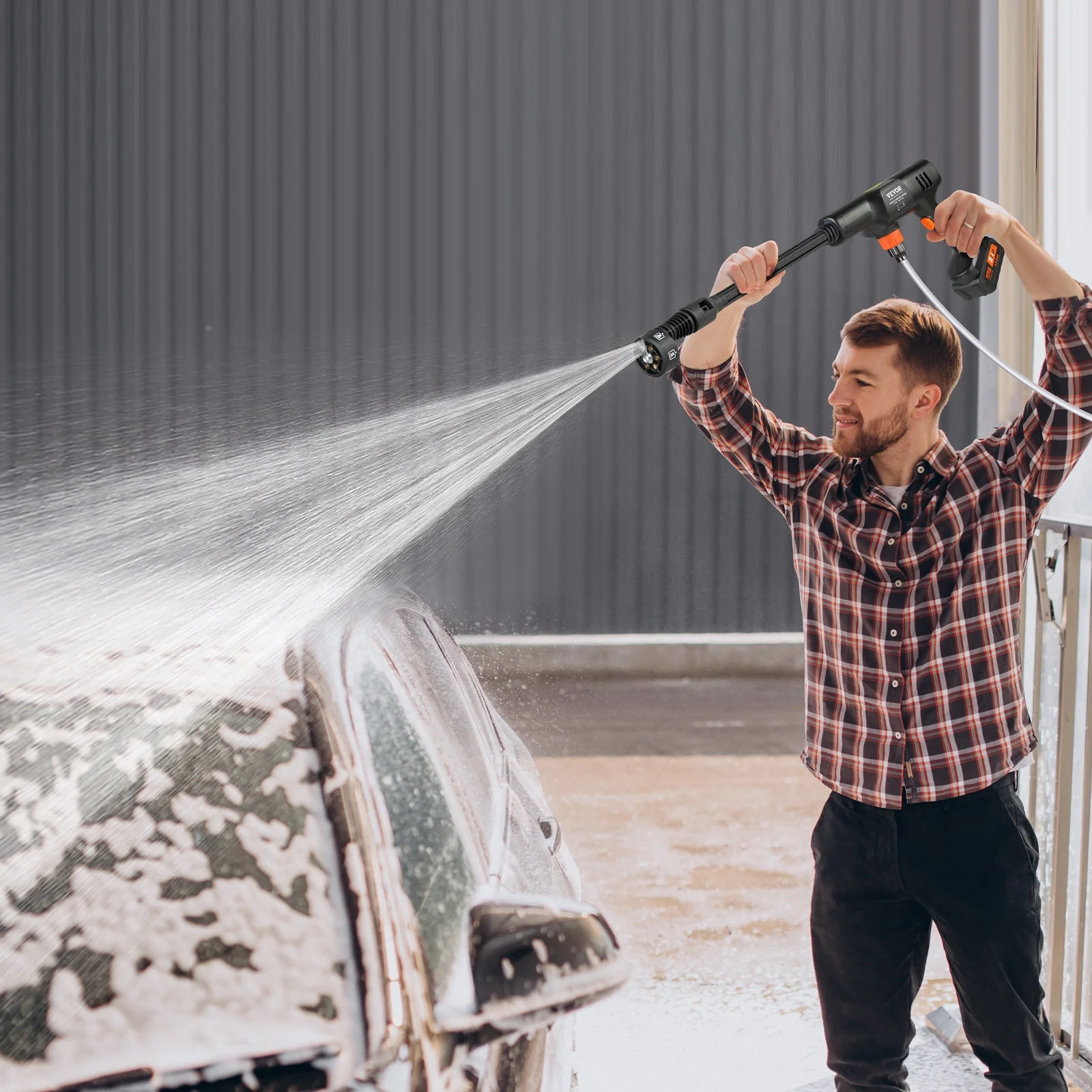
4. Wash and Protect the Exterior Regularly
Appearance isn’t just about looks when it comes to longevity. The exterior of your Ram 1500 is exposed to the elements daily. Dirt, road salt, moisture, and debris all have the potential to wear down paint and eventually rust the body and frame. Regular washing is not just about keeping the truck looking good; it’s about preserving the structural integrity over the long term.
In colder climates, road salt is a major concern. Salt clings to the undercarriage and promotes rust, especially around wheel wells, the frame, and brake lines. Washing the truck thoroughly during and after the winter months is crucial.
A quick rinse isn’t enough. Focus on the underbody and use high-pressure water to remove any buildup in hard-to-reach spots. Rust doesn’t just affect looks; it can weaken parts and become a safety issue.
Waxing the paint every few months helps create a barrier that protects against UV rays and environmental contaminants. Even though modern paint has clear coats that offer some protection, wax adds another level of defense. If the truck is often parked outside, using a cover or parking in the shade whenever possible helps prevent sun damage and paint fading. Keeping the paint in good shape also boosts resale value.
Don’t forget about the small details like rubber seals, headlights, and trim. UV protectants can keep rubber from drying out and cracking. Cleaning and conditioning these areas helps prevent leaks and other issues. When taking care of the outside of the truck becomes part of your routine, it’s easier to catch small problems like chips or scratches before they spread. Long-term care starts with the basics, and regular cleaning is one of them.
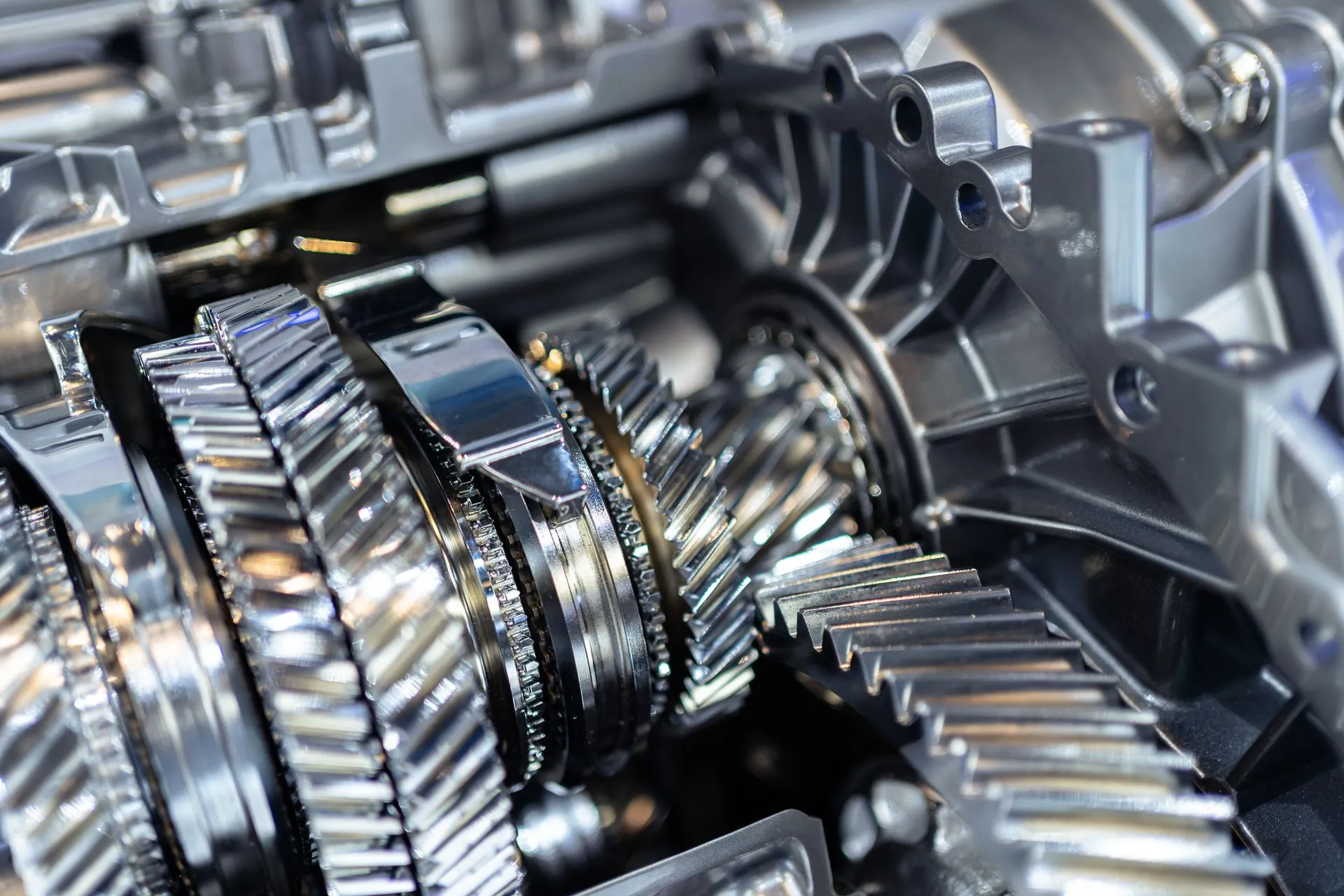
5. Monitor and Maintain the Transmission
The transmission is one of the most vital and expensive components in any truck, and in the Ram 1500, it plays a central role in handling towing, acceleration, and gear changes under load. Ignoring transmission maintenance is a surefire way to shorten the truck’s life.
Smooth shifts and proper operation don’t happen by accident; they rely heavily on clean fluid, proper cooling, and avoiding unnecessary stress on the system. Even if the engine is in perfect shape, a failing transmission can turn your Ram into an unreliable ride or an expensive paperweight.
Transmission fluid needs to be checked and replaced at appropriate intervals, and these intervals can vary depending on the type of driving you do. Stop-and-go traffic, towing, and driving in hot climates all increase the need for more frequent fluid changes.
Old fluid breaks down, loses its ability to lubricate, and allows metal shavings or debris to circulate inside the system. Once that starts happening, gears can wear prematurely and lead to hard shifts or full-blown failure. Using the correct fluid type is just as important as changing it on time; don’t mix or guess.
It’s also important to pay attention to how your Ram shifts. Rough or delayed gear changes, slipping between gears, or strange noises while shifting are early signs that something may be wrong.
Unfortunately, many drivers ignore these symptoms until it’s too late. If your truck starts acting up, get it inspected as soon as possible. Sometimes, a simple fluid service or sensor replacement can fix the problem before it evolves into a costly rebuild. Trusting your senses and acting early can save thousands.
Driving habits also influence transmission life. Letting the truck warm up before heavy acceleration, avoiding unnecessary aggressive shifting, and being gentle when towing can all reduce wear. Using manual mode when going down steep grades instead of riding the brakes also helps reduce stress.
Most people don’t think about how they shift or drive on a daily basis, but small habits add up over hundreds of thousands of miles. Treating the transmission with care ensures your Ram keeps moving forward smoothly for years.
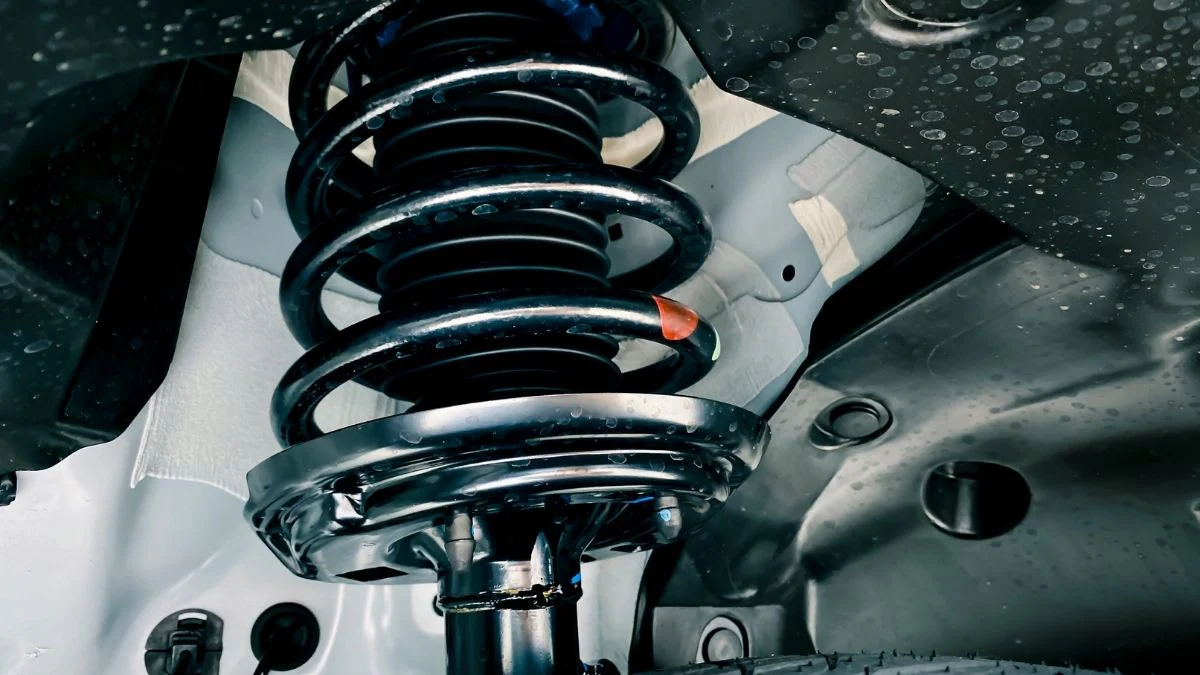
6. Keep an Eye on Suspension and Steering Components
The suspension and steering systems on a Ram 1500 take on a lot of abuse, especially if the truck is used for towing, off-road driving, or work-related hauling. Ball joints, tie rods, control arms, bushings, and shocks all work together to keep the truck stable and controllable. Over time, these components wear out and can affect ride quality, tire wear, and even safety. Ignoring worn suspension parts can also lead to damage elsewhere in the vehicle, making regular inspection and replacement important.
One of the most noticeable symptoms of a worn suspension system is uneven tire wear or a loose, wandering feeling in the steering wheel. If your Ram feels like it drifts slightly when driving straight or vibrates while braking, it’s time to get it checked out.
Worn bushings and shocks can make the truck bounce excessively, and bad ball joints can create clunking noises when going over bumps. These signs shouldn’t be ignored, even if the truck still “feels” drivable. Driving with worn components can cause tires to wear out faster and make handling unpredictable.
Upgrading suspension parts with higher-quality or heavy-duty replacements can also improve longevity. For example, upgrading to performance shocks or heavy-duty control arms may help if you often carry heavy loads or drive on rough roads.
While OEM parts are typically designed for average use, aftermarket components built for durability might offer a better long-term solution depending on your needs. Either way, sticking to factory specs and proper alignment is crucial to avoid overworking the suspension geometry and causing other parts to fail prematurely.
Routine inspection should include checking for leaks around shock absorbers, cracked rubber boots on joints, and loose bolts or fittings. Even if there’s no visible damage, listen for changes in road feedback or how the truck reacts over dips and curves. A properly maintained suspension doesn’t just make the truck drive better; it reduces stress on the entire frame, brakes, and tires. Over time, that translates into thousands of extra miles and fewer repair bills.

7. Don’t Ignore Warning Lights or Strange Noises
A lot of long-term truck damage starts with a warning light that gets ignored or a noise that the driver “gets used to.” Modern vehicles like the Ram 1500 are built with diagnostic systems that detect problems before they become severe.
The check engine light, ABS light, and other alerts are early warning signs that something is out of balance. Ignoring them doesn’t make the problem go away; it gives it time to get worse. Getting these issues addressed promptly can mean the difference between a minor repair and a catastrophic failure.
Strange noises are another way your Ram communicates that something isn’t right. Squeaking, knocking, grinding, or whining sounds coming from the engine, brakes, or drivetrain should never be dismissed.
While some noises may be harmless, like brake dust squeals or minor belt chatter, others could signal failing bearings, loose mounts, or internal engine issues. Learning to tell the difference is important, and if you’re unsure, it’s always better to get a professional opinion than to wait until something breaks.
Some drivers hesitate to bring their vehicle in because they fear high repair costs. Ironically, that hesitation often leads to even higher costs. A minor oil leak today might become a full gasket replacement tomorrow. A slipping belt today might mean a broken water pump next month. Small fixes can often be handled quickly and affordably if caught early. Letting them go unchecked adds stress to other parts of the system and risks breakdowns that could leave you stranded.
It also helps to invest in a basic code reader or OBD-II scanner. These tools can provide quick insight into warning lights and error codes, helping you understand whether it’s an urgent issue or something that can wait a few days.
Many auto parts stores will scan codes for free, and you can research common causes. Staying informed and taking action quickly not only protects your Ram, it builds the kind of reliability you need from a truck that’s meant to last forever.

8. Drive Smoothly and Avoid Aggressive Habits
How you drive daily has a bigger impact than most people realize. Accelerating hard, braking late, taking corners too fast, or constantly pushing the engine to redline puts more stress on every moving part in the truck. While the Ram 1500 is built to be tough, it still benefits from smooth operation. A careful driver will almost always get more life out of the same vehicle than someone who drives aggressively all the time.
Smooth acceleration reduces stress on the transmission and engine. Instead of flooring the gas to get up to speed, gradually increasing the throttle allows the drivetrain to operate efficiently.
The same goes for braking. Slamming the brakes not only wears the pads faster but can also damage rotors and affect suspension components. Giving yourself time to slow down gradually preserves the entire brake system and improves safety as well.
Cornering and turning should also be approached with care, especially in a truck with a higher center of gravity. Taking curves too fast puts unnecessary strain on the tires and suspension and increases the chance of losing control. Over time, rough handling can lead to alignment issues, uneven tire wear, and damaged steering components.
Being gentle and aware during turns, especially with a load in the bed or trailer attached, makes a big difference in reducing mechanical stress.
Even when towing or off-roading, how you handle the truck affects its future. Sudden gear changes, rapid throttle inputs, or bouncing over terrain at high speeds all add unnecessary wear. Instead, easing into changes and driving with intention will keep the truck running smoothly. The best way to ensure a long life for your Ram is to respect it behind the wheel. That doesn’t mean babying it, it means understanding how it reacts and treating it like the valuable machine it is.

9. Store the Truck Properly When Not in Use
Long periods of inactivity can be just as harmful to a vehicle as excessive use. If your Ram 1500 sits for long stretches without being driven, it’s important to store it correctly.
Letting a truck sit idle without preparation can lead to battery drain, tire flat spots, fluid separation, and even rodent damage. Whether it’s parked for winter, waiting out a job lull, or kept as a secondary vehicle, proper storage can help it last much longer.
Start by ensuring all maintenance is up to date before storing the truck. Old oil, dirty filters, or low fluids can cause damage if left sitting. It’s also a good idea to top off the fuel tank and add a stabilizer to prevent the fuel from going bad. Gasoline degrades over time and can gum up the fuel system, especially if the truck sits for more than a month. Starting with a full tank also reduces moisture buildup in the fuel system.
Battery maintenance is another key step. If you’re not planning to drive the truck for more than a couple of weeks, consider using a battery tender or disconnecting the negative terminal to prevent drain. Modern vehicles often have parasitic draws from electronics that slowly eat away at battery life. Coming back to a dead truck after a few weeks of storage is frustrating and can shorten battery lifespan significantly.
Finally, protect the truck from the elements. If you don’t have access to a garage, a high-quality cover can help shield it from UV rays, rain, and bird droppings. Make sure the tires are inflated properly and consider rolling the truck slightly every few weeks to avoid flat spots. Rodent protection is also worth considering if it’s stored outdoors or near wooded areas. Taking a few precautions during downtime ensures that when you’re ready to drive again, the truck is just as ready.
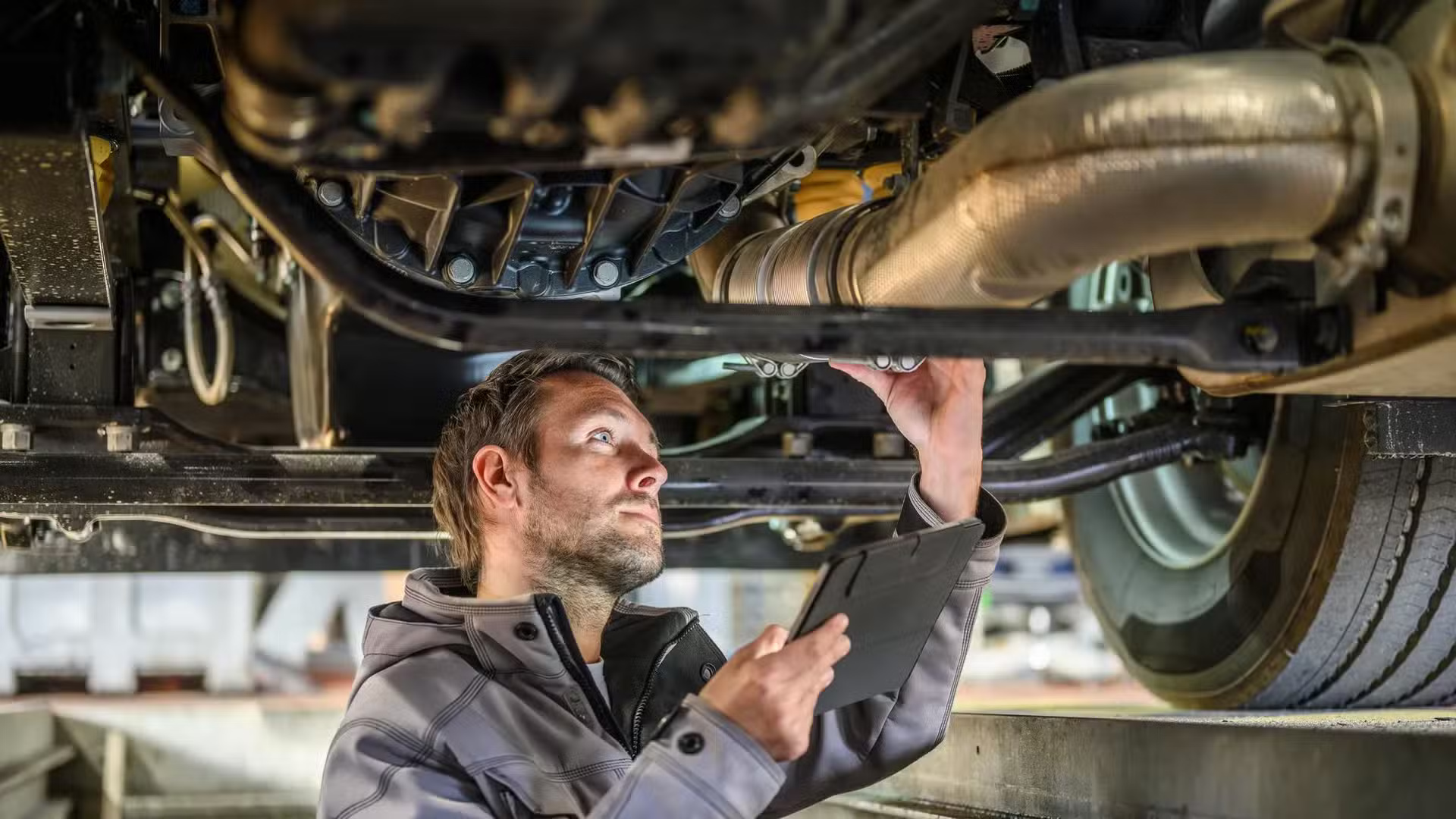
10. Build a Relationship with a Trustworthy Mechanic
Even the most capable truck owners can’t do everything themselves. Having a mechanic you trust is one of the smartest long-term strategies for keeping your Ram 1500 running forever. A reliable professional who knows your truck inside and out can spot problems early, recommend the right solutions, and help you prioritize repairs before they become emergencies. This kind of relationship goes beyond oil changes; it’s about building a long-term maintenance partnership.
When you visit a shop regularly, the mechanic becomes familiar with your vehicle’s history, quirks, and weak points. They know what’s been replaced, what’s wearing out, and what might need attention next.
That familiarity often results in better diagnostic accuracy, fewer unnecessary repairs, and a more cost-effective approach to keeping the truck on the road. Instead of guessing, they can give you real advice based on experience, not just what a computer scan says.
Many dealerships and quick lube chains focus on volume over personal service. While they might be fine for basic maintenance, they’re not always the best place for long-term truck care. Independent mechanics or small local shops often provide more consistent service and are more likely to work with you to maintain quality without pushing upsells.
When your Ram has a unique problem or needs a second opinion, that relationship becomes especially valuable.
Ask around in your area or within Ram owner forums to find a mechanic who has experience with the Ram 1500 and understands its common issues. It helps if they’ve worked on multiple generations of the truck and can advise you on parts quality, repair intervals, and even upgrades.
Over time, they’ll become an essential part of your maintenance plan, not just someone who turns wrenches, but a partner who helps you make smart decisions for a truck you want to last a lifetime.
Also Read: 5 Cars with Climate Control That Works vs 5 That’s Just for Show
Making a Dodge Ram 1500 last forever isn’t about doing one or two things right; it’s about doing a lot of small things right, over and over again. Every oil change, every tire rotation, every check-engine light you choose not to ignore plays a role in how long your truck stays reliable. These ten steps are not tricks or shortcuts; they’re habits. They form a routine that keeps your truck in its best condition, not just for today, but for the long haul.
The truth is, most trucks don’t break down overnight. They wear out gradually, mile by mile, due to neglect, hard driving, skipped maintenance, or low-quality parts. The Ram 1500 is a tough vehicle, but it’s still a machine, and machines need care.
When you take the time to monitor fluids, drive responsibly, inspect components, and stay ahead of issues, you’re not just maintaining a truck; you’re preserving something you’ve invested in.
Thousands of Ram 1500 owners have put their trucks well past the 200,000- or even 300,000-mile mark. In almost every case, it wasn’t luck that got them there. It was consistency. Trucks that last forever are usually owned by people who pay attention to the details, who know what their vehicle sounds like when it’s healthy, and who don’t wait for problems to get worse before taking action.
Whether you use your Ram for work, hauling, travel, or daily driving, applying these ten steps will keep it running stronger, longer. It’s not just about mileage, it’s about reliability, safety, and value. With the right mindset and routine, your Ram 1500 can serve you for decades, standing up to time, weather, and tough roads. Longevity isn’t a mystery; it’s a result of care, attention, and effort that pays off year after year.
