

The Nissan Altima has earned a place among popular midsize sedans, appreciated for its sleek design, fuel efficiency, and everyday reliability. However, even the most dependable vehicle can face serious issues when not treated with care. One of the most expensive and crucial components of the Altima is its transmission.
For many owners, the transmission may not seem like a part that requires constant attention, but it’s often one of the first major components to fail, especially if bad driving or maintenance habits are involved. Transmission replacements or repairs can cost thousands of dollars and sometimes exceed the vehicle’s value, especially in older models.
Many Altimas, particularly those with Continuously Variable Transmissions (CVTs), have faced scrutiny over early failures. But while some issues are tied to design, a significant number stem from preventable habits. Drivers often don’t realize that small actions they take every day are slowly damaging their car’s transmission.
Ignoring maintenance schedules, neglecting fluid checks, and aggressive driving all contribute to transmission wear and tear far earlier than expected. And in the case of a CVT, which functions differently than a traditional automatic, these harmful habits can cause even more damage in a shorter time frame.
Owners may assume that if the car is running and shifting smoothly, everything is fine. But transmission problems usually don’t present themselves in dramatic ways at first. Instead, they build up over time through consistent misuse. By the time symptoms like delayed shifting, slipping, or strange noises appear, the damage is already significant.
Recognizing and avoiding habits that shorten your Altima’s transmission life is one of the best ways to protect your investment and extend the life of your car. In this article, we’ll break down ten specific habits that can severely damage a Nissan Altima’s transmission if left unchecked. Avoiding them won’t just save you money; it will also lead to a smoother, safer driving experience.
Also Read: 5 Infotainment Units With Reliable Software vs. 5 That Are Glitchy
1. Ignoring Transmission Fluid Maintenance
Transmission fluid plays a vital role in the proper functioning of any vehicle’s transmission, especially in a Nissan Altima equipped with a CVT. This fluid not only lubricates the moving parts but also helps in cooling and maintaining consistent pressure throughout the system.
When the fluid is old, contaminated, or too low, the transmission becomes vulnerable to overheating, metal friction, and internal failure. Many drivers mistakenly believe transmission fluid is “lifetime,” but that is a dangerous assumption. The reality is that fluid degrades over time, particularly in vehicles subjected to stop-and-go traffic or long highway drives in hot weather.
If the fluid is not changed at the recommended interval, it becomes thick and loses its ability to flow efficiently. In CVTs, where fluid movement and pressure are crucial for seamless gear ratio changes, this can lead to jerking, slipping, or hesitation. These symptoms may start off mild but get worse quickly.
Once internal components start to wear down due to poor lubrication, the damage is often irreversible without a full transmission rebuild or replacement. In many Altima models, especially those from earlier CVT generations, skipping fluid maintenance is one of the fastest ways to kill the transmission.
Adding to the problem, some owners don’t even check the fluid level regularly. Many newer Altima models do not come with a traditional transmission dipstick, making it harder for casual drivers to monitor fluid conditions themselves. However, that doesn’t mean it should be ignored.
Qualified mechanics have the tools to assess CVT fluid health and identify early signs of problems. Just because it’s out of sight doesn’t mean it should be out of mind. Letting fluid go unchecked for too long is like running a marathon in the wrong shoes, it may not hurt at first, but the damage will eventually show.
Regular transmission fluid inspections and changes are some of the cheapest insurance you can buy for your Altima. By keeping it clean and at the proper level, you’re reducing stress on the system, avoiding overheating, and ensuring your transmission stays responsive. Neglecting this simple task invites major costs down the road.
2. Shifting Between Drive and Reverse Without Stopping
A common bad habit among drivers is shifting between Drive and Reverse while the vehicle is still moving. It might save a second or two in a rush, but this practice causes serious stress on the transmission system.
The Nissan Altima’s CVT or automatic transmission isn’t designed to absorb the forces of reversing motion, instantly transitioning into forward momentum. Doing this repeatedly forces internal gears and clutches to compensate for the sudden directional change, creating unnecessary friction and wear.
This habit becomes especially dangerous when done frequently in tight spaces like parking lots. Many drivers get into the routine of quickly shifting from Reverse to Drive to speed up their parking or exiting maneuvers.
Each time this happens, the transmission absorbs a mechanical shock that can lead to early failure of key components. While the effect might not be noticeable right away, internal damage builds gradually. It’s not uncommon for this to manifest as hesitation or grinding noises during gear changes after a few months or years of abuse.
Another overlooked issue is how these abrupt shifts can confuse the transmission control module. The Altima’s transmission relies on a computerized system to calculate torque and speed changes. Rapidly shifting without pausing disrupts these calculations and can lead to miscommunication between the engine and the transmission.
Over time, this kind of stress results in warning lights, error codes, and in some cases, the vehicle going into limp mode to protect itself from further damage.
Taking the time to come to a full stop before changing gears is a small habit that pays off immensely. Not only does it protect the transmission, but it also keeps the entire drivetrain running smoothly. Drivers who take care to shift properly often notice that their vehicle feels more stable and predictable, especially during slow-speed maneuvers. It’s a discipline that may seem minor, but it has major consequences when neglected.

3. Constant Hard Acceleration
Flooring the gas pedal might be thrilling, but it’s one of the quickest ways to shorten your Nissan Altima’s transmission life. Every time you go from a standstill to full throttle, the transmission has to work overtime to deliver power efficiently.
The CVT in particular is designed for smooth, gradual transitions, not sudden bursts of torque. Pushing the car too hard creates excessive heat and pressure, two of the biggest enemies of any transmission.
Hard acceleration doesn’t just stress the transmission, it also affects how the transmission control unit responds over time. Constantly demanding aggressive performance can lead to recalibrations in shift logic, potentially causing the system to behave erratically under normal conditions. Instead of gliding through speed changes, the car may begin to feel jerky or hesitant. These symptoms often go overlooked until they become serious, and by then, significant wear has already occurred.
Another overlooked consequence of frequent aggressive acceleration is fluid degradation. The more heat generated by the transmission, the quicker the fluid breaks down. Once the transmission fluid loses its properties, its ability to lubricate and cool the system becomes compromised.
Without proper lubrication, metal parts grind against each other, leading to scoring and permanent damage. In CVT-equipped Altimas, this wear can affect the belt or chain system, resulting in slipping or outright failure.
Driving with a light foot and avoiding unnecessary flooring of the gas pedal not only protects the transmission but also improves fuel efficiency. Smooth acceleration is easier on the entire powertrain and contributes to a more comfortable driving experience. It’s a mindset shift that may feel less exciting at first, but over time, it results in fewer repairs, longer vehicle life, and a transmission that continues to perform as it should.
4. Towing or Overloading Beyond Capacity
The Nissan Altima was not built with towing as its primary function. Its powertrain and transmission are optimized for daily commuting, not hauling heavy loads. Yet, some owners still use their Altima to tow small trailers or carry loads beyond the vehicle’s designed capacity.
This habit puts immense strain on the transmission, often pushing it far beyond its safe operating limits. Unlike trucks or SUVs, the Altima lacks the cooling systems and reinforced components needed for heavy-duty work.
Even occasional towing can be enough to start causing transmission issues, especially if done on inclines or in hot weather. The CVT works harder to maintain torque and speed under load, which creates additional heat. As the transmission overheats, fluid degrades faster, and the risk of internal damage skyrockets. Most drivers don’t monitor transmission temperature, so they don’t realize when the system is under too much stress. By the time warning lights appear or the vehicle starts slipping, serious harm has already been done.
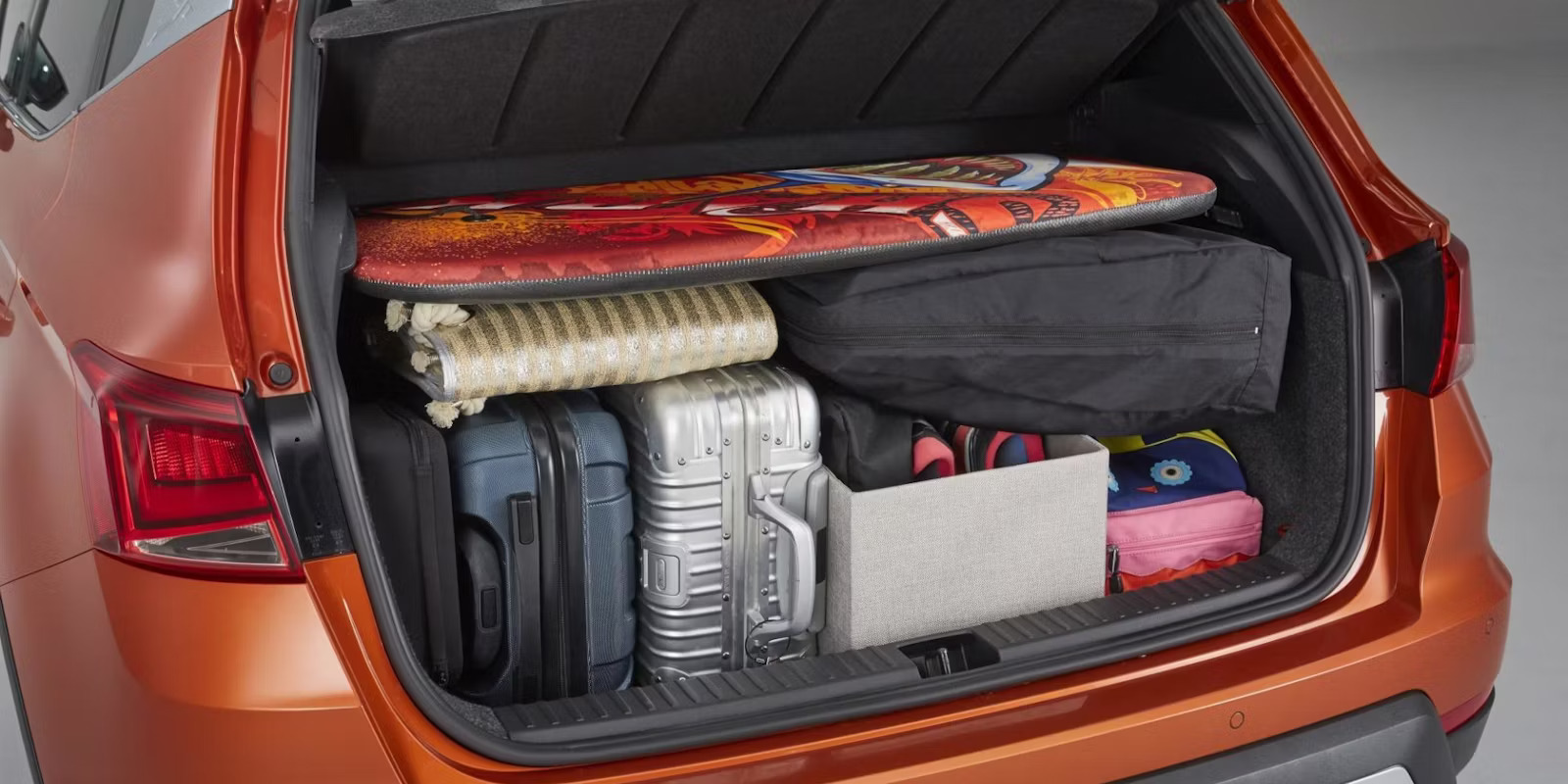
Overloading the cabin or trunk with cargo can have a similar effect. Whether it’s stacking heavy boxes for a move or transporting gear for a road trip, excess weight forces the engine and transmission to compensate. Acceleration becomes slower, gear transitions take longer, and the likelihood of overheating increases.
These small moments of excess load may seem harmless, but repeated abuse compounds over time. Drivers may start noticing strange vibrations or a delay when pressing the gas pedal, early signs that the transmission is being pushed too far.
Respecting the Altima’s load limits is a simple way to preserve the transmission. The owner’s manual clearly outlines what the car can and cannot handle. Sticking to those guidelines isn’t just about safety; it’s about protecting one of the most expensive components in your vehicle. Avoiding unnecessary towing or overloading will ensure that your transmission doesn’t suffer an early and expensive failure.
5. Driving With Low or Contaminated Transmission Fluid
Transmission fluid is more than just a lubricant; it is a critical part of the entire transmission system. In the case of the Nissan Altima’s CVT, the fluid serves multiple roles: it ensures smooth shifting, cools internal components, and transfers hydraulic pressure. When the fluid level is too low, the system is starved of the pressure it needs to operate efficiently.
This leads to erratic behavior such as slipping, jerking, or delayed response, especially under acceleration. Driving in this state, even for a short period, can result in long-term internal damage that is both expensive and difficult to reverse.
Contaminated fluid poses a different but equally dangerous problem. Over time, transmission fluid naturally breaks down and accumulates tiny particles of metal and clutch material from the inner workings of the transmission. If left unchanged, these particles begin to circulate through the system, grinding against sensitive surfaces and clogging filters.
In CVTs, the risk is even higher, as the fluid must flow cleanly through narrow passageways to maintain proper belt tension and pulley control. Dirty or degraded fluid can block these pathways and cause the transmission to overheat or behave erratically, especially during high-load driving conditions.
The difficulty with CVTs is that symptoms of bad fluid are often subtle at first. A slight hesitation here, a soft shift there,it might seem like nothing at first. But over time, these symptoms grow more severe. Many Altima owners only recognize the problem when it’s too late and a complete rebuild is the only option.
The cost of replacing a CVT transmission often rivals the total value of the car, especially for older models. Regular fluid checks, and timely changes using the correct Nissan-approved CVT fluid are some of the few ways to extend transmission life meaningfully.
Drivers who make a habit of checking their transmission fluid level and quality are far less likely to face catastrophic failure. Although newer models make it harder to access or read transmission fluid levels, the effort is worth it.
A quick check during routine service appointments or oil changes could catch problems early, preventing thousands in repair bills. It’s not just about maintenance; it’s about taking active responsibility for your car’s health and long-term performance.

6. Neglecting Transmission Overheating Signs
Heat is one of the primary enemies of any transmission, and it’s especially destructive in CVTs like those found in many Nissan Altimas. When a transmission overheats, it causes fluid breakdown, weakens internal seals, and warps key components.
Drivers often overlook the early warning signs of overheating, which might include a burning smell, reduced performance, or the car slipping out of gear. These are not just annoying quirks; they are symptoms that the transmission is running too hot and may already be sustaining internal damage.
Most Altimas do not have a dashboard warning specifically for transmission temperature, which means drivers must rely on their awareness of performance changes.
For instance, if the car starts hesitating, making strange noises, or acting differently after long drives or while climbing hills, those could all be signs of an overheated transmission. In CVTs, the system may temporarily enter “safe mode” or reduce power to prevent further damage. Ignoring this and continuing to drive can push the transmission past its limits and lead to total failure.
Heat buildup often results from pushing the car too hard, whether it’s through constant acceleration, towing, or simply driving in very hot climates without sufficient cooling.
Some models have a transmission cooler, but many do not, leaving the CVT vulnerable during extended trips or stop-and-go city driving in summer. Without proper ventilation and fluid cooling, the system can’t regulate its internal temperature, leading to performance issues that get worse with every mile.
Preventing transmission overheating is about understanding how your car behaves under stress and adjusting your habits accordingly. Avoiding prolonged high-speed driving in hot weather, reducing loads, and ensuring fluid levels are topped up are basic but effective strategies.
If your car feels sluggish or smells unusual after a long drive, it’s time to get it checked. The longer you wait, the higher the risk that what could have been a simple fix will become a full-blown transmission failure.
7. Delaying Regular Transmission Service
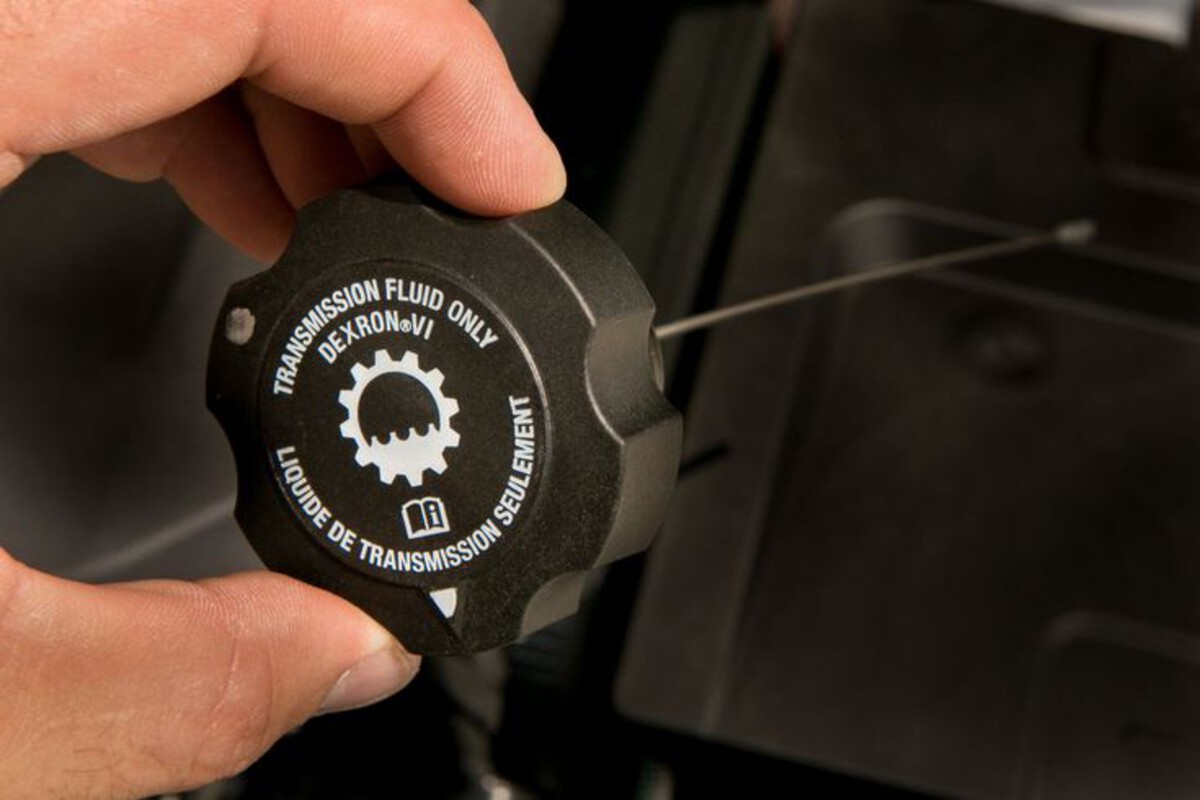
Routine maintenance is often treated as optional by many vehicle owners, but when it comes to the transmission, putting off service can be one of the most expensive mistakes. The transmission is a closed system that relies on fluid health, software calibration, and physical cleanliness to function properly.
In Nissan Altimas, particularly those with CVTs, the manufacturer often recommends fluid replacement every 60,000 miles or sooner under severe conditions. Delaying or ignoring this interval can drastically shorten the life of the transmission, even if the car appears to be running normally.
What many drivers don’t realize is that small contaminants can accumulate inside the transmission over time, slowly affecting the performance of solenoids, valves, and fluid pumps. Regular servicing helps flush out these particles before they cause significant damage.
If ignored for too long, the particles begin to gum up key components, preventing them from working as designed. In a CVT, this means poor belt engagement, incorrect pulley operation, and eventual overheating. The cost of routine service might be a few hundred dollars, but replacing a damaged transmission can easily exceed $4000.
Another overlooked benefit of scheduled service is the diagnostic insight it provides. Mechanics can often detect early signs of transmission trouble before a driver notices anything wrong.
This could include unusual wear patterns, metal shavings in the fluid, or low pressure during operation. Catching these issues early makes them far easier and cheaper to address. By skipping service intervals, drivers also miss out on these early warning signs, letting minor issues snowball into serious mechanical failures.
Developing a habit of following the service schedule for your Altima is one of the smartest ways to preserve its longevity. It might be tempting to delay service when the car is running fine, but that short-term mindset often leads to long-term regret. Keeping up with scheduled transmission maintenance is like going to the doctor for a check-up, not exciting, but necessary for catching issues before they become unmanageable.
8. Resting Foot on the Brake or Gas at Stops
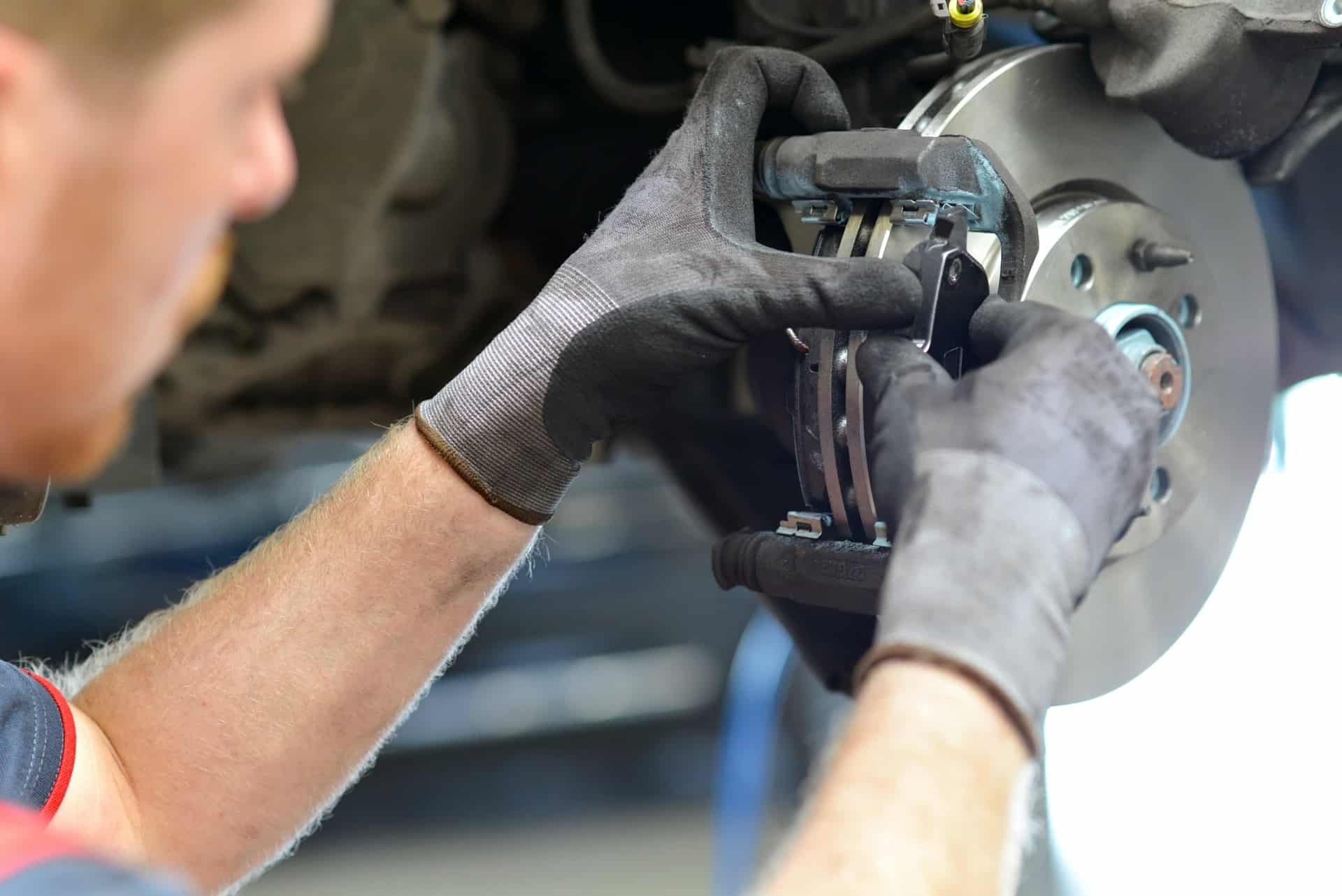
A subtle yet harmful habit is keeping your foot on the brake or slightly on the gas pedal when the car is stopped. While it may seem like a harmless action, it can actually place unnecessary stress on the transmission, especially in vehicles with CVTs. When you hold the brake while in Drive, the engine and transmission continue to engage lightly against the load. Over time, this can cause the transmission to heat up, especially in traffic where frequent stops are common.
On the flip side, applying slight pressure on the gas while stopped, such as “creeping” forward in a line of cars, also puts strain on the system. This keeps the transmission engaged without allowing it to fully reset or relax, causing unnecessary wear.
The Altima’s transmission is designed to operate smoothly, but excessive micro-adjustments from the driver can confuse the system and lead to inconsistent shift behavior or internal wear. Over time, the components wear down quicker than they should, especially the clutch packs or belt elements in the CVT.
Another aspect of this habit is psychological. Drivers often don’t realize they’re doing it, especially if they drive in traffic daily or are used to coasting slowly at lights. It becomes muscle memory, and once it becomes a routine, the small stress adds up.
For older Altimas that already have miles on them, this kind of wear accelerates the aging process of the transmission dramatically. It’s not uncommon for cars with low mileage but poor driving habits to experience transmission issues before their higher-mileage counterparts.
The solution is simple but requires awareness: shift into Neutral or engage the parking brake during extended stops. This lets the transmission take a break and reduces internal pressure. It’s a small change that won’t affect your driving speed but will make a significant difference in how long your transmission lasts. Taking the pressure off the system when it’s not needed gives your Altima’s transmission a better chance at a long, healthy lifespan.
9. Ignoring Warning Signs and Dashboard Lights
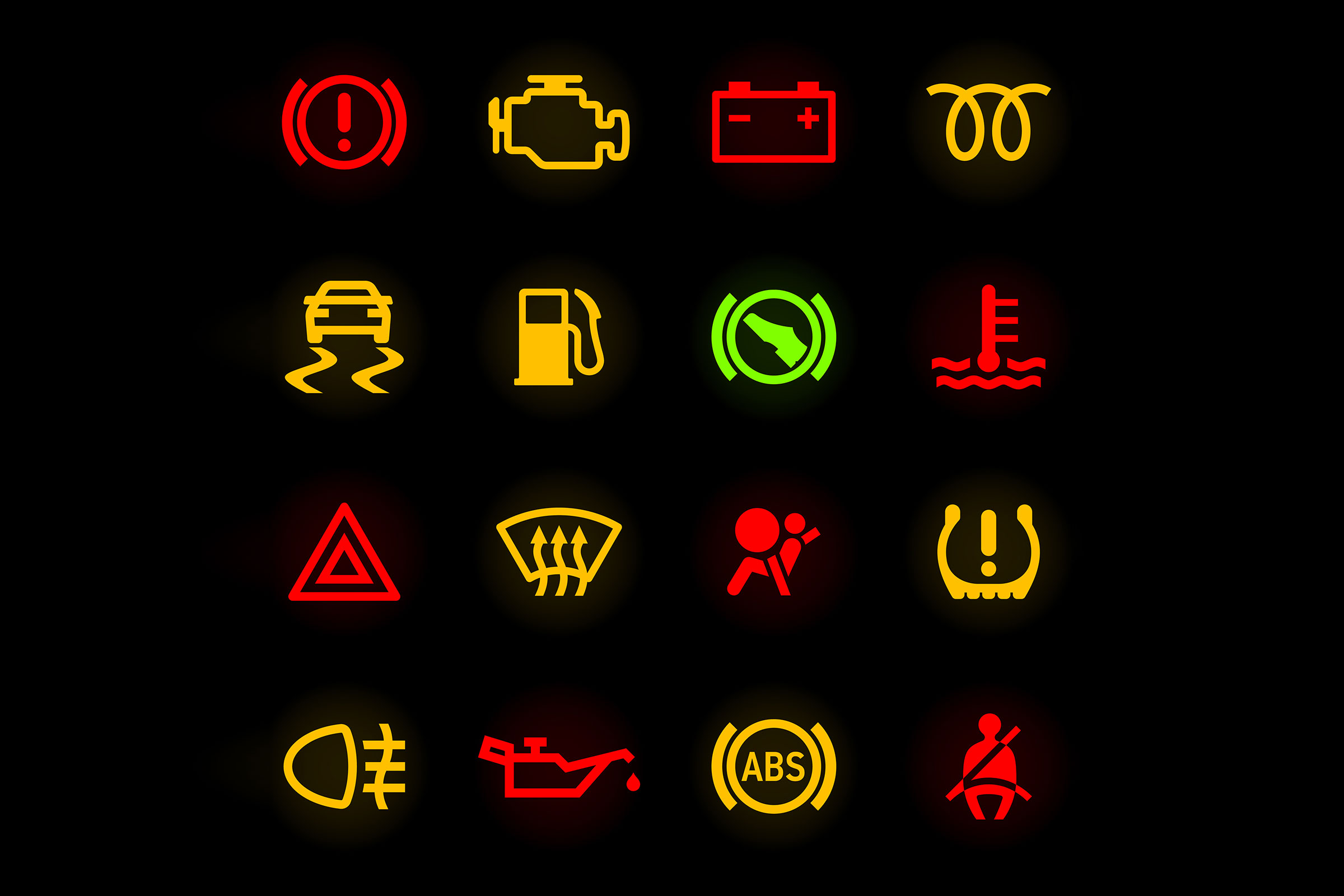
One of the worst habits any car owner can develop is ignoring dashboard warning lights, especially when they relate to the transmission. In a Nissan Altima, lights such as the check engine or CVT temperature warning shouldn’t be ignored.
These indicators are there to alert the driver of a problem, even if the car still feels fine. Ignoring them allows problems to worsen quietly in the background, and by the time physical symptoms appear, significant damage has already been done.
Some drivers assume warning lights are “glitches” or assume they’ll go away on their own. This mindset leads to missed opportunities for early intervention. For example, if a sensor detects overheating or pressure inconsistencies, the transmission control module might log the event and illuminate a warning light. A simple scan with a diagnostic tool could identify a small issue, such as a clogged filter or low fluid. If this is ignored, that same issue can evolve into a catastrophic failure that requires extensive repairs.
In addition to lights, subtle changes in performance are also early warning signs. Sluggish acceleration, strange noises, or gear slipping are all symptoms that the transmission is struggling. Some drivers continue to use the car normally, unaware that each trip is making the problem worse.
Once internal components like solenoids or pressure regulators are damaged, even a fluid change won’t fix the problem; it’s already too late. Early response is not just smart, it’s necessary if you want to avoid transmission replacement.
Paying attention to what your vehicle is telling you is one of the best ways to extend its lifespan. If a warning light comes on, don’t ignore it. Get it diagnosed, even if the car seems to be driving normally. You’re better off spending a small amount of time and money upfront than facing a full-blown breakdown. Habits like these separate responsible vehicle owners from those who constantly face high repair bills.

10. Using the Wrong Transmission Fluid
Not all transmission fluids are the same, and using the wrong type in a Nissan Altima is a major mistake that can destroy the transmission. CVTs require a very specific formulation of fluid that is designed to maintain the right pressure and lubrication inside the system.
Generic or “universal” fluids often lack the correct viscosity and additive packages required by Nissan’s design. Using the wrong fluid can result in poor shifting, overheating, and in some cases, total system failure within a few thousand miles.
The problem usually arises during DIY maintenance or when visiting mechanics who are unfamiliar with Nissan CVT requirements. A well-intentioned shop might drain and refill the transmission with a standard ATF, not realizing that CVTs have unique demands.
Within days or weeks, the driver may start noticing odd noises, slipping, or vibration. Once this happens, even flushing the fluid and replacing it with the correct one may not fully undo the damage. Certain internal parts, once worn by incorrect fluid chemistry, cannot be recovered.
The manufacturer recommends using specific Nissan CVT fluid (often labeled NS-2 or NS-3 depending on the model year). These fluids are engineered to match the precise requirements of Nissan’s transmissions, including their unique metal belt design.
While they are more expensive than off-brand alternatives, the cost is minimal compared to the risk of transmission failure. It’s always worth double-checking the fluid being used, even if it means asking uncomfortable questions at the repair shop.
Getting into the habit of verifying fluid compatibility might seem excessive, but it’s a basic step that can prevent major transmission issues. Whether you’re doing a fluid change yourself or relying on a mechanic, insist on the right product. Check the label, look up your vehicle’s specifications, and never assume that “one size fits all” applies to your Altima’s transmission. The transmission is too important and too costly to gamble on the wrong fluid.
