
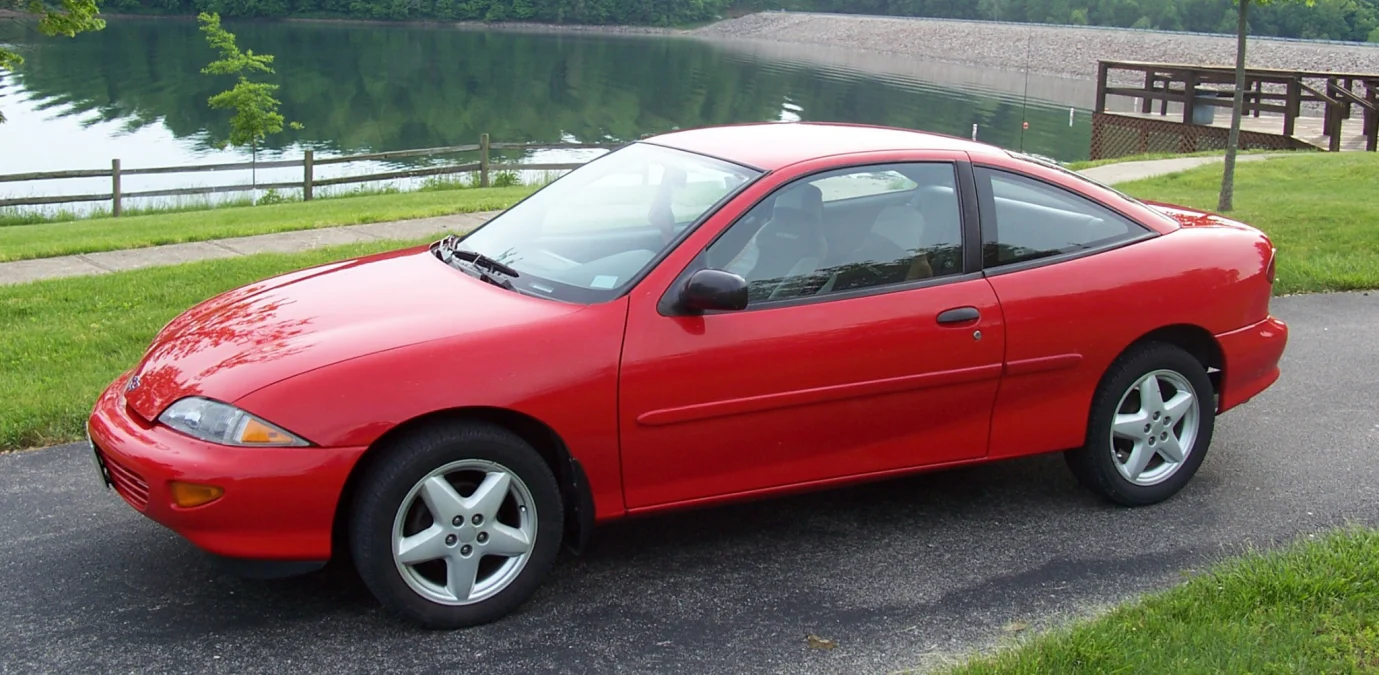
The Chevy Cavalier is one of those cars that holds a unique place in automotive history. Known for being simple, reliable, and affordable, the Cavalier has served many drivers as a first car, a commuter, or a workhorse that refuses to quit. While not luxurious or flashy, it earns respect through its longevity and ease of maintenance.
What really makes a Cavalier stand out is how long it can keep going when properly maintained. It’s not uncommon to hear of models surpassing the 200,000-mile mark with few major issues. The key, of course, is giving the car what it needs before things start to go wrong.
Taking care of a Chevy Cavalier isn’t about throwing money at it. It’s about consistency. Too many cars end up in scrapyards, not because they’re beyond saving, but because small problems get ignored for too long.
A rattle, a light on the dash, a strange noise during acceleration, these signs are easy to overlook in a busy life, but they’re often the first clue that something needs attention. The Cavalier responds well to proactive care. When you treat it right, it usually returns the favor with dependability.
This article will outline ten clear and practical steps to keep your Chevy Cavalier running strong. These aren’t tips aimed at mechanics or car enthusiasts. They’re meant for the everyday driver who wants their car to last. Whether you’re working on a 1995 model with fading paint or a late-model 2005 with all its original parts, these steps can extend the life of your Cavalier and help you avoid costly repairs down the road.
What matters most is forming good habits. Regular checks, timely repairs, and a willingness to learn a little about how your car works can go a long way. No one expects you to rebuild an engine in your driveway, but knowing when to change your oil or listen for a bad wheel bearing can mean the difference between a minor fix and a major breakdown. Let’s go over the ten most important things you can do to keep your Chevy Cavalier going strong for as long as possible.
Also Read: 5 SUVs with Seats Comfortable for 8-Hour Drives and 5 That Cause Back Pain
1. Change the Oil and Filter Regularly
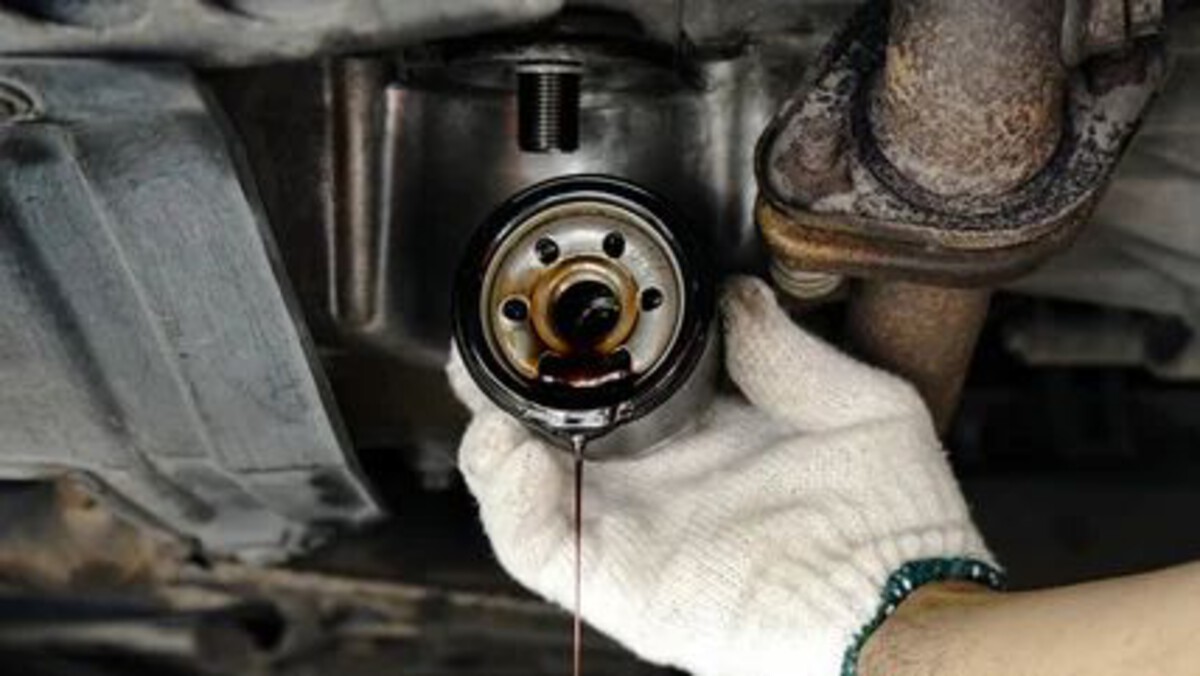
The single most important maintenance step for a Chevy Cavalier is changing the oil and oil filter on time. This task keeps the engine clean and properly lubricated. Dirty oil causes wear on the internal components, eventually leading to engine failure.
Sticking to a regular oil change schedule helps avoid long-term damage and keeps the motor running smoothly. The Cavalier engine is relatively forgiving, but neglecting oil changes can shorten its lifespan considerably.
Oil changes should ideally be done every 3,000 to 5,000 miles, depending on the driving conditions and the type of oil used. Conventional oil may require more frequent changes, while synthetic oil allows for a bit more mileage between services. That said, it’s not just about the oil itself. The oil filter plays a big role in trapping debris and preventing contaminants from circulating through the engine. Replacing it along with the oil ensures clean flow and protection.
Skipping oil changes, or going too long between them can lead to the buildup of sludge inside the engine. Sludge restricts oil flow and causes overheating, increased wear, and a noticeable drop in performance. Over time, internal parts like lifters, valves, and bearings can become damaged. Once that happens, repair costs add up fast, and in extreme cases, a full engine replacement may be necessary. Regular oil changes prevent this entire chain of problems.
Keeping track of your oil changes is also important. Maintain a small logbook or note the mileage in your glove compartment or phone. If you buy a used Cavalier, try to get records from the previous owner. Knowing when the last oil change was done can help you stay on track. Oil is the lifeblood of the engine, and treating it as a priority is one of the simplest and most effective ways to extend the life of your Chevy Cavalier.
2. Monitor and Maintain the Cooling System
The cooling system prevents your engine from overheating, and in a Cavalier, it’s an area that needs consistent attention. The radiator, thermostat, water pump, and coolant hoses all work together to keep the engine temperature in check. If any part of the system fails, overheating can occur quickly, leading to a blown head gasket or worse. These types of failures are costly and can usually be avoided with routine checks and proper coolant levels.
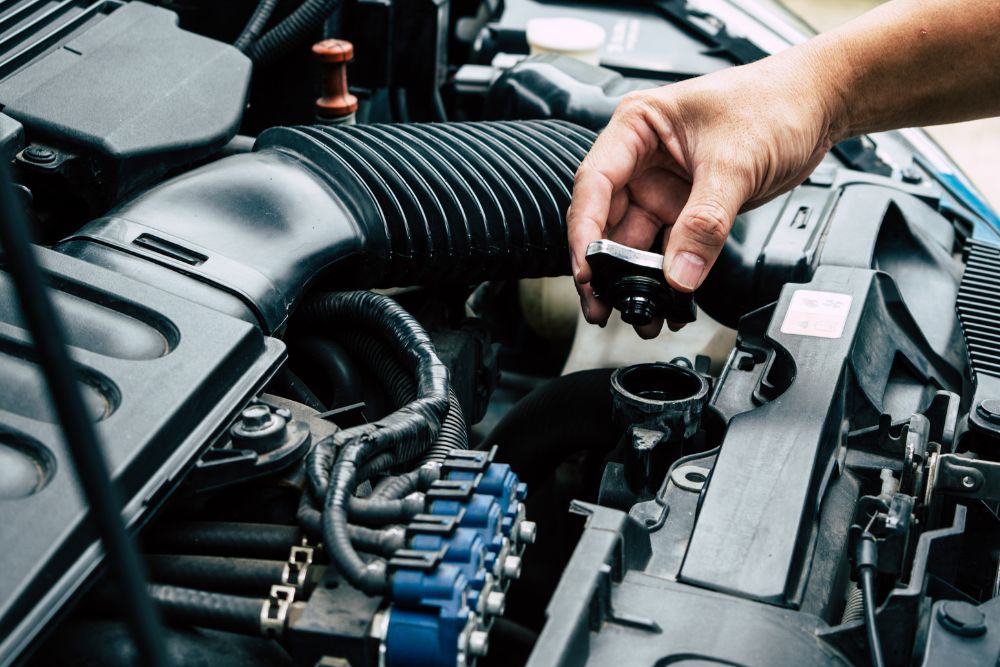
Start by checking the coolant level at least once a month, and especially before long trips or during seasonal changes. The coolant should be a consistent color, usually green or orange, and free from debris or rust particles. If it’s dirty or low, a flush and refill may be necessary. Old coolant loses its effectiveness and can cause internal corrosion, especially in aluminum parts like the radiator or heater core.
Thermostats are known failure points in older Cavaliers, so keep an eye on engine temperature readings. If the gauge is higher than normal or fluctuates often, it may be time to replace the thermostat. A faulty thermostat can stick open or closed, causing the engine to run too cold or overheat. Both conditions are harmful over time and can affect fuel economy and performance.
It’s also smart to inspect radiator hoses and connections for any signs of leaks, swelling, or cracking. Hoses wear down from heat and pressure, and a sudden burst can leave you stranded. Replacing them before they fail is cheap insurance. Don’t forget to check the radiator cap, either. If it doesn’t hold pressure properly, the system won’t function as intended. Together, these checks can prevent breakdowns and keep your Cavalier’s cooling system in top shape.
3. Replace the Timing Chain or Belt When Needed
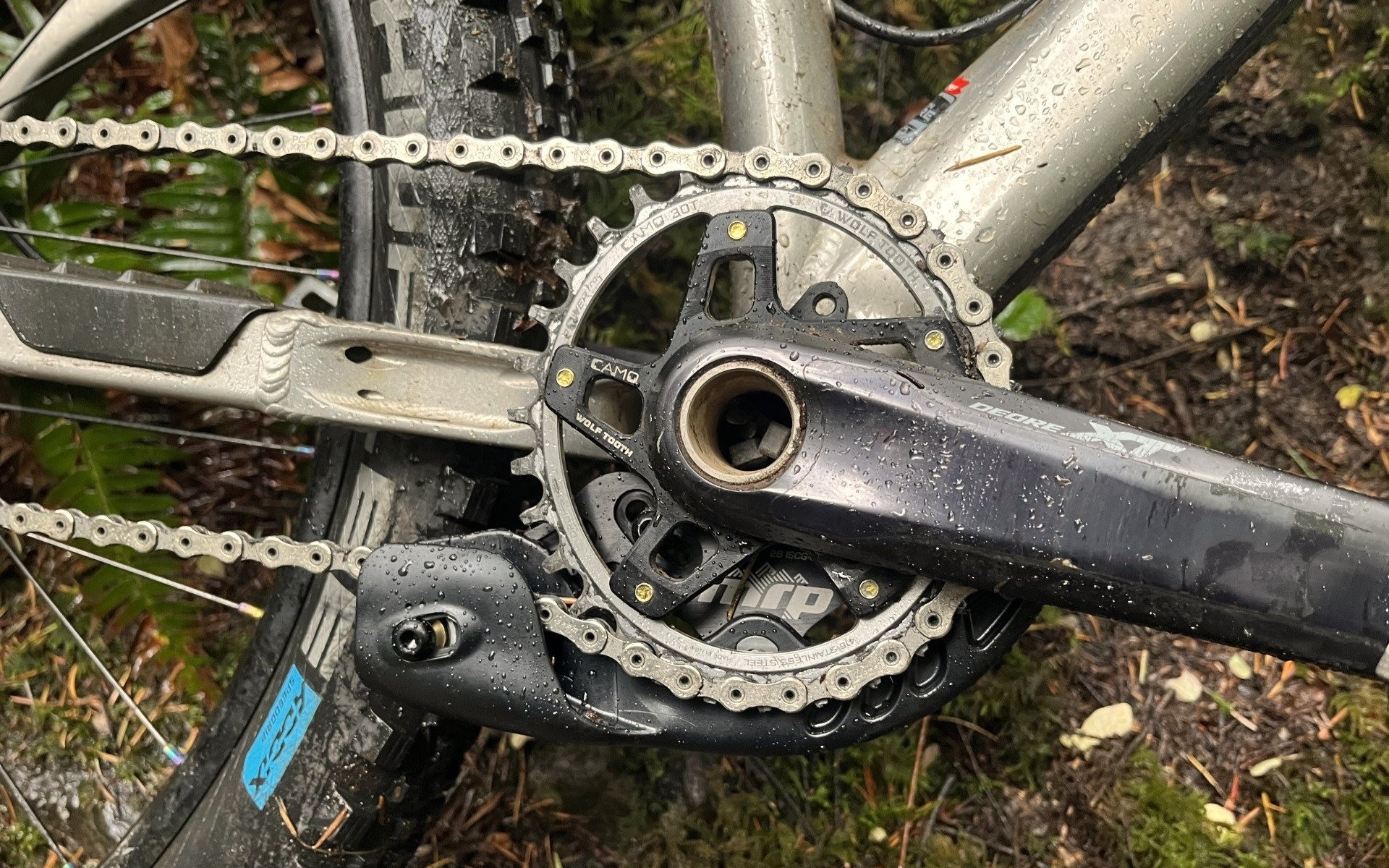
Unlike many cars that use a rubber timing belt, most Chevy Cavaliers come with a timing chain, particularly those with the 2.2L Ecotec engine. Timing chains generally last longer than belts but still need attention.
Over time, they can stretch or the tensioner may fail. If the timing chain skips or breaks, it can cause major engine damage, including bent valves and damaged pistons. Knowing when to inspect or replace the timing components is crucial.
A common symptom of a worn timing chain is a rattling noise from the front of the engine, especially at startup. It may go away as the engine warms up, but it should never be ignored. That sound is a warning that the chain is becoming loose or the tensioner is losing its grip. Left unchecked, this can lead to poor engine performance, rough idling, and eventually engine failure.
Unlike a timing belt, a timing chain isn’t part of routine maintenance with a set interval. Instead, it’s replaced as needed based on condition. However, many experienced Cavalier owners recommend inspecting it after 150,000 miles or if symptoms start to show. It’s also worth checking during any major engine service, such as a head gasket repair or oil pan removal, since some of the labor overlaps.
Don’t forget that the timing system includes more than just the chain. Guides, tensioners, and sprockets also play a part. If one component fails, it’s wise to replace the full timing set. Doing so ensures everything stays aligned and reduces the risk of premature failure. While replacing a timing chain is a complex job, ignoring the signs can lead to even bigger headaches. Taking care of it before disaster strikes will help your Cavalier keep going mile after mile.
4. Keep the Transmission in Good Shape
Transmission problems are one of the most expensive issues to fix in any vehicle, and the Chevy Cavalier is no exception. Whether your model has an automatic or manual transmission, consistent care is important.
A neglected transmission will start to show signs of wear, including slipping, hard shifts, or strange noises. Fixing transmission problems early can save a lot of money compared to a full rebuild or replacement.
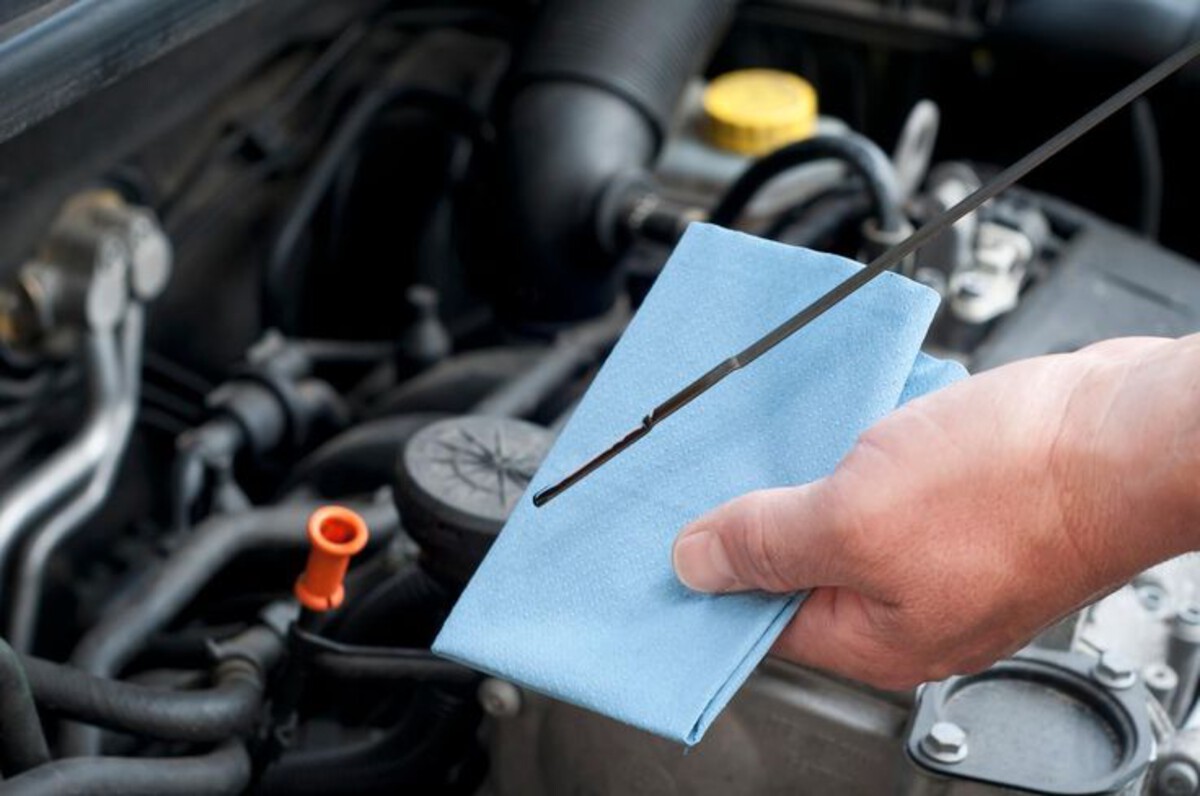
For automatic models, changing the transmission fluid and filter every 30,000 to 60,000 miles can make a big difference. Old fluid becomes dirty and loses its ability to lubricate and cool the internal components. When this happens, clutches and bands wear out faster, and shifting can become rough or delayed. The fluid should be checked regularly for color and smell. Burnt-smelling fluid or dark coloration is a sign that a service is overdue.
Manual transmissions are simpler but still require fluid changes, usually every 60,000 miles or as recommended in the owner’s manual. If shifting becomes stiff or noisy, or if there’s a whining sound when driving, it may be time to inspect the transmission or clutch. For high-mileage models, the clutch may need replacement, especially if it slips under load or if engagement feels inconsistent.
Another good habit is avoiding aggressive driving, especially in automatics. Rapid shifting between gears without a full stop, heavy loads, and sudden acceleration can stress the transmission. Always allow the vehicle to warm up in cold weather before putting it under load. By respecting the limits of the transmission and performing regular maintenance, your Cavalier’s drivetrain will remain dependable for years to come.
5. Maintain a Clean and Efficient Fuel System
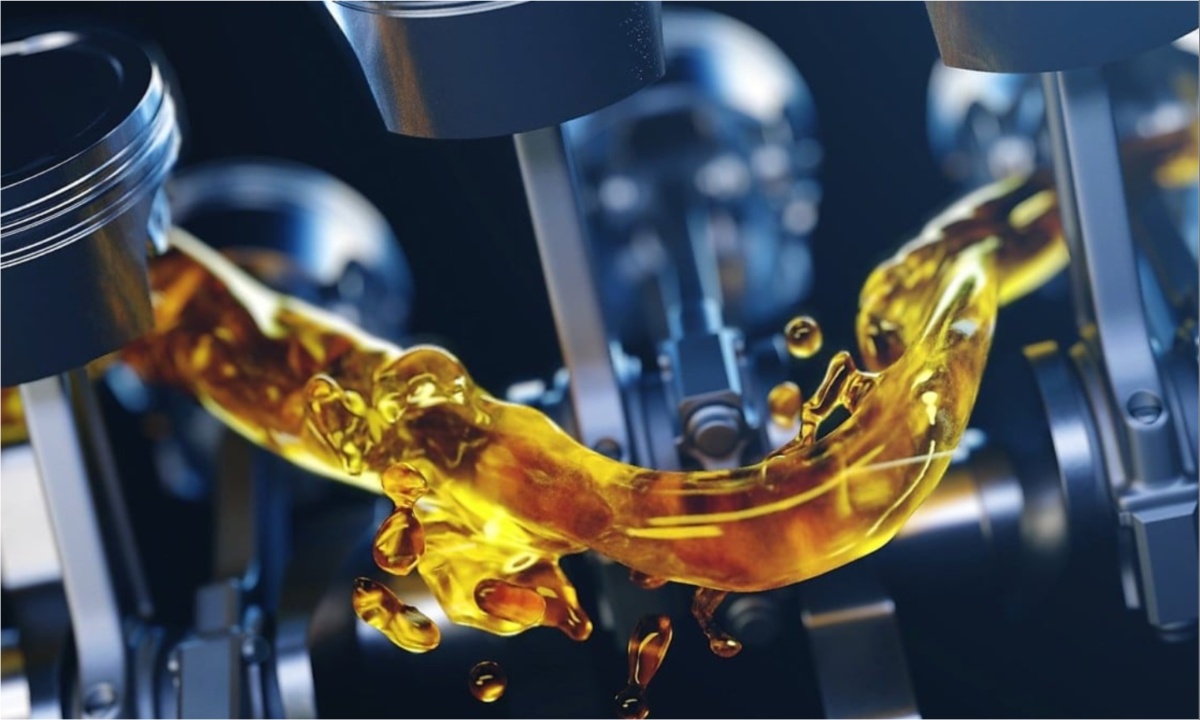
A reliable fuel system is key to making sure your Cavalier starts easily, runs smoothly, and delivers consistent power and fuel economy. Over time, fuel injectors, filters, and even the fuel pump can degrade or become clogged, leading to hesitation, rough idling, and poor acceleration. Though the system is mostly self-contained and sealed, it still needs attention over the years, especially as mileage climbs and older fuel quality or additives leave behind residue.
One of the easiest ways to maintain the system is by regularly using high-quality fuel. While the Cavalier isn’t picky about fuel grades, avoiding cheap or low-grade gasoline can reduce the buildup of deposits in the fuel lines and injectors. Occasionally, running a bottle of fuel system cleaner through the tank can help dissolve light carbon deposits and keep the injectors spraying evenly. If the car has lost a bit of its responsiveness over time, this small step can sometimes restore some of its original pep.
The fuel filter is another critical component, though many Cavalier owners forget it entirely. Most models have a fuel filter mounted under the car, near the rear axle. Over time, this filter can become partially clogged, restricting fuel flow and putting extra strain on the fuel pump.
Replacing the filter every 50,000 to 70,000 miles helps protect the pump and ensures your engine receives consistent pressure and volume. Ignoring the filter leads to more expensive repairs down the road, especially since fuel pumps require dropping the fuel tank.
Additionally, keep an ear out for any unusual noises from the rear of the vehicle. A whining fuel pump can be a sign of impending failure. If your Cavalier takes longer to start than usual or feels sluggish under acceleration, these symptoms could point to an issue within the fuel system. Regular inspection, the use of cleaner fuels, and preventative filter changes are straightforward tasks that prevent sudden breakdowns and keep your Chevy running as it should.
Also Read: 8 Worst Mistakes That Ruin a Honda Fit in Under 10 Years
6. Keep the Brakes Responsive and Safe
Brakes are not just about safety—they’re also a critical part of how the car feels to drive. A well-maintained brake system provides peace of mind and sharp response in all driving conditions. Letting brake issues linger leads to longer stopping distances, damaged components, and higher repair costs. The Cavalier has a simple braking system that’s relatively easy to maintain, but it still requires attention to stay in top shape.
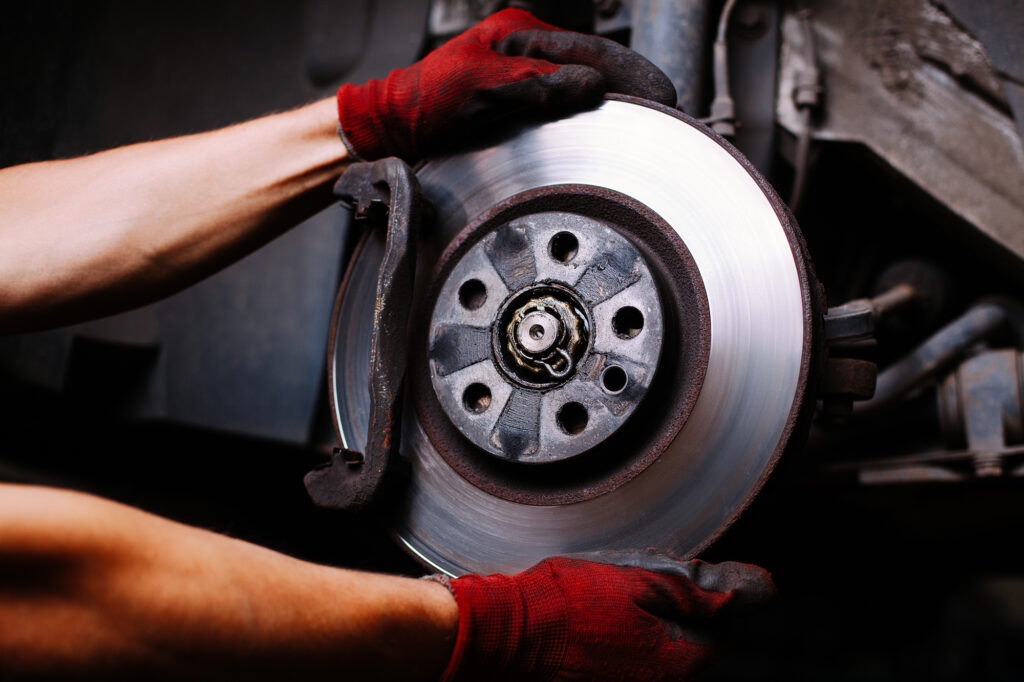
Start with regular inspection of the brake pads and rotors. Pads wear down slowly over time, and the earlier you catch them, the cheaper the repair. If you wait too long, the pads will wear down to the metal and begin grinding into the rotors.
This not only makes a screeching noise but also damages the rotors, sometimes beyond repair. Replacing pads early avoids this and keeps your stopping power strong. Most shops will check pad thickness for free during routine service or tire rotations.
Brake fluid is another commonly overlooked part of the system. Over time, fluid absorbs moisture from the air, even through small gaps in the brake lines or reservoir. This lowers the boiling point of the fluid and reduces braking performance, especially during repeated hard stops or driving in hilly terrain.
Flushing the brake fluid every few years keeps the system responsive and prevents corrosion inside the calipers and master cylinder. If the brake pedal feels spongy or soft, fluid contamination might be the reason.
The Cavalier’s rear brakes are typically drum-style, especially in older models, and these require occasional adjustment or inspection. While drums are durable, they can suffer from uneven wear or become clogged with dust and grime. Keeping them clean and properly adjusted ensures balanced braking across all four wheels. If you notice the car pulling to one side under braking, it might be a sign of uneven pressure or a seized component that needs attention.
Don’t forget about the emergency brake either. It’s not just for parking—it’s part of the rear brake system and should be checked for proper function. If it becomes loose or fails to hold the car on a hill, it may need to be tightened or repaired. A full brake inspection once a year, paired with timely pad replacements and fluid flushes, helps maintain your Cavalier’s safety and ensures you can count on your brakes when you need them most.
7. Inspect and Maintain the Suspension and Steering
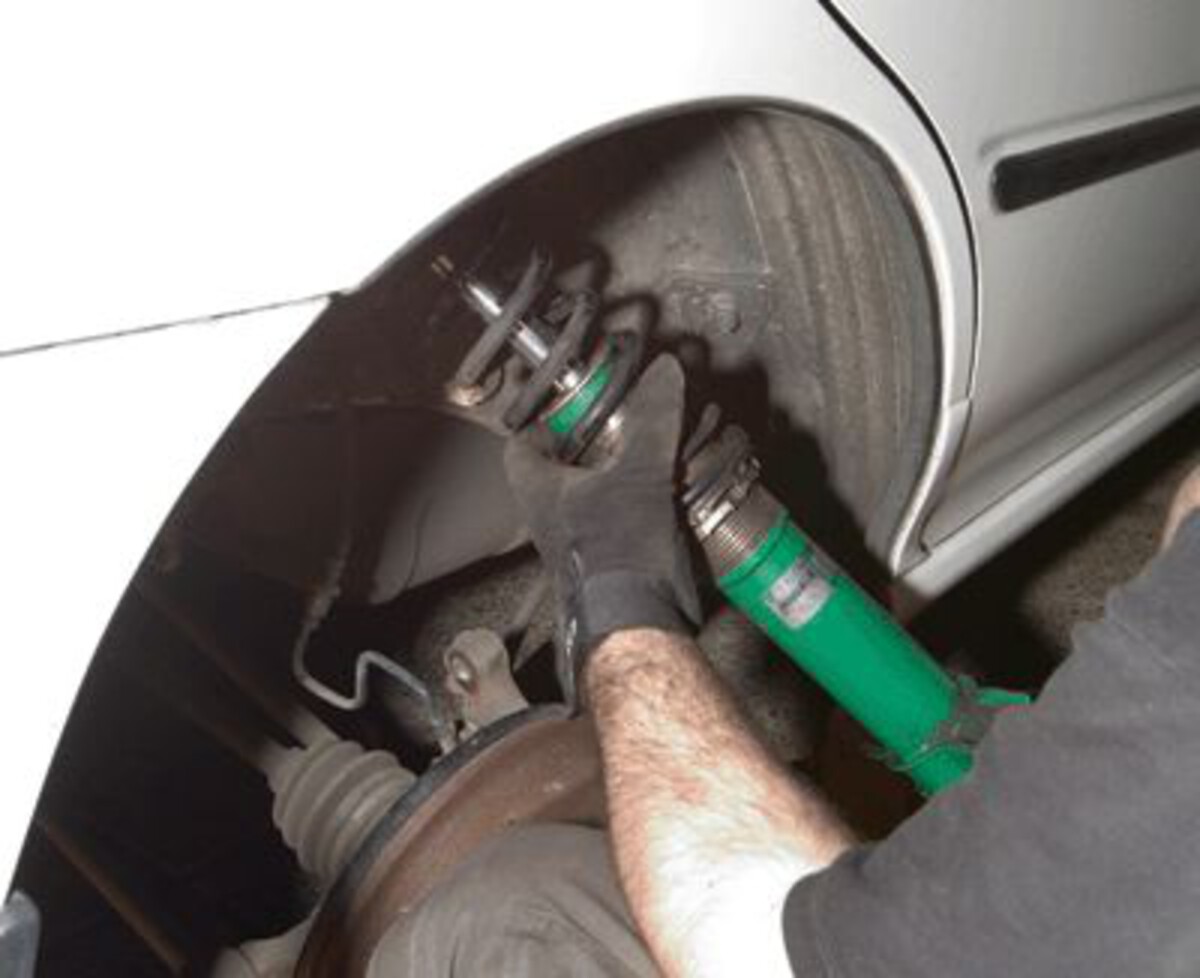
The suspension and steering systems in a Chevy Cavalier are built to be simple and durable, but after years of road wear, they will need attention to keep the car driving smoothly and safely. Worn suspension parts don’t just affect comfort—they also impact handling, tire wear, and even braking. When parts like ball joints, bushings, or tie rods begin to degrade, the car can feel loose on the road or develop clunks and rattles over bumps.
A clear sign of suspension wear is uneven tire wear. If you notice that the inner or outer edges of your tires are wearing faster than the center, it might point to worn-out shocks, struts, or misalignment. Shocks and struts should be inspected around every 60,000 to 100,000 miles, depending on how the car has been driven. If the car feels bouncy after going over a bump, or if it bottoms out easily, it’s time to replace them. Doing so will not only improve ride quality but also help the tires last longer.
Tie rods, ball joints, and control arm bushings are crucial for steering response and control. When these parts begin to wear, you may notice increased play in the steering wheel, pulling to one side, or even knocking sounds during turns.
A worn tie rod end can also cause misalignment, which leads to premature tire wear and a shaky steering wheel at highway speeds. Most of these parts are affordable and can be replaced individually, but catching the problem early makes all the difference.
Regular alignment checks should be part of your routine, especially after hitting a large pothole or curb. A properly aligned suspension helps fuel efficiency, handling, and vehicle stability.
If your steering wheel is off-center when driving straight or if the car drifts, it’s time for an alignment. Keeping the suspension and steering system in top condition helps your Cavalier feel composed on the road and extends the life of your tires and related components.
8. Keep the Battery and Charging System in Check
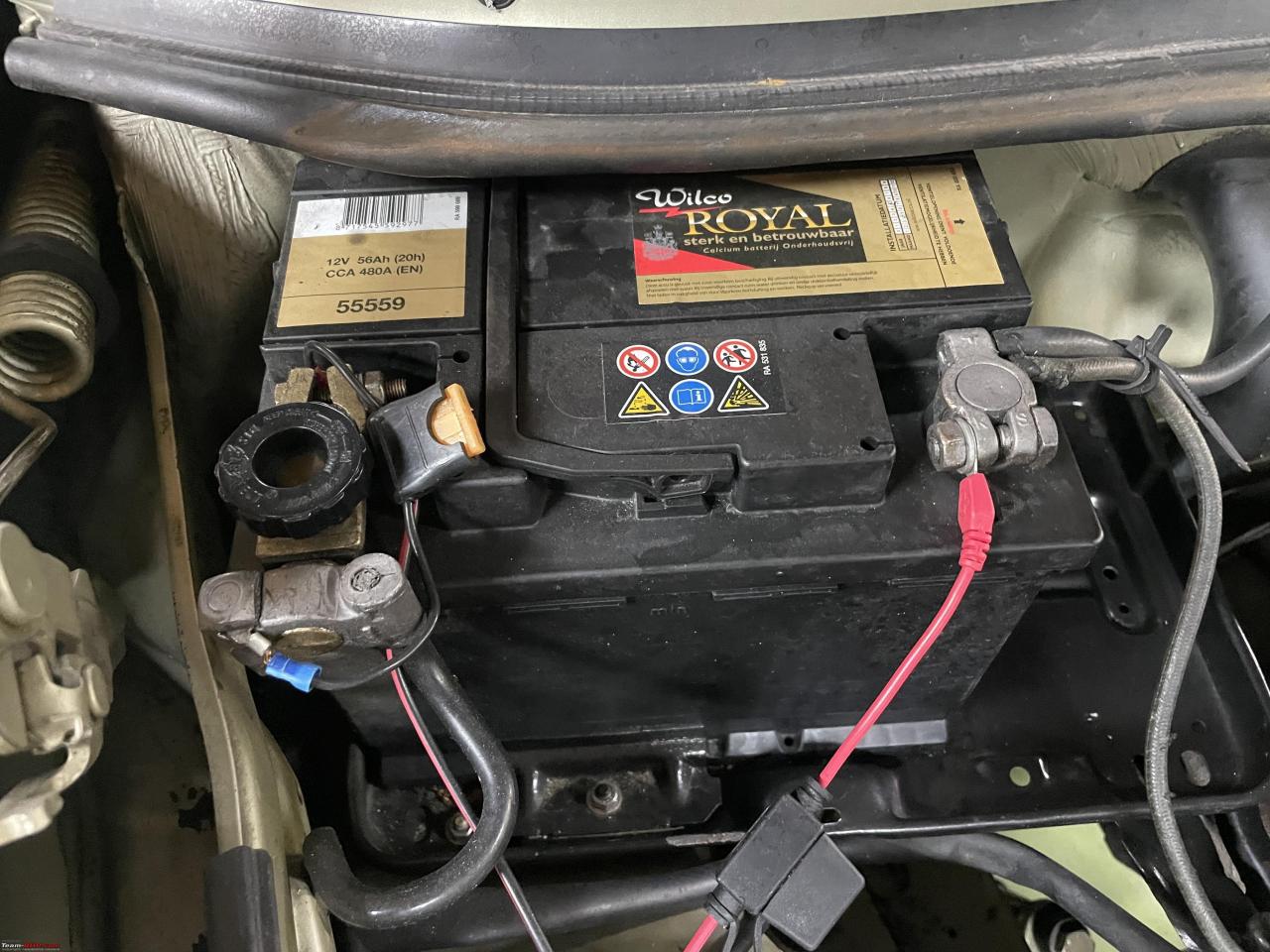
Many vehicle problems start with a weak battery or poor electrical connections, and the Cavalier is no exception. If your battery dies unexpectedly or struggles to turn the engine over, it could leave you stranded without much warning.
Regular checks of the battery and charging system can prevent unexpected breakdowns and ensure your car starts reliably every time. These components may seem simple, but they play a central role in every system that relies on electricity.
Begin with a visual inspection of the battery terminals. Over time, corrosion builds up around the posts and can block the flow of electricity. If you notice white or green residue around the terminals, it should be cleaned immediately with a wire brush or a baking soda solution. Poor contact at the terminals can lead to dim lights, starting problems, and intermittent electrical faults. Keeping the terminals clean and tight prevents these issues.
Batteries themselves typically last between three and five years. As they age, they lose the ability to hold a full charge. If you’ve noticed slower cranking in the morning or if your interior lights dim when starting the engine, those are signs that the battery may be nearing the end of its life. Having the battery load-tested annually can give you a heads-up before it fails. Replacing it proactively avoids the inconvenience of a dead car on a cold morning or in a parking lot.
The alternator is responsible for charging the battery while the engine runs. If the alternator begins to fail, the battery will gradually drain, and the car may stall or stop starting altogether. Look for signs like flickering headlights, a battery warning light, or electrical accessories losing power.
A failing alternator often gives warning before quitting entirely, so don’t ignore the early signs. Testing it during regular service checks ensures the whole charging system is working together properly.
It’s also smart to check the condition of your battery cables and the main ground connection. A damaged cable or loose ground can mimic a bad battery or alternator. Maintaining good electrical health in your Cavalier means easier starts, fewer surprises, and reliable power for all the systems your car depends on, especially during extreme weather conditions.
9. Stay Ahead of Electrical and Sensor Issues
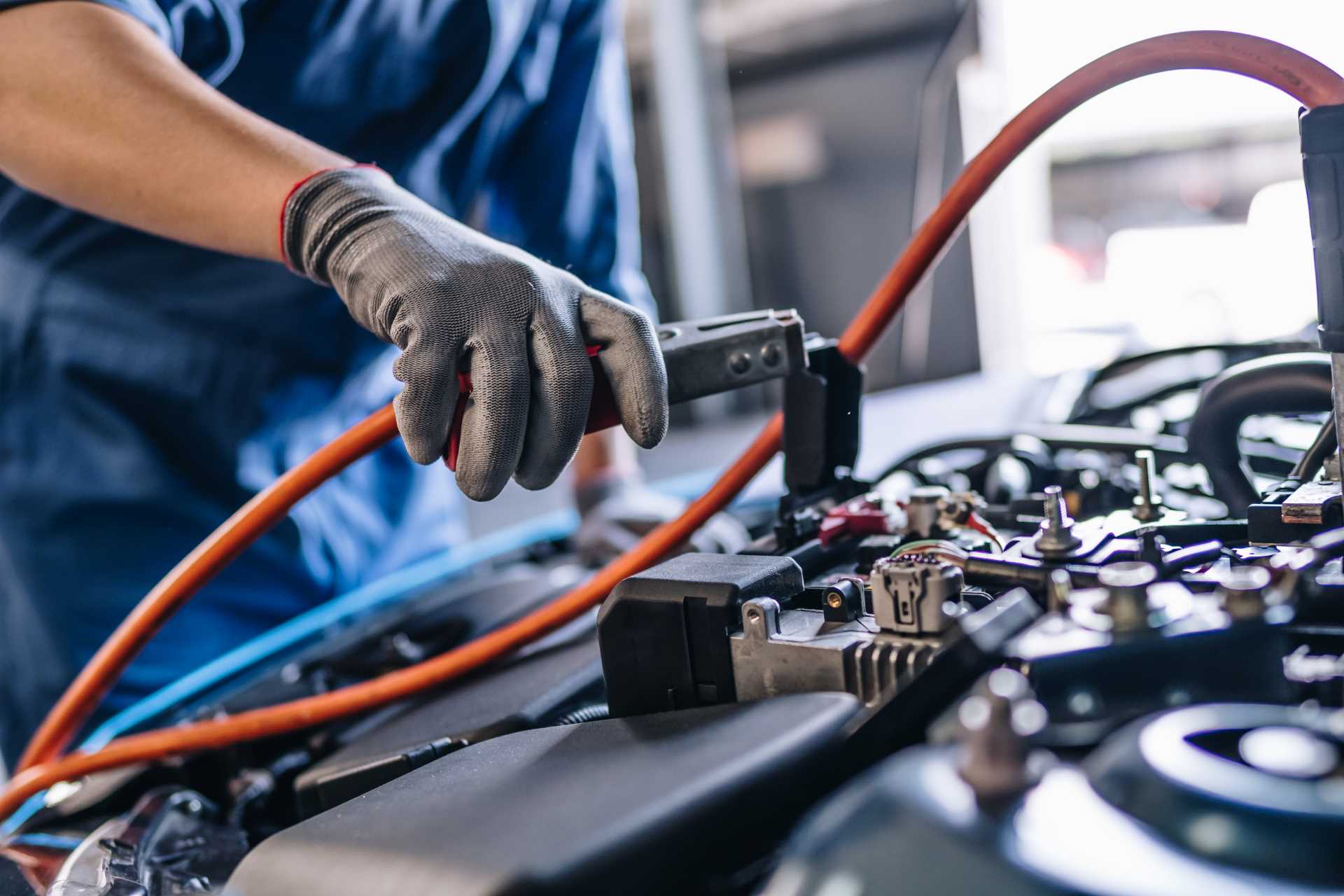
The Chevy Cavalier’s electrical system is basic compared to modern vehicles, but it still relies on sensors, relays, and circuits to function properly. As these parts age, connections can corrode, wires can break, and sensors can go out of range.
Small electrical issues often start with little warnings: a flickering dash light, a check engine code, or a random misfire. Addressing these early keeps your car running efficiently and avoids deeper problems later.
One of the most common issues in older Cavaliers involves the ignition switch. Symptoms can include flickering gauges, random stalling, or even a no-start condition. While replacing the ignition switch isn’t difficult, it’s often misdiagnosed as something more serious. If you’re experiencing electrical gremlins, it’s worth testing the switch first, especially in high-mileage vehicles or those that have seen a lot of key-on/key-off cycles.
Sensors also play a critical role in engine performance. The oxygen sensors, throttle position sensor, and crankshaft position sensor are all essential to how your Cavalier runs. A faulty sensor may not trigger a warning light right away, but it can cause poor fuel economy, rough idling, or hesitation.
Using an affordable OBD-II scanner can help you read codes and get ahead of issues before they cause real damage. Most parts stores offer code reading for free if you don’t have your own scanner.
Grounding issues are another overlooked area. The Cavalier’s electrical system relies on good ground connections to function. Corroded grounds can cause a range of mysterious problems, from weak headlights to a misfiring engine. Checking and cleaning these connections, especially on older cars, often clears up multiple issues at once. It’s a small task that can make a big difference in your car’s electrical health.
Taking the time to fix electrical problems promptly not only keeps your Cavalier running strong but also helps you maintain confidence in your car. By learning the basic layout of the electrical system and using a simple scanner tool, even non-mechanics can catch problems early and avoid expensive surprises.
10. Drive It Right and Respect Its Limits
No matter how well you maintain a car, the way it’s driven plays a major role in how long it lasts. Even a tough car like the Chevy Cavalier can only take so much abuse. Harsh acceleration, aggressive braking, constant short trips, and poor driving habits will shorten the life of everything from the engine to the suspension. Good driving habits, on the other hand, protect the car from unnecessary stress and make every maintenance effort more effective.
One of the best things you can do is let the car warm up before pushing it. This doesn’t mean idling for 10 minutes, but giving it a minute or two to circulate oil and bring engine temperature up before driving hard.
Cold oil is thick and doesn’t protect engine components as well. Waiting just a short time before driving at high speeds makes a big difference in long-term wear. This habit is especially important during the winter months.
Avoid revving the engine unnecessarily or shifting roughly between gears. For automatics, come to a full stop before shifting from reverse to drive, or vice versa. For manuals, engage the clutch smoothly and avoid riding it while driving. These small behaviors reduce strain on drivetrain components and help the car age more gracefully. It might feel insignificant at the moment, but over the course of years, it adds up.
Short trips, especially in stop-and-go traffic, are harder on engines than long highway drives. The engine doesn’t always reach optimal operating temperature, and condensation or fuel residues can build up inside. When possible, combine errands or take a longer route to let the engine fully warm up. This allows systems like the catalytic converter and PCV valve to function properly and keep the internal components clean.
Finally, learn to listen to your car. If it starts to sound different, feel sluggish, or develop odd noises, don’t ignore it. These early signs often warn of issues that can be fixed cheaply if caught early. Treat your Cavalier with care and respect, and it will reward you with reliability and years of useful service, far beyond what many people expect from a budget-friendly compact car.
