

Owning a GMC Acadia Denali is about more than just getting from point A to B, it’s about enjoying a refined, dependable driving experience that delivers comfort, performance, and peace of mind. The Denali trim adds premium touches that set it above the rest, but even high‑end SUVs need proper care and a few savvy tricks to stay running at their best.
Over time, everyday wear and tear, as well as environmental factors, can chip away at the smooth, quiet ride that makes the Acadia Denali such a pleasure. That’s why focusing on smart, proactive maintenance, and a handful of well‑tested shortcuts, can make a big difference in performance, reliability, and longevity.
In the following sections, you’ll discover ten practical and effective maintenance strategies, tailored specifically for GMC Acadia Denali owners. Each strategy addresses key areas such as engine health, drivetrain durability, interior electronics, and ride quality.
From optimizing oil changes and fluid management to addressing common quirks and preserving your vehicle’s value, these hacks are designed to keep your Denali cruising without hesitation. You’ll learn how to gain extra life out of consumables, stay ahead of minor issues, and preserve that satisfying Denali refinement and responsiveness.
I’ve structured each section with sufficient depth to help you understand not just what to do, but how and why it works. Some hacks are preventive, saving you hassle and money before problems arise. Others are tactical adjustments that can help smooth out rough edges, whether in shifting, braking, or electronic systems.
Together, they form a set of smart practices that any thoughtful Acadia Denali owner can adopt to keep their vehicle feeling fresh and polished for years to come. Let me know if you’d like visuals or examples added later, or if you’re ready for the full draft, organized into the 10 titled sections.
Also Read: Best Waterless Car Wash Sprays That Provide Convenient Cleaning
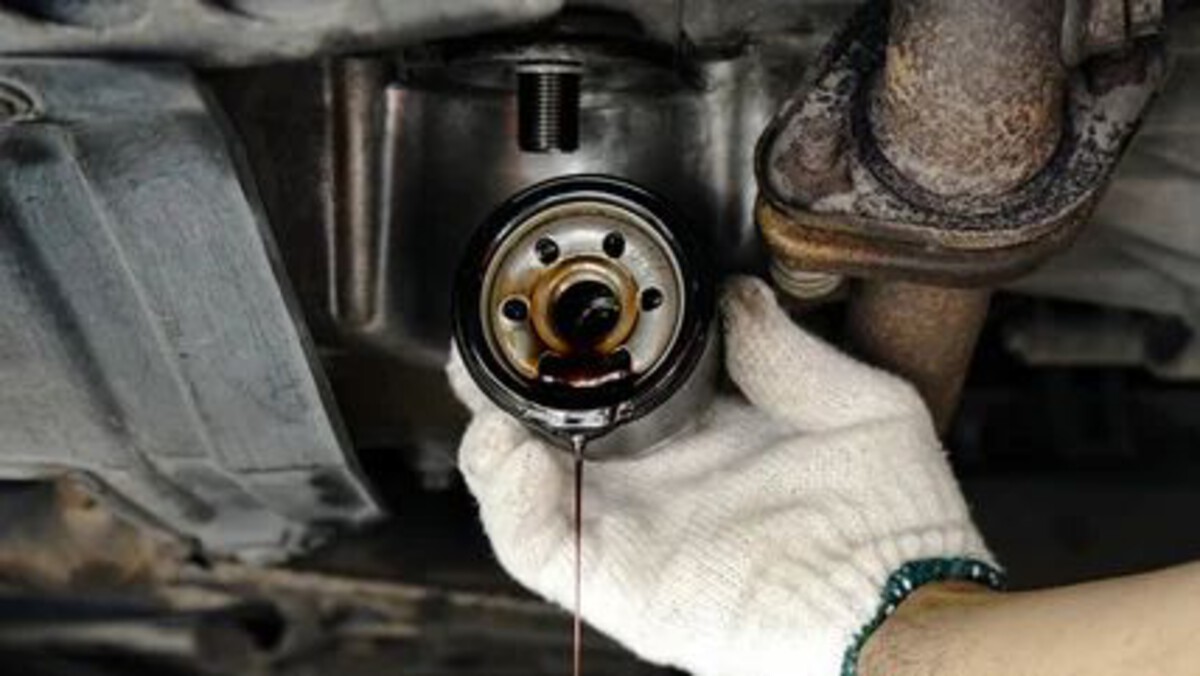
1. Stick to a Strict Oil Change Interval
Changing the oil in your GMC Acadia Denali isn’t just a routine chore, it’s the single most important step in maintaining engine health. Even though modern synthetic oils can last longer, waiting until the vehicle’s oil life monitor hits zero can expose your engine to unnecessary wear.
The Acadia Denali comes with a 3.6L V6 engine that thrives on clean, properly viscous oil. Sticking to a 5,000 to 6,000-mile interval for oil and filter changes, rather than pushing it to 7,500 or beyond, helps reduce friction, control heat, and keep engine components in top shape. This is especially important for drivers who regularly face stop-and-go traffic or live in areas with extreme temperatures.
Another factor that supports more frequent oil changes is the presence of direct injection in the engine. Over time, carbon buildup can become an issue with this technology, leading to performance issues or rough idling. Clean oil helps manage temperature and reduces the chance of early carbon formation, although it won’t eliminate the issue.
Along with fresh oil, a high-quality oil filter ensures contaminants are trapped and don’t recirculate back into the engine. You don’t have to splurge on the most expensive filters, but always avoid bargain brands that can collapse under pressure or let particles through.
Additionally, using the correct oil viscosity recommended by GM is non-negotiable. The 3.6L V6 typically calls for SAE 5W-30 full synthetic, and while it may be tempting to switch based on price or preference, sticking with what the manufacturer specifies is safer in the long term.
The engine’s performance and protection levels are calibrated based on these standards. Mixing brands or viscosities, unless explicitly approved, can cause valve timing issues and other subtle inefficiencies that may go unnoticed until they become bigger problems.
Finally, don’t overlook seasonal oil checks, even between changes. Especially before long road trips or during temperature shifts, inspecting oil levels and clarity ensures your engine is always well-lubricated. By keeping the oil fresh, at the right level, and filtered properly, your Denali will continue to provide the strong, reliable performance you expect without unpleasant surprises.
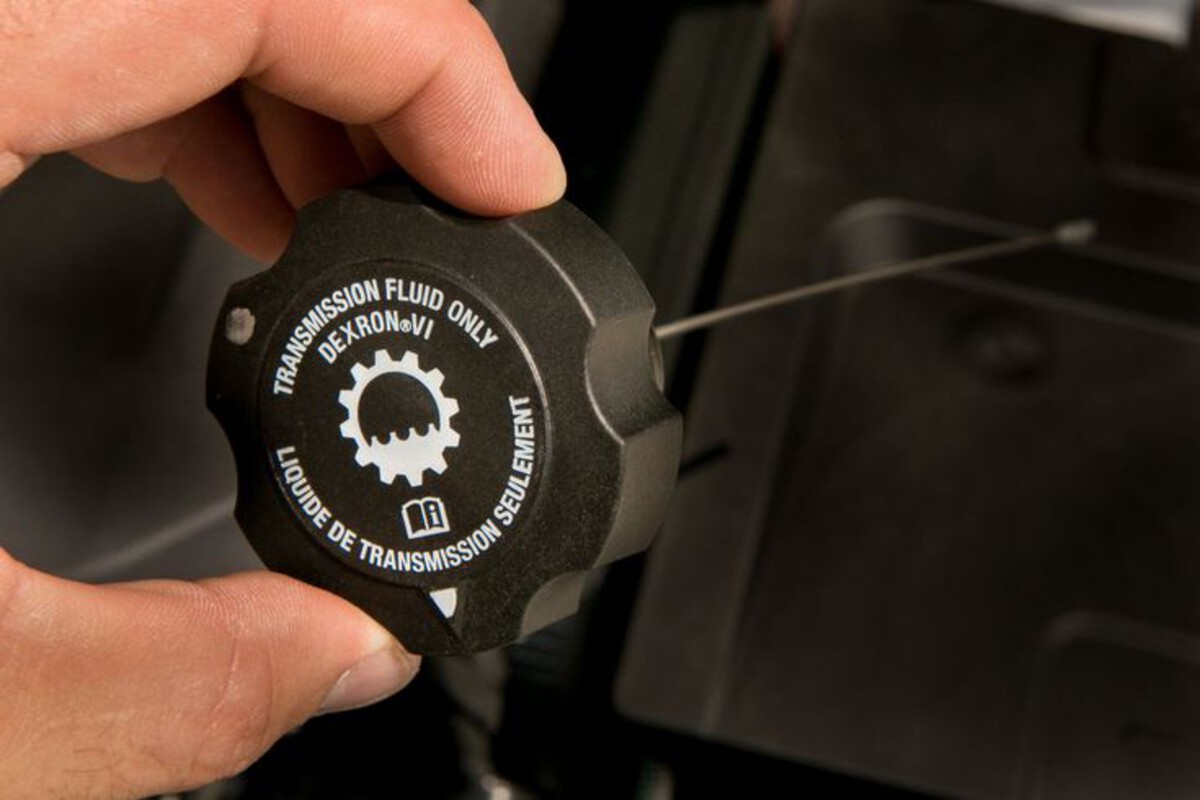
2. Keep the Transmission Fluid Fresh and Monitored
Transmission issues can be one of the costliest and most inconvenient problems to fix, so prevention is key. The GMC Acadia Denali uses a 9-speed automatic transmission, which is known for smooth shifting and fuel efficiency when well-maintained. However, this transmission is sensitive to fluid conditions.
Many drivers make the mistake of thinking transmission fluid lasts forever, especially since GM doesn’t always recommend a strict change interval in the owner’s manual. But in practice, having it flushed or exchanged every 50,000 to 60,000 miles can drastically extend the life of the transmission.
It’s also important to distinguish between a full flush and a drain-and-fill. A full flush uses a machine to replace nearly all the fluid, while a drain-and-fill only removes about a third to half of it. The former is ideal for higher mileage or if the fluid is noticeably dirty, while the latter can be used as a lighter maintenance step more frequently.
You should also be cautious with shops that don’t use the exact OEM-spec fluid. Using an incompatible formula may lead to erratic shifting or internal damage over time, which is why sourcing the right fluid, usually Dexron VI, is critical.
Beyond scheduled fluid replacement, regular visual checks help catch problems early. Transmission fluid should be a clear, reddish color and not smell burnt. If you notice brown coloration or a burnt smell, it’s time for a change, even if mileage doesn’t demand it.
Over time, internal clutches and solenoids wear down, creating debris in the fluid. Catching these signs early prevents expensive rebuilds and helps maintain the buttery-smooth shifts that define the Denali driving experience.
Lastly, don’t ignore shifting hesitation or jerky gear changes. Even small hesitations between shifts could point to fluid viscosity issues, software calibration problems, or sensor faults. Getting these checked promptly is part of good long-term ownership. Transmission software updates are sometimes available from the dealership that can help recalibrate the logic and fix known issues. Together, regular maintenance and smart monitoring make a huge difference in long-term transmission reliability.
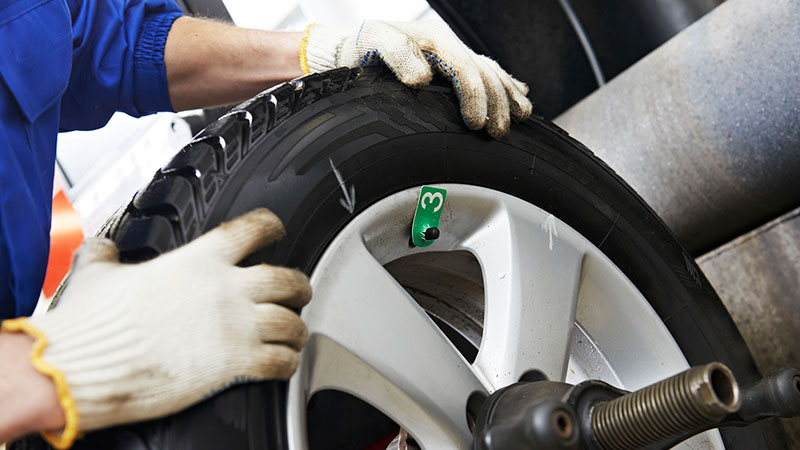
3. Rotate Tires and Maintain Alignment Consistently
Tires are where your SUV meets the road, and uneven wear or poor alignment can directly affect ride comfort, fuel economy, and safety. The Acadia Denali is equipped with advanced suspension tuning and larger wheels, but even the most well-engineered systems can’t prevent wear from improper maintenance.
Rotating your tires every 6,000 to 8,000 miles helps promote even wear, especially on an SUV where weight distribution and turning radius can contribute to rapid shoulder wear. Keeping to this routine also helps extend the life of your tires, saving you money in the long run.
A well-balanced rotation includes not just switching front and rear tires, but also considering cross-rotation when applicable. This is especially useful if your tires are not directional. If they are directional, front-to-back swaps are your only option.
Performing these rotations yourself is possible, but having it done professionally ensures that tires are balanced correctly, reducing vibration and helping steering feel consistent. Even small imbalances can lead to that annoying steering wheel shake at highway speeds, which in turn causes premature suspension wear if ignored.
Alignment plays an equally important role in keeping the Acadia Denali running smoothly. Misalignment can happen subtly, hitting potholes, climbing curbs, or just over time. If the steering wheel sits off-center or the vehicle drifts to one side, that’s a clear signal that something’s wrong.
A full four-wheel alignment ensures your tires contact the road at the optimal angle, maximizing grip and minimizing rolling resistance. It also prevents issues like uneven brake pad wear and poor fuel economy, which can creep up gradually.
Regular tire pressure checks are also part of the equation. The Acadia Denali’s Tire Pressure Monitoring System (TPMS) can alert you to problems, but it’s smart to manually verify pressures monthly. Seasonal changes can cause pressure shifts of several PSI, which can affect ride quality and tread life. Keeping tires at the recommended pressure, usually around 35 PSI, ensures optimal handling and preserves that smooth, comfortable ride quality that the Denali badge promises.
4. Clean the Mass Air Flow Sensor and Throttle Body
Smooth acceleration and efficient fuel economy rely on accurate air-fuel mixture regulation. Over time, carbon buildup and dirt on your Acadia Denali’s mass air flow (MAF) sensor and throttle body can compromise engine performance.
The MAF sensor is responsible for measuring how much air enters the engine, and if it’s dirty, it may send inaccurate readings to the computer. This results in sluggish throttle response, rough idling, and even decreased fuel mileage. Luckily, cleaning it is simple and inexpensive, and doing it every 20,000 to 30,000 miles can restore performance.
The throttle body is another component that benefits from routine attention. A dirty throttle body can cause sticky acceleration or a feeling of hesitation when pressing the gas. This happens because the buildup interferes with the throttle plate, which controls airflow into the engine.
Cleaning it with a proper throttle body cleaner restores smooth actuation and eliminates inconsistencies. While it might sound like a job for a mechanic, this is one of the more DIY-friendly maintenance hacks. With the right tools and a bit of care, you can complete the job in under an hour.
Even if the engine seems to run fine, subtle symptoms like inconsistent RPMs, reduced passing power, or a slightly jittery idle may be signs that cleaning is due. If you use lower-octane or budget fuels, these components may get dirtier faster. That’s because lower-quality gasoline can leave more deposits.
For those who prefer a preventative approach, using a reputable fuel additive every few thousand miles can slow down buildup and extend the intervals between cleanings.
After cleaning these parts, many drivers report smoother starts, better throttle response, and more consistent power delivery, especially during hill climbs or highway merges. It’s an easy way to bring back the crispness that might have slowly faded over time. When paired with a clean air filter and regular oil changes, this small maintenance task adds up to big improvements in how the Denali feels to drive.
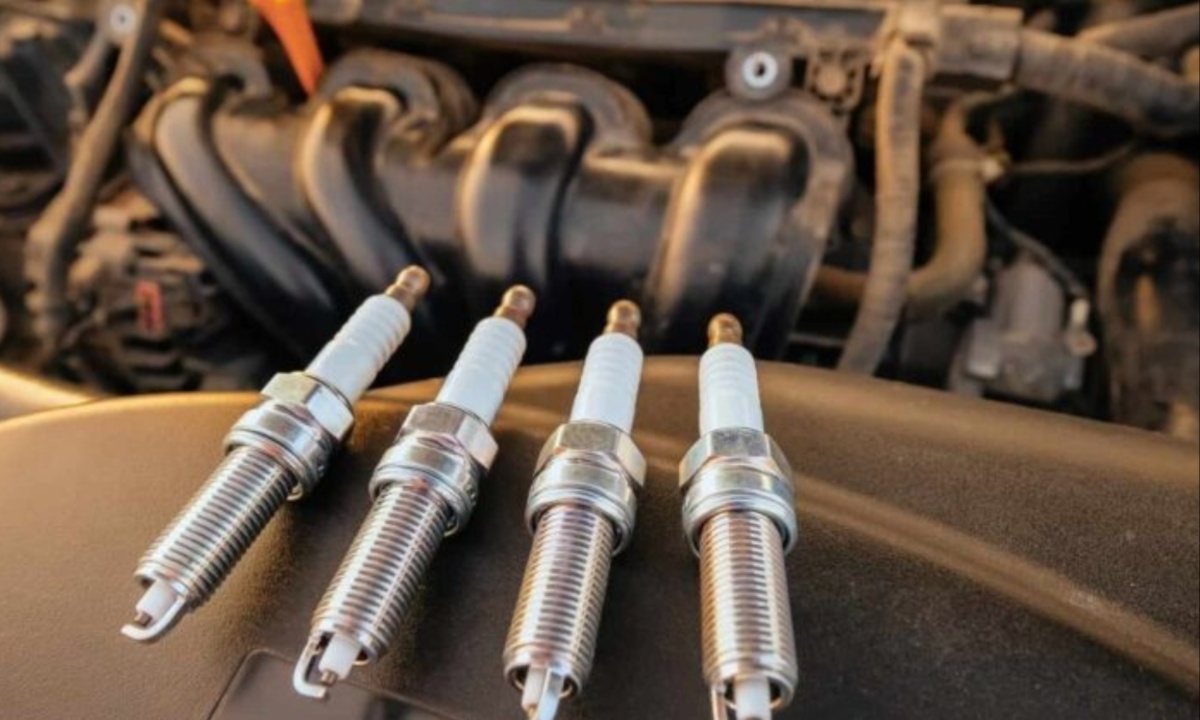
5. Upgrade the Spark Plugs and Check Ignition Coils Regularly
The spark plugs in your Acadia Denali play a vital role in delivering power efficiently and consistently. Though modern iridium plugs can last up to 100,000 miles, they don’t always hold up under real-world conditions. Factors like short trips, cold starts, and stop-and-go traffic can cause premature wear.
If your SUV starts to idle roughly, accelerate sluggishly, or show reduced fuel economy, worn spark plugs might be to blame. Replacing them with high-performance OEM or premium aftermarket plugs every 60,000 miles is a smart move to keep ignition strong and combustion clean.
Equally important are the ignition coils, which deliver the necessary voltage to fire the plugs. If even one coil starts to fail, you might not immediately get a check engine light, but you’ll likely feel slight misfires or hesitation, especially under load. Coil failure can be gradual, and many drivers ignore it until drivability becomes noticeably worse.
To avoid that, inspect the coils visually during plug replacement and test resistance if you’re able. If one coil fails, it’s often recommended to replace all of them, especially if the vehicle is already past 80,000 miles, since they tend to degrade together.
If you’re installing new plugs yourself, proper torque is crucial. Over-tightening can strip threads in the cylinder head, while under-tightening can cause misfires and gas leakage. Always use a torque wrench and follow the factory specification.
Using anti-seize on plug threads is no longer commonly recommended for modern engines, as many plugs come pre-coated or don’t require it. Follow manufacturer guidance strictly to avoid complications. While you’re in there, check for signs of oil in the plug wells, which may indicate a valve cover gasket issue. Catching that early prevents bigger problems down the road.
Strong ignition means better fuel burn, cleaner emissions, and a smoother idle. For the Denali driver, that translates to more responsive throttle, smoother gear shifts, and a quieter ride. It’s one of those upgrades that pays off immediately in everyday driving feel, and maintaining the ignition system as a whole helps prevent those frustrating, hard-to-diagnose engine stutters that sneak up over time.
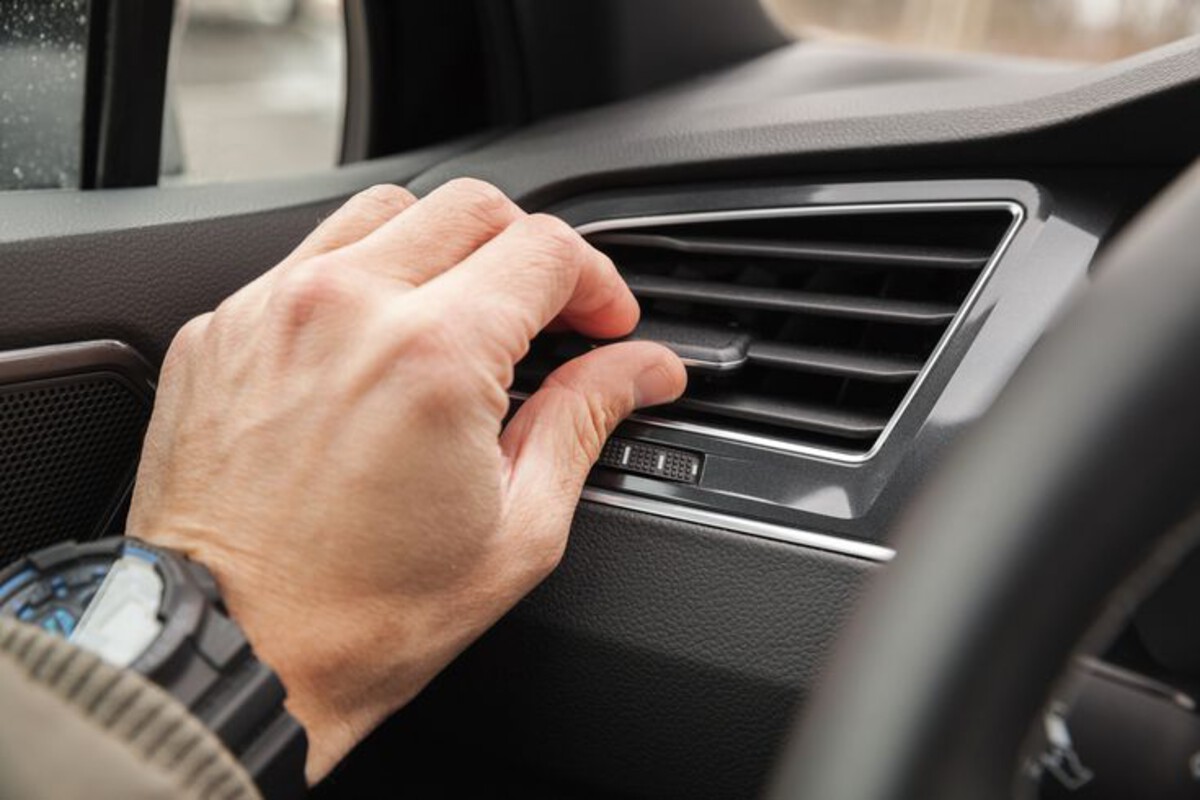
6. Flush the Cooling System and Inspect Hoses
The engine in the GMC Acadia Denali operates within a very specific temperature range, and any deviation from this balance can cause a ripple effect of issues. Overheating can damage head gaskets, warp cylinder heads, and create coolant leaks. That’s why it’s essential to flush the cooling system regularly and inspect all related components for signs of age.
GM recommends a coolant flush around the 150,000-mile mark, but in practice, replacing it every 5 years or 100,000 miles, whichever comes first, is a safer approach. Coolant breaks down over time, and when it does, it loses its ability to properly regulate temperature and resist corrosion.
Alongside the fluid itself, the condition of the radiator, heater core, and especially the rubber hoses matters. As hoses age, they may look fine externally while deteriorating from the inside. Cracking, swelling, or a spongy texture are all signs that replacement is needed.
Pay special attention to the upper and lower radiator hoses, as they’re the most critical under high heat and pressure. If you see any white crust or dried coolant near hose connections, that’s a sign of a small leak that should be addressed before it turns into a full rupture.
During the coolant flush, it’s also a good idea to inspect the thermostat and the radiator cap. A stuck thermostat can prevent proper circulation, causing your engine to overheat. A faulty radiator cap, on the other hand, may fail to hold proper pressure, leading to boiling over or inefficient cooling.
Both parts are inexpensive and can be changed as a preventative measure when doing a full system refresh. Be sure to use the specific coolant type recommended for your Acadia, which is typically a Dex-Cool formula, mixing types can cause gelling and poor heat transfer.
Once the cooling system is flushed and refreshed, you’ll likely notice that the engine maintains a more stable temperature even in heavy traffic or during summer drives.
This helps reduce the strain on engine components and ensures the air conditioning system functions more efficiently as well. Preventative care in this area is a long-term investment in keeping your Denali dependable and ready for any trip without heat-related stress.
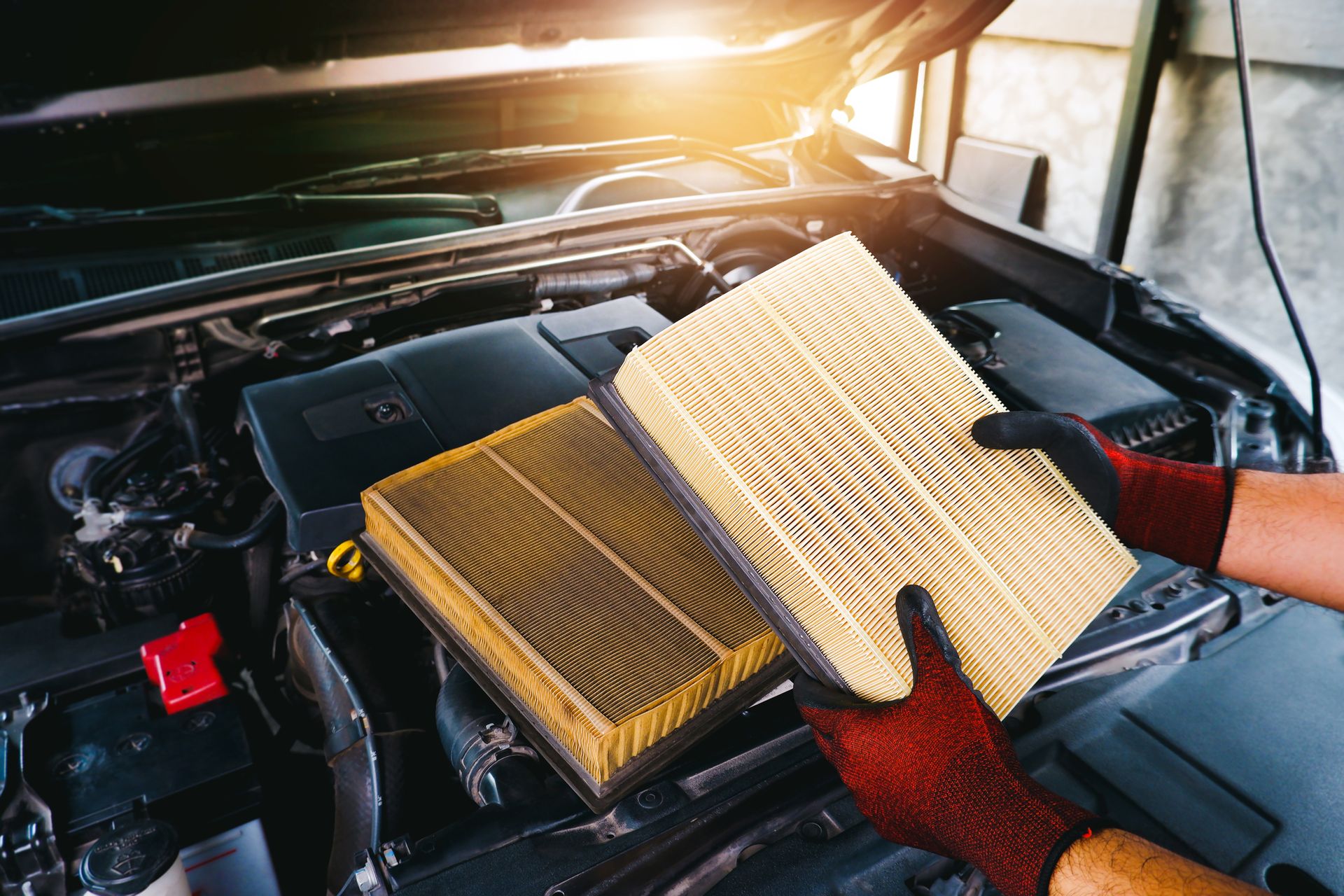
7. Replace Cabin and Engine Air Filters on Time
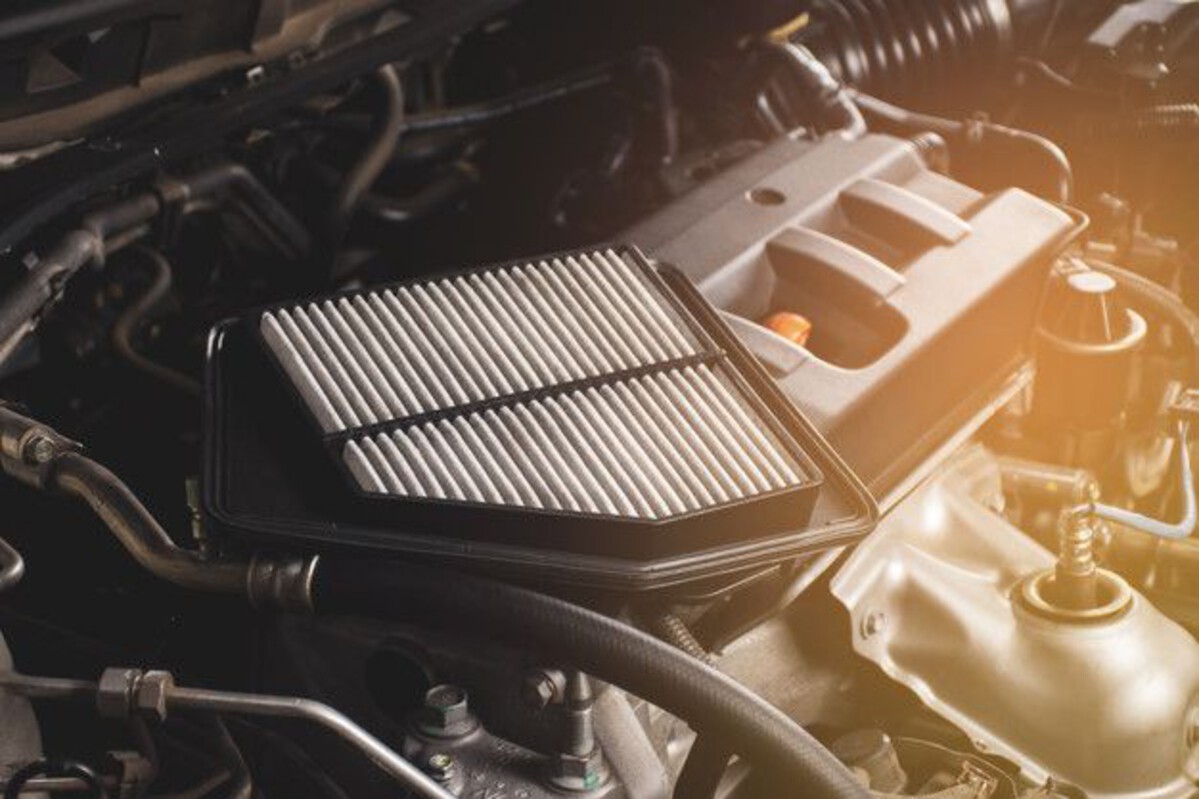
While they may seem minor, air filters, both cabin and engine, play essential roles in how your vehicle runs and feels. The engine air filter protects internal combustion components by trapping dirt and debris.
Over time, this filter becomes clogged, reducing airflow and forcing the engine to work harder to draw in air. This imbalance affects fuel economy and can lead to reduced power. Replacing the engine air filter every 15,000 to 20,000 miles, or more often in dusty conditions, helps maintain peak performance and ensures combustion remains efficient.
The cabin air filter, on the other hand, directly impacts air quality inside your vehicle. It filters pollen, dust, and road debris before they enter the HVAC system. A clogged cabin filter can restrict airflow, reduce AC performance, and even cause foul odors.
If your fan motor seems to work harder than normal or if airflow is weak even at full speed, the cabin filter could be the culprit. Replacing it every 12 months or 12,000 to 15,000 miles improves the effectiveness of your heating and cooling and keeps the cabin feeling fresh.
Replacing both filters is a relatively easy and inexpensive task that many owners can do at home with minimal tools. For the engine air filter, simply opening the airbox, removing the old filter, and dropping in a new one often takes just a few minutes.
Cabin filters are usually located behind the glove box and can be swapped out once the compartment is removed or folded down. Choosing quality filters from reputable brands ensures optimal fit and performance, cheap filters might not seal correctly or could break down early.
Besides the performance and comfort benefits, maintaining clean filters helps reduce wear on auxiliary systems. The engine doesn’t have to overcompensate for reduced air intake, and the blower motor doesn’t run at higher speeds to force air through a clogged filter. These small efficiencies add up over time. Regular filter maintenance is an often-overlooked way to keep your Acadia Denali running quietly, smoothly, and economically.

8. Update Vehicle Software and Monitor the Battery
Modern vehicles like the GMC Acadia Denali are packed with electronic systems, from infotainment and climate control to safety and drivetrain management. Keeping these systems updated with the latest software helps ensure compatibility, reliability, and performance.
Software updates can address common bugs, improve shifting patterns, correct sensor readings, or fix infotainment glitches. These updates are typically available through the dealership, though some minor ones may be installed via over-the-air updates if your vehicle is equipped with connected services.
Just like your smartphone benefits from new firmware, your SUV’s control modules benefit from the same attention. If you notice sluggish screen response, delayed Bluetooth pairing, or strange behavior in features like adaptive cruise control or lane assist, outdated software might be the cause.
Dealerships often install updates free of charge during regular service visits, but it’s wise to ask directly since some don’t do it unless requested. In some cases, modules like the transmission control unit receive updates that improve shift smoothness and fuel economy.
Alongside software, your vehicle’s electrical stability depends on the health of the battery. The Acadia Denali’s electronics rely heavily on consistent voltage. Weak batteries can cause misfires, warning lights, and even damage to control modules if voltage dips too low.
Test your battery’s health annually, especially after the two-year mark. If you experience delayed starts or dim lighting when accessories are on, consider replacing the battery before it fails completely. Choosing an AGM battery can provide better cold-weather performance and longer lifespan in high-demand setups like the Denali.
Don’t forget the battery terminals and connections. Corrosion buildup can cause erratic behavior, especially in sensitive modules. Clean connections and ensure tight clamps to maintain good electrical contact.
Many strange vehicle glitches, from auto start/stop misbehavior to random warnings, can be traced back to poor voltage delivery. Staying ahead of these issues with software and battery attention keeps your SUV responsive, stable, and less prone to annoying electronic surprises.
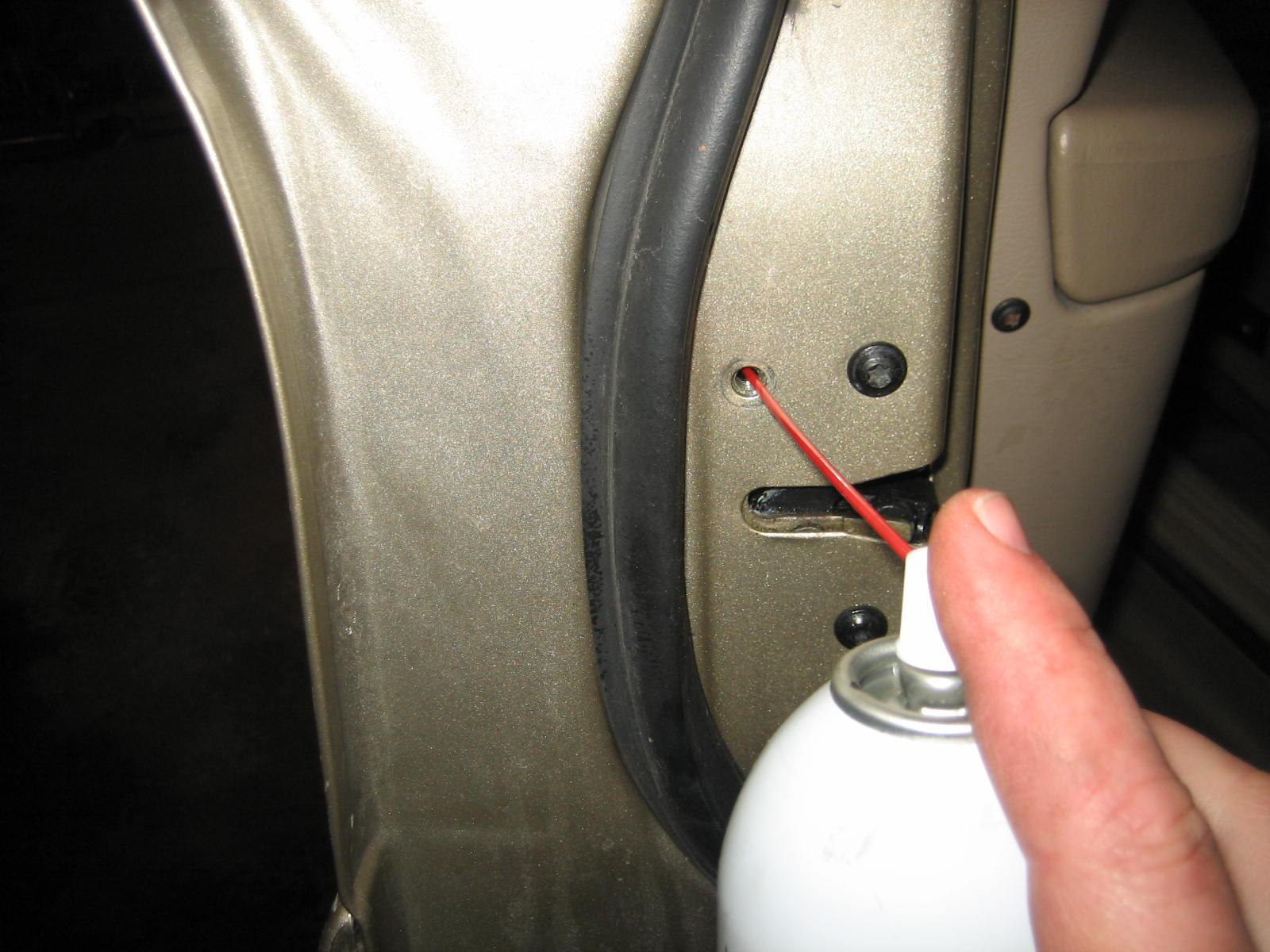
9. Lubricate Suspension Components and Inspect the Steering System
The suspension and steering systems on the Acadia Denali are key to its refined driving experience. While many components today are marketed as “maintenance-free,” the reality is that routine lubrication and inspection still matter, especially for long-term smoothness.
Over time, ball joints, bushings, and sway bar links can develop noise or looseness. These small parts may not fail suddenly, but they can gradually degrade ride quality and introduce clunking or rattling over bumps. Lightly lubricating accessible rubber bushings and joints with silicone-based spray every year can help preserve flexibility and reduce premature wear.
Even though the Acadia Denali uses a MacPherson strut setup in front and an independent rear suspension, many of the key wear points remain exposed to weather and road salt. Regular undercarriage washing, especially in winter, prevents buildup around suspension mounts and links.
Rust on components like control arms and subframes can spread and affect the integrity of the entire structure if left unchecked. A thorough visual inspection twice a year, before and after winter driving, is a good way to spot early signs of cracking, corrosion, or play in joints.
The steering system, particularly the electronic power steering module, also benefits from consistent attention. If you notice increased effort when turning or hear a faint whining noise while steering, the electric motor may be under strain due to wear or voltage issues.
Sometimes recalibrating the steering assist through the dealer can correct these quirks, but in many cases, addressing basic suspension wear will restore normal operation. Also, inspect the steering rack boots for cracks or leaks; damaged boots allow dirt into sensitive areas and can cause long-term problems.
Keeping suspension and steering components in top condition maintains the Denali’s hallmark smoothness and confident handling. A loose or worn suspension doesn’t just make the ride feel rougher, it also increases stress on other parts like tires and the drivetrain.
Addressing small noises or looseness early, and keeping bushings and joints clean and lubricated, goes a long way toward preserving the solid, composed driving feel that makes the Acadia Denali feel like a true luxury SUV.

10. Use High-Quality Fuel and Treat the Fuel System
The final and often underestimated hack for keeping your GMC Acadia Denali running smoothly lies in your choice of fuel and how you maintain the fuel system. While the engine is designed to run on regular 87-octane gasoline, using a high-quality brand that meets Top Tier standards can make a noticeable difference.
These fuels contain detergents that help keep fuel injectors and valves cleaner over time. This reduces the chance of knocking, improves combustion efficiency, and helps the engine maintain power and throttle response. Using questionable or low-detergent gas, especially over long periods, may lead to performance issues and deposits that degrade engine health.
Periodic use of a quality fuel system cleaner can also improve how the vehicle runs. Adding a bottle every 5,000 to 7,000 miles helps clean fuel injectors, intake valves, and combustion chambers, especially in direct-injected engines like the Acadia’s. Over time, even with good fuel, minor deposits form that can interfere with spray patterns and fuel atomization.
These additives dissolve built-up gunk, leading to smoother idle, cleaner throttle transitions, and improved gas mileage. Be sure to use a cleaner that’s compatible with direct-injection systems to ensure it reaches the critical components effectively.
Another important aspect is fuel filter condition. While many modern vehicles, including the Acadia, have lifetime fuel filters integrated into the tank, issues can still arise from clogged or contaminated fuel.
If you often drive in areas with questionable fuel quality or you’ve accidentally filled up at a suspect station, keep an eye out for hesitation, reduced fuel pressure, or hard starting. In rare cases, professional cleaning or filter service may be required. It’s also smart to keep the tank above a quarter full, especially in winter, to avoid fuel pump strain and condensation buildup in the tank.
By focusing on high-quality fuel and regular treatment, you’re essentially fine-tuning one of the most critical systems in your vehicle. The result is better combustion, fewer engine hiccups, and less stress on components like spark plugs and injectors. This is a low-effort habit with a high payoff, keeping your Denali’s engine smooth, efficient, and responsive across every mile, no matter the driving conditions.
