

The Honda CRX, especially from the late ’80s and early ’90s, has earned a legendary reputation among car enthusiasts for its lightweight design, strong handling characteristics, and high-revving engines. Its simplicity and tunability have kept it relevant for decades. Despite its popularity and the strong community built around it, the CRX isn’t immune to damage or failure, especially when drivers or builders make key mistakes.
These engines, while durable for their size and time, have their limits. It’s not uncommon to see CRX engines fail prematurely due to a mix of neglect, overconfidence, or misinformation passed around car forums and garages. Many of these issues are preventable if you know what to watch out for.
The first mistake is assuming a CRX engine can be pushed like a modern performance engine without consequence. This car was built with late 20th-century materials and technology. While it was advanced in its day, time and wear matter. Pushing an aging engine to redline daily without upgrading components or refreshing internals is a fast track to failure.
Another common mistake is ignoring the importance of oil, both its level and its quality. It’s easy to forget how quickly oil breaks down under spirited driving conditions. Skipping oil changes or running cheap, low-viscosity oil can shorten the life of the engine in months.
Then there’s the issue of poor tuning and slapdash modifications. Many owners are tempted to install aftermarket parts or swap engines without understanding how those changes impact fuel maps, air/fuel ratios, or ignition timing. The CRX engine wasn’t built to tolerate a huge margin for error in tuning.
A poorly adjusted fuel map or a knock-prone timing curve can lead to detonation, cracked pistons, or fried valves. Another deadly move is using low-octane fuel in high-compression or turbocharged setups. Owners who turbo a stock D-series or swap in a B-series VTEC engine and still pump 87-octane are asking for trouble.
Finally, neglecting the cooling system, driving with engine lights on, and misjudging the purpose of performance parts can all contribute to early failure. The CRX, like any car, is only as reliable as its maintenance and care. Understanding the most common destructive habits can help owners avoid them and keep their CRX running strong for years. Below are nine moves that can destroy a CRX engine early if not taken seriously.
Also Read: 10 Pro Tips That Keep a Chevy HHR Reliable for Daily Driving

1. Ignoring Routine Oil Maintenance
Failing to stay on top of oil changes is one of the most common ways to ruin a CRX engine. This engine is small and runs hot, especially when driven hard.
The oil not only lubricates the moving parts but also helps in cooling. Letting the oil get too old or low in quantity means the engine’s internals are grinding without proper protection. That’s a recipe for scoring, bearing damage, and eventually a seized engine.
Many CRX owners, especially first-timers, underestimate how quickly oil degrades under stress. These engines were not designed with long oil change intervals in mind. Using the wrong type of oil or letting the car run 5,000 miles or more without a change, especially with hard driving, will wear out the engine. Synthetic oil helps, but it’s not a license to forget basic maintenance.
Another issue is oil leaks. A lot of CRXs suffer from weeping valve cover gaskets, oil pan leaks, or worn-out crankshaft seals. If an owner doesn’t regularly check the dipstick, it’s easy to run the engine too low on oil. This causes poor lubrication to the top end of the motor, particularly the camshaft and valve train, which can wear quickly if starved of oil.
Some drivers push their cars hard on twisty roads or track days, where oil sloshes to one side of the pan under hard cornering. Without a baffled oil pan, the pickup may suck air instead of oil, starving the engine temporarily. Even a few seconds of oil starvation can start a chain of internal damage that eventually causes failure. Routine checks, proper oil weight, and regular changes make a huge difference.
2. Poor Cooling System Maintenance
Overheating is another silent killer of Honda CRX engines. The original radiators on these cars are small and often corroded after decades of use. Many owners overlook the signs of a failing cooling system until it’s too late. A slightly rising temperature gauge, coolant smell from the vents, or slow warm-up can all be early indicators of a problem. Ignoring these warnings can warp the head, blow a head gasket, or even crack the block.
Some CRX owners drain and refill coolant without bleeding the system properly, which leaves air pockets in the cooling channels. Air pockets can prevent the thermostat from opening or cause localized hotspots in the cylinder head. Once hotspots form, detonation becomes more likely, and the risk of head gasket failure increases. Bleeding the system carefully and using the correct coolant mix is essential.
Upgrading the radiator without matching it to the rest of the cooling system can also cause problems. For example, throwing in a bigger radiator but keeping the stock water pump or old thermostat can create imbalances in flow and pressure. That mismatch leads to poor cooling performance and, in some cases, engine overheating even with a larger core.
Another overlooked issue is the radiator fan or its control system. If the fan doesn’t kick on due to a failed switch or sensor, the car can easily overheat in traffic. Many drivers assume the fan is always running, but on older cars like the CRX, the fan relies on a switch to activate at certain temperatures. If that switch fails, the engine cooks itself while idling. Proper testing and replacement of cooling components is often ignored but critical.
3. Running Lean or Poor Tuning
Tuning errors are a big reason why modified CRX engines don’t last. Many CRX owners add cold air intakes, headers, or swap in a more powerful engine like a B16 or B18 without properly tuning the ECU. These modifications change how air and fuel move through the engine. Without adjusting fuel maps and ignition timing to compensate, the engine can run lean, which means not enough fuel is entering the combustion chamber. Running lean leads to higher combustion temperatures and engine knock.
Knock, also known as detonation, is a ticking time bomb. It happens when air/fuel mixtures explode in an uncontrolled way, slamming against the cylinder walls. Over time, this pounds the pistons, rods, and valves, causing damage like broken ring lands, burned valves, or even rod knock.
Some drivers don’t even realize their engine is knocking until the damage is done. CRX engines don’t come with knock sensors, so they won’t pull timing automatically like modern cars.
Another issue is using aggressive ignition timing. People who chase performance often advance the timing too far, thinking it will make more power. It can, but only up to a point. If you push timing without considering octane level or compression ratio, you’re asking for detonation. Many tuners ignore this and use a one-size-fits-all timing curve. What works for one engine build may not work for another.
Piggyback fuel controllers and outdated chips are still used by some CRX owners trying to save money. These tools often lack the resolution and safety features of modern standalone ECUs. A few bad data points in the map can cause a lean condition during certain RPM or throttle conditions. It only takes one bad high-RPM pull to do real damage. Proper tuning with wideband O2 sensors and dyno testing should never be skipped.

4. Using Low-Octane Fuel in High-Compression Setups
The CRX’s original D-series engines were designed to run on regular unleaded fuel, but once you start modifying them or swapping in higher-compression engines, fuel quality becomes much more important. Putting 87-octane in a B16A with a 10.4:1 compression ratio is just asking for trouble.
High-compression engines require premium fuel to prevent knock and pre-ignition. Using the wrong octane will cause the engine to ping under load, leading to long-term damage.
A lot of owners don’t adjust their fueling habits after swapping engines. They keep using the same gas they always have, assuming it won’t matter.
But with higher cylinder pressures, the chances of detonation increase. Over time, this can result in damaged pistons, melted spark plug tips, or even cracked ring lands. These aren’t just symptoms of hard driving; they’re often due to persistent knocking from low-octane fuel.
Even stock engines can suffer from fuel-related issues if they’re worn. Older CRX engines may have carbon buildup in the combustion chamber, which effectively raises the compression ratio and increases the chance of detonation. If you add heat, load, and low-octane fuel to the mix, problems can appear even without modifications. Paying attention to knocks and switching to a higher-octane fuel can protect the engine, especially in summer.
Some drivers try to save a few dollars at the pump without realizing the long-term cost. The difference between regular and premium fuel is a few cents per gallon, but engine repairs can cost thousands. It’s also common for people to ignore knock symptoms because the engine “still runs fine.” That’s a dangerous mindset. If you’re running a built or swapped engine, premium fuel is a requirement, not a luxury.

5. Over-Revving the Engine Regularly
One of the most common mistakes that can dramatically shorten the life of a Honda CRX engine is consistently pushing it beyond its safe RPM limits. The CRX’s engines are known for their high-revving nature, especially the VTEC variants like the B16A.
However, just because these engines can rev high doesn’t mean they were designed to live there all the time. Repeatedly pushing the engine to or past the redline puts immense stress on internal components such as the valves, pistons, rods, and crankshaft. Over time, this stress accumulates and can cause parts to fail prematurely.
When an engine spins beyond its intended limits, valve float can occur. Valve float happens when the valve springs cannot keep up with the speed of the camshaft, causing the valves to stay open longer than they should or even collide with the piston.
This leads to bent valves or damaged pistons, which often require a full engine rebuild. Beyond the valves, the connecting rods and crankshaft bearings also experience heightened loads at high RPMs. Even with factory forged components, there is a threshold where fatigue sets in faster than during normal driving.
Many drivers also compound the problem by frequently shifting aggressively without allowing the engine to come back down in RPMs or warming it up properly. Cold revving and redlining a cold engine are especially harmful because the oil is thicker and circulation hasn’t reached optimal levels. Insufficient lubrication at high revs drastically increases friction and wear on the cylinder walls and bearing surfaces. Additionally, the crankcase pressures rise, increasing the risk of leaks and gasket failures.
It’s important to remember that these engines excel in spirited driving but still need to be treated with care. Using the powerband effectively without over-revving means shifting a little earlier or tuning the engine to safely handle higher RPMs.
Some enthusiasts add stronger valve springs and upgraded components to support higher RPM limits, but without these upgrades, consistently over-revving is one of the fastest ways to kill a CRX engine.
6. Neglecting the Timing Belt Replacement
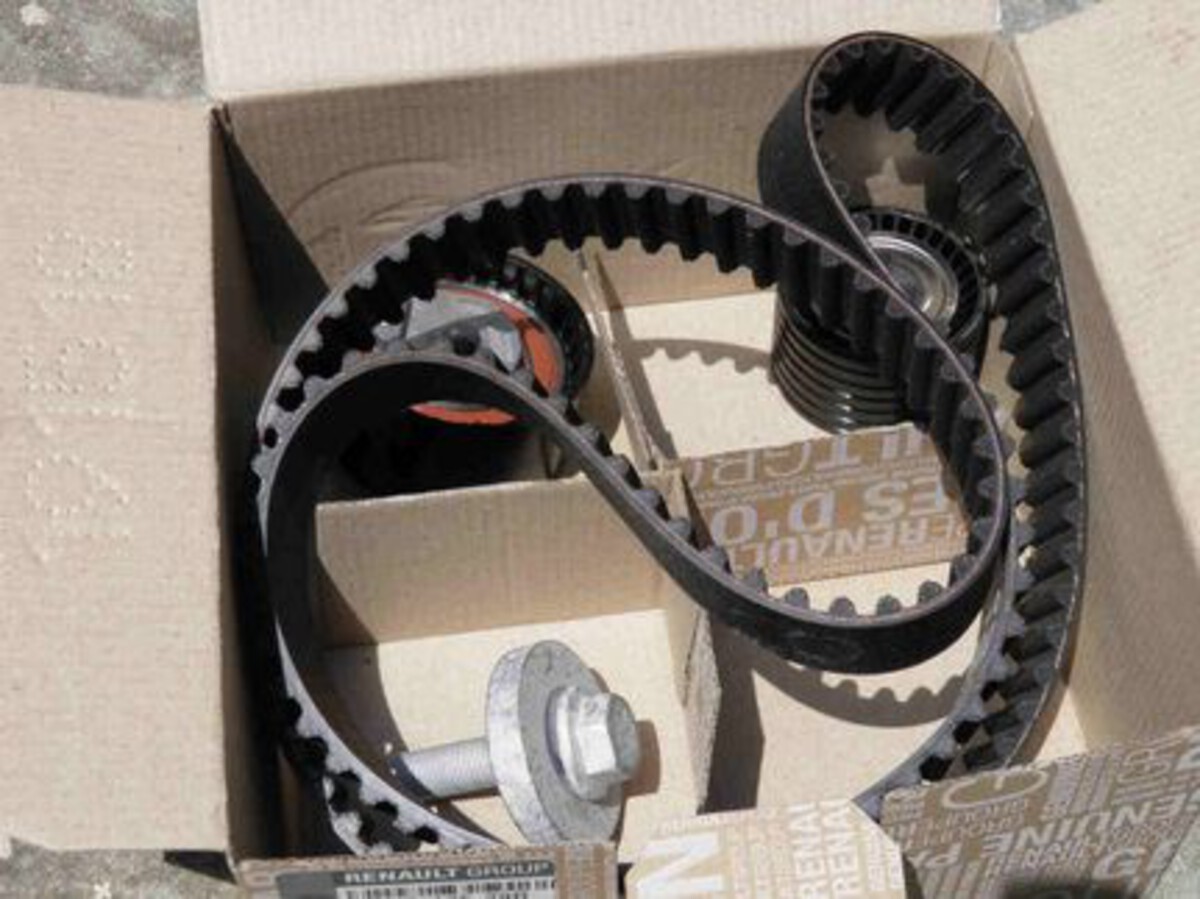
The timing belt is a critical component that synchronizes the camshaft with the crankshaft to keep the engine running smoothly. On Honda CRX engines, especially those from the ’80s and ’90s, the timing belt is made of rubber and must be replaced at regular intervals to avoid catastrophic engine damage. Unfortunately, many owners either forget about this maintenance item or delay replacement until it’s too late.
When a timing belt breaks or slips, the camshaft and crankshaft fall out of sync. For many CRX engines, this means the valves can collide with the pistons, a scenario known as an interference engine failure.
The damage is usually severe, resulting in bent valves, damaged pistons, and often a ruined cylinder head. Repairing this damage is expensive and labor-intensive compared to the relatively low cost of a timing belt replacement.
Manufacturers typically recommend replacing the timing belt every 60,000 to 90,000 miles, depending on the engine model and conditions. However, many CRX owners overlook this schedule, especially on vehicles with unknown or incomplete maintenance histories. Old belts can become brittle and lose their tensile strength over time, making them susceptible to snapping unexpectedly.
Besides the belt itself, the timing belt tensioner and idler pulleys should be inspected and replaced if worn. A failing tensioner can cause slack in the belt, leading to slipping or jumping teeth on the cam sprockets, which causes timing issues and engine misfires. Ignoring these components while replacing only the belt can be a false economy. The bottom line is that proactive timing belt maintenance is one of the surest ways to avoid an engine-killing failure in a CRX.
7. Modifying Without Upgrading Supporting Components
A major cause of premature CRX engine failure is the tendency for owners to install performance modifications without upgrading the supporting systems that keep the engine healthy. For instance, throwing on a high-flow intake or aggressive exhaust header without improving the fuel delivery system or ignition components can create imbalances that strain the engine.
Upgraded camshafts or forced induction (like turbocharging) put additional demands on the cooling system, the fuel pump, injectors, and ignition coils. If these supporting parts are left stock, the engine may run lean or suffer from ignition misfires, leading to increased combustion chamber temperatures and the risk of knock. High combustion temperatures over time can cause warping of the cylinder head or piston damage.
Suspending performance mods in isolation also means the drivetrain might not be able to cope. A more powerful engine that delivers sudden torque spikes can overstress the clutch, transmission, and mounts, which indirectly affects engine longevity. Vibrations and shocks transmitted back to the engine can loosen bolts and cause oil leaks or gasket failures.
Additionally, many CRX owners neglect upgrading the engine’s oiling system when pushing for higher horsepower. A stock oil pump might not supply enough volume or pressure under increased loads, especially in forced induction setups or high-RPM builds. This shortage causes parts to wear out faster or fail outright. Upgrading to a higher capacity oil pump, adding oil coolers, or using stronger internal components is necessary to maintain reliability when modifying.
Skipping these supporting upgrades is one of the most common mistakes among enthusiasts trying to extract more power quickly. Without a holistic approach to modification, the engine’s lifespan is severely compromised.
Also Read: 9 Tricks That Keep a Lexus RX Cabin Comfortable for 15 Years
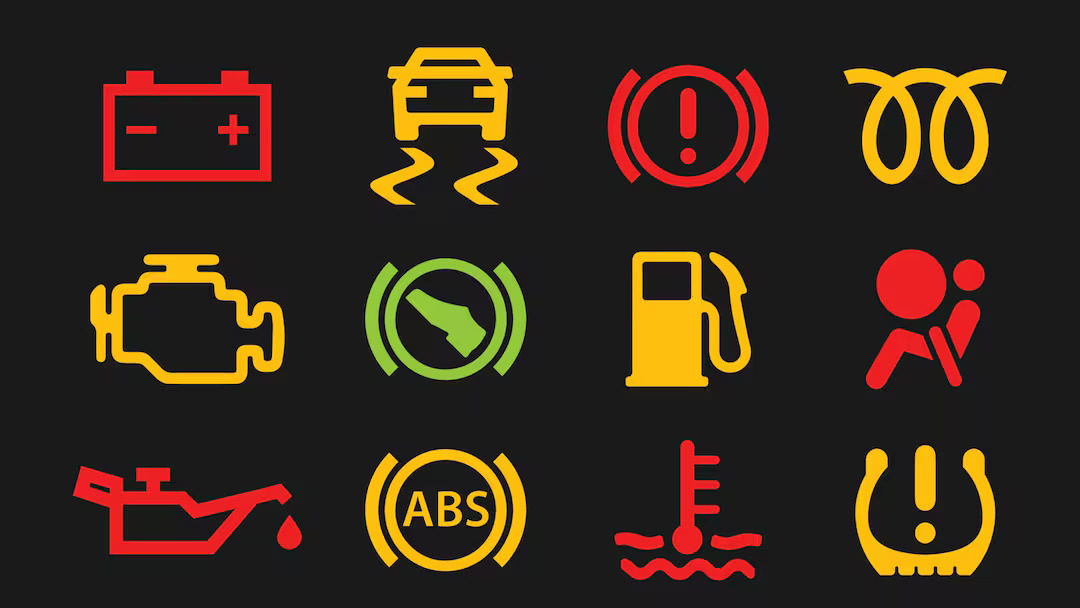
8. Driving Through Warning Lights or Ignoring Engine Codes
Another dangerous habit that shortens the life of a Honda CRX engine is ignoring warning lights on the dashboard or neglecting diagnostic trouble codes (DTCs). The CRX’s check engine light is a critical alert that something is wrong within the engine or emissions system. Unfortunately, many owners either turn off the light or continue driving without investigating the cause.
A check engine light can signal a variety of issues: from minor sensor malfunctions to serious problems like misfires, fuel system faults, or emissions failures. Continuing to drive with an unresolved misfire can cause unburnt fuel to enter the exhaust, damaging the catalytic converter and creating backpressure that harms engine performance. More importantly, a persistent misfire often indicates that a cylinder is not firing correctly, which can lead to internal damage if left unaddressed.
Ignoring overheating warnings or oil pressure lights is even more hazardous. These lights indicate real-time critical conditions where engine components are at risk of severe damage. Low oil pressure means the engine isn’t receiving adequate lubrication, while overheating can lead to warped heads or gasket failure. Driving under these conditions accelerates wear and often leads to irreversible damage.
Many early Honda CRX models do not have the advanced onboard diagnostics found in modern cars, so owners should use an OBD-I or OBD-II scanner to check for stored codes regularly. This preventive step can catch small problems before they become catastrophic failures. It’s better to spend an hour diagnosing an issue than to pay thousands for a complete engine rebuild.
9. Misunderstanding the Limits of Stock Internals
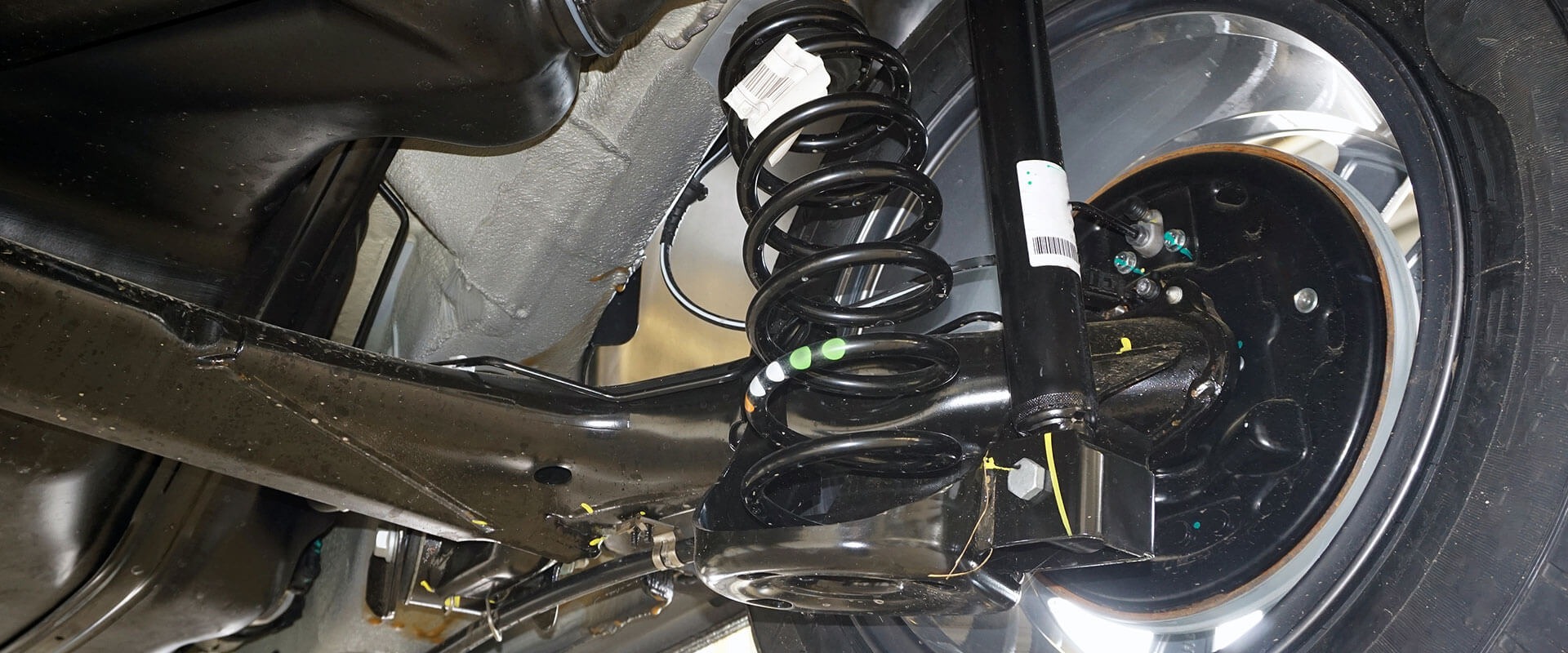
Lastly, a common reason Honda CRX engines die prematurely is when owners push the engine beyond what the stock internals were designed to handle without upgrading critical components. The D-series and B-series engines that power most CRXs have strong reputations, but they are still built with certain engineering limits in mind.
Stock pistons, rods, and crankshafts are designed for moderate power levels and normal driving conditions. While they can be upgraded or swapped for forged components, many owners expect the factory internals to withstand aggressive tuning, forced induction, or sustained high-RPM use without modification. This misunderstanding often leads to engine failures like cracked pistons, bent rods, or bearing failures.
For example, turbocharging a CRX engine with stock rods and pistons is a risky proposition unless done carefully with lower boost levels and excellent tuning. The extra cylinder pressures and heat from forced induction exceed the tolerance of factory parts. Even high compression naturally aspirated builds will stress the stock internals if not carefully managed.
Another example is the valve train. Stock valve springs and retainers are designed for OEM RPM limits. Using higher RPMs without upgrading these parts leads to valve float and mechanical failures. Failure to upgrade oiling components for sustained high power output also causes accelerated wear.
Understanding the mechanical limits of your CRX engine and investing in proper internal upgrades or tuning is essential for longevity. Expecting a stock engine to handle high power or extreme conditions without reinforcement is a fast track to disaster.
10. Neglecting Proper Warm-Up and Cool-Down Practices
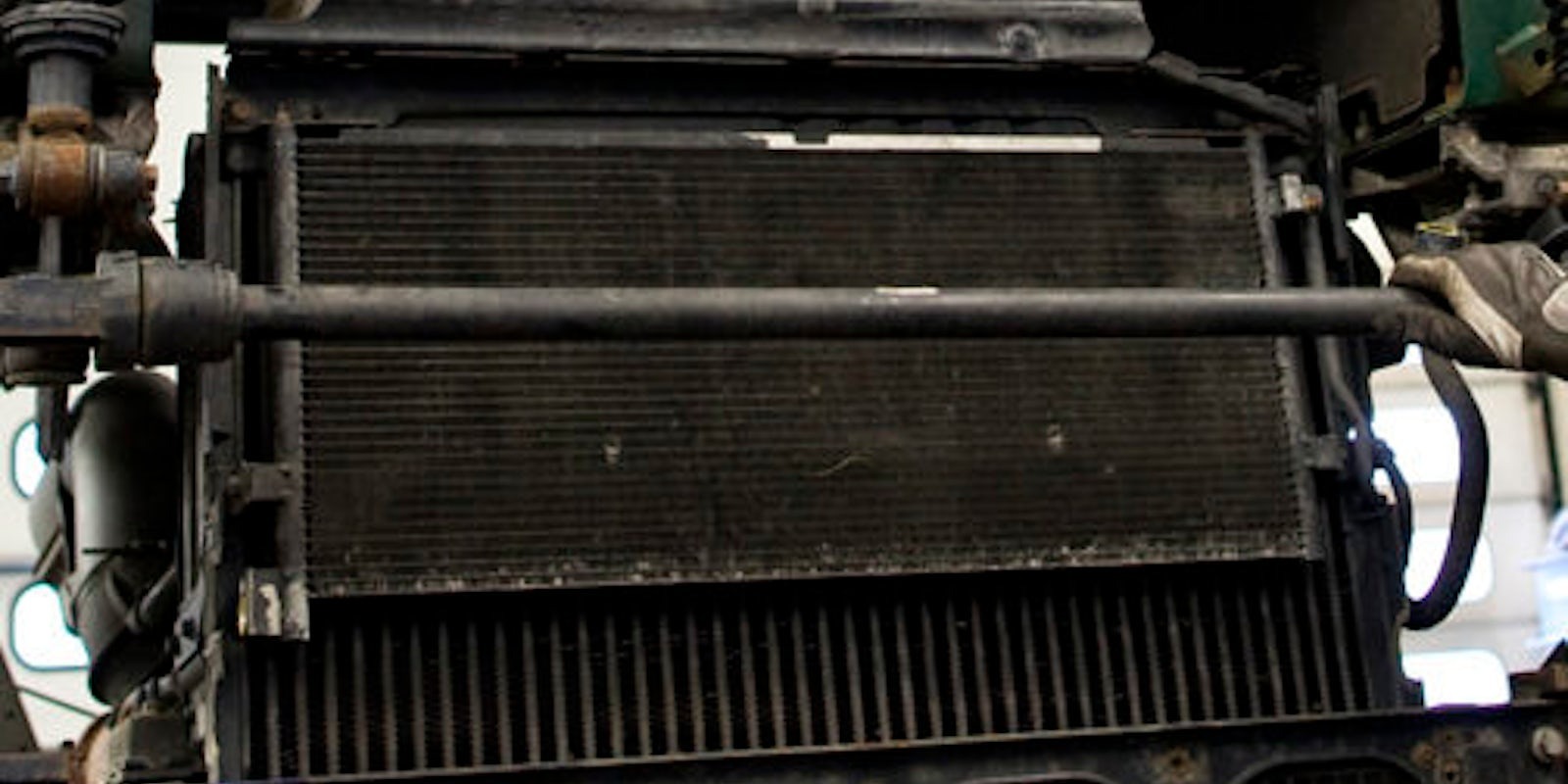
One subtle but critical mistake that many CRX owners make is neglecting the importance of properly warming up the engine before spirited driving or allowing it to cool down after hard runs. The CRX’s engine and its components, like any internal combustion engine, operate best when they reach their optimal temperature range gradually. Jumping into aggressive driving the moment you start the car causes undue stress on the metal parts, especially the piston rings, bearings, and valve seals.
When the engine is cold, the oil is thicker and hasn’t circulated fully to critical components. Revving hard at this stage means parts are running without adequate lubrication, causing accelerated wear. Cold metal also contracts, and tolerances are tighter, increasing the risk of scuffing cylinder walls or damaging bearings. A slow, steady warm-up allows oil to flow properly and parts to expand evenly, reducing the risk of early damage.
On the flip side, many drivers finish a spirited session and shut the engine off immediately. After aggressive driving or track use, the engine bay and turbo (if equipped) remain extremely hot. This can lead to heat soak and premature component failure if not addressed.
Turbocharged CRX engines especially need time for cool-down because shutting off immediately stops oil flow, allowing hot oil to sit in the turbo bearings, which can cause coking and bearing wear.
Proper warm-up and cool-down habits not only preserve engine internals but also improve reliability. For naturally aspirated CRXs, a minute or two of gentle idling after startup and before shutdown can make a significant difference. For turbo setups, an additional cool-down period with the engine idling ensures longevity. Skipping these practices may seem convenient but shortens the engine’s lifespan.
11. Using Poor Quality or Incorrect Replacement Parts
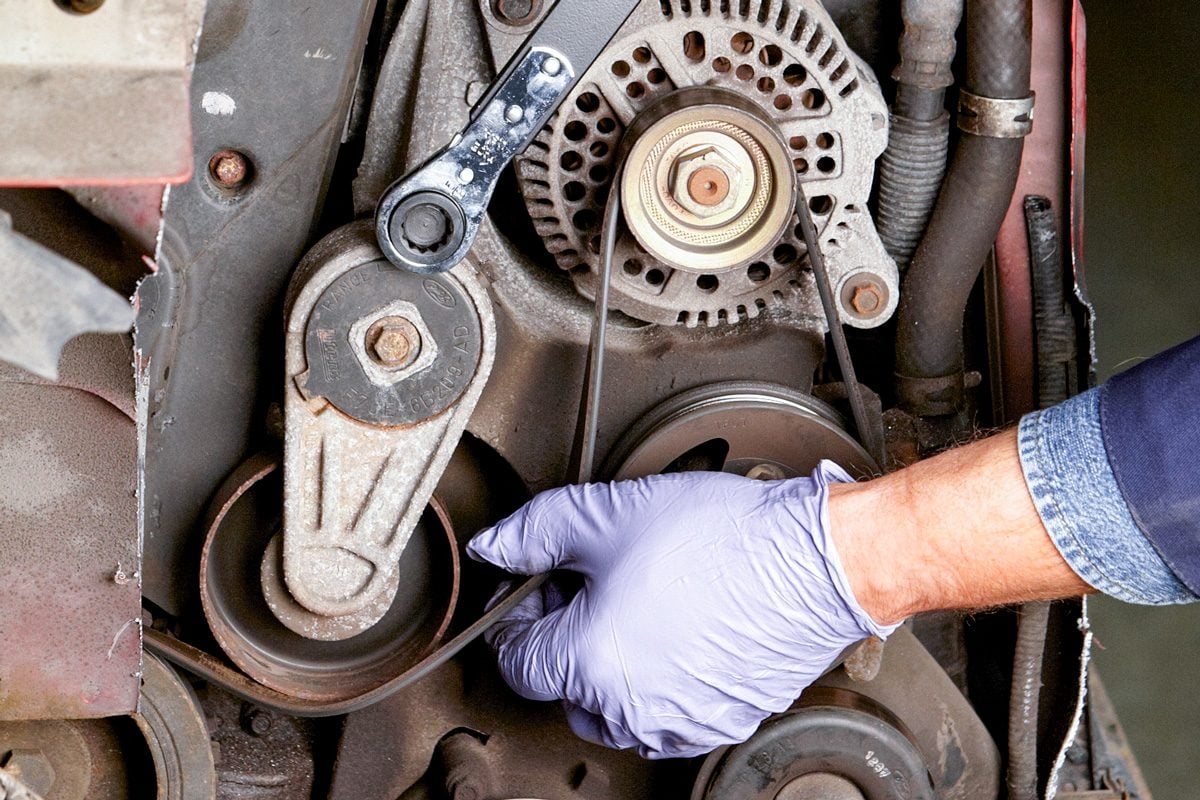
Another frequent contributor to early engine failure in Honda CRXs is the use of substandard or incompatible replacement parts during maintenance or repairs. Because the CRX has been out of production for decades, aftermarket parts flood the market, but not all of them meet the high standards required for reliability and longevity. Choosing the wrong quality parts can introduce a host of problems from poor sealing to accelerated wear.
For example, low-quality gaskets may fail to seal properly, leading to oil leaks or coolant mixing with oil, both of which are catastrophic for an engine. Cheap spark plugs with incorrect heat ranges can cause misfires or pre-ignition. Using the wrong size or type of bearings during rebuilds can result in insufficient clearance, causing early wear or engine knocking.
Parts like timing belts, tensioners, water pumps, and ignition components are especially critical. Original equipment manufacturer (OEM) or high-quality aftermarket parts designed specifically for Honda CRX engines are essential. Installing generic parts “just to save money” can lead to premature failures and costly repairs.
Furthermore, incorrect torque specifications during assembly or the use of improper lubricants during rebuilds can introduce weak points in the engine. For instance, over-tightening head bolts can warp the head gasket surface, while under-tightening can cause leaks.
Experienced mechanics stress the importance of using quality parts, following service manuals closely, and avoiding shortcuts to keep the engine running strong.
12. Ignoring Valve Adjustment and Maintenance
The Honda CRX engines, particularly the D-series and B-series, rely heavily on precise valve clearance to maintain performance and prevent premature wear. Unlike some modern engines with hydraulic lifters, these engines use solid lifters or shims that require periodic valve clearance adjustment. Ignoring this maintenance step can lead to excessive valve noise, poor sealing, and engine damage.
Valve clearances that are too tight can cause the valves to not fully close, leading to loss of compression, burnt valves, and rough running. Over time, burnt valves can cause misfires, reduced power, and even catastrophic failure if left unchecked. Conversely, too loose valve clearances cause noisy operation and increased wear on the valve train components due to excessive lash and shock loading.
Most Honda CRX owners overlook valve adjustments because the process requires time, mechanical skill, and proper feeler gauges. Additionally, many people assume the factory settings never need changing, which is false, especially as the engine ages and components wear or settle. Manufacturers recommend valve clearance checks and adjustments every 15,000 to 30,000 miles, depending on the model.
Regular valve maintenance keeps the camshaft lobes, lifters, and valves operating smoothly and ensures proper combustion chamber sealing. Skipping this crucial step increases the risk of valve seat recession and can require expensive repairs such as valve replacements or cylinder head machining. Proper valve adjustment is a relatively simple maintenance task that plays a big role in extending CRX engine life.
