
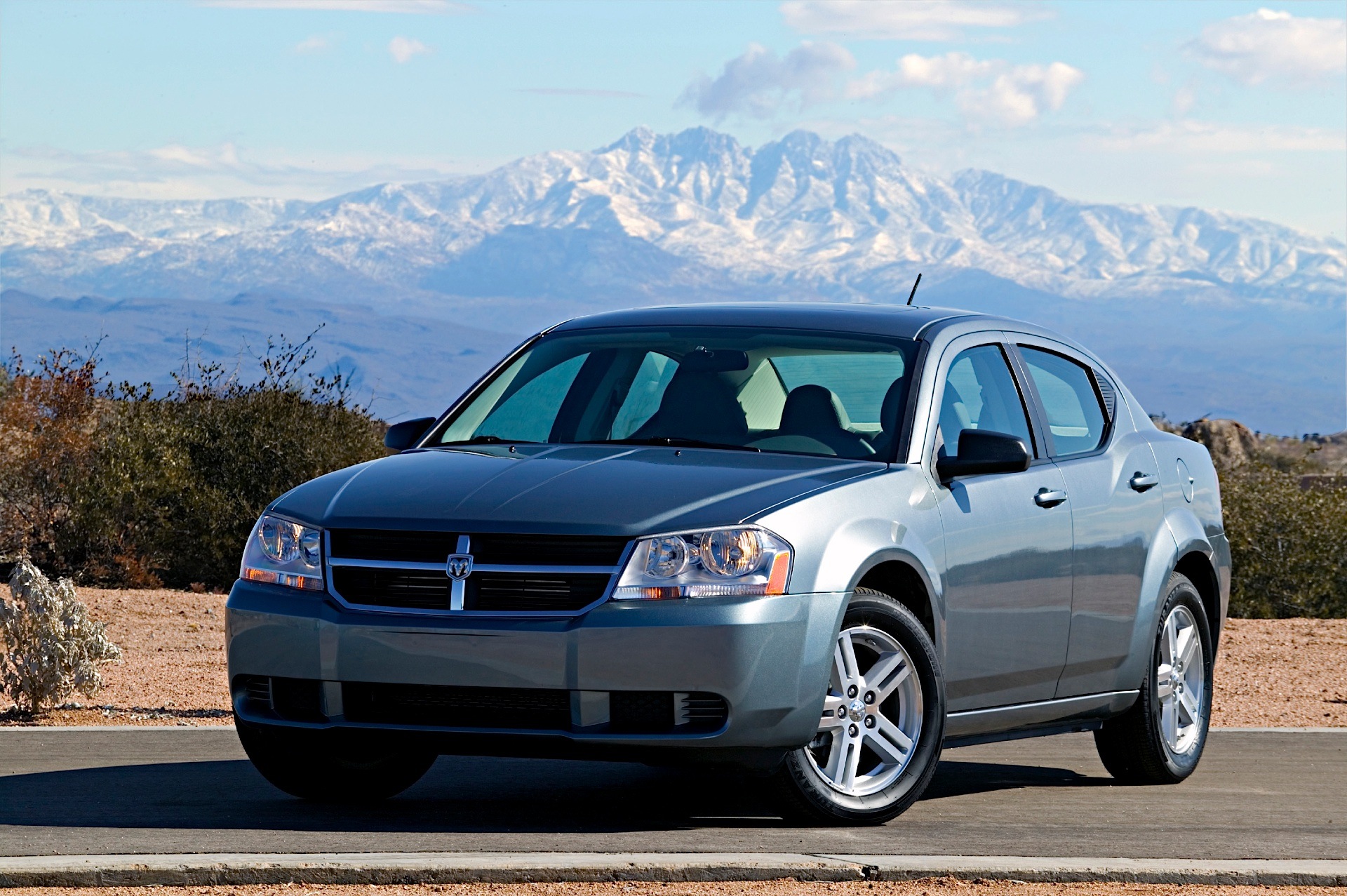
The Dodge Avenger, though not as iconic as its Charger or Challenger siblings, carved out a solid place in the mid-size sedan market during its production years. Built for those who wanted a stylish, sporty look with practical features and a more budget-friendly price point, the Avenger delivered decent performance, reliability, and comfort when maintained properly.
However, despite its potential, this car often doesn’t get the care it needs. Many Avenger owners unknowingly sabotage the longevity and performance of their vehicles by making avoidable mistakes, either through negligence or misinformation.
While the Avenger wasn’t built to be a high-end performance machine, it was certainly engineered to last. With regular maintenance, it could easily go well past 150,000 miles. But when basic upkeep is skipped, or if improper modifications are made, problems start to appear sooner than they should.
Engine issues, transmission trouble, suspension wear, and interior degradation are all preventable to some extent. Yet many owners fall into the same traps, cutting corners or relying on cheap fixes that lead to long-term damage.
Most of these problems don’t stem from a lack of mechanical knowledge, but from assumptions. Some think skipping one oil change won’t matter. Others believe that aftermarket parts will always outperform OEM components.
In reality, a lot of these assumptions are what slowly erode the health of the car. Mistakes might not show consequences immediately, but over time, they add up. And by the time issues become obvious, expensive repairs or irreversible wear may already be in play.
In this article, we’ll look at ten common mistakes that have prematurely ruined Dodge Avengers. If you own one or are considering buying a used model, avoiding these errors could save you thousands of dollars and extend your car’s life significantly.
From maintenance blunders to poor driving habits and cosmetic neglect, these issues aren’t exclusive to the Avenger but are particularly impactful due to how the vehicle is designed and how its parts wear over time.
Also Read: 7 Pro Tips That Keep a Subaru Outback Winter-Ready for Life
1. Ignoring Regular Oil Changes
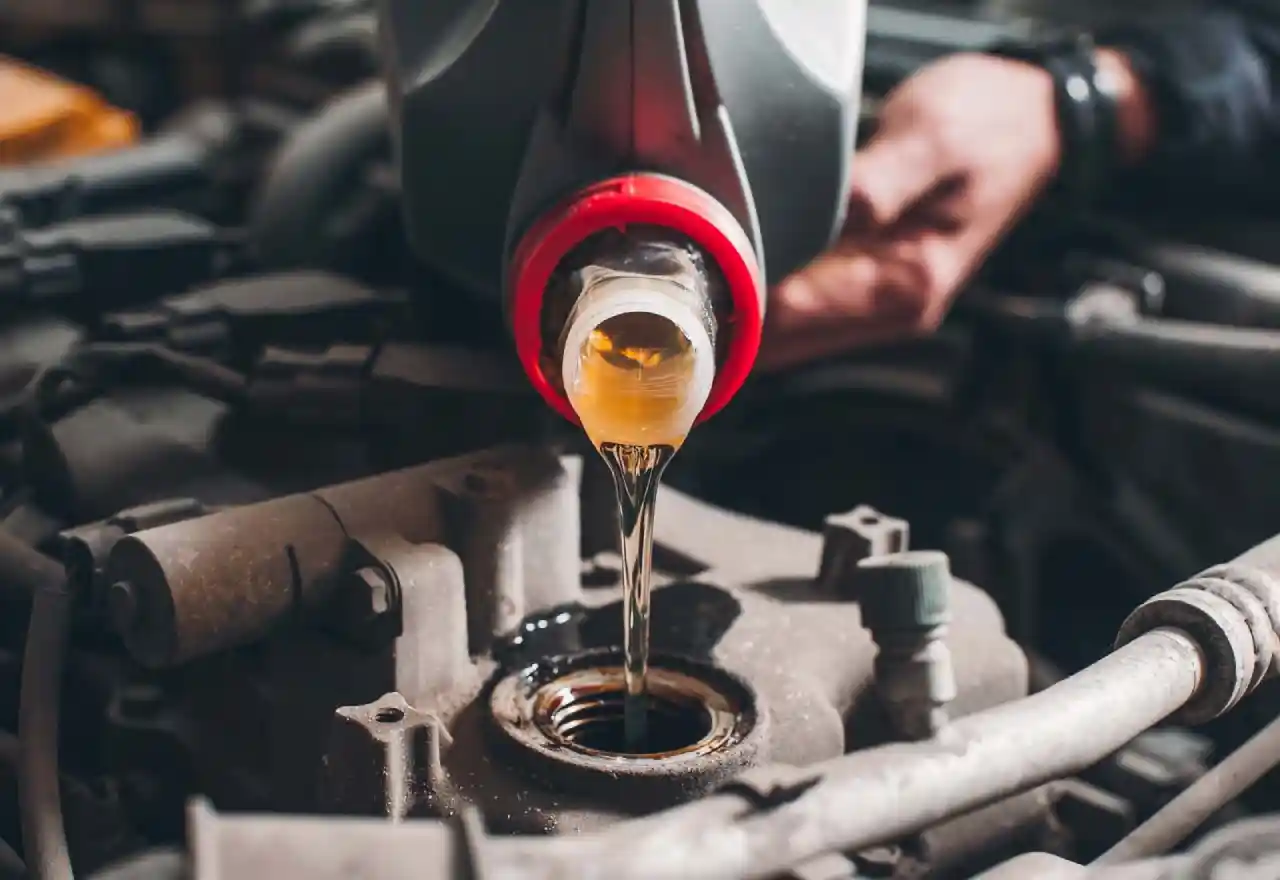
Oil is the lifeblood of any internal combustion engine. When clean, it lubricates moving parts, reduces friction, and helps control temperature. For the Dodge Avenger, particularly the 2.4L 4-cylinder and 3.6L V6 engines, regular oil changes are not optional, they are essential.
Many Avenger owners stretch oil change intervals far beyond the recommended 5,000 to 7,500 miles, assuming modern synthetic oils can handle the extra mileage. While synthetic oil is better than conventional in many ways, the engine still accumulates carbon deposits, sludge, and wear from extended use. Neglecting oil changes leads to gunk buildup, which clogs oil passages and restricts flow to crucial components like camshafts and valve lifters.
Over time, this gunk buildup can severely affect engine performance. Reduced oil flow leads to overheating, loss of power, and strange noises from the top end of the engine. Lifters may start ticking, timing chain guides can wear prematurely, and even the variable valve timing system may malfunction.
Once the oil passages are clogged, it’s often too late to reverse the damage without a major teardown. And on engines with known timing chain tensioner issues, like those found in some Avenger models, a lack of clean lubrication accelerates failure.
Many owners also make the mistake of using the wrong oil type. The manufacturer recommends a specific viscosity for a reason, it’s matched to the engine’s tolerances and oil pressure needs. Using a thicker or thinner oil than recommended can cause startup wear, improper valve timing, and poor fuel economy. Even worse, some drivers mix different oil brands or types during top-offs, which can destabilize additives and reduce oil effectiveness.
Finally, there’s the issue of skipping the filter replacement. Changing oil without replacing the filter is like cleaning a pool and leaving the dirty filter in. The oil filter traps metal shavings, carbon residue, and dirt.
Once it’s saturated, it stops filtering and begins releasing contaminants back into circulation. Skipping the filter change puts the engine at even greater risk. Regular oil and filter changes are one of the simplest ways to extend your Avenger’s lifespan.
2. Using Cheap or Incorrect Transmission Fluid
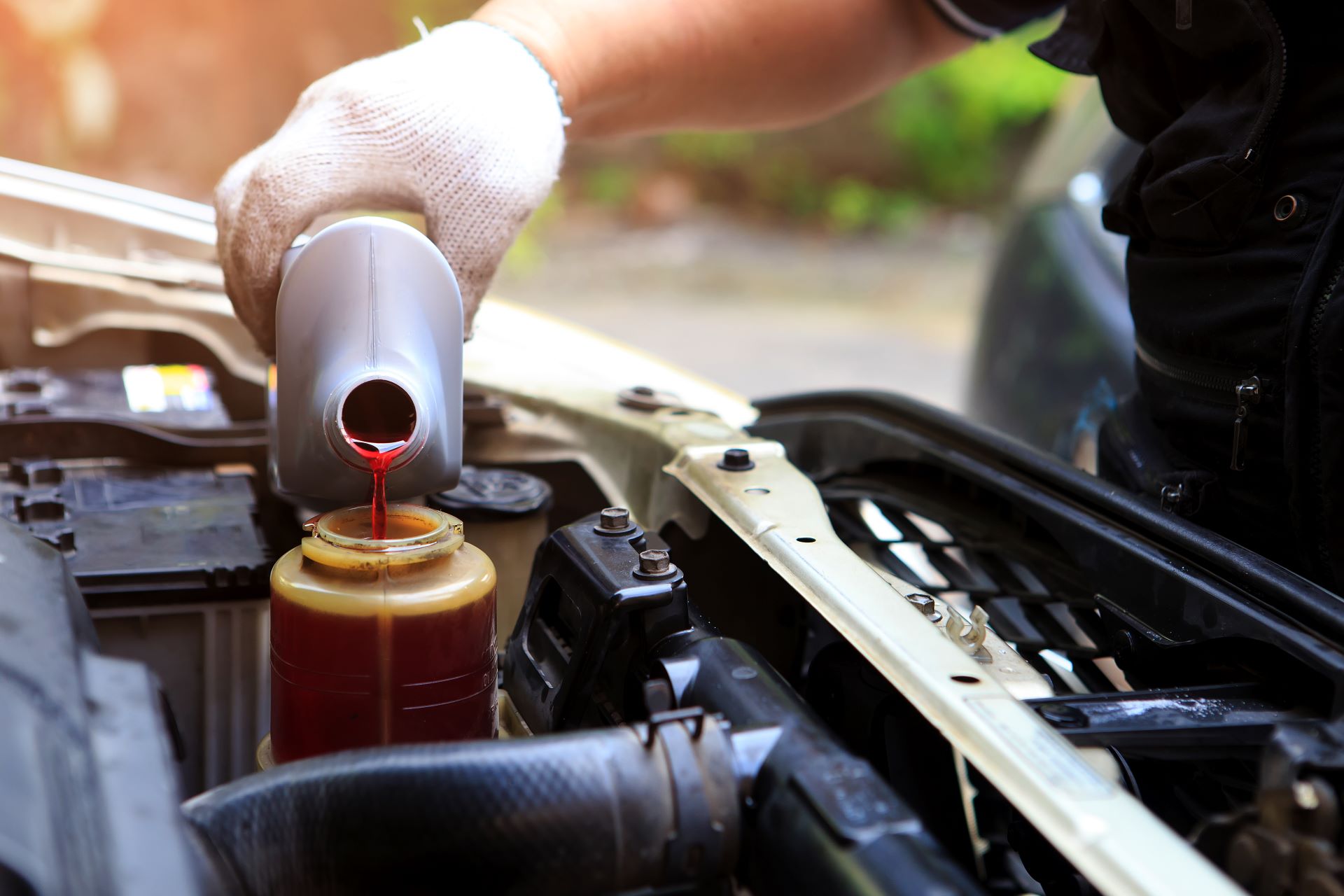
Transmission fluid is just as important as engine oil but often ignored. In the Dodge Avenger, particularly models equipped with automatic transmissions, using the wrong type of transmission fluid can spell disaster.
Dodge specifies the use of ATF+4 for a reason. This fluid has specific friction modifiers and heat tolerances tailored to the vehicle’s transmission. Owners who top off or flush their systems with universal or cheaper alternatives run the risk of improper shifting, internal slippage, and complete transmission failure over time.
One of the biggest issues arises during fluid flushes at third-party service centers. Not all shops understand the unique requirements of Chrysler-made vehicles. Some use generic fluids or additives claiming to be compatible, but they fail to meet the strict chemical requirements of ATF+4. These substitutes can cause valve body problems, clutch pack wear, and erratic gear engagement. Even short-term use of improper fluid can have long-term consequences, with symptoms not appearing until damage is already done.
Another common mistake is failing to check the transmission fluid level regularly. While many newer cars, including some Avengers, have sealed transmissions or lack traditional dipsticks, that doesn’t mean the fluid is permanent. Heat cycles, microscopic leaks, and degradation over time still affect fluid levels and quality.
Low or dirty fluid leads to overheating, which can bake internal components and result in burnt clutches or damaged seals. If the transmission starts slipping, jerking, or refusing to shift, it’s often too late to fix with just a fluid change.
Finally, some owners try to save money by buying refurbished or used transmissions from questionable sources after failure. Without verifying compatibility or rebuild quality, these replacements often have unknown histories and may include worn-out parts or improper rebuilds. A transmission failure not only costs thousands to replace, but it also devalues the car significantly. Taking shortcuts with transmission fluid or service is a fast track to ruining your Dodge Avenger.
3. Skipping Timing Belt or Chain Maintenance
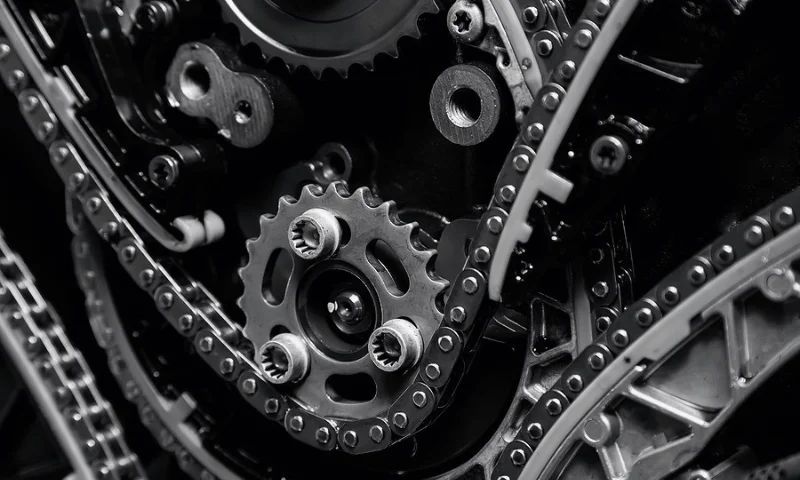
The timing belt or chain plays a critical role in keeping your engine’s valves and pistons in sync. Depending on your Avenger’s engine, you either have a timing belt (usually on earlier 4-cylinder models) or a timing chain (common on V6 engines).
Many owners believe that timing chains last the lifetime of the vehicle, and while they do last longer than belts, they still wear out. Failing to inspect or replace these components on time can lead to catastrophic engine failure, often requiring a full engine rebuild or replacement.
Timing belts should typically be replaced every 90,000 to 100,000 miles. Unfortunately, many Avenger owners either ignore this recommendation or buy used vehicles without checking the service history. When the belt snaps, the pistons slam into the valves, bending or breaking them.
This kind of damage is extensive and expensive, and it almost always totals the car if it happens outside warranty coverage. Preventing this is as simple as following the manufacturer’s recommended service schedule.
Timing chains, while more durable, have their own risks. They are susceptible to wear in engines with poor oil maintenance. As chains stretch, the engine’s timing starts to drift, which can lead to rough idling, poor performance, and triggering of check engine lights.
Ignoring these early signs allows further wear on tensioners and guides. In the 3.6L Pentastar engine, a known issue is the failure of the chain tensioner when oil is dirty or low. If the chain slips or jumps, internal engine damage is likely.
Many owners also make the mistake of attempting DIY timing service without proper tools or knowledge. Unlike basic maintenance, timing components require precise alignment, special locking tools, and torque specifications.
A mistake during reassembly can lead to engine startup failure or internal damage. Unless you have the right experience, it’s best to let a professional handle timing work. It’s not a corner worth cutting if you plan to keep your Avenger running strong.

4. Neglecting Brake System Maintenance
Brakes are one of the most critical safety components on any vehicle, and the Dodge Avenger is no exception. Unfortunately, many owners put off brake service because they believe their brakes only need attention when they start squeaking or feel soft. This is a dangerous assumption.
Brake pads, rotors, and fluid degrade over time, and ignoring these signs puts you, your passengers, and others on the road at risk. With the Avenger’s average weight and front-wheel-drive layout, the front brakes take a heavier workload, making regular inspection even more important.
Over time, brake pads wear down to their metal backing, which can then score or warp the rotors. Rotors that are warped or scored lead to vibrations during braking, longer stopping distances, and uneven pad wear. Many owners attempt to “make do” by using cheap pads or trying to save money by not resurfacing or replacing rotors when needed.
This quick fix may seem to work temporarily, but reduces braking efficiency and causes premature wear on other parts like calipers and wheel bearings.
Brake fluid is another often-overlooked element in brake maintenance. Over time, brake fluid absorbs moisture from the air, which lowers its boiling point. Moisture-contaminated brake fluid leads to “soft” brakes and decreased responsiveness, especially under heavy braking or hot conditions.
Most manufacturers recommend flushing brake fluid every two years, but many owners skip this step. Failing to do so increases the likelihood of corrosion inside brake lines and calipers, which can cause leaks or total brake failure.
A common mistake is also the use of non-approved brake pads or fluid. The Dodge Avenger was designed for specific brake components to maintain safe performance and compatibility with the ABS.
Using aftermarket pads or fluids that do not meet specifications can cause issues with brake pedal feel, noise, and ABS activation. For the sake of safety and longevity, sticking to quality, approved parts and keeping up with brake system service is crucial for avoiding costly repairs and dangerous driving conditions.

5. Overloading and Poor Driving Habits
The Dodge Avenger is a mid-size sedan designed for everyday use and moderate passenger and cargo loads. However, many owners unknowingly stress their vehicle by routinely overloading it beyond its designed capacity. Carrying heavy loads or excessive weight in the trunk affects suspension components, tires, brakes, and the drivetrain. Constant overloading can lead to premature suspension sagging, worn-out shocks and struts, and increased tire wear, all of which reduce the car’s handling and safety.
Poor driving habits also contribute heavily to accelerated wear. Sudden hard accelerations, aggressive braking, and rapid cornering place unnecessary strain on the engine, transmission, suspension, and brakes. In particular, “launching” the Avenger from a standstill can cause excessive clutch wear in manual models and put a heavy strain on the transmission and drivetrain in automatics. These actions increase the chance of premature component failure and diminish fuel efficiency.
Frequent stop-and-go driving or idling in heavy traffic without proper maintenance compounds these issues. The Avenger’s cooling system, transmission, and brakes are all designed to handle normal city driving, but excessive heat buildup from aggressive driving accelerates wear.
For example, the transmission fluid heats up faster under stop-and-go conditions, which breaks down the fluid and reduces transmission life. Similarly, the engine’s cooling system is put under greater stress, increasing the risk of overheating if not properly maintained.
Many owners also neglect tire maintenance, such as rotating tires regularly or keeping proper inflation levels. Overloaded vehicles and harsh driving amplify tire wear on the edges or unevenly, leading to premature tire replacement.
Unequal tire wear also affects handling and safety, making the car feel unstable or unpredictable, especially in wet or slippery conditions. Being mindful of load limits, adopting smooth driving techniques, and maintaining tires properly are simple yet effective ways to extend the Avenger’s life and maintain its value.
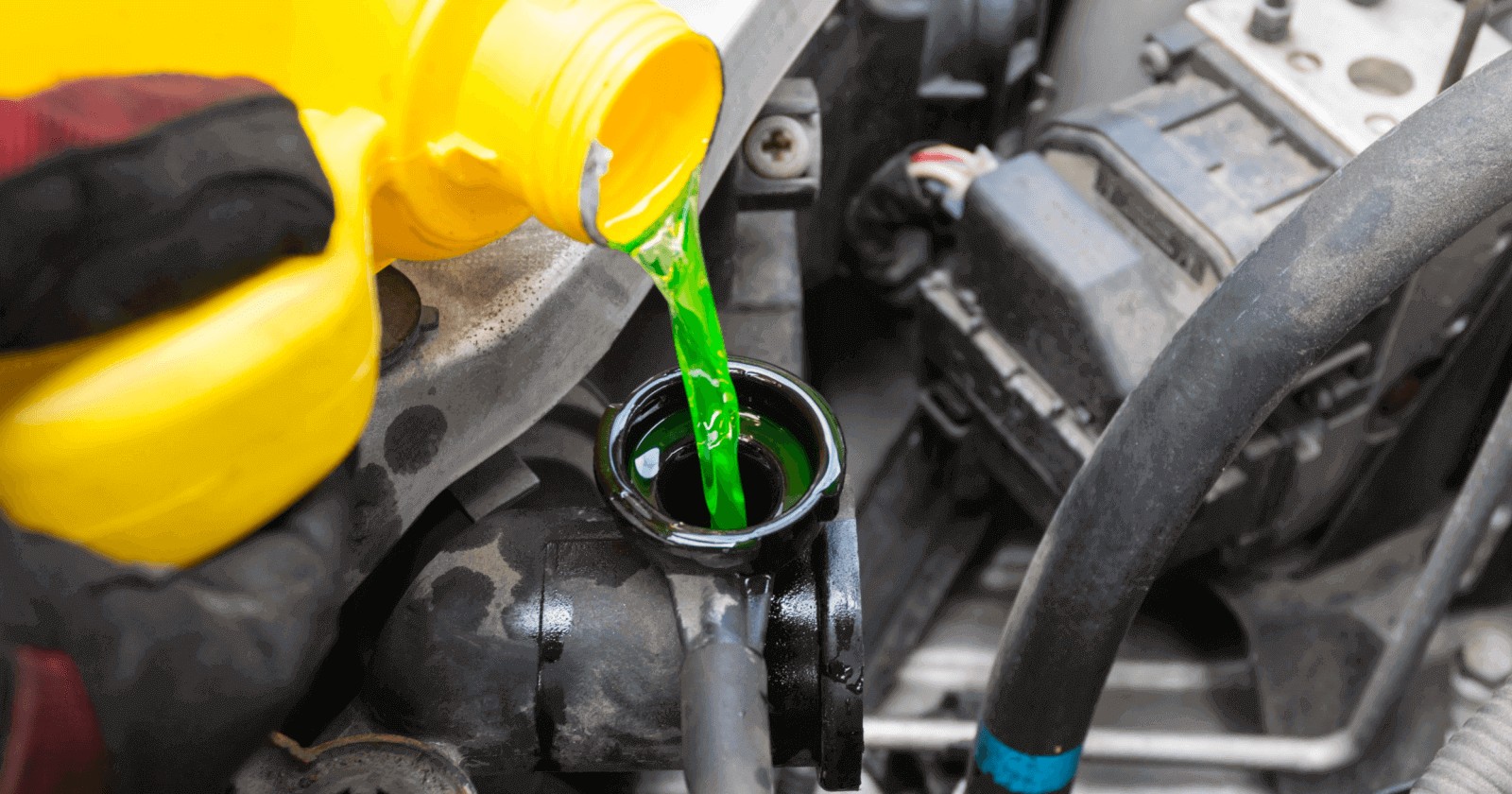
6. Ignoring Engine Coolant and Radiator Care
The engine cooling system is vital for preventing overheating and maintaining consistent engine temperature, yet it is often neglected by Dodge Avenger owners. Engine coolant (antifreeze) needs to be checked and replaced on a regular schedule, generally every five years or 100,000 miles, whichever comes first.
Skipping this service or using plain water instead of the correct coolant mixture can lead to corrosion inside the radiator, water pump, and engine block. Corrosion causes leaks and blockages, which impair cooling efficiency.
Radiators themselves are prone to clogging, especially if coolant isn’t flushed properly. Dirt, rust particles, and sediment build up inside the radiator tubes over time, reducing heat dissipation. An overheated engine puts severe stress on all mechanical parts, from pistons to the cylinder head gasket.
In the Avenger, overheating is a common cause of head gasket failure, a costly repair that often results in a loss of engine compression and coolant contamination of engine oil.
Many owners ignore minor leaks or don’t immediately replace worn hoses and clamps. Even small coolant leaks can cause the system to lose pressure, leading to overheating and engine damage. Rubber hoses become brittle with age and exposure to heat, and clamps can loosen, especially if the car is driven aggressively or on rough roads. Regular inspection of hoses and clamps, along with timely replacement, prevents unexpected breakdowns.
Additionally, some owners try “stop leak” products as quick fixes for radiator or head gasket issues. These chemical solutions often provide temporary relief but can clog cooling passages and damage other components in the long run.
They are not substitutes for proper mechanical repairs. Taking good care of the entire cooling system, including regular coolant changes, hose inspections, and radiator flushes, is essential for protecting the Avenger’s engine and extending its service life.
Also Read: 7 Driving Habits That Destroy a Subaru Legacy Faster Than You Think
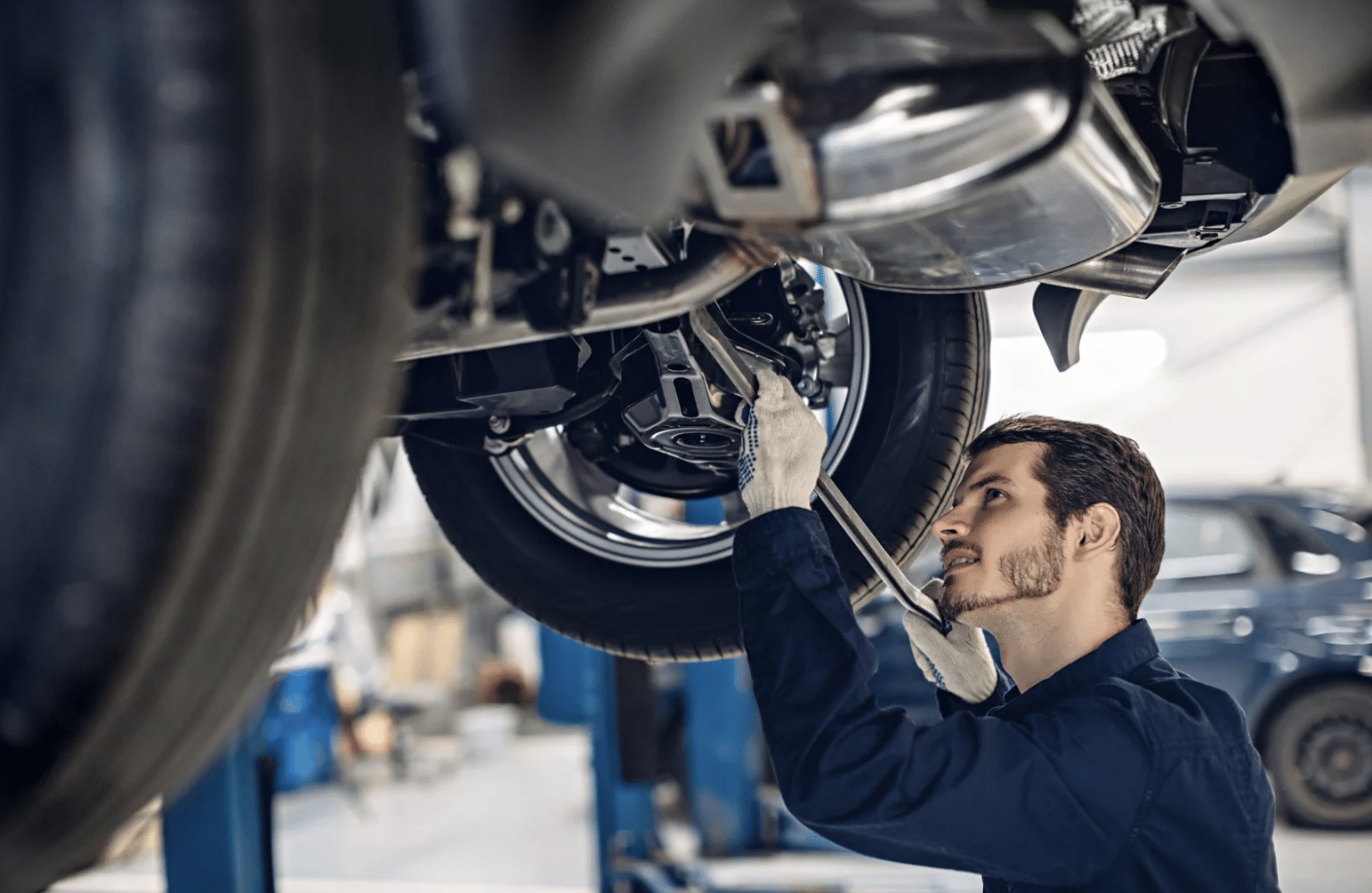
7. Poor Maintenance of Suspension and Steering Components
The Dodge Avenger’s suspension and steering system play a major role in ride comfort, handling, and safety. Despite their importance, many owners overlook the condition of shocks, struts, ball joints, tie rods, and bushings. Over time, these components wear out, leading to a harsh ride, poor handling, and increased tire wear. Ignoring suspension maintenance can also cause alignment problems, which put even more strain on tires and steering parts.
Worn shocks and struts lose their ability to absorb bumps and control weight transfer during braking and cornering. This results in a bouncy or unstable ride and increases stopping distances. Many drivers mistakenly assume this is “normal for an older car” and delay replacing worn suspension parts. This not only reduces comfort but also compromises safety by making the car less predictable in emergency maneuvers.
Steering components such as tie rods and ball joints experience constant stress and wear. When these parts loosen or fail, steering can become vague or unresponsive, increasing the risk of accidents. Some owners wait until they notice excessive play or hear clunking noises before seeking repairs, but by then, damage to tires and other components is often inevitable.
Routine inspections and timely replacement of suspension and steering parts ensure the Avenger remains safe and comfortable to drive. Many repair shops recommend checking these components during regular oil changes or tire rotations.
Keeping the suspension system in good shape also helps maintain correct wheel alignment, extending tire life and improving fuel efficiency. Neglecting this critical area often leads to a cascade of other problems that could have been prevented with simple upkeep.
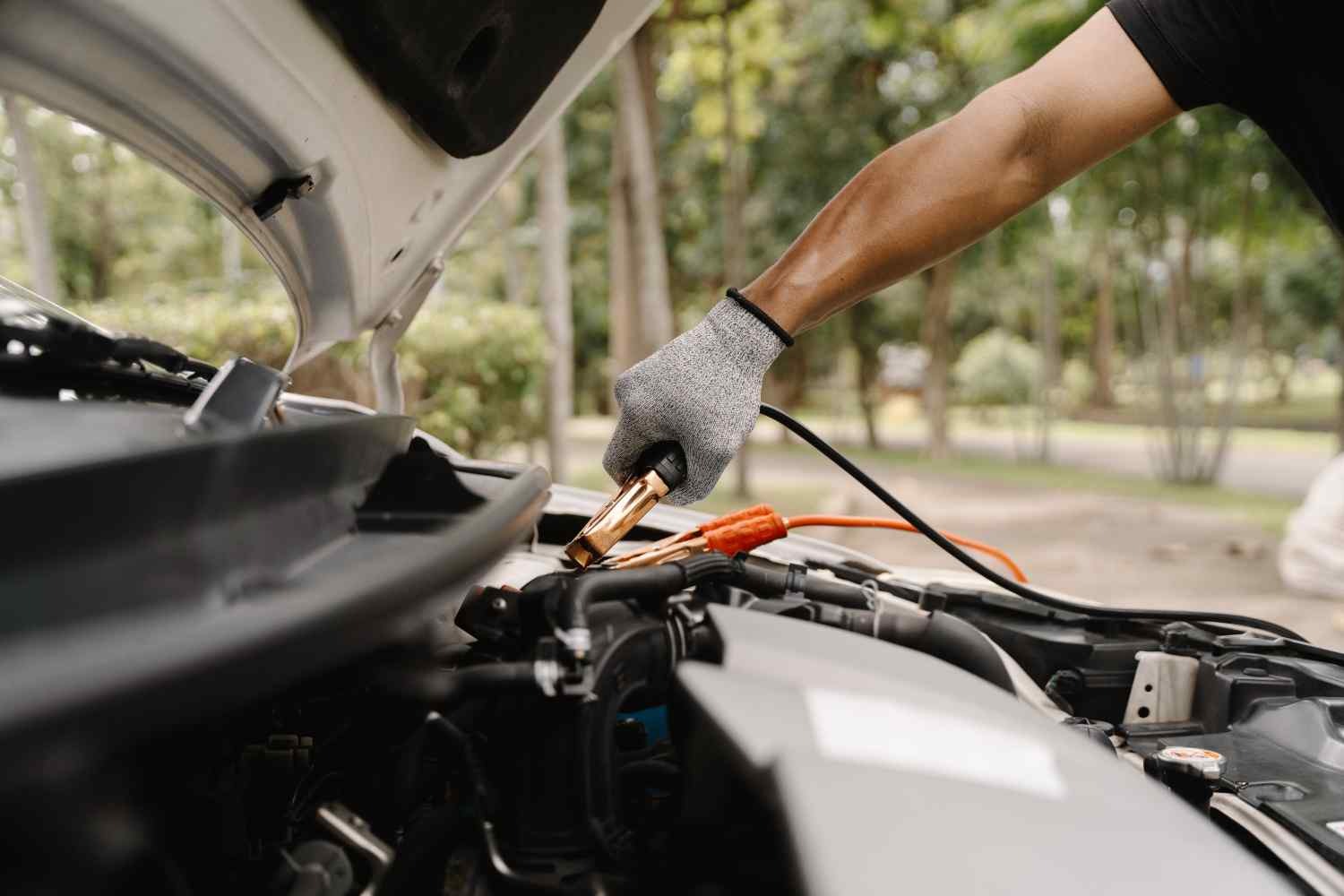
8. Disregarding Electrical System and Battery Care
Modern vehicles, including the Dodge Avenger, rely heavily on their electrical systems for everything from engine management to infotainment. Unfortunately, many owners fail to monitor their battery health, alternator function, and wiring condition until they face a breakdown. A dying battery or faulty alternator can leave you stranded, especially in extreme weather, and cause erratic electrical behavior that affects performance.
Batteries typically last 3 to 5 years, depending on climate and driving habits. Failure to test battery voltage or replace it on schedule leads to weak starts, dimming lights, and eventually complete failure. Leaving a battery discharged for extended periods also causes internal damage, which reduces its ability to hold a charge even after replacement.
The alternator keeps the battery charged and powers all electrical accessories while the engine runs. A failing alternator puts strain on the battery and electrical system, causing warning lights to illuminate and intermittent electrical faults. Some Avenger owners misinterpret these signs or ignore dashboard warnings, which can lead to further electrical system damage or engine stalling.
Wiring and connectors in the engine bay and under the dash are vulnerable to corrosion, vibration, and rodent damage. Loose or corroded connections cause intermittent faults, sensor errors, or complete system failures. Proper maintenance includes cleaning terminals, securing wiring harnesses, and inspecting for damage during routine service. Addressing electrical issues early keeps the Dodge Avenger reliable and prevents unexpected breakdowns.
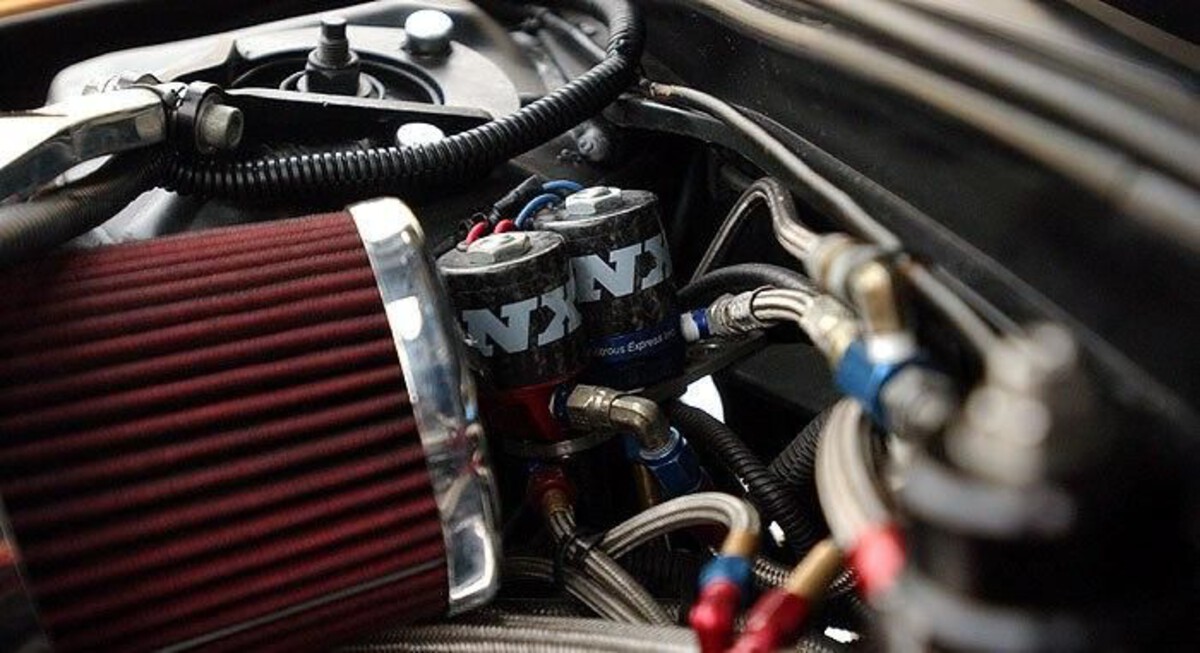
9. Using Non-OEM or Low-Quality Replacement Parts
Many Avenger owners try to save money by using aftermarket or cheap replacement parts instead of OEM (original equipment manufacturer) components. While some aftermarket parts can be good, many are substandard or incompatible with the Avenger’s specifications. Using low-quality parts can cause premature failure, reduced performance, or even damage other components.
For example, non-OEM brake pads may produce excessive dust, noise, or poor stopping power. Cheap filters might allow contaminants into the engine or transmission, causing accelerated wear. Suspension parts from unknown manufacturers may not fit properly or fail early, compromising safety and comfort. This false economy often results in higher costs down the road due to repeated repairs or more extensive damage.
OEM parts are designed and tested specifically for the Dodge Avenger. They meet exact tolerances and material specifications, ensuring reliable performance and durability. While they may be more expensive upfront, they offer better value by lasting longer and maintaining vehicle integrity. For critical systems like brakes, suspension, and engine components, the difference can be significant.
Moreover, warranties on parts and repairs are often voided when non-OEM or unapproved parts are used. This leaves owners responsible for all future costs, even for failures unrelated to the replacement parts. Investing in quality components helps protect your investment and keeps the Avenger running as intended by the manufacturer.
10. Neglecting Interior and Exterior Care
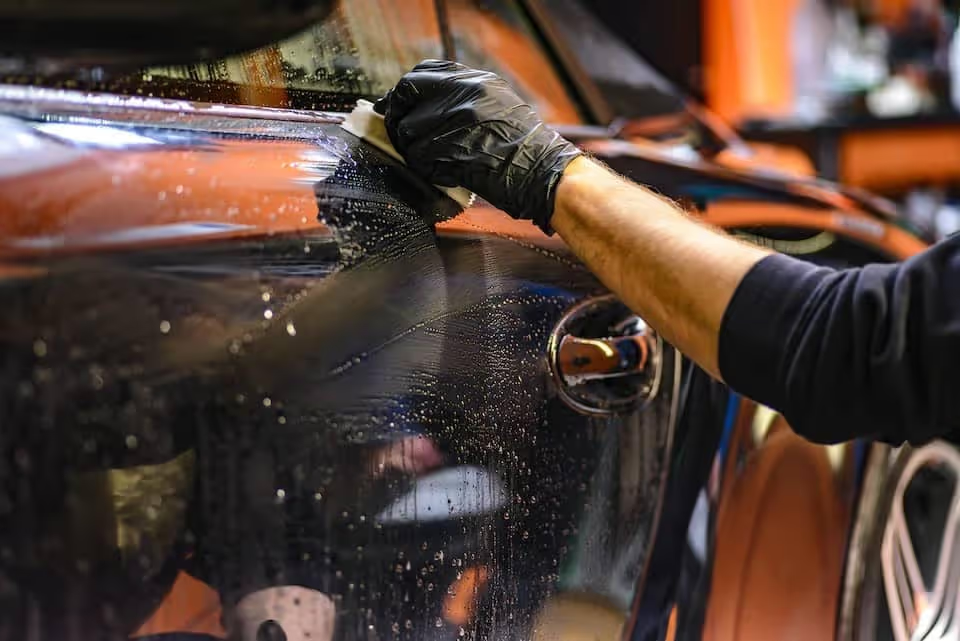
While mechanical maintenance is essential, neglecting the Dodge Avenger’s interior and exterior care can also contribute to premature deterioration. Exposure to harsh sunlight, moisture, and dirt without proper cleaning and protection causes fading, cracking, and corrosion. Many owners overlook regular washing, waxing, and interior cleaning, thinking it only affects aesthetics, but this neglect can reduce resale value and accelerate wear on components.
Paint protection is especially important for Avengers in areas with extreme weather or road salt use. Salt and grime accelerate rust formation on the body panels, undercarriage, and wheel wells. Rust not only ruins the car’s appearance but can also lead to structural weaknesses if left untreated. Regular washing, especially during winter months, and applying wax or paint sealants help protect the finish and metal underneath.
Inside, neglecting upholstery and dashboard care leads to cracking, fading, and unpleasant odors. Leather or vinyl surfaces dry out and become brittle if not conditioned regularly. Fabric seats can stain or harbor mold if spills and moisture aren’t cleaned promptly. Dashboard plastics and trims fade and become brittle under constant sun exposure if protective products are not used.
Additionally, dirt and debris trapped in door seals, air vents, and carpets can cause premature wear and mechanical issues, like clogged drainage channels leading to water leaks or faulty HVAC operation.
Regular vacuuming, cleaning, and use of protectants improve the cabin environment and keep components functioning well. Taking time for interior and exterior care preserves your Dodge Avenger’s comfort, appearance, and overall value.
11. Neglecting Air Filter and Fuel System Maintenance
The air filter and fuel system are crucial for the Dodge Avenger’s engine to breathe clean air and receive the proper fuel supply. Many owners overlook the air filter replacement interval or fail to consider how a clogged filter affects performance.
A dirty or clogged air filter restricts airflow, which reduces engine efficiency, causes rough idling, and can increase fuel consumption. Over time, dirty air entering the engine can also cause internal wear and lead to costly repairs.
Replacing the air filter according to the manufacturer’s schedule (typically every 15,000 to 30,000 miles, or sooner in dusty environments) is a simple yet vital maintenance step. Some drivers delay this because the car still “runs fine,” but the hidden damage caused by dirt and debris accumulating in the intake system adds up.
Beyond the filter, neglecting to clean or inspect the throttle body and mass airflow sensor can also reduce performance. These components regulate air delivery, and buildup of carbon deposits causes rough running and poor fuel economy.
The fuel system deserves equal attention. Using poor-quality fuel or skipping fuel system cleaning leads to clogged fuel injectors and dirty fuel filters. Fuel injectors spray the right amount of gasoline into the combustion chamber; when they become dirty or partially blocked, the engine runs inefficiently.
This results in reduced power, hesitation, and higher emissions. Fuel filters, if not replaced as recommended, cause fuel starvation, making the engine struggle to perform, especially under load.
Some owners try to rely solely on fuel additives to “clean” the system, but additives cannot replace physical cleaning and filter replacement. Keeping the air filter, throttle body, fuel injectors, and fuel filter in good condition ensures the Dodge Avenger’s engine breathes well, runs smoothly, and achieves optimal fuel efficiency. Neglect in this area may seem minor but has a significant long-term impact on engine health and drivability.
12. Ignoring Tire Maintenance and Alignment
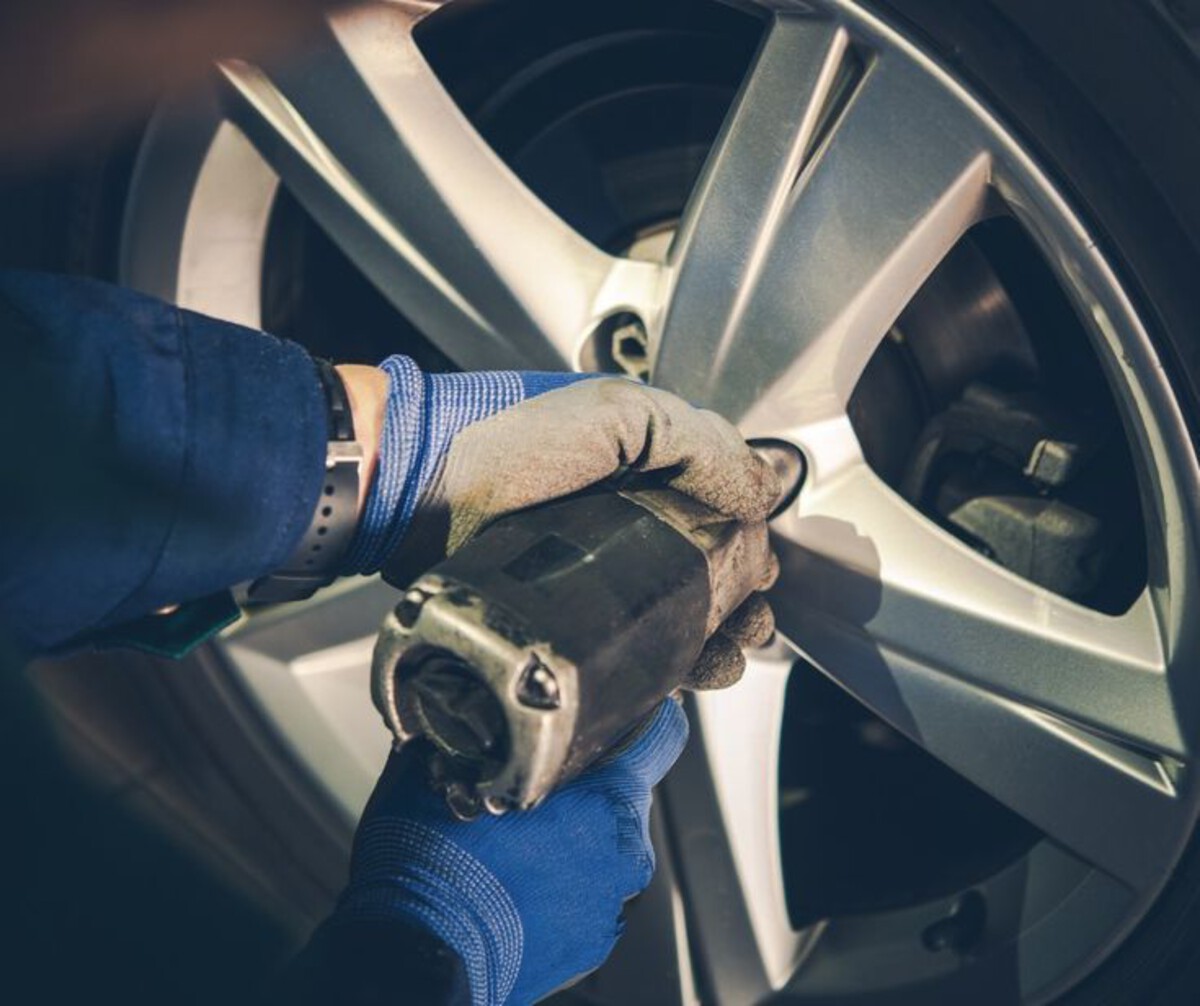
Tires are the only part of the Dodge Avenger that contact the road, making their maintenance critical for safety, fuel efficiency, and overall driving experience. Unfortunately, tire care is often overlooked or underestimated by many owners.
Driving on underinflated, overinflated, or worn tires not only reduces grip but also increases the risk of blowouts or accidents, especially in wet or slippery conditions.
Regularly checking tire pressure is essential. The correct pressure is listed in the owner’s manual or on the door jamb sticker and should be checked monthly. Underinflated tires generate more heat, wear unevenly, and reduce fuel economy, while overinflated tires compromise traction and cause a harsher ride. Some owners fail to check pressure regularly or adjust it based on load and weather changes, which causes accelerated tire damage.
Tire rotation is another key maintenance task. Rotating tires every 5,000 to 7,000 miles promotes even tread wear, prolonging tire life and improving handling. Many owners skip rotation because it seems unnecessary or to save money, but uneven tire wear leads to poor traction, vibrations, and can cause alignment problems. Uneven tires also affect the Avenger’s suspension and steering components, contributing to premature wear elsewhere.
Finally, wheel alignment should be inspected if the car pulls to one side, the steering wheel is off-center, or after hitting a pothole or curb. Misalignment causes uneven tire wear, poor handling, and increased fuel consumption. It also puts extra stress on suspension components.
Regular alignment checks and corrections ensure the tires wear evenly, the car handles predictably, and driving remains safe and comfortable. Ignoring tire and alignment maintenance is a common mistake that significantly shortens the lifespan of your Dodge Avenger’s most critical safety components.
