

The Toyota Camry Hybrid has gained immense popularity as a midsize sedan that blends fuel efficiency with comfort and reliability. Many drivers choose this vehicle for its reputation of lasting well beyond 200,000 miles without major issues, which is a testament to Toyota’s engineering and the hybrid technology they employ.
The Camry Hybrid’s combination of a gasoline engine and electric motor allows it to achieve impressive gas mileage while maintaining a smooth, quiet ride. While the car is designed to be robust and low-maintenance, there are several important habits and hacks that owners can implement to extend its reliability and keep it running efficiently over many years.
Understanding these strategies is crucial, especially since hybrid vehicles require a slightly different maintenance approach than traditional combustion-engine cars. Taking care of your Camry Hybrid proactively means fewer surprises, lower maintenance costs, and better performance throughout the car’s lifespan.
The hybrid system itself is both advanced and delicate. It relies heavily on the interaction between the electric motors, a large battery pack, and the gasoline engine. Each component must be maintained properly to ensure system health. For example, while Toyota hybrids are known for their durable batteries that often last well over a decade, neglecting certain maintenance routines or driving habits can shorten battery life prematurely.
Hybrid systems also rely on cooling, software controls, and specialized fluids, which means that routine service checks should include more than just oil and tire pressure. A thorough understanding of these factors allows Camry Hybrid owners to make better decisions regarding service intervals and care methods, avoiding costly repairs and preserving vehicle value.
In addition to mechanical maintenance, daily driving habits play a significant role in preserving the longevity of your Camry Hybrid. The way you accelerate, brake, and even park can influence the wear and tear on key components. Smooth driving, regular monitoring of tire pressure, and avoiding harsh environmental conditions are simple but effective ways to protect your vehicle.
Additionally, routine inspections and preventative maintenance from knowledgeable technicians familiar with Toyota hybrids ensure that your car receives the specialized care it needs. Combining these efforts helps keep the Camry Hybrid performing at its best, offering the balance of power, efficiency, and reliability that owners expect.
This article presents ten practical hacks to help you keep your Toyota Camry Hybrid reliable for many years. These tips go beyond basic maintenance schedules and touch on the finer points of hybrid care that can often be overlooked. Implementing these hacks can reduce your risk of unexpected failures and maintain your car’s optimal performance.
Whether you’re new to owning a hybrid or have years of experience, these insights will help you extend the life of your vehicle, maintain fuel efficiency, and save money over the long term. Let’s begin by looking at one of the most critical components in your Camry Hybrid, the battery.
Also Read: 7 Driving Habits That Destroy a Subaru Legacy Faster Than You Think
1. Regularly Monitor and Maintain the Hybrid Battery
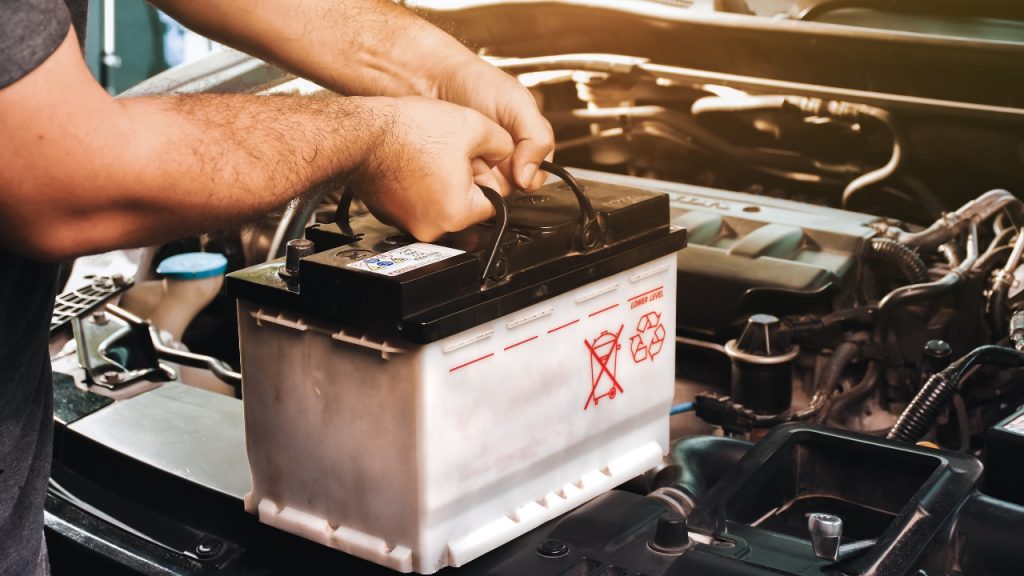
The hybrid battery is the most critical and complex component of your Toyota Camry Hybrid. Unlike a conventional car battery, the hybrid battery is large, powerful, and designed to store substantial amounts of energy to power the electric motors. This battery pack is built to last, but is also one of the most expensive parts to replace if it fails. Consequently, keeping this battery healthy is essential to maintaining your vehicle’s reliability and performance.
One of the first steps in monitoring your hybrid battery is paying attention to your vehicle’s dashboard indicators. Toyota has equipped Camry Hybrids with warning lights and messages that alert you if there’s a problem with the battery or hybrid system.
If you notice any warning signs, such as the “Check Hybrid System” light or reduced fuel efficiency, it’s important to address these issues promptly. Delaying service can lead to battery damage that is costly to repair or replace. Regular diagnostics through Toyota dealerships or qualified mechanics can help identify battery health problems early, allowing for preventative action.
Battery health also depends heavily on how you drive and store your vehicle. For example, extreme temperatures can degrade battery cells over time, especially if the car is parked outside in direct sun or freezing weather for long periods. Ideally, parking in a garage or shaded area helps protect the battery from thermal stress. In addition, avoiding deep discharges and full charges where possible can prolong the battery life.
Although Toyota’s battery management system automatically regulates the charge levels, aggressive driving that rapidly drains or fully charges the battery frequently can reduce its lifespan. Gentle acceleration and avoiding prolonged idling help maintain a balanced state of charge.
Finally, it’s important to schedule routine hybrid system inspections with mechanics who understand the specific needs of Toyota hybrid vehicles. These inspections include checking the battery voltage, assessing the cooling system that prevents overheating of the battery pack, and applying any necessary software updates that optimize battery performance. Staying proactive about battery health ensures your Camry Hybrid remains reliable and efficient for many years.

2. Use Synthetic Oil and Stick to Regular Oil Changes
Though the Toyota Camry Hybrid benefits from its electric motor reducing the gasoline engine’s workload, the engine itself remains a vital part of the vehicle that requires regular care. One of the most important aspects of engine maintenance is ensuring it has clean and properly lubricated oil. Synthetic oil, recommended for the Camry Hybrid, offers better performance than conventional oils, especially in protecting engine parts under varying temperatures and loads.
Synthetic oils are designed to resist breakdown and maintain their viscosity longer than conventional oils. This is particularly important for the Camry Hybrid’s engine, which may frequently cycle between running and stopping due to hybrid system operation.
Engine oil that remains stable ensures that critical parts like pistons, valves, and bearings are protected from friction and wear. Synthetic oils also help reduce the buildup of sludge and deposits, which can impair engine performance and lead to costly repairs over time.
Following the manufacturer’s recommended oil change schedule is essential, but some experts recommend even more frequent oil changes for hybrid vehicles.
While Toyota typically advises oil changes every 10,000 miles or annually under normal driving conditions, many hybrid owners opt for intervals closer to every 5,000 to 7,500 miles, particularly if the vehicle is driven in stop-and-go traffic, cold climates, or dusty environments. Frequent oil changes maintain engine cleanliness and prevent premature wear.
Neglecting oil changes or using the wrong oil grade can lead to reduced fuel economy, engine overheating, and increased emissions. It may also trigger warning lights or cause rough engine operation. Using high-quality synthetic oil and changing it at appropriate intervals ensures your Camry Hybrid’s engine runs smoothly and reliably for many years, complementing the hybrid powertrain’s efficiency.

3. Keep Tires Properly Inflated and Rotate Regularly
Tire care is a critical but often overlooked factor in maintaining the Toyota Camry Hybrid’s reliability and fuel efficiency. Proper tire inflation reduces rolling resistance, which directly affects fuel consumption. Tires that are under-inflated cause the car to work harder, forcing the engine and electric motor to use more energy, which decreases miles per gallon and increases wear on drivetrain components.
Checking your tire pressure regularly, at least once a month, can prevent many problems. The correct tire pressure is usually listed on a sticker inside the driver’s door or in the owner’s manual. Driving on tires with incorrect pressure can cause uneven tread wear, reduce handling performance, and compromise safety.
Over-inflated tires, for example, can wear out the center tread more quickly and lead to a harsher ride. Conversely, under-inflated tires can wear out the edges unevenly and increase the risk of tire failure.
Regular tire rotations are also essential to maintain even tire wear and extend tire life. Because the front tires on the Camry Hybrid bear the weight of the engine and handle steering, they tend to wear differently from the rear tires.
Rotating the tires every 5,000 to 7,500 miles balances out this uneven wear and helps avoid the need for premature tire replacement. Balanced tires improve handling, ride comfort, and even fuel efficiency by reducing unnecessary drag.
Beyond pressure and rotations, periodic inspections for tire damage, such as cuts, bulges, or uneven wear patterns, are crucial. Misalignment or suspension issues can cause tires to wear unevenly and negatively affect the car’s stability. Keeping tires in good condition also prevents vibration and noise that can lead to other mechanical problems. This simple but essential maintenance step keeps your Camry Hybrid safe, comfortable, and efficient on the road.

4. Use Regenerative Braking to Reduce Brake Wear
The regenerative braking system in the Toyota Camry Hybrid is one of the most innovative features that not only improves fuel efficiency but also helps extend the lifespan of your brake components. Unlike traditional vehicles that rely solely on friction brakes to slow the car, the Camry Hybrid’s electric motors convert kinetic energy into electrical energy during braking. This energy is then used to recharge the hybrid battery.
By utilizing regenerative braking, the vehicle reduces wear on the brake pads and rotors significantly, often doubling or tripling their lifespan compared to conventional cars. This means fewer brake replacements and less maintenance expense over the life of the vehicle. Drivers who take advantage of this system can benefit from both cost savings and smoother driving experiences.
To maximize the benefits of regenerative braking, it’s important to adopt smooth braking habits. Gradually easing off the accelerator and gently applying the brakes engages the regenerative system more effectively. Sudden stops cause the vehicle’s conventional brakes to take over, which diminishes the energy recovery effect and increases wear.
Despite regenerative braking’s benefits, it’s still necessary to have the brake system checked regularly. Brake fluid should be inspected and replaced as needed because it can degrade over time and impact braking performance. Also, the mechanical brakes should be examined for wear and functionality. Embracing regenerative braking as your primary slowing method reduces maintenance costs and contributes to your Camry Hybrid’s long-term reliability.
5. Maintain the Cooling System for the Hybrid Components
The cooling system in the Toyota Camry Hybrid plays a vital role in ensuring that both the gasoline engine and the hybrid battery operate within optimal temperature ranges. Overheating can lead to severe damage and reduce the longevity of key components. Unlike conventional vehicles, hybrids have additional cooling requirements due to the battery pack and electric motors, making maintenance even more critical.
The hybrid battery pack generates heat when it charges and discharges. To manage this, Toyota integrates a dedicated cooling system for the battery, including fans and air channels designed to keep temperatures stable. If the battery cooling system becomes clogged or fails, heat buildup can reduce battery efficiency and accelerate deterioration.
This is why it’s important to inspect and clean any air vents or cooling ducts regularly, removing dust, leaves, and other debris that can block airflow.
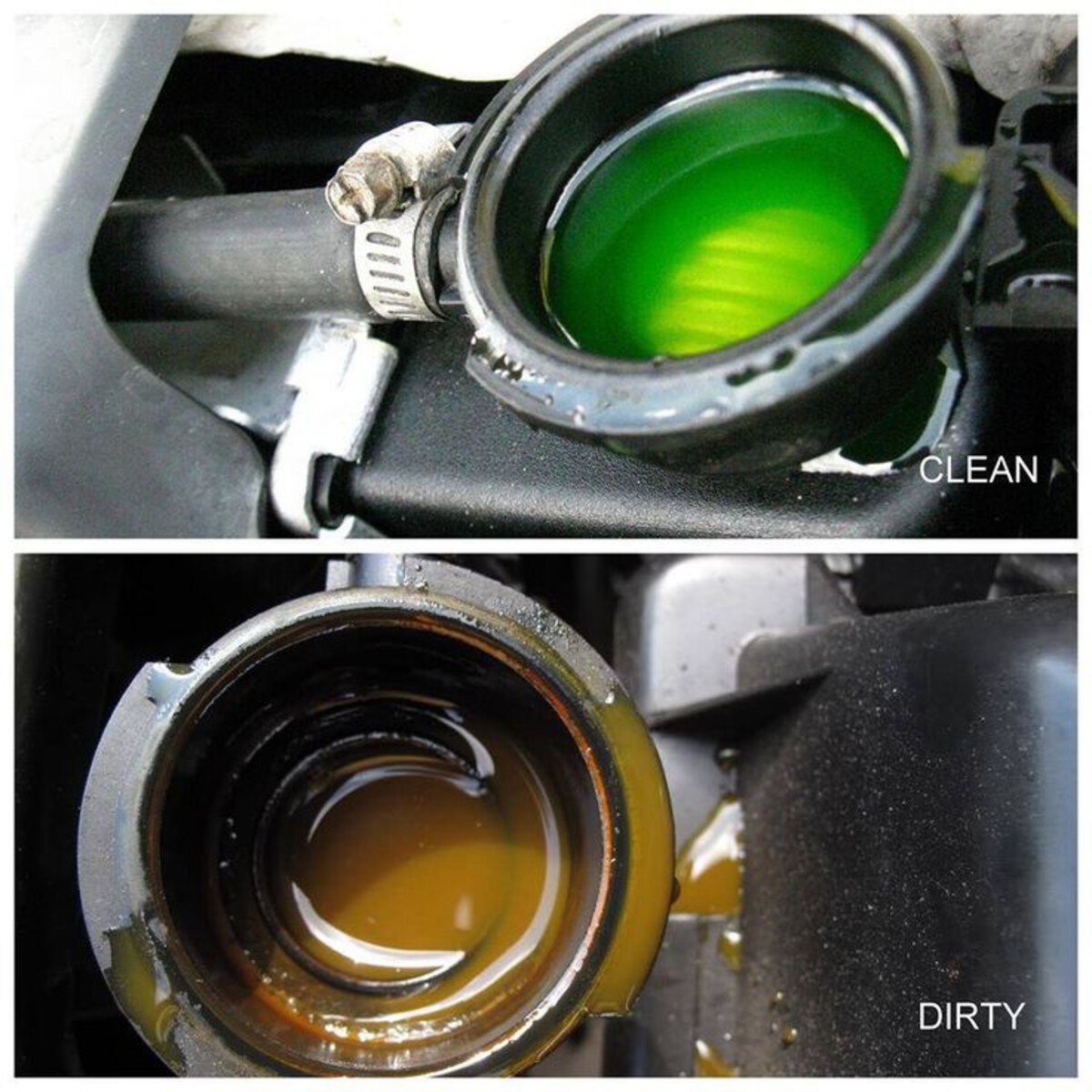
Similarly, the gasoline engine requires proper cooling to avoid overheating and mechanical damage. The engine cooling system involves coolant circulation through the radiator and engine block, which dissipates heat. Over time, the coolant can break down, lose its protective properties, and become contaminated. Flushing and replacing the coolant as recommended in the owner’s manual helps maintain effective heat transfer and prevents corrosion inside the engine.
Ignoring the cooling system can lead to serious problems such as battery failure, engine overheating, and costly repairs. Regular checks of coolant levels, radiator condition, and battery cooling vents are simple preventive steps. Ensuring the cooling systems are functioning properly keeps your Toyota Camry Hybrid running efficiently and reliably, even in demanding driving conditions.
6. Replace Cabin and Engine Air Filters Regularly
The air filters in your Toyota Camry Hybrid, including the cabin and engine filters, may seem like small components, but they significantly affect both vehicle performance and passenger comfort. These filters ensure that the air circulating through your vehicle and into the engine remains clean and free from contaminants such as dust, pollen, and pollutants.
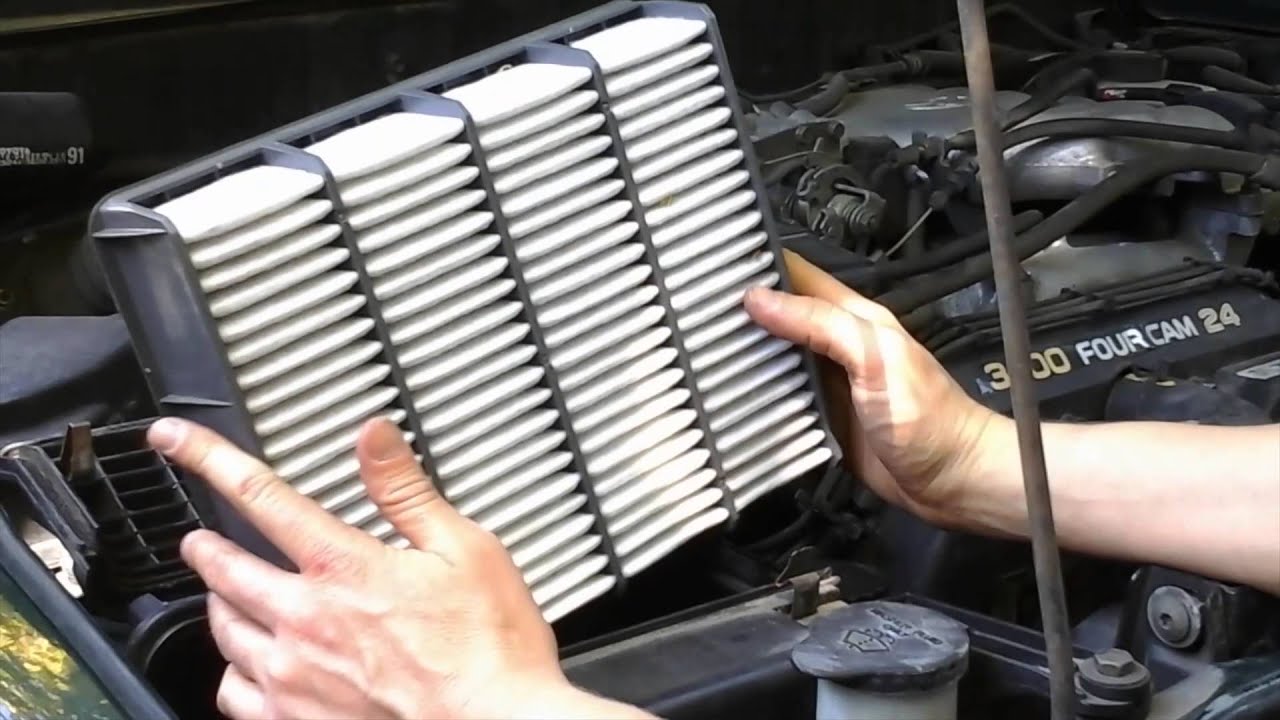
The cabin air filter protects the HVAC system and the vehicle occupants from airborne particles. A clogged or dirty cabin filter reduces airflow inside the car, causing the air conditioning and heating systems to work harder. This can decrease their efficiency and lead to uncomfortable interior conditions. Additionally, poor cabin air quality can affect the health of passengers, especially those with allergies or respiratory issues.
The engine air filter is even more critical for vehicle reliability and fuel economy. Its primary function is to prevent dirt and debris from entering the engine’s combustion chamber.
A dirty air filter restricts airflow, forcing the engine to work harder, which can lead to reduced power, higher fuel consumption, and increased emissions. In hybrids, where efficiency is paramount, a clean air filter helps maintain optimal combustion and system harmony.
Toyota typically recommends replacing these filters every 15,000 to 30,000 miles, depending on driving conditions. Drivers in dusty or polluted environments may need to replace them more frequently. Regularly changing the air filters is an inexpensive and effective way to maintain your Camry Hybrid’s performance, extend engine life, and ensure a comfortable driving environment.

7. Use Genuine Toyota Parts and Fluids
Using genuine Toyota parts and fluids in your Camry Hybrid is a straightforward but crucial hack to maintain reliability and preserve your vehicle’s performance. Toyota’s genuine parts are designed and tested specifically for your vehicle model, ensuring compatibility and meeting high-quality standards.
When replacing components such as brake pads, spark plugs, air filters, or hybrid system parts, opting for genuine parts guarantees that they fit perfectly and perform as intended. Aftermarket parts might save money upfront, but they can vary in quality and sometimes cause premature wear, poor performance, or even damage to other vehicle systems. Genuine parts help maintain the integrity of your Camry Hybrid and uphold any warranties.
Similarly, fluids such as transmission fluid, brake fluid, coolant, and engine oil recommended by Toyota are formulated to meet the unique demands of the hybrid system. Using the wrong fluids or cheaper alternatives can cause mechanical problems, reduce efficiency, and increase wear. For instance, the transmission fluid in a hybrid is specially designed to handle the unique torque and thermal conditions.
Though genuine parts and fluids might come with a higher price tag, the long-term benefits in terms of reliability, safety, and resale value far outweigh the initial cost. Sticking with Toyota-approved products is an investment in your vehicle’s future.

8. Schedule Routine Hybrid System Diagnostics
The Toyota Camry Hybrid’s hybrid system is a sophisticated blend of mechanical and electronic components working seamlessly together. Regular diagnostic checks by qualified technicians are essential to keep these components functioning optimally and to detect early signs of issues that may not be visible during regular driving.
Hybrid system diagnostics typically involve scanning the vehicle’s onboard computer for error codes, checking battery performance and voltage levels, inspecting the cooling system for the battery, and verifying software versions. These diagnostics ensure that the hybrid components, including the electric motor and battery management system, are operating correctly.
By identifying potential problems early, you can prevent more serious and costly repairs later. For example, a failing battery module detected through diagnostics can sometimes be repaired or replaced individually, avoiding the need for a full battery replacement. Software updates performed during diagnostics can also improve system efficiency and fix minor bugs.
Toyota recommends following the service schedule in your owner’s manual for hybrid diagnostics, but if you notice changes in performance, fuel economy, or warning lights, scheduling a diagnostic check sooner is wise. Keeping up with these routine inspections helps maintain the hybrid system’s reliability and your peace of mind.

9. Drive Smoothly and Avoid Aggressive Acceleration
Driving style significantly influences the longevity and reliability of your Toyota Camry Hybrid. Aggressive acceleration, sudden braking, and high-speed driving place unnecessary strain on both the gasoline engine and the hybrid system, accelerating wear and reducing fuel efficiency.
The Camry Hybrid’s electric motor can efficiently handle a significant portion of acceleration when the driver applies the gas pedal smoothly. This reduces stress on the gasoline engine and hybrid battery, conserving energy and minimizing mechanical wear. Conversely, rapid acceleration demands more power from the engine and battery, increasing heat and wear on these components.
Smooth, gradual acceleration and deceleration not only improve fuel economy but also extend the lifespan of the hybrid battery, brake components, and drivetrain parts. Maintaining consistent speeds, especially on highways, helps the hybrid system operate in its most efficient mode. Using cruise control where appropriate can assist in maintaining steady speed and avoiding unnecessary acceleration bursts.
By adopting a calm and measured driving approach, you reduce the likelihood of premature component failure and keep your Camry Hybrid running reliably. This behavioral change also contributes to a more comfortable and stress-free driving experience.

10. Store the Vehicle Properly When Not in Use for Long Periods
Properly storing your Toyota Camry Hybrid when it is unused for extended periods is essential to preserving its reliability and preventing issues that can arise from prolonged inactivity. Whether you’re away for a few weeks or months, taking a few precautions will help keep your vehicle in good condition.
One common problem with long-term storage is battery discharge. Both the hybrid battery and the smaller 12-volt battery can lose charge if the vehicle remains idle too long. A dead 12-volt battery can prevent the car from starting, while hybrid battery depletion over an extended time can affect its health. To avoid these issues, consider using a battery maintainer or trickle charger designed for automotive batteries or disconnect the 12-volt battery if storing for several weeks.
Parking the vehicle in a climate-controlled garage is ideal for preventing battery and fluid degradation caused by extreme temperatures. Extreme heat or cold can cause seals and hoses to dry out and crack, reduce battery efficiency, and accelerate fluid breakdown. A stable environment helps protect these components.
In addition, starting the vehicle and driving it for a short distance every couple of weeks helps circulate fluids, recharge the battery, and prevent flat spots on tires. If this isn’t possible, a professional storage preparation service can ensure the vehicle remains in good condition until use resumes.
Proper storage preparation is a simple hack that helps avoid expensive repairs and ensures your Camry Hybrid is ready to go when you need it again.

11. Keep Software and Firmware Updated Regularly
The Toyota Camry Hybrid relies on sophisticated computer systems to manage the interaction between the gasoline engine, electric motors, battery, and other critical systems. These software and firmware components control everything from energy distribution and battery charging to braking and climate control. Keeping these systems updated is essential for maintaining optimal performance, efficiency, and reliability.
Toyota periodically releases software updates designed to improve vehicle functionality, address minor bugs, and optimize the hybrid system’s energy management. These updates can enhance fuel economy, reduce emissions, and even improve the responsiveness of the electric motor. Skipping these updates or delaying them can result in outdated control logic that may not perform as efficiently or safely as intended.
Most dealerships perform these updates during scheduled maintenance visits, but owners should always ask or confirm that their vehicle’s software is up to date. If you notice glitches, reduced efficiency, or any unusual behavior, it’s wise to visit a dealership or qualified hybrid specialist to have your system checked and updated.
Additionally, some updates can improve safety features or navigation systems, ensuring that your Camry Hybrid benefits from the latest advancements in automotive technology. Staying current with software and firmware updates is a simple but often overlooked step that helps maintain your car’s reliability and driving enjoyment.
12. Inspect and Maintain the Electrical Connections and Wiring
The Toyota Camry Hybrid’s electrical system is more complex than that of a conventional vehicle, involving numerous wiring harnesses, sensors, and connectors that facilitate communication between the engine, battery, motors, and onboard computers. Proper inspection and maintenance of these electrical connections are vital to ensuring smooth operation and preventing unexpected faults.
Over time, electrical connections can become loose, corroded, or damaged due to exposure to moisture, dirt, and vibration. Such issues can lead to intermittent failures or system errors that affect hybrid operation, fuel efficiency, or vehicle safety. For example, poor battery connections can cause charging problems, and faulty sensors may trigger warning lights or affect engine performance.
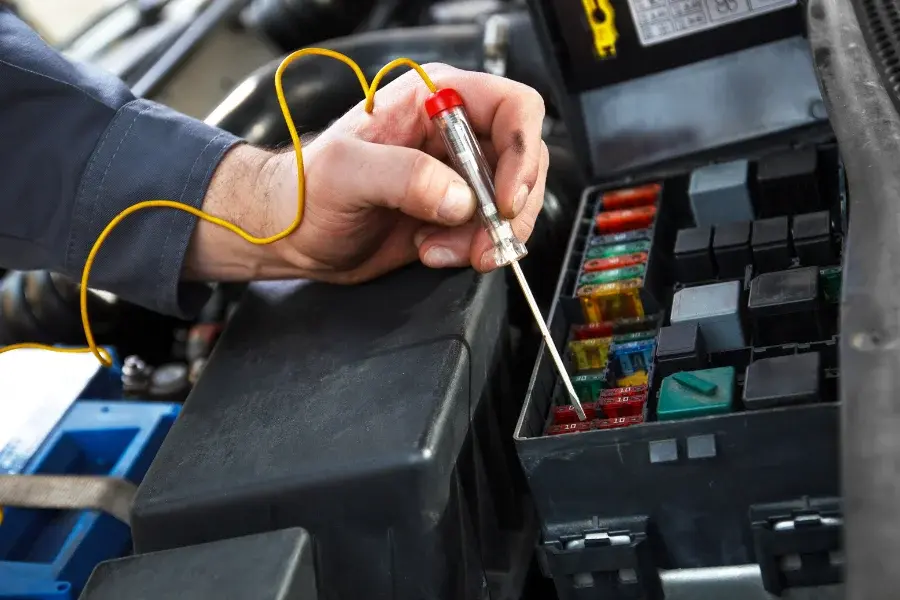
Regular inspections by qualified technicians include checking wiring harnesses for signs of wear or damage, ensuring connectors are secure and free from corrosion, and verifying sensor functionality. In regions with harsh weather, sealing and protecting electrical components becomes even more important to avoid moisture-related problems.
If you perform your own checks, be cautious and avoid tampering with high-voltage components that are dangerous without proper training. Instead, focus on visible connectors and wiring in accessible areas, keeping them clean and dry. Promptly addressing any electrical issues helps maintain your Camry Hybrid’s reliability and prevents costly repairs stemming from ignored wiring faults.
Also Read: 7 Pro Tips That Keep a Subaru Outback Winter-Ready for Life
Maintaining the reliability of a Toyota Camry Hybrid over many years involves a combination of attentive care, regular maintenance, and smart driving habits tailored specifically to hybrid technology.
This vehicle’s innovative design offers impressive fuel efficiency and durability, but it also requires understanding and respecting the unique components that set it apart from traditional gasoline cars. From the hybrid battery and regenerative braking system to the engine oil and electrical wiring, every element plays a crucial role in ensuring the car performs at its best while minimizing wear and tear.
By implementing the practical hacks discussed, such as regularly monitoring the hybrid battery, using synthetic oil, maintaining tire health, embracing regenerative braking, and staying on top of software updates, you set yourself up for a long-lasting, trouble-free ownership experience.
These steps not only reduce the risk of unexpected breakdowns but also help maintain fuel efficiency and preserve the vehicle’s resale value. Paying attention to small details like air filter replacements and proper storage during periods of inactivity further contributes to the car’s health.
Additionally, how you drive your Camry Hybrid matters just as much as how you maintain it. Smooth acceleration, avoiding aggressive driving, and making use of the hybrid system’s strengths can extend the life of critical components and enhance your daily driving experience.
Regular diagnostics and inspections by qualified professionals ensure that potential issues are caught early before they become major problems, saving time and money in the long run.
The Toyota Camry Hybrid is a reliable, efficient, and comfortable vehicle when cared for properly. Applying these hacks and maintaining a proactive approach to your car’s upkeep will help you enjoy all the benefits of hybrid technology for many years to come. In the end, your investment in care and attention translates into peace of mind, reduced costs, and a vehicle that consistently performs at its best mile after mile.
