
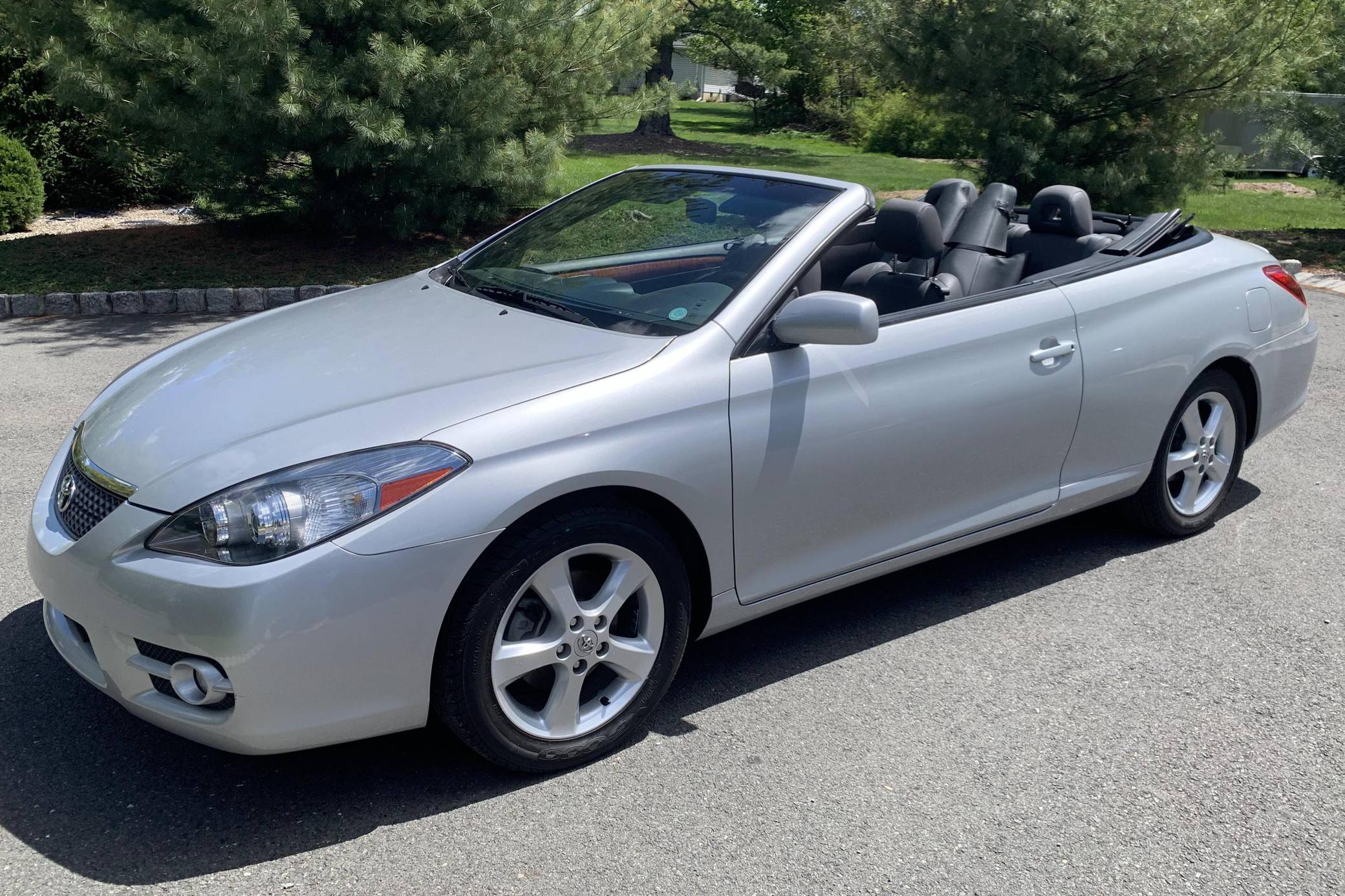
The Toyota Solara might not be the flashiest car on the road, but it’s earned a solid reputation for being dependable, comfortable, and surprisingly long-lasting. For those who own one, keeping it running smoothly well beyond 200,000 miles is not just possible, it’s expected with the right attention and habits.
This car, based on the reliable Camry platform, offers a strong engine, a smooth ride, and just enough personality to make it a joy to drive daily. What makes a Solara last for decades isn’t just the engineering; it’s also the way an owner treats it.
Many people make the mistake of thinking longevity comes only from major repairs or expensive maintenance. But the truth is, small efforts, done consistently, can lead to big results. Regular attention to basic upkeep can prevent the kind of wear and tear that shortens a car’s life.
These easy wins don’t require a mechanic’s knowledge or a huge budget, just a bit of time and care. They’re especially important as the car ages and starts to show signs of fatigue. Keeping an eye on simple areas like fluid levels, tire pressure, and engine cleanliness can be more impactful than most drivers realize.
With a little effort, anyone can help their Solara keep running like it did in its prime. The key is to stay ahead of problems before they start and not ignore the small signs that the car gives when something is off.
The following ten tips focus on practical, no-nonsense maintenance habits that any driver can follow without needing specialized tools or knowledge. These aren’t gimmicks or hacks; they’re reliable habits backed by how these cars are built and how they wear over time.
If you’re looking to keep your Toyota Solara on the road for another decade or more, start with these simple, proven actions. Each one plays a role in preserving the health and performance of your vehicle, making it a better drive every day and avoiding costly repairs down the line.
Also Read: 7 Driving Habits That Destroy a Subaru Legacy Faster Than You Think
1. Stick to Routine Oil Changes
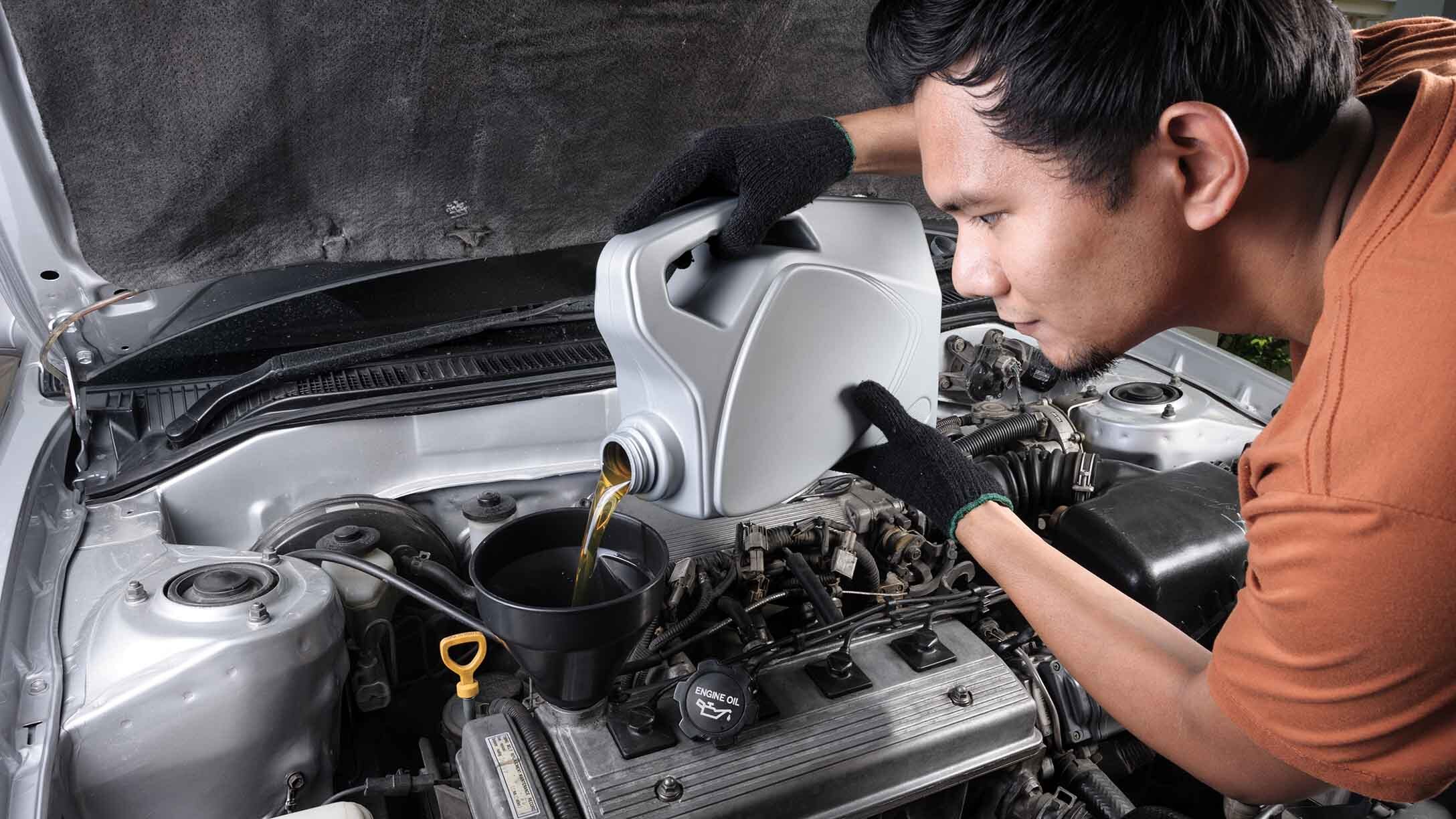
Regular oil changes are one of the simplest yet most effective habits for engine longevity. The Solara’s engine relies heavily on clean oil to reduce friction between moving parts. Over time, oil becomes dirty and loses its ability to lubricate properly, leading to increased wear.
Many Solara owners who have crossed the 250,000-mile mark attribute their success to consistently changing the oil every 3,000 to 5,000 miles, depending on driving habits and the type of oil used.
Synthetic oil can be especially beneficial for older Solaras, as it resists breakdown at high temperatures and can extend the time between changes slightly. Still, consistency is more important than the type of oil in most cases. Skipping or delaying oil changes can cause sludge buildup, which restricts oil flow and damages internal components like lifters, camshafts, and even the timing chain. Even if the car seems to run fine, dirty oil slowly eats away at the engine’s health.
Another reason to prioritize oil changes is the Solara’s V6 engine, which, while strong, runs warm and can benefit from a bit of extra care as it ages.
Keeping the oil clean reduces engine temperature and strain, especially in warmer climates or during heavy use like commuting or long-distance travel. Regular changes also give you a chance to inspect the oil for any signs of trouble, such as metal shavings or a milky texture, which could signal bigger problems.
Many experienced owners combine oil changes with basic inspections of belts, hoses, and fluid levels, treating it as a checkpoint rather than just a chore. Making this a habit not only keeps your Solara running but also helps you stay in tune with the overall condition of your car. Oil changes are the foundation of engine care, and sticking to them without fail will almost always pay off in extended life.
2. Keep the Cooling System in Top Shape
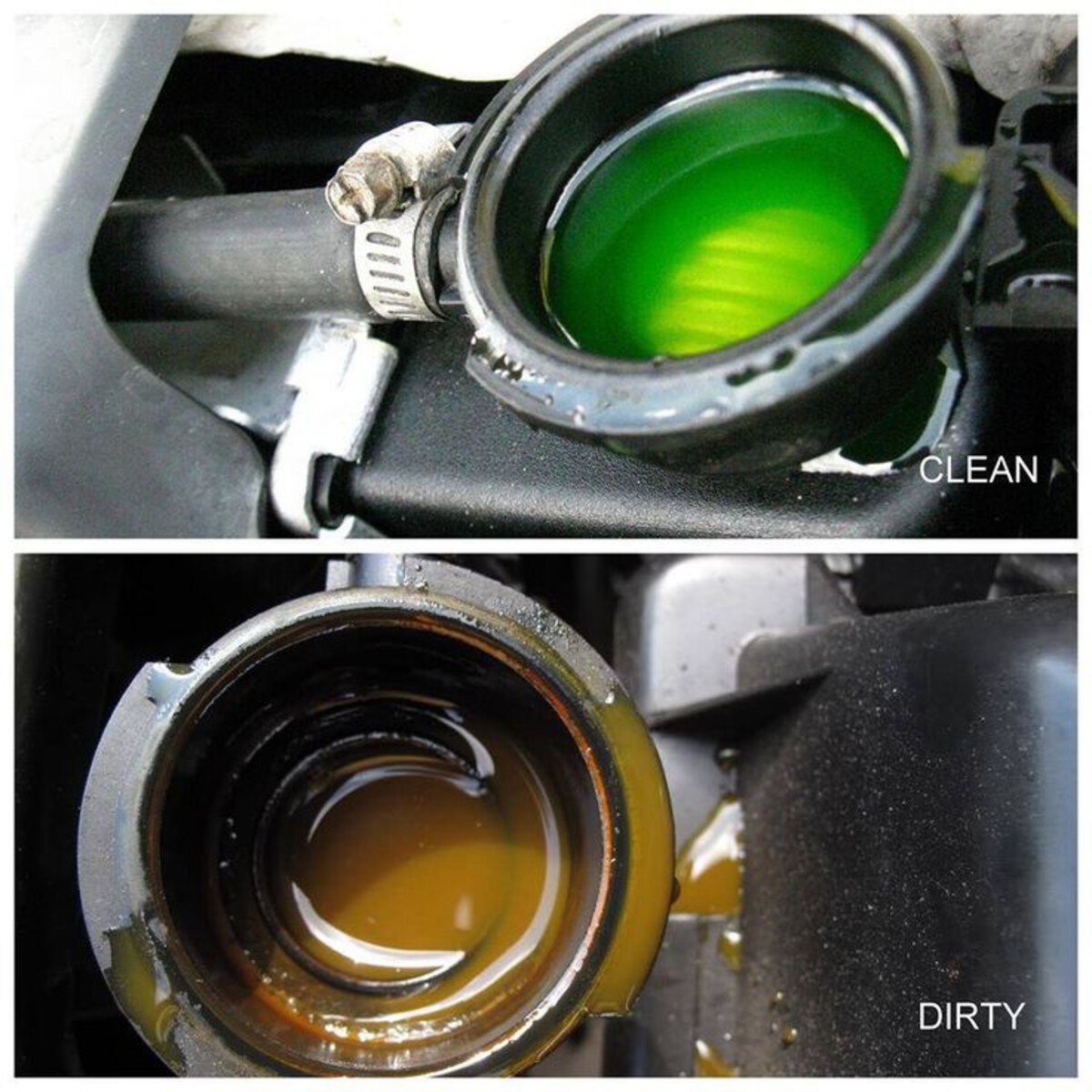
The Solara’s cooling system plays a major role in engine health. If it fails, overheating can quickly ruin an otherwise healthy engine. Keeping this system in good condition requires regular attention to coolant levels, radiator condition, and the state of hoses and the water pump.
Even a small leak or weak hose can lead to major issues if ignored over time. Most Solara owners find that replacing the coolant every 50,000 to 60,000 miles keeps the system clean and effective.
One of the overlooked areas is the radiator cap, which maintains pressure in the system. A worn or cracked cap can cause the system to lose pressure and fail to circulate coolant properly. Likewise, buildup inside the radiator or heater core can reduce cooling efficiency and put unnecessary strain on the engine.
A simple coolant flush every few years can prevent this buildup and extend the life of the entire system. It’s not an expensive job and can make a big difference in the summer months or while driving in traffic.
Hoses and clamps should be inspected for softness, cracks, or bulging. As the Solara ages, rubber components tend to dry out and fail without warning. A burst hose on the highway could mean a seized engine if the temperature spikes go unnoticed. Replacing aging hoses before they fail is a cheap insurance policy that can save thousands in engine repairs.
Another critical component is the thermostat, which controls the flow of coolant through the engine. A stuck thermostat can either prevent the engine from warming up properly or cause it to overheat. If the car takes too long to warm up or the temperature gauge spikes without warning, the thermostat could be the issue. Addressing problems early is the best way to keep your Solara’s cooling system reliable and effective for the long haul.
3. Replace Timing Belt (or Chain) on Schedule
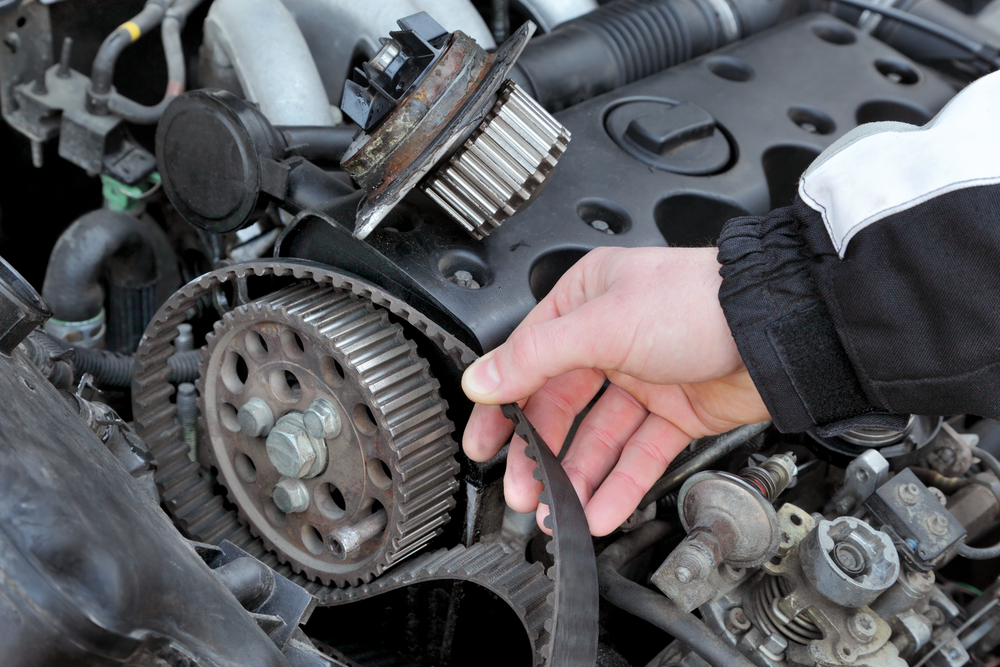
The Toyota Solara came with different engines across model years, and some of them use timing belts while others use timing chains. For those with timing belts, especially the 3.0L V6 found in many early models, replacing them on schedule is critical.
A failed timing belt can cause serious internal damage, including bent valves and ruined pistons. Most manufacturers recommend replacement every 90,000 to 100,000 miles, but checking your owner’s manual or mechanic’s guidance is best.
Many Solara owners make the mistake of assuming they can push the timing belt replacement beyond the recommended mileage, but doing so can be a gamble. Timing belts wear over time, especially in cars that deal with stop-and-go traffic or extended idling.
If a belt snaps while the engine is running, it can result in a catastrophic failure that may cost more to fix than the value of the car. Replacing it may seem expensive, but it’s far cheaper than an engine rebuild.
If your Solara uses a timing chain, you’re in slightly better shape, as chains generally last longer and don’t need routine replacement. However, they’re not immune to wear. Tensioners, guides, and the chain itself can stretch or break down with age, particularly if oil changes have been skipped. Listen for rattling sounds on startup or while idling, which could point to timing chain issues. Chains can be checked during major services and should be monitored past the 150,000-mile mark.
When replacing the timing belt, many mechanics recommend doing the water pump at the same time, since it’s accessible during the same job.
This saves labor costs and ensures two major components are fresh. Investing in high-quality parts and doing the job on schedule means you won’t have to worry about this part of the engine for another 90,000 miles or more. It’s one of the most important single items in long-term maintenance.
4. Use Quality Fluids and Filters
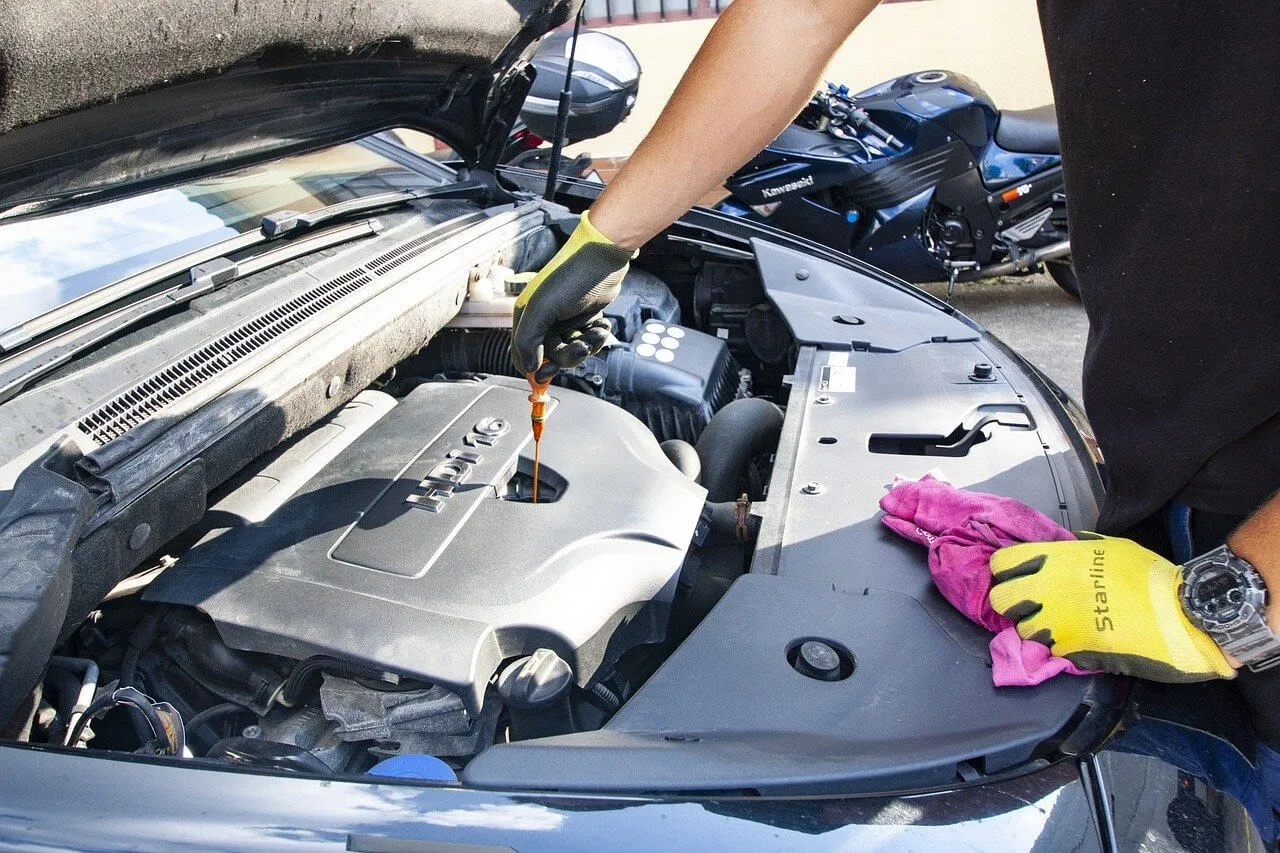
Using cheap fluids and filters might save money in the short term, but it usually leads to problems later. The Toyota Solara runs best with high-quality oil, coolant, brake fluid, and transmission fluid.
Each of these plays a different role in protecting the systems they serve, and lower-grade options often lack the additives and stability needed for long-term use. For example, low-quality oil filters can allow dirt to circulate in the engine, causing premature wear.
Transmission fluid in particular, is often neglected in older vehicles. Many Solara owners go well over 100,000 miles without changing it, which can result in hard shifts or internal damage.
Changing the fluid and filter every 60,000 to 70,000 miles helps extend the life of the transmission and keeps the gears operating smoothly. It’s best to avoid power-flushing older transmissions and instead do a drain-and-fill method, which is gentler and more consistent.
Brake fluid should also be changed every few years, even if the brakes feel fine. Over time, moisture can get into the fluid, leading to corrosion inside the braking system. This can cause calipers and master cylinders to fail, which are expensive repairs. Replacing brake fluid is a simple and inexpensive task that helps keep the braking system solid and safe for years.
Don’t overlook the cabin air filter and engine air filter. A clogged engine air filter reduces fuel economy and forces the engine to work harder. Likewise, a dirty cabin filter affects air flow through the ventilation system, making the AC or heater less effective.
Replacing both filters takes only a few minutes and improves comfort and performance. Quality fluids and filters act as the first line of defense in every system, and keeping them fresh is one of the easiest ways to make your Solara last longer.
5. Maintain Tire Health and Alignment
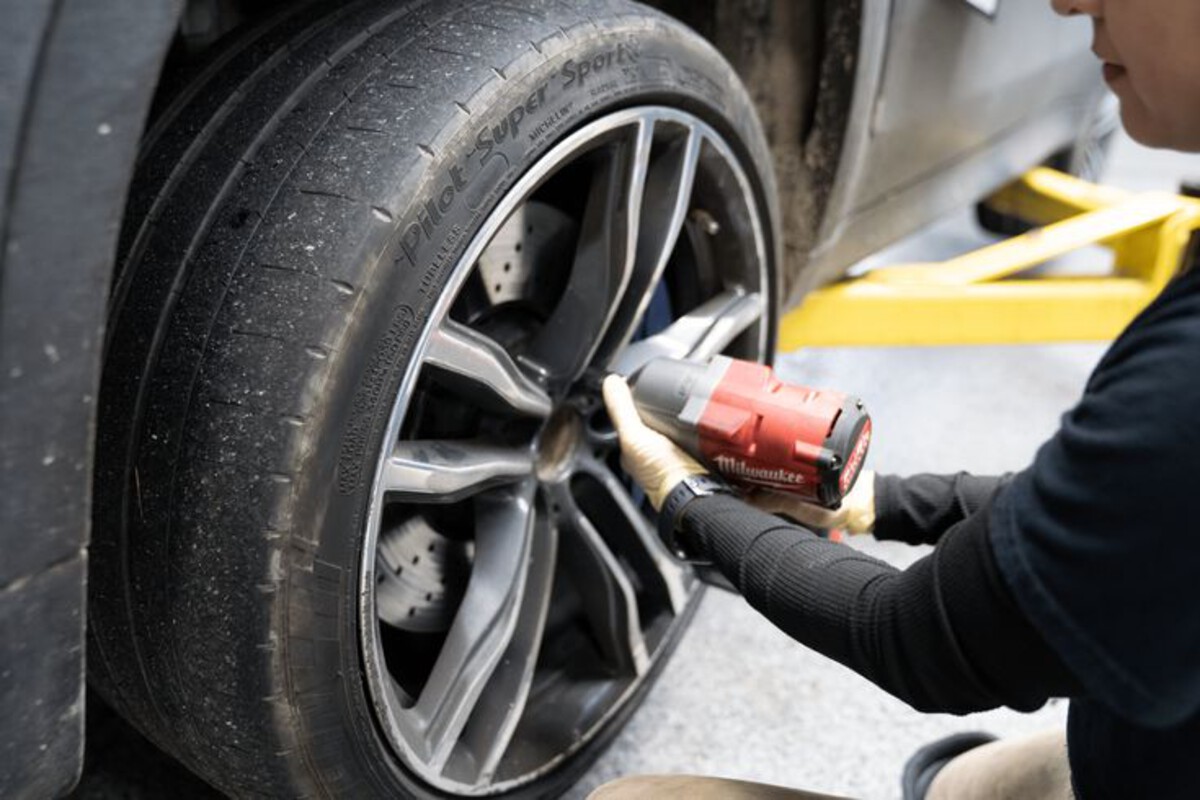
Tires may seem unrelated to engine health or vehicle longevity, but they play a bigger role than most people think. Worn or improperly inflated tires put extra strain on suspension components, reduce fuel efficiency, and even make the transmission work harder in some cases.
For the Solara, which is designed to offer a comfortable and balanced ride, tire condition directly affects the overall driving experience and how long various mechanical parts last. When tires are kept in good shape, the car handles better, brakes more effectively, and drives more smoothly.
Rotating your tires every 5,000 to 7,000 miles ensures even tread wear and can extend the life of each set by thousands of miles. Uneven wear usually means poor alignment or suspension issues, which should be addressed early before they turn into more costly problems.
For example, if the inner or outer edges of your tires are wearing out faster than the center, it could indicate toe or camber misalignment. Catching these issues early means you’ll protect your tires, save money, and avoid stress on parts like tie rods and control arms.
Proper inflation is another key detail. Underinflated tires cause the engine to work harder to move the car, which reduces gas mileage and increases emissions. Overinflated tires, on the other hand, reduce contact with the road and lead to uneven wear.
A quick check of your tire pressure once or twice a month, especially during seasonal changes, helps avoid unnecessary wear and keeps the ride comfortable. Using a quality tire gauge and filling them to the factory-recommended PSI listed on the door jamb is a simple step with lasting benefits.
Don’t forget about alignment checks. The Solara is known for smooth handling, and if your car starts pulling to one side or you feel a vibration at highway speeds, it’s a clear sign that an alignment or wheel balancing may be needed.
Keeping the suspension in balance helps reduce the chance of early component wear and contributes to fuel efficiency and safety. Even if the tires seem fine visually, regular checks and rotation can make a big difference in how long your Solara lasts on the road.
6. Protect the Undercarriage and Body
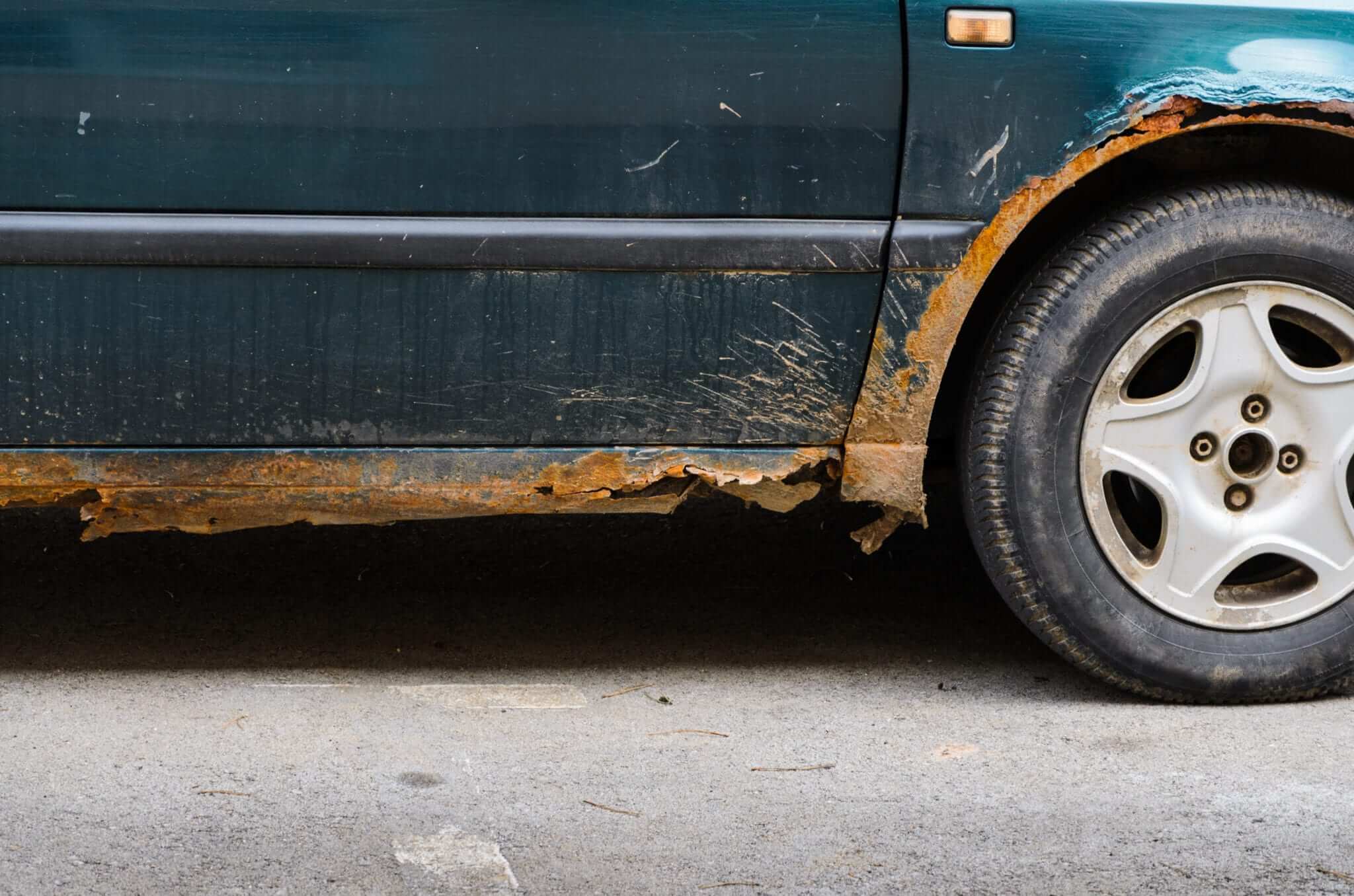
The Solara’s body may seem cosmetic compared to the engine or transmission, but rust and corrosion can significantly shorten the vehicle’s lifespan. Cars that are structurally compromised due to rust become unsafe and difficult to repair.
Especially in areas with snow, ice, or salty coastal air, undercarriage protection is essential. The key here is prevention. Once rust starts, it can be very hard to stop. Washing your Solara regularly, particularly the underside, removes the salt, dirt, and moisture that contribute to corrosion over time.
Waxing the exterior every few months adds a protective barrier against UV rays, road grime, and bird droppings, all of which can wear away paint and expose metal underneath. When paint gets chipped or scratched, moisture can sneak in and start the rusting process.
For an older Solara, even small signs of bubbling near the wheel wells or along the rocker panels should be addressed early with touch-up paint or rust inhibitor. Waiting too long can turn a $20 fix into a $1,000 body repair.
Using a quality undercoating spray or rustproofing treatment once a year can also extend the life of the undercarriage, exhaust system, and suspension parts. Many Solara owners who live in northern climates have seen their vehicles last years longer thanks to regular undercoating. It’s not just for trucks, sedans, and coupes benefit just as much. You don’t have to go to a specialist, either. Several do-it-yourself sprays are available that provide excellent protection if applied correctly.
Paying attention to the condition of door seals and weatherstripping is another important part of body maintenance. If moisture leaks into the cabin, it can lead to mold, damaged electronics, and rust from the inside out.
Keeping the seals clean and applying rubber conditioner a few times a year helps prevent drying, cracking, and water intrusion. Overall, body care isn’t just about appearances; it’s a practical step toward making your Toyota Solara safe and solid for years to come.
7. Stay on Top of Battery and Electrical Health
While the engine and drivetrain get most of the attention, the electrical system is just as important for vehicle longevity. A weak or dying battery can place added strain on the alternator, especially during cold starts or when using accessories like the air conditioning or headlights.
The Solara’s electrical system is relatively simple by modern standards, but it still needs care. Checking the battery voltage regularly, especially in older models, can help prevent sudden failures that leave you stranded or damage other components.
A healthy battery should produce at least 12.6 volts when the car is off and over 13.7 volts while running. If it’s lower, it may be time to replace it or check the alternator. Corrosion on the battery terminals can reduce charging efficiency and cause hard starts or random electrical issues. Cleaning the terminals with a wire brush and applying a bit of anti-corrosion grease is a quick fix that helps maintain strong connections and proper charging.
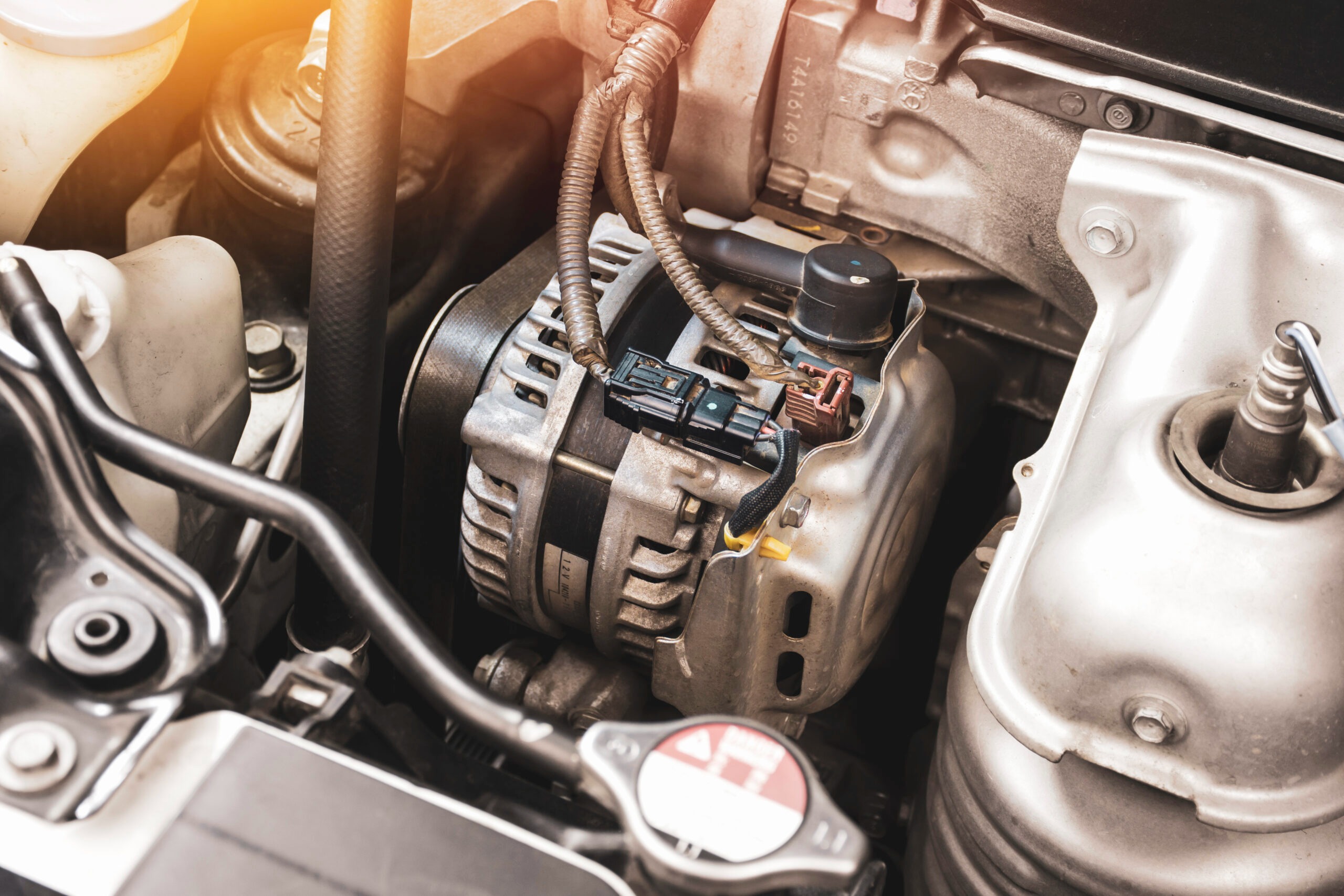
The alternator and starter motor are other key parts of the electrical system. If you notice flickering headlights, dim dash lights, or frequent jump-starts, it could mean your alternator is wearing out.
Replacing it before it fails is cheaper than dealing with the aftermath of a dead battery and non-starting car. Similarly, a slow crank when turning the key might mean the starter is on its last legs. Catching these issues early is part of a smart maintenance plan.
Also, check fuses, wiring, and relays during routine inspections. A blown fuse or corroded ground wire can cause strange issues that are hard to diagnose but simple to fix. If you’re using aftermarket electronics like remote starters or upgraded audio systems, make sure they’re installed correctly to avoid overloading circuits.
Maintaining electrical integrity helps keep everything from your power windows to your fuel injection system running without interruption. It’s another area where small actions lead to big results over time.
8. Keep the Transmission Happy
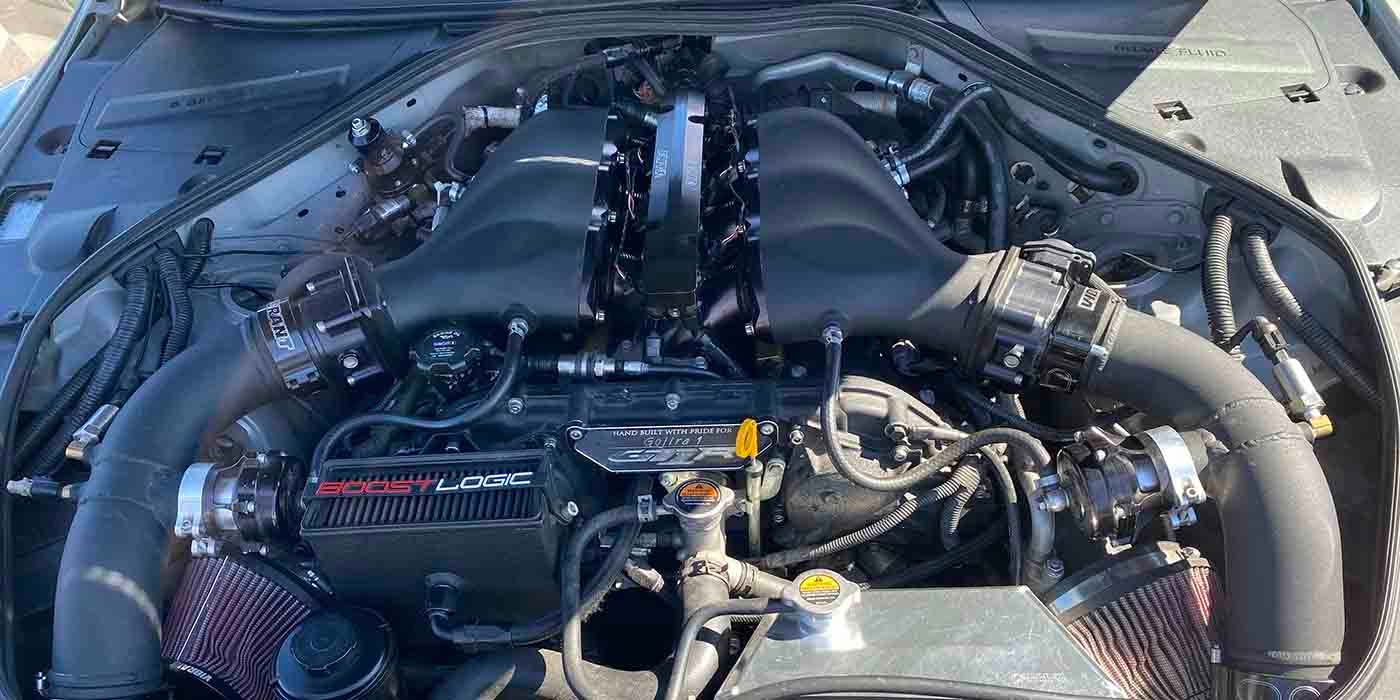
The Solara’s automatic transmissions, especially the 4-speed units in earlier models, are generally reliable when properly cared for. However, they’re also sensitive to neglect. The most important thing you can do for your transmission is to change the fluid and filter on time. Old or burnt fluid leads to rough shifts, slipping, and increased wear.
Many people think transmission fluid is “lifetime,” but in reality, it starts breaking down after 60,000 to 70,000 miles. If you want your Solara to last, don’t ignore this.
Unlike engine oil, transmission fluid doesn’t just lubricate, it also provides hydraulic pressure. If it degrades, shifting performance declines, and internal components start to suffer. On an older Solara, especially one with over 100,000 miles, a simple drain-and-fill every few years is one of the easiest ways to keep things running smoothly. Avoid full flushes if you’ve never serviced the fluid before, as this can sometimes loosen debris that damages internal parts.
Driving habits also matter. Slamming the accelerator from a stop, shifting into drive or reverse while the car is still moving, or towing heavy loads can put stress on the transmission.
Smooth driving, allowing the car to come to a complete stop before changing gears, and avoiding unnecessary high RPMs help reduce internal strain. A Solara treated gently will often outlast expectations without major transmission issues.
Finally, don’t ignore early signs of trouble like delayed engagement, slipping gears, or odd noises. These are usually warning signs, and catching them early can mean the difference between a $200 solenoid replacement and a full $3,000 rebuild. Transmission health is a combination of fluid care, driving habits, and early diagnosis. When all three are taken seriously, it’s not uncommon for a Solara’s transmission to last well over 200,000 miles without a rebuild.
9. Don’t Ignore Warning Lights or Strange Noises
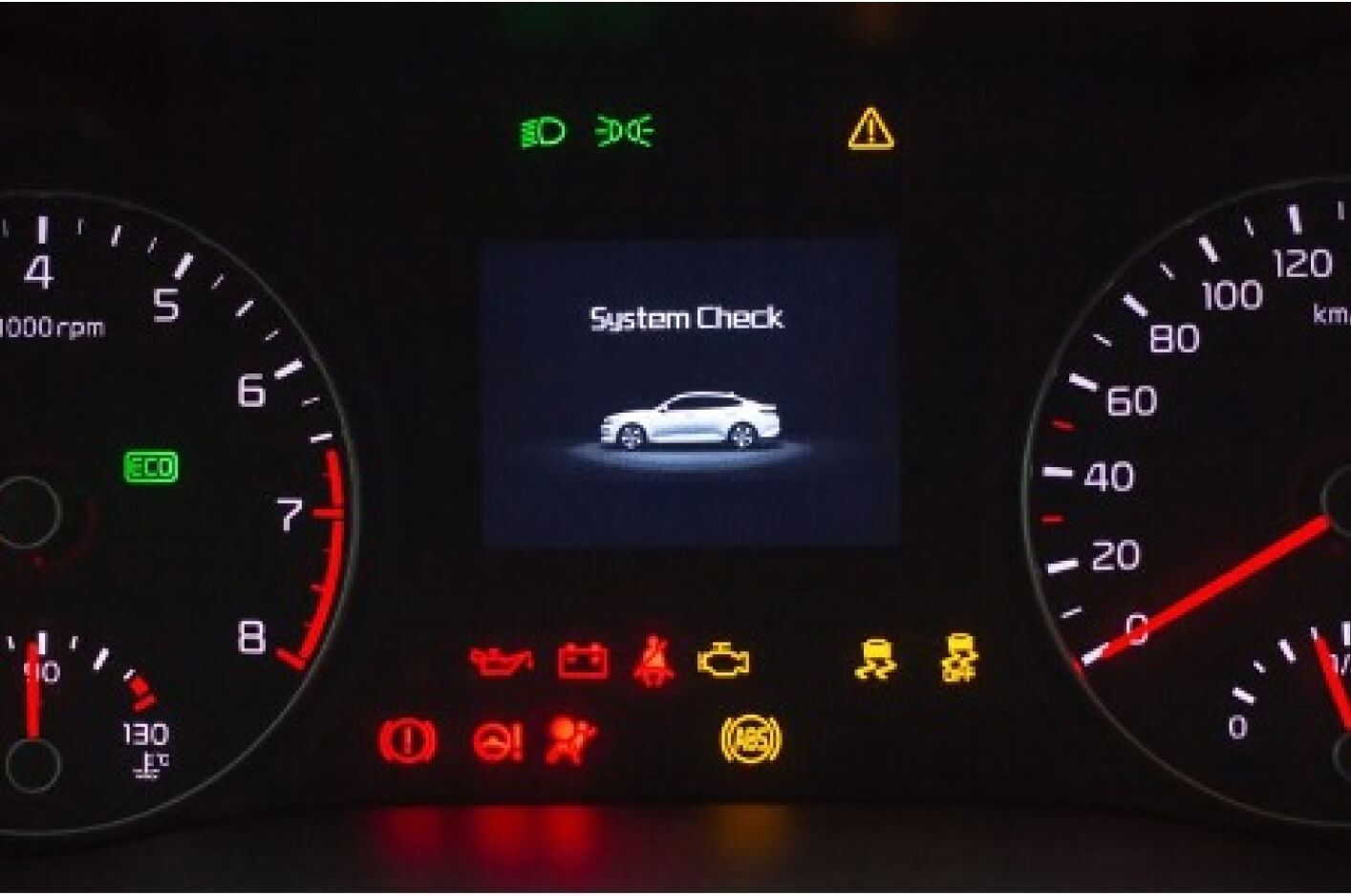
One of the easiest ways to let a small issue turn into a big one is by ignoring warning lights or unusual sounds. The check engine light, for example, doesn’t always mean something urgent is happening, but it’s never wise to leave it on indefinitely.
On the Toyota Solara, many common warning light issues stem from oxygen sensors, EGR valve problems, or misfires due to old spark plugs or coils. These are often minor fixes, but if ignored, they can lead to poor fuel economy, engine hesitation, or long-term damage to components like the catalytic converter.
The same goes for sounds. If you hear a grinding noise when you brake, it could be worn pads or a stuck caliper. Letting it go for too long can result in rotor damage and a much more expensive repair. Squeaking when turning the steering wheel might mean the power steering fluid is low or that a belt is slipping. Clicking when turning could point to a bad CV joint. Each sound is a signal, and the sooner it’s addressed, the cheaper and easier the fix will be.
The Toyota Solara is known for quiet operation when in good shape, so any new vibration or hum is worth investigating. Sometimes, a failing wheel bearing starts with just a light growl at certain speeds.
Other times, a loose heat shield may rattle during acceleration. These are not always urgent, but they do signal something has changed. Becoming familiar with how your Solara normally sounds, feels, and responds is part of being a responsible long-term owner.
Even dashboard warning lights like ABS or SRS (airbag system) should be taken seriously. While they don’t affect daily driving performance, they relate to safety features that could fail when needed most.
Many auto parts stores offer free code scanning for check engine lights, giving you a first look at what’s wrong. Addressing problems while they’re still minor is one of the simplest and most effective habits for keeping your Solara in peak condition.

10. Drive It Often, But Gently
It may sound simple, but regularly driving your Solara helps it last longer than letting it sit for extended periods. Engines, gaskets, fluids, and rubber components stay healthier when they’re used consistently. When a vehicle sits unused for weeks or months, fluids settle, battery charge drops, and tires can develop flat spots.
Even the brake system begins to rust and stick if not exercised regularly. A car is meant to be driven, and the Solara is no exception. Taking it out for at least one 20–30 minute drive a week is a good baseline.
However, driving it gently is just as important. Hard acceleration, slamming brakes, aggressive turns, or riding the transmission too roughly can wear components faster than necessary.
Especially as the Solara ages, giving the car time to warm up properly before pushing it and allowing it to cool down after long drives can preserve everything from the engine to the cooling system. Smooth, steady driving creates less heat and stress, which in turn means longer life for all the major systems.
Paying attention to RPMs and throttle pressure also makes a difference. Keeping the car within its efficient power band, typically under 3,000 RPM during regular driving, limits engine strain and keeps fuel consumption down. This isn’t about babying the car but about treating it with respect.
You can still drive with purpose and confidence without constantly flooring it or racing through red lights. The Solara was built for comfort and durability, not for racing, and driving it accordingly goes a long way.
Lastly, take care of the small things that improve the driving experience. Keep the interior clean, make sure lights and mirrors are working, and handle small repairs as they come up. A well-driven and well-loved Solara tends to reward its owner with reliable performance year after year.
Treating it as a tool rather than a burden shifts the mindset from simply reacting to problems to actively maintaining a dependable ride. Driving it regularly and gently is not just good for the car; it makes ownership more enjoyable, too.
Also Read: 7 Pro Tips That Keep a Subaru Outback Winter-Ready for Life
Keeping a Toyota Solara running forever doesn’t require magic, and it certainly doesn’t take a massive investment. What it does take is consistency, attention to detail, and a mindset that values prevention over reaction. The ten habits covered here are simple but meaningful.
They work not just because they solve problems but because they prevent many of those problems from happening in the first place. By staying ahead of wear and tear, understanding how the vehicle behaves, and addressing the little things before they become major issues, you create the conditions for long-term success.
The Solara is already built on a solid platform, with Toyota’s proven reliability and thoughtful engineering at its core. But even the best-made cars need care. Whether it’s something as basic as changing the oil or something more involved, like replacing a timing belt, each task plays a role in extending the car’s life.
Importantly, these aren’t actions that demand expert-level knowledge. Most can be handled with just basic tools, a bit of time, and the desire to keep your car in good shape.
