
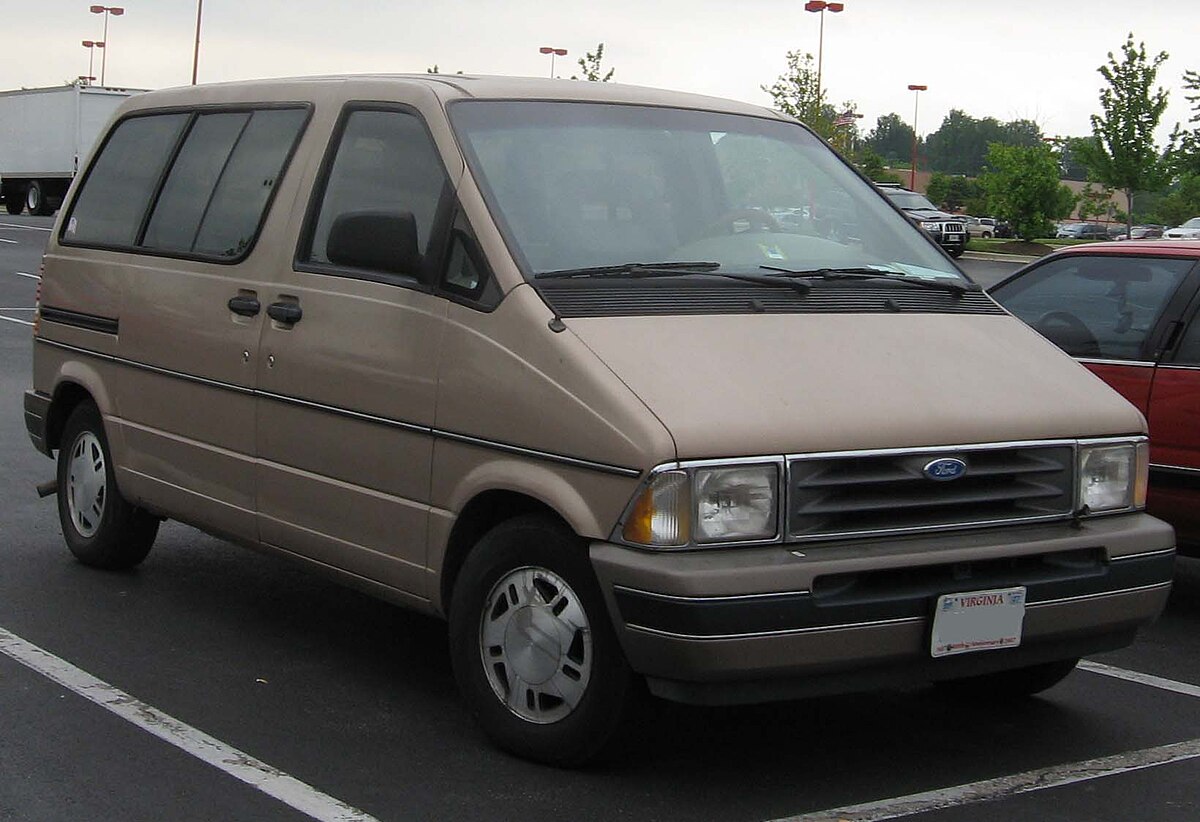
The Ford Aerostar was once a common sight on American roads, praised for its utility, dependability, and distinct design that bridged the gap between a minivan and a work van. Produced from the mid-1980s to the late 1990s, the Aerostar built a loyal following among families, tradespeople, and van enthusiasts.
For those who still drive or collect them, keeping the Aerostar alive requires more than basic maintenance. Despite its durability, this vehicle has its limits. Poor care, neglect, and certain repeated mistakes can wear down even the most resilient Aerostar. What many owners don’t realize is that it’s often not one single catastrophic failure that ends the life of a vehicle; it’s a series of small missteps over time.
These mistakes don’t always feel like mistakes at first. Some are bad habits picked up over time, while others are the result of trying to save money or cut corners. A few might come from simply not understanding the specific quirks and needs of the Aerostar.
And although most vans from this era weren’t designed to last forever, it’s surprising how long they can remain roadworthy with proper attention. On the flip side, it’s shocking how quickly an Aerostar can decline when it isn’t treated right.
This article breaks down nine critical steps, or rather, nine common errors, that shorten the life span of a Ford Aerostar. These are behaviors and oversights that can gradually chip away at the van’s performance, reliability, and structural integrity.
Each one may seem minor in isolation, but together they form a pattern that accelerates wear and tear. The good news is that all of these are avoidable. Identifying these steps can make a huge difference for anyone who owns, maintains, or restores one of these classic vehicles.
Whether you’re a longtime fan of the Aerostar or someone who’s just inherited one, knowing what not to do can be just as important as knowing what to do. The following nine sections explain the mistakes that can significantly reduce your Aerostar’s longevity, and how to avoid falling into those traps.
Also Read: 10 Cars That Rarely Sit Unsold In The Lot Due To High Demand in 2025
1. Ignoring Transmission Maintenance
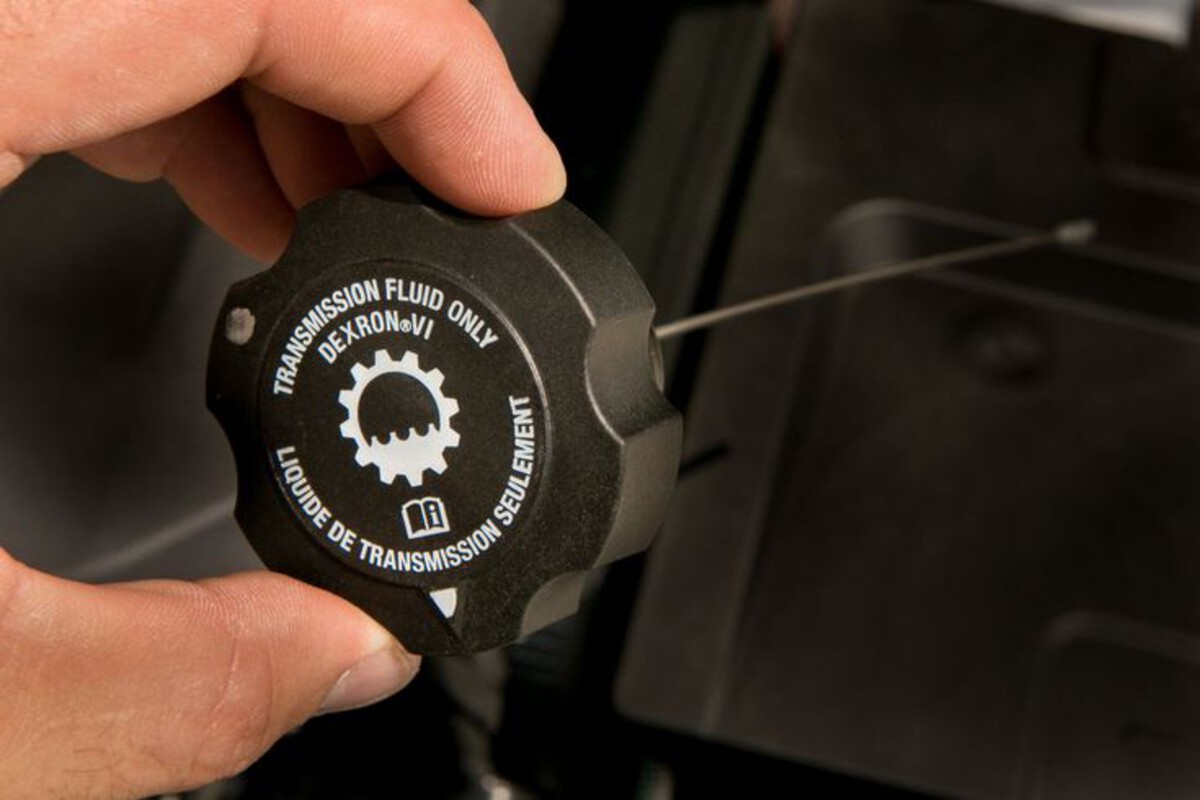
The Ford Aerostar was available with both manual and automatic transmissions, and both require regular care to last. One of the biggest killers of these vans is neglecting the transmission system. The automatic transmission, in particular, is known to be sensitive to fluid quality and levels. Over time, transmission fluid breaks down, collects debris, and loses its ability to lubricate and cool properly. Allowing the fluid to get old or low will increase heat, wear, and the risk of internal damage.
Changing the transmission fluid and filter at recommended intervals is essential, yet often overlooked. Many drivers assume that if the van is shifting fine, the fluid must be fine too. Unfortunately, by the time symptoms like slipping gears or rough shifting appear, the damage is usually well underway.
The Aerostar’s transmission doesn’t tolerate neglect kindly, and rebuilding it can be an expensive job, often exceeding the value of the vehicle itself. It’s far more affordable to keep up with fluid changes and inspections than to deal with a full rebuild or replacement.
Another issue is improper use, such as shifting from reverse to drive before the van comes to a full stop. Doing this repeatedly puts unnecessary stress on the transmission components, increasing the likelihood of failure over time. Many Aerostar owners with a daily driving habit may not think twice about it, but over months and years, the cumulative damage adds up. It’s not just about the parts themselves; it’s about the habits that wear them out prematurely.
Lastly, when early warning signs of transmission trouble appear, ignoring them is another critical misstep. Hesitation when shifting, whining noises, or sudden gear drops should prompt immediate attention.
A minor leak or fluid contamination issue might be simple to fix at first, but left unresolved, it can escalate into a full failure. Preventive care, in this case, is worth far more than reactive repairs. If you want to extend your Aerostar’s life, treat the transmission like the mission-critical system it is.
2. Letting Rust Take Over
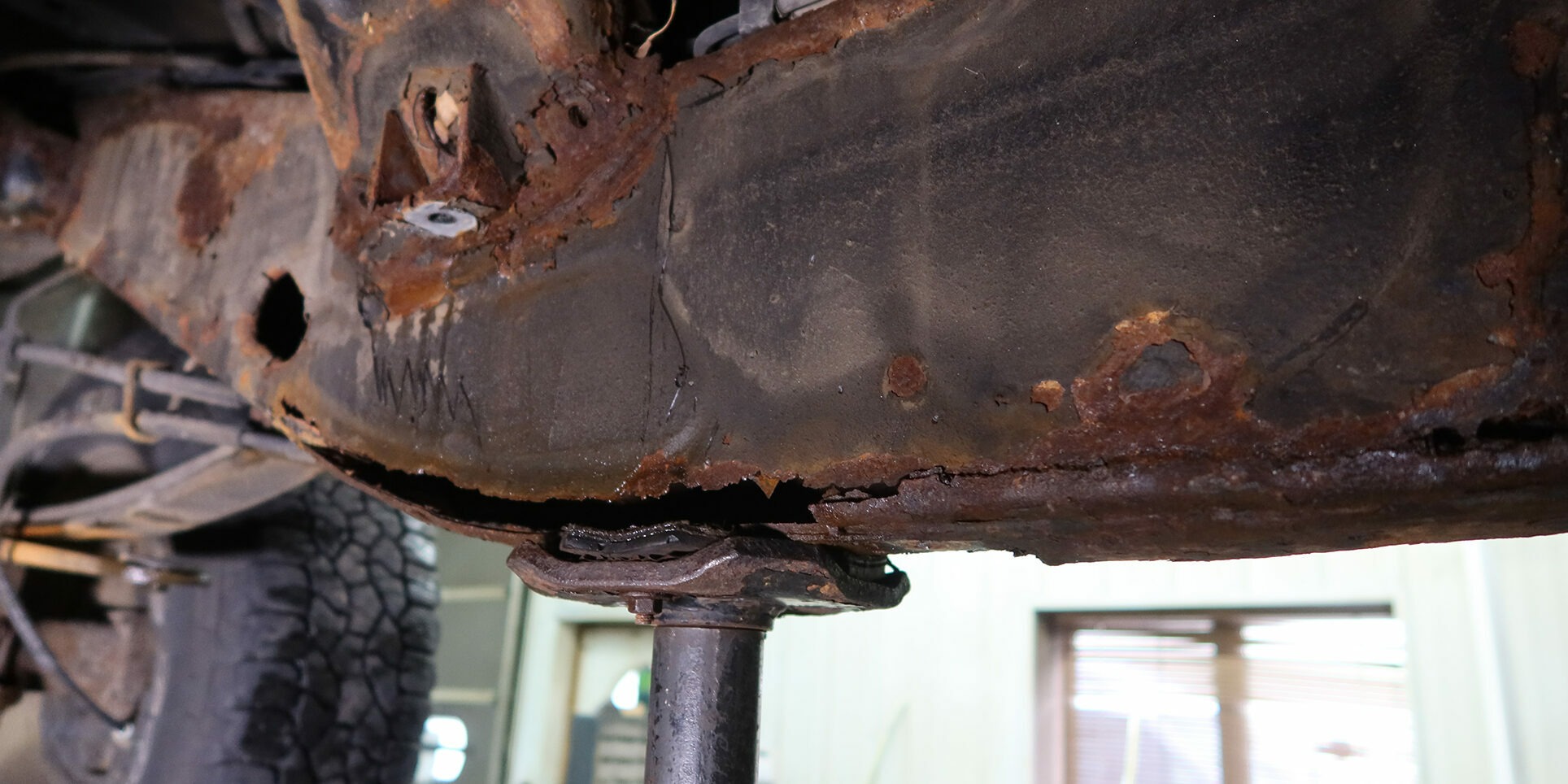
Rust is one of the most persistent enemies of older vehicles, and the Aerostar is no exception. Its underbody, wheel wells, and rocker panels are especially vulnerable to corrosion, particularly in regions with salted winter roads or high humidity. Once rust takes hold, it doesn’t stop on its own.
Ignoring the early signs, flaking paint, bubbling under the surface, or brownish streaks, allows corrosion to spread, eventually eating through structural components.
One of the worst mistakes an owner can make is assuming surface rust is harmless. While not all rust is immediately dangerous, it often signals where moisture is collecting or paint has failed. If untreated, what begins as a cosmetic issue can turn into a safety hazard. Rust can compromise frame integrity, brake lines, fuel lines, and suspension mounts. These are not just cosmetic concerns; they can literally make the vehicle unsafe to drive.
Washing the undercarriage regularly, especially after driving in winter conditions, is an effective way to slow down rust formation. Many Aerostar owners neglect this simple routine, either because it seems unnecessary or because the van is used for dirty work anyway.
But without proper cleaning and rust prevention measures like undercoating or spot treatments, corrosion can advance unnoticed until it’s too late to fix affordably.
Another problem is that rust can hide in areas not easily visible. The rear wheel wells, seams near the sliding door, and the floor under the carpet are common places where rust sneaks in. Not checking these spots during regular maintenance inspections is a critical oversight. Preventing rust takes time and attention, but once it gets out of control, even a solid drivetrain won’t save the Aerostar from being scrapped due to structural decay.

3. Overloading Beyond Capacity
The Aerostar is a sturdy van, and it can carry a fair amount of weight, but it’s not a truck. One common mistake that shortens the life of the van is treating it like a heavy-duty hauler. The suspension, drivetrain, and braking system are all designed with a certain weight range in mind.
Regularly exceeding that limit accelerates wear and tear on critical systems. Towing trailers heavier than recommended or packing the cargo area past its designed load can lead to early mechanical failure.
Suspension components like shocks and leaf springs begin to sag when subjected to constant overloading. This doesn’t just make the ride uncomfortable, it also changes the handling characteristics of the van. Poor handling can lead to more wear on tires, steering components, and brakes. It becomes a chain reaction of problems, all stemming from carrying more than the van was meant to bear. Once the suspension loses its integrity, the van becomes unsafe at highway speeds or under sudden braking.
The drivetrain is also under stress when the vehicle is overloaded. The engine works harder to move the excess weight, which leads to overheating, increased oil consumption, and possible early failure of engine components.
Likewise, the transmission is under extra strain, especially if the overloading is combined with city driving or hilly terrain. What might seem like a small compromise for the sake of convenience ends up cutting years off the life of the vehicle.
Overloading doesn’t always come from massive construction materials or oversized trailers. Sometimes it’s as simple as consistently carrying tools, equipment, or passengers beyond capacity without adjusting for it. Owners who regularly use their Aerostar for work or travel should know its limits and respect them. It’s not about underusing the van, it’s about using it within its design so that it continues serving well for years to come.

4. Neglecting Cooling System Maintenance
An overheated engine is one of the fastest ways to end the life of any vehicle, and the Ford Aerostar is no exception. Its V6 engines, especially the 3.0L and 4.0L variants, are susceptible to heat-related damage when the cooling system isn’t working efficiently.
The problem is, many Aerostar owners don’t give much thought to the cooling system until they see steam coming out from under the hood. At that point, damage may already be done.
The radiator, thermostat, hoses, water pump, and heater core all need periodic inspection and maintenance. Over time, coolant breaks down and becomes less effective at transferring heat. It can also become acidic and begin to eat away at metal components from the inside. Flushing the coolant system at regular intervals is not just a nice idea, it’s a necessity. Yet many owners push it off until problems occur, which often leads to warped cylinder heads, blown head gaskets, or seized engines.
Radiator leaks are also a common issue in older Aerostars. A small crack or pinhole might not seem urgent, but it can grow rapidly, especially under pressure. Neglecting these leaks or using temporary sealants rather than proper repairs can leave the van vulnerable to sudden overheating. Similarly, a failing water pump may not make noise or show signs of failure until the engine temperature begins to rise unexpectedly.
A clogged heater core or a stuck thermostat can also create overheating issues. These parts are often forgotten because they don’t seem directly related to engine health, but they are part of the system that keeps the engine temperature stable. Replacing them as preventative maintenance is far cheaper than repairing the damage caused by overheating. For any Aerostar still on the road, keeping the cooling system in good condition is essential to extending engine life.

5. Using Cheap or Incorrect Parts
One of the more subtle but destructive habits that can ruin an Aerostar over time is relying on cheap or incorrect replacement parts. It may seem harmless to save a few dollars on filters, belts, or sensors, but the cumulative impact of using low-quality components can be severe.
These vans are aging, and as they do, they become more sensitive to improper tolerances and compatibility issues. Parts that don’t meet original equipment standards may not fit correctly or perform as intended, leading to performance issues, premature wear, and even safety hazards. What begins as an attempt to save money can spiral into much larger expenses when inferior parts cause more damage or fail prematurely.
A common issue arises with replacement sensors, particularly oxygen sensors, throttle position sensors, and mass airflow sensors. These components are critical to how the engine runs. Installing a cheap aftermarket sensor can throw off fuel mixtures, cause poor fuel economy, or create rough running conditions.
Some might not even trigger a check engine light but can lead to long-term engine damage due to inaccurate readings. Owners who assume all sensors are created equal often pay for it later when fuel economy drops or the engine starts misfiring under load. The same applies to critical ignition components like spark plugs and ignition wires, parts that seem simple but play a huge role in engine longevity.
Another problem area is brake components. Using inexpensive pads or rotors may not seem risky, but poor-quality brake parts can warp under heat, produce uneven wear, and result in longer stopping distances. This not only reduces safety but also increases wear on calipers and bearings.
Suspension components also fall into this category. Cheap ball joints, bushings, and shocks may work fine initially but wear out faster and don’t provide the proper support. When these parts fail, they can also accelerate the failure of other parts around them, creating a domino effect that is both expensive and frustrating.
In some cases, owners unknowingly install incorrect parts due to poor guidance or lack of research. The Aerostar went through several minor revisions during its production run, and not all components are interchangeable between model years. For example, a fuel pump for a 1991 model may not work correctly in a 1994, even if it appears to fit.
These kinds of mismatches can create diagnostic nightmares and lead to hard-starting issues, fuel starvation, or outright stalling. It’s not enough to get a part that “fits”, it has to be the right part, made to the right specifications. For a vehicle that’s already rare on the roads, using quality parts is a necessary investment in longevity, not a luxury.
6. Allowing Electrical Issues to Persist
The electrical system in the Ford Aerostar, while simpler than modern vehicles, still requires attention and care. One of the most common longevity-killers is allowing electrical issues to go unresolved. This could be as simple as a blown fuse that keeps coming back, a flickering dash light, or a window that only works intermittently.
These problems often seem minor and easy to ignore, but they can be signs of deeper issues such as corroded connectors, failing grounds, or damaged wiring harnesses. Left unchecked, these problems can create unpredictable failures and cause strain on vital systems like the ignition, fuel delivery, or even the charging system.
Wiring degradation is especially problematic in aging vehicles. Heat, moisture, and vibration break down insulation over time, leaving wires exposed or brittle. This can lead to shorts, open circuits, or intermittent power issues that are difficult to diagnose. A shorted wire can burn out a component or even cause a fire in extreme cases.
Worse still, many of these issues can occur inside door panels, under carpets, or behind the dash, areas that are not easy to inspect without taking things apart. By the time the van shows symptoms like random stalling, non-functioning gauges, or dead battery drains, the problem may have already caused hidden damage.
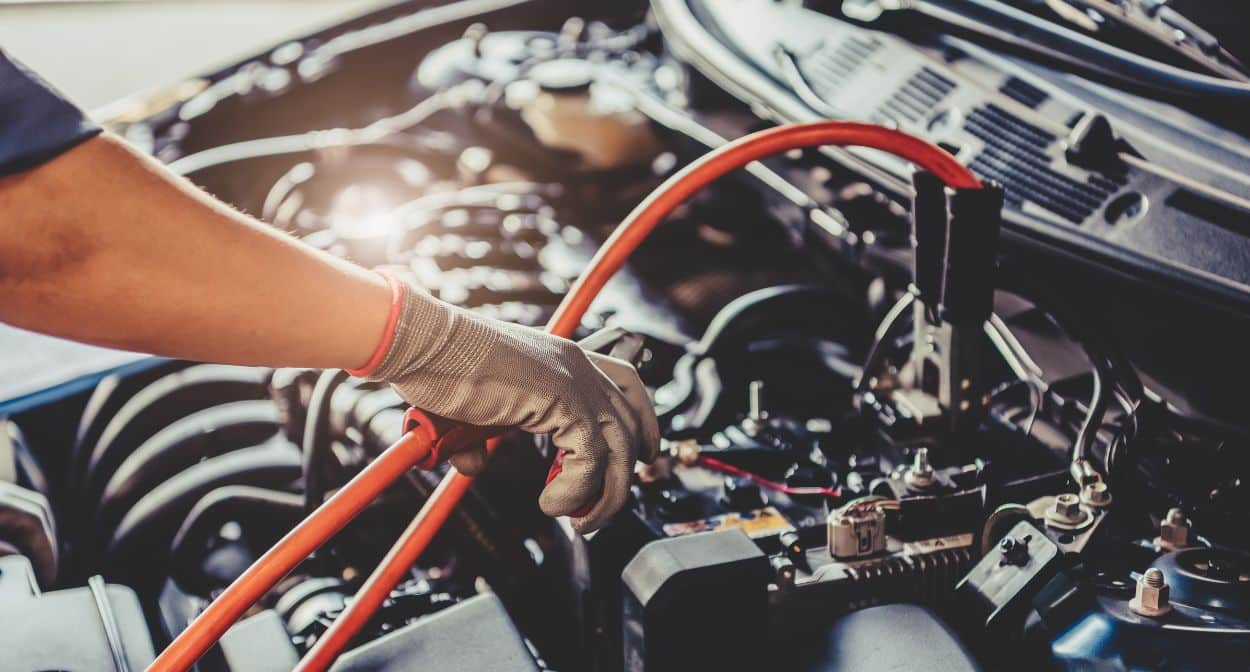
Battery and charging system neglect is another big mistake. A weak alternator or an old battery can put a strain on the van’s entire electrical system. Starting becomes harder, the lights dim, and the computer may not operate correctly. These symptoms are often treated as isolated issues when they’re actually connected.
A poorly grounded system, for instance, can cause erratic sensor readings that confuse even experienced mechanics. If the charging voltage is not within factory specifications, everything from the fuel injectors to the transmission control can start misbehaving. This kind of cascading failure is avoidable with routine voltage testing and battery maintenance.
Many Aerostar owners also retrofit newer electronics like aftermarket stereos, alarm systems, or USB chargers without properly managing the wiring. Sloppy or unprotected wiring splices can lead to shorts and cause load imbalances that tax fuses and relays.
Once a fuse blows repeatedly, some people will replace it with a higher-rated one “just to stop it,” but this can lead to melted wires or electrical fires. Electrical systems require patience and precision. Cutting corners might save a few hours, but it invites long-term damage. Proper wiring repair, correct fuse ratings, and preventive diagnostics go a long way toward keeping the Aerostar running reliably.
7. Skipping Regular Fluid Checks
It’s easy to assume everything is fine under the hood if the van starts and drives normally, but this mindset often leads to early failure. One of the most underestimated causes of a shortened vehicle life is neglecting regular fluid checks. Oil, coolant, brake fluid, power steering fluid, and transmission fluid all play essential roles in keeping the Aerostar functioning properly.
Over time, all fluids degrade, get contaminated, or begin to leak. By the time symptoms are obvious, significant damage may have already occurred. A simple habit of checking and topping off fluids monthly can prevent thousands of dollars in repairs.
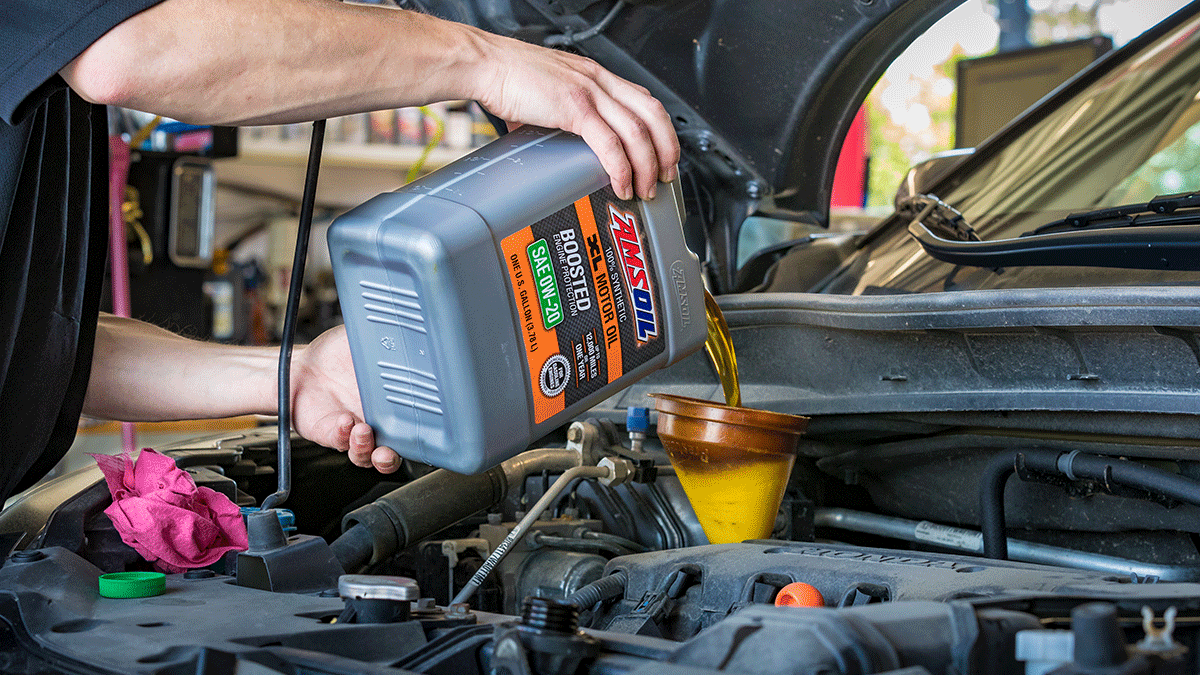
Engine oil is the most obvious, yet it’s still often ignored. Some Aerostars, especially high-mileage models, begin to consume or leak oil without showing visible signs. A dipstick check every few weeks can help catch a low oil level before it leads to catastrophic damage. Running the engine low on oil, even just once, accelerates internal wear.
Bearings, lifters, and camshafts can suffer from momentary starvation that will eventually cause knocking or loss of oil pressure. It’s not about whether the oil looks clean on the dipstick, it’s about whether there’s enough of it and whether it’s being changed at reasonable intervals.
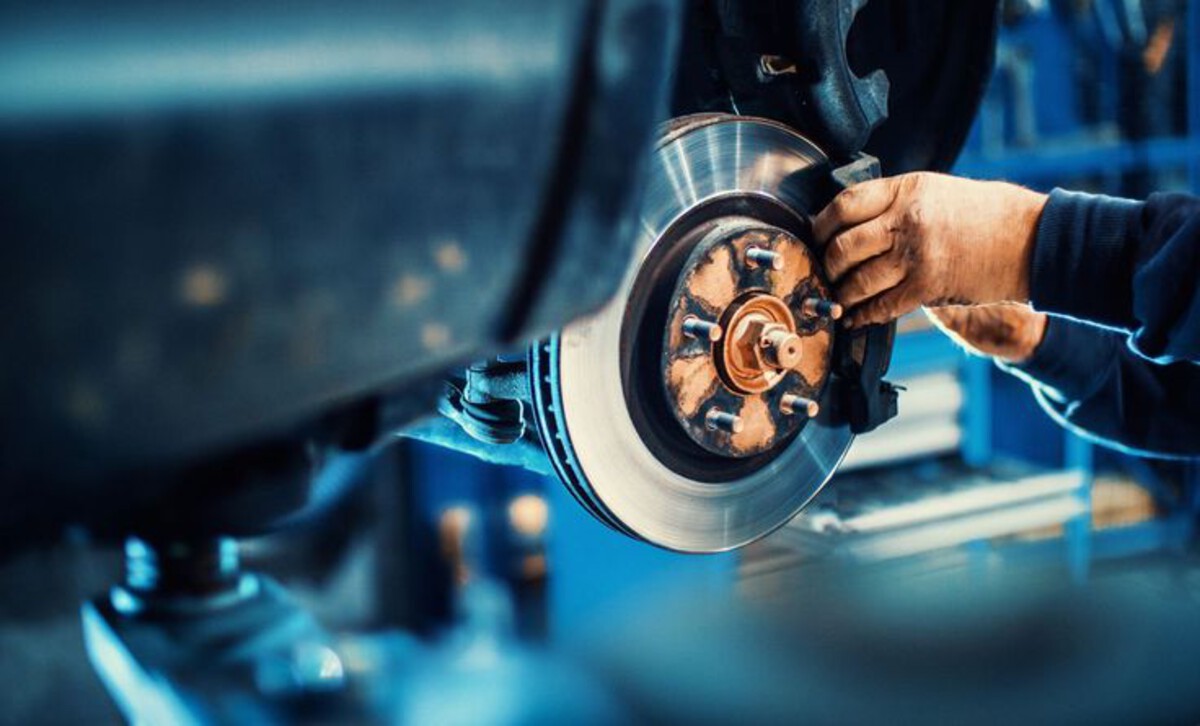
Brake fluid is another area that gets neglected because it’s not consumed in normal operation. However, brake fluid absorbs moisture over time, reducing its effectiveness and lowering the boiling point. This leads to spongy brakes and potential brake failure under hard stops.
Flushing the brake system every few years is a simple process that can extend the life of calipers, brake lines, and master cylinders. Ignoring this service might not show problems today, but when you need your brakes the most, the system could fail to respond adequately.
Power steering fluid and transmission fluid should also be checked consistently, especially in an older Aerostar. Both systems are sealed but not immune to leaks. A failing rack and pinion may begin to seep fluid slowly, leading to higher steering effort and accelerated pump wear.
Similarly, transmission seals wear over time, especially in hot climates or under heavy loads. Fluid levels that drop below recommended levels can create shifting issues or even cause the transmission to overheat and fail. Regular checks take just a few minutes and can catch problems early when they’re still cheap to fix.
8. Letting the Van Sit for Long Periods
While some people believe that not using a vehicle keeps it in good shape, the opposite is often true, especially with aging vehicles like the Ford Aerostar. Letting a van sit unused for weeks or months without proper storage preparation can do serious damage.
Fluids settle and separate, seals dry out, tires develop flat spots, and batteries discharge completely. Even the fuel can begin to break down, leading to varnish in the injectors and fuel system. A vehicle is meant to be driven, even if only occasionally. When it’s left idle, problems that would have been prevented through regular use begin to build silently.
One of the biggest issues with prolonged storage is what happens to the engine. Moisture can collect in the cylinders and crankcase, especially if the oil is dirty. This leads to internal corrosion. Fuel left in the system can clog injectors and coat the inside of the fuel tank and lines with residue that’s hard to clean.
Once the engine is started again, these contaminants can damage sensors or restrict fuel flow, causing hard starts or misfires. A simple solution is to run the vehicle at least every two weeks, long enough for it to reach operating temperature and circulate all fluids.
The braking system also suffers from disuse. Brake rotors rust quickly when left idle, especially in humid areas. This rust can become pitted or create uneven braking when the van is eventually driven again. Calipers can seize in place, especially rear drum brakes if they aren’t engaged regularly.
Tires lose air and begin to deform where they contact the ground, leading to flat spots that cause vibration or uneven wear once back on the road. Even suspension bushings and joints benefit from movement; they stay lubricated and pliable when exercised but begin to stiffen or crack when unused.
If you must store an Aerostar for an extended time, there are simple steps to preserve its condition. Using a battery maintainer, adding fuel stabilizer, inflating tires to the correct pressure, and covering the vehicle can go a long way. But even better is to drive it occasionally.
Vehicles that sit deteriorate in silence. Those who move continue to signal their needs. Letting the van sit and assume it will “still be fine” later is a gamble that rarely pays off. Regular use, even if minimal, is one of the best ways to ensure the Aerostar stays functional and ready when needed.
9. Driving with Worn or Misaligned Suspension
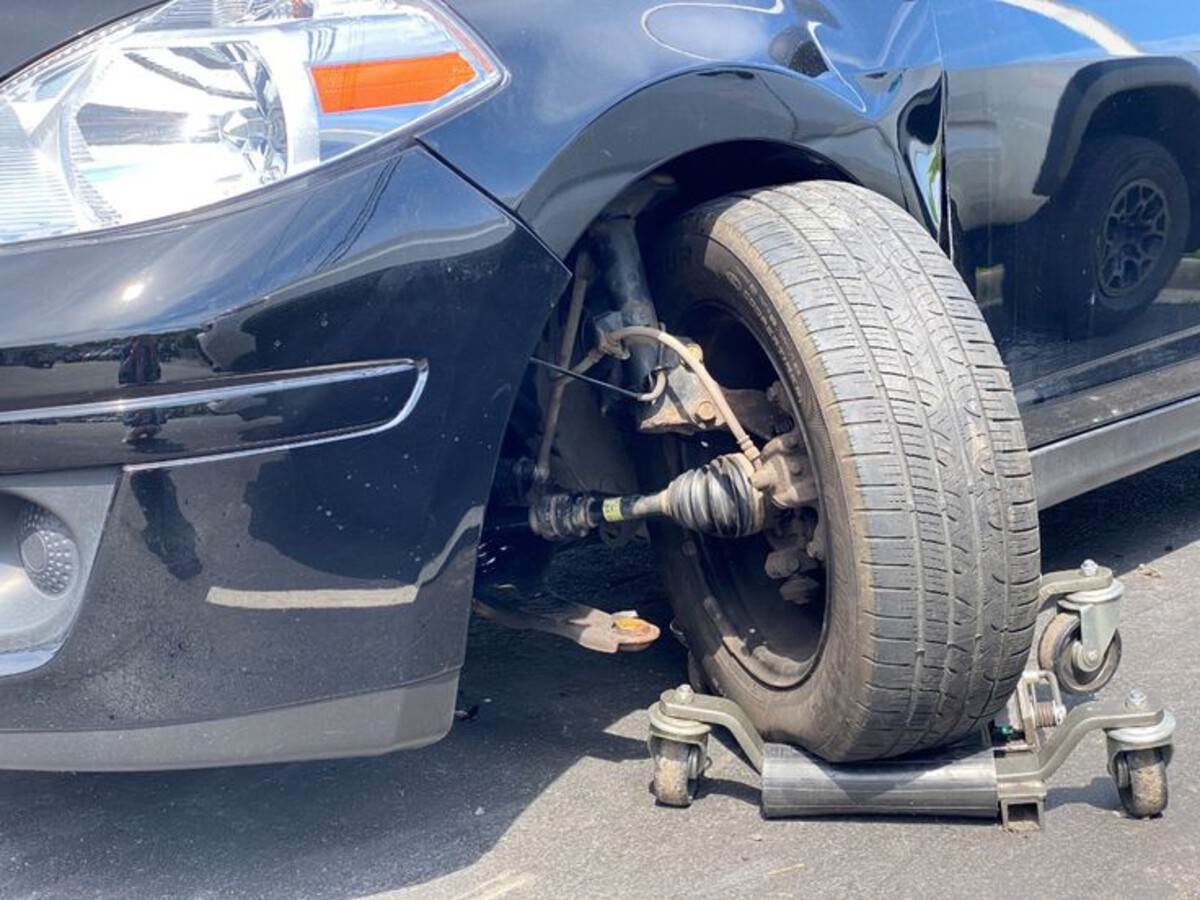
Suspension issues are often underestimated when it comes to long-term vehicle health. Many Aerostar owners continue to drive with worn shocks, sagging springs, or misaligned wheels without realizing how much damage this causes over time.
The suspension system doesn’t just provide a smooth ride, it keeps the van’s tires properly planted on the road, reduces vibration that reaches sensitive mechanical parts, and ensures correct geometry for steering and braking. When it’s compromised, it affects nearly every other system in the vehicle, gradually increasing wear and making the van less safe and less reliable.
Misalignment is one of the most common issues and often goes uncorrected. Hitting a pothole, curb, or even just enduring regular driving over time can knock the wheels out of alignment. When this happens, the tires begin to wear unevenly, and the steering requires more correction.
More importantly, misalignment changes how the vehicle handles under braking or cornering. It increases the load on ball joints, tie rods, and bushings, parts that are already prone to wear in older vehicles. Leaving the van in this state slowly destroys its handling capability and shortens the life of the steering and suspension components.
Worn shocks and struts are another silent killer. As they lose their damping ability, the van begins to bounce more after hitting bumps. This not only makes for a rough ride but also causes the tires to lose contact with the road, especially during fast driving or sudden stops.
Braking distances increase, tire wear becomes unpredictable, and the body of the van begins to experience stress in places it wasn’t designed to. Doors, windows, and interior panels start to rattle more. All of this contributes to a general sense of decline, and a real loss in usable life.
Replacing suspension parts can be expensive, which is why many owners put it off. But deferring this type of maintenance is false economy. The longer the suspension stays in bad shape, the more damage it causes elsewhere. In the long run, the cost of replacing two shocks is far less than the cost of new tires, control arms, wheel bearings, and additional labor.
Regular inspection of bushings, mounts, joints, and ride height should be part of any Aerostar maintenance plan. A van that rides correctly lasts longer and drives more safely. Ignoring the suspension system is one of the fastest ways to turn a solid Aerostar into a scrapyard candidate.
Also Read: 5 Cars That Rarely Need Brake Pad Replacements vs. 5 That Burn Through Them
The Ford Aerostar remains a durable and capable vehicle when properly maintained, but it’s not immune to the damage caused by neglect, misuse, or shortcuts. What truly shortens the life of these vans isn’t one single failure, it’s a pattern of small, preventable issues that add up over time.
From ignoring routine maintenance like fluid checks and part replacements to overloading, overlooking electrical faults, and failing to address leaks, each of these missteps chips away at the van’s longevity. Owners who take shortcuts, delay repairs, or assume the Aerostar will keep running no matter what are often the ones who find themselves facing a major failure too late to fix.
The good news is that every one of these harmful steps is avoidable. With regular attention, proper parts, and thoughtful use, the Aerostar can easily outlast expectations. Many are still on the road today, serving as reliable workhorses or cherished family vehicles decades after production ended.
The key is respecting the van’s age, understanding its needs, and staying ahead of problems rather than chasing them. For those who care enough to treat their Aerostar with patience and care, there’s no reason it can’t keep rolling for years to come. The difference lies in the details and in avoiding the steps that kill its future.
