
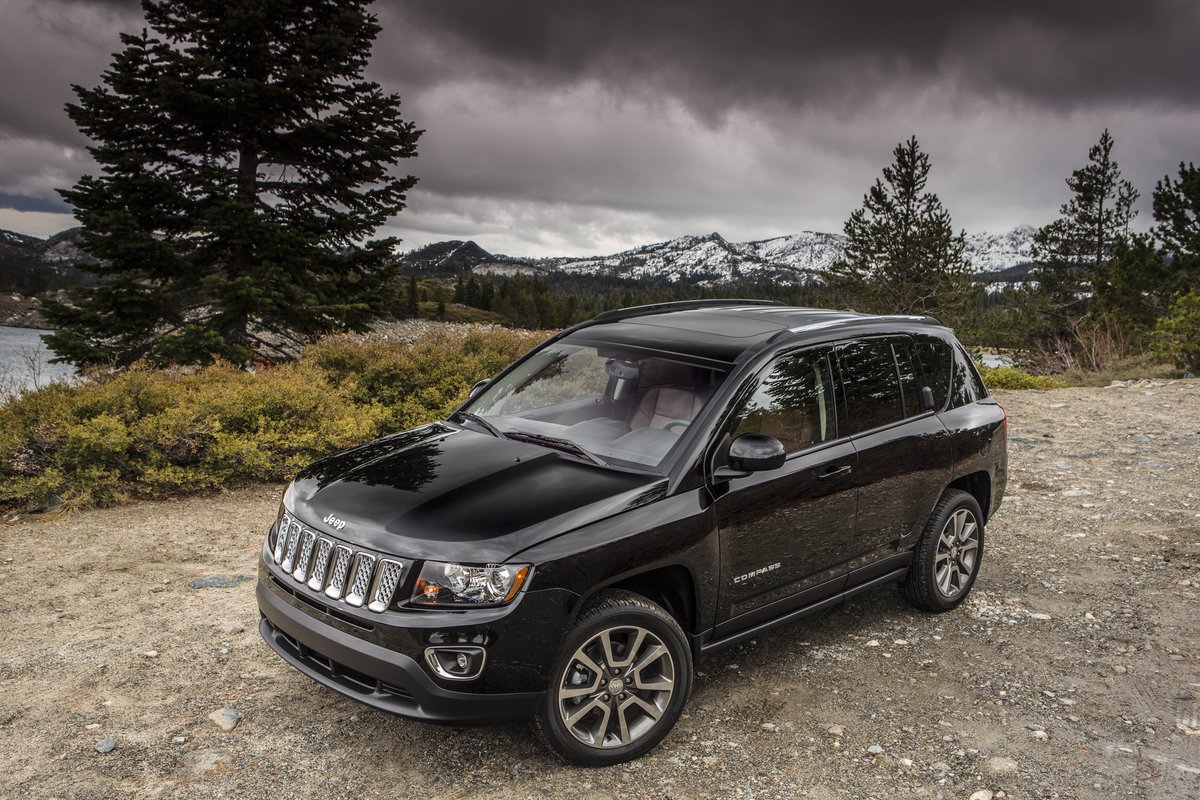
The Jeep Compass Limited is a well-rounded compact SUV that blends rugged aesthetics with upscale features and everyday usability. With its signature Jeep styling, off-road DNA, and a host of modern tech offerings, it appeals to drivers who want both functionality and a bit of luxury.
Despite being a relatively durable and reliable vehicle in its class, it’s not immune to problems. Many owners find their Jeep Compass aging faster than expected, plagued by costly repairs and reduced performance within just a few years of ownership.
What’s often missed in these cases is that premature wear and tear typically stems from preventable oversights.
Routine maintenance and responsible usage go a long way toward prolonging the life of any vehicle, but many Jeep Compass Limited owners unintentionally neglect small yet important aspects that can snowball into major problems. These oversights are usually not dramatic or obvious, which is what makes them so damaging.
A missed oil change here or an ignored warning light there may seem harmless in the short term, but they slowly chip away at the vehicle’s integrity. And because the Compass Limited comes packed with more features than base models, there’s a bit more that can go wrong when proper care is not taken.
Another reason these problems sneak up is that the Compass Limited feels solid and capable out of the gate. Drivers might assume it’s tough enough to handle less-than-ideal upkeep, especially considering its off-road branding.
However, this confidence can lead to relaxed standards, with owners waiting too long between services or overlooking clear signs that something needs attention. The vehicle might still drive fine for a while, but under the surface, damage can be accumulating.
This article outlines eight specific oversights that, if ignored, can shorten the life of a Jeep Compass Limited significantly. Each one involves a mix of mechanical, electrical, and user habits that together form a pattern of early wear.
Whether you’re a current owner or considering buying one, understanding these common mistakes can help you keep your Compass Limited running smoothly for years to come.
Also Read: 7 Driving Habits That Destroy a Subaru Legacy Faster Than You Think
1. Skipping Scheduled Oil Changes
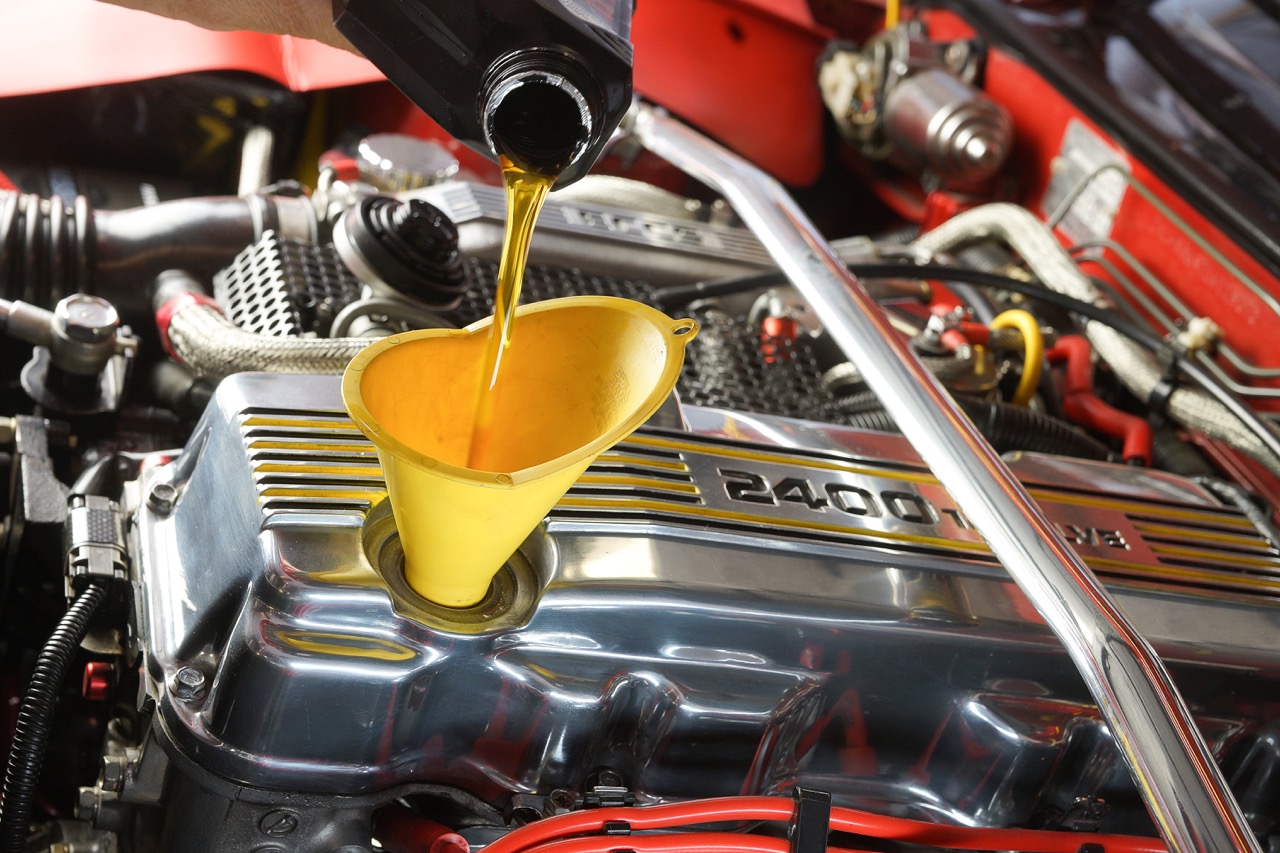
Neglecting routine oil changes is one of the fastest ways to damage the engine in a Jeep Compass Limited. This vehicle comes with either a 2.4L Tigershark engine or a turbocharged variant in newer models, both of which are sensitive to oil quality and condition.
Over time, motor oil breaks down and becomes less effective at lubricating engine components. When this happens, increased friction can cause internal wear, raise engine temperatures, and even lead to complete engine failure.
A Compass Limited driven for thousands of miles on old oil may sound normal at idle but could be suffering significant damage that only reveals itself later.
Even though many modern vehicles feature extended oil change intervals, relying too heavily on them without considering driving habits can be risky. Frequent short trips, stop-and-go traffic, or towing put more strain on the engine and demand more frequent oil changes.
Drivers who follow the factory-recommended interval without adjusting for conditions may be changing oil too late. Dirty oil can also clog the engine’s oil passages, reducing flow and leading to uneven lubrication.
This situation is particularly harmful in colder climates, where oil thickens and struggles to reach all engine parts quickly during startup.
Another issue tied to oil neglect is failing to use the correct oil type and quality. The Compass Limited requires specific oil viscosities and synthetic blends that match its engine design. Choosing a cheaper or off-spec oil might seem economical, but it increases the chances of early engine wear.
Over time, low-quality oil leaves behind deposits that can harden and cause internal blockages. This can trigger warning lights or even lead to low oil pressure issues, both of which are signs of damage that could have been prevented with regular, quality oil changes.
Finally, the electronic oil monitoring system, while helpful, shouldn’t be the only guide. Some owners trust the system’s readouts blindly, assuming that if there’s no warning, there’s no issue. But sensors can fail or delay alerts, especially in extreme conditions.
Proactively tracking mileage and maintaining a personal service log offers better protection. Keeping oil changes timely is a simple habit that plays a major role in how long the Jeep Compass Limited remains a reliable and efficient vehicle.

2. Ignoring Transmission Maintenance
The automatic transmission in the Jeep Compass Limited is a critical component, and like the engine, it requires timely upkeep. One major oversight is failing to service the transmission fluid at appropriate intervals. While many manufacturers label transmission fluid as “lifetime,” this term can be misleading.
Over time, fluid degrades, losing its ability to cool and lubricate effectively. If the transmission is never serviced or is serviced too late, gears can slip, shift roughly, or even fail. These issues can occur suddenly and often come with expensive repair bills.
Another problem lies in how owners use the vehicle. Towing beyond the Compass Limited’s capacity or driving in hot, hilly terrain without adequate cooling can put stress on the transmission. The fluid heats up under these conditions and breaks down more rapidly.
Without regular checks or fluid replacements, the internal parts of the transmission may suffer damage even if the car still drives normally. Symptoms like delayed shifting or sudden jerks can appear once the damage is already significant.
Additionally, Compass Limited’s transmission is electronically controlled, meaning software updates and diagnostic checks are part of proper maintenance. Many drivers overlook these updates, which can lead to poor performance or erratic shifting behaviors.
The transmission relies on sensors and modules to function correctly, and outdated software can interfere with timing and pressure control. Skipping dealer-recommended service checks often results in missed opportunities to prevent small issues from turning into larger failures.
Also, many owners fail to recognize early warning signs. A whining noise, hesitation during acceleration, or small leaks beneath the vehicle are all clues that something may be wrong. Brushing these off as minor annoyances is risky.
Catching problems early and keeping the transmission in good shape helps preserve the drivability of the Compass Limited. In the long run, proper transmission care is not just about performance but also about extending the life of the entire vehicle.
3. Disregarding Suspension and Alignment
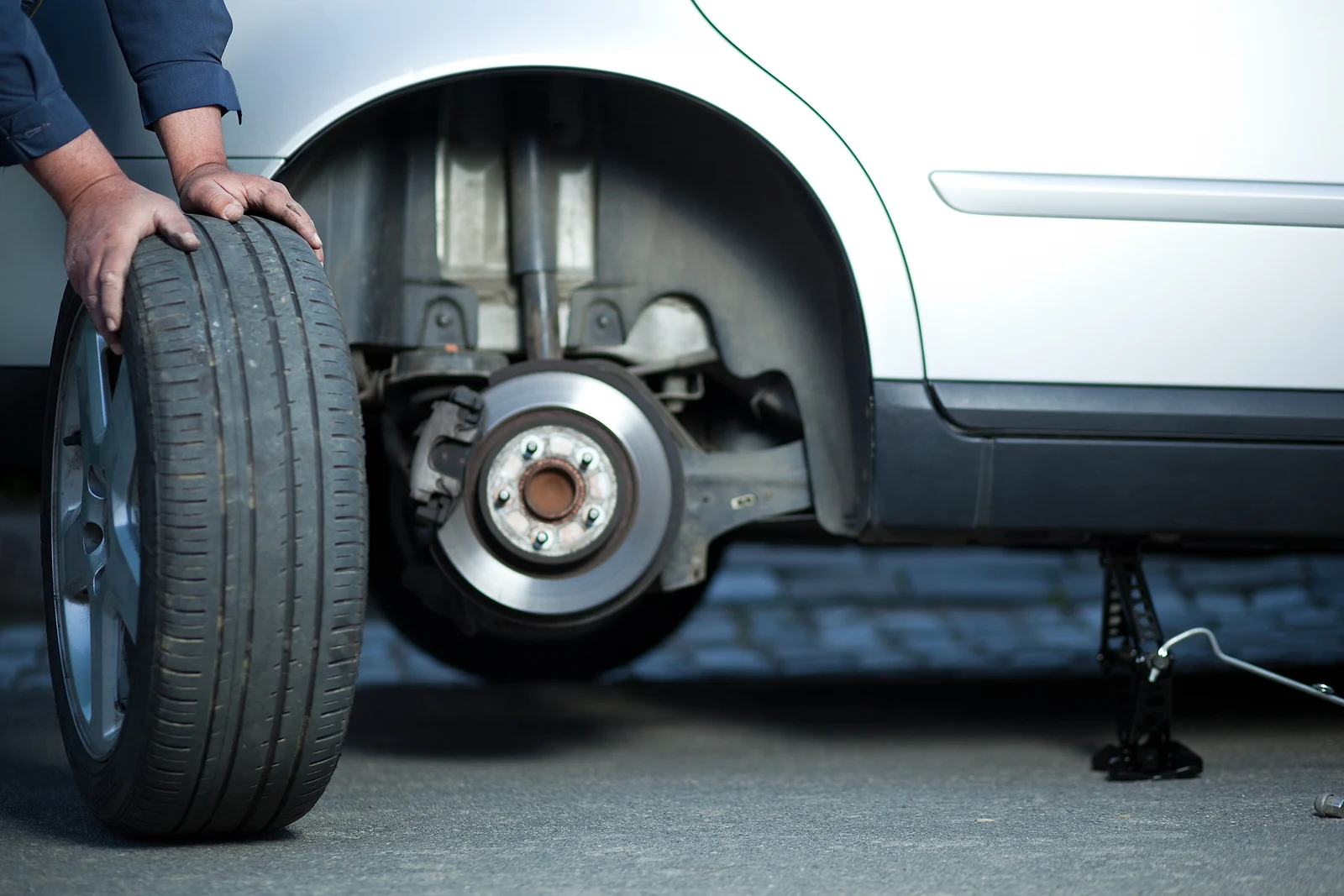
Suspension wear is common in any SUV, and the Jeep Compass Limited is no exception. The suspension system bears the brunt of daily driving, handling bumps, turns, and uneven road surfaces.
Over time, components like shocks, struts, and bushings begin to wear out. If left unchecked, this can lead to poor ride quality, increased tire wear, and even damage to steering components. Unfortunately, many owners ignore early signs of suspension issues until the damage becomes unavoidable.
One of the biggest indicators of a suspension problem is uneven tire wear. A vehicle that pulls to one side or exhibits excessive bouncing over bumps likely has worn suspension components or poor alignment. Many people assume it’s just a tire issue and opt for a simple replacement.
But if the root cause isn’t addressed, new tires will suffer the same fate, costing more money and compromising safety. Suspension problems also reduce traction, making emergency maneuvers or driving on slippery roads more dangerous.
Improper wheel alignment is another often-overlooked issue. Hitting a pothole or curb can knock the wheels out of alignment, affecting steering and stability.
The Compass Limited, being a relatively heavy SUV, places significant stress on its suspension parts. Ignoring alignment checks during routine service appointments may seem minor, but the long-term impact is serious.
Misaligned wheels strain other components, from the steering rack to the wheel bearings, accelerating wear and inviting future breakdowns.
Furthermore, owners who frequently take their Compass Limited off-road or drive on rough terrain must be even more vigilant. Suspension parts wear faster in such conditions, and routine inspections become even more important.
Waiting until you hear clunks or feel wobbling in the steering wheel often means the damage is already done. Maintaining proper suspension and alignment is about more than ride comfort. It directly influences the car’s lifespan and how well it performs under stress.
4. Letting Rust and Corrosion Build Up
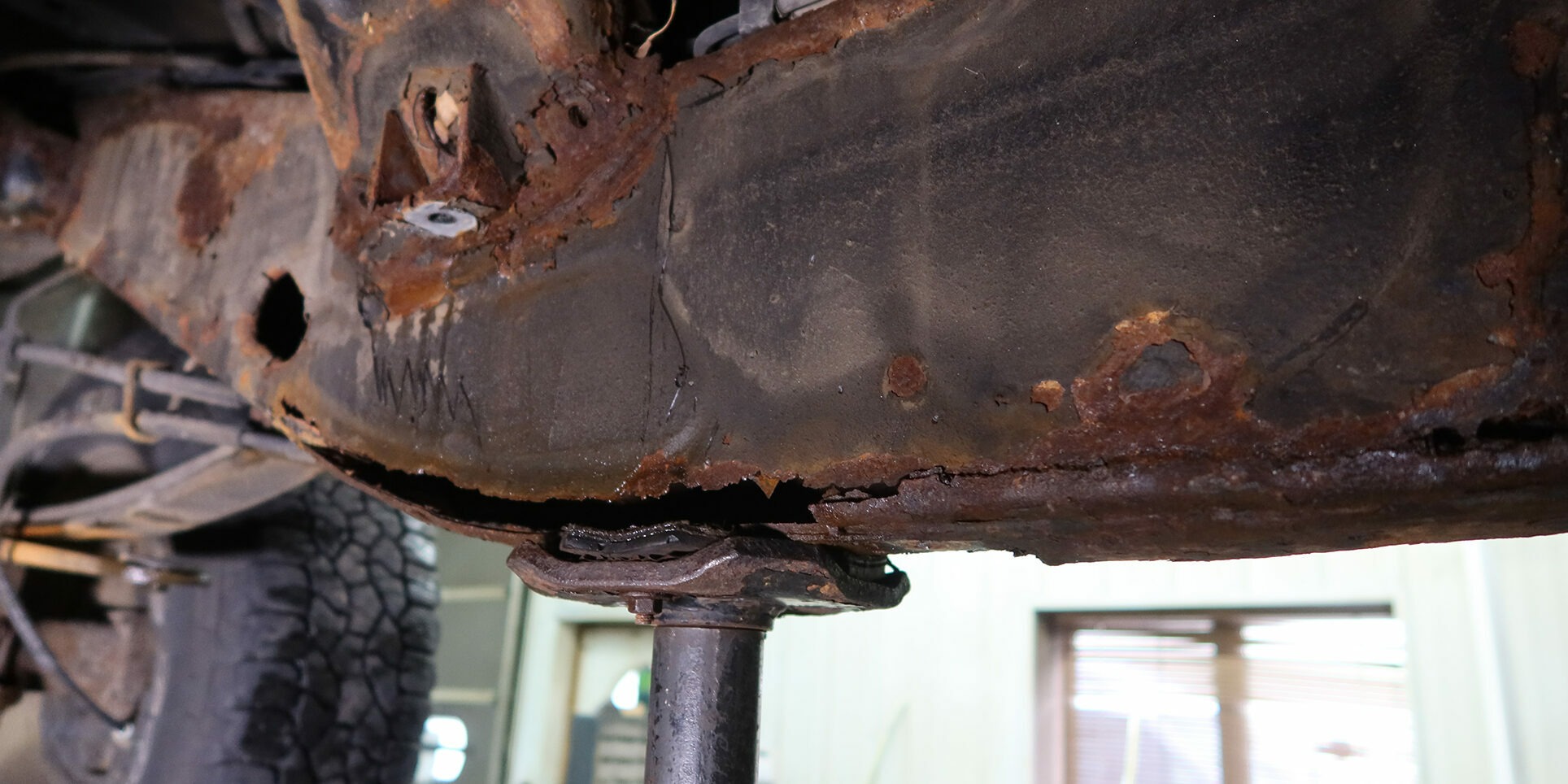
Rust is a silent enemy, especially in regions with harsh winters or coastal climates. The Jeep Compass Limited, while reasonably well-sealed, is not immune to rust-related issues. Failing to wash off road salt, mud, or accumulated grime from the underbody can lead to corrosion.
Over time, this weakens critical areas like brake lines, exhaust systems, and structural points on the frame. Many owners notice rust only when it’s too late, at which point repairs become difficult and expensive.
What often starts as surface rust can quickly spread beneath the paint or under plastic trim. Areas around the wheel wells, door sills, and under the vehicle are particularly vulnerable.
Because the Compass Limited has additional trim and design elements compared to base models, these can trap moisture and hide rust from view.
Periodic inspections and thorough cleaning are necessary to prevent buildup. Neglecting this can significantly shorten the life of the vehicle’s body and compromise safety.
Electrical connections are also vulnerable to corrosion. The Compass Limited features advanced electronics and sensor systems, including safety and infotainment tech. Moisture intrusion into wire harnesses or connectors can cause malfunctions, error codes, or even complete system failures.
Owners may ignore these electrical gremlins as random glitches, not realizing that rust or corrosion is causing intermittent issues that could grow into major failures if left untreated.
Preventing rust isn’t complicated but does require consistency. Washing the vehicle, especially the undercarriage, during and after winter helps keep salt from doing damage.
Applying underbody protection or rustproofing treatments offers added security, especially for those who plan to keep the vehicle for many years. Skipping these steps is an
5. Failing to Address Warning Lights Promptly
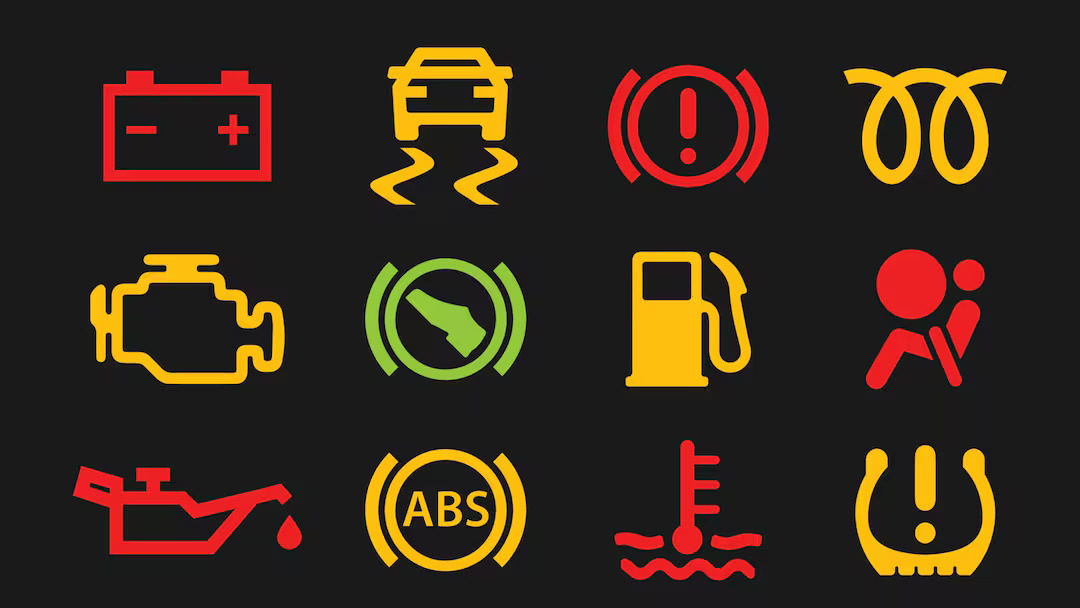
One of the more damaging habits among drivers is ignoring warning lights when they appear on the dashboard. In the Jeep Compass Limited, these alerts are not arbitrary, they’re programmed responses to specific issues detected by onboard diagnostics.
Some owners assume that a light like the check engine indicator is just a minor annoyance, particularly if the vehicle seems to run normally. But modern vehicles are highly electronic, and a dashboard warning is often the first and only clue that a system needs attention.
Delaying diagnostics in hopes the light will turn off on its own can lead to the problem growing worse and more expensive to fix.
Even something as seemingly trivial as a faulty oxygen sensor can cause poor fuel economy, increase emissions, and stress other engine components if not addressed in time.
A common issue arises when owners rely on low-cost code readers or internet advice to dismiss or misinterpret warning codes. While these tools can be useful, they are no replacement for a full diagnostic scan from a qualified technician using manufacturer-specific software.
A code like P0420 might indicate a catalytic converter efficiency problem, which is costly to repair, but the underlying cause could be a bad sensor or exhaust leak, something much less expensive if caught early.
Skipping the diagnostic process and driving with active faults can allow the vehicle’s systems to deteriorate. In Compass Limited, where multiple systems interact, from transmission to traction control to advanced driver assistance, small faults can have a ripple effect across the vehicle.
There’s also a psychological factor at play. Many drivers grow accustomed to the presence of a warning light and begin to normalize it, especially if they’ve seen it before or if performance hasn’t dropped noticeably.
This complacency is risky. Warning lights are designed to prevent serious mechanical damage or safety hazards. Ignoring them is like driving without gauges; it removes the ability to monitor what’s going on internally.
The Compass Limited, equipped with complex electronics, will often try to compensate for system faults automatically. While this feature adds resilience, it can also mask the symptoms of problems, making them harder to detect until they become critical.
Another important point is that not all warning lights will affect immediate drivability, but some indicate failures that can escalate rapidly. A flashing check engine light, for example, often signals a misfire that could overheat the catalytic converter, leading to a multi-thousand-dollar repair.
Ignoring a battery light might mean the alternator is failing, and the car could stall without warning.
Addressing these lights quickly, getting accurate diagnostics, and fixing problems early are essential to keeping the Compass Limited on the road longer and reducing the likelihood of major component failure.
6. Poor Battery and Electrical System Care
The electrical system in the Jeep Compass Limited plays a far more critical role than many drivers realize. It’s not just about starting the engine or powering the radio; it controls everything from engine management to safety features and infotainment systems.
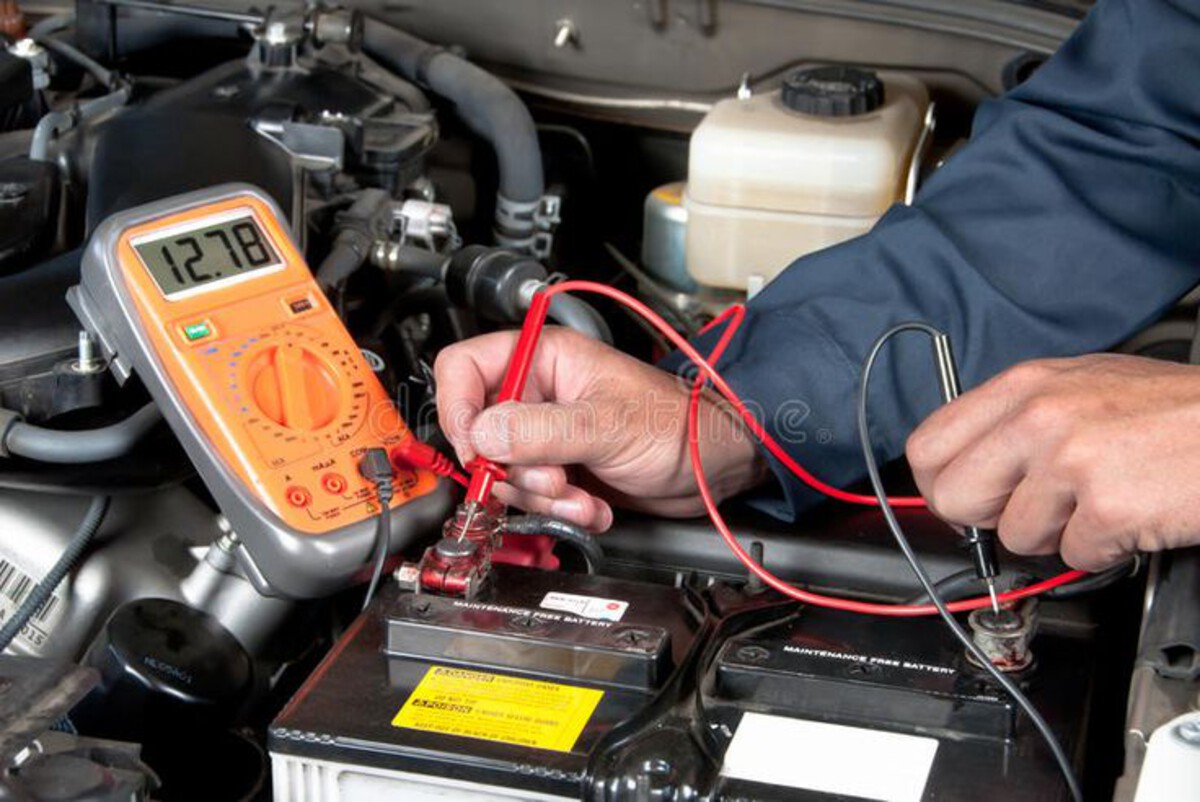
One major oversight is allowing the battery to degrade without regular checks. Modern vehicles are power-hungry, and the Compass Limited is no exception.
A weak or aging battery may still crank the engine but can struggle to power all systems reliably, especially in cold weather or during short trips where the alternator doesn’t have time to recharge it fully. This can lead to unstable voltage levels, which wreak havoc on sensitive electronics over time.
Owners often underestimate how quickly a battery can decline, particularly if they rely on automatic start-stop systems or frequently use accessories like heated seats and navigation. Once a battery starts to weaken, voltage irregularities can cause a cascade of issues.
The engine control unit may throw fault codes, the infotainment system might reboot randomly, and advanced safety features like lane assist or adaptive cruise control may shut down temporarily.
Rather than diagnosing the battery as the source, some owners chase down phantom problems, replace parts unnecessarily, or simply ignore the quirks until they become intolerable. Preventative battery testing once or twice a year can help avoid these headaches.
Another overlooked area is the condition of battery terminals and ground connections. Corrosion around terminals or loose ground straps can lead to intermittent faults that mimic much more serious electrical issues.
These kinds of faults are difficult to trace without proper testing, and in many cases, mechanics will only catch them after ruling out costlier components.
Clean terminals and secure wiring are basic but vital elements of a healthy electrical system. Unfortunately, they’re easy to forget until something starts to malfunction, and by then, sensors or modules may already be damaged by voltage fluctuations.
It’s also important to understand that a failing electrical system doesn’t just cause convenience issues, it can disable core driving functions. Power steering, ABS, traction control, and even shifting mechanisms can behave erratically under electrical strain.
The Compass Limited depends heavily on stable power delivery to operate efficiently, and a neglected electrical system adds invisible stress across the entire vehicle.
Owners who invest time in routine battery checks, ensure the alternator is functioning properly, and maintain clean wiring connections will greatly reduce the risk of strange electronic problems and early vehicle retirement.
7. Overlooking Cooling System Maintenance
The cooling system is often underestimated when it comes to long-term vehicle health, and this is particularly true in the Jeep Compass Limited.
Like many modern engines, it runs at high operating temperatures to improve efficiency and emissions. But this comes with a trade-off; any issue with the cooling system can cause severe damage in a short amount of time.
One of the most common oversights is ignoring the condition of the coolant itself. Coolant doesn’t last forever; it degrades, becomes acidic, and loses its ability to protect against rust or maintain consistent temperatures. Letting it stay in the system too long risks overheating and internal corrosion, especially in aluminum engine components.
Owners may assume that if the temperature gauge stays in the normal range, everything is fine. But sensors don’t always provide early warnings, and many failures occur suddenly without much advance notice.
A failed thermostat, clogged radiator, or slow leak from a hose might not immediately trigger alarms, but these conditions can quickly escalate under stress.
When the engine overheats even once, the head gasket can warp or blow, resulting in a catastrophic failure that costs more than the vehicle’s value. Preventing such a disaster often comes down to simply flushing the coolant at regular intervals and inspecting hoses, clamps, and the radiator cap for signs of wear.
The water pump is another vital component that often gets ignored until it fails. It is responsible for circulating coolant through the engine and radiator, and if it begins to leak or seize, engine temperatures will rise rapidly.
The Compass Limited typically uses a belt-driven pump, and if the drive belt slips or breaks, the coolant flow stops instantly.
Sadly, many owners don’t replace the water pump until it shows signs of failure, at which point damage may already have been done. Replacing the pump during scheduled timing belt or drive belt service can prevent major failures at relatively low cost.
There’s also the radiator fan and fan relay system to consider. If the fan doesn’t engage properly due to a bad sensor or worn motor, the vehicle will struggle to manage heat in slow traffic or while idling. This is especially dangerous in hot climates.
Too many drivers overlook the importance of the cooling system until they see steam pouring out from under the hood. Regular inspections, flushing the coolant every few years, and watching for early symptoms can extend the life of both the engine and the Compass Limited itself by a significant margin.

8. Not Replacing Worn Engine Mounts and Bushings
Engine mounts and suspension bushings are parts that most owners never think about until they fail, and by then, they often cause damage to other components.
In the Jeep Compass Limited, these parts are responsible for keeping the engine and suspension stable and properly aligned with the chassis.
When they wear out, the symptoms might appear subtle at first: increased vibration, knocking during acceleration, or a slight pull while braking. Because these issues seem minor, many owners ignore them, but the consequences of letting them go can shorten the vehicle’s usable life significantly.
Worn engine mounts allow excessive engine movement during acceleration and deceleration. This doesn’t just make for an uncomfortable ride, it places added stress on the transmission, exhaust system, and even electrical connectors.
Over time, components designed to move slightly under load begin moving too much, causing premature wear, cracking, or even breakage.
What started as a worn rubber mount can escalate into transmission misalignment or broken CV joints, both of which are expensive to fix and could have been prevented early.
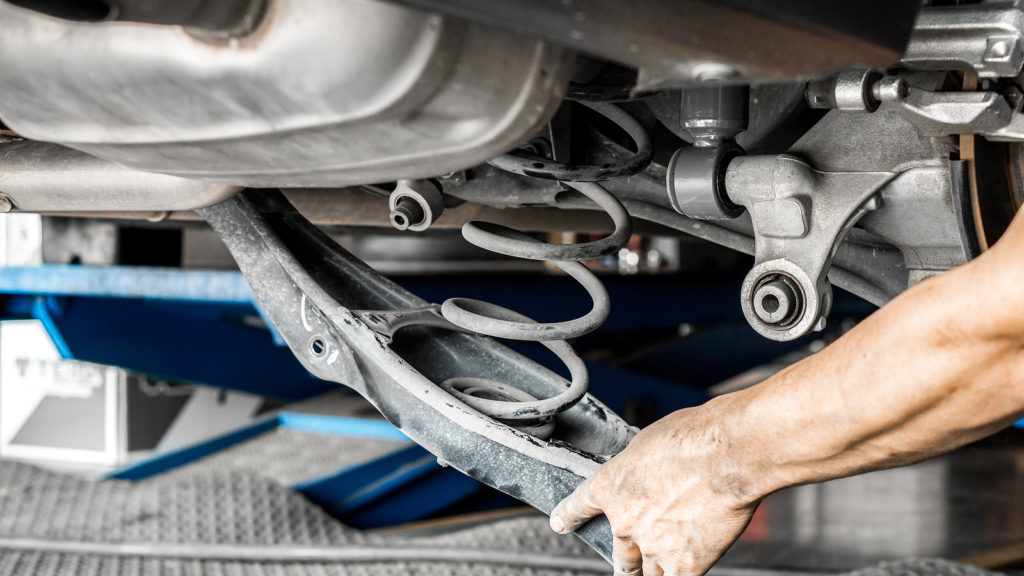
Suspension bushings work similarly by absorbing movement and providing isolation between metal components. When they degrade, the suspension becomes noisy and less precise. Drivers may experience clunking over bumps, vague steering response, or a general feeling of looseness.
But beyond comfort, worn bushings lead to uneven suspension geometry. This not only wears out tires quickly but also makes the vehicle more difficult to control in emergency maneuvers.
The Compass Limited, with its slightly firmer suspension tuning, becomes particularly unsettled when these parts are no longer performing as designed.
Owners often postpone replacing mounts and bushings because they’re not as urgent as an oil leak or brake failure. However, by the time the symptoms are obvious, other parts are usually already affected. Catching these issues early through routine inspections, especially once the vehicle passes 60,000 miles, can prevent a domino effect of problems.
Replacing mounts and bushings when they show early signs of wear not only restores comfort but also protects the structure of the vehicle, ensuring the Compass Limited can provide a safe and stable ride for years to come.
Also Read: 10 Pro Tips That Keep a Chevy HHR Reliable for Daily Driving
The Jeep Compass Limited is designed to offer a balance of style, comfort, and utility, but like any vehicle, its longevity depends largely on how it’s maintained and treated by its owner. While it may seem capable of handling neglect due to its rugged branding, the truth is that even small oversights can add up and lead to serious problems down the line.
Each of the issues discussed, ranging from delayed oil changes and ignored warning lights to overlooked cooling system checks and worn suspension components, plays a major role in the long-term health of the vehicle.
None of these problems typically causes immediate failure, which is what makes them so dangerous. They quietly erode reliability and performance until the damage is irreversible or no longer cost-effective to repair.
Many Compass Limited owners unintentionally shorten the life of their vehicle simply by assuming it’s more durable than it actually is. While it’s true that the vehicle is built with quality in mind, it still demands regular care, attention to detail, and a proactive mindset.
Problems like rust, battery neglect, or worn mounts don’t grab headlines, but they do steadily wear the vehicle down from the inside out. Most of these are avoidable with a modest investment of time and effort.
Keeping a Jeep Compass Limited running smoothly for years isn’t about doing anything extraordinary; it’s about doing the ordinary things consistently. Regular inspections, timely maintenance, and a willingness to address minor issues before they grow can make all the difference.
Owners who stay attentive and informed will not only enjoy better performance and comfort but also save themselves from costly repairs and premature replacement. It’s not just about protecting the vehicle; it’s about protecting the investment and the experience that comes with owning it.
