
Steering issues are among the most frustrating problems a car owner can face. Unlike engine problems that might give warning signs like poor performance or weird noises, steering problems can sneak up quietly until you’re fighting to keep the vehicle straight.
Repairs can be costly and time-consuming, especially if the issue goes beyond just the power steering fluid. Some vehicles seem to handle this aspect of wear and tear gracefully, requiring minimal attention over the years, while others constantly show up in repair shops for steering-related concerns. Knowing which vehicles are more prone to these problems and which ones are built with reliability in mind can save drivers a lot of trouble.
Not all vehicles are created equal when it comes to mechanical resilience. Some are engineered with tighter tolerances, better materials, or more reliable systems that resist wear and tear for years. Meanwhile, others may have poorly designed steering components, low-quality materials, or complicated setups that make them more susceptible to failure.
Manufacturers sometimes aim for innovative steering technology without fully refining its durability, leading to frequent maintenance needs. As a result, ownership experience can vary greatly based on the type of vehicle and how well it handles this essential system.
Drivers who spend a lot of time on the road depend heavily on smooth, reliable steering. Whether navigating tight urban corners or taking long highway drives, the ability to control the vehicle safely is non-negotiable. A steering system that feels loose, whines when turning, or vibrates constantly can make driving uncomfortable and unsafe.
On the other hand, when a vehicle holds its steering alignment well and operates smoothly without frequent repairs, it can significantly reduce the mental and financial burden on its owner.
This article compares five vehicles that have proven to be consistent in maintaining excellent steering performance with minimal repairs against five that are more likely to give their owners headaches in this area.
While regular maintenance helps every car last longer, certain models just seem to avoid trouble better than others when it comes to steering. Here’s how these vehicles stack up based on owner experiences, mechanical design, and known long-term patterns of reliability.
Also Read: 8 Checks That Stop a Chevy Colorado From Breaking Down Early
Vehicles That Rarely Need Steering Repairs
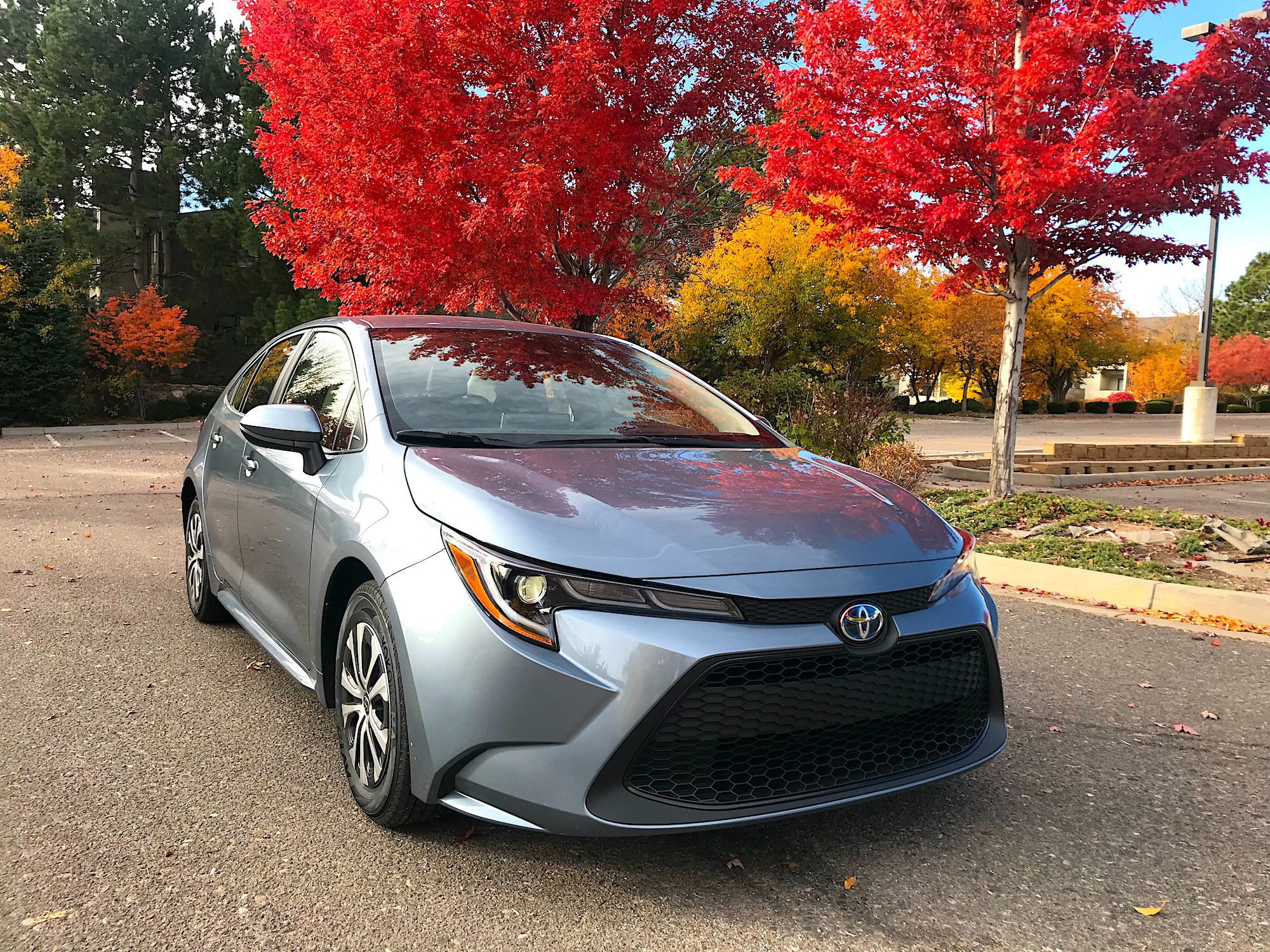
Toyota Corolla
The Toyota Corolla has earned its place as one of the most dependable compact cars on the road. Its steering system is praised for being simple, reliable, and rarely causing issues, even in older models.
Many owners report driving well past 150,000 miles without needing to touch anything related to the steering column, rack, or power steering pump. The electric power steering system in newer models is efficient and eliminates the need for fluid, cutting down one more potential failure point.
Another reason the Corolla fares well in this area is due to its conservative engineering. Toyota doesn’t often chase aggressive innovation in its mainstream models, instead focusing on refining what already works.
The steering system follows this principle. It’s not the most responsive or sporty feeling, but it is consistent and long-lasting. Mechanics frequently comment on the Corolla’s ability to stay aligned longer than other cars in its class, reducing the chance of uneven wear that could affect the steering.
The materials used in the steering components of the Corolla tend to be of higher quality than is found in some competing models. Toyota’s manufacturing tolerances and quality control contribute to fewer mechanical failures.
Whether it’s the steering rack or the electronic components that control newer systems, they’re all designed to outlast the average vehicle lifespan with fewer problems. This is particularly noticeable in areas with extreme climates, where some cars suffer due to the expansion and contraction of metal parts.
Routine steering maintenance on the Corolla is typically limited to tire alignments and occasional suspension checks. The lack of hydraulic systems in recent models eliminates the possibility of leaks or pump failures. Overall, the Toyota Corolla stands as a solid example of how simplicity and quality engineering can result in a vehicle that seldom causes problems in one of the most important areas of driving.
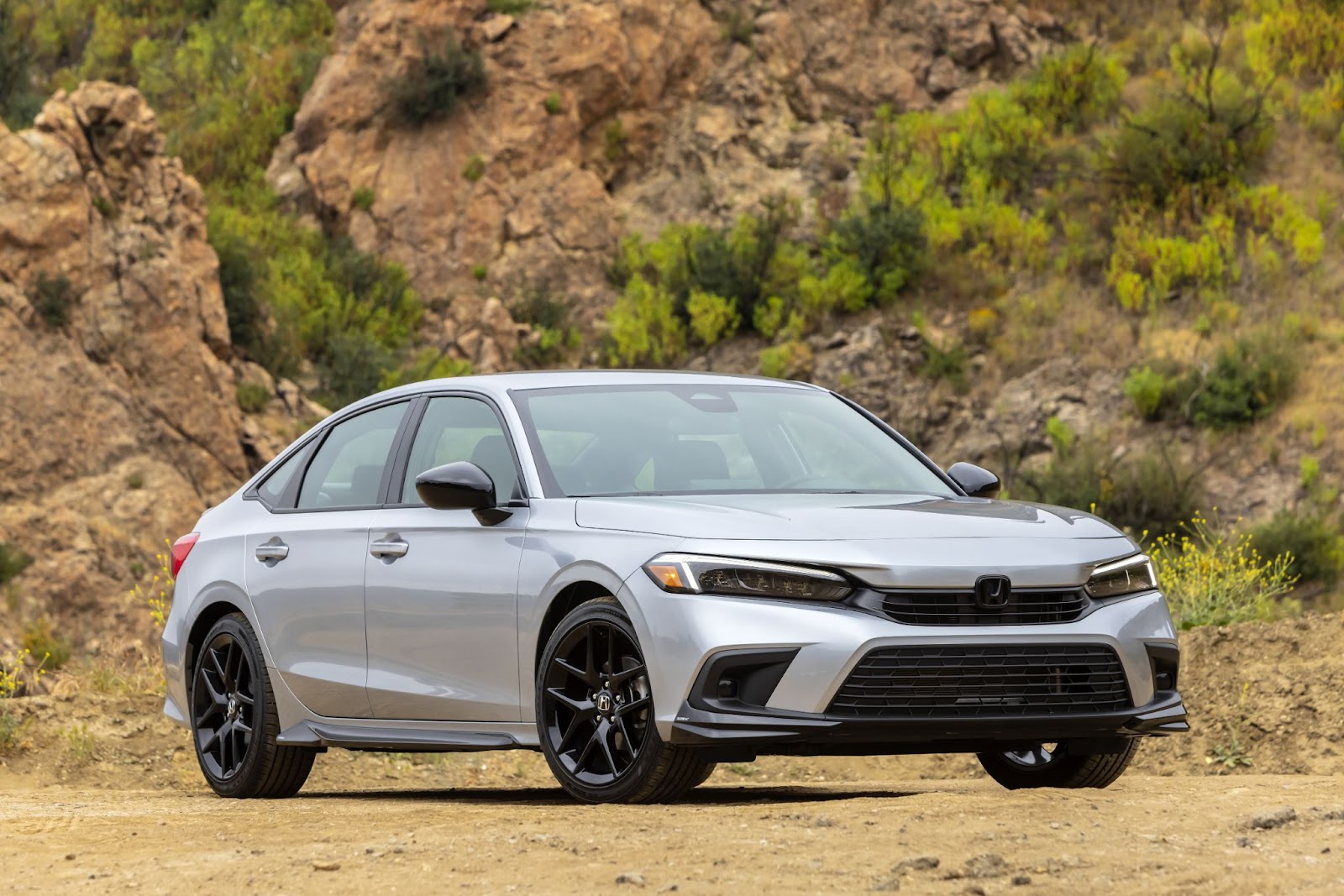
Honda Civic
The Honda Civic has a longstanding reputation for being both fuel-efficient and mechanically reliable. Its steering system is no exception. Whether it’s the hydraulic systems in older models or the electric power steering found in more recent versions, the Civic tends to hold up over the years without requiring much attention.
Mechanics consistently point out that the steering components on Civics are well-balanced, durable, and rarely show early signs of wear or misalignment.
One reason for the Civic’s strong track record in steering is its widespread usage and familiarity among technicians. Because the Civic is so common, many garages have experience in maintaining and inspecting these vehicles, which contributes to early detection and prevention of major issues. However, even without constant monitoring, these cars generally avoid major steering trouble thanks to their robust design.
The Civic’s suspension system, which closely interacts with the steering system, is also part of what makes its steering so reliable. It supports smooth turns and consistent handling over a wide variety of road conditions.
The overall balance of the vehicle ensures that stress isn’t disproportionately placed on one side of the system, which can often lead to premature wear in lesser cars. This even load distribution helps the car maintain its performance longer.
Finally, Honda tends to use quality bushings, joints, and mounting hardware in the Civic’s front-end assembly. These smaller parts are often the first to go in less well-built cars, and once they start wearing out, they can impact steering feel and precision.
But in the Civic, they’re made to last, and they often do. As a result, it’s not uncommon to see older Civics with original steering components still performing well after years of daily driving.

Lexus ES
The Lexus ES offers a mix of luxury and long-term dependability that few other sedans can match. It shares many components with the Toyota Avalon and Camry, which are already known for reliability.
The steering system in the ES is tuned for smoothness rather than sportiness, which tends to place less stress on the internal parts. This contributes to a longer lifespan for the rack and pinion, tie rods, and steering column components.
Lexus engineers focus heavily on comfort and low maintenance, and the steering system benefits from that focus. Most models use electric power steering that eliminates the issues associated with hydraulic systems, such as leaks or pump failures. These systems also reduce the risk of contamination from old or degraded power steering fluid. Many owners report owning the vehicle for over ten years without ever experiencing a steering-related repair.
The build quality of the Lexus ES also plays a significant role. Tighter assembly tolerances, better insulation, and fewer vibrations all contribute to lower long-term wear on steering components. Luxury cars like the ES are often built with better hardware throughout the vehicle, including in the steering assembly. These higher standards help keep parts functioning properly for longer periods of time.
Another factor that helps the Lexus ES avoid steering problems is the behavior of its typical driver. These cars are often owned by individuals who drive conservatively and maintain their vehicles according to schedule. That kind of usage pattern drastically reduces the likelihood of wear and damage, especially in systems like steering, which are affected by aggressive driving, potholes, and improper wheel alignments.
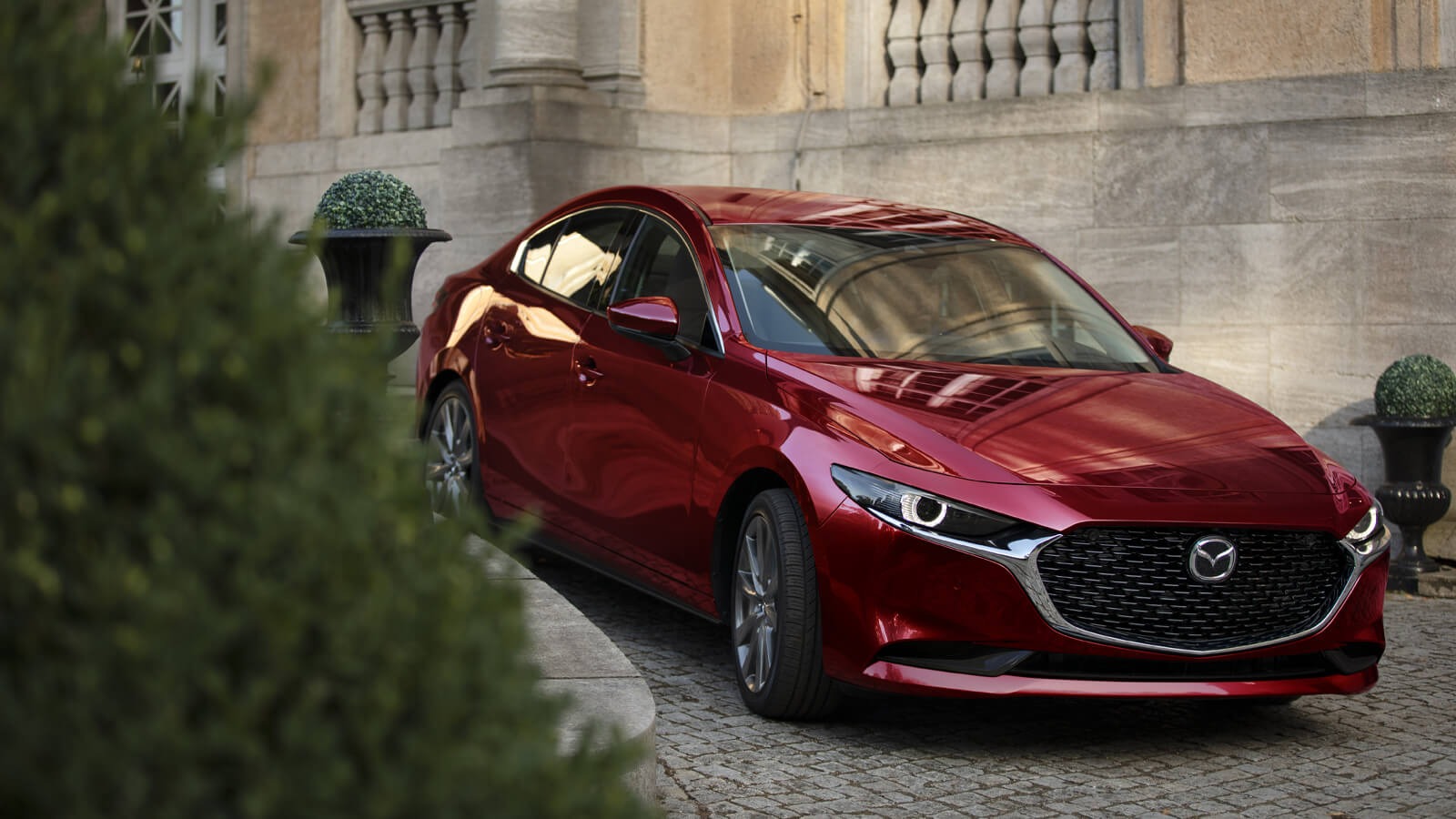
Mazda3
The Mazda3 is well-regarded for offering a sporty, responsive drive without sacrificing reliability. While sportier cars often struggle with premature steering component wear due to aggressive cornering and more feedback from the road, the Mazda3 seems to balance performance and durability better than most. Its electric power steering system is not only quick and accurate but also robust enough to hold up over time without the common issues found in some competitors.
Mazda’s attention to detail in handling dynamics extends to its parts design. The steering rack, bushings, and linkages are all designed to work in harmony, reducing stress on individual components. Even when pushed hard, the system resists sloppiness and unusual wear patterns that can lead to early failure. The result is a vehicle that continues to feel tight and composed after years of driving.
The relatively lightweight design of the Mazda3 also contributes to its steering longevity. Heavier vehicles put more strain on their steering systems, particularly during low-speed maneuvers or emergency maneuvers. The Mazda3, being compact and well-balanced, avoids this issue to a large extent. That lower stress means fewer repairs and more consistent performance across the lifespan of the car.
Another factor is Mazda’s general philosophy of mechanical simplicity blended with thoughtful engineering. The Mazda3 is not overly complicated or burdened with unnecessary steering technology. That kind of restraint can actually lead to fewer failure points. Owners who stay on top of wheel alignments and suspension checks often report never having to touch the steering system for repairs, even after extended use.
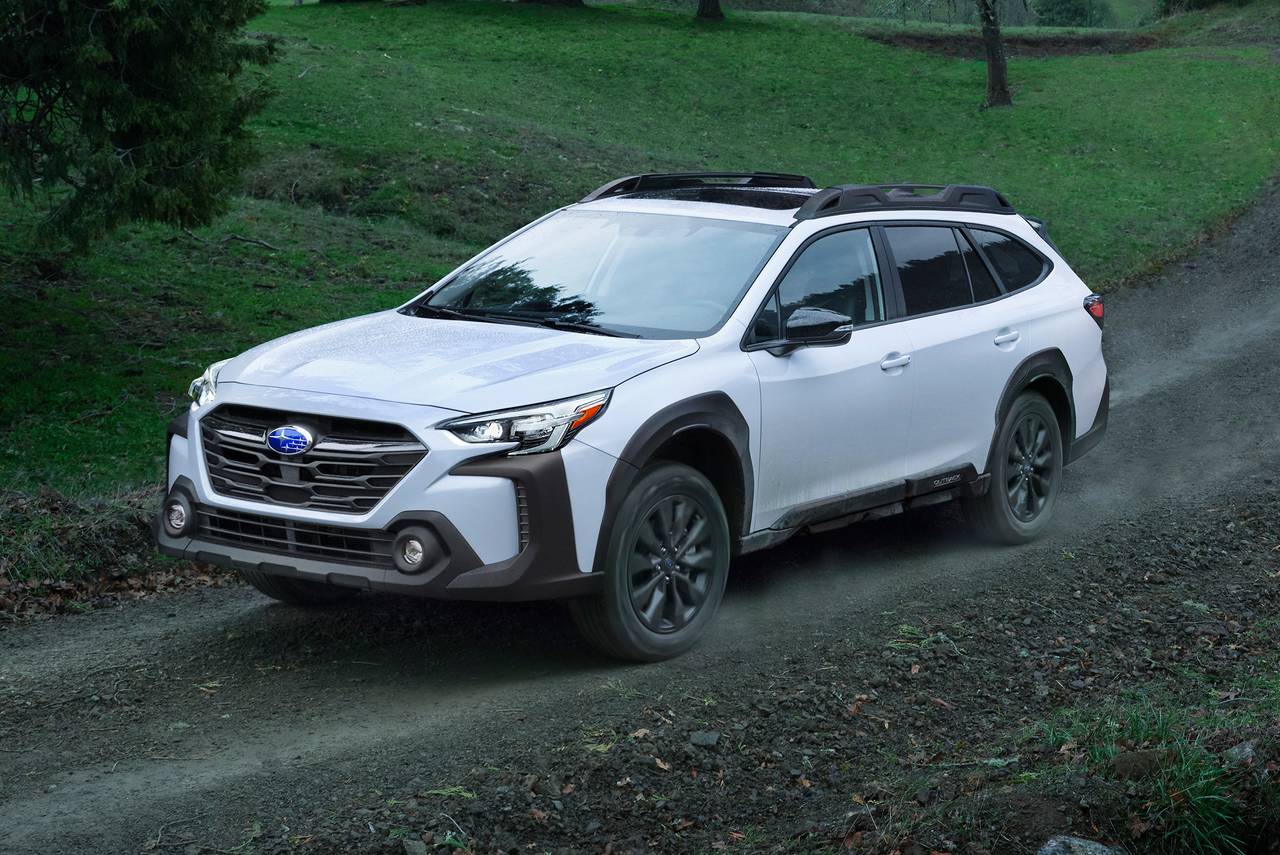
Subaru Outback
The Subaru Outback has gained a reputation for being dependable in tough conditions, and its steering system contributes to that reputation. Despite its all-wheel-drive configuration, which can make steering systems more complex, the Outback manages to keep its setup relatively trouble-free. Many long-term owners report only needing occasional alignments, with very few having to replace major steering parts.
One contributing factor is Subaru’s symmetrical drivetrain layout, which offers balanced weight distribution and better mechanical harmony. That even distribution means that the steering components aren’t constantly overcompensating for poor design or weight imbalances, which helps them last longer. It also improves stability on slippery surfaces, reducing the strain that might otherwise be placed on the steering rack.
The materials used in the steering system of the Outback are chosen for long-term durability. Subaru often emphasizes rugged use in its branding, which means their vehicles are built to handle rough roads, harsh weather, and significant mileage. The steering components benefit from this ruggedness.
Steering knuckles, tie rods, and the power assist system are all engineered to function consistently, even when the vehicle is used for light off-roading or driven frequently on unpaved roads. Unlike some competitors that suffer under those conditions, the Outback holds its alignment well and doesn’t develop the same early wear symptoms.
Another strength of the Outback’s steering reliability comes from Subaru’s approach to manufacturing. Many of their models, including the Outback, are produced with a focus on modularity and shared platforms. This allows Subaru to test and refine specific components across multiple models, identifying flaws quickly and improving them in successive designs.
As a result, the electric power steering system found in recent Outbacks is one of the most trouble-free in its class. Drivers report good steering feel with minimal input lag, and more importantly, very few issues requiring repair or replacement.
Subaru also tends to attract a particular type of driver, practical, maintenance-conscious, and not prone to aggressive or careless driving habits. This demographic factor plays a subtle but significant role in how the steering systems hold up. Steering systems often deteriorate faster in vehicles subjected to harsh maneuvers, sharp cornering, and uneven terrain.
But the Outback, often driven conservatively and maintained regularly, gets the kind of usage that extends component life. These usage patterns, combined with robust engineering, make steering problems relatively rare in this vehicle compared to similarly-sized crossovers.
In general, when discussing vehicles that avoid steering-related headaches, the Subaru Outback deserves to be on the list. Its combination of intelligent design, sturdy materials, and thoughtful user base contributes to a car that stays on the road with minimal fuss.
As long as it receives basic wheel alignments and tire care, the Outback’s steering remains solid year after year, regardless of mileage or age. This makes it an excellent choice for those who want dependable control without unexpected repair bills.
Vehicles That Constantly Need Steering Repairs
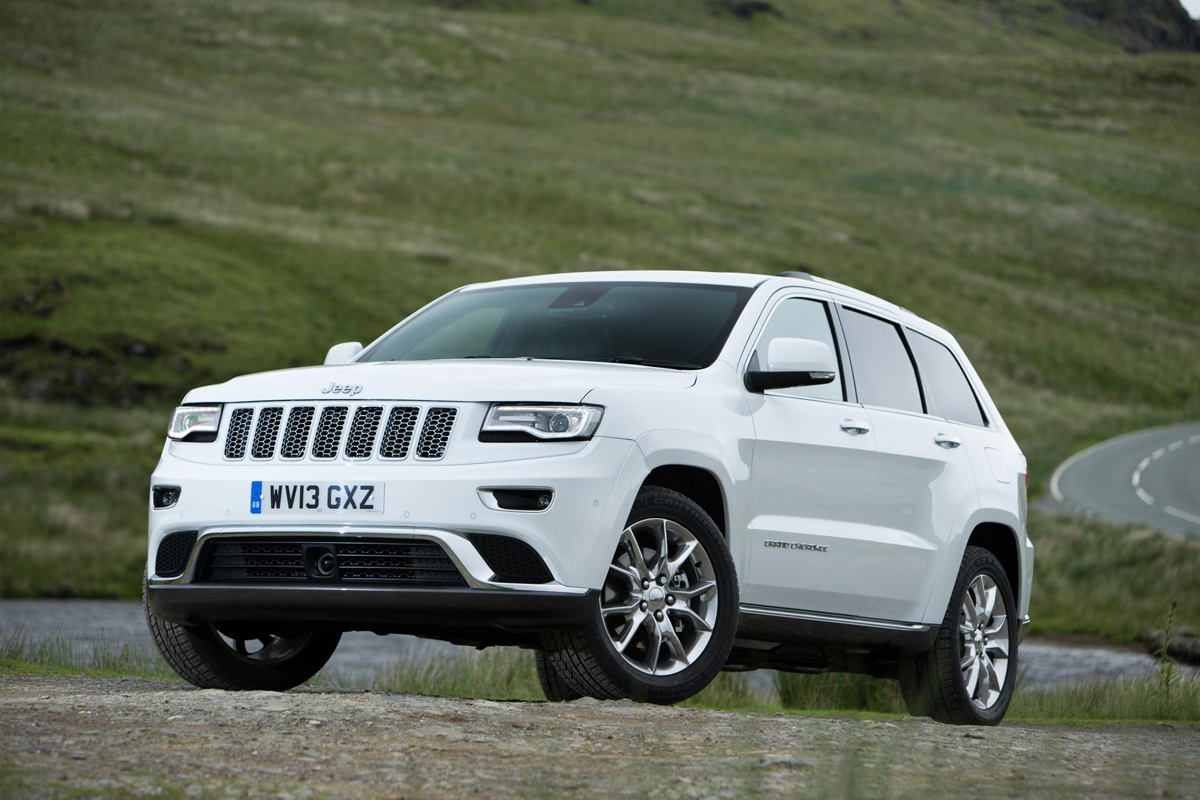
Jeep Grand Cherokee
The Jeep Grand Cherokee is a favorite among SUV enthusiasts, especially those who appreciate off-road capabilities and a strong road presence. However, despite its strengths in power and versatility, it has long been plagued by persistent steering issues.
One of the most common problems is premature wear of the steering rack and tie rods, which can result in loose or unresponsive steering. Many owners report having to replace these components well before reaching 100,000 miles. This pattern points to a design issue or component quality problem that Jeep has yet to fully resolve.
Another factor contributing to the Grand Cherokee’s steering troubles is its suspension and drivetrain layout. While its 4WD system is excellent for traction, it also adds complexity to the steering mechanics. The vehicle is heavier than many of its peers, and the steering system has to compensate for that added weight, particularly during low-speed maneuvers.
Over time, this added strain contributes to accelerated wear, even under normal driving conditions. This is made worse by the fact that many Grand Cherokees are driven in city environments where frequent turning and tight parking exacerbate the issue.
The use of electronic power steering in newer models has also created new challenges. Owners often complain about the steering being overly sensitive, or worse, intermittently losing power assist. In some cases, the electric motor used for steering fails outright, necessitating expensive repairs that can easily exceed a thousand dollars.
While electronic systems are supposed to reduce maintenance, in the Grand Cherokee, they often seem to introduce new failure points. This is particularly frustrating for owners who expect durability in an SUV that markets itself on ruggedness and off-road capability.
Additionally, the Grand Cherokee has a known history of manufacturing inconsistencies, which means that even within the same model year, some vehicles perform better than others. Quality control issues in assembly have led to uneven wear and misaligned components that affect the steering system.
Dealerships and independent mechanics alike frequently cite steering complaints as a reason for customer dissatisfaction with this model. Although it remains popular for other reasons, anyone considering a Grand Cherokee should be prepared for potential steering-related expenses and ongoing maintenance concerns.

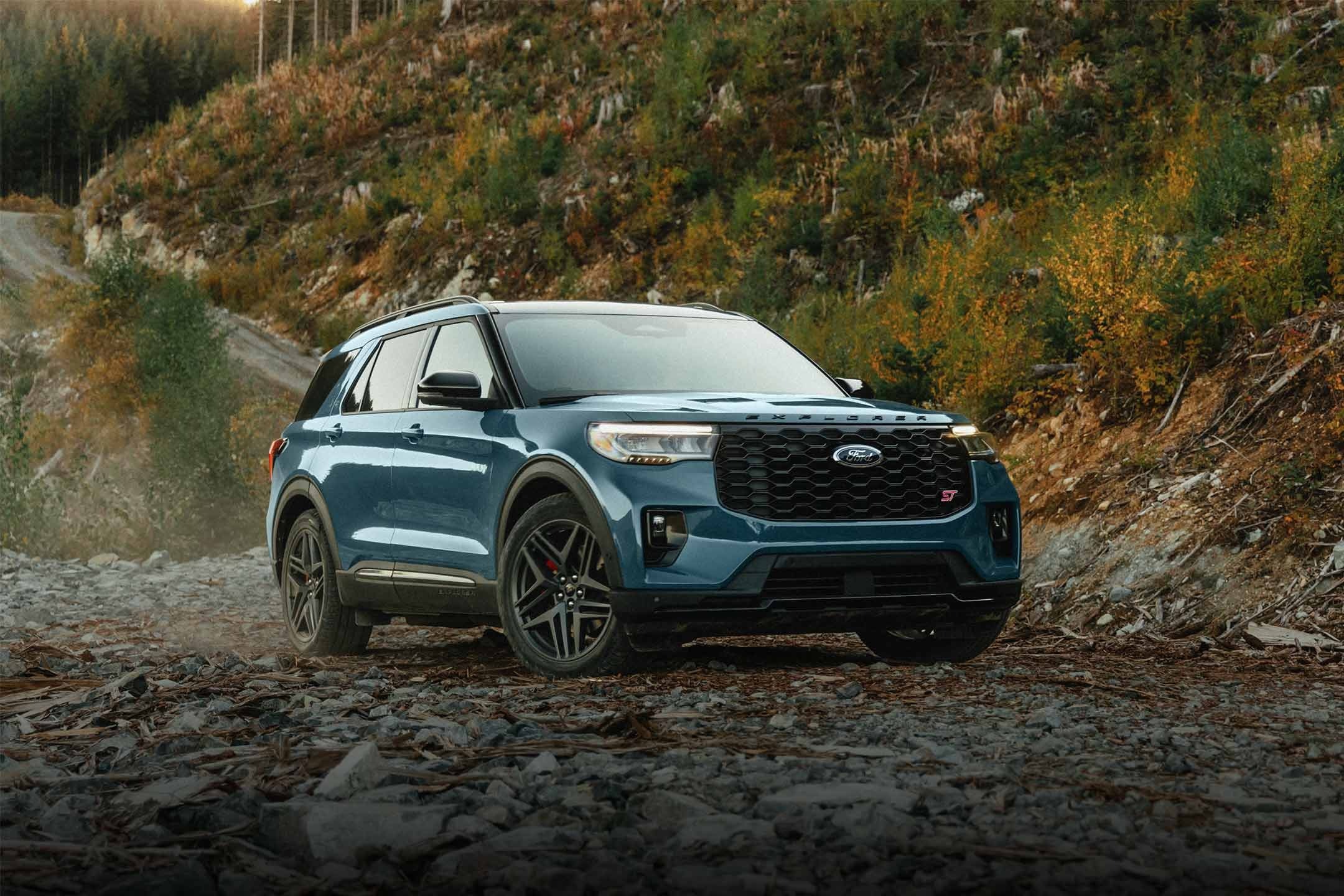
Ford Explorer
The Ford Explorer is one of the most widely sold SUVs in North America, and with that volume comes a lot of data, unfortunately, much of it points to consistent problems with the steering system.
Across several model years, Explorer owners have reported significant issues such as power steering failure, odd clunking noises when turning, and excessive play in the steering wheel. These issues are especially common in models from the early to mid-2010s, many of which have been subject to recalls or service bulletins related to steering defects.
One of the major pain points is the failure of the power steering motor or sensor, which causes the system to default into manual mode without warning. This can be alarming, especially at highway speeds or during tight turns. Replacing the motor or entire steering column is often the only solution, and these repairs are not cheap.
Worse, they sometimes occur after the warranty period has expired, leaving owners with substantial bills. In some cases, the electronic system has failed entirely while driving, leading to hazardous situations and potential accidents.
Another common issue lies in the design of the front-end suspension and steering rack. The Explorer tends to experience premature bushing wear and tie rod end degradation, especially in areas with poor road conditions. Once those parts begin to wear, the vehicle’s alignment becomes more difficult to maintain, and uneven tire wear accelerates.
This not only affects steering performance but also leads to a cycle of repeated repairs that can frustrate even the most patient owner.
Despite several redesigns and mechanical updates, Ford has struggled to completely eliminate steering complaints from this model. Many owners express dissatisfaction with the long-term reliability of the steering system, particularly when compared to other vehicles in its class.
As a result, the Explorer finds itself frequently mentioned in service centers for steering-related work, whether it’s related to the power assist system, column, or suspension components that interact directly with the steering rack.
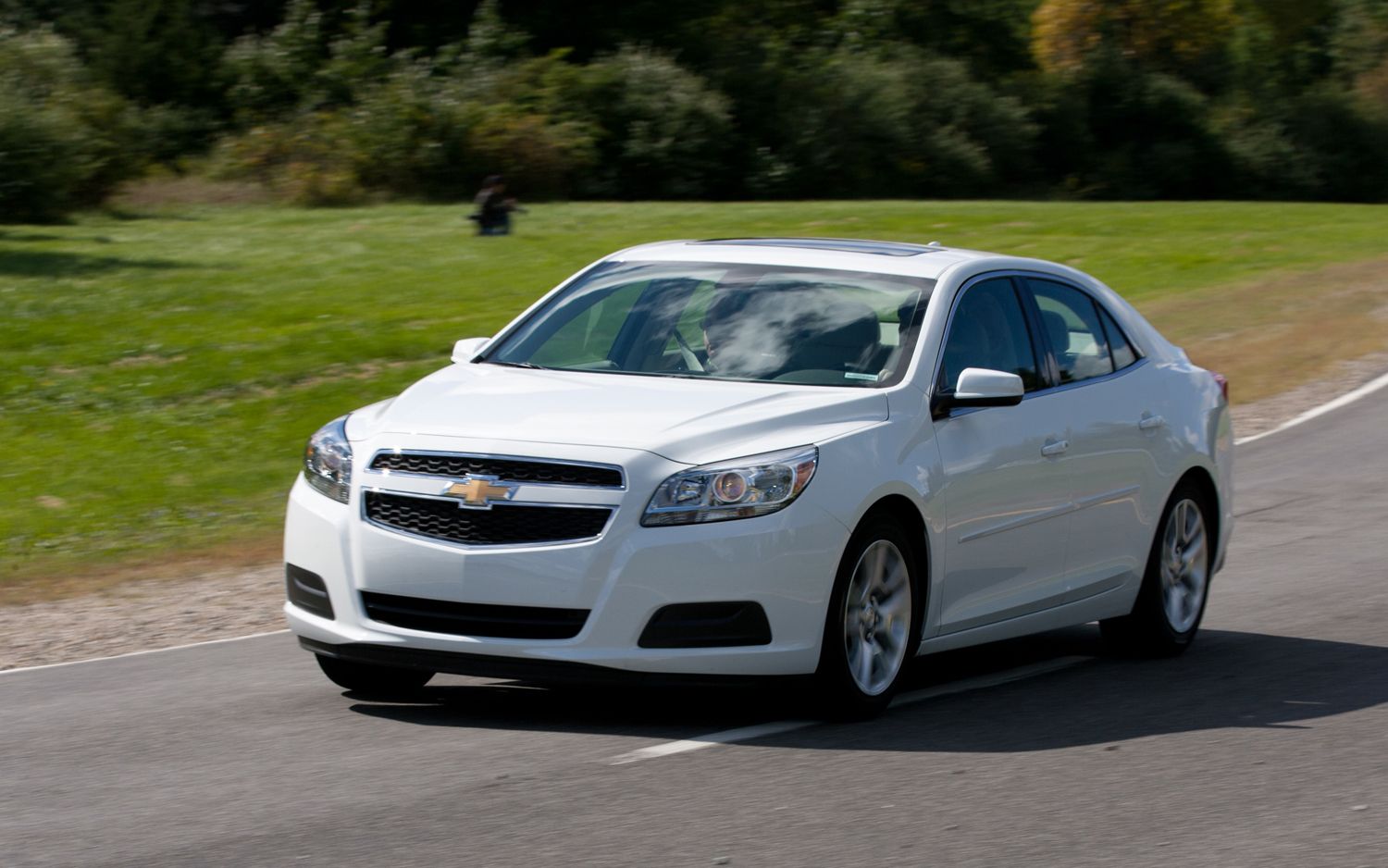
Chevrolet Malibu
The Chevrolet Malibu, a midsize sedan that competes with cars like the Honda Accord and Toyota Camry, has unfortunately built a reputation for needing frequent steering repairs. While the vehicle offers a smooth ride and a roomy cabin, its steering system is a notable weak point.
One of the most widely reported problems is the failure of the electronic power steering module, which tends to happen well before 100,000 miles. This failure can cause a total loss of power assist, resulting in extremely heavy steering effort and safety risks.
The issue is compounded by the fact that the power steering motor and sensor are integrated into the steering column in many models. This design choice makes replacement more complicated and expensive than if the motor were a standalone component.
Drivers frequently report sudden steering stiffness or warning lights indicating a system malfunction. When this happens, many dealerships recommend replacing the entire steering column, which can cost upwards of $1,500, including labor. For a midsize sedan intended to be affordable and easy to maintain, this is a significant drawback.
Another problem area involves the intermediate steering shaft, which often develops a clunking noise or noticeable play during turns. This shaft connects the steering wheel to the rack, and its failure leads to a vague or inconsistent steering feel. While not always dangerous, it makes driving less predictable and more frustrating. Replacing the shaft is a relatively simple repair, but the fact that it’s needed so frequently raises concerns about part quality and long-term design reliability.
Finally, while Chevrolet has addressed some of these issues in newer models, many earlier versions of the Malibu are still on the road and continue to suffer from steering problems. This has led to a lack of confidence among consumers and lower resale values for affected model years.
For drivers who value consistent and trouble-free steering, the Malibu falls short of expectations and remains a regular visitor to the repair shop for steering-related maintenance and replacement.
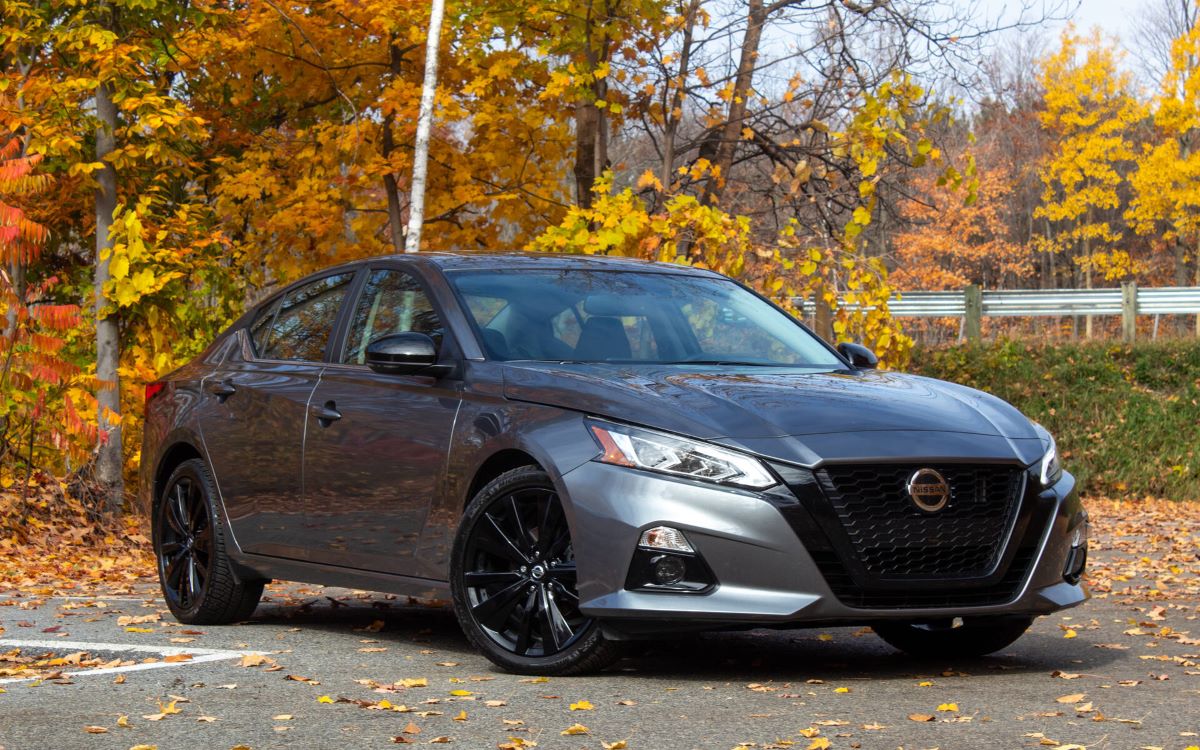
Nissan Altima
The Nissan Altima has been a popular midsize sedan for years, often praised for its fuel economy and affordability. However, the steering system has been one of the most persistent problem areas for this vehicle.
A common complaint among Altima owners is the premature failure of the electronic steering column lock and power steering control module. These failures can result in sudden loss of steering assist or complete steering lockup, both of which are not only inconvenient but potentially dangerous if they occur while the vehicle is in motion.
Many Altima models from the mid-2010s are notorious for developing vague or unresponsive steering as early as 60,000 miles. Unlike mechanical issues that degrade gradually, steering problems in the Altima often appear abruptly. This leaves owners with little warning and limited options.
Some drivers report excessive steering play, while others experience a drifting sensation even when driving straight. These issues can persist even after an alignment and often require replacing components like the steering rack, control module, or both.
Another major concern is the low build quality of front-end parts that work in tandem with the steering system. Suspension components, such as control arm bushings and tie rod ends, tend to wear faster than average, and this wear translates directly into poor steering response.
While regular maintenance can help reduce the impact, the frequency of these repairs is higher than what’s typically seen in competitors like the Honda Accord or Toyota Camry. In regions with rough roads or extreme weather conditions, these problems only worsen with time.
Nissan has issued several technical service bulletins related to the steering system in the Altima, but they have stopped short of issuing widespread recalls for some of the most common complaints. This has left many owners footing the bill for expensive repairs that arguably stem from poor design or inadequate testing.
While the Altima does have its strengths, its persistent steering issues make it a risky choice for drivers who prioritize long-term reliability and low repair frequency, especially when compared to better-engineered alternatives in the same class.
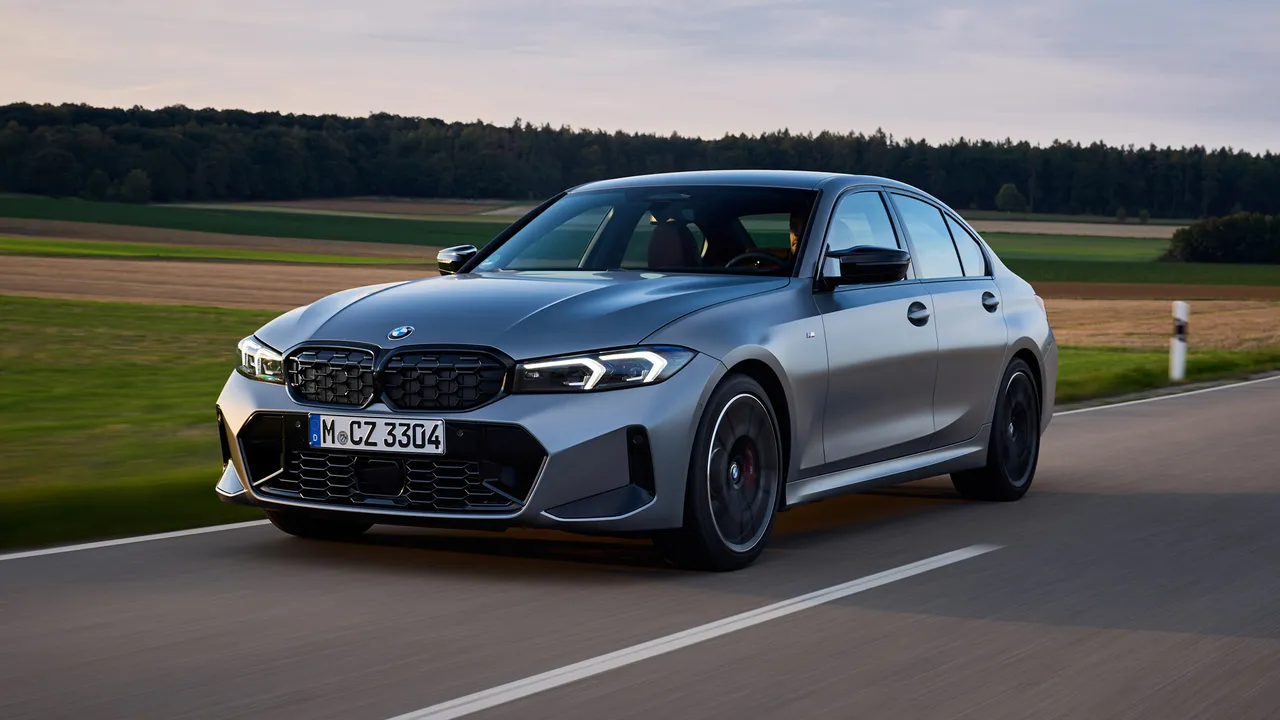
BMW 3 Series
The BMW 3 Series is often hailed as the benchmark for driving performance in the compact luxury sedan market. Its steering feel is one of its most praised characteristics, precise, communicative, and responsive.
Ironically, this focus on precision has led to increased mechanical complexity, and as a result, frequent issues in the steering system have plagued many 3 Series owners over the years. One of the most common problems involves the electric power steering unit found in newer models, which tends to fail prematurely and can cost thousands to replace.
In older models, particularly those from the late 2000s and early 2010s, the steering rack and power steering pump are notorious for leaks. These hydraulic systems are sensitive to fluid quality, and even slight contamination can lead to failure.
Once the pump starts to weaken, drivers notice heavier steering and whining noises during turns. Replacing these parts is expensive, not only due to the cost of OEM parts but also the high labor rates associated with European luxury vehicles. DIY repairs are often discouraged due to the specialized tools and procedures required.
Another recurring issue is the failure of the steering angle sensor, a key component in modern BMWs with advanced safety and stability systems. When this sensor malfunctions, it can cause warning lights for steering, traction control, and ABS to appear, and it sometimes disables power assist entirely.
The repair process can involve recalibration and programming, adding further cost and complexity. These electronic dependencies make steering issues not just a mechanical problem but also an electrical and software challenge.
What makes the situation more frustrating for 3 Series owners is that these problems often occur just outside the standard warranty period. Although extended warranties or certified pre-owned programs can offer some protection, the high incidence of steering-related issues remains a concern.
BMW’s commitment to performance often comes at the cost of long-term durability in certain components, and the steering system is a prime example. While the car may handle beautifully when new, the long-term ownership experience often includes at least one major steering-related repair.
