

The Ford Escort holds a special place in the automotive world, particularly among those who appreciate practical, reliable, and budget-friendly vehicles. Since its debut, it has been embraced by a wide variety of drivers for its straightforward design and ease of maintenance.
However, like all cars, the Escort is susceptible to wear and damage, especially when certain harmful habits are repeated. Even though it is built with durability in mind, neglect and poor driving or maintenance habits can dramatically shorten its lifespan.
This is especially true for older models, which have mechanical parts that require careful attention to remain in good working order. When people fail to understand how their everyday behavior affects their car, they often unintentionally cause serious damage that reduces reliability and increases repair costs.
The Ford Escort’s engineering allows for decent longevity when cared for properly, but it is not invincible. Many drivers treat it like any other car without considering the specific vulnerabilities that come with this model. Small mistakes and repeated bad habits can compound, leading to problems that arise sooner than expected.
Understanding these detrimental habits is essential for anyone who wants to keep their Escort running well for many years. It is not just about fixing problems after they occur but about preventing them from happening in the first place.
This means being mindful of how you drive, what kind of maintenance you perform, and how consistently you care for the vehicle.
This article focuses on eight common habits that many Ford Escort owners may not realize are damaging their cars prematurely.
These habits cover a wide range of areas, including engine care, driving style, cooling system maintenance, loading practices, brake upkeep, fuel choices, tire maintenance, and electrical system attention.
Each of these elements plays a crucial role in the vehicle’s health and reliability. If any one of them is ignored or mishandled, it can have a ripple effect, causing failures in other parts and reducing the vehicle’s usability and safety.
Recognizing and correcting these habits can save owners a significant amount of money, frustration, and inconvenience down the road.
For those who want to enjoy the benefits of their Ford Escort without constant repairs or breakdowns, adopting good habits and following recommended maintenance practices is key. This does not require specialized knowledge or expensive tools, just a willingness to pay attention and act consistently.
Whether you drive your Escort daily or only occasionally, being aware of these harmful habits and working to change them will make a significant difference. The sections that follow explain each habit in detail, highlighting the consequences of ignoring it and offering practical advice on how to avoid or fix these common mistakes.
Also Read: 8 Checks That Stop a Chevy Colorado From Breaking Down Early
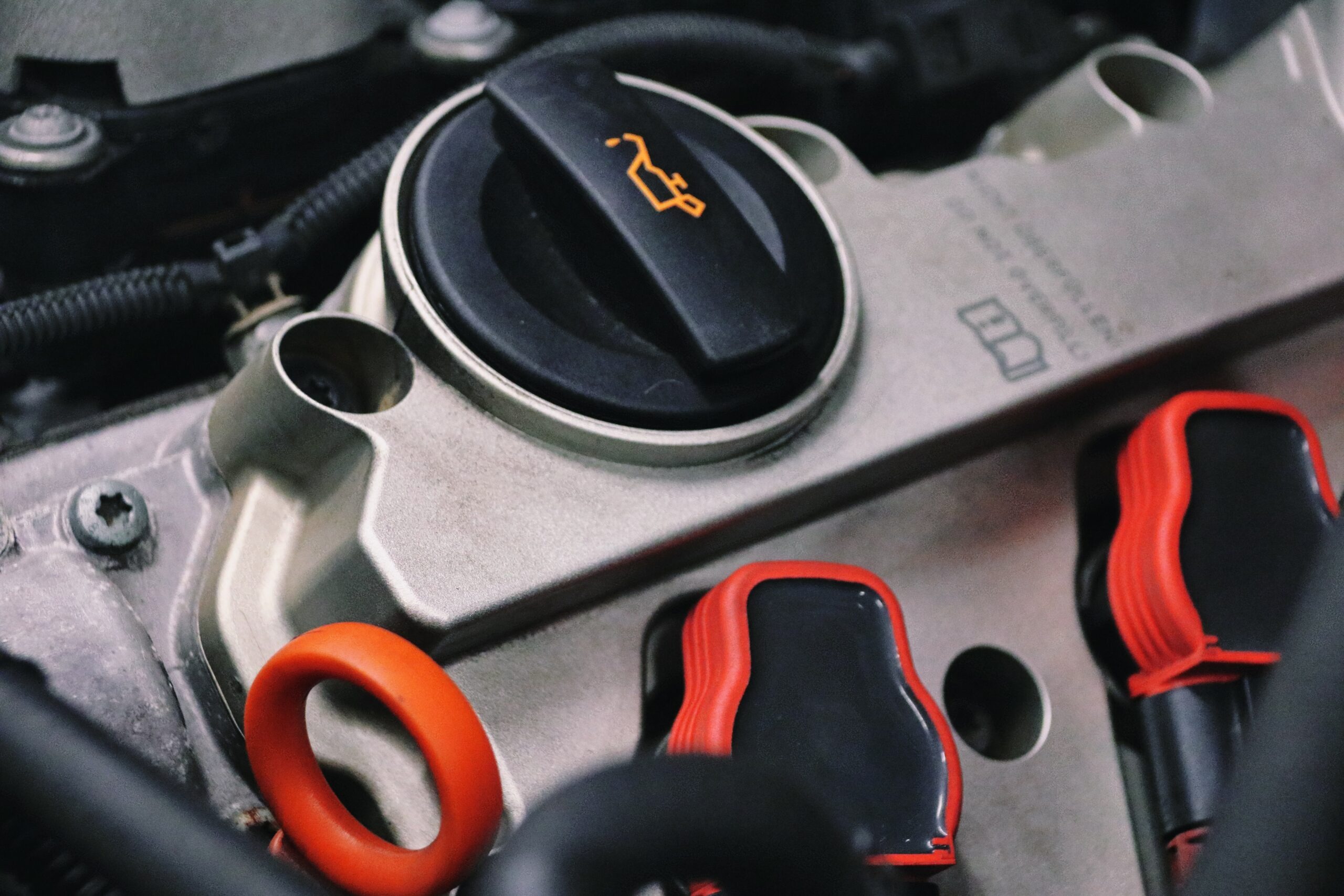
1. Neglecting Regular Oil Changes
The importance of regular oil changes cannot be overstated when it comes to keeping a Ford Escort running smoothly.
Oil lubricates the engine’s internal parts, reducing friction that causes wear and overheating. Over time, oil degrades and becomes contaminated with particles that can cause damage if left unchecked.
When drivers neglect to change their oil at recommended intervals, they put their engines at serious risk. Dirty oil no longer protects moving components effectively, leading to metal-on-metal contact that wears down pistons, cylinders, and bearings. This deterioration can cause the engine to lose power, consume more fuel, and eventually fail.
Older Ford Escorts, in particular, are vulnerable to damage from old or insufficient oil because their engines do not have the advanced filtration and lubrication technology found in modern vehicles. These engines depend on a consistent supply of clean oil to maintain the delicate balance needed for smooth operation.
Without regular oil changes, sludge forms inside the engine, blocking oil passages and restricting flow. This leads to hotspots where parts get overheated and further damaged. Over time, these issues develop into serious mechanical problems like seized engines or blown head gaskets, both of which are costly to repair.
Aside from the direct engine damage, neglecting oil changes can also reduce the efficiency of the vehicle. The engine has to work harder to perform, which results in higher fuel consumption and increased emissions.
Poor engine performance not only shortens the car’s life but can also make the vehicle less enjoyable and safe to drive. Ignoring oil changes is one of the easiest ways to unknowingly sabotage your Ford Escort’s longevity, but it is also one of the simplest habits to fix.
To protect the engine, it is critical to follow the manufacturer’s recommended oil change schedule, which for many Escort models is around every 3,000 to 5,000 miles or every six months. Using the right type of oil and high-quality filters ensures the engine receives proper lubrication and filtration.
Even if the car is not driven frequently, oil changes remain necessary because oil breaks down over time regardless of mileage.
Checking oil levels regularly between changes can alert drivers to leaks or consumption issues before they become severe. In essence, maintaining a strict oil change routine is fundamental for keeping your Ford Escort’s engine healthy and extending its operational life.

2. Aggressive Driving and Hard Acceleration
Aggressive driving, including hard acceleration, rapid gear changes, and sudden braking, places excessive stress on many components of the Ford Escort.
This habit can be particularly harmful because it pushes parts beyond their normal operating limits, causing accelerated wear and increasing the likelihood of mechanical failure.
The Escort’s design emphasizes efficiency and practicality, not performance or high-speed endurance, so aggressive driving can quickly overwork its engine, transmission, and suspension.
Frequent hard acceleration causes the engine to rev at high speeds and produce excessive heat. This accelerates the wear of internal parts such as pistons, valves, and bearings. The increased strain also puts pressure on the clutch in manual models, leading to premature clutch plate wear and possible slippage.
The transmission gears, especially in older models, are not designed to handle repeated shocks from aggressive driving, and this can cause gear damage or synchro ring failure. Such damage usually requires costly repairs or a complete transmission rebuild.
Additionally, aggressive driving affects other vehicle systems beyond the engine and transmission. The suspension components, including shock absorbers, springs, and bushings, experience rapid deterioration from sudden impacts and harsh cornering.
This leads to a rough ride and less precise handling, reducing driver confidence and safety. The braking system also wears out faster due to the repeated need for sudden stops, increasing the frequency of brake pad and disc replacements. Tires experience uneven and accelerated wear as well, which affects fuel economy and vehicle control.
Changing driving habits is one of the most effective ways to extend the life of your Ford Escort. Driving smoothly, avoiding sudden acceleration and braking, and maintaining steady speeds reduce the stress on mechanical parts.
Not only does this approach extend component life, but it also improves fuel efficiency, decreases emissions, and promotes safer driving. For owners who want to maximize the value and reliability of their Escort, adopting a more relaxed and consistent driving style is essential.
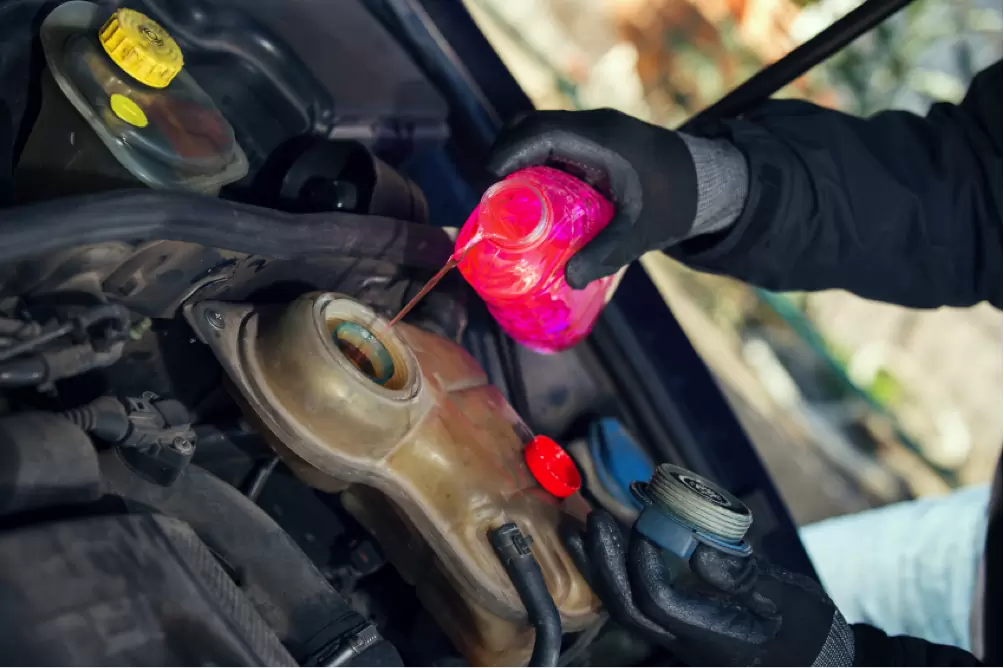
3. Ignoring Cooling System Maintenance
The cooling system is vital to the health of the Ford Escort’s engine. It prevents the engine from overheating by circulating coolant through the engine block and radiator to dissipate heat. When this system is neglected, it often leads to severe engine problems.
Overheating can cause warping of critical components like the cylinder head, which may result in blown head gaskets or cracked engine blocks. These are expensive repairs that can sometimes render the car uneconomical to fix.
Coolant degrades over time and loses its effectiveness. It also contains additives to prevent rust and corrosion within the cooling system, which break down over time. If the coolant is not flushed and replaced regularly, rust and sediment build up inside the radiator, hoses, and engine passages.
This buildup restricts coolant flow, causing the engine to run hotter than it should. Leaking hoses, a failing water pump, or a stuck thermostat exacerbate these problems by reducing the system’s ability to circulate coolant properly.
In older Escorts, the cooling system components are often original and prone to wear and corrosion. This makes regular inspection and maintenance even more important.
Overheating events, even minor ones, cause stress to the engine and reduce its lifespan. When drivers ignore early signs of cooling system failure such as temperature gauge spikes, coolant leaks, or heater malfunctions, they risk turning a minor issue into a catastrophic engine failure.
Routine cooling system maintenance includes checking coolant levels frequently, inspecting hoses and clamps for wear or leaks, and flushing the system at intervals recommended by Ford. Using the correct type of coolant and maintaining the right mixture of antifreeze and water is essential for proper heat transfer and corrosion protection.
Replacing worn or damaged components promptly keeps the system operating efficiently. Taking care of the cooling system helps avoid overheating, protects the engine, and contributes to the longevity of the Ford Escort.

4. Overloading the Vehicle
Ford Escorts are designed with specific weight limits to ensure safe handling and mechanical integrity. Overloading the vehicle, whether by carrying too many passengers or transporting heavy cargo, is a habit that can cause serious and premature damage to various vehicle systems.
Ignoring these limits stresses the suspension, brakes, tires, and frame, leading to reduced performance and higher repair costs.
The suspension system absorbs the impact of road irregularities and supports the vehicle’s weight. When overloaded, springs and shock absorbers compress beyond their intended range, causing sagging and uneven ride height.
This not only affects comfort but also harms the suspension’s components, such as bushings and joints, which wear out faster under excessive weight. Over time, the suspension can lose its ability to keep the vehicle stable and properly aligned, resulting in poor handling and increased tire wear.
Braking ability decreases significantly with added weight. The brakes have to work harder to slow down the vehicle, which increases heat buildup and accelerates wear on brake pads and rotors. Overloaded vehicles take longer to stop, creating a hazard in emergencies.
Tires suffer from excessive pressure due to the extra weight, causing faster tread wear, overheating, and a higher risk of blowouts. This compromises both safety and fuel efficiency, as the engine works harder to move the heavier load.
Drivers often overlook the manufacturer’s recommended load capacity, which is usually listed on a sticker inside the driver’s door jamb or in the owner’s manual. It’s important to respect these limits and avoid carrying unnecessary heavy items or passengers beyond the vehicle’s capacity.
Evenly distributing weight evenly is critical to maintaining balance and proper suspension function. Regularly checking tire pressure and condition becomes even more important when carrying heavier loads.
By understanding the impact of overloading and taking steps to prevent it, Ford Escort owners can avoid expensive repairs, improve driving safety, and extend the life of their vehicle. Managing weight responsibly ensures that the car continues to perform as designed and remains reliable on the road.
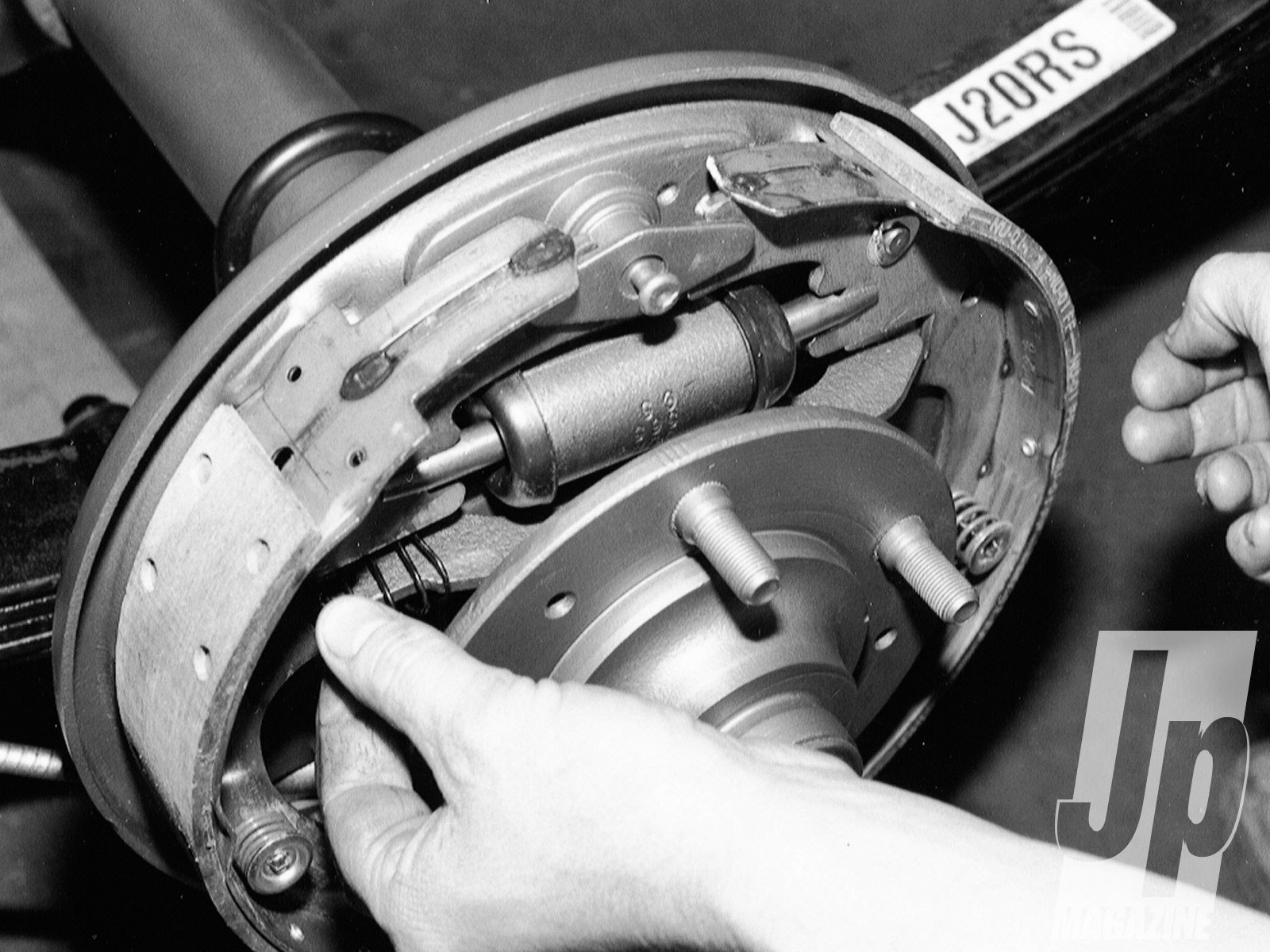
5. Skipping Brake Maintenance
The braking system is one of the most crucial safety features in a Ford Escort, and neglecting its maintenance can have dire consequences. Brake pads, rotors, calipers, and brake fluid require regular inspection and servicing to ensure they work properly.
Failing to maintain the brakes can lead to early component failure, reduced stopping power, and potentially dangerous driving conditions.
Brake pads wear down over time due to friction during braking. When they are allowed to wear too thin, metal parts contact the rotors, causing damage to both.
This not only increases repair costs but also reduces braking efficiency, leading to longer stopping distances. Symptoms like squeaking, grinding noises, or a soft brake pedal are clear warnings that brake components need immediate attention.
Brake fluid is another critical part of the system. It transmits hydraulic pressure from the brake pedal to the brake calipers. Over time, brake fluid absorbs moisture from the air, which lowers its boiling point and causes corrosion inside the brake lines and calipers.
This can result in brake fade, where brakes lose effectiveness, especially during heavy use. Corroded brake lines can also leak, causing sudden brake failure.
Proper brake maintenance includes checking the thickness of brake pads, inspecting rotors for warping or scoring, and flushing the brake fluid at recommended intervals.
Addressing brake issues as soon as they arise prevents more serious problems and ensures the car remains safe to drive. For the Ford Escort, which may be used frequently in urban settings with frequent stopping, regular brake care is especially important.
Ignoring brake maintenance compromises not only the vehicle’s longevity but also the safety of the driver and others on the road. Staying on top of brake upkeep is an essential responsibility for every Escort owner.
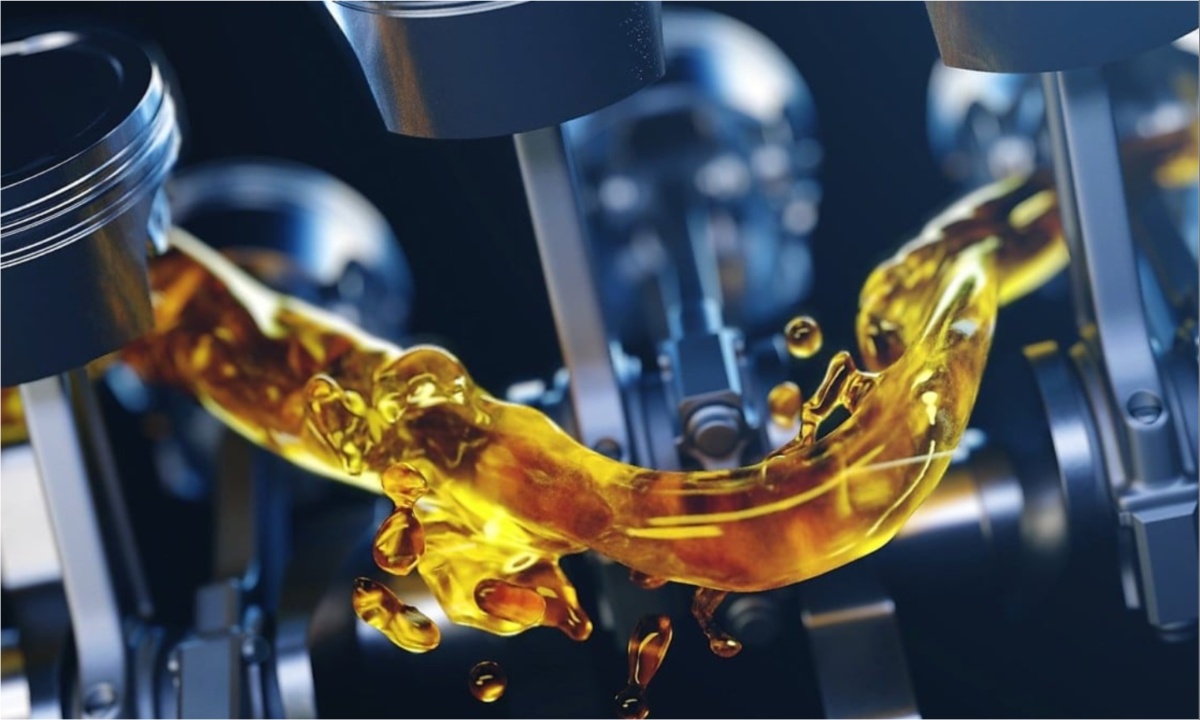
6. Using Low-Quality or Incorrect Fuel
Fuel quality plays a significant role in the performance and longevity of the Ford Escort’s engine. Using low-grade or incorrect fuel can cause engine knocking, clogged fuel injectors, and inefficient combustion, all of which shorten the engine’s life.
Many Ford Escort models require a specific octane rating, and deviating from this can lead to problems that develop slowly but worsen over time.
Low-quality fuels often contain impurities such as water, sediments, or additives that don’t burn cleanly. These contaminants can clog fuel filters and injectors, reducing fuel flow and causing the engine to run rough.
Clogged injectors lead to uneven fuel spray, resulting in poor combustion, misfires, and increased emissions. Over time, deposits build up on valves and pistons, reducing compression and causing the engine to consume more oil and fuel.
Using fuel with an octane rating lower than recommended causes engine knocking or pinging. This is a condition where fuel detonates prematurely inside the cylinder, creating shock waves that damage pistons, rings, and cylinder heads.
Repeated knocking weakens these parts and leads to costly engine repairs. On the other hand, using higher octane fuel than required does not offer any significant benefit and wastes money.
Owners should always consult their vehicle’s manual to determine the correct fuel type and octane rating. Purchasing fuel from reputable stations reduces the risk of contamination and ensures consistent quality.
Regularly replacing the fuel filter and cleaning the fuel system as part of routine maintenance helps keep injectors clear and functioning properly.
By using the right fuel and maintaining the fuel system, Ford Escort drivers help ensure smooth engine performance, improved fuel economy, and longer engine life. This simple habit can save time and money while preserving the car’s reliability.

7. Ignoring Tire Maintenance
Tires are the crucial contact point between the Ford Escort and the road, making their care essential for safety, performance, and vehicle longevity.
Neglecting tire maintenance is a common mistake that leads to uneven wear, poor traction, decreased fuel efficiency, and even dangerous blowouts. The condition and proper inflation of tires significantly affect the driving experience.
Many drivers fail to check their tire pressure regularly, which is one of the easiest but most important maintenance steps. Underinflated tires create excessive heat as they flex more during driving, leading to premature wear and increased chances of tire failure.
Overinflated tires reduce the tire’s contact patch with the road, causing less grip and a harsher ride. Both situations negatively impact fuel economy and handling, reducing safety and increasing operating costs.
Tire alignment and rotation are often overlooked but critical maintenance tasks. Poor alignment causes tires to wear unevenly, usually on one edge, which shortens tire life and affects vehicle stability.
Rotating tires periodically ensures even wear across all four tires, extending their lifespan and improving ride quality. Worn tires also impact braking distances and the car’s ability to handle wet or slippery conditions.
Inspecting tires for cuts, punctures, bulges, or uneven tread wear is important for catching potential problems early. Driving on damaged or excessively worn tires puts the driver and passengers at risk, especially at higher speeds or in poor weather conditions.
When tire tread depth reaches the legal or recommended minimum, it is time to replace them to maintain safe driving conditions.
Consistent tire maintenance helps preserve suspension components by ensuring the car rides smoothly and handles correctly. It also improves fuel efficiency by reducing rolling resistance.
For Ford Escort owners, committing to regular tire care is one of the simplest ways to protect their investment and enhance driving safety.
8. Postponing Electrical System Repairs
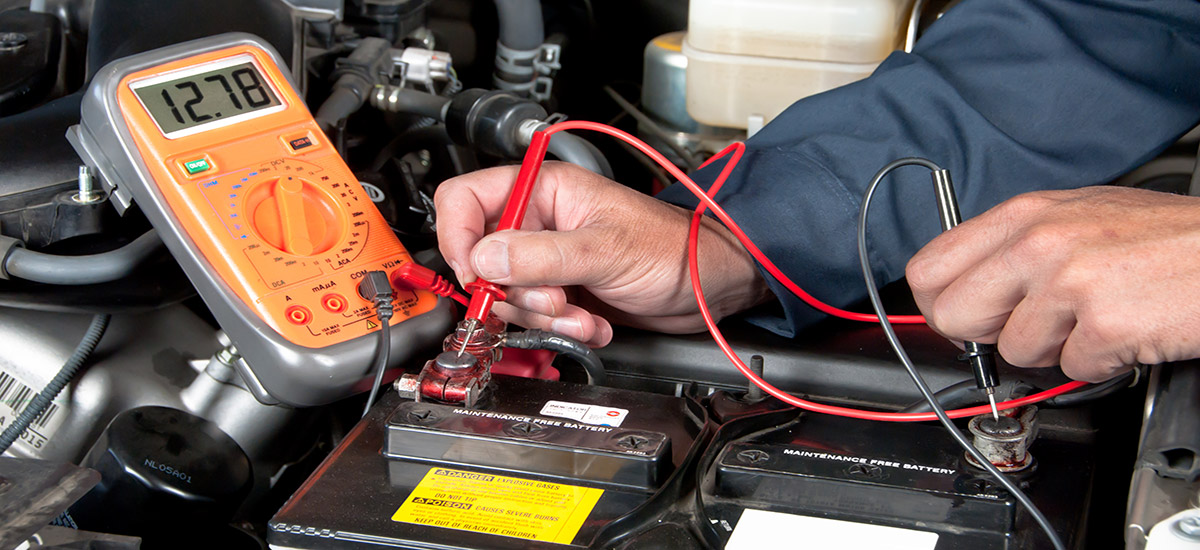
The electrical system in the Ford Escort supports many essential functions, from engine ignition to lighting and dashboard instruments. Ignoring electrical problems can lead to unexpected failures, breakdowns, and potentially dangerous situations. Electrical issues often start small but can escalate quickly if not addressed.
Wiring in older Escorts is prone to corrosion and wear due to age and environmental exposure. Corroded connectors, broken wires, or loose terminals cause intermittent problems such as flickering lights, failing ignition, or malfunctioning gauges.
These symptoms may seem minor at first, but often signal deeper issues that require attention before complete failure occurs. Electrical shorts or faults can also cause fuse blowouts or damage to electronic components.
The battery and alternator are key components of the electrical system. A weak battery struggles to start the engine, especially in cold weather.
A failing alternator fails to charge the battery properly, causing the vehicle to lose power and eventually stall. Ignoring warning signs like dimming headlights, warning lights on the dashboard, or difficulty starting the car can result in being stranded unexpectedly.
Routine checks of battery health, cleaning of terminals, inspection of wiring and fuses, and prompt replacement of faulty components are essential for maintaining the electrical system. Addressing electrical issues early prevents more costly repairs and keeps all vehicle systems working reliably.
For Ford Escort owners, keeping the electrical system in good shape ensures dependable starts, proper lighting for safety, and the correct functioning of all dashboard indicators. Staying on top of these repairs contributes significantly to the reliability and safety of the vehicle.
9. Skipping Regular Transmission Maintenance
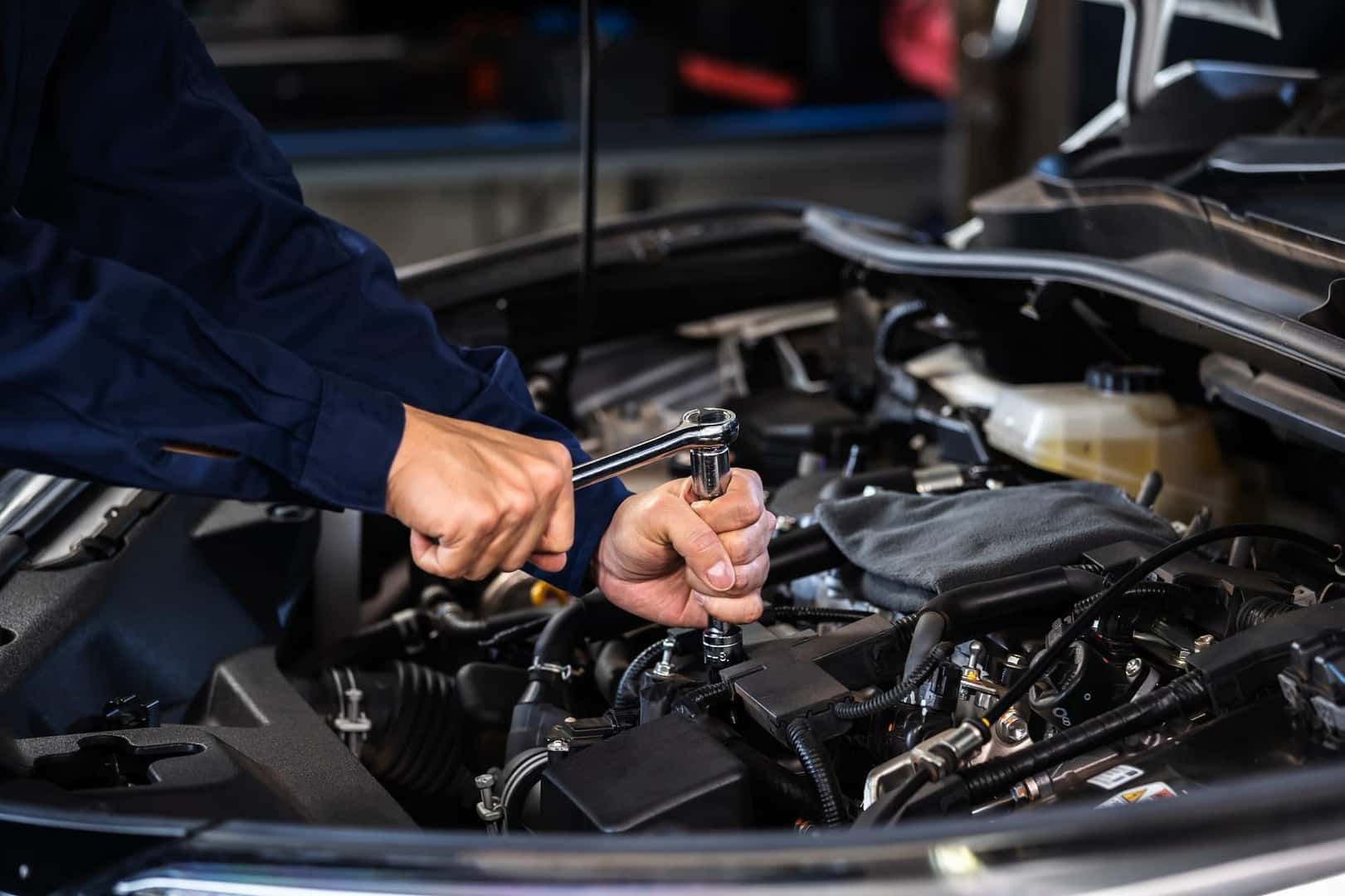
The transmission is a complex and vital part of the Ford Escort that transfers engine power to the wheels, allowing the vehicle to move. Ignoring regular transmission maintenance can cause severe damage and lead to costly repairs or complete failure.
Many drivers overlook transmission fluid changes and system inspections, not realizing how important this upkeep is for smooth shifting and long-term transmission health.
Transmission fluid lubricates the gears, cools components, and keeps the system running efficiently. Over time, the fluid becomes dirty, breaks down, and loses its ability to lubricate properly.
When fluid isn’t changed regularly, the transmission’s moving parts experience increased friction and heat, which accelerates wear and damages seals and clutches inside the transmission. Dirty or low fluid levels can also cause the transmission to slip, shift roughly, or fail to engage gears properly.
Manual transmissions require attention to clutch operation and adjustment, while automatic transmissions depend heavily on fluid quality and filter maintenance.
For older Ford Escorts, transmission seals and gaskets may degrade with age, leading to leaks that reduce fluid levels unnoticed. Without regular checks, these leaks can go undetected until severe damage occurs.
Regular transmission service typically involves checking fluid levels, replacing the fluid and filter, and inspecting for leaks or worn parts. Following manufacturer recommendations for maintenance intervals helps keep the transmission operating smoothly.
Taking this simple step can prevent premature transmission failure, improve driving comfort, and save a significant amount of money on repairs.

10. Allowing Rust to Spread
Rust is a common problem for older cars, and the Ford Escort is no exception. Allowing rust to develop and spread unchecked can severely weaken the vehicle’s body and structural components.
This not only affects the car’s appearance but also compromises safety and value. Rust eats away at metal, causing holes, weakening joints, and eventually making parts unusable.
Salt, moisture, and road debris accelerate rust formation, especially in climates with harsh winters or near coastal areas. Ford Escorts, particularly older models, often develop rust in common trouble spots such as wheel arches, door sills, undercarriage, and around the exhaust system.
Small rust spots might seem harmless at first, but if left untreated, they grow and can cause extensive damage.
Rust can affect crucial parts of the vehicle such as suspension mounts, brake lines, and the frame itself. When structural integrity is compromised, it poses serious safety risks, including the possibility of parts breaking or detaching while driving. Repairing rust damage can be expensive, especially if the rust has penetrated deeply or spread widely.
Regular inspections and timely treatment of rust spots are essential. Washing the car frequently, especially the undercarriage, helps remove salt and dirt that cause corrosion.
Applying rust inhibitors or protective coatings can slow down the process. Early repairs, such as sanding down small rust spots and applying paint or sealant, prevent further spread and maintain the car’s longevity and safety.
11. Failing to Replace Worn Belts and Hoses
Belts and hoses are essential components that keep the Ford Escort’s engine running smoothly by powering auxiliary systems and transporting fluids.
Failing to replace worn or cracked belts and hoses can lead to breakdowns and engine damage. Despite their importance, these parts are often forgotten during routine maintenance until they cause noticeable problems.
Drive belts, such as the timing belt or serpentine belt, synchronize engine components like the alternator, water pump, and power steering pump.
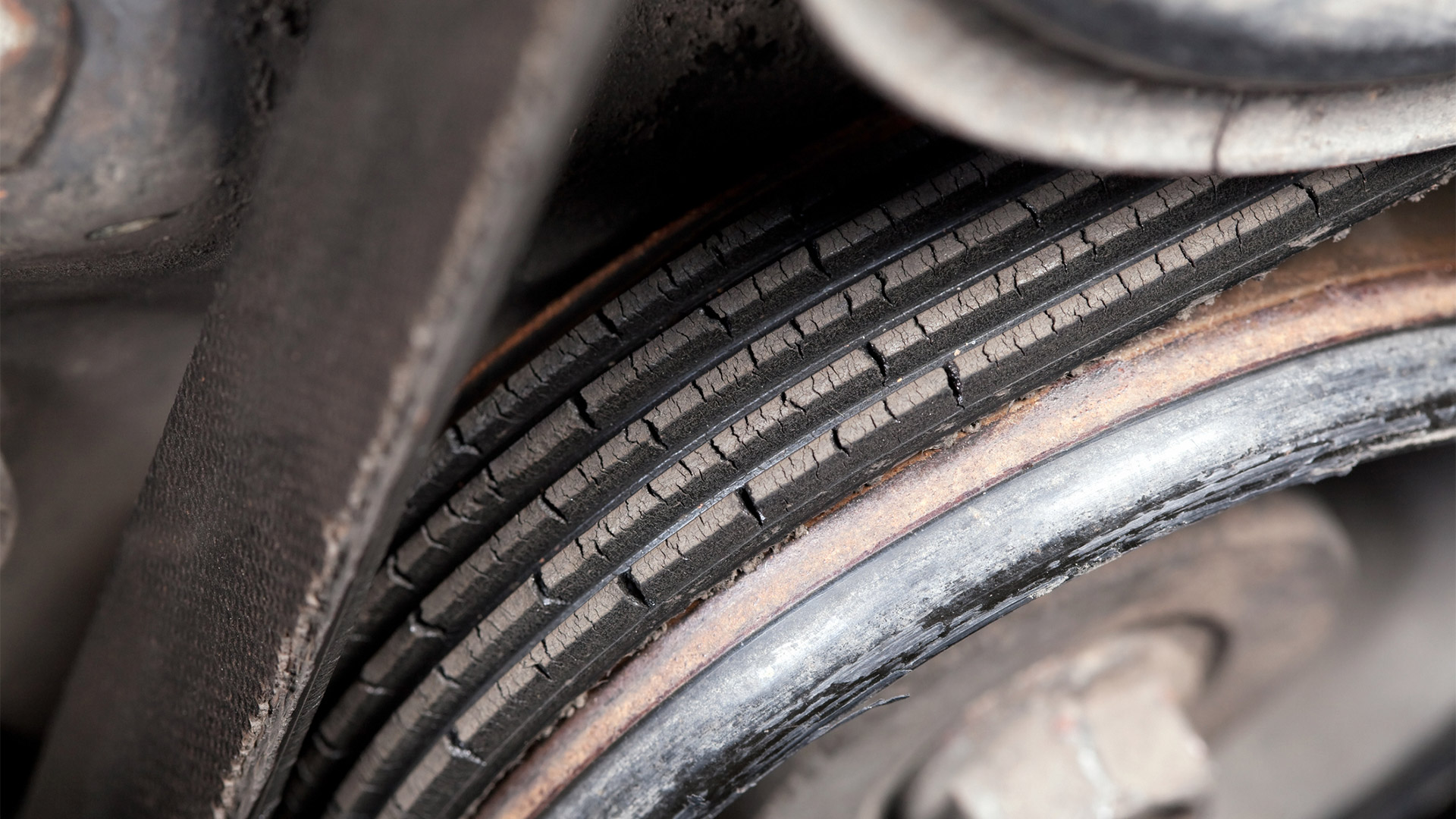
Over time, belts become brittle, crack, or fray, increasing the risk of sudden failure. A broken timing belt, in particular, can cause catastrophic engine damage in many Ford Escort models because it controls the engine’s valve timing.
Hoses carry coolant, fuel, and other vital fluids throughout the vehicle. Old hoses may develop leaks, bulges, or cracks, resulting in fluid loss and engine overheating.
A burst hose on the radiator or heater system can cause sudden overheating and leave drivers stranded. Fuel line hoses that leak pose a serious fire hazard.
Regular inspection for signs of wear, cracking, or leaks is necessary, and replacement should be done according to the manufacturer’s schedule or sooner if problems arise.
Properly maintained belts and hoses prevent unexpected breakdowns, ensure engine components function correctly, and protect against costly repairs caused by fluid loss or timing issues.
12. Neglecting Air Filter and Engine Intake Care
The air filter and engine intake system play a vital role in ensuring that the Ford Escort’s engine receives clean air for combustion.
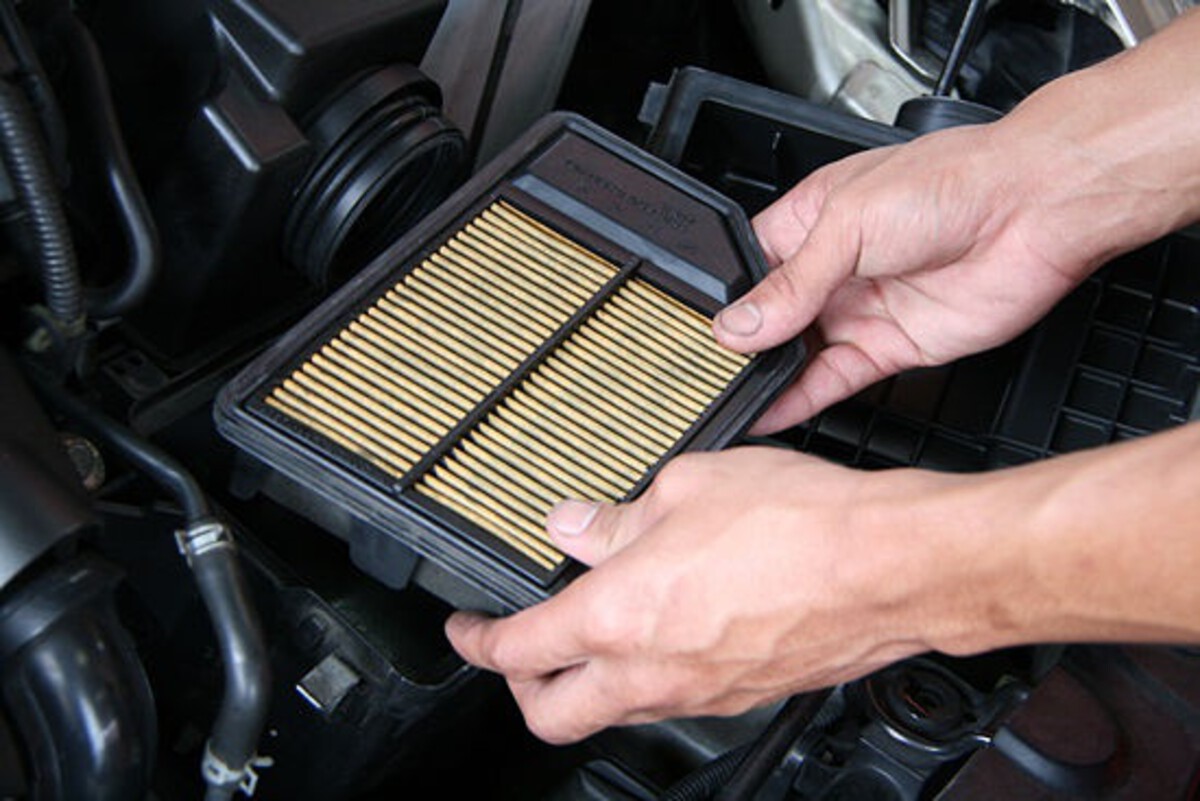
Neglecting to replace air filters or clean the intake system reduces engine efficiency, increases fuel consumption, and causes wear on engine parts. A clogged or dirty air filter restricts airflow, leading to poor engine performance and higher emissions.
Engines require a precise mixture of air and fuel to run efficiently. When the air filter is dirty, it limits the amount of air entering the engine, forcing the system to compensate by using more fuel.
This results in lower fuel economy and increased exhaust emissions. Prolonged restriction also stresses engine components, such as spark plugs and valves, which may lead to misfires and rough idling.
In some cases, dirt and debris can bypass the filter if it is damaged or improperly installed, causing abrasion and wear inside the engine cylinders.
Over time, this contamination can reduce engine compression and power. Cleaning or replacing the air filter regularly according to the vehicle’s maintenance schedule is a straightforward and inexpensive way to keep the engine healthy.
In addition to the air filter, the intake manifold and throttle body can accumulate deposits that restrict airflow. Periodic cleaning of these components improves engine response and smoothness.
Ford Escort owners who pay attention to their air intake system will enjoy better performance, longer engine life, and reduced emissions.
