
When it comes to owning a vehicle, maintenance is a major part of ensuring long-term reliability and performance. Oil changes, fluid checks, tire rotations, and timely repairs are essential to keeping any car in good shape. But let’s face it, not every driver sticks to the schedule.
Whether due to financial constraints, laziness, forgetfulness, or sheer negligence, some vehicles end up being driven for thousands of miles with minimal attention. Surprisingly, some vehicles keep going strong even when they’re neglected, while others quickly fall apart if not babied.
This contrast is not just a matter of chance. Certain vehicles are engineered with simplicity, durability, and tolerance in mind. Others are more sensitive, relying on tighter tolerances, advanced systems, or fragile components that wear down rapidly without proper care.
For someone who knows they might skip an oil change here or there, or stretch the life of brake pads a little too long, picking a forgiving vehicle can make a big difference. Conversely, owning a high-maintenance vehicle while ignoring its needs is asking for trouble.
The vehicles that survive poor maintenance often have reputations for longevity, low repair costs, and bulletproof engines. These cars and trucks are usually built with fewer electronics, basic engines, and generous mechanical tolerances. On the flip side, the ones that don’t handle neglect well are often loaded with tech, precision engineering, or components that require frequent upkeep. Once those systems fail, repairs can be costly or even total the vehicle.
This article compares five vehicles known to survive poor maintenance against five that often suffer when not cared for properly. The goal isn’t to promote laziness but to provide useful knowledge to those who may not always stay on top of maintenance.
Whether you’re buying a used car with an unknown history or you’re the kind of person who stretches oil changes to 10,000 miles, this breakdown will help you make an informed choice. Some vehicles are built to tolerate rough treatment, while others simply are not. Knowing the difference could save thousands in repairs or even prevent being stranded on the side of the road.
Vehicles That Survive Poor Maintenance
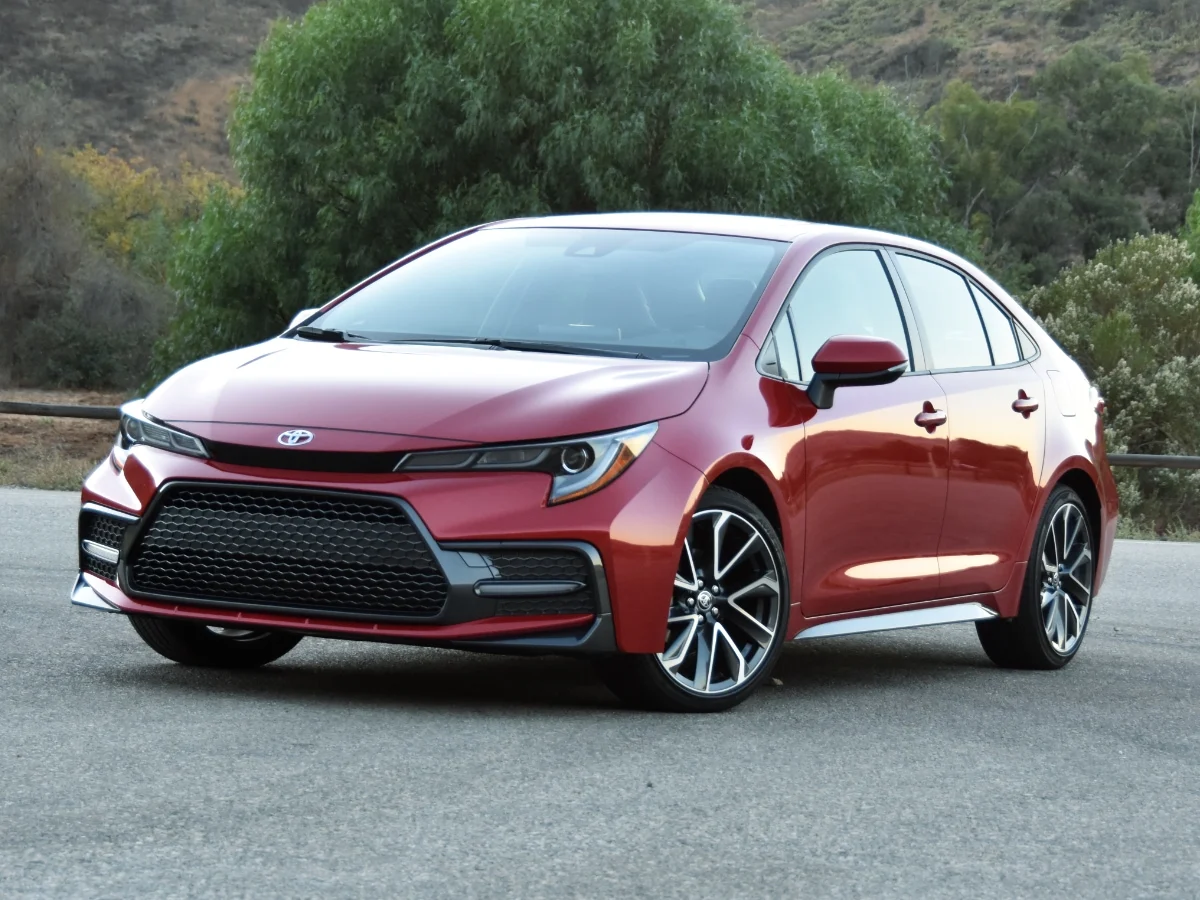
1. Toyota Corolla
The Toyota Corolla has long been praised for its legendary reliability and durability, making it a favorite for anyone seeking low ownership costs. It’s also one of those rare vehicles that can keep going strong even when maintenance is inconsistent. One of the key factors behind this resilience is its simplicity.
Older Corolla models, in particular, have engines that are straightforward and forgiving. If oil changes are missed or spark plugs are worn out, the Corolla typically won’t suffer immediate catastrophic failure. The engine may run rough, but it’ll keep running.
Another advantage the Corolla has is the availability of parts and ease of repair. When something finally does go wrong, replacement parts are cheap and mechanics are familiar with the vehicle. Even do-it-yourselfers with basic tools can often make repairs.
This keeps costs low and allows the car to stay on the road far longer than more complex rivals. Drivers in many countries have used the Corolla as a taxi or family vehicle for hundreds of thousands of miles with minimal investment, which speaks volumes about its toughness.
In terms of engine design, the Corolla doesn’t ask for much. It doesn’t use turbochargers or complex variable valve timing systems in many older models, which reduces the number of components that can fail.
The transmissions are also known for being long-lasting, particularly the manual versions. These features mean the vehicle can handle abuse, including overheating or skipped fluid flushes, better than most cars in its class.
Finally, Toyota has focused on long-term durability over cutting-edge performance in the Corolla lineup. That means fewer high-strung systems and more conservative engineering choices. The result is a car that tolerates owner neglect far better than most. While regular maintenance is always better, the Corolla remains one of the few cars you can beat up without immediate consequences.
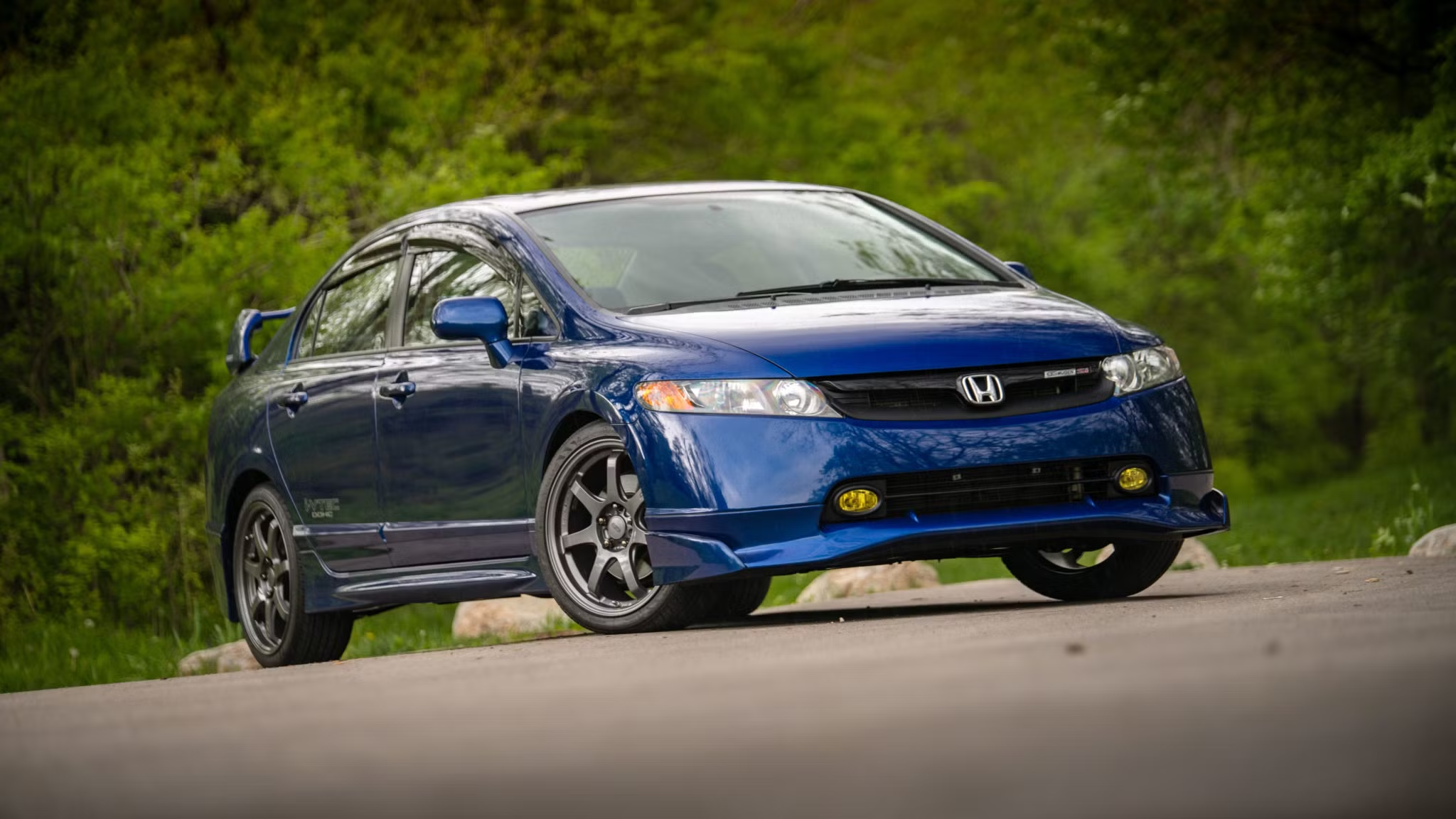
2. Honda Civic (older models)
Older Honda Civics, particularly from the late 90s and early 2000s, are incredibly resilient vehicles. These cars have gained a reputation for running well past 200,000 miles with minimal attention, and many of them continue to serve as daily drivers even after a history of neglect.
The engines are small but efficient, and Honda built them with remarkable precision and quality during those years. Even if an owner skips an oil change or two, the engine can usually survive without seizing or breaking down completely.
One of the Civic’s strengths is its simplicity. The older D-series and B-series engines don’t have turbochargers or other complicated systems. These power plants
were built to run lean and clean, and while they respond well to proper care, they don’t demand it. They are forgiving of low-grade fuel, dirty oil, and old spark plugs. This makes them a popular choice among budget-conscious drivers who can’t afford to spend a lot on repairs or maintenance.
Another reason Civics endure neglect is due to their strong aftermarket support and commonality. If something does break, parts are everywhere and often very cheap. Whether you’re looking in a junkyard or an online marketplace, you’ll find everything from alternators to valve covers without much trouble. This makes it easy to fix problems when they do arise, often for less than $100 in parts and a couple of hours of labor.
Even the transmissions in older Civics, especially the manual ones, tend to last with minimal attention. The clutch might wear out over time, but the gearbox itself is solid. Electrical systems are basic and rarely give trouble.
It’s no surprise that Civics are still used in rough conditions around the world, often loaded with people or cargo far beyond their original design. They simply keep working, even when the maintenance record looks like a blank sheet of paper.
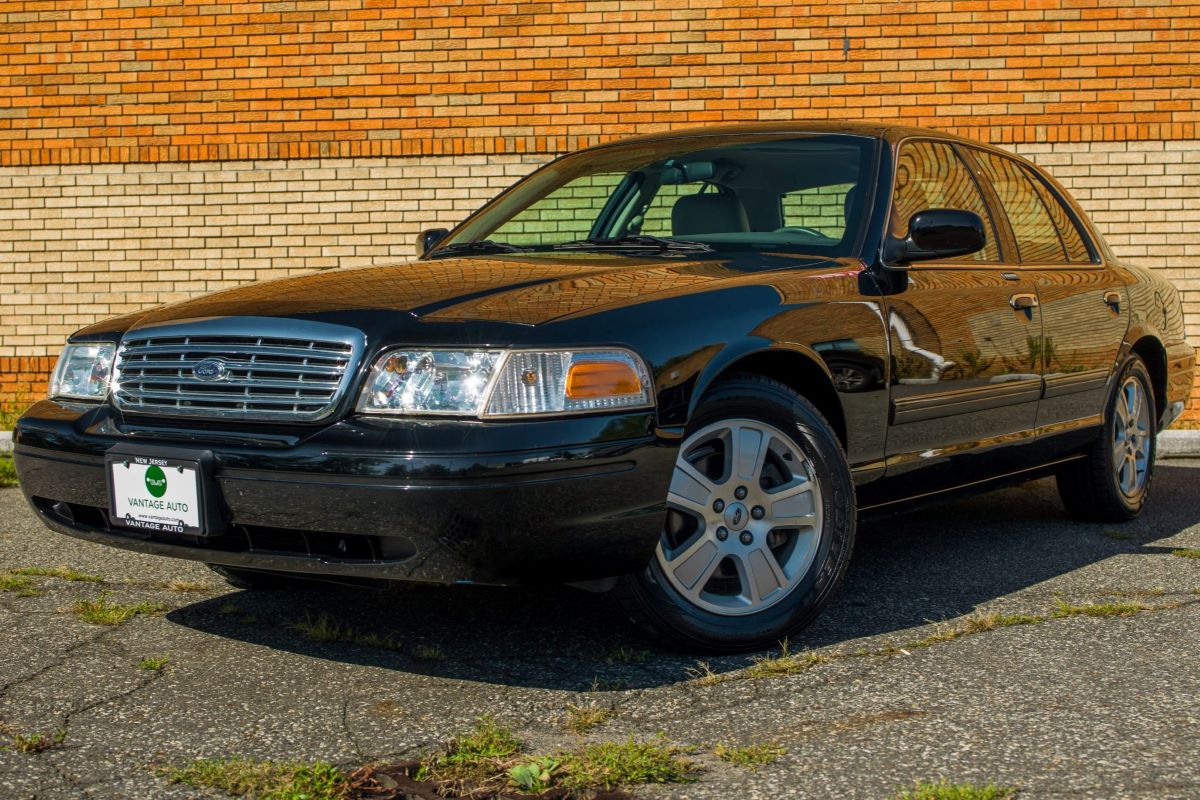
3. Ford Crown Victoria
The Ford Crown Victoria is a tank in sedan form. Known for its long service in police fleets and taxi companies, it’s a vehicle that was engineered to take abuse, including poor or nonexistent maintenance. The 4.6L V8 engine, known as the Modular V8, is well-known for being overbuilt and tolerant of neglect. You could run it with old oil, let it overheat occasionally, and it would likely still fire up the next morning.
One of the reasons it survives so well is that it was designed for fleet use. Police departments and taxi operators don’t always give their vehicles the pampering they need. Ford knew this and built the Crown Vic accordingly.
Heavy-duty cooling systems, simplified electronics, and reliable drivetrain components all help it last long even when no one is paying attention to scheduled services. There are many stories of these vehicles hitting 300,000 miles without major overhauls.
The transmission, a 4-speed automatic, is basic by modern standards but incredibly sturdy. It may get a little sluggish if fluid isn’t changed, but it usually doesn’t fail outright. Suspension parts are also tough, built to handle potholes, curbs, and long hours of idling. The frame is body-on-frame, like a truck, which adds to the durability and makes minor crashes less likely to total the car.
Aside from the mechanical aspects, there’s a certain tolerance in the design philosophy that allows the Crown Vic to age gracefully. There are no turbochargers, no fancy touchscreens, and not many things to go wrong electronically.
Even if the interior is falling apart, the car will likely still run. This makes it a favorite among budget-minded drivers and collectors alike who want a vehicle that just keeps moving, regardless of how it’s treated.
4. Toyota Hilux
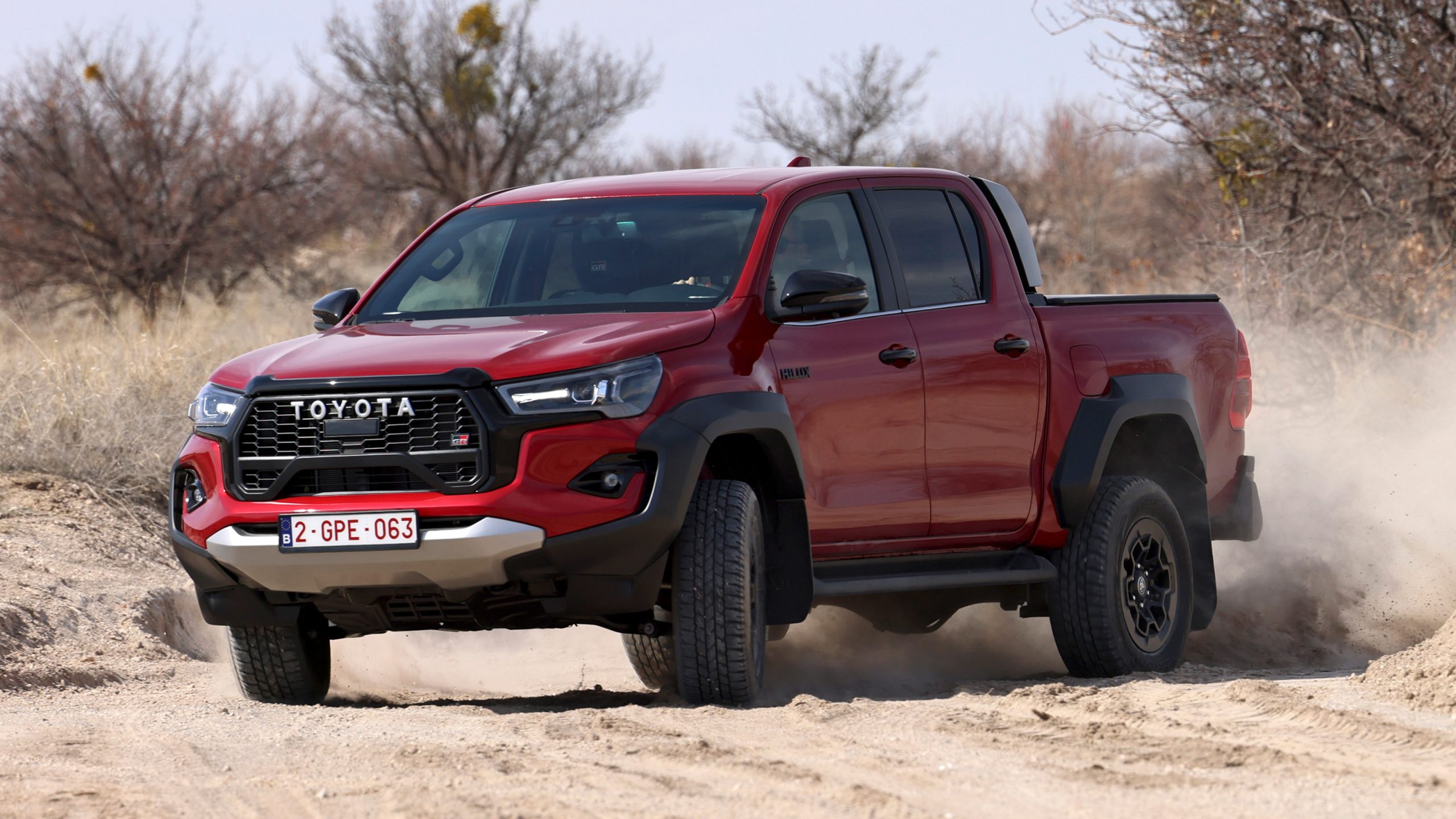
The Toyota Hilux has a legendary reputation for reliability and abuse tolerance across the globe. It’s been the vehicle of choice in some of the world’s most rugged and remote regions. You’ll find them climbing mountain roads, hauling loads through deserts, or rolling through mud in places where roadside assistance is a fantasy.
What makes the Hilux so tough is its incredibly simple, robust engineering. Whether diesel or gasoline, the engines are built like agricultural equipment.
Many versions of the Hilux use basic inline-4 engines that are known for lasting hundreds of thousands of miles. Even if oil changes are skipped or filters are never replaced, these engines usually don’t just give out. They may start to smoke, lose power, or run rough, but they won’t stop working entirely. This is exactly why many developing countries favor the Hilux: it keeps going even when nothing else will.
The Hilux’s suspension is another area where it tolerates neglect. Solid rear axles and simple leaf springs mean fewer parts to break. Even if the shocks are worn out and the bushings are cracked, the truck keeps rolling. That’s a big deal in regions where replacement parts are expensive or unavailable. People know they can rely on it even when maintenance is out of the question.
Beyond the engine and suspension, the Hilux also avoids many of the complex electronics and features that make modern vehicles fragile. No touchscreens, no radar cruise control, no air suspension. Just a tough body, a reliable motor, and a drivetrain built to last.
This simplicity translates into incredible resilience under poor maintenance. While not widely sold in the U.S., its global legacy is strong enough to earn it a place in any list of vehicles that survive abuse.
5. Jeep Cherokee XJ (1984–2001)
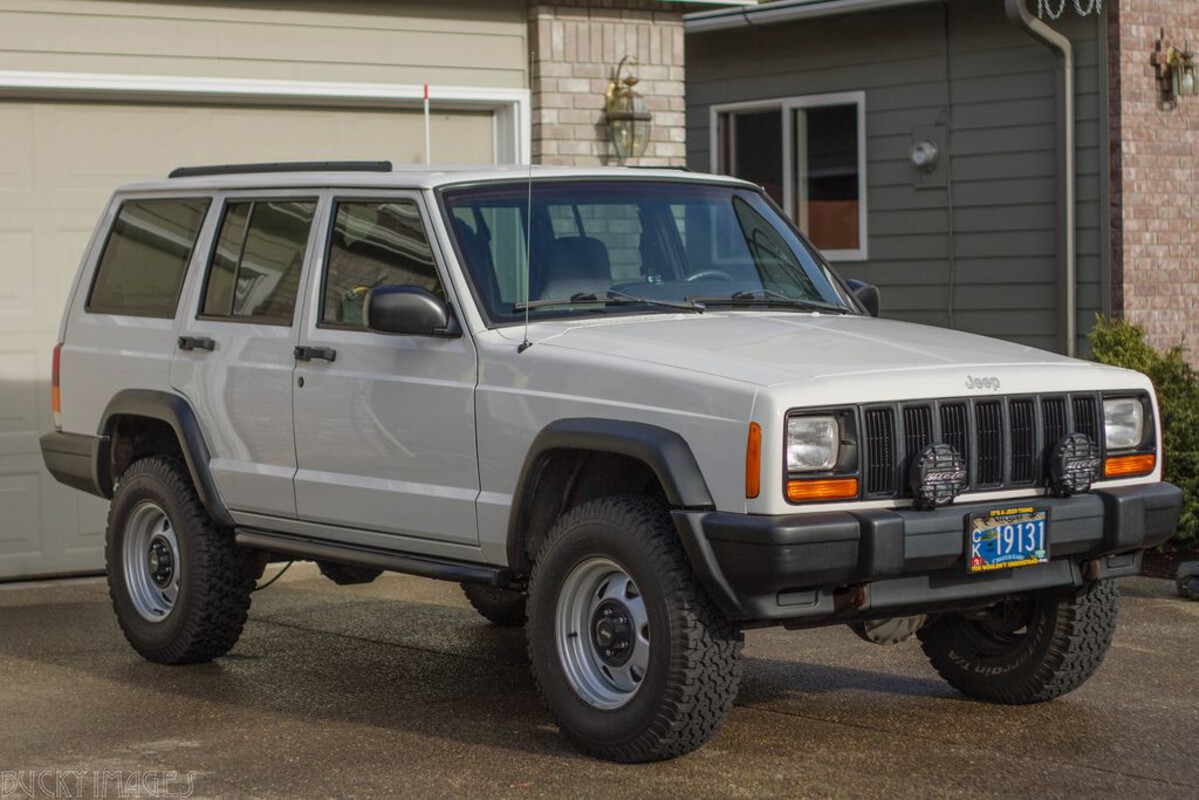
The Jeep Cherokee XJ from the mid-80s to early 2000s remains one of the most iconic and durable American SUVs ever built. What made this SUV such a standout wasn’t just its off-road ability, but the fact that it could endure a lifetime of rough use and poor maintenance without giving up.
The heart of the Cherokee XJ is its 4.0L inline-six engine, a powerplant renowned for its simplicity, torque, and longevity. Even if you forgot to change the oil for 10,000 miles or drove it overheating down the highway, chances are it would still get you home. Mechanics commonly refer to this engine as “bulletproof,” and it has rightly earned that title.
One reason this engine survives poor maintenance is due to its cast-iron block and head, which can tolerate extreme heat and abuse without cracking or warping. It also has a relatively low-stress design, which means that it operates far below its failure threshold under normal conditions.
This gives it a buffer zone that protects it from catastrophic failure when the owner neglects it. Even issues like valve ticking or oil leaks don’t immediately spell doom for the engine. Many drivers have experienced the XJ running smoothly with minimal care, pushing far past 200,000 miles without ever touching the internals.
Beyond the engine, the rest of the Cherokee XJ is built with a straightforward approach that contributes to its durability. The transmission, especially the AW4 automatic used in many models, is another highlight. It’s tough, forgiving, and doesn’t require frequent servicing to keep working.
The suspension is simple, especially in the solid-axle design, which can take a lot of abuse on and off-road. Even when bushings wear out and shocks are leaking, the vehicle continues to handle dirt roads, snow, or city potholes without a problem. You won’t get luxury-level comfort, but you will get dependable transportation, no matter how poorly it’s treated.
Electronics in the XJ are another advantage. Because it was designed in a pre-digital era, it lacks the complex, failure-prone systems found in newer vehicles. No advanced infotainment, no finicky sensors, and no complicated modules that fail when exposed to water or dust.
That simplicity has led to a passionate following among off-roaders and daily drivers alike, many of whom specifically seek out XJs for their toughness. Even with rust on the body and neglected service intervals, an XJ can keep going long after more refined SUVs would’ve died on the roadside. It’s the very definition of a vehicle that thrives under hardship.
Vehicles That Don’t Survive Poor Maintenance
1. BMW 7 Series (Any Generation)
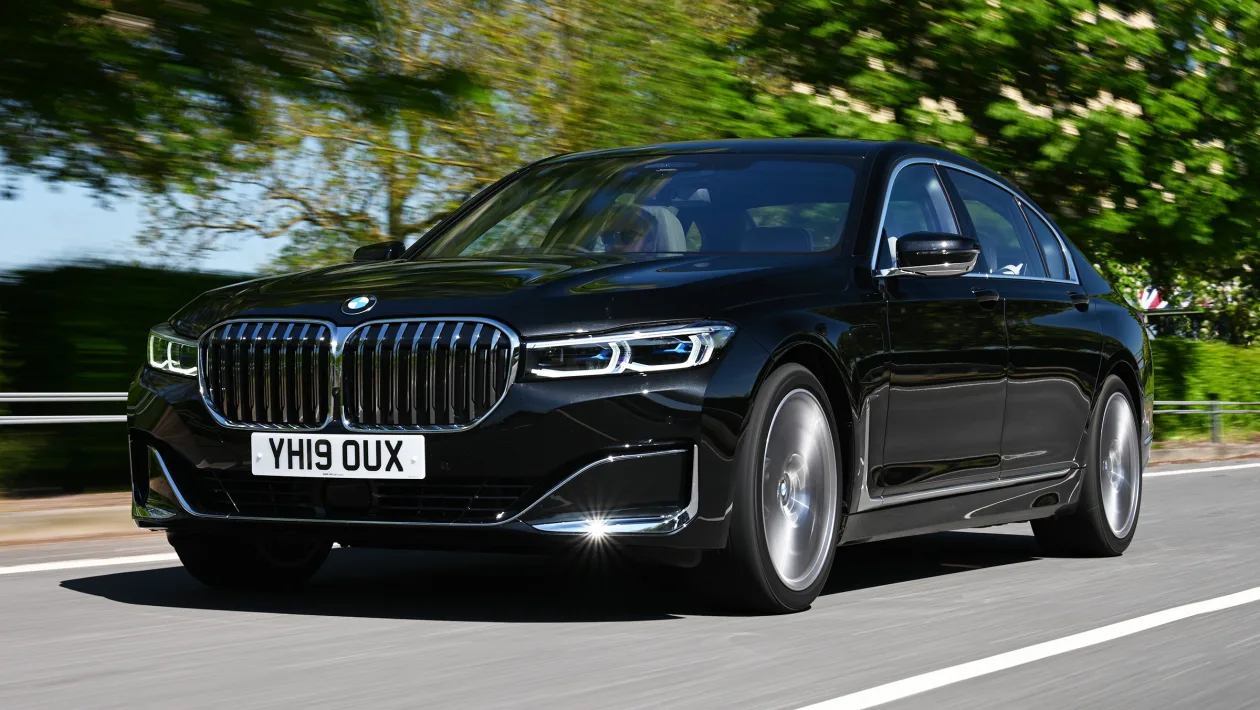
The BMW 7 Series is a luxury flagship that demands attention, care, and timely maintenance. Unlike the simpler cars mentioned earlier, this sedan is a high-tech masterpiece with precision-engineered components that do not tolerate neglect.
Whether it’s the E38, E65, F01, or G11 generation, the result is often the same: if you skip maintenance or ignore warning lights, you’re setting yourself up for financial disaster. These cars are packed with complex electrical systems, active suspensions, and advanced engines that depend heavily on routine care.
The engines, while powerful and smooth, are often turbocharged and built with tight tolerances. They require high-quality oil, frequent changes, and specific fluid types. If you ignore that and use cheap oil or let it run dirty for too long, you risk clogged oil passages, timing chain wear, or turbocharger failure.
These problems are not minor, they often cost thousands to fix and can lead to a totaled car if the repair costs exceed its value. It’s not unusual for neglected 7 Series sedans to end up at auction yards or junkyards, with major engine or electrical problems.
On top of the engine complexity, the 7 Series features air suspension, adaptive dampers, and a host of computer-controlled systems. The air suspension alone is a known failure point if it isn’t maintained. Once the air struts or the compressor fail, the car becomes nearly undrivable, and replacement parts are extremely expensive.
Even the battery and charging system must be carefully managed, as electrical demand in the car is high, and a weak battery can lead to a domino effect of computer issues. Something as simple as ignoring a check engine light can lead to cascading problems that are hard to diagnose without specialized tools.
Interior electronics also become problematic with age and neglect. Everything from the iDrive system to the seat controls, power windows, and climate control relies on modules and sensors that can fail if exposed to moisture or if the battery is weak.
Once those systems go down, you’re not just losing comfort; you may lose access to basic functions like starting the car or shifting into gear. Owning a BMW 7 Series without committing to regular service is a mistake many regret, as these cars rarely forgive carelessness or cost-cutting measures.
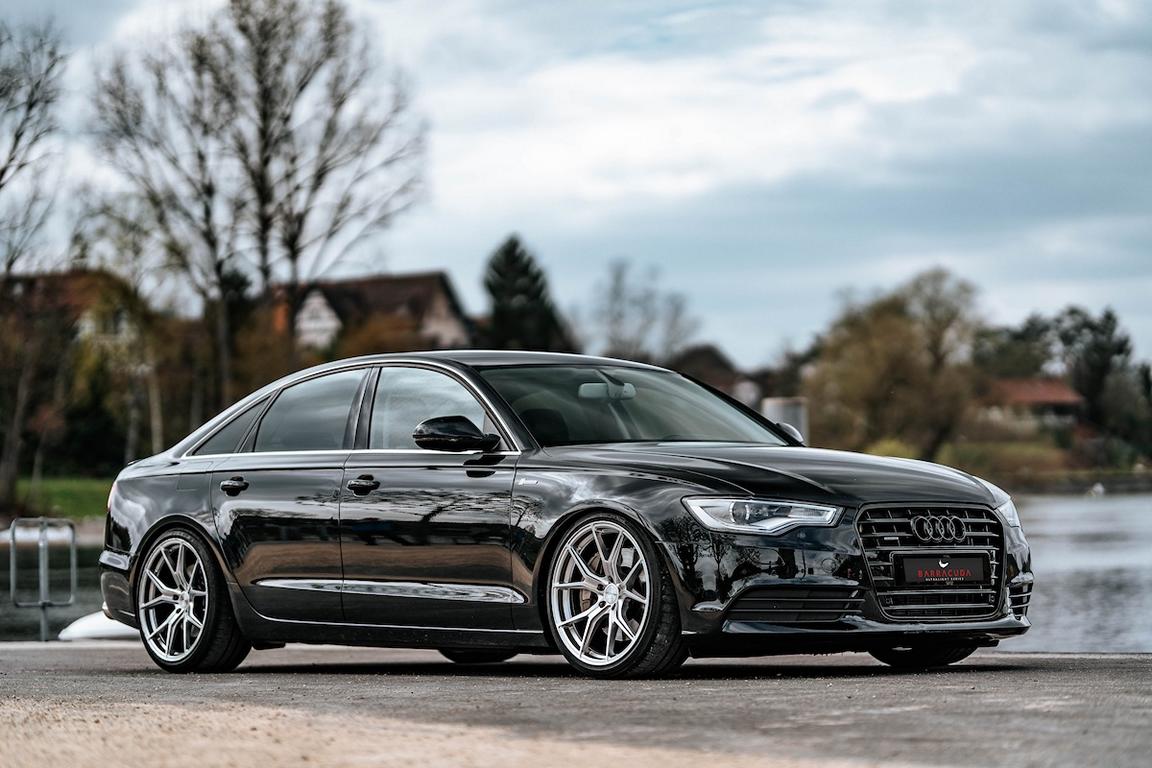
2. Audi A6 (Especially Turbocharged Models)
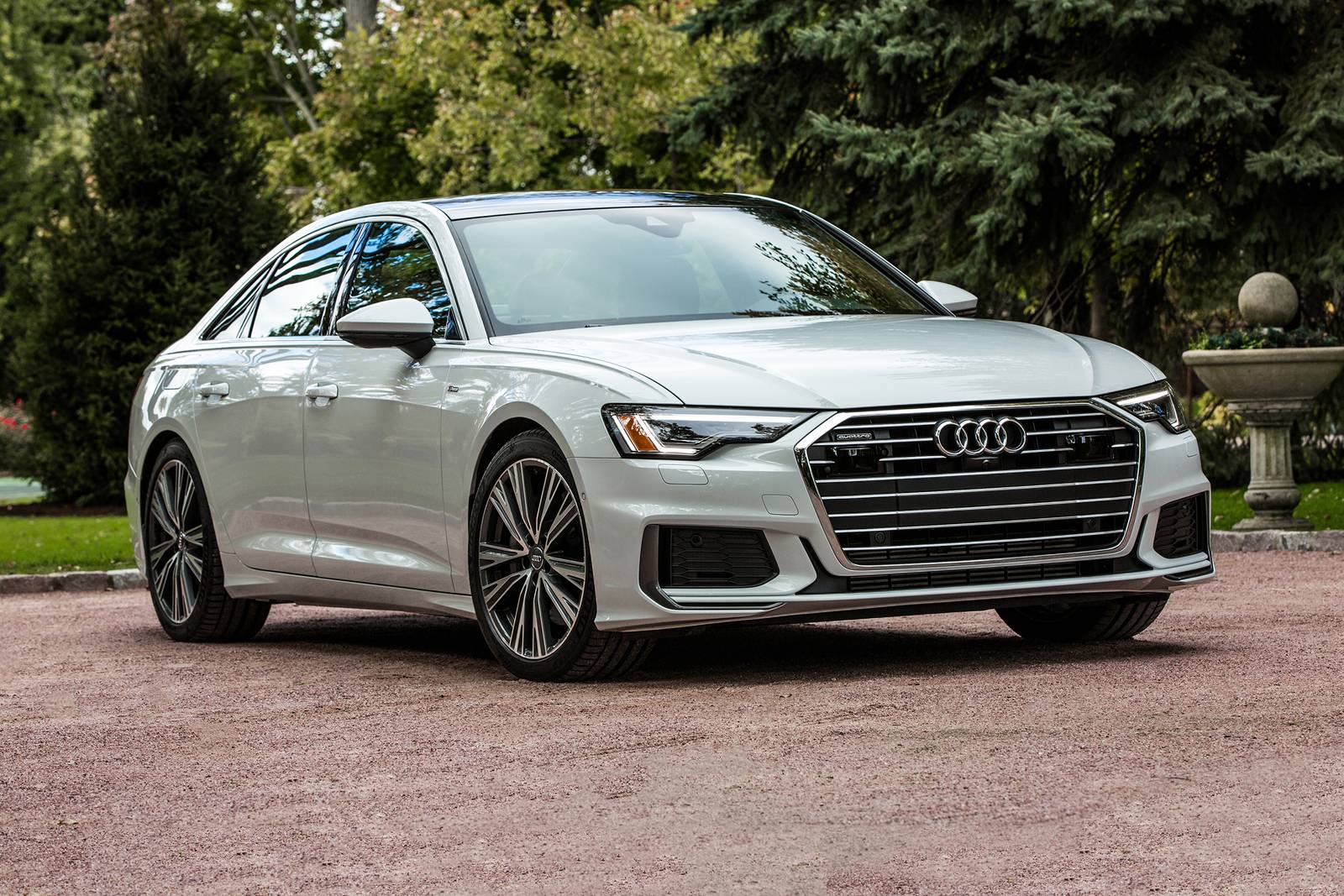
The Audi A6, especially the turbocharged versions, is a car that demands careful, ongoing maintenance. It’s a beautifully engineered vehicle with excellent driving dynamics, but it’s not built to be ignored. The 2.0T and 3.0T engines are sensitive to oil quality, carbon buildup, and cooling system problems.
If oil changes are skipped or cheap filters are used, it doesn’t take long for problems to show up. Sludge buildup, turbo failure, and timing chain stretch are common issues seen in neglected A6s, often at mileage points well under 100,000.
One of the most common issues with the A6 is carbon buildup on the intake valves due to direct injection. This is a problem even when the car is well-maintained, but it becomes much worse when maintenance is poor. Without regular top-end cleaning, the buildup can cause misfires, rough idling, and loss of power.
Eventually, it can lead to serious drivability issues that require expensive cleaning or even head removal. Owners who ignore these early warning signs often find themselves with large repair bills or an engine that no longer performs correctly.
The cooling system is another point of failure. Audi cooling systems are notorious for using plastic components that become brittle over time. Radiator necks, water pump housings, and heater cores are all prone to cracking and leaking if they aren’t replaced at regular intervals.
Once the engine overheats, it doesn’t take much to cause gasket failure or warped heads. Unfortunately, many owners don’t notice the early signs, small leaks, faint coolant smells, or fluctuating temperatures, until it’s too late.
Even the electrical systems in the A6 can be temperamental when neglected. Window regulators, MMI screen functions, door lock actuators, and sensor modules can fail without warning. Water intrusion from clogged sunroof drains or failed seals is a frequent cause of electrical gremlins.
If regular cleaning and inspection are skipped, the car can turn into a constant source of frustration. These issues don’t just affect convenience; they can disable critical systems like airbags or ABS. For anyone not committed to keeping up with maintenance, the A6 can become more of a burden than a joy.
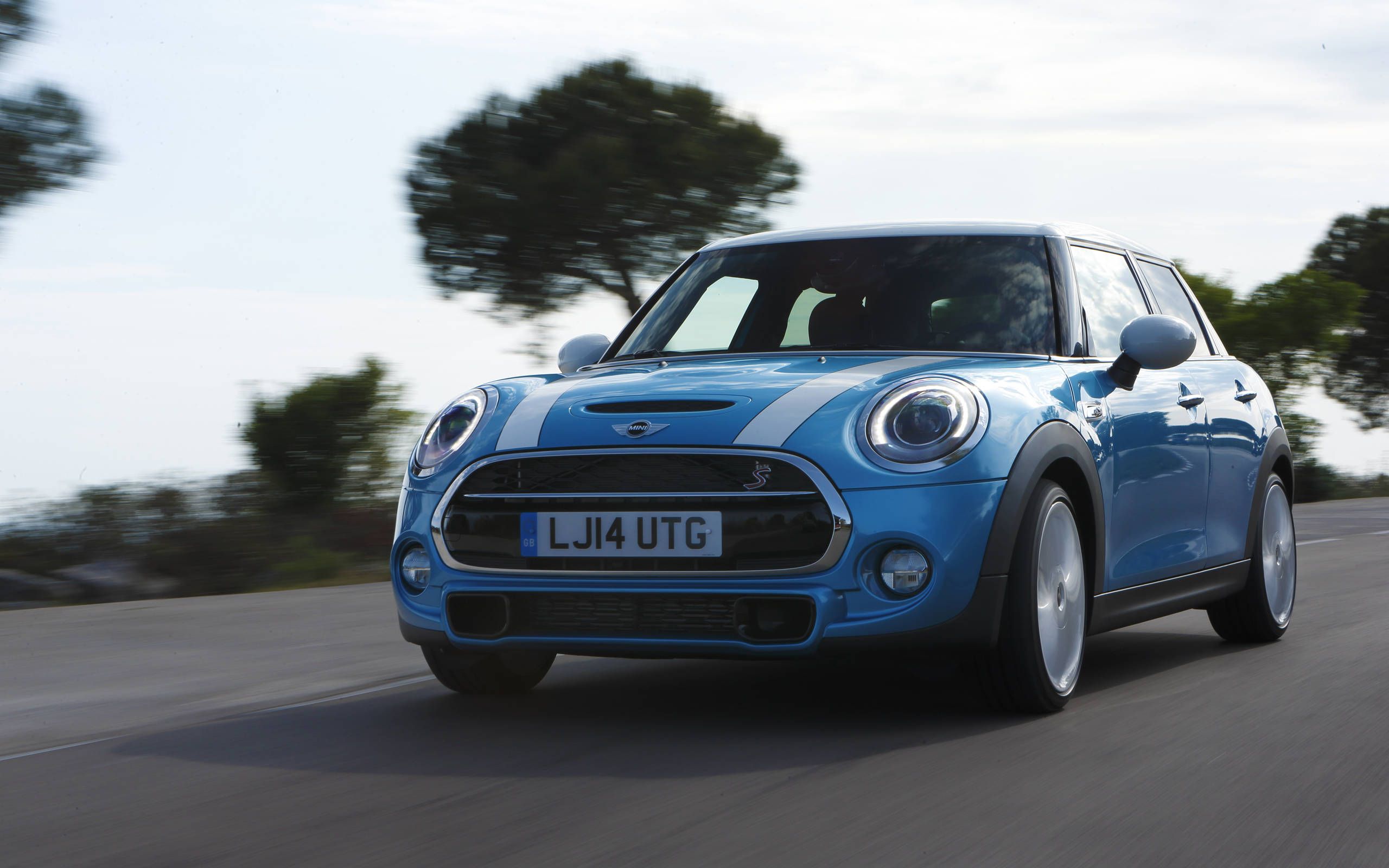
3. Mini Cooper (Especially Turbocharged Versions)
The Mini Cooper is a stylish and fun-to-drive car, but it absolutely does not tolerate poor maintenance, particularly the turbocharged variants like the Cooper S. These small engines are high-strung and rely heavily on high-quality oil and timely service to stay functional.
If you skip oil changes or use low-quality lubricants, the result is often catastrophic. Sludge can quickly build up, starving the turbo of oil and causing premature failure. Once the turbo goes, it’s not just a loss of power, you’re likely looking at a multi-thousand-dollar repair.
Timing chain issues are another major weakness in the Mini Cooper, particularly in models with the 1.6L Prince engine. The chain tensioners wear out quickly, and without regular inspection or replacement, the chain can jump timing or even snap, destroying the engine in the process. Drivers who ignore strange rattling sounds from the engine bay often end up paying the price. A little noise might seem harmless, but in a Mini, it’s often the warning sign of a major mechanical failure.
Cooling systems are yet another area where poor maintenance is punished severely. Water pumps and thermostat housings often fail without much warning, and once the engine overheats, damage is nearly guaranteed.
The cylinder head in these engines doesn’t handle heat well, and a single overheating episode can mean a blown head gasket or worse. That means checking coolant levels and replacing components on schedule isn’t optional; it’s essential for the survival of the car.
Electrical and interior systems also start to fail quickly when neglected. Windows stop working, dashboard lights flicker, and the entertainment system often becomes unresponsive. While some of these issues are cosmetic or annoying, others can impact drivability or safety.
The bottom line is that the Mini Cooper is not built for neglect. It may look cute and affordable, but ownership requires a serious commitment to upkeep. If that’s not your style, a Mini will punish you with steep repair costs and long garage stays.
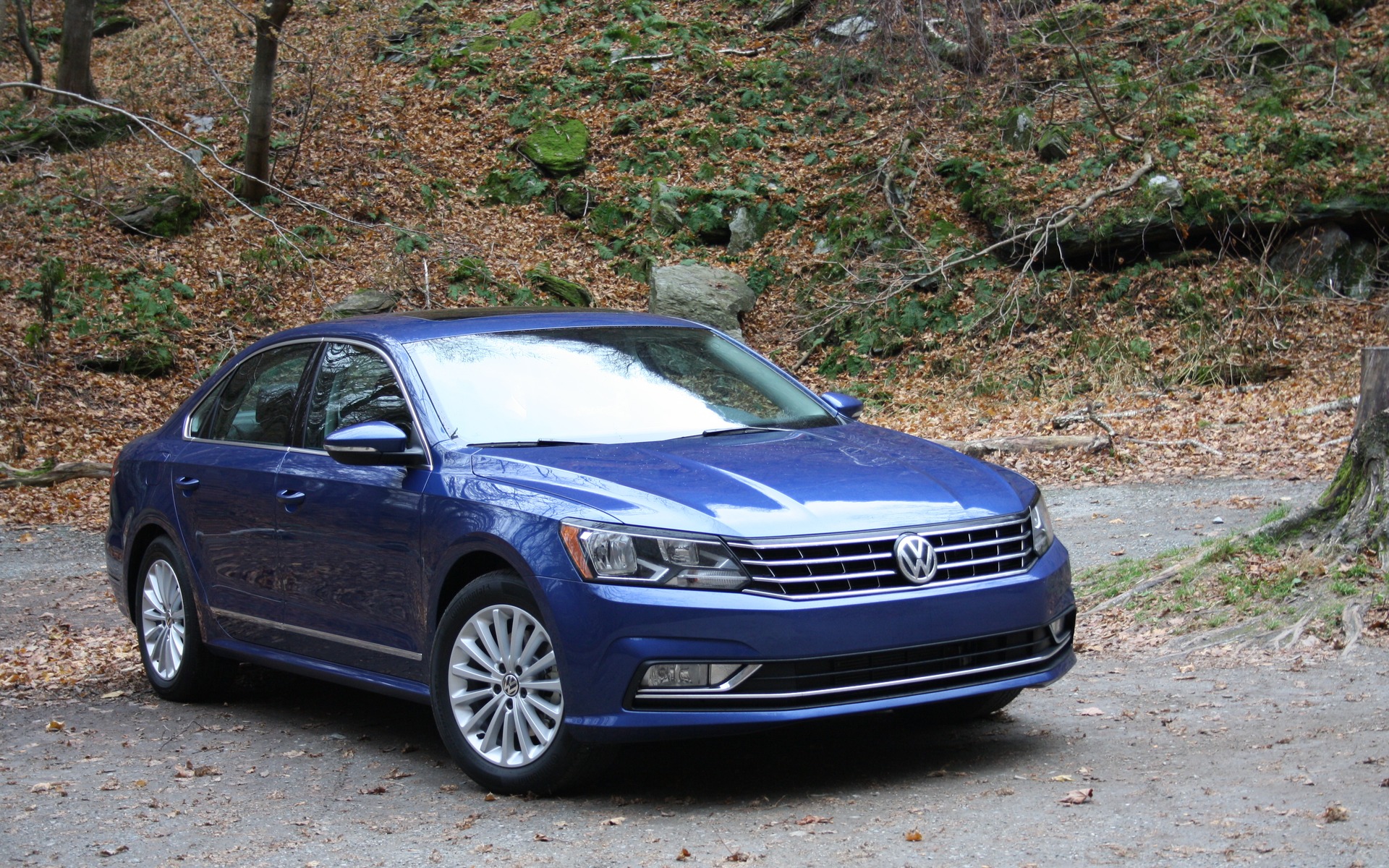
4. Volkswagen Passat (Especially DSG and TSI Models)
The Volkswagen Passat, especially those equipped with the DSG transmission or TSI engines, is another car that quickly breaks down under poor maintenance. The DSG (Direct Shift Gearbox) is an advanced dual-clutch transmission that provides rapid shifting and fuel efficiency, but it’s extremely sensitive to fluid condition and service intervals.
If the transmission fluid isn’t changed on time, typically every 40,000 miles, the clutch packs can wear prematurely, leading to jerky operation or total failure. Repairs or replacements for a failed DSG are very expensive, often exceeding the car’s market value.
The 1.8T and 2.0T TSI engines are efficient but not particularly durable when neglected. They are prone to timing chain tensioner failure, oil consumption, and turbo problems. Skipping oil changes or using non-approved oil can dramatically reduce the lifespan of the engine.
The timing chain system, in particular, needs careful monitoring; if the tensioner fails or the chain stretches, it can lead to total engine destruction. Many drivers have learned this lesson too late, usually when the engine stops suddenly on the highway or refuses to start altogether.
Carbon buildup, like in the Audi A6, is also a big problem in these engines due to direct injection. Without proper cleaning intervals, the buildup affects airflow and causes misfires. Volkswagen doesn’t always design its intake systems with easy access, which means even a basic cleaning can turn into a complex and expensive job. Drivers who wait until symptoms appear often find that it’s already seriously affecting performance and reliability.
The rest of the car isn’t immune to neglect either. Electrical components, including door locks, fuel pumps, and window regulators, are known to fail with age and poor care. Once moisture gets into the wiring or modules, fixing them often requires dealership-level diagnostics and replacement parts.
Even seemingly small things like battery maintenance are crucial, as the car’s electronics are very sensitive to voltage fluctuations. For those who don’t keep up with maintenance, the Passat can transform from a solid mid-size sedan into a constant source of headaches.

5. Range Rover (Any Year, Any Model)
Range Rovers are often seen as symbols of luxury and off-road prestige, but behind the badge lies a vehicle that must be carefully maintained if it’s going to last. From the earliest models to the most recent ones, Range Rovers are packed with complex mechanical systems and electronic features that do not tolerate neglect.
Air suspension systems are standard on nearly all models, and when those fail, as they often do after 70,000 miles or less, the ride height becomes unstable, and handling is severely affected. Replacing these systems is incredibly costly and labor-intensive.
The engines, while powerful, are also high-maintenance. Some models suffer from timing chain issues, oil leaks, and cooling system failures that can cause the engine to overheat.
Owners who ignore early signs like low coolant warnings or unusual noises often find themselves looking at engine rebuilds or replacements. Even routine services like oil changes are critical; missed intervals can lead to sludge and internal wear, especially on supercharged variants that run hot and under high pressure.
Electrical reliability is another major downfall of the Range Rover. With so many sensors, modules, and digital interfaces, it only takes one or two neglected maintenance points to trigger a cascade of faults. Warning lights start to stack up, and eventually, systems like traction control, navigation, and even the gear selector can fail. Diagnosing these issues isn’t easy or cheap, and most independent shops won’t touch them without advanced tools.
Lastly, the cost of ownership skyrockets when routine maintenance is ignored. Repairs for even basic components often involve removing large portions of the interior or engine bay. Parts are expensive, and labor times are high. What may start as a $100 issue in a simpler car becomes a $2,000 nightmare in a Range Rover.
Many used models in the market today are there because the previous owner fell behind on maintenance, and the repair bills piled up. This is not a vehicle that forgives sloppiness; it demands full attention, or it will punish you with relentless and expensive problems.
