

The Dodge Charger Hellcat is not just another muscle car; it’s a mechanical statement of brute force and engineering precision. It’s built for speed, power, and high-performance driving, offering a supercharged 6.2L HEMI V8 engine that can roar past most vehicles on the road.
With over 700 horsepower and aggressive styling, it’s a dream for enthusiasts who crave a combination of raw muscle and modern technology. But while it’s engineered to deliver breathtaking performance, it’s not indestructible. In fact, the way it’s treated daily plays a massive role in how long it will last.
Many drivers get caught up in the thrill of owning such a powerful car, often forgetting that proper maintenance and respectful driving habits are crucial.
The Charger Hellcat can withstand a lot, but it can’t survive continuous abuse, neglect, or ignorance. Owners sometimes make mistakes without even realizing they’re shortening the life of their prized machine.
These bad habits may not show consequences immediately, but over time, they silently chip away at the reliability, performance, and structural integrity of the car.
Some behaviors are obvious, like racing without proper warm-up or skipping oil changes. Others are more subtle but equally damaging, such as using the wrong fuel or letting the car sit idle for too long.
Whether it’s poor maintenance routines, reckless driving, or simply misunderstanding how a high-performance engine works, these issues can add up.
It’s important to understand that owning a Hellcat means taking on responsibility. This isn’t a daily commuter sedan built for lazy driving and minimal care. It’s a high-powered machine that demands attention, respect, and commitment to proper upkeep.
If you’re going to spend the money on a car like this, the least you can do is ensure it lasts. This article outlines seven bad habits that can lead to an early death for your Dodge Charger Hellcat.
If any of these sound familiar, it’s time to make changes before your investment becomes a nightmare. The good news is, these habits can be reversed. The bad news is, if ignored for too long, some of them might not give you a second chance.
Also Read: 8 Best-Selling Cars by State and What They Say About Local Drivers
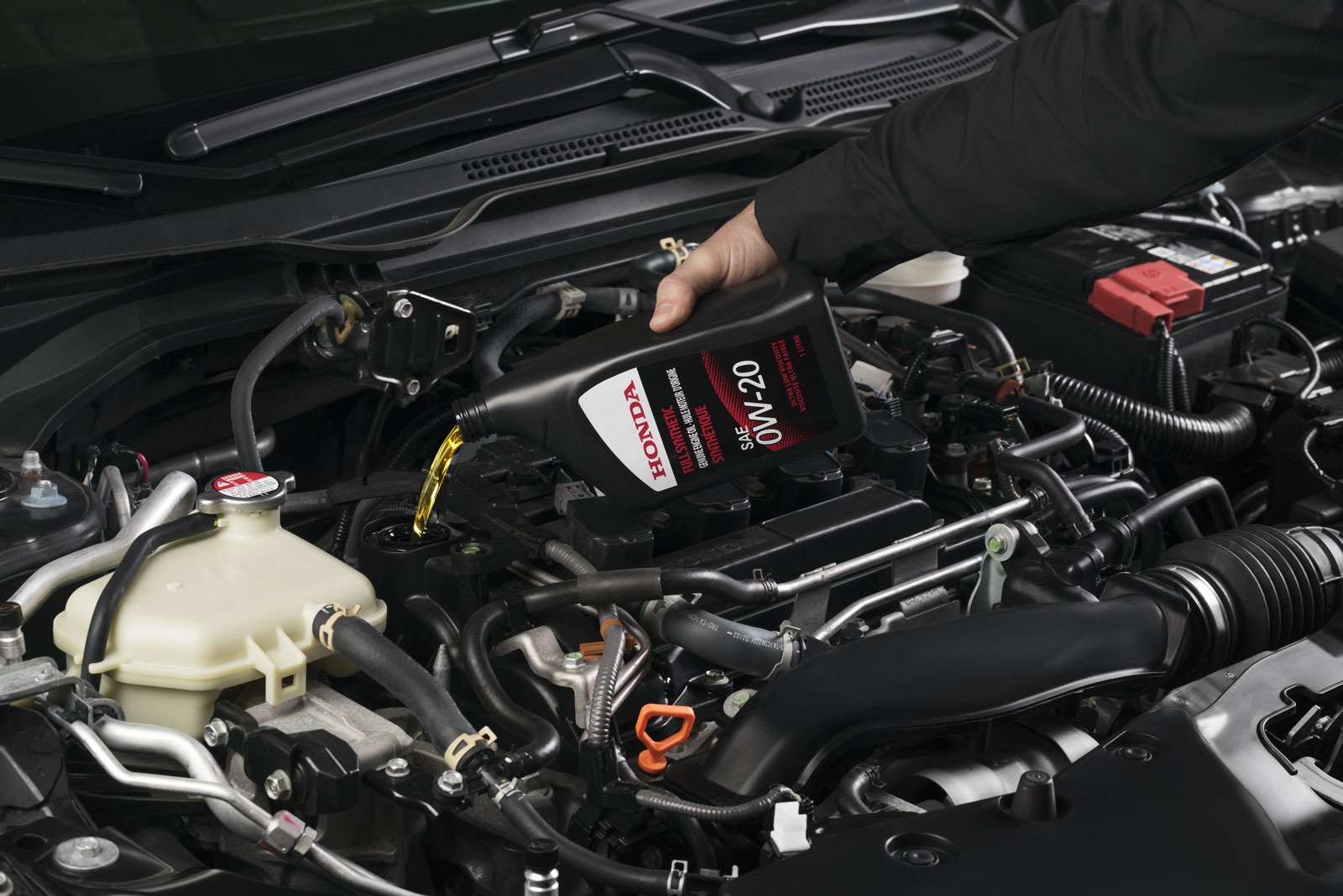
1. Ignoring Regular Oil Changes
Oil is the lifeblood of any engine, and when it comes to a high-performance car like the Hellcat, the stakes are even higher. Unlike a regular sedan, the Hellcat’s engine operates under extreme stress.
It generates a huge amount of heat and friction, which means it relies heavily on clean, high-quality oil to keep everything running smoothly.
Ignoring scheduled oil changes allows dirt, carbon deposits, and other contaminants to circulate through the system. Over time, this leads to premature engine wear, reduced performance, and eventually, total engine failure.
Some Hellcat owners make the mistake of assuming they can follow the same oil change schedule as they would with a non-performance car. That’s a costly assumption. The recommended interval might vary based on how the car is driven.
If you drive aggressively or attend track days, you should be changing your oil more often than what’s written in the manual. Oil breaks down faster under heavy loads, and pushing a Hellcat to its limits while using old or degraded oil is a shortcut to internal engine damage.
Another problem is using the wrong type of oil. The Hellcat engine requires a specific grade of synthetic oil that’s designed to handle high temperatures and stress. Using cheaper, lower-quality oil to save money can create problems almost immediately.
It won’t provide the same level of protection, and the engine components will suffer from inadequate lubrication. Over time, this causes premature wear on pistons, camshafts, and bearings, parts that are expensive and difficult to replace.
Lastly, neglecting oil changes can lead to more than just mechanical damage. It can also void your warranty. Most manufacturers have strict maintenance requirements, and failing to document regular oil changes might give them a reason to deny coverage.
It’s a simple task, yet so many people overlook it until it’s too late. Making oil changes a non-negotiable part of your maintenance routine will add years to your Hellcat’s life and help it continue performing at the level it was designed for.

2. Overusing Launch Control and Burnouts
The thrill of launching a Hellcat off the line is hard to resist. The sensation of instant torque and wheel-spinning acceleration can be addictive. However, overusing features like launch control and doing frequent burnouts is a surefire way to shorten the life of your Hellcat.
These features are designed for occasional, controlled use, not for daily abuse. Constantly putting that much stress on the drivetrain, tires, and transmission takes a serious toll.
Launch control is a great feature when used appropriately, especially at the drag strip or for competitive events. But every time it’s used, the engine, transmission, and differential are subjected to sudden spikes in power.
This causes wear and tear on parts like the driveshaft, axles, and torque converter. If you repeatedly engage launch control without proper cooldowns or mechanical inspections, parts will begin to fail long before their expected lifespan.
Burnouts might look cool and feel powerful, but they do more harm than good. Spinning your rear tires at high speed causes rapid degradation of the rubber, damages suspension components, and increases strain on the rear differential. Tires wear unevenly, and the rear end begins to lose its alignment.
More importantly, your traction control systems can start malfunctioning if they’re constantly overridden or pushed beyond their limits. Burnouts also increase the chances of overheating parts that aren’t meant to operate under those conditions for long periods.
Transmission overheating is another concern. Continuous hard launches and burnouts raise transmission fluid temperatures drastically. Over time, this breaks down the fluid’s protective properties, leading to harsher shifts, slipping gears, and eventual transmission failure.
Repairs for Hellcat transmissions aren’t cheap, and once the damage sets in, it’s often too late for minor fixes. Treating these features as rare treats rather than everyday habits will go a long way in preserving your car’s health.

3. Using Low-Quality or Incorrect Fuel
The Dodge Charger Hellcat was designed to run on high-octane fuel, typically 91 or 93, depending on your region. Using anything less than the recommended grade can cause a host of issues, some of which may not become obvious until real damage is done.
The high compression and supercharging of the Hellcat’s engine demand fuel that resists knocking or pre-detonation. Running low-octane fuel leads to detonation problems, reduced power output, and long-term engine stress.
Some drivers make the mistake of thinking that the difference between 87 and 91 octane is insignificant. In truth, the engine’s tuning, ignition timing, and fuel-air mixture settings are all optimized for high-octane fuel.
Using subpar fuel forces the computer to retard timing to prevent knock, which significantly reduces performance.
While this may prevent immediate engine damage, it means your Hellcat is no longer performing at its potential. Long-term exposure to low-quality fuel also increases carbon buildup inside the combustion chambers.
Another common mistake is using cheap gas from off-brand stations. These stations may not have the same fuel additives and detergents as top-tier fuel providers. Over time, this leads to clogged fuel injectors, dirty valves, and deposits forming throughout the fuel system.
A performance car like the Hellcat needs fuel that not only burns efficiently but also keeps the engine clean. Trying to save a few dollars at the pump can lead to thousands in repair costs down the line.
Octane boosters and ethanol blends should also be used with caution. Unless you fully understand how your engine tuning interacts with different types of fuel, it’s best to stick with what’s recommended. Misusing octane boosters or running E85 without proper tuning can create serious fuel delivery problems.
If your Hellcat is stock, there’s no reason to experiment. Stick with top-tier, high-octane fuel, and your engine will thank you with better performance, improved efficiency, and fewer mechanical issues over time.
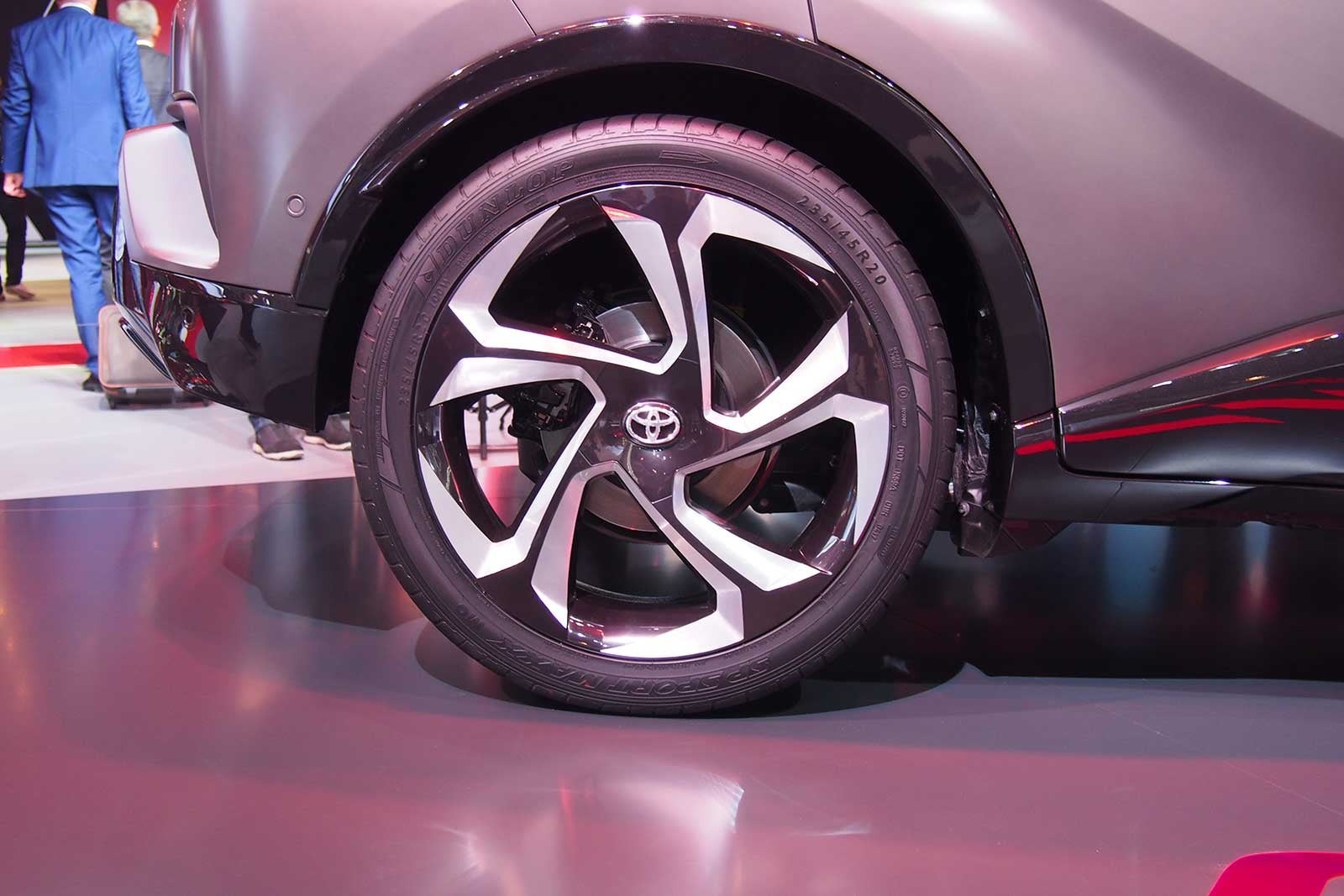
4. Neglecting Tire Maintenance and Alignment
The Dodge Charger Hellcat puts a lot of power to the pavement, and its tires take the brunt of it. Unfortunately, many owners underestimate the importance of tire maintenance and alignment.
Driving with under-inflated or worn-out tires is dangerous and inefficient, but it also leads to mechanical problems. Improper alignment or neglected tire conditions put unnecessary stress on the suspension, steering components, and even the differential.
Tires that are improperly inflated wear unevenly, reducing grip and handling. In a car like the Hellcat, where high-speed cornering and rapid acceleration are expected, this becomes a serious safety concern. Traction control and ABS systems rely on stable tire conditions to function properly.
If your tires can’t maintain proper contact with the road, those systems become less effective, and the risk of losing control increases significantly. In worst-case scenarios, tire blowouts can occur under high loads, which may lead to accidents.
Wheel alignment is another overlooked factor. Even slight misalignment can cause your Hellcat to pull to one side, reduce steering response, and wear tires at an accelerated rate. It also forces the suspension to work harder, increasing wear on bushings, control arms, and tie rods.
These components are not cheap, and once they begin to wear unevenly, your entire driving experience suffers. Regular alignment checks can prevent thousands of dollars in future repairs. Rotating tires on a performance car is often dismissed as a task for economy vehicles, but it’s just as important here.
The rear tires on a Hellcat wear faster due to the rear-wheel drive layout and aggressive torque delivery. If you’re frequently accelerating hard or taking sharp turns at speed, uneven wear becomes even more of a concern.
Regular rotation helps balance out this wear, extending the life of all four tires and maintaining balanced handling. Skipping this basic maintenance leads to earlier tire replacements and potentially hazardous driving behavior as grip diminishes unpredictably across different wheels.
Balancing your tires also plays a role in preserving the mechanical health of the vehicle. An imbalanced tire may seem like a minor annoyance, causing slight vibrations at high speeds, but over time, that vibration puts strain on the wheel bearings, suspension joints, and even the steering column.
If your Hellcat develops a shake or vibration at certain speeds and you ignore it, you could be letting a small issue grow into a much larger one. High-speed performance demands a car that’s operating in harmony, and neglected tire balancing disrupts that harmony at every level.
Tire pressure monitoring systems can help, but they’re not infallible. A sensor might alert you to extreme pressure differences, but it won’t detect slow leaks or subtle under-inflation that occurs over weeks.
Every Hellcat owner should make it a habit to manually check tire pressure with a gauge every couple of weeks, especially before spirited drives.
Even a few pounds of pressure off the recommended level can reduce fuel efficiency, diminish handling response, and shorten tire life considerably. This is even more important if you’re switching between driving modes or using your car in different climates.
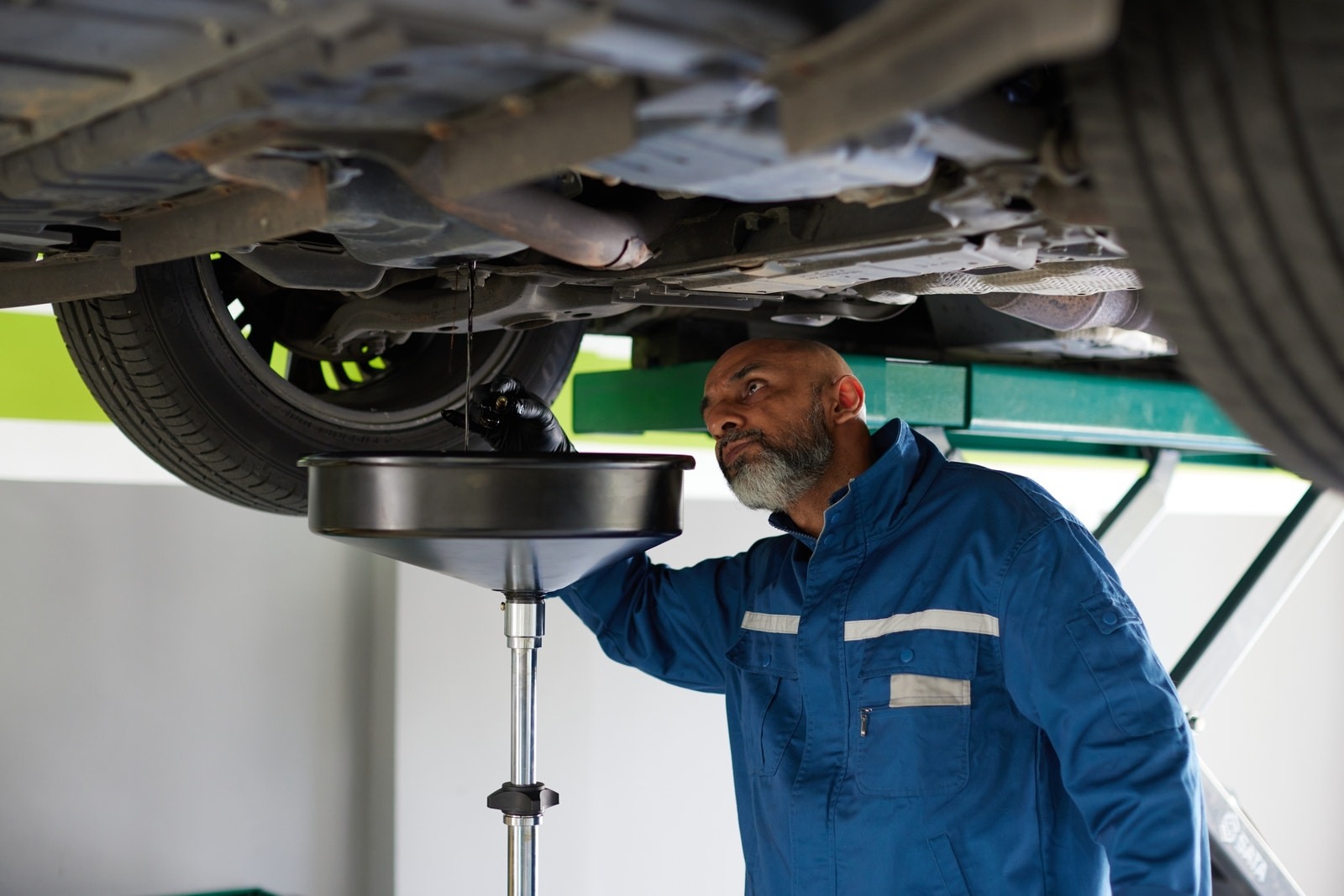
5. Not Warming Up the Engine Properly
A cold start isn’t just unpleasant on a winter morning, it’s a serious stress test for your engine. With the Hellcat’s performance-tuned engine, starting it and immediately driving hard is one of the worst habits you can develop. When the engine is cold, the oil is thick and hasn’t yet reached all the components that need lubrication.
This delay in full circulation means metal parts are grinding against each other without adequate protection, leading to microscopic wear that builds up over time. Repeating this behavior regularly shortens the lifespan of the engine.
Modern synthetic oils do a better job at flowing quickly in cold conditions, but that doesn’t mean they’re immune to the laws of physics. The Hellcat’s supercharged engine operates under higher pressures and tighter tolerances than a standard car engine, so it relies even more on that initial warm-up period.
A few minutes of gentle idling or light driving allows the oil to thin and move through the system, lubricating everything from the crankshaft to the valvetrain.
Skipping this warm-up and flooring the throttle right out of the driveway is like running a marathon in sandals, it might feel okay for a few moments, but the damage starts immediately.
Some drivers believe that idling the car in the driveway for several minutes is enough, but that’s only part of the solution. The engine may reach operating temperature while idling, but other components, like the transmission, differential, and even the supercharger, need motion to warm up properly.
Driving slowly for the first few miles is more effective than a long idle session because it gets all the moving parts up to temperature in a balanced way. Letting the car ease into its performance zone rather than jumping straight into aggressive driving is how the engine was meant to be treated.
Additionally, warming up the engine helps your sensors and onboard systems function optimally. Until the vehicle is at full operating temperature, fuel mixture, timing, and emissions systems are all operating in a limited mode.
This can reduce efficiency and create an uneven powerband, not to mention increased wear on catalytic converters and spark plugs. Even the exhaust system benefits from being brought up to temperature slowly. If you love your Hellcat and want it to last, let it breathe and stretch before you ask it to sprint.
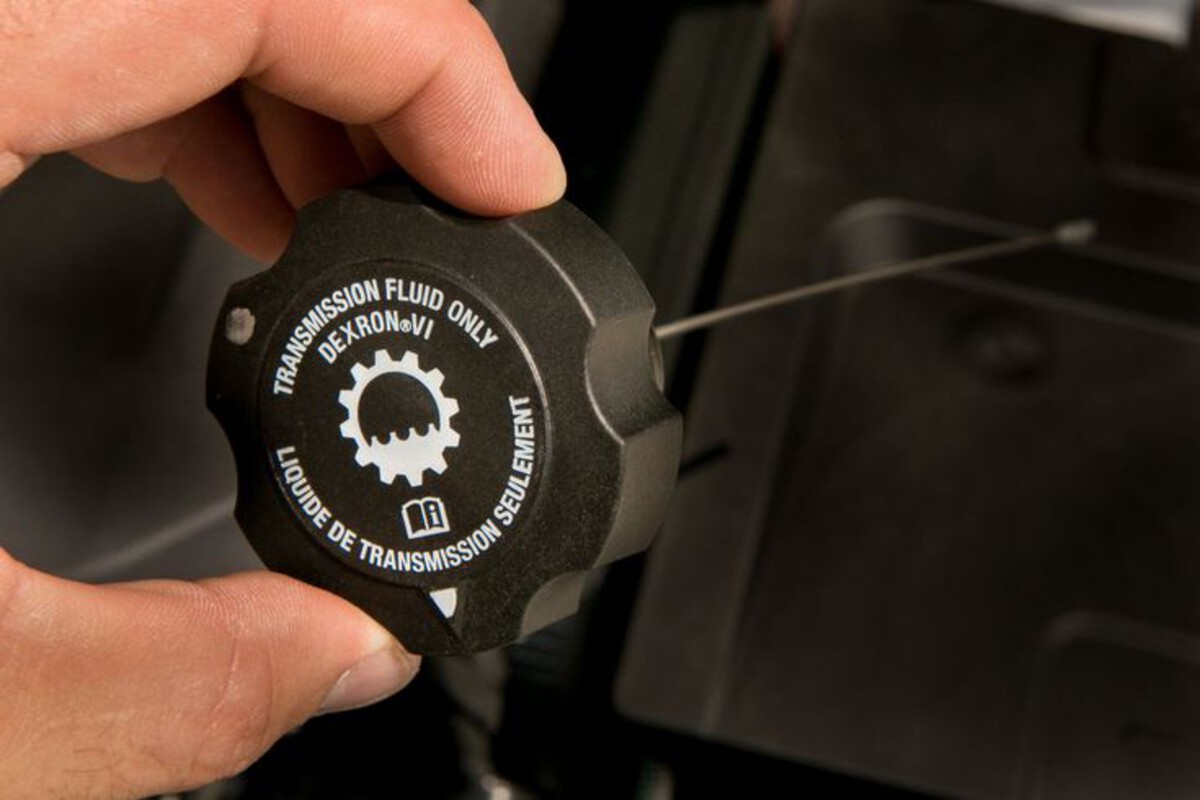
6. Poor Transmission Habits
The Charger Hellcat’s automatic transmission is a finely tuned piece of engineering, but it’s not indestructible. Slamming gears, failing to shift properly, or ignoring basic transmission care can quickly turn your high-performance machine into a very expensive repair job.
A common bad habit is abruptly shifting from reverse to drive or vice versa without coming to a full stop. While this might seem harmless in the moment, it puts a huge strain on the transmission’s internal clutches and bands, causing wear that adds up quickly.
Many drivers also underestimate the importance of smooth throttle input during gear changes. Hammering the throttle as the transmission is mid-shift can create unnecessary shock loads on the drivetrain.
Over time, this stress can cause torque converter damage, hard shifting, and even failure in the clutch packs that handle power distribution.
In performance modes, these effects are amplified because the transmission is programmed for quicker, firmer shifts. Using these modes improperly or constantly driving in track mode on the street accelerates internal wear and causes overheating.
Transmission fluid often gets ignored during regular maintenance, and this oversight is a major contributor to early failure. The Hellcat’s transmission runs hot, especially during aggressive driving or track use, and fluid degrades faster than in a regular vehicle.
If the fluid breaks down, it loses its ability to lubricate and cool the internal components, leading to harsh shifts and eventual damage.
Flushing the transmission at recommended intervals, or more frequently for aggressive drivers, is a must. Failing to do so is like running an engine without oil, it might work for a while, but it won’t end well.
It’s also worth mentioning the importance of letting the transmission warm up along with the engine. Cold transmission fluid is thicker and doesn’t flow properly, which makes early shifts more abrupt and increases pressure on seals and valves. Jumping into high-speed or aggressive driving without warming up the transmission system is a sure way to reduce its lifespan.
This part of the car does as much heavy lifting as the engine in delivering that performance punch, and it deserves the same level of attention and respect.

7. Letting the Car Sit for Long Periods Without Use
One of the most misunderstood risks to a high-performance vehicle like the Hellcat is letting it sit idle for too long. It’s easy to think that avoiding mileage or hard driving will preserve the car, but inactivity brings its own set of problems.
Fluids settle, seals dry out, batteries lose charge, and tires develop flat spots. If a Hellcat is parked for weeks or months without being started or driven, it’s not resting, it’s decaying in slow motion.
Fluids inside the engine, transmission, and cooling system are meant to circulate. When a car sits unused, oil drains down from critical engine components, leaving them exposed to air and moisture. This can cause rust inside the engine, especially on cylinder walls and valvetrain components.
Similarly, fuel can go stale, forming varnish that gums up injectors and fuel lines. Even brake fluid can absorb moisture from the air when left sitting, leading to corrosion in the brake lines and reduced braking performance once the car is finally started again.
Battery drain is another major issue. The Hellcat’s onboard systems draw a small amount of power even when the car is off. Over time, this depletes the battery, especially in extreme temperatures.
If the battery voltage drops too low, it can trigger error codes, disable systems, or cause the engine not to start. Jump-starting these modern systems repeatedly can also harm the vehicle’s electronics. A trickle charger or battery tender is a simple way to avoid this, but many owners neglect to use one.
Lastly, tires suffer more than people realize when a car sits idle. Modern performance tires have soft compounds designed for grip, not longevity. When the car sits too long in one position, the tires can develop flat spots, making them feel rough when you drive.
This ruins the driving experience and can even throw off the car’s balance. Storage is a reality for many owners, especially in colder climates, but proper preparation is key. If you plan to store the Hellcat for more than a few weeks, take the right precautions, otherwise, you’re just letting it rot in place.
8. Skipping Scheduled Maintenance and Inspections
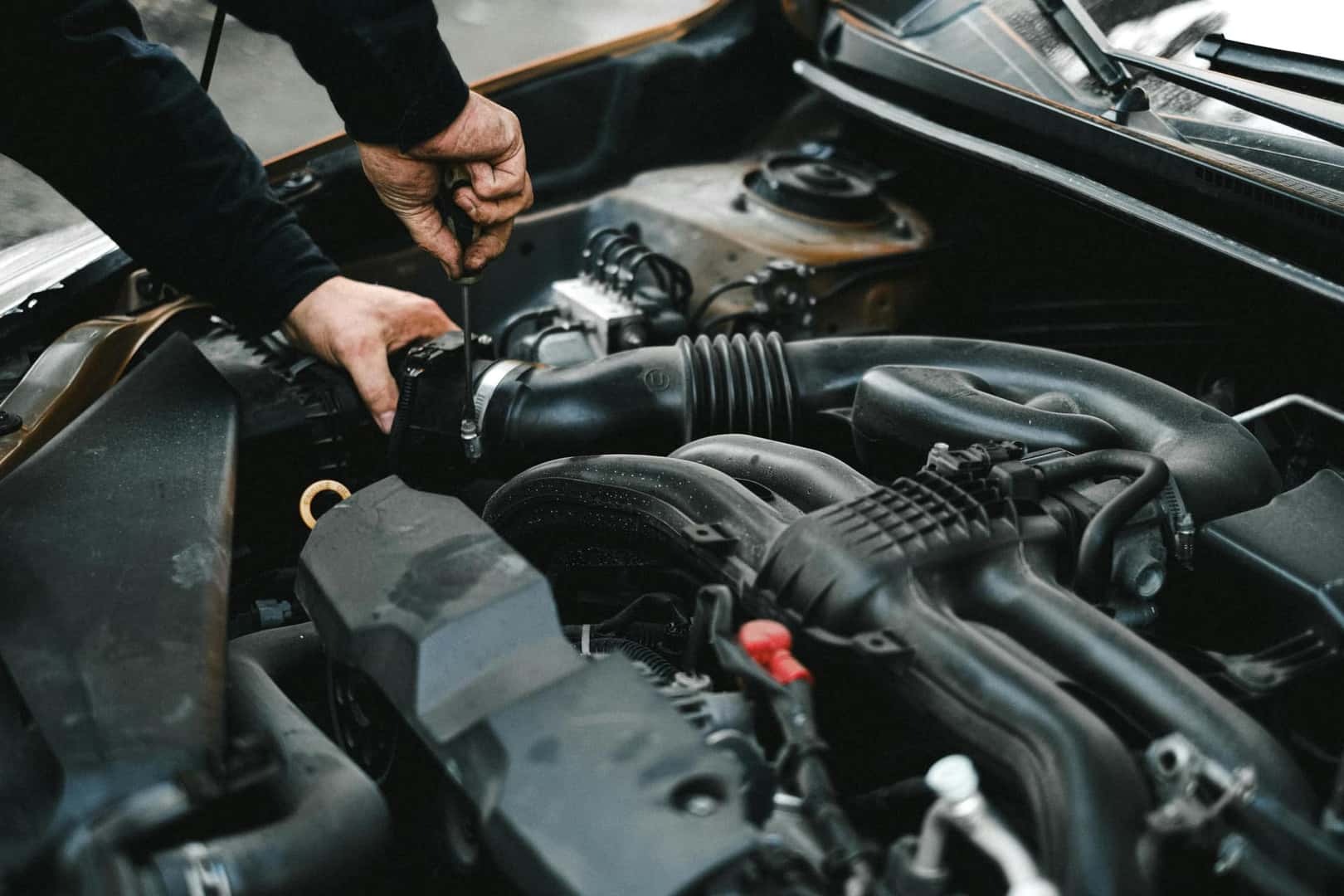
The Dodge Charger Hellcat comes with a detailed maintenance schedule designed to keep every system running smoothly under its unique stresses. Skipping these scheduled services is one of the fastest ways to invite problems.
These aren’t just oil changes, but include inspections and replacements for brake components, suspension, coolant systems, belts, and filters. Ignoring these routine check-ups can allow small issues to escalate into expensive repairs.
When maintenance is skipped, things like worn brake pads or deteriorating coolant hoses go unnoticed. The Hellcat’s braking system, for instance, is designed to handle incredible forces and heat. But if you don’t replace pads or rotors as recommended, you risk brake fade, reduced stopping power, and in extreme cases, total brake failure.
Considering how much power the Hellcat delivers, brakes are not something to gamble with. Skipping maintenance also leads to clogged filters, which reduce airflow and engine efficiency, robbing power and increasing fuel consumption.
Sensors and onboard electronics also need periodic checks. Modern Hellcats are equipped with numerous sensors monitoring everything from air-fuel ratio to turbo boost pressure.
Over time, these sensors can fail or drift out of calibration. Without routine inspections, the engine management system might run inefficiently or even cause damage by operating outside safe parameters.
A well-maintained Hellcat runs cooler, cleaner, and performs better, but only if you follow the maintenance intervals religiously.
Finally, avoiding maintenance might seem like a way to save money, but it almost always costs more in the long run. Repair bills for neglected systems or emergency breakdowns far outweigh the cost of regular inspections and part replacements. Whether it’s your Hellcat or any high-performance car, maintenance is insurance for your investment.
Those who stay on top of service schedules enjoy reliability and peace of mind, two things every Hellcat owner should value highly.

9. Excessive Idling and Short Trips
Leaving the Hellcat running for long periods without driving, or only taking it on short, cold trips, is harmful to the engine and exhaust system. Excessive idling causes the engine to run at low temperatures, which isn’t optimal for combustion.
It also leads to incomplete fuel burn, which creates deposits on valves, pistons, and inside the exhaust system. Over time, these carbon buildups reduce performance and can cause misfires or sensor malfunctions.
Short trips exacerbate the problem because the engine often doesn’t reach its ideal operating temperature. When the Hellcat’s engine is frequently started and stopped without warming up fully, condensation builds up inside the engine and exhaust system.
This moisture combines with fuel residue to create sludge and corrosion. Even components like the catalytic converter and oxygen sensors suffer, as they need high temperatures to work efficiently. Without reaching these temperatures regularly, emissions increase and the car’s efficiency drops.
Another consequence of excessive idling is unnecessary wear on the turbocharger and supercharger systems. These components rely on oil pressure and flow, which can be compromised during prolonged idling.
When the oil heats up but doesn’t circulate at higher RPMs, deposits can form inside the forced induction system, causing premature wear. This damage often manifests as decreased boost pressure and reduced engine responsiveness.
Lastly, idling wastes fuel and increases emissions without any driving benefit. The Hellcat is designed to move fast, not stand still. If you want your car to last, it’s better to start it, let it idle briefly for warm-up, then drive gently until fully warmed.
Avoid sitting in traffic or letting the engine run unnecessarily, especially if you’re not going anywhere. Over time, this habit will protect your engine’s internals and improve reliability.
10. Ignoring Warning Lights and Strange Noises
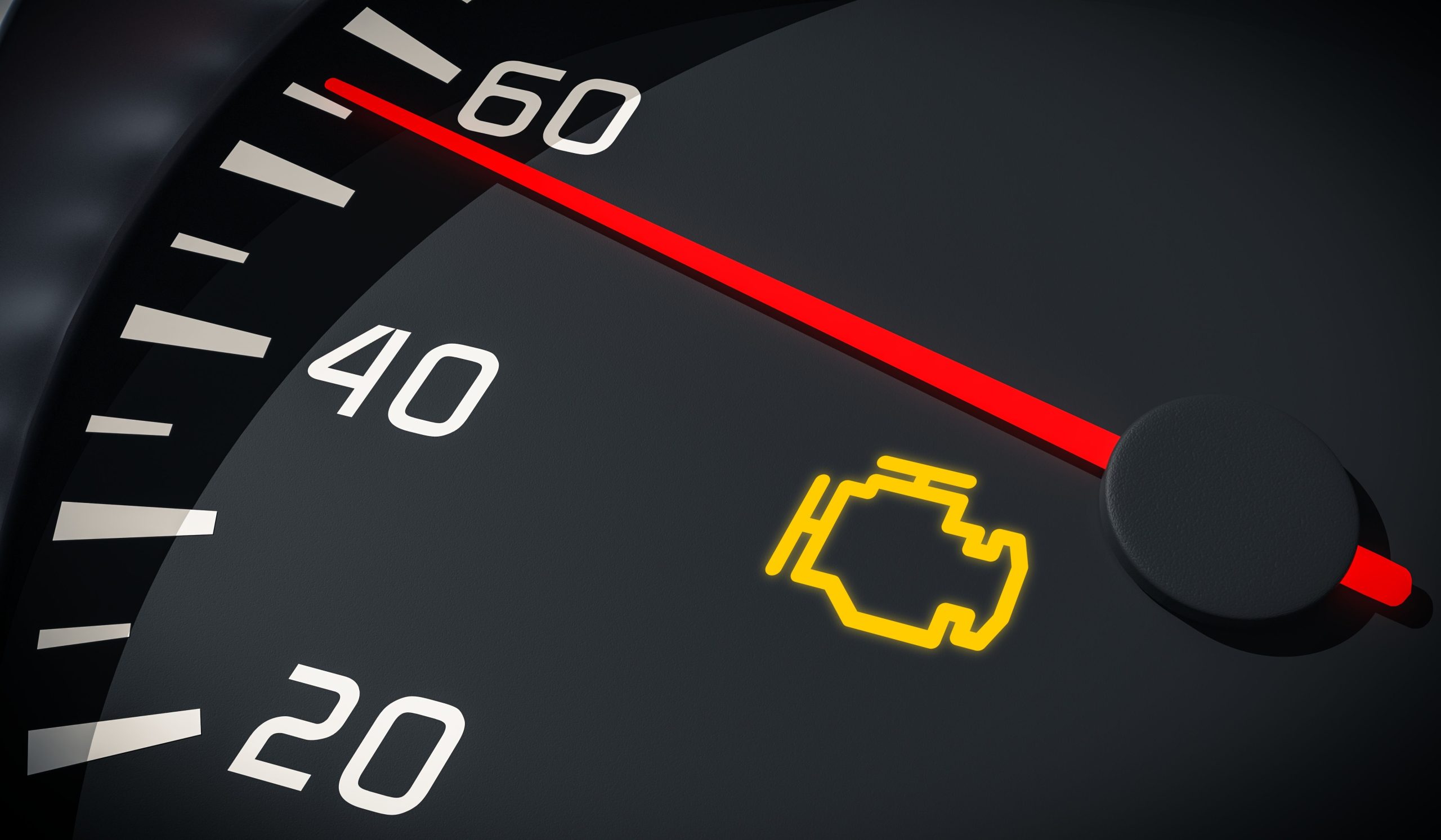
Every warning light on your Hellcat’s dashboard is there for a reason. Ignoring these alerts or assuming they’ll go away on their own is a critical mistake.
High-performance vehicles have complex monitoring systems that track everything from engine health to tire pressure and braking systems. When a light illuminates, it’s the car’s way of telling you that something needs attention before a minor problem turns into a major one.
Ignoring warning lights like the check engine or transmission warning can lead to catastrophic failures. For example, a simple sensor malfunction or minor misfire might seem insignificant at first.
But if left untreated, it can damage the catalytic converter, ruin spark plugs, or cause the engine to run lean, leading to internal engine damage.
The Hellcat’s high-output engine is less forgiving of running out of tune or neglecting repairs, so prompt diagnosis and fixes are crucial.
Strange noises such as knocking, whining, or grinding are also red flags. These sounds might indicate worn bearings, failing differentials, or transmission issues.
Many drivers dismiss unusual noises as normal for a powerful car, but in reality, these sounds are often the first sign of mechanical trouble. Early diagnosis can save thousands of dollars and prevent breakdowns that leave you stranded.
Finally, delaying repairs or ignoring warning signs reduces the lifespan of your Hellcat. What might start as a small issue can quickly escalate to expensive repairs or component failures that require complete replacements. Listening to your car and addressing problems early ensures that you keep the performance you paid for and enjoy your Hellcat longer.
