
Suspension components play a vital role in a vehicle’s performance, comfort, and longevity. From handling to ride quality, the suspension system absorbs road shocks and keeps tires in proper contact with the ground. However, the reliability of suspension systems can vary significantly between vehicle models.
Some cars seem to float over potholes and road imperfections for hundreds of thousands of miles without much trouble, while others start rattling and bouncing prematurely, leaving owners with costly repairs. This inconsistency is often tied to engineering quality, weight distribution, materials used in the suspension components, and even the target market of the car.
A well-designed suspension system can take a beating and still offer solid performance for years. Manufacturers of such cars often put special emphasis on long-term durability, using tougher bushings, reliable shocks, and stiffer subframes. These vehicles are often tested under extreme road conditions during development, which leads to parts that resist wear.
Meanwhile, cars with poor suspension reliability usually have softer setups that prioritize ride comfort or handling at the expense of durability. Other times, cost-cutting in manufacturing leads to weak ball joints, bushings, or struts that give out far too early.
The condition of the roads you drive on obviously plays a big part, but car design is the most consistent factor. For example, a heavy SUV with poorly engineered rear shocks may chew through suspension parts quickly, even under light use.
On the flip side, a compact sedan with balanced weight distribution and robust suspension may require little more than basic maintenance well beyond 100,000 miles. Real-world reports from owners and long-term reviews often reveal these patterns, with some models developing reputations for trouble-free driving and others becoming regular visitors to the alignment rack or parts counter.
This article compares five cars known for dependable suspension systems with five others that commonly require attention. Each section outlines real-world experiences and typical reasons behind the differences. If you’re buying used or planning to keep a car for years, this information can help you avoid constant trips to the mechanic.
Also Read: 5 Cars With Anti-Glare Cockpits vs 5 With Reflective Surfaces
Cars That Rarely Need Suspension Work
1. Toyota Camry
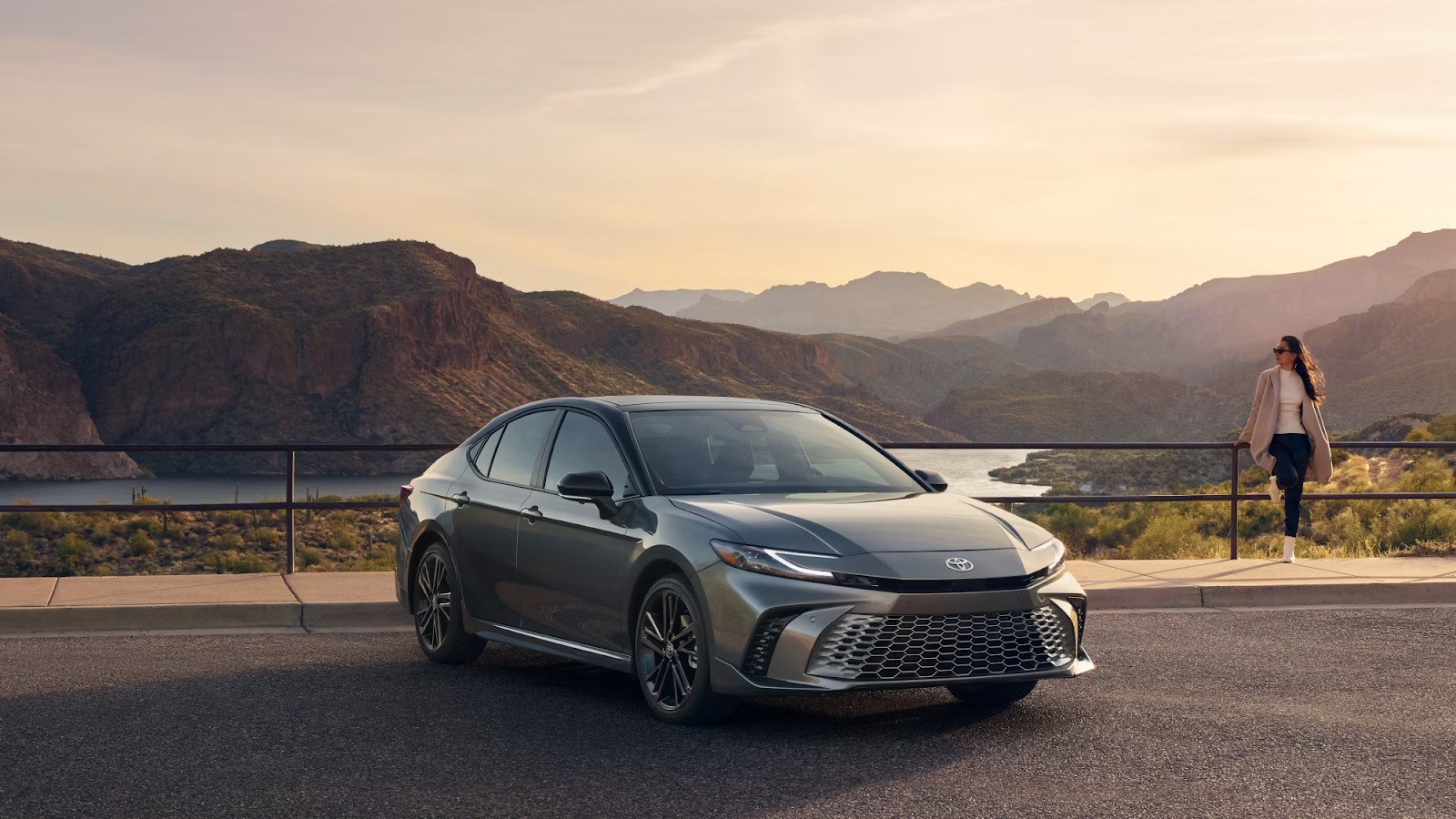
The Toyota Camry has built a reputation over decades for being a dependable, low-maintenance sedan. One of the standout features of this model is its long-lasting suspension system. Camry owners routinely report reaching well over 150,000 miles without replacing struts, shocks, or bushings.
This is partly due to Toyota’s conservative engineering choices, focusing on long-term durability rather than sporty handling. The suspension is firm enough to prevent excessive wear yet soft enough to absorb bumps without putting excessive stress on joints and mounts. It’s a compromise that seems to pay off for long-term owners.
Another reason the Camry’s suspension holds up so well is its weight distribution and build quality. Unlike heavier vehicles or sport sedans with aggressive setups, the Camry rides with a composed, predictable balance. The car doesn’t put undue stress on either the front or rear components, which prevents early wear on control arms and tie rods.
Suspension geometry is designed with longevity in mind, and Toyota doesn’t skimp on component quality. Ball joints, bushings, and sway bar links are often made to tighter tolerances, allowing them to resist wear better than some competitors.
It’s also worth noting that the Camry appeals to a specific kind of driver, one who isn’t likely to abuse the vehicle with hard cornering or off-road use.
The suspension isn’t built to take a beating like a performance vehicle, but because it’s used within its limits by most owners, the parts tend to last. Even when replacements are needed, they’re often straightforward and inexpensive. This makes the Camry a favorite for those who want predictable maintenance costs and minimal surprise repairs.
For those considering a used car with minimal suspension worries, the Camry is often at the top of recommended lists. It’s common to see Camrys on the road with original suspension components, particularly in moderate climates where salt and corrosion aren’t major factors. This speaks volumes about the design and reliability of the system as a whole.
2. Honda Accord
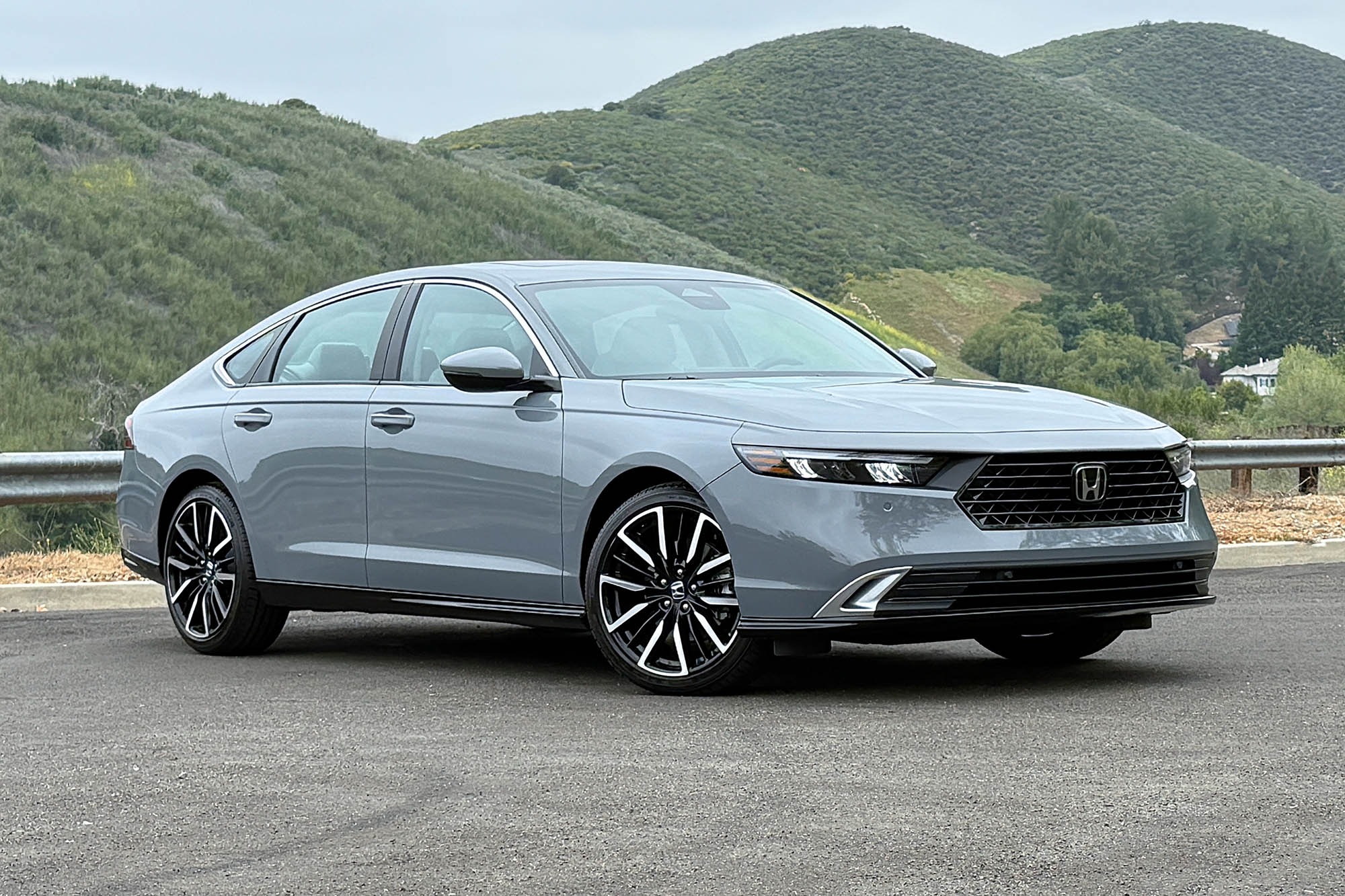
The Honda Accord, much like the Camry, has earned praise for its long-term reliability, and that extends to its suspension. Honda engineers tend to balance ride quality with durability, and the Accord benefits from this approach.
The suspension system includes high-quality bushings, durable struts, and well-designed linkages that don’t fail easily. Even after years of driving, owners frequently report tight steering and a solid ride, suggesting the components age slowly and predictably.
One of the reasons for this is the Accord’s careful tuning and choice of materials. The struts and shocks are built to handle varying road conditions, and the car’s frame doesn’t flex excessively, which can strain suspension mounts.
Honda also avoids using overly soft rubber in its bushings, which tend to wear out faster in some competitors. Instead, they go for a balanced compound that provides comfort while resisting cracking and deformation over time. As a result, the Accord’s suspension doesn’t get sloppy after just a few years of use.
Long-term ownership studies also back up the Accord’s performance in this area. It’s common to find high-mileage examples on the road that still drive like new in terms of suspension response.
Drivers don’t often report knocking sounds, uneven tire wear, or harsh impacts unless the car has seen severe use or has been poorly maintained. This kind of reliability allows owners to focus on other maintenance needs without being surprised by costly undercarriage repairs.
Moreover, the Accord tends to retain a more conservative stance and weight profile compared to sportier sedans. Even the more performance-oriented trims don’t stray far from Honda’s reliability-first approach. This makes the car a smart choice for anyone who values peace of mind over aggressive handling or flashy features. It’s another solid option for those who want minimal suspension issues over the life of the vehicle.
3. Lexus RX
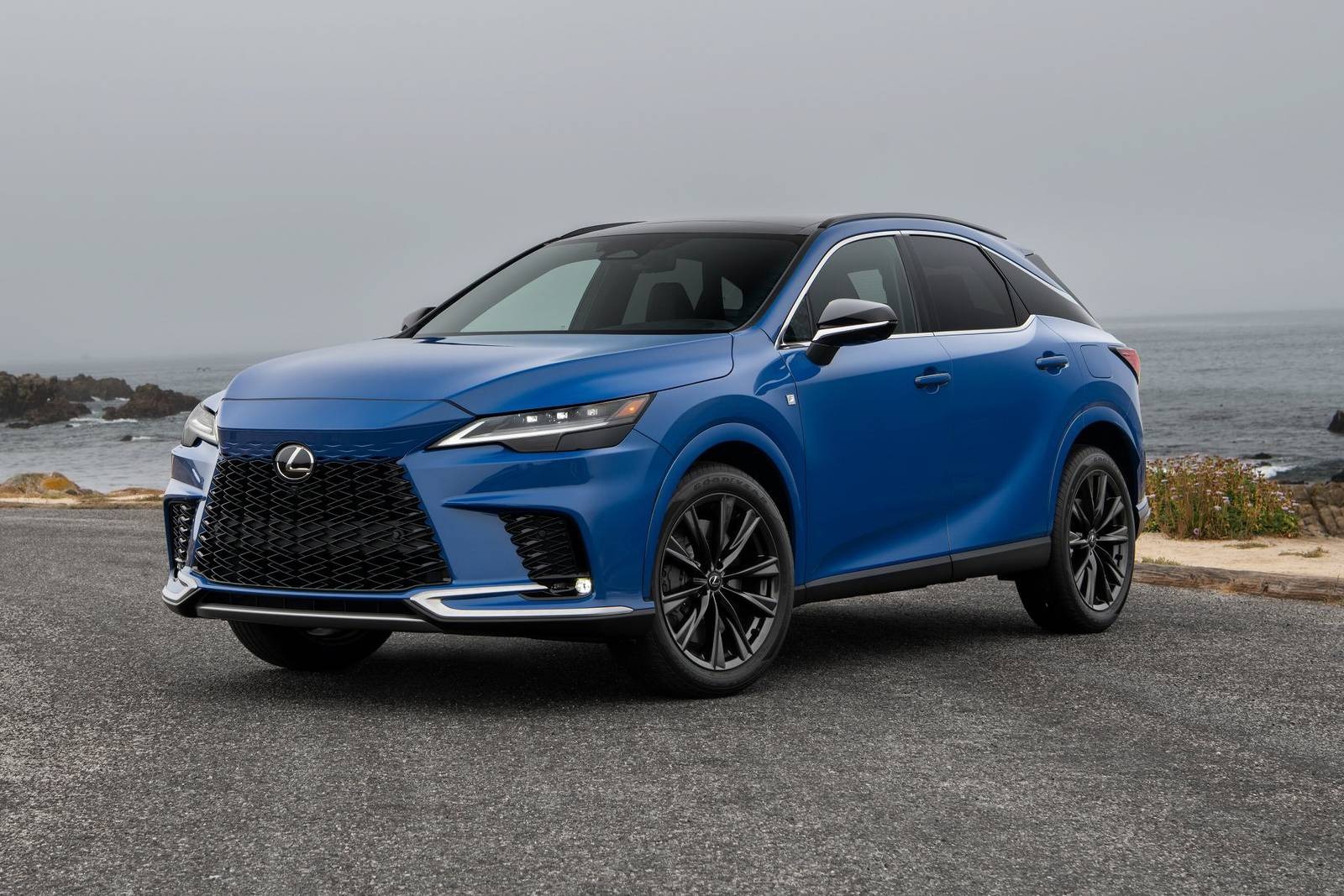
The Lexus RX, particularly in its earlier generations, is often cited as one of the most trouble-free luxury SUVs in terms of suspension wear. Unlike some high-end brands that prioritize performance and road feedback, Lexus tends to lean toward smoothness and long-term dependability.
The RX uses a conservative suspension setup, which emphasizes comfort and reduces stress on joints, bushings, and shock absorbers. Many owners drive these SUVs past 200,000 miles with only routine suspension maintenance, such as bushings or occasional sway bar links.
Another major reason for the RX’s suspension durability is its moderate curb weight and lack of aggressive driving dynamics. It’s not a performance SUV, and most owners use it for commuting or family trips. This means fewer sharp turns, quick accelerations, or hard stops that could put extra load on the suspension. Combined with Toyota’s high build standards, the RX’s components tend to last a very long time before showing signs of failure.
Lexus also designs its luxury vehicles with a quieter ride in mind. That means parts like struts and mounts are engineered not just for durability but also for noise suppression and comfort. These components often use better materials than what you’d find in more budget-friendly vehicles.
Over time, that translates into less wear and better road isolation, even as the miles pile up. There’s also a focus on corrosion resistance, especially in areas like ball joints and lower control arms, which helps in extending their lifespan.
Owners report few surprises when it comes to the RX’s suspension. As long as regular maintenance like wheel alignments and tire rotations are performed, the suspension remains in excellent shape. Even replacement parts are not prohibitively expensive when needed. In the world of luxury crossovers, the RX stands out as a vehicle that offers both comfort and long-term dependability, with suspension performance being a clear example.
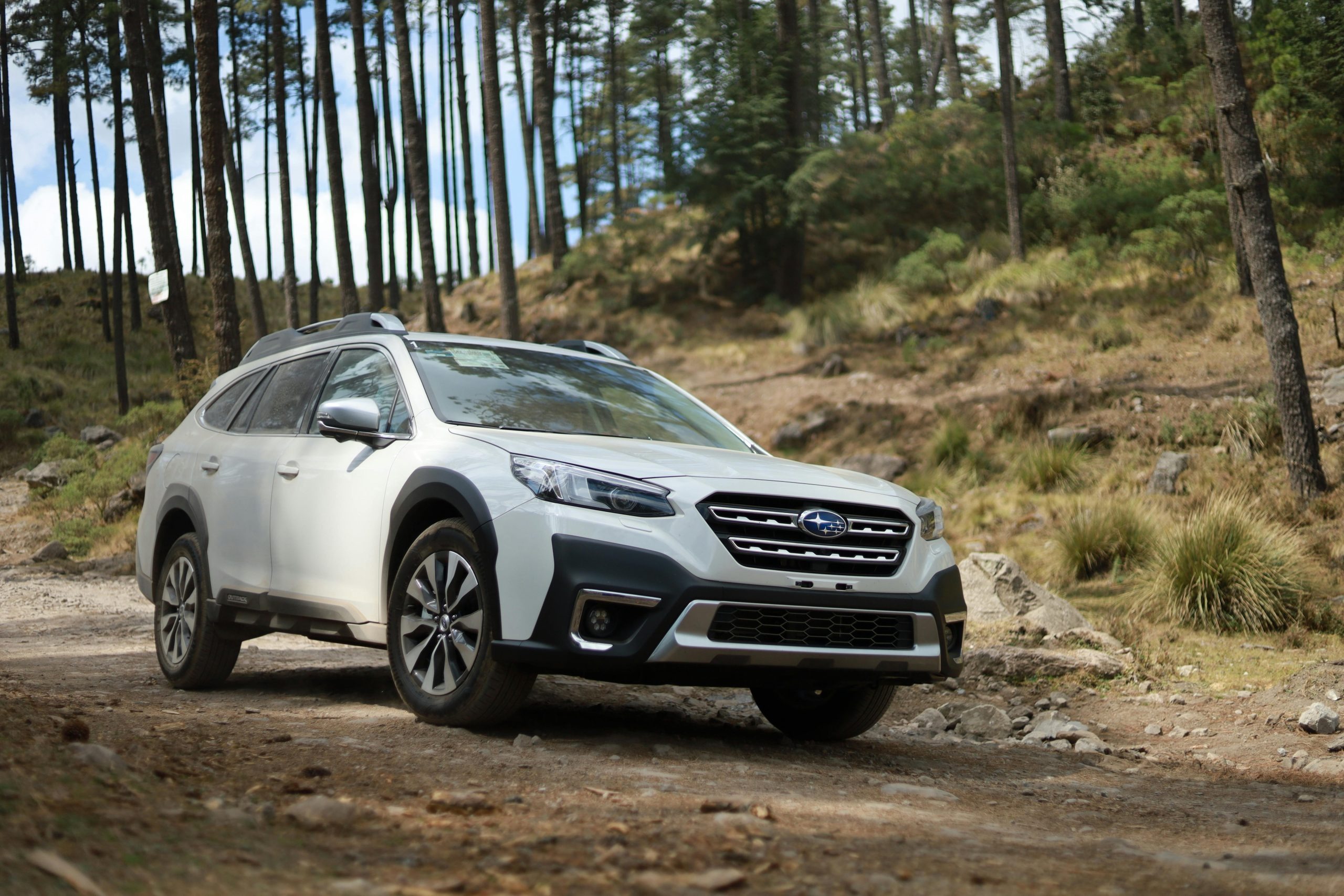
4. Subaru Outback
The Subaru Outback is engineered for versatility, and its suspension is built to handle a mix of highway and off-road driving without frequent breakdowns. What makes the Outback stand out is the robust design of its suspension components, particularly in the newer models.
Subaru equips it with heavy-duty shocks, strong control arms, and rugged mounts that hold up to tough driving conditions. This results in a vehicle that doesn’t demand constant attention despite being pushed harder than the average sedan.
The symmetrical all-wheel-drive system in Subarus also helps distribute stress more evenly across the suspension. Unlike front-wheel-drive vehicles, which often wear out front-end components more quickly, the Outback’s system reduces that kind of uneven strain. As a result, things like CV joints, tie rods, and struts tend to last longer. It’s common to see high-mileage Outbacks still running on their original suspension with only minor work done over the years.
Subaru also does a solid job with corrosion protection, particularly in northern markets where road salt can wreak havoc on suspension parts. Galvanized components, sealed bushings, and coated hardware resist rust better than what you’d find on some competitors.
This contributes not only to long part life but also easier maintenance when the time eventually comes to replace something. Many mechanics find Subarus straightforward to work on, and that reduces the risk of additional damage during repairs.
What’s most impressive about the Outback is that it delivers this durability without sacrificing ride quality. While it has a more rugged stance and ground clearance than a typical wagon, the ride remains smooth and controlled.
Owners appreciate this balance and often cite the car’s ability to go anywhere without frequent repairs as a reason for buying another one. It’s a practical vehicle for those who want to explore rough terrain but don’t want to be stuck in the shop every few months.
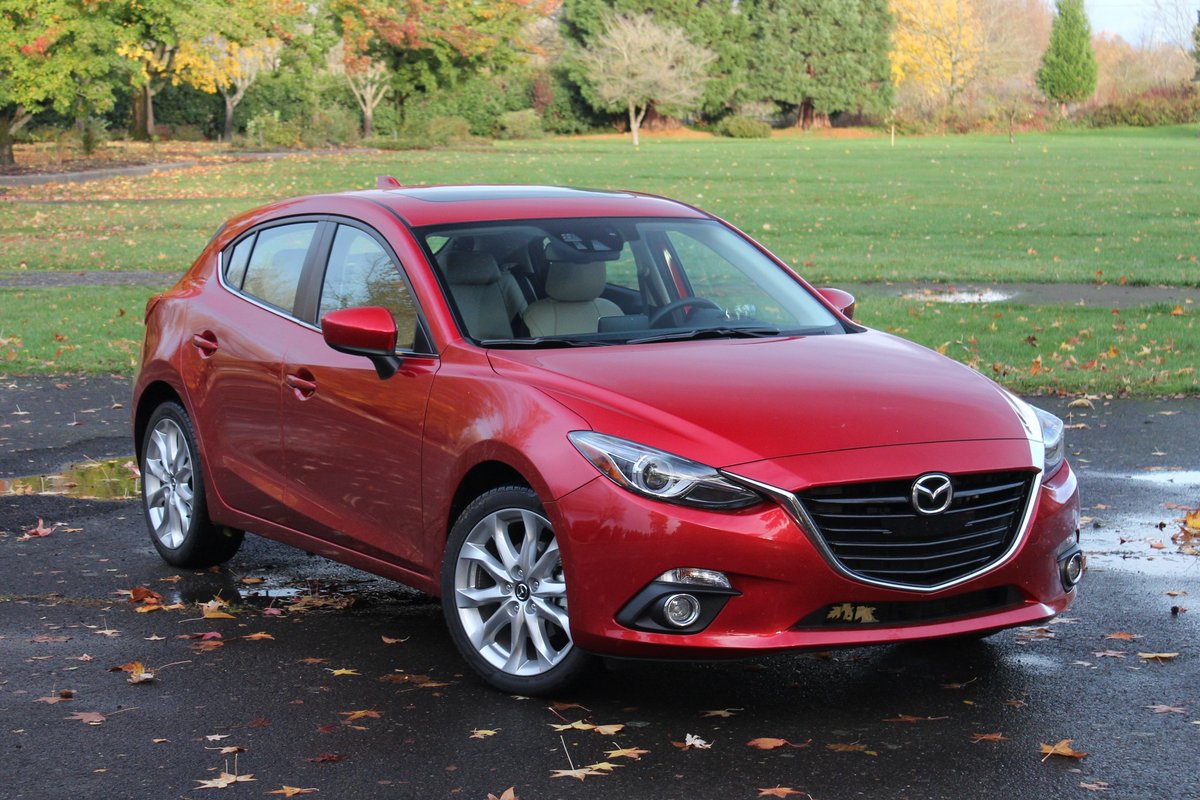
5. Mazda3
Mazda’s compact sedan and hatchback, the Mazda3, combines sporty handling with reliable suspension components. While sportier cars sometimes suffer from premature suspension wear due to stiffer setups, the Mazda3 finds a middle ground.
Its MacPherson strut front suspension and multi-link rear setup have been tuned to deliver an engaging driving experience while maintaining long-term reliability. This balance allows the car to perform well on curvy roads without putting excessive strain on the suspension.
Mazda’s engineering focus on vehicle weight and balance also contributes to even stress distribution across all corners of the car. This reduces the likelihood of early component failure and helps maintain stable alignment and tire wear over time.
Another reason the Mazda3’s suspension system tends to hold up well is the company’s attention to material quality. Components such as the control arms, sway bar links, and bushings are made with durability in mind, using compounds that resist premature wear and exposure to environmental conditions like heat and salt.
Unlike many compact cars that cut corners on underbody and suspension hardware, Mazda takes a more refined approach. They’ve invested in better sealing, tighter tolerances, and corrosion-resistant coatings, which all extend the service life of critical components. This engineering focus translates to fewer squeaks, rattles, or uneven tire wear even after years of ownership, especially in regions with well-maintained roads.
The Mazda3 is also not commonly subjected to abuse. While it has a sporty edge, it isn’t generally driven hard like performance cars, which helps its suspension stay in good shape. Most drivers use it as a commuter or small family car, meaning the suspension isn’t subjected to constant high-speed turns or sudden impacts.
This allows it to operate well within its intended range for much of its life. Many owners report reaching 120,000 to 150,000 miles before replacing any major suspension parts, and even then, replacements are typically preventative rather than necessary due to failure.
Finally, the car’s compact size and relatively light curb weight help reduce stress on the suspension. With fewer pounds to carry and fewer forces acting on each corner of the vehicle, the shocks and bushings experience less wear than they would on a larger or heavier vehicle.
Mazda’s chassis tuning also ensures that the suspension moves in a controlled way, keeping the tires planted without excessive oscillation. This limits the frequency and severity of impacts that travel through the system, preserving the integrity of joints, mounts, and bearings. As a result, the Mazda3 continues to be a solid choice for buyers looking for a fun-to-drive compact car that doesn’t nickel-and-dime them with suspension issues.
Also Read: 10 Cars That Survive Stop-and-Go Traffic Without Complaints
Cars That Constantly Need Suspension Work
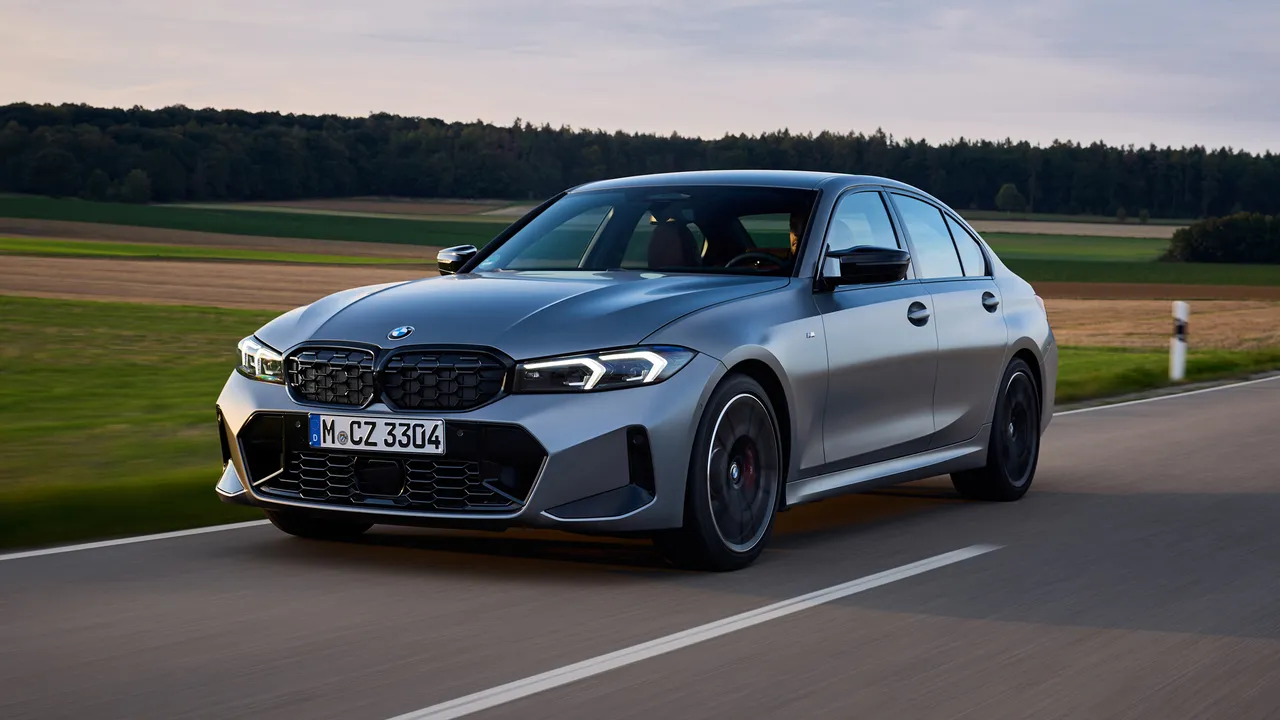
1. BMW 3 Series (E90 and F30 generations)
The BMW 3 Series, especially models from the E90 and F30 generations, is known for its excellent handling and sharp road feel. However, that same sporty edge comes at a price, particularly when it comes to suspension durability. BMW engineers have prioritized performance, which means tighter suspension geometry, aggressive damping, and low-profile tires.
While these choices make the car fun to drive, they also put more stress on components like control arm bushings, ball joints, and shock mounts. As a result, many owners begin noticing suspension wear as early as 60,000 miles. Creaking sounds, clunks, and poor alignment are common complaints that crop up repeatedly in forums and mechanic reports.
Another issue that plagues these generations of the 3 Series is the complexity of the suspension design itself. Multi-link rear setups, electronically controlled dampers (in some trims), and intricate front assemblies make maintenance more difficult and costly.
Replacing even basic components can require extensive labor, and aftermarket parts often don’t last as long or feel the same as the original equipment. Combined with high parts prices and labor-intensive procedures, owners often face suspension bills that climb into the thousands. This is particularly frustrating for buyers who expect luxury reliability but end up with frequent workshop visits for control arms or shock replacements.
The weight distribution and performance expectations of the 3 Series also contribute to premature wear. These cars are meant to be driven hard, and many owners oblige. Tight cornering, spirited driving, and firm braking all place extra demands on the suspension system.
Over time, bushings start to soften, shocks lose their damping ability, and mounts develop play, all of which affect ride quality and handling. Since most BMW buyers don’t want a “floaty” feel, they’re more likely to notice and be bothered by even small changes in suspension performance, pushing them toward frequent replacements.
Finally, the materials used in these BMW generations are not immune to wear from environmental exposure. Salt, water, and debris can accelerate corrosion on aluminum components and bolts, especially in regions with harsh winters. In some cases, the rubber compounds used in bushings and mounts degrade more quickly than expected, possibly due to cost-saving changes in materials.
The result is a car that, while excellent to drive when new, becomes a recurring maintenance issue as the miles pile up. For those seeking low suspension upkeep, the 3 Series is best avoided unless you’re prepared for the extra costs that come with its performance capabilities.

2. Jeep Grand Cherokee (WK2)
The Jeep Grand Cherokee WK2 (2011–2021) may be a capable SUV, but its suspension reliability has been a persistent problem area. Many owners report early failure of components like control arms, ball joints, and struts, especially on four-wheel-drive models.
While the Jeep brand has always marketed ruggedness, the WK2 generation seems to fall short in terms of underbody strength. Whether due to cost-cutting, complexity, or poor part quality, the suspension system on many of these vehicles doesn’t hold up to even average daily driving. It’s not uncommon to hear of suspension repairs being needed before the vehicle hits 80,000 miles.
One of the biggest contributors to the Grand Cherokee’s suspension issues is its weight. It’s a heavy SUV, and when you add the burden of towing, off-roading, or carrying cargo, the suspension components are pushed to their limits. The front lower control arms, in particular, are known for developing play and making clunking noises.
In models equipped with air suspension, the problems are even worse. The system, while designed to improve comfort and ride height flexibility, often fails prematurely. Compressor problems, leaking air struts, and faulty height sensors lead to uneven rides, warning lights, and expensive repairs.
Off-road capability adds to the wear and tear. While the vehicle is marketed as a trail-ready SUV, many of the suspension components aren’t robust enough to handle frequent rough terrain driving without needing replacement.
Add in the effects of potholes, curbs, and road salt in urban environments, and it becomes clear that many Grand Cherokees simply aren’t built to last in the way their branding suggests. Even owners who don’t take them off-road find themselves dealing with alignment issues and strange noises coming from the front and rear suspensions.
What frustrates many Grand Cherokee owners is that these problems often recur even after repair. Aftermarket parts for these models don’t always fit perfectly, and OEM components can be pricey. Replacing a single front control arm assembly can cost several hundred dollars, and air suspension repairs can easily run over a thousand.
This makes ownership burdensome for people who expected their SUV to be both capable and dependable. For those considering a Grand Cherokee, it’s worth budgeting for suspension work or seeking models without the air ride option to reduce future headaches.
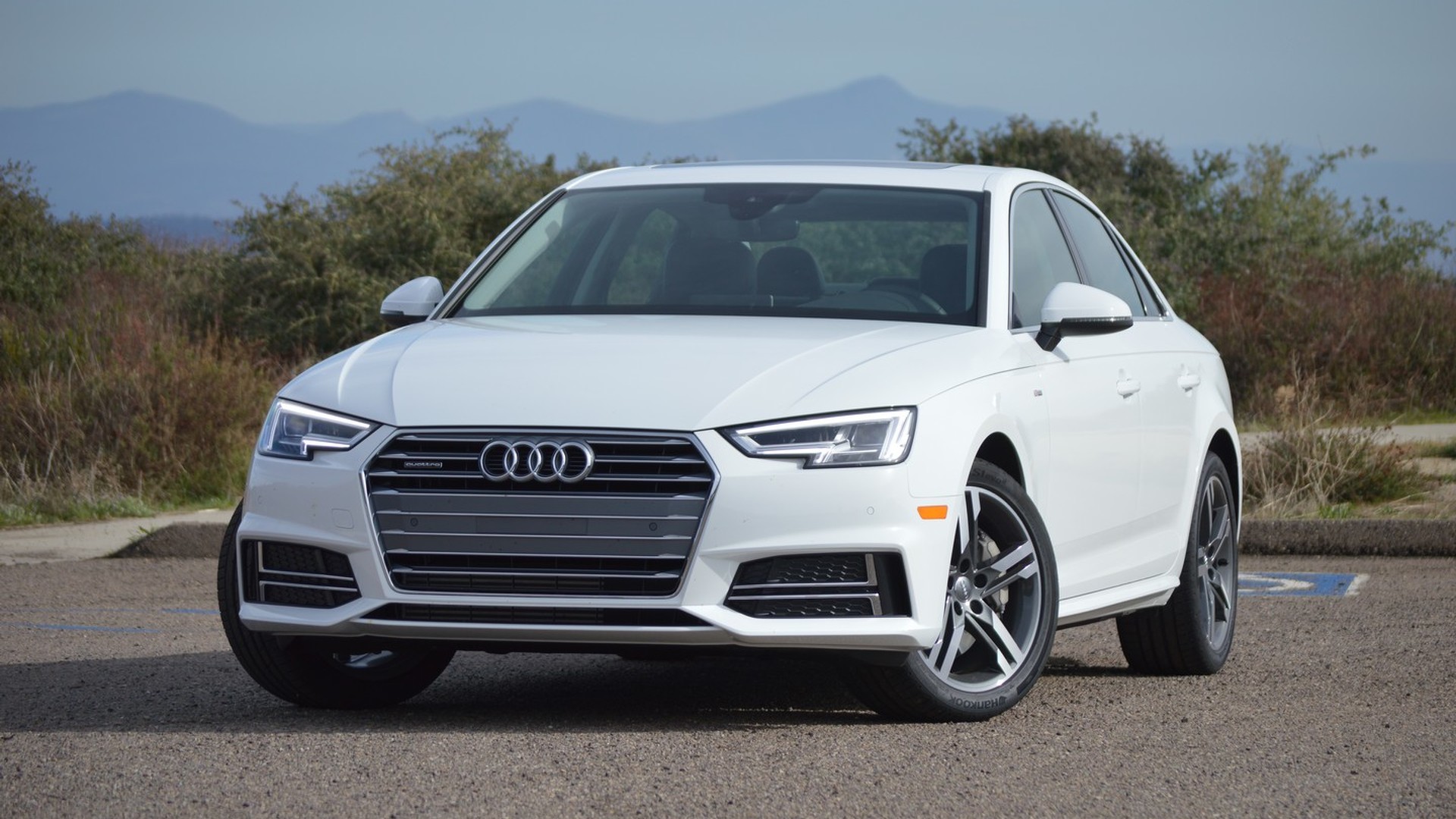
3. Audi A4 (B8 and B9 Generations)
The Audi A4 offers premium styling and comfort, but its suspension system is one of the weaker points in long-term ownership. The B8 and B9 generations (roughly 2009 to 2023) are particularly problematic in this area. Common complaints include premature wear of control arm bushings, creaking noises, and failure of strut mounts.
The complex multi-link suspension setup used in the front is tuned for handling, but that tuning results in a lot of stress on each component. Unlike simpler MacPherson strut setups, the A4’s design requires many parts to move in coordination, and when one part starts to go, others often follow.
Many A4 owners report feeling changes in ride quality as early as 40,000 to 60,000 miles. These changes are usually subtle at first, slightly looser steering, vague road feedback, or a mild vibration over bumps. But over time, these symptoms evolve into full-blown mechanical problems.
The control arms, for instance, are known to develop play in their bushings, leading to clunks and uneven handling. Some drivers also notice excessive inner tire wear, which signals alignment issues caused by suspension deflection. It’s a slow decay rather than a sudden failure, but it adds up to frequent and costly service.
To make matters worse, the repair process is far from simple. The front suspension in these cars is tightly packed, requiring specialized tools and procedures to disassemble and replace even common parts. Labor costs are high, and parts are often expensive, particularly if original Audi components are used.
Some owners report trying aftermarket kits to save money, but those sometimes introduce new problems such as improper fitment or short lifespan. This creates a frustrating loop where the car never feels quite right, even after spending thousands on repairs.
The A4’s weight distribution and drivetrain configuration (especially in Quattro models) further complicate suspension longevity. The all-wheel-drive system adds weight and mechanical complexity that transfers more load through the suspension. It’s a great system for traction and performance, but it doesn’t help the car’s durability in terms of ride control components.
Audi’s use of softer rubber compounds for noise and vibration reduction also backfires in the long run, leading to faster degradation under real-world conditions. While the A4 might look sharp and drive well when new, it’s not a car known for suspension reliability over time.
The Dodge Charger, especially models between 2006 and 2020, has gained a reputation for needing regular suspension repairs, particularly as the miles rack up. These full-size sedans are often driven hard, whether for their muscle car appeal or because they’re used in police and fleet service.
That aggressive use puts a lot of strain on the suspension system, and unfortunately, the design and materials Dodge used during this period haven’t held up well under real-world conditions. Upper and lower control arms, bushings, sway bar links, and struts are all common points of failure. On high-mileage examples, it’s not unusual to find nearly every suspension component in need of replacement by the time the odometer hits six figures.
Another issue is the quality of components used in the suspension. Reports from both owners and mechanics indicate that factory bushings and ball joints don’t last as long as they should, even with careful driving. And when those components start to fail, they create alignment problems that lead to uneven tire wear and steering issues.
Some drivers choose to upgrade to polyurethane bushings or aftermarket control arms, but even then, it’s more of a workaround than a permanent fix. Once the suspension begins to degrade, it tends to do so rapidly, and maintaining a solid ride becomes a constant battle.
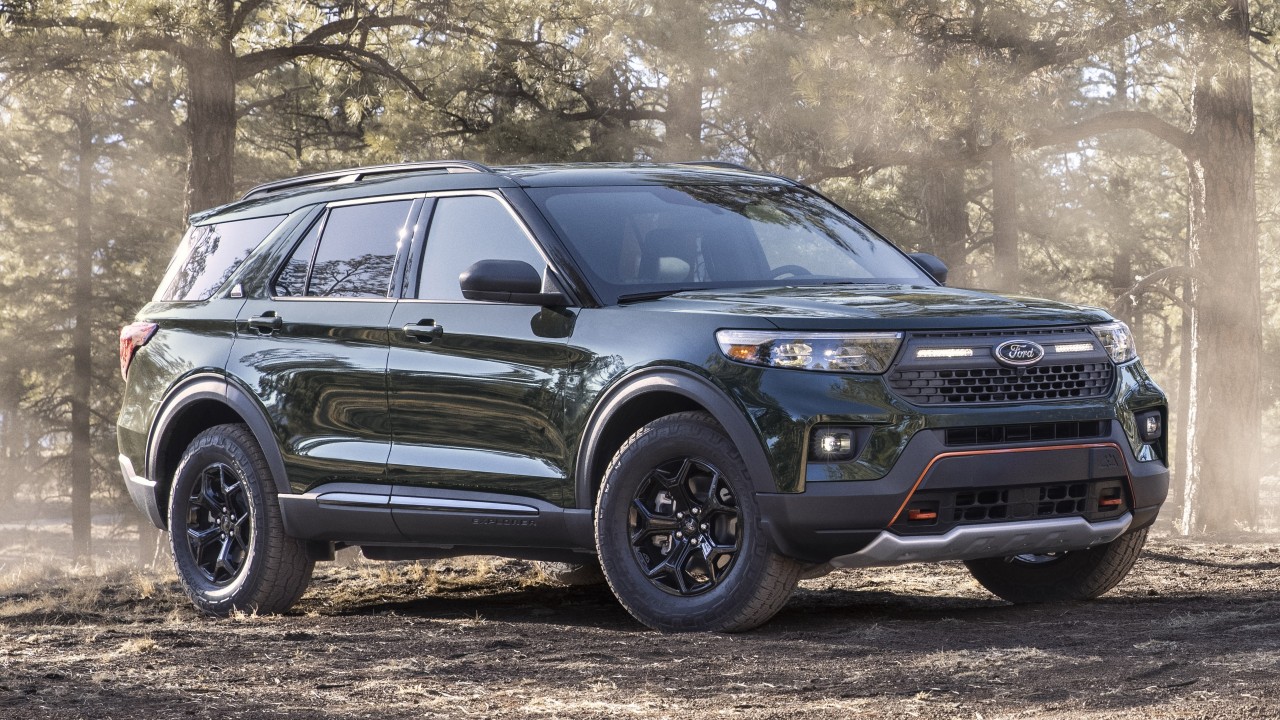
5. Ford Explorer (2011–2019)
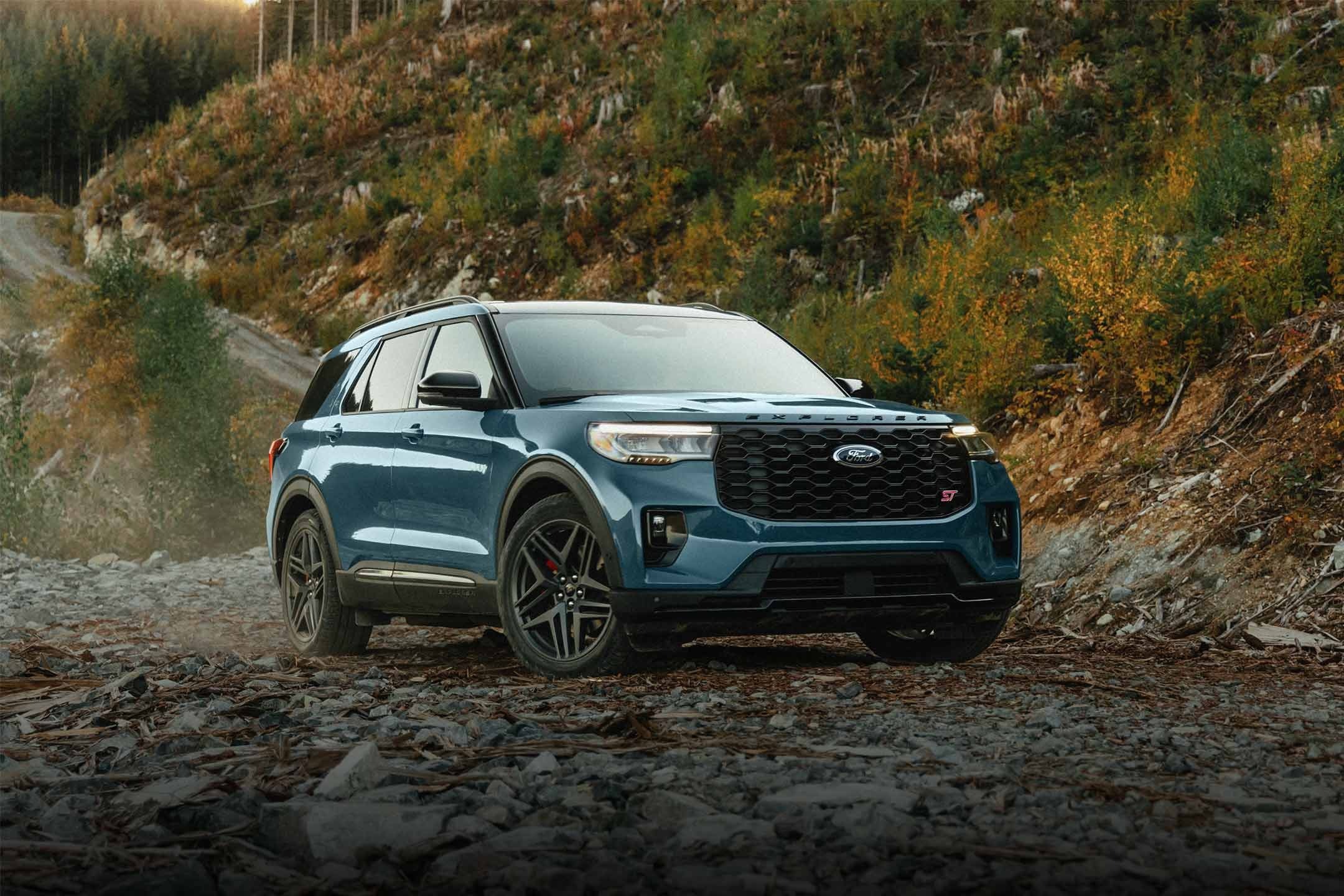
The Ford Explorer’s fifth generation, produced between 2011 and 2019, has been a popular SUV for families, fleets, and law enforcement. However, it’s also known for suspension issues that appear earlier and more frequently than expected. Common failure points include front and rear struts, control arms, and sway bar links.
In many cases, these problems begin to surface before 70,000 miles, which is early for a modern SUV. The Explorer’s size and weight contribute significantly to this, as does its front-wheel-drive-based platform, which wasn’t originally intended to carry so much mass or handle the kind of towing and hauling many owners demand from it.
One key factor behind the Explorer’s frequent suspension issues is the platform it’s built on. Originally shared with the Ford Taurus, the unibody design prioritizes interior space and ride comfort over rugged durability. As a result, the suspension components weren’t engineered for heavy-duty use.
While Ford did reinforce them for SUV duty, they still fall short under stress. This becomes particularly noticeable in higher trim levels or when equipped with optional features like towing packages or larger wheels. These options place even more demand on components that already wear quickly under regular use.
Drivers often report a feeling of looseness in the front end, clunking noises over bumps, and poor steering feedback as the miles add up. Some owners have also noticed recurring alignment issues that lead to premature tire wear, even after suspension parts have been replaced.
This suggests not just part failure but also potential flaws in the vehicle’s suspension geometry. Repeated visits to the mechanic for front-end work are common, with some Explorer owners having to replace the same components multiple times within a relatively short span of ownership.
Another frustrating element is that many of the replacement parts, whether OEM or aftermarket, don’t seem to hold up much better than the originals. Suspension problems are made worse in areas with rough roads or cold winters, where salt and moisture accelerate the breakdown of rubber bushings and metal mounts.
Despite being marketed as a family SUV capable of light off-road work and long road trips, the Explorer doesn’t consistently deliver the durability most buyers expect. Anyone shopping for a used model from this generation should pay close attention to service records and be ready for future repairs.
