
Off-road driving isn’t just a recreational activity; it’s a harsh and often punishing test of a vehicle’s engineering, durability, and real-world reliability. What might start as a peaceful weekend trail ride can quickly turn into a mechanical endurance test. The demands placed on an SUV in off-road conditions go far beyond what the average road-going vehicle ever experiences.
Rock crawling, deep mud ruts, steep hill climbs, uneven surfaces, and water crossings all contribute to a level of mechanical stress that many modern vehicles are not prepared to endure. This is especially true for SUVs that are primarily built for comfort and appearance but are marketed under adventurous branding.
The issue is that off-road terrain doesn’t care about paint jobs, leather seats, or infotainment systems; it punishes weak suspension components, inadequate drivetrains, and brittle plastic parts without discrimination.
For serious enthusiasts and professionals alike, there’s a clear difference between vehicles that “can go off-road” and those that are built to be off-road machines. The difference lies in how a vehicle reacts after months or years of trail use. While some might manage a weekend trail trip without issue, they start to show problems when exposed to repeated abuse.
Others, on the other hand, can be trusted in the harshest environments and come back ready for more. That kind of dependability isn’t always visible at first glance. It’s not necessarily tied to price or luxury features. In fact, some of the most reliable off-road SUVs may have minimal interior refinement, but they compensate with sheer mechanical strength and proven durability.
This article compares two types of SUVs. The first group includes five models that have proven their toughness over time, not just through reviews or commercials, but through actual field use. These are the kinds of vehicles that overlanders, backcountry guides, and remote-area workers depend on.
They are built to take a beating and keep running. The second group, by contrast, represents SUVs that may look capable on the outside but tend to show their weaknesses under real stress. Whether it’s fragile components, overreliance on untested tech, or structural shortcomings, these vehicles often earn a reputation among serious off-roaders for being unreliable when pushed hard.
Knowing the difference between the two can save time, money, and possibly your safety when venturing into places where failure isn’t an option.
Also Read: 10 Cars That Survive Stop-and-Go Traffic Without Complaints
SUVs That Handle Off-Road Abuse
1. Toyota Land Cruiser
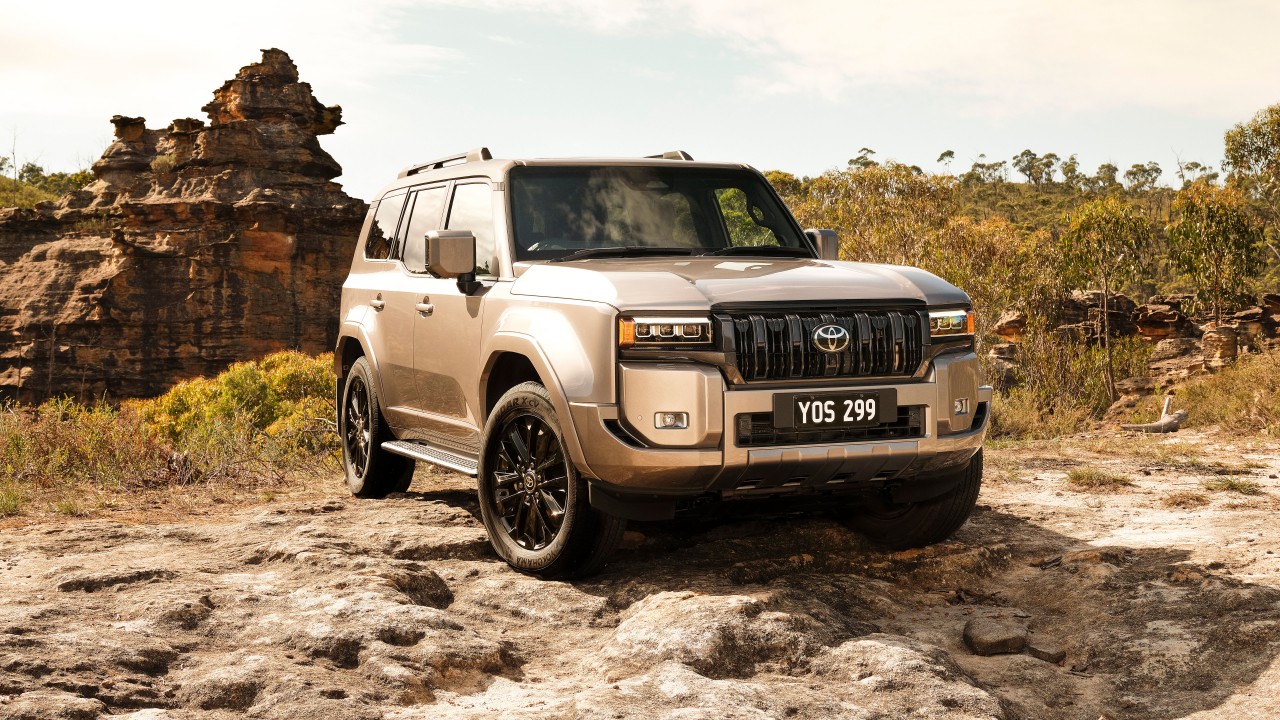
The Toyota Land Cruiser is more than just a high-end SUV, it’s a symbol of trust, resilience, and mechanical reliability. For over seven decades, it has carved out a reputation not only as a capable off-roader but also as a vehicle that simply refuses to quit, even under the harshest conditions.
From desert patrols in the Middle East to supply runs in remote African villages, the Land Cruiser has proven itself on every continent. It was never designed as a trend-driven vehicle. Instead, it has always been a purpose-built tool for people who need dependable transportation in the middle of nowhere.
What makes it especially valuable in off-road scenarios isn’t just its four-wheel-drive system or its generous ground clearance, it’s the over-engineering of every single part, from the transmission to the frame, ensuring it can operate in extreme heat, cold, and unpredictable terrain for thousands of miles without complaint.
Mechanically, the Land Cruiser is built around a philosophy of long-term endurance. Its body-on-frame construction, long-travel suspension, and strong axles make it uniquely suited to off-road use. While newer models have become more refined and tech-heavy, Toyota has remained careful to avoid compromising the vehicle’s fundamental toughness.
Even the electronics are integrated in a way that doesn’t interfere with trail performance. This conservative, low-stress approach to engine tuning and drivetrain design is what gives it a legendary lifespan.
Owners around the world frequently share stories of Land Cruisers with over 300,000 miles still running strong with minimal mechanical issues. The parts may not always be the cheapest or easiest to replace, but the need to replace them often simply doesn’t arise.
Its off-road performance also speaks for itself. Older models with solid axles offer incredible articulation, while newer models with systems like KDSS (Kinetic Dynamic Suspension System) provide a balance of stability and flex. Features like crawl control, locking differentials, and heavy-duty skid plating make it clear that Toyota didn’t just want the Land Cruiser to survive off-road, they wanted it to dominate.
And it does. Whether you’re dealing with soft sand, jagged rocks, steep inclines, or muddy riverbanks, the Land Cruiser’s weight distribution, chassis strength, and powertrain layout work together to keep it moving. The vehicle has a way of soaking up terrain without making the driver constantly fight the steering wheel or second-guess throttle inputs. It’s forgiving and capable, even in the hands of a less experienced driver.
Lastly, the real-world testimonies about the Land Cruiser’s ability to withstand off-road abuse aren’t limited to hobbyists or adventure travelers. Humanitarian organizations, military forces, and remote-area field workers have relied on these vehicles for decades.
They are frequently chosen not because they are trendy or luxurious but because they can be counted on. In many parts of the world, the Land Cruiser is seen not as a vehicle, but as essential survival equipment.
When you’re hundreds of miles from help, stuck in difficult terrain, and carrying valuable cargo or passengers, that kind of trust is irreplaceable. And that’s why the Land Cruiser deserves its place on this list.
2. Jeep Wrangler Rubicon
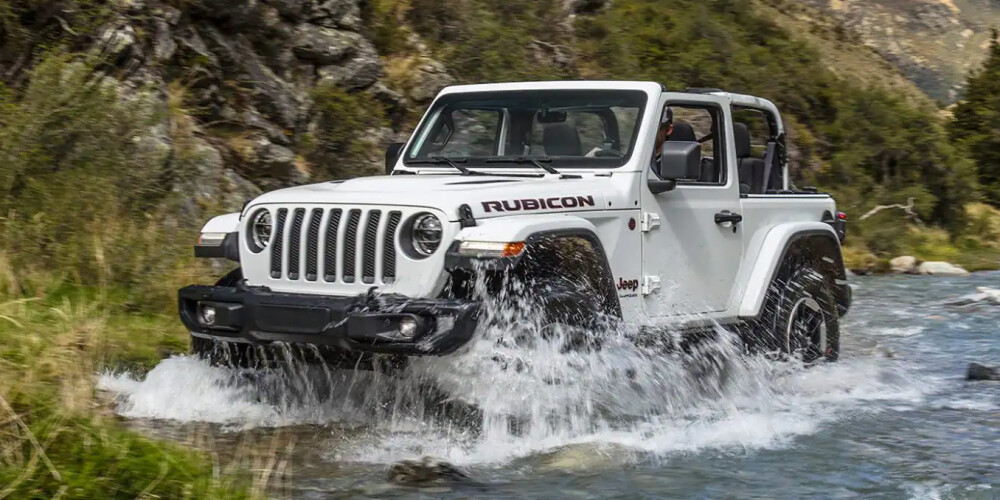
The Jeep Wrangler Rubicon is not a compromise vehicle. It isn’t trying to please everybody, and that’s exactly why it succeeds in the off-road world. Jeep has remained surprisingly true to its roots with the Wrangler platform, and the Rubicon trim takes that philosophy to the extreme.
Straight from the factory, it includes equipment and features that make it ready for some of the most challenging trails on the planet. We’re talking about locking front and rear differentials, a disconnecting front sway bar, rock rails, and a strong four-wheel-drive system with a low crawl ratio.
While other SUVs need thousands of dollars in modifications to handle serious terrain, the Rubicon is trail-ready from day one. This isn’t a coincidence; it’s the result of Jeep’s continuous feedback loop with off-roaders, clubs, and wilderness explorers who push these vehicles to their limits.
One of the Rubicon’s most significant advantages is its solid-axle design. Unlike many newer SUVs that opt for independent suspension for better ride comfort, Jeep has maintained a solid front and rear axle configuration that gives it excellent articulation.
This means that on uneven trails or rock gardens, the wheels stay in better contact with the ground, maximizing grip and traction. While this might compromise ride smoothness on pavement, it pays dividends off-road.
The Rubicon’s short wheelbase in the two-door version allows for better approach and departure angles, making it one of the few factory vehicles that can tackle technical climbs without scraping or getting high-centered. The longer four-door version offers more space and stability, and while it’s slightly less nimble, it still retains nearly all the capability.
Reliability is another area where the Rubicon earns its stripes. While early Wranglers had their quirks, newer models, particularly the JL generation, have improved in build quality and reliability. Even when issues arise, parts are widely available, and the modular, mechanical nature of the vehicle means that repairs are often straightforward.
No vehicle can be perfect for every scenario, but the Rubicon comes close for trail use. Whether you’re looking to conquer Rubicon Trail, challenge yourself in the red rock canyons of Utah, or explore mountain fire roads, the Wrangler Rubicon will take the abuse, shake it off, and ask for more.
3. Land Rover Defender (New Generation)
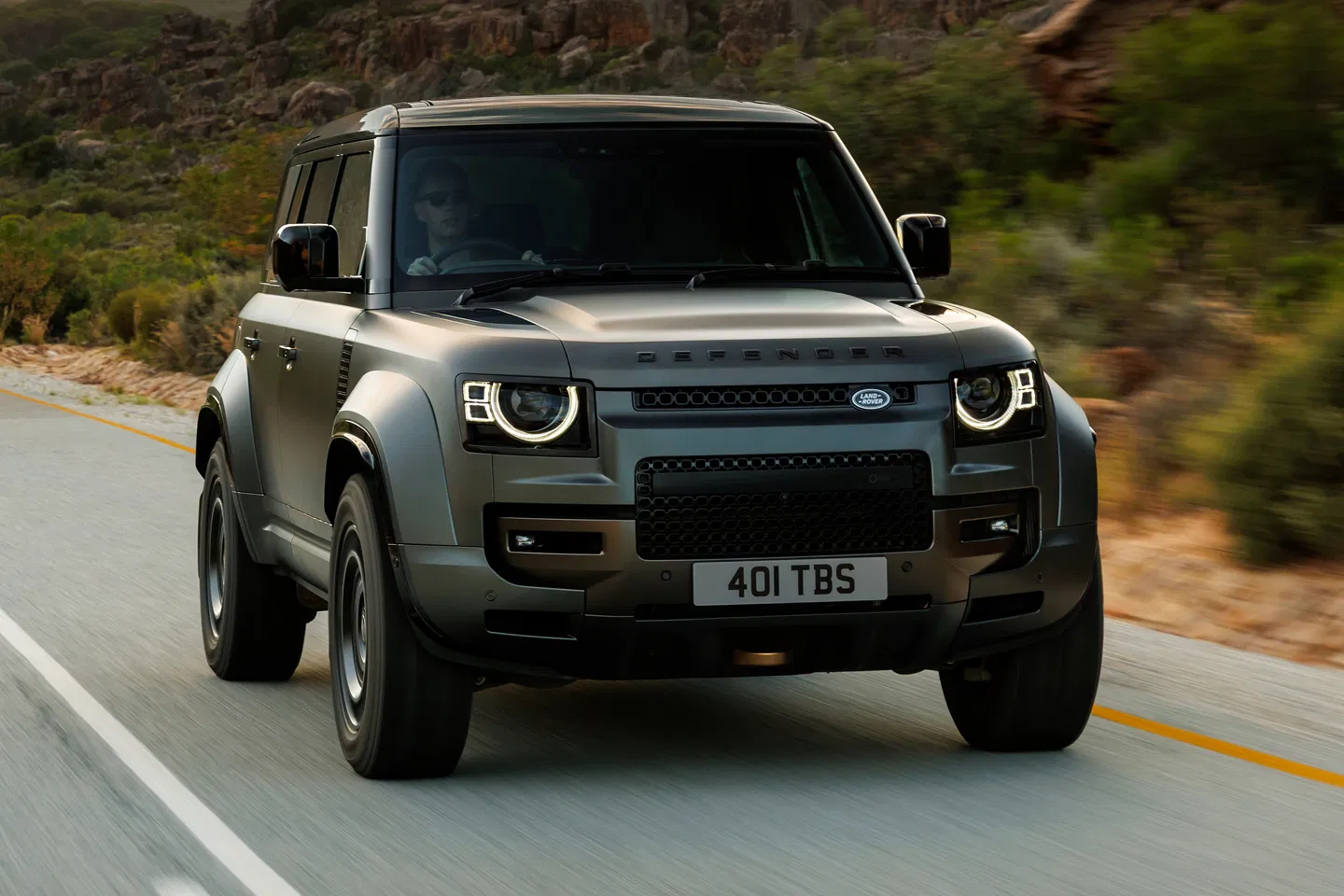
The modern Land Rover Defender is often misunderstood. Purists expected the boxy, bare-metal simplicity of the old Defender 110, but Land Rover took a different route with the new model. Despite its more luxurious appearance, the new Defender remains a serious off-road machine, only this time it’s paired with modern suspension, intelligent electronics, and impressive comfort.
Underneath the high-end design lies an incredibly capable platform designed to handle abuse. The vehicle uses a unibody architecture with a stiff aluminum monocoque chassis, reinforced in critical areas for extra strength. Combined with its all-terrain response system, optional air suspension, and locking center and rear differentials, it has all the tools needed for difficult terrain.
Where the Defender shines is in its adaptability. Thanks to its electronic systems, the vehicle can automatically adjust its power delivery, gear ratios, suspension height, and traction settings based on the terrain. This makes it less intimidating to new off-roaders while still being a competent choice for veterans.
The adjustable air suspension is more than just a gimmick; it gives the Defender excellent ground clearance when needed, and then lowers for highway driving or tight city parking.
Its fording depth is class-leading, and the factory protection underneath ensures that vital parts don’t get shredded by rocks or tree roots. Despite being more tech-heavy than traditional off-roaders, the Defender’s systems are well-calibrated for real-world use and don’t feel fragile or out of place.
Real-world testing has shown that the Defender can handle long-term abuse without major failures. Overlanders have taken it on multi-thousand-mile journeys across South America, Africa, and the Australian outback with impressive results. It can carry heavy loads, maintain a smooth ride over washboard roads, and recover gracefully from sharp hits to the underbody.
The new Defender is often underestimated by those who assume it’s a luxury car with off-road cosplay features, but time and miles have proven that its capability is more than skin deep. It can perform in the same league as much more rugged-looking vehicles, and in many cases, it outperforms them thanks to its traction management and comfort in rough environments.
4. Ford Bronco (New Generation)
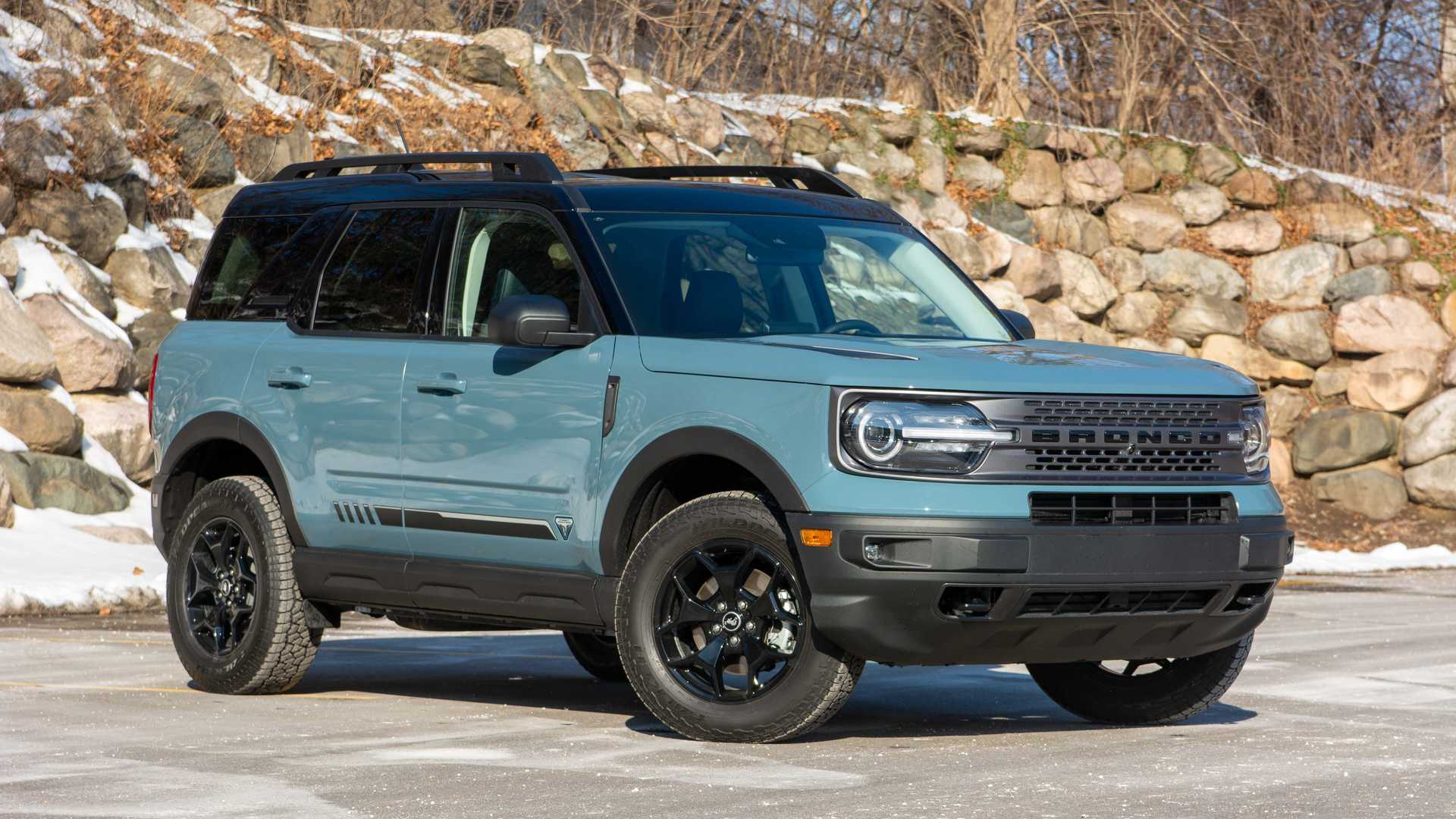
The Ford Bronco’s return to the market was met with great anticipation, especially among off-road enthusiasts eager to see how the revived nameplate would perform. Unlike many SUVs that lean heavily on style over substance, the new Bronco is unapologetically built for rugged terrain. It features a body-on-frame design reminiscent of classic SUVs, combined with modern suspension technology that offers impressive wheel articulation and durability.
From the factory, it’s outfitted with electronic locking differentials front and rear, a disconnecting sway bar, and terrain management systems designed to optimize traction on sand, mud, rocks, or snow. These features make the Bronco one of the best-equipped stock SUVs for tackling demanding trails straight from the showroom floor.
The Bronco also offers excellent ground clearance and approach, departure, and breakover angles, which are critical for navigating uneven terrain without getting stuck or damaging the underside. Its independent front suspension delivers a balance of comfort and articulation that appeals to those who want capability without sacrificing drivability on pavement.
Meanwhile, the solid rear axle helps maintain traction and withstand heavy loads during off-road use. The chassis has been designed with off-road abuse in mind, featuring robust components and skid plates that protect critical areas such as the fuel tank and transfer case. This combination of features demonstrates Ford’s commitment to building a vehicle that can handle repeated punishment on difficult trails.
One of the Bronco’s standout qualities is its versatility. It can be configured with various options that enhance its off-road prowess, such as the Sasquatch package, which adds 35-inch tires, beadlock-capable wheels, and upgraded shocks for serious trail use. The modular nature of the Bronco’s design means it can be customized for everything from casual weekend trail rides to extended overland expeditions.
Additionally, the Bronco’s wide range of available accessories, including roof racks, bumpers, and winches, allows owners to tailor the vehicle for their specific off-road needs. This flexibility, combined with solid factory engineering, makes it a favorite among enthusiasts who want a capable platform without having to do extensive modifications themselves.
Finally, the Bronco’s reputation for durability and reliability is already growing among users. Early adopters who have put their Broncos through rigorous trail testing report a vehicle that holds up well even under continuous abuse. It’s built to be repairable and serviceable off the beaten path, with parts designed to be rugged rather than overly complex.
While no vehicle is invincible, the Bronco’s blend of proven mechanical systems, strong chassis, and thoughtful off-road features places it firmly in the category of SUVs that thrive in tough terrain rather than breaking down when challenged.
5. Toyota 4Runner TRD Pro
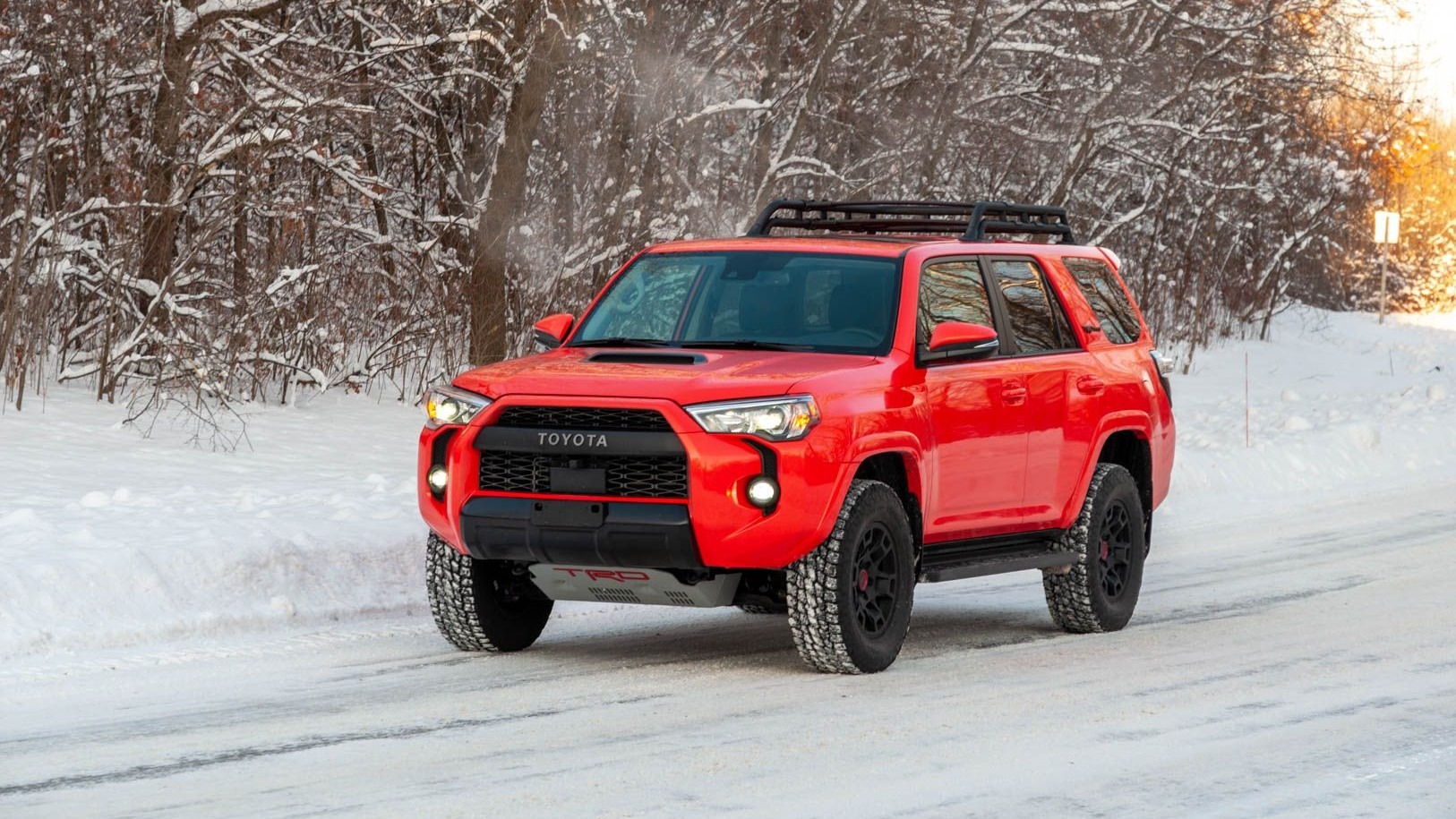
The Toyota 4Runner has long been a favorite among off-road enthusiasts who value reliability and ruggedness over flashiness. The TRD Pro variant, in particular, takes the base model’s already tough underpinnings and enhances them with factory-tuned suspension components, skid plates, and off-road tires, all designed to improve trail performance without compromising reliability.
It features a body-on-frame construction that offers superior durability compared to unibody SUVs, and the TRD Pro comes standard with locking rear differentials, Multi-Terrain Select, and Crawl Control systems. These elements combine to create a vehicle that can handle demanding trails day after day without showing signs of mechanical stress.
What sets the 4Runner TRD Pro apart is its reputation for longevity. The vehicle’s 4.0-liter V6 engine is known for producing strong low-end torque essential for crawling over rocks and steep grades, and it’s paired with a transmission and transfer case designed to endure high torque loads over long periods.
Unlike many SUVs that rely heavily on electronic aids, the 4Runner uses a balanced mix of mechanical and electronic features, which tends to improve reliability. Its rugged suspension setup includes FOX shocks that absorb impacts while preserving stability, and the skid plates protect vital components such as the fuel tank and transfer case from damage caused by rocks and debris.
Owners of the 4Runner TRD Pro often cite the vehicle’s ease of maintenance and the availability of parts worldwide, which is a crucial factor for those who explore remote areas. Its robust construction means it resists frame twisting and component fatigue, which are common issues in less capable SUVs when subjected to trail abuse.
The vehicle’s relatively simple design, compared to some modern SUVs that are overloaded with electronics, means fewer potential failure points when navigating harsh terrain. This reliability is why many 4Runner owners use their vehicles for extended backcountry trips and off-road adventures without worrying about frequent breakdowns or expensive repairs.
Lastly, the 4Runner TRD Pro delivers a driving experience that balances capability and comfort. While it’s far from a luxury SUV, its off-road tuned suspension provides confidence and control over rough ground, and its powertrain delivers steady, predictable performance.
It might not have the flashiest styling or the latest tech gadgets, but its real strength lies in its proven track record of withstanding years of off-road use and abuse. For those seeking a no-nonsense, durable SUV capable of serious trail work, the 4Runner TRD Pro remains a go-to choice.
Also Read: 10 Cars That Survive Stop-and-Go Traffic Without Complaints
SUVs That Break on Trails
1. Range Rover Evoque
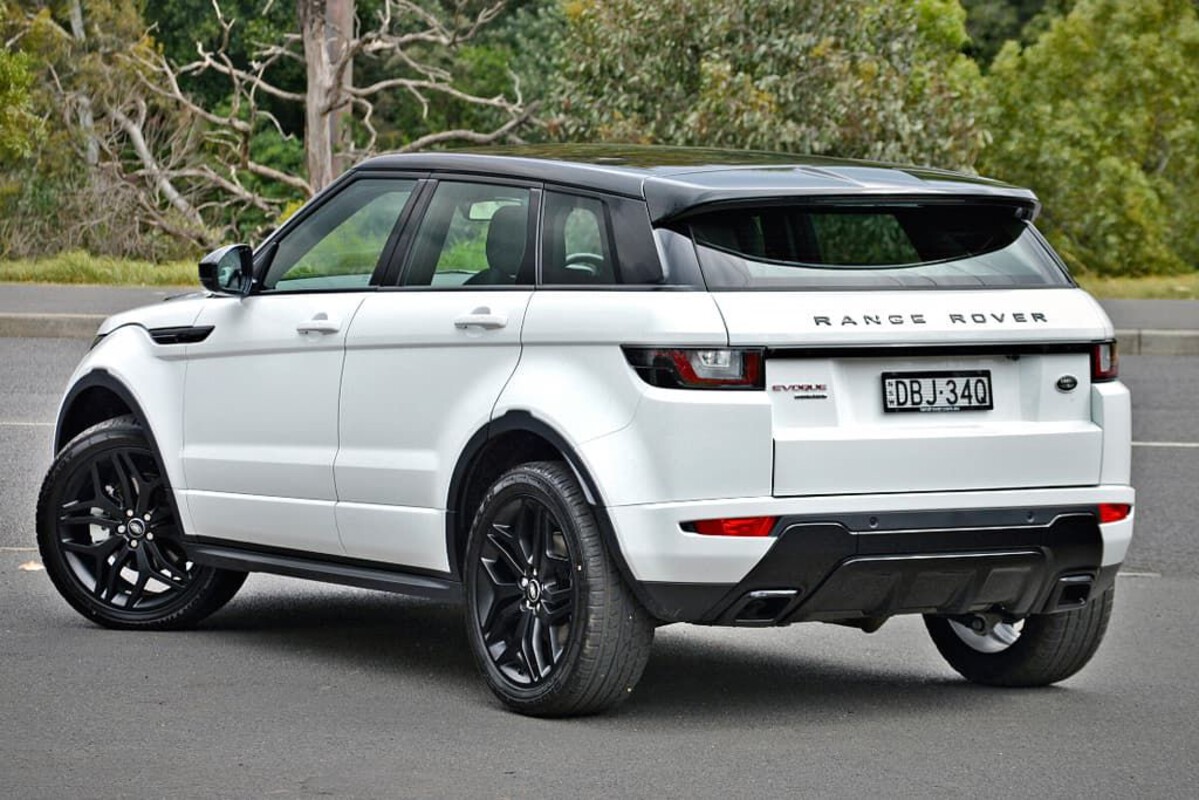
The Range Rover Evoque often appeals to buyers looking for a compact luxury SUV that carries the prestige of the Land Rover brand but with a more city-friendly size and style. While it excels on pavement and offers a comfortable ride with high-end interiors, it doesn’t share the same off-road durability and toughness as its bigger Land Rover siblings.
Mechanically, the Evoque uses a range of modern turbocharged engines and an all-wheel-drive system designed primarily for light off-road use and inclement weather traction rather than for rock crawling or deep mud.
Its suspension travel and ground clearance are limited compared to more hardcore SUVs, and while it does feature terrain response modes, these systems rely heavily on electronics that can be overwhelmed or fail under real stress.
The Evoque’s relatively delicate drivetrain components and lightweight axles are prone to damage on particularly challenging terrain, especially if the driver attempts to push the limits beyond what the vehicle’s design supports. Off-road enthusiasts frequently report issues like broken CV joints, suspension bushings wearing prematurely, and electrical gremlins after moderate trail use.
Another key factor contributing to the Evoque’s struggles off-road is the vulnerability of its underbody. The plastic cladding and lightweight skid plates do little to protect essential mechanical parts from impacts with rocks or debris.
Finally, the Evoque’s reputation among serious off-roaders is one of a vehicle better suited to weekend trips on well-maintained dirt roads than backcountry exploration. While its sleek styling and luxury appointments make it attractive to urban buyers, those who push the Evoque on technical trails often experience mechanical failures or component fatigue.
It lacks the brute strength and long-term durability necessary to thrive in harsh environments, leading many owners to limit its use to mild off-roading or paved surfaces. For buyers prioritizing off-road reliability and abuse resistance, the Evoque is generally not the ideal choice.
2. Nissan Rogue
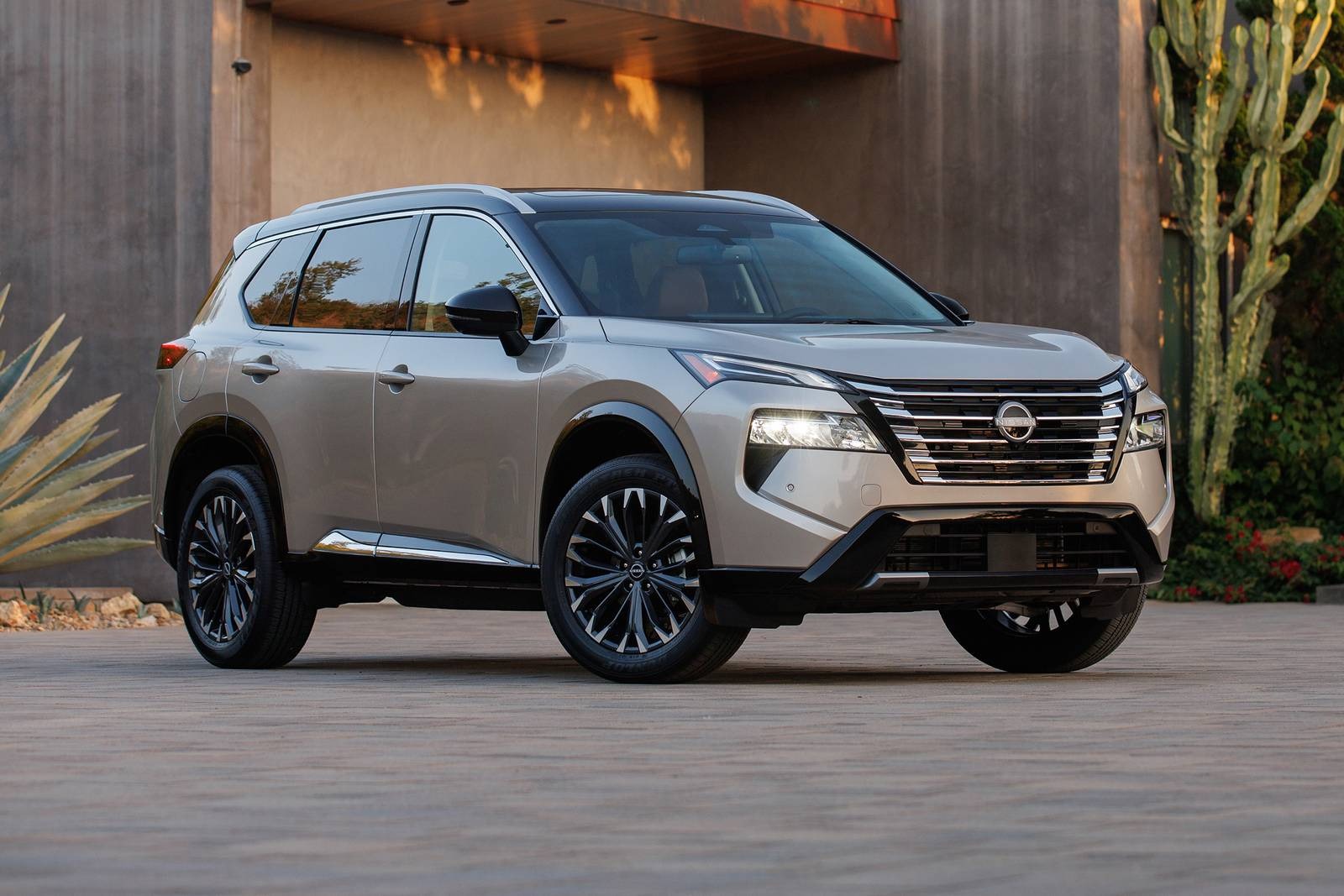
The Nissan Rogue is a popular compact SUV in the consumer market, known for its affordability, fuel efficiency, and family-friendly features. However, its capabilities when it comes to serious off-road driving are limited at best.
The Rogue is designed primarily for suburban and urban use, featuring a unibody platform optimized for comfort, handling, and efficiency. Its all-wheel-drive system is intended for enhanced grip on slick roads rather than rugged terrain.
The limited ground clearance and modest approach and departure angles make it ill-equipped to navigate rocky trails, deep ruts, or steep inclines. This means that pushing a Rogue off-road typically results in rapid wear of suspension components and undercarriage damage.
The Rogue’s build quality further limits its durability off-road. Its suspension arms and bushings are constructed with lighter materials and are more prone to bending or breaking when repeatedly stressed by rough terrain. Moreover, the vehicle’s underbody offers minimal protection; the absence of skid plates or reinforced shielding leaves vital systems exposed.
Damage to fuel lines, brake lines, and the exhaust system are common complaints from drivers who venture too far off the beaten path. Repair costs can add up quickly, especially when coupled with the frustration of being stranded due to mechanical failures in remote locations.
The Nissan Rogue should be considered a capable family crossover rather than a trail warrior. While it may handle gravel roads or mild dirt trails, it is not designed or tested to withstand off-road abuse.
Serious off-roaders, or those who intend to regularly explore rugged terrain, will quickly discover that the Rogue’s limitations lead to breakdowns and costly repairs. It is better suited as a comfortable, economical commuter with occasional light-duty AWD capability.
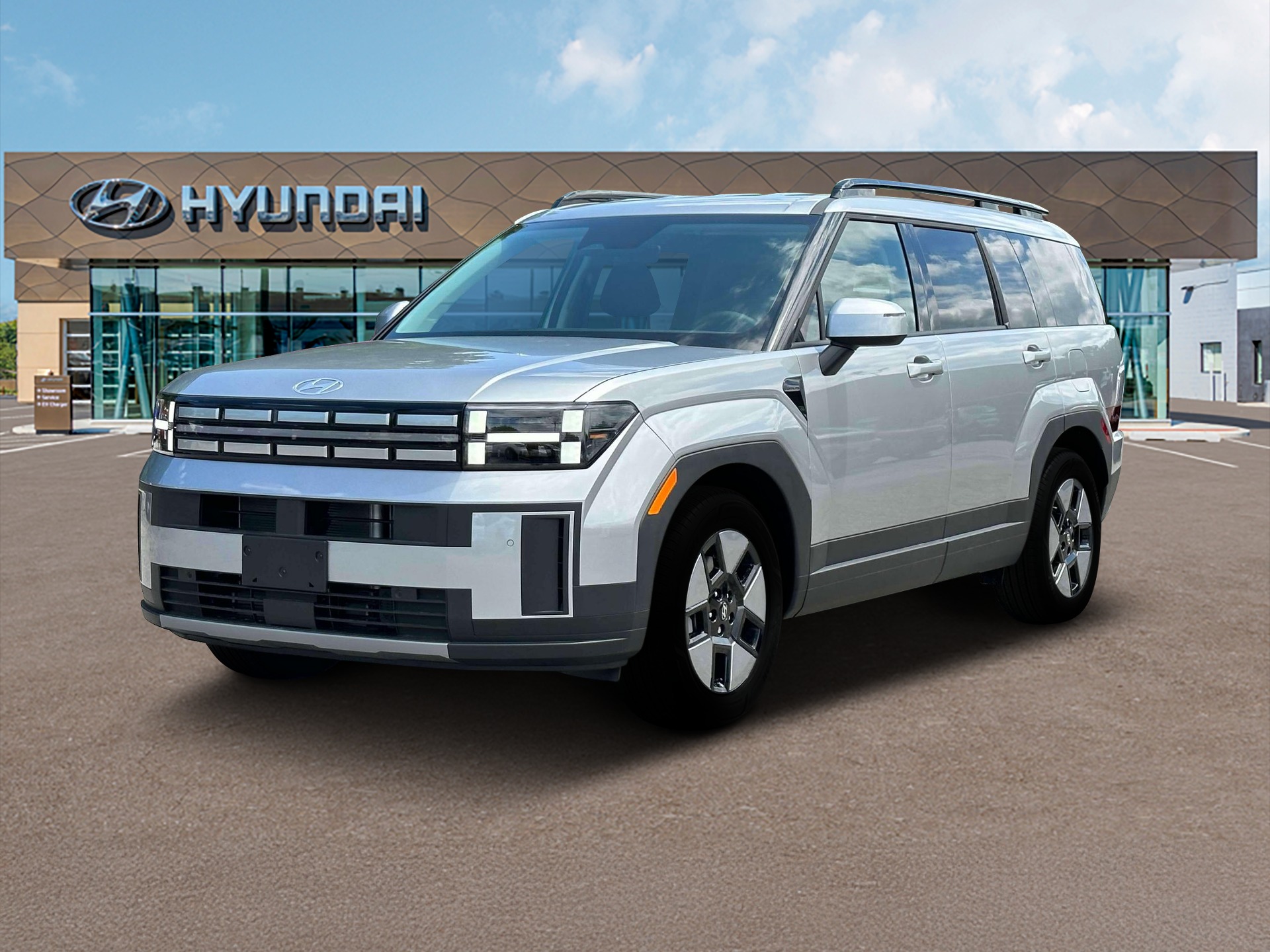
3. Hyundai Santa Fe
The Hyundai Santa Fe occupies a popular position in the midsize SUV segment, offering good value, modern styling, and a comfortable ride. Despite its many strengths on pavement and in everyday driving conditions, the Santa Fe is not well-regarded for off-road durability or toughness.
Like many crossover SUVs, it is based on a unibody platform designed for ride comfort and fuel efficiency rather than trail performance. Its all-wheel-drive system is optimized for slippery roads and mild snow, not for technical off-road driving. The vehicle’s ground clearance and suspension travel are limited, restricting its ability to clear obstacles or absorb large impacts from uneven terrain.
From a mechanical standpoint, the Santa Fe uses a front-wheel-drive-biased AWD system without locking differentials or low-range gearing. This results in compromised traction when wheels lose contact with solid ground or face extremely loose surfaces such as mud or sand.
Additionally, the powertrain is tuned for smooth acceleration and fuel economy rather than the slow-speed torque necessary for rock crawling or steep ascents. Suspension components are not heavy-duty and may wear quickly or fail when the vehicle is subjected to repeated jarring impacts or off-camber trails. The lightweight construction contributes to a tendency to bottom out or scrape the undercarriage on rocks or logs.
As a result, the Hyundai Santa Fe is best considered a comfortable road-going SUV with occasional mild AWD use in slippery conditions. It is not a vehicle that can endure prolonged or demanding off-road abuse without significant risk of mechanical failure. Buyers looking for an SUV capable of serious trail work should look elsewhere, as the Santa Fe’s limitations become apparent when the terrain gets tough.
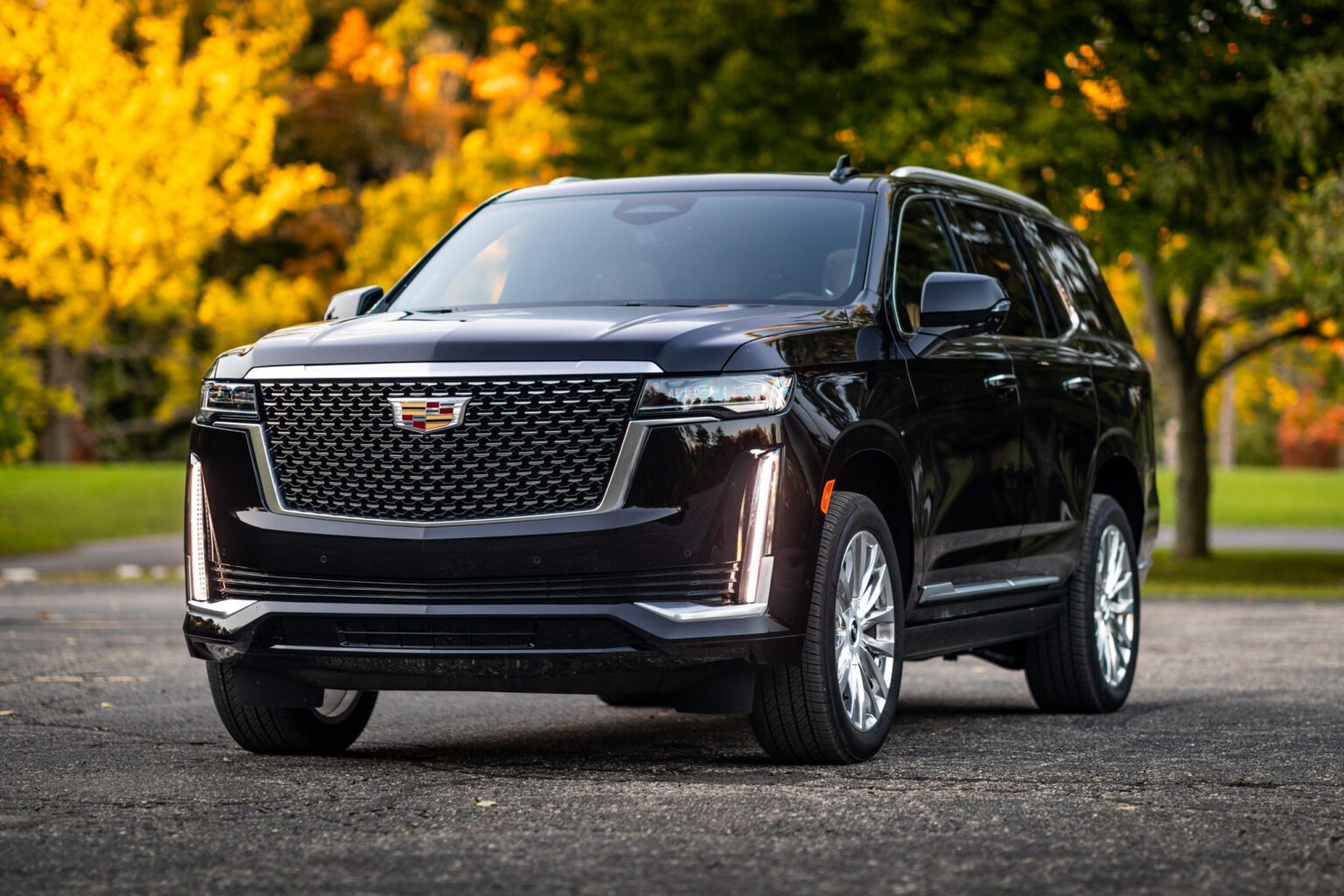
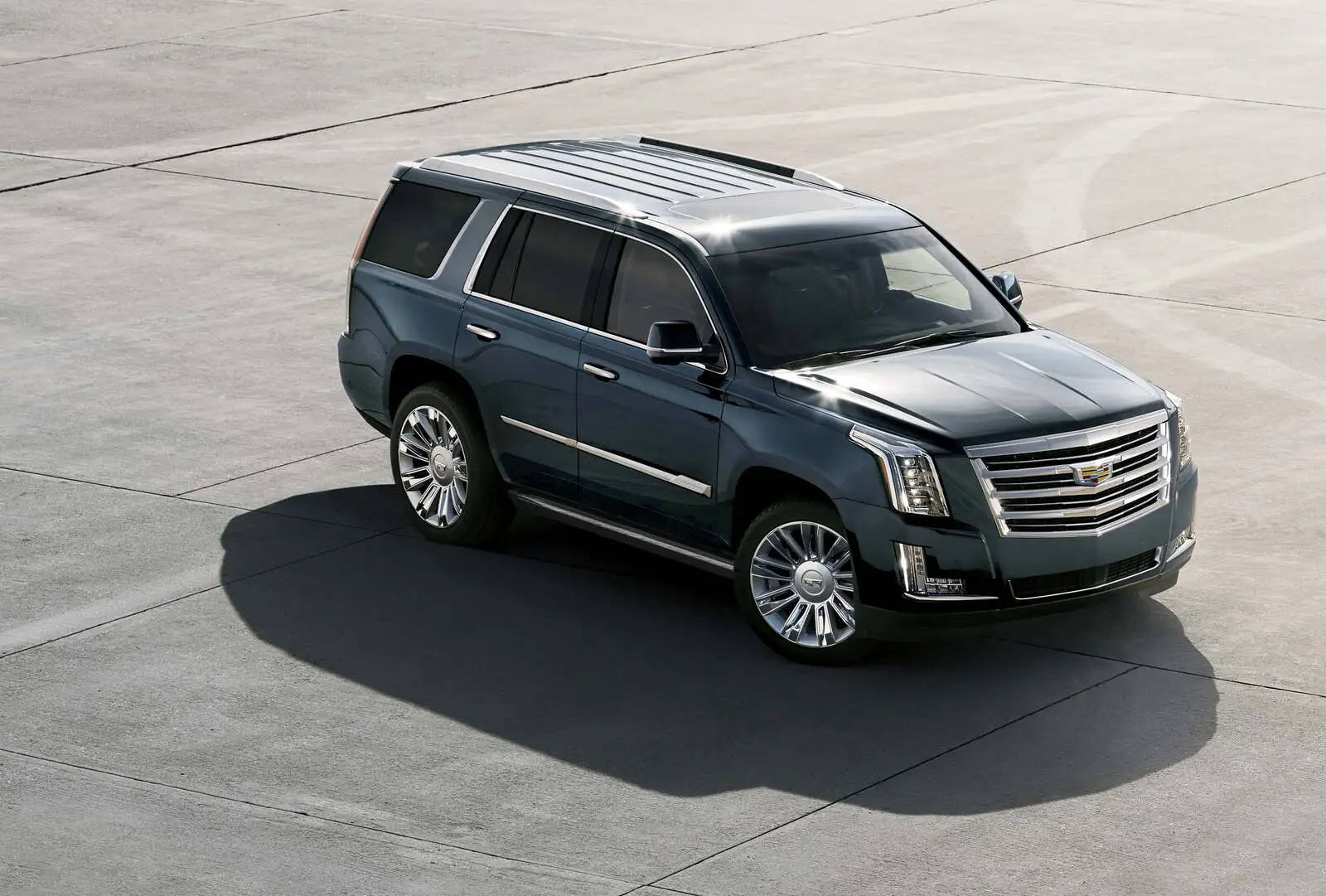
4. Cadillac Escalade
The Cadillac Escalade is often associated with luxury and presence rather than rugged trail performance. Its massive size, heavy weight, and luxury-focused design make it a poor choice for off-road abuse despite its four-wheel-drive options and advanced traction control systems.
The Escalade’s platform is based on a full-size truck chassis, which in theory should lend some off-road toughness. However, its sheer mass, complex suspension, and electronic features designed primarily for on-road comfort limit its durability on rough terrain. It is not built to absorb continuous punishment from rocks, mud, and steep climbs. The suspension components and drivetrain are susceptible to wear and damage when pushed beyond moderate off-road use.
The vehicle’s massive curb weight places extra stress on axles, wheel bearings, and suspension arms during trail driving, leading to premature failures. While the Escalade does feature electronic aids like adaptive air suspension and traction control, these systems add complexity and potential failure points rather than improving mechanical toughness.
Repairs to such a large, tech-heavy SUV can be expensive and time-consuming, especially when parts are damaged off-road. The complex electronics may also be prone to malfunction when exposed to water crossings or rough impacts.
Furthermore, the Escalade’s ground clearance is relatively limited for its size, and its approach and departure angles are poor compared to more trail-focused SUVs. This means it is more likely to get hung up or scraped on obstacles.
The underbody is protected mainly by plastic shields and luxury trims rather than heavy-duty skid plates, making critical components vulnerable. Off-road owners frequently report broken suspension bushings, damaged exhaust systems, and transmission cooling problems after serious trail use.
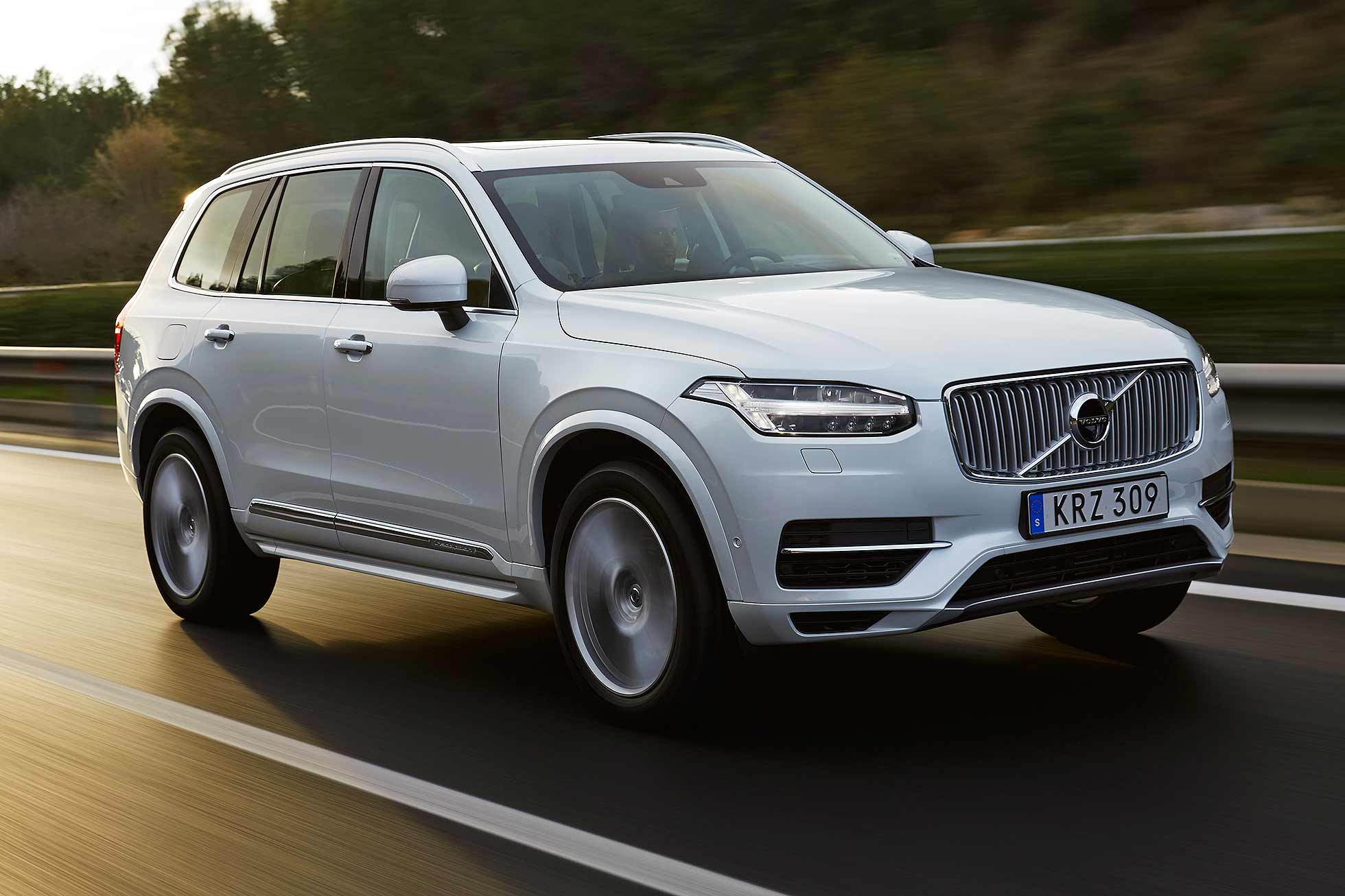
5. Volvo XC90
The Volvo XC90 is praised for its safety features, Scandinavian design, and smooth on-road driving experience. However, it is not designed for off-road abuse or demanding trail use. Built on a unibody platform, it prioritizes ride quality, noise insulation, and fuel efficiency over ruggedness.
The XC90’s all-wheel-drive system is intended mainly to enhance traction on slippery paved roads or light snow rather than tackling challenging off-road terrain. It lacks locking differentials, low-range gearing, or other mechanical aids essential for trail survival. Its ground clearance and suspension travel are insufficient for serious rock crawling or deep mud.
The XC90’s drivetrain and suspension components are designed to be lightweight and efficient but sacrifice durability under trail stress. Suspension arms and bushings are built for smoothness, not for absorbing repeated impacts from uneven terrain.
The vehicle’s plastic underbody shields offer limited protection, making vital mechanical parts vulnerable to damage from rocks or debris. Owners who take the XC90 on rough trails often report issues such as damaged CV joints, suspension failures, and electrical glitches, especially related to the complex systems controlling stability and traction.
