
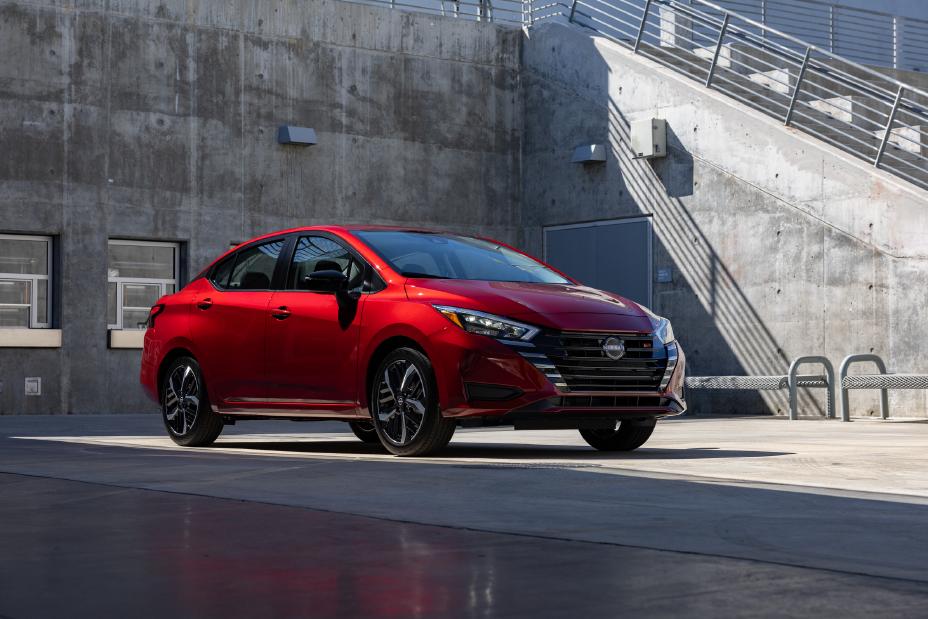
Owning a Nissan Versa can be a practical and economical choice for many drivers. Known for its affordability and fuel efficiency, the Versa serves as a reliable daily driver for commuting, errands, and road trips. However, like any vehicle, it requires proper care and maintenance to ensure it stays on the road for as long as possible.
Extending the life of a Nissan Versa is not just about preventing costly repairs; it’s also about keeping the car safe and comfortable to drive.
Taking care of a vehicle proactively can mean the difference between an early breakdown and a car that lasts well beyond its expected lifespan. With some dedication and attention, you can significantly increase the longevity of your Nissan Versa and enjoy years of trouble-free driving.
Many Nissan Versa owners underestimate how small habits and routine maintenance steps impact the overall durability of their cars. This article will outline ten practical steps that help extend the road life of your Nissan Versa. These steps involve both regular maintenance and mindful driving practices that together protect the engine, transmission, suspension, and other vital components.
Whether your Nissan Versa is brand new or has several miles on it, these guidelines can help maximize its performance and reliability. Understanding how to care for your vehicle properly also saves money in the long term by avoiding premature failures and expensive repairs.
The Nissan Versa is a compact car designed with efficiency and practicality in mind. It offers a straightforward design, which makes it easier to maintain than many other vehicles on the road. However, this simplicity should not lead to neglect. Even the most reliable cars need consistent care. Regular oil changes, tire rotations, and fluid checks are essential, but that is just the beginning.
Paying attention to driving habits, monitoring warning signs, and keeping up with scheduled services all contribute to a Nissan Versa’s longevity. By following the steps outlined here, you can ensure your Versa remains dependable for years and miles to come.
If you want your Nissan Versa to serve you well over a long period, learning how to care for it is crucial. The following ten steps will guide you through the most important actions to take. These steps are practical, easy to implement, and suitable for most Nissan Versa owners regardless of their mechanical knowledge.
They focus on prevention, timely maintenance, and smart driving, all critical factors in extending the road life of your car. With consistent effort, your Nissan Versa can maintain its value, provide a comfortable ride, and avoid unexpected breakdowns.
Also Read: 5 Cars With Anti-Glare Cockpits vs 5 With Reflective Surfaces
Regular Oil Changes
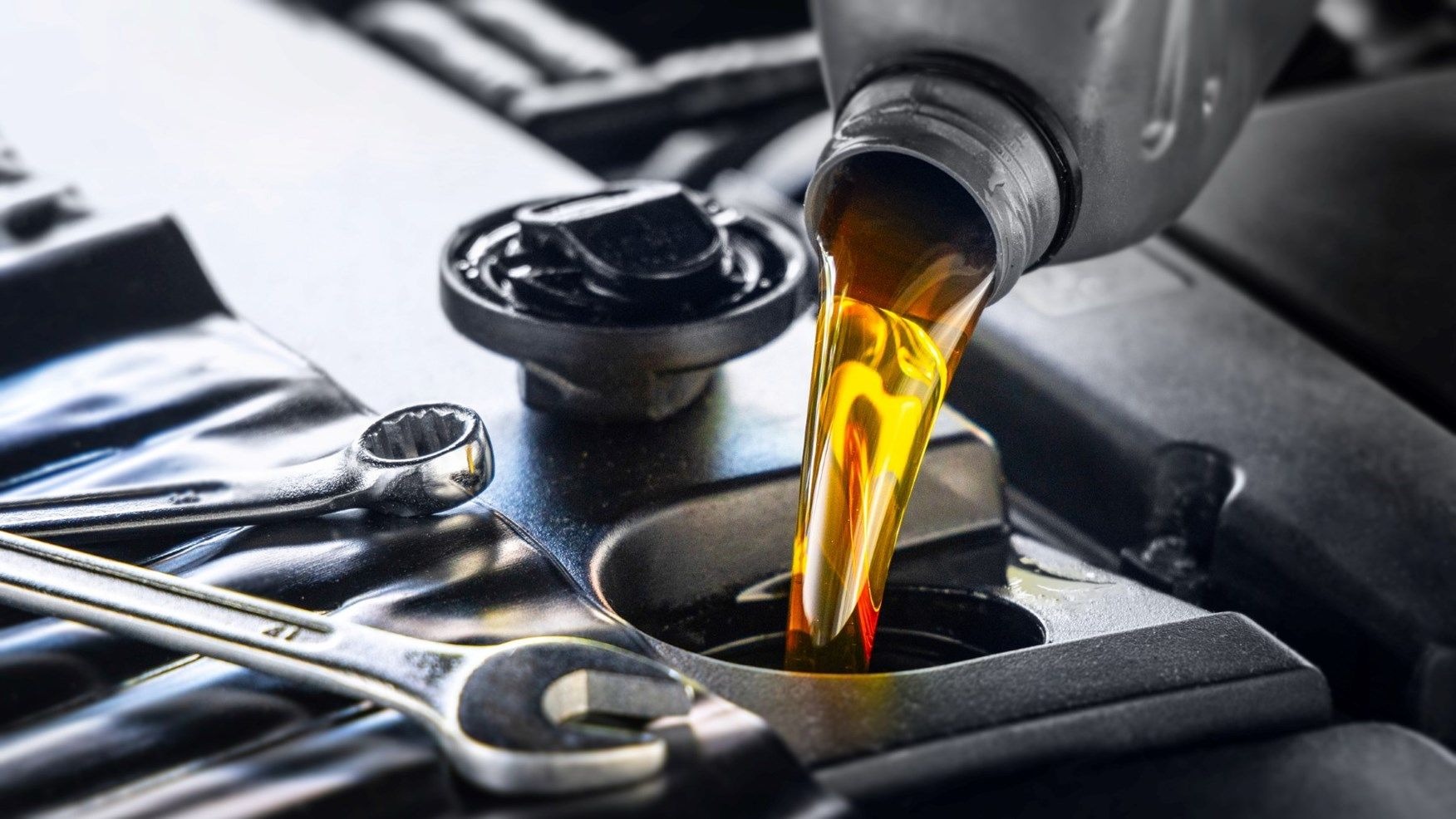
One of the most critical maintenance tasks for any car, including the Nissan Versa, is regular oil changes. Engine oil lubricates the moving parts inside the engine, reducing friction and preventing overheating. Over time, oil breaks down and becomes contaminated with dirt, metal particles, and other debris.
This can lead to increased engine wear and, eventually, failure if not addressed. Nissan recommends oil changes based on mileage and driving conditions, usually every 5,000 to 7,500 miles for Versa models using conventional oil. Using synthetic oil may extend this interval but should still be changed regularly.
Changing the oil on schedule helps maintain the engine’s performance and fuel efficiency. Clean oil also prevents sludge buildup, which can clog oil passages and damage engine components. For Nissan Versa owners who want to get the most out of their vehicle, keeping track of oil change intervals is a simple but essential step.
It is also important to use the correct oil type and grade specified in the owner’s manual. Using the wrong oil can affect engine performance and reduce longevity.
Beyond changing the oil, replacing the oil filter at the same time is also necessary. The oil filter traps contaminants and prevents them from circulating in the engine. A clogged or dirty oil filter will reduce oil flow and compromise engine protection. Professional mechanics or knowledgeable car owners can perform oil changes, but it’s important to dispose of old oil properly to protect the environment.
Lastly, paying attention to oil levels between changes is important. Checking the oil dipstick regularly ensures the engine always has enough oil. Low oil levels or frequent top-ups may indicate leaks or burning oil, which require inspection. By keeping up with oil changes and monitoring oil health, Nissan Versa owners can protect the heart of their car and extend its life significantly.
Maintain the Cooling System
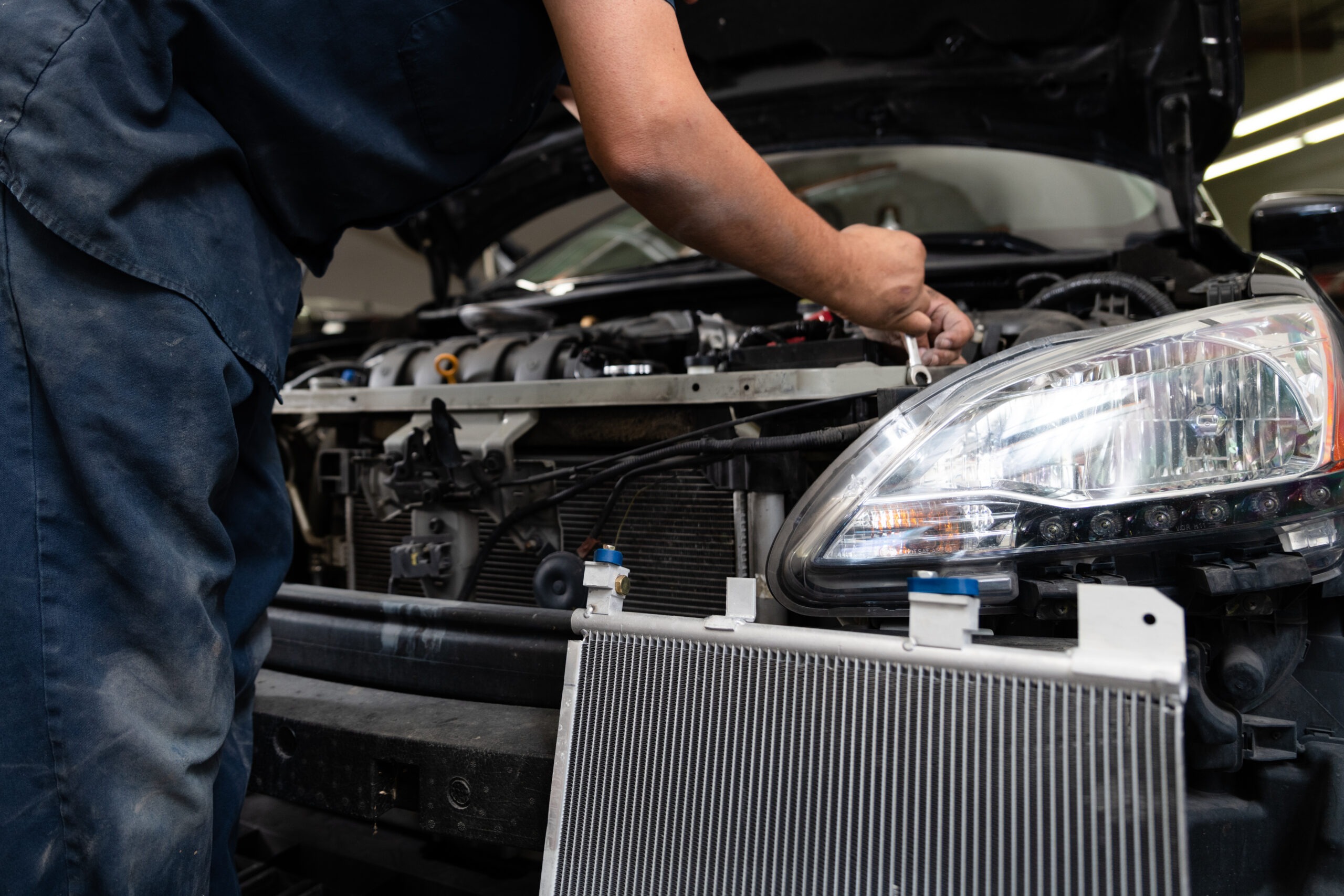
The cooling system in a Nissan Versa plays a vital role in preventing the engine from overheating. This system circulates coolant through the engine to absorb heat and then releases it through the radiator. When the cooling system is not functioning correctly, engine temperatures can rise quickly, causing serious damage. Overheating can lead to warped cylinder heads, blown head gaskets, and even total engine failure. Therefore, maintaining the cooling system is crucial for extending the road life of your Nissan Versa.
One of the simplest steps in cooling system maintenance is regularly checking the coolant level. This should be done when the engine is cold, to avoid injury from hot coolant. If the coolant level is low, topping it up with the appropriate mixture of antifreeze and water is necessary. The owner’s manual will specify the correct coolant type for your Nissan Versa. Avoid using plain water alone, as this can cause corrosion and freezing problems in colder climates.
Flushing and replacing the coolant periodically is also important. Over time, coolant becomes acidic and loses its protective properties. Most manufacturers recommend flushing the cooling system every 30,000 to 50,000 miles, but this can vary. A coolant flush removes old fluid and contaminants, helping the system operate efficiently and preventing corrosion of components such as the radiator, water pump, and heater core.
Finally, inspect hoses and the radiator for leaks or damage. Rubber hoses can become brittle and crack, causing coolant leaks. Radiators can develop leaks or blockages that reduce cooling effectiveness. Regular inspection and replacing worn parts keep the cooling system in good condition. By maintaining the cooling system, Nissan Versa owners can avoid costly engine repairs and ensure their car runs smoothly even in hot weather or heavy traffic.
Tire Care and Rotation
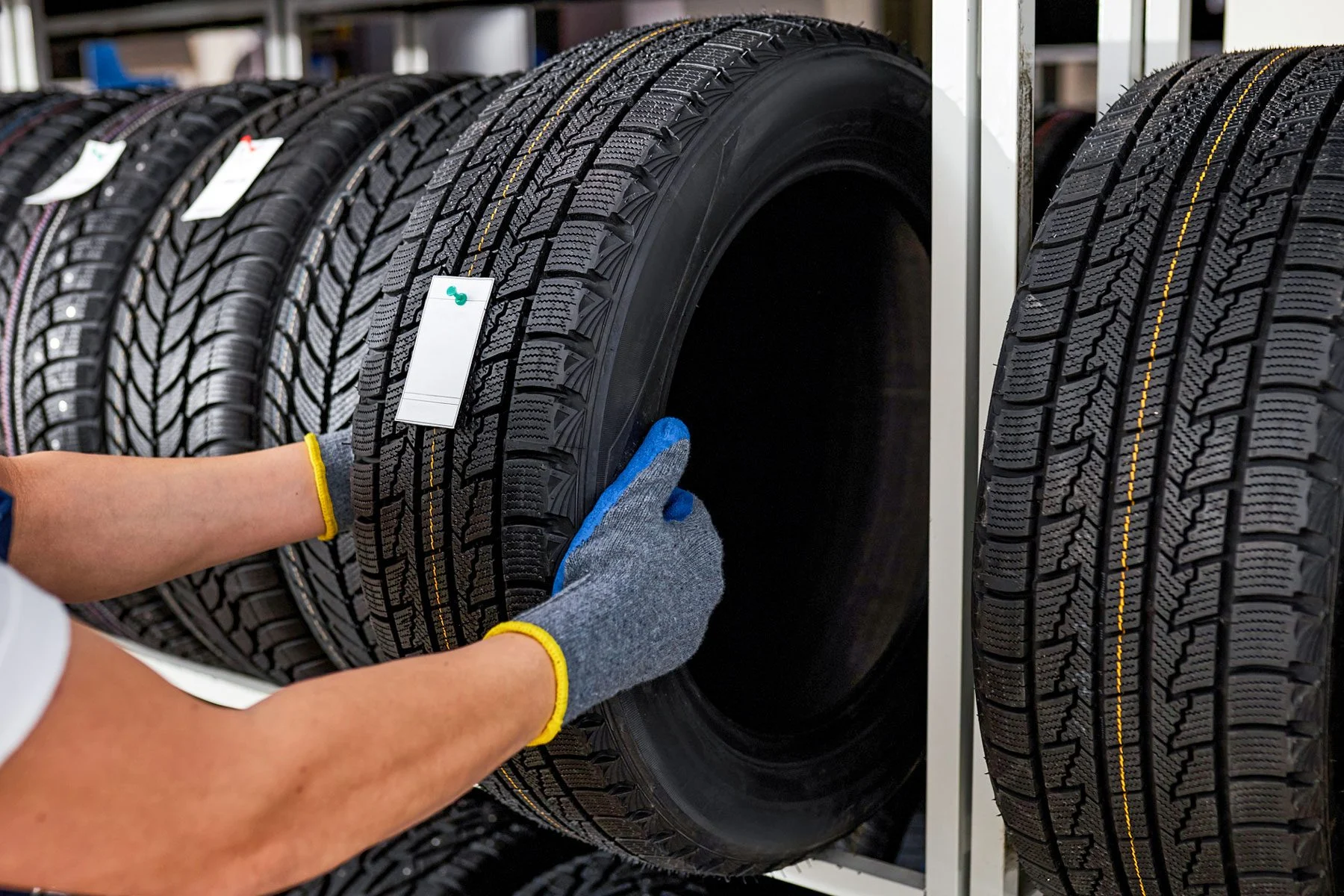
Tires are the only part of your Nissan Versa that contact the road, making them essential for safety, comfort, and fuel efficiency. Proper tire care includes regular pressure checks, rotation, alignment, and replacement when necessary. Neglecting tires can lead to uneven wear, poor handling, and increased risk of blowouts, which can shorten the vehicle’s usable life.
Checking tire pressure monthly is a simple task that has a big impact. Underinflated tires create more rolling resistance, reducing fuel efficiency and causing faster wear on the tire edges. Overinflated tires wear more quickly in the center and can reduce traction. The recommended tire pressure for the Nissan Versa is listed on a sticker inside the driver’s door or in the owner’s manual. Maintaining proper pressure also helps with braking performance and overall stability.
Tire rotation involves moving tires from front to rear and sometimes swapping sides to ensure even wear. Because front tires often wear faster due to steering and engine weight, rotation helps prolong tire life. Nissan typically recommends tire rotation every 5,000 to 7,500 miles. Performing rotations regularly means you get the maximum mileage from each tire and maintain balanced handling.
Alignment and balancing are other important aspects of tire care. Misaligned wheels cause uneven tire wear and strain suspension components. Signs of misalignment include the car pulling to one side or uneven tread wear.
Having alignment checked and corrected as needed preserves tire health and driving comfort. Properly cared for tires extend the life of the Nissan Versa by supporting safe, efficient driving.
Transmission Fluid and Care
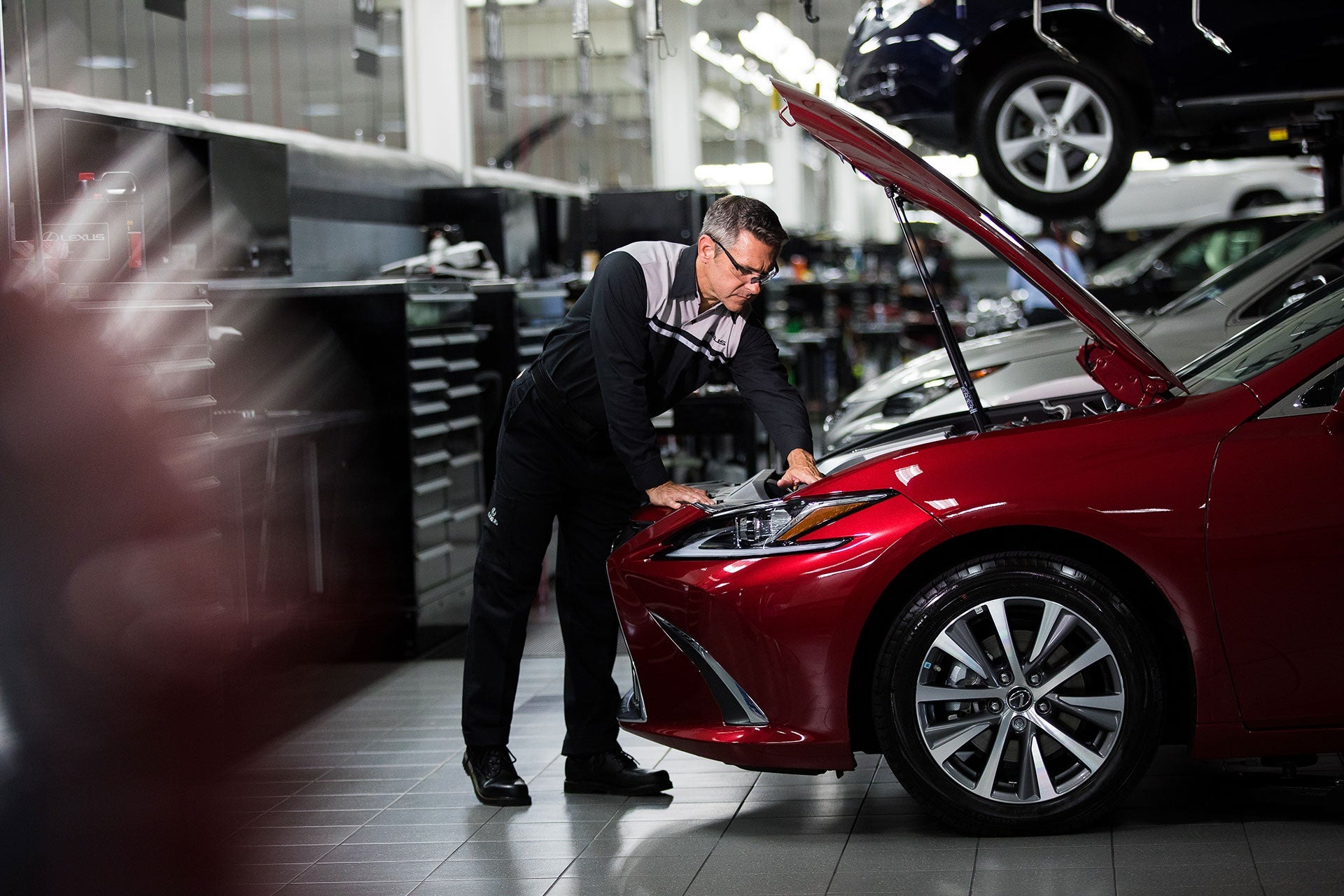
The transmission is a key component that transfers power from the engine to the wheels. Whether your Nissan Versa has a manual or automatic transmission, keeping it well-maintained is essential for smooth shifting and avoiding costly repairs.
Transmission fluid lubricates internal parts, cools the system, and helps transmit power efficiently. Over time, this fluid breaks down and becomes contaminated, reducing its effectiveness.
Checking and changing the transmission fluid at recommended intervals helps extend transmission life. Nissan typically advises fluid changes every 30,000 to 60,000 miles for Versa models, depending on driving habits and conditions. Using the correct transmission fluid is vital; using the wrong type can cause damage. The owner’s manual specifies the correct fluid for your Versa.
For manual transmissions, the fluid also requires periodic inspection and replacement to prevent gear grinding and wear. Manual drivers should also ensure smooth clutch operation by avoiding riding the clutch or excessive slipping. Automatic transmissions depend heavily on the fluid condition, so timely fluid changes and filter replacements (if applicable) keep them running well.
Aside from fluid care, paying attention to how the transmission feels is important. Hesitations, slipping, or unusual noises may indicate problems that need professional diagnosis. Prompt attention to transmission issues can prevent total failure and keep your Nissan Versa driving smoothly for many miles.
Brake System Maintenance
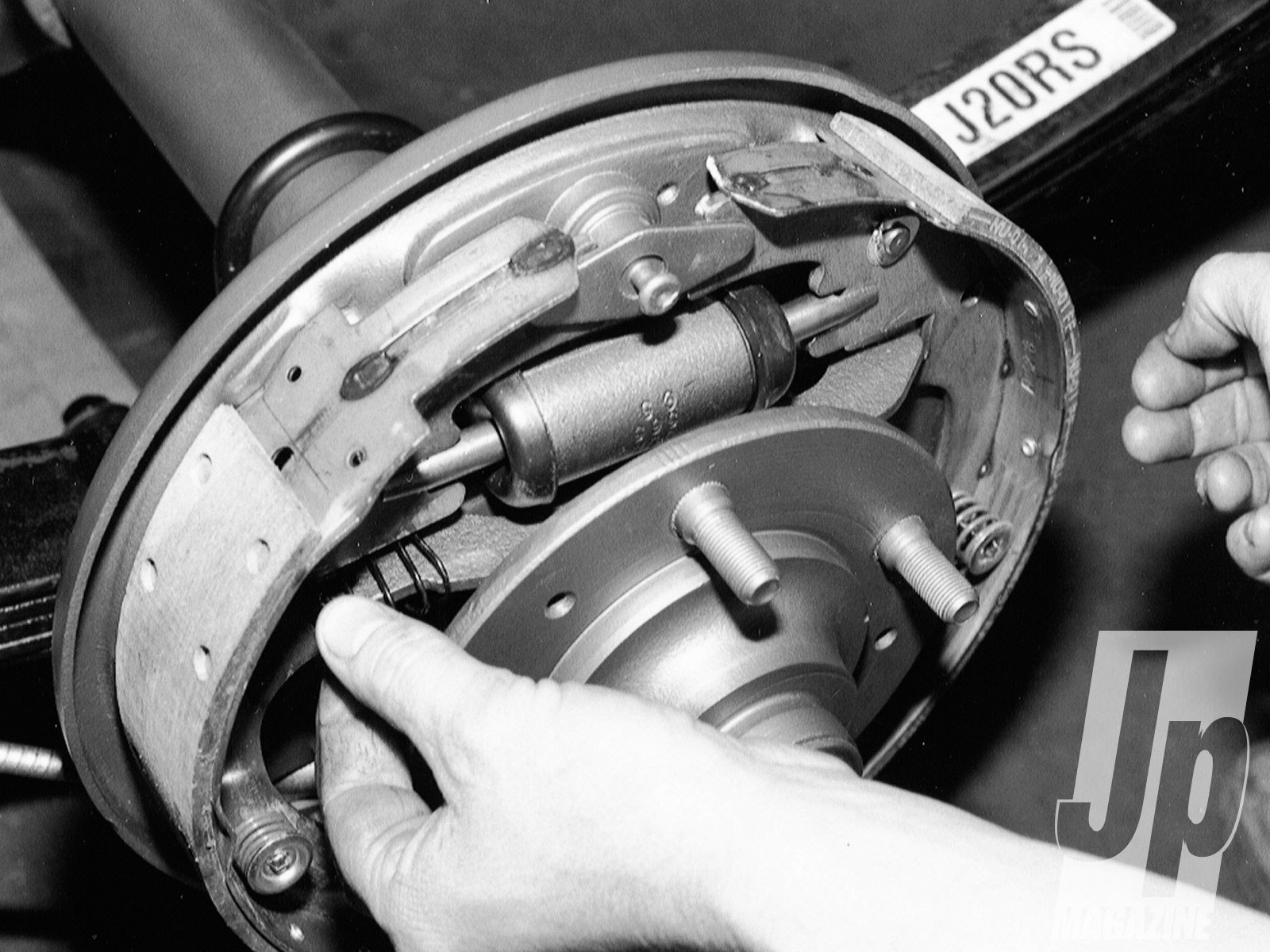
The brake system is critical to safety and vehicle control. Proper maintenance not only extends the life of your Nissan Versa but also protects you and other road users. Brakes consist of pads, rotors, calipers, brake fluid, and related components, all of which require attention. Ignoring brake issues can lead to reduced stopping power, increased wear, or even brake failure.
Regular inspection of brake pads is one of the easiest ways to maintain brakes. Brake pads wear down over time due to friction. If they become too thin, the metal backing can contact the rotor, causing damage and costly repairs. Many brake pads have wear indicators that make noise when pads need replacement. Checking pads every 10,000 to 15,000 miles and replacing them as needed keeps braking efficient.
Brake fluid is another crucial element. It transfers force from the brake pedal to the calipers. Over time, brake fluid can absorb moisture, which reduces its effectiveness and can corrode components. Nissan generally recommends replacing brake fluid every two years or so. Regular fluid replacement keeps the braking system responsive.
Additionally, inspecting rotors for wear and warping is necessary. Warped rotors cause vibration during braking and reduce performance. Replacing or resurfacing rotors when they show signs of damage maintains smooth stopping power. Overall, a well-maintained brake system not only extends the Versa’s life but also ensures safe operation.
Battery Care and Electrical System
The battery and electrical system are essential for starting your Nissan Versa and powering all its electrical components, from headlights to sensors. A healthy battery ensures your car starts reliably every time and that all electronic systems function properly.
When the battery weakens or fails, it can leave you stranded unexpectedly, especially in extreme weather conditions. This is why routine battery maintenance is a key part of extending your Nissan Versa’s road life.
One important maintenance habit is to keep the battery terminals clean. Over time, corrosion builds up on the terminals, creating a poor connection between the battery and the cables.
This corrosion looks like a white or bluish powder around the terminal ends and can interfere with the electrical flow. Cleaning the terminals with a solution of baking soda and water, followed by applying a protective terminal spray or grease, can prevent corrosion from returning and ensure a stable electrical connection.
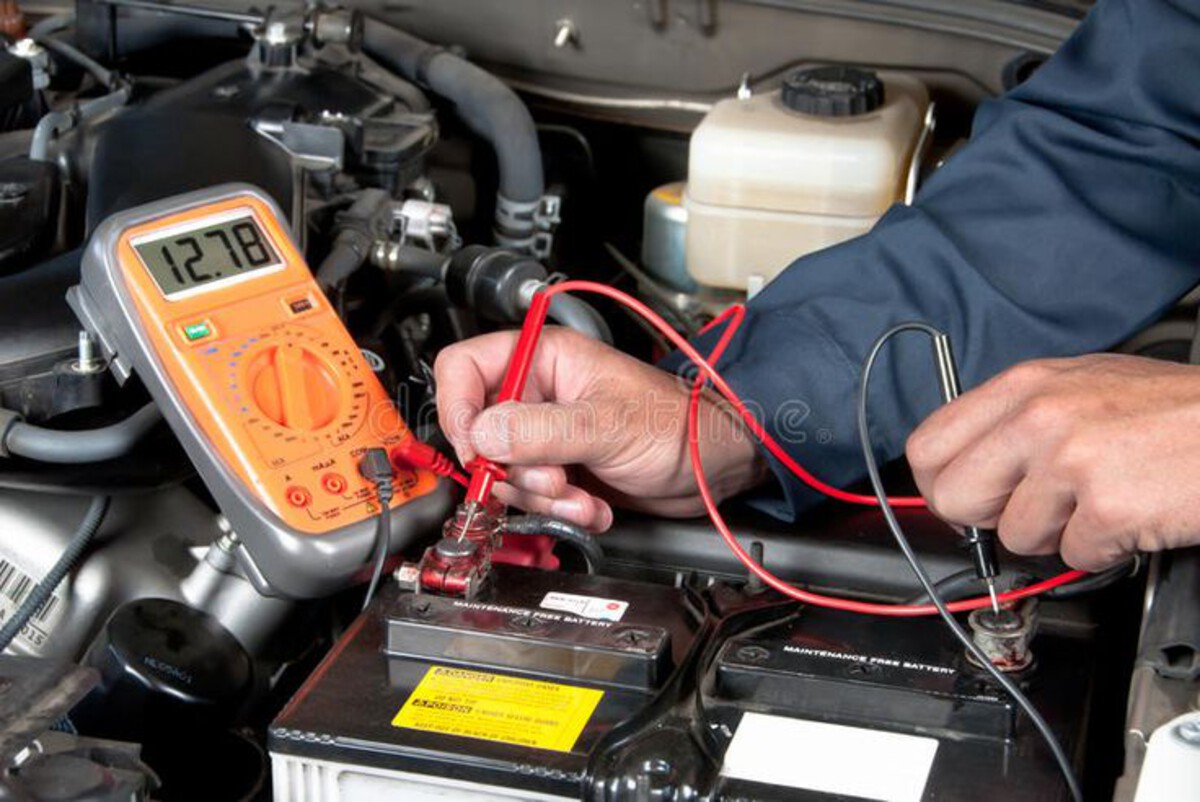
Besides cleaning, regularly checking the battery’s voltage and charge level is critical. Batteries naturally lose charge over time, and their ability to hold a full charge decreases with age. Many auto shops offer free battery testing that measures the voltage and cold-cranking amps, providing an accurate assessment of battery health. If the battery shows signs of weakness, such as slow engine crank or dim lights, replacing it sooner rather than later prevents sudden failures.
The charging system, including the alternator and voltage regulator, also deserves attention. The alternator keeps the battery charged while the engine runs. If the alternator malfunctions, the battery will drain quickly and the car may stall.
Regular inspections can detect early signs of alternator failure, such as dimming headlights or warning lights on the dashboard. Maintaining the battery and charging system in good working order ensures the Nissan Versa remains dependable throughout its life.
Air Filter Replacement
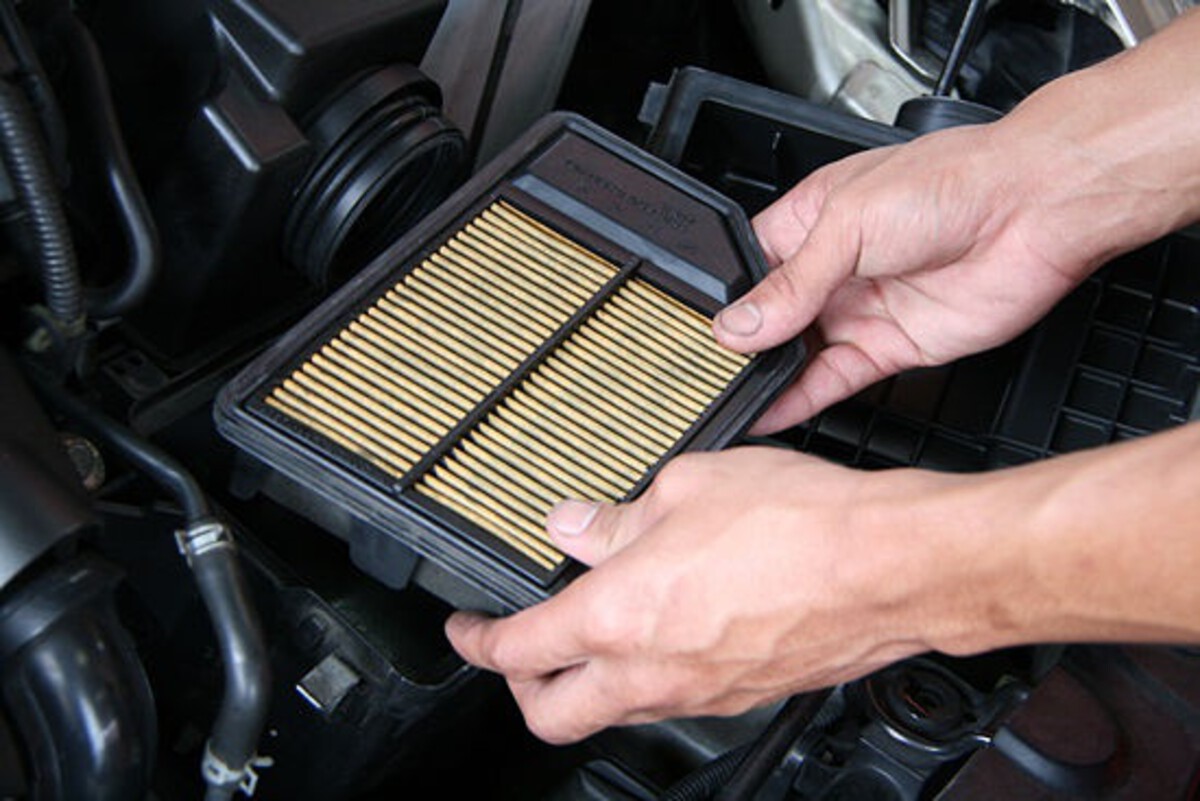
The air filter in a Nissan Versa plays a critical role in protecting the engine from dirt, dust, and other airborne contaminants. Clean air is essential for proper combustion inside the engine. When the air filter becomes clogged, it restricts airflow and forces the engine to work harder, which can reduce power and fuel efficiency. Keeping the air filter clean is an inexpensive way to help your engine run more smoothly and last longer.
A dirty air filter can cause symptoms such as sluggish acceleration, rough idling, or increased fuel consumption. These symptoms often indicate the engine is struggling to breathe freely.
In urban environments with heavy pollution or dusty rural areas, the air filter can clog faster than usual. Nissan generally recommends checking and replacing the air filter every 15,000 to 30,000 miles, but more frequent checks may be needed in harsher driving conditions.
Replacing the air filter is usually a straightforward task. The air filter housing is typically easy to access under the hood, secured with clips or screws. Regularly inspecting the filter for excessive dirt and debris and swapping it out as necessary protects your engine’s internal components from abrasive particles that cause wear. A clean air filter also helps maintain proper air-fuel mixture, leading to better combustion and lower emissions.
In addition to the engine air filter, the cabin air filter is worth attention. Though it does not affect engine performance, a clean cabin air filter improves air quality inside the car, making driving more comfortable and reducing allergens. Replacing both filters regularly is part of a comprehensive maintenance routine that helps keep your Nissan Versa running efficiently and comfortably over time.
Suspension and Steering Inspection
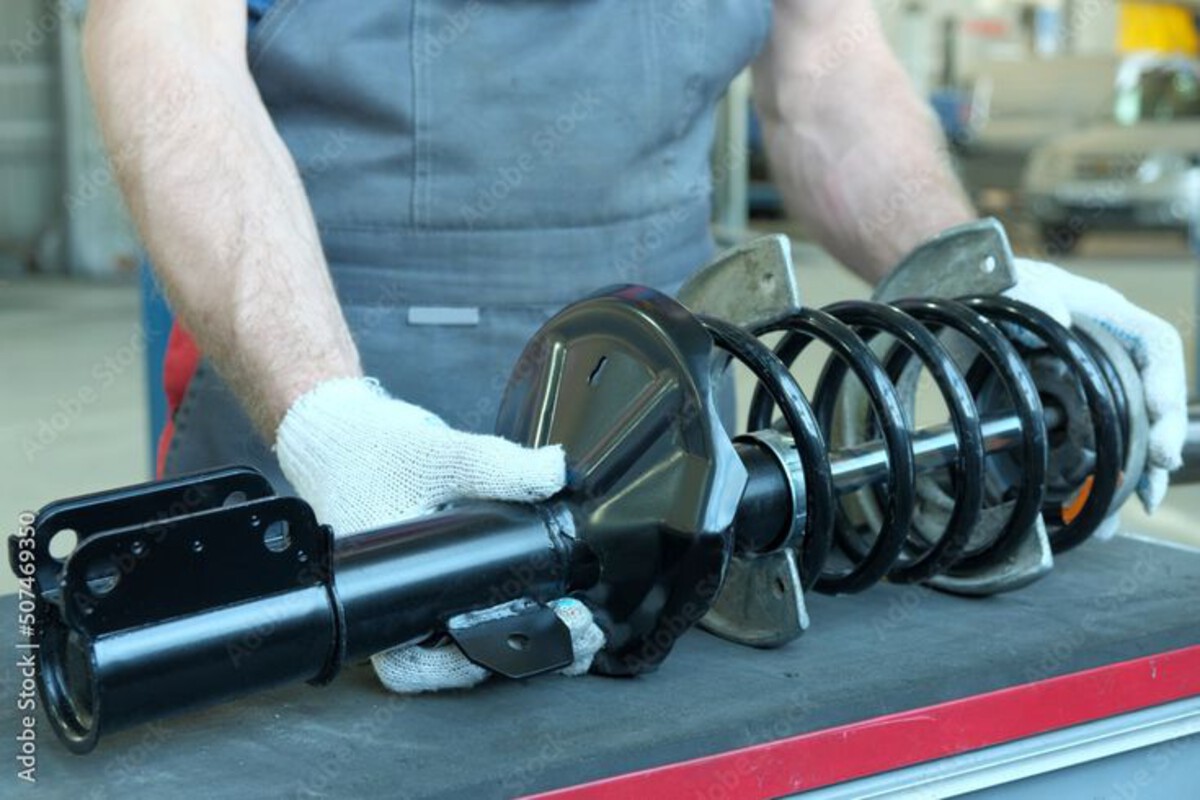
The suspension and steering systems of a Nissan Versa greatly influence the quality of the driving experience. They are responsible for cushioning the ride, maintaining tire contact with the road, and providing precise control. Over time, components such as shocks, struts, ball joints, and bushings wear down. Neglecting these parts can result in poor handling, increased tire wear, and a rough or unsafe ride.
Worn suspension parts may cause symptoms like excessive bouncing over bumps, clunking noises, or a loose feeling in the steering wheel. When these signs appear, it’s important to have the suspension system inspected by a professional.
Replacing damaged or worn components prevents further deterioration and helps avoid more costly repairs down the line. Regular inspections should also include checking the condition of the springs and mounts.
Steering components like tie rods and rack-and-pinion systems should be inspected regularly for wear and tear. Loose or damaged steering parts can lead to misalignment, making the vehicle difficult to control and increasing the risk of accidents.
Maintaining proper steering function is especially important in a compact car like the Nissan Versa, which relies on responsive handling for safety in urban and highway environments.
Wheel alignment is another key aspect of suspension care. Misaligned wheels cause uneven tire wear and reduce fuel efficiency. It also strains suspension parts, shortening their lifespan.
Nissan Versa owners should have their alignment checked annually or whenever they notice uneven tire wear or the car pulling to one side. Keeping the suspension and steering system in good shape not only enhances comfort and safety but also helps extend the overall life of the vehicle.
Use Quality Fuel and Additives
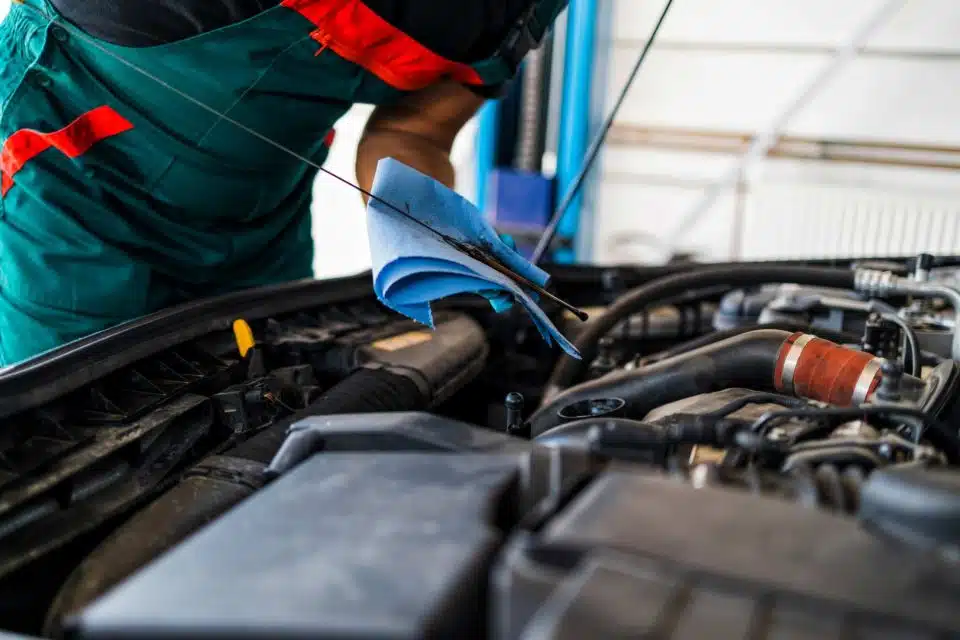
Fuel quality has a direct effect on the Nissan Versa’s engine performance and longevity. Using the correct grade of gasoline and avoiding contaminated or low-quality fuel helps the engine run efficiently and reduces harmful deposits inside the fuel system. Poor fuel quality can cause knocking, hesitation, and increased emissions, all of which degrade engine health over time.
Most Nissan Versa models recommend regular unleaded gasoline with an octane rating of 87. Using fuel with a higher octane rating than necessary does not provide additional benefits and only increases your fuel costs. It’s also advisable to avoid fueling at stations that seem to have poor maintenance or reputation, as fuel contamination is more common at such places.
Fuel additives can be useful supplements for maintaining the fuel system. Over time, fuel injectors and intake valves accumulate deposits that restrict fuel flow and reduce combustion efficiency.
Periodically using a high-quality fuel system cleaner helps dissolve these deposits and restore optimal injector performance. These additives are usually added to the fuel tank every few thousand miles and can improve throttle response, smooth idling, and fuel economy.
Another useful tip is to avoid running your Nissan Versa’s fuel tank too low. Keeping the tank at least a quarter full helps protect the fuel pump, which relies on gasoline for cooling and lubrication.
Running on near-empty tanks increases the risk of picking up sediment from the bottom of the tank, which can clog fuel filters and damage the fuel system. Proper fuel habits combined with quality fuel and occasional additives will keep your Nissan Versa’s engine cleaner and running longer.

Mindful Driving Habits
Driving habits have a profound impact on the longevity of your Nissan Versa. Aggressive driving behaviors such as rapid acceleration, hard braking, and sharp cornering place excessive strain on the engine, transmission, brakes, and tires. Over time, this additional stress accelerates wear and increases the likelihood of component failure, leading to more frequent repairs and reduced vehicle lifespan.
Smooth and gradual acceleration reduces stress on the engine and transmission. This kind of driving also improves fuel efficiency by allowing the engine to operate in its optimal power band.
Similarly, avoiding sudden stops extends the life of brake pads and rotors, saving you money and preventing dangerous situations caused by brake fade or failure. Practicing patience in stop-and-go traffic can dramatically improve the durability of your Nissan Versa’s braking system.
Road conditions also influence wear and tear. Avoiding potholes, rough surfaces, and curbs protects the suspension, tires, and wheel alignment.
Sudden impacts with road hazards can damage shocks, struts, and steering components, resulting in costly repairs and uncomfortable driving. Taking a cautious approach to road hazards helps preserve the integrity of your Nissan Versa’s undercarriage and suspension.
Finally, allowing the engine to warm up before driving, especially during cold weather, helps circulate oil and other fluids properly. This practice reduces engine wear by ensuring proper lubrication before demanding acceleration. Additionally, using cruise control on highways maintains a steady speed, which reduces fuel consumption and mechanical stress. Thoughtful, considerate driving paired with regular maintenance will keep your Nissan Versa on the road for many miles and years.
Also Read: 10 Cars That Survive Stop-and-Go Traffic Without Complaints
Maintaining and extending the life of a Nissan Versa requires a combination of regular maintenance, attention to detail, and mindful driving habits. While the Versa is designed as a dependable and efficient vehicle, its longevity depends largely on how well it is cared for over time.
The ten steps outlined in this article provide a comprehensive approach to keeping your Nissan Versa running smoothly and reliably, helping you avoid unexpected breakdowns and costly repairs.
Routine maintenance tasks like regular oil changes, coolant system care, tire rotations, and brake inspections form the foundation of vehicle longevity. These actions keep the engine healthy, prevent overheating, and ensure safe stopping power.
Consistently following manufacturer recommendations for fluid changes and filter replacements protects the vehicle’s vital systems and maintains peak performance. Ignoring these basic but essential tasks often leads to premature wear and failures, cutting short the usable life of the car.
Beyond scheduled maintenance, the condition of the battery and electrical system, as well as the air filter and suspension components, significantly influence the Versa’s reliability and comfort.
Proactive inspection and timely replacement of worn parts reduce the risk of breakdowns and maintain a smooth ride. Maintaining proper wheel alignment and clean electrical connections helps prevent uneven tire wear and starting issues, which are common causes of driver frustration and unexpected repair costs.
Fuel quality and driving habits are equally important factors in extending the Nissan Versa’s road life. Using the recommended fuel type and avoiding subpar gasoline prevents engine knocking and deposit buildup that can degrade performance. Periodic use of fuel additives further aids in keeping the fuel system clean.
Meanwhile, driving gently, avoiding rapid acceleration or sudden braking, and navigating road hazards carefully reduces wear on the engine, transmission, brakes, tires, and suspension. Mindful driving also contributes to better fuel economy and a safer, more comfortable ride.
The key to a long-lasting Nissan Versa lies in a combination of preventive care and thoughtful use. By investing time and effort into these ten steps, owners can preserve the value of their vehicle, enjoy reliable transportation, and minimize repair expenses.
Whether your Nissan Versa is new or has many miles on the odometer, following these guidelines helps ensure it continues to serve you well for years to come. Proper maintenance and driving discipline are the best ways to keep your Nissan Versa on the road longer and performing at its best.
