
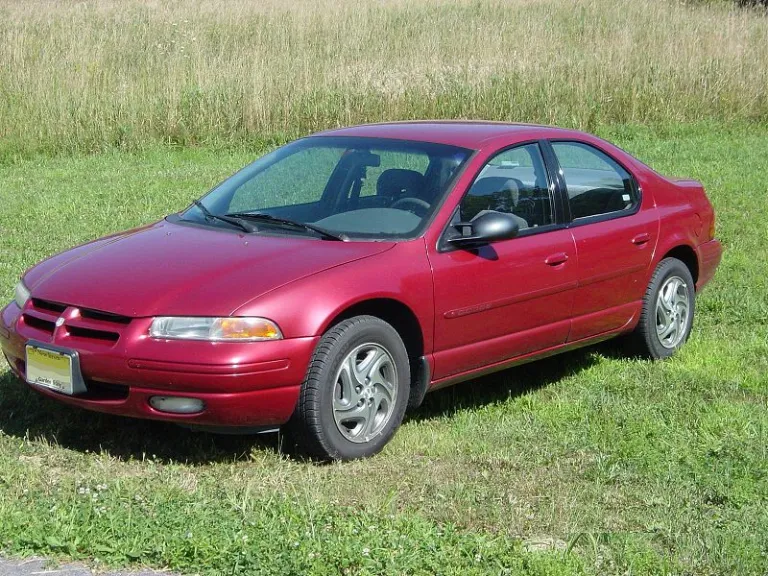
The Dodge Stratus is a popular midsize sedan known for its comfortable ride, reliable performance, and affordability. Like many vehicles, the Stratus can provide years of dependable transportation, but its longevity depends heavily on how it is treated and maintained.
Owners who understand the importance of proper care and maintenance can avoid premature wear and costly repairs, keeping their car running smoothly well beyond average mileage expectations.
However, certain habits and practices can significantly shorten the life of a Dodge Stratus. These habits often go unnoticed or are underestimated by drivers, yet they contribute to accelerated damage in critical systems such as the engine, transmission, brakes, and suspension.
Owning a car involves more than just driving it from point A to point B. It requires attention to routine maintenance and mindful driving behaviors that reduce strain on the vehicle. Ignoring maintenance schedules, pushing the car too hard, or failing to address warning signs early can all lead to problems that compound over time.
The Dodge Stratus is no exception. Some of the most common mistakes owners make include neglecting oil changes, improper use of the clutch (in manual models), ignoring brake upkeep, and overloading the vehicle beyond its designed limits. Each of these habits individually stresses the vehicle’s components, but combined, they greatly increase the risk of early failure.
This article highlights ten specific habits that contribute to the premature deterioration of a Dodge Stratus. By identifying these destructive behaviors, owners can better understand how their actions directly impact the car’s condition and what changes they can make to extend its useful life.
Whether it’s driving aggressively, skipping tire maintenance, or neglecting the timing belt, recognizing these habits is the first step toward protecting the investment in the vehicle. Avoiding these pitfalls not only saves money on repairs but also ensures safer driving experiences and better performance.
In the following sections, each harmful habit is discussed in detail, explaining why it damages the car, the symptoms to watch for, and tips to prevent or correct the problem. This knowledge empowers Dodge Stratus owners to make informed decisions about their vehicle’s care.
Practicing responsible vehicle maintenance and driving habits will help keep the Dodge Stratus on the road longer and running better, delivering greater satisfaction over its lifespan.
Also Read: 5 Kia Soul Years That Never Die vs 5 That Do
1. Ignoring Regular Oil Changes
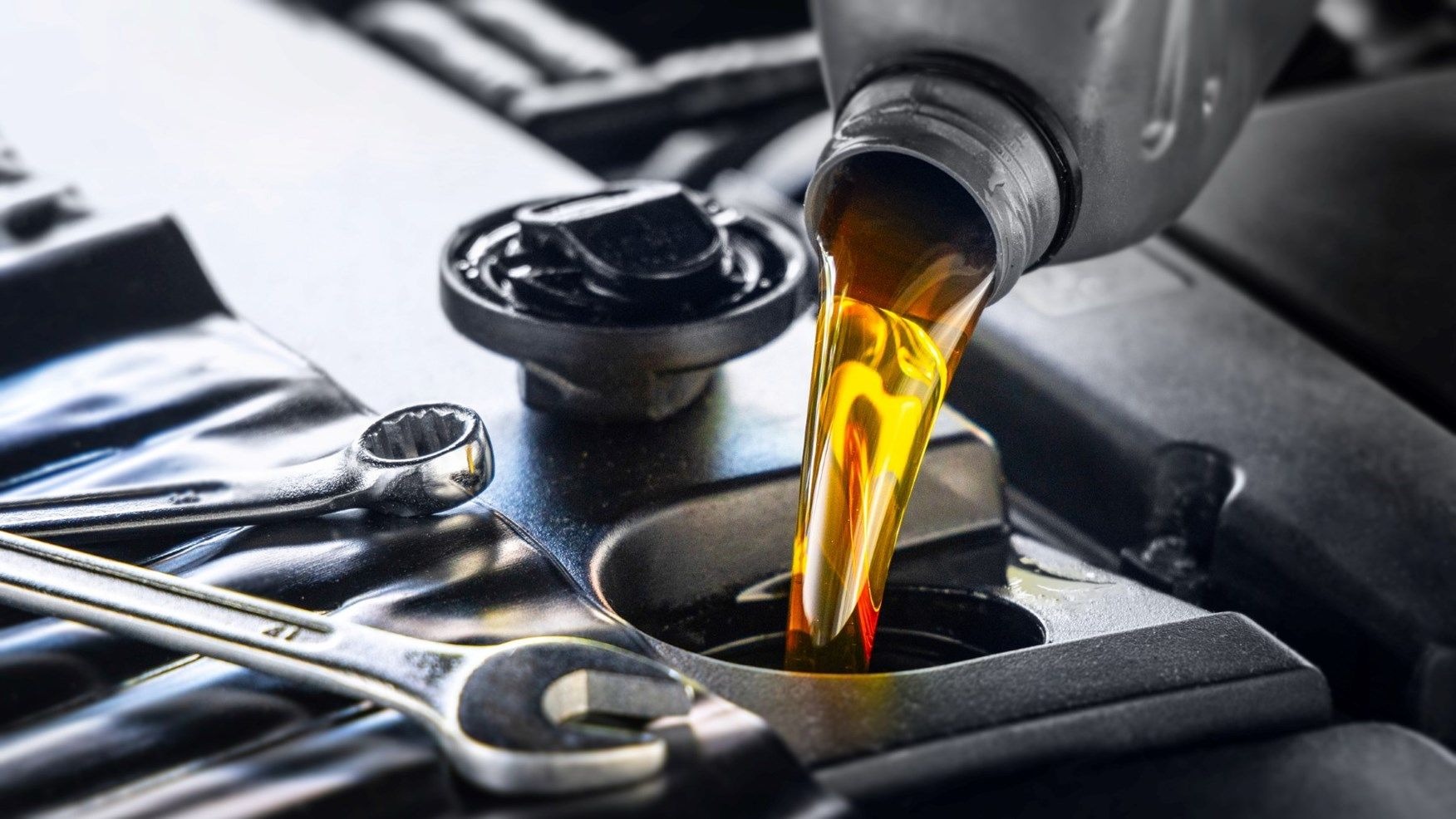
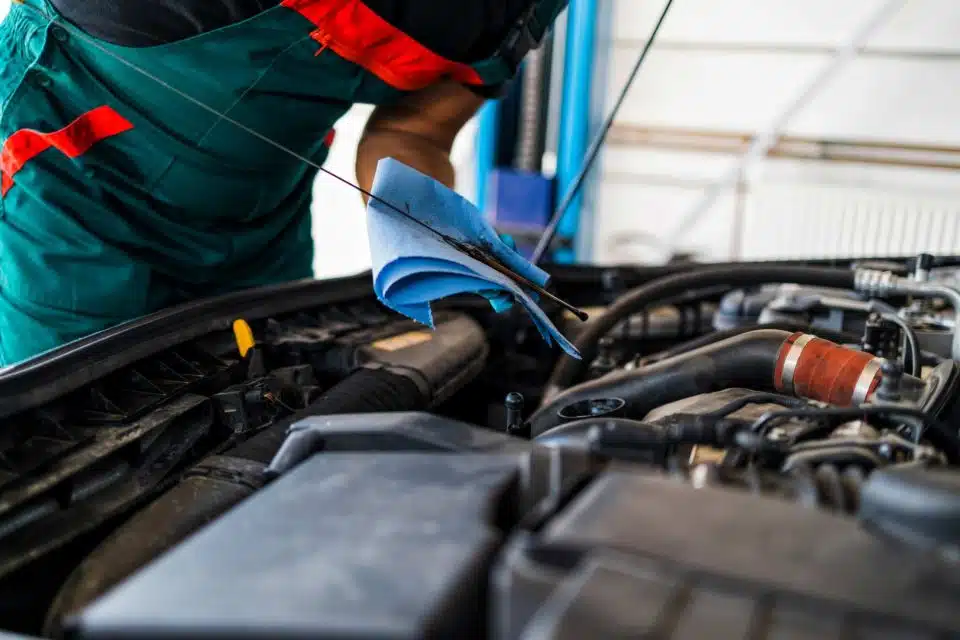
One of the most critical maintenance tasks for any vehicle, especially the Dodge Stratus, is sticking to a consistent oil change schedule. Engine oil performs the vital job of lubricating all moving parts inside the engine, reducing friction and preventing excessive heat buildup.
When oil breaks down over time, it loses its ability to properly lubricate and cool engine components. Many owners underestimate the importance of this simple maintenance habit, believing that modern engines can go longer without fresh oil.
However, old, degraded oil becomes thick and contaminated with dirt, metal shavings, and combustion by-products, which significantly hampers its protective qualities. This degraded oil creates sludge, a sticky residue that clogs oil passages and prevents proper flow to vital engine parts.
If oil changes are ignored, this sludge accumulates inside the engine, coating surfaces that need clean lubrication. The result is increased wear on the camshaft, pistons, and bearings, causing premature engine damage. A clogged oil filter worsens the problem by restricting oil circulation, which can starve engine parts of lubrication altogether.
As friction rises, the engine runs hotter and parts wear faster, potentially leading to serious issues like seized pistons or even total engine failure. Engine damage caused by neglected oil maintenance can lead to costly repairs that often surpass the price of routine oil changes by a large margin.
The impact of skipping oil changes extends beyond engine wear. Poor lubrication affects fuel efficiency, resulting in lower miles per gallon and increased emissions due to less efficient combustion. Drivers might notice symptoms such as rough idling, ticking noises, or engine knocking, signs that the engine isn’t running smoothly.
These symptoms are often early warnings that oil isn’t doing its job. Using the oil grade specified in the Dodge Stratus owner’s manual is essential, as the wrong viscosity can also negatively impact engine performance and wear patterns.
A proper oil change schedule typically ranges from 3,000 to 5,000 miles depending on driving conditions, oil type, and model year. Synthetic oils might extend intervals but still require regular attention. Changing the oil filter with each oil change ensures the removal of contaminants and keeps the oil clean longer.
Consistent oil maintenance is one of the simplest yet most effective ways to protect the heart of the Dodge Stratus, the engine and extend its service life well beyond average expectations.
2. Riding the Clutch and Improper Shifting (Manual Transmission Models)
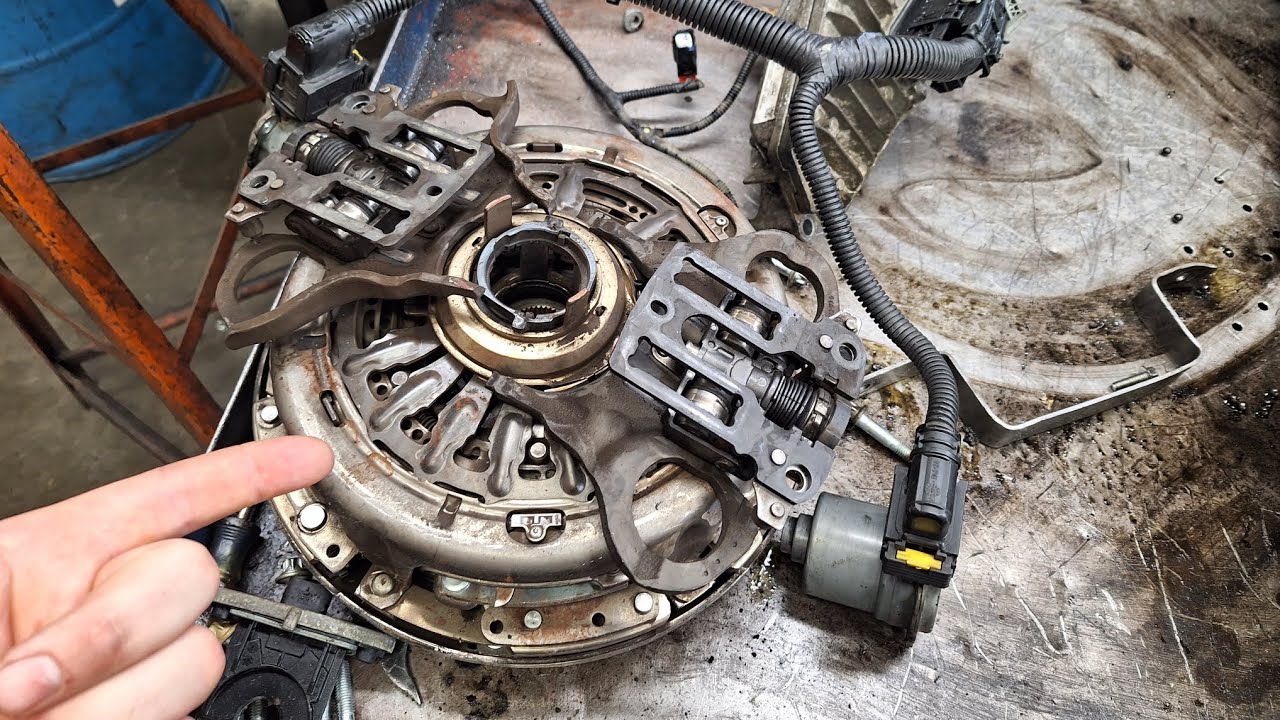
For Dodge Stratus owners with manual transmissions, one of the most damaging habits involves improper clutch use. Riding the clutch means resting your foot on the clutch pedal while driving, even when not shifting. This practice causes the clutch disc to partially disengage and slip against the pressure plate.
Instead of fully engaging and transmitting power, the clutch slips and generates excessive heat, causing the friction material to wear out much faster than intended. This overheating can cause the clutch to glaze, reducing its ability to grip and leading to slippage during acceleration, which reduces power transfer to the wheels and requires a costly clutch replacement.
Improper shifting also accelerates clutch and transmission wear. Many drivers shift gears without fully depressing the clutch pedal, causing gears to grind and synchronizers inside the transmission to wear prematurely.
The synchronizers are designed to match gear speeds during shifts, allowing smooth engagement. When shifting is rushed or forced, these parts fail sooner, resulting in noisy gear changes and even gear slipping. Over time, the transmission can sustain significant damage, sometimes necessitating a full rebuild or replacement.
Riding the clutch also affects fuel efficiency since the engine must work harder to compensate for the slipping clutch. It increases heat generation inside the transmission system, which can shorten the life of the transmission fluid and related components. This unnecessary wear leads to expensive repairs and downtime for the vehicle, inconveniencing owners who depend on the Stratus for daily use.
To avoid these problems, manual transmission drivers should develop smooth, deliberate shifting habits. Always fully depress the clutch pedal when changing gears and avoid resting your foot on it while driving. Using the clutch only when necessary reduces heat buildup and friction, preserving the clutch disc and pressure plate.
Taking care to match engine RPM to road speed before releasing the clutch also prevents jerky movements that stress drivetrain parts. Maintaining proper transmission fluid levels and having the system inspected regularly further supports smooth operation and longevity.
3. Neglecting Brake Maintenance
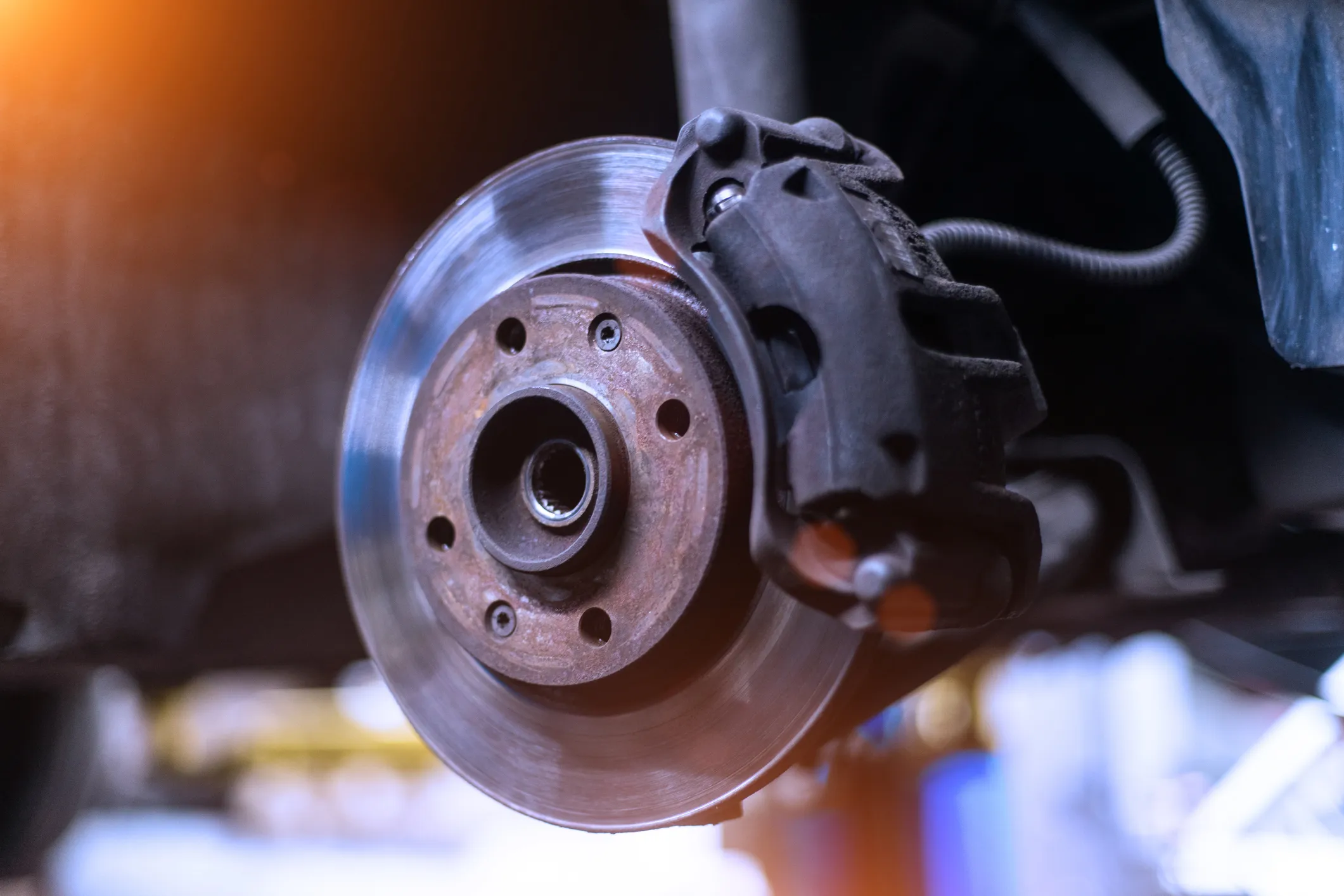
The braking system is a fundamental safety feature of any car, including the Dodge Stratus, and neglecting its maintenance can cause not only costly repairs but also dangerous driving conditions. Brake pads, rotors, calipers, and brake fluid must be maintained regularly to ensure consistent stopping power.
Driving with worn brake pads reduces the ability to stop effectively and puts additional strain on other components. When the brake pads wear down to the metal backing plate, they begin to grind against the rotors, causing deep grooves and uneven rotor wear. This damage often requires rotor resurfacing or replacement, which is much more expensive than changing brake pads.
Brake fluid maintenance is just as important. Brake fluid absorbs moisture over time, which lowers its boiling point and causes corrosion inside the brake system. Moisture-contaminated fluid can vaporize under heavy braking, leading to a spongy pedal feel or brake fade, conditions that severely reduce braking effectiveness. Corroded brake lines or calipers can leak fluid, causing a sudden loss of braking power, an extremely dangerous situation on the road.
Ignoring brake system warnings such as squealing noises, vibrating brake pedals, or dashboard brake lights often results in further damage and increased repair costs. Regular brake inspections identify worn pads, damaged rotors, and fluid condition issues before they escalate.
It’s important to replace brake pads when they reach the minimum thickness and to flush brake fluid according to the manufacturer’s schedule, typically every two years.
Additionally, the driving style can influence brake wear. Aggressive braking, frequent stop-and-go traffic, and driving downhill without engine braking increase pad and rotor wear. Adopting smoother braking habits and using lower gears for downhill driving reduces strain on brakes, helping extend their lifespan. Proper brake maintenance not only protects your vehicle but ensures the safety of everyone on the road.

4. Overloading the Vehicle
Exceeding the Dodge Stratus’s recommended load capacity is a habit that many drivers may not realize causes serious harm to their vehicle. The manufacturer specifies a maximum load limit that accounts for the vehicle’s suspension strength, tire capacity, braking capability, and frame integrity. Ignoring these limits and carrying excessive weight places undue stress on critical systems designed for specific weight thresholds.
When the vehicle is overloaded, suspension components like springs, struts, shocks, and bushings experience constant compression beyond their designed limits. This causes premature sagging and failure of these parts, resulting in poor ride quality, reduced handling, and a bumpy, uncomfortable drive. Once suspension components weaken or break, repairs can become costly, especially if multiple parts need replacement due to prolonged overloading.
Tires also suffer significantly under excessive loads. Overweight vehicles increase tire pressure and heat, accelerating tread wear and increasing the risk of blowouts. Tire failures caused by overloading can be sudden and catastrophic, especially at high speeds. Braking distance is also affected as the system must work harder to slow down the heavier vehicle, which can cause brake overheating and fade, reducing safety.
The structural integrity of the frame and chassis can also be compromised by excessive weight. Constantly carrying heavy loads can cause the frame to warp, leading to alignment issues, uneven tire wear, and handling problems. In extreme cases, structural damage may make the vehicle unsafe to drive and costly to repair.
To protect the Dodge Stratus from damage, owners should always respect the load ratings provided in the owner’s manual or on the tire placard inside the driver’s door. It’s also wise to remove unnecessary cargo and distribute weight evenly across the vehicle. Avoiding excessive or repeated overloading helps preserve suspension, tires, brakes, and frame components, keeping the car safe and comfortable to drive.
5. Neglecting Cooling System Maintenance
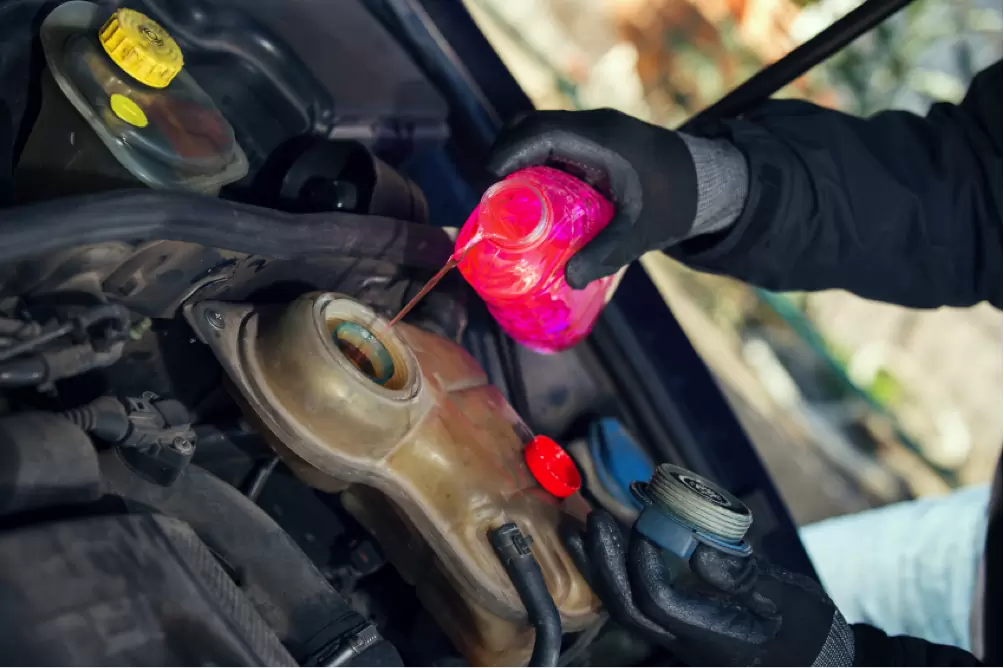
Maintaining the cooling system is essential for the Dodge Stratus to run efficiently and avoid overheating, which is one of the leading causes of serious engine damage. The cooling system consists of the radiator, water pump, thermostat, coolant fluid, hoses, and fans, all working together to keep the engine operating within a safe temperature range. Neglecting any part of this system can cause it to fail, leading to overheating and costly repairs.
One common problem is ignoring coolant level checks and the need for periodic coolant changes. Over time, coolant breaks down and loses its ability to prevent corrosion and freezing. When coolant becomes contaminated, rust and sediment can build up inside the radiator and engine passages, restricting coolant flow.
This reduces the system’s ability to dissipate heat and increases the risk of engine overheating. Coolant also protects metal components from corrosion; without it, parts like the radiator, water pump, and engine block may deteriorate prematurely.
Leaking hoses or a faulty water pump can cause coolant loss, which often goes unnoticed until the engine temperature rises dangerously. Radiator leaks or cracks further compound these problems by reducing system pressure and coolant volume. A malfunctioning thermostat can also cause overheating by failing to regulate coolant flow properly, either restricting circulation or allowing coolant to flow when the engine is too cold.
Regular cooling system maintenance involves flushing the coolant at recommended intervals and inspecting hoses, clamps, and the radiator for leaks or damage. Replacing worn hoses and a failing water pump proactively can prevent unexpected breakdowns. Checking the thermostat’s operation is equally important to ensure it opens and closes at the right temperatures.
Ignoring the cooling system often results in overheating, which can warp the cylinder head, blow head gaskets, or even cause engine seizure. Repairing overheating damage is expensive and time-consuming. Regular maintenance helps keep the engine at optimal temperatures, enhancing performance and engine longevity.

6. Driving Aggressively
Aggressive driving habits such as rapid acceleration, hard braking, and sharp cornering put a significant strain on many components of the Dodge Stratus. These behaviors cause the engine, transmission, suspension, and brakes to work harder than they were designed to, which accelerates wear and tear.
Consistently pushing the car to its limits in this way increases the likelihood of mechanical failures and reduces the lifespan of key parts. While the Stratus is built to handle everyday driving conditions, aggressive driving repeatedly subjects the vehicle to stresses that lead to premature breakdowns and costly repairs.
Rapid acceleration forces the engine to operate at higher RPMs quickly, increasing internal friction and heat. This heightened stress speeds up the degradation of engine oil and internal components such as pistons, valves, and bearings.
The transmission, especially in automatic models, experiences more abrupt shifts and elevated fluid temperatures under aggressive driving, which shortens its life. Prolonged exposure to such strain often results in transmission slipping or erratic shifting patterns, symptoms that precede more serious failure.
Hard braking wears down brake pads and rotors faster than usual, creating excessive heat that can warp rotors or cause brake fade during prolonged stops. This not only affects stopping power but also raises safety concerns for the driver and others on the road.
Suspension components also suffer during aggressive cornering and braking, as shocks, struts, and bushings absorb impacts beyond their design limits. Over time, these parts weaken, compromising ride comfort and handling stability.
In addition to mechanical damage, aggressive driving reduces fuel efficiency significantly. Constant quick acceleration and braking burn more fuel and contribute to increased emissions. Adopting a smoother driving style with gradual acceleration, gentle braking, and controlled cornering helps preserve the mechanical components, improve fuel economy, and create a safer driving environment. Such mindful driving habits extend the life of your Dodge Stratus and prevent premature wear.
7. Skipping Regular Tire Maintenance
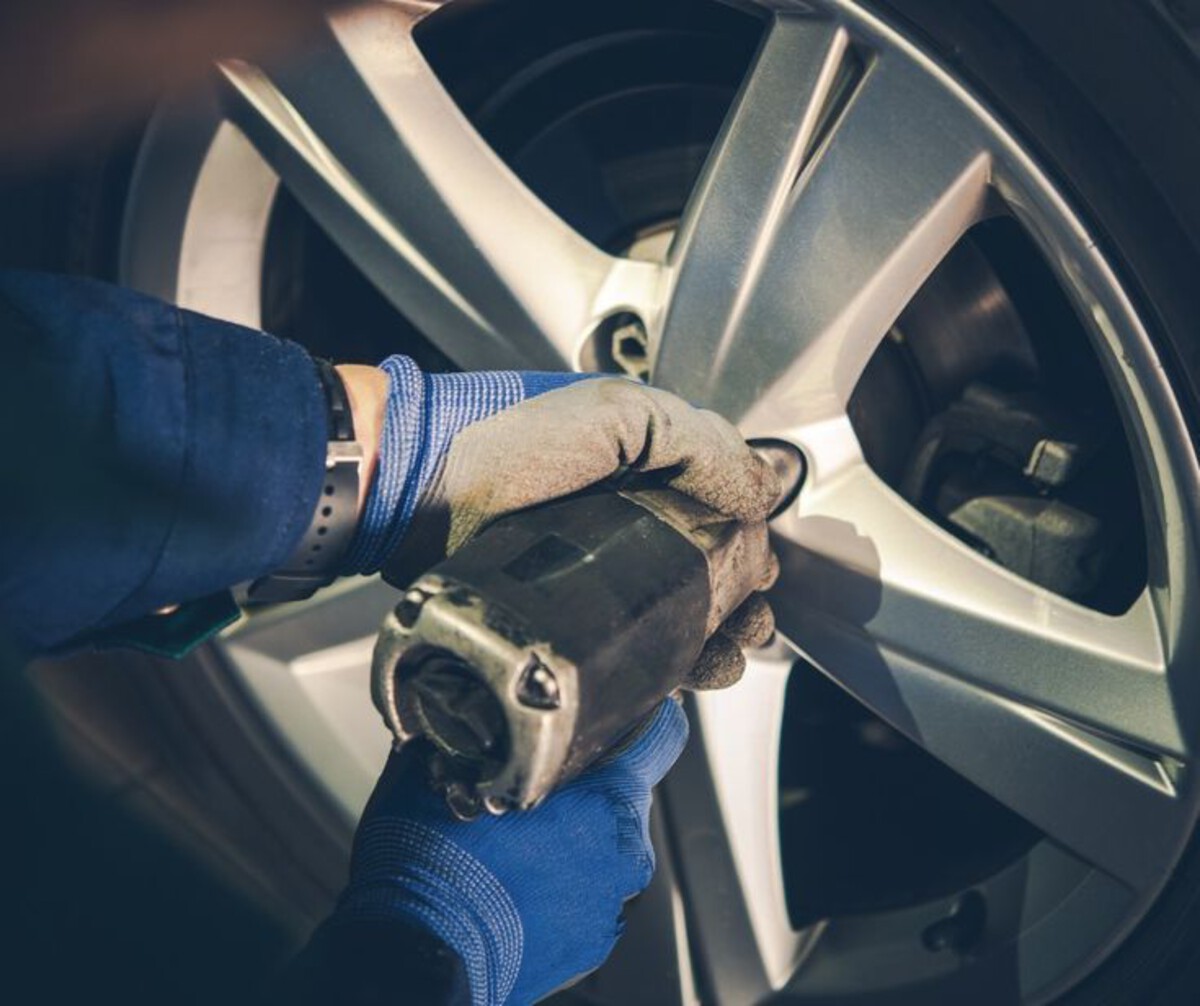
Tire maintenance is a crucial aspect of vehicle care often overlooked by Dodge Stratus owners, but neglecting this area can lead to uneven tire wear, poor handling, and safety risks. Tires are the only contact point between the vehicle and the road, making their condition vital for traction, braking, and stability. Many drivers fail to regularly check tire pressure, rotate tires, or ensure proper wheel alignment, causing tires to wear out prematurely and unevenly.
Underinflated tires create excessive rolling resistance, forcing the engine to work harder and lowering fuel efficiency. They also generate more heat while driving, which can accelerate tire degradation and increase the likelihood of blowouts. Conversely, overinflated tires wear out the center tread too quickly and provide a harsher ride, reducing the tire’s ability to grip the road. Maintaining the correct tire pressure recommended by the manufacturer ensures even tread wear and optimal performance.
Regular tire rotation is another often ignored maintenance task. Rotating tires every 5,000 to 7,500 miles helps balance wear patterns by moving tires between front and rear positions. Without rotation, front tires, especially on front-wheel-drive vehicles like the Dodge Stratus, wear faster due to steering and drivetrain stresses. Skipping rotation leads to early tire replacement and increased costs.
Wheel alignment is also essential for even tire wear and safe handling. Misaligned wheels cause tires to scrub against the road unevenly, creating irregular tread wear and pulling the vehicle to one side. Alignment issues often arise after hitting potholes, curbs, or rough terrain. Routine alignment checks prevent costly tire damage and improve vehicle control. Additionally, regularly inspecting tires for cuts, bulges, and tread depth helps avoid blowouts and accidents, ensuring your Stratus stays safe on the road.
8. Not Changing Transmission Fluid
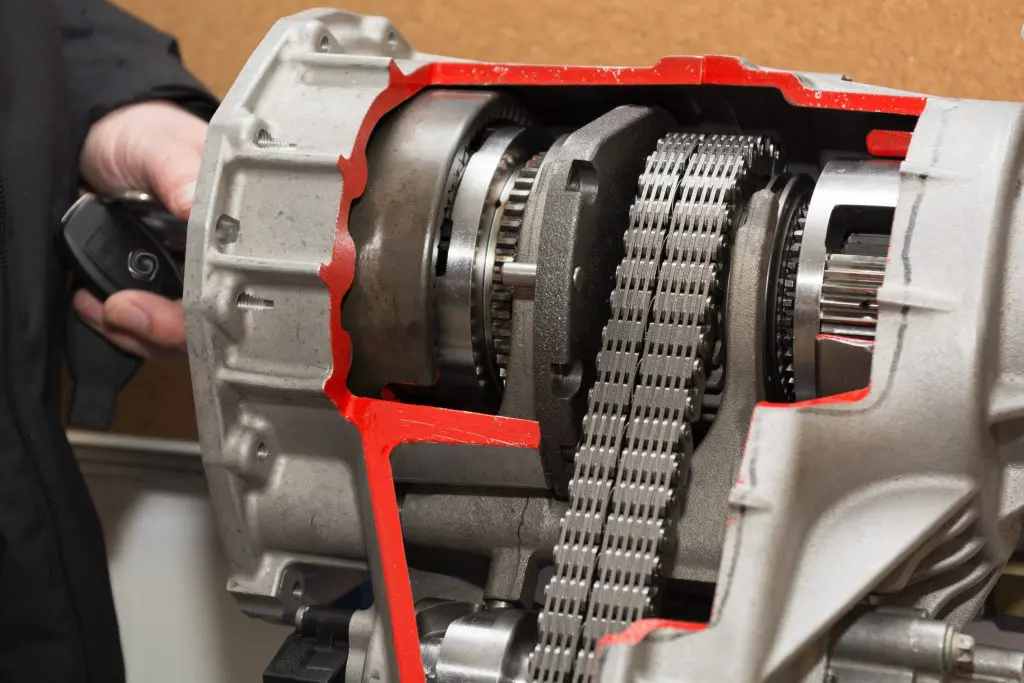
Many Dodge Stratus owners overlook the importance of changing the transmission fluid regularly, which is a mistake that can shorten the lifespan of this vital component dramatically. Transmission fluid serves multiple roles: it lubricates gears and bearings, cools the transmission system, and helps transfer power smoothly.
Over time, transmission fluid becomes contaminated with metal particles, debris, and heat-degraded additives, reducing its ability to perform these functions effectively.
When transmission fluid is neglected, increased friction and heat inside the transmission cause faster wear of gears, clutches, seals, and bearings. This leads to problems such as rough shifting, slipping gears, delayed engagement, and even total transmission failure. For automatic transmissions, degraded fluid can cause erratic shifting behavior and overheating, which may trigger warning lights or cause limp mode to protect the vehicle.
Manual transmissions also benefit from regular fluid changes, as worn fluid can impair synchronizer performance and bearing lubrication, resulting in grinding gears and difficult shifts. Replacing transmission fluid at intervals recommended by Dodge ensures the fluid maintains its protective qualities and cooling capabilities, preserving transmission health.
In addition to fluid changes, checking transmission fluid levels and condition can provide early warning signs of issues. Low fluid levels due to leaks or burning fluid can quickly damage transmission components.
Using the correct type of transmission fluid as specified in the owner’s manual is critical, as the wrong fluid can lead to improper lubrication and poor performance. Regular maintenance helps prevent expensive repairs or the need for transmission replacement, keeping the Dodge Stratus running smoothly for many miles.
9. Neglecting the Timing Belt
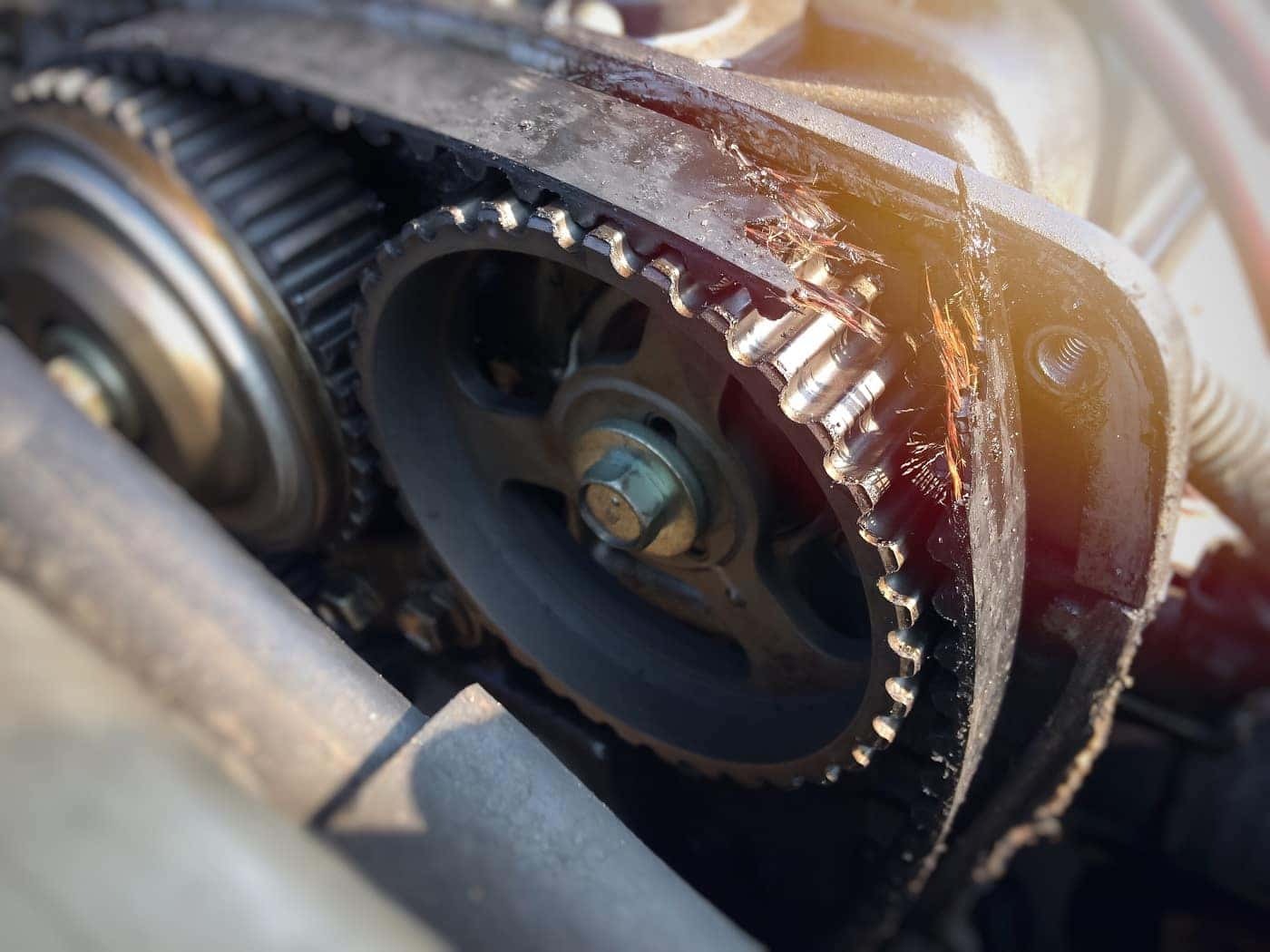
The timing belt in the Dodge Stratus is a critical engine component responsible for synchronizing the rotation of the camshaft and crankshaft, ensuring that engine valves open and close at the correct times during combustion cycles.
Neglecting timing belt replacement is one of the most common reasons for catastrophic engine failure in vehicles equipped with this part. Because timing belts typically require replacement at higher mileage intervals, such as between 60,000 and 100,000 miles, some owners postpone the service, increasing the risk of belt failure.
A worn or broken timing belt can lead to severe engine damage, especially in interference engines where the pistons and valves share the same space at different times. When the belt snaps, the camshaft stops turning, causing valves to remain open and collide with moving pistons. This collision bends valves, damages pistons, and may even destroy the cylinder head, necessitating expensive repairs or an engine replacement.
Many mechanics recommend replacing the timing belt along with related components like the water pump, tensioners, and pulleys at the same time. These parts often have similar lifespans, and replacing them together reduces future labor costs and avoids repeat disassembly. Waiting until the timing belt fails can cause a chain reaction of damage that far outweighs the preventive maintenance cost.
Regular inspection for timing belt wear signs such as cracks, fraying, glazing, or missing teeth can help catch problems early. Keeping to the replacement interval advised in the owner’s manual is crucial for avoiding unexpected breakdowns. Timely timing belt maintenance is one of the most important steps in preserving the Dodge Stratus engine’s integrity and preventing sudden, costly failures.
10. Using Low-Quality Fuel and Ignoring Fuel System Maintenance
Fuel quality plays a significant role in the performance and longevity of the Dodge Stratus engine. Using low-quality or contaminated fuel can lead to several engine issues, including clogged fuel injectors, poor combustion, and increased buildup of carbon deposits on critical parts. Many drivers overlook the importance of proper fuel system maintenance, which includes regular cleaning of fuel injectors and replacement of the fuel filter.
Contaminated or low-grade fuel often contains impurities and additives that leave deposits in the fuel system. These deposits accumulate on injectors, valves, and combustion chambers, reducing fuel flow, impairing atomization, and causing rough idling, hesitation, or stalling. Over time, clogged injectors can decrease engine efficiency and increase emissions, making the vehicle run poorly.
Replacing the fuel filter at recommended intervals prevents dirt and debris from entering the fuel system and damaging injectors or the fuel pump. Ignoring this simple maintenance task can lead to expensive repairs and reduced engine life. Using the correct octane fuel specified by the manufacturer is equally important, as using lower-octane fuel can cause knocking and damage engine components over time.
Fuel additives designed to clean injectors and remove deposits may be helpful occasionally, but they do not replace proper maintenance. Regular fuel system inspections and keeping fuel at recommended quality levels protect the engine, maintain performance, and help the Dodge Stratus last longer.
Also Read: 9 Hacks That Extend a Kia Soul’s Life Past 200k Miles
Maintaining a Dodge Stratus for the long term requires more than just routine service visits; it demands a commitment to responsible habits that protect the car’s vital systems. The habits outlined in this article serve as a cautionary guide to behaviors that can dramatically shorten the life of a Stratus.
From ignoring regular oil changes and riding the clutch to neglecting the timing belt and using low-quality fuel, these common mistakes all contribute to accelerated wear, mechanical failures, and expensive repairs that could otherwise be avoided.
Each component of the Dodge Stratus, whether it be the engine, transmission, brakes, tires, or suspension, plays a crucial role in the vehicle’s health and performance. Neglecting even one area places extra stress on other parts, creating a ripple effect of deterioration.
For example, poor brake maintenance not only compromises safety but also impacts suspension components through uneven wear. Similarly, aggressive driving habits not only wear out the engine faster but also increase fuel consumption and brake wear. Recognizing the interconnected nature of vehicle systems highlights why consistent care and mindful driving are essential.
The cost of neglect can be high, both financially and in terms of safety. Unexpected breakdowns, emergency repairs, and compromised handling increase risks on the road and reduce the enjoyment of ownership.
In contrast, adopting positive habits such as following the manufacturer’s recommended maintenance schedules, driving smoothly, and using quality fuel will extend the Dodge Stratus’s life significantly. Regular inspections and timely repairs keep small issues from turning into major problems, saving money and stress.
Understanding the consequences of destructive habits empowers Dodge Stratus owners to take proactive steps. By avoiding overload, maintaining fluids, respecting the transmission and clutch, and caring for tires and brakes, drivers contribute to a more reliable and efficient vehicle. These actions reflect respect for the engineering of the Dodge Stratus and provide peace of mind that it will remain dependable for years to come.
The longevity of a Dodge Stratus hinges largely on the daily choices made by its driver. Avoiding the pitfalls discussed in this article will protect the vehicle’s essential components, improve safety, and enhance the driving experience. With proper care and attention, the Dodge Stratus can continue to be a trusted companion on countless journeys, far beyond its expected lifespan.
