

Hybrid vehicles have found a strong and lasting presence on the road, offering drivers a combination of fuel efficiency and reduced emissions. While they may seem like a solid compromise between traditional gas-powered cars and fully electric ones, not all hybrids are created equal when it comes to long-term ownership.
Some of them perform exceptionally well not just in terms of fuel economy but also in reliability, maintenance costs, and repair ease. These are the types of hybrids that people love to keep running for years without worrying about constant trips to the mechanic.
Others, however, are more of a burden once the initial warranty wears off. Repair costs rise rapidly, parts become harder to find, and specialized labor starts to make simple jobs feel like luxury expenses.
When people think about owning a hybrid, they often focus on the fuel savings. That’s understandable. Gas prices fluctuate, and many buyers hope to soften that blow by switching to a car that gets better mileage. However, fuel economy is only one piece of the puzzle.
Longevity, reliability, and repair costs matter just as much. A vehicle that saves you a few hundred dollars a year on gas but costs thousands in repair bills ends up being more of a financial trap than a smart purchase. Especially once the vehicle starts aging and the advanced technology packed under the hood begins to show signs of wear, what once felt like a modern advantage can turn into a money pit.
To help make sense of this divide, we’ve broken down ten hybrids into two categories. The first five are vehicles that tend to be affordable to maintain and run for a very long time with minimal complaints. They’re reliable, cost-effective, and beloved by budget-minded drivers.
The next five are the ones that many regret owning once the maintenance bills start rolling in. They may look appealing on the lot, but their ownership costs eventually wipe out any savings gained at the pump. Knowing which is which can save you thousands of dollars and a whole lot of frustration down the road.
Also Read: 9 Hacks That Extend a Kia Soul’s Life Past 200k Miles
5 Hybrids That Run Cheap Forever
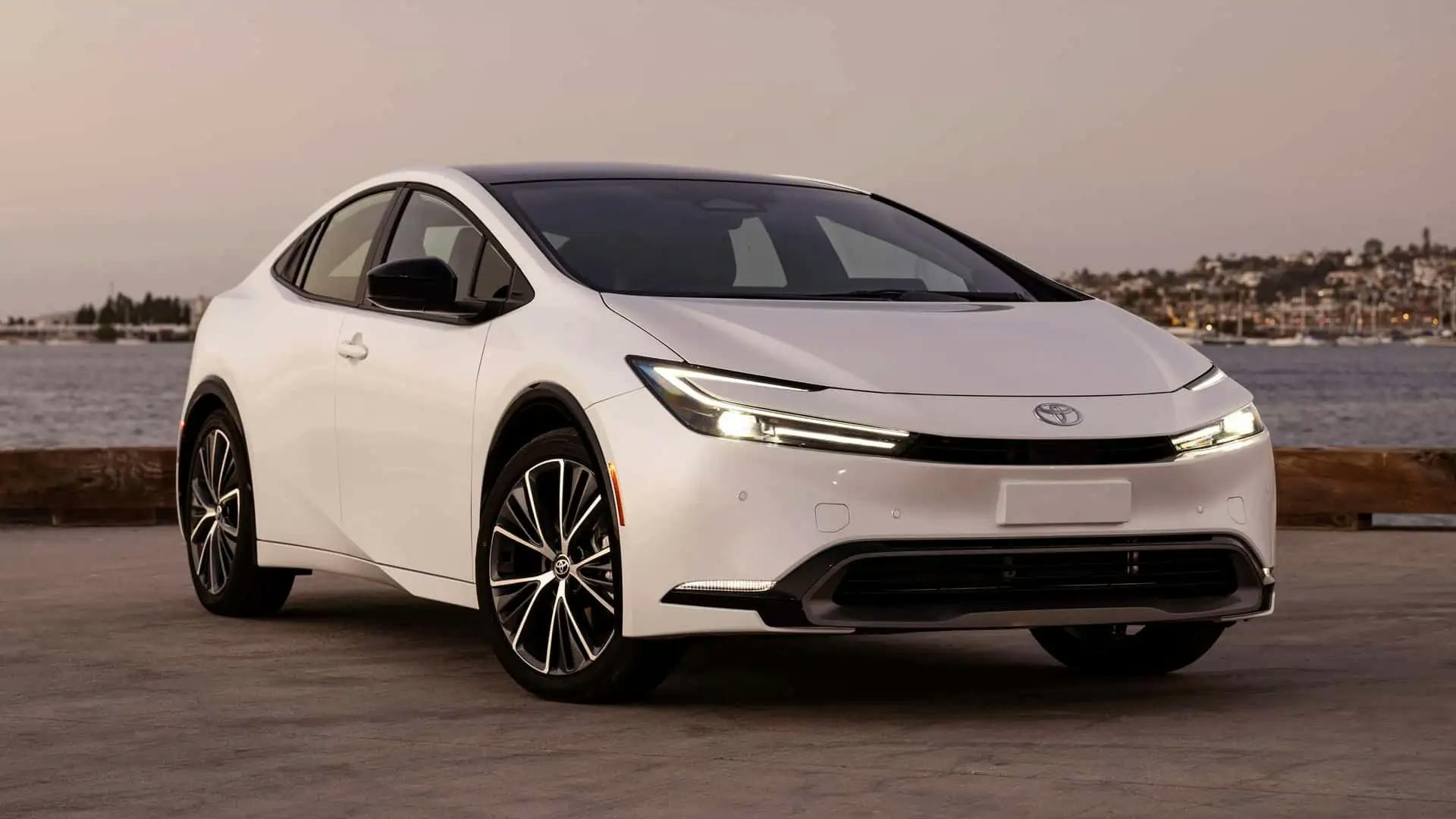
1. Toyota Prius
The Toyota Prius has built its reputation on dependability and efficiency. It’s not just the original hybrid that started a trend, but one that continues to dominate the segment for good reason. Owners often report that the Prius can last over 200,000 miles with minimal issues, especially when properly maintained.
Routine services like oil changes and brake pads are simple and affordable, and the hybrid components are built with longevity in mind. Even the battery, once a concern for many buyers, has proven to be surprisingly durable. In many cases, a Prius battery can last well over 10 years before needing attention.
One of the biggest advantages of the Prius is that it has been around for so long. That means mechanics are familiar with it, parts are widely available, and troubleshooting is straightforward.
There’s nothing exotic or untested under the hood, and Toyota made sure the design remained relatively consistent across generations. This reduces the chance of unexpected failures and high-priced repairs.
Even older models from the early 2000s still see regular use, especially in urban areas where low running costs make them an ideal daily driver or rideshare vehicle.
Beyond reliability, the Prius maintains excellent resale value. That’s a good indicator of its perceived reliability and future performance. Many buyers are willing to purchase older Priuses because they know what to expect.
While not flashy or sporty, the Prius serves its purpose incredibly well, and it rarely surprises owners with expensive or complicated issues. It’s practical, consistent, and one of the most affordable hybrids to own long-term.
What really makes the Prius stand out is how low-stress it is to own. You don’t need to baby it, you don’t need to worry about rare parts, and it doesn’t rely on cutting-edge tech that might be obsolete in a few years. Instead, it just keeps going. For those looking for a hybrid that’s more about substance than style, the Prius remains a top contender.
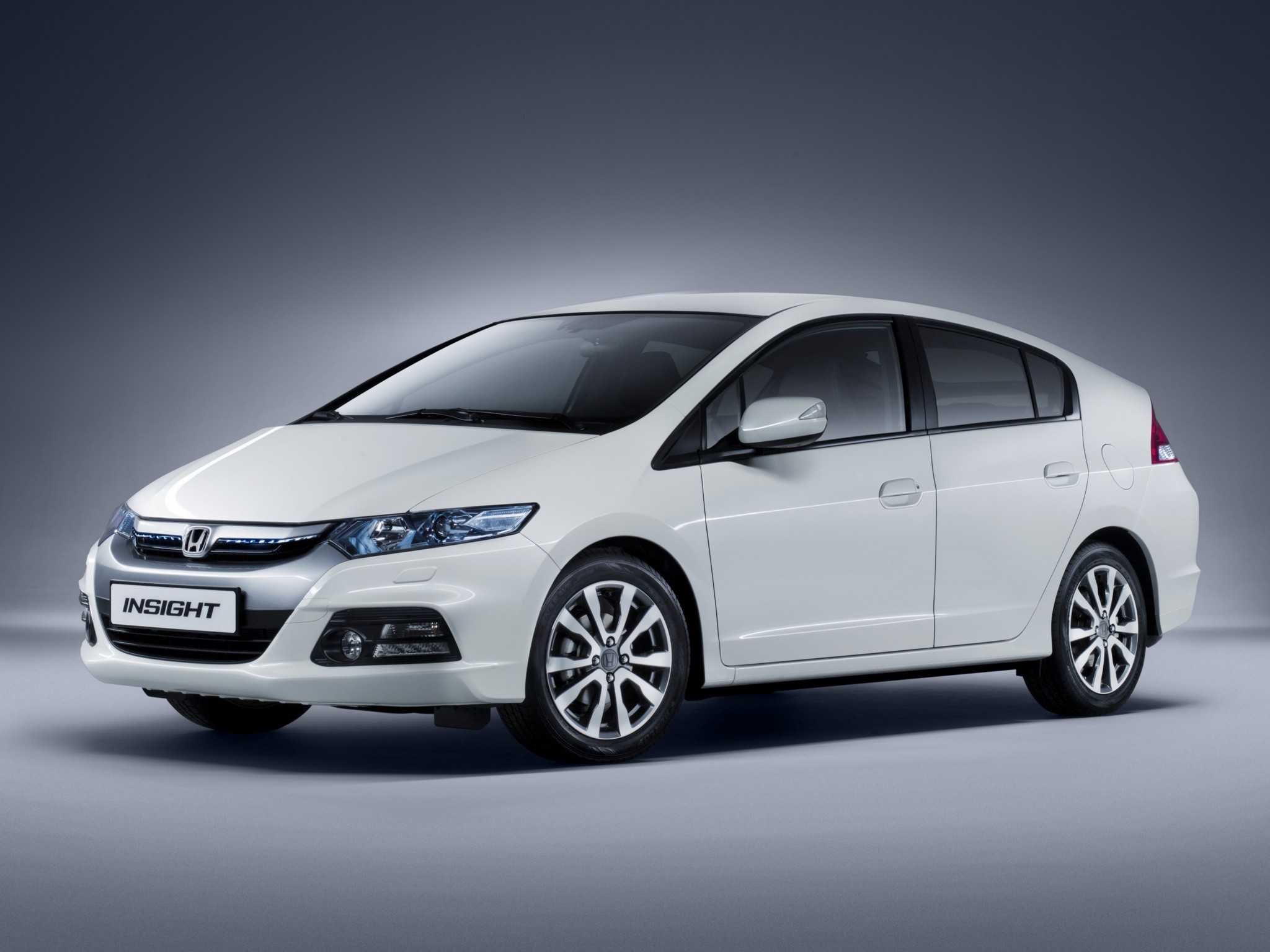
2. Honda Insight (Second Generation)
The second-generation Honda Insight (2009–2014) represents a sweet spot in hybrid reliability. While the first-generation model was more of a niche product and the newer versions shifted toward more high-tech configurations, the middle child was all about simple engineering and affordable ownership.
This model shared many components with other Honda vehicles, making it easier and cheaper to maintain compared to hybrids with more unique setups. Owners often report excellent fuel economy and a solid driving experience, if not exciting.
What separates the Insight from others in its price range is the balance between performance and efficiency. It doesn’t push boundaries in terms of technology, but it uses its hybrid system effectively.
The Integrated Motor Assist (IMA) system is simpler than Toyota’s hybrid synergy drive, which some see as a weakness. But in terms of longevity and cost, that simplicity is a strength. Fewer components mean fewer things to go wrong. As long as basic maintenance is performed regularly, these cars are known to last well over 150,000 miles with ease.
The battery on this generation of Insight is relatively affordable to replace if it ever fails. It’s smaller than the Prius battery, but that also makes it lighter and cheaper.
Honda’s support network is wide, and many independent shops are equipped to deal with common issues on these vehicles. If you’re looking for a low-cost entry into hybrid ownership and want something that’s more engaging to drive than a Prius, the Insight is a solid choice.
Another factor in the Insight’s favor is how inexpensive it is on the used market. You can pick one up for a low price, and with a little care, it will continue to be an economical option. Fuel savings, easy repairs, and dependable performance make the second-generation Honda Insight a reliable workhorse in the hybrid category.
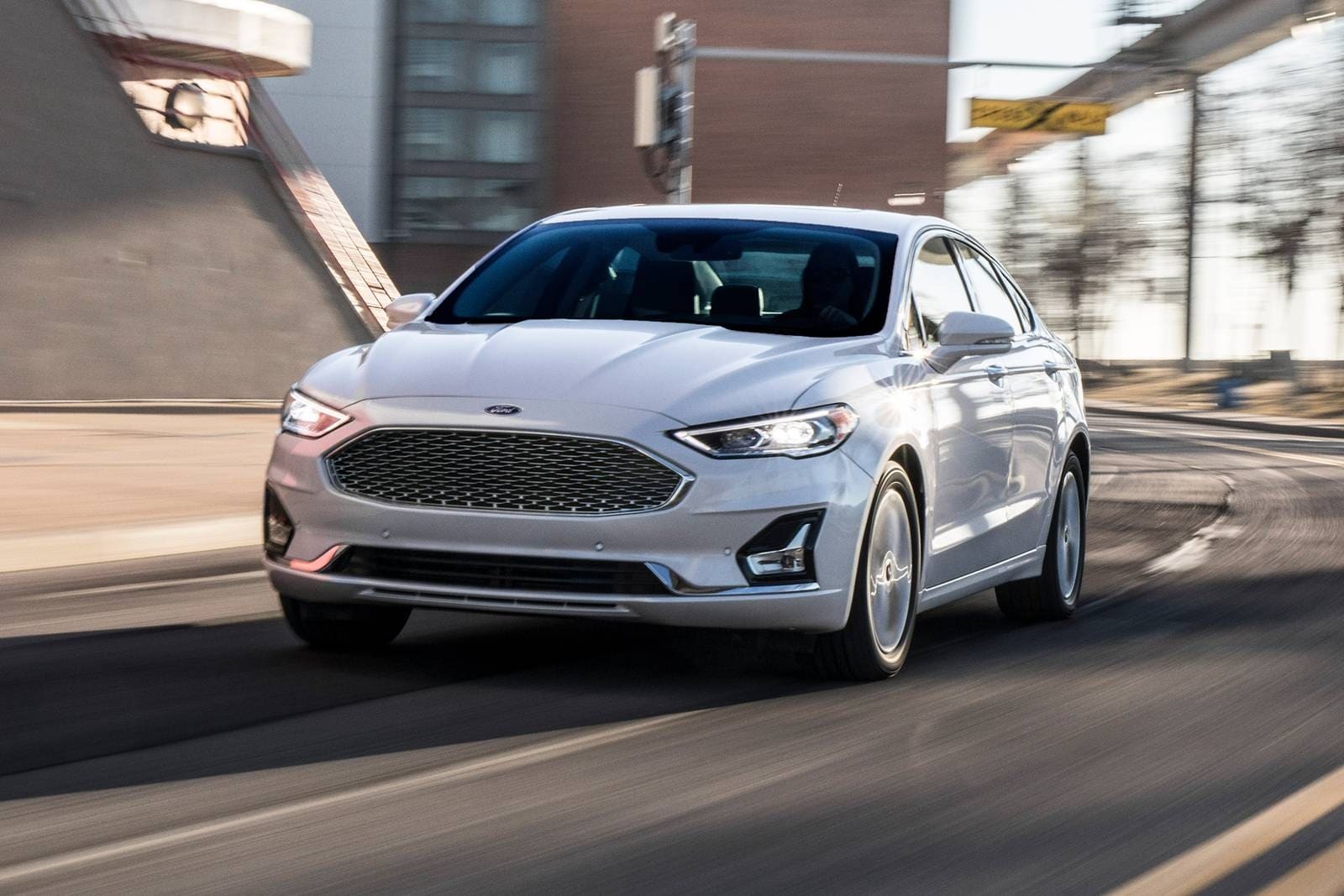
3. Ford Fusion Hybrid
Ford may not be the first name that comes to mind when talking about hybrid durability, but the Fusion Hybrid has proven itself over the years. Particularly the models from around 2010 to 2016 are known for combining the comfort and size of a midsize sedan with surprisingly dependable hybrid technology. It offers a smooth ride, good fuel economy, and, most importantly, low repair costs compared to other American hybrids in the same class.
The hybrid system used in the Fusion was co-developed with Toyota, and that shared engineering gave it a solid foundation. While earlier attempts by Ford to make hybrids had mixed results, the Fusion Hybrid came out as a well-rounded vehicle that didn’t require constant attention.
The battery packs are generally long-lasting, and issues with the electric motor or transmission are rare. Additionally, many parts are shared with the standard Fusion, which keeps maintenance costs down.
One of the key advantages is that the Fusion Hybrid doesn’t feel like a science project. It drives like a regular sedan and looks like one too. That sense of familiarity often translates into easier repairs and fewer surprises under the hood. For drivers who want the benefits of a hybrid without any of the quirks, this vehicle fits the bill nicely.
Another point in its favor is comfort. The interior is roomy, the ride quality is smooth, and the tech features are straightforward. Combined with low ownership costs, the Fusion Hybrid makes a strong case for itself as a practical and cheap-to-run hybrid that’s good for families or daily commutes.
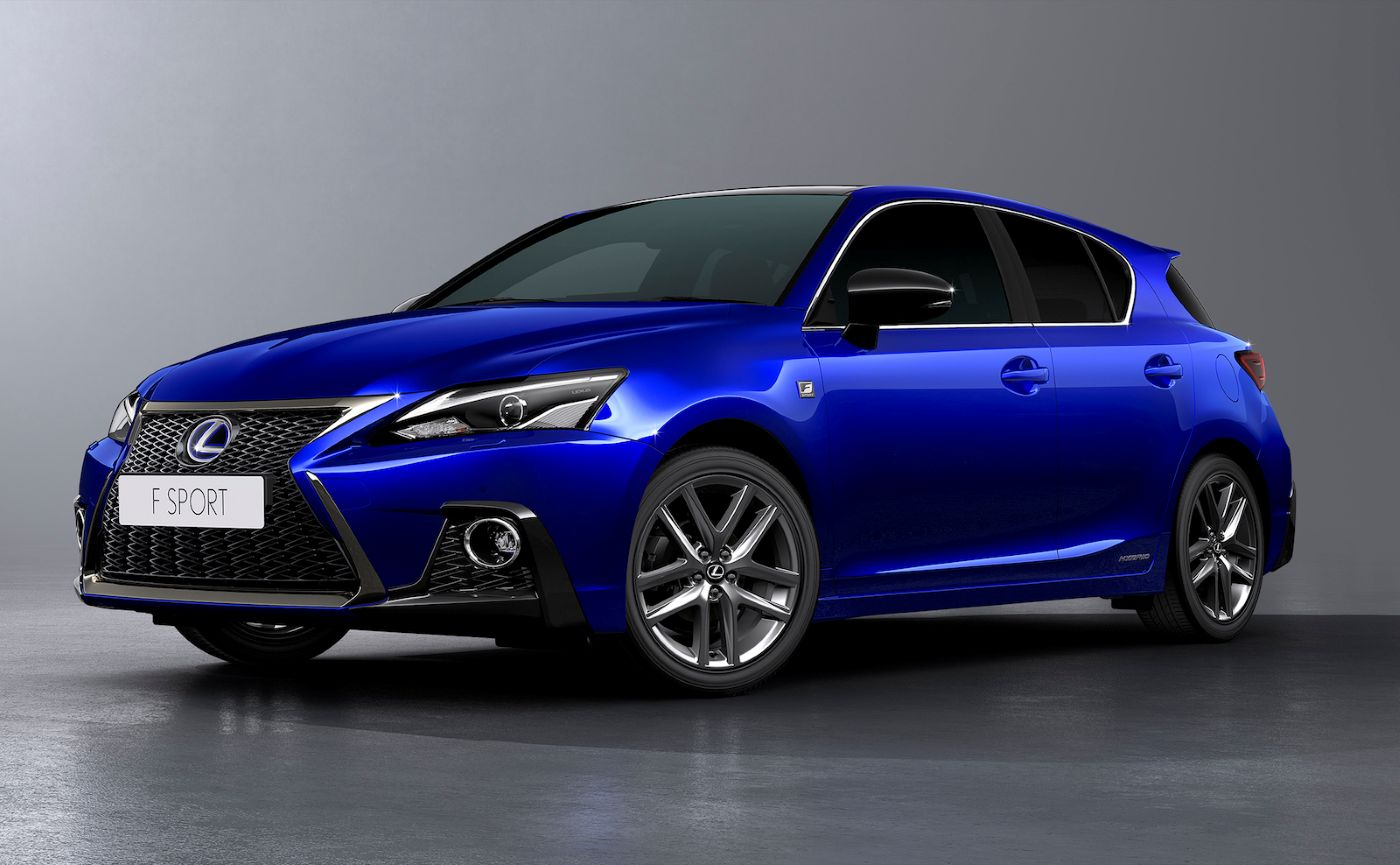
4. Lexus CT 200h
If you want the reliability of a Toyota Prius but with a bit more luxury and style, the Lexus CT 200h is a compelling option. Built on the same platform as the Prius, it shares much of its hybrid system but wraps it in a sportier and more refined package.
That means you get the same dependable mechanical setup while enjoying the upscale feel that Lexus is known for. Owners often praise the CT 200h for its low maintenance costs and its ability to run smoothly for many years.
While it may wear a luxury badge, the CT 200h avoids many of the pitfalls often associated with luxury hybrid models. It doesn’t rely on complicated suspension setups or finicky tech that becomes expensive to repair later on. Instead, it focuses on using proven components in a more premium form.
That allows it to combine durability with style, something that’s not always easy to find in the hybrid world. As with the Prius, high mileage doesn’t scare CT 200h owners. With regular maintenance, these cars often exceed 200,000 miles without major issues.
Another benefit is that Lexus dealerships often offer strong service and customer support, which can extend the life of the vehicle even further. However, since many of the core parts are interchangeable with the Prius, you can also choose to take your car to an independent shop to save money. This flexibility makes the CT 200h a low-risk choice for hybrid buyers looking for a blend of class and practicality.
Despite being discontinued after 2017, the CT 200h still holds strong value on the used market. That says a lot about its reputation. If you want something that looks a little more refined than a Prius without sacrificing its bulletproof performance, the CT 200h stands out as a hybrid that’s easy to live with for the long haul.
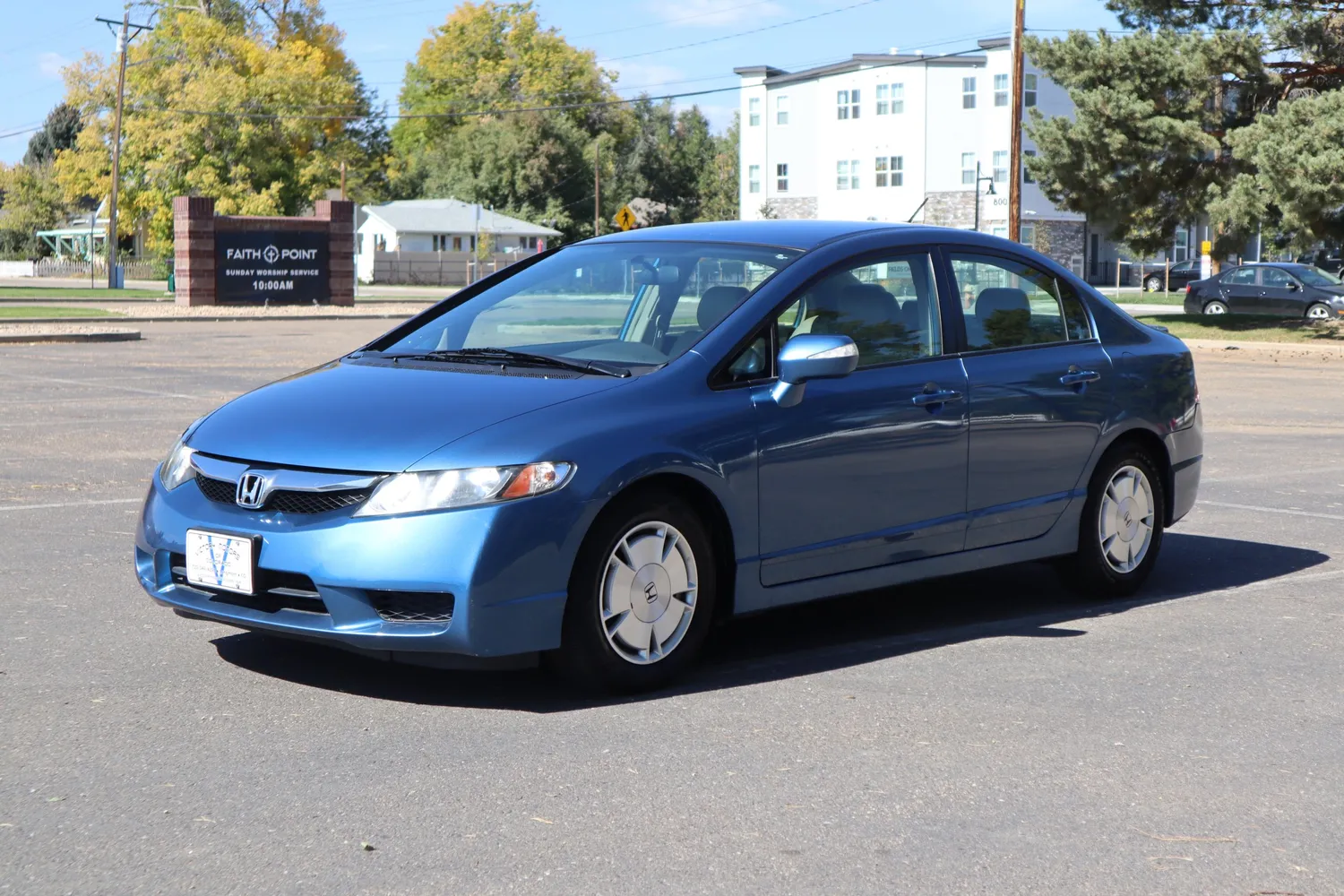
5. Honda Civic Hybrid (2006–2011)
The Honda Civic Hybrid from the 2006 to 2011 model years remains a surprisingly affordable and reliable option for long-term hybrid ownership. While it doesn’t get as much attention as the Toyota Prius, it offers many of the same benefits with a lower initial cost and a familiar driving feel.
These cars use Honda’s Integrated Motor Assist (IMA) system, which, while not as complex or refined as Toyota’s hybrid setup, offers enough simplicity to make ownership easier and cheaper over time. The IMA system is less intrusive and easier to repair, making it appealing for drivers who want a more traditional car experience without losing out on fuel savings.
Mechanically, the Civic Hybrid is straightforward. It shares many of its core components with the standard Civic, meaning that parts are widely available and mechanics are already familiar with much of the car’s layout. This reduces both the cost and hassle of repairs.
Even when hybrid-specific components do need attention, the parts, like the battery and electric motor, are generally less expensive than those found in more modern or luxury hybrids. Rebuilt battery packs are also easy to find and often cost far less than a complete replacement from the dealership. That kind of flexibility is crucial for budget-minded owners looking to keep their cars on the road for the long haul.
Fuel economy is another major strength. These models consistently achieve over 40 miles per gallon, and owners often report very low annual maintenance costs. The hybrid system is less aggressive than Toyota’s, which may reduce efficiency slightly, but it also tends to put less strain on the components over time.
Many Civic Hybrids from this generation are still running smoothly past the 150,000-mile mark, with relatively few issues aside from normal wear and tear. The transmission and engine, when properly maintained, are known to be durable and reliable.
One area where this car stands out is value. Because it flies under the radar, used models can often be picked up for very reasonable prices.
It’s not flashy, and it doesn’t carry the same “green” image as a Prius, but it delivers dependable performance and low cost of ownership, which is ultimately what matters most for someone looking to drive a hybrid that doesn’t break the bank. For commuters, students, and practical buyers, the Civic Hybrid remains one of the smartest hybrid choices for affordable, long-lasting use.
5 Hybrids That Cost Too Much to Fix
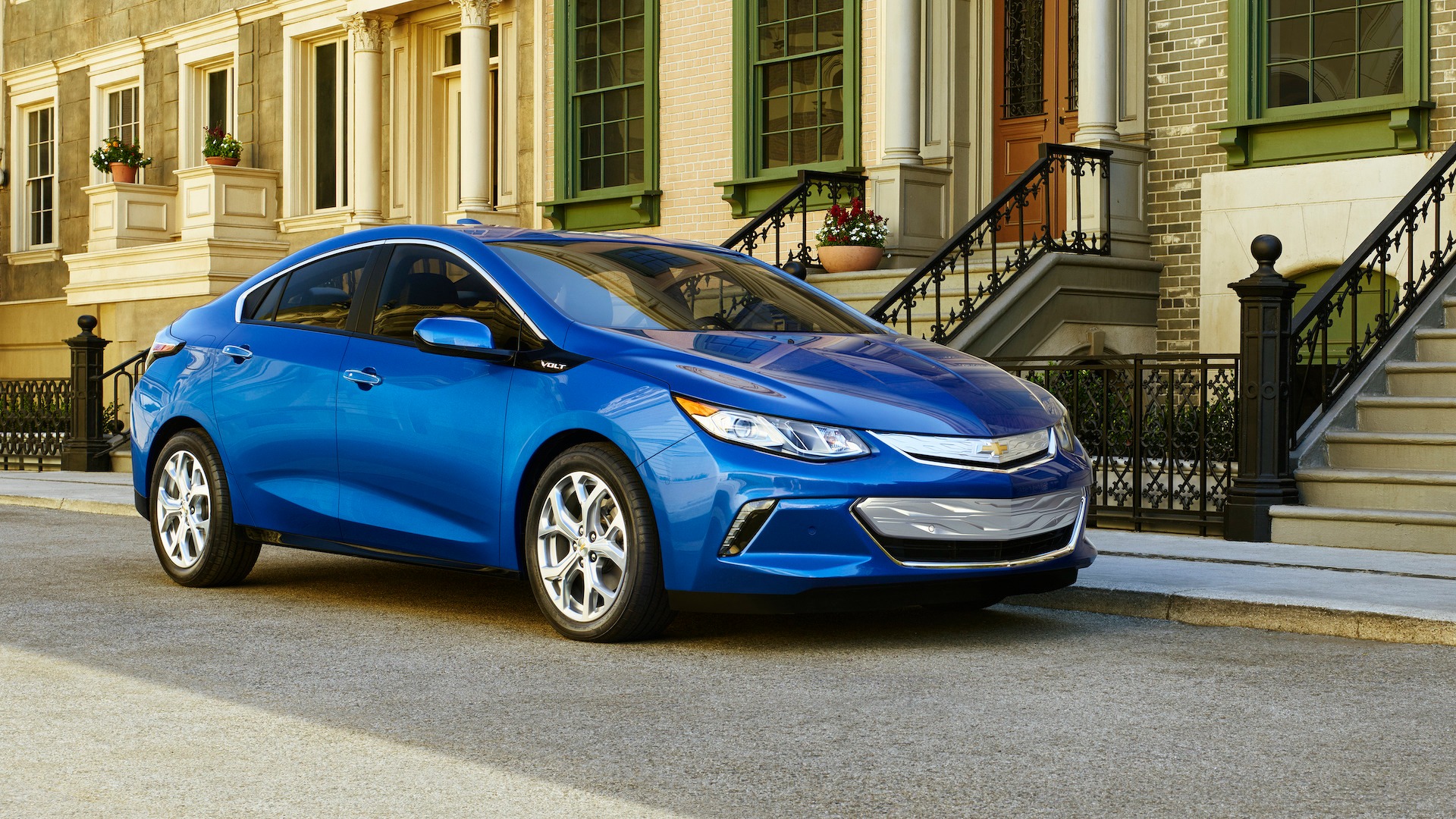
1. Chevrolet Volt (First Generation)
While the Chevrolet Volt received a lot of praise for its innovation and electric range, the first-generation models (2011–2015) come with some long-term headaches. The Volt operates as a plug-in hybrid with a fairly complex drivetrain that blends electric and gasoline power.
When new, this complexity helped it stand apart from other hybrids, but as the years go on, that same innovation has become a burden for many owners. Repairs can be both labor-intensive and expensive due to the vehicle’s unique dual-motor electric drive unit.
Specialized knowledge is often needed to diagnose issues, and many independent repair shops aren’t equipped to deal with Volt-specific components, forcing owners to rely on dealerships. This limits options and typically drives up the price for even basic service.
The battery system, while offering excellent range in its prime, has proven costly to replace or repair when things go wrong. Unlike a traditional hybrid battery, the Volt’s large lithium-ion pack is more similar to what you’d find in a full electric vehicle. That means costs for repair or replacement are significantly higher.
In some cases, owners have reported quotes upward of $8,000 to replace a failing battery. Since used Volt models are now relatively affordable on the market, these costs can easily exceed the value of the car, leaving owners in a frustrating position: either sink more money into a depreciated vehicle or let it go entirely. That kind of financial trap has turned many early adopters into skeptics.
Adding to the issue is the complexity of the onboard electronics. As hybrid technology has evolved, manufacturers have packed more advanced software into these systems. In the Volt’s case, various modules control everything from battery management to regenerative braking.
When one of these modules fails, diagnosing the issue can take time, and replacement parts aren’t cheap. Some owners have also reported problems with the power inverter module and the cooling system, both of which can lead to expensive repairs if left unchecked. The car’s engineering, while impressive, often works against the owner when things don’t function perfectly.
As much as the Volt deserves credit for pushing the hybrid and EV markets forward, it hasn’t aged as gracefully as some of its peers. For tech-savvy drivers willing to take on the potential costs, it might still be worth considering.
But for those hoping for a budget-friendly long-term option, the first-gen Volt carries too much financial risk to be recommended casually. It’s a car you buy with your eyes wide open, knowing that future repair bills may not be in line with its seemingly affordable price tag.
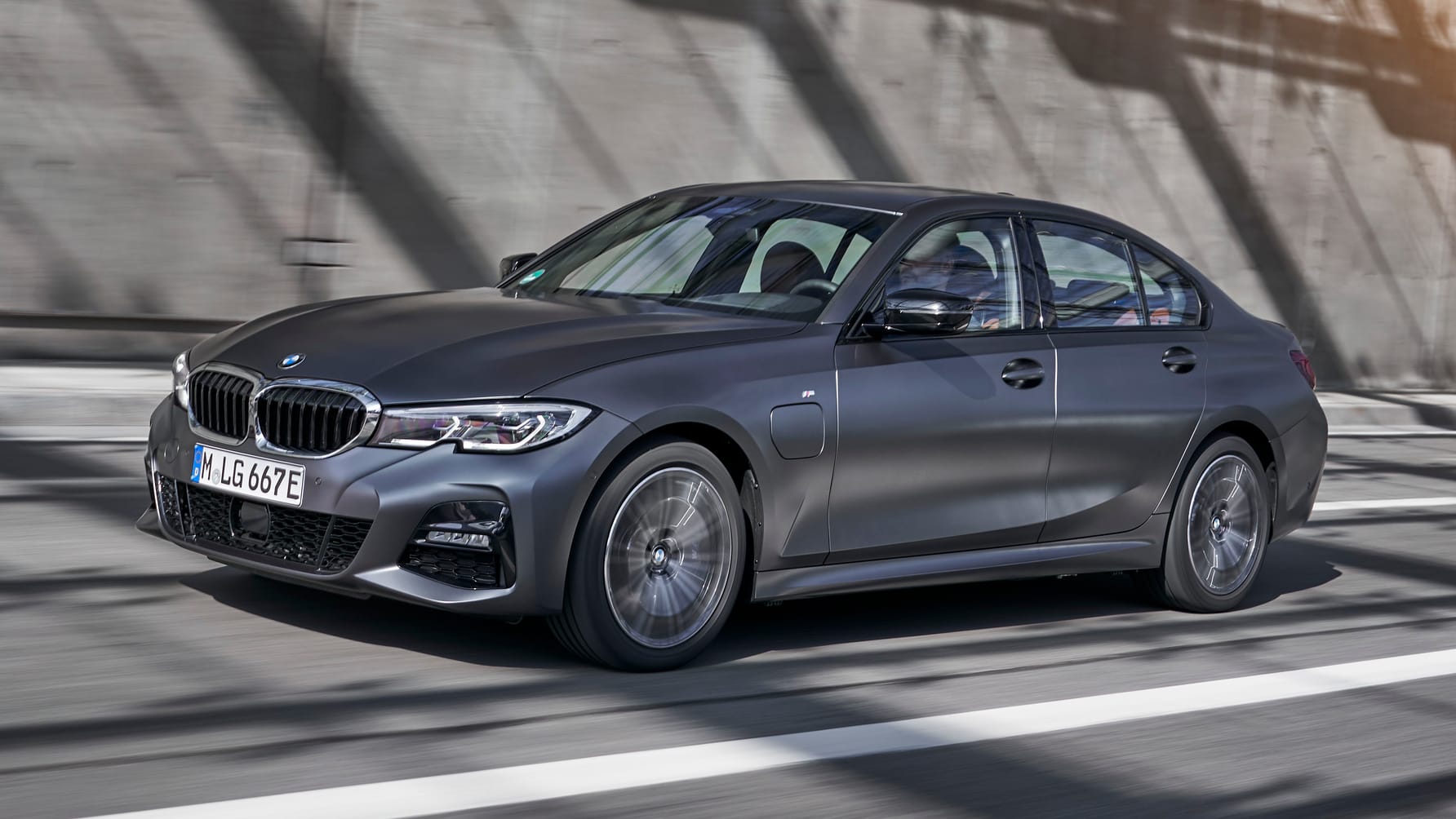
2. BMW 330e
The BMW 330e plug-in hybrid brings performance and prestige into the hybrid space, but it comes at a high cost. While it combines the sporty driving characteristics of a BMW 3 Series with the promise of electric efficiency, this vehicle is not easy or cheap to maintain over time.
It uses a turbocharged engine paired with a complex hybrid electric motor system, and together they create a drivetrain that offers a great ride but requires specialized tools and knowledge to service. For many owners, the real cost of owning this hybrid doesn’t come at the dealership or during the first couple of years, but rather down the line when problems start to develop and warranties have expired.
Like many European luxury cars, the 330e has a reputation for expensive parts and high labor costs. Issues with the hybrid system, turbocharger, or electronic control modules can easily result in bills that exceed several thousand dollars. Even routine maintenance, like brake work or fluid flushes, costs significantly more than what a non-luxury hybrid owner might pay.
And if a major component like the electric motor or the battery cooling system fails, you’re likely looking at a repair cost that makes you question the car’s long-term value. These issues become even more pronounced after the car has crossed the 80,000–100,000-mile mark, at which point repair frequency tends to increase.
What makes matters worse is the lack of support outside of BMW dealerships. Many hybrid-certified mechanics avoid working on European plug-in systems because they require brand-specific software and diagnostic tools. This often forces owners to take their vehicle back to a dealership, even for minor repairs, where hourly labor rates can be extremely high.
And unlike brands like Toyota or Honda, which have been working with hybrid tech for decades, BMW’s approach is more performance-focused, meaning reliability can sometimes take a backseat to innovation. This isn’t to say the 330e is poorly engineered, but rather that it’s not built for those looking to keep maintenance costs low.
Buyers often enter into ownership of a 330e expecting the best of both worlds: sportiness and sustainability. But once the car begins to age, they find that the promise of hybrid savings is overshadowed by the realities of European luxury ownership. It’s a car better suited for short leases or warranty-covered driving rather than a long-term investment. For the budget-conscious, this hybrid does not pay off in the end.
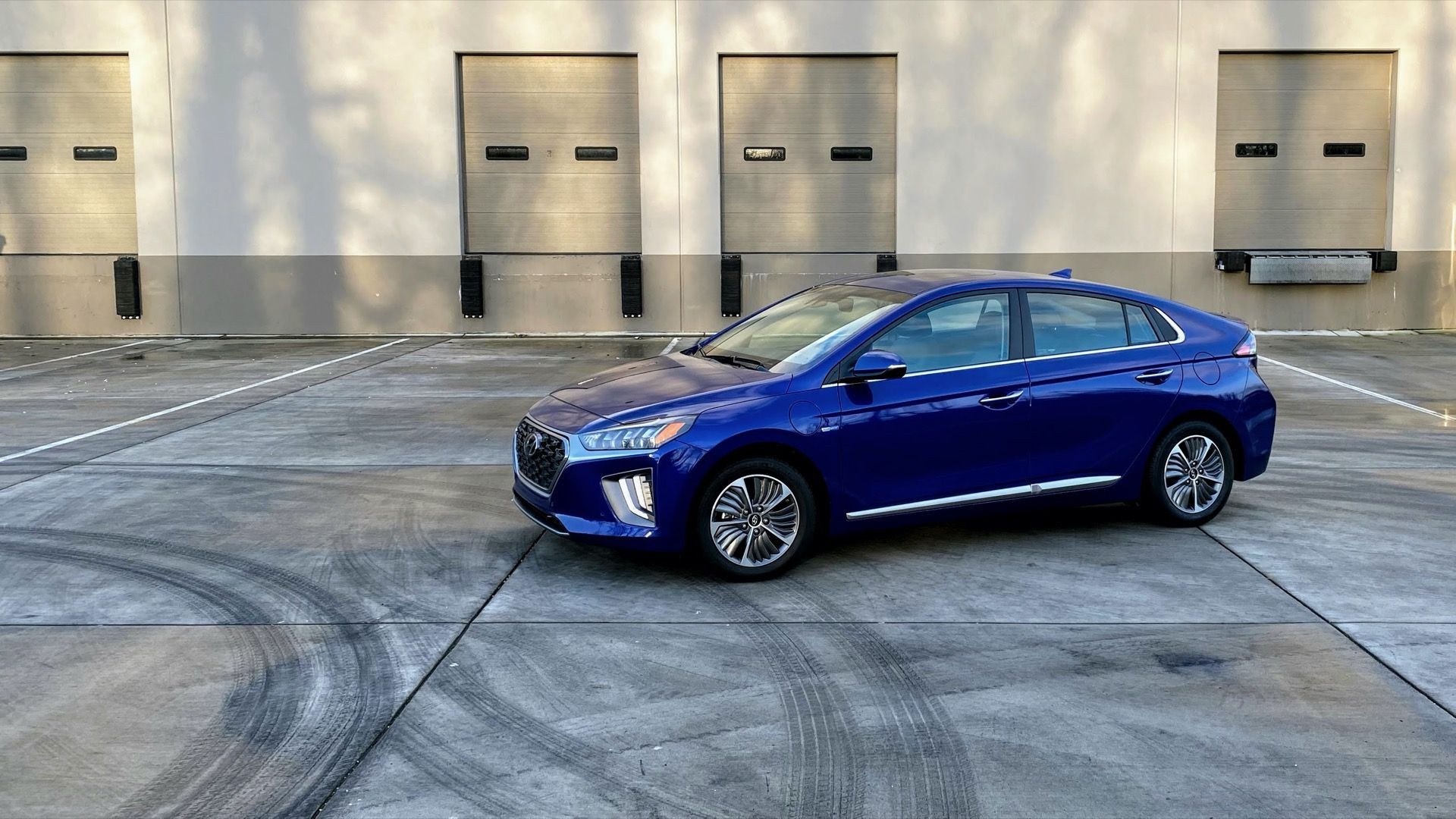
3. Hyundai Ioniq Plug-in Hybrid
The Hyundai Ioniq Plug-in Hybrid offers great features at a competitive price when new, but that value starts to erode over time due to high repair costs and limited parts availability. On the surface, the Ioniq seems like a smart choice for fuel economy and tech-savvy buyers.
It delivers excellent MPG, has a clean modern design, and includes generous features at a price lower than many rivals. However, as the vehicle gets older, it becomes harder and more expensive to maintain than it first appears. Owners have noted that finding compatible replacement parts, especially for the plug-in variant, can be surprisingly difficult depending on the region.
The Ioniq shares some components with its hybrid and electric cousins, but not everything is interchangeable. The plug-in hybrid variant includes extra components such as a larger battery, charging system, and different software for energy management.
When these systems malfunction, they often require dealership-level service. Independent shops may not have access to the necessary tools or parts to perform repairs, especially when it comes to the high-voltage battery pack or charger electronics. If a battery module begins to degrade, repair costs can become unmanageable, especially if the vehicle is out of warranty.
In addition, software-related issues have plagued some owners. Problems with the infotainment system, battery monitoring, or charging timers may not seem serious at first but often require extensive diagnostics and reprogramming.
While these aren’t as expensive as major mechanical failures, they contribute to the general impression that the Ioniq plug-in isn’t as refined or dependable as some of its longer-standing competitors. Inconsistent dealer experiences have also left some customers frustrated when trying to get warranty work approved or correctly diagnosed.
The Ioniq has its strengths, especially in the early years of ownership when warranty coverage shields you from the high cost of unexpected repairs. But once those protections run out, it becomes a riskier proposition.
If you’re planning to keep your hybrid for 10+ years and want predictable maintenance costs, the Ioniq Plug-in Hybrid may not deliver the peace of mind you’re hoping for. It’s a vehicle that feels cost-effective until it’s not.
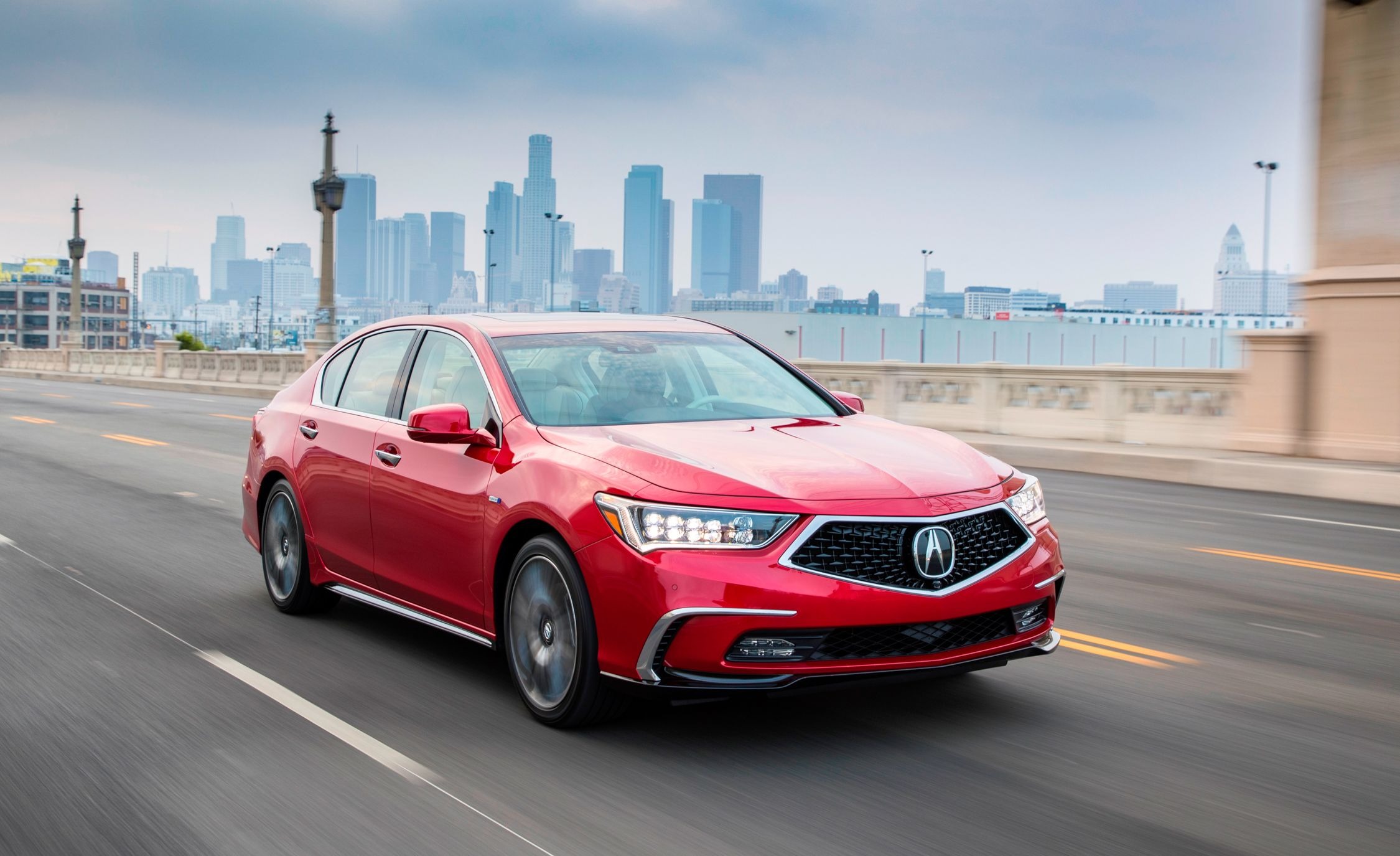
4. Acura RLX Sport Hybrid
The Acura RLX Sport Hybrid combines V6 power with a high-end all-wheel-drive hybrid system, offering a driving experience that’s both luxurious and high-tech. On paper, this should make it a standout option among premium hybrids.
But its complicated SH-AWD hybrid system introduces a host of long-term reliability concerns that have discouraged long-term ownership. The hybrid setup includes three electric motors and a dual-clutch transmission, all of which work in tandem with the gasoline engine. That makes for a smooth and responsive drive, but it also creates a complex machine with many points of potential failure.
When problems arise in the SH-AWD system, they can be costly and time-consuming to fix. Diagnosing issues is difficult due to the vehicle’s complexity, and parts are often not readily available.
Repairs require mechanics with specific knowledge of Acura’s hybrid system, and even among Acura-certified techs, experience with the RLX Sport Hybrid can be limited due to its relatively low sales volume. That leads to higher labor costs and longer wait times. Something as simple as a software fault or a sensor failure in one of the three electric motors can cause the entire hybrid system to go offline until properly addressed.
Another concern is the replacement cost of the hybrid battery and associated components. Unlike Toyota or Honda hybrids that use proven and mass-produced parts, the RLX uses a more exclusive system.
This increases costs significantly. Even if the battery lasts a long time, the eventual need to replace power electronics, motor controllers, or drivetrain components could result in bills that easily top $5,000–$7,000. That’s a lot of money for a car that depreciates quickly and doesn’t have a massive following in the resale market.
The RLX Sport Hybrid is a great vehicle when it works. It’s smooth, powerful, and filled with features. But it’s also a perfect example of why complex hybrids can become impractical as they age. Owners who hoped to enjoy years of worry-free driving often find themselves stuck with repair costs that rival those of far more exotic cars. If you’re drawn to the idea of a performance hybrid, it’s worth asking whether the long-term costs match the initial appeal.
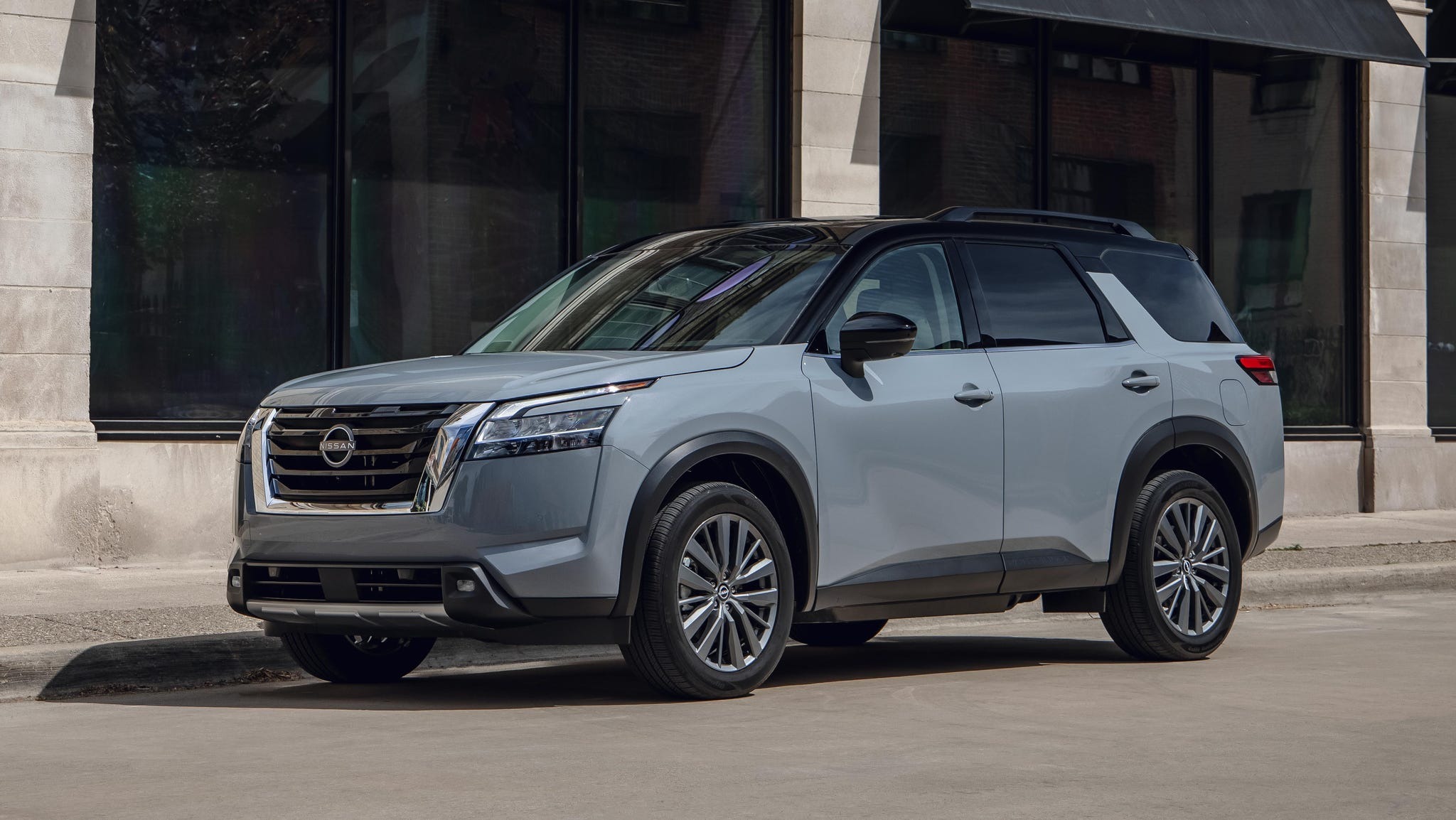
5. Nissan Pathfinder Hybrid
The Nissan Pathfinder Hybrid, particularly the model years 2014 and 2015, was an attempt by Nissan to combine SUV practicality with hybrid fuel efficiency. On paper, it offered the spaciousness of a family vehicle with better mileage than its purely gas-powered counterpart.
However, this hybrid system turned out to be problematic almost from the beginning. Unlike more mature hybrid systems from Toyota or Honda, Nissan’s hybrid technology in the Pathfinder was relatively new and experimental. It used a supercharged 2.5L four-cylinder engine paired with a small electric motor and a compact lithium-ion battery, but the integration was far from seamless.
One of the biggest issues with the Pathfinder Hybrid lies in its transmission. The vehicle uses a continuously variable transmission (CVT), and in hybrid form, it’s even more complex due to the electric drive integration. Many owners have reported issues with the CVT failing prematurely or exhibiting shuddering, jerking, or slipping.
These problems often appear just after the warranty period ends. Replacing or repairing this hybrid-specific CVT is extremely costly, often running $4,000 to $6,000 or more. Combine that with labor and potential delays in getting parts, and you’re looking at a substantial financial burden, especially considering these vehicles depreciate quickly on the used market.
Battery-related issues also plague this model. While the battery is smaller than those in some plug-in hybrids, it’s still an expensive part to replace. It’s also not easy to find used or refurbished packs due to the model’s low sales volume.
Because this particular version of the Pathfinder Hybrid was discontinued after just a couple of years, long-term support for parts, software updates, and even basic maintenance became patchy. Many independent shops won’t touch these vehicles because of the rarity and complexity of the system. That often forces owners to rely on Nissan dealerships, where service costs are significantly higher.
From a usability perspective, the Pathfinder Hybrid doesn’t even deliver much of an advantage over the standard gasoline model. The fuel savings are modest at best, and the power output is lower than expected.
When you factor in the higher purchase price, increased repair costs, and risk of serious mechanical failure, it becomes clear that the hybrid version of the Pathfinder is a questionable investment.
For a vehicle that aims to serve families and provide reliability, it instead introduces the kind of high-risk maintenance costs that most hybrid buyers are trying to avoid. For those looking at used SUVs with hybrid badges, this is one to approach with extreme caution.
