
When people buy a car, one of the first things they often consider, whether consciously or not, is how long it will last.
For some, reliability is as important as performance, looks, or even price. And when it comes to durability, one crucial factor stands out above all: how long the original parts stay in working condition.
While all vehicles require routine maintenance, some models are known to keep running smoothly on factory-installed components for years, sometimes hundreds of thousands of miles. Others, unfortunately, are notorious for needing early replacements of everything from transmissions to electronic modules.
The difference often lies in how the car is engineered, the quality of materials used, the reputation of the manufacturer, and sometimes even how specific model years were produced.
Some cars are built with longevity in mind, using engines and drivetrains that are slightly over-engineered for peace of mind.
Others might hit the market with stylish designs and fancy features but end up being plagued by early breakdowns, recalls, or system failures. And while no car is immune to wear and tear, some seem to defy the clock far better than others.
There’s something satisfying about driving a vehicle with hundreds of thousands of miles on the odometer, still functioning on the same engine, transmission, and key mechanical components it left the factory with.
It speaks volumes not only about the manufacturer’s commitment to quality but also about the car’s ability to handle the real-world abuse that comes from daily driving.
On the other side, some vehicles frustrate their owners with failing parts, check engine lights, and escalating repair bills, even at moderate mileage.
This article looks at ten specific cars, five that have earned a reputation for running on their original parts far beyond expectations, and five that commonly need part replacements long before their time.
Each section offers a look at what makes each car stand out or stumble, based on real-world performance, long-term reliability, and the experience of owners and mechanics alike.
Whether you’re looking for a used car that won’t give you problems or simply enjoy comparing automotive legends and letdowns, this breakdown gives a clear picture of which vehicles have stood the test of time and which ones fell short.
Also Read: 10 Hacks That Keep a Toyota GR Corolla Track-Ready Forever
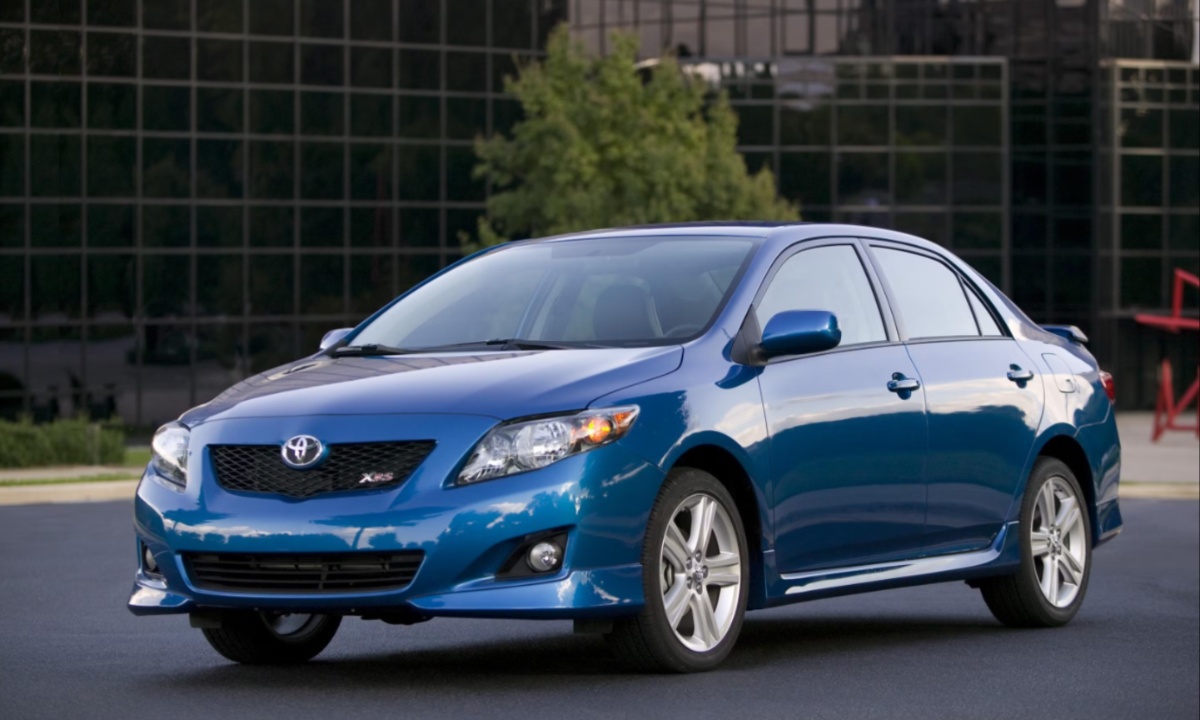
1. Toyota Corolla
The Toyota Corolla has been a staple of global transportation for decades, and for good reason. This car has built its reputation on reliability and simplicity, and it continues to deliver consistent performance with minimal repairs.
One of the most remarkable things about the Corolla is its ability to maintain its original parts for an incredibly long time. Engines regularly go past 300,000 miles with only routine oil changes and timing belt replacements, which speaks volumes about the engineering behind it.
What makes the Corolla such a long-lasting machine isn’t just good fortune or coincidence. The design is intentionally conservative, avoiding overcomplication in favor of proven mechanics.
Toyota tends to use the same engine platforms across multiple model years, meaning they are thoroughly tested and fine-tuned.
This focus on reliability means fewer surprises down the road and less wear and tear on crucial components. Many owners report still having the original transmission and suspension well into the life of the car.
Another reason the Corolla excels is its ease of maintenance. Even when something does eventually need attention, the parts are relatively inexpensive, and labor tends to be simple due to the straightforward design.
This means that even small repairs don’t snowball into major expenses, and because the original components are well-built, replacements aren’t often necessary in the first place. It’s a car that rewards regular upkeep without demanding much.
Long-time Corolla owners often express pride in the fact that their vehicles continue running on factory parts.
While every car needs brake pads and tires eventually, the critical systems like the engine, gearbox, and drivetrain hold up far longer than most would expect. In a market where many cars start to show signs of failure by 100,000 miles, the Corolla often feels like it’s just getting started.
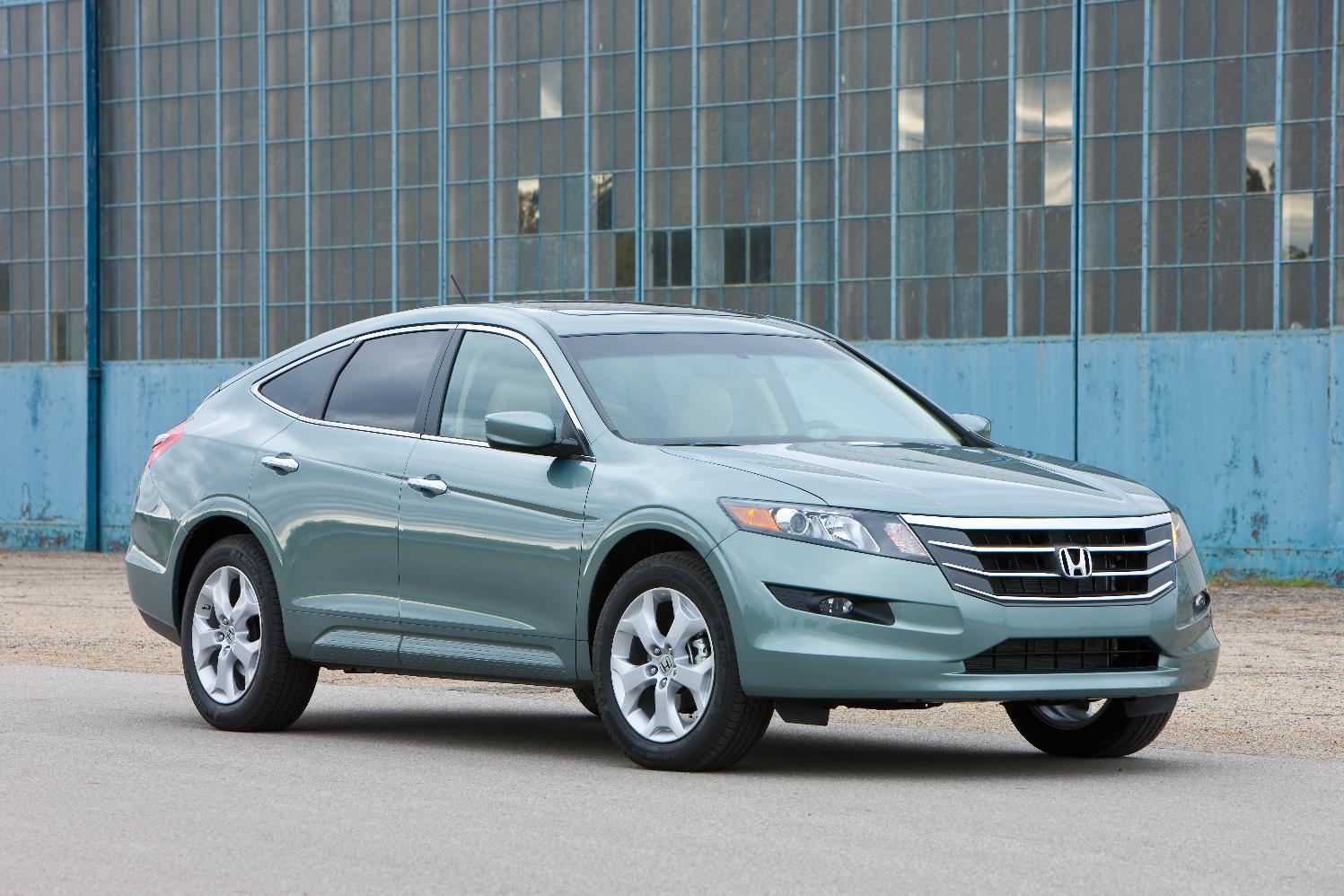
2. Honda Accord – Built to Last
The Honda Accord has long been a favorite among drivers looking for a reliable, comfortable, and efficient vehicle. It’s not uncommon to see Accords from the early 2000s still on the road, often with their original engines and transmissions.
Honda put a strong emphasis on longevity, and many mechanics agree that the Accord is one of the best cars ever made when it comes to holding on to its original parts.
One of the keys to the Accord’s longevity is Honda’s excellent engine design. The four-cylinder engines in particular are known for their balance and smooth operation.
Timing chains instead of belts in many models mean fewer major service intervals, and the engines are rarely pushed beyond their limits, helping them stay healthy. The automatic transmissions, while not perfect, have improved significantly in later years and can last well past 200,000 miles without major issues.
The suspension system, body structure, and interior materials are also built with endurance in mind. Rust is not a common issue in most climates, and the interior tends to hold up better than many competitors.
Electronics and sensors have their quirks, but the majority of owners find that even these systems last longer than expected. With regular maintenance, original air conditioning units, radiators, and even alternators can continue working well past the ten-year mark.
People often purchase Accords with the expectation that they won’t have to worry about major repairs for a long time, and that expectation is often met.
While not every model year is perfect, the consistency across decades of production is impressive. The Accord shows that thoughtful engineering and quality materials can produce a car that stays on the road, and mostly unchanged, for much longer than average.
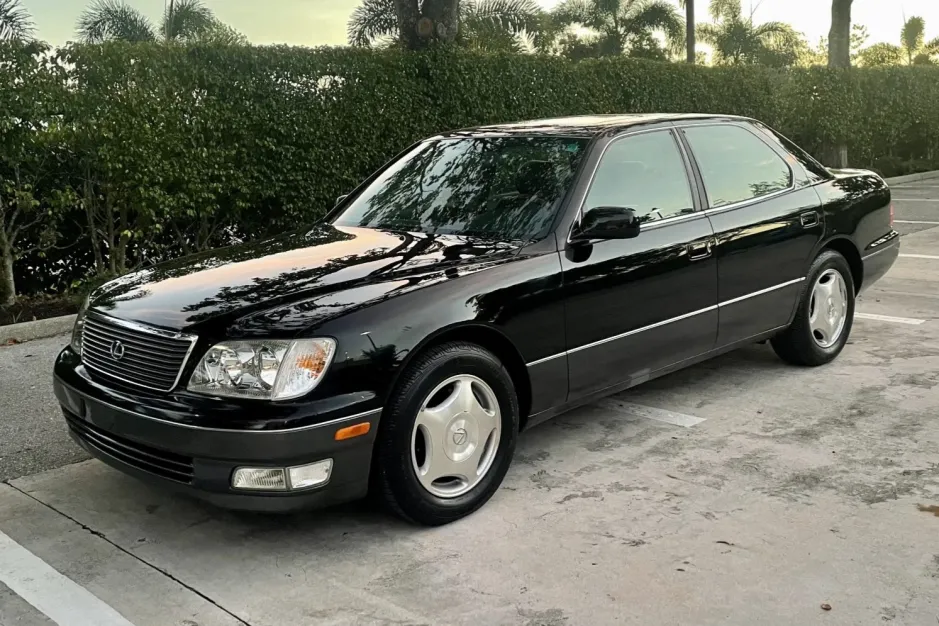
3. Lexus LS400 – A Luxury Tank
The Lexus LS400 was Toyota’s first serious entry into the luxury car market, and it was engineered to show that Japan could compete with the best from Germany. The LS400 wasn’t just a luxury sedan; it was a statement of quality and durability.
These cars were famously overbuilt, with incredible attention to detail in every part of the vehicle. As a result, many LS400s are still on the road today, running on their original engines, transmissions, and even suspension components.
The 1UZ-FE V8 engine used in the LS400 is often regarded as one of the most bulletproof engines ever made. With proper oil changes and maintenance, it’s not unusual for these engines to exceed 400,000 miles.
Many owners never experience engine failure or major mechanical issues. The transmission is equally durable, shifting smoothly even after decades of use, and most of the original components, from fuel pumps to power steering systems- hold up impressively well.
Another standout feature is the build quality of the cabin and electronics. Unlike many luxury cars from the 90s, the LS400 doesn’t suffer from a lot of electrical gremlins or plastic that falls apart.
The materials inside feel solid and are built to endure. Climate control systems, navigation screens, and power seats often continue to work like new, even after years of daily driving.
What truly sets the LS400 apart is how little it demands from the owner. While luxury cars are often expensive to maintain, this Lexus manages to avoid that trap by simply not needing many parts replaced.
Its combination of quiet performance, understated design, and long-term durability makes it a standout example of what a car can achieve when engineers are given the freedom to focus on quality above all else.
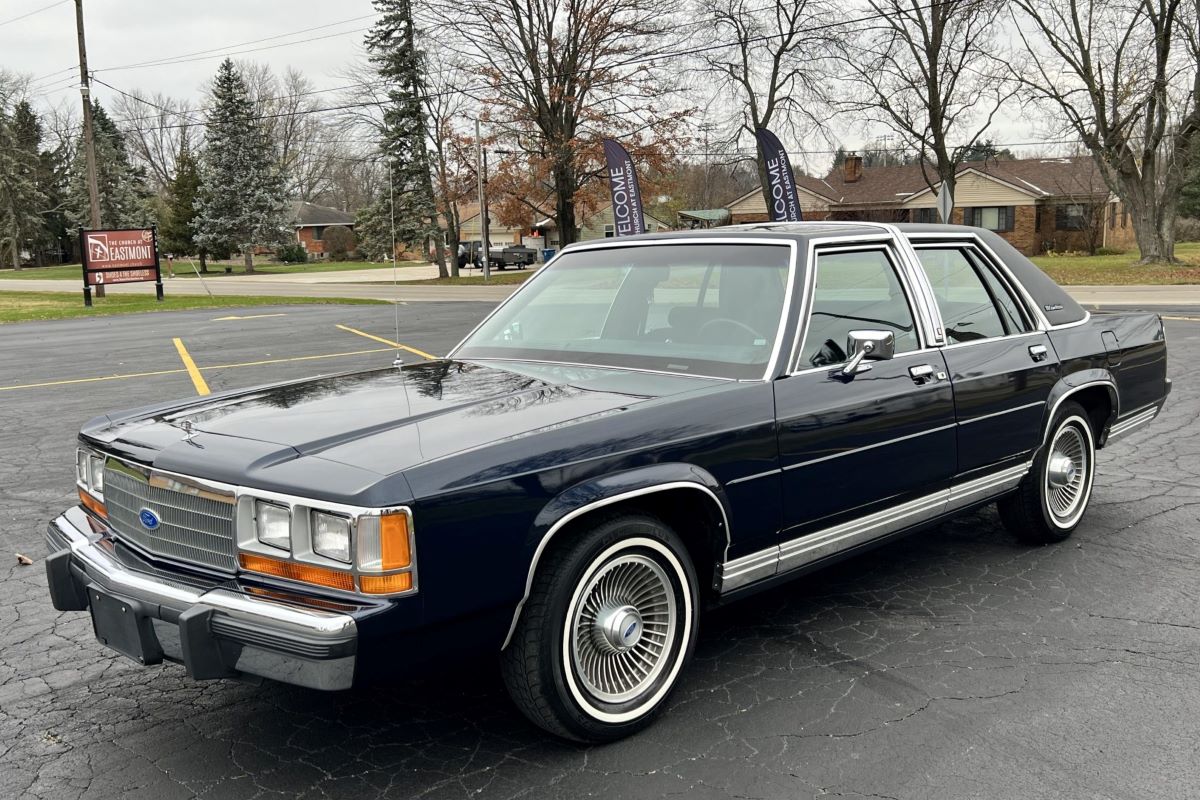
4. Ford Crown Victoria – The Workhorse
The Ford Crown Victoria might not be glamorous, but it has earned a cult following for being nearly indestructible. Used widely as police cars and taxis, these vehicles were built to endure constant use, and they do it remarkably well.
Many Crown Vics are still out there running on their original V8 engines and automatic transmissions after hundreds of thousands of hard miles.
The key to the Crown Vic’s endurance is its simplicity. It was never overloaded with complex electronics or untested features. Instead, it relied on a tried-and-true platform and components that could take abuse without failing.
The 4.6-liter V8 engine, though not the most powerful, was incredibly robust. It doesn’t strain itself, and it rarely surprises its owner with unexpected problems. As long as oil changes and fluid checks are kept up, the engine keeps running strong.
Suspension components, especially in police interceptors, were designed to handle rough roads and aggressive driving. That means the average civilian-owned Crown Vic has an even easier life, and the original parts tend to last a long time.
Even the transmission, which takes a lot of stress in stop-and-go driving, tends to outlast the typical expectations. Many owners report still having the original transmission after 200,000 or even 300,000 miles.
Inside the car, the story is similar. The seats are basic but durable, the electronics are minimal but functional, and the air conditioning systems tend to be more reliable than flashier cars.
What the Crown Vic lacks in excitement, it makes up for in toughness. It’s a perfect example of a car that can keep rolling for decades on the same parts it left the factory with.

5. Subaru Outback – A Mixed Bag
While Subaru has a reputation for safety and all-weather capability, the long-term durability of the original parts in the Outback is more of a mixed story. Some owners have positive experiences, while others face expensive repairs earlier than they should.
The Subaru Outback is praised for its practicality, all-wheel-drive system, and safety features. However, when it comes to retaining original parts over the long term, the Outback has a more complicated reputation.
Many older models, especially those built in the late 1990s and early 2000s, suffered from head gasket failures.
This particular problem is a common issue for Subaru’s boxer engines during that era. While the head gasket repair is well-understood and fixable, it often results in early engine overhauls, meaning the engine may not remain entirely original for as long as some owners hope.
Beyond the head gasket issue, other components such as the suspension and drivetrain in older Outbacks have faced criticism for wearing out sooner than expected.
The rugged reputation of the Outback is often tested when these parts fail due to the added stress of off-road and all-weather use, which many owners subject their vehicles to.
The complexity of the all-wheel-drive system also means more components can wear prematurely compared to simpler two-wheel-drive vehicles. This leads to repairs or part replacements that some owners might not anticipate within the first 100,000 miles.
On the positive side, Subaru addressed many of these issues in later model years by improving engine components and redesigning problematic parts. Newer Outbacks tend to have better reliability records and longer-lasting transmissions and suspension systems.
Owners who maintain their vehicles diligently often see better results, with some cars running well past 200,000 miles on mostly original components. However, compared to models like the Toyota Corolla or Honda Accord, the Outback’s original parts longevity is less consistent.
Lastly, electronic components and interior materials in the Outback show a reasonable lifespan but don’t stand out as particularly durable. Infotainment systems and sensors can develop faults, especially in higher-mileage vehicles, sometimes necessitating replacements or repairs.
The Outback sits in the middle ground, offering many years of service but often requiring earlier replacement of some key parts, especially in earlier model years.
Cars That Don’t Keep Running on Original Parts
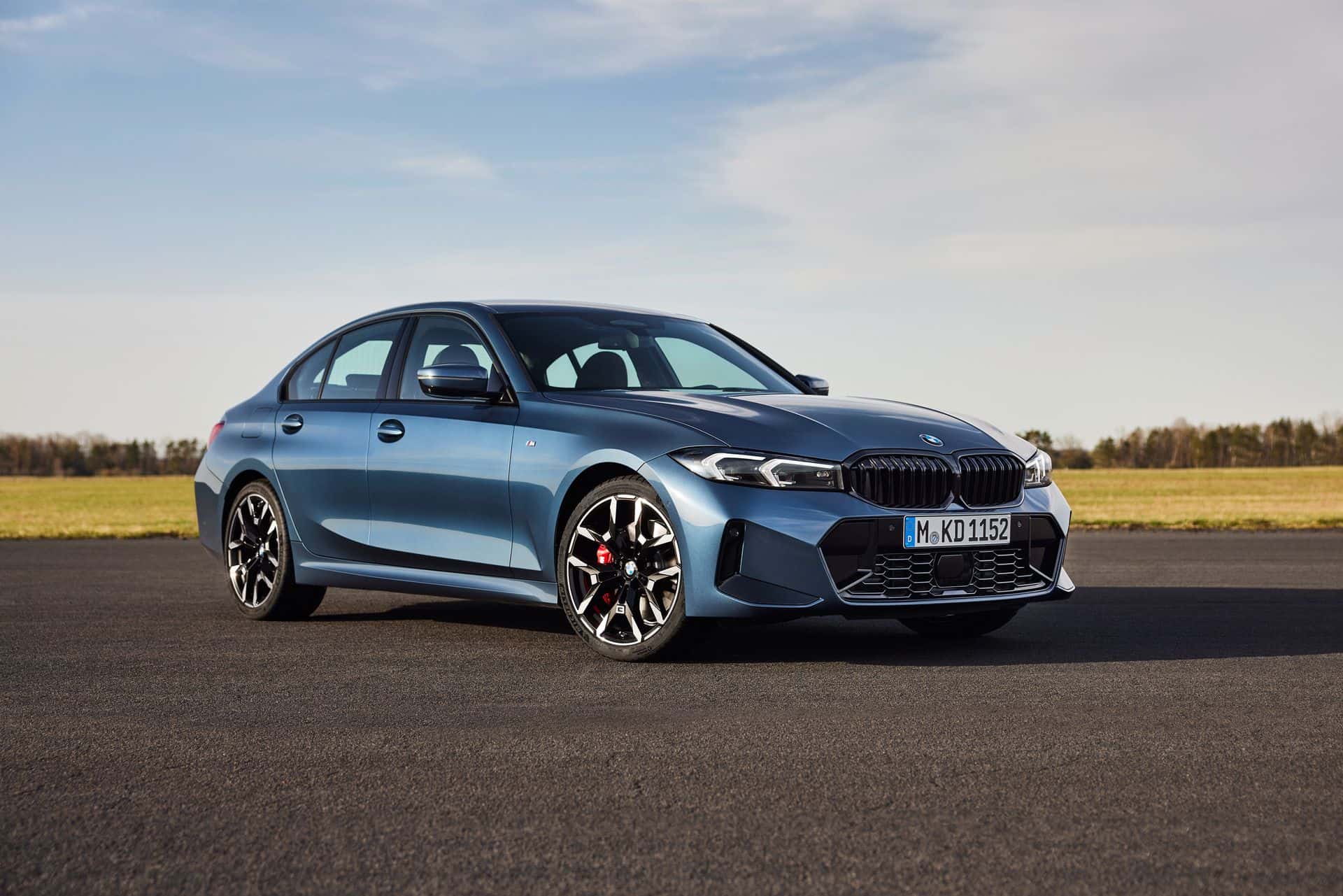
6. BMW 3 Series (E46) – A Complex Puzzle
The BMW 3 Series, especially the E46 generation produced from 1998 to 2006, is loved by enthusiasts for its driving dynamics and performance. However, from a reliability standpoint, it’s notorious for not holding onto its original parts for very long.
While the engines can be robust, other components frequently need replacing earlier than expected, leading to costly maintenance and a reputation for being less reliable than some of its competitors.
One of the biggest challenges with the E46 is its cooling system. Radiators, water pumps, and thermostat housings are common failure points, often requiring replacement well before the car reaches 100,000 miles.
Failure to address these issues promptly can lead to engine overheating and severe damage. Additionally, subframe mounts and suspension bushings wear out more quickly due to the car’s sporty handling characteristics, resulting in noisy or loose steering and increased repair bills.
Another significant issue is the electrical system. While BMWs are known for their advanced technology, this also means there are many potential points of failure. Window regulators, central locking systems, and various sensors may fail prematurely.
The complexity of the electronics also makes diagnosing problems difficult and expensive. These issues are compounded by the fact that BMW parts tend to be pricey, meaning even routine repairs can become costly and require frequent part replacements.
Interior wear and tear also affect the E46’s longevity. While the cabin is driver-focused and well-appointed, switches, buttons, and trim pieces tend to degrade or break after moderate use.
Owners may find themselves replacing door handles, climate control buttons, and even seats more often than they would with more utilitarian vehicles. The cumulative effect of these problems means that many E46s on the road today have had numerous parts swapped out over the years.

7. Volkswagen Passat (B6) – Fragile Components
The Volkswagen Passat B6, produced between 2005 and 2010, brought a more upscale feel and modern design to the midsize segment.
However, it also brought a slew of reliability problems that cause it to struggle to keep its original parts for long. This model is often criticized for fragile engine components, transmission issues, and electrical gremlins that plague owners at relatively low mileage.
The TSI engines in many B6 Passats are known for timing chain tensioner problems. When these tensioners fail, it can lead to catastrophic engine damage if not repaired quickly.
Unlike timing belts that require scheduled replacement, these tensioners are expected to last the engine’s lifetime, but often do not, forcing early engine repairs or replacements.
Additionally, oil consumption can be excessive in certain models, forcing owners to perform more frequent top-offs or engine rebuilds.
Transmission failures are another headache for Passat owners. The DSG (direct-shift gearbox) in particular is notorious for mechatronic failures, causing jerky shifts, stalling, or complete transmission failure.
Repairs or replacements of these transmissions are often expensive, and many vehicles require transmission servicing or part swaps within the first 100,000 miles. Older automatic transmissions in this generation also suffer from reliability issues, contributing to a poor reputation.
Electrical issues round out the Passat’s problems. Sensors, climate control units, and electronic modules can malfunction, often resulting in warning lights or poor system performance.
Interior parts are prone to breaking or wearing prematurely, and some owners report problems with door locks and window regulators. These recurring issues mean that many Passats on the road today have been patched up multiple times, with original parts long gone.
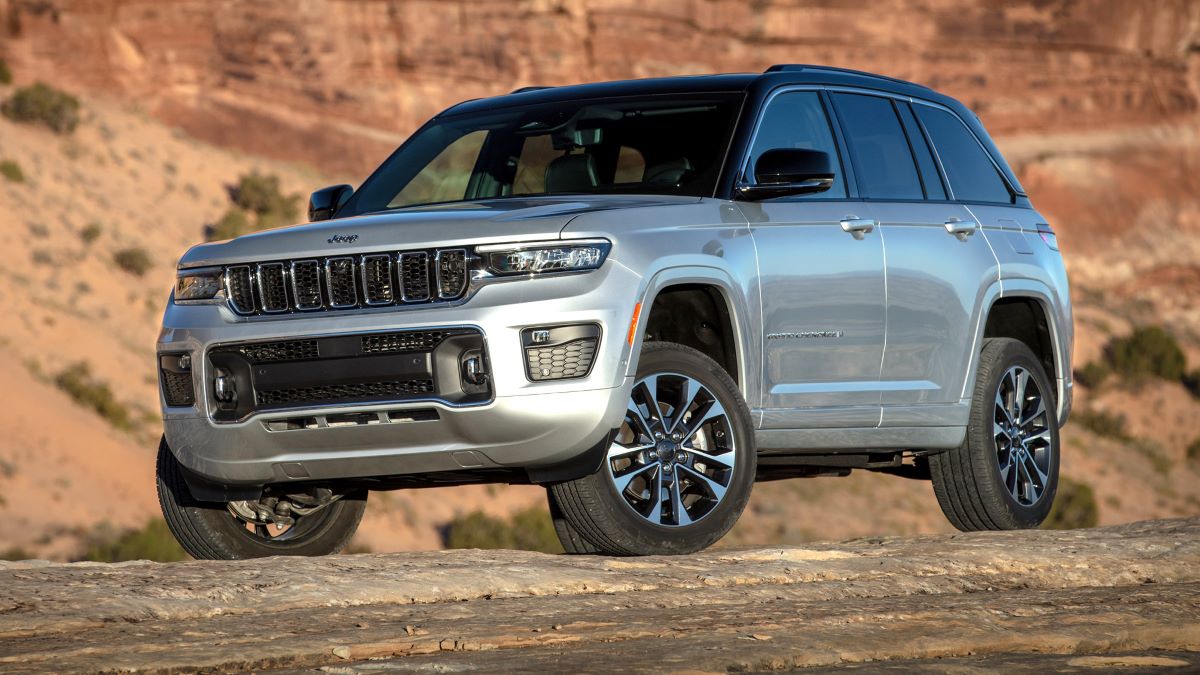
8. Jeep Grand Cherokee (WK2) – Durability Concerns
The Jeep Grand Cherokee WK2, produced from 2011 to 2021, is known for its off-road prowess and comfortable ride. However, its ability to maintain original parts over the long haul is questionable.
Many owners report early failures in critical systems such as the air suspension, electronics, and drivetrain components, forcing part replacements sooner than expected.
The air suspension system, while excellent for comfort and off-road capability, is a common source of problems. Air bags, compressors, and valves frequently fail, often requiring replacement or repair after only a few years.
These parts are expensive and labor-intensive to fix. The complexity of the system means that many owners choose to convert to traditional coil springs after multiple failures, abandoning the original air suspension parts entirely.
Engine and transmission issues also surface, especially in higher-mileage vehicles. Some models equipped with the 3.6-liter Pentastar V6 have seen problems with oil consumption, timing chain stretch, and camshaft issues.
Transmission failures, although less common than in some competitors, do happen, often tied to electronic control modules or sensor failures that cause erratic shifting or limp modes. These issues tend to require part replacements well before the vehicle reaches high mileage.
On the electronic side, the WK2 Grand Cherokee is packed with technology, including advanced infotainment and driver assistance systems.
Unfortunately, these systems sometimes suffer from glitches and component failures, such as faulty sensors, malfunctioning touchscreen displays, and problems with the keyless entry system. Replacement parts for these systems are often costly and, combined with mechanical problems, contribute to a reputation for high maintenance needs.
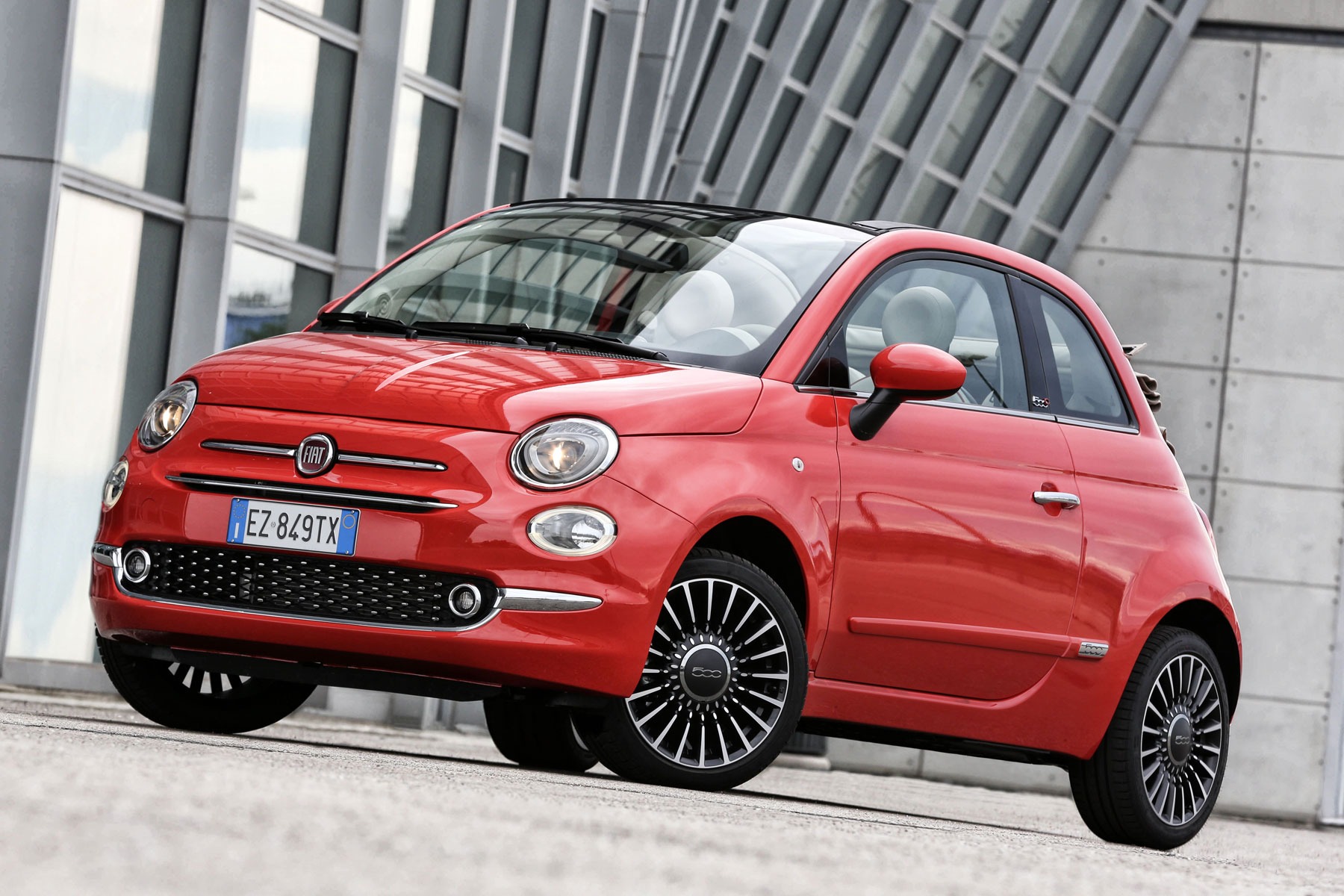
9. Fiat 500 – A Stylish but Fragile City Car
The Fiat 500, particularly the first generation launched in the late 2000s, gained popularity for its retro style and compact size.
However, beneath the charming exterior lies a vehicle that struggles to keep original parts running for long, with frequent complaints about mechanical and electrical reliability. Many owners find themselves replacing parts earlier than expected, making it a less-than-ideal choice for those seeking durability.
One of the most frequently reported issues involves the engine and transmission. Small turbocharged engines are prone to overheating and oil leaks, which can lead to premature engine wear or failure.
The dual-clutch transmissions, designed to offer smooth shifting and efficiency, often experience jerky shifts, clutch slippage, and mechanical breakdowns that require repair or replacement. Many drivers report that these transmissions fail well before 100,000 miles.
Electrical gremlins also plague the Fiat 500. Problems with the wiring harness, faulty sensors, and malfunctioning infotainment systems are common complaints.
These electrical faults often cause warning lights and erratic behavior in other systems, such as power windows, lights, and dashboard displays. Since Fiat parts can be expensive and repairs complicated, these issues contribute significantly to maintenance costs and frustration.
The interior materials and build quality also leave much to be desired. Many owners note that buttons, trim pieces, and seat fabric wear prematurely, requiring replacement or repair.
The small size of the car also limits the durability of suspension and chassis components, especially on rough roads. All these factors combined mean that the Fiat 500 often requires multiple part replacements to keep it running reliably, challenging the idea of it being a long-term keeper of original components.
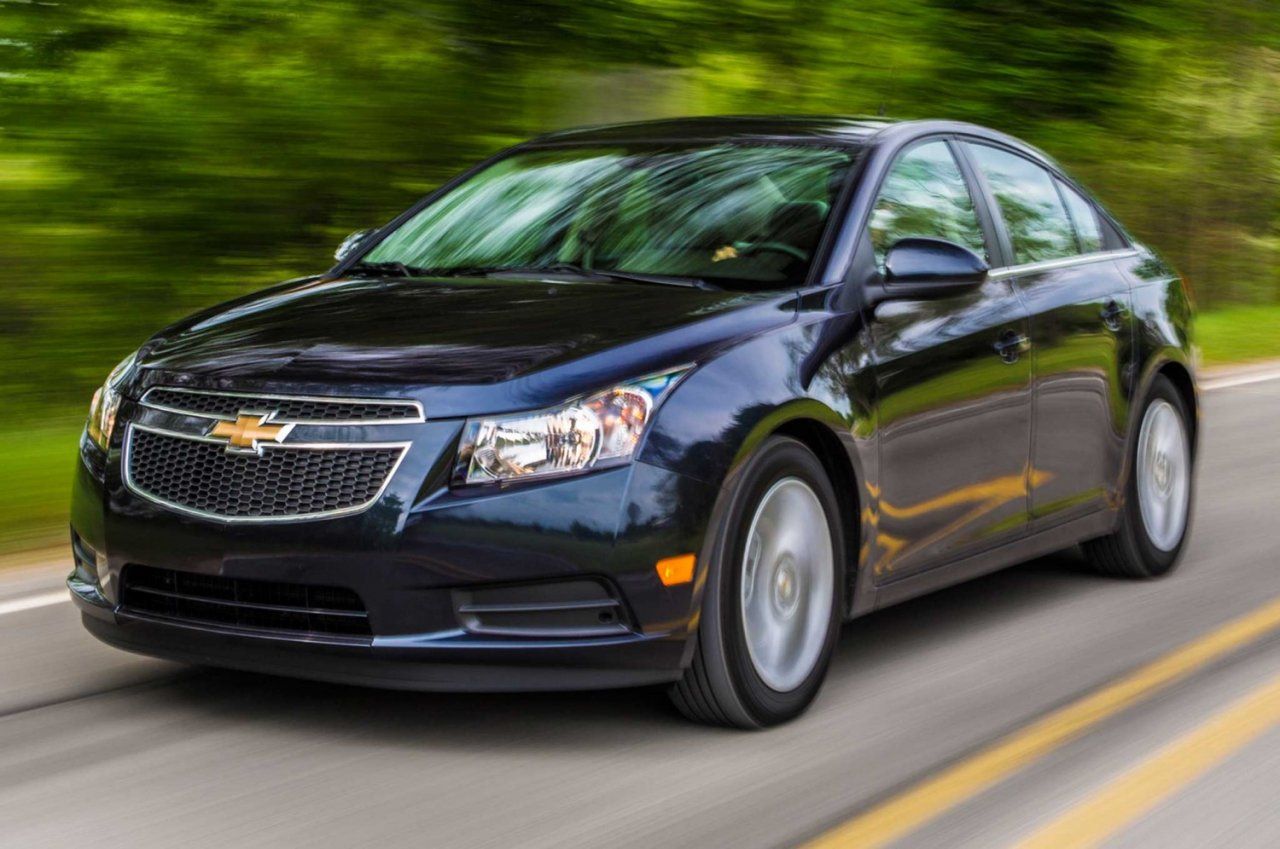
10. Chevrolet Cruze
The Chevrolet Cruze, introduced in 2008 as a compact sedan, offers good fuel efficiency and modern features but has a reputation for parts wearing out earlier than expected.
From engine components to transmissions and electrical systems, many Cruze owners have experienced the need for replacements long before they anticipated.
Engine troubles are at the forefront of the Cruze’s issues. Early models with the 1.4L turbocharged engine suffered from coolant leaks, head gasket failures, and carbon buildup problems.
These issues often led to engine overheating and costly repairs or rebuilds. Even naturally aspirated engines in later models have seen timing chain and oil pump problems, requiring parts replacement sooner than expected.
Transmission reliability is another weak spot. Automatic transmissions in the Cruze sometimes exhibit rough shifting, hesitation, or failure after moderate use.
Repairing or replacing these transmissions can be expensive, and the need for such work before 100,000 miles is not uncommon. Manual transmissions fare better but are still not immune to clutch or synchro wear that leads to early part replacement.
Electrical and interior components also contribute to the Cruze’s maintenance issues. Faulty sensors, malfunctioning infotainment systems, and premature wear of switches and upholstery are frequently reported.
These problems, combined with mechanical issues, often mean that original parts in the Cruze do not last as long as many competing vehicles, resulting in higher ownership costs and inconvenience.
Also Read: 7 Bad Habits That Ruin a Jeep Patriot Transmission
Choosing a car that retains its original parts over many years and miles is a testament to solid engineering, quality materials, and thoughtful design.
Throughout this article, the contrast between vehicles that keep running on their original components and those that require frequent part replacements has become clear.
The cars that excel at longevity, such as the Toyota Corolla, Honda Accord, Lexus LS400, Ford Crown Victoria, and to some extent the Subaru Outback, share certain traits.
They tend to feature proven mechanical designs, simplicity where possible, and well-tested systems that can withstand years of use without excessive wear. These vehicles also benefit from ease of maintenance, which helps owners keep critical components in good shape without incurring large expenses or downtime.
In contrast, the cars that often fail to keep original parts for long, like the BMW E46, Volkswagen Passat B6, Jeep Grand Cherokee WK2, Fiat 500, and Chevrolet Cruze, tend to incorporate complex systems or components that push the limits of technology without the necessary reliability.
In many cases, intricate electronics, advanced transmissions, or performance-focused engineering lead to higher failure rates or premature wear.
These models may offer excitement, luxury, or unique features, but this often comes at the cost of durability and increased repair bills. Owners frequently face the dilemma of balancing the appeal of their vehicles against the inconvenience and expense of replacing parts.
The differences between these two groups highlight important lessons for anyone in the market for a vehicle, whether new or used. Reliability and the ability to maintain original parts over time matter because they affect total ownership costs, satisfaction, and peace of mind.
A car that can go hundreds of thousands of miles without major part replacements offers more than just convenience; it provides confidence.
Knowing that the engine, transmission, suspension, and other core components can last a long time without surprises can transform the ownership experience from a series of worries into a dependable partnership.
The best choice depends on individual priorities. Some drivers may prioritize style, performance, or cutting-edge features over longevity, while others seek a straightforward, durable vehicle that can withstand daily use with minimal fuss.
Recognizing which cars tend to fall into these categories helps set realistic expectations and enables better-informed decisions.
While no car is perfect, those with a track record of keeping original parts for the long haul have proven their value over time. For many drivers, that enduring reliability remains the most important quality a vehicle can offer.
