
Modern vehicles rely heavily on complex electrical systems. From ignition modules to infotainment units, sensors, and safety features, a car’s dependability now hinges not just on its mechanical engineering but also on the consistency and quality of its electrical architecture.
Some automakers have managed to master this integration better than others, resulting in vehicles that offer years of trouble-free service. On the other side of the spectrum, certain models suffer from persistent issues, whether it’s faulty alternators, sensor malfunctions, or software bugs that lead to more time in the shop than on the road.
Reliability is often a top consideration for anyone in the market for a car, and electrical issues can be one of the most frustrating and unpredictable categories of problems to deal with. They’re often hard to diagnose, expensive to repair, and can affect core functions like starting the car, operating windows and locks, or keeping critical safety systems online.
For individuals seeking peace of mind, selecting a car with a proven track record of electrical reliability can mean avoiding significant stress and expenses in the long run.
It’s not just about brand loyalty or reputation, either. Specific models within even well-respected brands can differ significantly in how well their electrical systems perform.
Similarly, some budget-friendly options have surprised buyers by holding up remarkably well over time, showing that price doesn’t always dictate reliability. Many factors contribute to electrical dependability, including engineering standards, supplier quality, platform design, and how early in the model cycle a vehicle was built.
Below, we’ll look at five cars that have built strong reputations for electrical reliability. These models have earned praise from owners, mechanics, and reliability surveys for rarely suffering from electrical headaches.
After that, we’ll break down five cars that have developed a pattern of electrical problems, often causing ongoing frustration for their owners. These are the models that should raise a red flag for those who prioritize hassle-free ownership.
Also Read: 5 Motors That Love Long Drives and 5 That Hate Highways
5 Cars That Rarely Have Electrical Issues
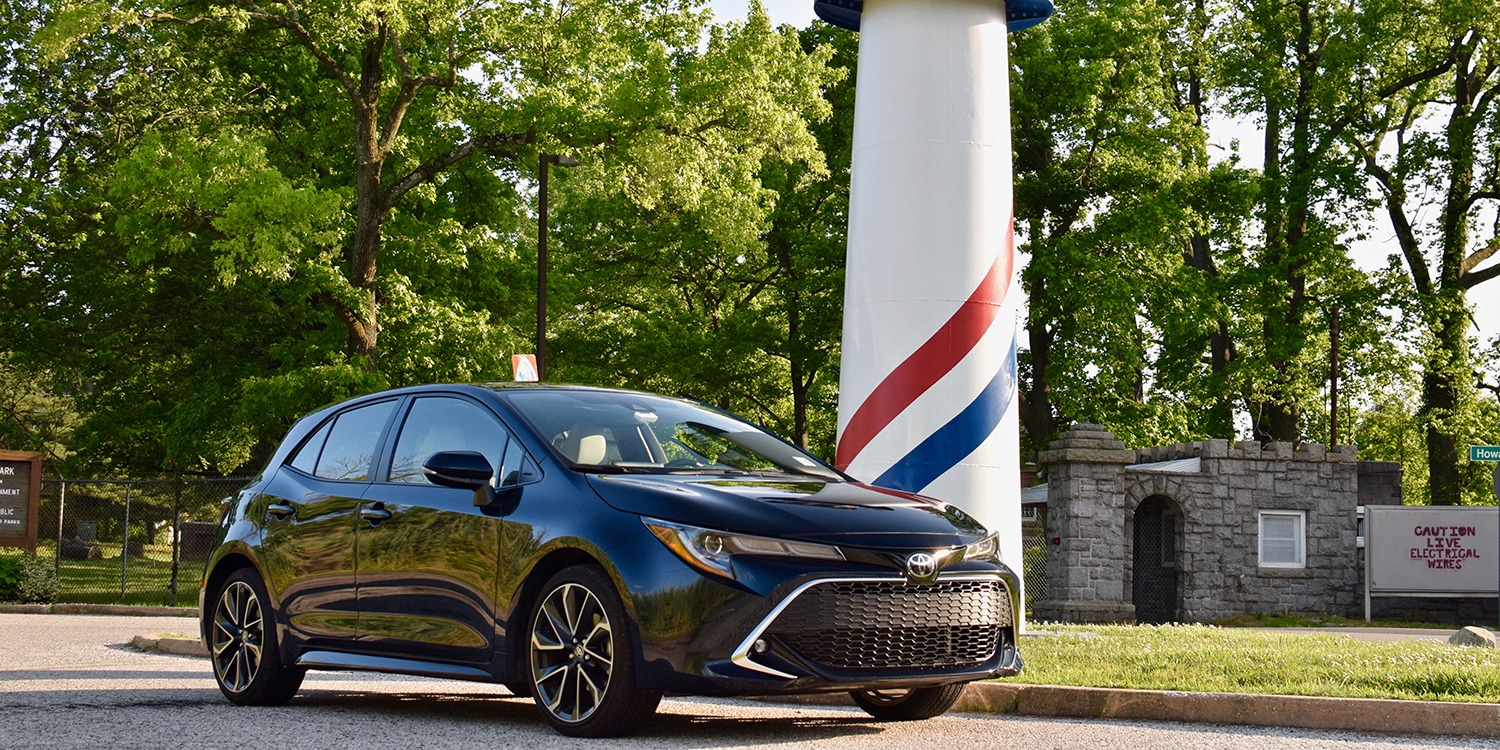
1. Toyota Corolla
The Toyota Corolla is often used as the benchmark for automotive reliability, and electrical dependability is one of its standout features. Whether you’re looking at the older generations or the newer, tech-heavy models, the Corolla consistently avoids the pitfalls that plague many competitors.
Its electrical systems are designed with simplicity and durability in mind. Toyota doesn’t overcomplicate their wiring harnesses, and that means fewer connection points and a lower chance of failures over time. Sensors and modules are well-tested and rarely need replacing within the first 100,000 miles.
One key reason for the Corolla’s excellent track record is Toyota’s methodical approach to engineering. Rather than rushing the latest technology into their models, Toyota tends to wait until a feature has been refined. This results in systems that are less prone to glitches or compatibility issues.
Many Corolla owners report driving their cars well past the 200,000-mile mark without facing a single electrical repair. Even when the car does begin to show its age, the most common electrical issues are relatively minor, such as a worn-out alternator or a battery that has reached the end of its life cycle.
The design of the Corolla’s electrical components also lends itself to longevity. Fuse boxes, relays, and connectors are located in easily accessible and well-protected areas, making repairs easier when they are needed. There’s also less likelihood of environmental factors like moisture or heat causing degradation.
Compared to some rivals, the Corolla seems to suffer far fewer issues with things like dashboard warning lights coming on unnecessarily or infotainment system freezes.
Another factor is the sheer volume of Corollas on the road. With millions of units sold globally, patterns of failure would be well-known if they existed. Instead, owner forums and mechanic reports continue to praise the car’s electrical system. Whether you’re buying used or new, a Corolla is a solid choice for someone who wants a vehicle that just works without surprises, particularly when it comes to electronics.
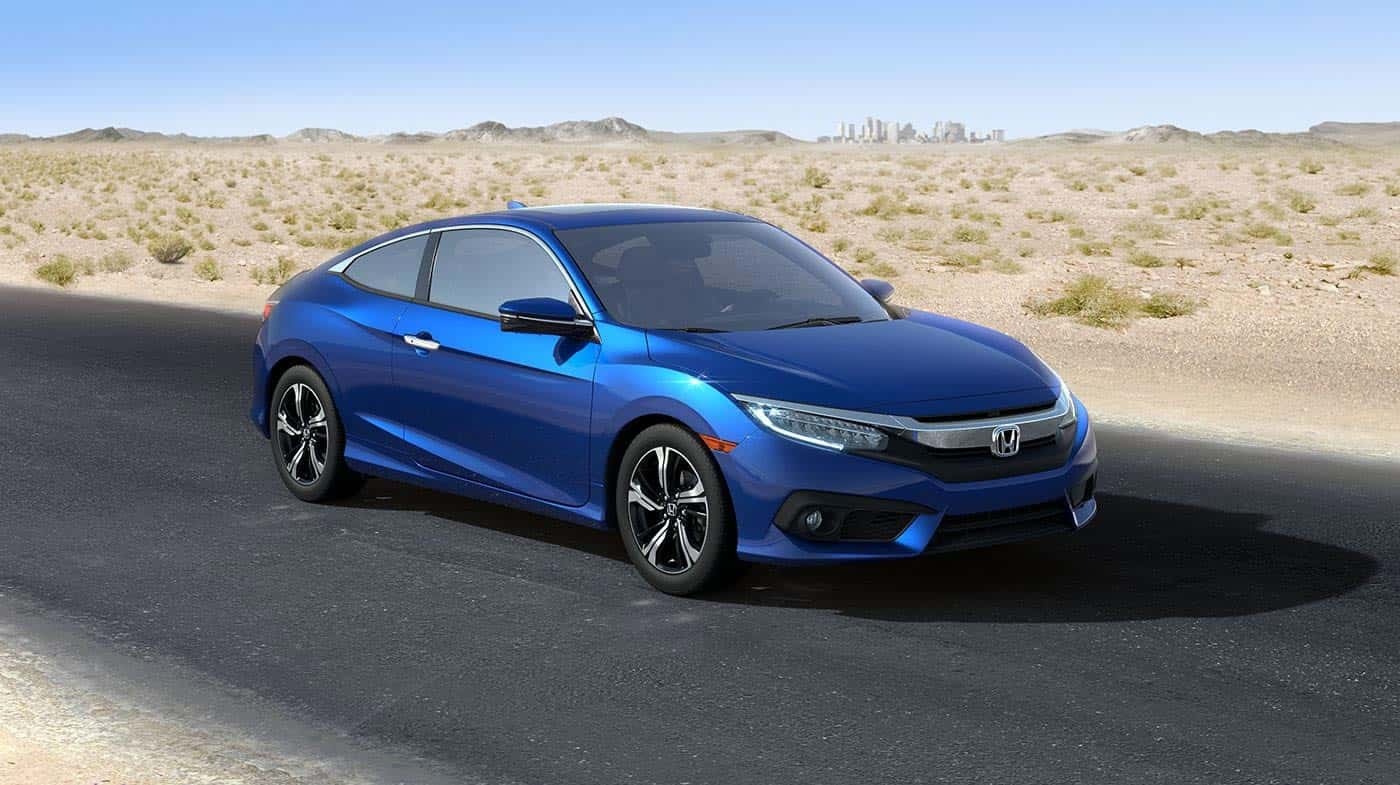
2. Honda Civic
The Honda Civic has been one of the most consistent performers when it comes to long-term reliability, and its electrical system follows suit. Honda’s approach to vehicle design tends to favor proven technologies over flashier but less dependable features.
This is evident in the Civic’s relatively straightforward electronics, which are less prone to failure. From the early 2000s models to the latest generation, Civics have maintained a strong record when it comes to avoiding electrical headaches.
A big part of the Civic’s success lies in its simplicity. The wiring is logically laid out, reducing the chance of bad grounds or frayed wires that often plague other brands. Electrical systems are integrated in a way that minimizes the stress placed on components.
This has made older Civics incredibly popular among DIY mechanics, not just for their mechanical simplicity but for how rarely their electronic parts fail. Common components like power window switches, lighting systems, and dashboard electronics generally last a long time.
Later models added more advanced features like touchscreen infotainment, advanced safety assists, and digital gauges. Even so, the Civic has kept a reputation for having fewer electrical issues than most competitors.
While no car is completely immune, the rate of sensor failures or ECU errors in the Civic is lower than average. Honda also uses high-quality connectors and sensors, many of which are manufactured in-house or by longstanding, reputable suppliers.
Finally, Honda’s quality control is another big advantage. Each generation of the Civic is thoroughly tested, and the company tends to fix problems quickly once they arise. If an issue does slip through, Honda is generally quick to issue service bulletins or recalls, reducing the long-term impact on owners.
These policies reinforce the Civic’s status as one of the most dependable and reliable cars in its class, making it a favorite for drivers who value dependability.
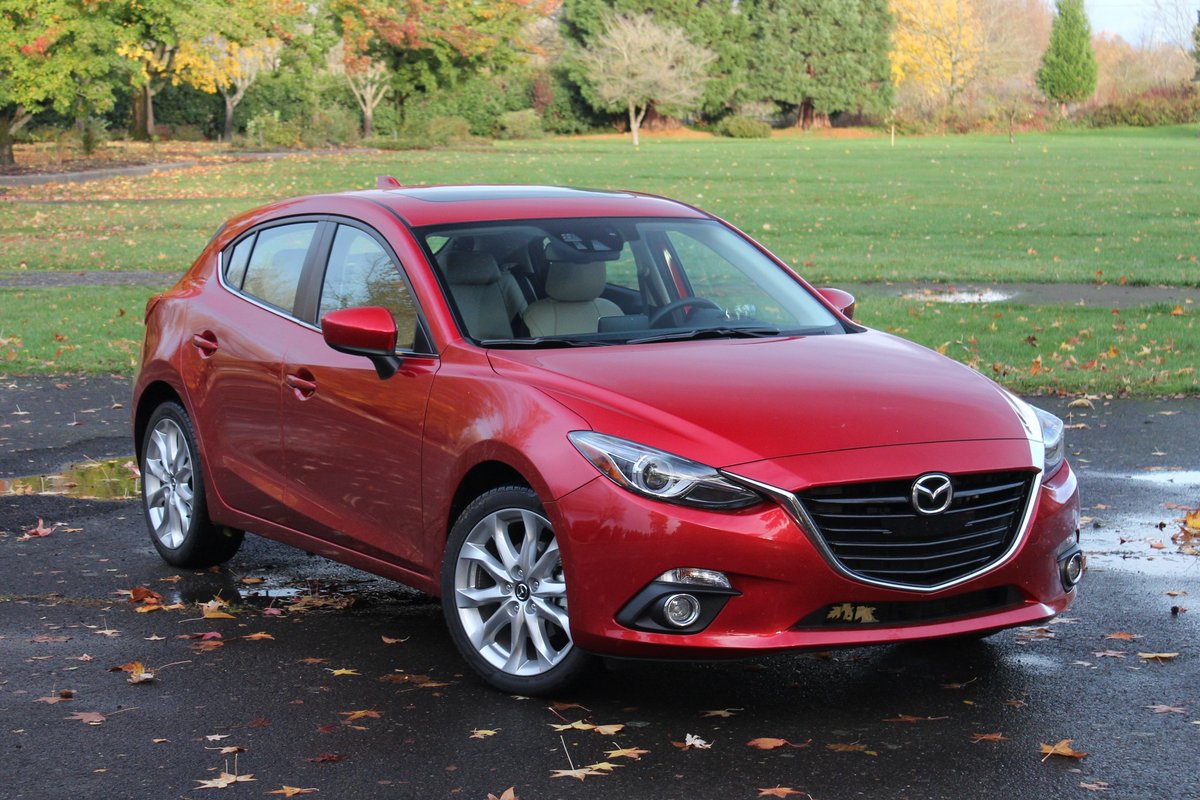
3. Mazda3
Mazda might not have the sheer market presence of Toyota or Honda, but the Mazda3 stands out as one of the most reliable compact cars in terms of electrical performance. Mazda has taken a different approach by focusing on simplicity, good software integration, and premium build quality at a lower price point.
While newer Mazda3s are packed with features like heads-up displays, adaptive lighting, and active safety systems, they continue to avoid many of the common electronic issues seen in rival models.
The Mazda3’s success can be partially credited to the brand’s “right-sized” technology. Mazda doesn’t overdo it with unnecessary gimmicks that are prone to breaking. Instead, they implement only the systems that work reliably and enhance the driving experience. This makes for a more focused electrical system, one that’s easier to maintain and less likely to throw error codes or leave the driver stranded due to a sudden software failure.
Another reason the Mazda3 fares well is Mazda’s supplier consistency. The automaker sticks to a few key electrical suppliers and holds them to high standards. Whether it’s a wiring harness or an ECU, quality is consistent across the board.
This reduces the chance of mixed-component compatibility issues, which often lead to electrical bugs in other vehicles. The clean design of the system architecture also aids diagnostics, so when something does go wrong, it’s easier to pinpoint the problem.
The compact layout of the Mazda3 doesn’t sacrifice component protection either. Electrical parts are well-shielded against weather, heat, and wear, which contributes to their longevity. Drivers and mechanics alike report fewer issues with flickering displays, random battery drains, or malfunctioning sensors. For people looking to avoid frequent visits to the mechanic for electrical diagnostics, the Mazda3 presents itself as a well-rounded, durable option.
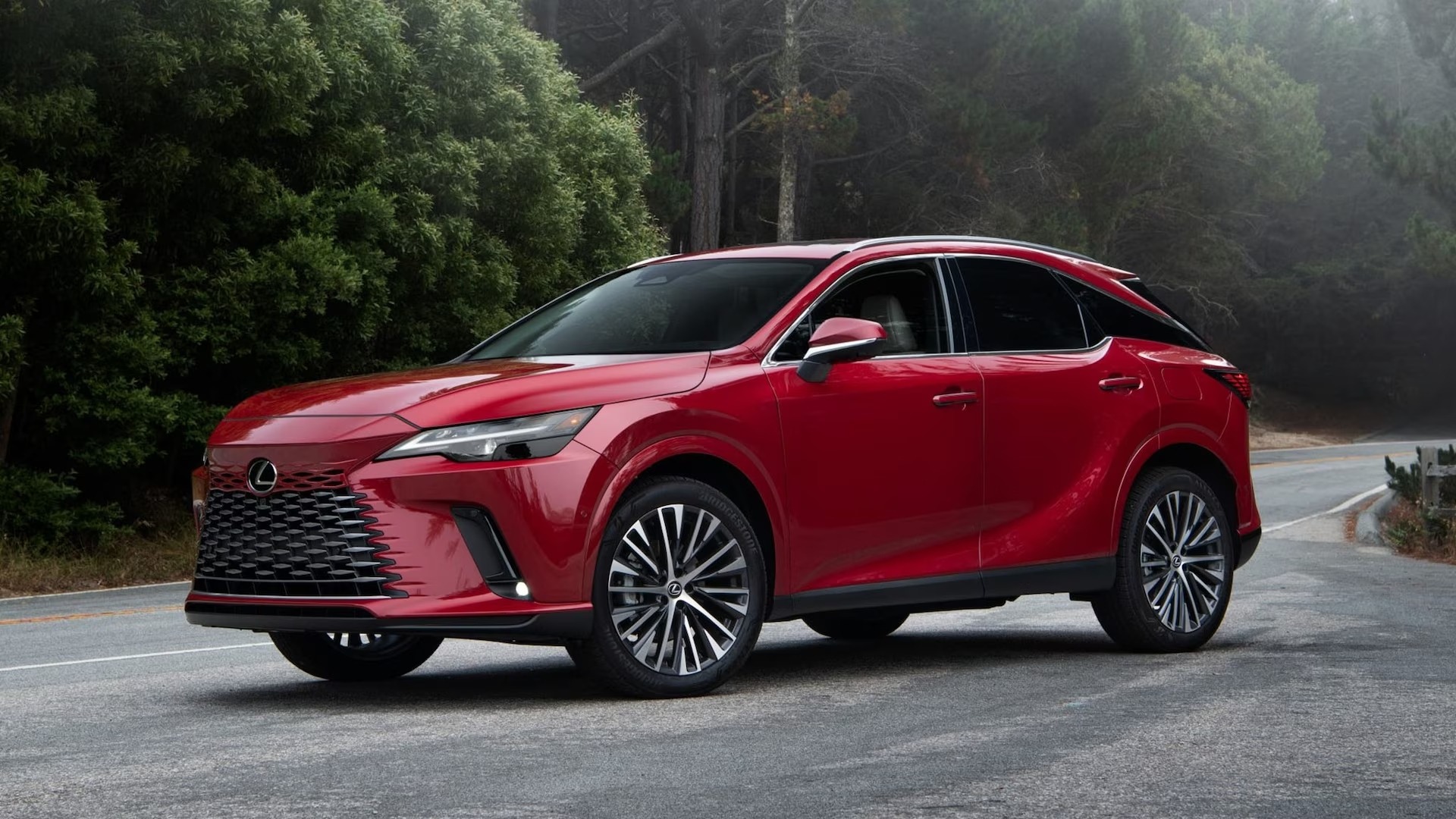
4. Lexus RX
When it comes to blending luxury with rock-solid dependability, the Lexus RX stands out. As Toyota’s premium brand, Lexus inherits many of Toyota’s strengths, including electrical reliability. The RX, in particular, has gained a reputation as a vehicle that balances advanced technology with bulletproof systems.
Despite being packed with electronic features like adaptive cruise control, lane-keeping assistance, and a full digital interface, the RX rarely suffers from the chronic electrical failures that plague many other luxury SUVs.
Part of this comes from Lexus’s rigorous testing and engineering standards. Unlike some luxury automakers that prioritize innovation over refinement, Lexus takes a more measured approach. Electrical components are tested in extreme environments, and software is subjected to repeated stress tests to ensure consistency. This process results in fewer firmware bugs, better sensor calibration, and stronger integration between systems.
Another key strength is the RX’s attention to power distribution. Many electrical issues in vehicles stem from poorly regulated power flow or overloaded circuits. The RX is designed with this in mind, using robust alternators, high-quality fuses, and well-planned wiring routes.
This minimizes issues like random warning lights, dead batteries, or malfunctioning entertainment systems. Even after several years on the road, many owners report that the electrical systems work exactly as they did when the car was new.
It also helps that Lexus offers strong dealer support. In the rare case that a problem does arise, Lexus service centers are generally well-equipped to diagnose and fix the issue quickly. Updates to software or firmware are often handled proactively, helping maintain long-term reliability. These factors make the RX a top choice for those who want luxury without the typical electrical headaches.
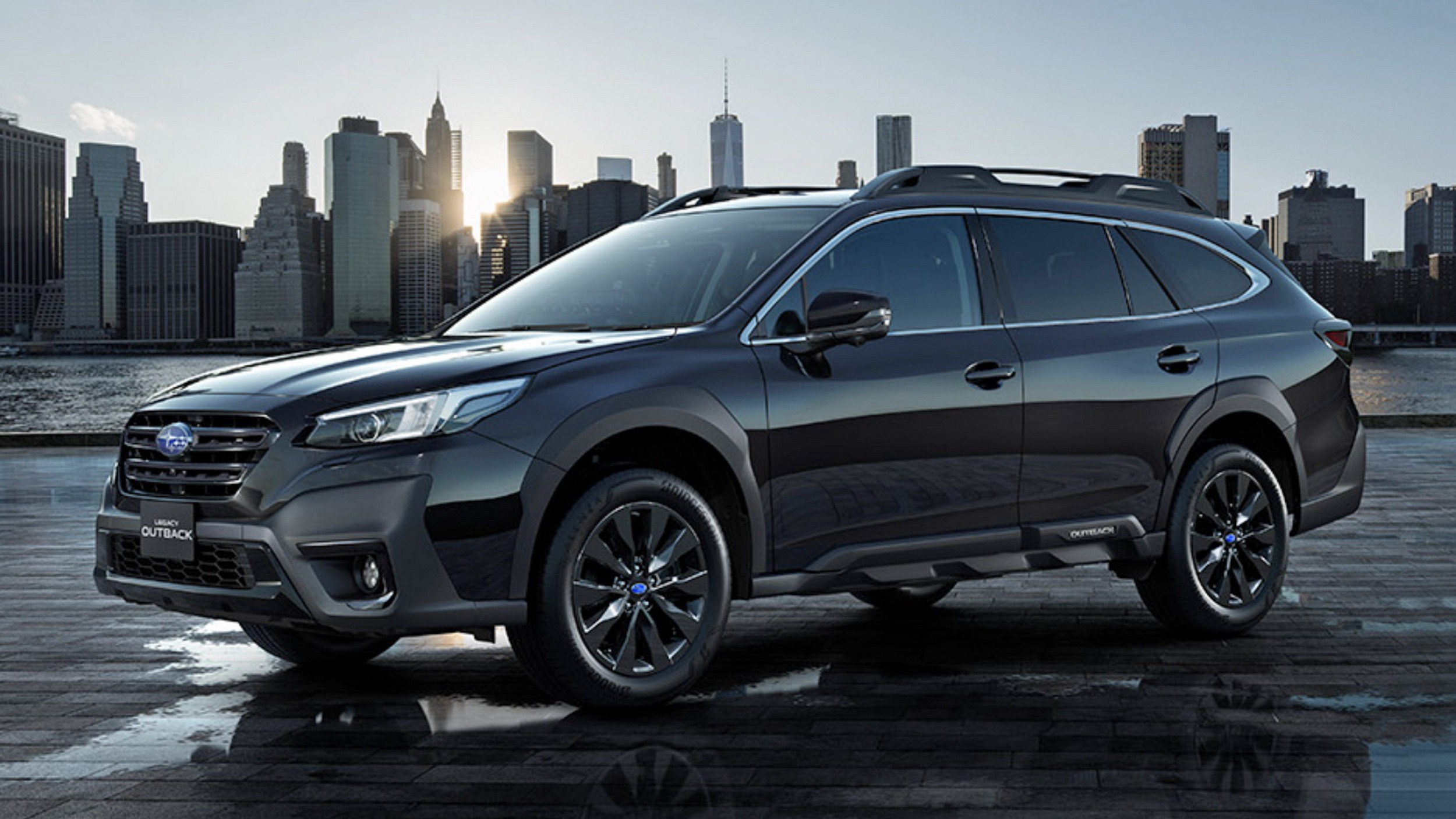
5. Subaru Outback
Subaru may not have always been known for its electrical reliability, but the Outback is an exception. Over the past decade, Subaru has made big improvements to its electrical systems, and the Outback has benefited more than most. Known for its rugged appeal and practical nature, the Outback balances advanced features with a user-friendly electrical setup that performs well under stress.
Early generations of the Outback had occasional electrical quirks, but newer models have largely left those behind. Subaru upgraded many of its components starting in the mid-2010s, focusing on electrical connectors, alternator efficiency, and power distribution across its increasingly sophisticated platforms.
For the Outback, these changes have had a noticeable impact. Owners of recent models consistently report that common electrical problems, such as failing power windows, random battery drains, or glitchy dashboard lights, are either completely absent or very rare. This is especially impressive considering the level of technology now offered in the Outback, including EyeSight driver-assistance, a large touchscreen interface, and multiple USB and power connections.
Subaru’s improvements to the vehicle’s battery and charging systems have also contributed to its stronger reputation. In older models, particularly before 2015, alternators and batteries were sometimes underpowered for cold climates or short driving intervals, which led to early battery failure and electrical complaints.
Newer Outbacks, however, are equipped with more robust charging systems and improved insulation around wiring, leading to fewer climate-related electrical issues.
The integration between safety sensors and other electronics has also seen a jump in reliability. Features such as adaptive cruise control and lane assist, which can be problematic in other vehicles, work reliably in the Outback without frequent sensor recalibrations or system warnings.
The engineering behind the layout of the electrical system also deserves some credit. Subaru tends to group electrical components logically, which helps in diagnostics and repair. The fuse box and relays are easily accessible and not hidden behind panels or under awkward trim, which saves both time and money during servicing.
The power seats, mirror functions, and lighting systems are rarely reported as trouble spots, even after years of use. Many of the sensors, including those tied to the vehicle’s AWD system, have built-in fail-safes that keep the car operational even if a sensor starts to degrade, avoiding the cascading failure effect seen in more complex or less refined systems.
Subaru’s customer service and active recall policies further enhance the experience for Outback owners. In cases where there have been rare issues with software bugs or sensor alerts, Subaru has often issued quiet updates or service campaigns that dealers perform for free during routine maintenance.
Also Read: 5 Hybrids With Bulletproof Motors and 5 That Constantly Need Help
5 Cars That Constantly Break (Electrically)

1. Jeep Grand Cherokee
The Jeep Grand Cherokee is often praised for its off-road abilities and luxurious interior options, but when it comes to electrical reliability, it has struggled to maintain a positive reputation. Owners frequently report a wide variety of electrical issues, ranging from failing touchscreens and unresponsive climate controls to sensor failures that can disable key safety systems.
One of the most common complaints involves the vehicle’s central control module, which seems prone to failure or glitching, causing everything from random shutdowns of the Uconnect system to problems with Bluetooth connectivity and GPS navigation. Even simple systems like the power locks and windows sometimes stop working without warning.
Another recurring issue is related to the Grand Cherokee’s battery and alternator setup. Many owners report that their batteries drain rapidly, even when the car isn’t being driven. This has led to countless jump starts and battery replacements, sometimes within just a year of purchase.
The culprit often seems to be electrical modules that continue to draw power even after the vehicle is shut off. Jeep has released some software updates to help reduce parasitic draw, but the problem still affects a large number of vehicles, particularly those from model years 2014 to 2020. In addition, faulty sensors in the air suspension and traction control systems frequently trigger warning lights or even disable these features entirely.
Compounding the issue is the difficulty in diagnosing the problems. The Grand Cherokee’s electrical system is notoriously complex, and mechanics often find themselves chasing ghost codes or replacing parts based on guesswork rather than clear diagnostics.
Modules are known to go bad suddenly and can cost thousands of dollars to replace, not including the labor required to access them. Additionally, the interconnectivity between systems means a fault in one area, say, the rear camera, can affect multiple others, like the backup sensors or infotainment display. This creates a domino effect that makes even small issues feel overwhelming and expensive to resolve.
Customer satisfaction and reliability rankings have reflected these frustrations. While Jeep has a loyal following and the Grand Cherokee remains a popular model, its spotty electrical performance has tarnished its reputation.
Surveys from various consumer platforms consistently list electrical problems among the top reasons for poor ratings. While some of the newer models show improvement, the legacy of electrical unreliability has lingered long enough that many owners approach Jeep’s electrical systems with caution, and often, with disappointment.
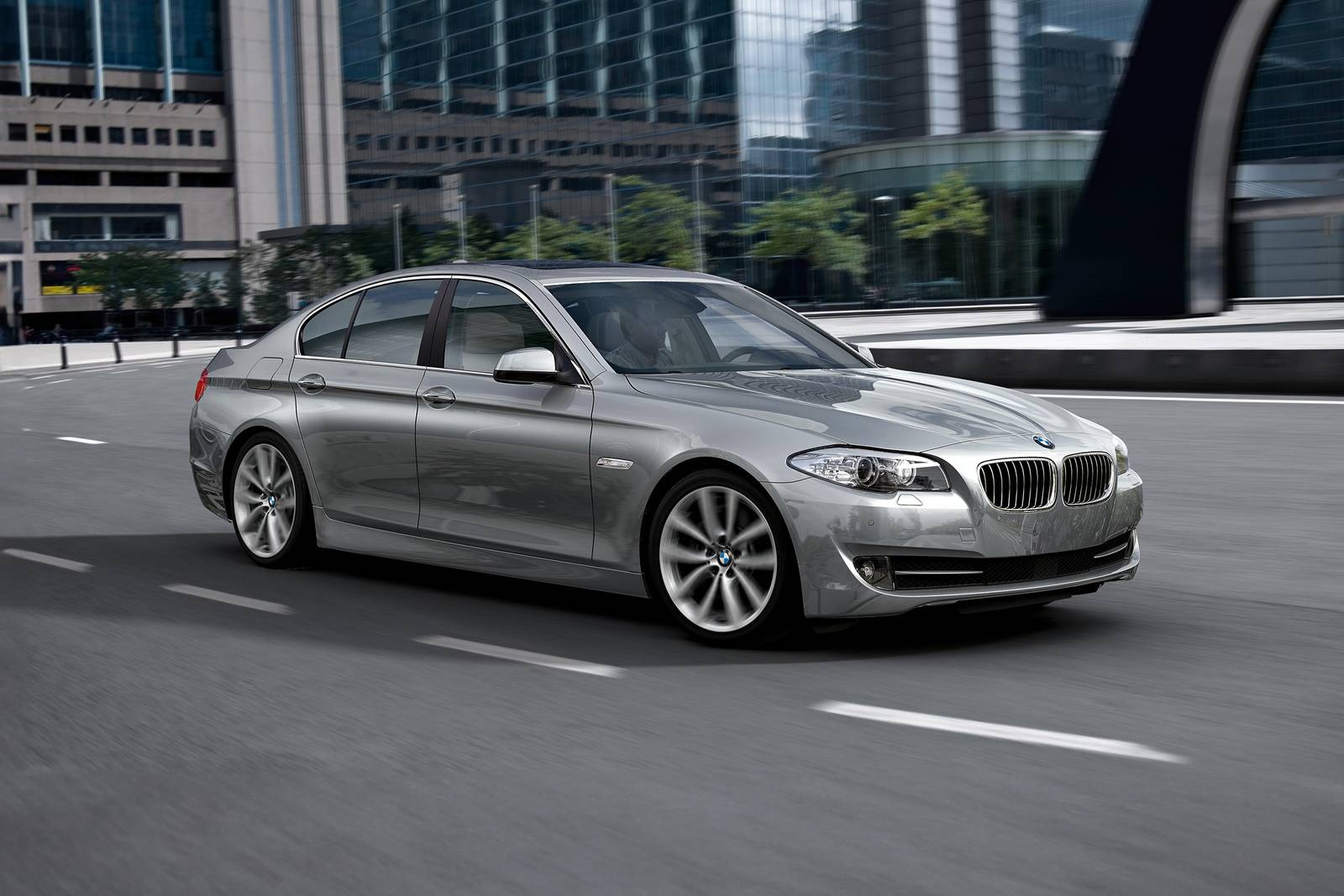
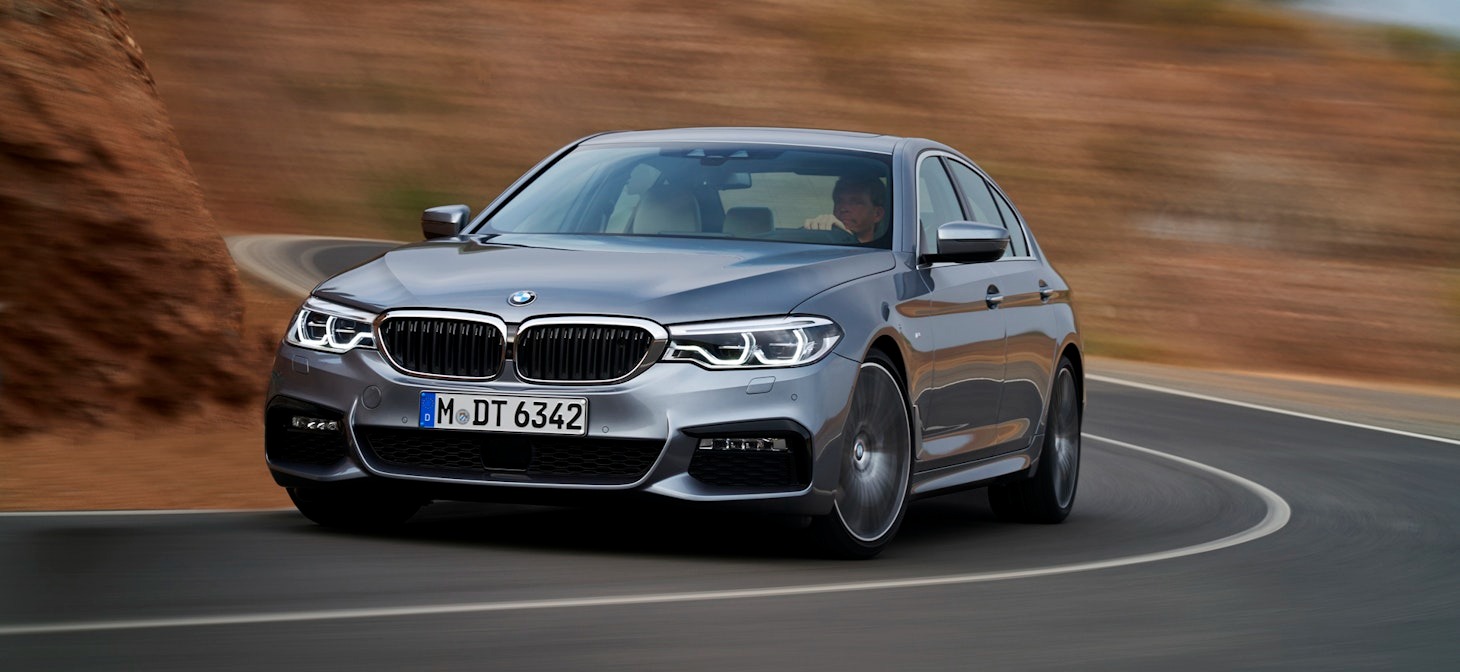
2. BMW 5 Series (F10 and G30 generations)
BMW is known for its driving dynamics, advanced technology, and luxurious appeal, but the 5 Series, particularly the F10 (2010–2016) and early G30 (2017–2020) generations, has drawn criticism for frequent electrical problems. These issues are not limited to one or two systems but instead span a wide range of components, including the iDrive infotainment system, power seats, climate controls, and even essential engine sensors.
Many owners have encountered problems with the car’s battery management system, which can throw false warnings or cause the car to enter limp mode due to perceived electrical faults. These types of issues tend to appear after just a few years of use, even with low mileage.
A major point of failure in these models has been the intelligent battery sensor (IBS), which monitors battery health and usage. When it malfunctions, which is not uncommon, it can prevent the car from starting or cause unnecessary warning messages to appear on the dashboard.
In some cases, the car may incorrectly enter a reduced power state or disable non-critical systems like heated seats or interior lighting to conserve energy, even if the battery is fully charged. This creates a confusing and frustrating experience for owners, particularly those who rely on their vehicle for commuting or long-distance travel.
The problems extend to BMW’s complex networking architecture, which connects nearly every component to one another through a system of control modules. While this allows for impressive features and seamless integration, it also means that a fault in one module can cascade into several unrelated systems.
For example, a failed parking sensor might cause glitches in the car’s navigation or parking assist systems. Diagnosing such faults typically requires specialized equipment, which means that most repairs can only be done at a BMW dealer or a well-equipped independent shop. The costs quickly add up, and warranty coverage may not extend to electrical items past the basic coverage period.
Despite the allure of premium features and high-end materials, the BMW 5 Series often demands a high price in terms of maintenance and repair, particularly when it comes to the electrical system. For buyers who prioritize long-term reliability, especially in older or higher-mileage examples, the 5 Series can present more headaches than joy.
It’s not uncommon to see these cars in repair shops with complex wiring diagrams spread across the hood as technicians attempt to track down intermittent electrical failures. While the driving experience remains top-tier, the electrical reliability can leave owners feeling like the car is working against them rather than for them.
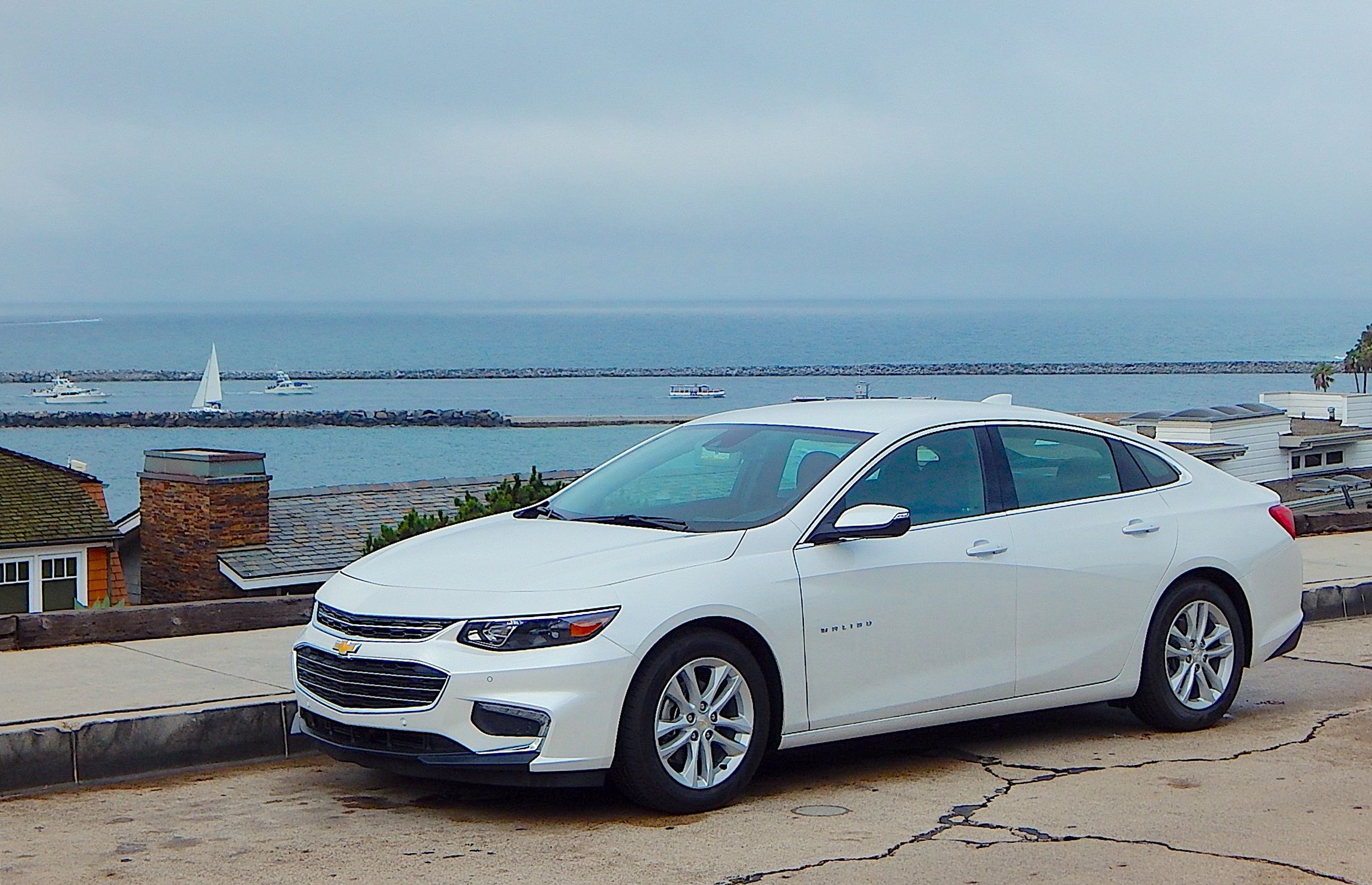
3. Chevrolet Malibu (2013–2017)
The Chevrolet Malibu from the 2013 to 2017 model years has received its fair share of criticism for electrical reliability. While it aimed to offer a competitive midsize sedan with sleek styling and modern features, many owners found themselves plagued by persistent electronic problems.
Chief among these were failures in the car’s electrical control module and the body control module, which often led to a range of symptoms including flickering interior lights, malfunctioning gauges, and random engine shutdowns. The problems frequently showed up after the vehicle had just passed the 60,000-mile mark, catching many owners off guard.
One of the most alarming issues in Malibu has been the frequent appearance of the “Service Stabilitrak” warning, which often coincides with rough idling, stalling, or failure to start. While the Stabilitrak system is meant to enhance vehicle stability and safety, its repeated malfunctions have left drivers confused and frustrated.
In many cases, technicians have struggled to pinpoint the exact cause, leading to multiple part replacements, often to no avail. The throttle position sensor, wheel speed sensors, and wiring harnesses have all been implicated, but inconsistent symptoms and poor diagnostic access have made repairs both expensive and uncertain.
The Malibu’s infotainment system is also a common pain point. Many owners report that the touchscreens freeze, fail to connect to phones via Bluetooth, or reboot randomly while driving.
While not a critical safety issue on its own, these failures contribute to an overall sense that the car is not well put together. In more serious cases, infotainment faults have been linked to problems with backup cameras and warning chimes, which could pose safety concerns. Software updates and replacement screens have helped some owners, but in many instances, problems recur even after expensive repairs.
The Malibu’s electrical issues have had a serious impact on its resale value and long-term appeal. While it may be an affordable used option at first glance, many buyers find that repair costs for electrical failures pile up quickly, sometimes exceeding the vehicle’s remaining value.
Consumer reports and owner reviews reflect a pattern of dissatisfaction, especially for those who expected a low-maintenance ownership experience. For anyone prioritizing electrical dependability, the Malibu from these years is a model to approach with caution.
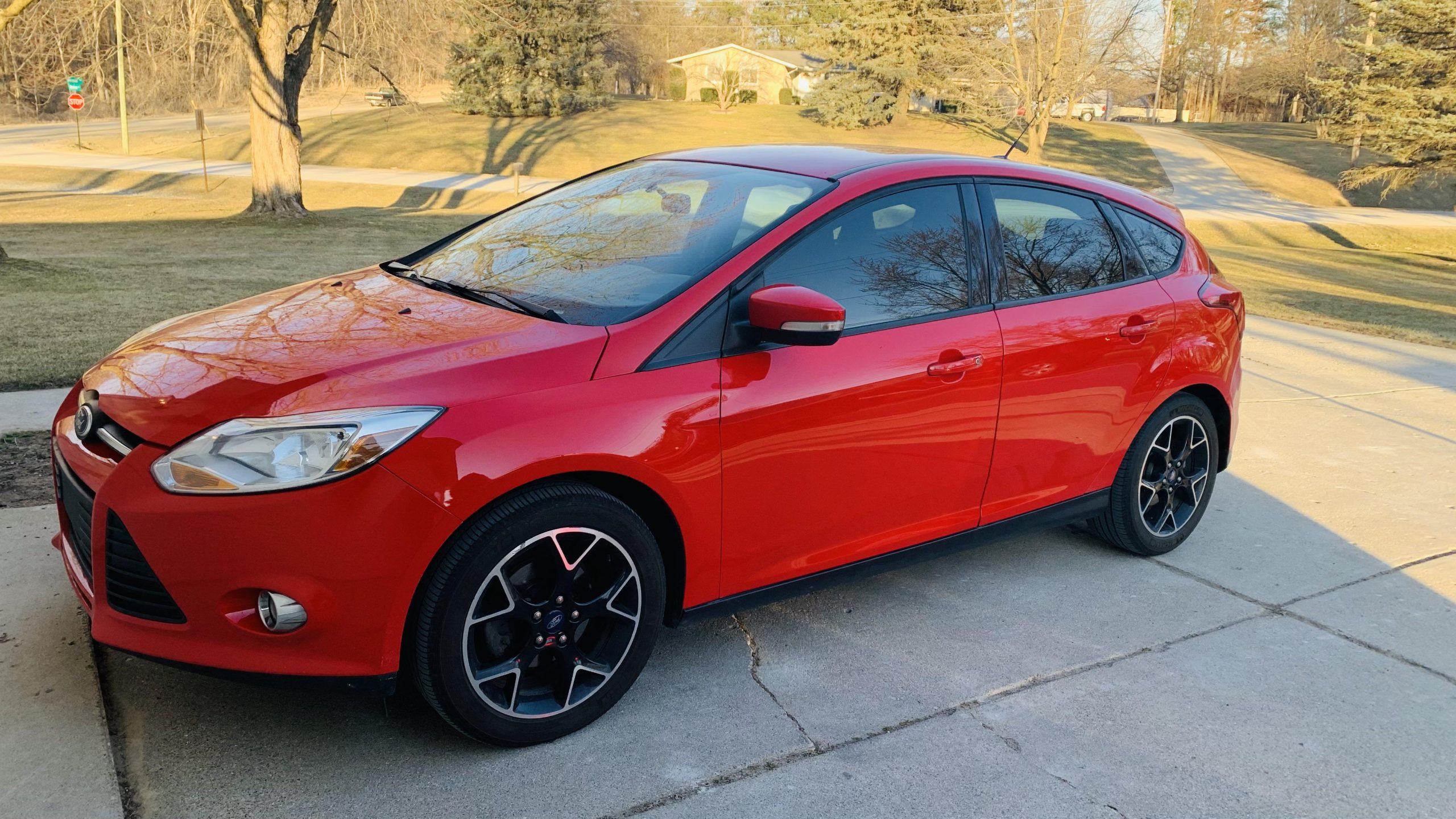
4. Ford Focus (2012–2018)
The Ford Focus from 2012 to 2018, particularly the third-generation models, has been heavily criticized for electrical problems that range from minor annoyances to serious safety concerns. A frequent point of failure is the car’s Transmission Control Module (TCM), which, while technically related to the powertrain, is heavily reliant on electrical systems.
When the TCM fails, as it often does, it leads to unpredictable shifting behavior, loss of power, or complete transmission failure. These symptoms are further complicated by inconsistent dashboard warnings, delayed diagnostic codes, and software glitches. Owners often report sudden jerking or hesitation while driving, all triggered by underlying electronic issues.
But the problems aren’t limited to the drivetrain. The Focus has also had a long history of electrical gremlins within its infotainment system and dashboard instrumentation. Screens that go black, unresponsive touch controls, and Bluetooth connectivity failures are all commonly cited.
More seriously, there are recurring reports of the instrument cluster failing altogether, with speedometers, fuel gauges, and odometers dropping to zero mid-drive. These failures can occur without warning and sometimes reset the entire electrical system in the middle of operation, creating obvious safety risks. In colder climates, these issues tend to get worse, likely due to poor insulation and temperature-sensitive components.
Battery drain has also been a persistent issue in these model years. Many owners have reported waking up to dead batteries after the vehicle was parked overnight. Despite changing batteries and alternators, the problem often persists, usually due to parasitic drain from faulty sensors or modules that stay active after the car is shut off.
The smart key system and remote start functions are often part of the problem, as they don’t fully power down as expected. Diagnosing the source of these drains typically requires advanced equipment and extensive labor, which increases repair costs and leads to a cycle of trial-and-error part swapping.
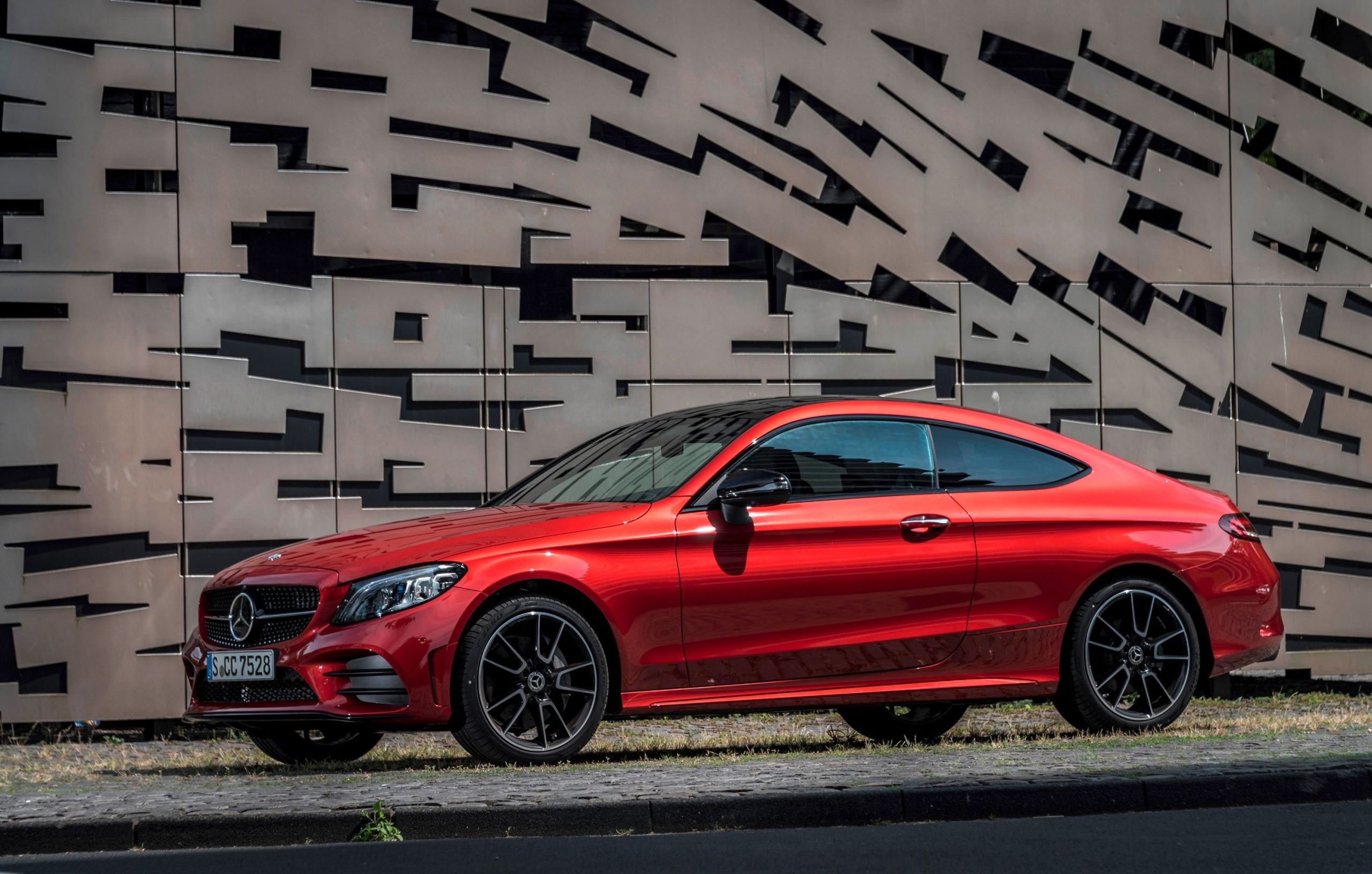
5. Mercedes-Benz C-Class (W204 and early W205)
While Mercedes-Benz carries a prestigious reputation for luxury and engineering, certain C-Class models, particularly the W204 (2007–2014) and early W205 (2015–2017), have suffered from a surprising number of electrical problems. Unlike the mechanical systems in these vehicles, which are generally well-built and long-lasting, the electrical architecture has been a persistent weak point.
Owners of these vehicles have commonly experienced failures in the COMAND infotainment system, malfunctioning parking sensors, faulty lighting modules, and sporadic issues with the central locking system. These problems tend to appear in vehicles that are just a few years old and increase in frequency as the cars age, which damages Mercedes’ reputation for long-term quality.
A particularly notorious issue in these models involves the car’s Electronic Ignition Switch (EIS) and key recognition system. When this system malfunctions, the car will fail to start or will intermittently lose power while driving. Diagnosing EIS issues is both time-consuming and costly because the components are encrypted and require dealer-level tools to repair or replace.
In some cases, entire electronic steering lock systems must be replaced in tandem, pushing repair bills well over a thousand dollars. This becomes particularly frustrating for owners who were drawn to the C-Class by its upscale branding but didn’t expect premium pricing to extend so heavily into maintenance and repairs.
The networked control modules within the C-Class are another pain point. Mercedes uses a complex array of ECUs to manage systems like climate control, driver assistance, and safety features. When one module fails or even glitches momentarily, it can send false signals throughout the system, triggering warning lights, disabling features, or locking users out of key functions.
For example, a problem in the rear lighting module might trigger cascading issues that affect adaptive cruise control or traction management. Owners often report needing multiple visits to the dealer to reset software or replace modules, with no guarantees that the problem won’t recur.
