
Not every driver wants the newest tech, endless features, or computers doing half the job. Some cars become unforgettable not because they were the most powerful or the most expensive, but because they were simple.
Simplicity in a car isn’t just about having fewer buttons or analog gauges, it’s about providing a direct, honest driving experience. These are the cars that don’t try to impress with automated everything or complex settings. Instead, they rely on good design, mechanical feel, and reliability.
In many cases, the modern car market has become saturated with features most people won’t use daily. From infotainment systems that feel more complicated than smartphones to driving modes that seem excessive for a daily commute, complexity has become a selling point. But there’s a kind of confidence that comes with a vehicle that doesn’t need to do too much.
The connection between the driver and the machine is stronger, and the learning curve is often shorter. There’s a clarity in how these cars operate, and that’s something many enthusiasts and practical drivers can appreciate.
The cars listed in this article remind us that basic doesn’t mean boring. Some are small hatchbacks, others are compact coupes or rugged off-roaders, but they all have one thing in common: they keep things straightforward and prove that this approach can be more enjoyable and reliable than constantly chasing innovation.
These vehicles rely on mechanical simplicity, straightforward designs, and a purity that’s often missing in cars loaded with complicated electronics.
Simplicity also has another benefit, longevity. Fewer things to break means fewer things to repair. This means lower maintenance costs and less stress over the long term.
Whether it’s a manual transmission that doesn’t second-guess the driver or a naturally aspirated engine that doesn’t rely on turbos, these cars show that sometimes less really is more. Here are ten cars that prove simplicity doesn’t just work, it sometimes outperforms complexity altogether.
Also Read: 10 Fixes That Keep a VW Golf Road-Trip Ready for Years
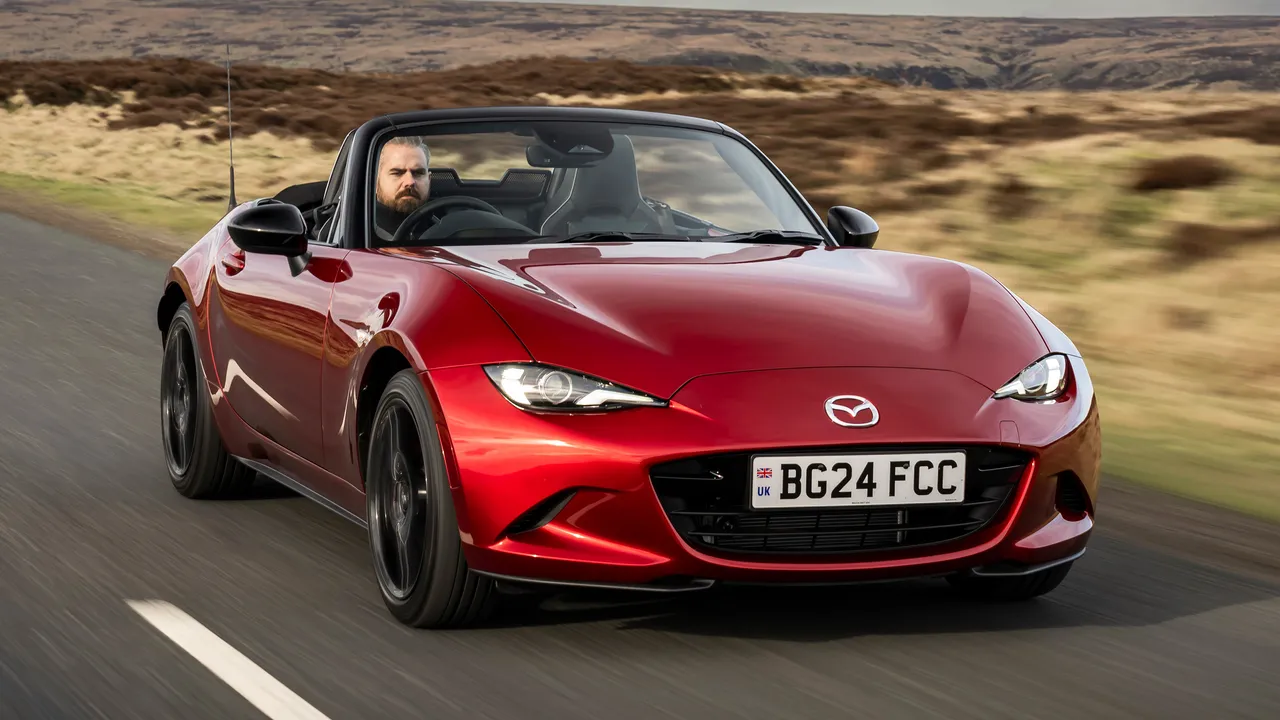
1. Mazda MX-5 Miata (NA)
The first-generation Mazda MX-5 Miata didn’t try to reinvent anything. It simply took the formula of a lightweight roadster and delivered it with precision. The car had just enough power to be fun without overwhelming the driver, and its small size made it feel nimble in any corner.
With a curb weight under 2,200 pounds, rear-wheel drive, and a five-speed manual gearbox, the car connected the driver to the road in a way few modern sports cars do. It didn’t need drive modes, electronic differentials, or adjustable suspension. It just needed a willing engine and a well-tuned chassis.
Its mechanical layout was refreshingly honest. A naturally aspirated 1.6L engine with around 115 horsepower might not sound exciting on paper, but in a car this light, it made for a lively and engaging experience.
The car’s balance, steering feel, and simplicity made it ideal for beginners and seasoned drivers alike. Everything felt mechanical and analog, not filtered through layers of electronics. Even the pop-up headlights were simple and charming, not driven by a design gimmick but by cost-effective engineering.
The Miata also kept its interior minimal. No bulky displays or infotainment systems. Just a few dials, switches, and a tight, driver-focused cabin. The simplicity of the layout meant everything was easy to reach and operate. You didn’t need to dig through menus to change a setting. You just drove. Maintenance was straightforward too, with parts being cheap and widely available. This kept ownership costs low and the car on the road for much longer.
Even today, the NA Miata is seen as a benchmark for driving purity. It doesn’t try to wow you with numbers or lap times. It impresses through feel and connection. In a world moving toward increasingly complex vehicles, the original Miata still stands as proof that driving joy doesn’t require digital screens, fancy tech, or massive horsepower.
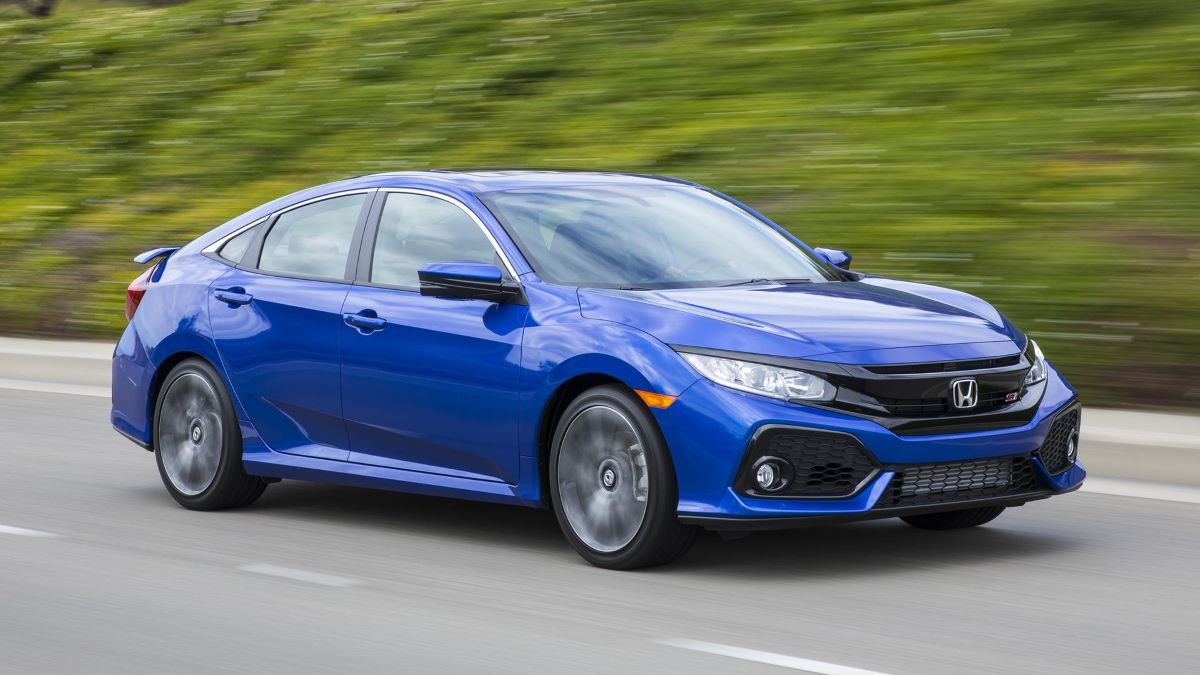
2. Honda Civic (EG Hatchback)
The early 1990s Honda Civic EG hatchback wasn’t built to be flashy. It was a compact, efficient, and lightweight car that quickly became a favorite among car enthusiasts and commuters alike.
Its appeal wasn’t based on luxury or high performance out of the box, but rather in how honest and flexible it was. It had simple mechanical systems, a clean design, and offered an experience that modern cars often complicate with added weight and unnecessary features.
Under the hood, the EG Civic was fitted with small, naturally aspirated engines that prioritized fuel efficiency and durability. Whether it was the D15 or the more sought-after D16Z6 in the EX trim, the engines were easy to work on and cheap to maintain.
Honda’s engineering focused on reliability and user-friendliness. These engines didn’t rely on turbos or advanced electronics. They just ran, and they ran well. Many Civics from this era are still on the road today, a clear sign of how effective simplicity can be.
The EG Civic also had a lightweight structure that made it surprisingly agile. With an independent suspension all around and a chassis that encouraged spirited driving, it became popular not only with tuners but with drivers who just wanted something light and responsive. There were no driving modes or complicated electronics to alter how the car handled, it simply worked well right out of the factory.
Inside the car, you found a straightforward dashboard, analog gauges, and controls that made sense. It wasn’t fancy, but it was functional and intuitive. The simplicity also allowed for wide aftermarket support, as enthusiasts could modify and personalize their cars without fighting against complicated computer systems.
The EG Civic is a perfect example of a car that does everything it needs to without overengineering. It became iconic because it respected the idea that a good car doesn’t have to be a complicated one.
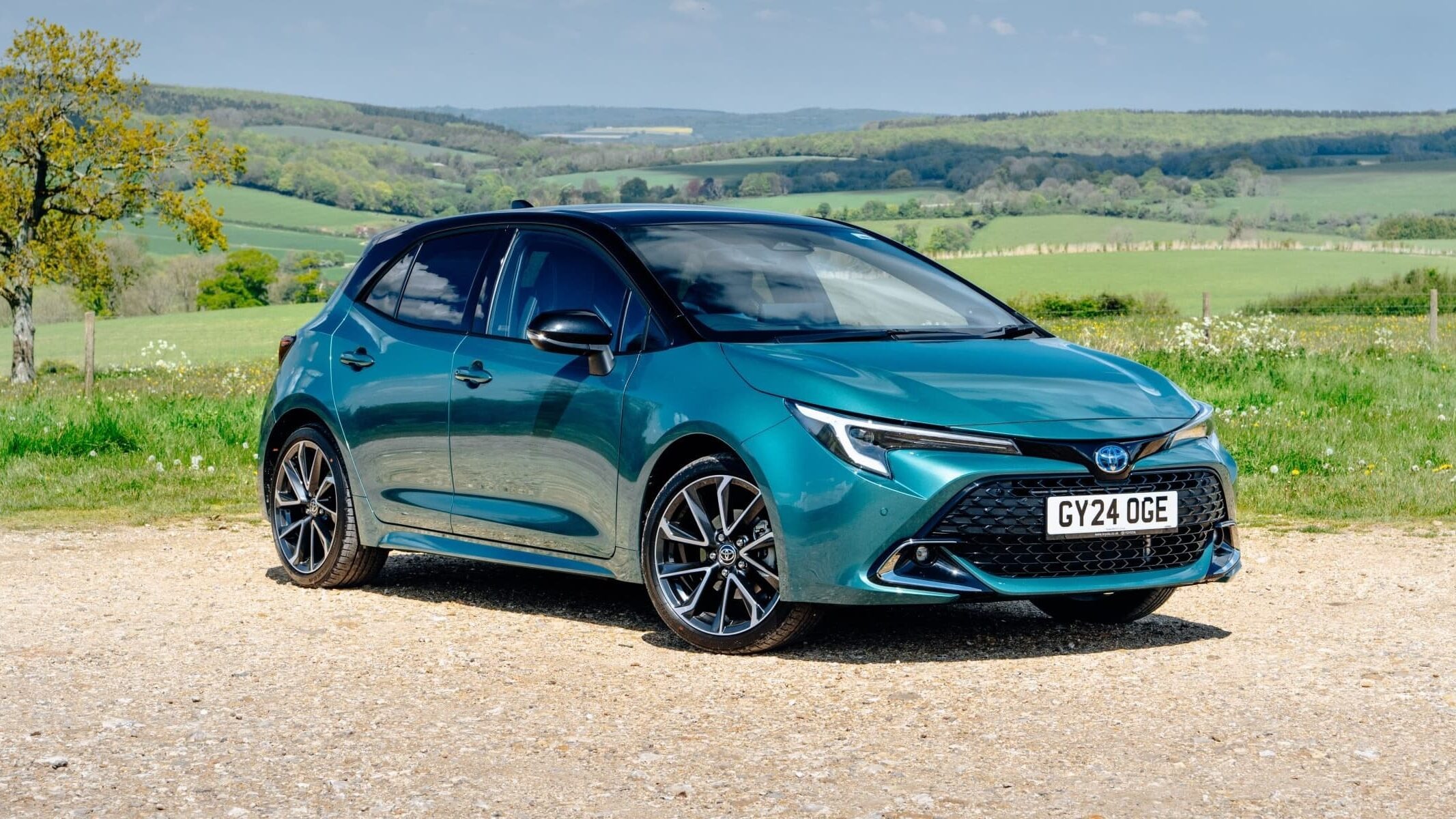
3. Toyota Corolla (E90/E100)
The Toyota Corolla from the late 1980s to the mid-1990s, particularly the E90 and E100 generations, gained a reputation not by being flashy or fast, but by being dependable. It didn’t rely on cutting-edge features or over-the-top styling.
It was a basic, well-engineered car that started every morning, got people where they needed to go, and didn’t cost a fortune to keep running. That kind of simplicity became its strength, and it helped make the Corolla one of the most successful car nameplates in history.
These Corollas used small displacement engines, such as the 4A-FE or the later 7A-FE, which were known for their reliability and ease of maintenance. They didn’t use forced induction or variable valve timing in the early days.
They simply ran cleanly, offered decent mileage, and could last hundreds of thousands of miles with basic maintenance. The mechanical parts were easily accessible, and repairs could often be done by amateur mechanics in their driveways.
The interior layout of these cars was just as straightforward. Everything was where it needed to be. Dials were simple, controls were tactile, and the materials, while not luxurious, were durable. There was no complicated infotainment system or unnecessary features crowding the dashboard. It was made to function, not to impress.
This honest approach to design is something that feels increasingly rare in newer vehicles filled with touchscreens and distracting tech.
The Corolla’s suspension setup also leaned toward comfort and predictability. It wasn’t a car that tried to be sporty, but it handled daily driving conditions with confidence. The combination of simplicity, solid engineering, and affordable running costs made it one of the most logical choices for anyone who valued practicality over flash.
Today, many of these older Corollas are still running reliably, used as commuter cars, delivery vehicles, or first cars for young drivers. Their continued presence is a reminder that straightforward, reliable engineering still has long-term value.

4. Jeep Cherokee XJ (1984–2001)
The Jeep Cherokee XJ is a strong example of how a simple, rugged design can last for decades and create a loyal following. Unlike modern SUVs, which often rely on complex electronics and systems to handle off-road conditions or daily commuting, the XJ had a straightforward approach.
It featured a strong unibody construction, which was uncommon for off-road vehicles at the time, and this design gave it a lighter frame without sacrificing durability. The result was a versatile vehicle that could handle rough terrain just as easily as it could run errands in town.
At the heart of the XJ’s reputation was the 4.0L inline-six engine. Known for being one of the most durable engines of its time, it didn’t rely on any fancy components or turbochargers. It was a naturally aspirated workhorse that delivered dependable torque and simple, mechanical reliability.
Even today, many older Cherokees are still running with their original engines, a sign that the absence of complicated systems often leads to longer vehicle life. Maintenance on the XJ was easy and cheap. You could change parts without needing proprietary software, and many fixes were within reach for DIY mechanics.
The interior of the XJ also reflected its utilitarian nature. There was no excessive design language, no oversized displays, and no digital interfaces taking over the dashboard. Controls were large and easy to operate, even while wearing gloves in cold weather.
Materials were basic but tough, built to withstand years of use rather than impress a reviewer on day one. This kind of honest interior layout is rare now, as most vehicles prioritize touchscreen interfaces and soft-touch materials over actual usability. The Cherokee’s design encouraged owners to use the vehicle, not just look at it.
The suspension and drivetrain setup were also about keeping things mechanical and reliable. The available part-time 4WD system used a simple lever to engage, and drivers could feel exactly what was happening when shifting between modes. No need to scroll through menus or rely on software to decide when the wheels should engage.
This is the kind of straightforward operation that builds confidence. The XJ didn’t try to do everything, it just focused on doing a few things really well. That focus on function over complexity is what gives it lasting value even today.
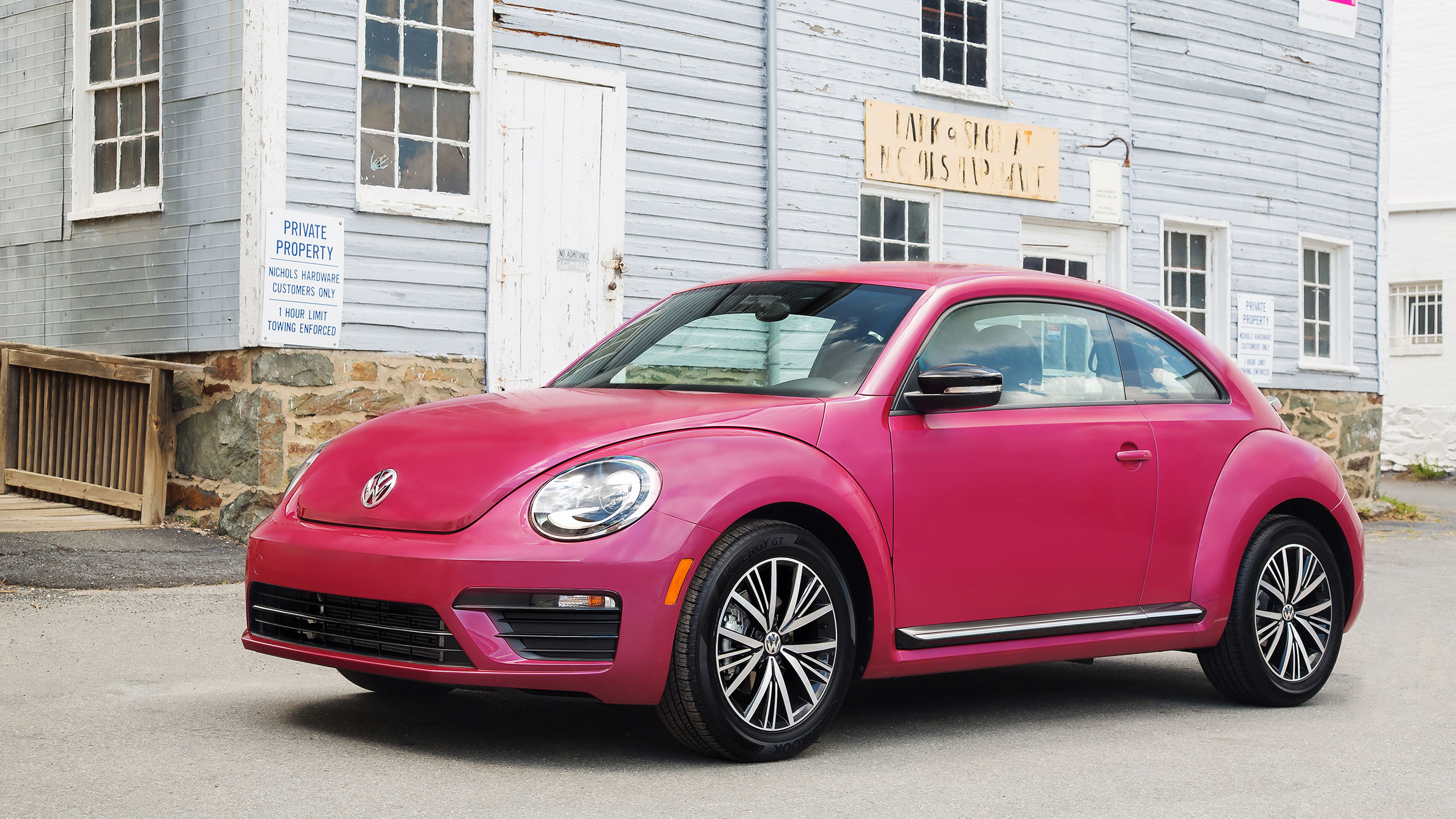
5. Volkswagen Beetle (Original Type 1)
The original Volkswagen Beetle was built on a vision of simplicity. From its design in the 1930s all the way through its long production run into the early 2000s in some parts of the world, the Beetle remained remarkably consistent. It was designed to be cheap, easy to repair, and accessible to a wide range of drivers.
The air-cooled engine in the rear wasn’t powerful, but it was dependable and simple. The entire car was built with a minimal number of parts, and most of them could be serviced by the average person with basic tools.
Mechanically, the Beetle stood apart from many other cars of its era by avoiding unnecessary complexity. There were no cooling hoses or radiators because the engine used air cooling. It didn’t need power steering or advanced fuel injection. In fact, for many years it used a simple carburetor setup and manual choke.
Everything was mechanical and easy to understand. This lack of complexity made the Beetle one of the most repairable cars ever built. It’s no surprise that people drove them in remote parts of the world where access to professional mechanics was limited.
The interior was also stripped down to the basics. You had a speedometer, fuel gauge, and not much else. There was no air conditioning, no fancy upholstery, and no power windows in most models.
But what it lacked in features, it made up for in ease of use and charm. You got into the car, turned the key, and drove. You didn’t have to adjust a dozen settings before moving. That level of simplicity is almost impossible to find in a modern vehicle where everything is buried behind screens and menus.
Despite being simple, the Beetle had a surprising amount of character. It had a unique sound, a friendly appearance, and a design that was immediately recognizable. People connected with it because it didn’t pretend to be something it wasn’t. It offered honest transportation without distraction.
It also provided an endlessly customizable platform, with parts widely available and easy to swap. The Beetle is a reminder that a car doesn’t need to be fast, high-tech, or luxurious to be meaningful. Sometimes being straightforward is the very thing that gives a car its lasting impact.
Also Read: 5 VW Passat Years With Solid Builds vs 5 With Flaws
6. Ford Ranger (First Generation, 1983–1992)
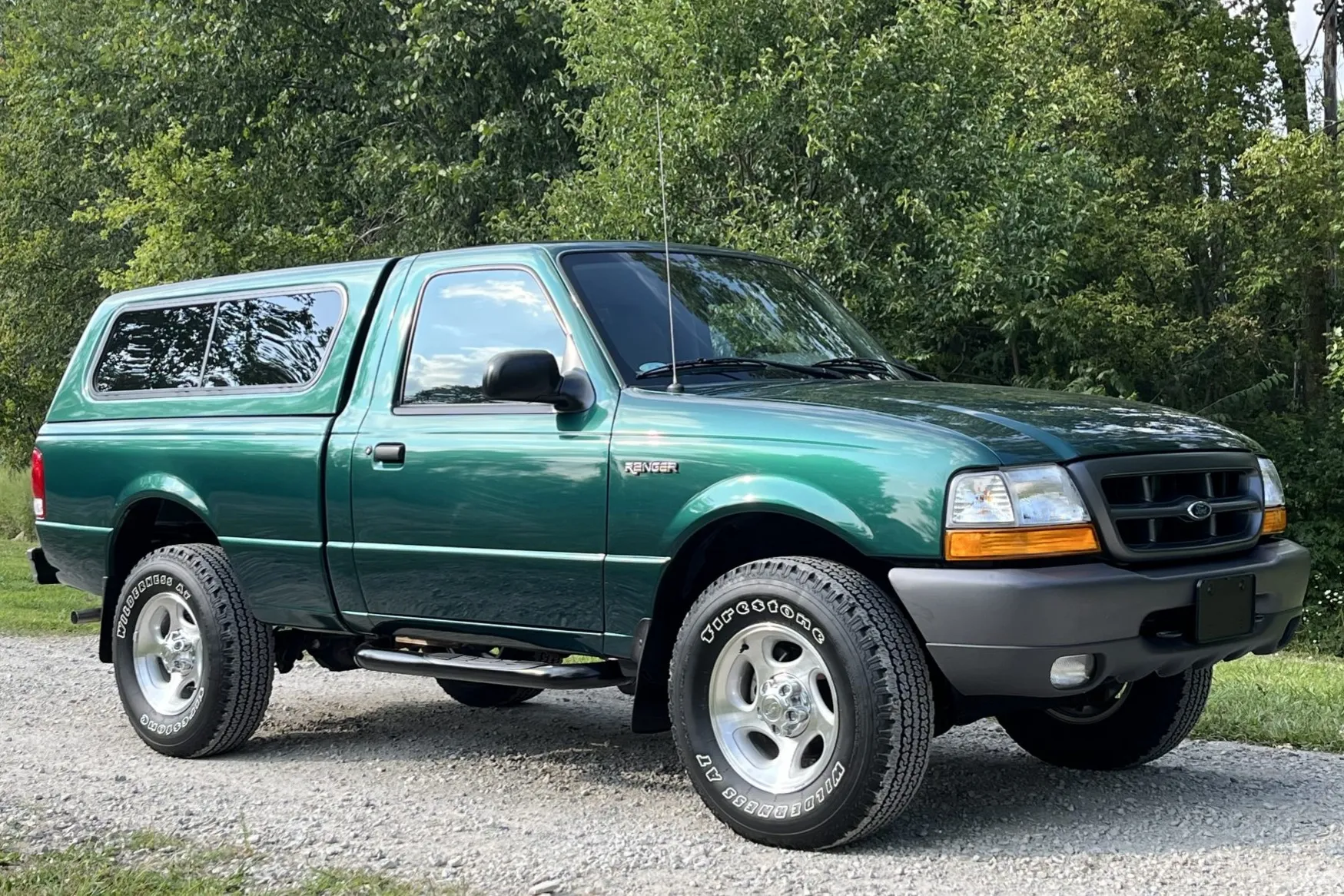
The first-generation Ford Ranger was never designed to win awards for innovation or cutting-edge design. It was made to work, and that’s exactly what it did. Launched in the early 1980s, the Ranger filled the gap for a small pickup that was affordable, easy to maintain, and built to handle real labor.
Its compact size made it ideal for daily use, and its mechanical layout avoided the complications that plague newer trucks. The Ranger didn’t have elaborate electronics or luxury-focused trims. What it offered instead was durability and simplicity.
Under the hood, the Ranger came with a range of simple, naturally aspirated engines. Whether you had the 2.3L four-cylinder or the 2.9L V6, you could count on a design that was easy to work on. Many of these engines used basic fuel systems and avoided complex sensors or turbocharging.
You didn’t need a laptop to diagnose problems. Many owners found they could keep their trucks running for decades with routine maintenance and basic tools. This made the Ranger not just affordable to own but dependable in a way that many modern trucks struggle to replicate.
The cabin of the early Rangers was also about function. Seats were simple but sturdy, and the dashboard had just what you needed, gauges that made sense, switches that were easy to reach, and nothing that required a user manual to operate. It was a truck you could get into and understand in minutes.
Today, pickup trucks have become status symbols loaded with screens and luxury features, but the early Ranger reminds us that a truck is supposed to be about utility, not appearances. The more you add to it, the more you risk losing what made it useful in the first place.
The drivetrain and suspension setup were equally straightforward. Whether you had rear-wheel drive or opted for the simple part-time 4WD system, the Ranger gave you the tools to get the job done. No selectable terrain modes, no active suspension systems, just a durable setup that responded predictably.
The early Ford Ranger became a workhorse for small businesses, farms, and families not because of what it had, but because of what it didn’t. It avoided overdesign and kept things manageable, a quality that modern trucks could learn from.
7. Suzuki Samurai
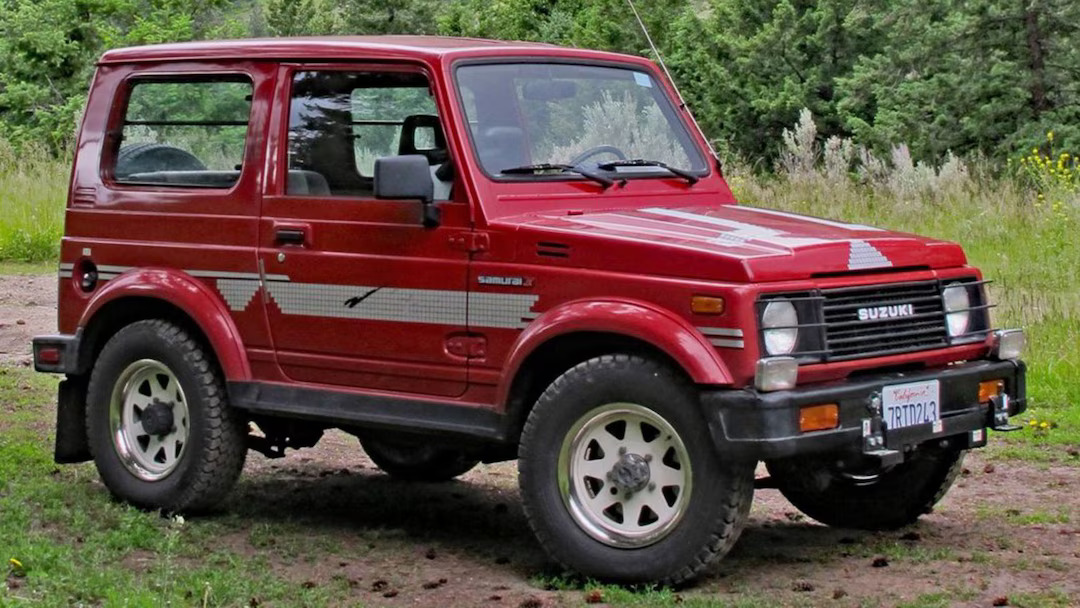
The Suzuki Samurai was a small, no-nonsense off-roader that proved you didn’t need size or complexity to tackle tough terrain. When it arrived in the United States in the mid-1980s, it offered a level of simplicity that made it both affordable and easy to maintain.
While it was smaller than most of the trucks and SUVs on the market, it was no less capable. Its short wheelbase, light weight, and basic suspension setup made it incredibly agile off-road. You didn’t need a dozen driving modes or advanced traction systems to make the most of it. It just worked.
Powered by a modest 1.3L four-cylinder engine, the Samurai was never about speed. What it offered instead was reliability and ease of repair. The engine was simple and durable, with no turbochargers or electronic trickery.
It was carbureted, had minimal sensors, and didn’t require complicated diagnostics to keep running. In many cases, you could access most engine components with just a few wrenches. This made it an ideal vehicle for remote use or for those who preferred to work on their own cars.
The interior of the Samurai followed the same approach. It was basic and functional, with seats that folded flat, minimal instrumentation, and no distractions. Drivers could focus on the trail ahead, not on managing electronic systems or climate zones.
Everything was designed with utility in mind. Window cranks, basic heating, and a simple dashboard were the standard. While some might see that as bare-bones, others saw it as freedom from overcomplication. You didn’t need to worry about screens going out or software glitches when you were out in the wild.
Off-road, the Samurai proved its worth time and time again. Its light frame and mechanical four-wheel drive system meant it could go places larger, more expensive vehicles couldn’t. It wasn’t trying to impress anyone; it was just doing its job. That kind of focus on function over form is rare today. The Samurai built its reputation not on features or horsepower, but on being dependable, rugged, and simple to operate. And that, for many, is what makes it unforgettable.
8. Volvo 240
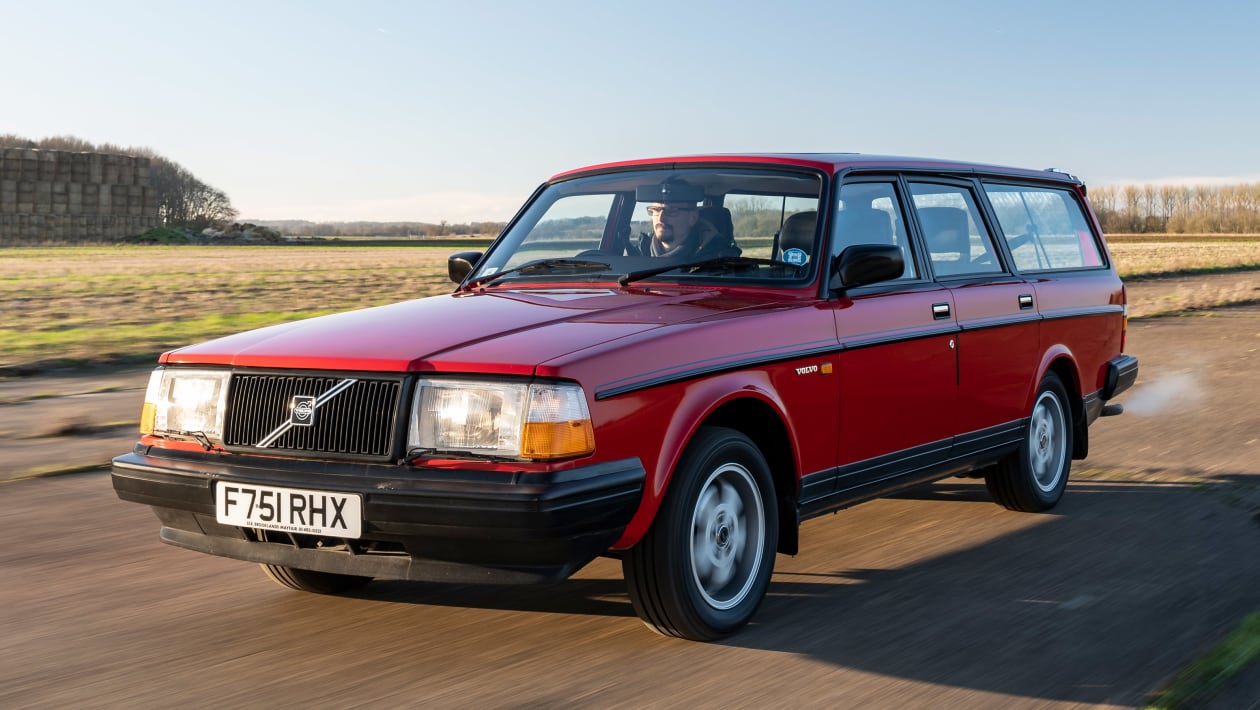
The Volvo 240 is one of those cars that became iconic not through flashy design or groundbreaking performance, but by being simple, safe, and nearly unkillable. Produced from the mid-1970s through the early 1990s, the 240 series took a straightforward approach to everything, from its engine layout to its styling.
The boxy design wasn’t trying to follow trends; it was focused on practicality, visibility, and ease of maintenance. That honesty in design has helped the 240 earn a reputation as a car that just keeps going, decade after decade.
Mechanically, the Volvo 240 stuck to proven technology. Most models were powered by the B21 or B230 series of four-cylinder engines. These were naturally aspirated, fuel-efficient, and under-stressed, which made them last a long time. They were easy to service, and even basic maintenance like timing belt changes and valve adjustments could be done without specialized tools.
The engine bays were roomy, the parts were accessible, and the mechanical systems weren’t buried under layers of electronics. This made them ideal for people who preferred to work on their own vehicles or just wanted something reliable without the risk of electronic failure.
The interior of the 240 also leaned heavily on logic and function. Controls were large and easy to understand. The dashboard was upright and clean, with analog dials and rock-solid switchgear that rarely failed. There was no need to scroll through menus or worry about firmware updates.
It was a car that made things easy on the driver, from climate controls to basic radio functions. Comfort wasn’t sacrificed eithe, Volvo’s seats were among the most supportive in the business, and the ride quality struck a good balance between softness and control.
Where the 240 really excelled, though, was in its sense of purpose. It wasn’t trying to be sporty or luxurious. It was designed to be safe, reliable, and long-lasting. Volvo put a strong focus on crash protection, even at a time when many other manufacturers were just starting to take safety seriously.
That integrity extended to the rest of the car, where components were built with durability in mind, not just profit margins. The result is a car that still turns up on roads today, often with hundreds of thousands of miles and very little drama.
9. Toyota Hilux (Fifth Generation, 1988–1997)
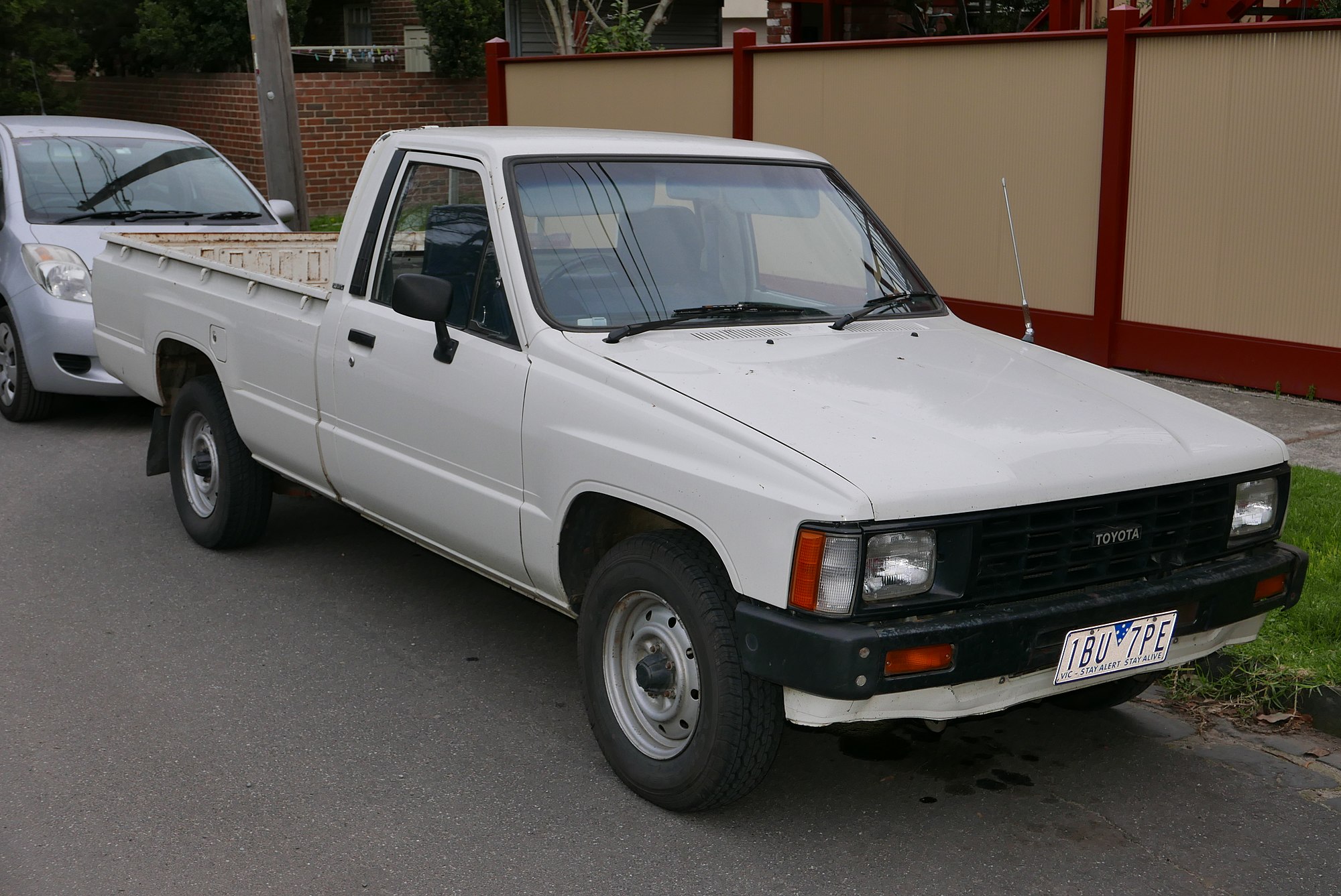
If there’s one vehicle that has earned a global reputation for durability, it’s the Toyota Hilux. The fifth-generation model, produced in the late 1980s through the 1990s, became the symbol of mechanical resilience. It was not complicated, not overloaded with gadgets, and certainly not built to impress anyone with high-end features.
It was, however, one of the most respected utility vehicles in the world. The simplicity of its design and the toughness of its components made it the go-to choice for people who needed a truck that could handle anything.
The engines offered during this generation were dependable and easy to work on. Whether you had the 2.4L diesel or the basic four-cylinder gasoline engine, you were dealing with a setup that prioritized long-term use over high performance. These engines were underpowered by modern standards, but they were built to last under heavy strain.
There were no turbos, no direct injection, and minimal electronics. That meant fewer things to break, which is why so many of these trucks remain in service in remote parts of the world. They keep running when newer trucks have long since retired due to electronic or sensor failure.
The rest of the mechanical systems followed the same philosophy. The suspension was simple but tough, using leaf springs in the rear and basic shock setups. The four-wheel-drive models used a manual transfer case with a lever in the cabin, no automatic engagement or push-button systems.
You pulled the lever and knew exactly what was happening underneath. The frame was strong, and the body panels were thick by modern standards. The Hilux didn’t need driver-assist systems or lane warnings to do its job; it was built to be predictable and solid, not reactive.
Inside, the cabin was purely functional. Vinyl seats, manual windows, and a straightforward dash layout were common. It wasn’t designed to provide comfort for long trips but rather to survive years of work under tough conditions. That minimalism gave the Hilux its charm.
There were no frills to distract you, no unnecessary electronics to confuse things. Everything served a purpose. And when your goal is to get from point A to point B regardless of terrain or conditions, a truck like the Hilux makes more sense than any modern tech-heavy alternative.
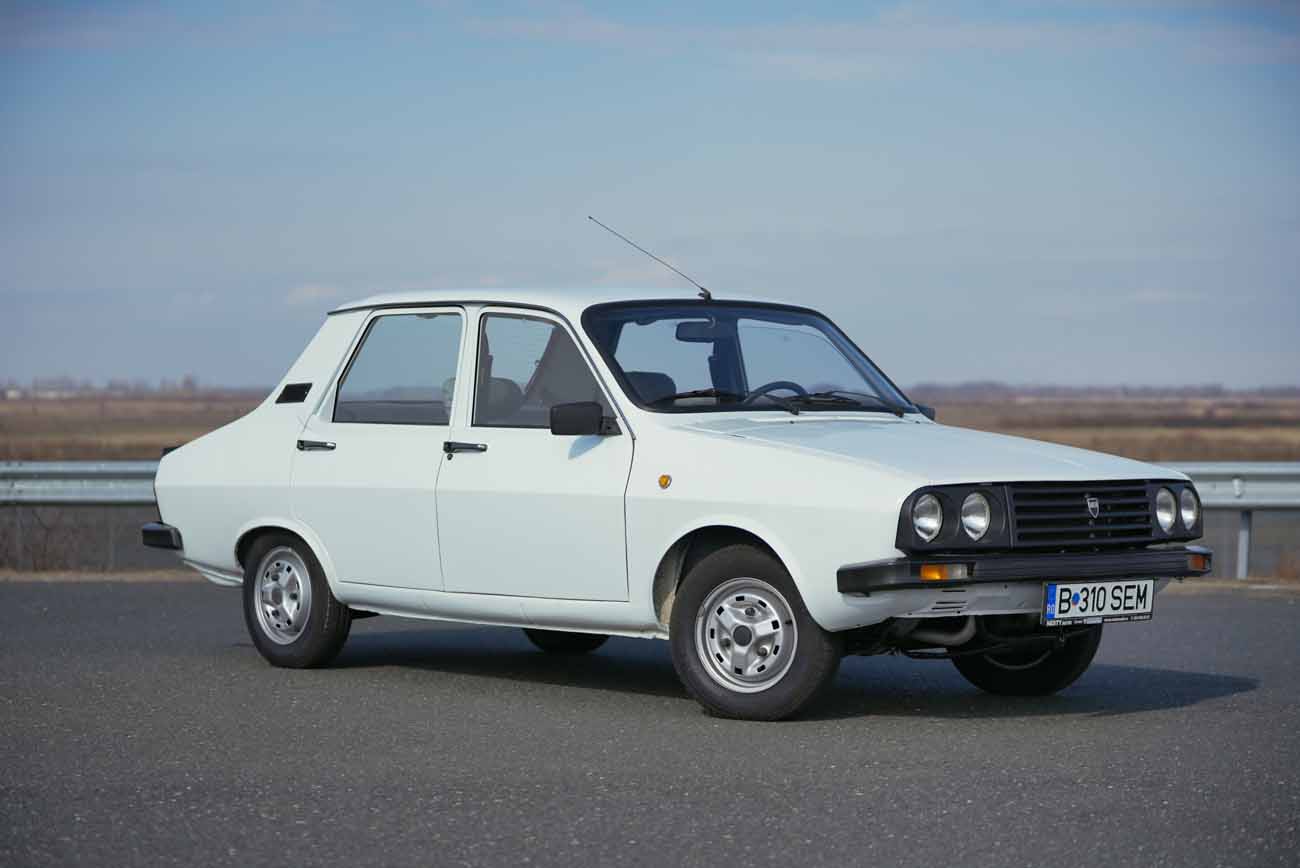
10. Dacia 1300
The Dacia 1300 is often overlooked in global automotive history, but it’s a standout example of how a simple, honest car can serve a nation. Based on the Renault 12, the Dacia 1300 was built in Romania and stayed in production from 1969 until the early 2000s with minimal changes.
It became a symbol of transportation for generations of Eastern Europeans, not because it was fast, beautiful, or advanced, but because it was reliable, easy to repair, and cheap to run. It may not have stood out in the global market, but for millions, it was the right car at the right time.
The mechanical setup was straightforward and designed to be serviced with basic tools. Most models had small-displacement engines that were simple and robust, often under 1.4 liters. There was no complex fuel injection, no turbocharging, and no electronic management systems.
This meant that even in remote villages, where professional mechanics were scarce, people could keep their cars running with creativity and a few spare parts. That level of self-sufficiency is hard to find today, where even a minor issue in a modern car can require diagnostic equipment and specialized training.
The Dacia 1300 also offered a practical and efficient layout. It had a surprisingly spacious interior for its size, with room for five passengers and a sizable trunk. The dashboard was made with cost in mind but arranged sensibly. There were no superfluous buttons or luxury items, just what you needed to drive, check your speed, and monitor fuel.
The controls were easy to learn, and the driving experience was predictable. That predictability made the car suitable for drivers of all ages and experience levels, whether navigating city streets or rural dirt roads.
Its legacy goes beyond just being a car. It represented access, freedom, and mobility for people who lived in a time of limited choices. Its long production run was partly due to economic conditions, but it also speaks to how well the formula worked. In many ways, it was a success because it didn’t try to be more than it needed to be.
It served its purpose for decades and taught many people how to drive and repair cars. For that reason, the Dacia 1300 proves that simplicity, even when born from necessity, can stand the test of time.
