
Cars today are designed to be reliable, durable, and capable of lasting many years. With proper maintenance, many models can exceed the 200,000-mile mark and continue to perform well, offering their owners dependable transportation long after the initial purchase.
However, not all vehicles are built equally when it comes to longevity. While some can easily surpass 200,000 miles with minimal issues, others may begin to break down or incur costly repairs before they even reach that milestone. Factors such as build quality, design, engineering, and the availability of replacement parts play a significant role in determining how well a car will age.
Some vehicles have a reputation for lasting well beyond 200K miles, thanks to their durable engines, solid transmission systems, and high-quality construction. These cars often feature simple yet robust designs, a well-maintained maintenance history, and a reputation for keeping their owners satisfied even after years of service.
On the other hand, certain vehicles may struggle with long-term reliability, encountering frequent mechanical failures, transmission issues, and electrical problems long before they reach the 200K threshold. Many of these cars are prone to more expensive repairs, making them less appealing to those looking for a long-term investment.
In this article, we’ll take a look at five cars that have proven to be reliable even after 200,000 miles and five that may leave you stranded or facing hefty repair bills long before you hit that milestone. While each vehicle’s longevity can depend on its specific model year and how it’s maintained, there are several patterns and trends that emerge among these cars.
Understanding which vehicles are more likely to stand the test of time and which ones may fall short can help you make a more informed decision when shopping for a used car or considering the long-term care of your current ride.
Also Read: 5 Nissan Leaf Years Worth Owning vs 5 To Avoid
Cars That Stay Safe After 200K Miles
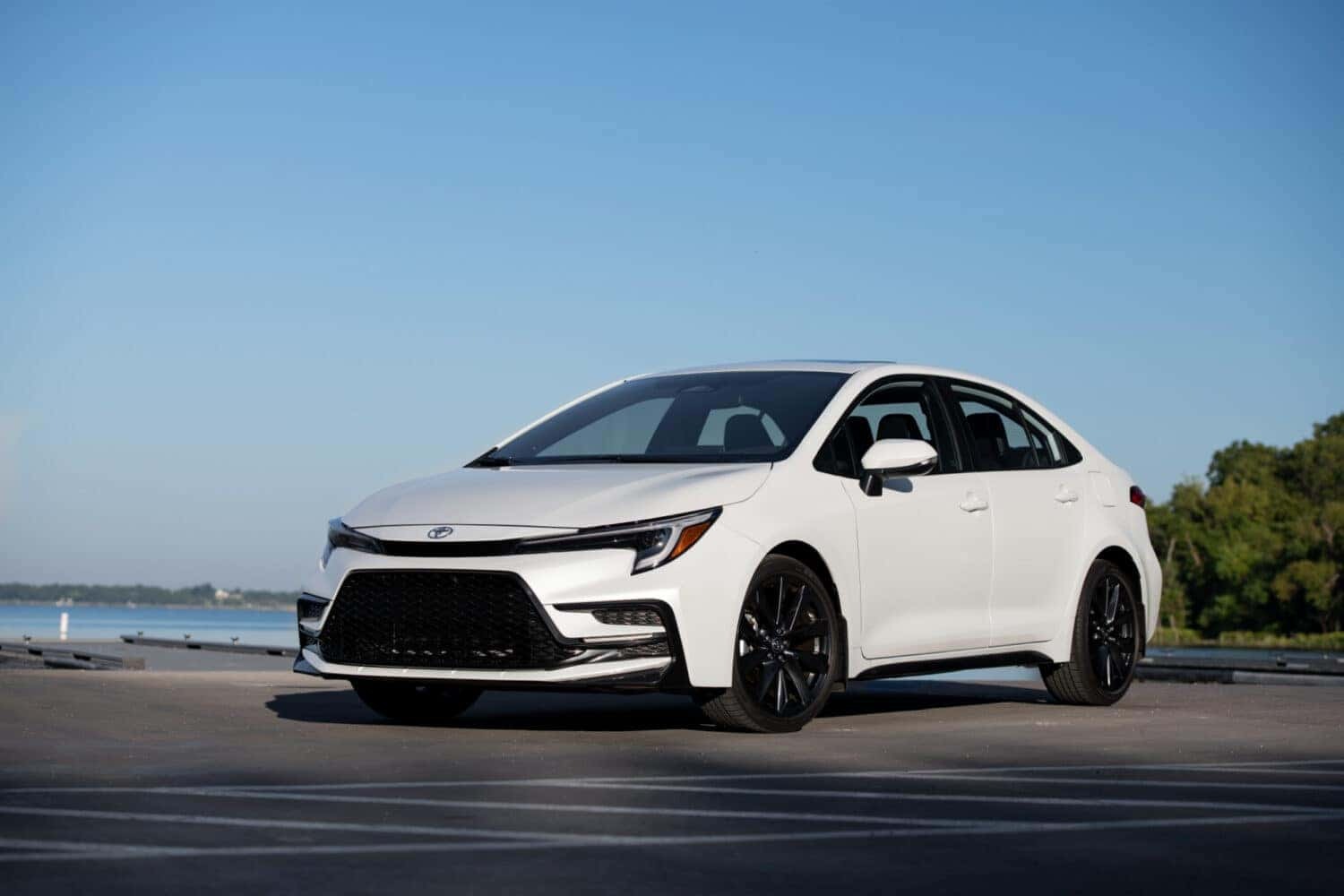
1. Toyota Corolla
The Toyota Corolla has long been hailed as a gold standard in automotive reliability. With a strong track record of surpassing the 200,000-mile mark, the Corolla is an excellent example of how smart engineering, reliable construction, and regular maintenance can lead to impressive longevity.
The Corolla’s reputation is not just built on theoretical longevity but is backed by countless real-world experiences of owners who report minimal mechanical issues even after years of ownership and high mileage.
The key to the Corolla’s enduring success lies in its simplicity and engineering. The car is known for its straightforward design, with a focus on reliability rather than complexity. The 1.8L or 2.0L engines, depending on the model year, are durable and fuel-efficient, built with high-quality components that resist wear over time.
Toyota’s reputation for building engines that can withstand the test of time is evident in the Corolla, where regular oil changes, timely belt replacements, and simple maintenance are often enough to keep the engine running smoothly for many years. The absence of overly complicated systems or expensive components makes it a reliable option for those looking to keep a vehicle for the long haul.
Beyond the engine, the Corolla’s transmission is another strong suit. Unlike many vehicles, which often suffer from transmission issues as they accumulate mileage, the Corolla’s transmission is generally reliable, especially in models that have manual transmissions.
Even in automatic transmission models, with routine fluid changes and maintenance, many owners report smooth shifting and long-term durability. The Corolla’s drivetrain, as a whole, offers peace of mind to drivers who need a dependable car that won’t need major repairs in the later stages of its life.
The car’s suspension and braking systems are also designed with longevity in mind. Compared to many other compact cars, the Corolla doesn’t tend to suffer from premature suspension wear or brake system failures. Regular checks and part replacements will ensure that the ride remains comfortable and that handling doesn’t degrade over time.
As such, the Toyota Corolla stands out as one of the best choices for anyone hoping to get a car that stays reliable well beyond 200,000 miles, offering a combination of affordability, low maintenance costs, and excellent longevity.
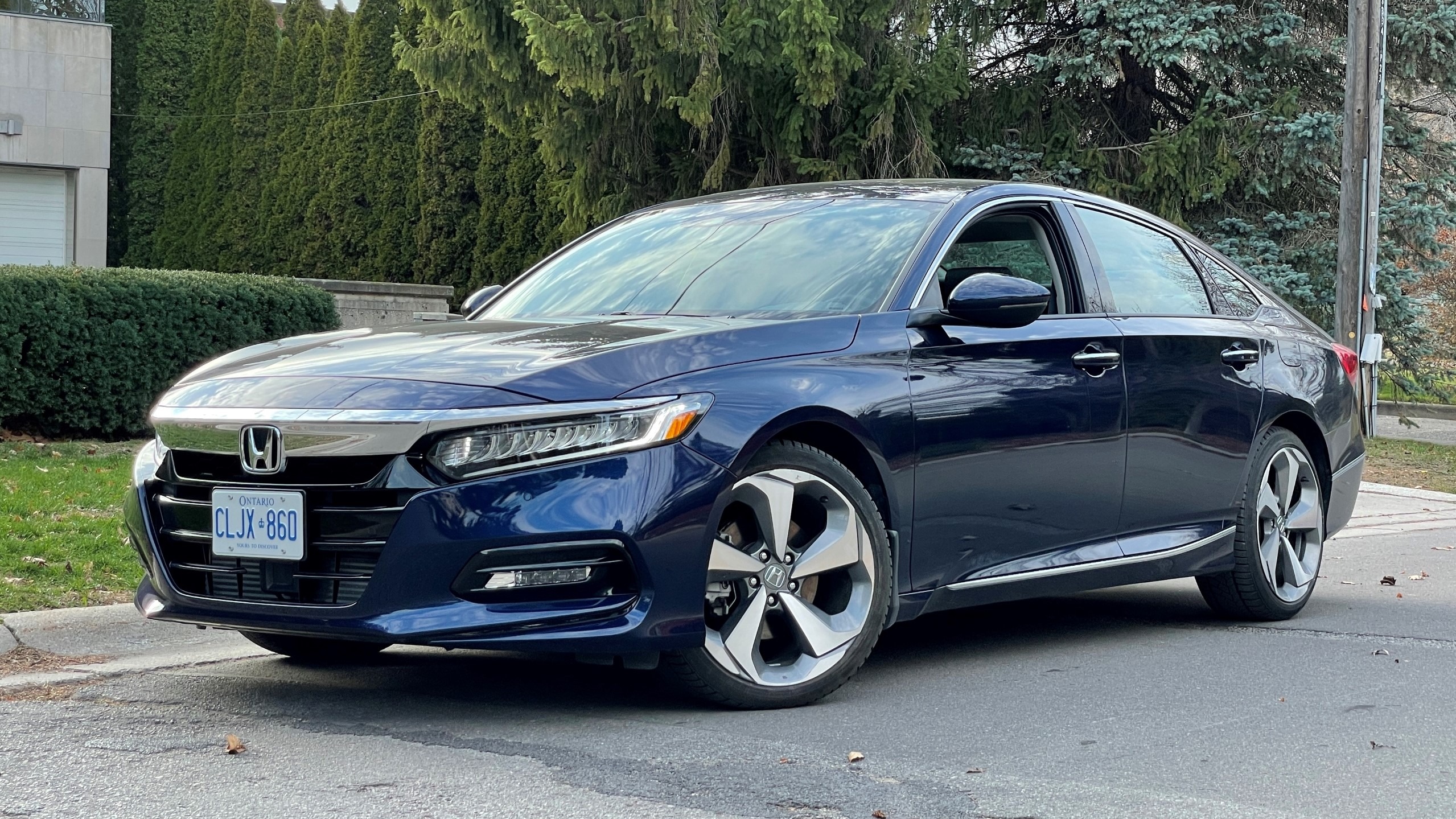
2. Honda Accord
The Honda Accord has long been recognized for its combination of reliability, comfort, and performance, making it one of the best vehicles on the market for those seeking a car that will last well past the 200K-mile milestone.
The Accord’s build quality, durability, and engineering excellence have made it a favorite for those looking for a car that can handle daily driving duties while remaining a reliable long-term investment. Whether it’s the 4-cylinder or V6 version, the Accord’s engine is built to endure, and with regular care, it will often go well beyond 200,000 miles without major issues.
A big part of the Accord’s durability is its engine. The 2.4L 4-cylinder engine found in earlier models and the 3.5L V6 engine in later versions are both renowned for their robustness. Honda has a reputation for making engines that require minimal maintenance while continuing to run smoothly for hundreds of thousands of miles.
With routine oil changes and regular inspections, the Accord’s engine can continue to run smoothly and provide solid fuel efficiency, even as it reaches 200,000 miles. Many Accord owners find that their engines have little to no major problems, even after years of use, making it one of the most reliable powertrains on the road.
Another strong point of the Accord is its transmission system. Honda’s automatic transmissions are engineered for longevity, and even the continuously variable transmissions (CVT) found in more recent models tend to be much more reliable than the CVTs in many other vehicles.
The Accord’s transmission, when maintained with fluid changes at regular intervals, continues to provide smooth shifting and reliable performance long after 200,000 miles.
This sets it apart from many other sedans, whose transmissions tend to fail or require expensive repairs as they age. As a result, the Accord remains a great choice for drivers who need a car that can continue to perform at a high level for many years.
Beyond the engine and transmission, the Accord’s suspension system is designed to last. The car’s suspension components, such as struts and control arms, are durable and tend to hold up well, even with high-mileage use. Unlike other vehicles that may require suspension repairs or part replacements as early as 100,000 miles, the Accord’s ride remains smooth and comfortable well beyond that threshold.
Additionally, the braking system is typically low-maintenance, and many Accord owners report that their brakes last a long time without the need for frequent replacements. The Honda Accord’s combination of engine, transmission, suspension, and brake durability makes it a top choice for anyone seeking a car that can comfortably exceed 200,000 miles without a significant reduction in performance or reliability.
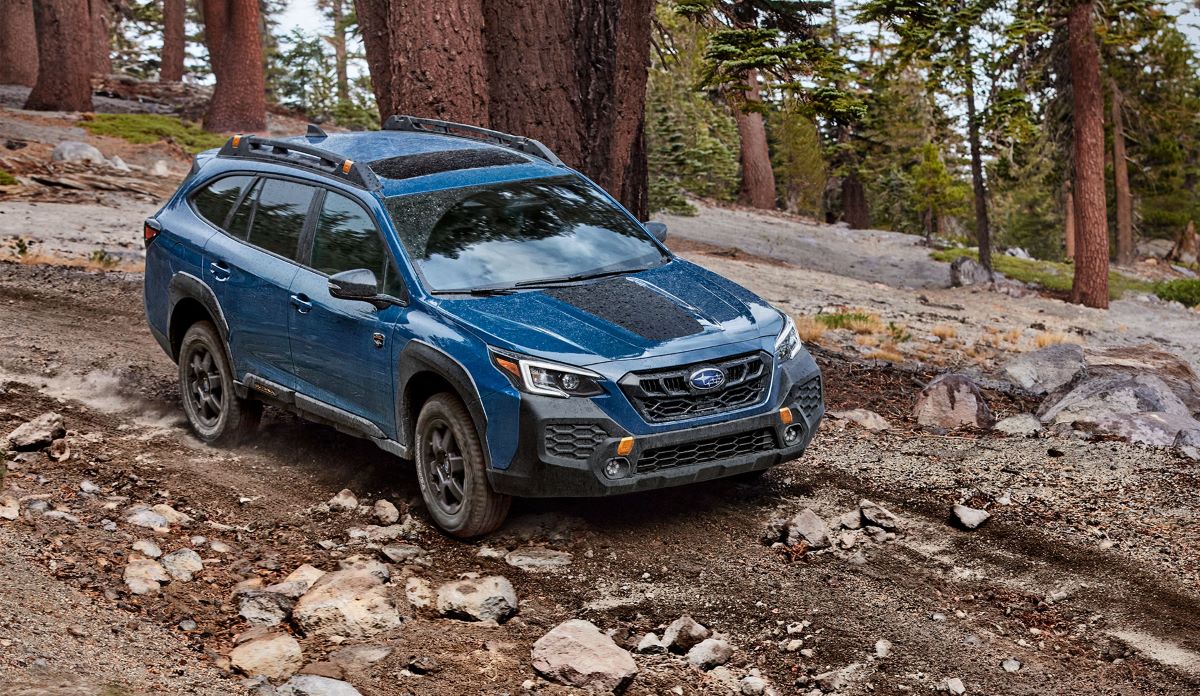
3. Subaru Outback
The Subaru Outback has earned a loyal following over the years, thanks to its combination of rugged capability and everyday practicality. Built to handle challenging terrain and harsh weather conditions, the Outback is engineered to be durable, and it frequently surpasses 200,000 miles with ease.
The Outback is known for its all-wheel-drive system, which makes it a standout choice for people living in areas where snow, rain, or rough terrain can be common. This system is designed to enhance the car’s traction and stability, and it can be a huge advantage for longevity, especially in challenging driving environments.
One of the main reasons the Subaru Outback can last well beyond 200,000 miles is its Boxer engine design. The Boxer engine, where the cylinders are horizontally opposed, offers a unique construction that results in a lower center of gravity and better handling.
This engine design is also known for its reliability and durability. While other vehicles with conventional engine designs may struggle with engine wear after reaching high mileage, the Subaru Outback’s Boxer engine tends to remain in good shape for much longer. Routine oil changes and fluid replacements are often sufficient to keep the engine running smoothly for years.
The Outback’s all-wheel-drive system is another key to its ability to reach 200,000 miles without trouble. Unlike front-wheel-drive or rear-wheel-drive vehicles, which rely on a single axle to power the car, the Outback’s all-wheel-drive system evenly distributes power to all four wheels, helping to reduce wear on individual components.
When properly maintained, this system remains highly effective, even after many years of use. As a result, the Outback tends to maintain strong traction and stability on slippery or uneven roads, making it a great vehicle for long-term ownership in regions with inclement weather.
The car’s suspension and transmission systems are also built with longevity in mind. Subaru has designed the Outback’s suspension to handle tough driving conditions without significant wear, which means that it’s not uncommon for the vehicle to retain a comfortable ride well beyond 200,000 miles.
Likewise, the Outback’s automatic transmission system has proven to be reliable, provided it’s maintained with regular fluid changes. Even after many years of use, the Outback’s mechanical reliability means it remains one of the most dependable vehicles in its class for high-mileage owners.
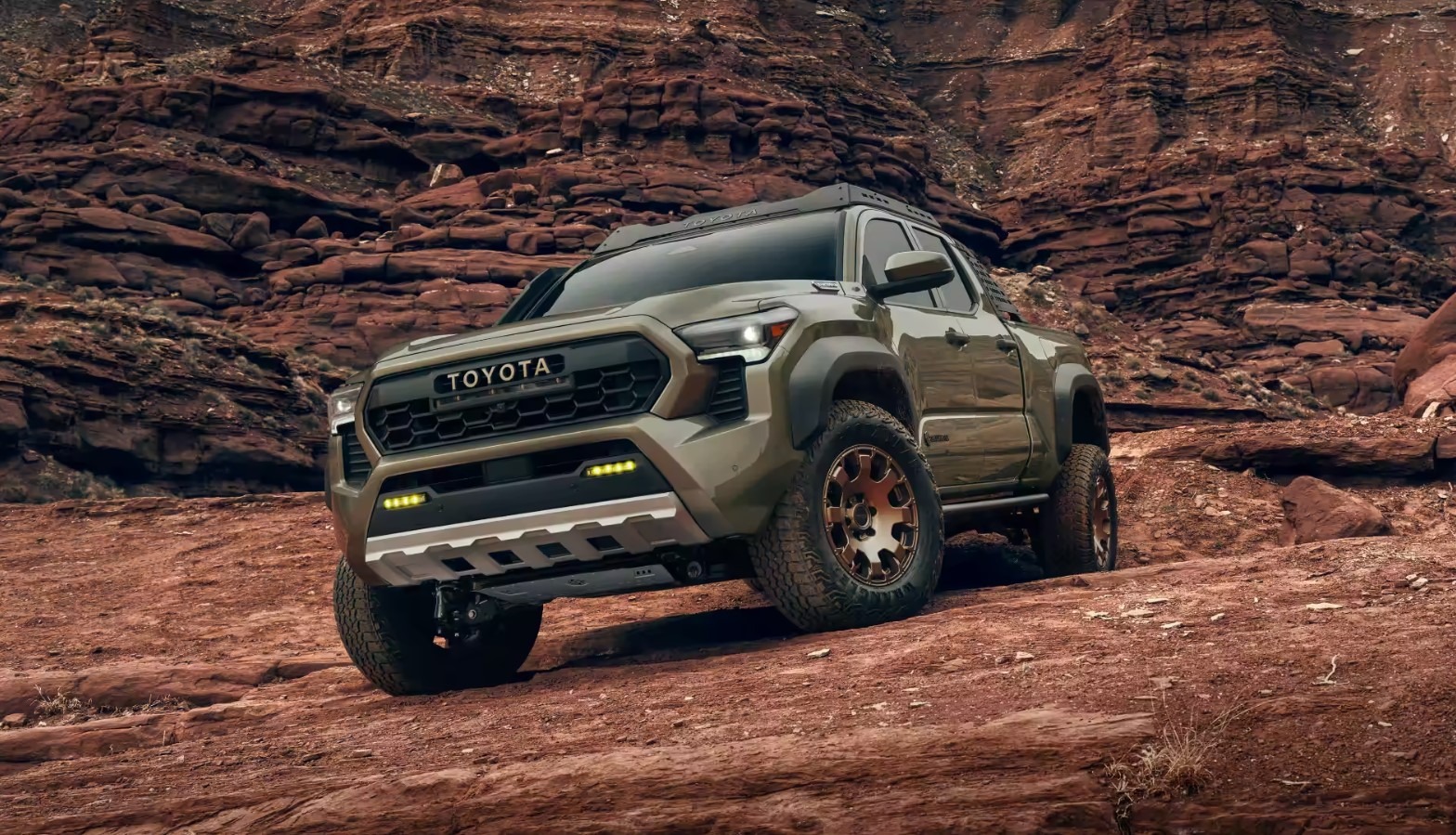
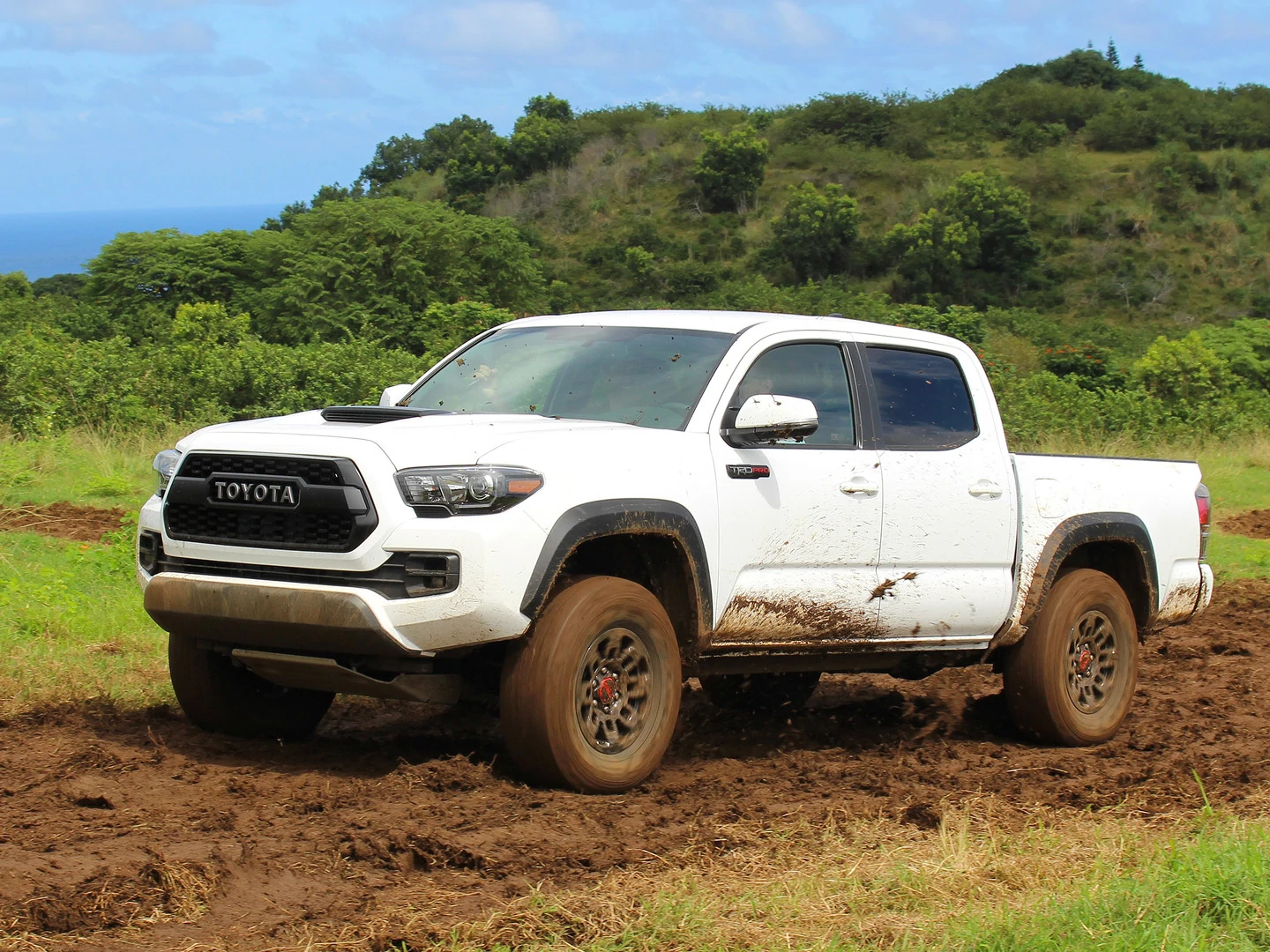
4. Toyota Tacoma
For those in need of a durable, long-lasting pickup truck, the Toyota Tacoma is a top contender. Known for its rugged design and off-road capabilities, the Tacoma is engineered to withstand tough conditions and high-mileage driving without sacrificing performance or reliability.
Whether you’re using it for work or off-road adventures, the Toyota Tacoma is one of the best trucks on the market for long-term ownership. Its body-on-frame construction gives it a solid foundation that can handle significant wear and tear, and with the proper care, it can easily surpass the 200,000-mile mark.
The Tacoma’s engines, including the 2.7L four-cylinder and the 3.5L V6, are both known for their durability. The four-cylinder engine is particularly popular for its simplicity and fuel efficiency, and with proper maintenance, it can last for many years without major mechanical failures.
Even the V6 engine, which provides more power for heavy-duty tasks, is engineered to be durable and reliable, offering good performance without significant wear or failure over time. Regular oil changes and routine inspections are generally all that’s needed to keep these engines running smoothly, even with high mileage.
Additionally, the Toyota Tacoma’s transmission system is built to withstand heavy use, whether you’re hauling loads or driving in challenging terrain.
The truck’s manual transmission is particularly durable, while the automatic transmission, when properly maintained, is known to last without major issues. The Tacoma’s drivetrain, which includes a strong clutch and durable gear mechanisms, is designed to endure the strain of high-mileage driving, making it a great choice for drivers who need a truck that will continue to perform year after year.
When it comes to suspension and handling, the Tacoma excels in off-road situations, with many drivers reporting that it handles rough roads, dirt trails, and rocky terrain with ease. This rugged suspension system is designed for durability, ensuring that the Tacoma can endure harsh conditions without premature wear or breakdowns.
Whether you’re using the truck for towing, off-roading, or daily commuting, the Tacoma is designed to handle the rigors of everyday use and continue running smoothly, even as it racks up miles. As a result, the Toyota Tacoma stands out as one of the best trucks for anyone looking to drive a vehicle well past the 200,000-mile mark without compromising on performance.
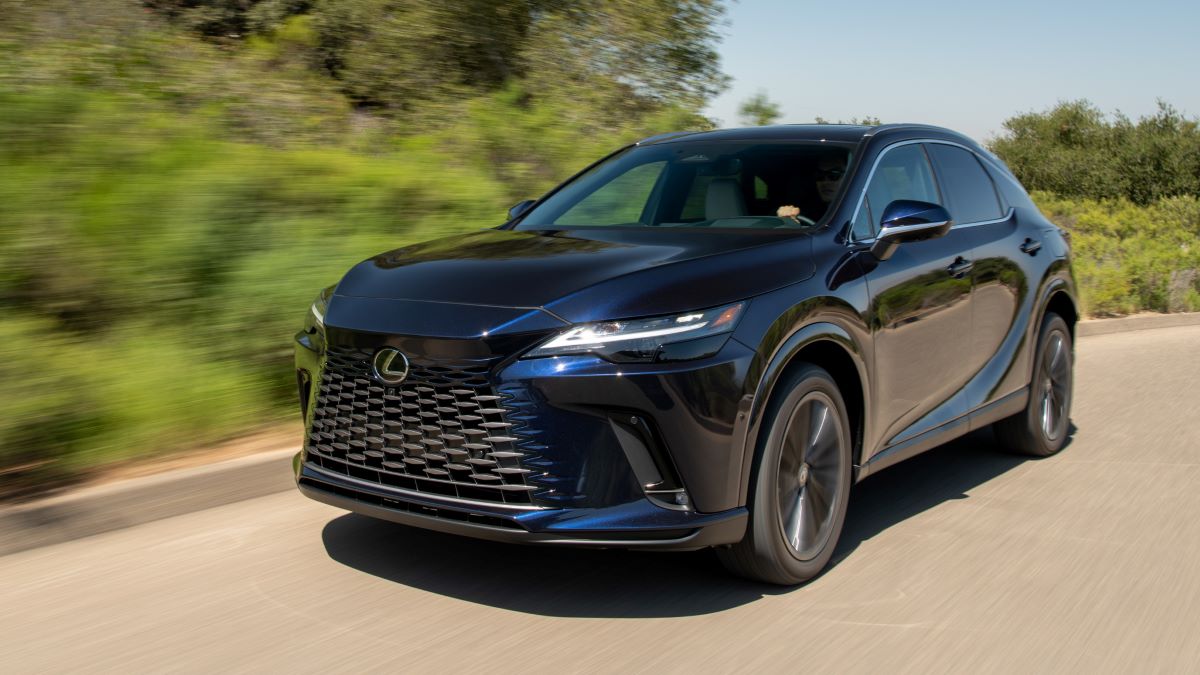
5. Lexus RX 350
The Lexus RX 350 is a luxury SUV that combines the high-end features of a premium vehicle with the reliability and durability typically associated with Toyota.
As the luxury division of Toyota, Lexus incorporates many of the same design principles that have made Toyota cars so dependable, and this shows in the RX 350’s long-term reliability. Many owners report that their RX 350s remain in excellent condition even after surpassing 200,000 miles, with minimal mechanical issues.
The RX 350 is powered by a 3.5L V6 engine that delivers strong performance without compromising on reliability. Lexus engineers the RX 350’s powertrain to withstand heavy use, making it a great option for long-term ownership.
Regular maintenance, such as oil changes and filter replacements, helps keep the engine in optimal condition for many years. The RX 350’s engine is built to last, and it’s not uncommon for these SUVs to run smoothly well beyond 200,000 miles, even when used for daily commuting or long-distance travel.
The RX 350’s transmission is another area where it excels in durability. Lexus uses a traditional automatic transmission that, when properly maintained, offers smooth shifting and long-lasting performance.
Unlike some luxury vehicles, which can be prone to transmission issues as they age, the RX 350’s transmission is designed to hold up well over time. Fluid changes and other minor maintenance tasks will ensure that the transmission continues to operate smoothly, even after many years of service.
In addition to its engine and transmission, the RX 350’s suspension and braking systems are built to withstand the rigors of long-term driving. The suspension system is designed for comfort and stability, providing a smooth ride even on rough roads.
The braking system, while sophisticated, is also engineered to be reliable, with brake components that tend to last longer than those found in many other luxury SUVs. This makes the RX 350 one of the best luxury vehicles on the market for high-mileage drivers who seek both comfort and durability.
Also Read: 5 BMW Cars That Rarely Fail vs 5 That Constantly Break
Cars That Don’t Stay Safe After 200K Miles
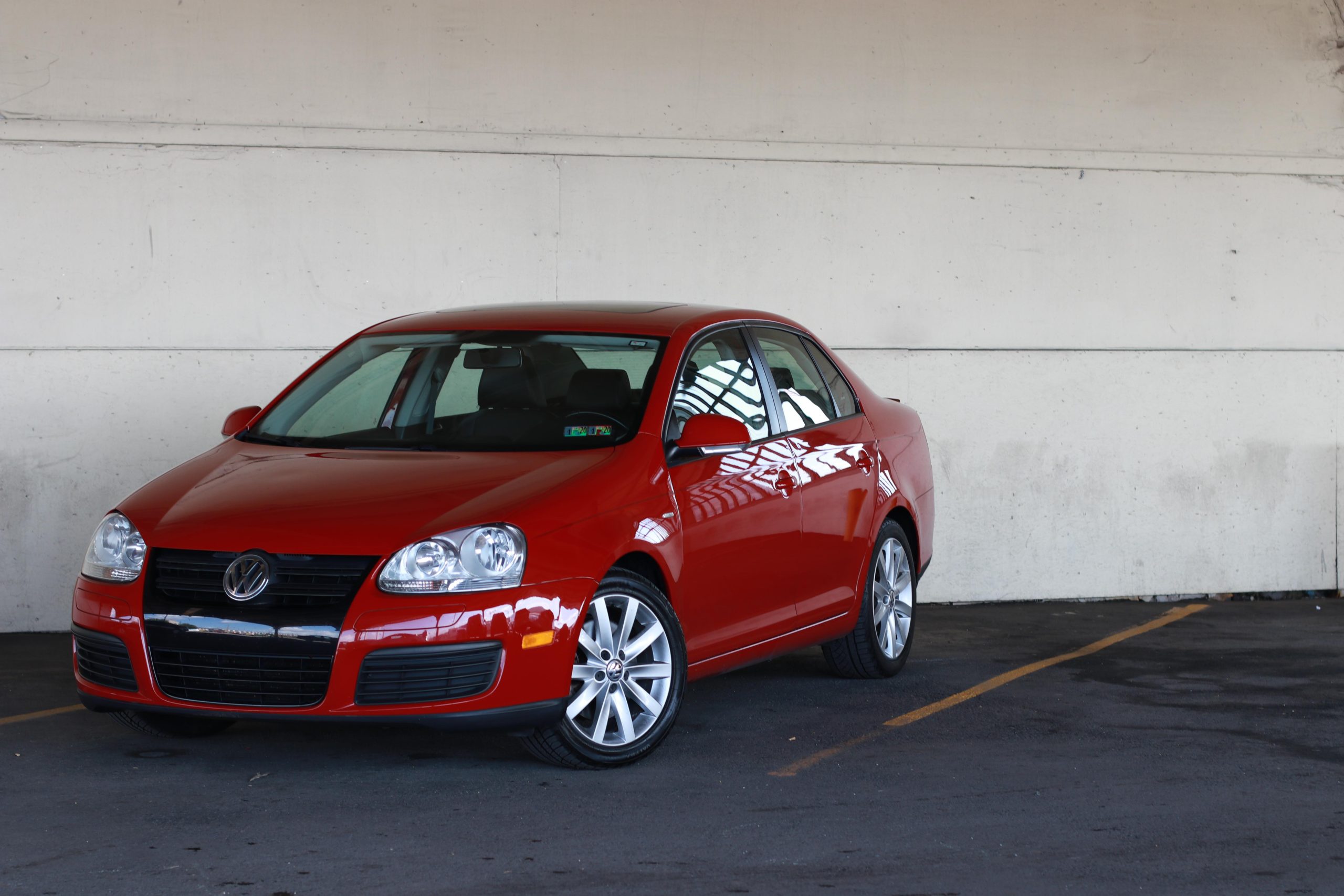
1. Volkswagen Jetta
While the Volkswagen Jetta may offer a fun driving experience and good fuel efficiency, it doesn’t always deliver the same level of reliability and durability once it reaches higher mileage.
Many Jetta owners report issues with the car’s electrical system, transmission, and engine components after hitting the 200,000-mile mark. The car’s relatively complex engineering, especially in later models, can become more prone to malfunction as the miles add up.
One common issue with the Jetta is the DSG (Direct Shift Gearbox) transmission, which, while offering quick shifts, tends to develop problems over time, especially as the car accumulates mileage.
Owners have reported issues such as rough shifting, delayed gear engagement, and even complete transmission failure after 150,000 to 200,000 miles. Replacing or repairing a DSG transmission can be incredibly costly, sometimes reaching thousands of dollars, making it a significant downside for long-term ownership.
Another area where the Jetta tends to fall short is its electrical system. Electrical issues can be common in vehicles that are 200K miles or older, but with the Jetta, the complexity of the wiring and the numerous electrical components often leads to more frequent and expensive repairs. Problems with sensors, wiring harnesses, and electrical connections are not uncommon, and they can be difficult to troubleshoot and fix, driving up repair costs.
The Jetta’s suspension system, while decent when new, can also start to show wear after high-mileage use. Worn-out suspension components can affect handling, causing the car to ride rough and less stable, and repairs to the suspension system can quickly become costly as parts start to deteriorate. With all of these factors combined, the Jetta is generally not considered one of the best choices for those seeking a car that will reliably go past 200,000 miles.
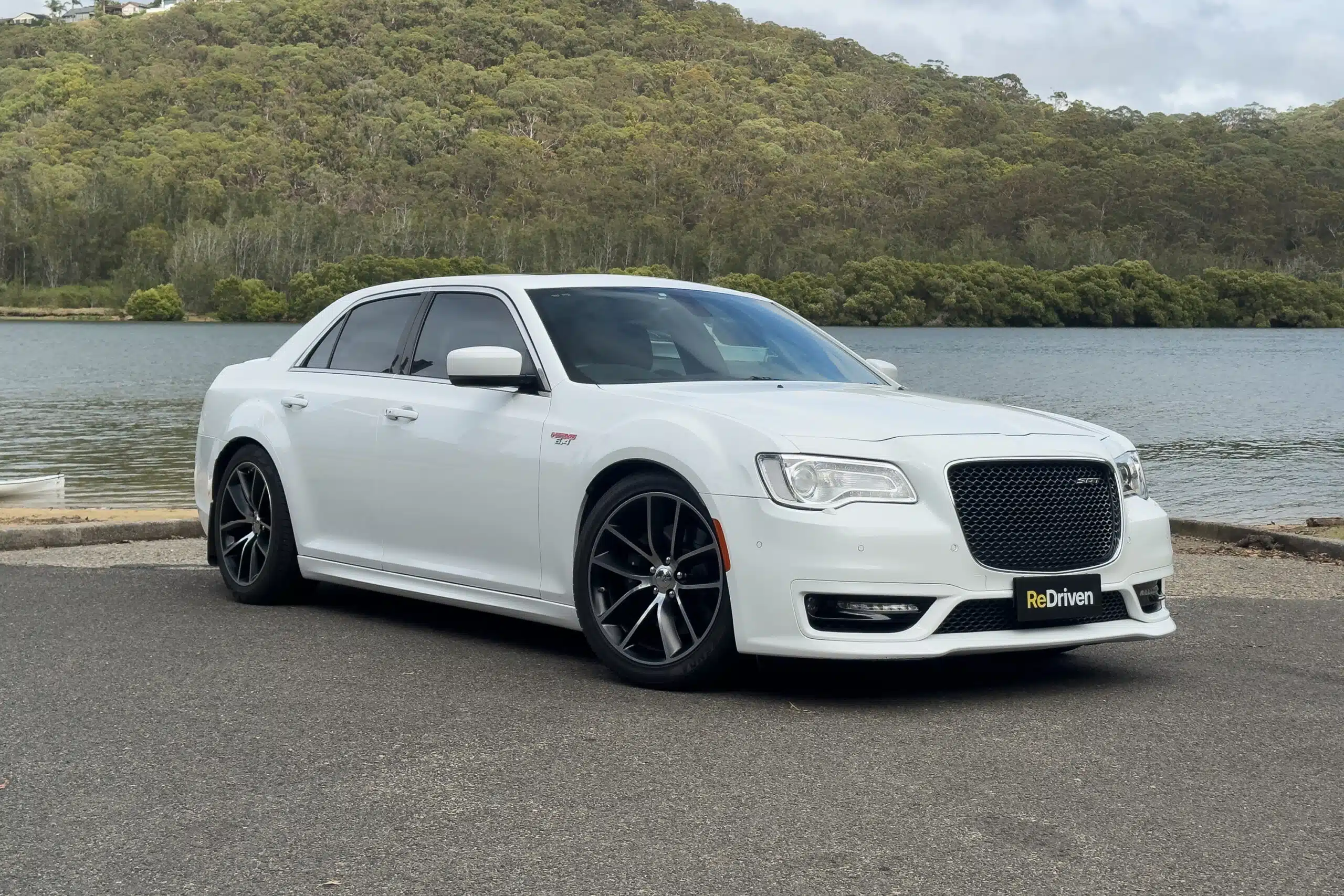
2. Chrysler 300
The Chrysler 300 is a full-sized sedan that delivers plenty of style and comfort, but it falls short in terms of long-term reliability. After reaching 200,000 miles, many Chrysler 300 owners report significant issues with the engine, transmission, and suspension.
While the car’s large, powerful engine may have great performance when it’s new, it tends to wear out faster compared to other sedans in its class, especially if it hasn’t been meticulously maintained.
Engine issues are a common complaint among Chrysler 300 owners after 150,000 miles. Some drivers report the car’s engine stalling, poor acceleration, or even excessive oil consumption, particularly in older models with the 3.5L or 5.7L V8 engines.
These issues are often attributed to poor valve seals or a failing timing chain, both of which can be expensive to replace. Additionally, the 300’s engine components, including gaskets and seals, are known to wear out over time, leading to oil leaks and other costly repairs.
The Chrysler 300’s transmission, particularly in the earlier models, is another area that tends to develop problems as it racks up miles. Transmission failures, shifting issues, and slipping gears are all reported by owners who have crossed the 200K-mile mark. Rebuilding or replacing a transmission in a Chrysler 300 can cost thousands of dollars, making it a less attractive option for those looking for a vehicle that will keep running without breaking the bank on repairs.
Beyond the engine and transmission, the Chrysler 300’s suspension system often becomes problematic as the car ages. The suspension components, such as control arms and struts, can wear out quickly, resulting in a rough and uncomfortable ride.
Given that many owners report the car’s suspension system starting to show signs of failure well before it hits the 200,000-mile mark, it’s a significant factor that contributes to the 300’s reputation for having a shorter lifespan compared to other vehicles in its class.
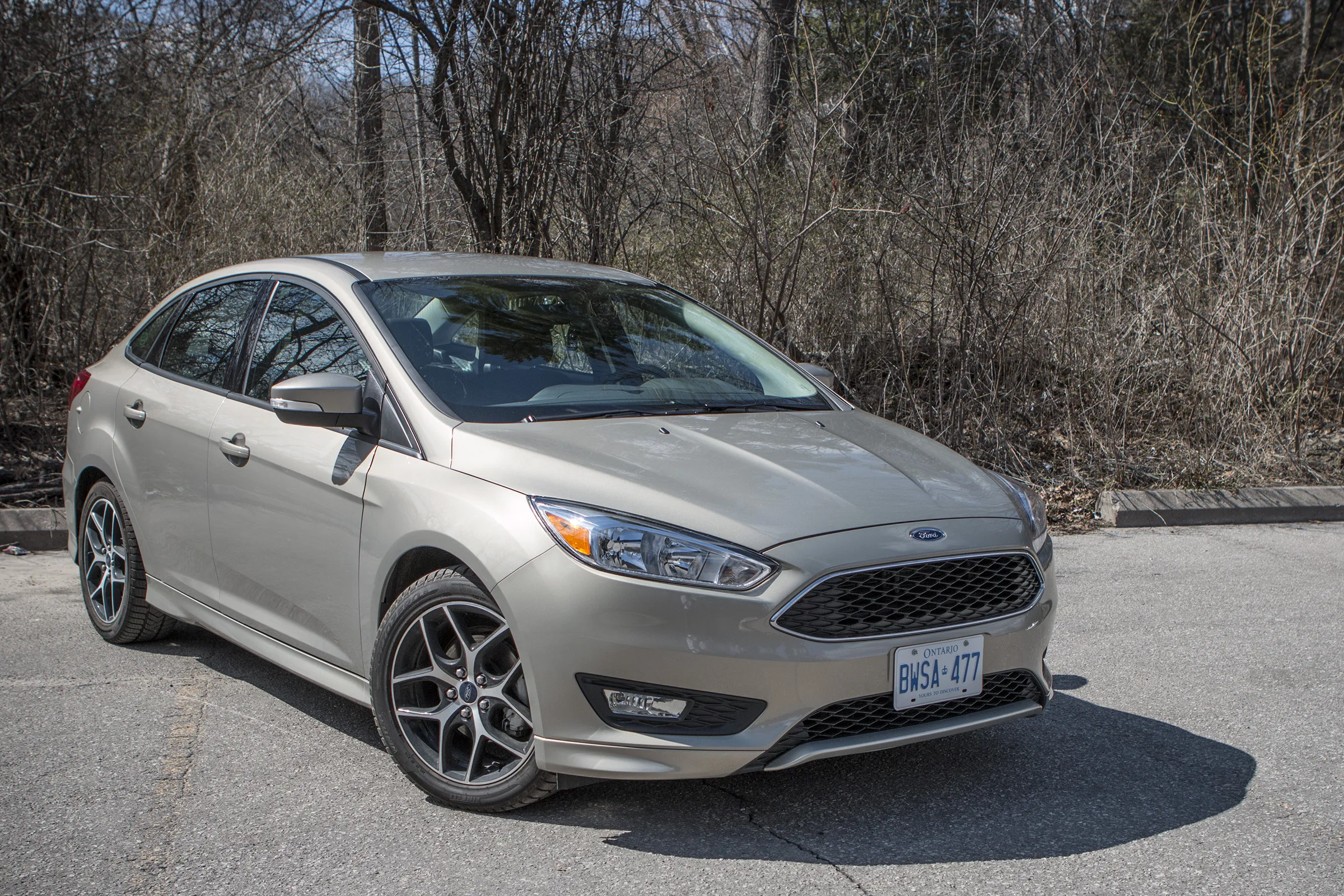
3. Ford Focus
While the Ford Focus is often praised for its fuel economy and practicality, it’s not always the best option when it comes to long-term durability. After hitting 200,000 miles, many Focus owners experience a range of mechanical problems, particularly with the transmission and electrical systems.
The car’s relatively small size and lightweight construction may make it easy to handle, but they also contribute to faster wear and tear as the miles accumulate.
Transmission issues are perhaps the most significant problem faced by high-mileage Ford Focus owners. In particular, the dual-clutch transmission (DCT) found in some newer models is notorious for causing problems after around 100,000 to 150,000 miles.
Owners often report rough shifting, hesitation when accelerating, and transmission failure, which can be both frustrating and expensive to repair. While manual transmissions tend to last longer, they can also be prone to clutch problems after long-term use.
Another weak point of the Ford Focus is its electrical system, which tends to develop issues as the car ages. Problems with sensors, wiring, and even the car’s central computer are not uncommon.
In some cases, the Focus’s electrical system can cause significant malfunctions in the engine or other vital components. Troubleshooting electrical issues in the Focus can be time-consuming and costly, particularly if the car has accumulated high mileage.
The Focus’s suspension system, too, tends to degrade more quickly than those of other vehicles in its class. Many owners report that by the time the car reaches 200,000 miles, the suspension system begins to fail, causing problems with handling and ride comfort.
This can lead to more frequent repairs, including the need to replace worn-out struts, bushings, and control arms. While the Ford Focus is an affordable car when new, its long-term reliability diminishes significantly once it exceeds 200,000 miles.
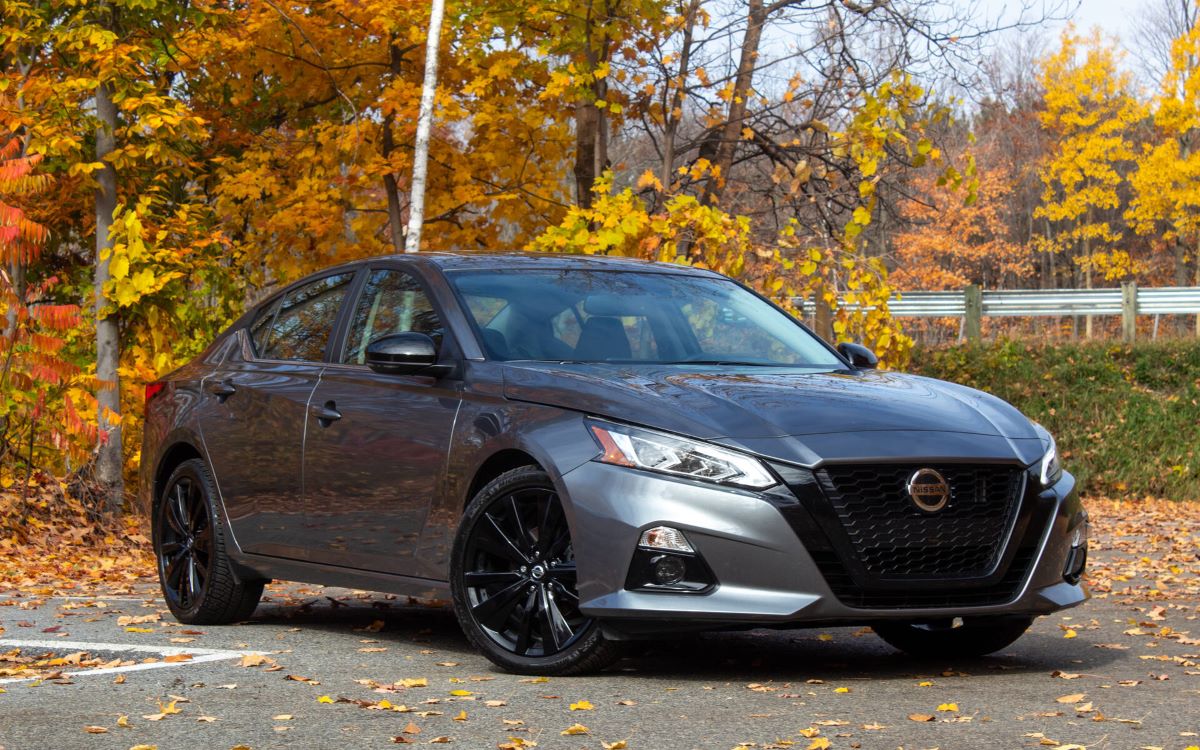
4. Nissan Altima
The Nissan Altima is a popular midsize sedan that offers a good balance of features and affordability. However, when it comes to long-term durability, the Altima doesn’t always stand up well after reaching 200,000 miles. While the Altima’s engine is generally reliable in the early years, many owners report a variety of issues as the car accumulates mileage, especially in later model years.
One of the most common problems with high-mileage Altimas is engine-related. The 2.5L four-cylinder engine found in many models is known to suffer from excessive oil consumption after reaching 150,000 miles or more. In some cases, this issue is caused by worn-out piston rings, which can lead to oil leaks, poor engine performance, and, in the worst-case scenario, complete engine failure.
Rebuilding or replacing the engine can be a very expensive repair, and many owners find that the car is no longer worth the cost of fixing it once the engine starts to fail.
Another weak spot in the Altima is its continuously variable transmission (CVT). While CVTs offer smooth and efficient shifting when they’re working properly, they are known to fail more quickly than traditional automatic transmissions.
Many Altima owners report problems with the CVT after 100,000 to 150,000 miles, including rough shifting, slipping, and even complete transmission failure. The cost of replacing or repairing the CVT is often prohibitively expensive, making it a significant concern for those looking to keep their Altima running for the long haul.
The Altima’s suspension system can also start to show signs of wear after high-mileage use. Many drivers report that by the time their Altima hits 200,000 miles, the suspension components begin to fail, leading to a rougher ride and a decrease in handling performance.
While the Altima may be an affordable vehicle when it’s new, its longevity is often limited due to these common issues that tend to crop up after 200,000 miles.
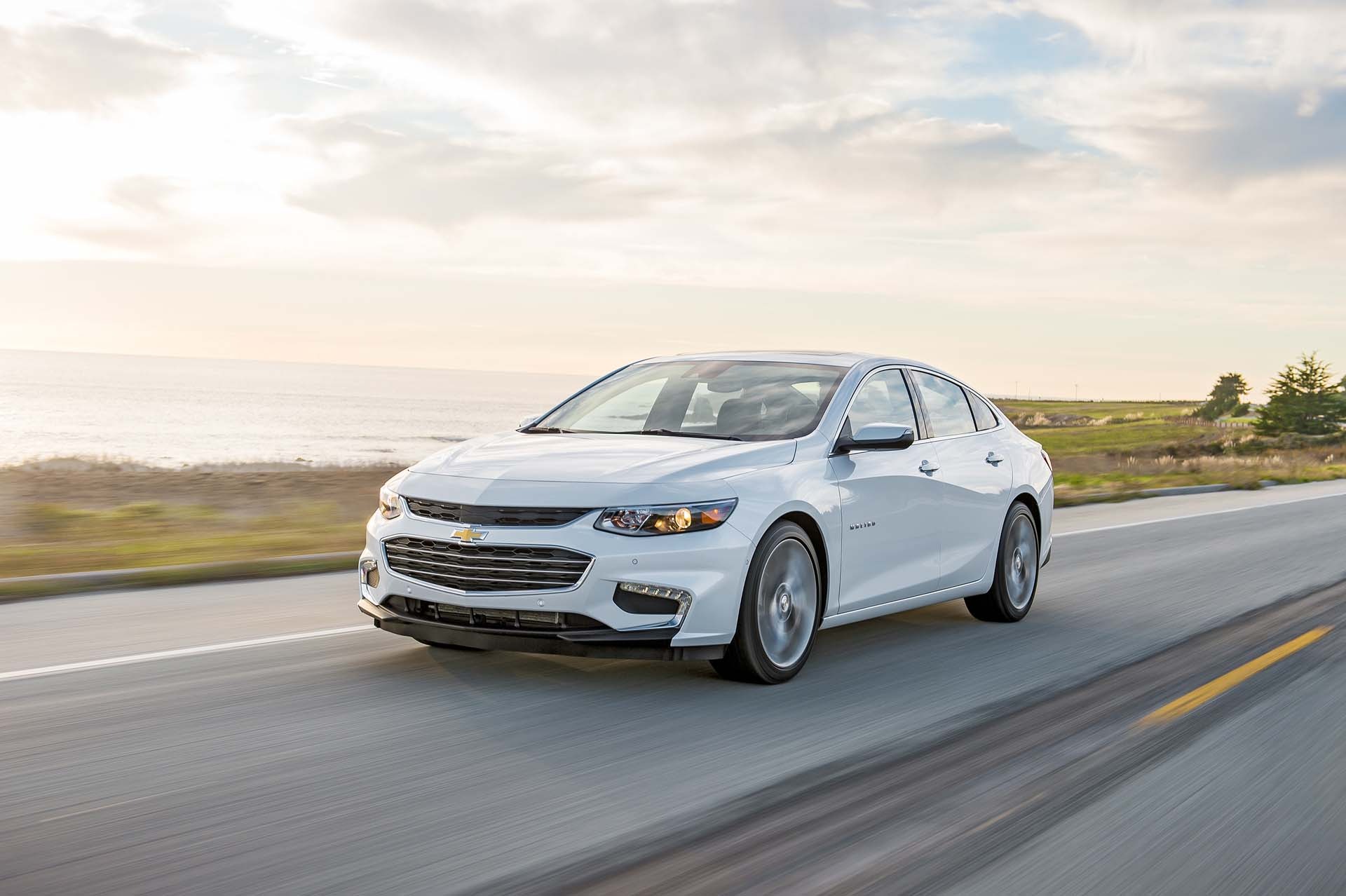
5. Chevrolet Malibu
The Chevrolet Malibu is another midsize sedan that, while offering a comfortable ride and solid features, struggles with long-term reliability. Like the Nissan Altima, the Malibu may run smoothly in its early years, but after hitting 200,000 miles, many owners report significant mechanical issues that make it difficult to keep the car running efficiently. The engine, transmission, and suspension systems are all potential weak points that can lead to expensive repairs after high mileage.
One of the most frequent problems reported by Malibu owners is with the 2.4L four-cylinder engine. This engine, found in many models, is known to suffer from issues like poor fuel efficiency, oil leaks, and carbon buildup, especially as it accumulates mileage.
These problems can lead to reduced engine performance and, in some cases, complete engine failure. While regular maintenance can help mitigate these issues, many owners find themselves facing costly repairs once the car passes the 200K-mile threshold.
The Malibu’s transmission is another area where issues are common after high mileage. While some models are equipped with a traditional automatic transmission, others use a continuously variable transmission (CVT), which has proven to be unreliable in many instances.
Owners often report problems with slipping, delayed shifting, and complete transmission failure, all of which require expensive repairs. Given the cost of transmission work, this can be a major factor in why many Chevrolet Malibus don’t make it past 200,000 miles without significant issues.
Finally, the Malibu’s suspension system is known to wear out quickly after long-term use. Worn-out suspension components, such as struts, shocks, and control arms, can cause the car to ride roughly and handle poorly.
This leads to a less comfortable driving experience and may require expensive repairs as the car approaches or exceeds 200,000 miles. Combined with the potential engine and transmission issues, the Malibu is generally not recommended for drivers looking for a car that will stay reliable long-term.
