
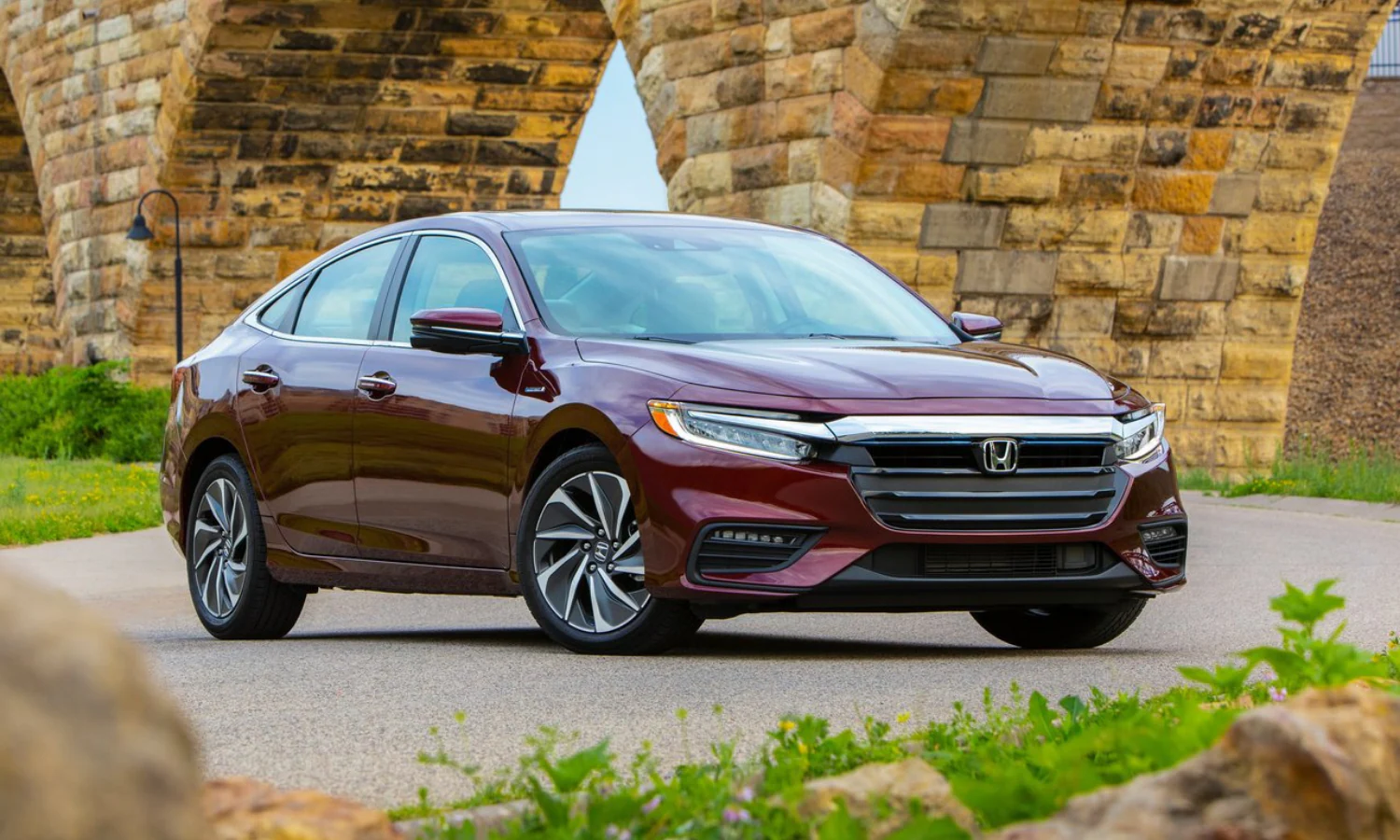
Honda sedans have built a reputation for their outstanding reliability, thanks to their proven engineering and durable components. The company has managed to create cars that not only deliver exceptional fuel economy but also last for many years with minimal issues, earning the loyalty of drivers worldwide.
Whether it’s the efficient Civic or the spacious Accord, Honda has consistently delivered sedans that are known for their solid performance. However, while the majority of Honda sedans are known for their long-lasting nature, a few models have experienced more than their fair share of mechanical issues. These issues, whether related to the engine, transmission, or electrical components, can frustrate owners and lead to costly repairs.
In this article, we will compare five Honda sedans that are known for their reliability and longevity with five others that have garnered a reputation for frequent breakdowns. It’s essential to understand that the reliability of a vehicle can depend on several factors, including how well the car has been maintained, its driving history, and even its specific model year.
While some Honda sedans have a stellar track record for durability, there are others that, despite the brand’s strong reputation, face particular issues that make them more prone to failure. By comparing these models, potential buyers can better determine which Honda sedan might be the best fit for their needs, whether they prioritize longevity or want to avoid common mechanical headaches.
Understanding the differences in reliability across various Honda sedan models can also help you make an informed decision if you’re in the market for a used vehicle. A well-maintained Honda can easily last for several hundred thousand miles, but choosing the wrong model could lead to repeated breakdowns and costly repairs.
The following analysis of the five most reliable Honda sedans and the five models with the most frequent issues will provide valuable insights for both prospective buyers and current owners who want to make the most out of their vehicles.
Also Read: 5 Nissan Leaf Years Worth Owning vs 5 To Avoid
Honda Sedans That Rarely Break
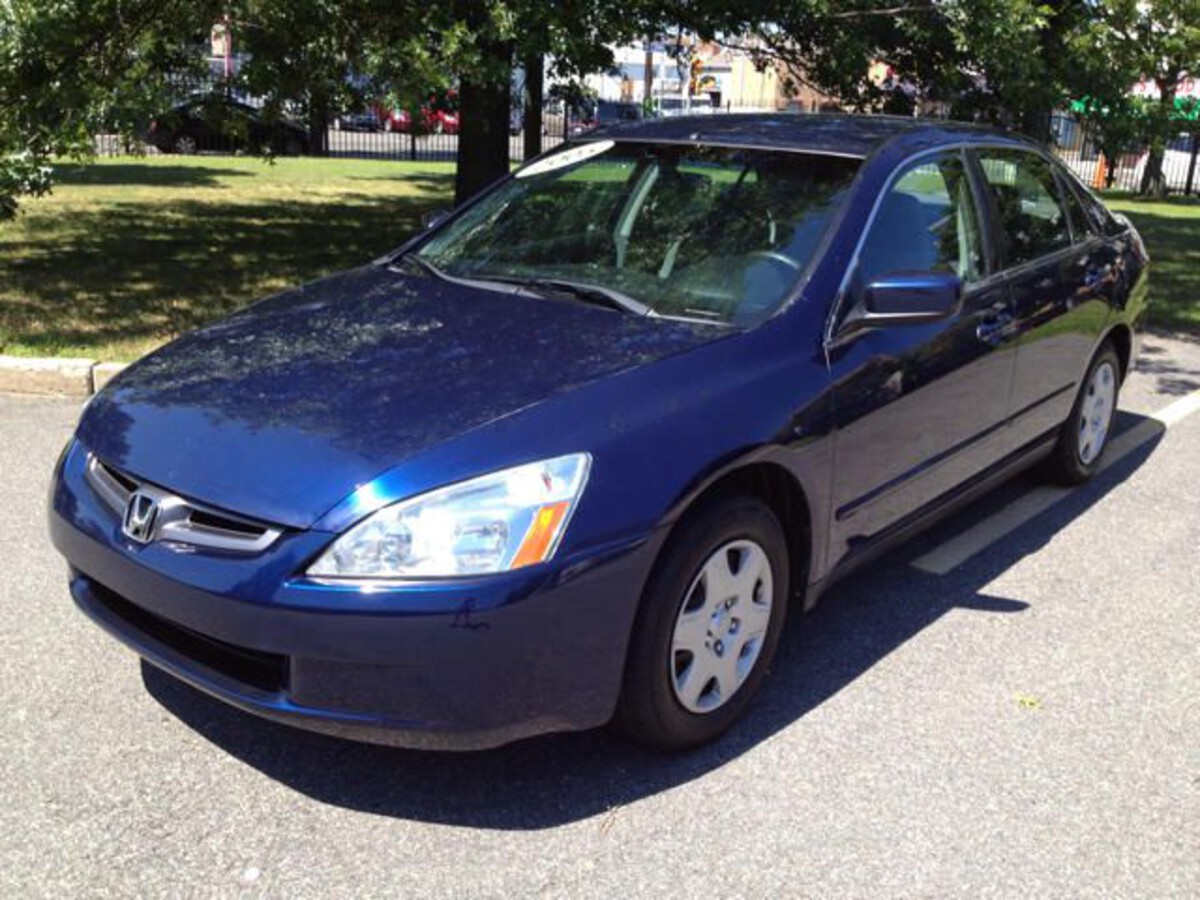
Honda Accord (2000–2007)
The Honda Accord from the early 2000s is one of the most reliable sedans in Honda’s history, frequently praised by owners for its durability and low maintenance costs. This generation of the Accord has a reputation for outlasting its competitors, often running smoothly for well over 200,000 miles with little more than routine maintenance. One of the main reasons for this sedan’s reliability is its straightforward engineering.
The 2.4L 4-cylinder engine, known for its efficiency, was designed with simplicity in mind, making it easier to repair and less prone to the complex issues that can affect newer engines with more advanced technologies. Additionally, the automatic transmission in these Accords is well-regarded for its durability, often outlasting the engines in other vehicles of the same era.
Owners have reported that the 2000-2007 Accord is incredibly low-maintenance, requiring only the typical repairs that come with aging vehicles, such as brake pad replacements, tire rotations, and oil changes. Major mechanical problems, such as engine or transmission failures, are rare in this generation.
Many Accord owners have praised its long-term performance, claiming that their cars have reliably served them through hundreds of thousands of miles with minimal expenses. The interior of the vehicle, built with quality materials, holds up well over time, further contributing to its durability. If properly maintained, this Accord generation can often reach 250,000 miles or more without significant issues.
In addition to its engine and transmission reliability, the 2000-2007 Accord is also known for its smooth ride, comfortable cabin, and excellent fuel economy, all of which contribute to its lasting appeal. Despite being an older model, it continues to be one of the best options for anyone seeking a reliable, used sedan.
Many owners of this generation of Accord report that their cars remain as dependable and enjoyable to drive as they were when they were new. With its robust build and proven track record, the 2000–2007 Accord is undoubtedly one of the most reliable Honda sedans on the market.
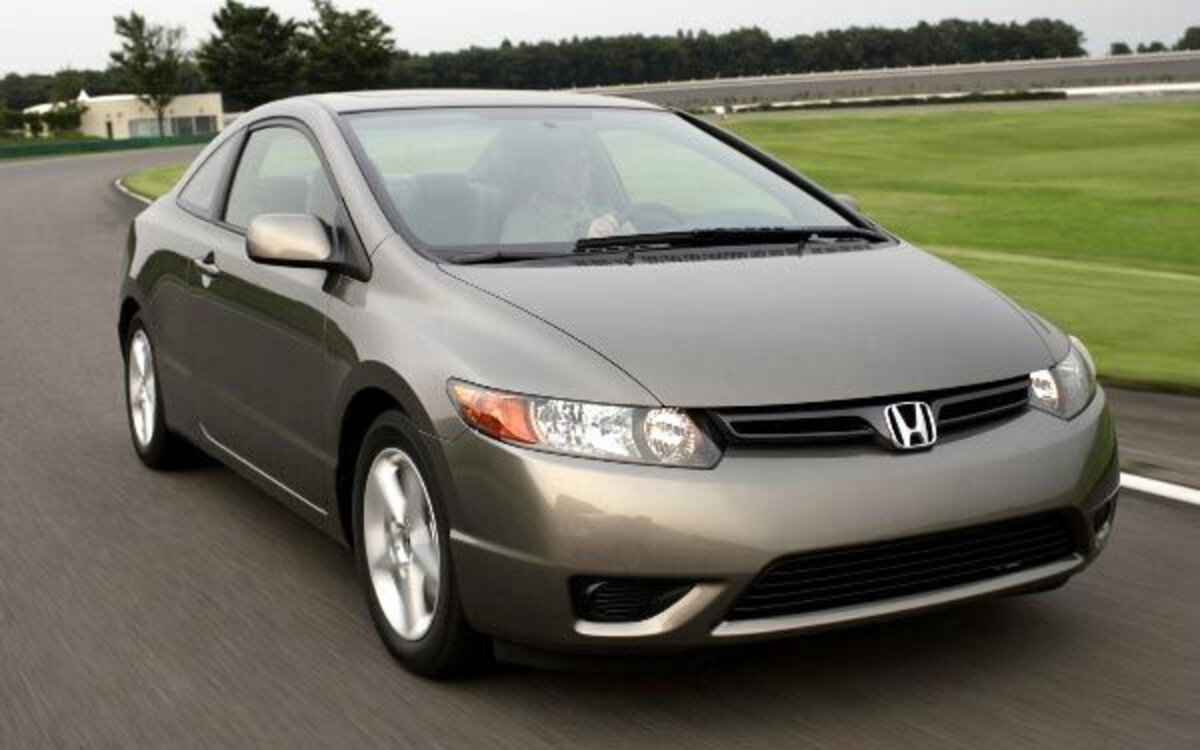
Honda Civic (2006–2011)
The Honda Civic, particularly from the 2006 to 2011 model years, is another standout in Honda’s lineup of reliable sedans. This generation of the Civic, both in sedan and coupe configurations, is known for its excellent fuel efficiency, low repair costs, and reliability.
The 1.8L 4-cylinder engine found in these models is particularly revered for its longevity, with many owners reporting that their Civics have run smoothly for over 200,000 miles with minimal repairs. Even as these vehicles age, they tend to maintain excellent performance, providing solid acceleration and a comfortable driving experience.
Many owners of the 2006–2011 Honda Civic also praise the vehicle’s handling, which is superior to many other compact sedans in its class. The lightweight design, combined with Honda’s engineering expertise, results in a car that feels responsive and agile on the road.
Furthermore, the manual transmission version of the Civic has garnered a devoted following due to its durability and smooth shifting. While the automatic transmission can occasionally experience minor issues, these are generally less frequent and easier to address compared to other cars in the same class.
Another major selling point for this generation of Civic is its minimal need for major repairs. Aside from the usual wear-and-tear items like brake pads, tires, and filters, the 2006–2011 Civic has very few reported issues related to the engine or transmission.
This is especially impressive considering the competitive industry of small sedans, many of which suffer from frequent mechanical problems. The simple yet effective design, coupled with Honda’s attention to quality, ensures that the Civic of this era continues to perform reliably for many years.
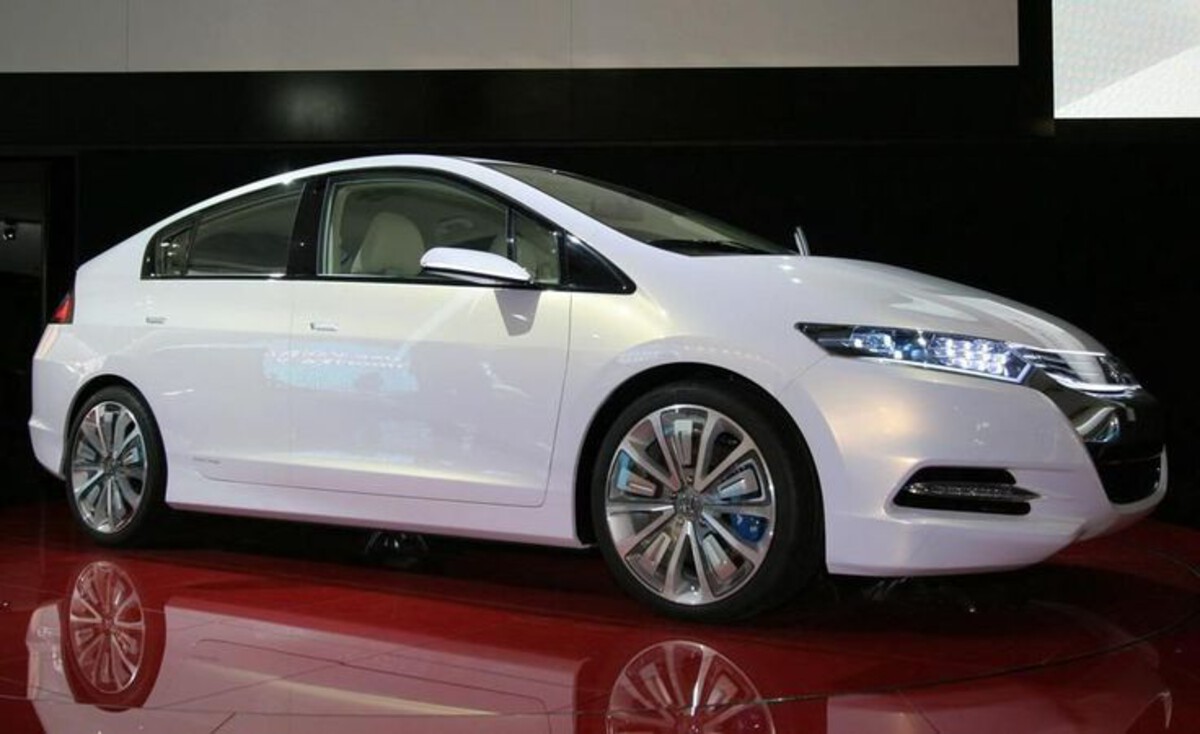
Honda Insight (2010–2014)
Though not as well-known as the Civic or Accord, the Honda Insight (2010–2014) deserves recognition for its exceptional reliability. As one of Honda’s hybrid sedans, the Insight is often overlooked in favor of more popular models, but it delivers a strong track record of durability.
The simplicity of its hybrid technology, which relies on a relatively straightforward gasoline-electric powertrain, is one of the key reasons it’s so reliable. Unlike some other hybrid vehicles that use more complex and potentially problematic systems, the Insight’s hybrid system is designed to be easy to maintain, with fewer points of failure.
The Insight’s hybrid battery, a common area of concern for buyers of used hybrid vehicles, is known to last for many years without significant issues. Owners of the 2010–2014 Insight have reported that the battery typically maintains its performance over time, unlike many hybrid vehicles that experience rapid degradation of battery capacity. Additionally, the Insight’s efficient engine allows owners to avoid costly fuel-related repairs.
In terms of maintenance, the 2010–2014 Insight remains one of the most dependable hybrid sedans, requiring only minor repairs related to normal wear and tear. Routine services, such as oil changes, tire rotations, and brake replacements, are generally all that’s necessary to keep the car in good condition.
Fuel economy is another reason for the Insight’s appeal, as it offers one of the best ratings in its class. Many hybrid vehicles often face issues such as high repair costs and complex systems that can be expensive to fix. The Honda Insight, however, manages to avoid these pitfalls, offering a hybrid option that is both practical and reliable. Its well-built interior and solid ride quality further make it a great choice for anyone looking for a low-maintenance, high-efficiency vehicle that can last for many years.
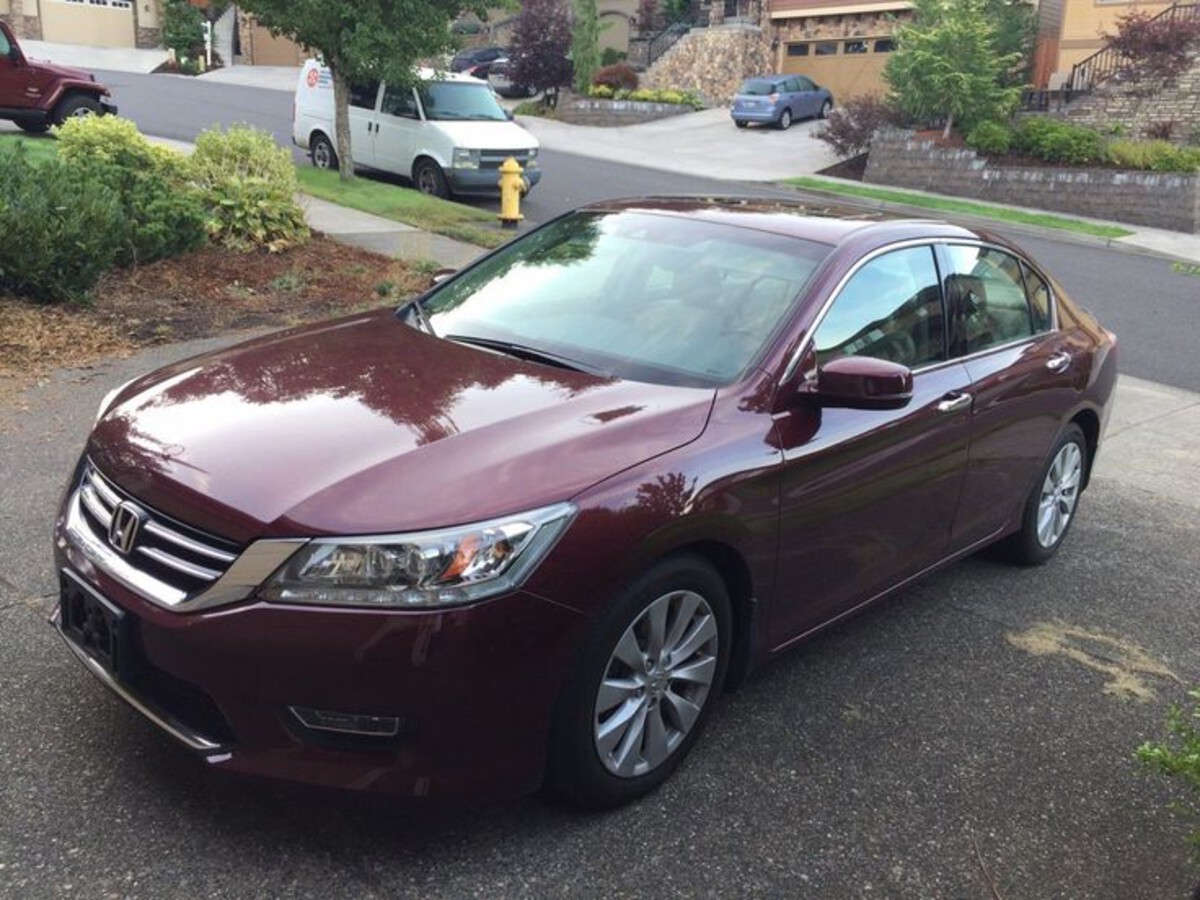
Honda Accord (2013–2017)
The 2013–2017 Honda Accord represents a return to form for the brand, combining modern technology with the tried-and-true reliability that Honda is known for. This generation of the Accord was designed with a focus on comfort, efficiency, and long-term durability.
The 2.4L 4-cylinder engine, paired with a continuously variable transmission (CVT) in most models, offers excellent fuel economy without compromising performance. This engine is recognized for its smooth operation and low likelihood of major issues, making it a standout in terms of reliability.
The 2013–2017 Accord has been known to experience very few problems over the years, especially when it comes to the engine and transmission. Many owners report minimal repairs needed for the engine, with the most common maintenance tasks being oil changes and occasional brake replacements.
In fact, it’s not uncommon for owners of this generation of Accord to exceed 200,000 miles without needing to replace major components. The CVT transmission, while sometimes criticized in other vehicles, performs well in the Accord and provides smooth shifting without the hesitation or shuddering that can occur in other sedans.
Moreover, this generation of Accord is praised for its excellent build quality and attention to detail. Honda has managed to create a sedan that is not only reliable but also comfortable and technologically advanced.
Features like the Honda Sensing suite of safety technologies, which includes adaptive cruise control, lane-keeping assist, and collision mitigation braking, add to the car’s appeal. The 2013–2017 Accord is a well-rounded, dependable option for anyone looking for a sedan that offers both longevity and modern features.
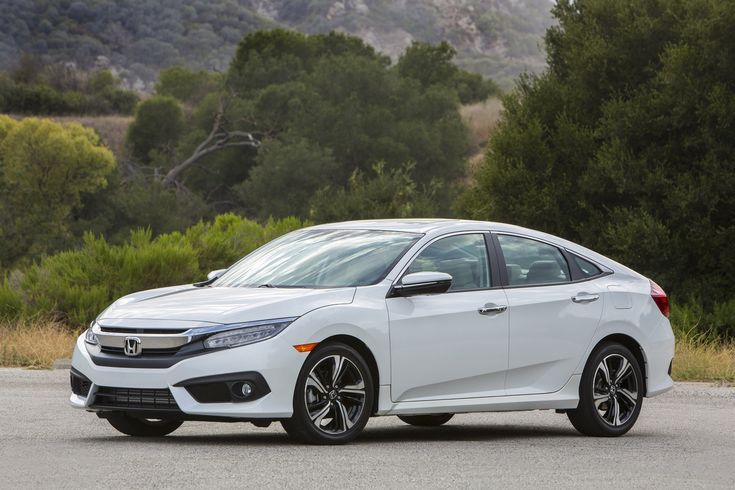
Honda Civic (2015–2020)
The 2015–2020 Honda Civic sedan models represent the pinnacle of Honda’s efforts to combine reliability with modern technology. These Civics feature the turbocharged 1.5L engine, which offers excellent fuel economy without sacrificing performance.
The 1.5L engine, while smaller than some of its competitors, is remarkably durable and efficient, often running well beyond 150,000 miles with minimal issues. The turbocharged engine’s fuel efficiency and smoothness are major selling points for owners who prioritize both cost savings and a pleasurable driving experience.
This generation of the Civic is particularly praised for its lack of common problems, especially about the engine and transmission. The 1.5L turbocharged engine, in particular, has proven to be extremely reliable, with very few complaints about performance degradation or premature failures.
This model also benefits from improved engineering, with a more refined suspension system and better build quality than earlier generations, which contributes to a smoother ride and greater durability over time. Additionally, the manual transmission version of the Civic is well-regarded for its durability, providing a more direct driving experience that many enthusiasts appreciate.
Another standout feature of the 2015–2020 Civic is its CVT (continuously variable transmission), which, despite initial skepticism, has earned praise for its reliability in this model. Unlike some of its competitors, the CVT in these Civics operates smoothly, with minimal issues related to shuddering or hesitation.
The transmission has also been designed to be more fuel-efficient than traditional automatic gearboxes, helping owners get the most out of each gallon of fuel. Although CVTs have been known to develop problems in other cars, the version found in the 2015–2020 Civic is an exception, and it is generally regarded as one of the most durable in its class.
Inside, the 2015–2020 Civic sedan is comfortable and modern, with a well-built interior that holds up over time. The cabin materials, electronics, and safety features are all up to par with today’s standards, making the Civic an appealing choice for drivers who want a vehicle that’s both reliable and technologically advanced.
With features such as the Honda Sensing suite of safety technologies, Apple CarPlay, and Android Auto, the Civic provides excellent value for money while maintaining the high standards of durability and low-maintenance ownership that have made Honda sedans so popular over the years. The 2015–2020 Honda Civic is an exceptional choice for anyone seeking a reliable, long-lasting sedan that remains relatively trouble-free throughout its lifespan.
Honda Sedans That Constantly Break
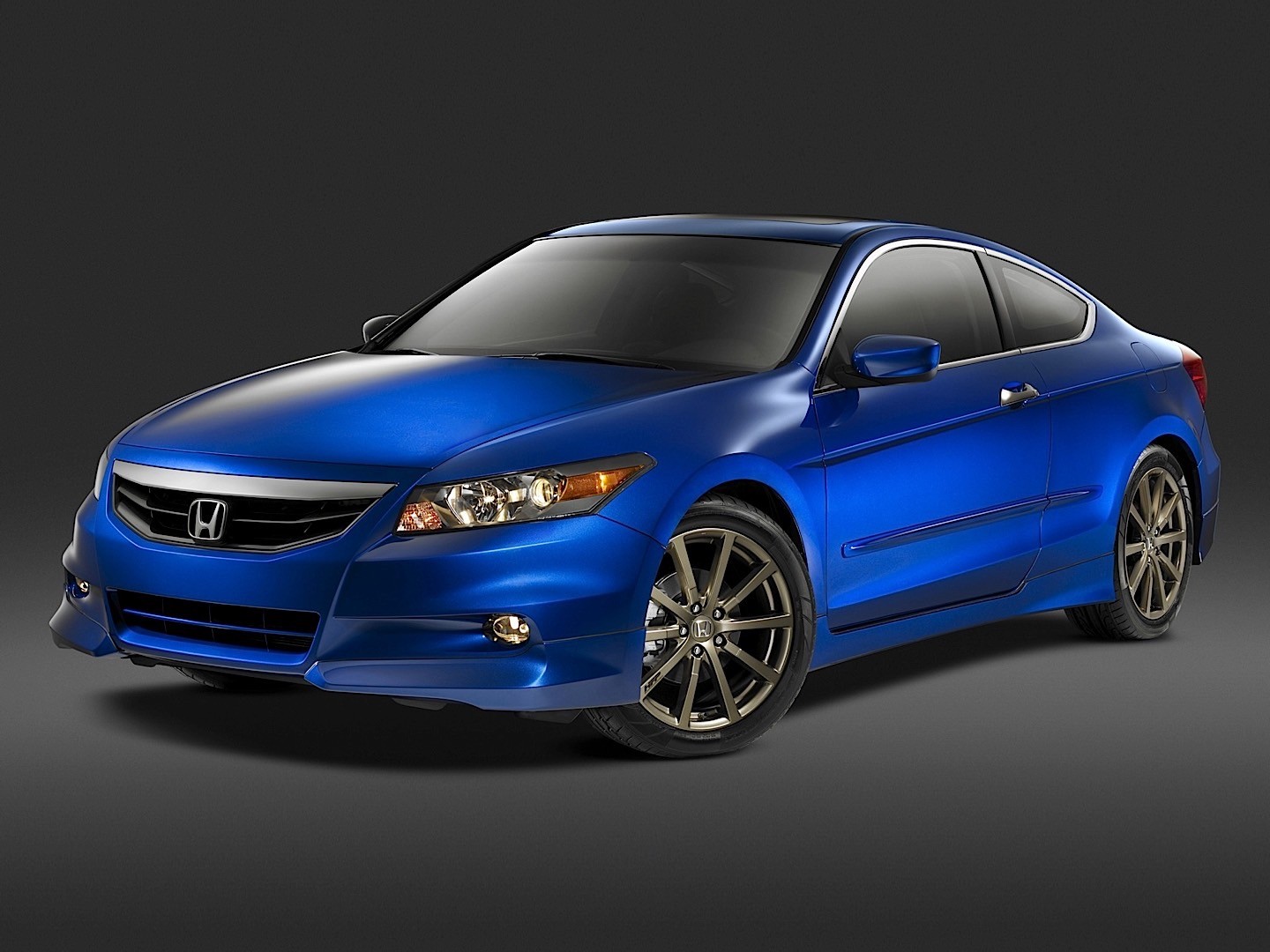
Honda Accord (2008–2012)
Despite the positive reputation of the Honda Accord, the 2008 to 2012 generation has been fraught with issues, particularly regarding the automatic transmission. One of the most frequent complaints from owners of these vehicles is premature transmission failure.
The CVT transmission, which was used in many models during this time, has been known to develop serious issues well before the vehicle hits 100,000 miles. In some cases, owners have reported that their transmissions failed without warning, leaving them with costly repair bills. Transmission problems can be extremely expensive to fix, and the costs involved can exceed the value of the car for many owners, leading them to seek alternatives or abandon the vehicle altogether.
Additionally, the 2008–2012 Accord has been plagued by issues with its power steering system. Reports of leaks and complete failure of the power steering pump have surfaced frequently, often requiring expensive repairs. These problems can severely affect the driving experience, making the car more difficult to control and potentially dangerous in certain driving conditions.
Another common issue with this generation of Accord is its suspension system, particularly the rear suspension, which tends to wear out prematurely. This leads to a rougher ride, poor handling, and the need for replacement parts sooner than expected. Though the Accord is still a solid vehicle, these particular years are more prone to costly repairs than other models in the lineup.
Beyond these mechanical problems, the 2008–2012 Accord has also been known for excessive oil consumption, which can lead to engine damage if not addressed promptly. While this issue is not as widespread as the transmission or steering problems, it can still be a significant issue for owners who don’t keep a close eye on their oil levels.
Despite the many challenges faced by this generation of Accord, it’s still a popular choice among used car buyers. However, anyone considering a 2008–2012 Accord should be aware of the potential for these issues and take extra care to ensure the car has been properly maintained.
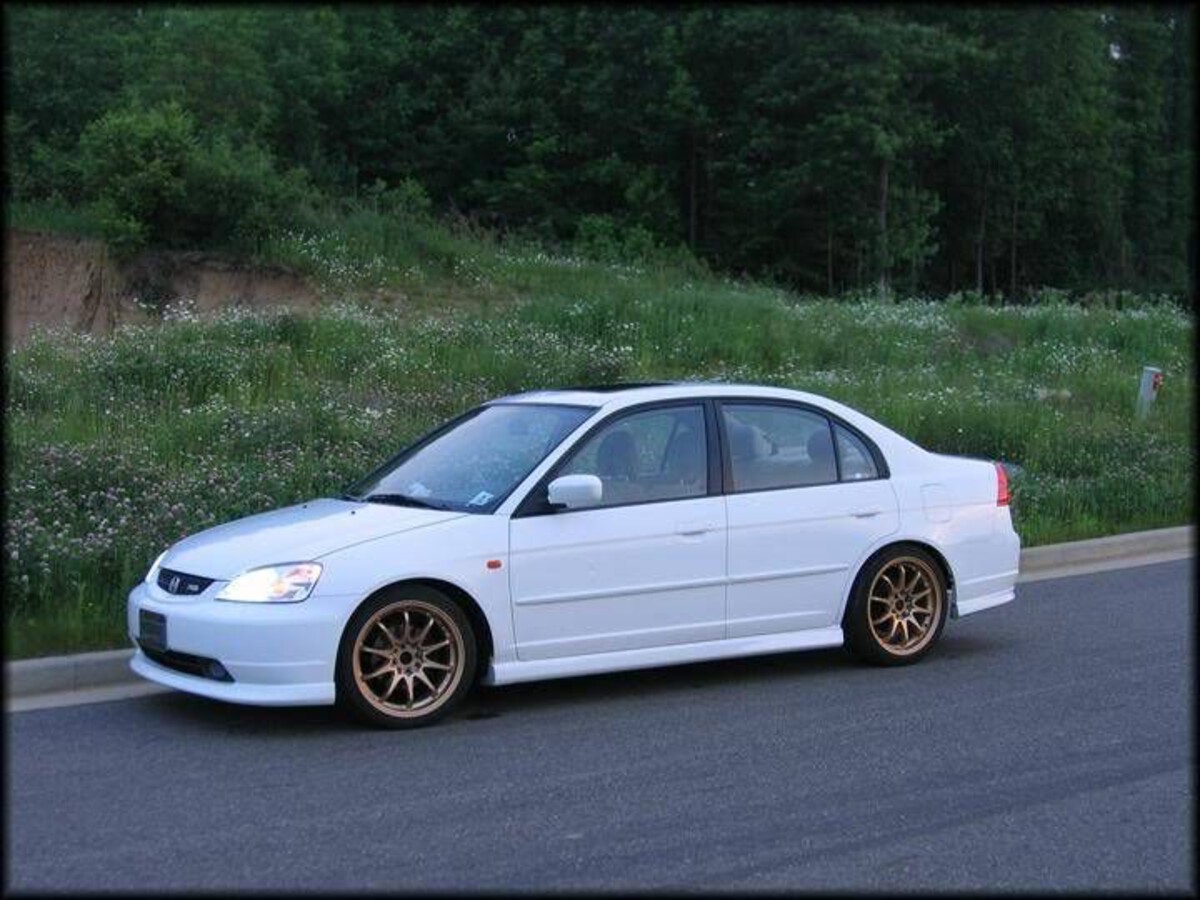
Honda Civic (2001–2005)
The early 2000s Honda Civic (2001–2005) models are widely regarded as fun-to-drive and affordable sedans, but they have several significant drawbacks that make them less reliable compared to later versions. One of the most common and frustrating issues with these Civics is related to excessive oil consumption.
Many owners have reported that their vehicles burn through oil at a much faster rate than what is considered normal, requiring frequent oil top-ups. If left unchecked, this can lead to engine damage, particularly if the oil levels drop too low. This problem has been prevalent enough that it has led to class-action lawsuits and recalls in certain cases, but it remains a concern for anyone owning or considering purchasing one of these Civics.
Transmission issues have also been a significant problem with the 2001–2005 Civic. The automatic transmission, in particular, is prone to slipping, stalling, or failing outright, often resulting in costly repairs. These issues can arise at relatively low mileage, making it one of the more troublesome aspects of owning this generation of Civic.
Many owners report that the vehicle’s transmission begins to show signs of failure before reaching the 100,000-mile mark, which can be incredibly frustrating for drivers who expect a longer lifespan from their vehicle. While the manual transmission versions of the Civic tend to be more reliable, they too are not without their issues, particularly when it comes to the clutch system.
In addition to engine and transmission concerns, the suspension system in the 2001–2005 Civic tends to wear out faster than expected. Owners often report premature failure of the rear suspension, which can lead to a bumpy, uncomfortable ride. The steering system can also develop issues, particularly with the power steering pump, which can fail and require costly repairs.
While these issues don’t always result in complete breakdowns, they can add up over time, leading to frustration for owners who expect a more trouble-free experience from a Honda vehicle. While the 2001–2005 Civic remains an affordable and fun option for buyers, its mechanical problems make it a less reliable choice than some of the other models in the Civic lineup.
Honda Crosstour (2010–2015)
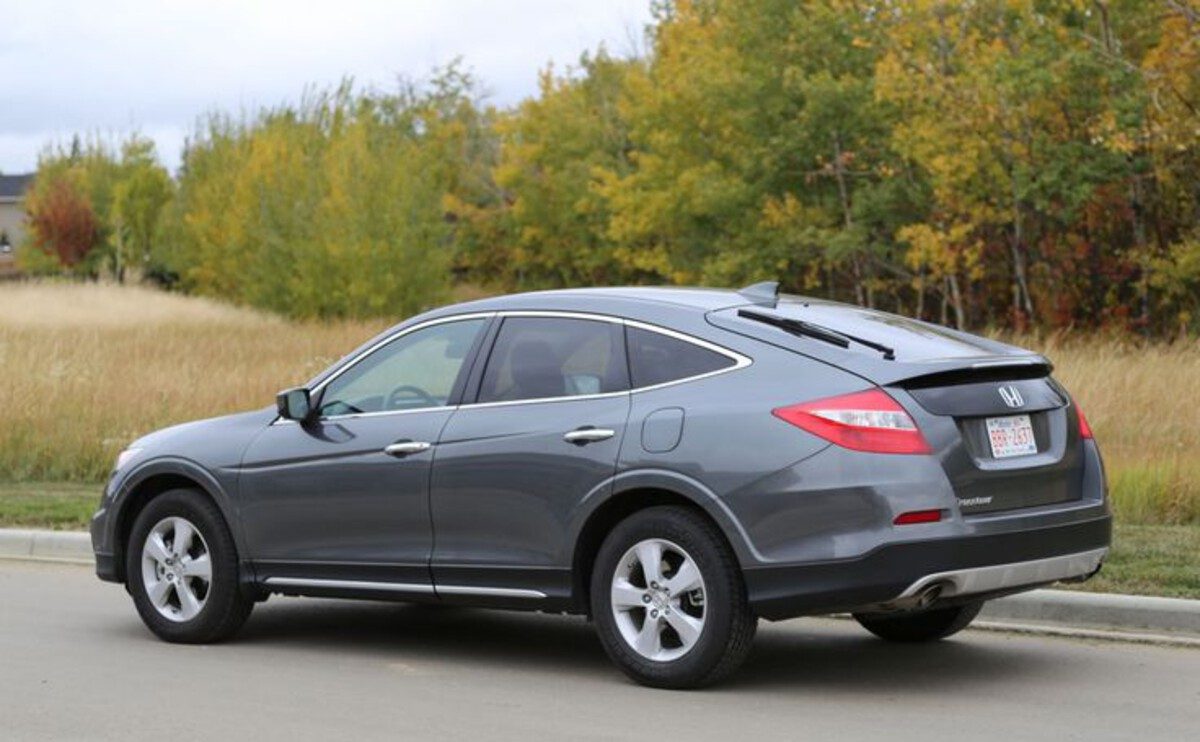
The Honda Crosstour, a model that straddles the line between sedan and crossover, experienced several reliability issues throughout its production run from 2010 to 2015. While it was designed to offer the best of both worlds—an elevated driving position combined with the practicality of a sedan—this vehicle has been plagued by frequent mechanical problems, especially with its transmission.
The Crosstour’s automatic transmission, similar to that found in the 2008–2012 Accord, has been known to fail prematurely, often leading to costly repairs or replacements. Owners have reported that their Crosstours began to experience slipping, rough shifting, or complete transmission failure as early as 100,000 miles.
Another common issue with the Crosstour is related to its electronics. Several owners have noted that the infotainment system is prone to glitches and malfunctions, often requiring software updates or complete replacements of the system.
The climate control system, too, has been a source of frustration for many, with reports of it failing to properly regulate temperature, leaving drivers with an uncomfortable driving experience. These electronic issues can be costly to repair and often result in significant downtime for the vehicle. While the Crosstour does have its strengths, including a spacious interior and a smooth ride, its mechanical and electronic failures are more frequent than those found in other Honda sedans.
Honda Civic (2012–2015)
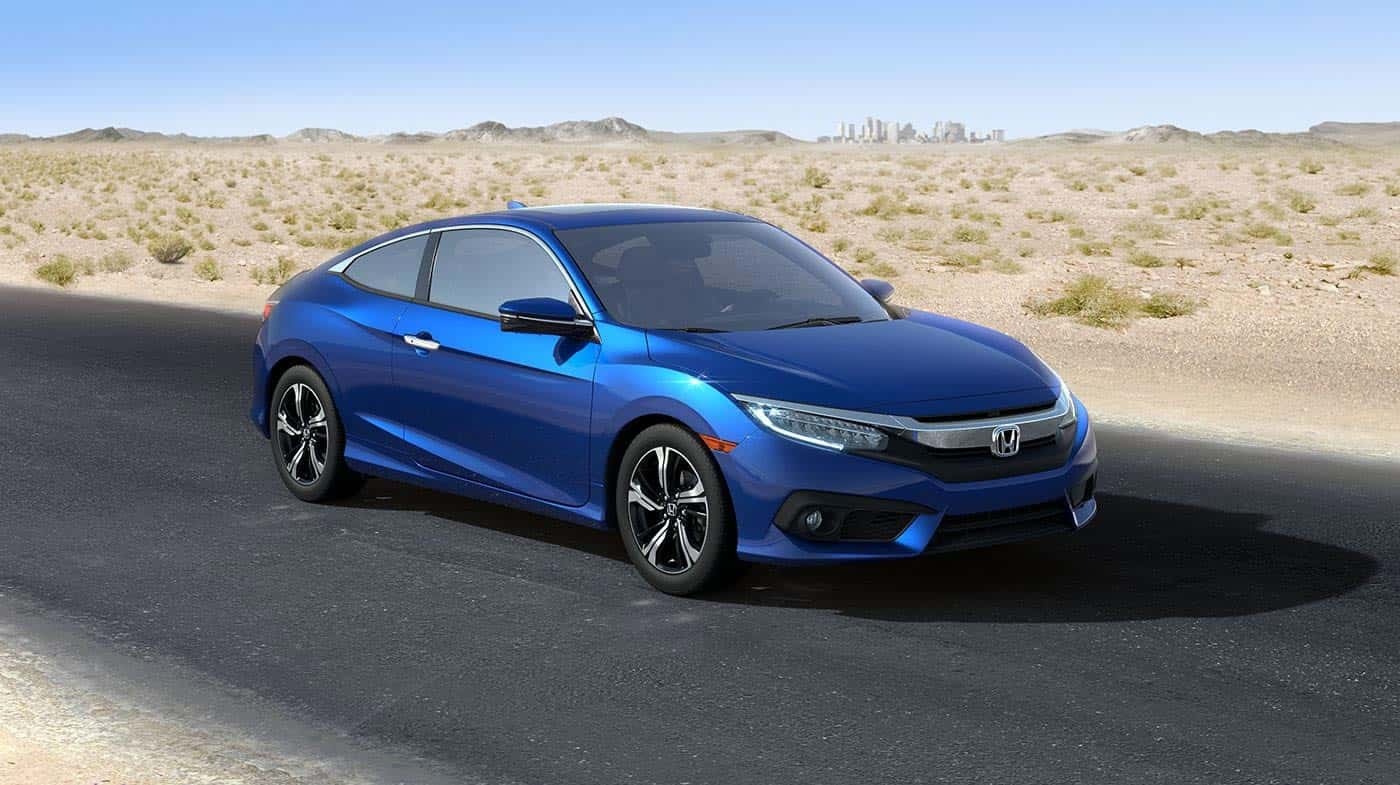
Although the Honda Civic is generally seen as a reliable vehicle, the 2012 to 2015 models have been beset by issues, particularly with their engine and transmission. One of the most widespread complaints with these Civics is excessive oil consumption, a problem that became prevalent enough to lead to a class-action lawsuit against Honda.
Many owners have reported that their vehicles burn through oil at an unusually high rate, often requiring oil changes every few thousand miles. This issue, left unaddressed, can result in significant engine damage, requiring costly repairs or even a complete engine replacement.
In addition to oil consumption issues, the CVT (continuously variable transmission) in the 2012–2015 Civic has been a source of trouble for many owners. The transmission has been known to develop issues such as hesitation, jerking, or shuddering, particularly during acceleration.
While the CVT is generally considered a more fuel-efficient option, it has shown itself to be prone to failure in this particular generation of Civic. Transmission problems in these models can be difficult to diagnose and often require expensive repairs or replacements. As a result, owners of the 2012–2015 Civic should be cautious when considering this model, as these transmission issues can significantly affect the car’s reliability.
Honda Accord (2018–2021)
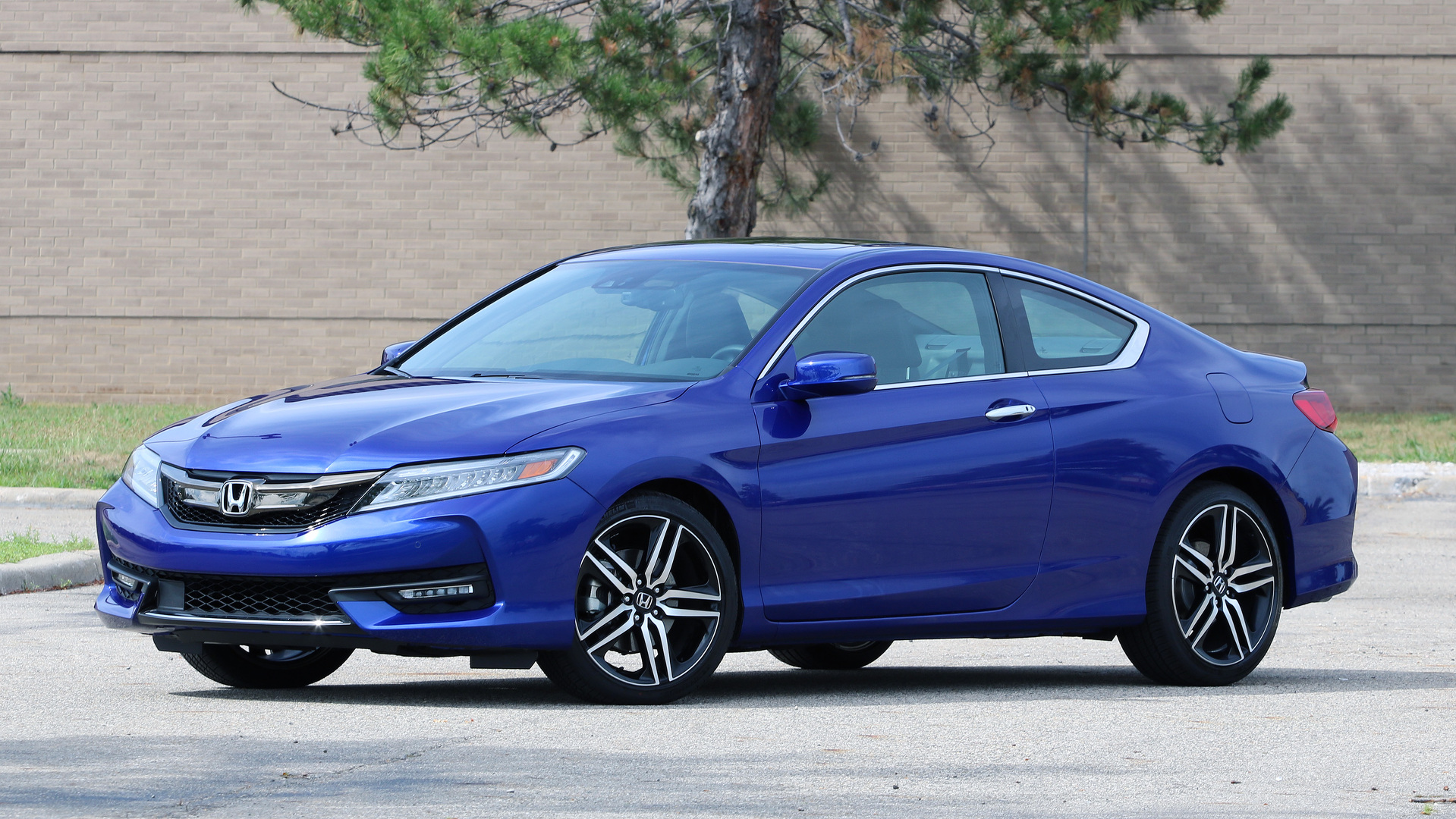
While the 2018–2021 Honda Accord has generally been well-received, it has not been without its issues. One of the most significant problems in this newer generation of the Accord has been related to the turbocharged 1.5L engine. Several owners have reported issues with engine stalling, rough idling, and poor acceleration, often stemming from problems with the turbocharger or fuel system.
These issues have led to frustrating driving experiences, particularly for those who expected a smooth and responsive engine performance. Although these problems are not as widespread as those in earlier models, they still affect a portion of the Accord’s ownership base and can result in significant repair costs.
Another common issue with the 2018–2021 Accord is its CVT transmission. While Honda has improved its CVT in recent years, the transmission in these newer Accords has still been prone to shuddering and hesitation during acceleration.
These transmission issues, although not as severe as those in earlier models, can lead to uncomfortable driving experiences and can contribute to the car’s reliability problems. While the Accord remains one of the more dependable sedans on the market, these technical issues are worth considering for anyone looking to buy a used 2018–2021 model. Regular maintenance and addressing these issues early on can help mitigate some of these concerns.
Also Read: 5 BMW Cars That Rarely Fail vs 5 That Constantly Break
Honda sedans have earned a solid reputation for their reliability, longevity, and solid engineering, making them a go-to choice for many car buyers looking for a durable, low-maintenance vehicle. With the right care, many Honda sedans can last for well over 200,000 miles, which is why the brand has such a devoted following.
However, as with any manufacturer, there are variations in reliability between different model years and configurations. While most Honda sedans tend to age gracefully, some models and model years are more prone to certain issues, which can significantly impact their long-term performance and reliability.
The Honda Accord and Civic, two of the brand’s most popular sedans, exemplify this divide. On one hand, the 2000–2007 Accord and the 2013–2017 Accord are considered some of the most reliable Honda models, known for their well-engineered engines and transmission systems that typically require only basic maintenance throughout their lifespan.
These vehicles are excellent examples of the brand’s commitment to durability, delivering solid performance for years with minimal risk of failure. Similarly, the 2015–2020 Civic has garnered praise for its low-maintenance cost, modern tech, and reliable powertrain, making it one of the most dependable sedans in Honda’s history.
However, models like the 2008–2012 Accord and the 2001–2005 Civic have seen more frequent mechanical breakdowns. These models have been plagued by transmission issues, excessive oil consumption, and, in some cases, faulty power steering systems.
In the case of the Accord, the 2008–2012 models, with their problematic CVT transmissions and suspension issues, can become money pits for owners if these problems aren’t addressed early. The 2001–2005 Civic, while generally well-regarded for its fuel efficiency and handling, has been marred by transmission and engine problems, making it less reliable than later models in the Civic lineup.
Furthermore, newer models like the 2018–2021 Honda Accord and the 2012–2015 Civic have not been without their faults either.
Engine stalling issues in the 1.5L turbocharged engine of the 2018–2021 Accord and CVT-related transmission problems in the 2012–2015 Civic have added to the list of concerns that buyers should keep in mind when shopping for a used Honda sedan. These models, while still offering many benefits, do show that even Honda is not immune to producing vehicles that face reliability challenges.
While Honda remains a leader in producing reliable sedans, prospective buyers must be cautious about the model years they choose. Knowledge of the common issues across different generations will help make an informed decision.
Choosing a well-maintained model from the right generation, such as the 2000–2007 Accord or the 2015–2020 Civic, can lead to years of trouble-free driving. Understanding the strengths and weaknesses of each Honda sedan model year allows buyers to avoid potential pitfalls and get the most out of their investment.
