
The concept of the American Dream has evolved, but at its core, it has always reflected the pursuit of freedom, prosperity, self-reliance, and upward mobility. Vehicles have played a central role in that vision.
From the open highways of Route 66 to the packed city streets of Detroit or Los Angeles, cars and trucks have often been more than tools for transportation. They’ve been extensions of identity, symbols of success, or even the first tangible sign that someone’s hard work was paying off.
Owning a car in America has long been seen as a milestone. It means freedom to move where and when you want. For some, it’s the daily companion on the grind to work. For others, it’s a weekend project, lovingly maintained in a garage.
Across different eras and social classes, certain vehicles have stood out not just for their engineering or popularity, but for how they have represented ambition, hope, or a sense of belonging. These vehicles have appeared in movies, been featured in music, or become staples in neighborhoods all across the country.
The American Dream is not a one-size-fits-all idea. For some, it’s owning a house and starting a family. For others, it’s launching a business or breaking free from generational limitations.
Similarly, the vehicles that reflect this dream aren’t all luxury cars or flashy convertibles. Some are trucks that built businesses.
Some are muscle cars that symbolized rebellion or personal achievement. Others are dependable family cars that carried generations of Americans to school, work, and vacations.
This list isn’t just about iconic designs or sales numbers. It’s about meaning. Each vehicle here represents a different piece of the American story, how people lived, what they valued, and what they hoped for.
Whether through performance, accessibility, design, or symbolism, these ten vehicles reflect the roads many have taken in pursuit of something greater than themselves.
Also Read: 5 Dodge Journey Years Worth Keeping vs 5 To Skip
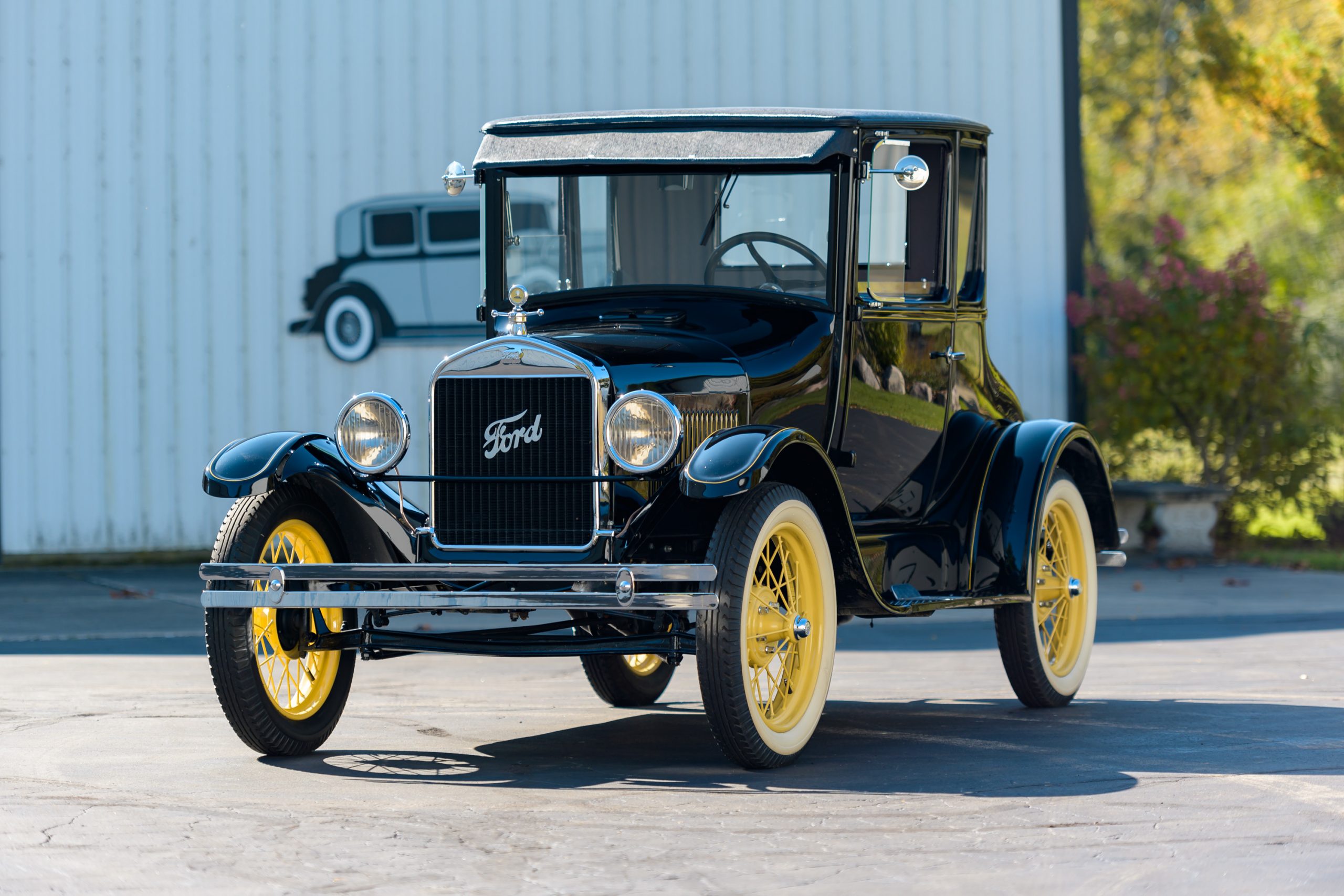
1. Ford Model T
The Ford Model T stands as a powerful reminder of how innovation and accessibility can transform society. Introduced in 1908, it wasn’t the first car ever made, but it was the first to be mass-produced in a way that made automobile ownership possible for the average working American.
Before the Model T, cars were rare, expensive machines reserved for the wealthy elite. The introduction of Ford’s assembly line dramatically lowered costs and shortened production time, making this vehicle a practical option for the everyday person.
This car was a defining moment in American culture. It made it possible for people living in rural areas to connect with cities, markets, and social opportunities. The Model T played a large part in reshaping the physical and social space of the country.
Roads were expanded, suburbs began to grow, and mobility became more than a privilege; it became a norm. In that sense, the Model T represents not just technological achievement, but the democratization of progress.
For families who previously relied on horses or trains, owning a car like the Model T changed daily life in dramatic ways. Suddenly, errands that used to take all day could be done in hours.
Family outings, once a luxury, became a regular part of life. The car stood in the driveway as a sign that life was improving, that hard work could lead to something tangible and real. It was an object of pride, often cleaned and maintained carefully by its owner.
Even today, the Model T holds symbolic value. It reminds people of a time when America was changing fast, and when people believed those changes could bring about a better future for everyone.
It marked the beginning of personal transportation as a core piece of American identity and set a tone for what the auto industry would become.
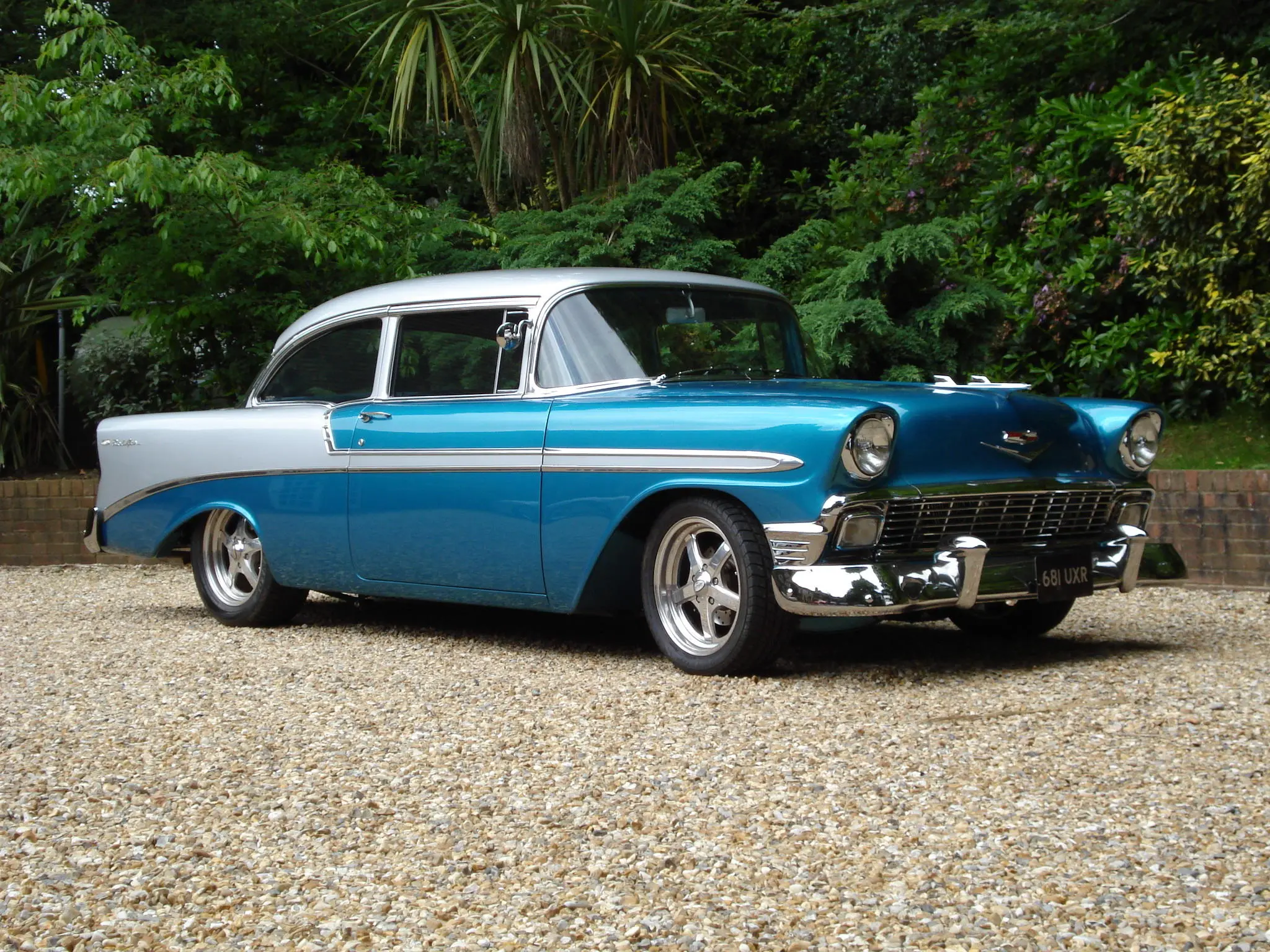
2. Chevrolet Bel Air
The Chevrolet Bel Air is often remembered as the car that defined an era. Its design, style, and presence captured the spirit of post-war America.
During the 1950s, the country was experiencing economic growth, suburban expansion, and a renewed sense of optimism. The Bel Air became the poster car for this new age, offering more than just transportation; it offered flair, comfort, and a sense of success.
With its chrome details, sleek tailfins, and eye-catching color combinations, the Bel Air was not just a machine; it was a statement. Driving a Bel Air meant that you had arrived, that your family was doing well, and that the fruits of American prosperity were within reach.
It wasn’t just about getting from point A to point B. It was about how you looked doing it. This vehicle reflected a nation that was proud of its growth and hopeful about its future.
Families that purchased Bel Airs often did so as part of a larger shift to suburban life. It was the car in the driveway of the newly built ranch house, the one taken on cross-country vacations or weekend trips to the diner.
In that sense, the Bel Air became a backdrop to the American family story. It was photographed during birthdays, anniversaries, and road trips, embedded in memory as more than just transportation.
Today, collectors still seek out restored Bel Airs, not only for their vintage charm but for what they represent. They carry the image of a golden era, a time when the American Dream seemed more straightforward.
Even though times have changed, the idea of style, prosperity, and upward movement connected to the Bel Air still resonates.
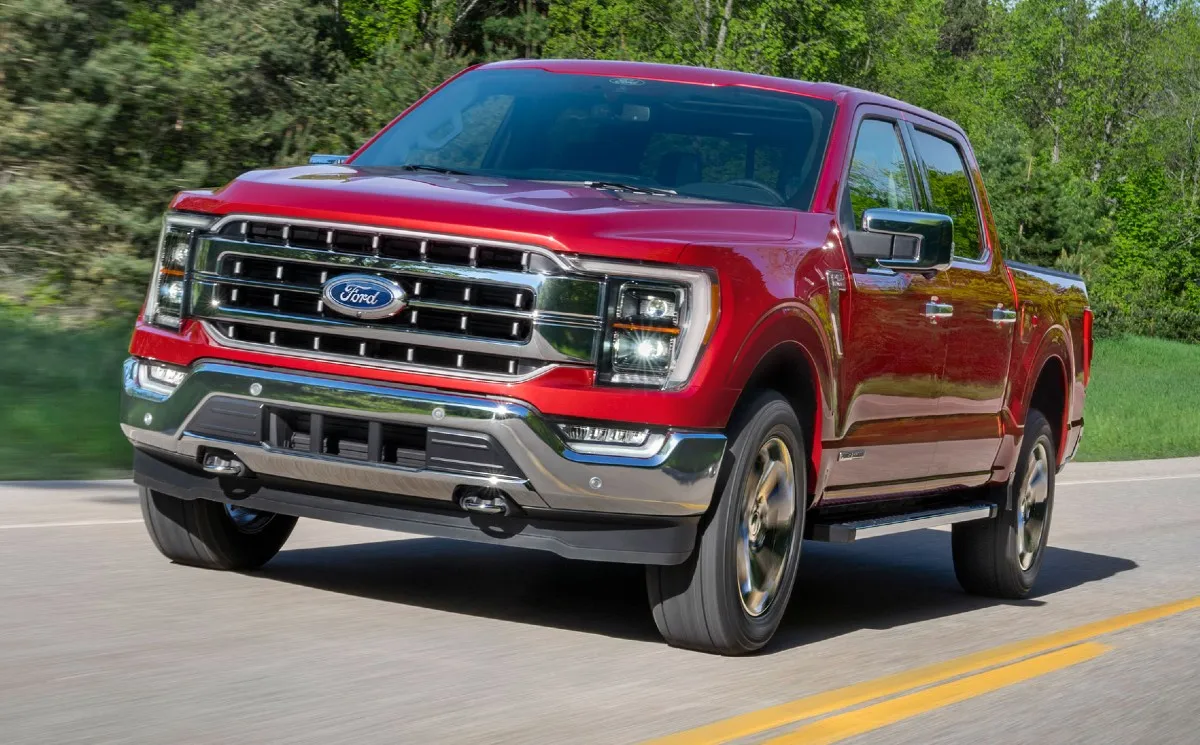
3. Ford F-150
Few vehicles have had the cultural and economic impact of the Ford F-150. This pickup truck has consistently been one of the best-selling vehicles in the United States for decades, and it’s easy to understand why.
The F-150 represents work ethic, durability, and dependability. It’s the truck used by farmers, small business owners, tradespeople, and families alike. For many, it’s not just a vehicle, it’s a lifeline.
The American Dream often includes the idea of building something from the ground up, and the F-150 is frequently a part of that journey. It hauls materials for construction jobs, transports tools, and survives long hours on the road or on site.
It’s not about luxury; it’s about strength and consistency. For many small-town Americans, buying an F-150 isn’t just a purchase; it’s an investment in their livelihood.
Beyond its utility, the F-150 has also evolved with its audience. Over the years, it’s gained comfort features, advanced technology, and more efficient engines. It’s no longer just for work; it’s also for family.
Weekends see it towing boats or hauling camping gear. That flexibility adds to its lasting appeal. It can serve professional needs during the week and personal desires on the weekend.
Its continued dominance in the market shows how deeply it’s tied to American values. The F-150 isn’t flashy, but it gets the job done.
And for many Americans, that’s the point. Success isn’t about having the most expensive car on the block; it’s about having one that works as hard as you do and helps you move forward in your goals.
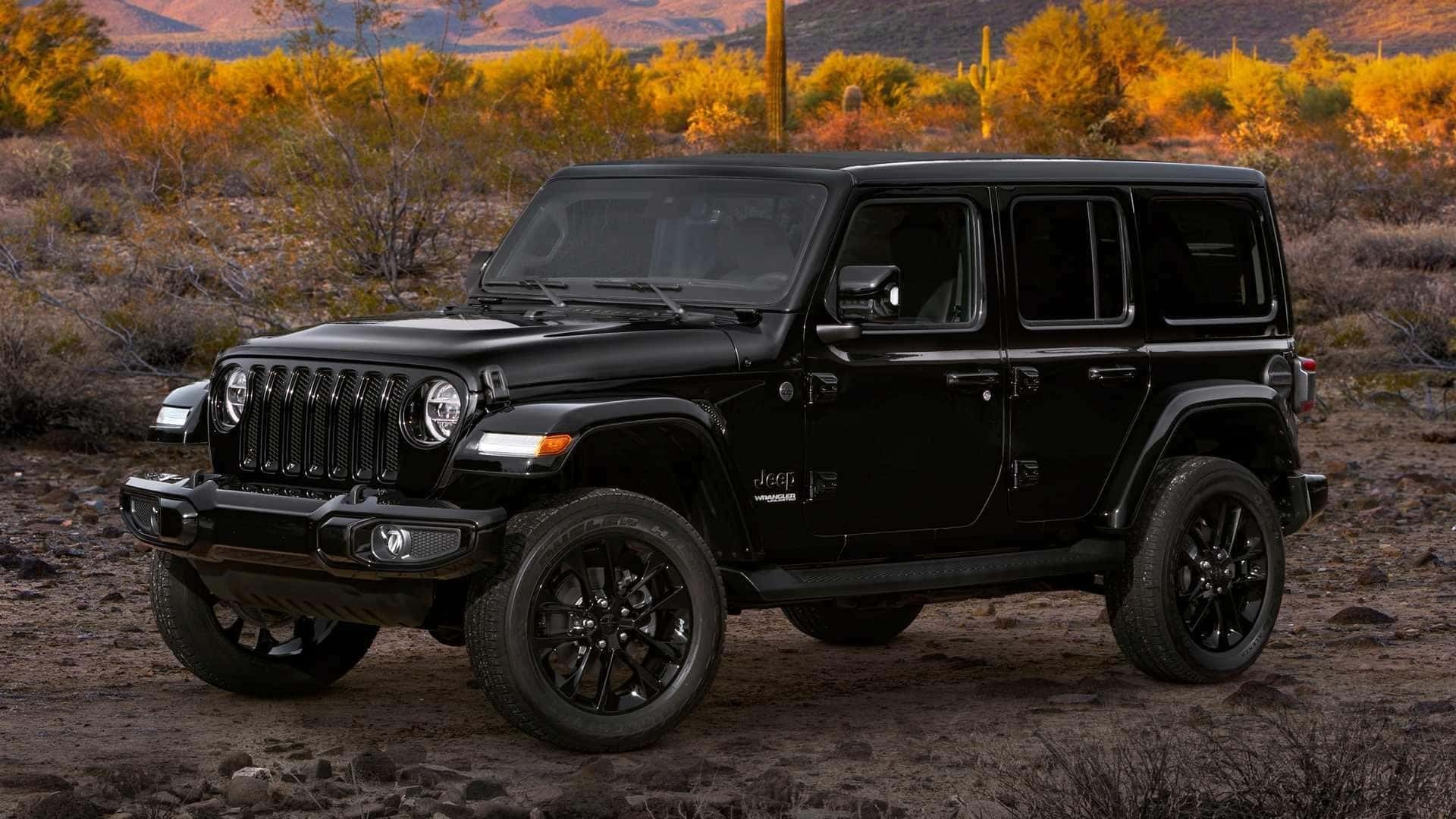
4. Jeep Wrangler
The Jeep Wrangler carries with it a spirit of freedom and adventure that few other vehicles can match. Born out of military necessity during World War II, the Jeep became a civilian icon in the decades that followed.
It was rugged, simple, and capable of going places that other vehicles couldn’t. That sense of go-anywhere confidence made it especially attractive to those who valued independence and self-reliance.
Driving a Wrangler has never been about staying inside the lines. Its removable doors and roof, high ground clearance, and unmistakable design invite people to get out of the city and into nature.
For many, owning a Wrangler is part of a lifestyle, one that prioritizes exploration, community, and breaking away from routine. It’s not just a car; it’s a symbol of freedom on four wheels.
Beyond its physical capabilities, the Wrangler carries cultural weight. It’s been featured in countless films, off-road events, and family adventures. It’s the kind of vehicle that can transition from a muddy trail to a suburban street without looking out of place.
It appeals to younger drivers just discovering the road and to older generations who still want a taste of freedom. That wide appeal makes it a strong representation of individual expression within the broader American Dream.
While other vehicles change shape every few years, the Wrangler remains true to its roots. That consistency speaks to its lasting value. It’s not about trendiness, it’s about authenticity.
People who drive Wranglers often talk about the connection they feel to their vehicle, to the outdoors, and to the values of grit and perseverance that built the country.
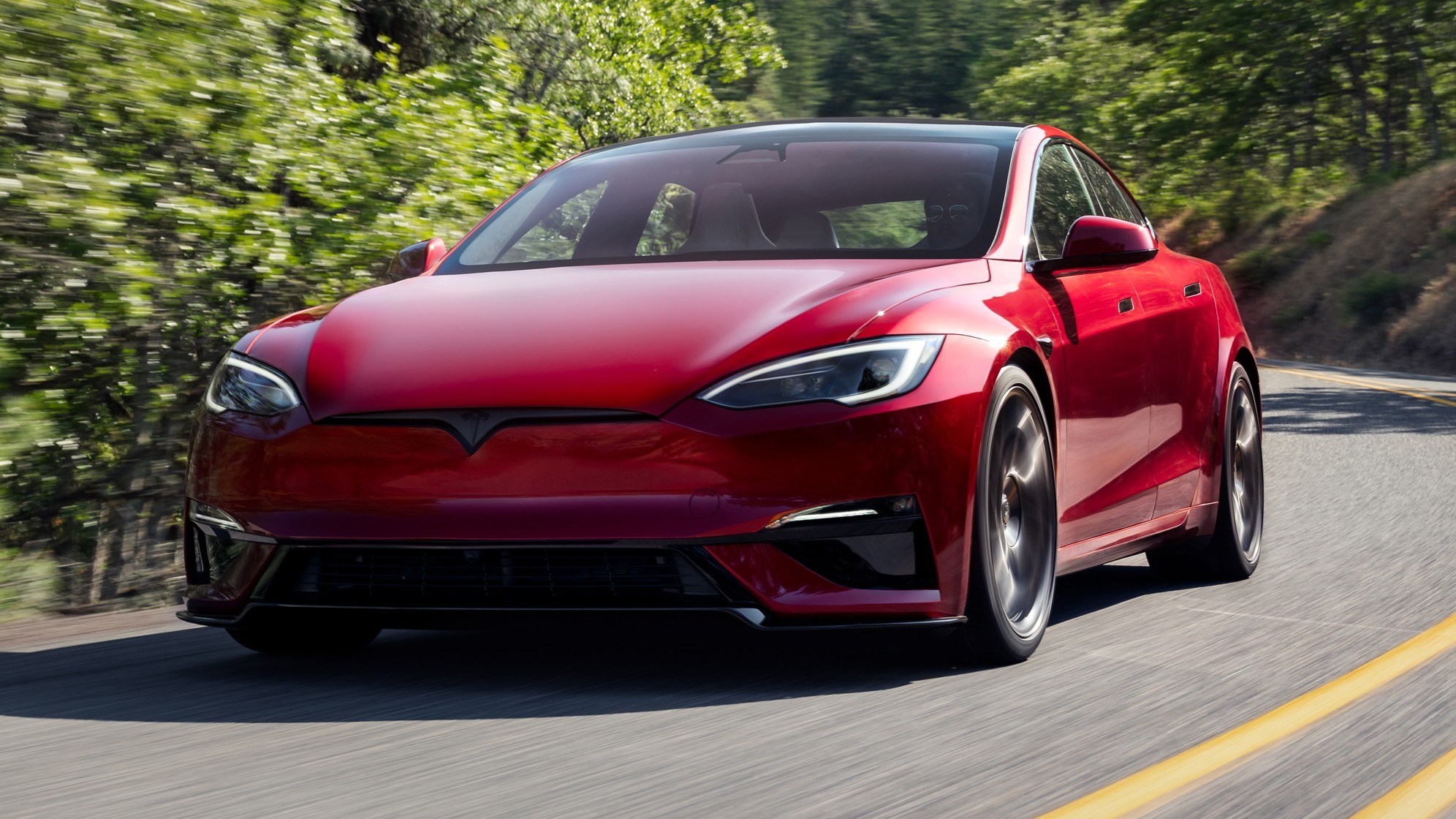
5. Tesla Model S
The Tesla Model S represents a new chapter in the American Dream, one shaped by innovation, sustainability, and the future of technology.
Unlike traditional vehicles that symbolize power through horsepower or size, the Model S stands out for its electric propulsion and cutting-edge technology.
It signals a shift in what success looks like in America, emphasizing environmental responsibility while maintaining luxury and performance. Tesla’s rise reflects an emerging vision where the dream incorporates progress that benefits not just individuals but the planet.
The Model S challenges the old notion that vehicles must run on gasoline and emit pollution to be desirable. Instead, it offers an alternative that is both practical and aspirational.
Its acceleration, range, and autonomous driving features appeal to those who want the best of both worlds: a high-performing car that also reduces carbon footprint.
For many, owning a Tesla isn’t just about driving; it’s about being part of a movement toward a cleaner and smarter future.
Owning a Tesla also symbolizes access to cutting-edge technology and forward thinking. The digital interface, over-the-air updates, and minimalist design are part of an experience that feels futuristic yet personal.
It’s a reflection of how American ambition is evolving from traditional manufacturing to tech innovation. Those who own Model S vehicles often see themselves as pioneers, people who want to push boundaries and rethink what’s possible.
At its core, the Tesla Model S is a reminder that the American Dream isn’t static. It shifts with the times, incorporating new values, challenges, and opportunities.
What began as a dream rooted in physical mobility now also includes mobility of ideas, progress, and responsibility. This vehicle symbolizes a country that continues to invent itself while holding on to the desire for freedom and success.
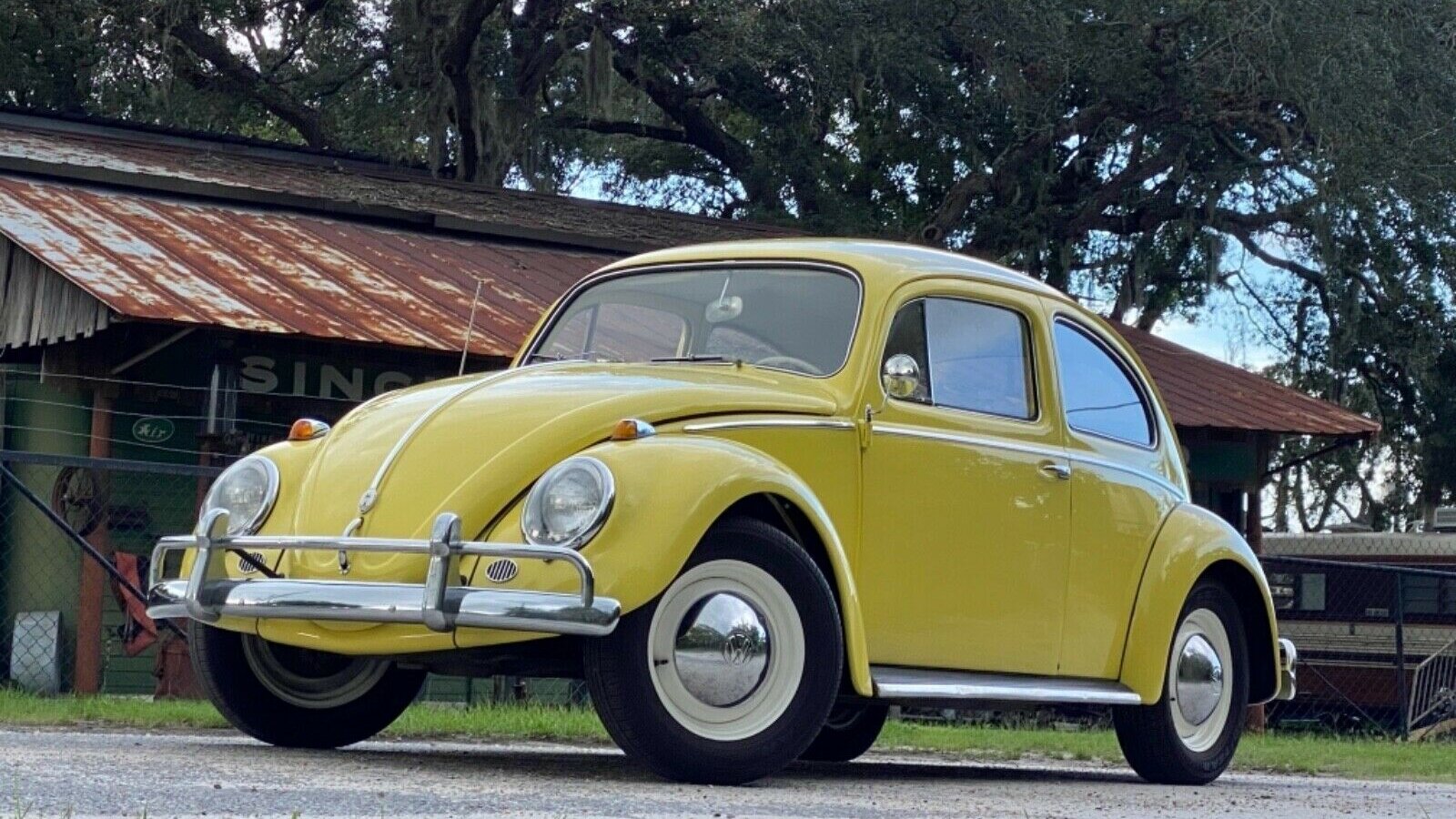
6. Volkswagen Beetle (in America)
Though originally a German design, the Volkswagen Beetle carved out a unique place in the American psyche that ties closely to the American Dream in unexpected ways.
Introduced to the U.S. market after World War II, the Beetle arrived as a small, affordable, and reliable vehicle that offered an alternative to the larger, flashier American cars of the time.
It was embraced by a variety of groups, from college students to families, that valued practicality, economy, and a bit of rebellion against the status quo.
The Beetle’s modest size and simple mechanics made it accessible to young people who might have otherwise been priced out of vehicle ownership. For many, it was their first car, the gateway to independence, social mobility, and new opportunities.
It was a vehicle that didn’t just transport people, but symbolized a break from traditional norms and an embrace of a more global, open perspective. The Beetle’s distinctive shape and friendly design made it memorable, a little quirky, and instantly recognizable.
Its presence in the 1960s counterculture cemented its place in the American Dream as something more than just a car. It became a symbol of freedom of thought and lifestyle, representing ideals such as simplicity, peace, and individuality.
Drivers of Beetles are often identified with those values, finding in the vehicle a way to express their uniqueness without losing the practical benefits of ownership.
Even though it was imported, the Beetle adapted to the American context, embodying the idea that the Dream is diverse and inclusive.
It showed that success doesn’t have to look the same for everyone and that vehicles don’t need to be big or expensive to be meaningful. The Beetle remains a beloved icon, reminding people that dreams can come in many shapes and sizes.
Also Read: 5 Nissan Maxima Years You Can Keep vs 5 That Won’t Last
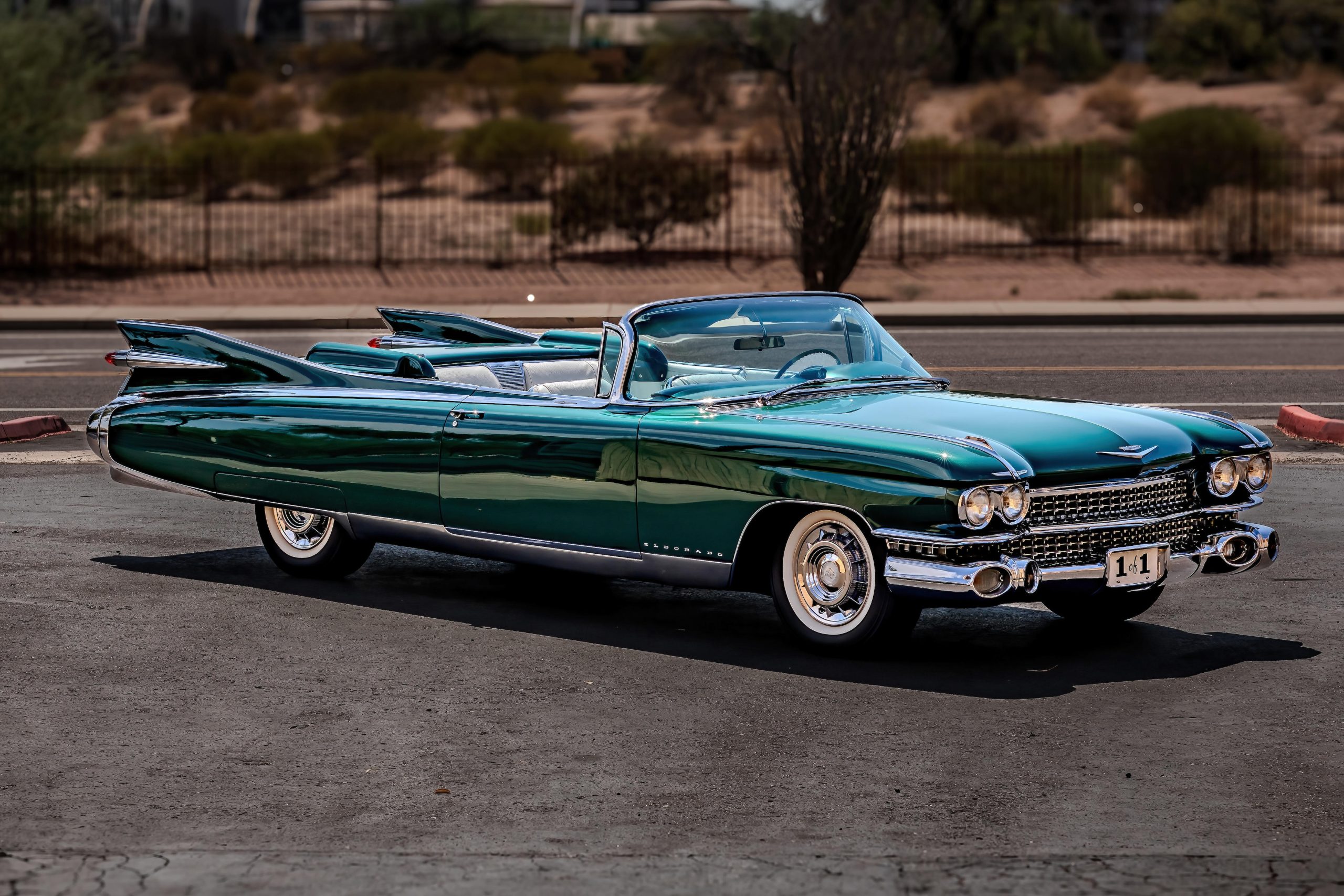
7. Cadillac Eldorado
The Cadillac Eldorado epitomizes luxury and achievement in a way few other American cars have. During the mid-20th century, Cadillac was synonymous with prestige, comfort, and high social status.
Owning an Eldorado meant you had “made it” in a very visible way. Its elegant lines, plush interiors, and powerful engines reflected an America where wealth was increasingly attainable and where success was displayed with style and confidence.
The Eldorado stood out not just for its features, but for what it represented culturally. It was often seen in movies and media as the vehicle of choice for influential figures, celebrities, and business leaders.
Driving one sent a clear message about one’s position in society and one’s ability to enjoy the finer things in life. It was more than transportation; it was a statement.
Behind the luxury, the Eldorado was also connected to the broader American Dream of upward mobility. For many families, buying a Cadillac Eldorado was a goal that took years of hard work to achieve.
It symbolized the possibility of transformation from modest beginnings to a life of comfort and respect. That narrative resonated deeply during times when economic growth was strong and opportunities felt abundant.
Today, the Eldorado remains a classic symbol of American success. Though the ideals around wealth and status have shifted, the car still conjures images of achievement and aspiration. It reminds people of an era when the Dream was about making it big and enjoying the rewards of that success in style and comfort.
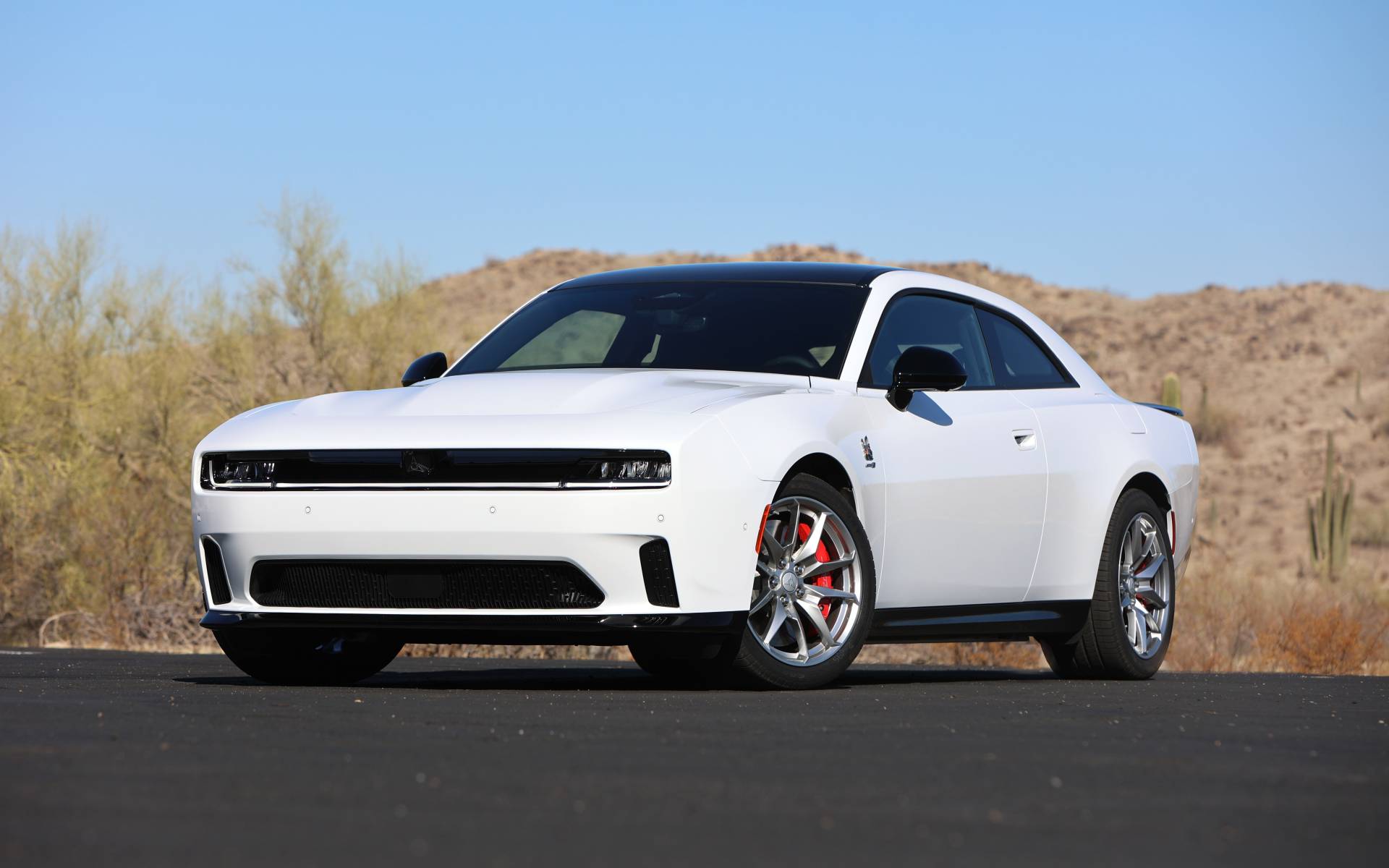
8. Dodge Charger
The Dodge Charger is a symbol of power, speed, and rebellious spirit, closely tied to American muscle car culture. Emerging in the 1960s and 1970s, it came at a time when young people wanted more than just practical transportation; they wanted performance and style that made a statement.
The Charger, with its aggressive design and powerful engines, represented a kind of freedom that was thrilling and, for many, an expression of individuality.
The muscle car phenomenon wasn’t just about horsepower; it was about identity. Driving a Dodge Charger meant embracing risk, confidence, and sometimes defiance.
It was popular among those who saw themselves as rule breakers or trailblazers, especially during a time of social change and cultural upheaval. For many, the Charger was a way to assert themselves and their personal freedom on the open road.
Beyond the youthful energy, the Charger has also been a fixture in American popular culture. It’s been featured in countless movies, television shows, and music videos, often associated with chase scenes or scenes of personal triumph. Its image resonates as a symbol of raw American power and the thrill of pushing limits.
Despite changes in design and performance over the decades, the Dodge Charger continues to hold a special place in American hearts.
It’s a reminder that the American Dream can also be about passion, excitement, and carving out a unique path. For many, the Charger captures the spirit of living life at full throttle.
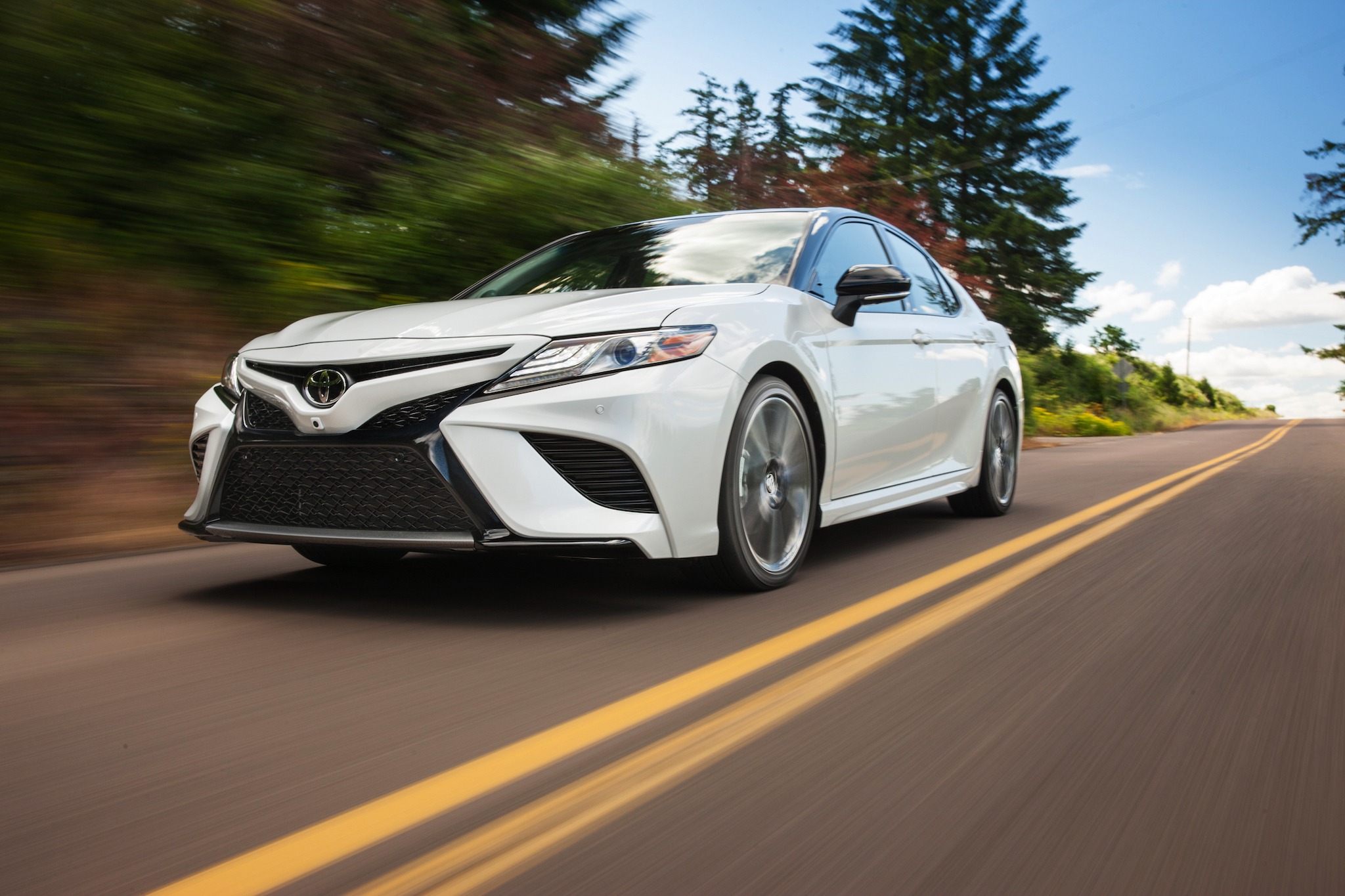
9. Toyota Camry (American Dream’s modern family car)
Though not American-made, the Toyota Camry deserves a place in this list because it has become a staple of American family life, representing stability, reliability, and practicality, key aspects of the modern American Dream.
Over the past few decades, the Camry has often been the go-to car for families who value dependability and efficiency, especially for daily commuting, school runs, and long drives.
The Camry’s reputation for low maintenance costs, fuel efficiency, and safety features has made it an accessible choice for middle-class Americans looking to provide comfort and security for their loved ones.
Owning a reliable family car is often a significant part of building a stable life, especially for those who juggle multiple responsibilities. The Camry fits perfectly into this narrative of steady progress rather than flashy success.
While it may lack the flair or flash of muscle cars or luxury vehicles, the Camry’s significance comes from its role as a facilitator of everyday American life.
It’s the vehicle that takes parents to work, kids to activities, and families on vacation. It’s the silent partner in countless stories of hard work and commitment to family.
The Camry’s success shows that the American Dream isn’t just about big, dramatic gestures. Sometimes, it’s about consistency and reliability, knowing you have a trustworthy vehicle that supports your daily life and goals. That quiet dependability is just as vital in shaping what it means to move forward.
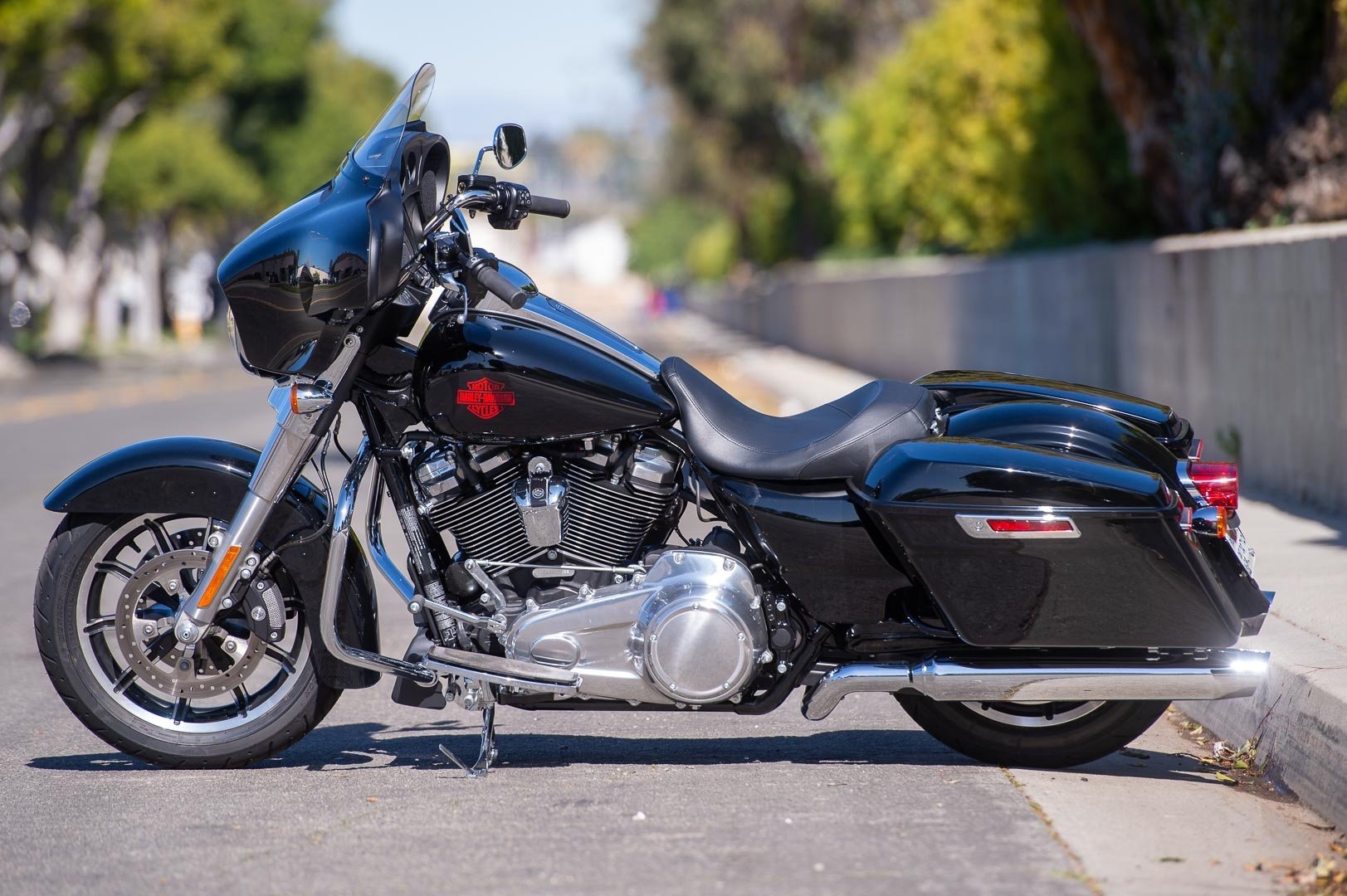
10. Harley-Davidson Motorcycle
Although not a car, no list symbolizing the American Dream would be complete without the Harley-Davidson motorcycle.
It stands as a symbol of freedom, independence, and rebellion on two wheels. For many, owning a Harley is a rite of passage and a powerful statement about individuality and living life on one’s own terms.
The image of the Harley rider, cruising down a long stretch of open road, taps into a deep-seated desire for exploration and personal freedom. It’s about the connection between rider and machine, and the open air around them.
The motorcycle embodies a certain rawness, a rejection of constraints, and an embrace of adventure. It speaks to the American Dream as something that is not just about material success but about self-expression and personal liberty.
Harley-Davidson has also been deeply intertwined with American culture and history, often associated with veterans returning from war or individuals seeking a fresh start.
The company’s longevity and loyal fanbase reflect how it has come to symbolize perseverance, craftsmanship, and pride in American manufacturing.
For many riders, owning a Harley is more than just having a motorcycle, it’s about joining a community, carrying forward a tradition, and asserting an identity.
It captures the essence of freedom that remains a fundamental part of the American Dream, showing that the road to fulfillment can take many forms.
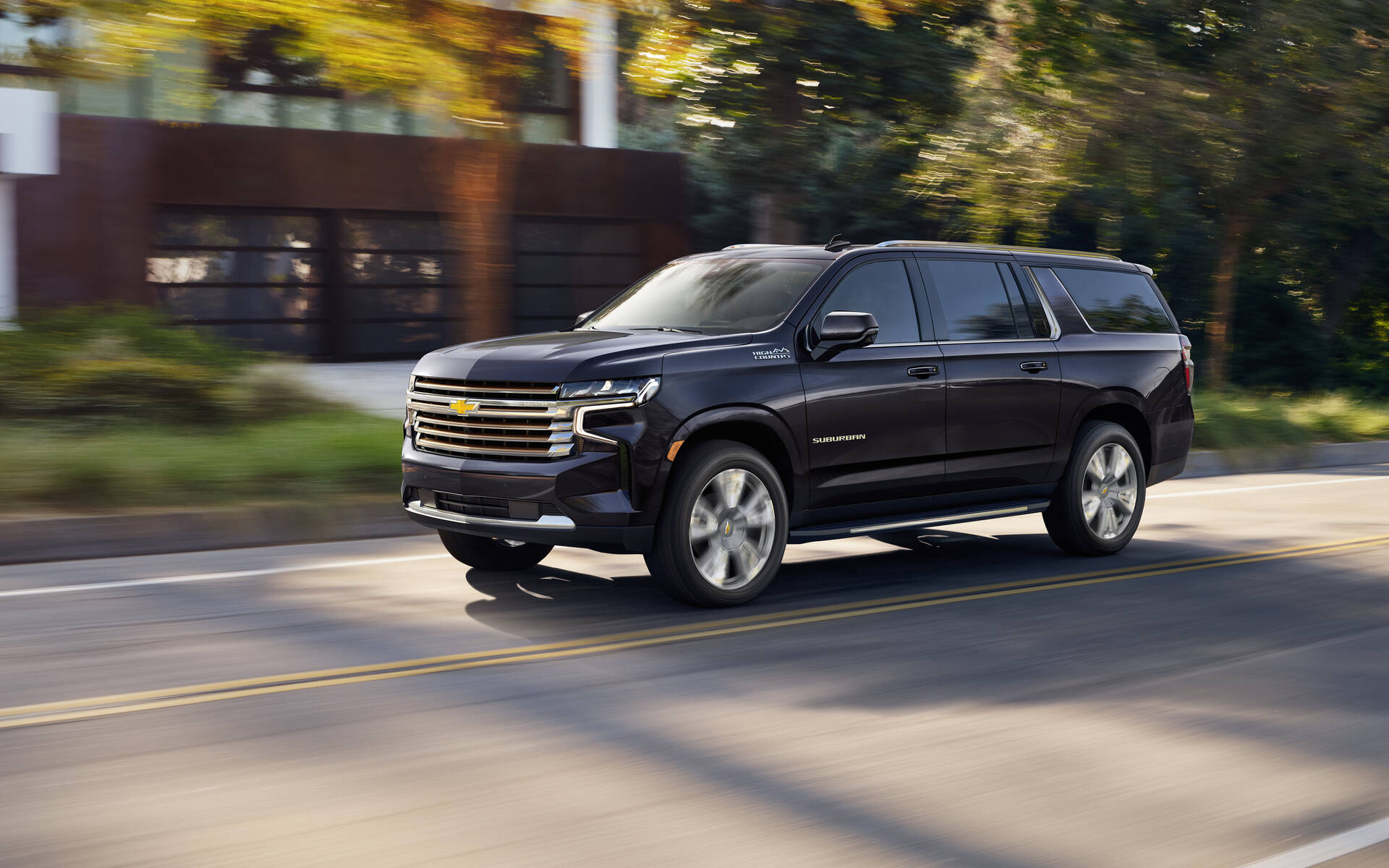
11. Chevrolet Suburban
The Chevrolet Suburban is an enduring symbol of American family values and long-haul capability. As one of the longest-running vehicle nameplates in history, it has become synonymous with spaciousness, durability, and versatility.
For families and businesses alike, the Suburban represents the dream of having enough room for everyone and everything, whether that means transporting a large family, hauling equipment for a small business, or embarking on cross-country journeys.
It’s a vehicle that caters to ambition on a grand scale, supporting the logistical demands of a mobile, growing life. Beyond its physical size, the Suburban symbolizes stability and the ability to grow.
Owning a large, reliable SUV like this often indicates reaching a certain level of financial comfort and readiness to provide for the needs of family and work. It’s not about flashiness or speed; it’s about preparedness and responsibility.
The Suburban often shows up in neighborhoods where generations of families have expanded, where school carpools, vacations, and weekend projects require space and dependability.
The vehicle has also evolved alongside the American Dream. What started as a simple utility vehicle has grown into a more sophisticated model, equipped with advanced safety features and modern comforts, reflecting how priorities change with time.
The Suburban embodies the balance between ruggedness and refinement, showing that progress does not require sacrificing reliability or practicality.
In many ways, the Suburban tells the story of America’s changing social industry, suburban sprawl, bigger families, and the rise of the multitasking household.
It offers a tangible sign that the Dream includes not just individual success but the ability to care for others, manage responsibilities, and keep moving forward no matter what challenges arise.
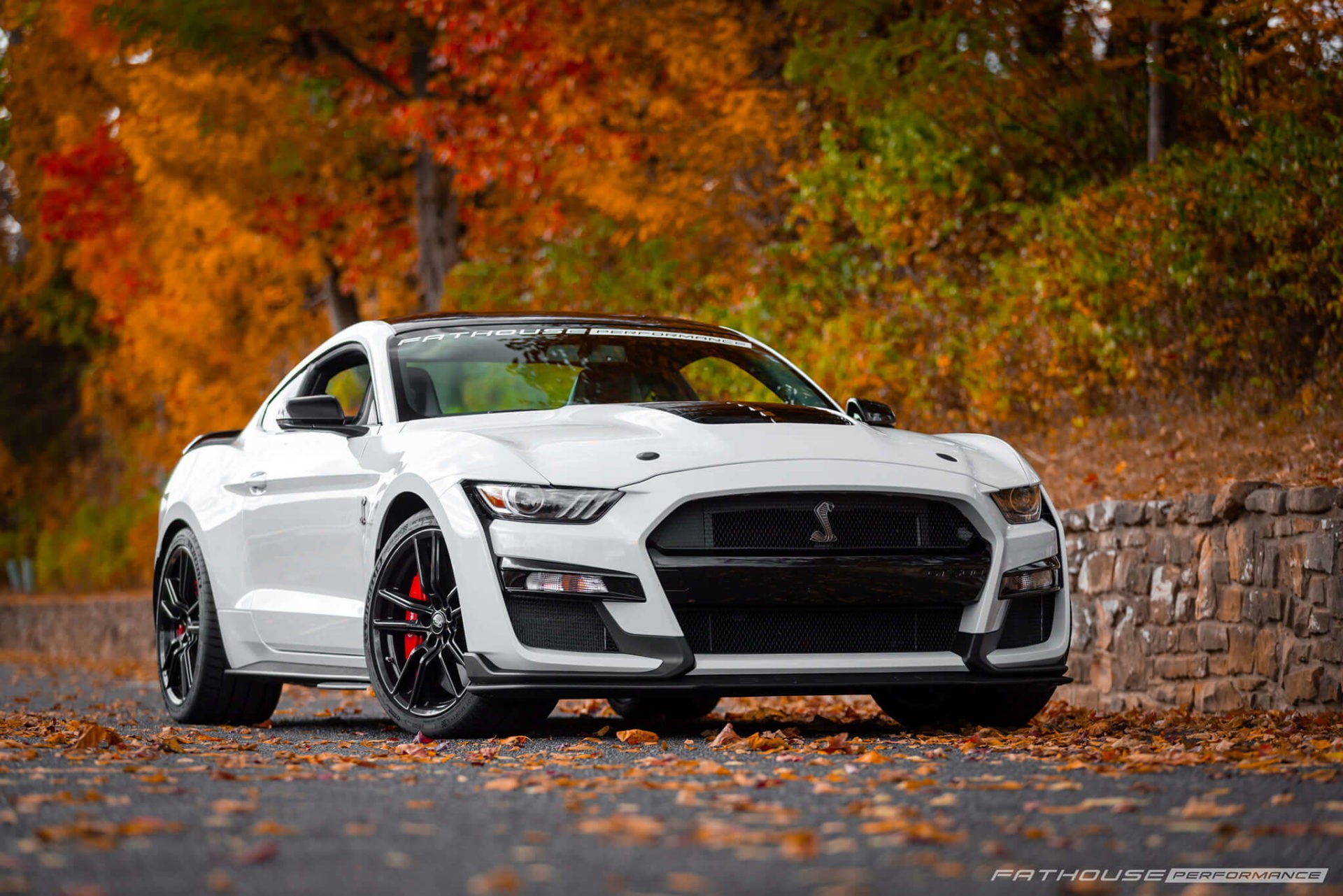
12. Ford Mustang
The Ford Mustang is an icon of American culture and a symbol of youthful ambition and personal freedom. Introduced in 1964, it quickly became one of the most popular muscle cars in history.
The Mustang’s combination of affordability, sporty design, and powerful engines made it accessible to a wide audience, especially young Americans who wanted a car that reflected their desire for independence and excitement. It captured the spirit of possibility and adventure that many associate with the American Dream.
Owning a Mustang often meant more than just having a vehicle; it meant owning a piece of the culture that surrounded cars, music, and lifestyle in the 1960s and beyond.
It was a statement of individuality and rebellion without being out of reach financially. The Mustang’s long hood, aggressive stance, and roar of the engine embodied the desire to break free from convention and carve out one’s own path.
The car has maintained its appeal across decades, evolving with changing tastes but always holding onto the core elements that made it special.
The Mustang reflects a spirit that is both nostalgic and forward-looking, reminding drivers that success includes not only security but passion and joy. For many, buying a Mustang was proof that hard work could lead to a reward that was exciting and meaningful.
Beyond its role as a personal vehicle, the Mustang has had a cultural impact through movies, racing, and music.
It’s a symbol of the American Dream that says it’s okay to pursue thrills and adventure, to express yourself boldly, and to enjoy the ride. It shows that the Dream includes moments of pure exhilaration alongside steady progress.
Vehicles have long been more than mere machines in American life, they are markers of identity, ambition, and progress. The ten vehicles explored in this article each represent different facets of the American Dream, reflecting how diverse and evolving this dream truly is.
From the practicality of the Ford Model T that made car ownership attainable for millions, to the cutting-edge innovation of the Tesla Model S, these vehicles capture stories of opportunity, hard work, and personal freedom.
The American Dream is often viewed as the pursuit of prosperity and success, but it is also about mobility, both physical and social. Cars and trucks have allowed people to break free from geographic constraints, access better jobs, build families, and create memories.
They have symbolized achievement, whether through owning a luxury Cadillac Eldorado, a sturdy Ford F-150 that supports a family business, or a simple Volkswagen Beetle that opened doors for a young driver. Each vehicle holds a place in the larger narrative of what it means to pursue a better life.
In addition, these vehicles reflect the shifting values and priorities of American society. The muscle cars like the Dodge Charger and Ford Mustang speak to a desire for individuality, power, and expression.
Meanwhile, vehicles such as the Toyota Camry and Chevrolet Suburban highlight the importance of reliability, family, and long-term stability.
The Jeep Wrangler and Harley-Davidson motorcycle add layers of adventure and personal freedom, underscoring how the Dream can also be about exploration and self-discovery.
Importantly, the evolution of these vehicles mirrors changes in technology, economy, and culture. The Tesla Model S stands as a beacon for sustainable innovation, indicating that the American Dream continues to grow with new challenges and possibilities.
These vehicles are more than nostalgic symbols; they are active participants in shaping the future of what it means to succeed and thrive.
The vehicles tied to the American Dream tell a story of resilience, aspiration, and transformation. They remind us that the Dream is not fixed or uniform. Instead, it adapts to different generations, regions, and individual goals.
Whether it’s the freedom of the open road, the security of a dependable family car, or the pride in owning a symbol of success, these vehicles show how deeply intertwined transportation and opportunity are in America’s story.
