
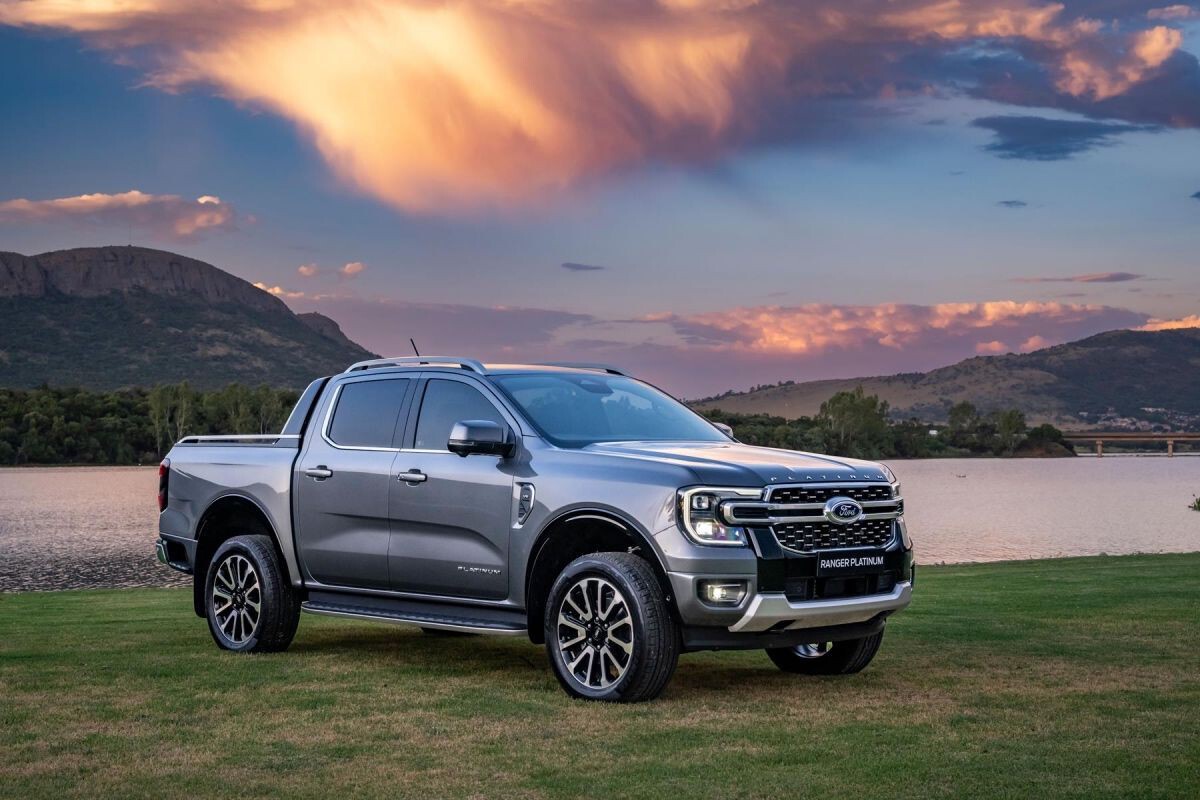
The pickup truck has long been more than just a mode of transportation in the United States. It’s a symbol, an identity, a cultural icon. Unlike most vehicles that serve a single function, pickups manage to represent a lifestyle.
From the dusty backroads of Texas to the suburban driveways of Michigan, these trucks have carried lumber, groceries, children, and the dreams of multiple generations.
Their square frames and powerful engines aren’t just mechanical designs; they’re embedded with stories of labor, freedom, resilience, and change.
This attachment isn’t purely sentimental. The pickup truck mirrors America’s industrial grit, its focus on self-reliance, and its vast geography.
While sedans may whisper comfort and sports cars might scream ambition, the pickup truck speaks with quiet assurance, saying, “Let’s get to work.”
Throughout the decades, certain models have done more than just sell well. They’ve transcended the showroom floor and become part of a shared national identity. These pickups were used in films, featured in songs, and parked in the backgrounds of countless family photos.
More than that, they’ve earned their place through consistency, performance, durability, and adaptability. Whether they were hauling hay or cruising down the highway with a muddy dog in the back, these trucks told stories about the people who drove them.
For many Americans, their first drive was in a pickup. For others, it was their first big purchase after high school. Some even passed them down like family heirlooms, with rusted frames and all.
Not every pickup cuts when it comes to cultural impact. Some faded away with time, victims of changing trends or corporate missteps. But the ones that stuck around, the ones that endured through recessions, oil crises, and corporate rebrands, earned their stripes.
They didn’t just survive, they defined eras. These trucks weren’t built just for profit; they were built to serve, to carry, to endure. That sense of trust, that familiarity with shape and sound, helped make them more than just metal and rubber.
These are the trucks that helped build America, both literally and symbolically. Here are ten pickup trucks that became part of Americana.
Also Read: 5 Pickups That Hold Resale Value vs 5 That Plummet
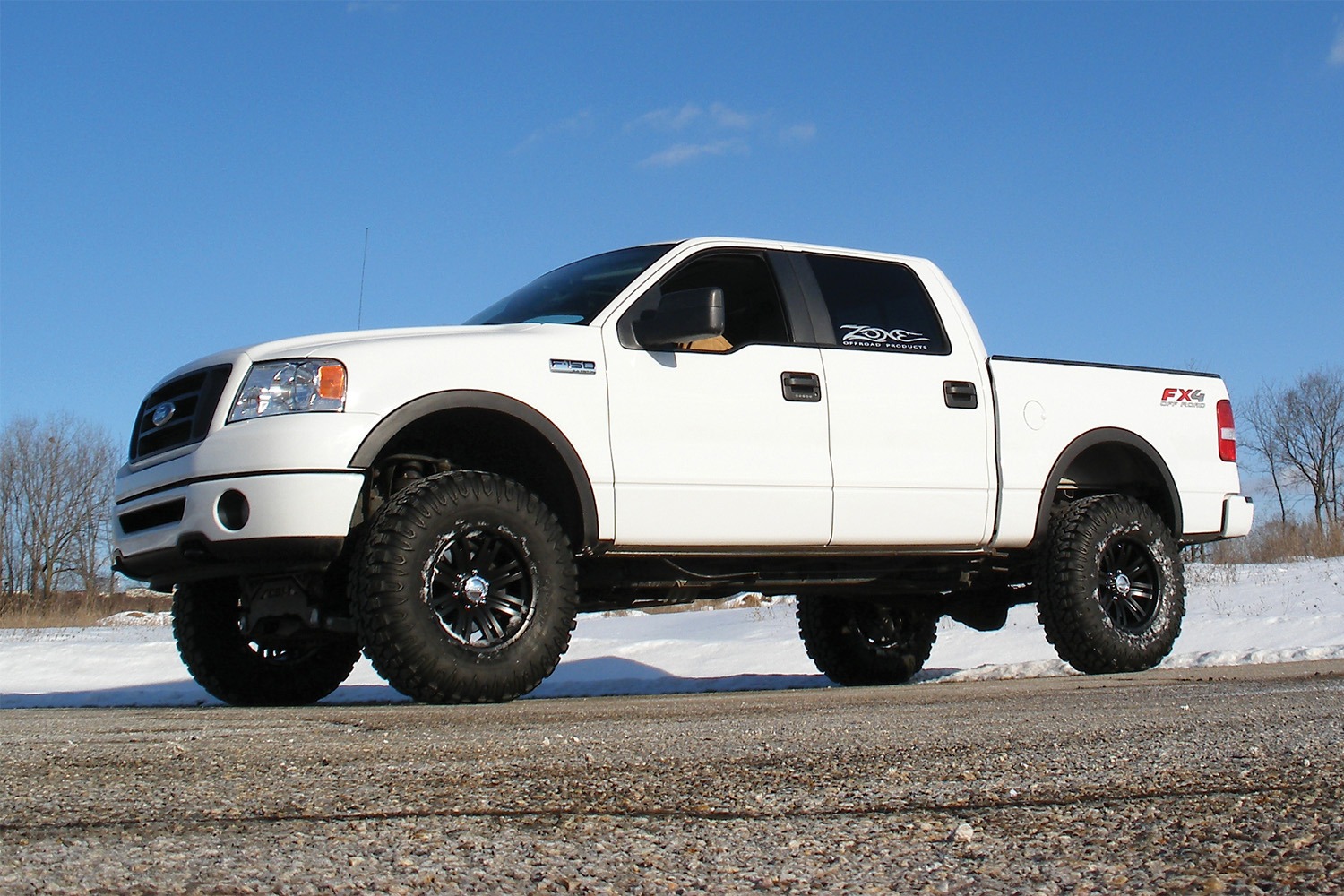
1. Ford F-150
The Ford F-150 stands as one of the most iconic trucks in American history. Introduced in 1948 as part of the F-Series, the F-150 has since evolved into the best-selling vehicle in the United States for decades. Its dominance in the market is not simply due to clever advertising or sheer brand loyalty.
Instead, it’s rooted in practical, day-to-day usefulness. The F-150 is known for its reliable engine options, hauling power, and comfort upgrades over the years, making it a go-to for both contractors and families.
It isn’t rare to see this truck at a construction site in the morning and at a football game by the evening.
What really cements the F-150’s place in American culture is its adaptability. From its early barebones models to the current versions with luxury-level interiors and advanced tech, it has grown alongside its audience.
It has served ranchers, suburban dads, off-road enthusiasts, and first-time buyers alike. Ford managed to build a truck that appealed to both tradition and innovation, offering rugged reliability without ignoring consumer demand for modern amenities. That balance kept the F-150 relevant across decades.
Media appearances have also helped embed the F-150 into the American consciousness. It’s been featured in countless movies, commercials, and TV shows, often symbolizing hard work and dependability.
From war veterans driving it in patriotic ad spots to farmers trusting it through stormy seasons, the truck has been closely tied to the American working class.
And yet, it never became dated. Every new generation brought forward improvements in safety, efficiency, and performance, which made it appealing to newer generations without alienating older ones.
The F-150 also embraced innovation without abandoning its roots. From its aluminum body panels in the 2015 redesign to the fully electric Lightning version in recent years, it stayed ahead of trends.
But no matter how modern the updates, the silhouette still says “America” to anyone who sees it on the road. It’s a reminder that function and familiarity can go hand in hand.
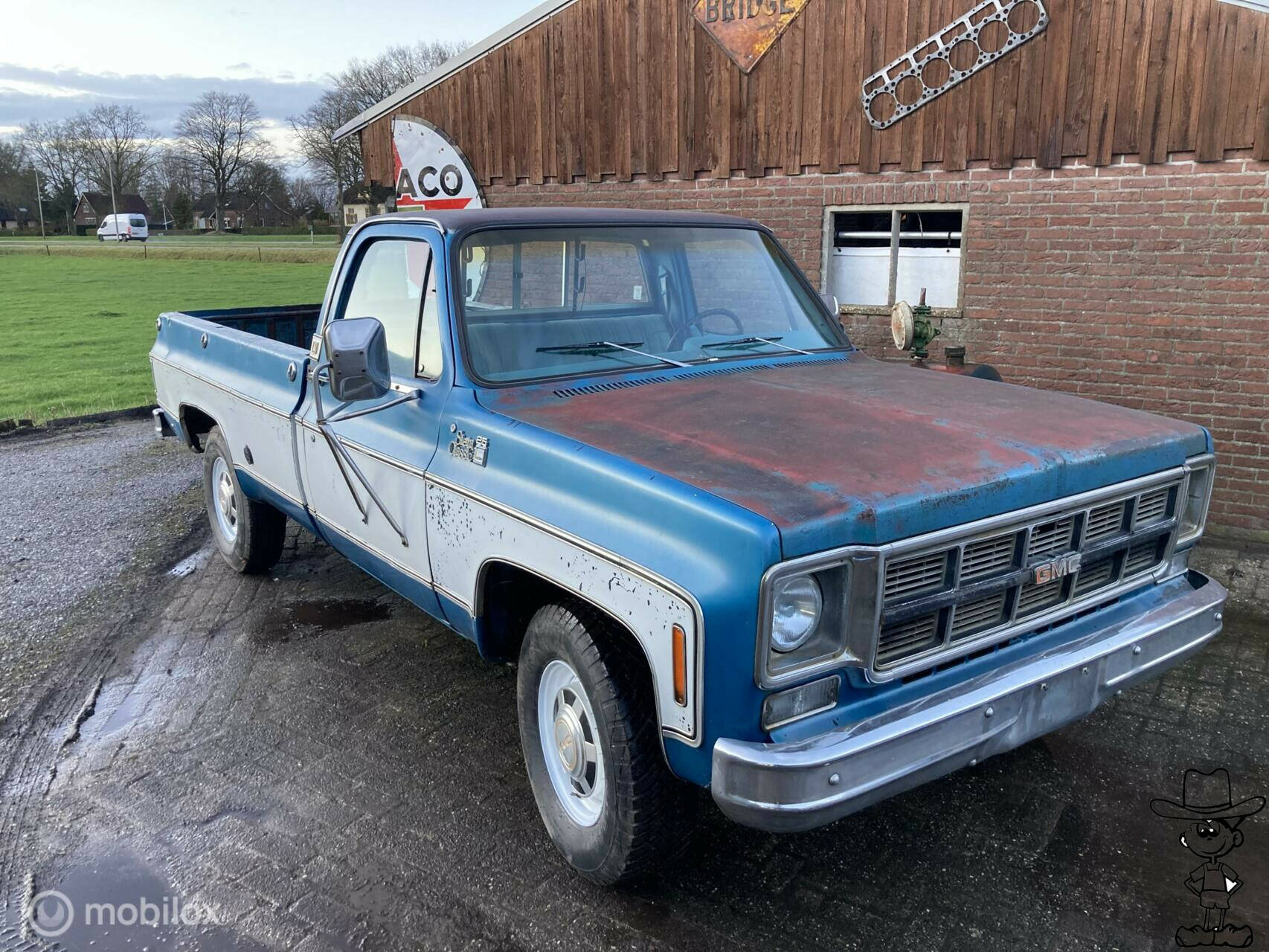
2. Chevrolet C/K Series
Chevrolet’s C/K series of pickup trucks ran from 1960 through 2000 and left a lasting impression on the American automotive industry. The “C” denoted two-wheel drive and “K” four-wheel drive, offering flexibility to match the driver’s needs.
These trucks were known for their boxy frames, reliable V8 engines, and no-nonsense styling that screamed blue-collar pride.
At a time when pickups were becoming more than just work tools, the C/K found a balance between rugged utility and a touch of style.
One reason the C/K series became such a part of American life is its availability and affordability. Whether someone needed a reliable farm truck or a vehicle that could double as a daily commuter, this model was often the first choice.
Its simplicity made it easy to repair and customize, which gave it lasting power even after newer models hit the market. Generations of mechanics and DIYers learned their craft under the hoods of these trucks.
Beyond function, the truck was visually distinctive. Its angular design, especially in the third and fourth generations, gave it a timeless silhouette.
With chrome detailing and bold grille lines, it carried a sense of strength and permanence. These weren’t flashy vehicles, but they didn’t need to be.
Their identity was based on substance over style, and that made them trustworthy companions across the decades. Many are still running today, cherished by collectors and used as project vehicles by enthusiasts.
Perhaps most importantly, the C/K trucks symbolized a kind of American practicality. They were tools that helped build homes, move families, and keep small businesses alive.
In small towns and major cities alike, these trucks earned their keep every day. They were as common in driveways as they were on job sites, serving as quiet workhorses that rarely got the spotlight but never failed to do their job.
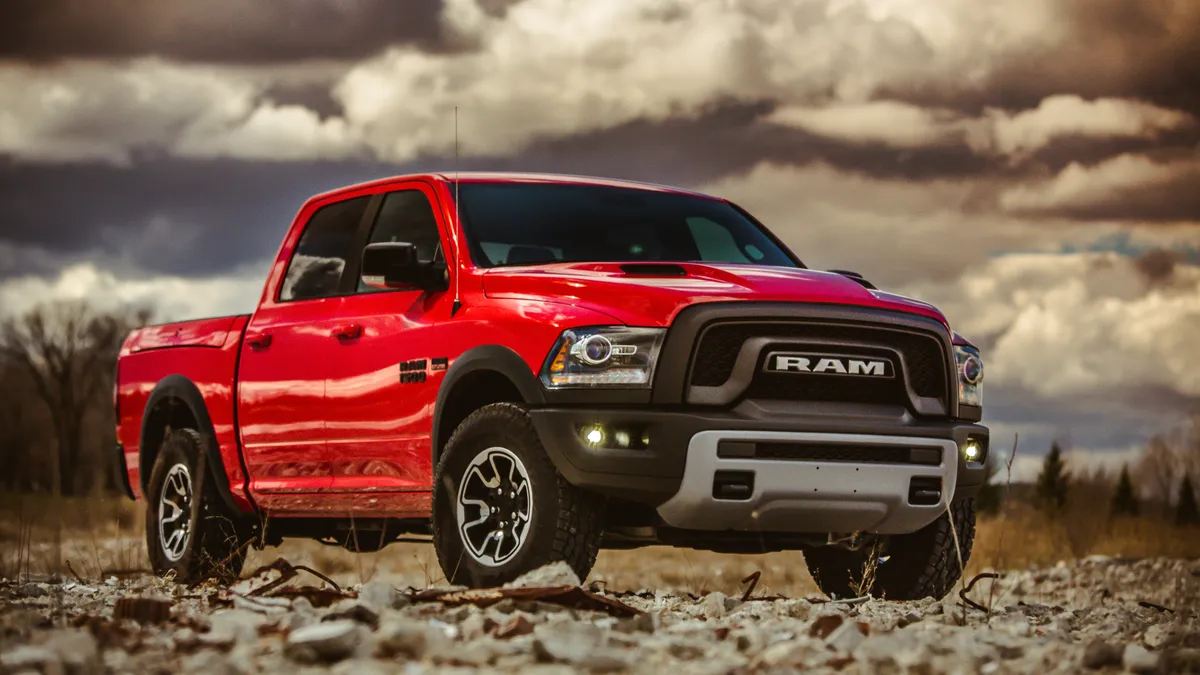
3. Dodge Ram (Now Ram 1500)
Introduced in the early 1980s, the Dodge Ram brought a bolder, more muscular aesthetic to the pickup truck scene. When most trucks were still leaning toward boxy, understated designs, the Ram introduced an aggressive front grille and more prominent badging.
These trucks didn’t just look strong, they backed it up with power under the hood and a focus on towing and payload capability. This shift in styling and substance helped the Ram stand out in a crowded field.
Over time, the Ram evolved from a rugged workhorse to a well-rounded full-size pickup. The interior grew more refined, technology became a standard, and comfort was no longer an afterthought.
By the time Dodge spun Ram off into its own brand in 2010, the identity was already strong enough to stand alone. It didn’t just follow trends; it often set them.
Ram trucks were among the first to really push upscale interiors in the pickup segment, turning the perception of trucks from purely functional to something you could drive to a nice dinner without raising eyebrows.
The cultural impact of the Ram also came from its marketing. The “Guts. Glory. Ram.” campaign struck a chord with American values around toughness and honor.
It placed the Ram in a long line of dependable tools and companions, often tying the imagery back to farming, military service, and American grit.
Those ads didn’t just sell trucks; they sold an identity. The Ram became a badge of strength for people who took pride in their work and their vehicles.
Despite its commercial polish, the Ram hasn’t lost its performance roots. With HEMI engine options and off-road variants like the Rebel and TRX, it continued to appeal to those who wanted power with purpose.
It’s a truck that’s as comfortable hauling a trailer as it is commanding a presence in a city parking lot. That duality, power, and polish is a big part of what made the Ram a fixture in the American story.
4. Toyota Tacoma
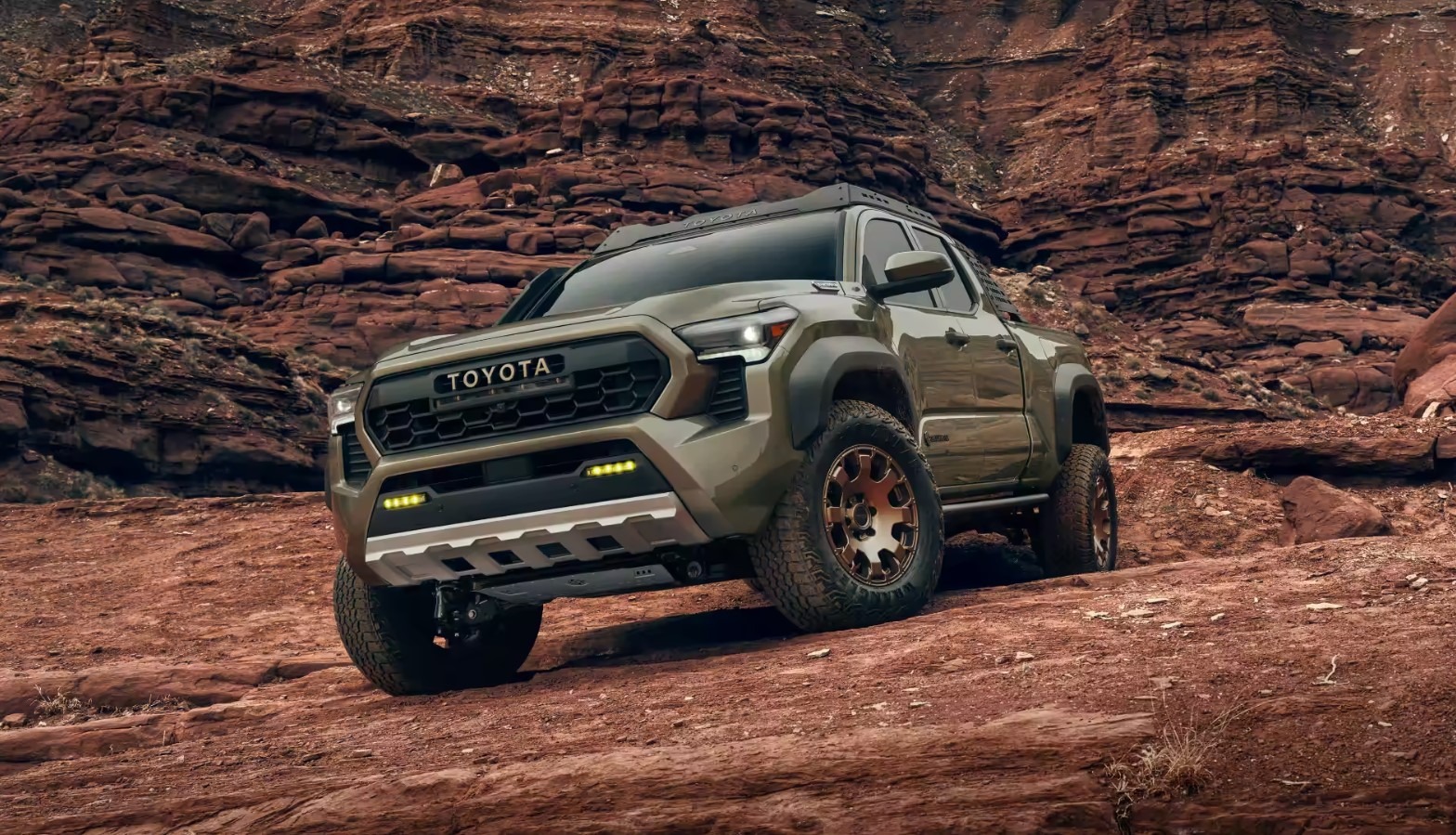
Though a foreign brand by origin, the Toyota Tacoma managed to become a beloved part of American truck culture. First introduced in 1995 as a replacement for the Toyota Pickup (also known as the Hilux in other markets), the Tacoma was built with American drivers in mind.
Smaller and more agile than full-size pickups, it filled a niche that was growing rapidly: people who wanted the utility of a truck without the bulk or fuel costs of a larger model.
The Tacoma’s reputation was built on durability. These trucks became known for pushing past 200,000 miles with minimal maintenance. This wasn’t just a marketing claim; it was backed by owners, mechanics, and real-world performance.
That kind of trust goes a long way, especially when a vehicle becomes a long-term investment. For many young drivers or first-time truck owners, the Tacoma was the ideal starting point.
It also found a loyal following among off-road enthusiasts. The Tacoma’s TRD (Toyota Racing Development) packages made it a favorite for those who wanted to take their trucks off the beaten path.
Whether it was desert driving, mountain trails, or mudding weekends, the Tacoma held its own against much larger competitors. It offered capability without compromise, and that cemented its role as more than just a compact truck; it became a lifestyle vehicle.
Even though Toyota is a Japanese brand, the Tacoma became American through experience. It was assembled in American plants, designed with American roads in mind, and adopted by American drivers from coast to coast. Its long-lasting reliability, modest footprint, and go-anywhere spirit helped it become part of the pickup legacy
5. Chevrolet Silverado
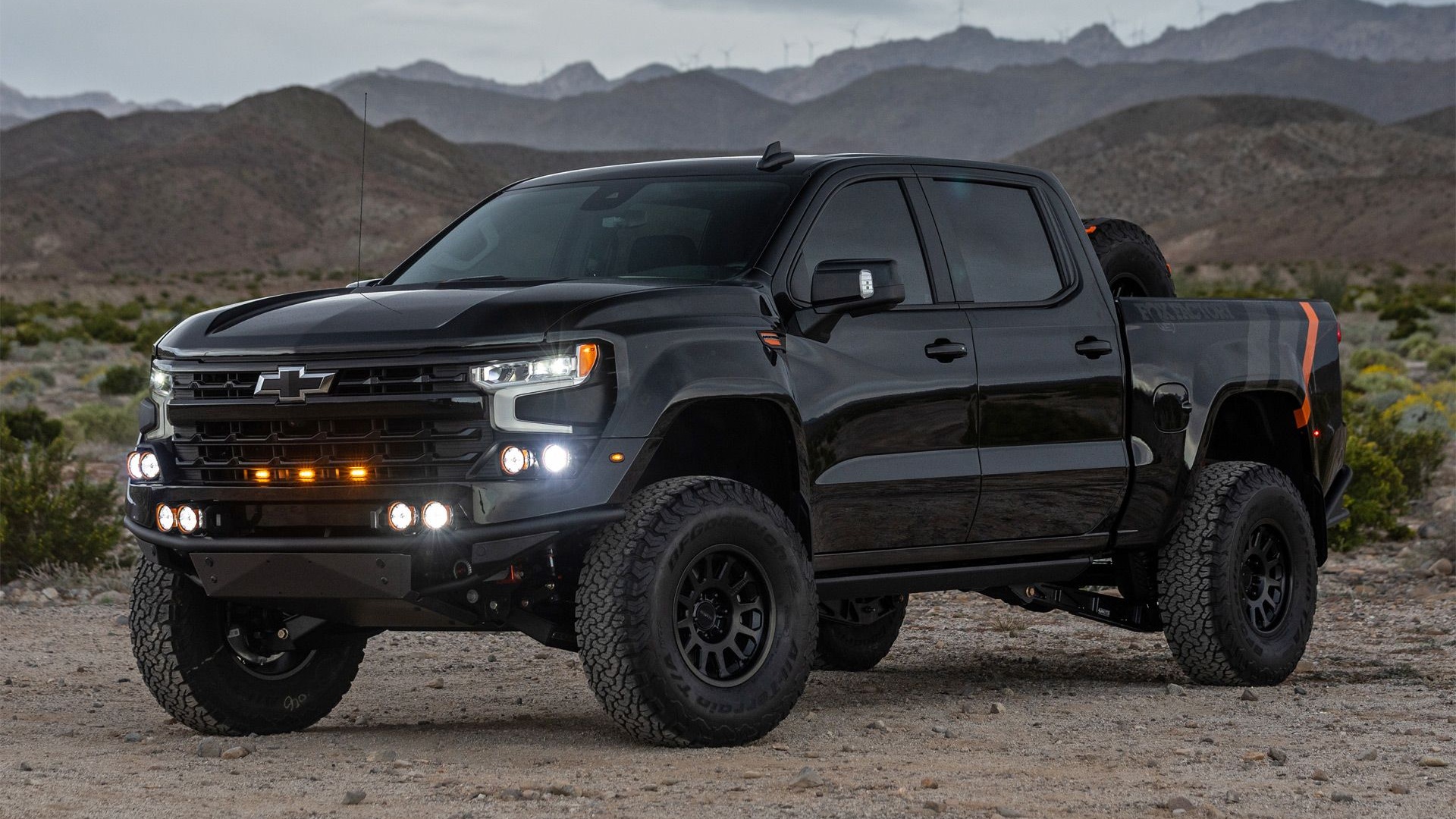
The Chevrolet Silverado is more than just a successor to the C/K series, it’s a modern embodiment of everything Americans have loved about Chevy trucks since the beginning.
Launched in 1999, the Silverado took over where the C/K left off, bringing fresh design, upgraded features, and a new sense of competition to the pickup market.
It didn’t take long for it to find its place as a best-seller and loyal workhorse. Built with power and durability in mind, the Silverado provided strong towing capabilities and a wide range of engine options, making it suitable for both hard labor and daily commutes. It also introduced new technology gradually, allowing even traditional truck owners to feel comfortable with change.
As the Silverado evolved through its generations, it managed to balance innovation with familiarity. Its recognizable body lines, dependable V8s, and sturdy build gave long-time Chevy fans plenty of reasons to stick with the brand.
At the same time, additions like touchscreen infotainment, lane assist, and better cabin insulation made it competitive with more luxury-focused models.
This dual appeal made it a favorite for a broad demographic, from young buyers purchasing their first serious vehicle to veterans of the jobsite who needed a tough, reliable partner.
There’s also an unmistakable pride that many Silverado owners feel. Whether it’s the roar of the exhaust or the confident stance on the road, the truck commands respect without trying too hard.
Another reason the Silverado has become a part of Americana is its association with American craftsmanship. With most production taking place in U.S. factories and the brand’s deep ties to American automotive history, there’s a built-in connection to national pride.
In television ads and dealer promotions, the Silverado is often portrayed as the natural choice for builders, ranchers, and weekend warriors.
It doesn’t matter whether it’s hauling hay in Kansas or pulling a boat in Florida, the Silverado has become a symbol of practical power. That widespread appeal makes it a truck for all regions and all walks of life.
It’s also worth noting that the Silverado has carved out its place in pop culture, if more subtly than some of its rivals. It may not be as flashy as others, but it shows up in music videos, movies, and even country lyrics as a quiet but powerful presence.
Over time, it earned a reputation for loyalty, much like the people who drive it. It doesn’t beg for attention or demand headlines.
It just keeps showing up, keeps hauling, keeps running. And in a country that values consistency as much as strength, that’s exactly what makes it iconic.
Also Read: 5 Pickups That Keep Their Frame Solid vs 5 That Rust Out
6. Ford Ranger
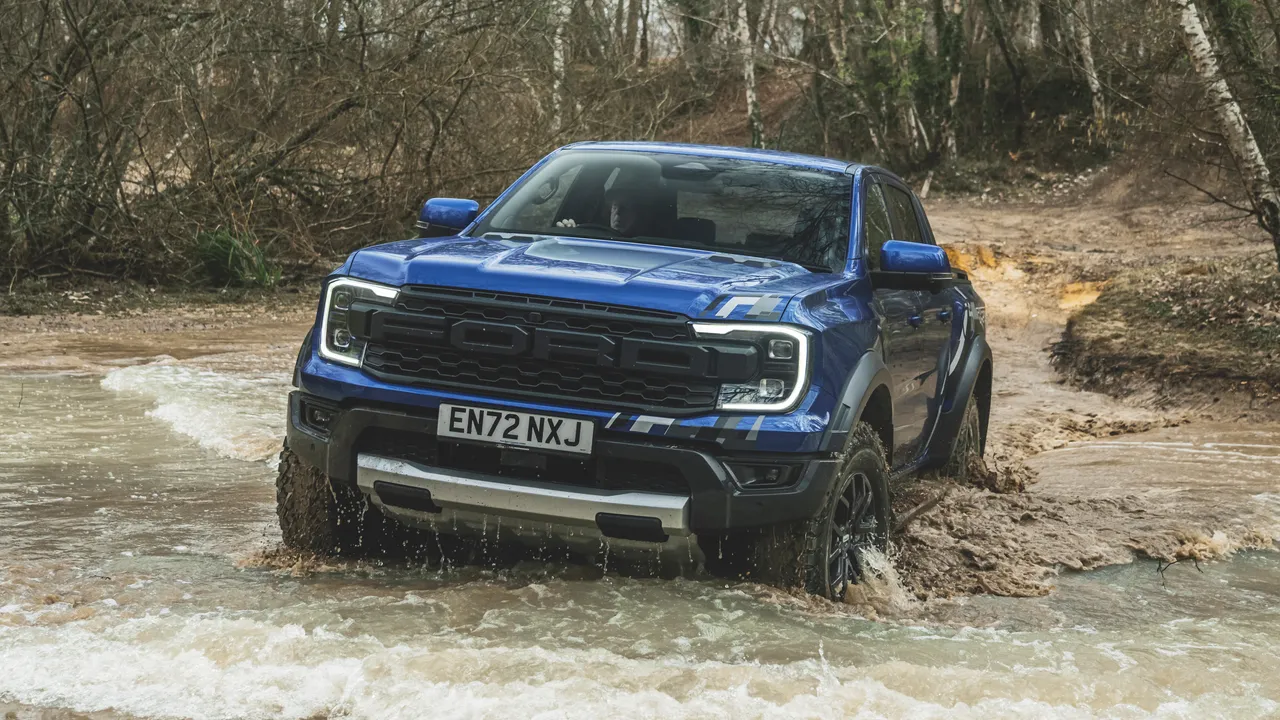
The Ford Ranger is one of those trucks that proves you don’t need to be full-size to make a big impact. Introduced to the U.S. market in the early 1980s, the Ranger quickly became a favorite among those who needed the utility of a pickup in a smaller, more maneuverable package.
It hit the sweet spot for a lot of drivers: affordable, efficient, and still capable enough to handle most everyday tasks.
For students, young professionals, and older folks who didn’t want or need the bulk of a full-size truck, the Ranger was the perfect middle ground. That balance helped it stay on the roads for decades.
One of the reasons the Ranger became a staple of American roads was its reliability. These trucks were simple, easy to maintain, and tough enough to take a beating.
Whether it was being used to haul mulch on weekends, transport tools during the week, or drive across states for camping trips, the Ranger held up under pressure.
Its lightweight design meant it had better fuel economy than bigger models, and that was no small detail during times of high gas prices.
It offered the best of both worlds, serving as both a work vehicle and a daily driver. Over time, many owners grew attached not just to the truck, but to the memories they created with it.
The Ranger also had a distinctive style that aged surprisingly well. Its compact shape, clean lines, and modest grille gave it an approachable look. It didn’t try to overpower you with size or flash. Instead, it felt accessible. That visual familiarity kept people coming back to it.
Even as it disappeared from the U.S. market for a few years before being reintroduced, the Ranger remained in high demand. Used models became prized possessions, and enthusiasts maintained online forums dedicated to keeping the older models running strong.
When Ford brought the Ranger back in 2019, it was a response to renewed demand for mid-size pickups. That comeback wasn’t just about sales numbers; it was a recognition of the truck’s legacy.
Newer models kept the practicality and added more modern tech and safety features, allowing a new generation to experience what made the Ranger so beloved.
Its return reminded everyone that sometimes, smaller doesn’t mean less. In fact, it often means more versatility, more approachability, and more connection with the everyday lives of Americans.
7. GMC Sierra
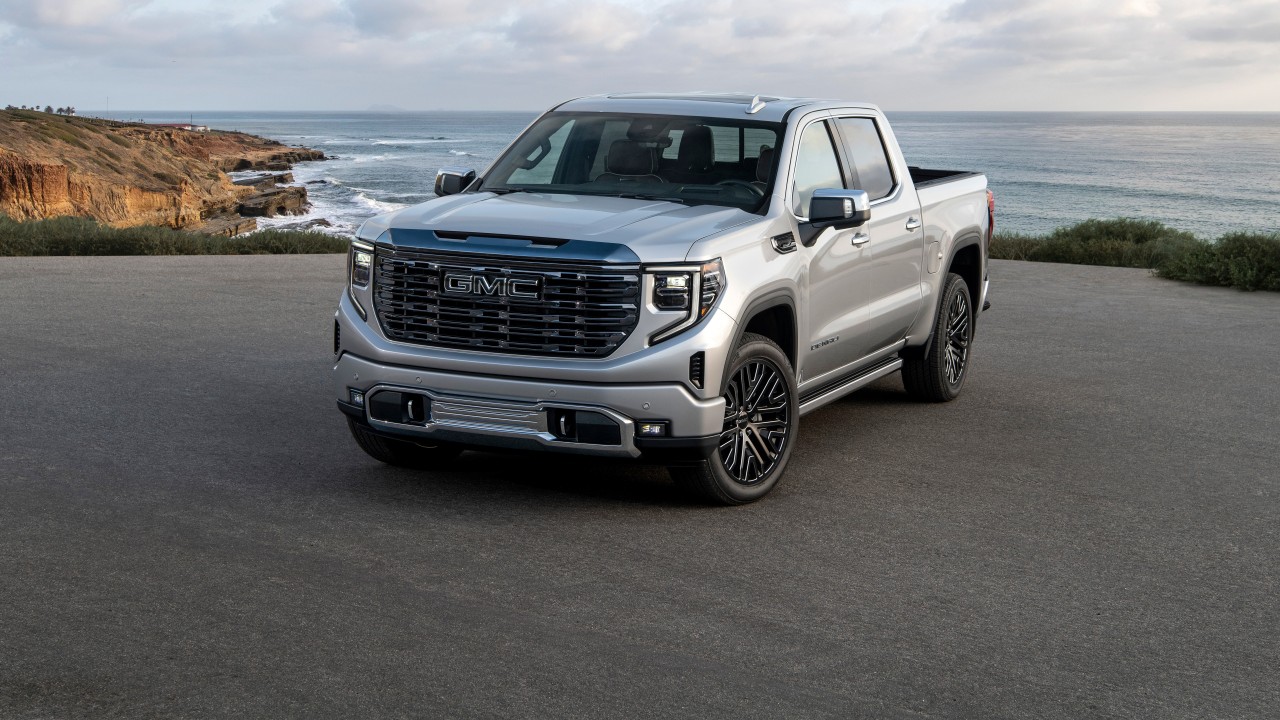
Often seen as the upscale sibling to the Chevrolet Silverado, the GMC Sierra carved out its own space in American truck culture by offering a blend of rugged utility and upscale refinement.
While both trucks share many mechanical underpinnings, the Sierra has always aimed for a slightly more premium experience.
For many drivers, it was the truck that could haul lumber during the week and still be clean and polished enough to park outside a high-end restaurant on the weekend.
That dual identity gave it a loyal fan base, especially among buyers who wanted a touch of luxury without compromising on capability.
The Sierra stood out thanks to its attention to design and comfort. From the early 2000s onward, GMC emphasized premium interiors, softer ride quality, and advanced features that sometimes arrived ahead of Chevy.
The Denali trim, in particular, elevated the truck to near-luxury territory, with leather interiors, wood trim, and high-tech dashboards.
This wasn’t just a work vehicle, it was a statement. It suggested success, professionalism, and a deep appreciation for craftsmanship. And yet, it still had the muscle to tow trailers, move heavy loads, and handle bad roads like any other American truck worth its badge.
Culturally, the Sierra found a niche among professionals, ranch owners, and those in rural areas who had “made it.” It represented a step up, not just in cost but in status.
It often featured in dealership advertisements aimed at upwardly mobile buyers, people who were proud of their working-class roots but now had the means to drive something a little nicer.
This balance between ruggedness and refinement became the hallmark of the Sierra. It was the truck for the man who once drove a beat-up C/K but now ran the crew, not just worked on it.
Despite its polished image, the Sierra never abandoned its core values. Underneath the chrome accents and polished interiors, it remained a hard-working, dependable machine. And that’s why it stuck.
It wasn’t pretending to be something it wasn’t. It simply offered more to those who wanted it. In the American mindset, that’s something to admire, a vehicle that reflects both where you came from and where you’re going.
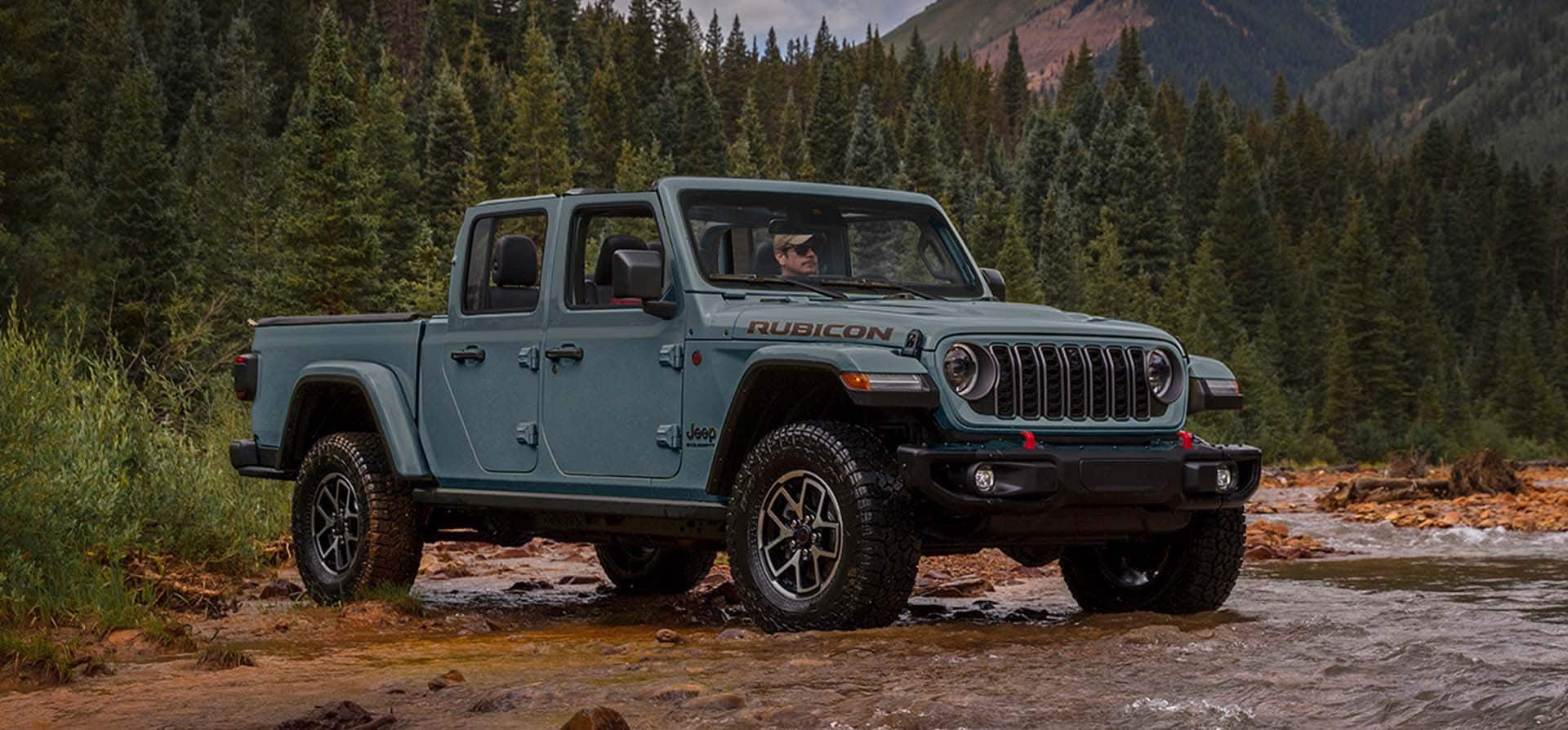
8. Jeep Gladiator
The Jeep Gladiator is a relatively recent entry in the current market, but its roots go back decades. Originally launched in the 1960s, the first Gladiator was a bold attempt to blend Jeep’s off-road DNA with the utility of a pickup truck. Though it had a modest market presence back then, it became a cult classic.
When Jeep revived the Gladiator name in 2019, it wasn’t just reintroducing a vehicle; it was bringing back an attitude.
With its unmistakable front grille, removable doors, and serious off-road chops, the new Gladiator wasn’t trying to imitate any other truck. It was doing its own thing, and Americans took notice.
What makes the Gladiator unique in the pickup industry is that it offers capabilities and aesthetics no other truck does.
It’s the only midsize pickup that allows for true open-air driving, thanks to its removable top and doors. That feature alone made it a favorite among outdoor enthusiasts, campers, and weekend adventurers.
The truck wasn’t just about hauling gear; it was about living a certain kind of life. Whether it was mud trails, national parks, or remote campsites, the Gladiator was more than capable of getting you there and looking good while doing it.
Jeep’s reputation for building tough, dependable off-road vehicles also lent the Gladiator a sense of heritage and authenticity.
This wasn’t a new company trying to break into the truck game. This was Jeep doing what Jeep does best, making machines that go places others can’t.
The Gladiator, with its long wheelbase, rock-crawling suspension, and utility bed, was the natural evolution of that idea. It showed that a pickup didn’t have to fit the usual mold. It could be different. And for many Americans, different was exactly what they were looking for.
The Gladiator may not have the decades-long sales history of the F-150 or Silverado, but its cultural impact is real.
It arrived with character, purpose, and a deep respect for adventure. In many ways, it represents a modern form of Americana, one rooted in individuality, freedom, and exploration. It may be newer to the list, but it’s earning its place fast.
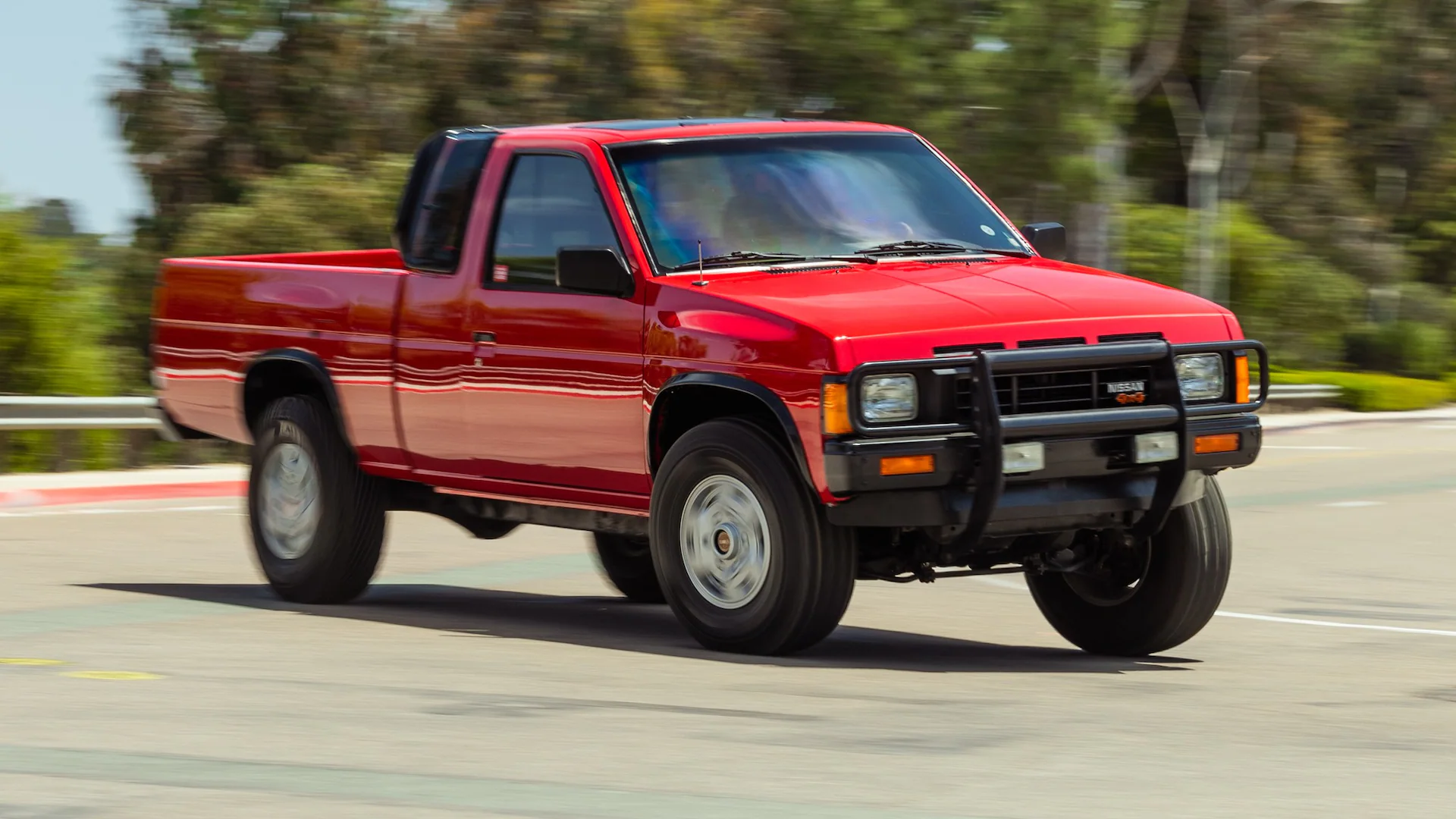
9. Nissan Hardbody (D21)
The Nissan Hardbody, officially known as the D21, became a quiet legend in the United States throughout the 1980s and 1990s.
While it may not have had the size or domestic origin of the Big Three’s full-size pickups, it earned respect through consistency, reliability, and affordability.
The name “Hardbody” wasn’t just marketing fluff, it referred to its double-wall bed construction and sturdy steel build that gave it a reputation for being practically indestructible.
For many Americans, especially those in urban areas or younger drivers on a budget, the Nissan Hardbody was their introduction to truck ownership.
The truck’s styling was ahead of its time. Sharp angles, flared fenders, and bold grille designs gave it a more aggressive look compared to the rounded, simpler designs of some competitors. It looked modern without appearing flashy.
That design also lent itself well to customization, and soon enough, the Hardbody became a favorite among mini-truck enthusiasts who modified them for shows, races, or lowrider culture.
It was one of the few trucks that could be found in a jobsite parking lot during the week and rolling slowly through a downtown cruise on Saturday night, decked out in chrome and decals.
Durability was another cornerstone of the Hardbody’s appeal. Owners routinely pushed these trucks well past the 200,000-mile mark. Mechanics appreciated their simplicity, while drivers trusted them to run under all sorts of conditions.
From desert heat to snowy backroads, the Hardbody endured. It didn’t offer big V8s or luxury trims, but it wasn’t trying to. It found its lane and owned it. For people who just needed something that worked and kept working, the Hardbody delivered.
What really helped the Nissan Hardbody become part of Americana was how seamlessly it fit into daily life. It was common in neighborhoods, campuses, small businesses, and weekend hauls to the hardware store. It became part of the routines.
It also helped shift the narrative that reliable trucks had to come from Detroit. While Toyota had started paving that path, Nissan, through the D21, reinforced it.
In doing so, the Hardbody didn’t just prove that import trucks could earn their place; it became one of the reasons that segment exists at all.
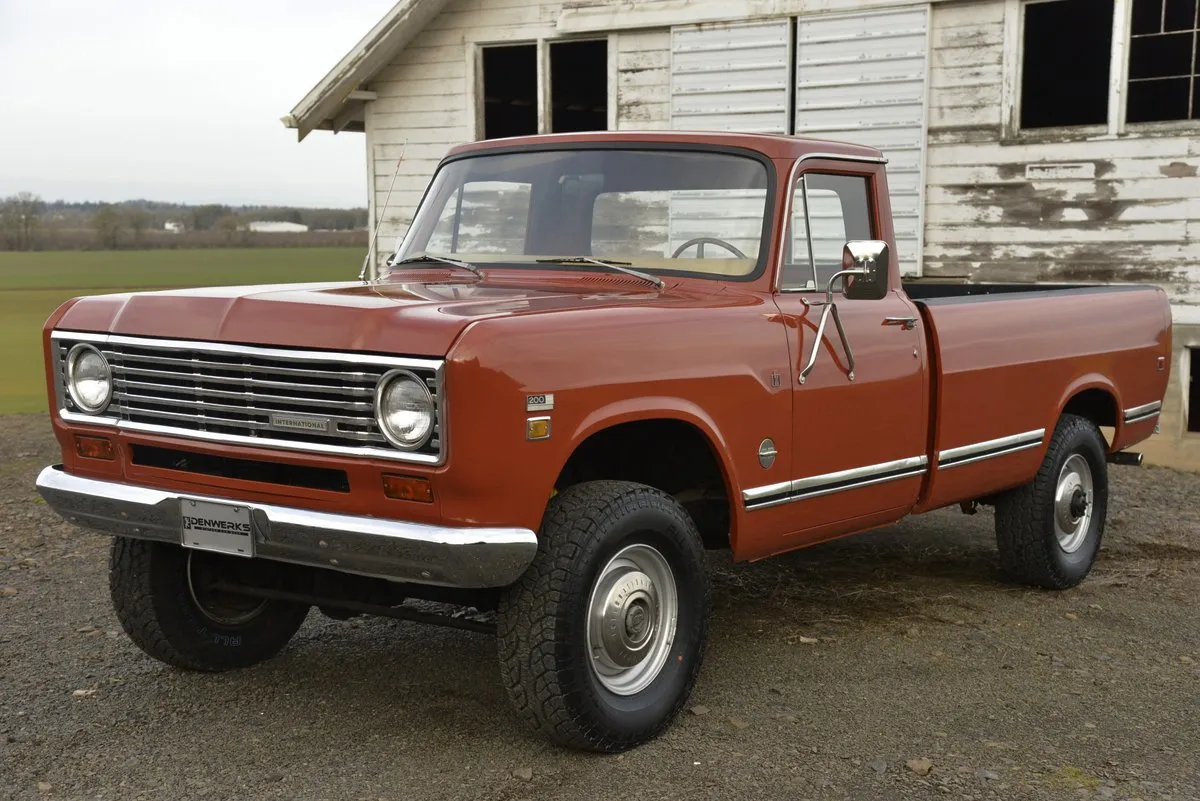
10. International Harvester Pickup (IH Series)
Before Ford, Chevy, and Dodge dominated the truck market, International Harvester was building pickups for the American working class with an emphasis on toughness and practicality.
While better known for tractors and farming equipment, the company’s trucks were essential in rural America from the 1930s through the 1970s.
The IH pickups, particularly the L, R, and D series, were not flashy. They were built with the same industrial spirit as the machines that tilled soil and harvested crops. And that’s precisely why they became so beloved by those who depended on the land for their livelihood.
The IH pickups had a unique identity. They didn’t borrow styling cues from cars or follow consumer trends. These were machines designed with farmers, tradesmen, and rural workers in mind.
The result was a truck that looked and felt like a piece of equipment, solid, boxy, and unbreakable.
Even today, surviving IH pickups can be seen hauling materials or pulling trailers on private land, decades after their last production run. That longevity speaks volumes about their construction and the mindset of those who bought them.
Though not as commercially widespread as the Big Three pickups, the cultural footprint of IH trucks is still felt. In many parts of the Midwest, for example, people still talk about the old International truck that ran through three generations of farmers.
Restorers and collectors seek them out now, not just for their rarity but for what they represent: a bygone era when vehicles were judged solely on performance and strength, not style or screen size.
You didn’t drive an IH truck to be noticed; you drove it to get things done. That purpose-driven design made it more than just transportation. It was a partner in the daily grind.
When International Harvester eventually exited the consumer truck market, it marked the end of an era. But their trucks live on in memory and metal. They represent a pure form of Americana rooted in labor, land, and perseverance.
The IH pickup may not be the loudest or most decorated truck on this list, but it might just be the most sincere. And for those who grew up around them or drove one themselves, it was never just a truck. It was a legacy.
