
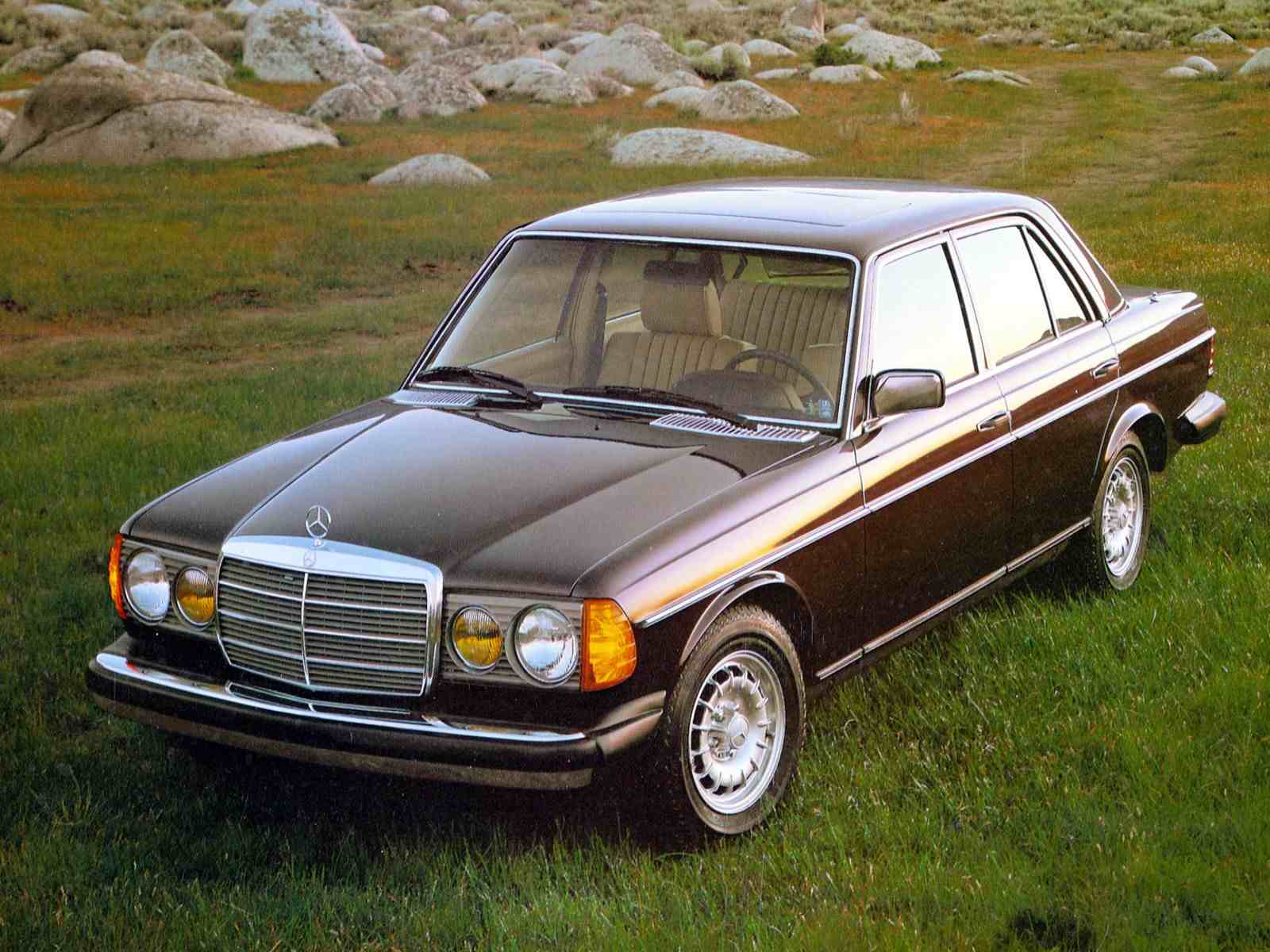
When people talk about cars, the conversation often starts with style, speed, or performance. But over time, something much simpler and far more practical has come to define how vehicles are judged: reliability.
It’s not glamorous, and it doesn’t make headlines like horsepower figures do, but reliability is what keeps drivers on the road without fear of unexpected breakdowns, massive repair bills, or unpredictable behavior from their vehicles. For decades, this trait has quietly shaped how people view brands, how industries adapt to demand, and how trust is built between manufacturers and their customers.
Reliability used to be more of a gamble than a guarantee. In earlier decades, car owners often expected to spend time under the hood or at the mechanic’s shop. Maintenance was a routine part of ownership, and most drivers accepted that a vehicle might not start every single time.
Then, certain cars came along and changed everything. These weren’t always the fastest or most luxurious models, but they proved something more valuable: they started up every morning, drove consistently, and rarely left owners stranded. That kind of dependability changed buying behavior, shifted brand loyalty, and redefined what people expected from an automobile.
These cars didn’t just earn praise, they set new benchmarks. Some came from brands that were underestimated at first, while others were unexpected hits that defied their category. Over time, their influence spread. Engineers began to reverse-engineer what made these cars so dependable.
Consumers became more vocal about what they wanted. And automakers who ignored reliability started to feel the pressure from falling sales and bad reputations. It’s no exaggeration to say that these cars had a lasting effect, not just on their own companies, but on the entire automotive world.
This list looks at ten such vehicles. Each of them played a distinct role in shifting public perception of reliability. Some were the first of their kind to prove that long-term quality was achievable. Others broke stereotypes about certain countries or manufacturers. Together, they helped raise the bar, and forced everyone else to follow.
Also Read: 5 Pickups That Keep Their Frame Solid vs 5 That Rust Out
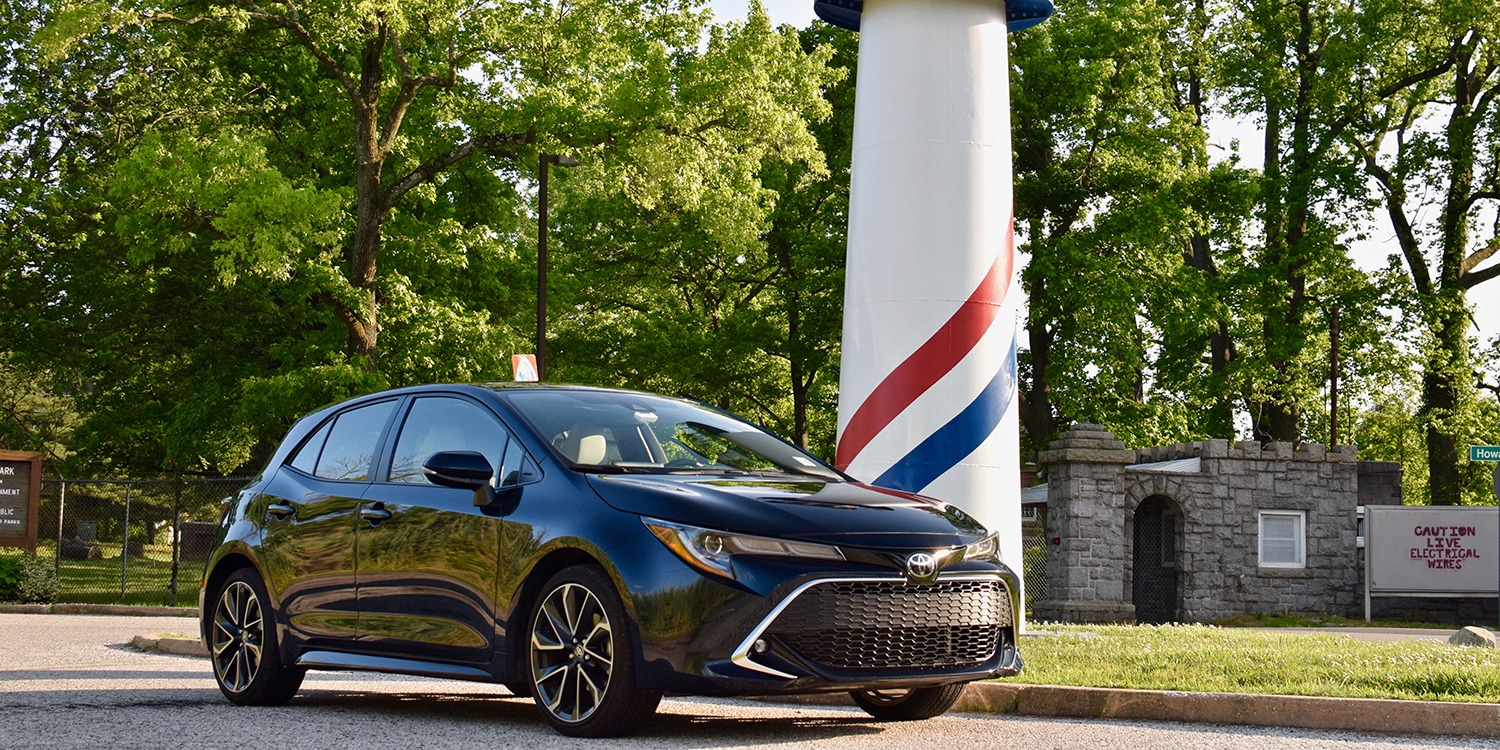
1. Toyota Corolla
The Toyota Corolla didn’t get famous for turning heads or thrilling drivers with performance. It built its name by simply doing its job, day in and day out, better than almost anything else on the road. Introduced in the 1960s, it quickly gained popularity for being practical and economical.
What set it apart, though, was how few problems it had. It started reliably, ran smoothly, and could go hundreds of thousands of miles with regular maintenance. For many buyers, the Corolla was their first experience with a car that didn’t require constant attention.
Throughout its history, the Corolla was never about being bold. Its engineering was deliberately conservative, and Toyota focused on eliminating complexity that could lead to problems. That approach worked. Over the years, as competitors added gadgets or chased trends, the Corolla stuck to a formula that emphasized longevity and predictability.
This made it especially popular with people who wanted a car they didn’t have to worry about, students, families, and professionals alike.
Its impact went far beyond individual buyers. Rental fleets, taxi companies, and rideshare drivers often chose the Corolla because it meant fewer repairs, lower running costs, and better resale value. Its track record also pressured other automakers to improve. No longer could companies dismiss reliability as an afterthought. Customers now expect it, because Toyota proved it was possible without huge sacrifices in price or comfort.
The Corolla didn’t just sell in huge numbers; it became a symbol. A vehicle that worked quietly in the background while earning a reputation stronger than many of its flashier rivals. It helped turn Toyota into a global powerhouse, and in doing so, it permanently raised the expectations drivers had about how dependable a car should be.
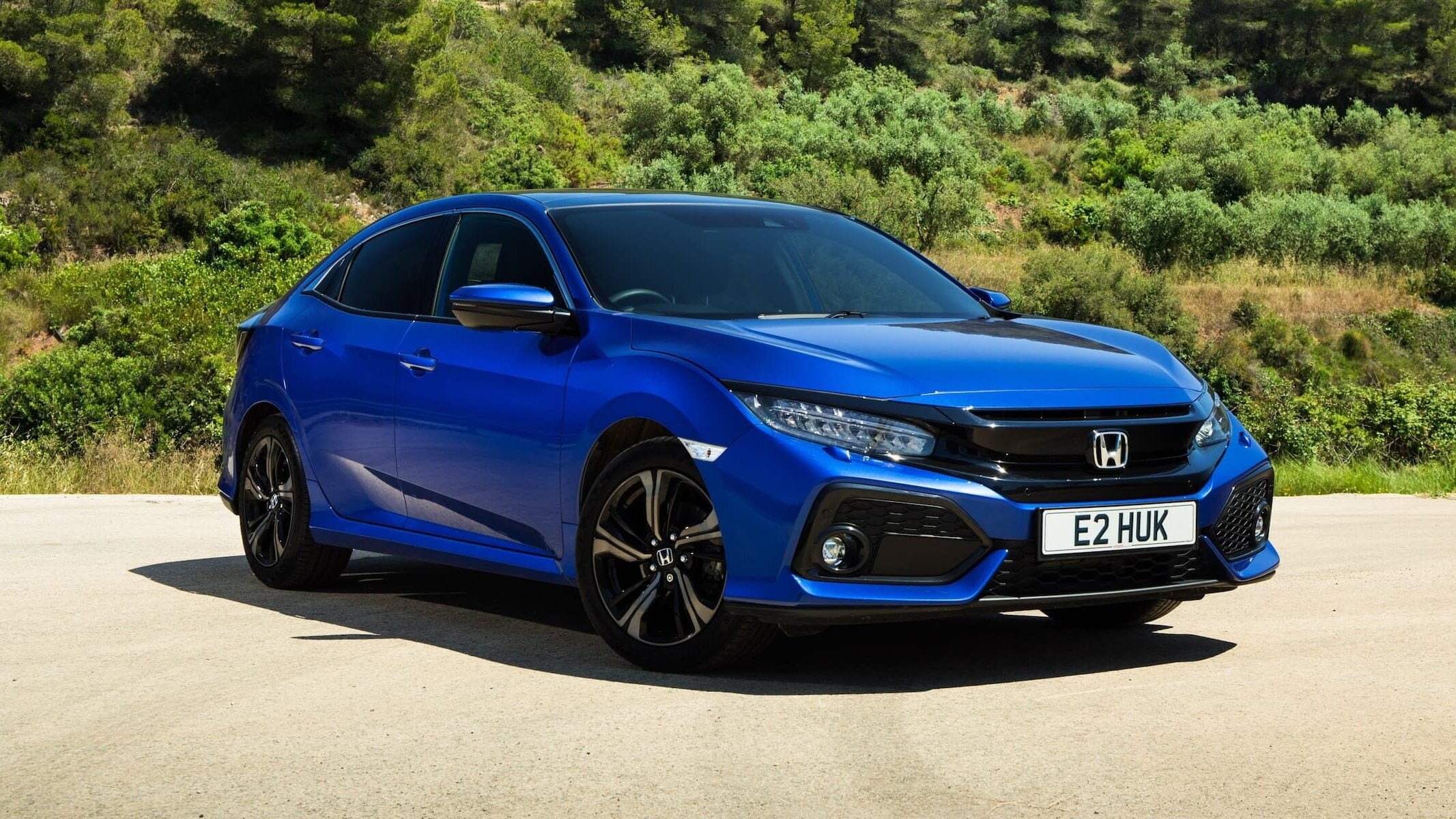
2. Honda Civic
The Honda Civic emerged in the 1970s at a time when consumers were looking for smaller, more fuel-efficient cars. But its real strength wasn’t just gas mileage, it was dependability. Like the Corolla, the Civic was simple, solid, and designed with durability in mind. Early owners quickly discovered that these cars didn’t just meet expectations, they often exceeded them. The Civic developed a reputation as a car you could buy, drive for years, and still count on.
One of the things that helped the Civic stand out was how well it aged. Even models from the 1980s and 1990s are still seen on the road today.
That kind of longevity built incredible brand loyalty. Many Civic owners became repeat buyers not because they wanted something new, but because the old one had lasted so long, they trusted the next one would too. It also helped that parts were relatively affordable and easy to find, which made upkeep manageable even for owners on tight budgets.
The Civic also appealed to a wide audience. It worked as a starter car, a commuter vehicle, or even a project car for enthusiasts. Regardless of how it was used, people appreciated that it didn’t break down often. It earned a place as one of the most respected small cars in automotive history. That wasn’t by accident; Honda’s engineering philosophy emphasized precision and quality, even in their most basic models.
What really changed perceptions, though, was how reliable the Civic was compared to many American cars at the time. As people experienced fewer issues with Civics, expectations shifted. Buyers began looking for vehicles that could match that level of consistency. In that sense, the Civic did more than succeed as a model; it pushed an entire industry to improve.
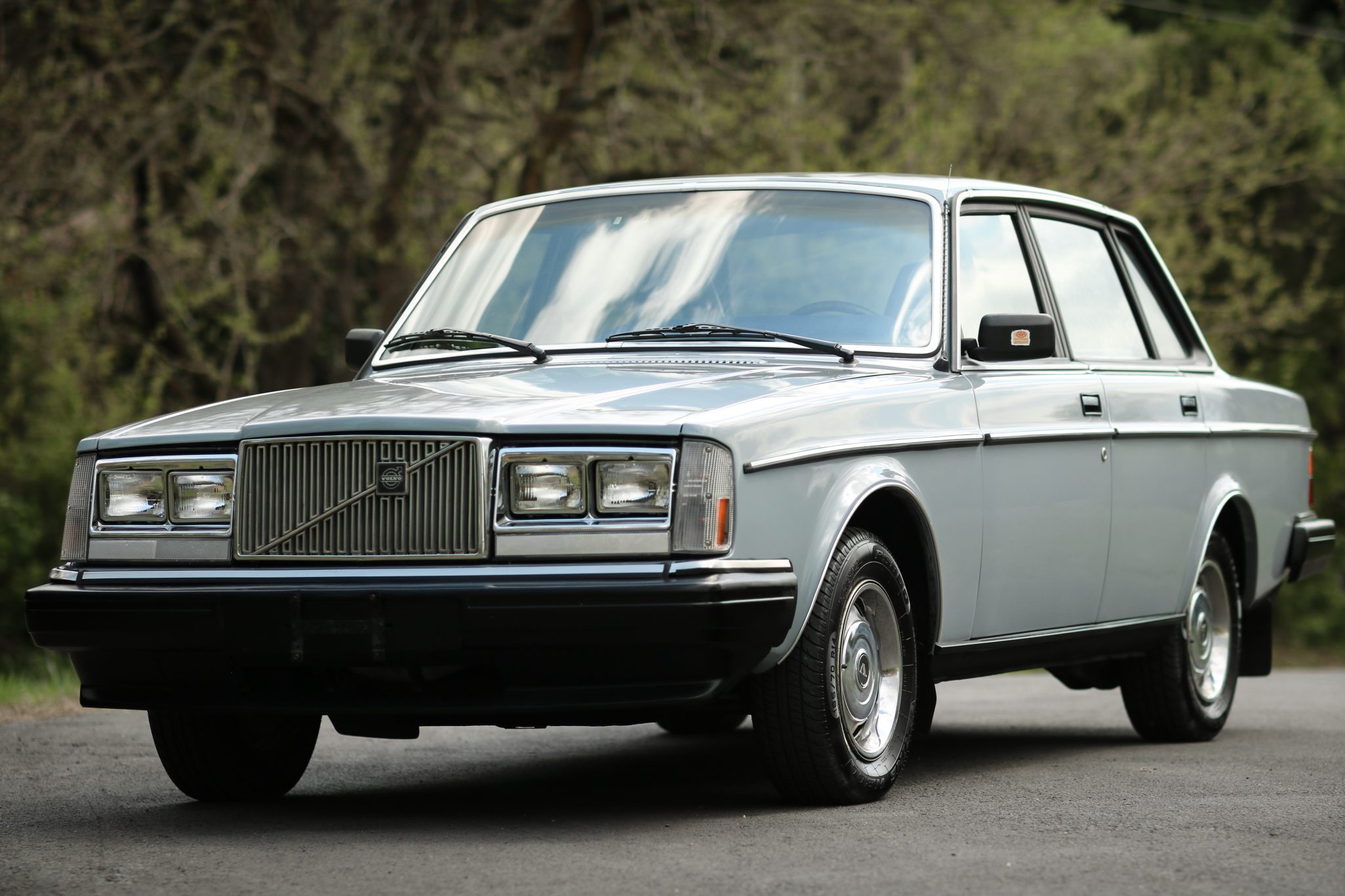
3. Volvo 240
The Volvo 240 is often remembered for its boxy shape, but those who owned one usually talk about how it just wouldn’t quit. Built with durability in mind, the 240 gained a reputation as one of the longest-lasting cars ever made.
It was especially popular in cold climates, where its sturdy build and dependable engineering made it a favorite for families, taxi drivers, and even police departments. It wasn’t flashy, but it earned respect by simply refusing to break down.
Volvo engineered the 240 with practicality at the forefront. The car was relatively easy to work on, and it used components that were overbuilt rather than cost-cut. This meant fewer failures and longer service life. Its reputation for safety also added to the perception of quality. People saw it as a car that protected its occupants not only in crashes, but from the hassle of constant maintenance.
The longevity of the 240 created an entire subculture of loyal owners. Stories circulated about these cars reaching 300,000 miles or more. They weren’t always pretty by the end of their life spans, but they were still running.
For families on a budget or drivers in remote areas, that kind of endurance made the 240 a smart investment. Over time, this shaped how people thought about European cars, not just as luxury or performance vehicles, but as long-term, dependable tools.
Even after Volvo moved on from the 240, its legacy influenced later models. The brand kept a focus on safety and durability, and it became a trusted name among cautious buyers. The 240 helped prove that reliability didn’t have to come from Japan, it could be engineered from a very different philosophy and still deliver excellent results.
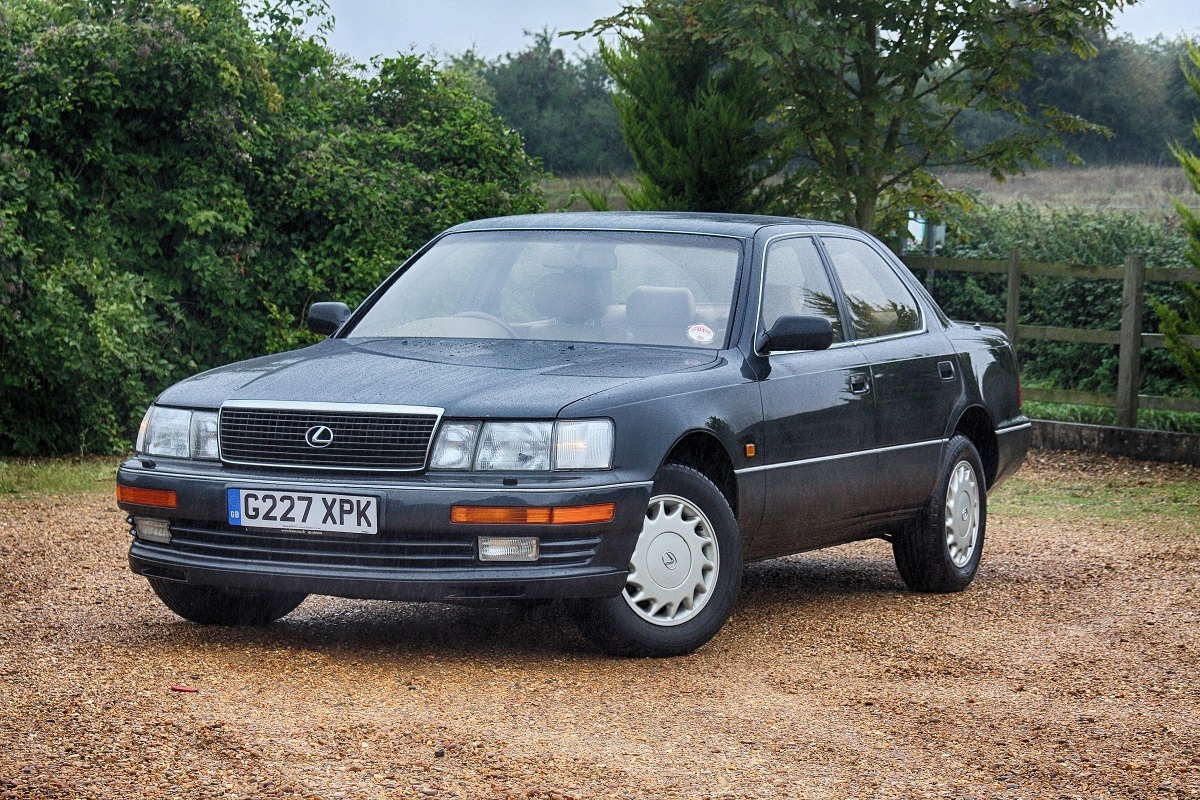
4. Lexus LS400
When Lexus introduced the LS400 in 1989, it wasn’t just launching a new car; it was making a statement. This was Toyota’s first major attempt to enter the luxury market, and it didn’t just compete with established names like Mercedes-Benz and BMW. It embarrassed them. The LS400 offered high levels of comfort, power, and refinement, but what truly shocked the industry was its unmatched reliability.
Lexus focused intensely on quality control during development. Engineers spent years perfecting the car down to the smallest detail, testing it under extreme conditions to ensure it would last.
The result was a luxury vehicle that not only met the expectations of high-end buyers but did so with almost zero problems. This was unheard of at the time. Expensive cars were usually more complicated and more prone to mechanical issues, but the LS400 ran smoothly, quietly, and dependably for years.
The car quickly gained a following among buyers who wanted premium features without the traditional headaches of luxury ownership. It also forced European manufacturers to rethink their approach. While brands like BMW and Audi often required expensive maintenance after just a few years, the LS400 kept going with minimal fuss. It wasn’t just a competitor, it was a new standard.
What the LS400 changed was the belief that performance and comfort had to come with a trade-off in reliability. Lexus proved that you could have both. This reshaped how people saw luxury cars and helped build Lexus into one of the most trusted brands in the industry. It remains a landmark moment in automotive history, not because of a dramatic design, but because it made quality feel effortless.
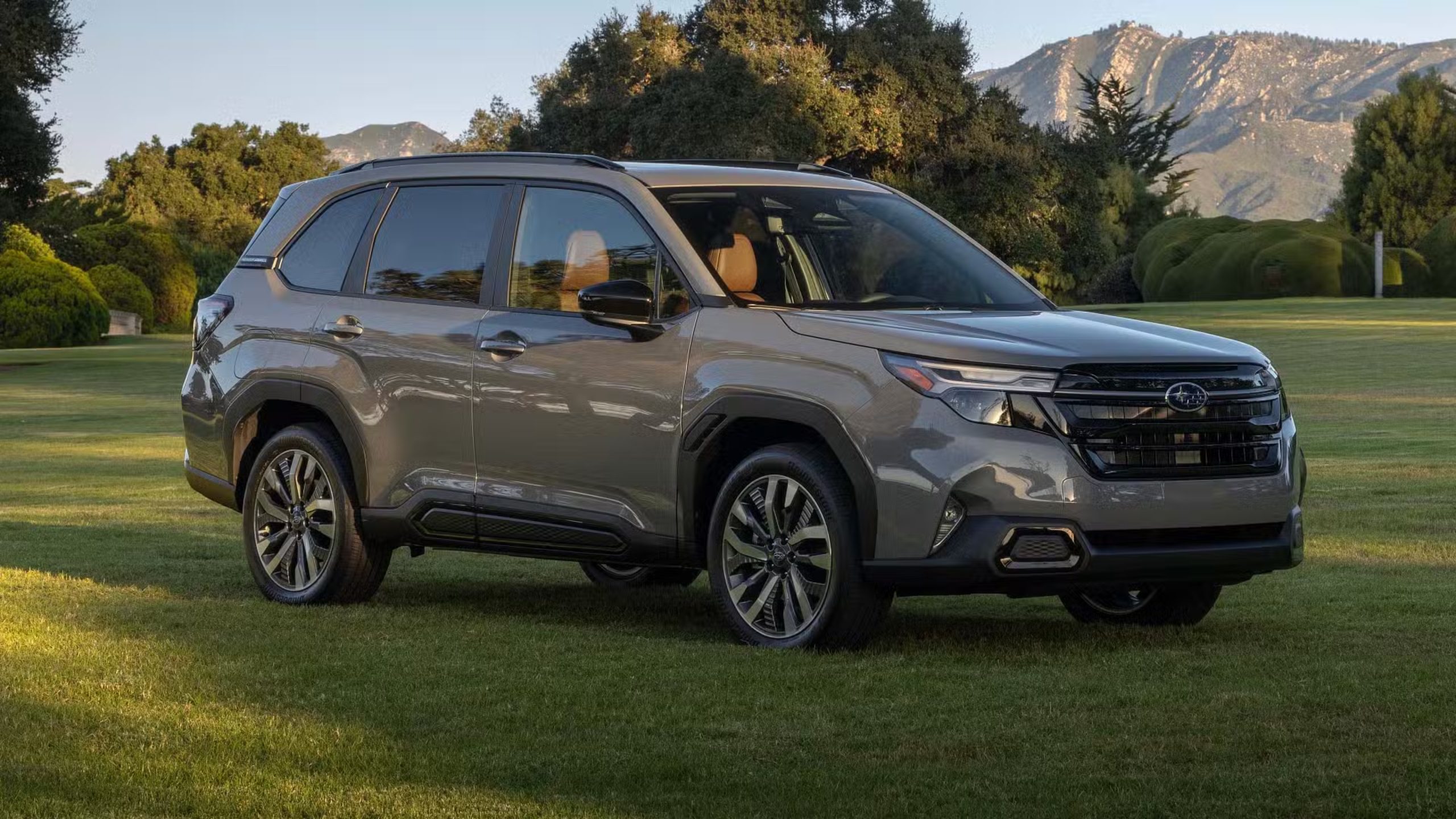
5. Subaru Outback
The Subaru Outback changed the perception of reliability by combining ruggedness with everyday practicality in a way few vehicles had before. Introduced in the mid-1990s, it was built for drivers who wanted something more capable than a typical sedan but didn’t need a full-blown SUV.
Its all-wheel-drive system, coupled with a reputation for durable engines and solid construction, made it especially popular in regions with challenging weather or rough roads. But what truly set the Outback apart was its ability to be dependable in situations where other cars might falter.
Unlike many off-road vehicles that sacrifice comfort for toughness, the Outback struck a balance. It gave drivers confidence that they could handle snow, mud, or gravel without worry, but still enjoy a smooth, reliable ride on city streets or highways.
This versatility helped the Outback carve out a unique niche. More importantly, its reliability was not just about raw durability; it was about consistent performance across a wide range of conditions, mile after mile.
The car’s boxer engine, known for its low center of gravity and smooth operation, was a significant part of this reliability story. Subaru engineered it to last and to resist some of the common problems other engines faced, such as overheating or excessive oil consumption. Additionally, Subaru’s commitment to standard all-wheel drive meant fewer mechanical surprises for drivers who needed traction but also expected dependability over the long haul.
Over the years, the Outback earned a loyal following among outdoor enthusiasts, families, and anyone who valued safety and practicality. Its reputation for longevity grew as many owners reported vehicles running smoothly well past 200,000 miles. This helped solidify Subaru’s place as a brand that didn’t just promise reliability, it delivered it in a form that suited active lifestyles without compromising everyday usability.
Also Read: 5 Pickups That Hold Resale Value vs 5 That Plummet
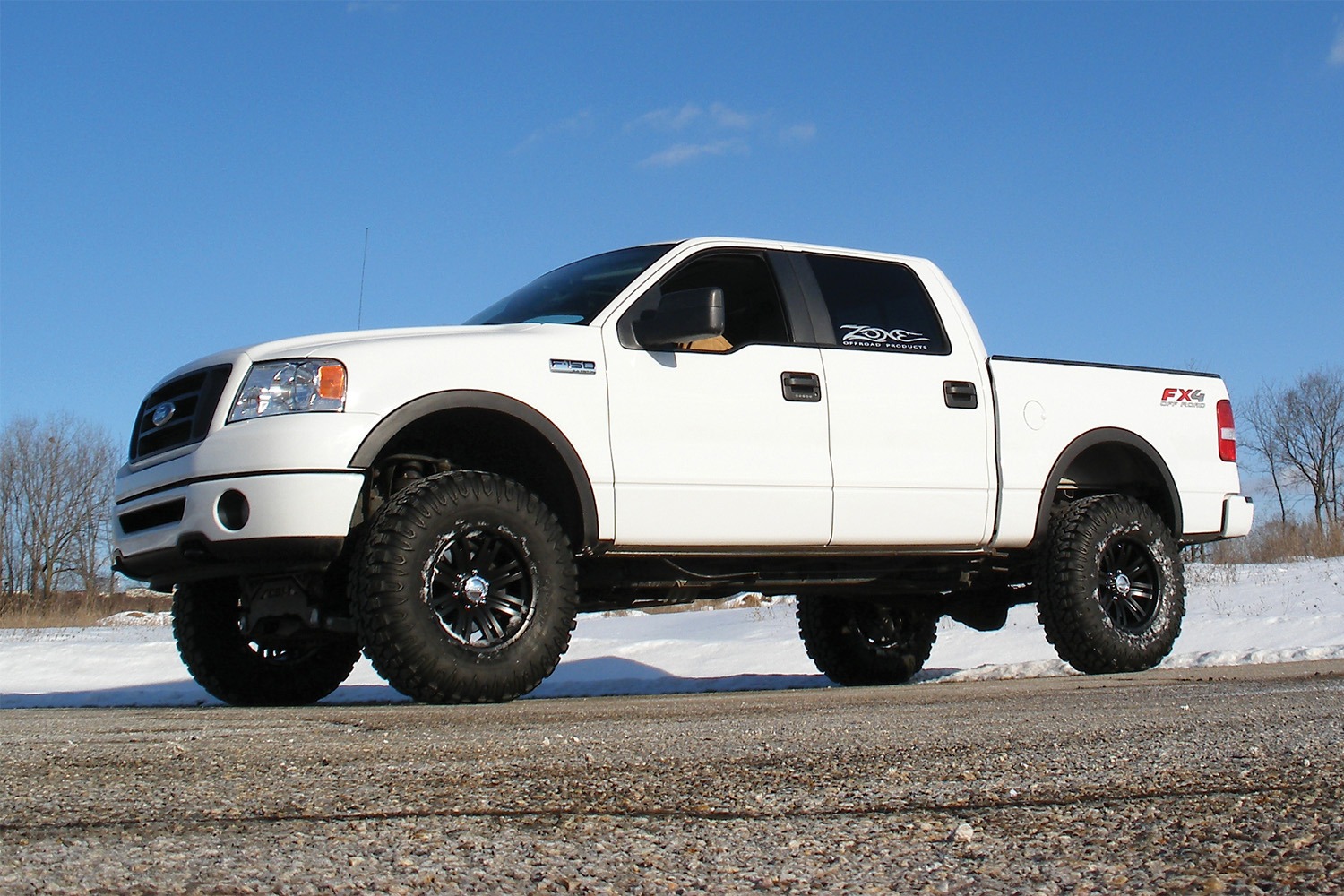
6. Ford F-150
The Ford F-150 is one of the most iconic trucks in American automotive history, renowned not only for its powerful performance but also for its longstanding reputation for reliability. Introduced in the mid-20th century, it quickly became the backbone of countless businesses, farms, and construction sites due to its ability to withstand rigorous daily use.
What separates the F-150 from many competitors is its combination of strength, versatility, and durability. Ford engineered the truck to endure heavy workloads, long hours on the road, and tough environmental conditions without frequent mechanical failures, making it the go-to vehicle for professionals who need a dependable partner in their work.
Over the years, the F-150 has undergone numerous redesigns and improvements, each iteration balancing innovation with reliability. Ford’s engineers have consistently focused on strengthening key components such as the frame, suspension, and drivetrain, ensuring the truck could handle increased towing capacities and payloads without compromising longevity.
What truly sets the F-150 apart is its attention to ease of maintenance. The widespread availability of parts, combined with relatively straightforward mechanical layouts, means owners can perform many repairs and upkeep tasks quickly and affordably. This accessibility reduces downtime, which is critical for owners whose livelihoods depend on their trucks.
Another critical factor in the F-150’s reputation is the company’s extensive testing procedures. Each generation is subjected to demanding trials, including extreme temperatures, harsh terrain, and long-term durability assessments. These tests simulate years of hard use to identify potential weak points before the truck ever reaches consumers.
This rigorous process has allowed Ford to minimize common issues seen in competing trucks, such as transmission or engine failures, which can be expensive and inconvenient. The result is a vehicle that has become synonymous with trustworthiness in the pickup segment.
The cultural impact of the Ford F-150’s reliability can’t be overstated. It has become more than just a work vehicle; it’s a symbol of American toughness and practicality.
Its popularity has influenced other manufacturers to raise their own standards for durability, fueling competition that benefits consumers. From contractors hauling heavy equipment to families using it for daily transportation, the F-150 remains a top choice because it consistently delivers the kind of dependability that customers rely on.
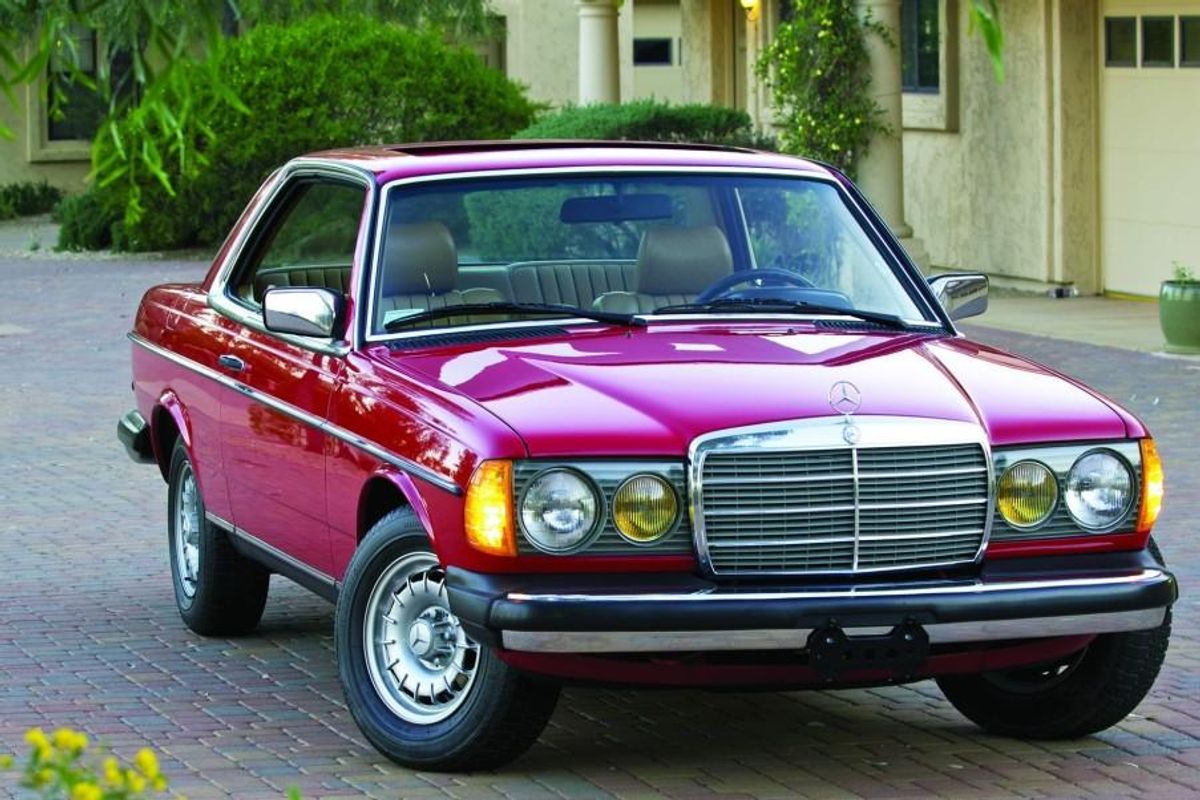
7. Mercedes-Benz W123
The Mercedes-Benz W123 series, produced from 1976 to 1985, stands as a monument to mechanical reliability, engineering excellence, and understated luxury. At a time when many luxury cars prioritized style and cutting-edge technology, the W123 focused on build quality and durability. It quickly gained a reputation for being one of the toughest and most dependable vehicles in the world.
This reputation was built on the car’s solid construction, robust engines, and the German manufacturer’s meticulous approach to quality control. It was not unusual for well-maintained W123 models to reach over half a million miles, a feat rarely achieved by other luxury vehicles of the era.
One key to the W123’s longevity was its “over-engineering.” Mercedes-Benz employed thicker steel for body panels, heavy-duty suspension components, and engines built with conservative tolerances. This made the car heavier than many contemporaries, but it also meant that it could endure the stresses of daily use without the wear and tear that plagued lighter, more fragile vehicles.
Diesel versions of the W123, in particular, gained a cult following because of their extraordinary fuel economy, low maintenance costs, and unmatched durability. In many parts of the world, these diesel W123s became the preferred taxis, working long hours and racking up high mileage without major repairs.
The W123’s engineering simplicity was another factor in its reliability. At a time before widespread electronic controls, the car relied mostly on mechanical systems that were easier to diagnose and fix. This was especially important in developing countries where access to advanced diagnostic tools and parts was limited.
The W123 could be maintained by a skilled mechanic with basic equipment, which helped prolong its operational life significantly. This practicality, combined with the inherent strength of the vehicle, made it a global favorite, from European cities to rural African villages.
Beyond its mechanical strength, the W123 set a standard for what people could expect from luxury vehicles in terms of reliability. It dispelled the myth that luxury cars are inherently fragile and expensive to maintain. Its legacy influenced future Mercedes models and luxury brands worldwide to prioritize durability alongside comfort and performance.
Today, the W123 is admired by collectors and enthusiasts not only for its classic styling but also for being one of the most reliable cars ever built.

8. Mazda MX-5 Miata
The Mazda MX-5 Miata redefined the sports car segment when it launched in 1989, offering drivers an experience that combined driving pleasure with mechanical reliability. Unlike many sports cars that were fragile and expensive to maintain, the Miata was designed to be accessible, simple, and robust.
Mazda’s philosophy was to build a lightweight roadster that delivered pure driving enjoyment without the complexities that often made sports cars unreliable. The result was a car that was not only fun but could also be driven daily without fear of frequent breakdowns.
A large part of the Miata’s reliability stemmed from its straightforward mechanical layout. The 1.6-liter and later 1.8-liter inline-four engines were known for being robust, easy to work on, and capable of high mileage when properly maintained.
The simplicity extended to the transmission and suspension, which used proven designs that didn’t require exotic or fragile components. This simplicity made the Miata a favorite among DIY mechanics, who appreciated how easy it was to keep the car running smoothly. Furthermore, replacement parts were widely available and affordable, contributing to the car’s reputation for low ownership costs.
The Miata’s design also minimized stress on its components. Its lightweight chassis reduced wear on the drivetrain and suspension, while Mazda’s attention to detail in assembly meant fewer factory defects and better build quality.
These factors combined to produce a vehicle that remained mechanically sound even after years of spirited driving. Unlike many sports cars that demanded frequent repairs, the Miata was known for its durability, which made it stand out in a segment where reliability was often sacrificed for performance.
As a result of its reliability, the Miata became the best-selling two-seat roadster of all time. It attracted a broad spectrum of buyers, from first-time sports car owners to seasoned enthusiasts, all of whom appreciated its blend of fun and dependability.
The MX-5 helped reshape the sports car market by proving that you didn’t have to trade reliability for excitement. It also set a high bar for other manufacturers, encouraging them to focus on quality and durability in their own performance models.
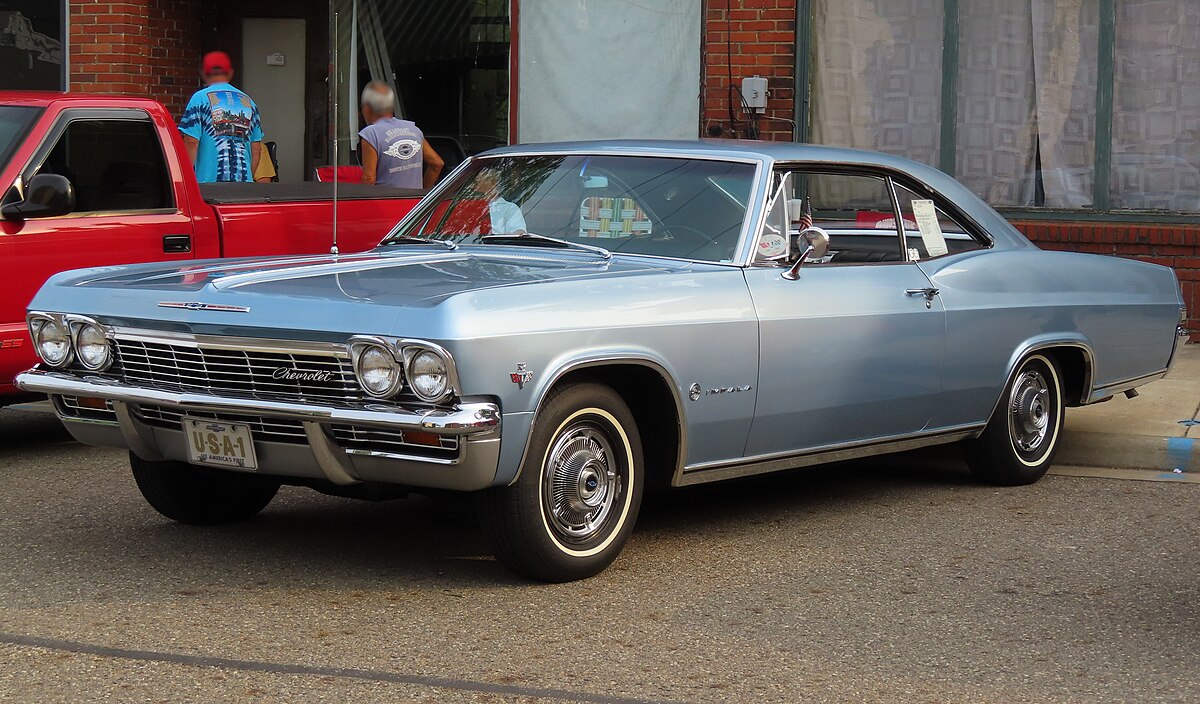
9. Chevrolet Impala (1970s-1980s models)
During the 1970s and 1980s, the Chevrolet Impala played a significant role in shifting perceptions of American full-size cars, especially when it came to reliability. At a time when many domestic vehicles were criticized for poor build quality and mechanical issues, the Impala emerged as a surprisingly dependable choice.
Known for its spacious interior, smooth ride, and solid construction, the Impala became a favorite among families, fleet operators, and even police departments that needed cars that could last. Its reputation for reliability helped soften the public’s skepticism about American cars during a period of intense competition from imports.
The Impala’s mechanical design relied on tried-and-true components, such as robust V8 engines and durable transmissions. These powertrains, while not cutting-edge, were known for their ability to withstand heavy use without frequent repairs.
This approach was particularly important in an era when many new technologies introduced by competitors sometimes resulted in teething problems and increased maintenance. Chevrolet’s decision to prioritize simplicity and proven engineering made the Impala a car that owners could depend on for many years.
Many Impalas from this era remain operational decades later, often with high mileage that demonstrates their durability. This longevity contributed to a gradual change in how consumers viewed domestic cars.
Instead of writing them off as unreliable, buyers began to recognize that American manufacturers could produce vehicles capable of long-term use if maintained properly. This shift helped restore confidence in U.S. automakers and encouraged them to continue improving quality control and component durability.
The Impala’s reliability also had broader industry implications. Its success forced competitors, both domestic and foreign, to pay closer attention to long-term quality. It proved that reliability could be a selling point in the large sedan market, which traditionally emphasized size and comfort over durability. The Impala’s legacy as a dependable full-size car paved the way for future models that combined American styling with improved mechanical robustness.
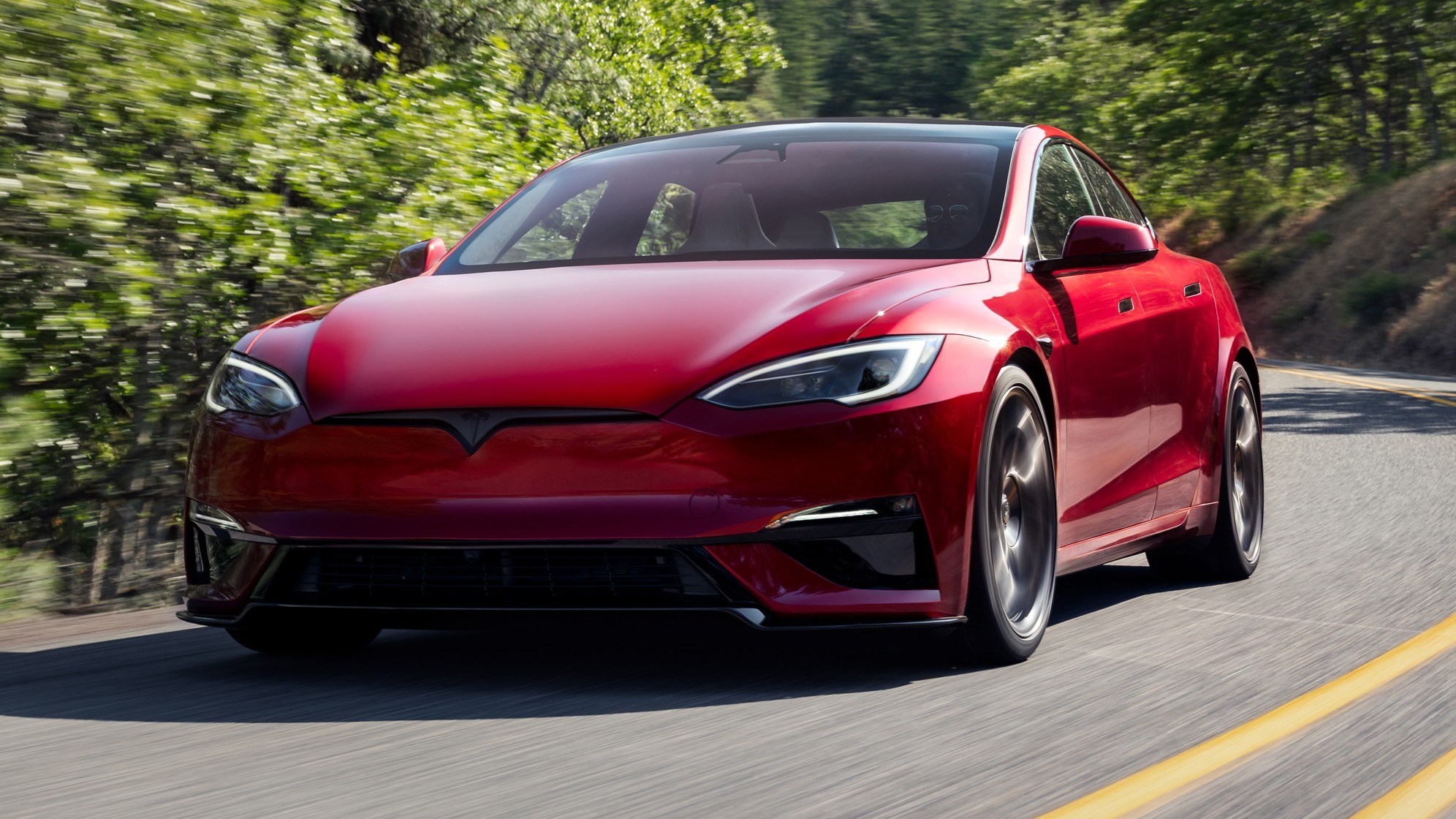
10. Tesla Model S
The Tesla Model S represents a transformative shift in how reliability is understood in the automotive industry, particularly regarding electric vehicles. Since its launch in 2012, the Model S has challenged long-held assumptions about the durability and practicality of electric cars.
Early electric vehicles were often criticized for limited driving range, battery degradation, and the potential for costly repairs. Tesla approached these challenges by designing a car that could deliver exceptional performance while maintaining the longevity and reliability needed to satisfy everyday drivers.
One of the Model S’s most significant contributions to reliability lies in its battery technology. Tesla developed a sophisticated battery pack with active thermal management to prevent overheating and extend battery life. This system ensures the pack remains within an optimal temperature range, significantly reducing degradation over time.
Many Model S owners report retaining over 80% of their battery capacity even after 100,000 miles or more, a remarkable achievement that contradicts early fears about electric vehicle longevity. The Model S’s battery warranty and software updates also reinforce confidence in its long-term dependability.
Another aspect of the Model S’s reliability is its electric motor and drivetrain design, which have fewer moving parts than traditional internal combustion engines. This simplicity reduces the chances of mechanical failure and lowers maintenance costs.
Tesla also pioneered over-the-air software updates, allowing the company to fix bugs, enhance features, and improve vehicle performance remotely. This innovation transforms maintenance by addressing potential issues proactively, often before owners even notice a problem.
Despite some criticism regarding build quality and service infrastructure, the Tesla Model S’s reliability in terms of drivetrain and battery technology has set new industry standards. It helped accelerate electric vehicle adoption by proving that EVs could be practical and long-lasting.
The Model S pushed competitors to improve their electric platforms and redefined what consumers expect from an electric car. Its legacy is not only in its performance and innovation but also in fundamentally changing how reliability is measured in the emerging era of electric transportation.
Also Read: 5 Pickups That Hold Resale Value vs 5 That Plummet
Throughout automotive history, certain vehicles have fundamentally altered how we perceive reliability. The ten cars discussed each brought something unique to the table, demonstrating that reliability is not just about mechanical endurance but also about consistency, adaptability, and meeting the evolving needs of drivers.
From the rugged Ford F-150, trusted by countless workers for its unwavering toughness, to the luxurious yet dependable Mercedes-Benz W123, reliability has proven to be a core value across different vehicle types and markets.
Reliability often emerges from a combination of thoughtful engineering, quality materials, and rigorous testing. The Subaru Outback’s all-wheel-drive system showed how dependable versatility could transform everyday driving experiences, while the Mazda MX-5 Miata redefined sports car ownership by offering a vehicle that was both fun and long-lasting.
These cars illustrated that dependability does not mean sacrificing performance or enjoyment but rather enhancing them with durability.
The Chevrolet Impala’s era highlighted how reliability can rebuild consumer trust in American manufacturing, emphasizing that straightforward, proven technology often outperforms complexity when it comes to long-term dependability. On the other hand, the Tesla Model S represents the future, demonstrating how innovative approaches to electric powertrains and software can create new standards for reliability in a rapidly changing automotive industry.
Each of these vehicles has had a lasting impact on its respective segment and on driver expectations. They serve as reminders that reliability is a crucial factor influencing buying decisions, ownership satisfaction, and the relationship between people and their vehicles.
Whether through mechanical strength, innovative design, or simply offering consistent performance over decades, these cars have reshaped the way we think about what it means to own a reliable vehicle. Their legacies continue to influence manufacturers and drivers alike, driving the ongoing pursuit of excellence in reliability for years to come.
