
Electric vehicles (EVs) have rapidly gained popularity as a cleaner, more sustainable alternative to traditional gasoline-powered cars. One of the primary concerns for potential EV owners is battery degradation over time, which can lead to a significant reduction in driving range.
However, recent advances in battery technology, coupled with improved vehicle management systems, mean that some electric cars hold their range remarkably well even after years of use.
Understanding which models maintain their battery capacity and range over time can provide peace of mind to buyers and highlight the impressive progress the industry has made.
Battery longevity in electric cars depends on various factors, including the type of battery chemistry used, thermal management systems, software updates, and user habits. Manufacturers have increasingly focused on optimizing these factors to extend the lifespan of their batteries.
Lithium-ion batteries, the most common type used in EVs, typically lose capacity gradually, but some carmakers have engineered their packs to minimize this loss.
This ensures that after thousands of charging cycles, the vehicle can still deliver close to its original range, making it a more practical and reliable choice in the long term.
Besides technical improvements, warranties and after-sales support have also grown more robust. Many manufacturers now offer extended warranties covering battery capacity, reassuring customers that they will not face rapid degradation costs unexpectedly.
Additionally, some automakers provide software-based battery health monitoring and updates that help prolong battery life.
These innovations, combined with high-quality materials and design choices, have resulted in several electric car models known for their exceptional retention of range after years of driving.
For buyers considering an EV, knowing which vehicles maintain their performance over time is crucial. This article lists twelve electric cars that are widely recognized for holding their range with minimal loss after extended use.
Each model offers unique features and strengths, but they all share a commitment to battery durability, helping owners enjoy reliable driving without the fear of rapid range decline.
Also Read: 10 Checks That Stop a Chevy Impala From Becoming Unsafe
1. Tesla Model 3
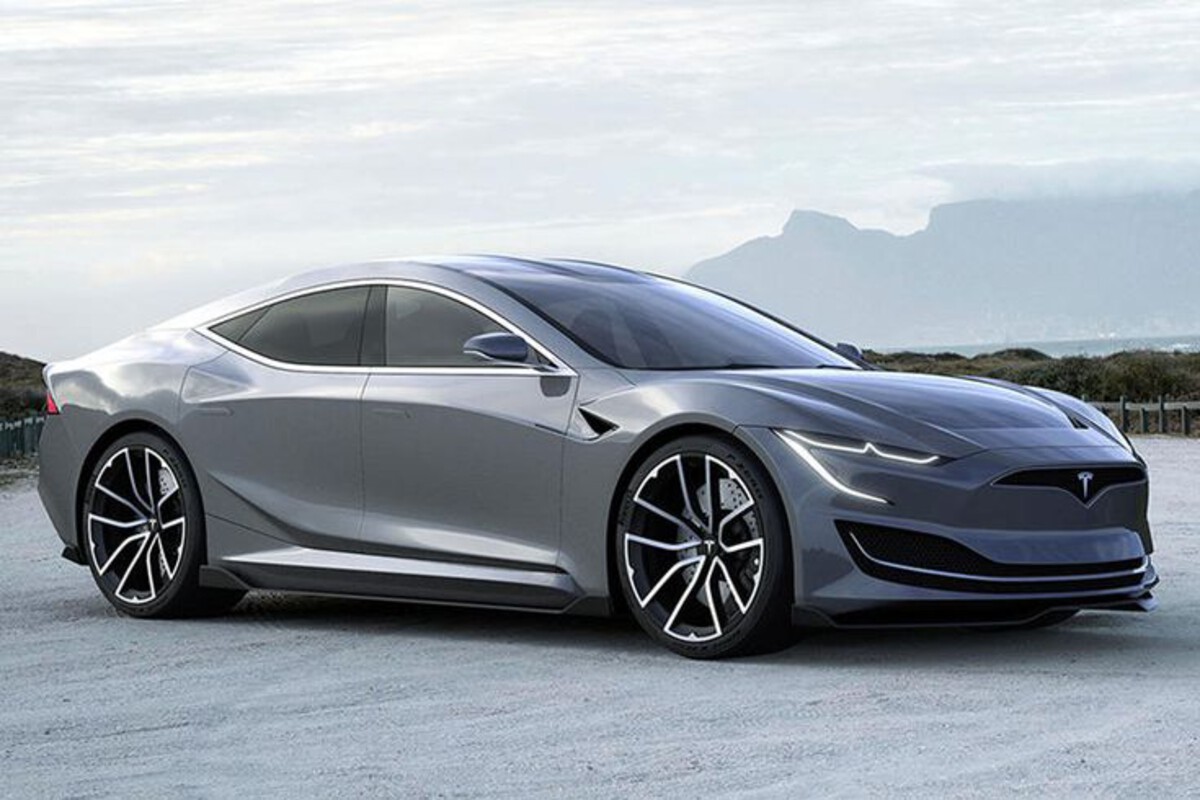
Tesla’s Model 3 has become one of the most popular electric cars worldwide, not just for its performance and price but also for its battery durability. The Model 3 uses high-quality lithium-ion battery cells and an efficient thermal management system that helps maintain battery health even after years on the road.
Many owners report minimal range loss after driving over 100,000 miles, with Tesla’s battery management software playing a significant role in this longevity.
A critical factor contributing to the Model 3’s strong battery retention is its active liquid cooling system. This system prevents overheating during both charging and driving, which can degrade batteries faster if left unchecked.
Moreover, Tesla’s proprietary battery chemistry and pack design balance energy density and lifespan, allowing the battery to retain a high percentage of its original capacity over time.
Tesla also pushes over-the-air software updates that optimize battery usage and charging profiles. These updates fine-tune how the battery is used and charged, extending its health.
Owners frequently report that their Model 3 retains over 90% of its battery capacity even after several years, making it a strong choice for those concerned about battery degradation.
Another reason for the Model 3’s reputation is Tesla’s warranty coverage on the battery. The company offers an eight-year or 100,000-120,000-mile battery warranty, whichever comes first, with a minimum 70% capacity retention guarantee.
This warranty provides added confidence for long-term ownership, reinforcing the Model 3’s status as an EV that doesn’t lose significant range after years of use.
2. Chevrolet Bolt EV
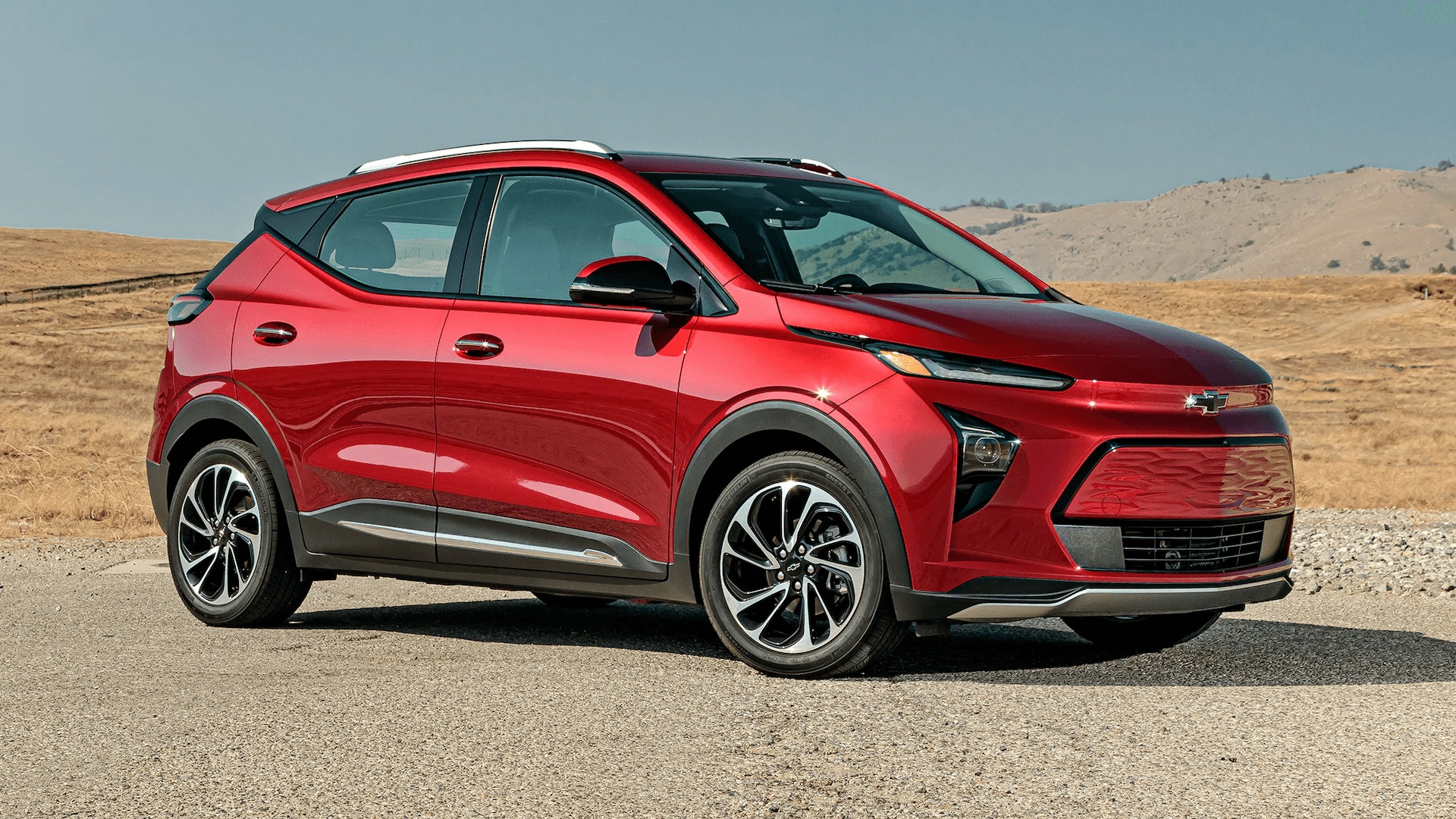
The Chevrolet Bolt EV stands out for its combination of affordability and battery longevity. Since its launch, it has been praised for its dependable battery pack that shows minimal capacity loss over time.
The Bolt’s battery pack uses high-quality lithium-ion cells with an effective thermal management system that contributes to stable performance even after extended use.
Chevrolet designed the Bolt’s battery system with a focus on a balance between energy density and durability. While it may not have the raw power of some more expensive EVs, it excels in maintaining its range year after year.
Owner reports and various long-term reviews have highlighted Bolt EVs maintaining more than 85% of their original range after 100,000 miles or more.
The Bolt’s cooling system plays a crucial role in preserving battery health. It incorporates an active cooling design to regulate temperature during charging and driving, which protects the battery from heat-related degradation, a common cause of range loss in electric vehicles. This design, paired with optimized charging algorithms, helps the Bolt’s battery age gracefully.
Chevrolet backs up its confidence in the Bolt with an eight-year, 100,000-mile warranty on the battery, promising a minimum of 60% capacity retention.
This warranty, combined with the Bolt’s proven battery stability, makes it a reliable option for drivers looking for an electric car that keeps its range after years of use.
3. Nissan Leaf
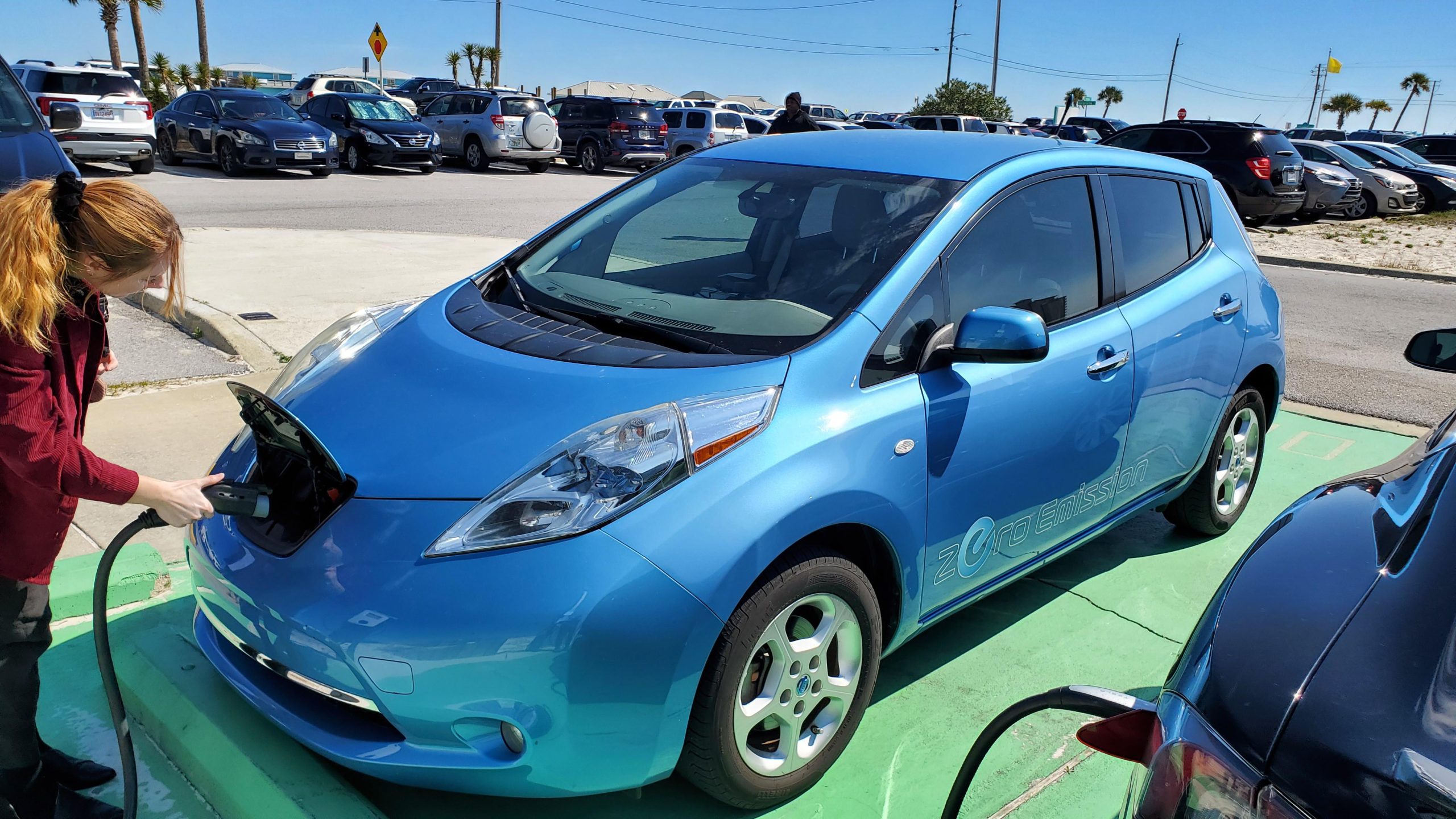
The Nissan Leaf is one of the earliest mass-market electric vehicles and has a long history of battery innovation.
While earlier Leaf models experienced more noticeable battery degradation, Nissan has since improved battery chemistry and management systems, especially in newer generations, to greatly enhance longevity and range retention.
Newer Nissan Leaf models use advanced lithium-ion batteries with improved thermal management, including active cooling in certain trims.
This change addresses one of the early challenges for the Leaf, where the absence of adequate cooling in older models led to accelerated battery wear in hot climates. As a result, many recent Leafs show far less range loss even after several years of use.
Nissan also offers a battery capacity warranty covering eight years or 100,000 miles, ensuring that the battery maintains at least 70% of its capacity during this period.
This warranty has improved consumer confidence and helped establish the Leaf as a reliable choice for those concerned about long-term battery performance.
Additionally, Nissan’s continuous software improvements optimize battery performance and charging habits. These updates help preserve battery health over time, making the Leaf a solid candidate for buyers seeking an affordable EV with dependable range retention.
The Leaf remains a popular option in the electric car market, demonstrating that even early EV pioneers can maintain competitive battery durability.
4. Hyundai Kona Electric
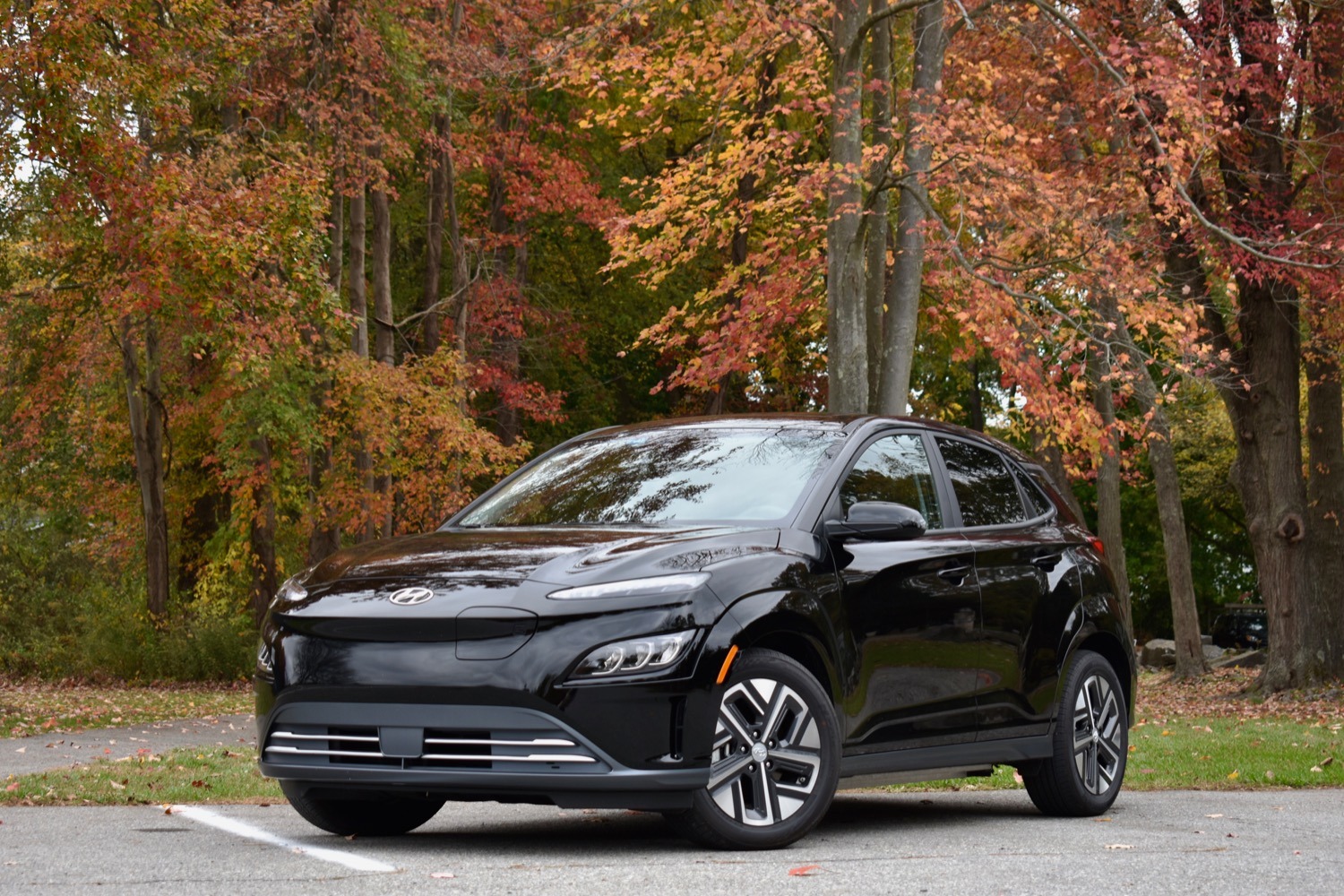
Hyundai’s Kona Electric is known for combining strong performance with an impressive battery lifespan. The car is equipped with a robust lithium-ion battery pack that incorporates active cooling and heating systems to maintain optimal temperature ranges during all driving conditions.
This thermal regulation significantly reduces battery wear and extends the range longevity. The Kona Electric’s battery chemistry focuses on high energy density without sacrificing stability, allowing it to retain a substantial portion of its original range after several years.
Owner reports consistently show minimal capacity loss after long-term use, with many drivers noting that their vehicles maintain over 90% of their range even after 80,000 miles.
Hyundai also offers a generous battery warranty, covering 10 years or 100,000 miles with a guarantee that the battery retains at least 70% of its capacity. This warranty provides extra assurance to buyers and reflects Hyundai’s confidence in the Kona Electric’s battery durability.
In addition to hardware, Hyundai provides software updates designed to optimize charging speeds and battery health. These updates help balance fast charging needs with battery longevity, preventing excessive wear caused by rapid charging.
The combination of advanced battery tech, active thermal management, and software optimization makes the Kona Electric a top contender in the list of EVs that don’t lose much range after years of driving.
5. Tesla Model S
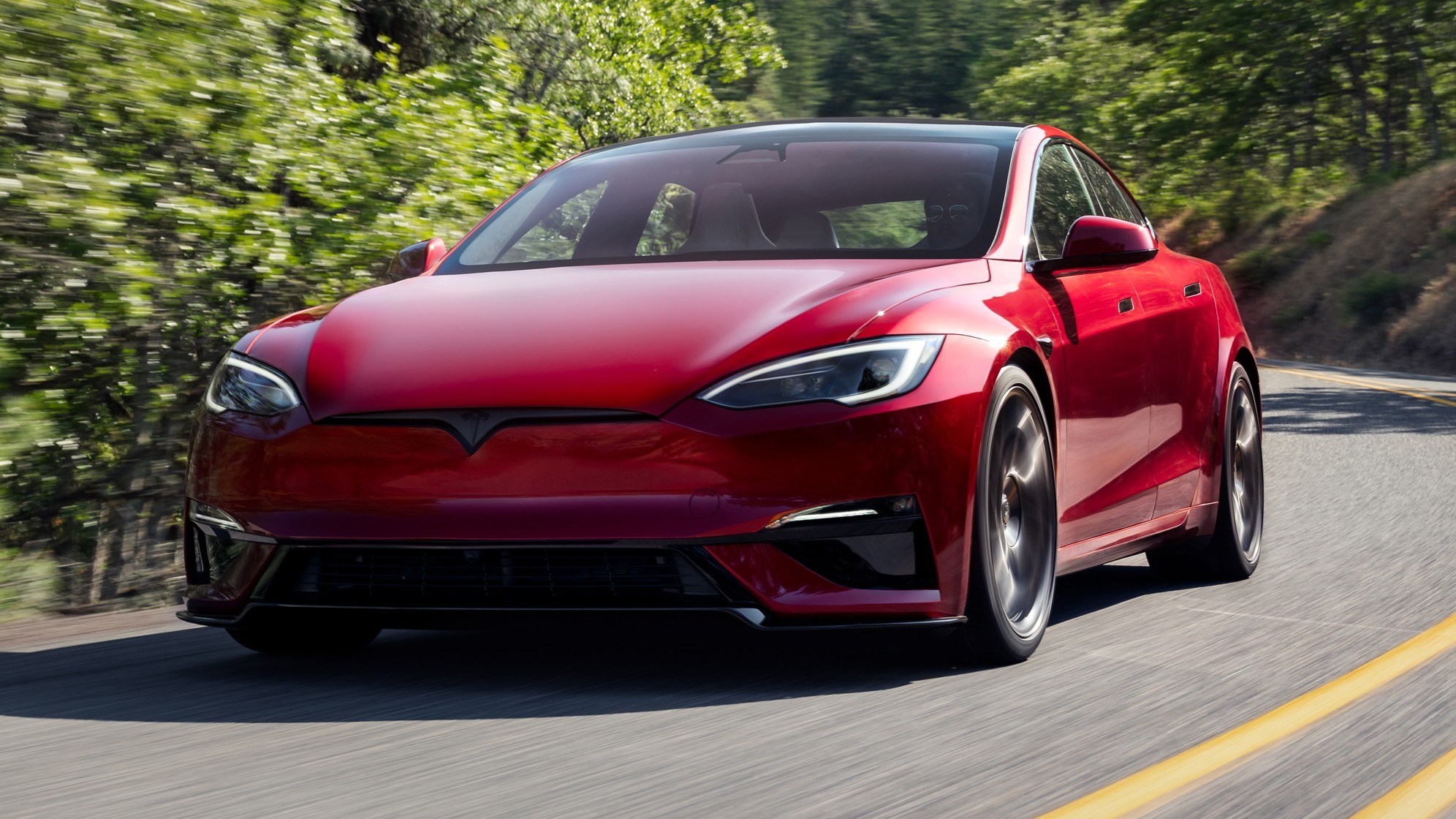
The Tesla Model S has long been recognized as a premium electric vehicle with a strong focus on range, performance, and long-term durability. One of its key strengths lies in the engineering of its battery system, which has proven to be highly resilient even after extended years of use.
Owners who have driven the Model S well beyond 150,000 miles frequently report that the car retains more than 85 to 90 percent of its original range. This is a significant achievement, especially considering the car’s launch more than a decade ago.
The battery architecture, combined with Tesla’s unique battery management systems, allows for consistent performance and minimal degradation even under frequent use.
The Model S utilizes a robust liquid-cooled battery pack that plays a central role in its longevity. The active cooling and heating system ensures the battery remains within an optimal temperature range in both hot and cold environments.
Thermal stability is critical to battery health, and Tesla’s sophisticated design prevents overheating during high-speed driving or frequent supercharging.
Additionally, the battery pack is engineered with a structural casing that protects it from external stress, which further contributes to its long-lasting performance. This attention to physical battery security is another factor that allows the Model S to maintain range over time.
Software is also an important element of Tesla’s long-term strategy for battery health. The Model S regularly receives over-the-air updates that refine charging behavior, improve battery efficiency, and enhance thermal control.
These updates are automatically installed, requiring no intervention from the owner, and they help adjust the car’s systems based on real-world data.
By continuously optimizing how energy is consumed and stored, Tesla manages to maintain long-term battery health in a way that few other manufacturers match. This proactive approach has led to high satisfaction among Model S owners who are concerned about range degradation.
Another advantage of owning a Model S is Tesla’s extensive support infrastructure, including its warranty coverage.
Tesla provides an eight-year battery and drive unit warranty for the Model S, with no mileage limit on certain versions. This commitment to long-term performance reassures buyers that the company stands behind the durability of its battery system.
As a result, the Model S remains one of the most reliable electric cars when it comes to retaining range over many years, making it a standout choice for long-distance drivers and those seeking lasting value in their investment.
6. BMW i3
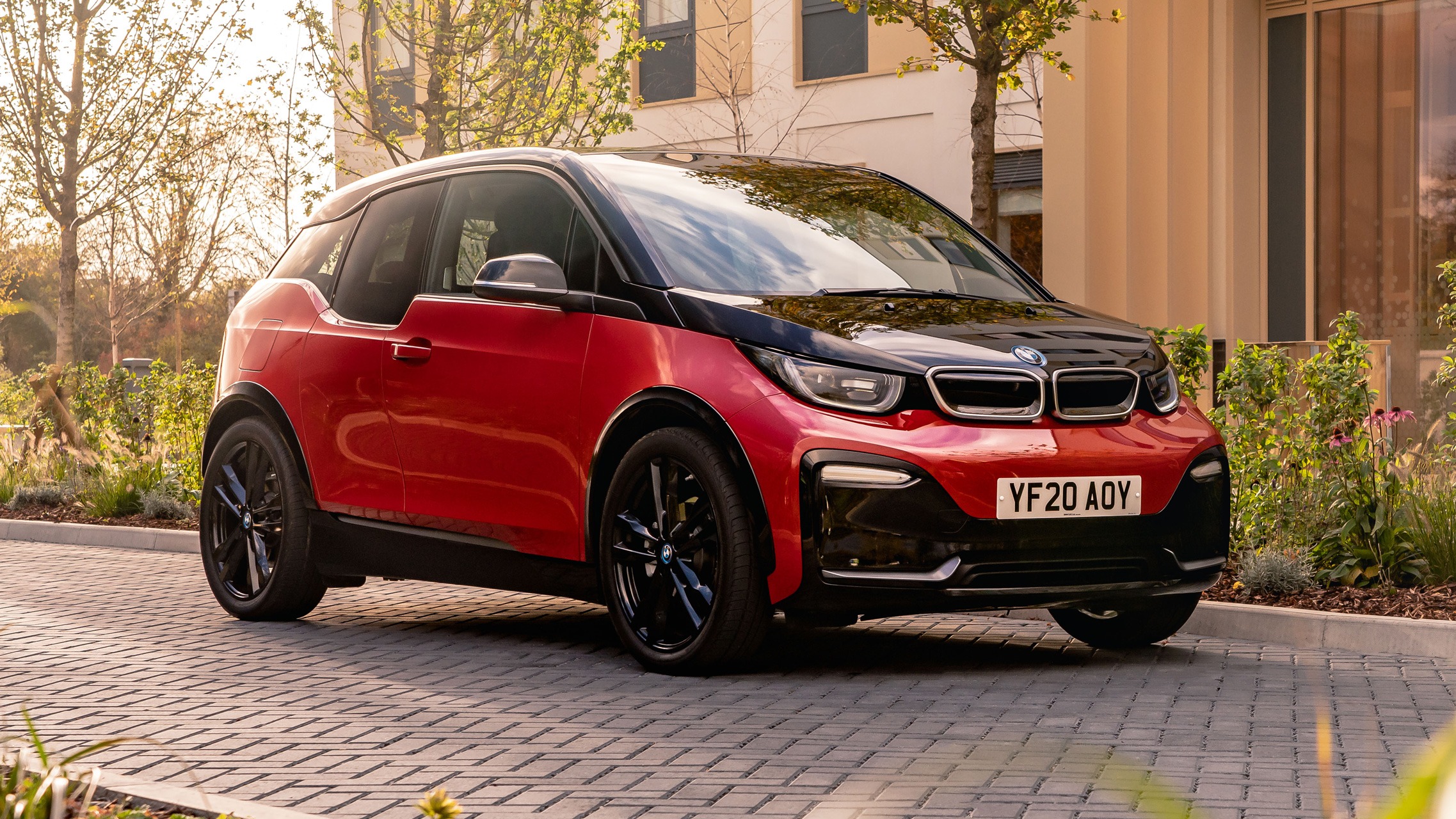
The BMW i3, although no longer in production, remains one of the most reliable electric cars in terms of range retention. Its unique design and focus on sustainability were ahead of their time, and the car’s battery system has held up impressively well in real-world use.
Many long-term owners report that their i3s have experienced minimal battery degradation even after several years of daily driving.
This is partly due to BMW’s cautious approach in managing how much of the battery’s full capacity is accessible to drivers, leaving a buffer that protects the cells from wear.
The i3 uses a passive air-cooling system rather than active liquid cooling, which initially raised concerns about long-term battery health.
However, BMW mitigated potential issues by restricting charge limits and focusing on conservative battery usage. The result is a battery that ages slowly, even though it lacks the complex cooling systems found in other EVs.
Additionally, the i3’s relatively small battery pack places less strain on individual cells because of its lightweight structure and low energy demands. These design choices collectively support slower degradation and better preservation of the usable range.
Another element that contributes to the i3’s durability is its regenerative braking system, which is among the most aggressive in the EV market. This system reduces the need for traditional braking and returns energy to the battery, improving efficiency.
While this feature doesn’t directly prevent battery wear, it decreases the load during driving and complements the i3’s energy management system.
Efficient driving habits combined with energy recovery mechanisms contribute to less stress on the battery pack, which can lead to longer-term performance stability.
BMW also offers a warranty for the i3’s battery that covers eight years or 100,000 miles, with a promise to repair or replace the battery if its capacity falls below 70 percent.
The company has kept data showing that very few owners have had to use this warranty for capacity loss, which speaks volumes about the battery’s durability.
Even though the i3’s driving range is modest by today’s standards, its ability to hold that range over time makes it one of the more dependable electric vehicles on the used market.
Also Read: 10 Easy Wins That Keep a Chevy Spark Reliable for Years
7. Hyundai Ioniq Electric
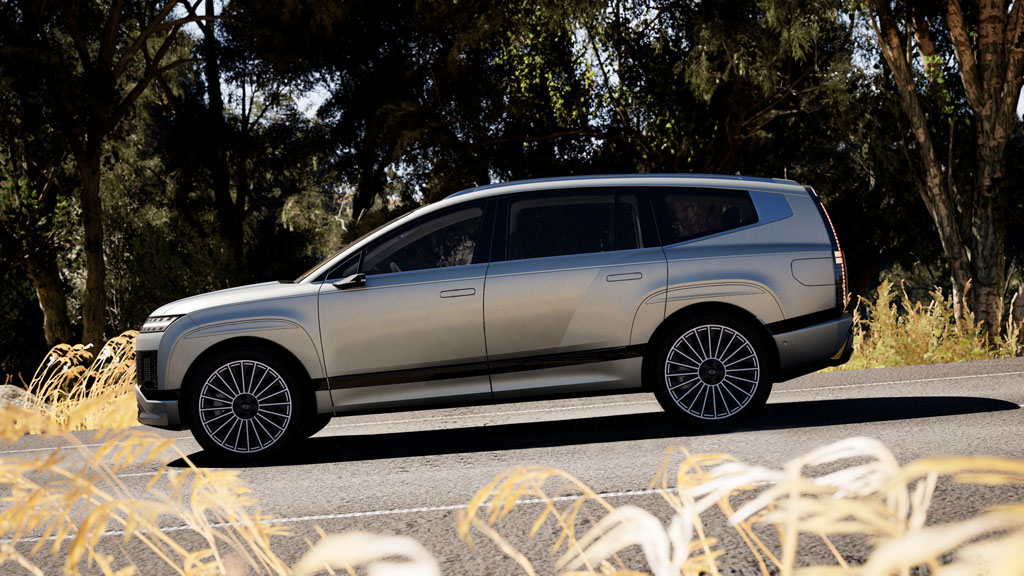
The Hyundai Ioniq Electric is frequently praised for its energy efficiency and high range retention after years of ownership. The Ioniq doesn’t just offer good range when new, it maintains that performance better than many of its peers.
This is partly due to Hyundai’s conservative battery tuning, where only a portion of the full battery capacity is used in daily driving.
By leaving room at both the top and bottom ends of the battery’s charge cycle, the Ioniq avoids the extremes that typically cause wear and degradation over time.
Thermal management in the Ioniq Electric is another major reason for its longevity. The vehicle uses an advanced liquid-cooling system to maintain optimal temperatures, which is critical to preventing long-term battery damage.
By keeping the battery temperature stable during charging and driving, the system reduces chemical stress on the cells.
This approach is particularly beneficial in regions with extreme weather, where battery life can otherwise be shortened significantly. The result is a battery pack that stays in good condition even after prolonged exposure to varying driving conditions.
The software used in the Ioniq Electric also plays an important role. Hyundai has engineered the car to charge more slowly than many other EVs, which might be seen as a disadvantage for speed but is a huge plus for longevity. Fast charging can accelerate battery degradation, especially when used regularly.
By managing charging rates and controlling how power is delivered to the battery, Hyundai prioritizes long-term performance over immediate convenience. Owners who stick to this slower charging profile often report minimal range loss over tens of thousands of miles.
Hyundai’s battery warranty for the Ioniq Electric matches what it offers for the Kona: 10 years or 100,000 miles, with a minimum capacity retention guarantee.
With this level of support and the car’s track record of holding range well after extended use, the Ioniq Electric stands out as a reliable and efficient electric vehicle.
For drivers who are less concerned with maximum range and more focused on reliability and low degradation, the Ioniq is an excellent option.
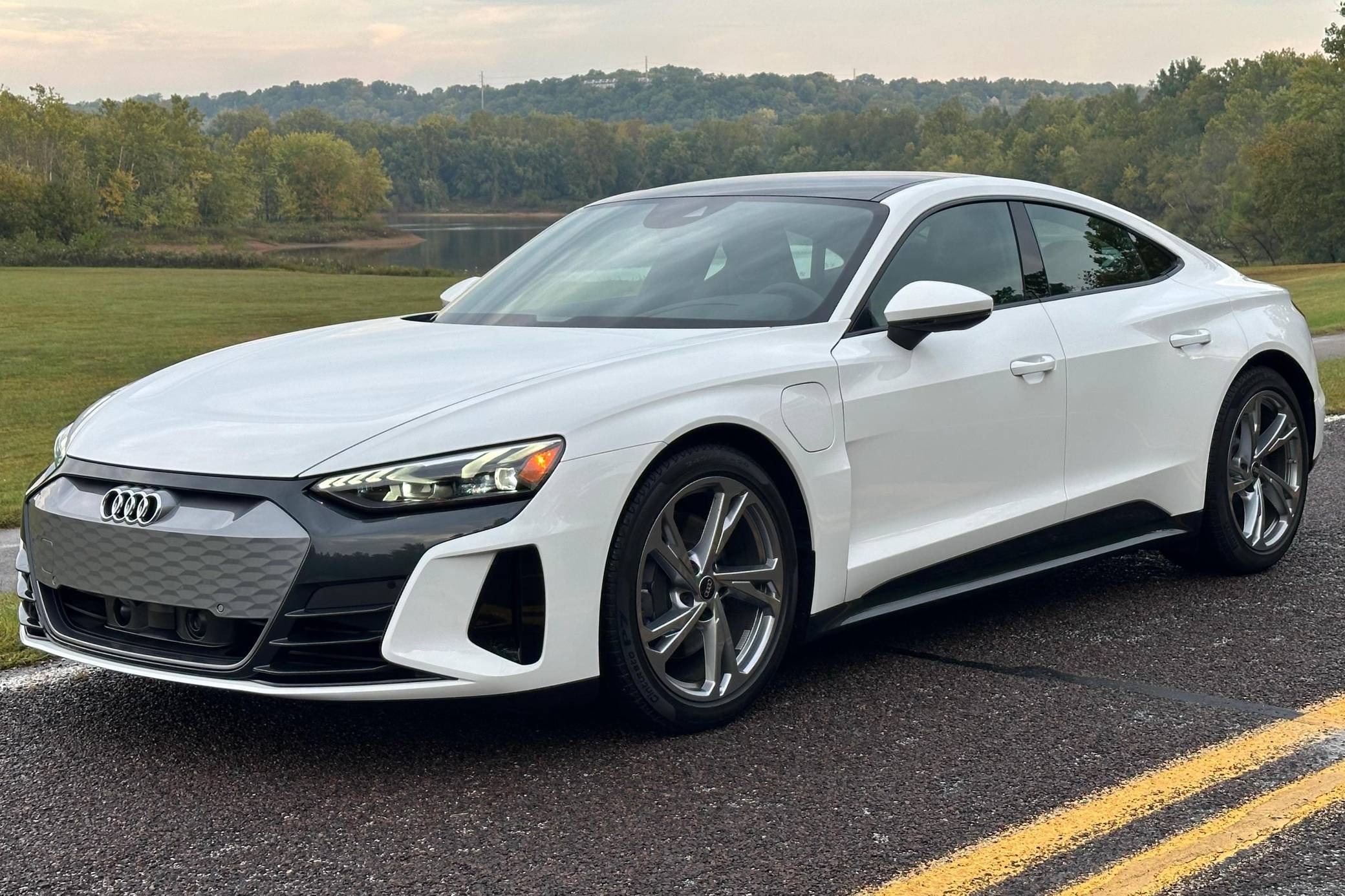
8. Audi e-tron
The Audi e-tron brings luxury and performance to the electric SUV market, but it also delivers when it comes to long-term battery reliability.
Audi designed the e-tron with a strong emphasis on thermal management and battery protection, ensuring that the vehicle maintains its range over time.
The car features a large liquid-cooled battery pack that maintains a consistent operating temperature even under heavy load or during fast charging sessions.
This temperature control is crucial in extending battery lifespan and preserving driving range. Audi took a particularly cautious approach with how much of the battery’s capacity is available for everyday use.
By reserving a significant buffer zone at the top and bottom of the charge range, Audi ensures that the cells are not exposed to damaging high or low voltages.
This approach means that while the e-tron might not boast the highest range on paper, the range it offers is more durable and consistent across years of use. Owners who keep the vehicle for extended periods often report surprisingly low levels of degradation.
In terms of software, the e-tron benefits from intelligent charging management that can be tailored by the user. Audi includes features that allow drivers to schedule charging times, set maximum charge levels, and adjust charging speeds based on daily needs.
These features encourage healthy charging habits and limit unnecessary strain on the battery. Additionally, Audi’s electronic stability systems monitor the health of the battery pack and alert the driver if any issues arise. These continuous diagnostics help preserve performance and maintain long-term range.
The e-tron’s battery is also covered under Audi’s standard warranty of eight years or 100,000 miles.
Early data from long-term users shows that even with consistent daily use, the battery retains a high percentage of its capacity, often above 85 percent after several years.
While the e-tron may have a premium price tag, it justifies that cost by offering long-lasting performance and strong range stability, making it a smart choice for those looking for a dependable electric SUV.
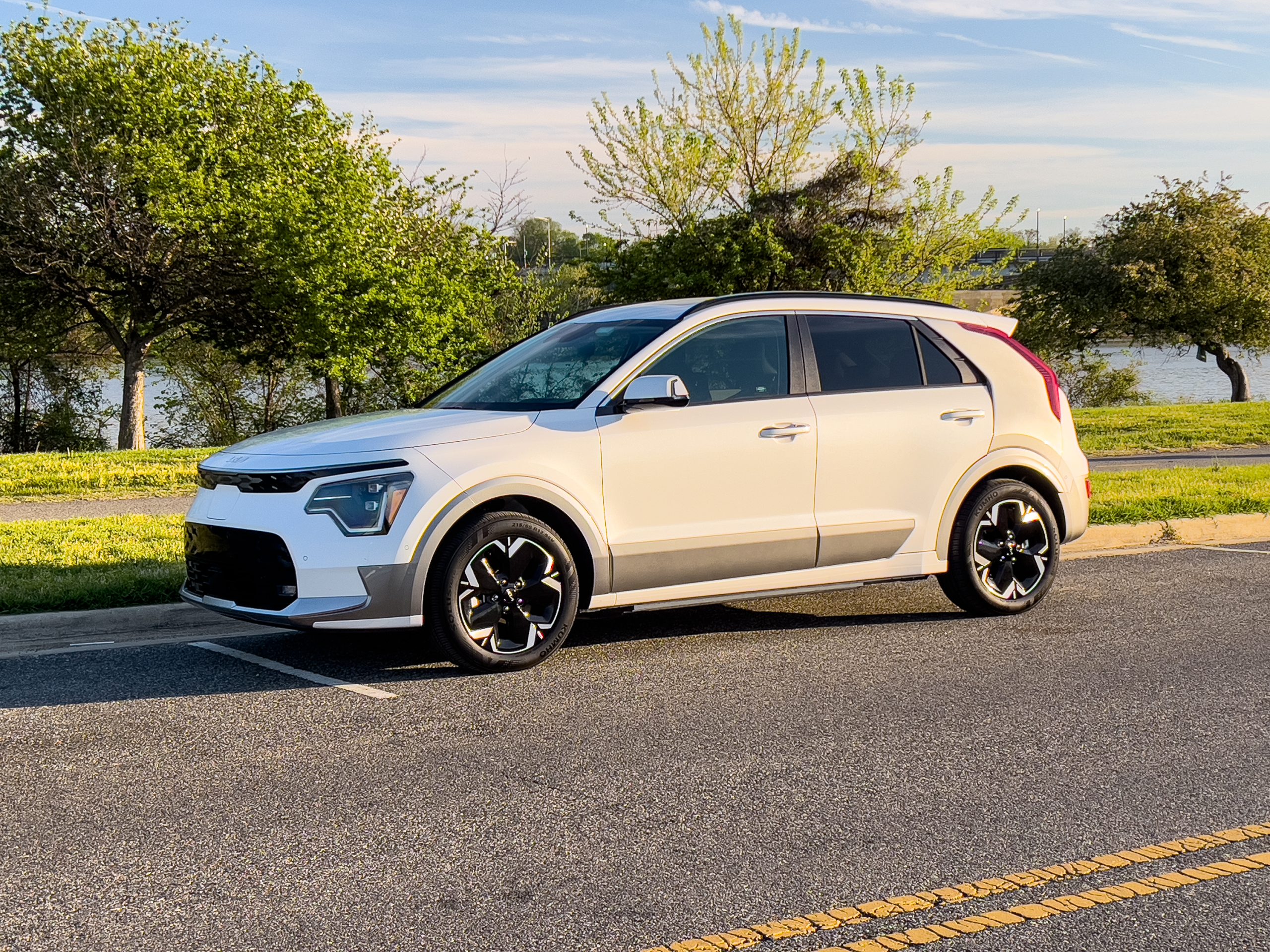
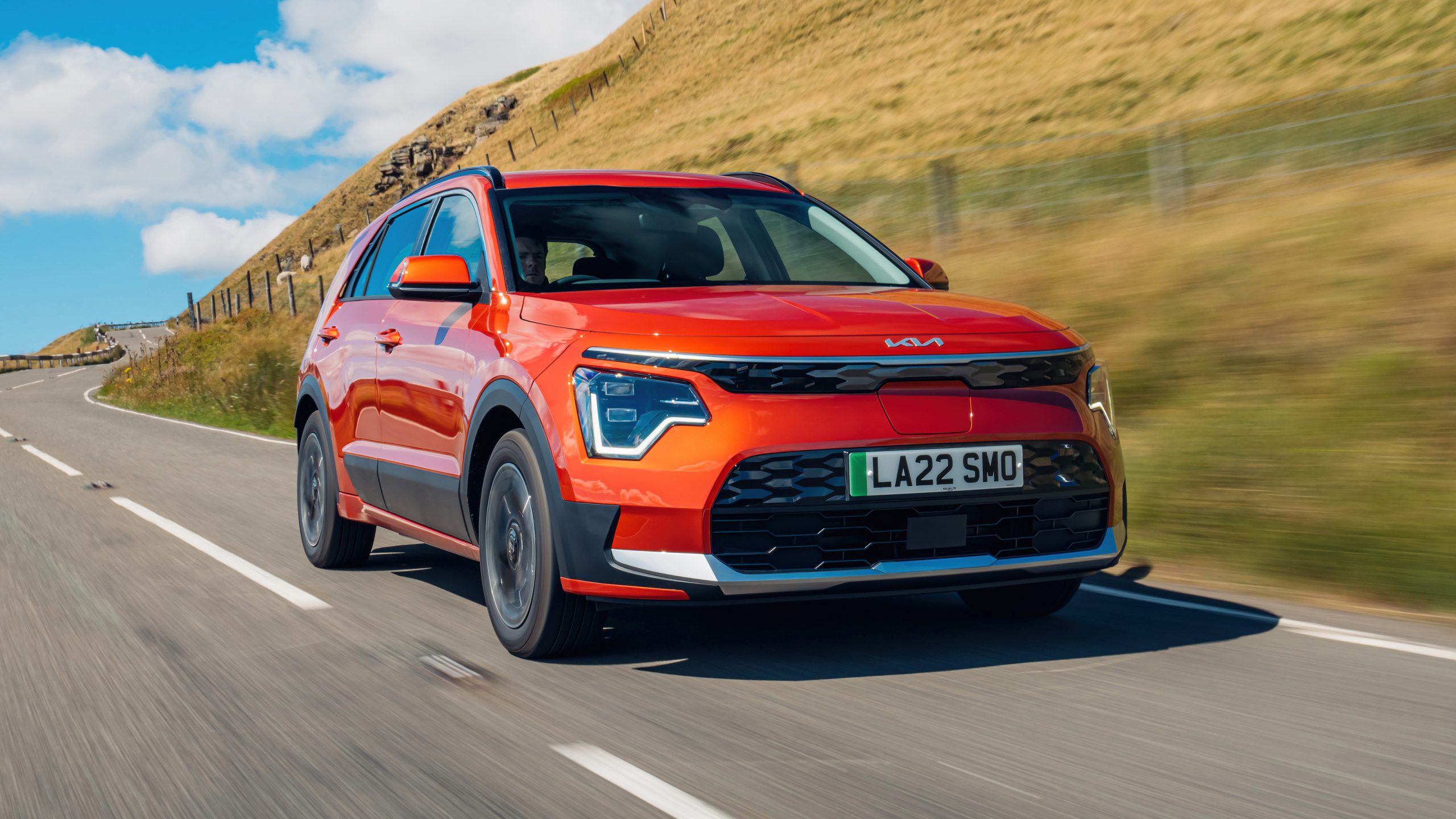
9. Kia Niro EV
The Kia Niro EV is a strong contender in the electric car market thanks to its well-balanced performance, practical design, and reliable battery life.
One of the standout features of the Niro EV is its ability to retain most of its original range after several years of use, making it a dependable option for long-term ownership.
This consistency stems from Kia’s battery engineering, which incorporates a conservative charging strategy and an efficient thermal management system to protect the battery pack from excessive wear and tear.
Kia utilizes a liquid-cooled lithium-ion battery system in the Niro EV that helps maintain ideal operating temperatures during both hot and cold weather.
This not only extends the battery’s lifespan but also ensures that range loss is minimal, even after thousands of charge cycles.
Many owners have reported that after driving their Niro EVs beyond 80,000 miles, the range has only dropped by 5 to 10 percent at most.
This level of performance rivals more expensive competitors and proves that battery longevity isn’t limited to high-end vehicles.
The Niro EV is also equipped with smart software that regulates charging behavior and battery usage. This includes features like scheduled charging, battery preconditioning, and limiting maximum charge levels to avoid high-voltage stress.
These settings allow users to adopt charging habits that are healthier for the battery, especially for those who charge at home every night.
Over time, this results in better range stability and less degradation compared to vehicles without such systems in place.
Kia backs the Niro EV’s battery with a strong warranty of 10 years or 100,000 miles, which includes coverage for capacity loss below a certain threshold.
This warranty, combined with real-world reports of excellent battery retention, has helped solidify the Niro EV’s reputation as a solid long-term investment.
For those looking for a practical, efficient, and durable EV that can serve as a primary vehicle for many years, the Niro EV is a dependable choice that doesn’t suffer from significant range loss over time.
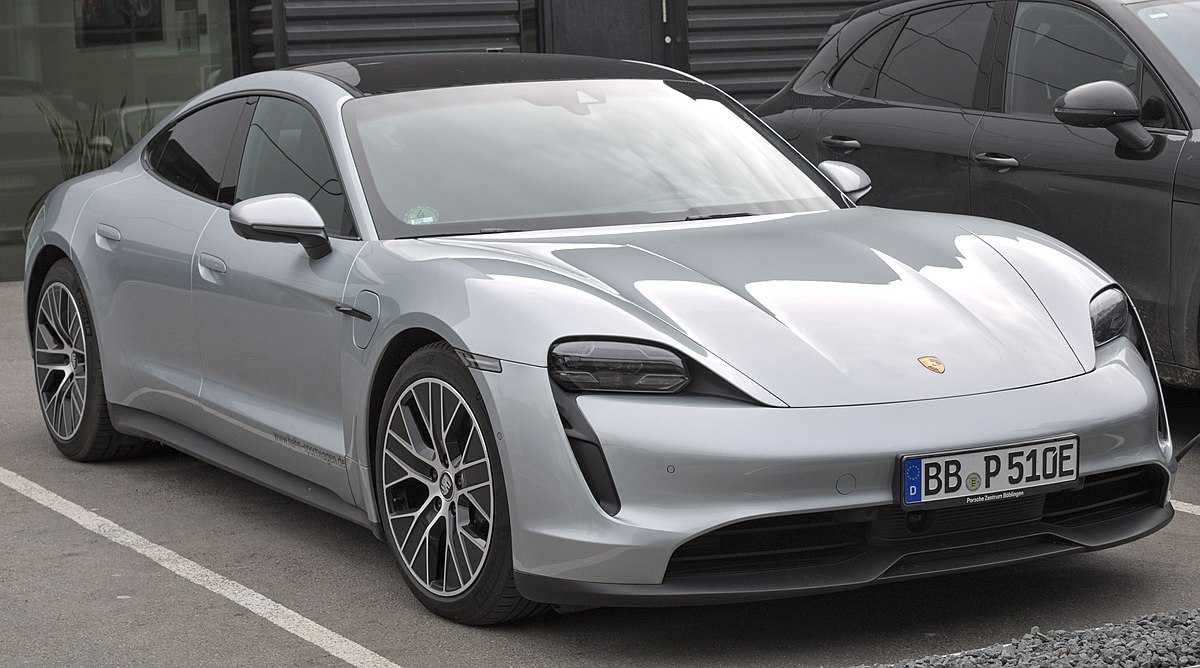
10. Porsche Taycan
The Porsche Taycan combines cutting-edge electric performance with premium engineering, and one of its lesser-known strengths is its excellent battery durability.
Porsche has taken a no-compromise approach in designing the Taycan’s battery system, resulting in a vehicle that holds up extremely well even after years of high-performance driving.
Taycan owners who drive regularly, including those who enjoy spirited or aggressive acceleration, often find that the vehicle retains most of its original range after extensive use.
A big part of this durability comes from Porsche’s intelligent battery thermal management system. The Taycan uses a large liquid-cooled battery pack with multiple layers of thermal insulation and precise control over heating and cooling.
Porsche has also integrated charging profiles that automatically adjust based on user behavior and ambient conditions, reducing unnecessary wear during fast charging sessions. These features give Taycan drivers the tools they need to protect their vehicle’s battery for the long term.
Even though the Taycan is a performance-focused EV, Porsche hasn’t compromised when it comes to durability.
The vehicle is covered by an eight-year or 100,000-mile battery warranty, and early data from long-term drivers suggests that range degradation remains low even after extended use.
This is especially impressive given the car’s power and charging capabilities. For those who want a luxury EV that offers speed, handling, and long-term battery reliability, the Taycan offers an excellent balance across all fronts.
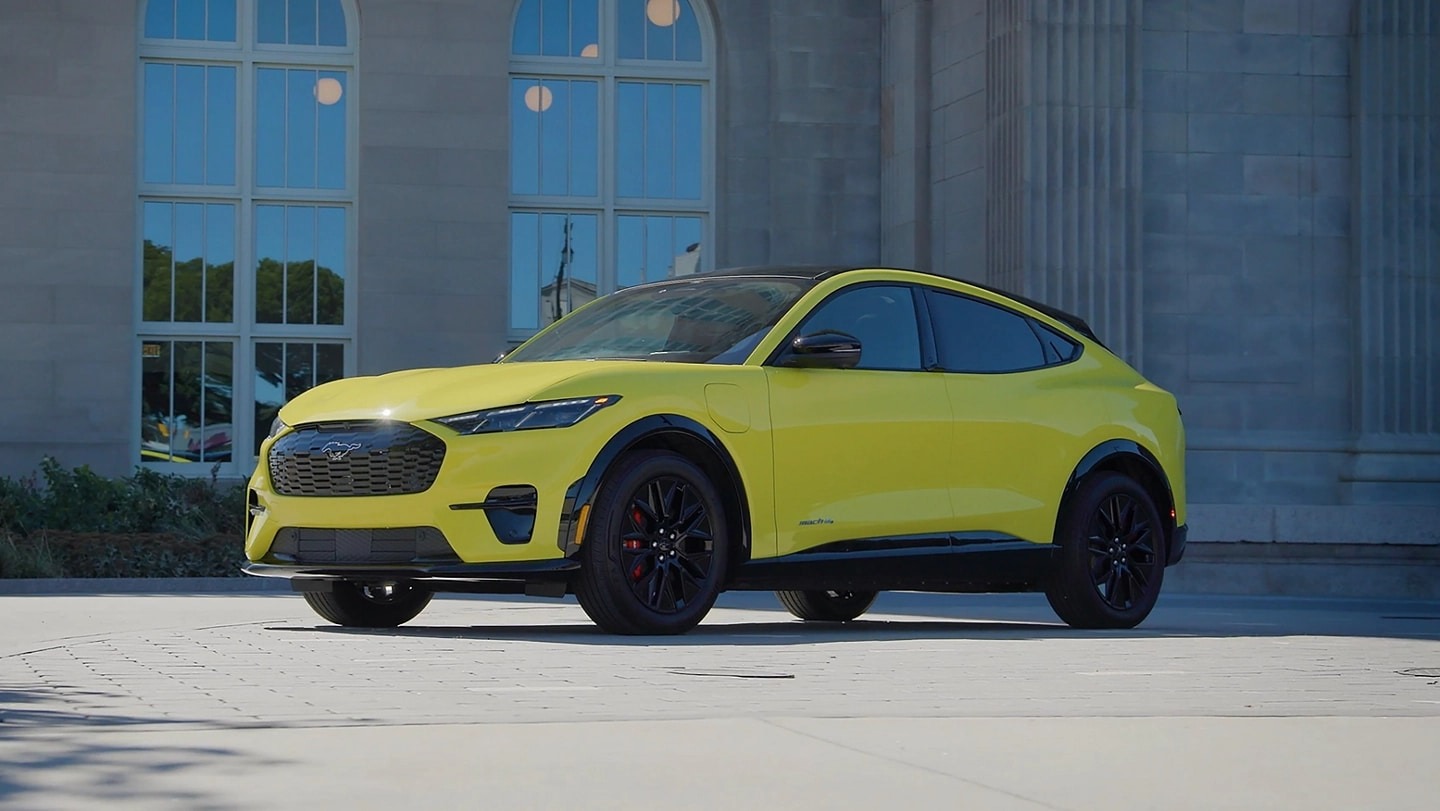
11. Ford Mustang Mach-E
The Ford Mustang Mach-E has quickly gained attention for being one of the most accessible and capable electric SUVs on the market. Ford entered the EV space with a strong focus on battery resilience and has succeeded in delivering a product that performs well over time.
The Mach-E’s battery system is designed to retain its driving range effectively, with many owners reporting only minimal degradation after several years of use. This is considering how frequently the Mach-E is used as a daily driver and family vehicle.
The battery packs in the Mach-E are built with thermal control in mind, featuring active liquid cooling and heating systems to maintain consistent temperatures regardless of weather conditions.
This temperature regulation is essential in preserving the battery’s internal chemistry and preventing long-term wear. In regions with hot summers or cold winters, these systems help ensure that performance and range don’t deteriorate due to climate-related stress. Maintaining stable temperatures during fast charging is also a key factor in extending battery life.
Ford includes a range of software tools and in-car settings that allow drivers to manage how the vehicle charges and operates. Features like charge scheduling, reduced max charge limits, and battery conditioning work behind the scenes to slow down degradation.
These tools, along with Ford’s updates that are rolled out regularly, contribute to the Mach-E’s strong performance in long-term range retention.
Owners who follow manufacturer-recommended charging practices often see better results than those who rely on fast charging regularly.
The Mach-E comes with an eight-year or 100,000-mile warranty for the battery and high-voltage components, which aligns with industry standards.
What sets it apart is that real-world user data and feedback consistently show that battery health remains strong after extensive use.
As Ford continues to refine its electric platform, the Mach-E stands out as a model that combines everyday usability with long-term dependability, making it a solid choice for those who need an electric SUV that won’t suffer major range loss after just a few years.
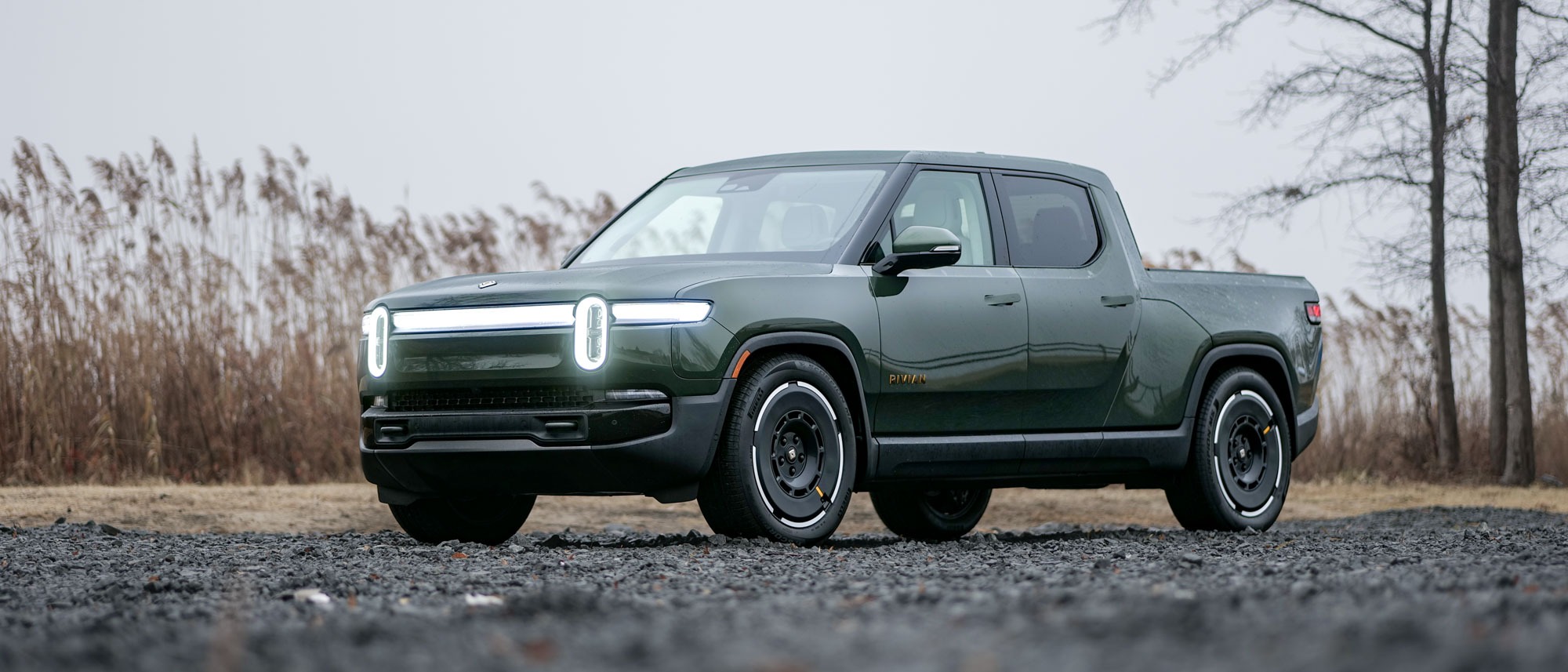
12. Rivian R1T
The Rivian R1T is a relatively new player in the electric vehicle market, but it’s already making a name for itself not just for off-road capability and performance but also for battery endurance.
As a rugged electric truck designed for adventure, the R1T features a robust battery system built to handle tough environments and repeated charging cycles.
Even in its early years on the market, long-distance users and outdoor enthusiasts have praised the R1T for retaining a high level of usable range despite heavy usage and demanding terrain.
Rivian’s battery packs are among the largest in the industry and include an advanced liquid-cooling system that keeps the cells at an optimal temperature during operation and charging.
This system is especially important for a vehicle like the R1T, which may be used in remote or extreme environments.
By ensuring the battery remains thermally stable, Rivian reduces the risk of capacity loss due to heat stress, even during long hauls, towing, or fast charging sessions. The durability of the battery under stress has become a key talking point among early adopters.
Another strength of the R1T lies in Rivian’s adaptive energy management software. The vehicle constantly monitors battery performance and adjusts power output, charging behavior, and cooling based on driving conditions and usage patterns.
This dynamic system helps balance performance needs with battery longevity, which is critical in a truck expected to perform under high load. Owners benefit from these intelligent controls that work in the background to extend the battery’s usable life.
Rivian provides an eight-year or 175,000-mile battery warranty, which is among the most generous in the industry.
While the R1T hasn’t been on the road as long as some competitors, early evidence suggests that its battery packs are built for long-term durability.
Drivers who have used the R1T in both urban and off-road settings report that range drop-off is almost negligible, even after thousands of miles.
As the vehicle continues to gain mileage across the user base, it’s expected to remain one of the most dependable electric trucks in terms of battery life and range stability.
