
Car culture is built on more than just speed or style. It’s shaped by reliability, nostalgia, design, and the way a vehicle makes its owner feel, even decades after it first hit the road. While most cars fade into obscurity after a few years, a select few continue to hold their ground.
These vehicles still appear at car shows, in garages, or even on the streets today, admired by enthusiasts and casual drivers alike. Some of them remain in production, others have become iconic symbols of automotive excellence. What ties them all together is a kind of timeless appeal that goes beyond specs and sales charts.
In the last 30 years, the auto industry has changed dramatically. There’s been a major shift toward electric and hybrid technologies. Safety standards have risen. Comfort has become a higher priority.
But despite all the advancements, many cars from the early 1990s or even before still manage to draw attention and respect. Whether it’s because of their durability, their historical significance, or just the simple fact that they still look good and drive well, they haven’t faded from public memory.
This article takes a closer look at twelve cars that have defied time. Each one earned its place in history for different reasons. Some were technological trailblazers, while others won hearts with charm and personality. Many have fan communities that keep them alive through restorations and meet-ups.
Others have aged so well that they’ve turned into valuable collectibles. Even more impressive are the models that never left the roads to begin with, still in daily use, still part of family histories, delivering what they promised back when they were new.
Each car listed here has a legacy worth understanding. Their continued popularity speaks to more than just nostalgia. It reflects how well they were built, how deeply they connected with people, and how much value they still offer even three decades later. Let’s look at the twelve cars that continue to stand tall despite the passing of time.
Also Read: 5 Audi A6 Years With Strong Builds vs 5 Without
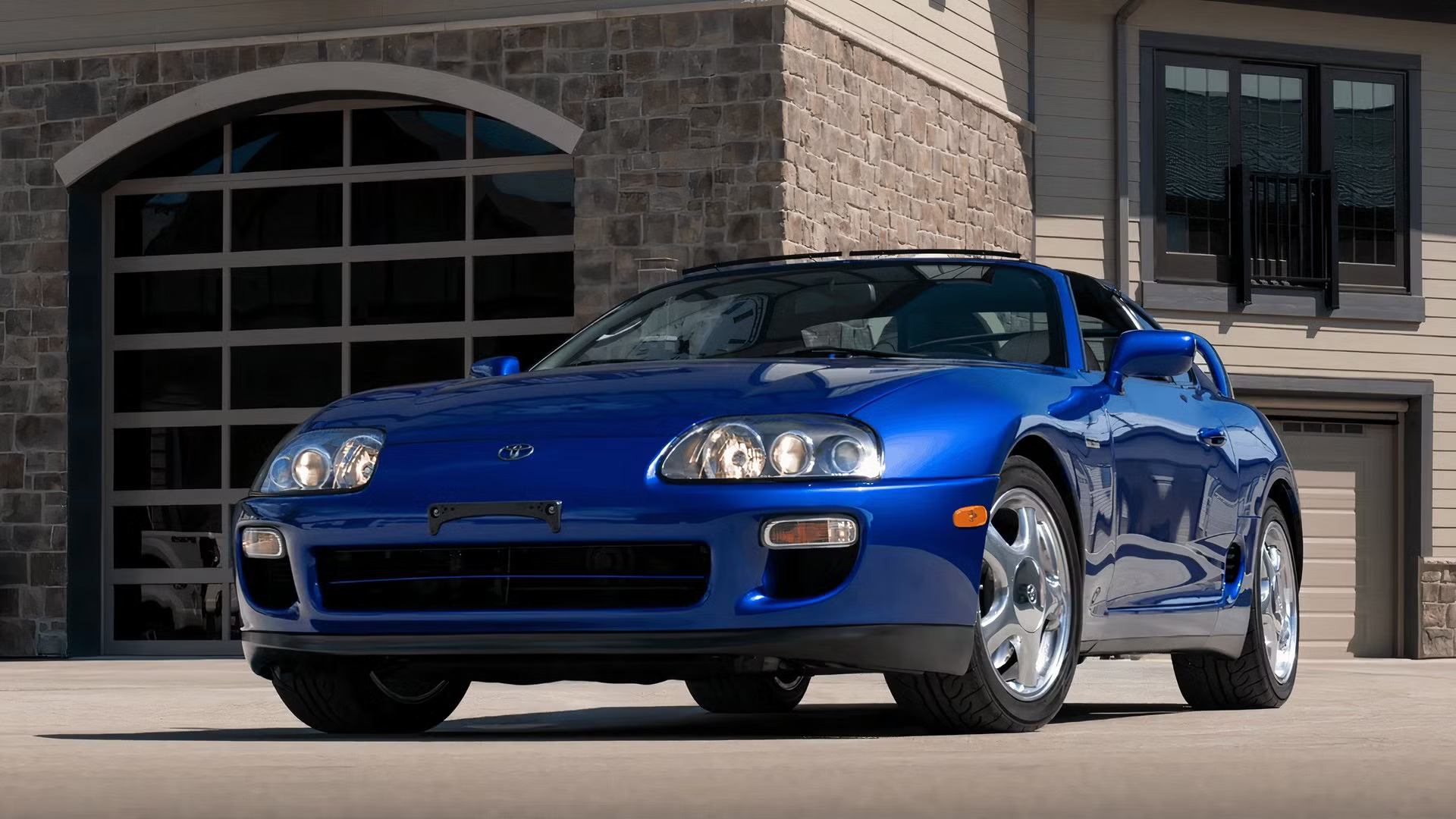
1. Toyota Supra (Mark IV)
When people talk about cars that have truly stood the test of time, the Mark IV Toyota Supra usually enters the conversation early. Released in 1993 and produced until 2002, this car still manages to stir passion among gearheads, collectors, and casual fans.
It wasn’t just fast, it was intelligently engineered, beautifully designed, and had potential most people didn’t even realize until much later. Part of what gives the Supra such enduring popularity is how it balances performance and potential. You can drive it stock and be thrilled, or you can modify it and unlock capabilities far beyond what it originally offered.
The Mark IV Supra is powered by the now-legendary 2JZ-GTE inline-six engine. That engine is at the heart of its cult following. Known for being nearly indestructible and massively tunable, the 2JZ has become the stuff of legend.
It’s not uncommon to find Supras making 800 or even 1,000 horsepower thanks to aftermarket upgrades. This mechanical flexibility, paired with strong aesthetics and solid build quality, makes the car relevant even decades after its release. Collectors know it, and prices have reflected that.
Beyond the specs, the Supra became a cultural icon thanks in large part to its appearance in the “Fast & Furious” franchise. That movie cemented the car’s place in popular culture, making it desirable for a new generation that never even saw the car on the showroom floor.
Even people who aren’t into tuning culture recognize the silhouette and understand its significance. This wide recognition gives the Supra a kind of star power that few cars ever achieve.
Today, seeing a well-maintained Mark IV Supra on the road is almost like seeing a celebrity. People take photos. Heads turn. And it’s not just because of nostalgia, it’s because the car still looks and performs like a serious machine. Toyota recently revived the Supra nameplate, but for many enthusiasts, the fourth generation remains the standard by which all others are measured.
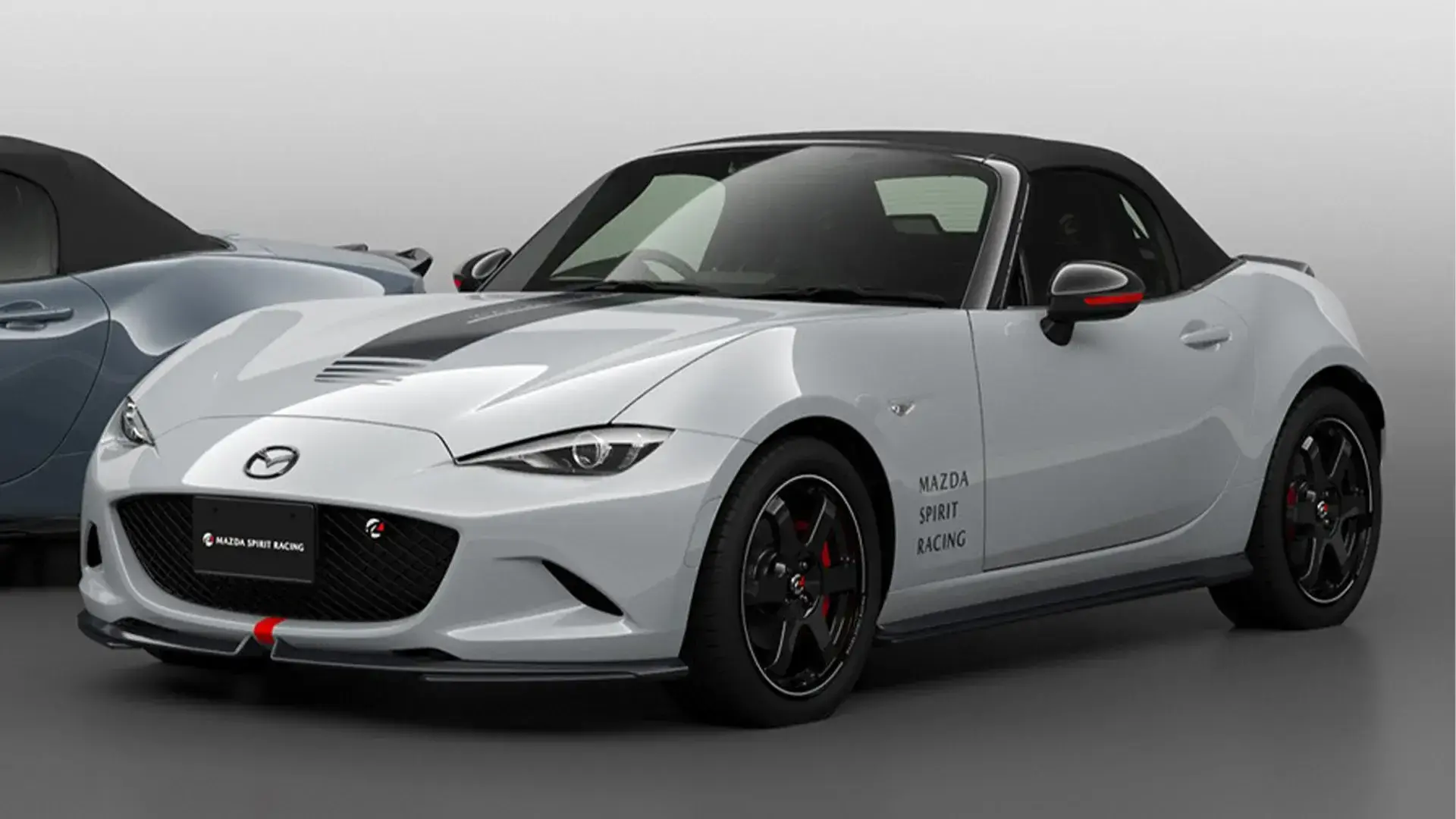
2. Mazda MX-5 Miata
Few cars have remained as true to their original philosophy as the Mazda MX-5 Miata. First introduced in 1989, the Miata came at a time when small, lightweight roadsters had all but disappeared from the market. Mazda brought the idea back to life, and it struck a chord with drivers who loved the connection between man and machine. More than 30 years later, the Miata still has a loyal fan base and continues to appear on lists of the most fun cars to drive.
The Miata doesn’t rely on brute strength. Instead, it wins hearts with balance, simplicity, and a driving experience that’s hard to match. The original NA Miata, with its pop-up headlights and smiling face, is still beloved today. People collect them, race them, and daily drive them. Its lightweight, rear-wheel-drive setup, and manual transmission give it a purity that modern cars often lack. This simplicity is part of what has kept it so relevant.
One of the reasons the Miata remains popular is its reliability. Mazda didn’t just build a fun car, it built one that could go the distance. Many early Miatas are still on the road, with minimal maintenance. Parts are relatively cheap and widely available, and the aftermarket community is strong.
Owners share tips, organize track days, and keep the spirit alive through dedicated clubs and forums. You don’t have to be rich or an expert mechanic to enjoy a Miata, which makes it accessible to a wide range of drivers.
Over the years, the Miata has evolved through several generations, but it’s never lost its soul. The car still places driving pleasure above all else. Even the latest models maintain a lightweight, low-power design that emphasizes agility. That continuity is rare. Most cars change so much over time that they lose their essence. The Miata didn’t. It’s as relevant today as it was when it first arrived, which is a rare accomplishment in the automotive industry.
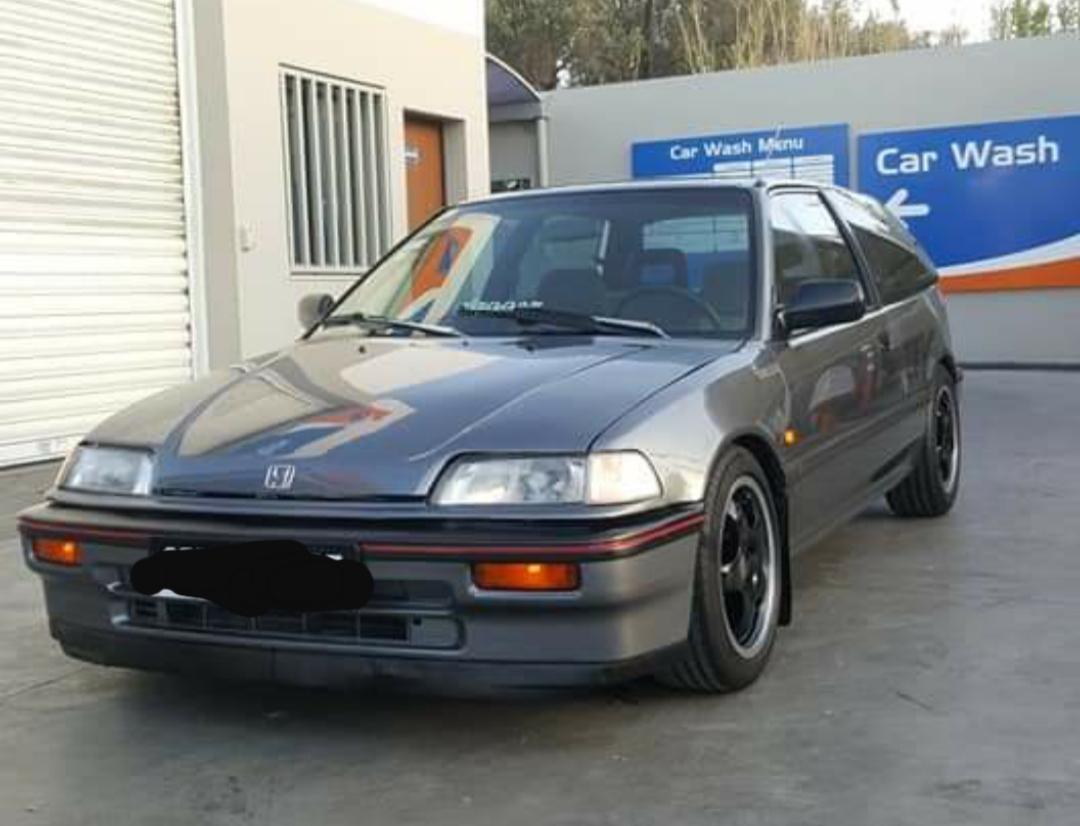
3. Honda Civic (1990s Models)
The Honda Civic has been around for decades, but the models from the 1990s have earned a special place in automotive history. Whether it’s the humble DX or the high-revving Si, Civics from this era are still being driven, modified, and admired. Known for their bulletproof reliability and practical design, these Civics became the backbone of affordable transportation. But they also did something unexpected: they became icons in car culture.
One of the main reasons the 1990s Civic remains so popular is its combination of low cost and high potential. You could buy one cheap, and with a little work, turn it into a surprisingly fast and capable machine. The aftermarket scene exploded with parts for suspension, exhaust, engine swaps, and aesthetics.
This made the Civic a favorite for young enthusiasts, especially in street racing and tuning communities. Its lightweight and responsive chassis made it a joy to drive, even without modifications.
Reliability is another huge factor. Hondas from this era are well-known for lasting hundreds of thousands of miles with basic maintenance. Many people still use their 90s Civics as daily drivers. Their engines, particularly the D-series and B-series, are easy to work on and well-documented. Whether you’re fixing it up or keeping it stock, the Civic gives back what you put into it. And because they were so common, finding parts isn’t a challenge.
The Civic also holds cultural value. It represents a generation of drivers who grew up with fast and cheap as a goal. It symbolizes a time when performance didn’t have to be expensive and style came from creativity, not from price tags. Car meets in the early 2000s were often dominated by these Civics, and the trend hasn’t fully died out. Plenty of young drivers today are picking up 90s Civics as their first cars, continuing the cycle. That kind of staying power can’t be ignored.
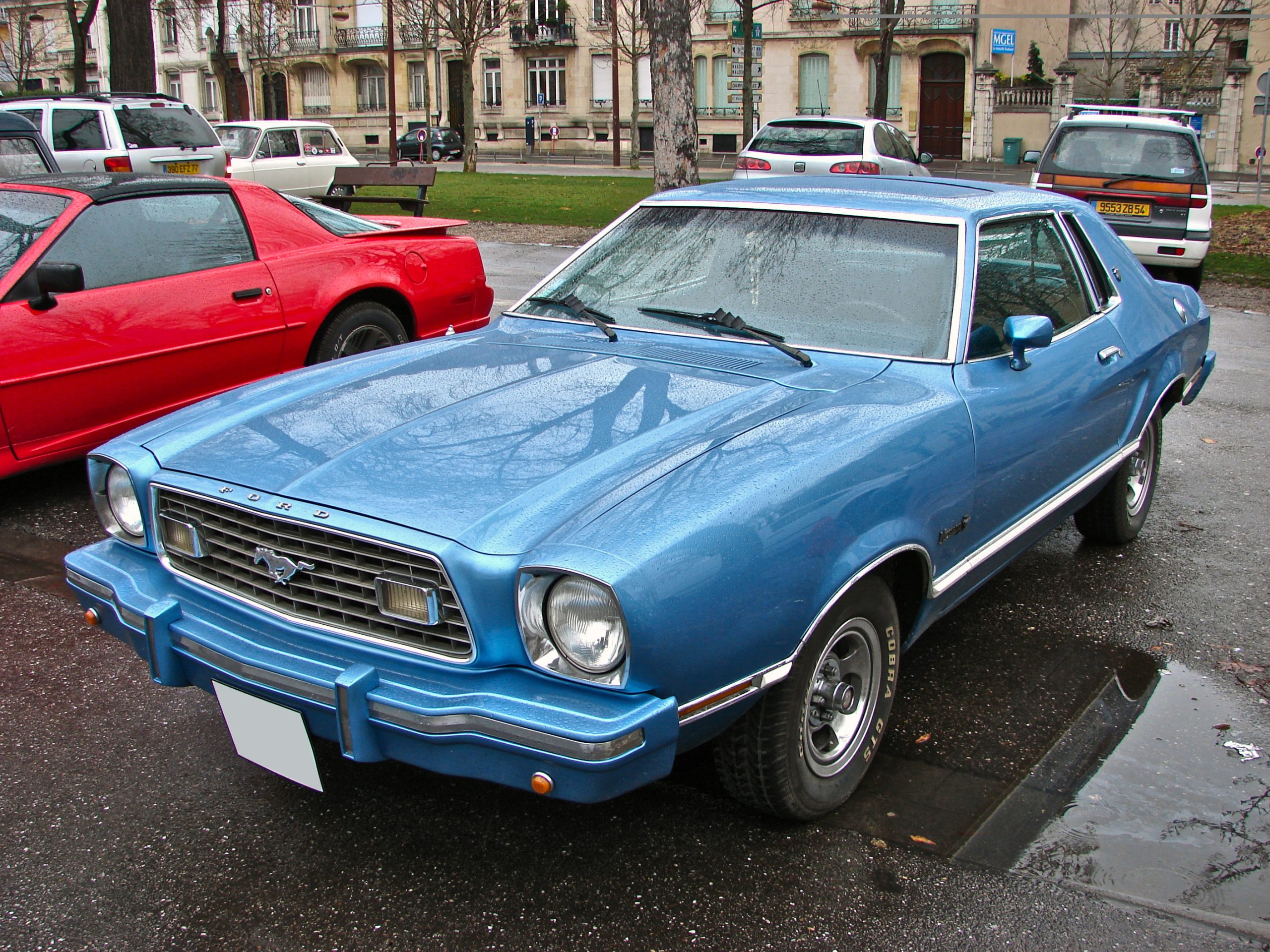
4. Ford Mustang (1994–2004 SN95)
The Ford Mustang is a name that’s been around since the 1960s, but the SN95 generation, which ran from 1994 to 2004, holds a special place in the hearts of many enthusiasts.
It came at a time when the American car industry was beginning to rediscover performance. This generation took the iconic Mustang and gave it a more modern look while staying true to its roots. Even 30 years after its debut, the SN95 Mustang remains a favorite among fans of American muscle.
Part of what makes this version of the Mustang still relevant is its affordability. These cars are among the cheapest ways to get V8 power. The 5.0-liter and later 4.6-liter V8 engines deliver strong torque and a classic muscle car sound. They might not be the fastest by today’s standards, but they still offer a thrilling driving experience. Many owners choose them as project cars, turning them into drag racers, drift cars, or stylish weekend rides.
The styling of the SN95 has aged relatively well. While not as aggressive as later models, it has a distinct personality. The body lines are smoother than the Foxbody that came before, and it doesn’t try to mimic European design trends. It stays true to American styling with a wide stance and long hood. This makes it easily recognizable and appreciated by those who favor domestic design language. It’s a car that doesn’t pretend to be anything it’s not.
There’s also a strong community behind the SN95. Whether it’s dedicated forums, social media groups, or regional meetups, there’s always someone willing to share advice or parts. These Mustangs are still common enough that you can find a decent one without breaking the bank.
And because so many were made, you can enjoy the car without worrying too much about rarity or collectible value. That accessibility helps keep the SN95 alive in
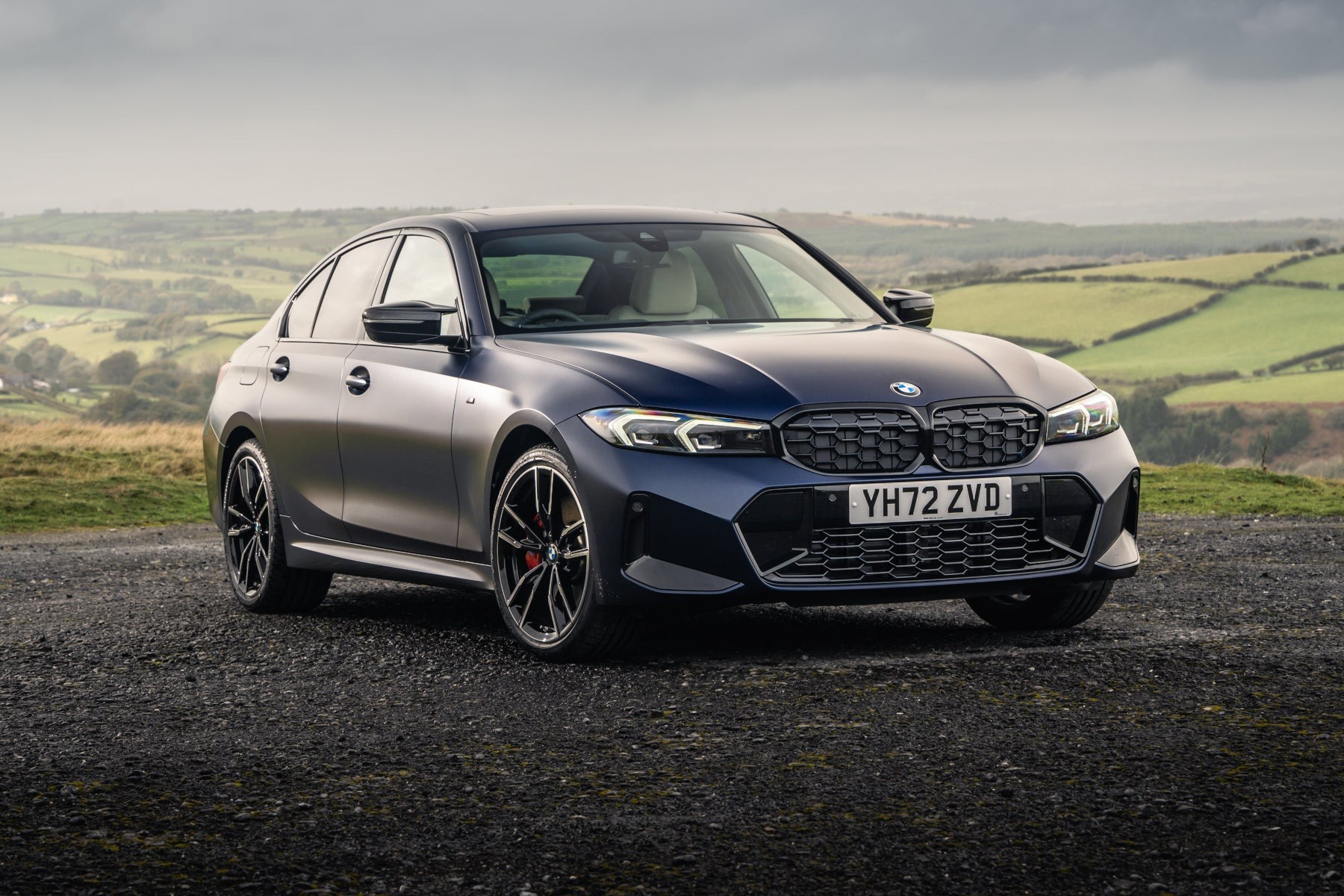
5. BMW 3 Series (E36)
The BMW E36 3 Series, produced from 1990 to 2000, is one of those vehicles that quietly became a legend. It wasn’t necessarily the flashiest or most expensive car of its time, but it struck a near-perfect balance between performance, practicality, and driving feel.
Thirty years later, it’s still widely admired and often chosen by driving enthusiasts as a starting point for tuning, track builds, or just a reliable and enjoyable daily driver. One of the most praised aspects of the E36 is its chassis. BMW engineered it with handling in mind, and the result was a vehicle that felt incredibly balanced on the road.
Enthusiasts also love the E36 for its tuning potential. From turbocharged builds to suspension upgrades and body kits, there’s a deep well of aftermarket parts available. It’s a car that responds well to modifications without losing its soul.
Whether it’s being used as a drift car, a weekend canyon carver, or a commuter with a bit of flavor, the E36 adapts to different lifestyles and goals. This versatility is part of why it has stuck around. You’re just as likely to see one with a roll cage at a track day as you are to spot a well-preserved model cruising quietly through town. It’s aged into a flexible classic.
Even though newer BMW models offer more features and better performance numbers on paper, many drivers still prefer the raw, connected feeling of the E36. It represents a turning point in BMW’s history, where engineering was prioritized over excessive luxury, and where the joy of driving was placed above everything else.
For that reason, it continues to hold a firm grip on the hearts of enthusiasts and will likely continue to be a favorite long after other cars of its era are forgotten.
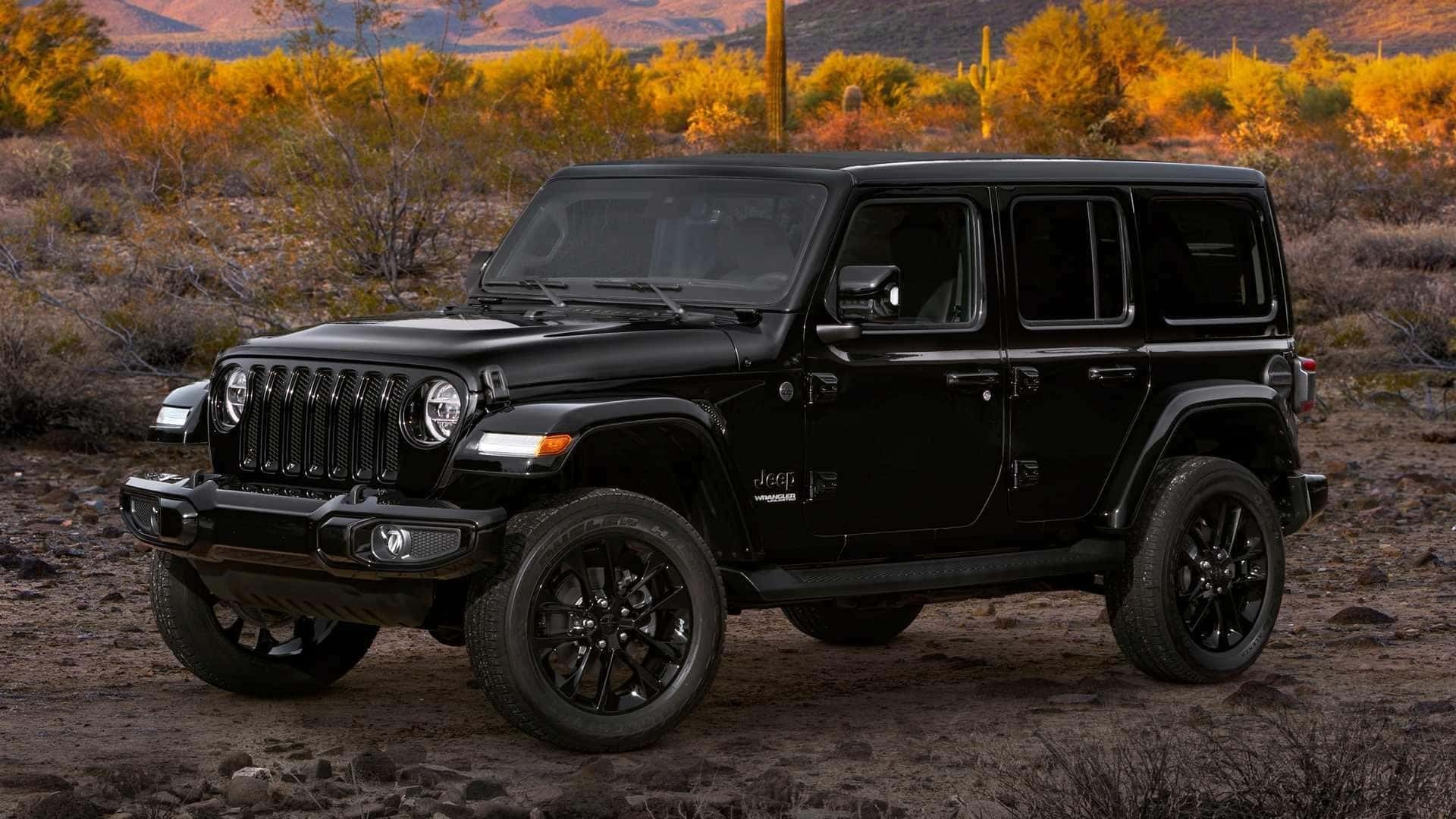
6. Jeep Wrangler (YJ and TJ)
The Jeep Wrangler is one of the most recognizable vehicles ever made, and its appeal hasn’t faded over the decades. While the Wrangler has gone through many updates, the YJ (1986–1995) and TJ (1997–2006) generations, in particular, have become timeless.
These models combined ruggedness with simplicity, capturing the essence of the original World War II Jeep while adapting it for everyday use. Even thirty years after the YJ launched, it remains a favorite among off-roaders and adventurers.
It was the first Wrangler to swap the traditional round headlights for square ones, a controversial move at the time, but its boxy shape and iconic grille still made it unmistakably a Jeep.
Beyond their off-road abilities, the Wrangler YJ and TJ fostered a unique sense of community. Jeep owners wave at each other on the road. They meet up for trail rides. They customize their rigs with lifts, winches, lights, and rooftop tents.
This level of engagement from owners keeps the older models in circulation and in excellent condition. There are still many examples being used for weekend adventures, overland builds, or even as everyday drivers in rural areas. Their utility and character are hard to replace, which is why people keep coming back to them.
Even with newer versions of the Wrangler offering more comfort and features, many drivers still seek out the YJ and TJ for their purist approach. They represent a time before digital dashboards and automatic everything. A time when you could truly feel every part of the road or trail beneath you.
These Wranglers don’t just get you from point A to B, they make the journey feel like an experience. That emotional connection is what has kept them in the spotlight, year after year.
Also Read: 10 Electric Cars With Longest Battery Life Coming in 2026

7. Toyota Land Cruiser (80 Series)
If there’s one vehicle that defines global durability and reliability, it’s the Toyota Land Cruiser, particularly the 80 Series, produced from 1990 to 1997. This version of the Land Cruiser has developed an almost mythological status among off-roaders, overlanders, and long-distance travelers. It was built during a time when Toyota wasn’t worried about cutting corners or chasing trends.
Instead, they focused on overengineering every part of the vehicle. The result was a truck that could go almost anywhere, survive extreme conditions, and come back looking for more. Today, many 80 Series Land Cruisers are still running strong, with high mileage and stories that span continents.
What really sets the 80 Series apart is its mechanical integrity. The solid axles front and rear, full-time four-wheel drive, locking differentials, and massive frame made it capable of handling just about any terrain. Whether you’re tackling rock trails in Utah or crossing the desert in northern Africa, the 80 Series earned its reputation the hard way.
It was never flashy, but it was trustworthy. Many international aid organizations and expedition teams chose it as their primary vehicle, not because it was stylish, but because it wouldn’t let them down. That level of dependability is rare and deeply respected.
The interior of the 80 Series was also a step above the typical utility vehicle. It offered enough comfort for long journeys without becoming too complicated or fragile. Leather seats, wood trim, and power accessories were common in higher trims, but everything was built to last.
Even today, owners often praise how well the interior materials have aged. The seats are still firm, the switches still click, and the doors still close with a solid thud. That sense of quality has become part of the Land Cruiser’s identity and helps explain why values for the 80 Series remain high.
Despite Toyota ending production of the 80 Series decades ago, the demand has only grown. Enthusiasts are restoring them, modifying them for overlanding, or simply driving them every day.
They’ve become collector’s items in many parts of the world, especially models with factory triple lockers or diesel engines. The 80 Series isn’t just an old SUV; it’s a symbol of what can be accomplished when durability is prioritized over cost savings. As long as people seek adventure and reliability, the 80 Series Land Cruiser will never fully fade away.
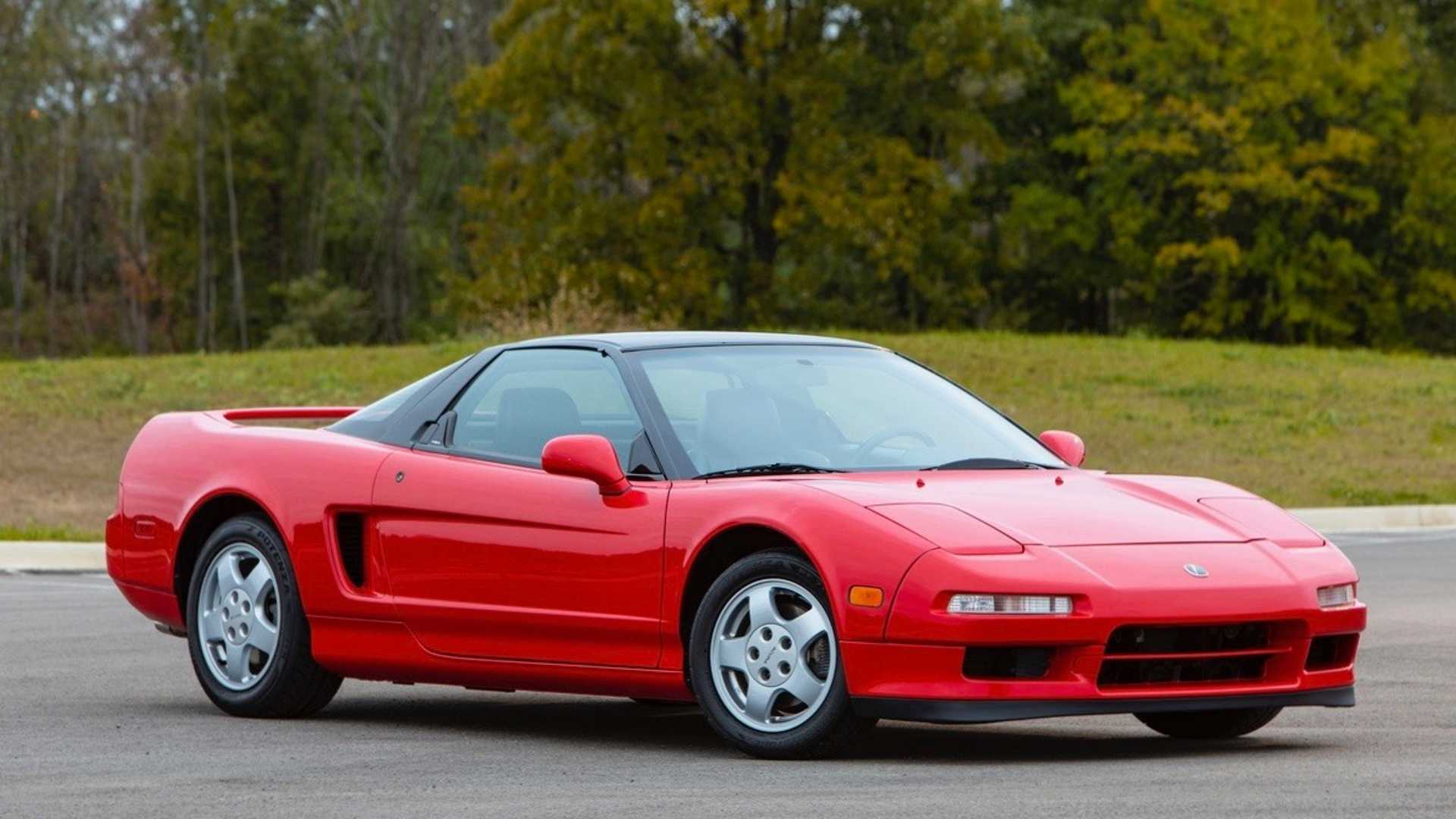
8. Acura NSX (First Generation)
The first-generation Acura NSX, released in 1990 and produced through 2005, is often hailed as one of the most important sports cars ever made. It was Japan’s answer to European supercars, a mid-engine, rear-wheel-drive platform with exotic looks and high-revving V6 performance.
But unlike many of its European rivals, the NSX was reliable, usable, and far more forgiving to live with. Today, more than 30 years after its debut, the NSX still stands as a symbol of precision engineering and thoughtful design. Collectors love it, enthusiasts dream of it, and those lucky enough to own one often hold on for life.
The NSX also represented a shift in how people viewed Japanese performance vehicles. Up until that point, most high-end sports cars were assumed to come from Europe or America. But the NSX changed perceptions.
It proved that Japanese manufacturers could compete at the highest level, not just with turbocharged engines and affordability, but with world-class engineering and design. It helped pave the way for other high-performance models from Japan in the years that followed, including the Toyota Supra, Nissan GT-R, and Mazda RX-7.
As time has gone on, the NSX has only grown in value and admiration. Its design has aged gracefully, with its clean lines and aggressive stance still looking sharp today. It’s rare enough to be special but not so rare that it feels untouchable.
People recognize it as something significant, not just for what it was, but for what it represented. The NSX was never about flash. It was about getting every detail right, and that focus on quality is why it remains one of the most beloved cars three decades later.
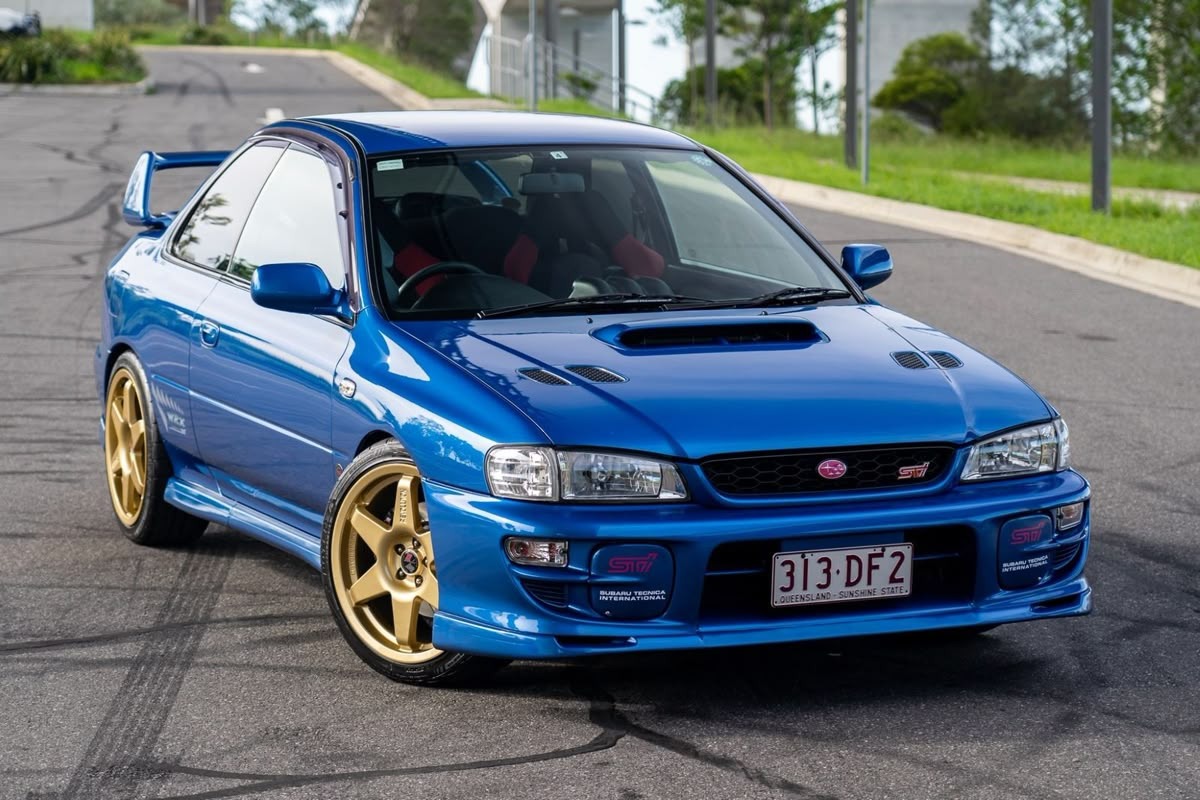
9. Subaru Impreza WRX (First Generation)
The Subaru Impreza WRX, launched in the early 1990s, quickly became a favorite for drivers who wanted a combination of rally-inspired performance and everyday usability. While the Impreza name had been around before, the WRX (World Rally eXperimental) badge gave the car a serious performance identity that captured imaginations around the world.
The first generation, particularly the models built between 1992 and 2000, remain extremely popular among enthusiasts today. Their mix of all-wheel drive traction, turbocharged engines, and solid engineering make them ideal for spirited driving and tough weather conditions.
One of the key reasons the first-generation WRX endures is its rally heritage. Subaru’s success in the World Rally Championship during the 1990s helped cement the car’s reputation for toughness and speed. The car’s symmetrical all-wheel-drive system gave it incredible grip on loose surfaces, snow, and rain, making it a favorite in regions with unpredictable weather.
The WRX also created a strong culture. Clubs, online communities, and motorsport events grew around it. Many owners still cherish their original WRXs, treating them as weekend cars, track toys, or daily drivers. Seeing a well-kept first-generation WRX on the road often sparks nostalgia and respect from fellow drivers, regardless of their car preferences.
This ongoing affection is a testament to how Subaru combined performance, practicality, and character in a package that continues to resonate, more than 30 years after it first appeared.
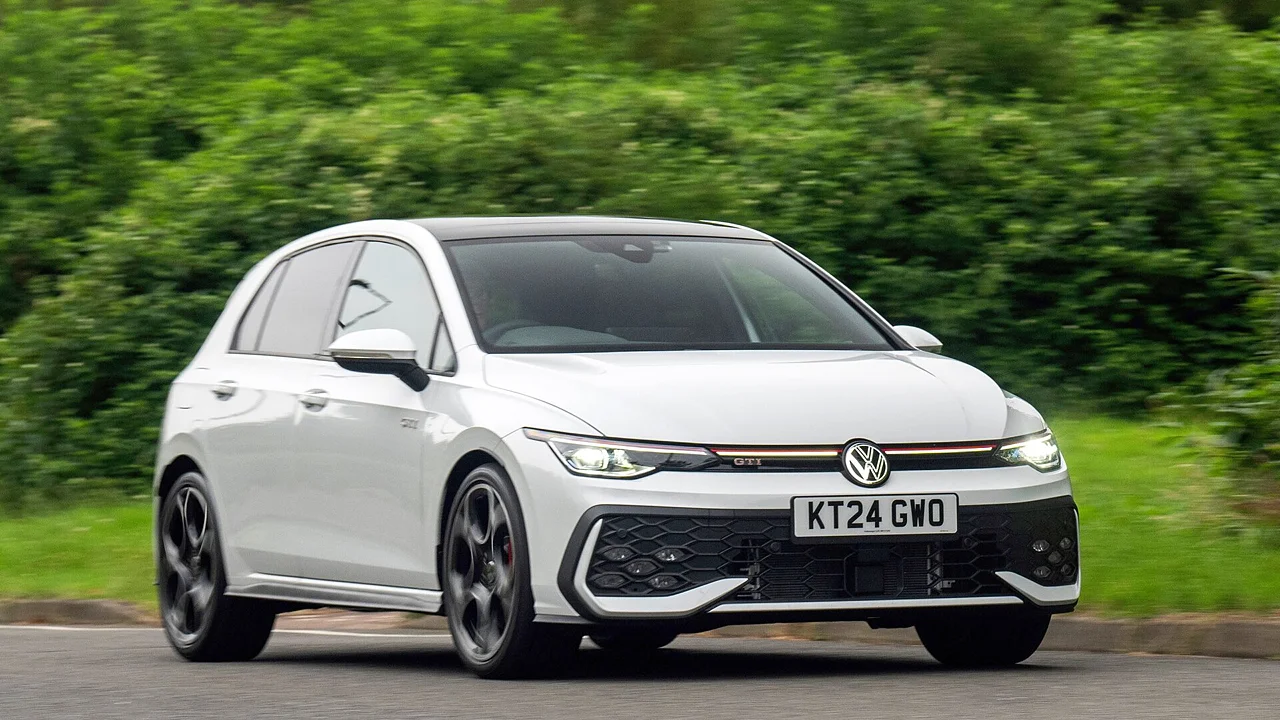
10. Volkswagen Golf GTI (Mk2 and Mk3)
The Volkswagen Golf GTI has been an icon since its original release in the mid-1970s, but the models from the early 1990s, specifically the Mk2 (1984–1992) and Mk3 (1991–1997), have a lasting place in the hearts of enthusiasts worldwide.
These generations of the GTI built on the hatchback’s reputation for combining everyday usability with sporty performance. Even now, decades later, the Mk2 and Mk3 Golf GTIs are appreciated for their fun-to-drive nature, solid build quality, and the unique blend of practicality and spirited driving that few cars can match.
The Mk2 GTI brought refinement to the hot hatch formula without losing the edge. It featured sharper styling, more power, and improved handling compared to the original. The punchy inline-four engines, combined with a lightweight chassis and responsive steering, made it a favorite for drivers seeking a car that was engaging without being overwhelming.
The Mk2 also had a strong aftermarket scene and was a staple on tracks, rallies, and street circuits. Its modest size and light weight meant it could dance through corners with surprising agility, a trait that helped create a passionate fanbase that remains active today.
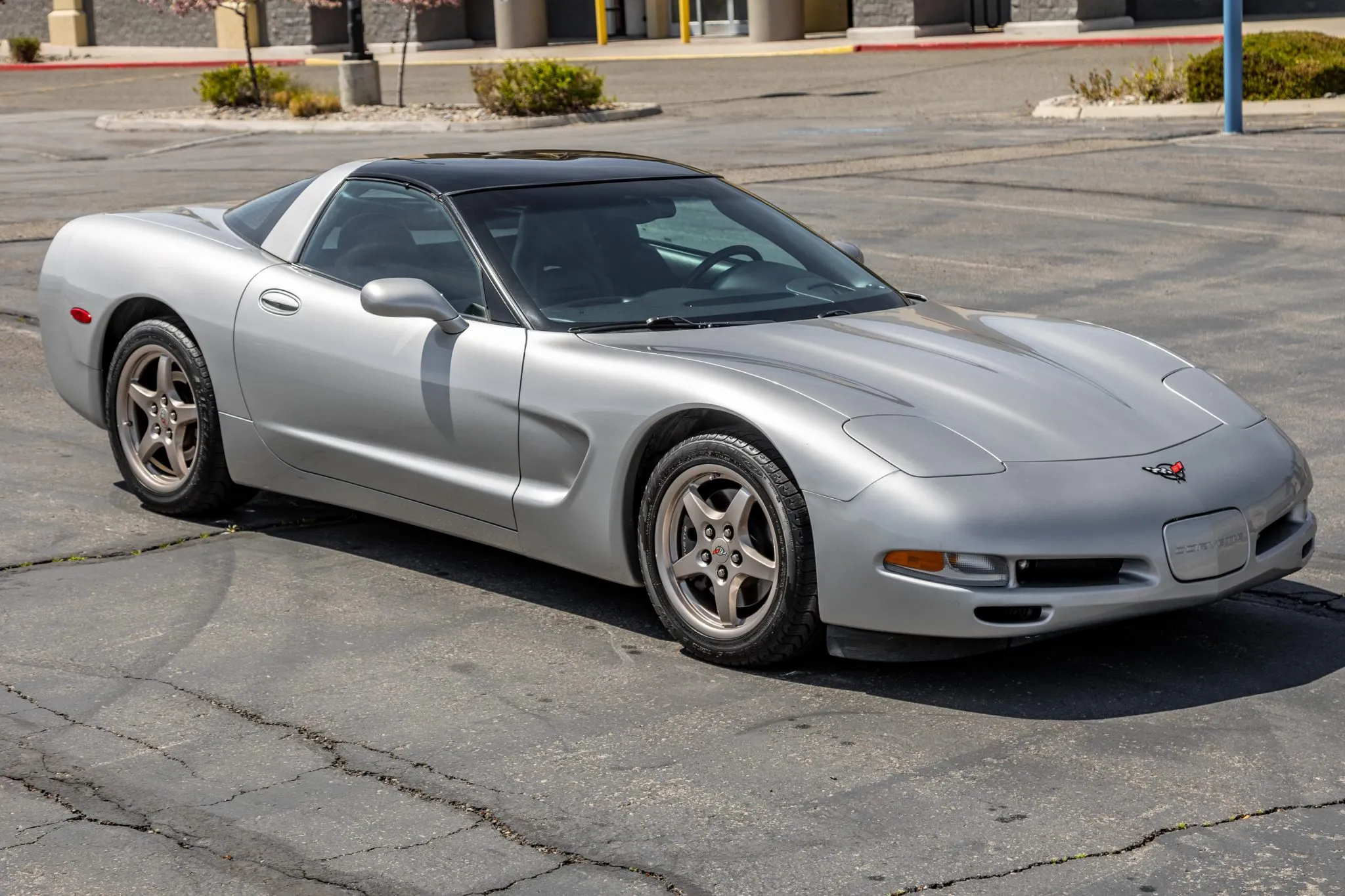
11. Chevrolet Corvette (C4)
The Chevrolet Corvette C4, produced from 1984 to 1996, marks a significant chapter in America’s sports car history. Although it debuted a bit earlier than the 30-year mark, its popularity surged in the early 1990s and continues to be strong among Corvette fans and sports car enthusiasts.
The C4 represented a major step forward for the Corvette brand, with advances in aerodynamics, handling, and technology that helped it shed some of the rough edges of earlier generations. The model managed to blend raw American muscle with a newfound sophistication, and that combination keeps it relevant today.
One of the standout features of the C4 was its chassis. It was a complete redesign compared to previous Corvettes, featuring a uniframe construction that improved rigidity and handling. The suspension was independent all around, a first for the Corvette, which enhanced its cornering ability.
The result was a car that could hold its own on twisty roads and even at the track, while still delivering the straight-line power the Corvette was famous for. The 5.7-liter V8 engines, particularly in later ZR-1 versions, gave it impressive acceleration and an unmistakable exhaust note.
Even today, seeing a clean, well-maintained C4 on the road sparks excitement. It’s a reminder that American sports cars can be more than just straight-line rockets, they can offer a complete and satisfying driving experience that holds up after all these years.
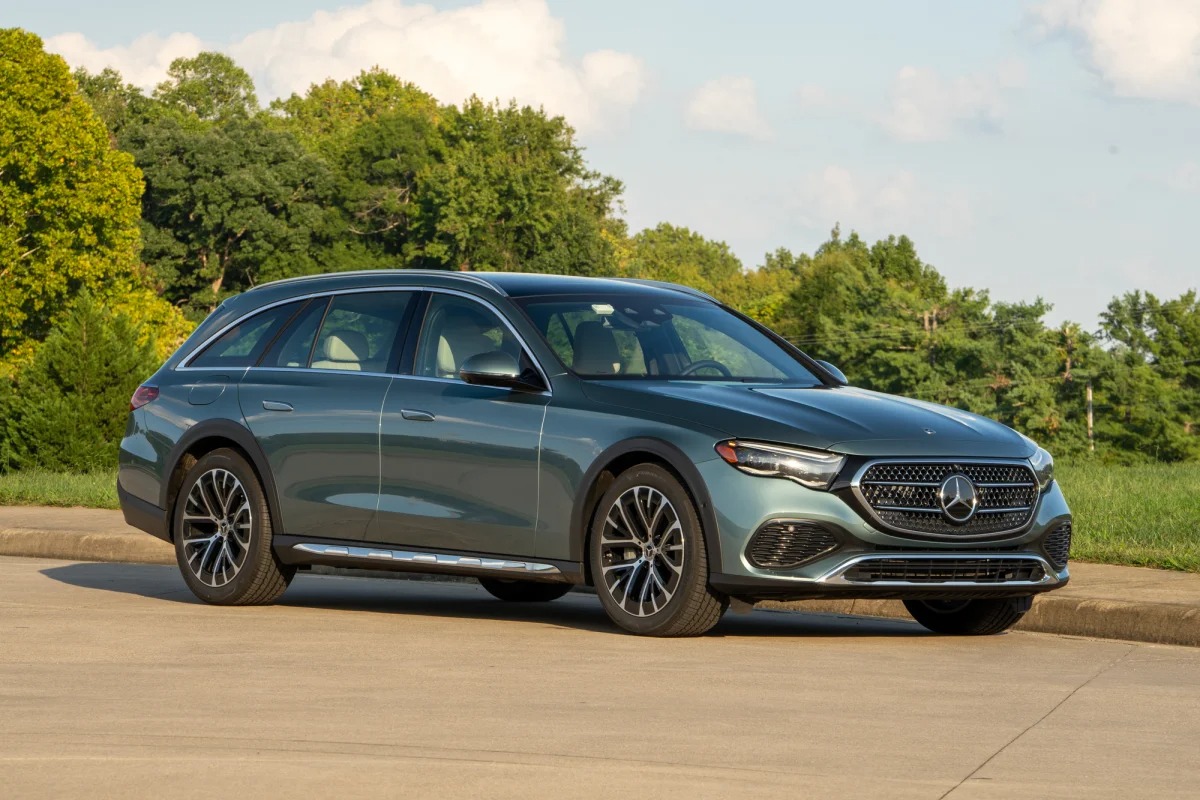
12. Mercedes-Benz W124
The Mercedes-Benz W124 series, produced between 1984 and 1995, is widely regarded as one of the best-engineered cars Mercedes-Benz ever made. The W124’s reputation for build quality, reliability, and timeless design has ensured its continued popularity decades after production ended.
Many examples are still in daily use, often with extremely high mileage, which speaks volumes about how well these cars were made. For those looking for a classic luxury car that combines comfort with durability, the W124 remains a top choice.
One of the most impressive aspects of the W124 is the level of engineering and attention to detail that went into its construction. Mercedes built the W124 with an emphasis on longevity. The chassis and bodywork used high-quality materials and precise manufacturing techniques that resulted in a vehicle resistant to rust, wear, and mechanical failure.
The range of engines, from efficient four-cylinders to powerful inline-sixes and V8s, were all designed to be durable and easy to maintain. This combination made the W124 popular not just with luxury car buyers but also with taxi operators and fleet services in many parts of the world.
Beyond durability, the W124 offered a driving experience that was refined but never dull. Its suspension provided a smooth ride on rough roads while maintaining good handling dynamics. The interior was elegant and functional, featuring wood trim, leather seats, and user-friendly controls.
Safety was also a priority, with innovations such as anti-lock brakes, airbags, and a robust passenger cell included in many models. The W124’s styling is conservative but graceful, and its boxy lines have aged into a classic, instantly recognizable shape.
