
Japanese Domestic Market, commonly referred to as JDM, is far more than just a set of letters or a trend born out of tuner culture. It represents a philosophy of engineering, a passion for driving, and a distinctive style that has left an unforgettable impact across generations of car enthusiasts.
JDM culture has evolved over decades, fueled by unique innovations, competitive motorsport history, street racing scenes, and a deep appreciation for driver-centric performance. While many cars contributed to this evolution, a specific group of vehicles became legends. These cars didn’t just win races or sell in high numbers; they became icons that defined eras, built communities, and created a movement.
Throughout the years, Japan’s automakers have mastered the art of balancing performance with reliability, precision with raw emotion, and affordability with character. The result has been a series of cars that aren’t just machines but cultural symbols. These vehicles didn’t just shape how people viewed Japanese cars; they inspired stories, films, video games, and real-life modifications that turned garages into sanctuaries.
Whether it was a high-revving inline-six, a boxy silhouette flying down a mountain road, or the sound of a turbocharger spooling up just before launching into boost, these cars captured something that transcended borders and language. They gave rise to a shared identity among fans from Tokyo to California.
Not every important JDM car was a supercar or race-winning monster. Some gained their status through underground circuits and late-night highway runs. Others earned respect in drift competitions or by being tuner-friendly platforms that could take endless modifications.
These machines earned loyalty not through brand snobbery but through how they performed on the streets, how they could be personalized, and how they kept showing up long after their original production runs ended. For many, these cars became more than transport; they became aspirations, reflections of style, and expressions of individuality.
Also Read: 7 Moves That Extend a Mercedes C-Class Past 200,000 Miles
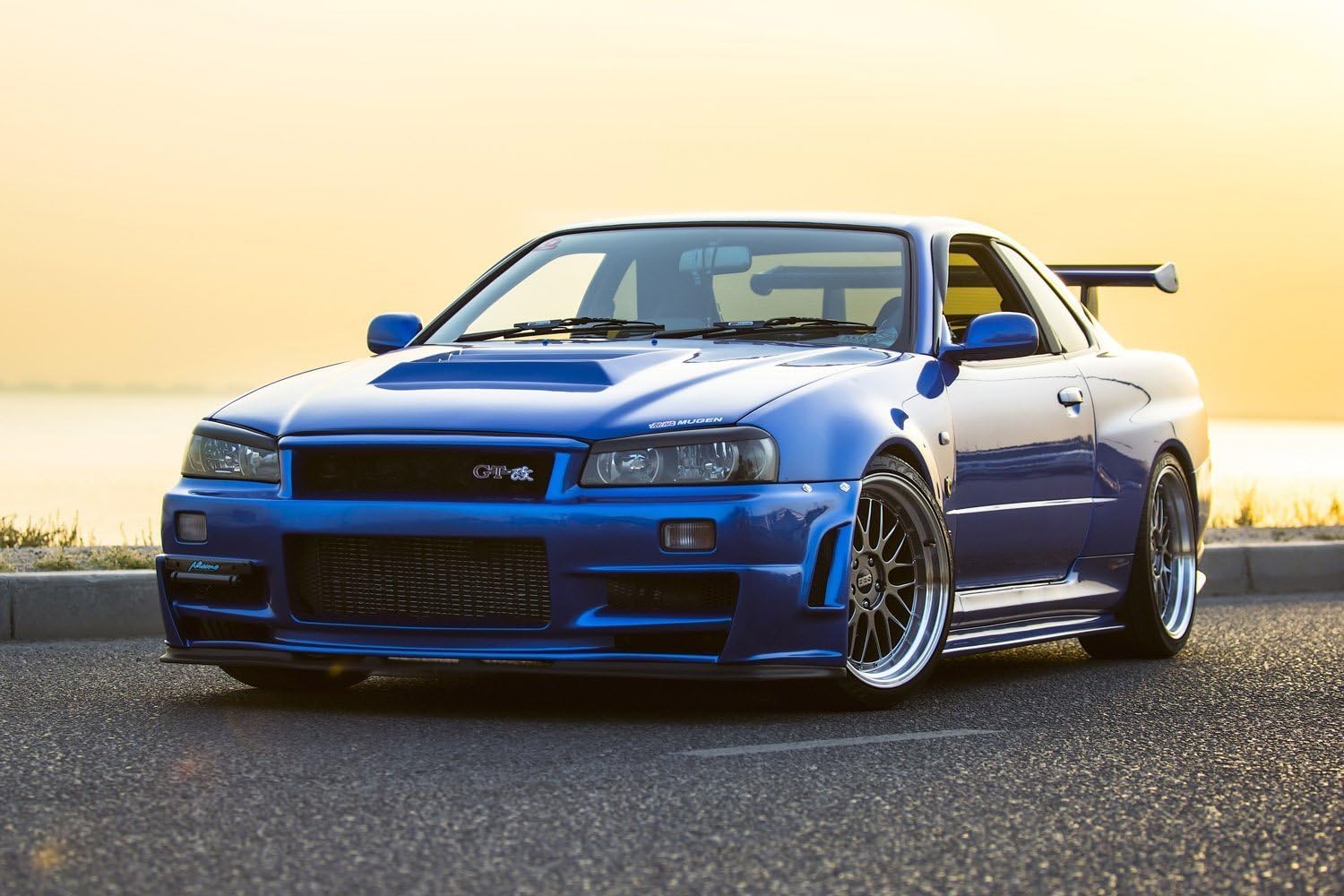
1. Nissan Skyline GT-R (R32)
When the R32 Skyline GT-R was released in 1989, it quickly earned the nickname “Godzilla” from the Australian media due to its monstrous performance. This car was a technological showcase for Nissan, featuring the ATTESA E-TS all-wheel-drive system and the advanced Super-HICAS four-wheel steering.
The RB26DETT engine, a twin-turbo inline-six, became legendary in tuning circles for its strength and high potential for modification. With over 270 horsepower out of the box and an engine that could reliably handle much more, it was easy to see why this car quickly made waves both on the track and on the street.
The R32 wasn’t just a fast car, it was a race car with license plates. It dominated Group A racing in Japan and abroad, winning all 29 races it entered in the Japanese Touring Car Championship between 1990 and 1993.
It also saw action in Australia and Europe, establishing Nissan’s global performance image. The car’s reputation as a track beast solidified its presence in the enthusiast scene, and many fans began hunting for one long before they became legal for import under the 25-year rule.
The styling of the R32 was simple and understated, yet aggressive in its proportions. The squared-off edges, signature round tail lights, and low stance gave it a stealthy look that matched its performance capabilities. Unlike flashy sports cars of the time, the GT-R didn’t scream for attention; it simply earned it. This visual identity carried forward to future GT-R generations and became a trademark of the model’s appeal.
What made the R32 GT-R so important to JDM culture wasn’t just its capabilities or looks; it was the platform it offered for tuning. You could take the stock RB26 and easily build a 500, 600, or even 1,000 horsepower monster. Tuners around the world embraced the car, and it became a staple in underground racing circles.
Whether you were running from the police on a Japanese highway or setting a lap time at Tsukuba Circuit, the R32 GT-R proved that Japan could build a world-class performance car.
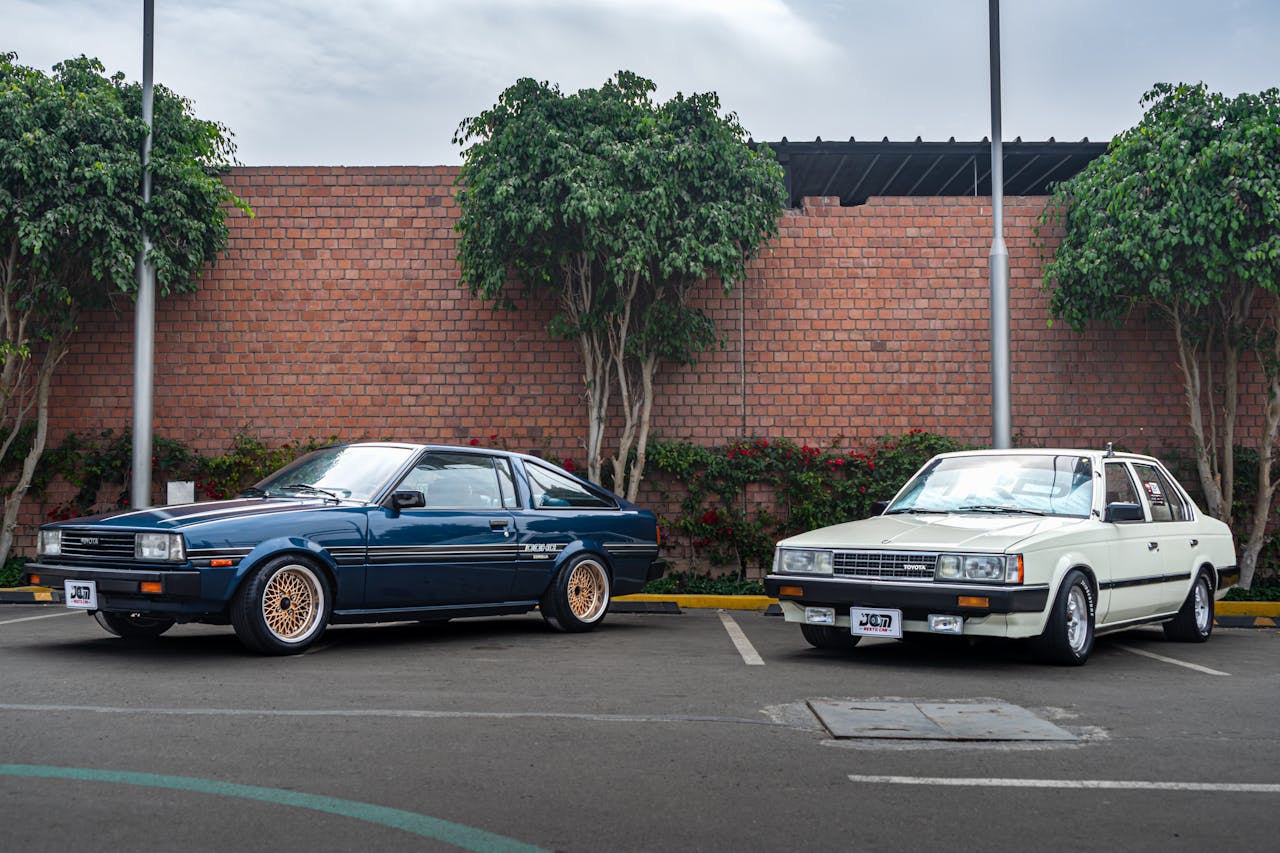
2. Toyota AE86 Corolla
The AE86 Corolla may not look like much at first glance. It’s a small, lightweight, rear-wheel-drive coupe from the 1980s with modest power and economy car roots. But underestimating the AE86 is a mistake that many have made.
This car became a legend not because of raw power, but because of how it made drivers feel. It was nimble, balanced, and responsive, offering a pure driving experience that helped define the golden era of Japanese performance driving.
What truly elevated the AE86 into cultural icon status was its role in grassroots motorsports and street racing. It was affordable and accessible, making it a go-to choice for aspiring racers in Japan. It found a natural home in drifting, where its light weight, perfect balance, and rear-wheel-drive layout allowed drivers to control slides with precision. This car was never about straight-line speed; it was about control, finesse, and connection to the road.
The AE86 also gained massive attention thanks to its central role in the anime and manga series Initial D. As the main character’s car, the “Hachiroku” became the poster child for mountain pass racing.
Suddenly, this humble Toyota was seen as a weapon in the right hands, capable of outmaneuvering more powerful rivals. It wasn’t about horsepower; it was about skill. This idea became one of the core values of JDM culture: driver ability matters more than specs.
To this day, the AE86 continues to inspire tuners and racers. While stock examples are becoming rare, the aftermarket support remains strong, and many choose to swap engines, upgrade suspensions, and turn these cars into track-ready machines. Yet even in stock form, it still delivers a rewarding driving experience.
It reminded enthusiasts that fun doesn’t always come with a big price tag, and that the connection between man and machine is what really counts.
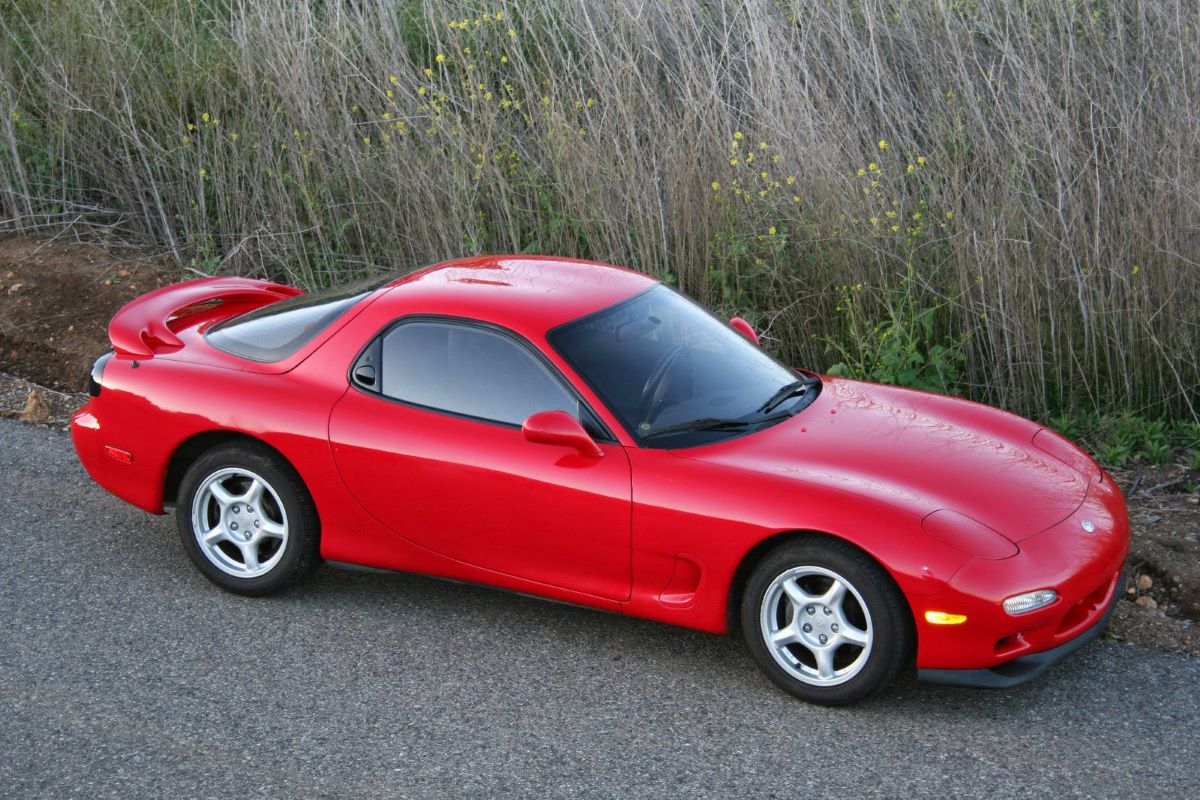
3. Mazda RX-7 (FD3S)
The third-generation Mazda RX-7, or FD3S, represents one of the most elegant and technically intriguing vehicles to come from Japan. Introduced in the early 1990s, it stunned the world with its curvaceous bodywork and commitment to rotary engine performance.
Unlike traditional piston engines, the RX-7 used a twin-rotor Wankel engine that was compact, high-revving, and full of character. The result was a sports car that delivered a unique sound and an exhilarating power band.
What made the FD RX-7 stand out wasn’t just its engine or looks, it was how it handled. The car’s design philosophy was centered around the idea of lightweight agility. It had a near-perfect weight distribution, a low center of gravity, and responsive steering.
It didn’t just go fast in a straight line; it danced through corners with fluidity that rivaled much more expensive European sports cars. It became a favorite in both track settings and street racing circles, particularly in Japan’s touge and highway racing scenes.
The RX-7’s aftermarket potential was enormous. The rotary engine, while requiring a level of maintenance and care, was highly tunable. Tuners learned how to extract insane levels of performance out of it, sometimes with reliability being secondary to speed.
The RX-7 became a staple in tuning garages and appeared in countless street racing videos, tuner magazines, and, of course, films and games that introduced the car to a global audience.
Even today, the FD3S RX-7 holds a mystique few other cars manage to maintain. Its blend of exotic looks, unique engineering, and precise handling keeps it in high regard among JDM fans. It’s not just remembered, it’s celebrated. The RX-7 taught many that performance isn’t only about numbers on paper, but about the experience behind the wheel. That message became a cornerstone of the JDM philosophy.
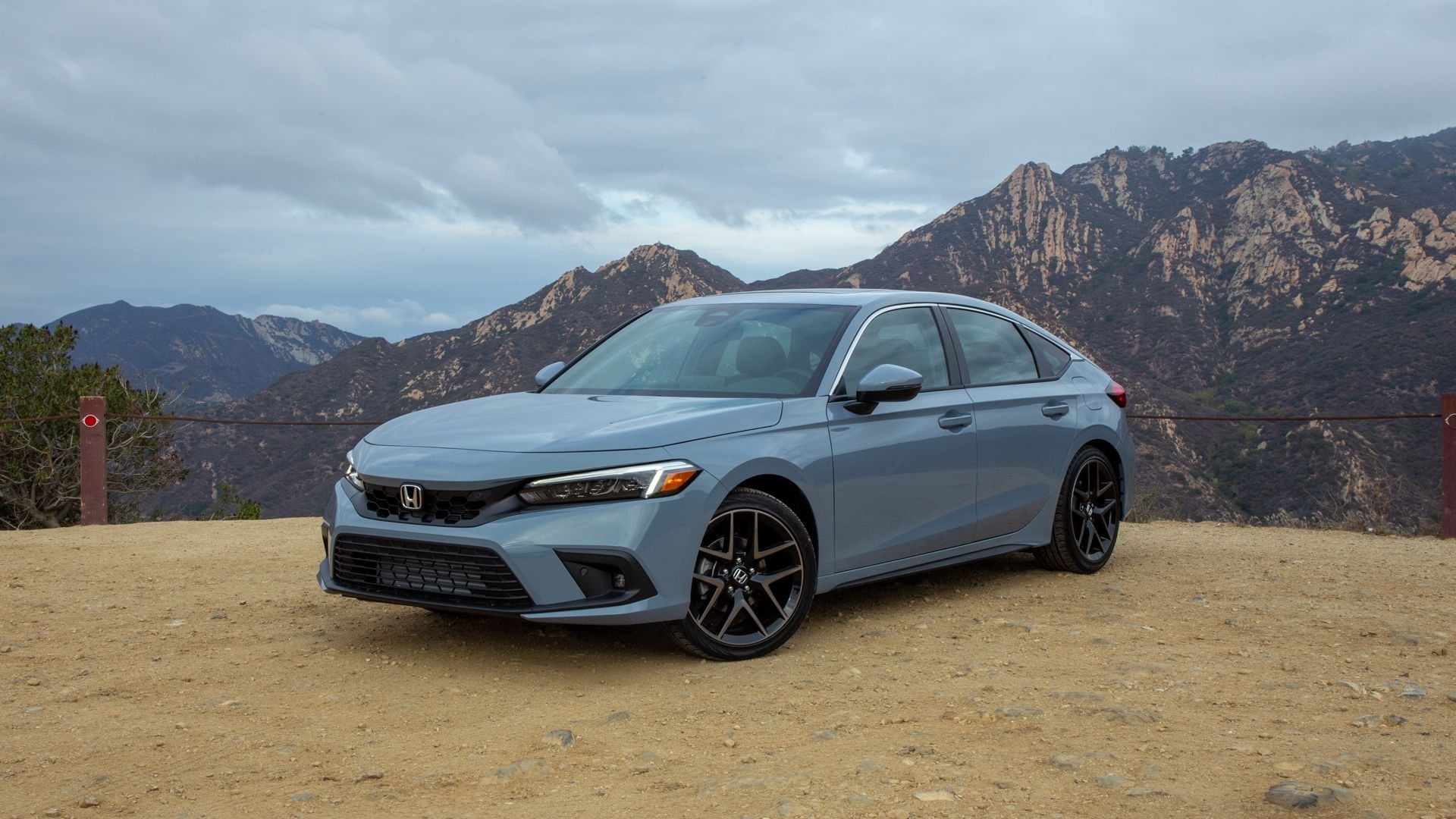
4. Honda Civic (EK9 Type R)
The Honda Civic Type R (EK9) proved that front-wheel-drive cars could be more than just efficient transportation. Released in the late 1990s, the EK9 was a high-revving, sharp-handling hot hatch that redefined what people expected from a Civic. With a hand-built B16B engine that revved past 8,000 RPM and a chassis tuned for performance, the EK9 became a weapon on both track and street.
This Civic wasn’t just about specs; it was about feel. The car weighed under 2,500 pounds, had minimal sound deadening, and was designed for maximum feedback.
The steering was direct, the gear changes were short and crisp, and the VTEC crossover provided a surge of power that made every drive exciting. For many young drivers in Japan and around the world, this car was an affordable way to experience the kind of driving purity usually reserved for much more expensive vehicles.
The EK9 also became a symbol of tuner culture. The B-series engine family had massive aftermarket support, and it wasn’t long before enthusiasts were building their own Type R clones or swapping motors into older Civic chassis.
It sparked a movement where tuning was about creativity, efficiency, and making the most of available resources. Track days, autocross events, and late-night runs through industrial zones were all common arenas where the EK9 proved its worth.
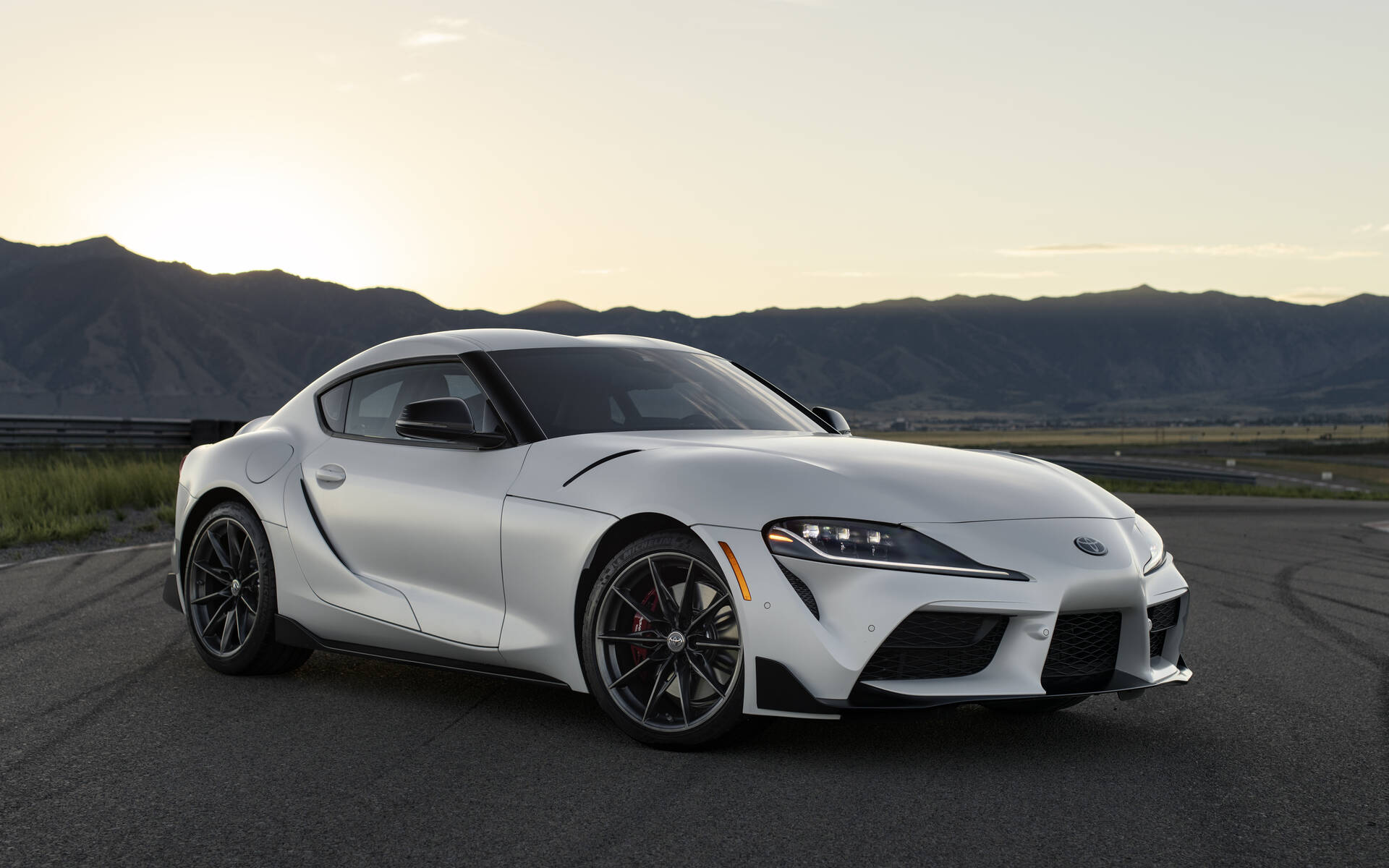
5. Toyota Supra (A80 MK4)
The fourth-generation Toyota Supra, known as the A80 or MK4, is arguably one of the most recognizable cars to ever come out of Japan. Released in 1993, the Supra took a major leap from its grand touring roots and was reborn as a full-fledged performance machine.
It featured the now-legendary 2JZ-GTE engine, a twin-turbo inline-six that would become one of the most respected engines in the tuning world. With a factory rating of around 276 horsepower (due to Japan’s gentlemen’s agreement at the time), the engine was widely known to be capable of far more with basic tuning. Many owners discovered the stock internals could reliably support 600 to 800 horsepower, making it a dream platform for serious performance builds.
The A80’s aggressive styling also made it stand out. With its wide fenders, bold front fascia, and signature round taillights, the car had presence. But Toyota didn’t just give it looks, it engineered it with serious performance in mind. The chassis was rigid and balanced, the brakes were sourced from the same company that made Porsche’s, and the aerodynamics were carefully considered.
This wasn’t just a sports car, it was a technological statement from Toyota, showing the world that Japan could produce machines that rivaled or even outclassed European and American competitors. The six-speed Getrag transmission became a sought-after feature, and combined with the 2JZ, it gave the Supra a near-bulletproof drivetrain.
The Supra became more than a machine once it entered global popular culture. Its appearance in The Fast and the Furious catapulted it to international fame, introducing a new generation to JDM culture. People who previously dismissed Japanese cars began to recognize their potential.
The movie wasn’t the first to feature Supras, but it was the one that made it aspirational. Suddenly, the Supra became more than just a car; it was a symbol of rebellion, customization, and raw performance. Prices for clean examples soared in the years following, and the car’s legacy only grew stronger as enthusiasts continued to build extreme versions for drag racing, time attack, and street use.
What made the MK4 Supra crucial to JDM culture was how it bridged the gap between the hardcore tuner world and the general public. Here was a car that could run with the best in stock form, yet it also had limitless tuning potential.
You could see it at the track, hear it screaming down the street, or spot it tucked in a garage with its hood open, mid-build. It represented potential. It told the world that Japanese cars were not only competitive, they were revolutionary. The Supra was proof that the JDM world had matured and had something to say on a global scale.
Also Read: 7 Worst Mistakes To Avoid When Owning a Ford Explorer Sport Trac
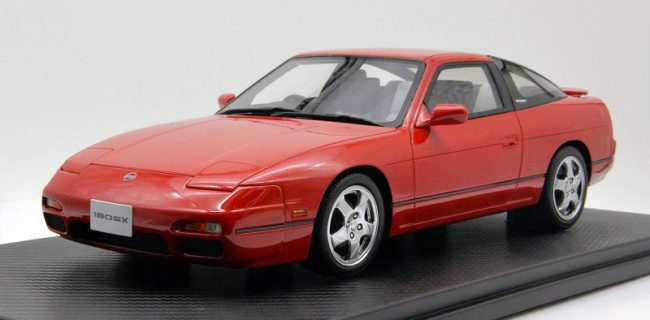
6. Nissan Silvia (S13/S14/S15)
The Nissan Silvia lineage is essential to understanding how drifting, street culture, and style all merged to define modern JDM. While each generation of the Silvia offered something special, the S13, S14, and S15 form a trio that essentially carried an entire subculture.
These rear-wheel-drive coupes were relatively affordable, widely available in Japan, and blessed with balanced chassis dynamics. Whether stock or modified, these cars became the canvas for thousands of enthusiasts who wanted to express their style, build their skills, or just have a blast behind the wheel.
What made the Silvia series so special was their ability to appeal to such a broad audience. You didn’t have to be rich to own one. Whether it was a beat-up S13 bought with pocket change or a pristine S15 Spec-R with the turbocharged SR20DET engine, there was a Silvia for every budget.
Each version had that magic combination of a lightweight frame, great suspension geometry, and strong tuning support. It didn’t take much money or effort to turn a Silvia into a capable drift car, a street weapon, or even a daily driver with some personality. For many young drivers in Japan and abroad, the Silvia was their first real taste of JDM performance.
The Silvia became almost synonymous with drifting thanks to its dominance in grassroots events and professional competitions. Drivers like Keiichi Tsuchiya and others showcased what these cars could do in touge runs and early D1GP events.
The Silvias were easy to slide, responsive to throttle inputs, and cheap enough that crashing one didn’t mean financial ruin. These traits made them the backbone of the drifting scene, and soon they became a common sight at tracks like Ebisu and on late-night runs through the mountains. Custom paint jobs, wide body kits, mismatched wheels, and roaring straight-piped exhausts became trademarks of Silvia culture.
But Silvia didn’t only represent aggression or performance; it also symbolized freedom of expression. Each build reflected its owner’s taste. Some preferred clean OEM+ style, while others went for wild aero and liveries. In many ways, the Silvia stood for individuality within a shared culture.
It wasn’t about what car you had; it was about what you made it into. That philosophy has become central to JDM culture, and the Silvia family helped build that belief from the ground up.
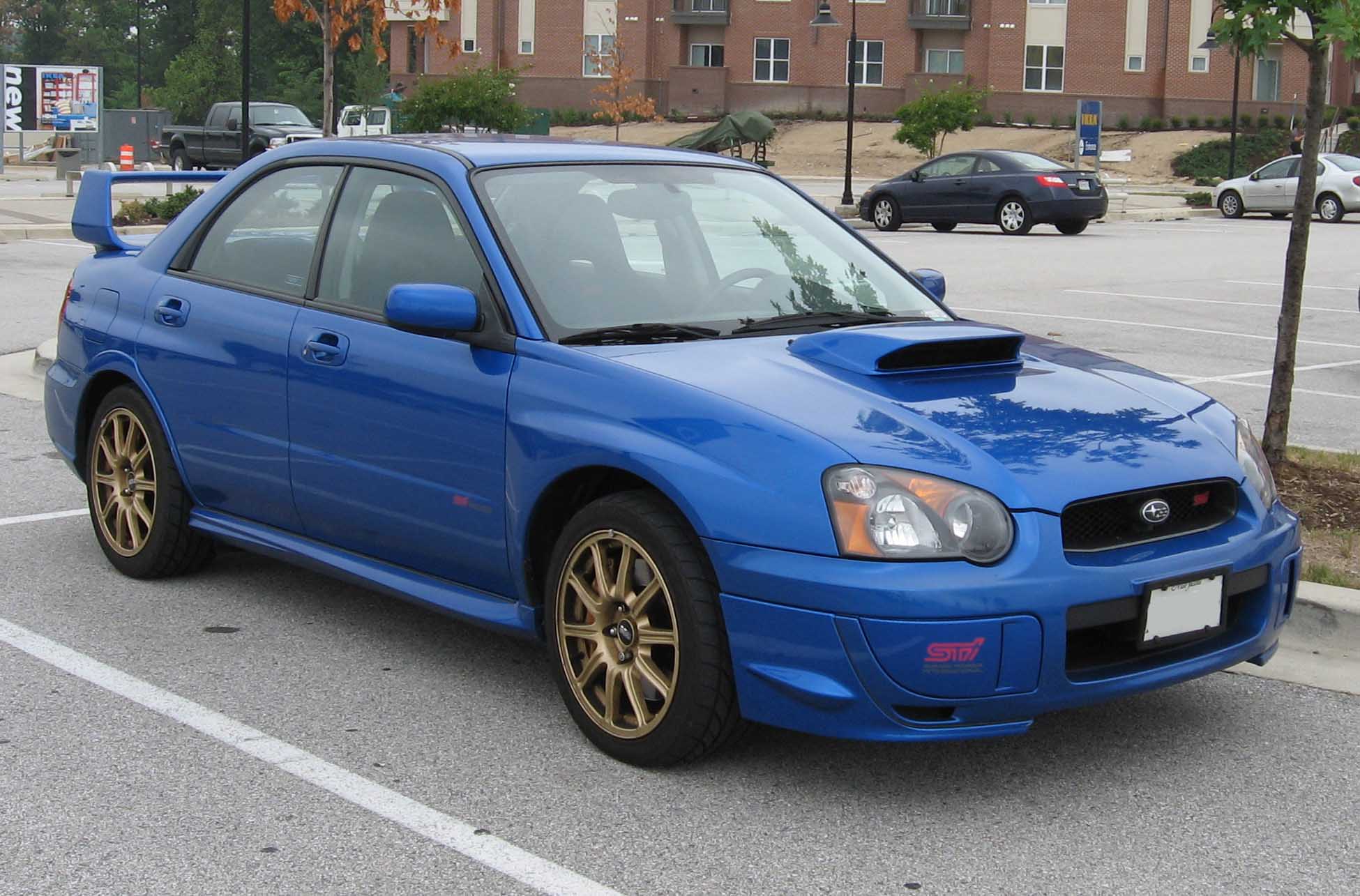
7. Subaru Impreza WRX STI (GC8 & GDB)
The Subaru Impreza WRX STI was a car born from the rally stages and tuned for the real world. While the GC8 chassis marked the first official WRX STI, it was followed closely by the GDB generation, both of which made massive contributions to JDM’s presence in motorsports and street culture alike.
With turbocharged flat-four engines, all-wheel drive, and rally-bred DNA, these cars proved that grip and traction could be just as exciting as sliding sideways. They were fast in all conditions, reliable under pressure, and carried a very distinct look that separated them from the rest of the JDM pack.
The WRX STI rose to fame due to its rally success. In the hands of drivers like Colin McRae and Petter Solberg, the car achieved massive wins in the World Rally Championship. These victories weren’t just celebrated by motorsport fans, they echoed through the streets.
Suddenly, a car that looked similar to what you could buy at a dealership was winning on the world stage. That created an emotional connection for enthusiasts. The STI wasn’t just a race car, it was your car, and that sense of pride translated into fierce loyalty among fans.
These Subarus were built to handle tough conditions, whether it was snow, gravel, or tarmac. The symmetrical all-wheel drive system and low center of gravity, thanks to the boxer engine, gave the WRX STI handling characteristics that set it apart from front-drive competitors or even rear-drive sports cars.
You could drive it hard in the rain, blast through a mountain road, or take it to the track without ever worrying about traction. This practicality mixed with performance made it a favorite for people who wanted a fast, usable car year-round.
What tied the WRX STI to JDM culture wasn’t just its capabilities but the community it created. Subaru owners are known for being fiercely passionate, and the STI fostered meetups, forums, and garage builds across the world.
Whether you were doing a turbo swap, building for rallycross, or just enjoying the stock performance, there was pride in being a Subaru guy. The STI showed that JDM wasn’t just about drift cars or highway racing, it also meant rally grit, boost, and blue paint with gold wheels.
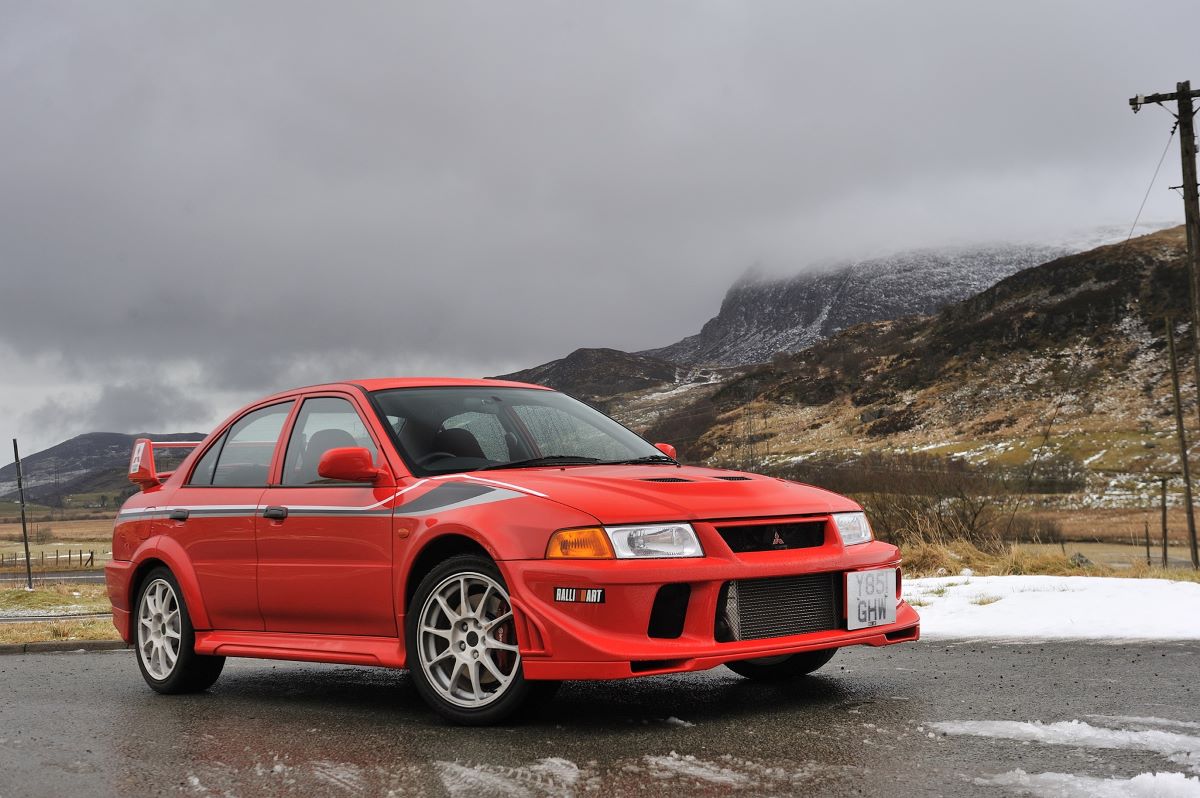
8. Mitsubishi Lancer Evolution (Evo VI–IX)
The Mitsubishi Lancer Evolution series, especially from the Evo VI through IX, played a critical role in showing how advanced engineering and rally DNA could be distilled into a street car. Like its Subaru rival, the Evo was developed through motorsport, featuring all-wheel drive, aggressive turbocharging, and a focus on precise handling.
But where the WRX STI leaned slightly toward stability and driveability, the Evo was sharp, raw, and built for attack. It felt like a street-legal Group A rally car, which is exactly what it was originally meant to be.
Each generation brought with it improvements in chassis stiffness, aerodynamics, and electronic aids like AYC (Active Yaw Control), which helped rotate the car mid-corner. The 4G63 engine, a turbocharged inline-four, was another icon. Known for its durability and tuning capability, it became a staple for builders looking to extract big power from a compact package.
Tuners found that the Evo’s drivetrain could take a beating, and many built their cars for drag, time attack, or simply backroad thrashing. You didn’t need to spend six figures to get serious performance; Mitsubishi had already done the hard work.
The aggressive design of the Evo, with its big wings, vented hoods, and flared fenders, made it instantly recognizable. While earlier versions looked more like typical sedans, the VI to IX models wore their performance DNA on their sleeves. The styling wasn’t about being pretty; it was about function.
Every scoop and vent had a purpose, and that honesty in design resonated with car fans who appreciated engineering over luxury. The car looked fast because it was, and that aesthetic became a trademark of the Evo’s identity.
Culturally, the Evo became a symbol of precision and aggression. It was the car of choice for serious tuners who wanted performance over flash. You didn’t drive an Evo to cruise, you drove it to win.
The Evo represented a no-nonsense side of JDM, one where engineering came first and everything else came second. For many fans, it wasn’t just a car, it was a challenge to become a better driver. And for JDM as a culture, that kind of intensity and purpose helped define its legacy.
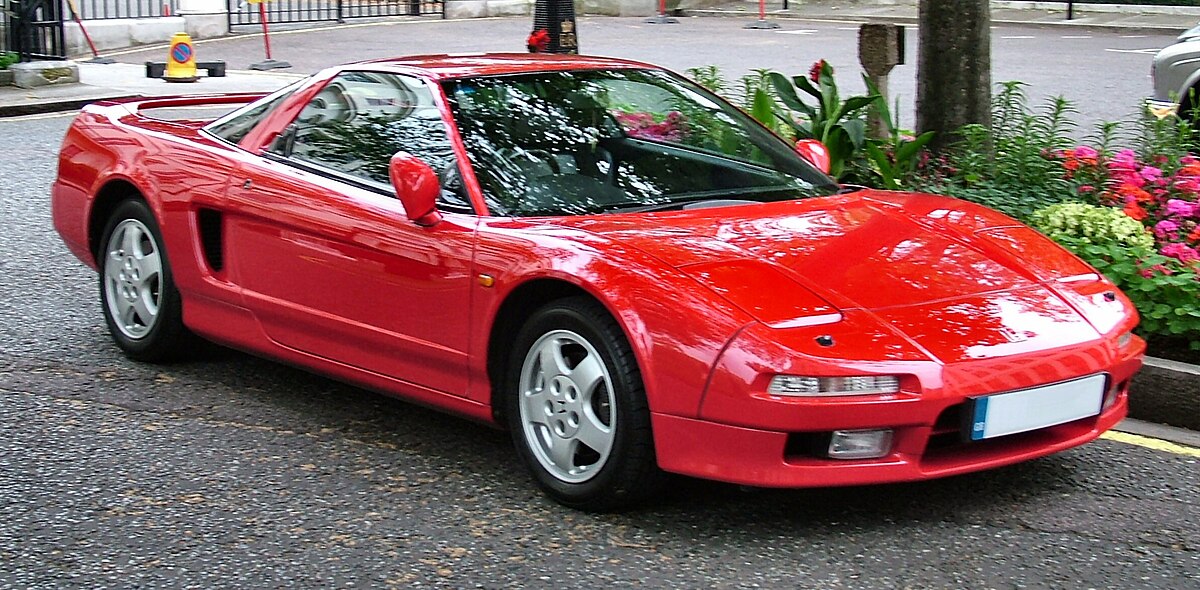
9. Honda NSX (NA1/NA2)
The Honda NSX, launched in 1990, was Japan’s answer to the exotic sports cars of Europe. But rather than trying to simply replicate what companies like Ferrari or Porsche were doing, Honda approached the NSX with its own philosophy, one rooted in precision, balance, and daily usability.
Developed with input from Ayrton Senna during his time as a McLaren-Honda Formula 1 driver, the NSX was the first mass-produced car to feature an all-aluminum monocoque chassis. The result was a lightweight, mid-engine machine that offered incredible structural rigidity without the complexity or fragility of traditional supercars.
One of the NSX’s most praised features was how approachable it was. While it delivered high performance with its naturally aspirated V6 and razor-sharp handling, it was also reliable, refined, and easy to live with. You didn’t need to be a seasoned racer to enjoy it.
Unlike many European exotics that were known for mechanical temperaments, the NSX started every time, had good visibility, and didn’t punish its driver with unpredictable quirks. It made supercar ownership feel accessible without sacrificing the thrills that people expected from such a machine. That balance made it a standout, not just among Japanese cars, but among all performance vehicles of the era.
The NSX’s impact on JDM culture wasn’t as loud as some of the other cars on this list, but it was just as deep. It set a new bar for what Japanese engineering could achieve. It showed that a car didn’t have to scream to be fast, it could whisper and still win. Tuners often left the NSX largely stock because it was so well balanced to begin with.
Others experimented with forced induction, widebody kits, or even track-prepped builds, but even then, the core of the car, the driver-first experience, remained unchanged. It became a benchmark for balance, a goal that many other builders and tuners strived to reach.
Culturally, the NSX changed perceptions. Before its release, the idea of a Japanese supercar was almost laughable to many outside Japan. After the NSX, that laughter turned to admiration. JDM wasn’t just about tuning economy cars or dominating underground street scenes; it was about world-class design, technology, and innovation.
The NSX helped Japanese cars earn global respect not only through speed, but through restraint, intelligence, and sophistication. It reminded the world that Japanese automakers could challenge the best, and do it their own way.
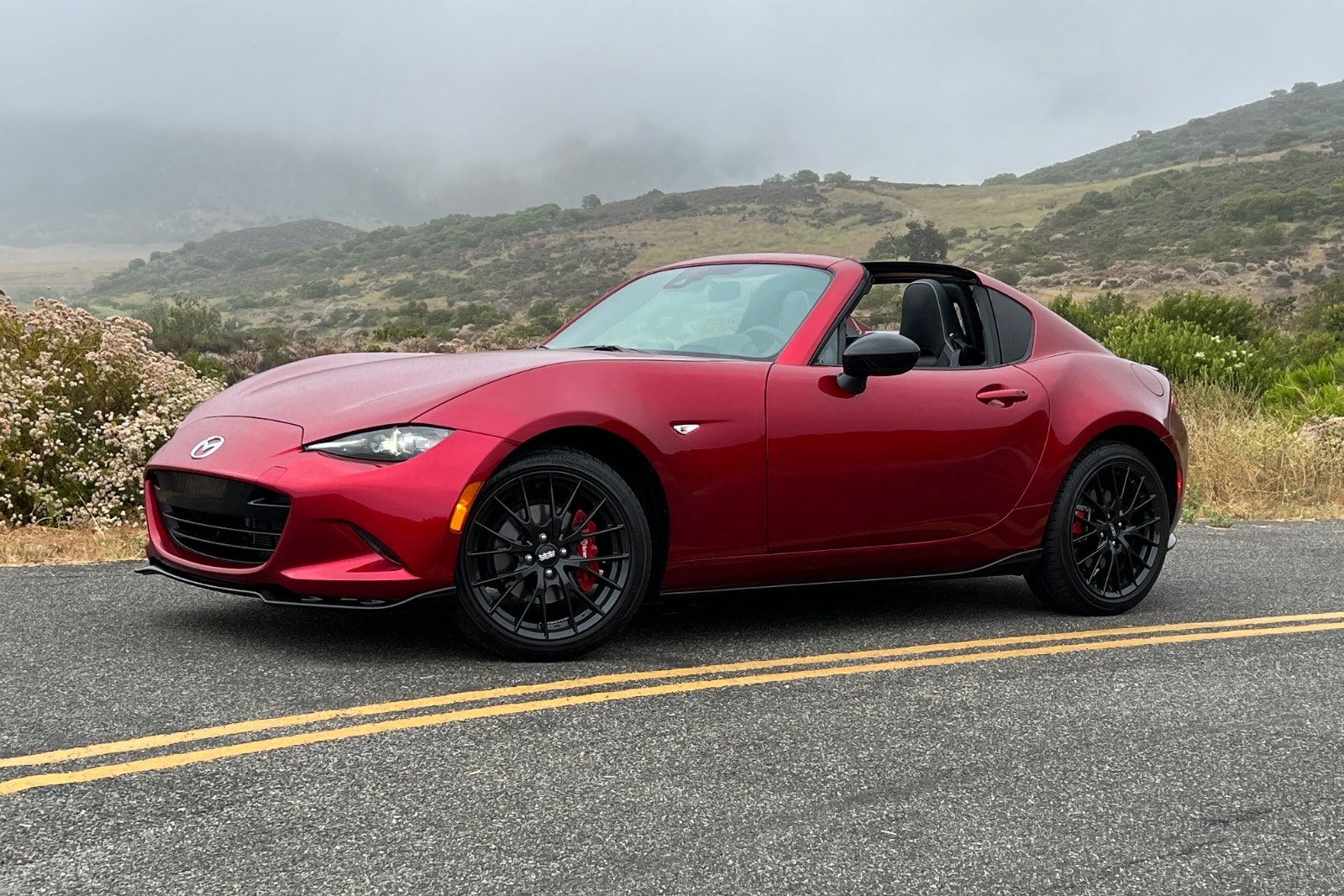
10. Mazda MX-5 Miata (NA/NB)
Few cars have done more to popularize driving fun across a wide spectrum of enthusiasts than the Mazda MX-5 Miata. When it launched in 1989, the NA Miata was a return to the small, lightweight roadsters that had largely disappeared from the market.
Inspired by classic British sports cars but infused with Mazda’s philosophy of reliability and balance, the Miata quickly became one of the most beloved cars in history. It wasn’t about brute force or top speed; it was about joy. And that joy became a cornerstone of JDM culture, especially for drivers who valued feel over flash.
The Miata’s charm came from its simplicity. A small, rev-happy inline-four engine up front, a manual transmission in the middle, and power to the rear wheels. It had a near 50/50 weight distribution, light curb weight, and a communicative chassis.
These elements combined to make a car that was easy to drive but hard to master, one that rewarded skill and punished sloppiness most satisfyingly. Track days, autocross events, and mountain runs all became the Miata’s playground. It wasn’t intimidating, and that’s exactly what made it so effective as a driver’s car.
From a tuning perspective, the Miata offered surprising flexibility. While some purists kept them stock or only slightly modified for better suspension and grip, others went wild with engine swaps, turbo kits, roll cages, and even widebody conversions.
The affordability of the platform meant that young enthusiasts could build their ideal machine without emptying their bank accounts. It became a grassroots icon, featured in countless events, YouTube builds, and car meets. The community surrounding the Miata has always been welcoming and inclusive, which further strengthened its place within the JDM world.
What solidified the Miata’s place in JDM culture was its philosophy: fun first. It wasn’t about ego or horsepower wars; it was about connecting with the road. It reminded drivers that a car didn’t need to be aggressive to be great.
For many, it was their first sports car, their entry into the JDM scene, or the car they returned to after trying everything else. The Miata became more than just a machine; it became a friend. And in a culture so deeply rooted in emotional connection with cars, few vehicles embodied that bond more fully.
