
Electric vehicles have steadily pushed their way into the mainstream, not just as a symbol of environmental responsibility but also as practical, long-term automotive solutions. Among the most critical elements in determining an EV’s reliability and lifespan is its battery.
Battery degradation is a primary concern for potential EV buyers. It can influence range, performance, and long-term value. Yet, over the last decade, several manufacturers have released models that buck expectations, showing minimal battery degradation even after years of use. These vehicles are not just holding up well in real-world conditions; they are helping to build trust in electric mobility for a broader audience.
Battery longevity isn’t just about chemistry. It’s also tied to thermal management systems, charging habits, usage cycles, and software optimizations. Some carmakers have invested heavily in thermal regulation systems that prevent batteries from overheating or becoming too cold, which plays a crucial role in how long the battery retains its capacity.
Others have opted for less aggressive fast-charging strategies, sacrificing speed for preservation. Additionally, the software that controls charging limits, power delivery, and regeneration has matured to the point where it makes a noticeable difference in battery wear and tear.
A handful of electric cars on the market today show consistently low battery degradation rates, even in high-mileage situations. These are vehicles that owners keep for hundreds of thousands of miles, often reporting only minor dips in range. They represent what’s possible when engineering, software, and battery design work together.
While no battery lasts forever, these EVs stretch the limits far enough that owners are less likely to feel anxious about long-term degradation. That kind of confidence can shift public perception, making EV adoption less about compromise and more about a smart investment.
This article looks at ten electric vehicles that stand out for their resilient batteries. These models aren’t necessarily the flashiest or fastest, but they consistently earn praise from drivers and analysts alike for how well their batteries age. In many cases, the battery’s ability to hold its charge across years of use has made these EVs leaders in both resale value and owner satisfaction.
Also Read: 5 Ford Trucks That Run Forever and 5 That Should’ve Been Recalled
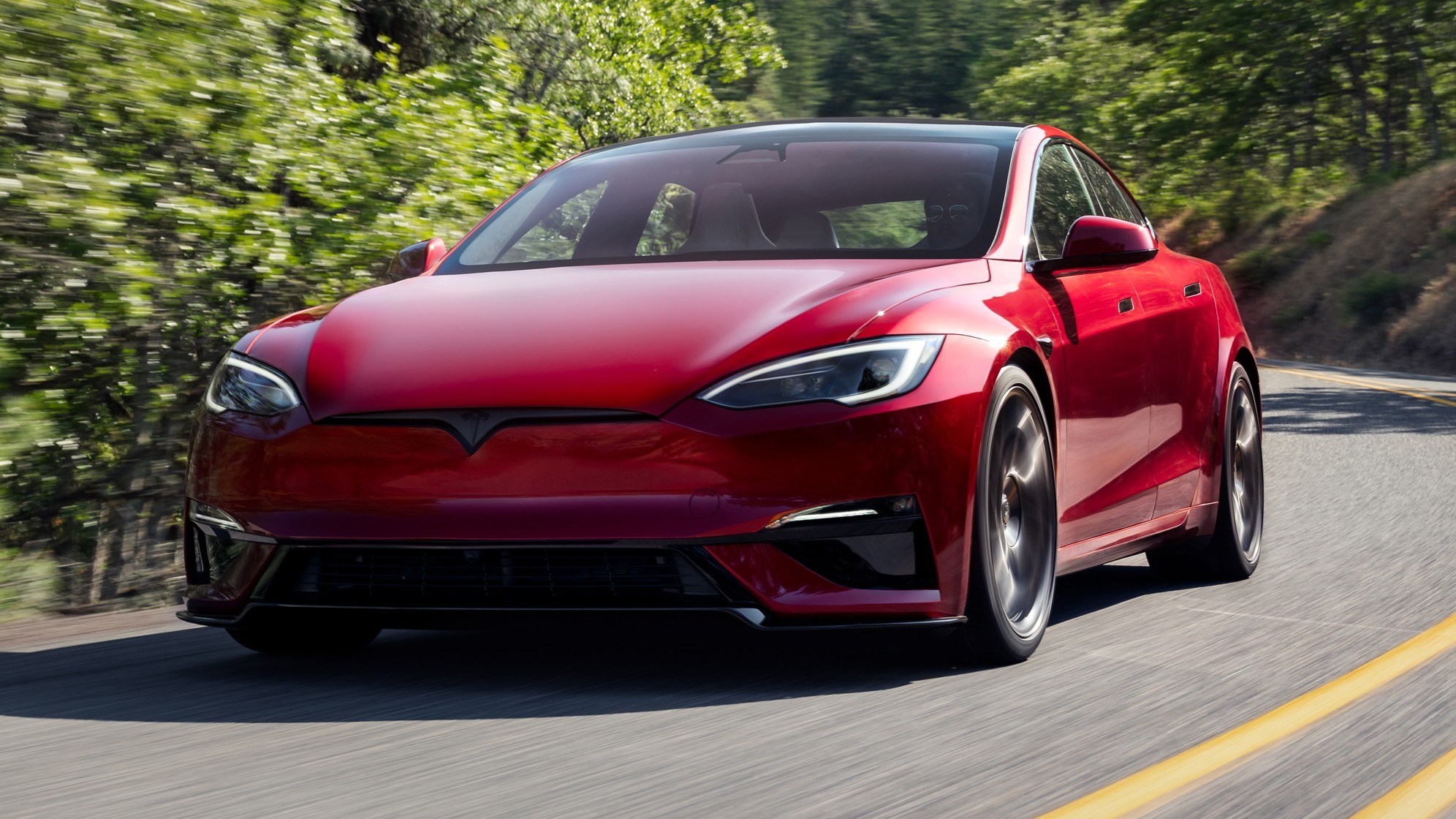
1. Tesla Model S
The Tesla Model S has been on the road since 2012, and over the years, it has developed a reputation for not just range and performance but also durability. One of the key aspects that has kept this model ahead of many competitors is its battery resilience.
Some early Model S vehicles have crossed 300,000 miles with only minor battery degradation, typically less than 10% of the original capacity. This makes the Model S one of the longest-lasting EVs in terms of usable battery life.
Tesla’s battery management system plays a big role here. It continuously monitors each cell’s temperature and health, redistributing energy as needed and ensuring thermal balance across the pack.
The Model S uses an active liquid cooling system that prevents the battery from overheating under stress or freezing in colder climates. That level of thermal regulation has been essential in helping the battery retain capacity year after year, even in extreme environments.
Software updates have also played an essential role in battery longevity. Tesla pushes over-the-air updates to improve efficiency, adjust charging parameters, and optimize performance without requiring a visit to a service center.
These updates aren’t just about performance boosts; they often include tweaks that protect the battery by regulating charging behaviors and preventing unnecessary stress on the pack. Tesla has taken a proactive approach to battery maintenance through software, and it’s made a big difference in how the Model S ages.
Another factor is the Model S’s conservative approach to rated range. While it offers excellent mileage per charge, Tesla doesn’t allow drivers to access 100% of the battery’s physical capacity. A buffer is built into the top and bottom of the battery to prevent overcharging and deep discharging, both of which can shorten battery lifespan.
This hidden margin adds another layer of protection and contributes to the Model S’s excellent track record for long-term battery performance.
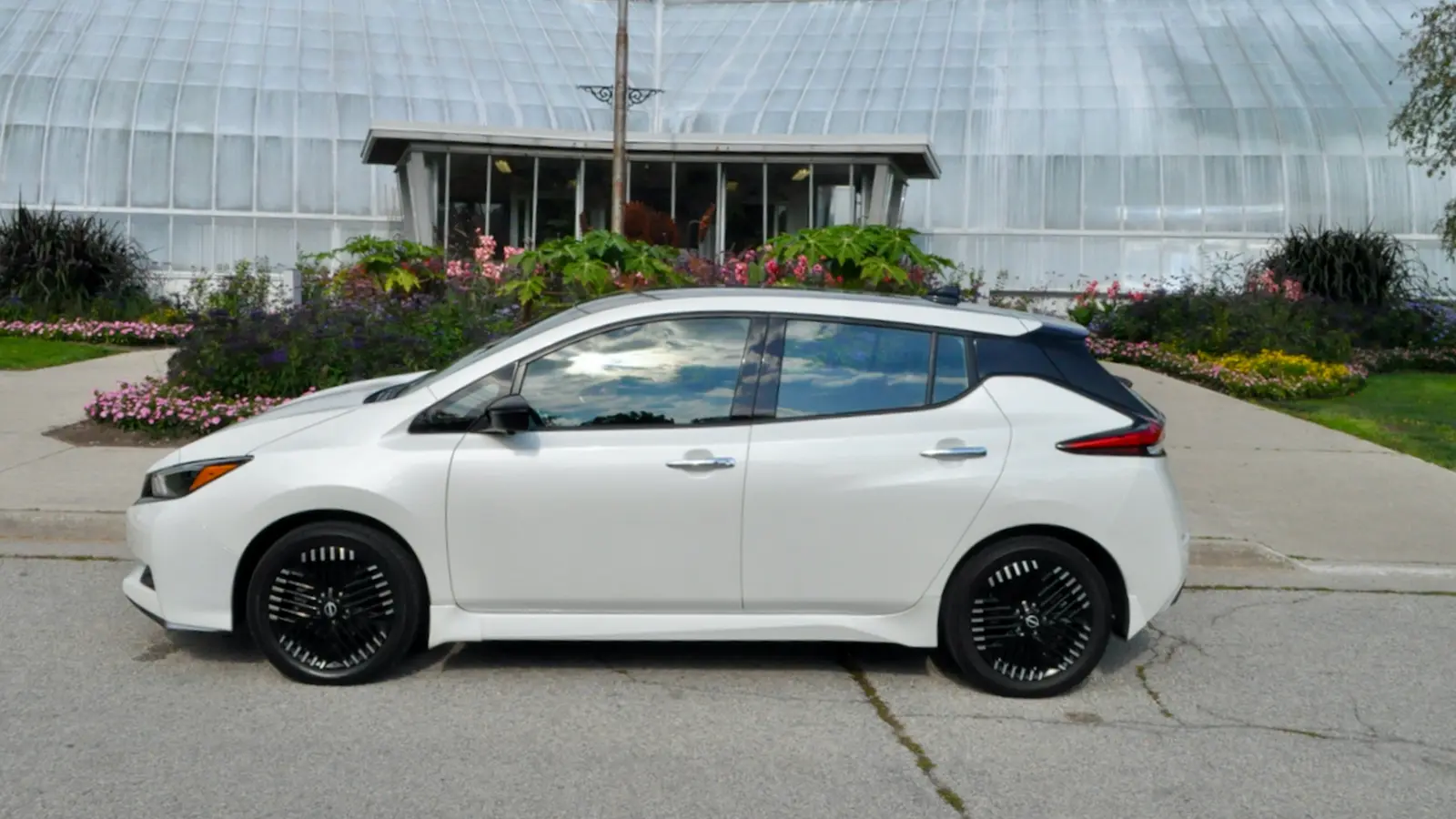
2. Nissan Leaf
The Nissan Leaf was one of the first mass-market electric vehicles, and it quickly became a popular choice for drivers looking to make the switch from gasoline. Early models, especially those produced before 2015, faced criticism for lacking a thermal management system, which led to accelerated battery degradation in hot climates.
However, newer versions of the Leaf have improved significantly, and many owners now report consistent battery performance over time.
One major reason for the newer Leaf’s improved battery health is the introduction of a more robust battery chemistry and better software controls. While it still lacks active liquid cooling, the newer battery packs are more heat-resistant and can withstand higher temperatures without the same level of degradation that plagued earlier models. Nissan also made adjustments to charging rates to help limit the thermal stress placed on the battery during fast charging.
Many Leaf owners use their vehicles for short commutes and consistent daily driving, which creates predictable charge and discharge cycles. This kind of steady use is generally healthier for a battery than irregular deep discharges or frequent rapid charging.
As a result, even though the Leaf might not have the advanced cooling systems found in some competitors, its battery can hold up well under the right conditions and driving habits.
Another important point is Nissan’s battery warranty, which covers the battery for 8 years or 100,000 miles against excessive capacity loss. This coverage has given buyers peace of mind and shows Nissan’s confidence in the durability of their improved battery packs.
For those who live in milder climates and manage their charging habits well, the Leaf has shown that it can be a dependable long-term EV with a battery that resists fading far better than earlier generations suggested.
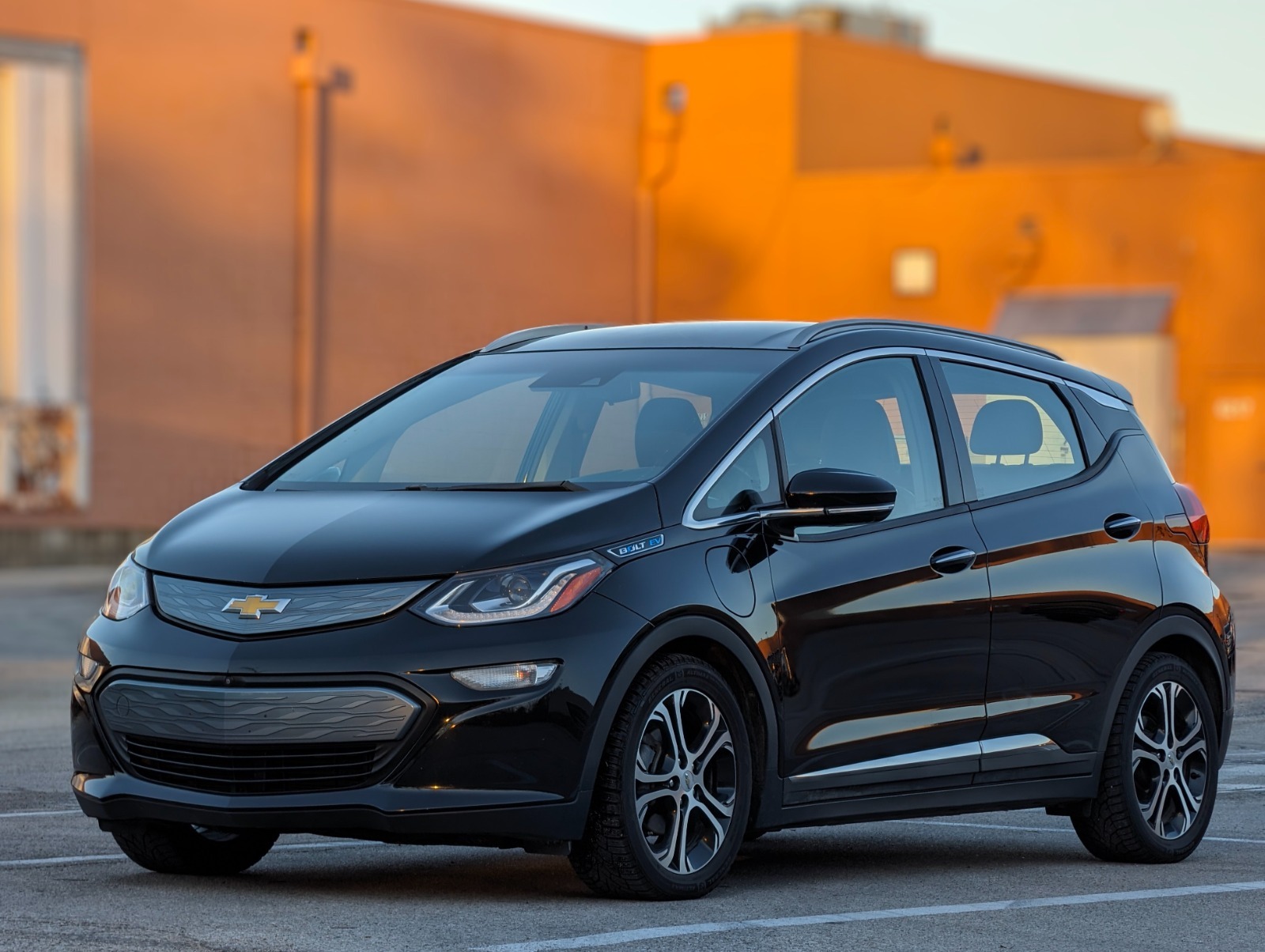
3. Chevrolet Bolt EV
The Chevrolet Bolt EV made waves when it launched by offering a long range at a relatively affordable price. One of the standout features of the Bolt is its battery, which has proven to be surprisingly durable even in older models. Drivers who have owned the car for several years frequently report that their battery capacity remains close to its original state, even after tens of thousands of miles.
GM’s battery management system has proven effective in preserving battery health. The Bolt uses an advanced thermal regulation system that relies on liquid cooling, helping it maintain optimal operating temperatures. This system reduces the chance of overheating, especially during fast charging or in hot climates, which are two common stressors that accelerate battery degradation in electric vehicles.
One of the reasons the Bolt has earned praise is that it balances charging speed and battery preservation. It’s not the fastest-charging EV on the market, and that’s intentional.
The slower charging curve during DC fast charging reduces stress on the battery and contributes to its long life. For owners, this means fewer worries about degradation even if they occasionally fast charge on road trips or during busy weeks.
Chevrolet’s decision to offer battery replacements for early Bolt models during the recall also gave some owners brand-new packs, essentially resetting the degradation clock. However, even among those who kept their original batteries, degradation rates have remained low.
The Bolt’s battery is a good example of how thoughtful design and balanced performance can result in long-term reliability without compromising daily usability.
4. Hyundai Kona Electric
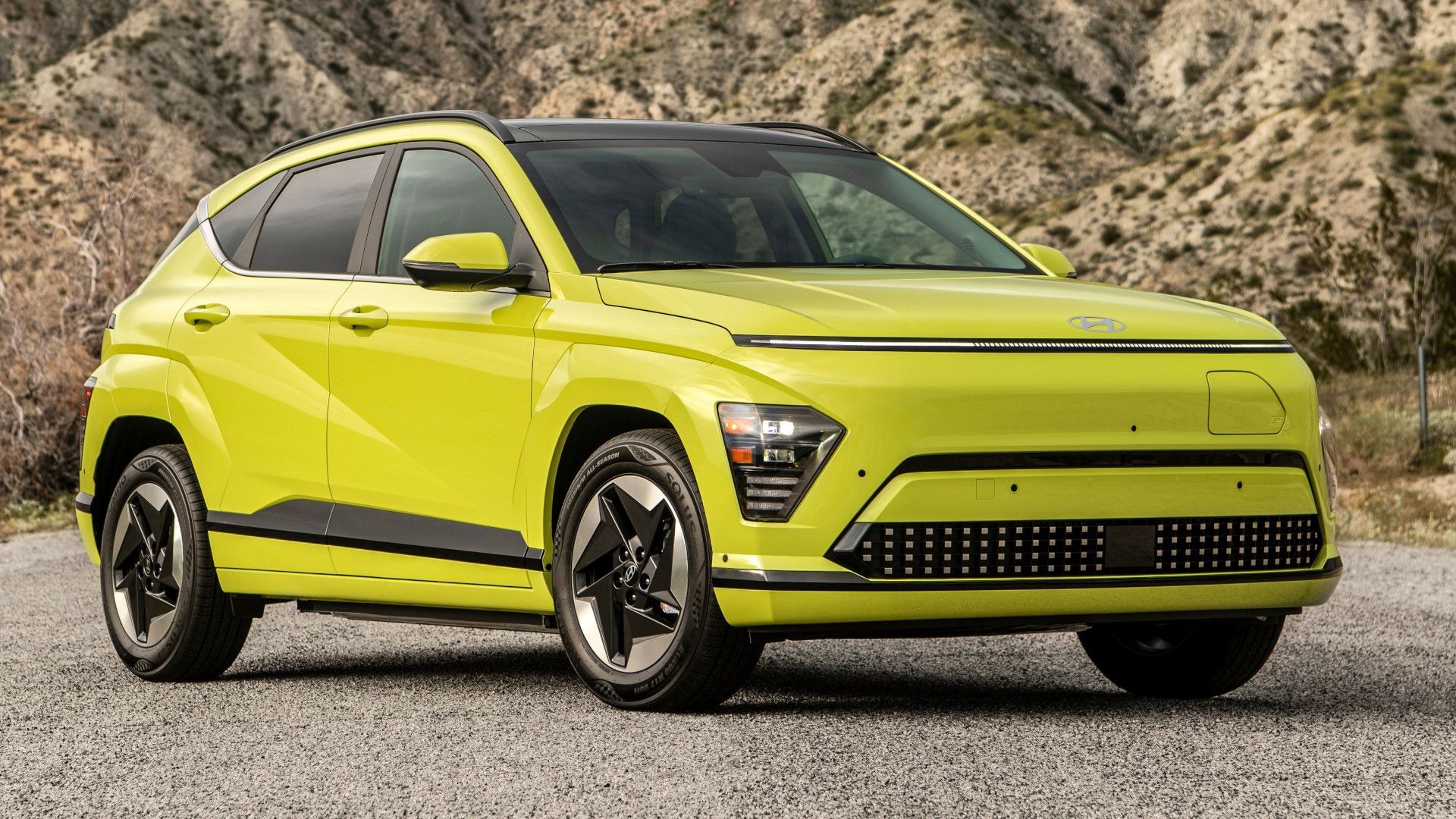
Hyundai’s Kona Electric entered the market quietly but quickly earned a reputation for range, efficiency, and battery durability. Built with a 64 kWh battery pack, the Kona Electric regularly achieves real-world ranges that rival much more expensive models. More importantly, owners have noticed that the vehicle holds onto that range well over time.
The Kona Electric’s battery benefits from a robust liquid-cooled thermal management system that controls the temperature across different cells.
This consistency helps prevent hotspots and uneven wear, which are two of the leading causes of early degradation. Even under regular use, with a mix of city and highway driving, the battery tends to show only a small drop in capacity after several years.
One feature that helps the Kona’s battery age slowly is the car’s regenerative braking system, which allows for energy to be recovered smoothly and without pushing the battery too hard. This system gives drivers the ability to use one-pedal driving in many situations, which not only improves energy efficiency but also reduces strain on the pack. That mechanical sympathy pays off over time by preserving battery health.
Additionally, Hyundai has made improvements in charging strategies, ensuring the battery is not overworked during rapid charging sessions.
The charging curve is conservative, and the car includes options to limit maximum charge percentages, an easy way for owners to prolong battery life. Combined with Hyundai’s generous battery warranty, the Kona Electric stands out as a durable option for drivers who want a long-lasting EV.
5. BMW i3
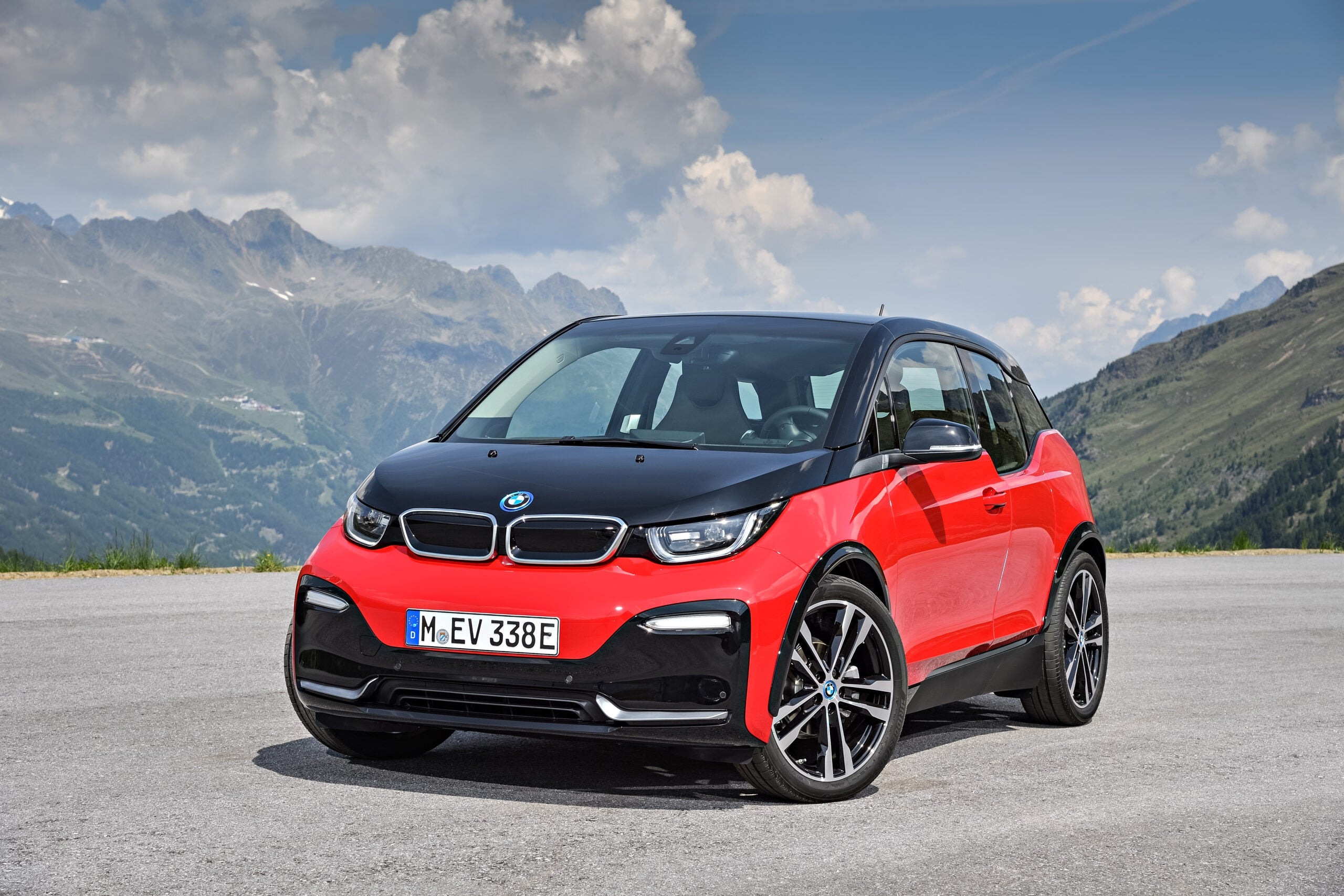
The BMW i3 is one of the most distinctive electric cars ever made, both in terms of design and engineering. It launched in 2013 and was among the first premium compact EVs. Despite its early arrival in the EV market, the i3 has stood the test of time when it comes to battery longevity. Many owners of older i3 models have reported low degradation, even after high mileage and frequent use.
One key reason for the i3’s durability is its careful thermal management system. BMW equipped the car with a liquid-cooled battery that maintains a steady operating temperature.
Whether driven in cold winters or hot summers, the battery is protected from the temperature extremes that often lead to early degradation. This consistent temperature control helps each cell age evenly and slowly, extending the usable life of the battery pack.
Another important aspect is BMW’s decision to limit battery use to a narrower state-of-charge window than some other brands. By keeping some buffer at the top and bottom of the battery capacity, the i3 avoids the full charge and deep discharge cycles that can wear out batteries faster. This design philosophy might slightly reduce the real-world range but greatly improves battery health over the long term.
BMW also issued firmware updates to optimize the way the i3 charges and uses its battery, particularly in relation to regenerative braking and power delivery. These software improvements fine-tune how the car interacts with the battery, ensuring it’s neither overworked nor underused.
Combined with the i3’s lightweight construction, which reduces demand on the battery, this approach results in a vehicle whose battery continues to perform reliably even after years of regular driving.
6. Hyundai Ioniq Electric
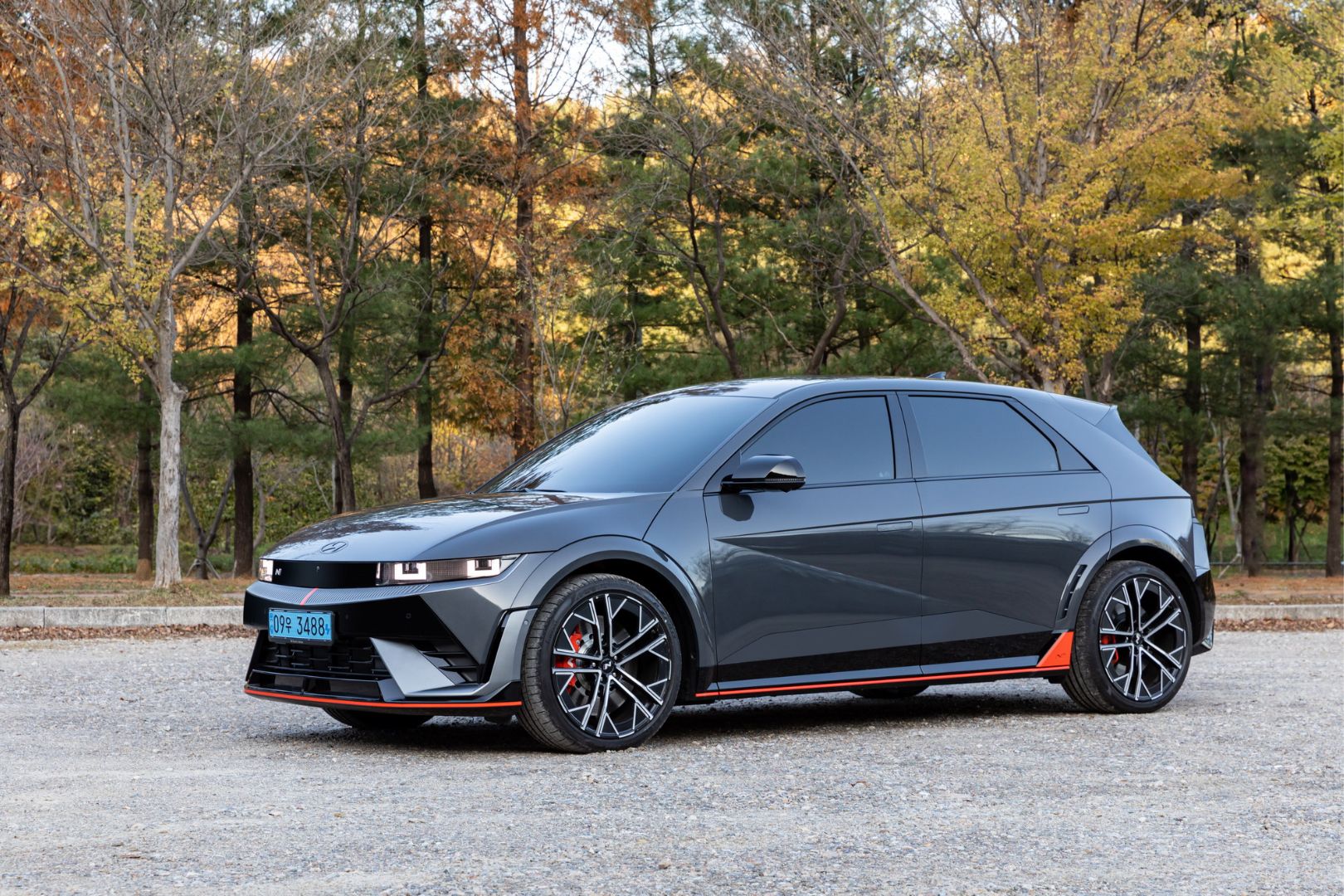
The Hyundai Ioniq Electric often flies under the radar, but it’s one of the most efficient electric vehicles ever produced. Its relatively modest battery size doesn’t stop it from delivering excellent real-world range, thanks to its aerodynamic shape and lightweight structure. Beyond efficiency, the Ioniq Electric is praised for how well its battery holds up over time.
Thermal regulation in the Ioniq Electric is managed with a liquid cooling system that performs effectively across various climates. It keeps the battery pack within the ideal temperature range, whether the car is charging or being driven in demanding conditions. This contributes to a low rate of degradation, even among older models that have seen high mileage.
Hyundai built the Ioniq with a focus on economy and balance rather than raw power, which also helps preserve the battery. The motor’s output is modest, and acceleration is smooth and predictable, placing less strain on the battery during everyday driving.
This consistent power demand allows the battery to age more slowly compared to vehicles that emphasize sporty performance or frequent high-power bursts.
Battery degradation is also mitigated by smart software features that limit full 100% charging unless specifically needed. This default setting is particularly beneficial for drivers who use the car for daily commuting and can charge overnight at home.
By avoiding unnecessary full charges, the battery stays in its optimal range most of the time. As a result, long-term owners often report minimal capacity loss even after several years of use.
Also Read: 5 Ford Trucks That Start Every Time And 5 With Endless Ignition Issues
7. Kia e-Niro
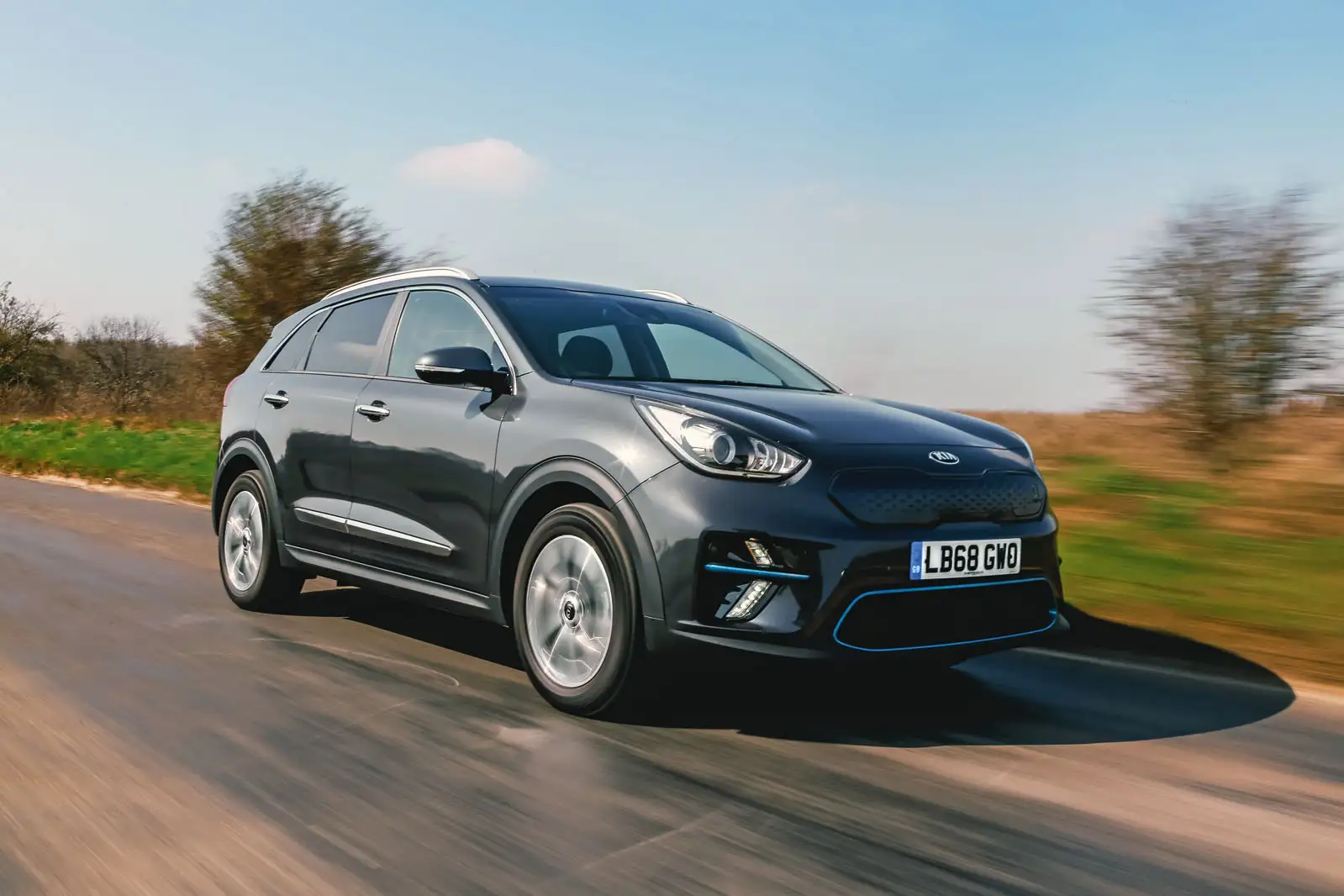
The Kia e-Niro shares its platform and battery system with the Hyundai Kona Electric, which means it also benefits from the same engineering principles that contribute to long-term battery durability. What sets the e-Niro apart is its larger interior space and more practical layout, making it a popular choice for families and long-distance drivers.
The 64 kWh battery in the e-Niro is well protected by a liquid-cooled thermal management system that regulates battery temperature during charging and driving.
This system helps the battery operate efficiently in both hot and cold climates, avoiding the damage that comes from repeated temperature extremes. Because of this, battery degradation is typically low even for e-Niros that are used regularly for long-distance travel.
The e-Niro’s charging management is also designed with longevity in mind. It features adjustable charging limits and provides recommendations for best charging practices through its infotainment system.
These reminders encourage drivers to avoid overcharging or frequent DC fast charging unless necessary, giving them control over how they treat the battery. This flexibility helps extend the battery’s useful life.
Kia’s warranty is another major selling point. It covers the battery for up to 10 years or 100,000 miles, showing the company’s confidence in the battery’s longevity. The owner reports back this up, with many e-Niro drivers maintaining nearly full battery capacity even after 80,000 miles.
These results suggest that the e-Niro is not just efficient and spacious but also among the most reliable EVs in terms of battery performance over time.
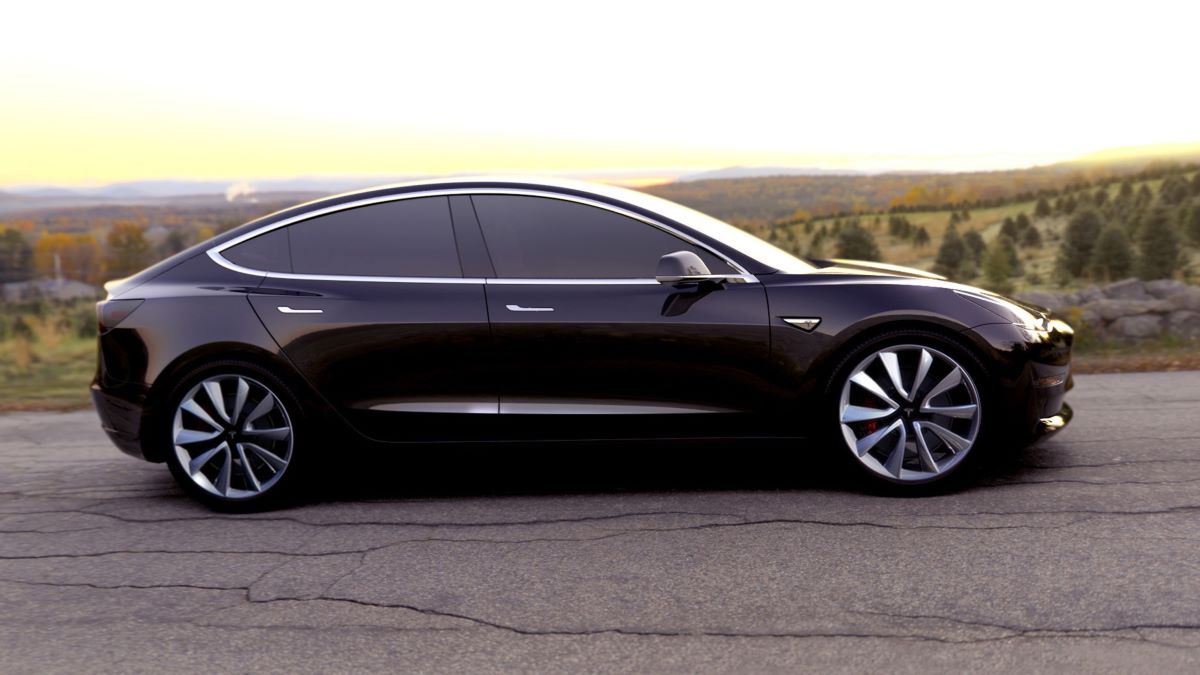
8. Tesla Model 3
The Tesla Model 3 has become one of the most popular electric cars in the world, and part of its success lies in its combination of range, performance, and battery durability. Since its release in 2017, the Model 3 has demonstrated strong battery retention even in vehicles that have racked up well over 100,000 miles.
Tesla uses the same core battery management strategies in the Model 3 as it does in the Model S. The Model 3 features a sophisticated cooling system and smart software that monitors and manages battery health at a cell-by-cell level.
This combination allows the car to handle both daily commutes and longer road trips without significant battery wear. Over-the-air updates help optimize this system regularly, improving battery efficiency and reducing degradation.
One advantage of the Model 3 is that it includes the ability for users to customize how the battery is charged. Owners can limit the charge percentage for daily use, avoiding full 100% charges unless preparing for a long trip. These tools help drivers take better care of their batteries and are especially useful for those who want to maximize the vehicle’s long-term health.
Data from real-world usage shows that battery degradation in the Model 3 is typically around 5–10% after 100,000 miles, which is well within industry expectations and indicates strong durability. This performance, combined with the car’s relatively low cost compared to earlier Teslas, makes the Model 3 a standout choice for drivers who want a dependable EV that won’t lose range quickly over time.
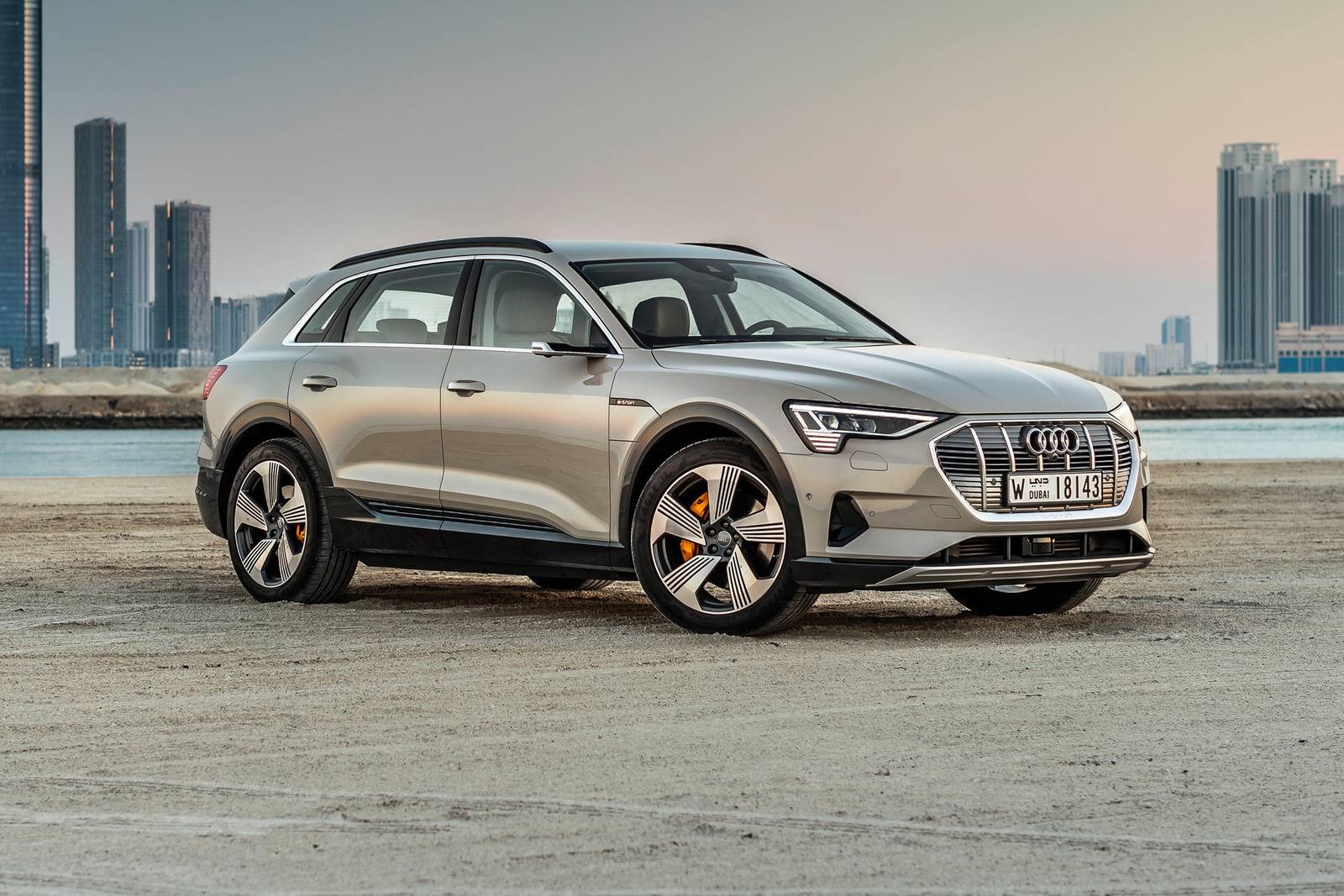
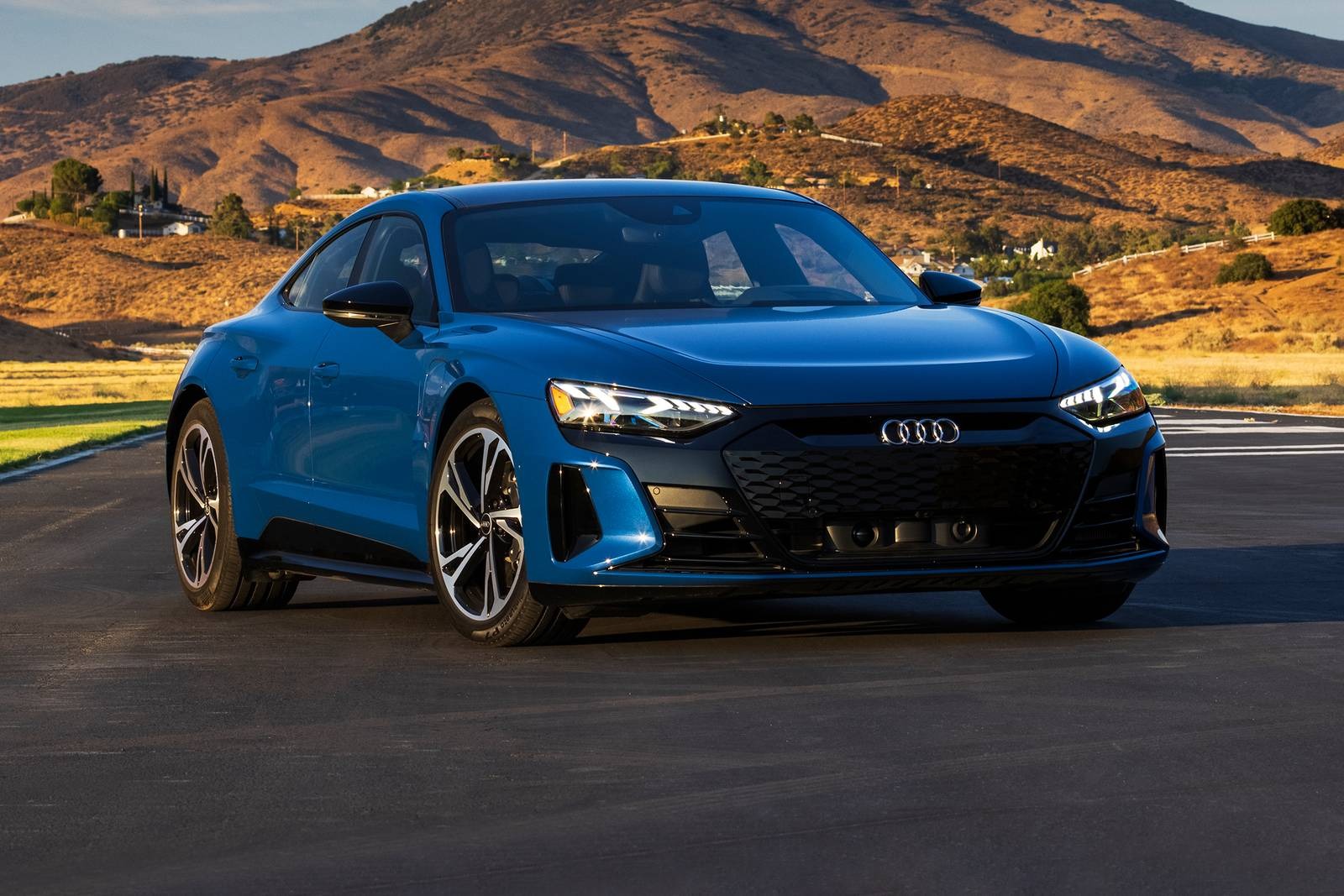
9. Audi e-tron
The Audi e-tron was Audi’s first serious entry into the EV space, and it arrived with a heavy focus on comfort, luxury, and refined engineering. While it may not boast the longest range in its class, what it does exceptionally well is manage its battery health.
Audi has taken a very cautious and deliberate approach to how the e-tron uses its battery, and the result is a vehicle that resists degradation more effectively than many of its rivals.
A central reason for the e-tron’s impressive battery longevity is the way Audi has programmed its usable battery capacity. Unlike some competitors that give you access to nearly the entire battery, the e-tron only allows access to roughly 86-88% of the total capacity.
The e-tron’s thermal management system is also among the best in the segment. It uses a complex liquid cooling system that is designed not just for the battery but also for the electric motors and electronics. This holistic approach ensures that every key component stays within its optimal operating temperature range, regardless of driving conditions.
Whether you’re stuck in traffic on a summer day or using fast charging in winter, the battery is kept in a stable state. This plays a massive role in reducing long-term stress on the battery, which helps retain performance and range.
Audi has also built the e-tron with a focus on consistent performance, even under strain. The vehicle doesn’t throttle power dramatically during extended acceleration, and it avoids sudden drops in range estimation. This consistency is partially due to how the vehicle uses the battery and partially due to Audi’s engineering philosophy.
Rather than pushing limits for range numbers, Audi seems to have prioritized durability and user confidence. As a result, the e-tron has proven to be one of the most reliable luxury EVs when it comes to battery degradation, offering peace of mind to those who plan to keep their vehicle for many years.
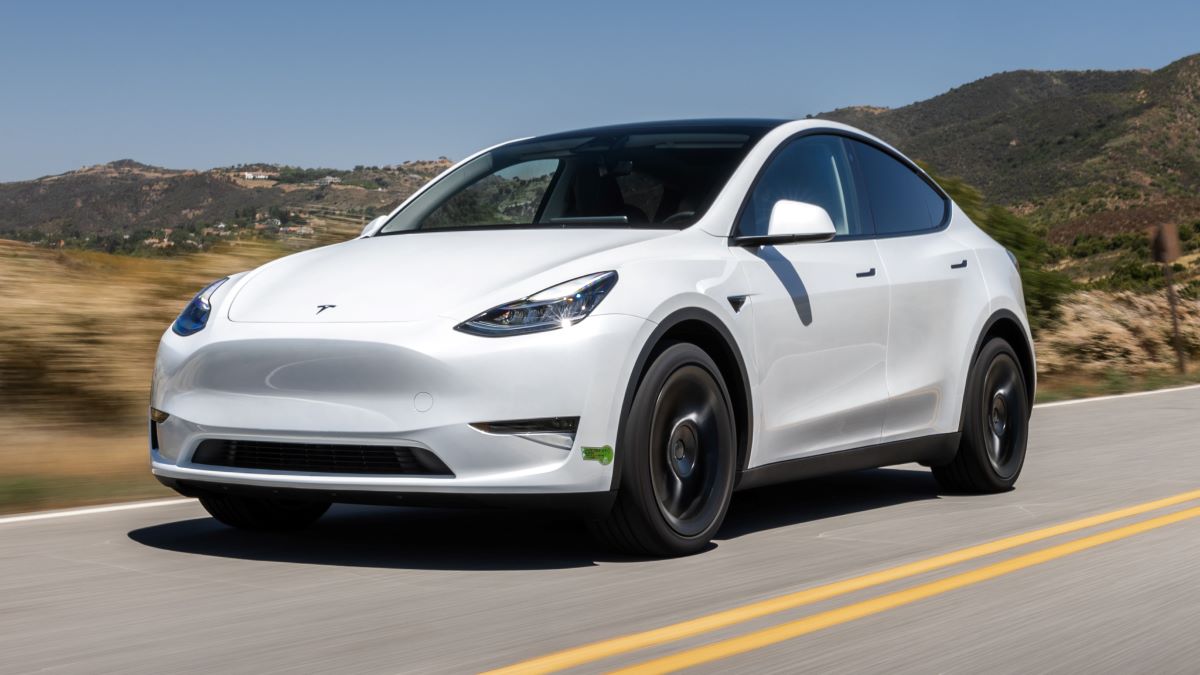
10. Tesla Model Y
The Tesla Model Y shares much of its platform and battery technology with the Model 3, but its slightly larger size and popularity make it a vehicle worth considering separately.
It has quickly become one of the best-selling EVs in multiple markets, and one of the major factors behind that success is how well the battery holds up under daily use. Like its siblings, the Model Y continues Tesla’s trend of robust battery management and forward-thinking software integration.
One of the biggest advantages the Model Y has is its heat pump system, introduced as a more efficient way to manage cabin and battery temperature. This system helps the battery stay within the optimal temperature range more consistently than older resistance-based systems, especially in colder climates.
That alone reduces the strain on the battery and slows the degradation process. It also means the car doesn’t lose range as dramatically in cold weather as some competitors, giving it an advantage in year-round usability.
Tesla has also refined its charging algorithms to be both efficient and gentle on the battery. Frequent fast charging is often a major factor in battery wear, but Tesla’s Supercharger network is tuned in a way that gradually adjusts charging speed based on battery temperature and charge level.
When combined with user-selectable charge limits for daily use, the Model Y gives owners the tools to keep battery wear under control without compromising convenience. Many owners who follow these recommendations report only minor degradation after tens of thousands of miles.
What also sets the Model Y apart is the real-world data from Tesla owners around the world. Thousands of data points have been shared through apps and forums, and the trend is consistent: the Model Y tends to retain about 90-95% of its battery capacity after 100,000 miles or more.
That’s impressive by any standard, especially for a vehicle that often serves as a family car and sees daily heavy use. It’s this combination of advanced software, temperature control, and user-focused features that helps the Model Y stand out.
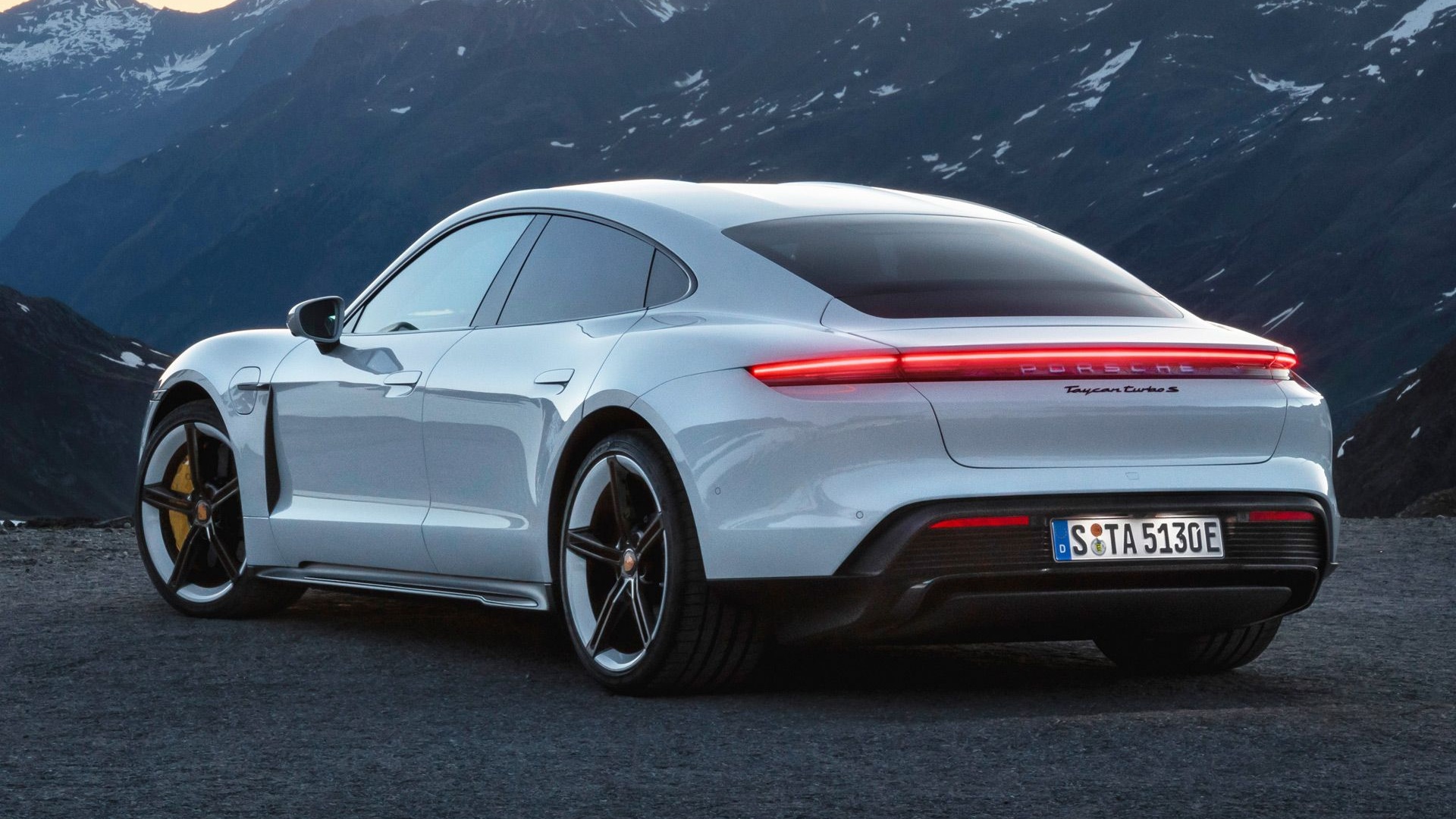
11. Porsche Taycan
The Porsche Taycan entered the electric vehicle market with the kind of high-performance promise one expects from a brand like Porsche. But aside from the blistering acceleration and elegant design, what many might not realize is how well the Taycan is engineered to preserve its battery over time.
Unlike some performance EVs that compromise battery health for quick charging and aggressive driving, the Taycan balances both performance and battery durability through highly refined engineering.
At the core of the Taycan’s battery longevity is its 800-volt architecture. This allows the car to charge faster while generating less heat than typical 400-volt systems found in many other EVs.
Less heat means less thermal stress on the battery, which translates directly into slower degradation. It also means that the Taycan can sustain repeated high-speed charges or spirited driving without the same long-term penalties seen in some performance-focused EVs that operate under higher temperatures.
Another advantage lies in the way Porsche handles charge limits and battery conditioning. The Taycan allows owners to limit the maximum state of charge for daily driving, which helps prevent the battery from reaching 100% too often, a known cause of degradation.
The battery management system is always at work in the background, conditioning the pack before charging and cooling it afterward. This sort of proactive regulation is key to extending battery health, particularly for drivers who frequently use the vehicle’s fast charging capabilities.
Porsche also designed the Taycan’s thermal control system to operate across multiple components, not just the battery. This comprehensive approach ensures even wear across the entire system, which minimizes the chances of any one area being overworked.
Early reports from long-term owners and fleet testers show that battery degradation remains low even with consistent high-speed driving and charging. That’s a strong endorsement for a vehicle that combines daily usability with thrilling performance, all while protecting one of its most valuable components.
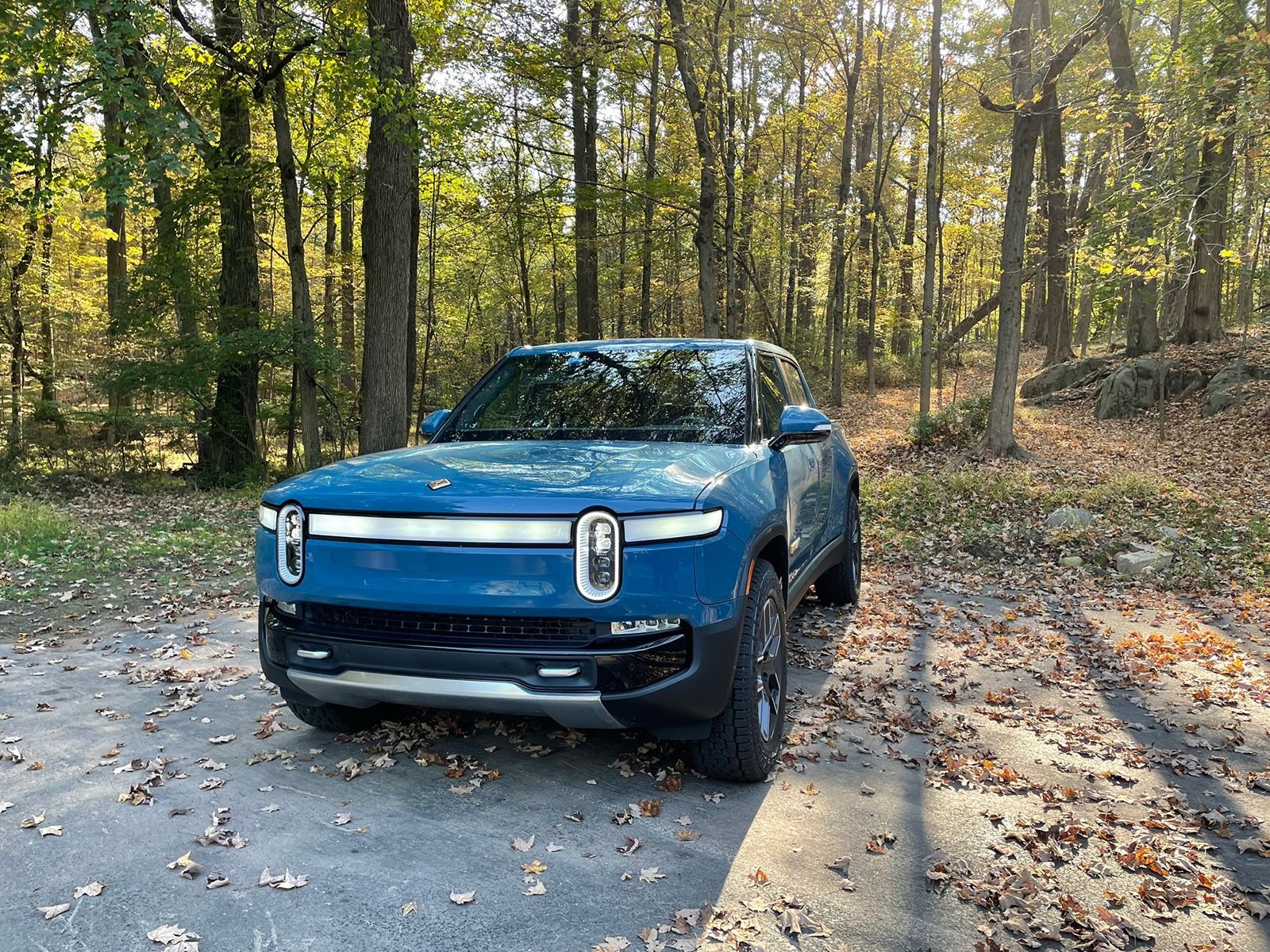
12. Rivian R1T
The Rivian R1T is a relatively new player in the electric vehicle space, but it has already built a reputation for being rugged, capable, and smartly engineered. Rivian didn’t just aim to build a flashy electric truck; they focused on making one that can handle real-world abuse, whether it’s towing, off-roading, or long-distance travel. Central to that mission is a battery that can take a beating and still deliver dependable performance for years.
One of Rivian’s core design strategies was building a battery pack with durability in mind. It features a liquid-cooled system that actively manages heat under extreme loads like steep climbs or extended towing.
Off-road situations and heavy hauling put consistent strain on an EV battery, yet the R1T’s thermal management ensures that the battery cells stay within optimal operating temperatures. That allows the vehicle to sustain tough usage without putting its long-term battery health at risk.
Rivian also limits the usable battery capacity in a way that preserves cell integrity. This means drivers aren’t accessing the full physical range of the battery, but they gain longevity in return. The battery pack is designed to prevent deep discharge cycles and protect against overcharging.
Rivian’s software is constantly updating to optimize this process, allowing for continuous refinement in how the system responds to real-world driving conditions. These updates help reduce degradation over time, especially for users who live in harsh climates or use the vehicle for frequent off-road trips.
Although Rivian is still a young company, early data from high-mileage owners and test fleets is promising. Drivers who have put their R1Ts through extensive use report minimal degradation, often less than 5% after 50,000 to 70,000 miles.
Given the demanding conditions many R1Ts are subjected to, this kind of battery health speaks volumes about the robustness of its design. The R1T is shaping up to be more than just a novel electric truck; it’s proving to be a long-lasting tool that can confidently go the distance without its battery fading too quickly.
